





PEOPLE AND EVERYDAY LIFE
Asian Americans and Pacific Islanders and the Media
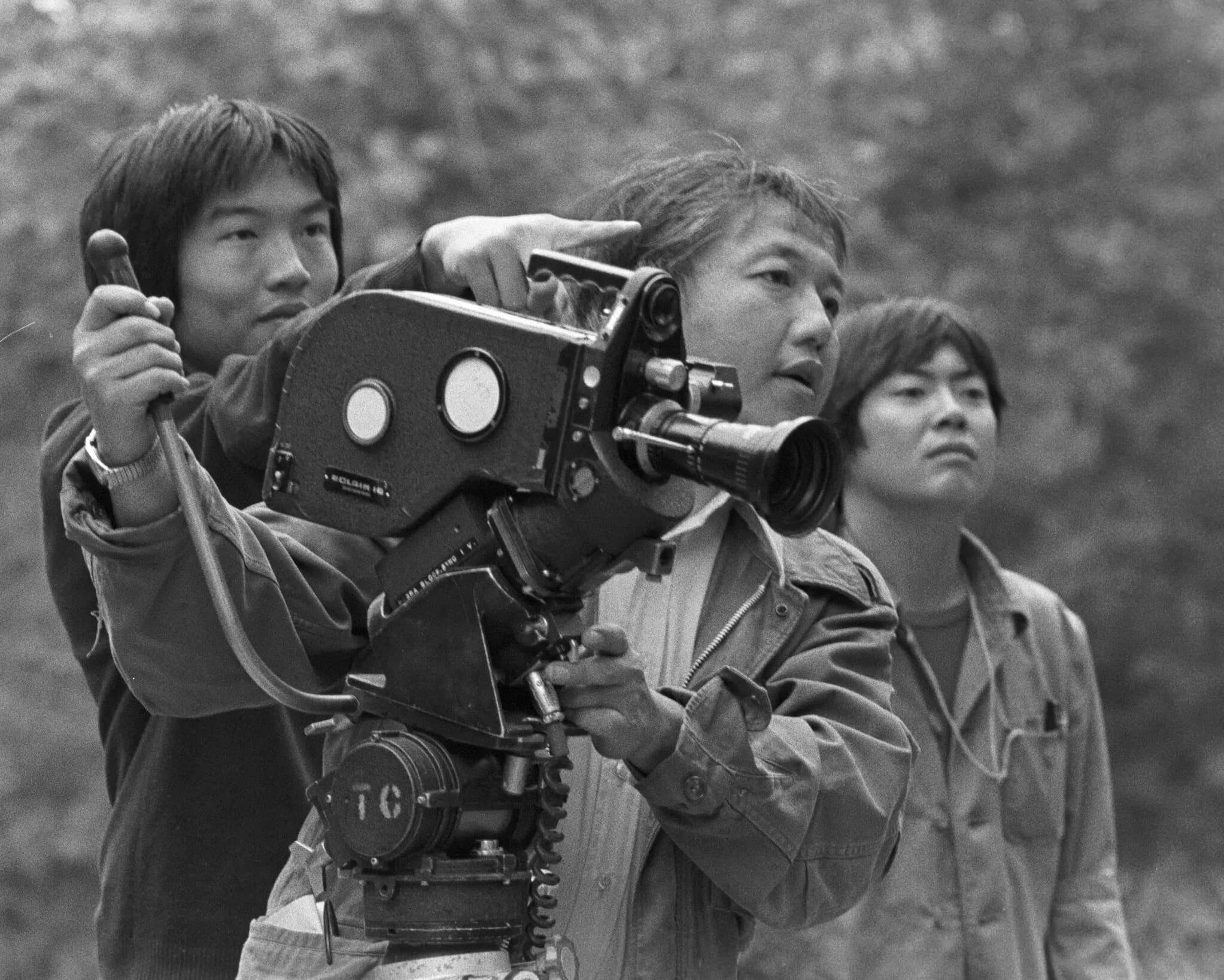
Does Asian American and Pacific Islander participation and activism in the media have the power to eliminate their invisibility?
Chapter objectives
- Learn about the ways mainstream media, independent media, and social media have played an important role in representing Asian American and Pacific Islander experiences.
- Understand how media is a powerful tool that can influence mainstream perceptions, both in positive and negative ways.
- Explore why it is important for marginalized communities to have access to representing their own stories.
Asian Americans and Pacific Islanders have become increasingly engaged with producing different forms of media such as film, television, music, journalism, and social media. Part of the reason for this rise is to combat the historical underrepresentation and misrepresentation of Asian Americans and Pacific Islanders in mainstream media that have perpetuated harmful stereotypes. This builds on the decades of work Asian American and Pacific Islander creators have done to tell their stories through independent media, using grassroots efforts to amplify their voices. Today, social media has changed the landscape for education and activism, allowing Asian Americans and Pacific Islanders to further share their stories with the world on their own terms. However, Asian American and Pacific Islander media is not perfect; its future relies on becoming more inclusive and innovative. By looking at the power of media production and representation, this chapter explores how Asian Americans and Pacific Islanders can use media as a tool for cultural transformation.
Modules in this chapter
Overview
Asian Americans and Pacific Islanders in Mainstream Media: A History
The Empowerment of Asian American and Pacific Islander Independent Media
Media and Asian American and Pacific Islander Activism
Asian American and Pacific Islander Intersections, Media, and its Futures
Overview
Asian Americans and Pacific Islanders in Mainstream Media: A History
The Empowerment of Asian American and Pacific Islander Independent Media
Media and Asian American and Pacific Islander Activism
Asian American and Pacific Islander Intersections, Media, and its Futures
Chapter Sources
Chua, Amy. Battle Hymn of the Tiger Mother. Penguin Books, 2011.
Liu, Lucy. “My success has helped move the needle. But it’ll take more to end 200 years of Asian stereotypes.” The Washington Post, April 29, 2021. https://www.washingtonpost.com/opinions/2021/04/29/lucy-liu-asian-stereotypes-hollywood/.
Nakamura, Robert A. Interview by Sharon Yamato. Densho Visual History Collection, Densho Digital Archive, November 30, 2011.
Yuen, Nancy Wang, Stacy L. Smith, Katherine Pieper, Marc Choueiti, Kevin Yao, and Dana Dinh. The Prevalence and Portrayal of Asian and Pacific Islanders across 1,300 Popular Films. Annenberg Inclusion Initiative, 2021.


