



Advanced Search
Asian American and Pacific Islander studies resources for the classroom
All chapters of Foundations and Futures include lesson plans and curricular tools that are designed for high school students and grounded in ethnic studies pedagogy. Feel free to search our repository of primary sources and material that helps bring Asian American and Pacific Islander histories and experiences into the classroom.
Multimedia
# of # results
Chapters
-
Image
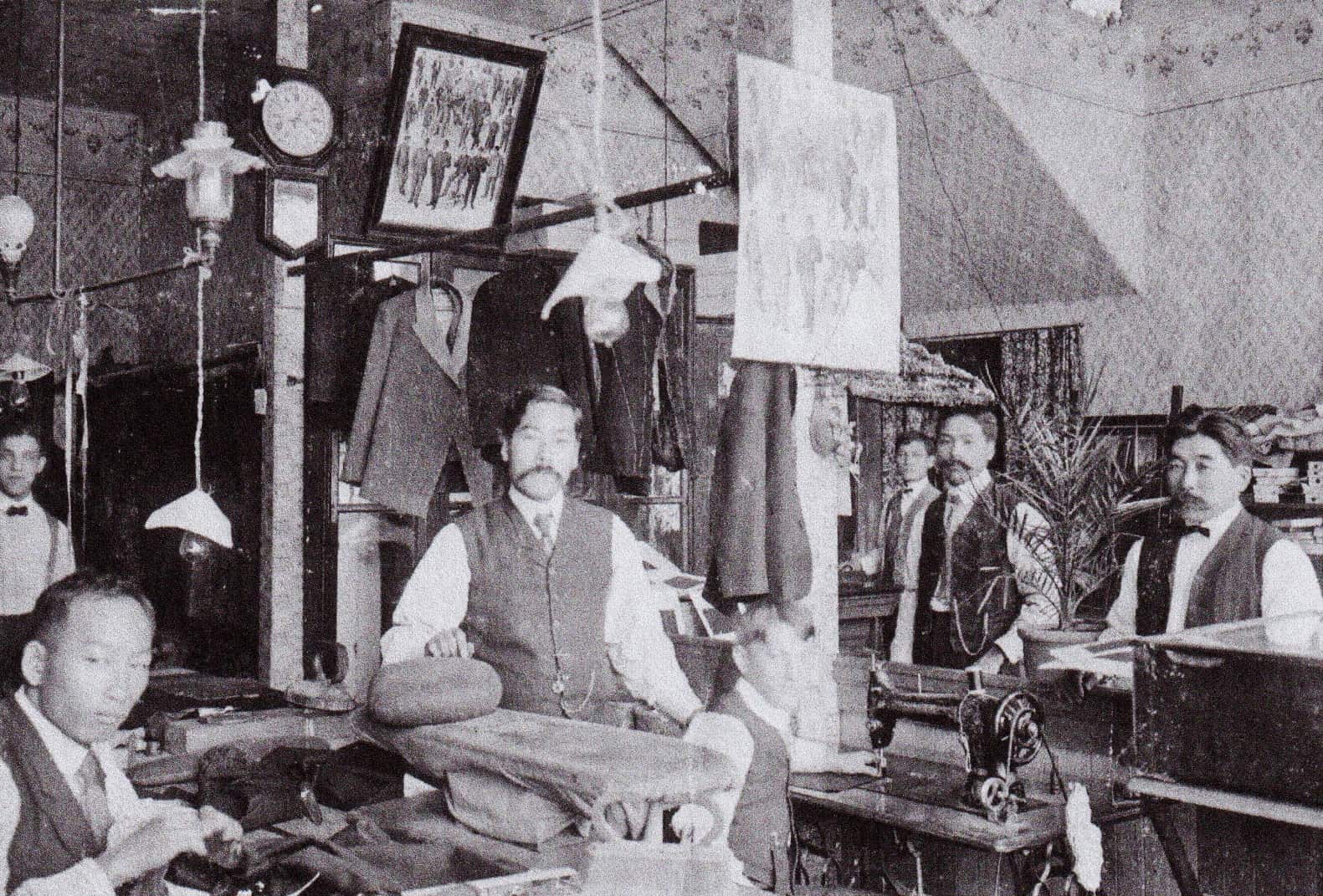
Matsuura Company Tailors
Japanese American-owned businesses, like this tailor shop in Los Angeles’ “Little Tokyo,” clustered in Japantowns on the West Coast.
-
Image
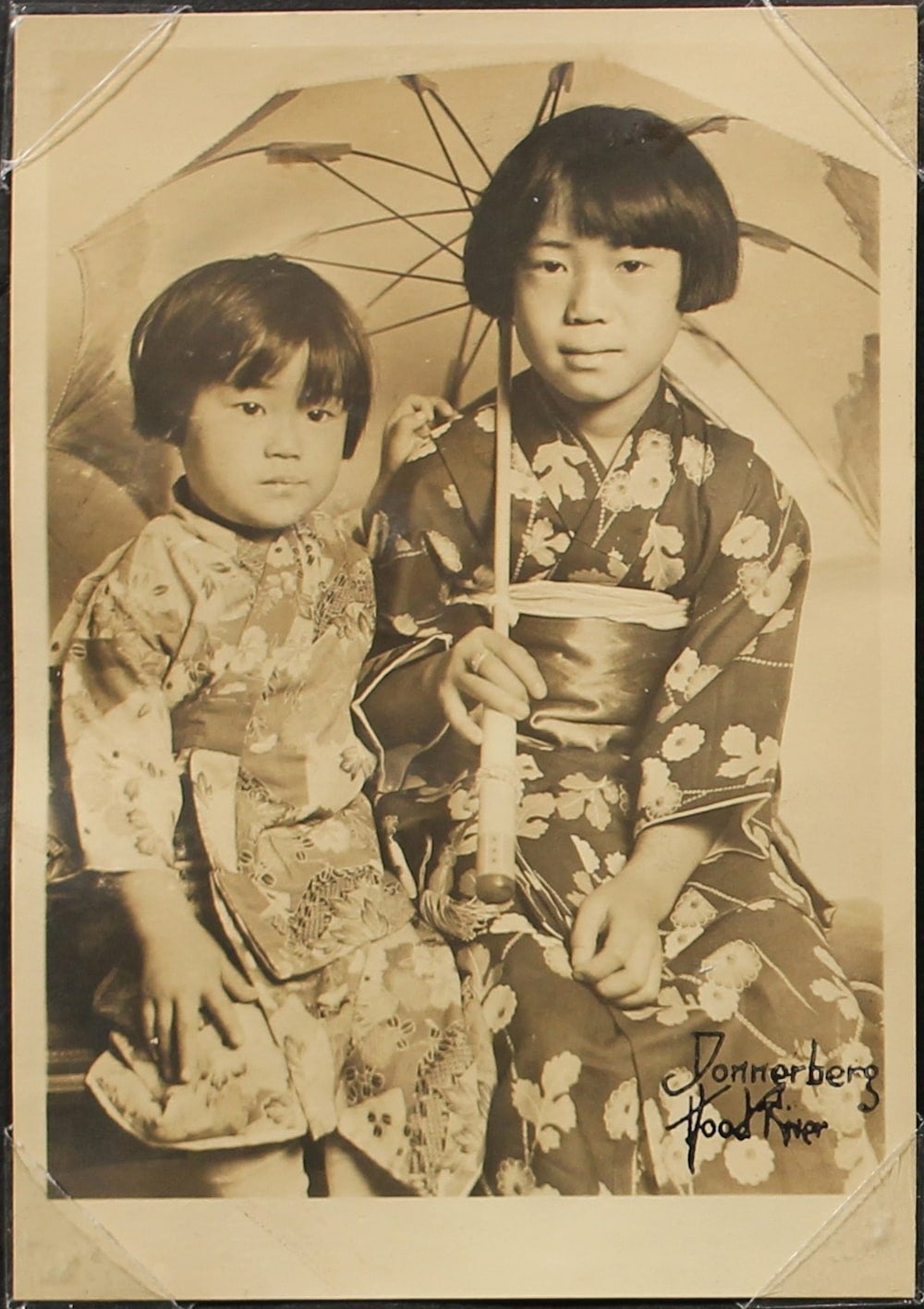
Yuka and Michi Yasui
Yuka (left) and Michi (right) Yasui, circa 1929, were raised to appreciate their Japanese heritage. Yuka also took tap and ballet lessons. Michi took piano lessons. Both girls performed publicly, even appearing on a Portland radio program, Stars of Tomorrow.
-
Image
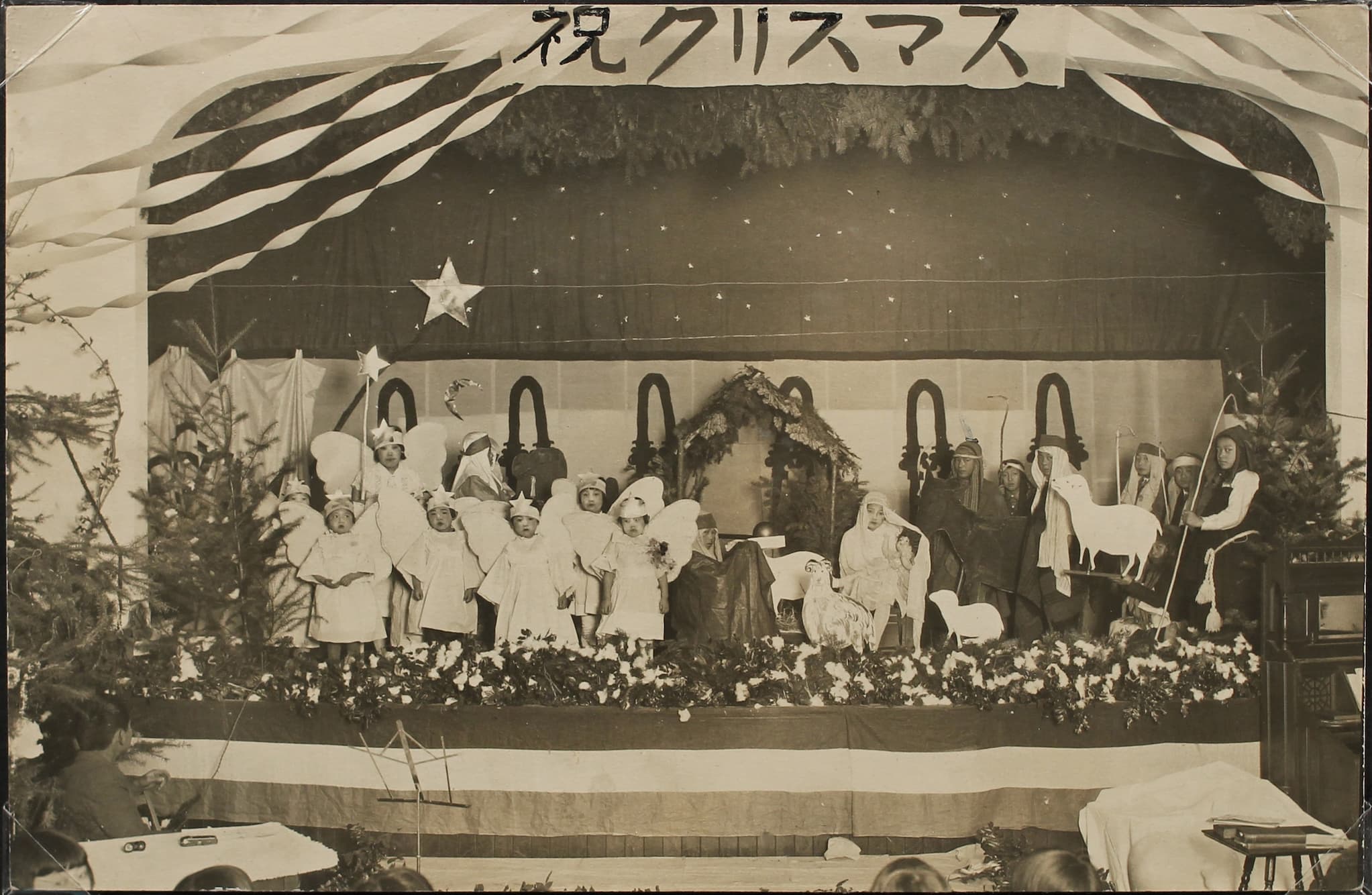
Japanese Community Hall Christmas pageant in Hood River, Oregon
Christmas pageant inside the Hood River Japanese Community Hall, circa 1931.
-
Image
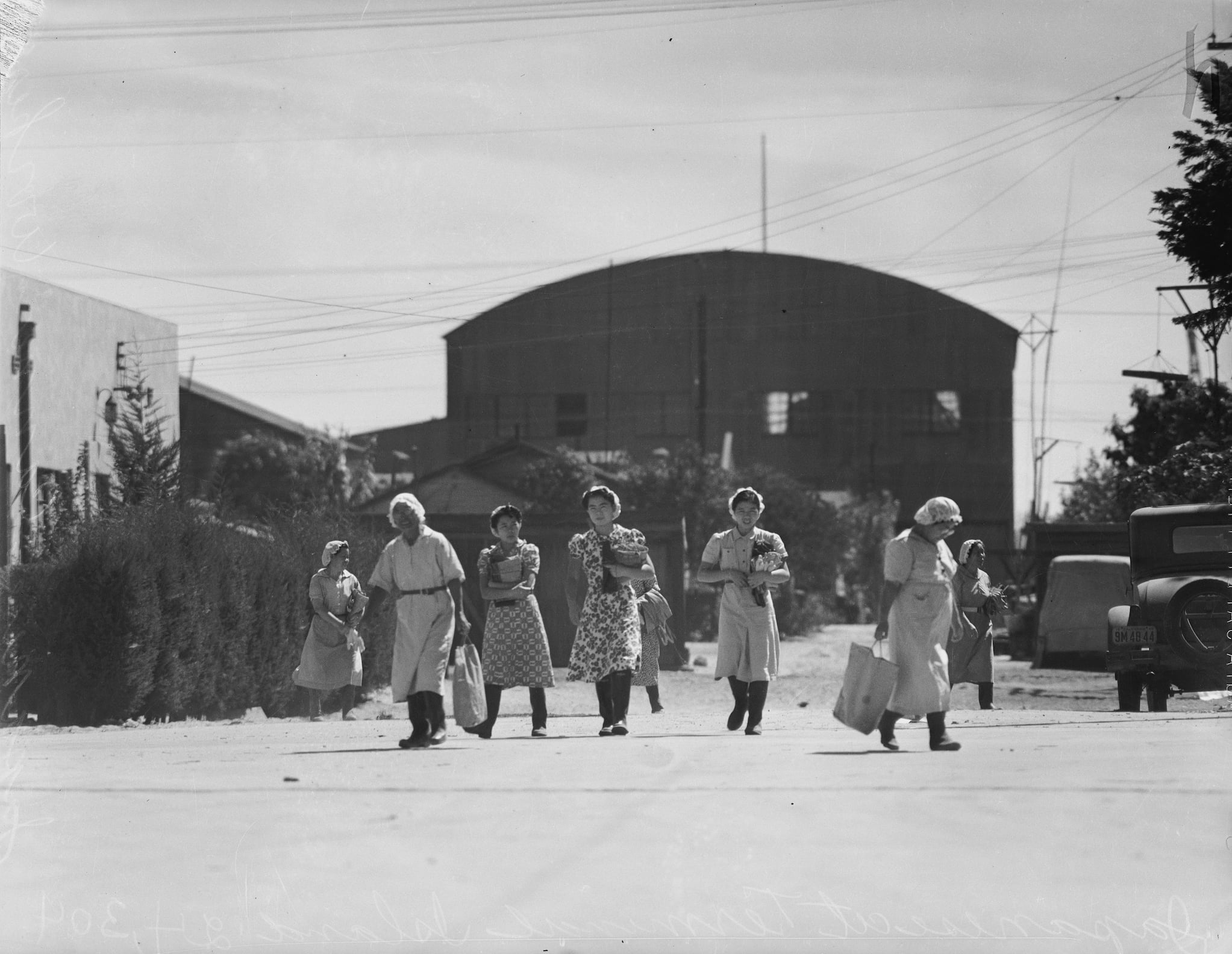
Terminal Island Cannery Workers
Japanese American women leaving work at a fish cannery on Terminal Island. Issei established fishing communities there and in San Diego and Monterey, California.
-
Image
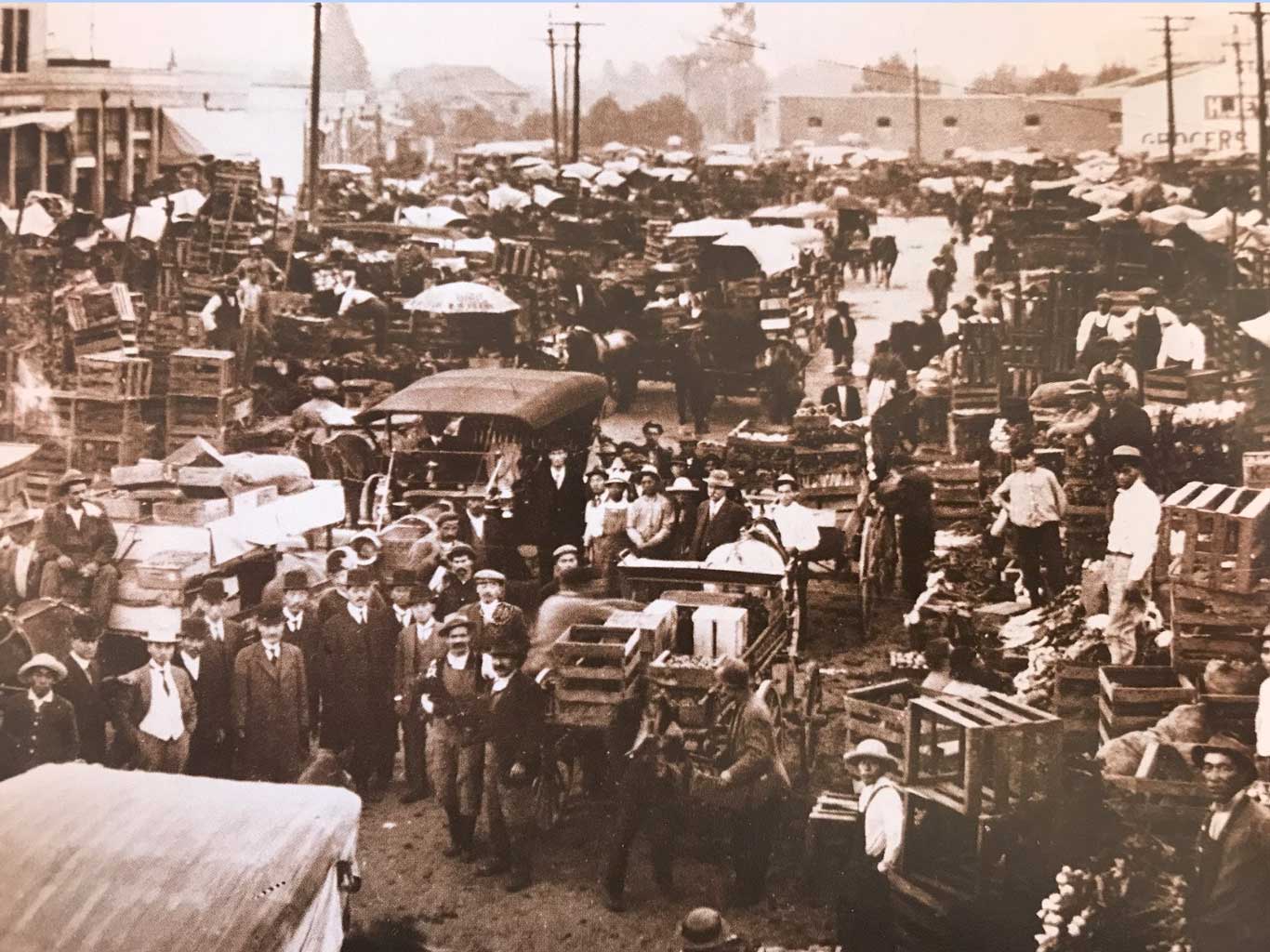
City Market of Los Angeles
Issei farmers and businessmen founded the City Market of Los Angeles in 1909 to sell and promote the produce Japanese farmers raised. Similarly, Issei growers established the Southern California Flower Market in 1912, the first major wholesale flower market in Los Angeles.
-
Text
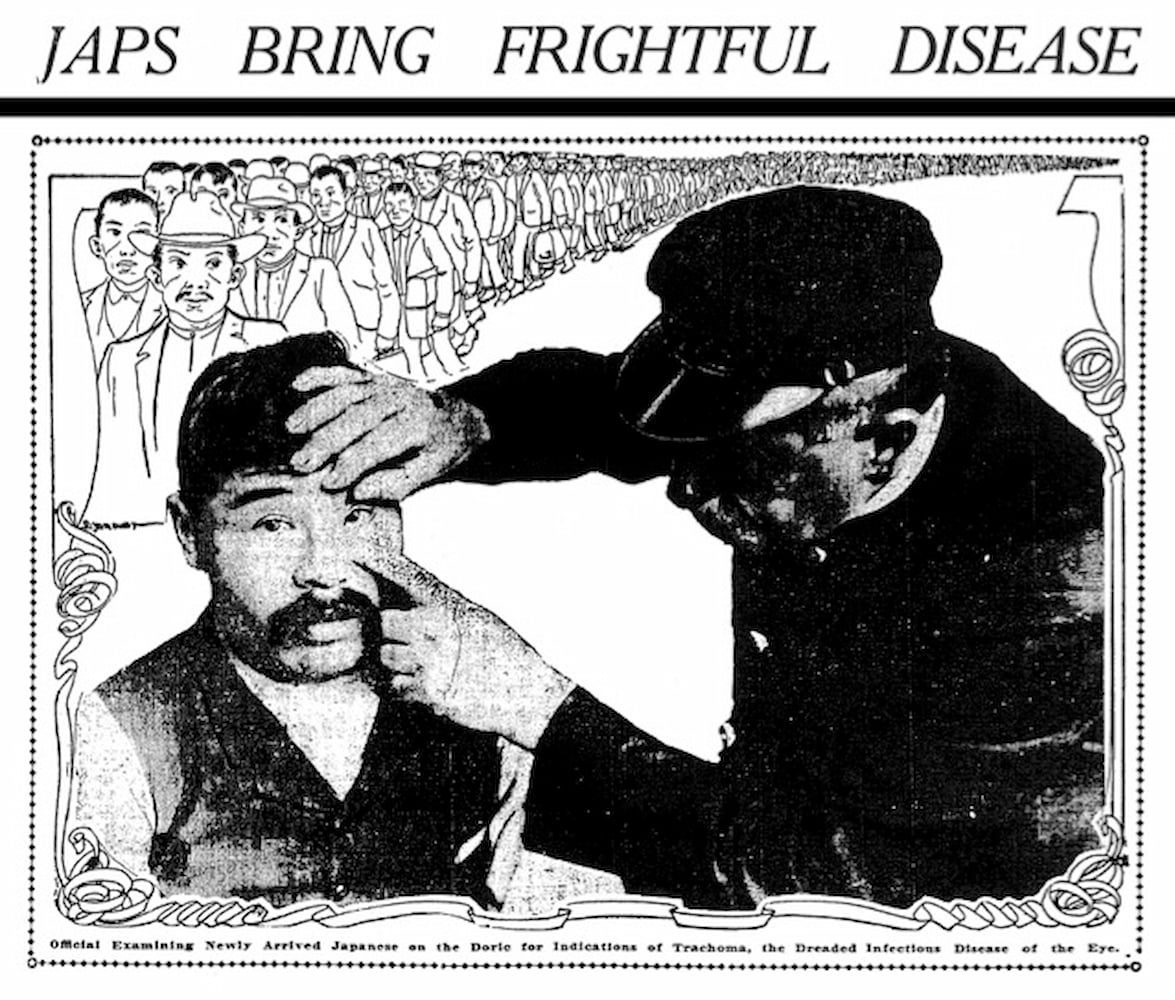
“Japs Bring Frightful Disease”
This photo accompanied a 1905 article in the San Francisco Chronicle newspaper that inaccurately characterized Japanese immigrants as disease carriers who were threats to public health.
-
Image
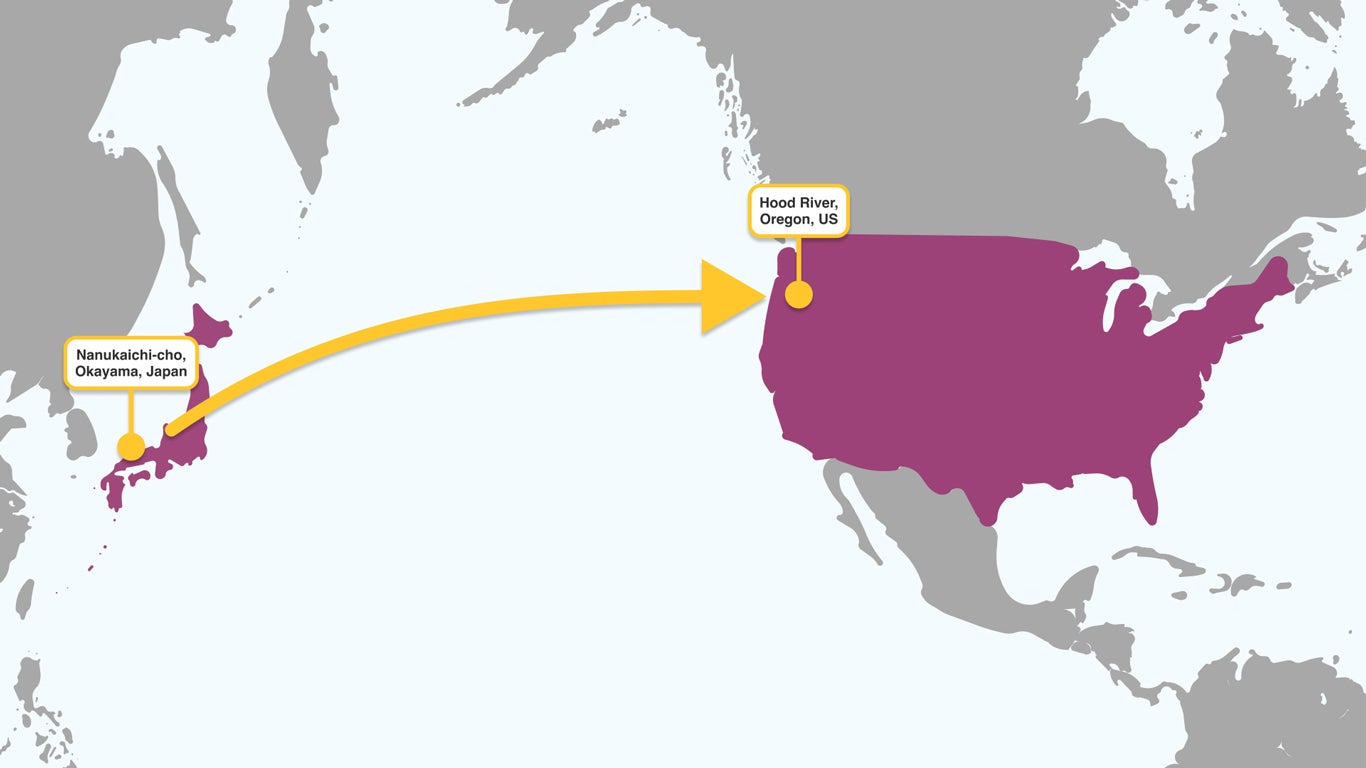
Japan to Hood River Valley Map
Map pinpointing the area from which Masuo and Shidzuyo immigrated and also pinpointing the Hood River Valley.
-
Image
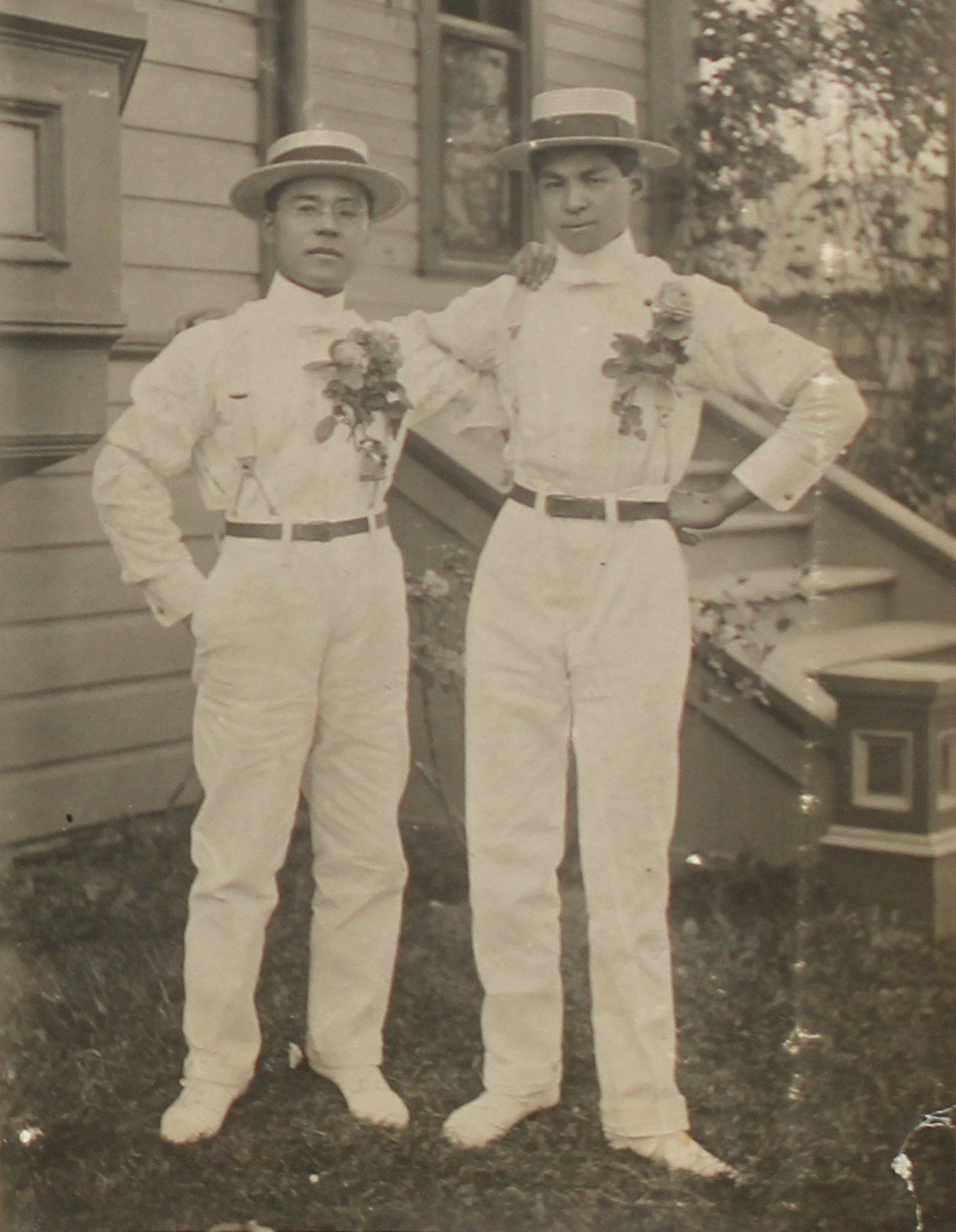
Masuo Yasui and Friend Katsusaburo Tamura
Masuo Yasui (left) with a friend, circa 1907, outside the Portland Japanese Methodist Mission where Masuo lived at the time.
-
Image
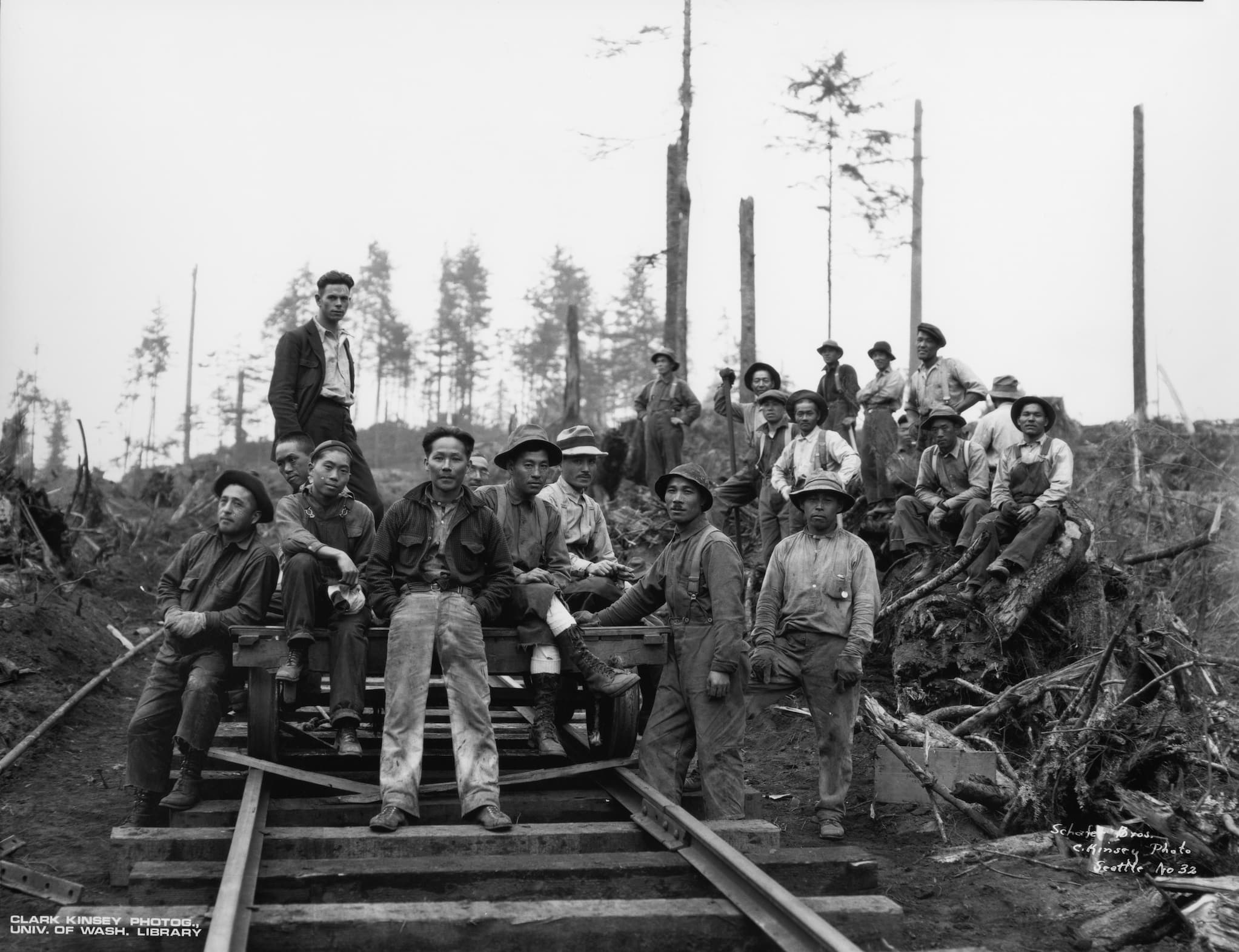
Japanese Railroad Workers
Between 1890 and 1907, about 132,000 young Japanese men came to the continental United States. Many, like Masuo Yasui’s father and brothers, and the men pictured here, built the railroads that crossed western and Rocky Mountain states.
-
Image
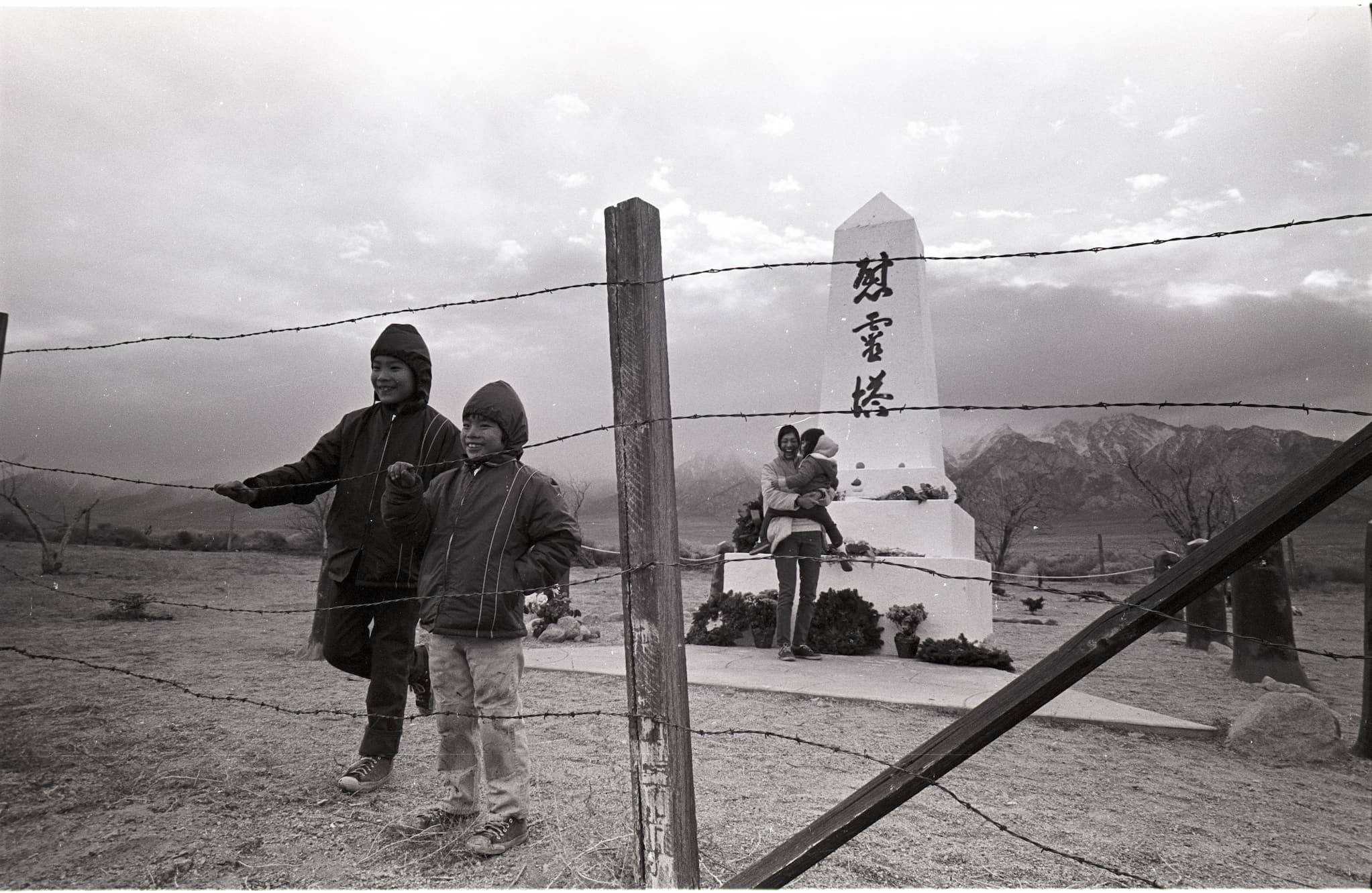
Boys in Front of Manzanar Cemetery Monument
To ensure that this history is not forgotten, Japanese Americans have organized pilgrimages to former campsites, and they have advocated for preservation of some as educational centers. Pictured here are participants in the first pilgrimage, in 1969, to the site of the Manzanar camp.
Chapters
# of # results
-
Chapter
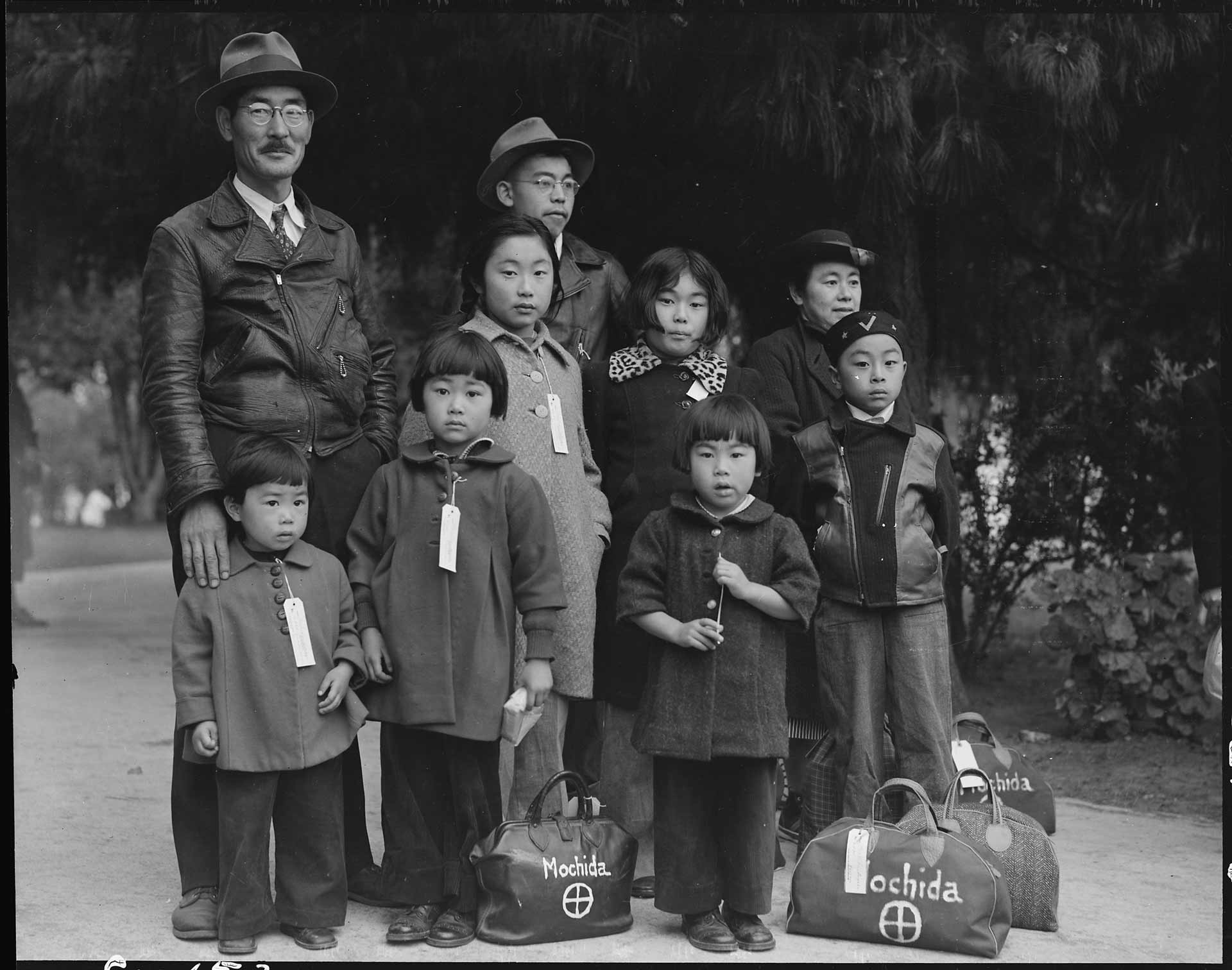
Chapter Overview: Incarceration of Japanese Americans During World War II
Stan Yogi
-
Module
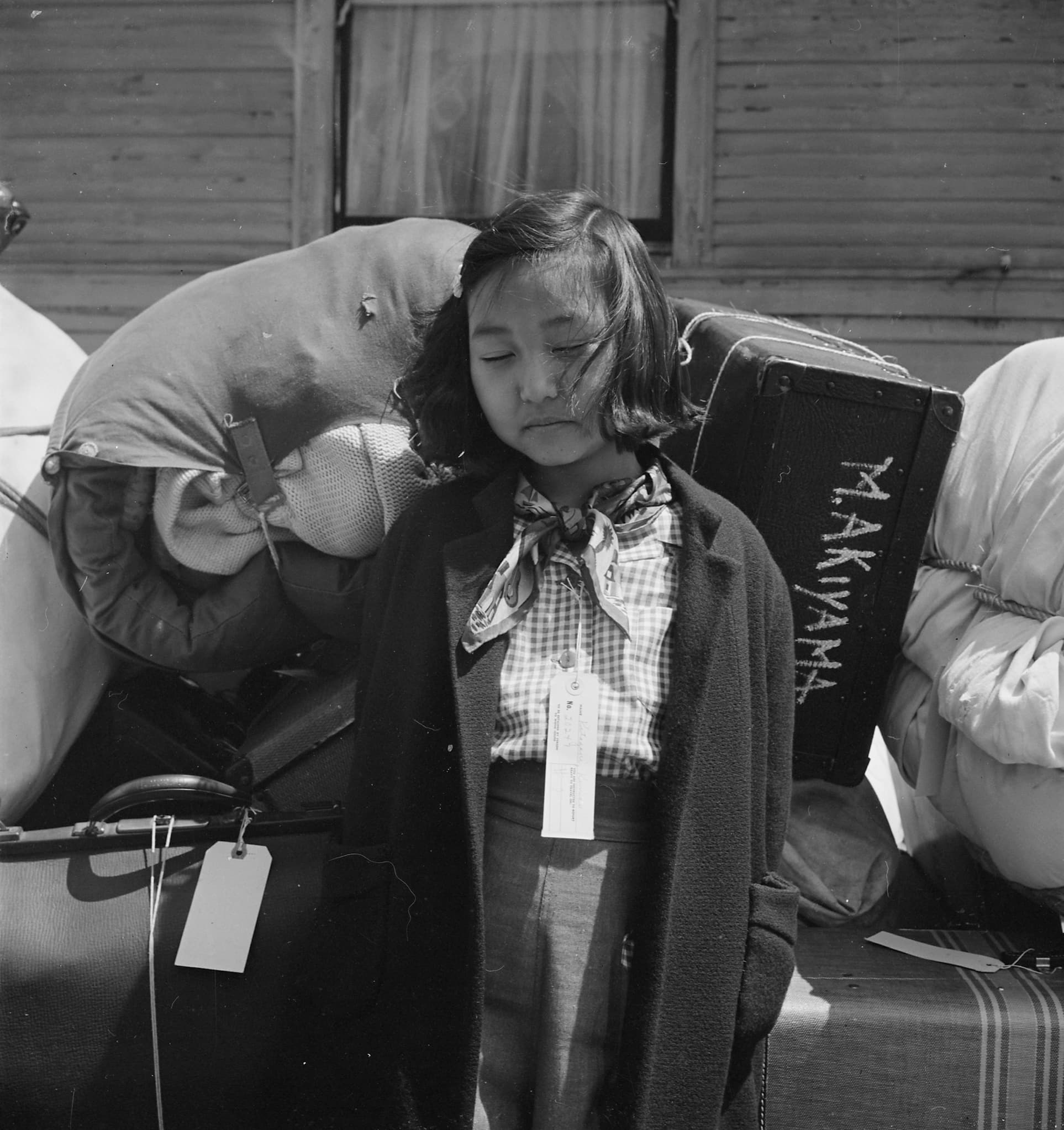
Module 1: Overview and Introduction
Stan Yogi
-
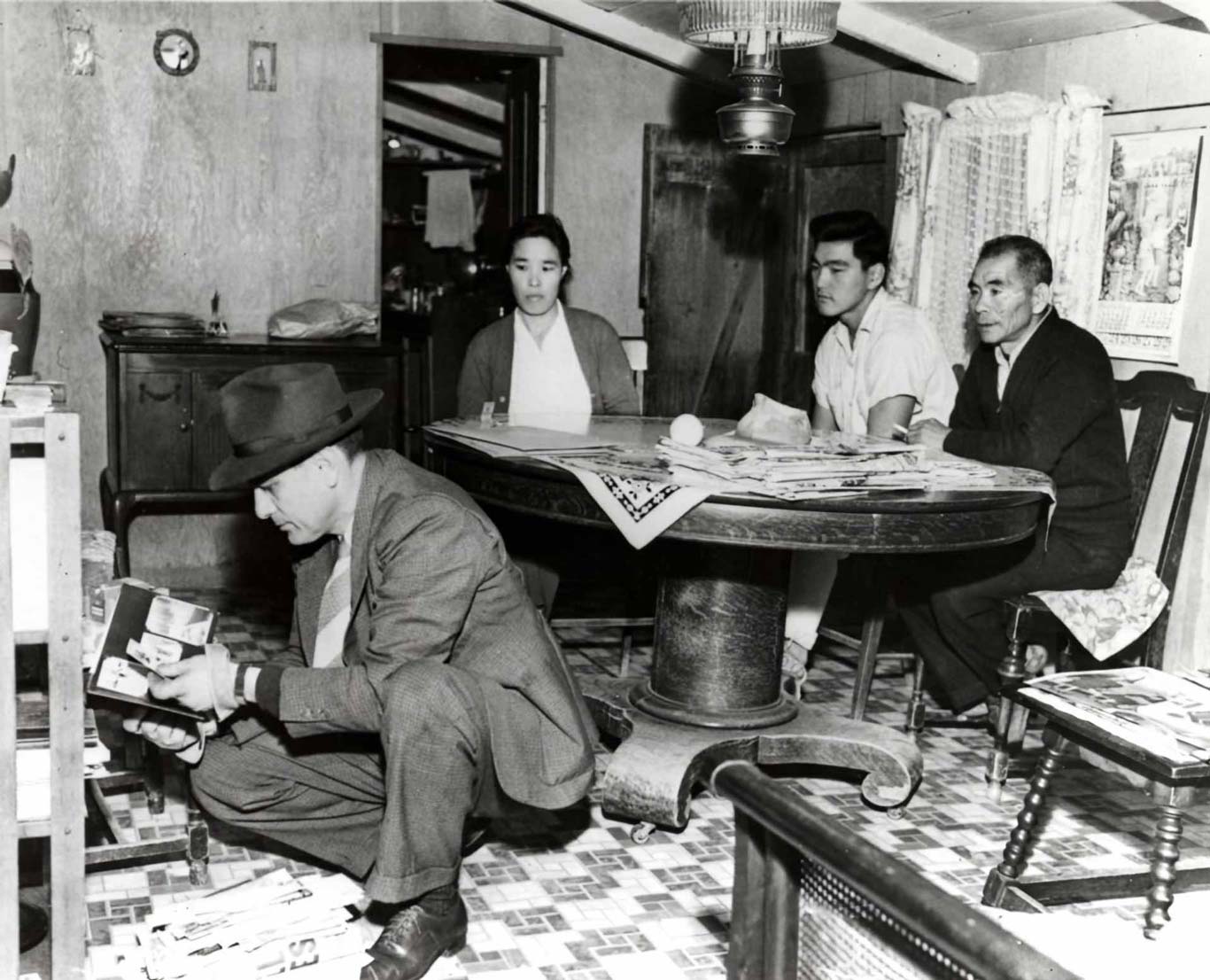
Module
Module 2: Setting the Stage for Japanese American Mass Incarceration
Stan Yogi
-
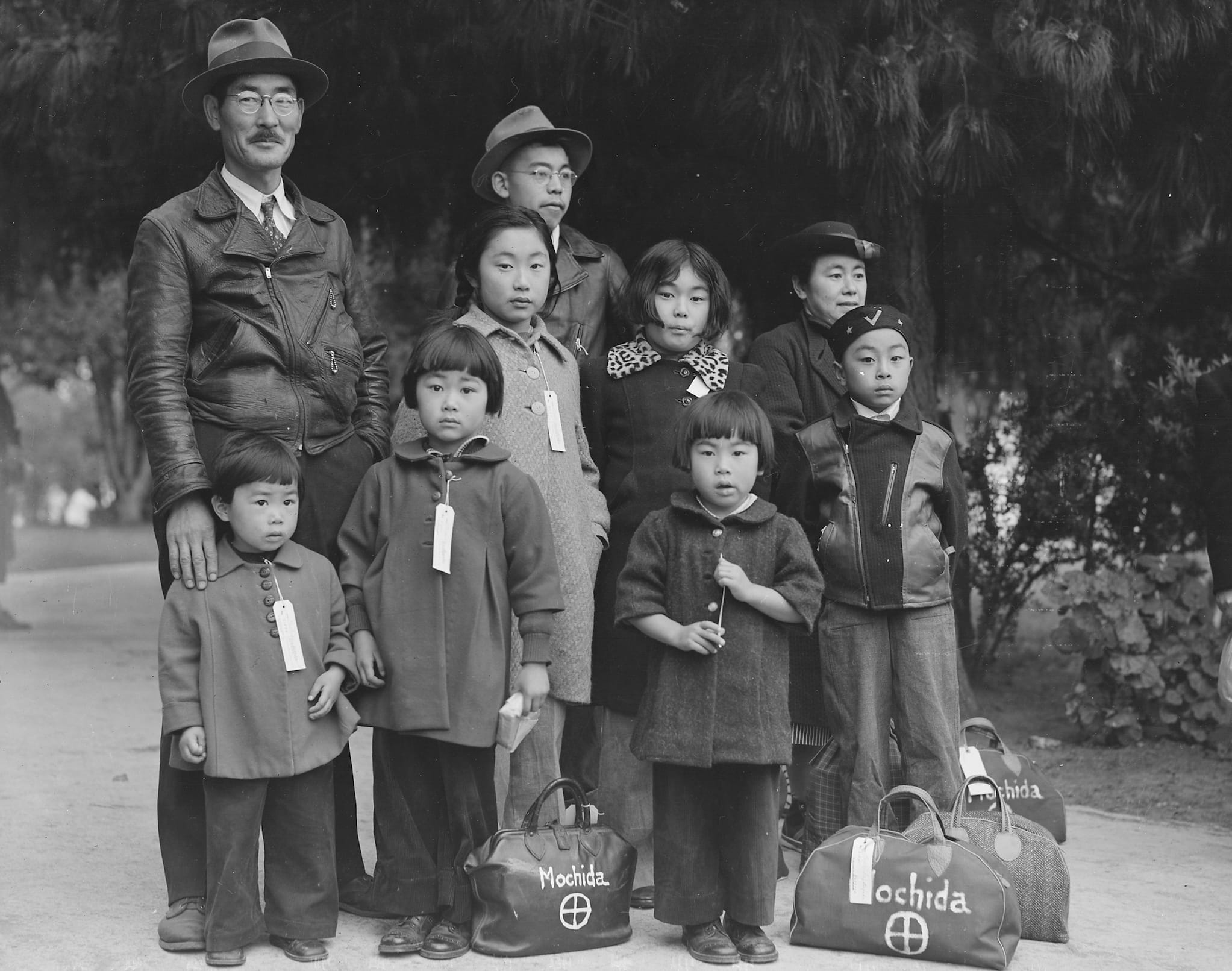
Module
Module 3: Forced Uprooting and Incarceration
Stan Yogi
-
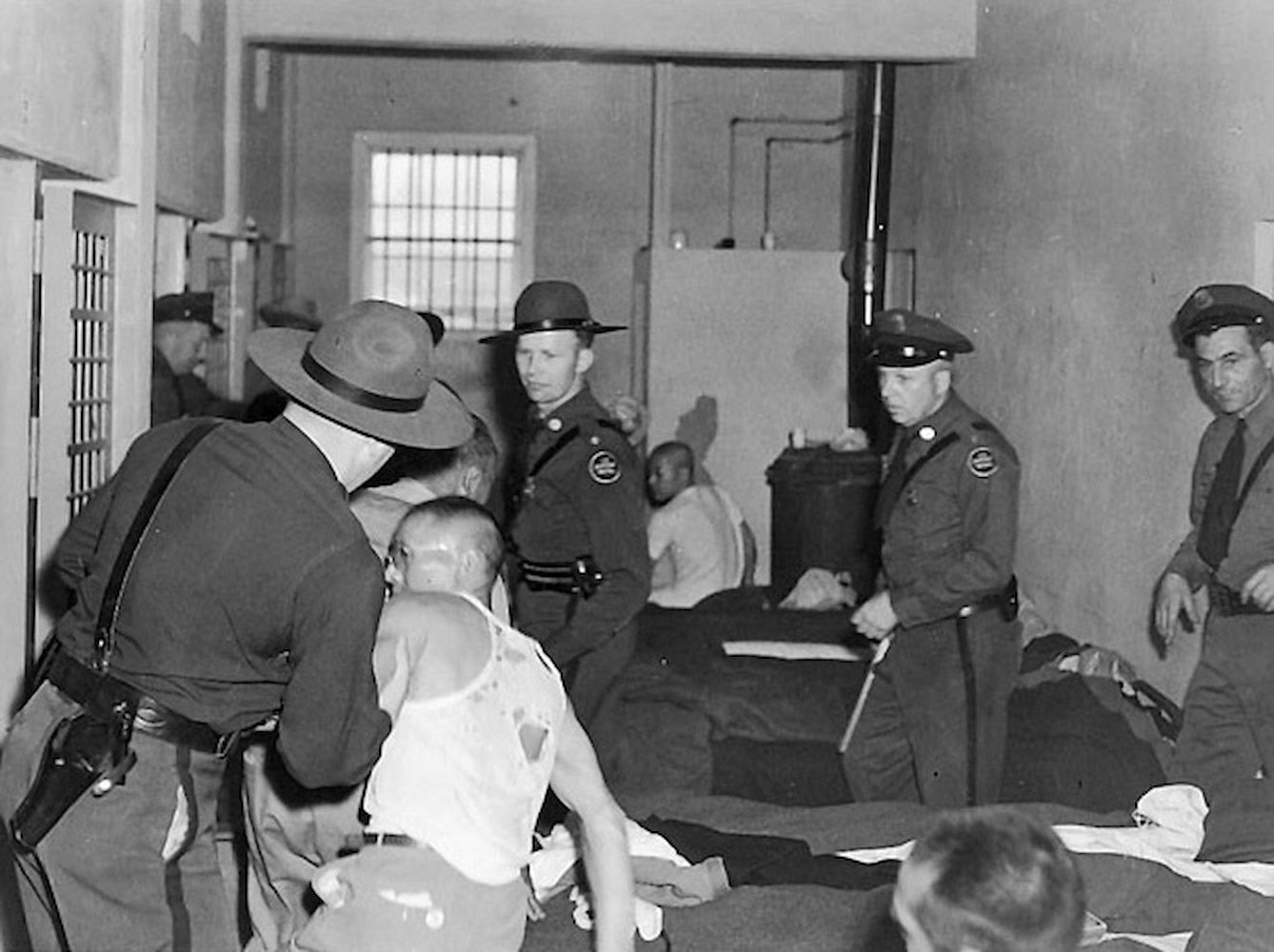
Module
Module 4: Cooperation, Resistance, and Dissent
Stan Yogi
-
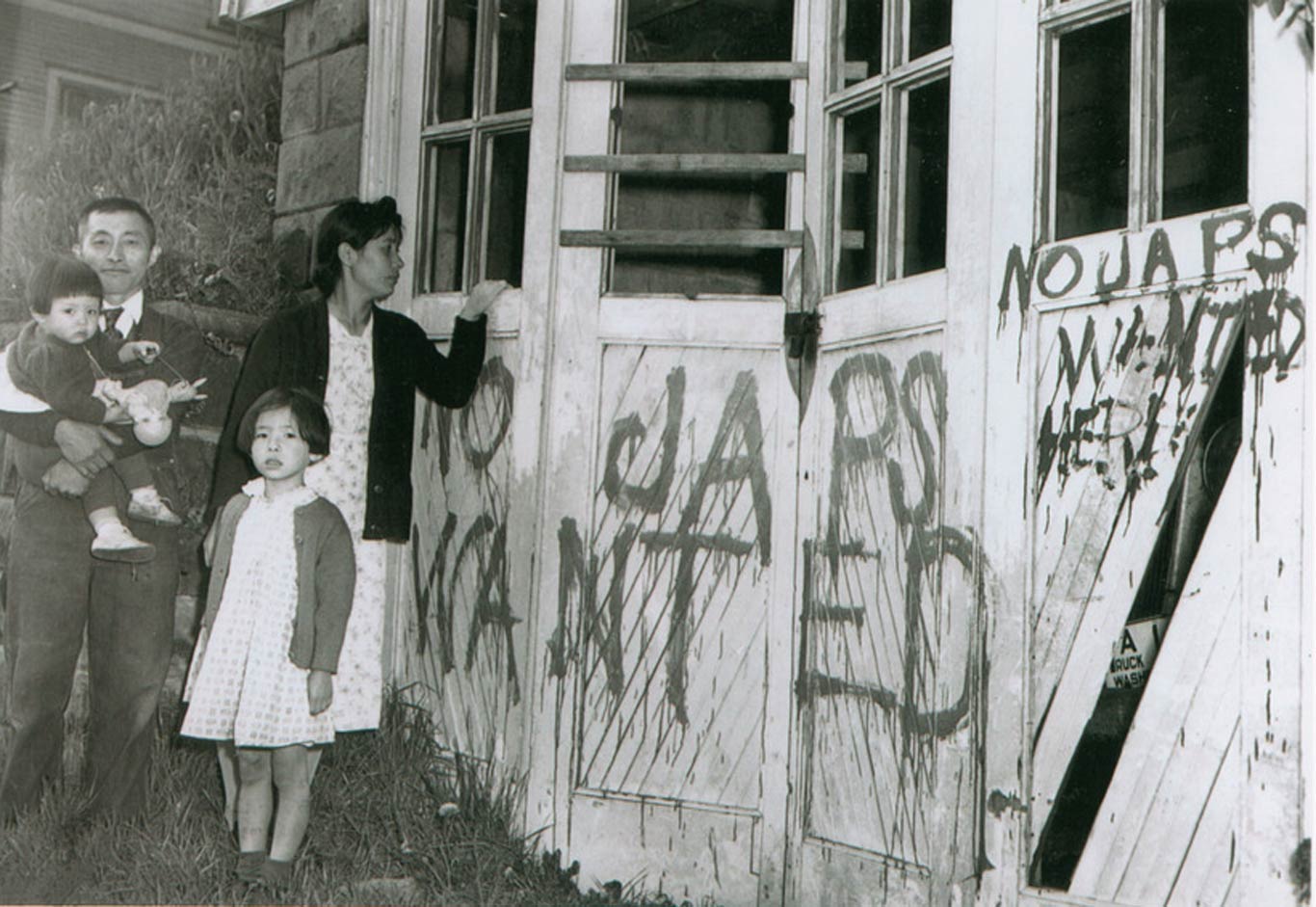
Module
-
Module
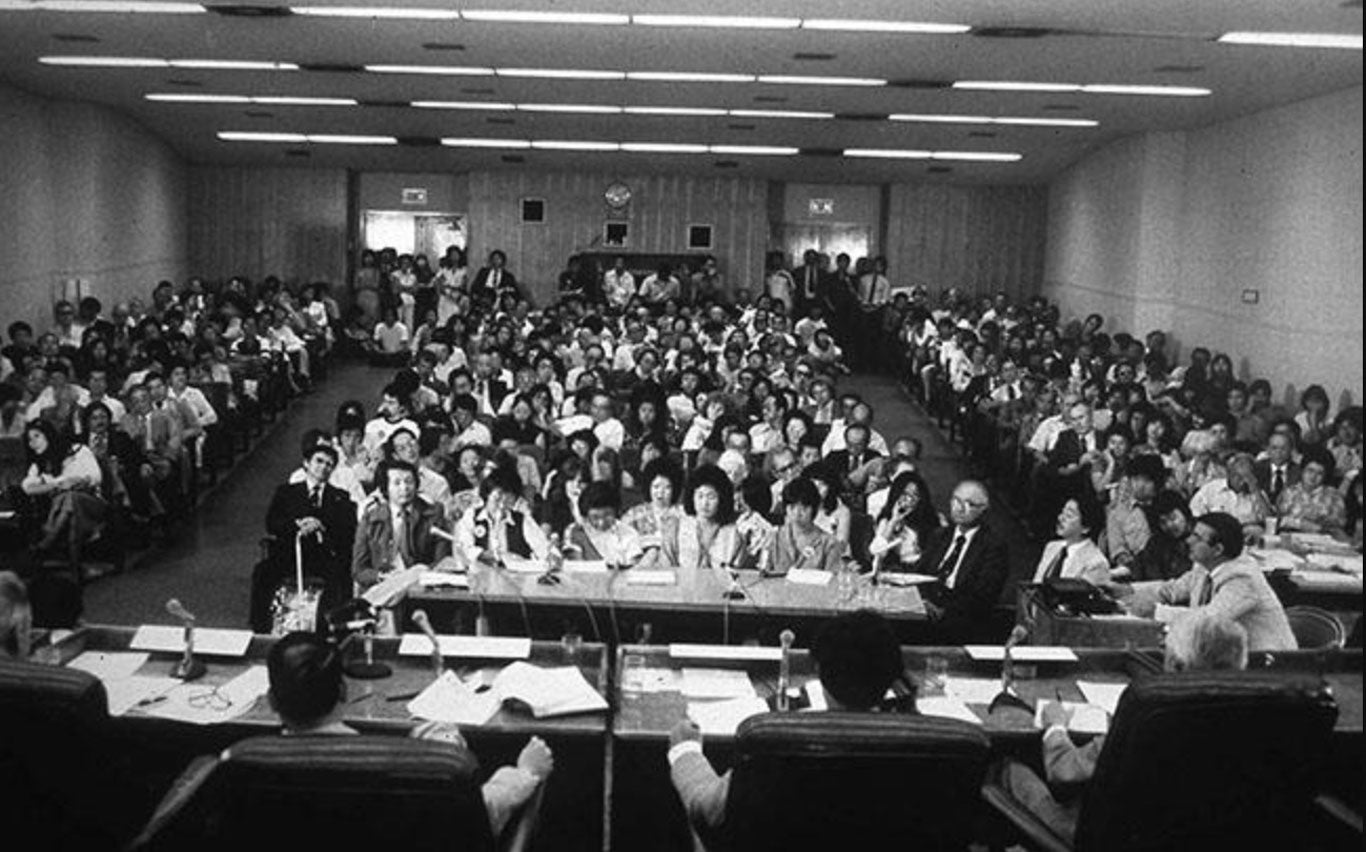
Module 6: Redress and Solidarity
Stan Yogi
-
Chapter
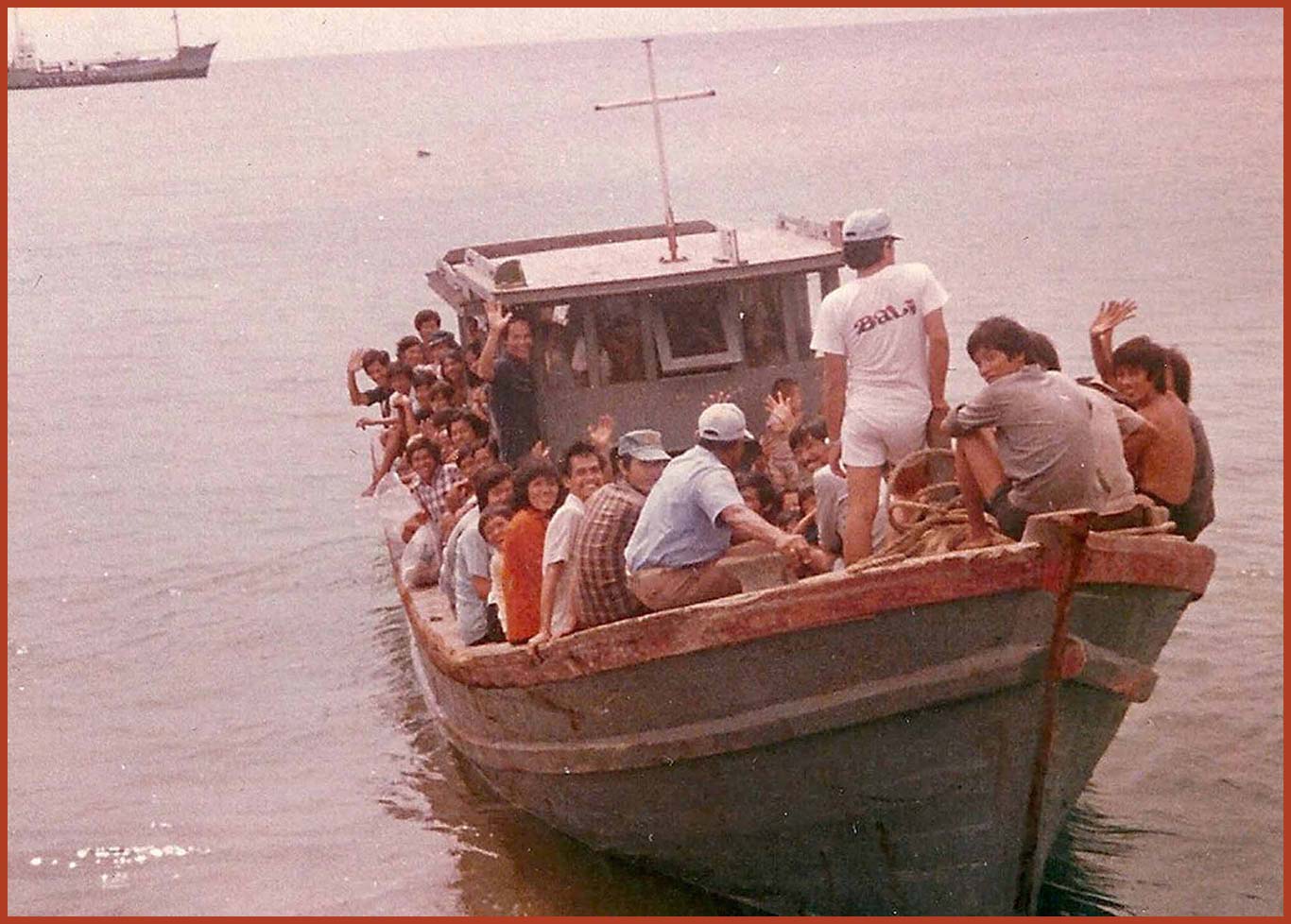
Chapter Overview: Vietnamese American Experiences
Thuy Vo Dang
-
Module
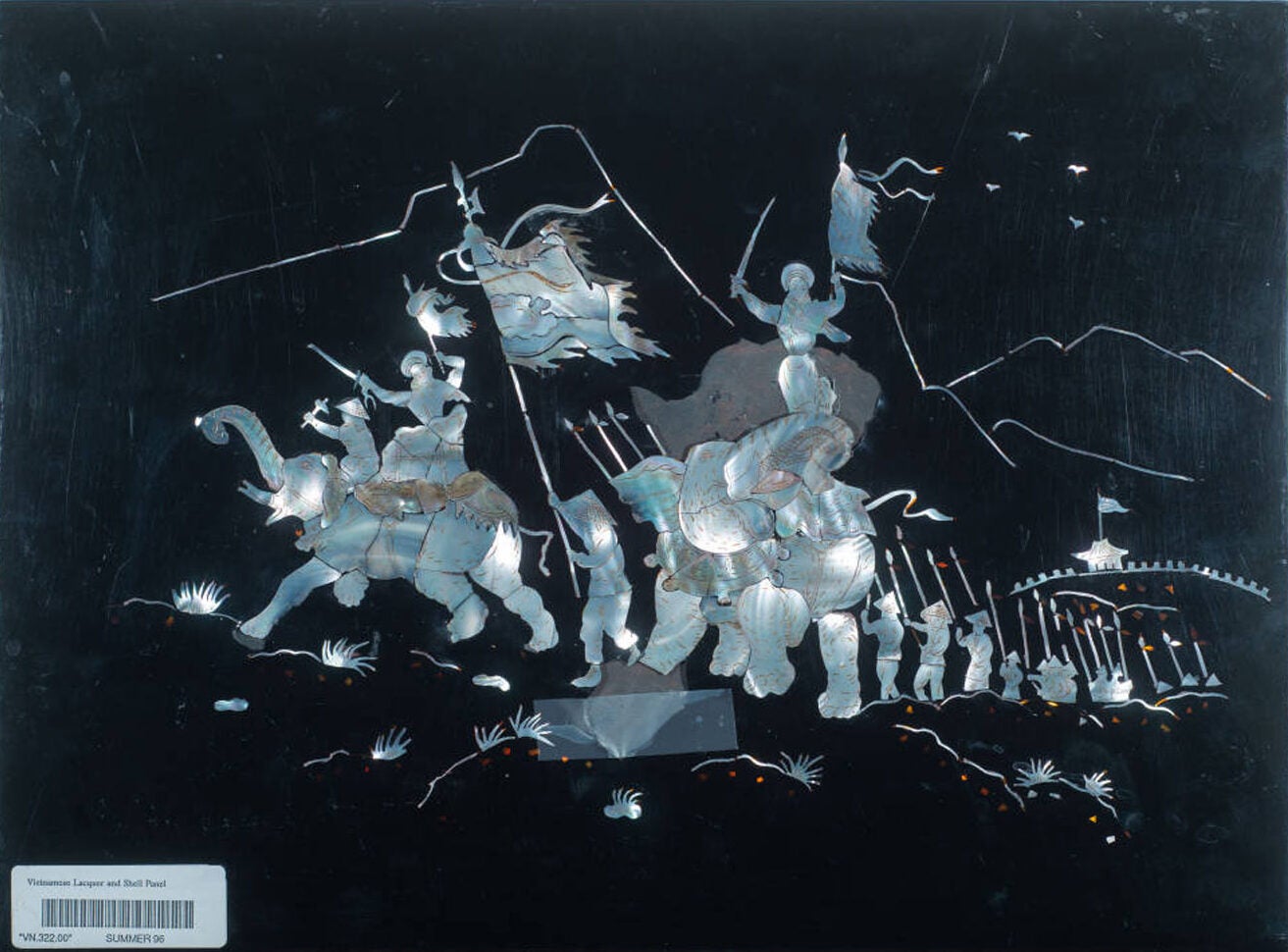
Module 1: An Introduction to Vietnamese Americans
Thuy Vo Dang
Chapter:
Vietnamese American Experiences