



PEOPLE AND EVERYDAY LIFE
Asian American Popular Culture
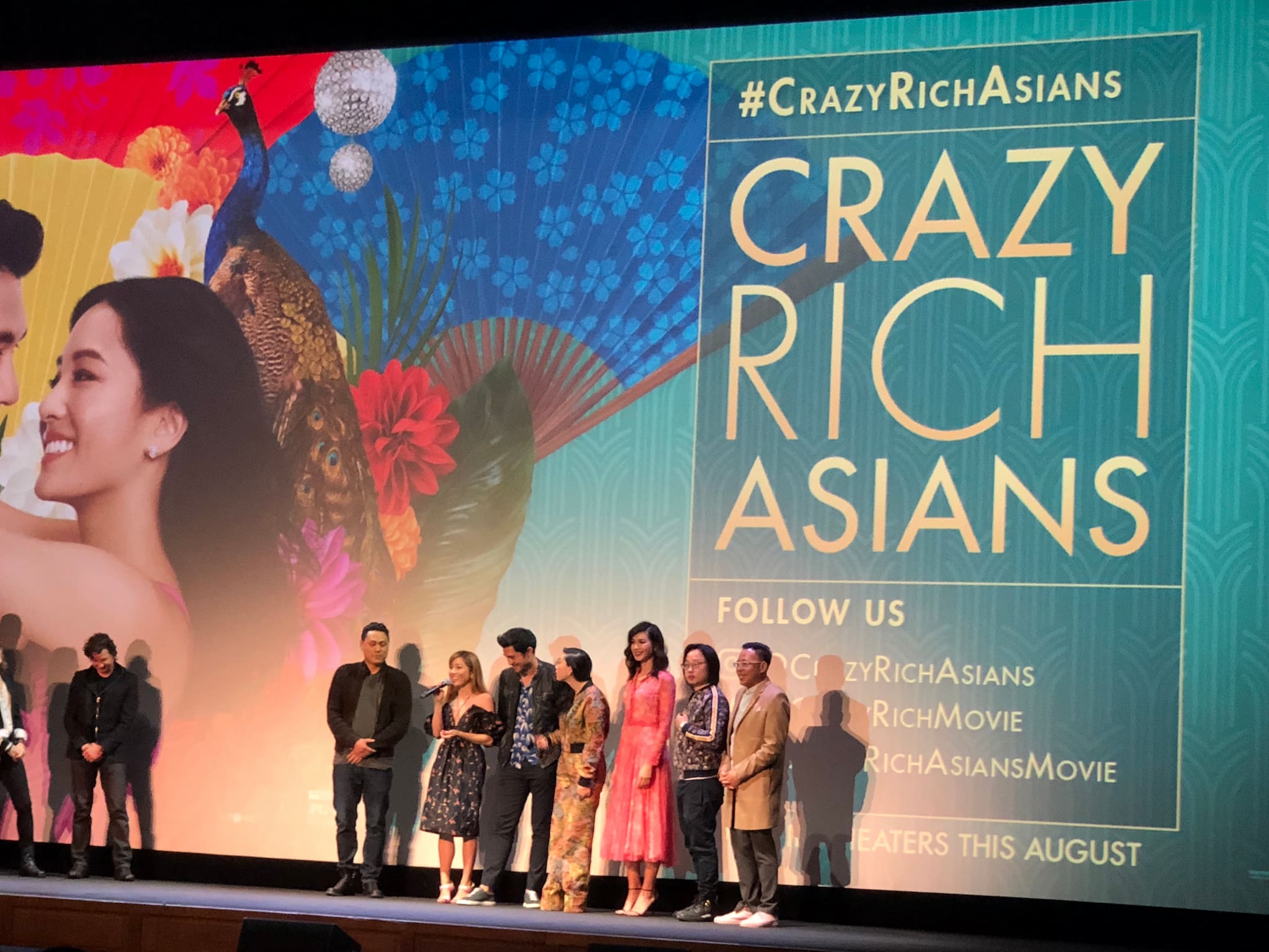
Can pop culture combat racism toward Asian Americans?
Chapter objectives
- Learn the history of Asian Americans in American popular culture.
- Understand the outsized role that popular culture plays in the way Asian Americans are seen, imagined, and understood in US society.
- Explore the impact of popular culture representation and inclusion (or misrepresentation and absence) on America’s attitudes toward Asian Americans.
The chapter uses the concept of “pop culture” (popular culture) to characterize the ever-expanding array of content we experience via mass media. This information universe plays a major role in shaping how we see, and are seen by, the world. Exploring pop culture challenges us to consider how perception influences reality, while examining the role that media and technology play in how we interact with one another. Pop culture stereotypes can fuel false narratives and that lead to real-world harm. Positive pop culture images can raise empathy for people of different backgrounds, prompt viewers toward greater goals, and encourage them to embrace their own creativity. Absence from popular culture can be associated with feelings of low self-esteem. The lack of direct exposure that most Americans have had to Asians and Asia makes pop culture a primary means by which Asian people, ideas, and traditions are understood—or misunderstood. For Asian Americans, pop culture has been a core part of how we have retained ties to ancestral heritages and built bridges to other communities.
Modules in this chapter
An Introduction to Asian American Popular Culture
Asian Americans and the Moving Image, Part 1: Film and Television
Asian Americans and the Moving Image, Part 2: Media Activism, Community Advocacy, and New Hollywood
Asian Americans in Music, Part 1: Folk, Traditional, Jazz, and Classical
Asian Americans in Music, Part 2: Pop, Rock, and Hip Hop
Asian Americans in Sport and Competition, Part 1: Individual and Team Sport
Asian Americans in Sport and Competition, Part 2: International Play
An Introduction to Asian American Popular Culture
Asian Americans and the Moving Image, Part 1: Film and Television
Asian Americans and the Moving Image, Part 2: Media Activism, Community Advocacy, and New Hollywood
Asian Americans in Music, Part 1: Folk, Traditional, Jazz, and Classical
Asian Americans in Music, Part 2: Pop, Rock, and Hip Hop
Asian Americans in Sport and Competition, Part 1: Individual and Team Sport
Asian Americans in Sport and Competition, Part 2: International Play
Chapter Sources
The Asian American Foundation, “STAATUS Index 2025” (May 2025).
ClassicTVGuide.com, “TV Ratings: 1963-1964.” ClassicTVGuide.com. https://classictvguide.com/tvratings/1963.htm.
Dong, Arthur, director. Forbidden City, U.S.A.. Deep Focus Productions Inc., 1989. 56 minutes.
Dong, Arthur, director. Hollywood Chinese: The Chinese in American Feature Films. Angel City Press, 2019. 56 and 89 minutes.
Geena Davis Institute In Collaboration with / Coalition of Asian Pacifics in Entertainment and/ Gold House., “I Am Not a Fetish or Model Minority: Redefining What it Means to Be API in the Entertainment Industry.” Geena Davis Institute. (August 2021). https://geenadavisinstitute.org/research/api-study-i-am-not-a-fetish-or-model-minority.
Kodé, Anna. “A Hollywood Star With a Secret That Could Have Ended Her Career.” The New York Times, March 9, 2025. https://www.nytimes.com/2025/03/09/arts/merle-oberon-south-asian-hollywood-star.html.
Krogstad, Jens Manuel and Im, Carolyne. “Key Facts About Asians in the U.S.” Pew Research Center. May 1, 2025. https://www.pewresearch.org/short-reads/2025/05/01/key-facts-about-asians-in-the-us/.
Kuo-Wei Tchen, John and Yeats, Dylan. Yellow Peril!: An Archive of Anti-Asian Fear. Verso, 2014.
Menchavez, Richie, Traktivist.com, website, 2015-present.
Mishra, Shrishty. “Enter the Dragon Returns to Theaters for 50th Anniversary.” Collider.com. July 17, 2023. https://collider.com/enter-the-dragon-50th-anniversary-4k-screenings/.