



Module 4: Anti-Miscegenation Laws
Who “belongs” in the United States?
Salvador Roldan arrived in Los Angeles, California from the Philippines in 1925. He wanted to attend medical school, but instead picked up work as a “houseboy,” serving a white family in Pasadena. He met Marjorie Rogers, an aspiring actress from England, at a nearby tennis court. He asked her out, they began dating, and in 1931 they wanted to marry. Roldan applied for a marriage license, but the county of Los Angeles rejected his application.
Since the late nineteenth century, California banned marriages between white people to Black, Asian, and multiracial people. This module is an overview of various anti-miscegenation laws that restricted Chinese, Japanese, and Filipino people (usually men) from marrying white people (usually women). Exclusionary groups and scientific racism reinforced these laws, further racializing Asian groups as threatening, dangerous, disease-carrying, and undeserving of equal treatment to white people in the United States.
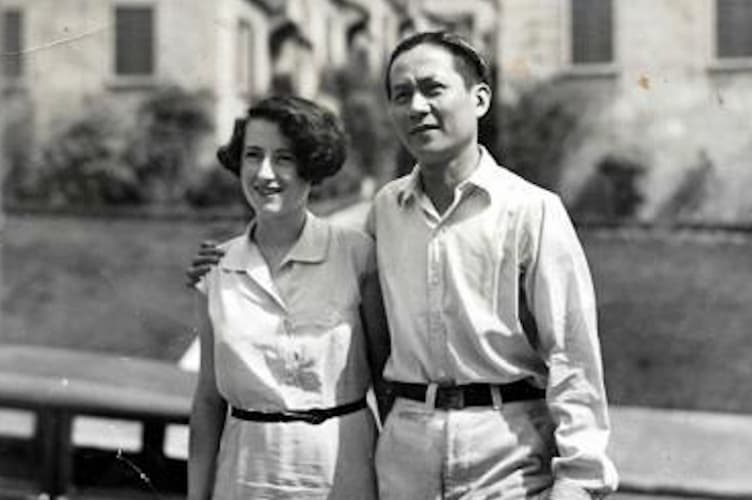
Image 42.04.01 — Salvador Roldan, a Filipino immigrant, and Marjorie Rogers, a white Englishwoman, had their marriage license revoked in 1933 due to California’s anti-miscegenation laws.
Courtesy of Unknown, “Marjorie and Salvador Roldan,” Photograph, date unknown, Pasadena Digital History Collaboration, https://www.pasadenadigitalhistory.com/exhibit-salvador-and-marjorie-roldan. Metadata ↗
Who had the right to marry?
Could you love who you wanted?
What were anti-miscegenation laws and how did Asian Americans challenge them?