



Advanced Search
Asian American and Pacific Islander studies resources for the classroom
All chapters of Foundations and Futures include lesson plans and curricular tools that are designed for high school students and grounded in ethnic studies pedagogy. Feel free to search our repository of primary sources and material that helps bring Asian American and Pacific Islander histories and experiences into the classroom.
Multimedia
# of # results
Chapters
-
Text
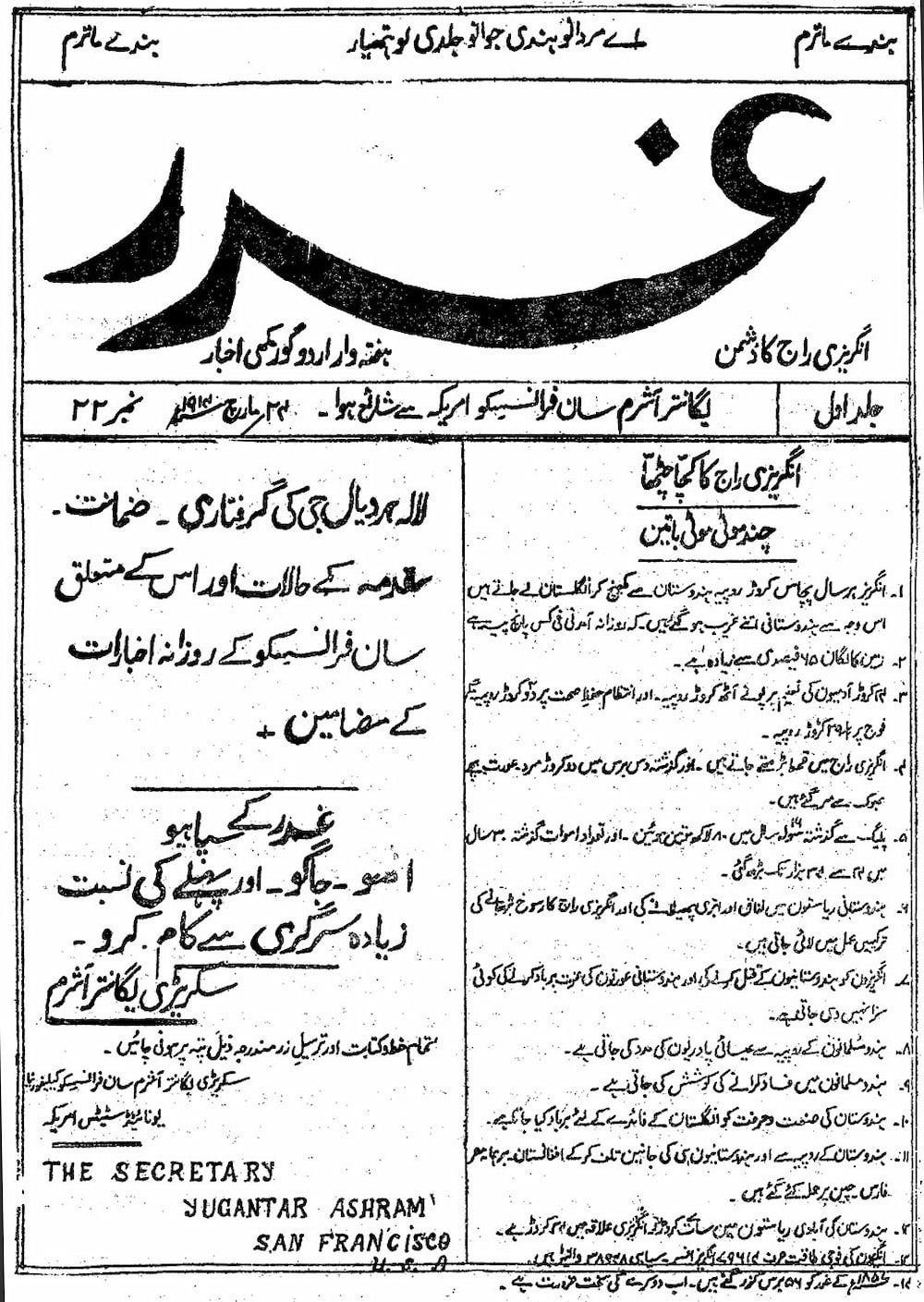
The Ghadar Journal in Urdu, 1914
The Ghadar Journal in Urdu (left) and in Punjabi (right), from 1914. The newspaper of the Ghadar party, circulated amongst its members throughout North America and elsewhere, called for the immediate and armed overthrow of British rule in India.
-
Text
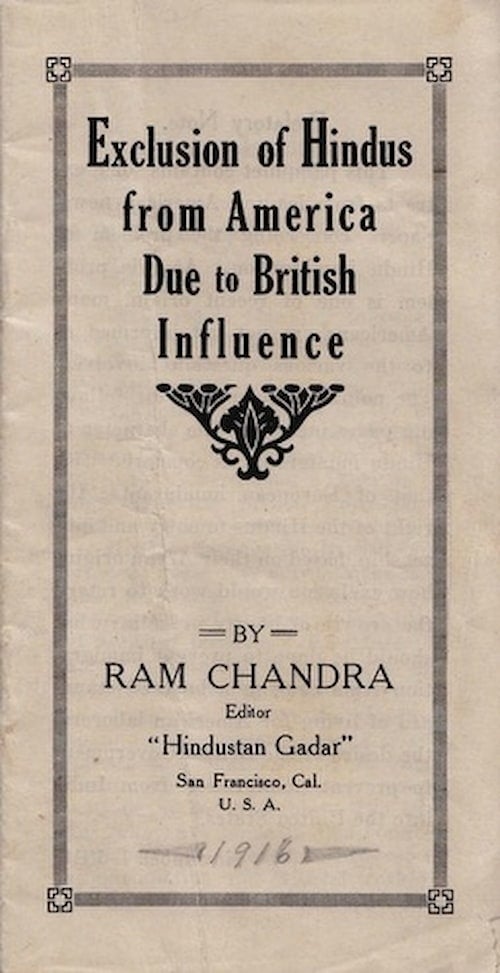
Pamphlet from Ghadar Party, 1916
A 1916 pamphlet from the San Francisco-based Ghadar Party with editorials on discrimination against South Asian (“Hindu”) immigrants in America, due to British colonial influence.
-
Image
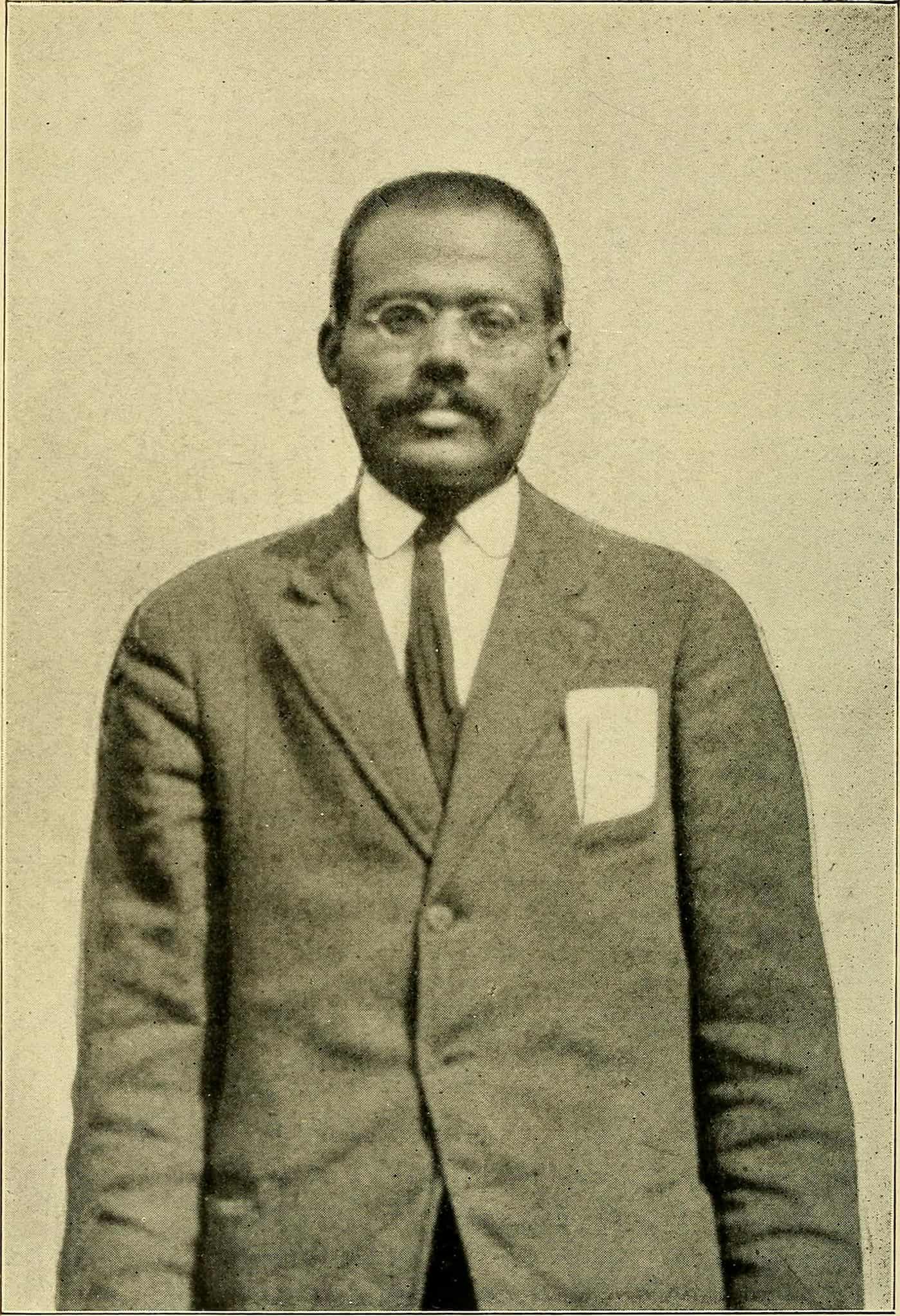
Lala Har Dayal, 1916
Taraknath Das (left, in 1937) and Lala Har Dayal (right, in 1916) were Indian expatriates living in the US and leaders of the Ghadar Party, which advocated for India to be freed from British colonial rule through armed insurrection.
-
Image
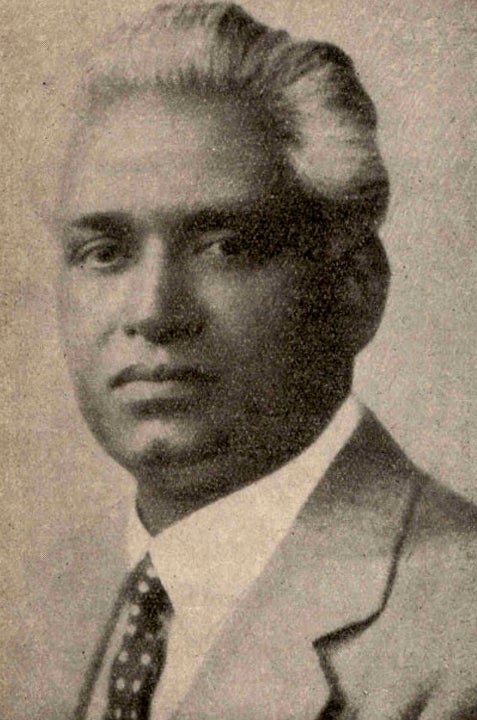
Taraknath Das, 1937
Taraknath Das (left, in 1937) and Lala Har Dayal (right, in 1916) were Indian expatriates living in the US and leaders of the Ghadar Party, which advocated for India to be freed from British colonial rule through armed insurrection.
-
Image
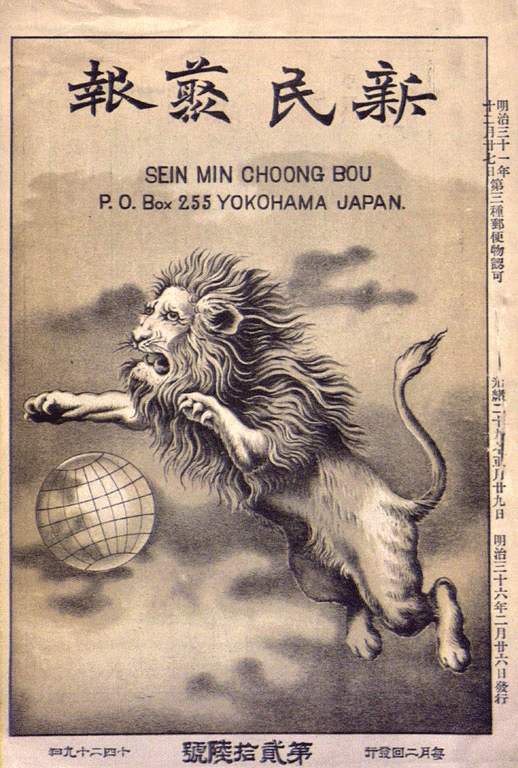
New Citizen Journal, or Xinmin congbao, 1903
A cover for an edition of the New Citizen Journal, or Xinmin congbao, from 1903. The highly influential newspaper was published by Liang Qichao who was in exile in Japan.
-
Image
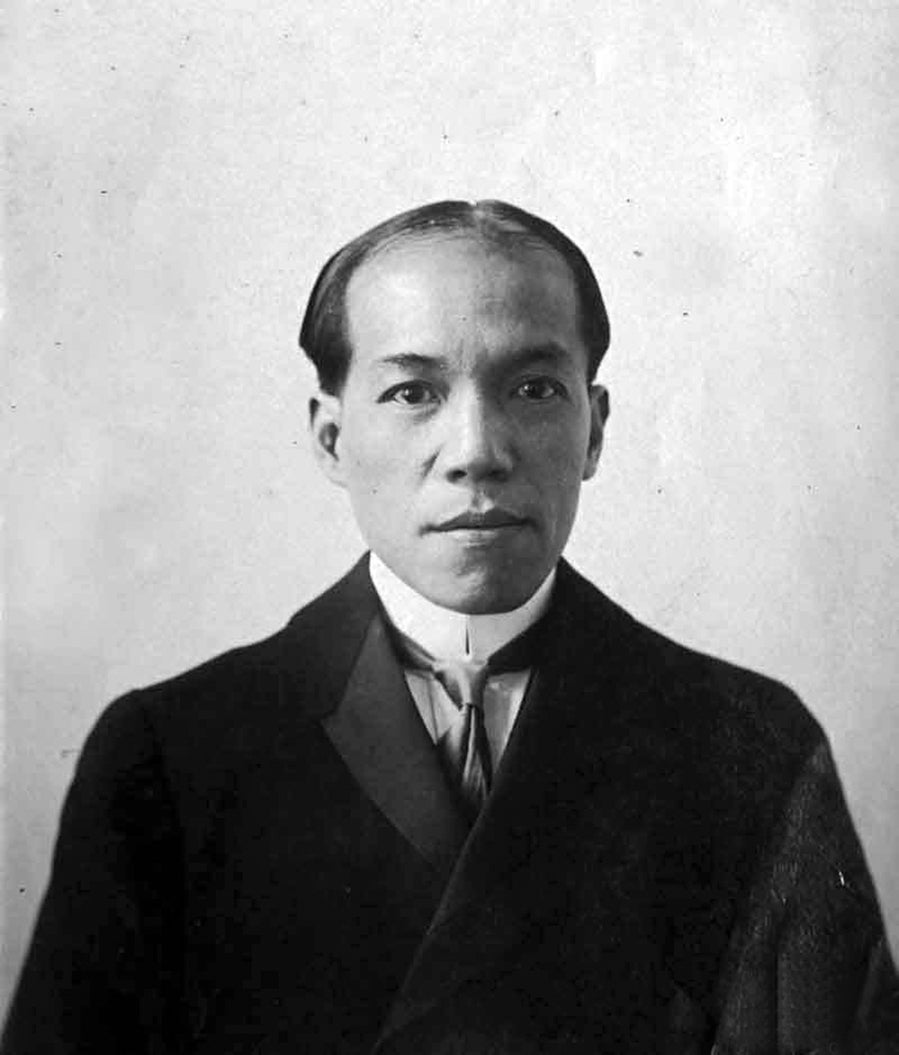
Liang Qichao, 1910
Liang Qichao (1910) took up exile in Yokohama, Japan, where he published the influential New Citizen Journal newspaper.
-
Image
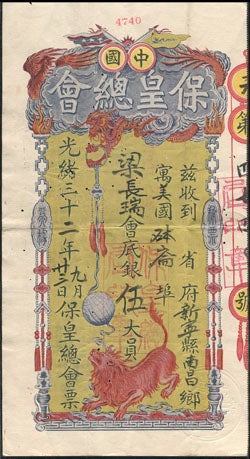
Membership certificate of the Baohuanghui, 1906
A membership certificate from 1906 for a member in Portland, Oregon, of the Baohuanghui (Protect the Emperor), a reform party founded by Kang Youwei, which focused on modernizing China.
-
Image
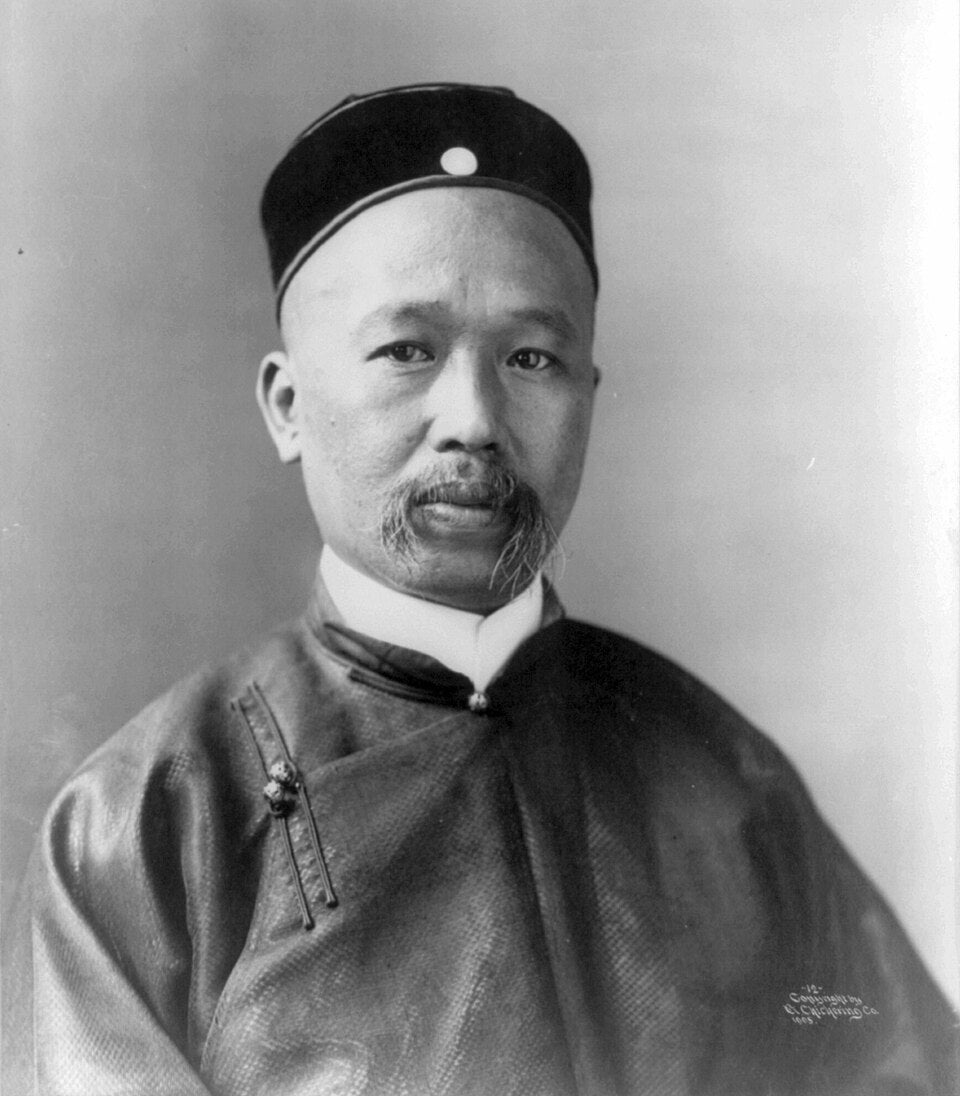
Chinese philosopher Kang Youwei, 1905
Chinese philosopher Kang Youwei (pictured in 1905) was chief advisor to Emperor Guanxu, and aimed to modernize China by adopting Western science and technology. He eventually fled to Canada and mobilized Chinese communities overseas.
-
Image
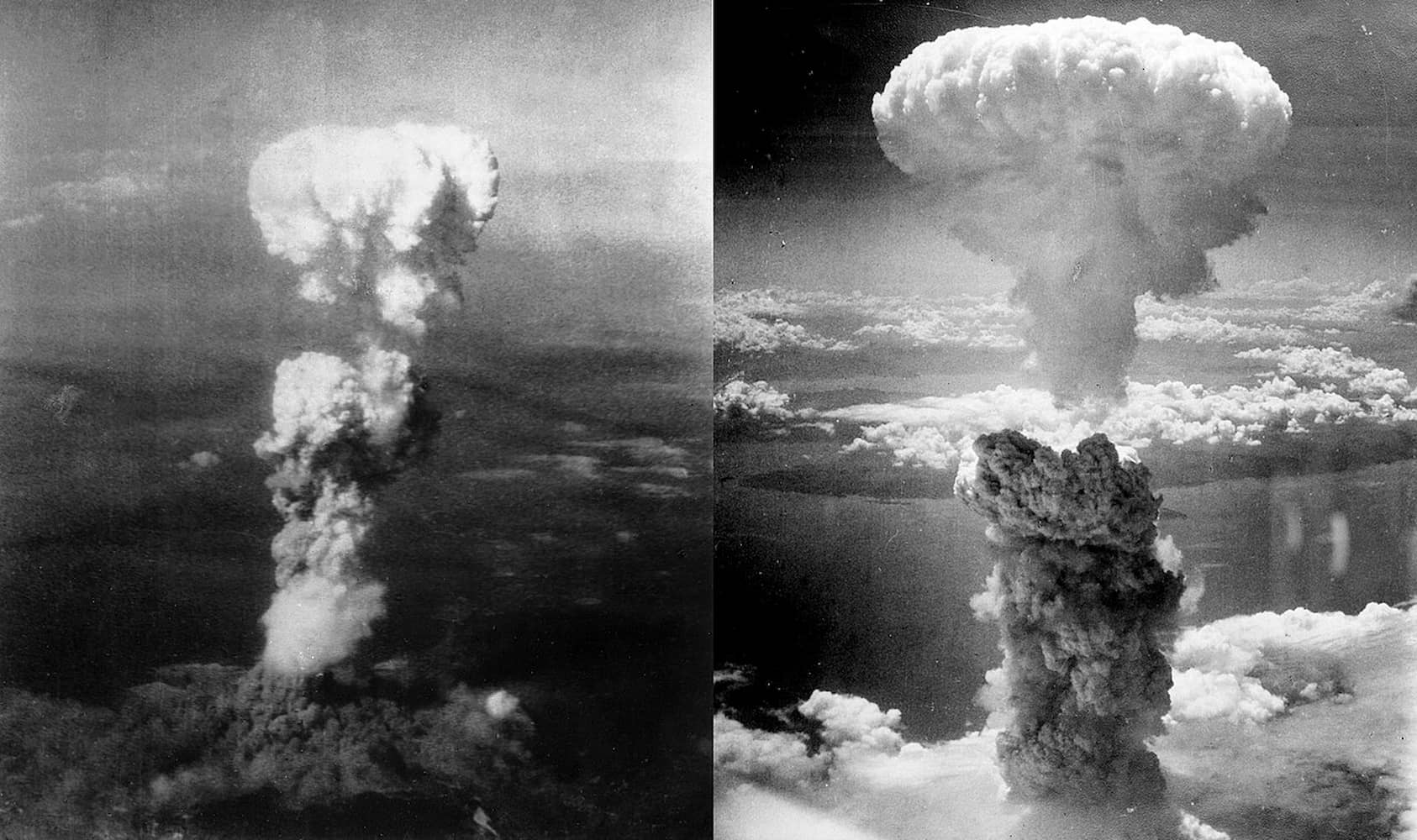
Atomic bombs, August 1945
The detonation of atomic bombs by the United States over the Japanese cities of Hiroshima (left) and Nagasaki (right) in August 1945 are the only times nuclear weapons have ever been used against civilian populations. Up to 250,000 were killed.
-
Image
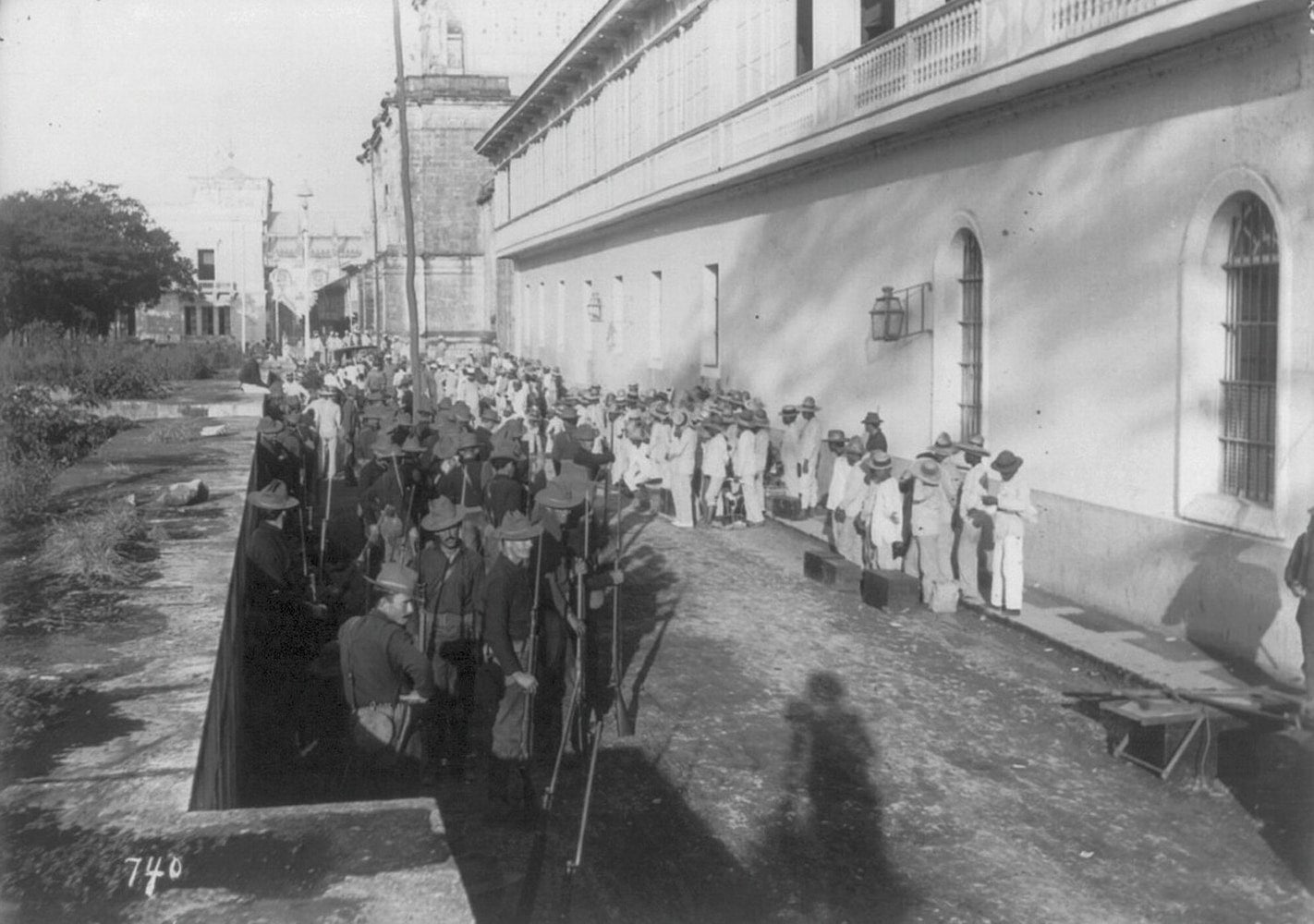
Filipino prisoners of war, Manila, 1899
US soldiers hold Filipino prisoners of war in Manila, 1899. The Philippine-American War resulted in the US occupation of the Philippines until 1946.
Chapters
# of # results
-
Chapter
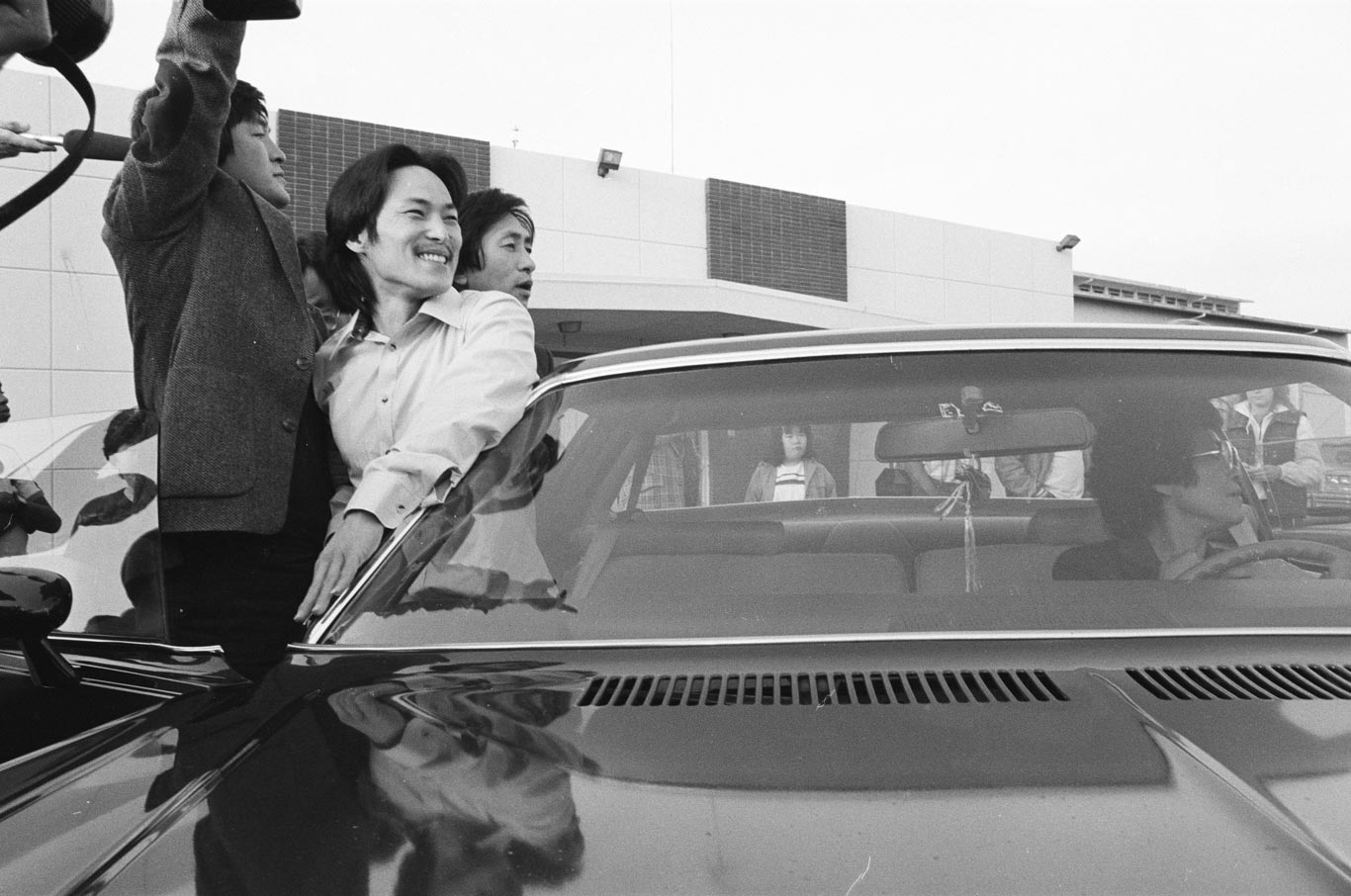
Chapter Overview: Free Chol Soo Lee: How a Lone Immigrant on Death Row Sparked a Movement
Julie Ha
-
Module
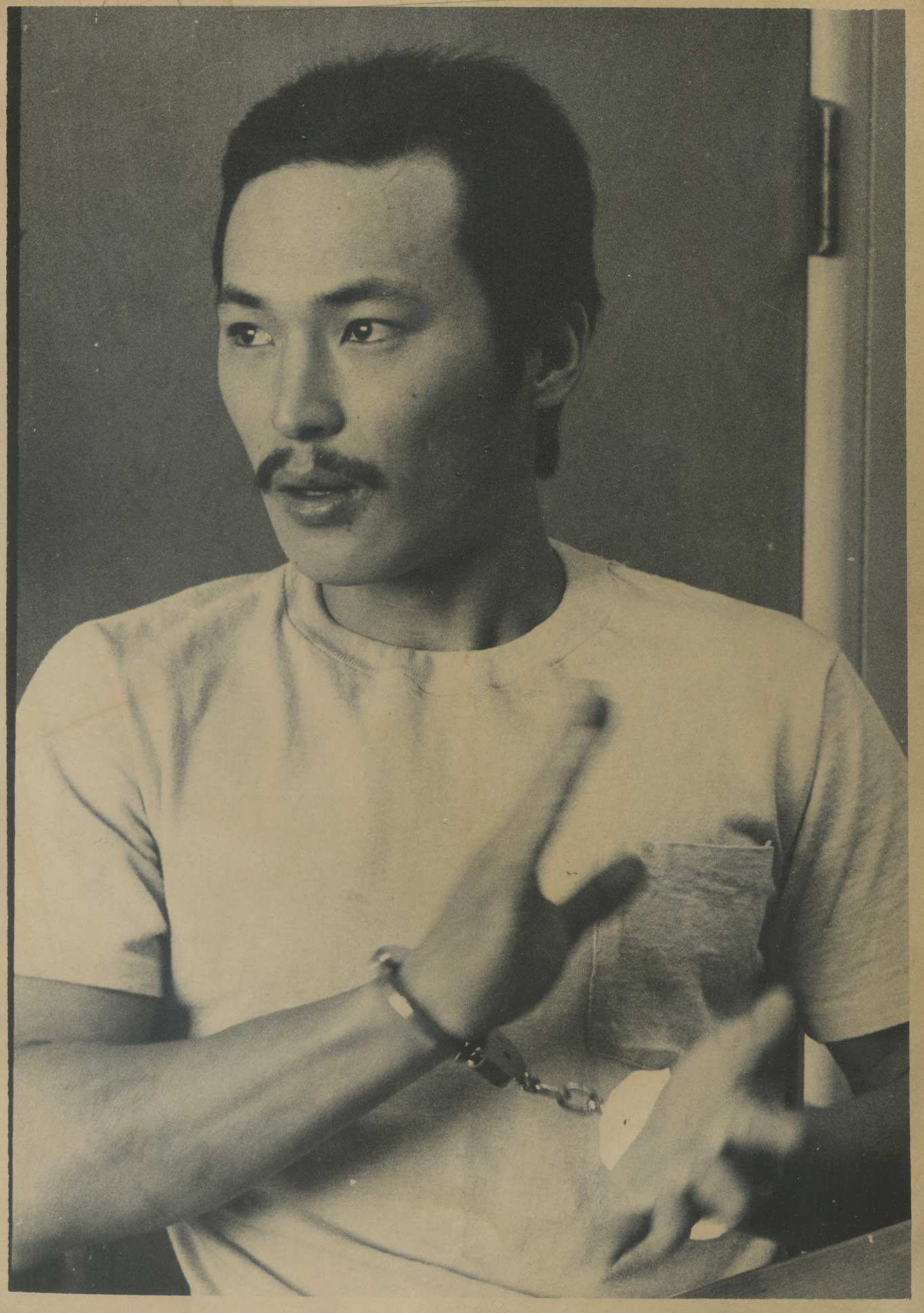
Module 1: Who is Chol Soo Lee?
Julie Ha
-
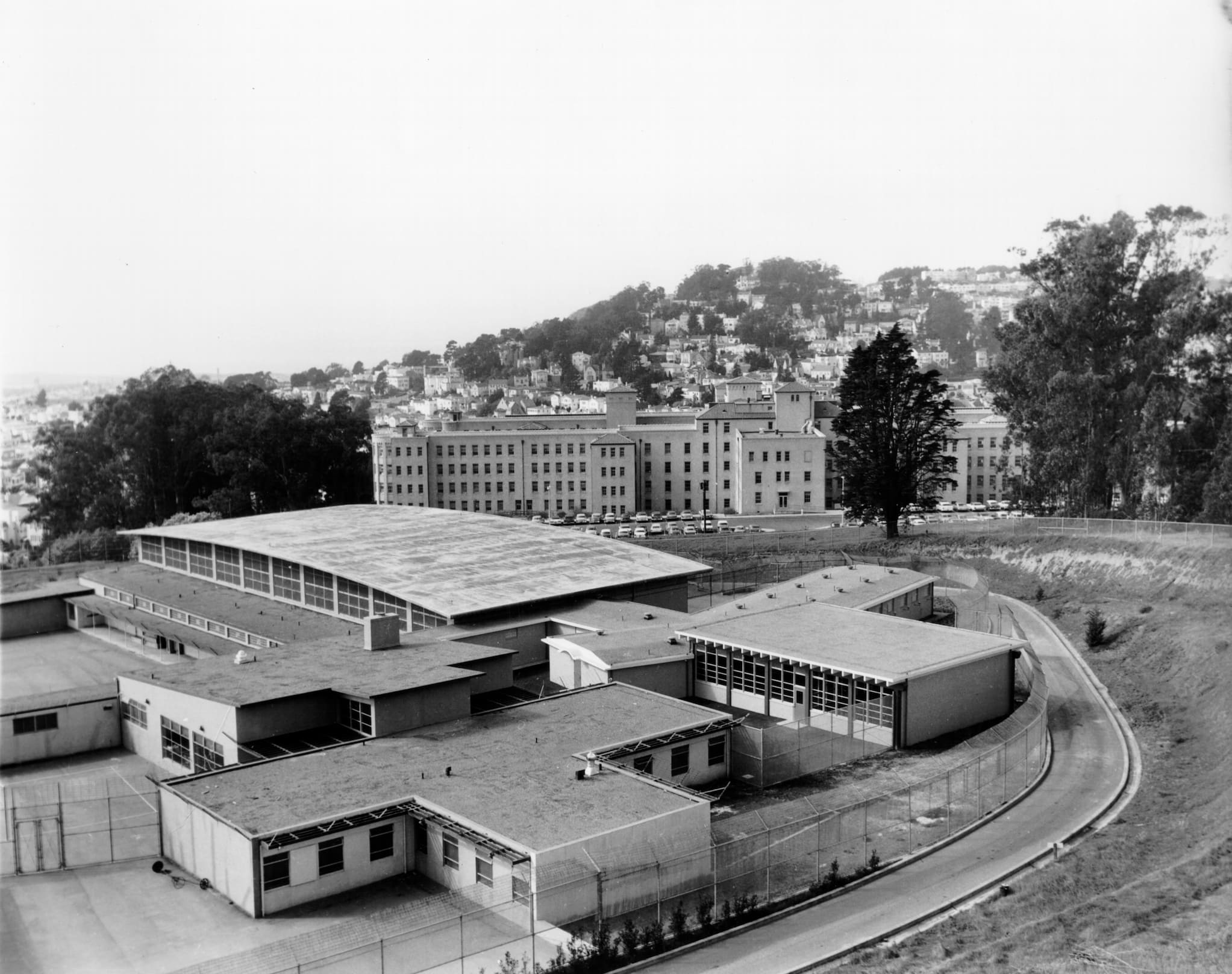
Module
Module 2: Lost in America
Julie Ha
-
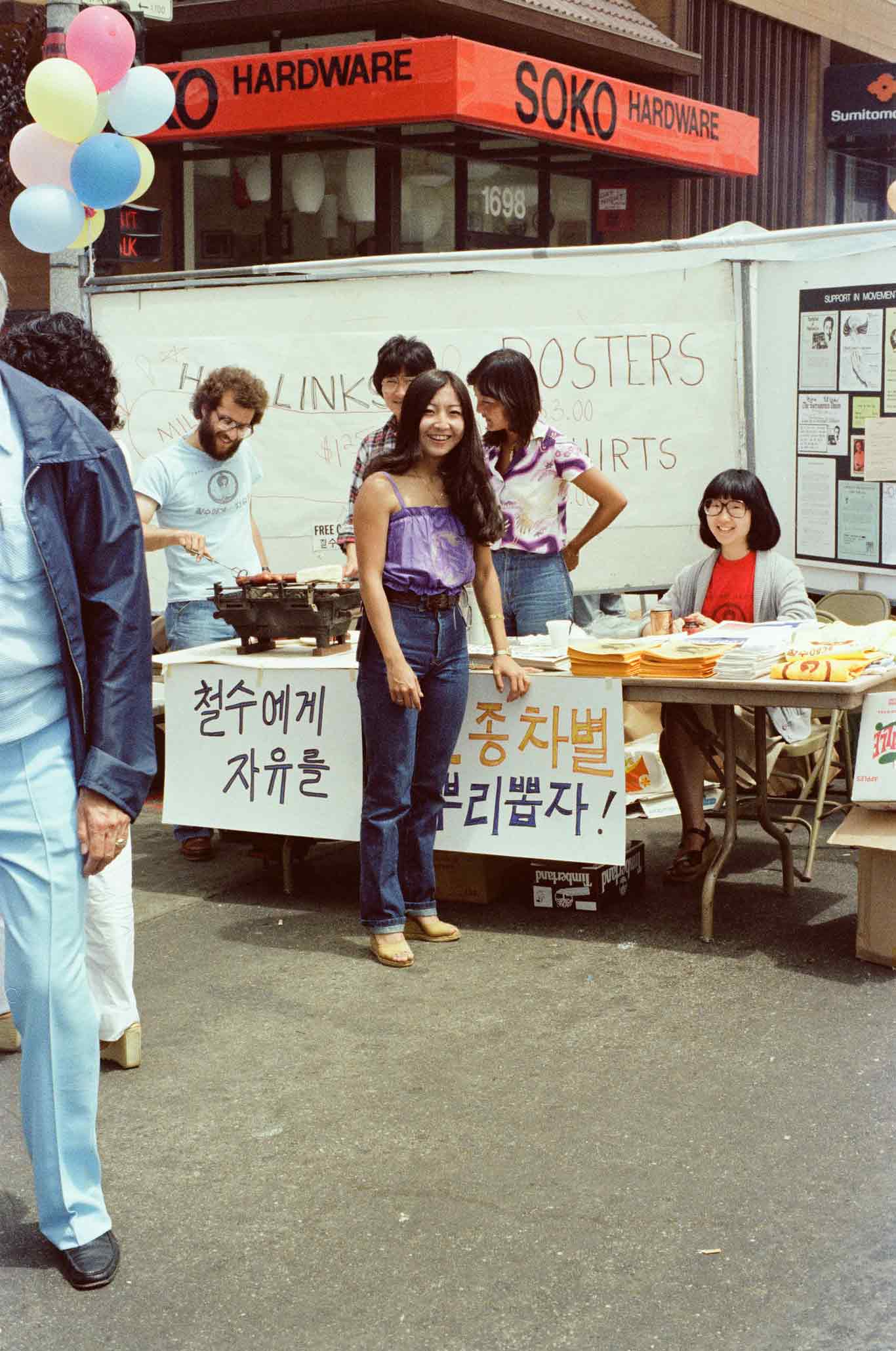
Module
Module 3: It Takes One Person
Julie Ha
-
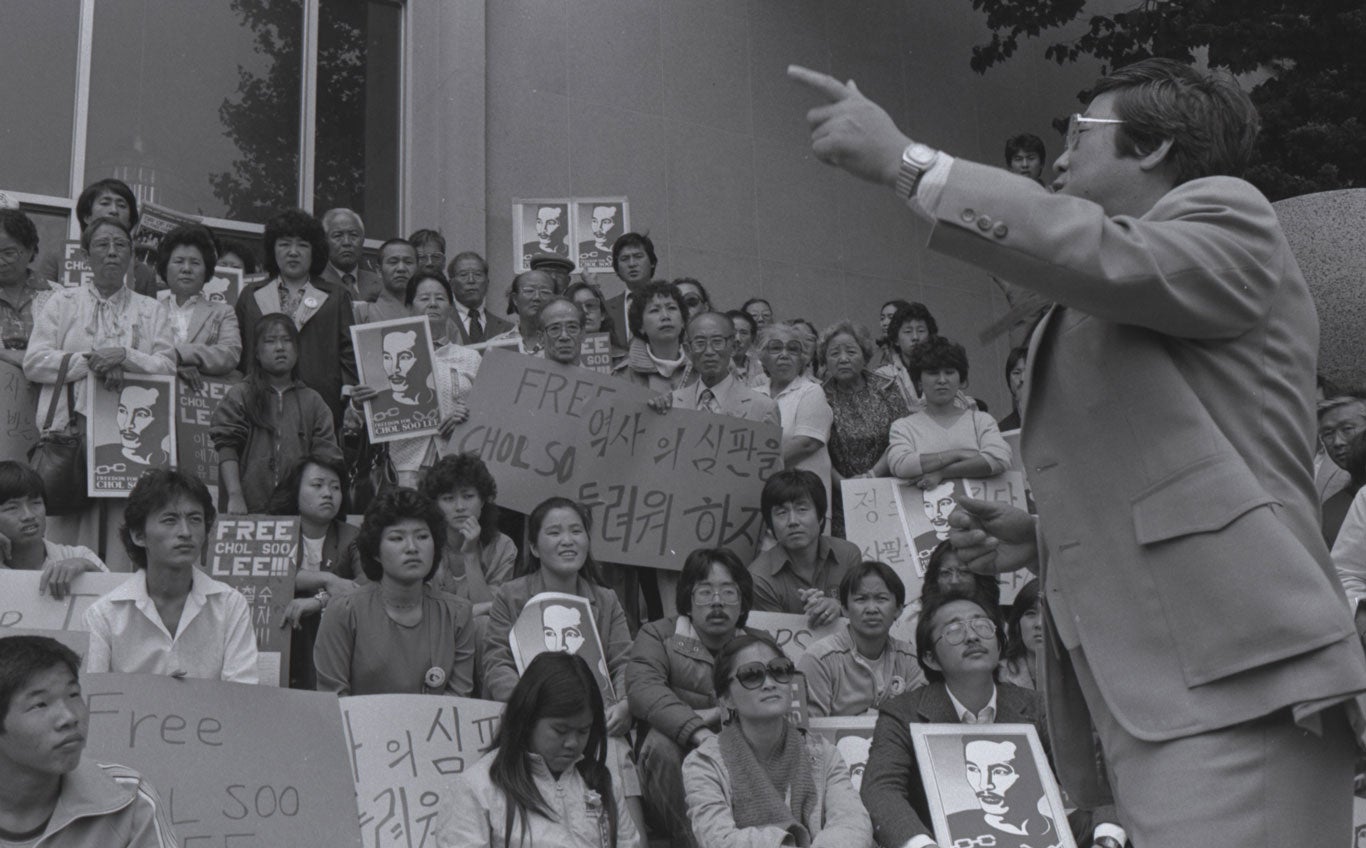
Module
Module 4: ‘Blue Jeans and Chima Jeogori Getting Together’
Julie Ha
-
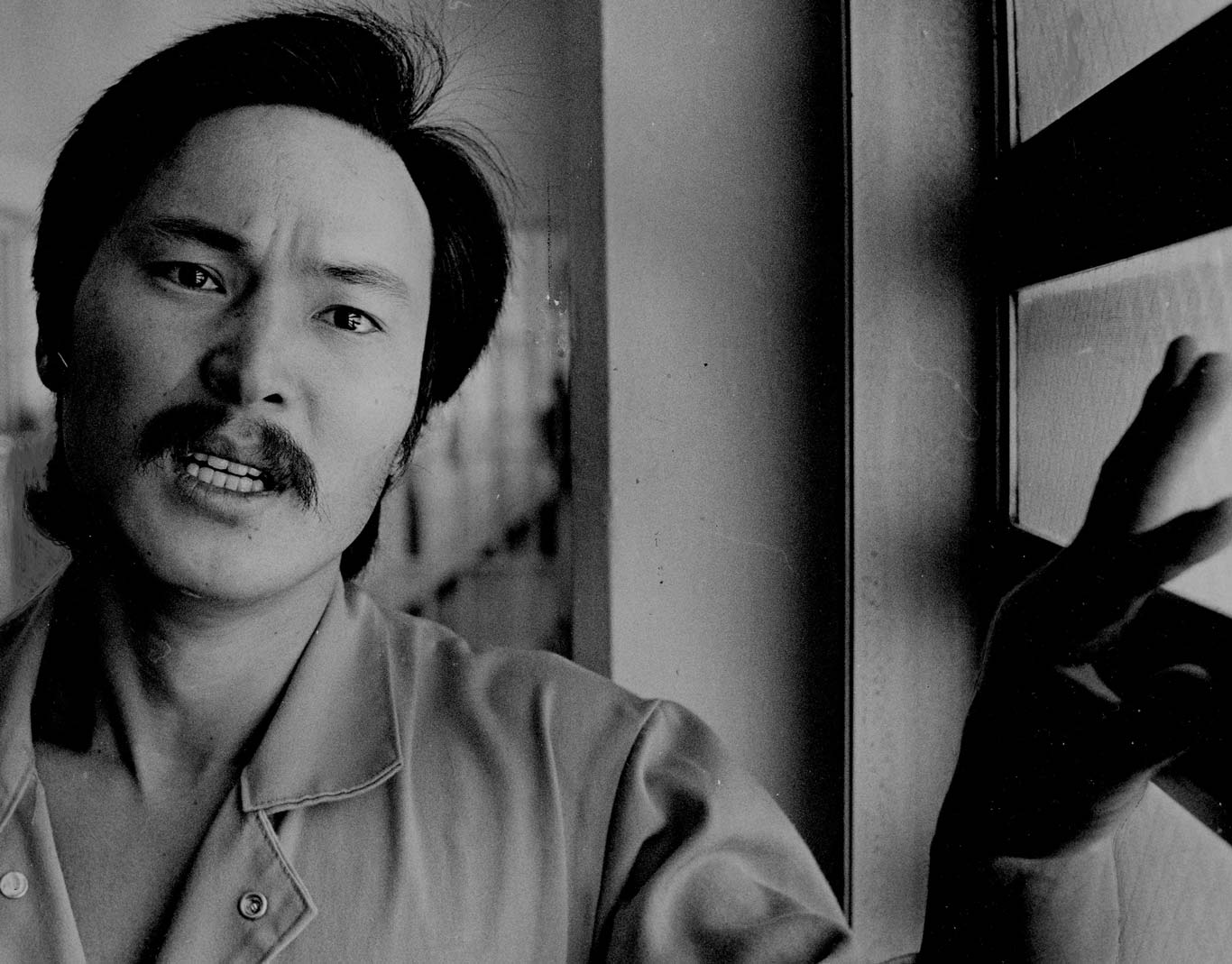
Module
Module 5: Silent Pleas
Julie Ha
-
Chapter
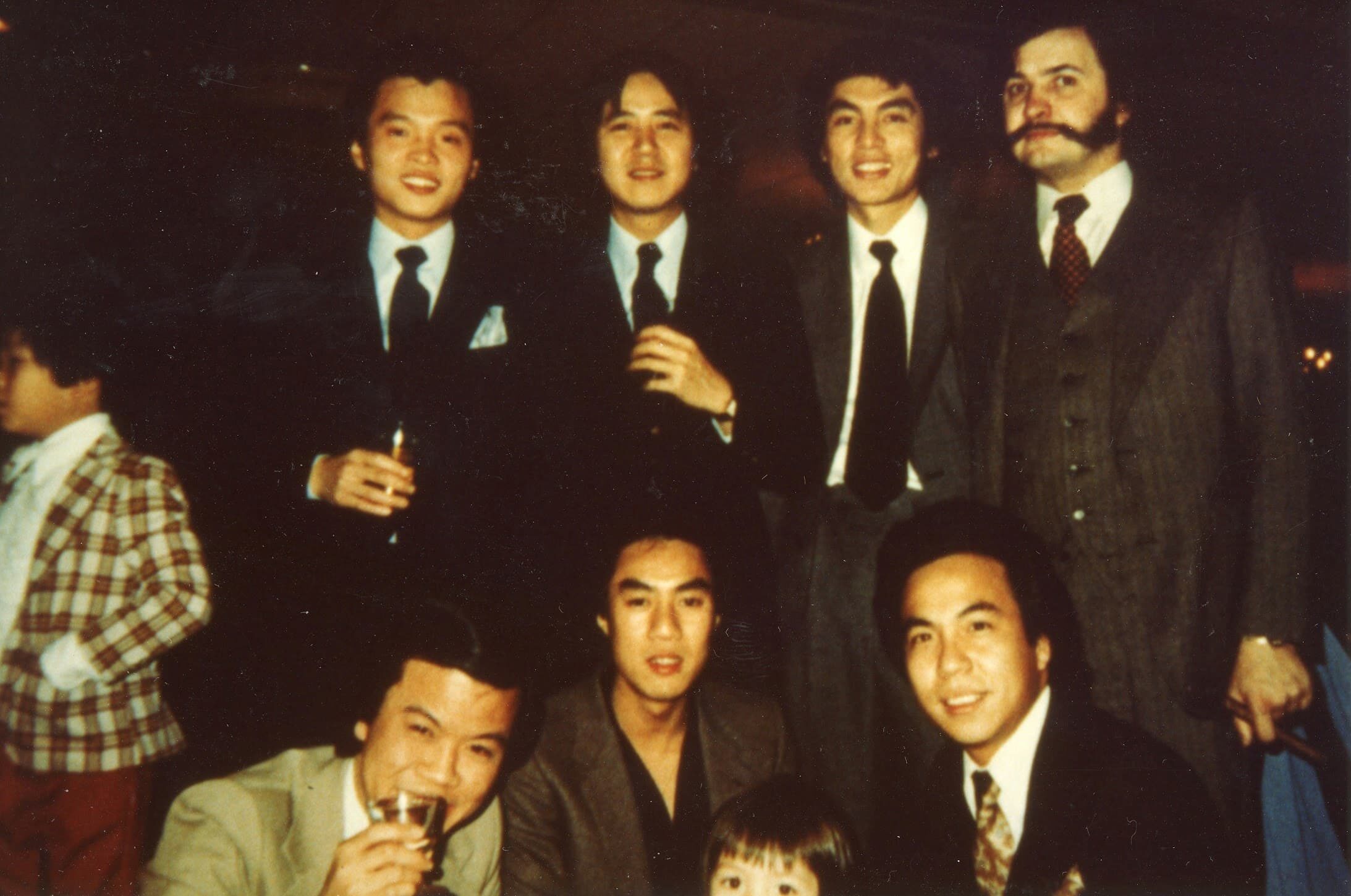
Chapter Overview: Fighting Anti-Asian Violence: Justice for Vincent Chin
Helen Zia
-
Module
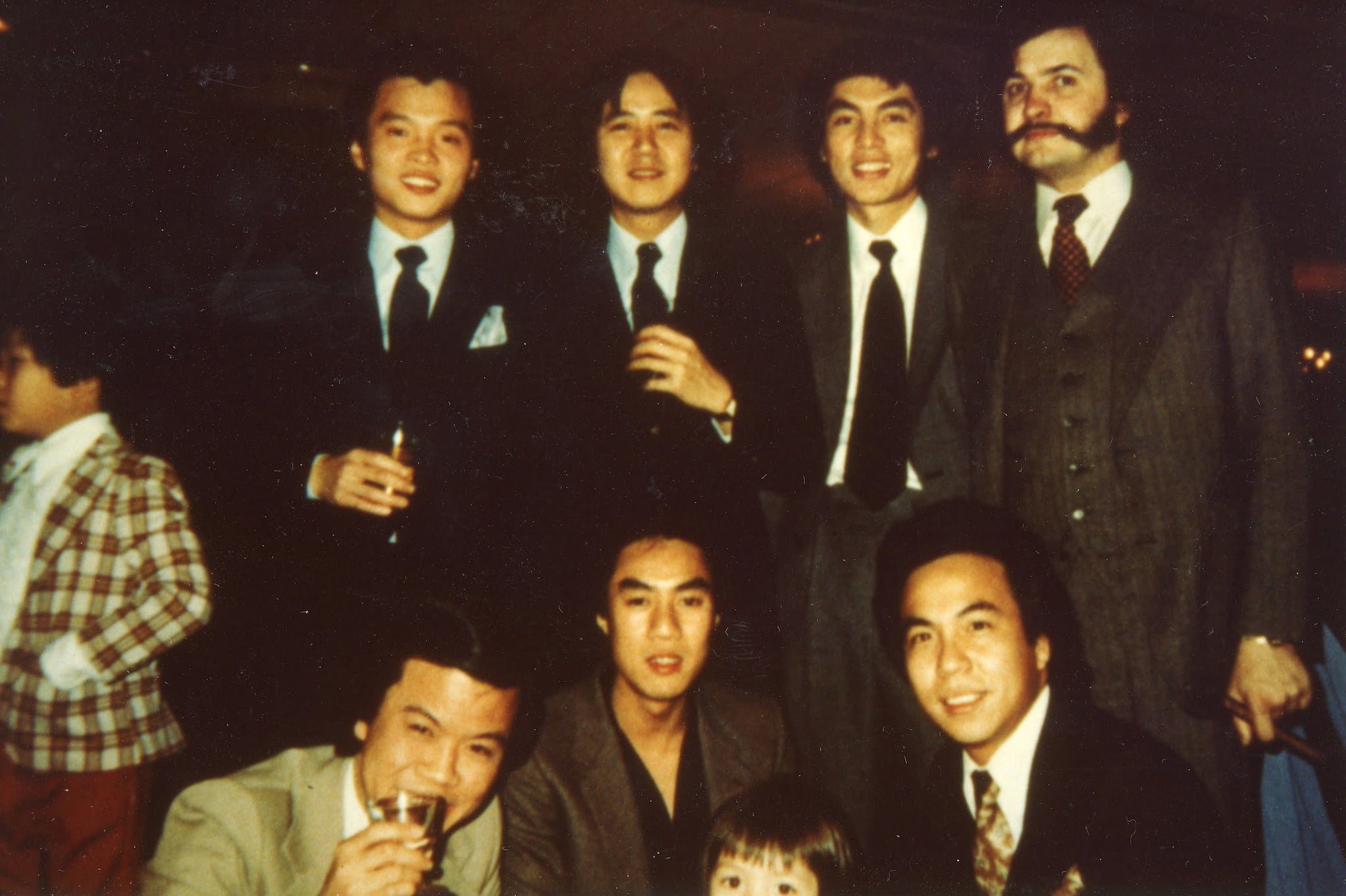
Module 1: Who Was Vincent Chin?
Helen Zia
-
Module
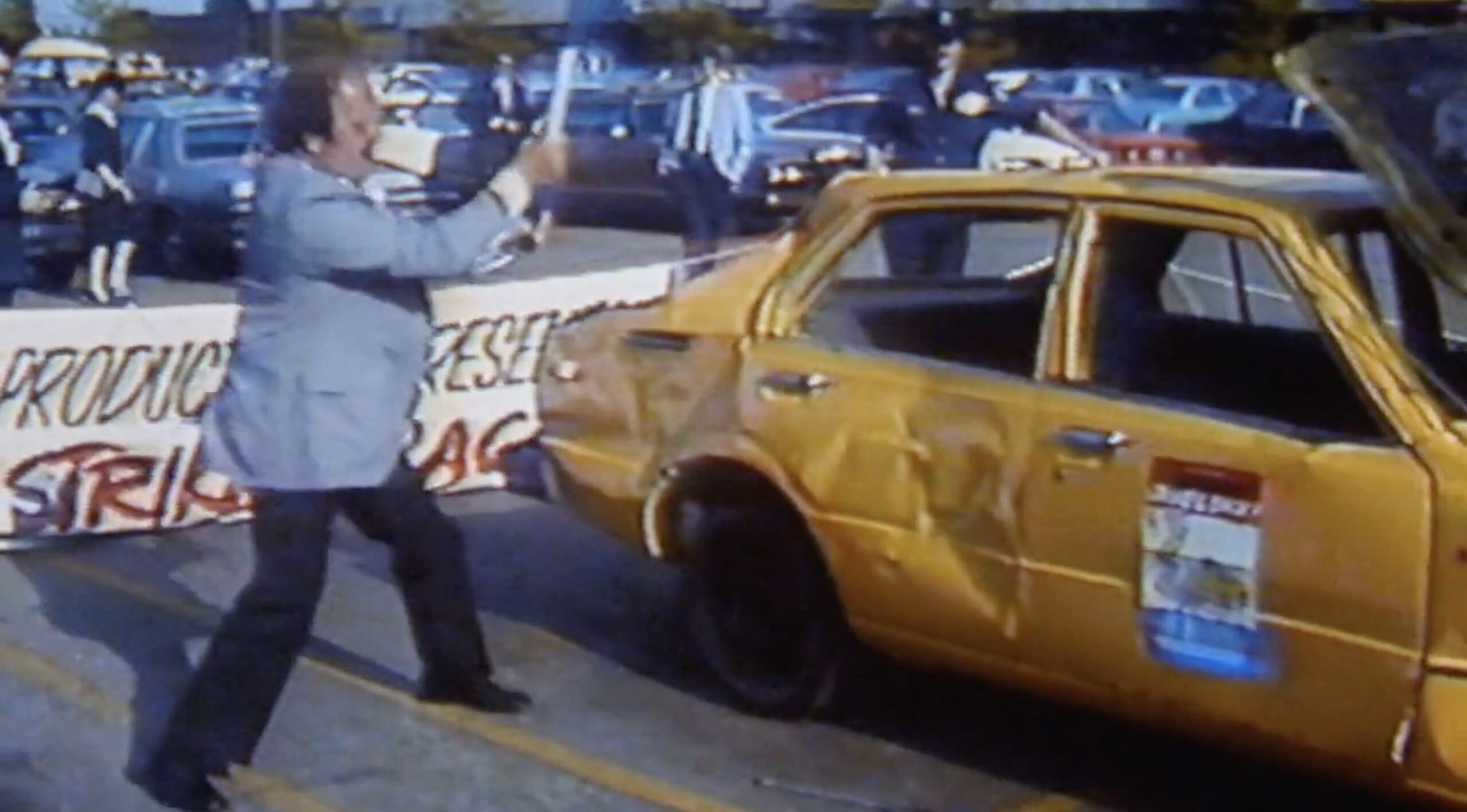
Module 2: Economic Crises, the Politics of Blame, and 1980s Detroit
Helen Zia