



Advanced Search
Asian American and Pacific Islander studies resources for the classroom
All chapters of Foundations and Futures include lesson plans and curricular tools that are designed for high school students and grounded in ethnic studies pedagogy. Feel free to search our repository of primary sources and material that helps bring Asian American and Pacific Islander histories and experiences into the classroom.
Multimedia
# of # results
Chapters
-
Image
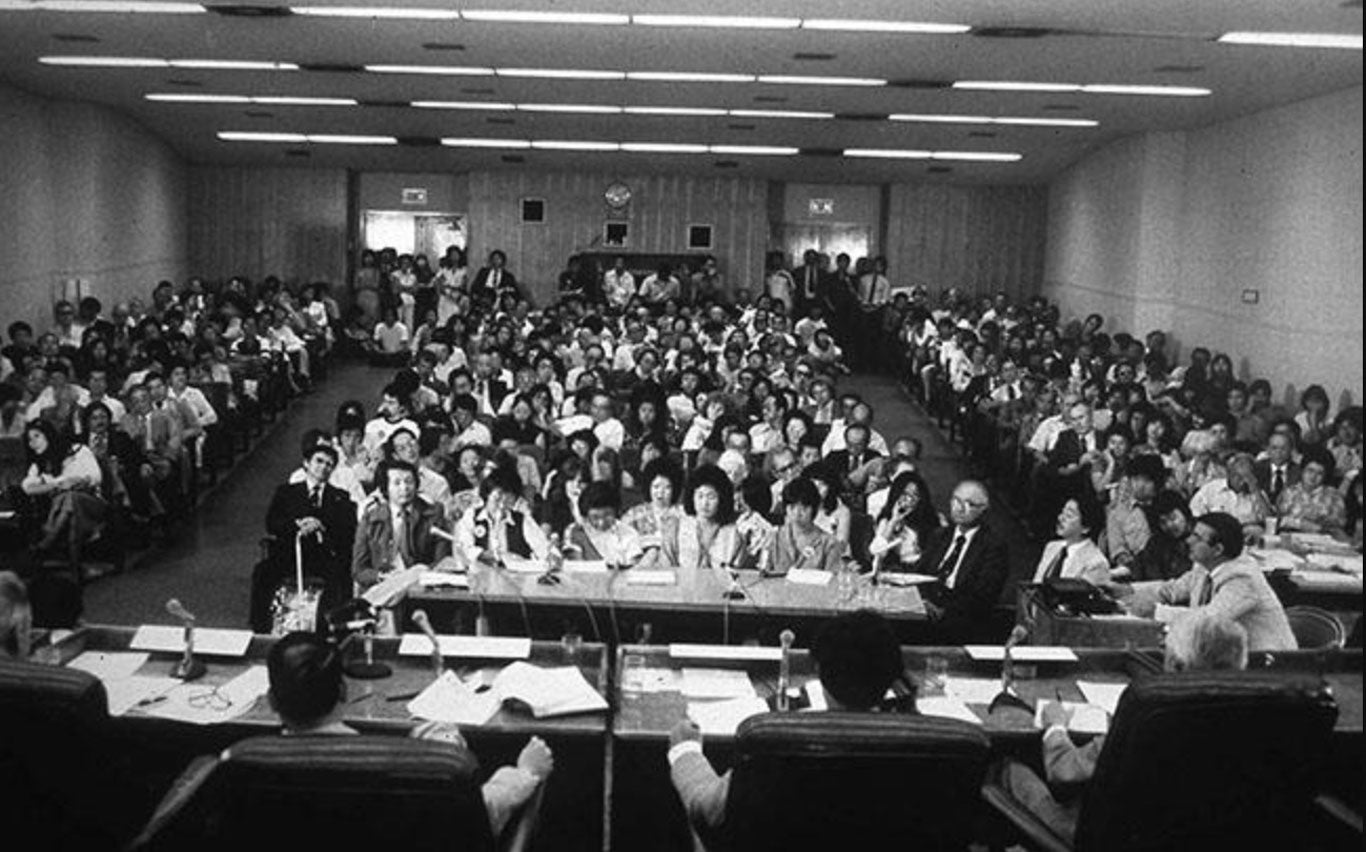
L.A. Commission hearing
-
Image
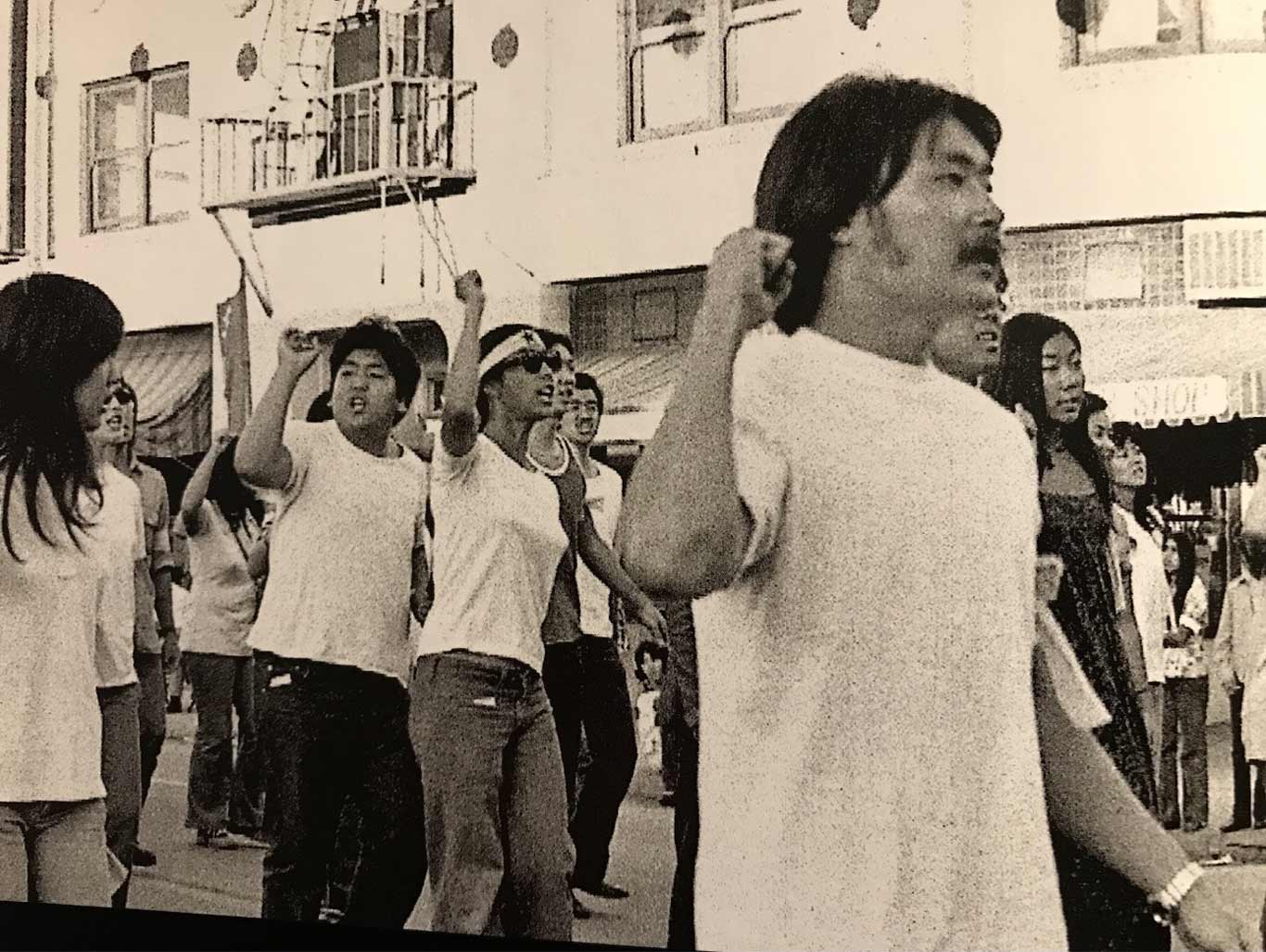
Van Troi Anti-Imperialist Youth Brigade
-
Image
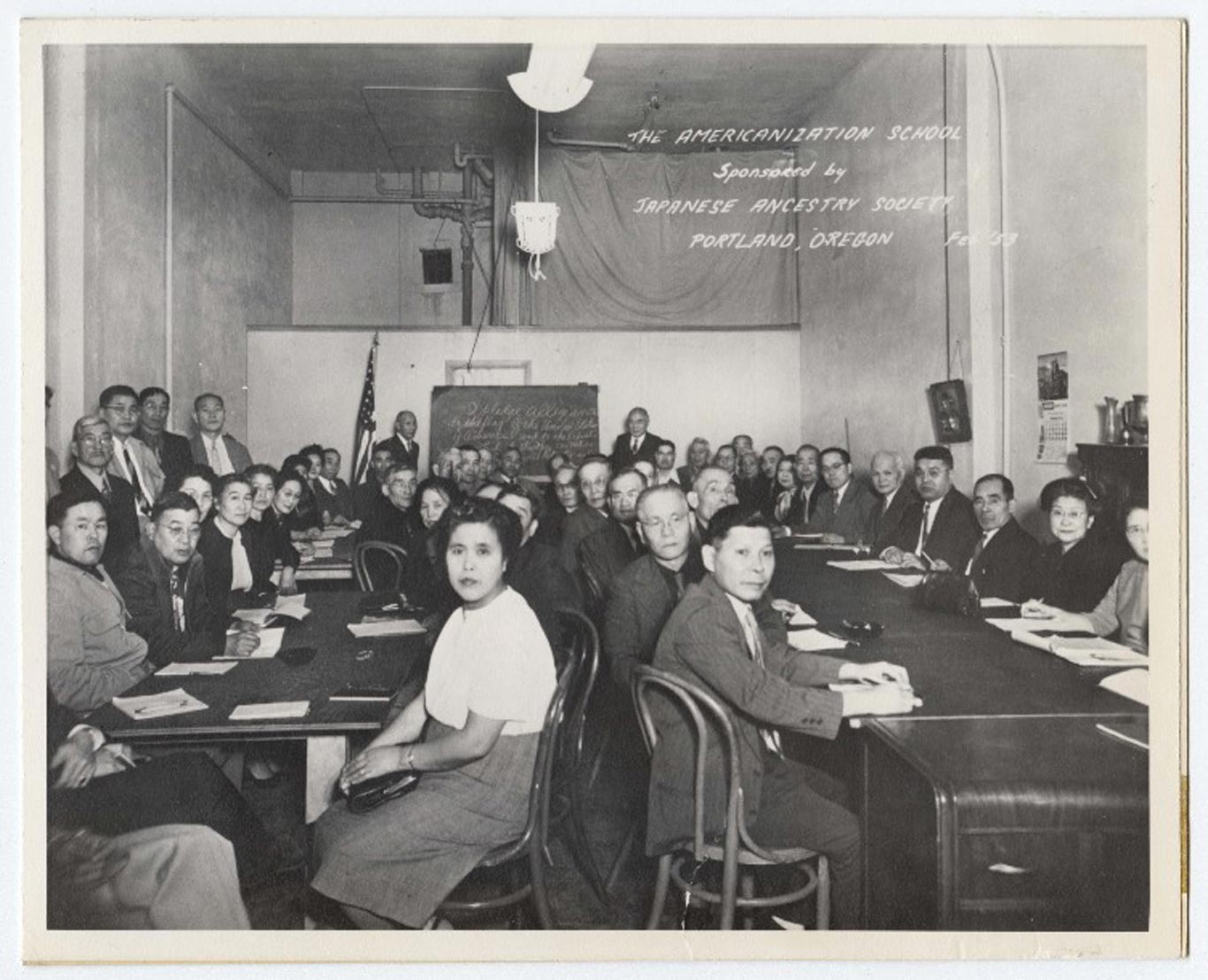
The Americanization School
The Americanization School, sponsored by Japanese Ancestry Society.
-
Image
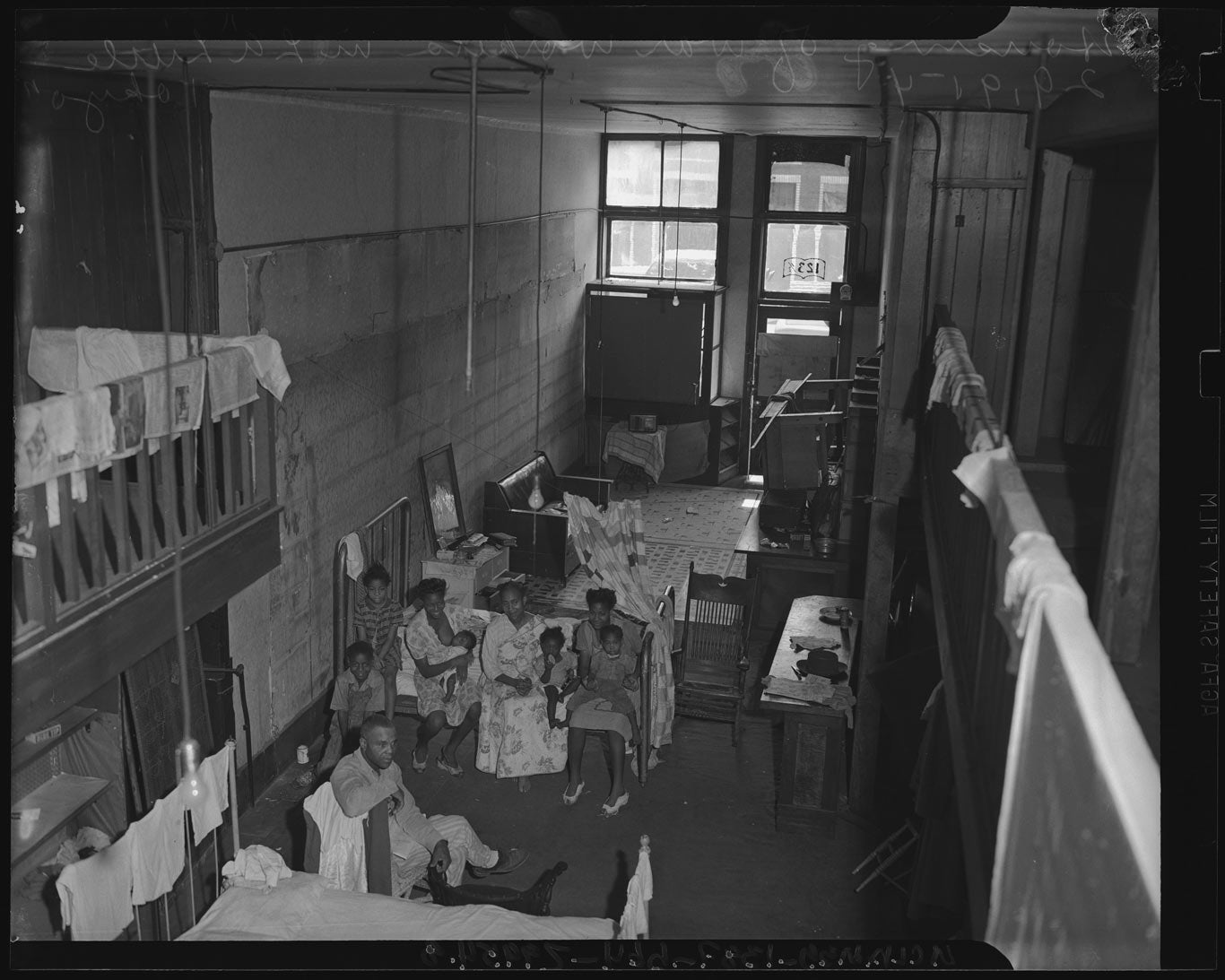
Wartime housing in Little Tokyo’s Bronzeville, Los Angeles, 1943
Little Tokyo in Los Angeles was dubbed “Bronzeville” during World War Two, as African American families and workers moved into the empty homes and businesses of the relocated Japanese American community. Interior view of makeshift housing for an African American family in Little Tokyo, Los Angeles.
-
Image
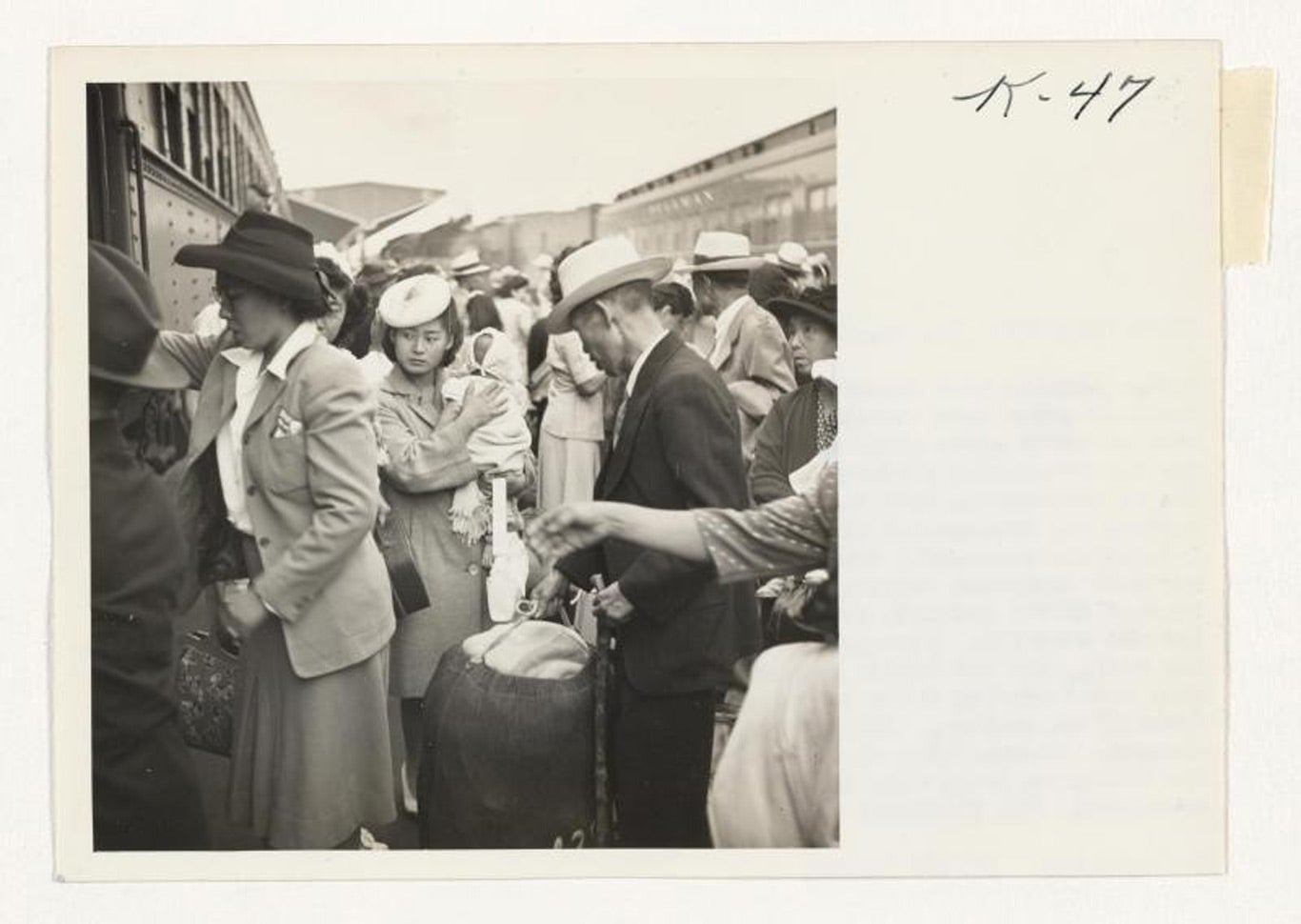
Japanese-Americans returning to Sacramento, California, United States after being released from Rohwer Center internment camp in McGehee, Arkansas, United States, 30 Jul 1945
Roaring into Sacramento Monday morning, July 30, a special train of seven cars brought some 450 Japanese American residents of California back to their homes after residence of over three years at the Rohwer Center of the War Relocation Authority, McGehee, Arkansas.
-
Image
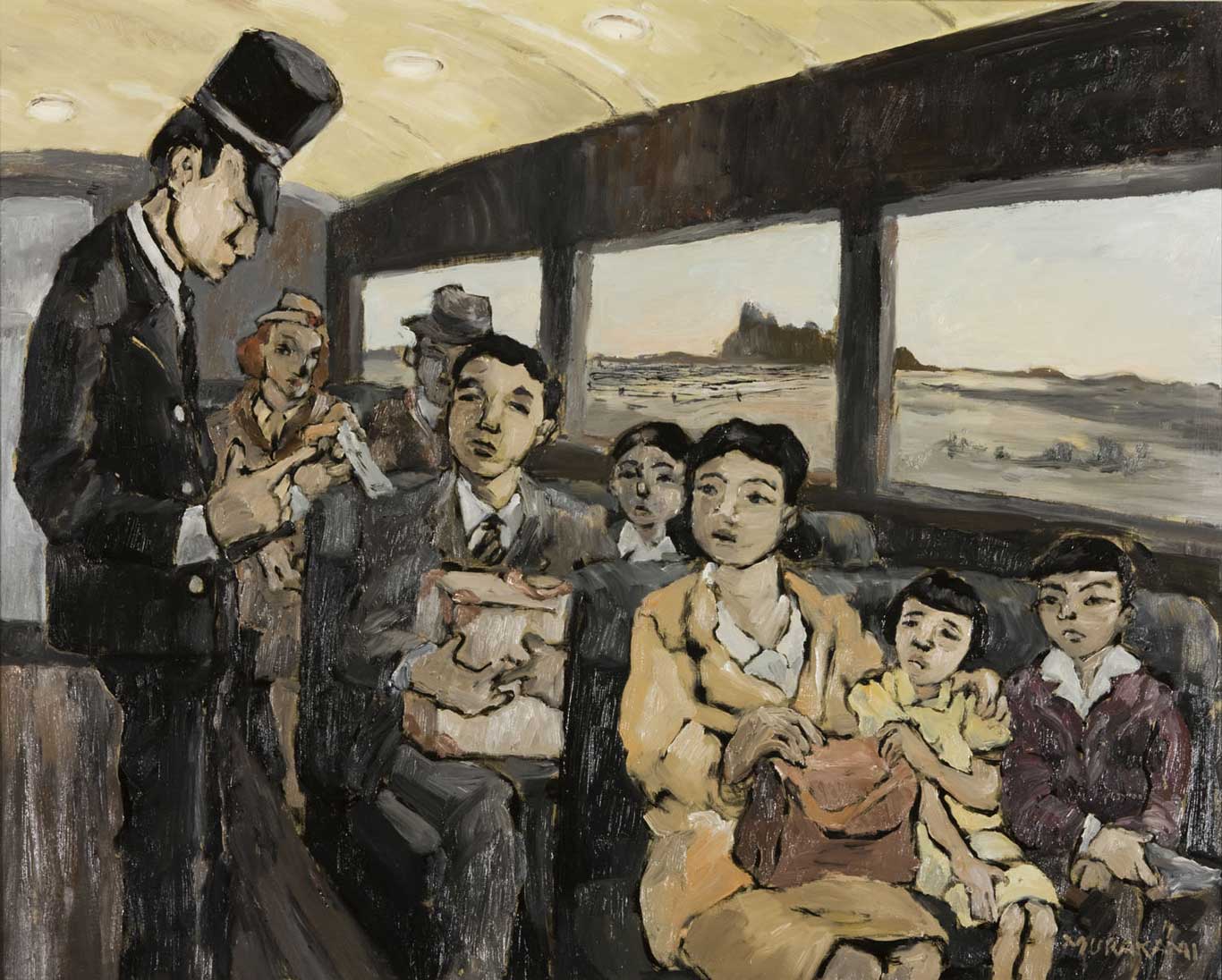
Freedom Train
Jimmy Murakami’s final painting was called ‘Freedom Train’ it showed the Murakami family huddled together on a train headed to LA carrying the same suitcases they had entered Tule Lake with four years earlier, they also had the ashes of Jimmy’s sister Sumiko
-
Image
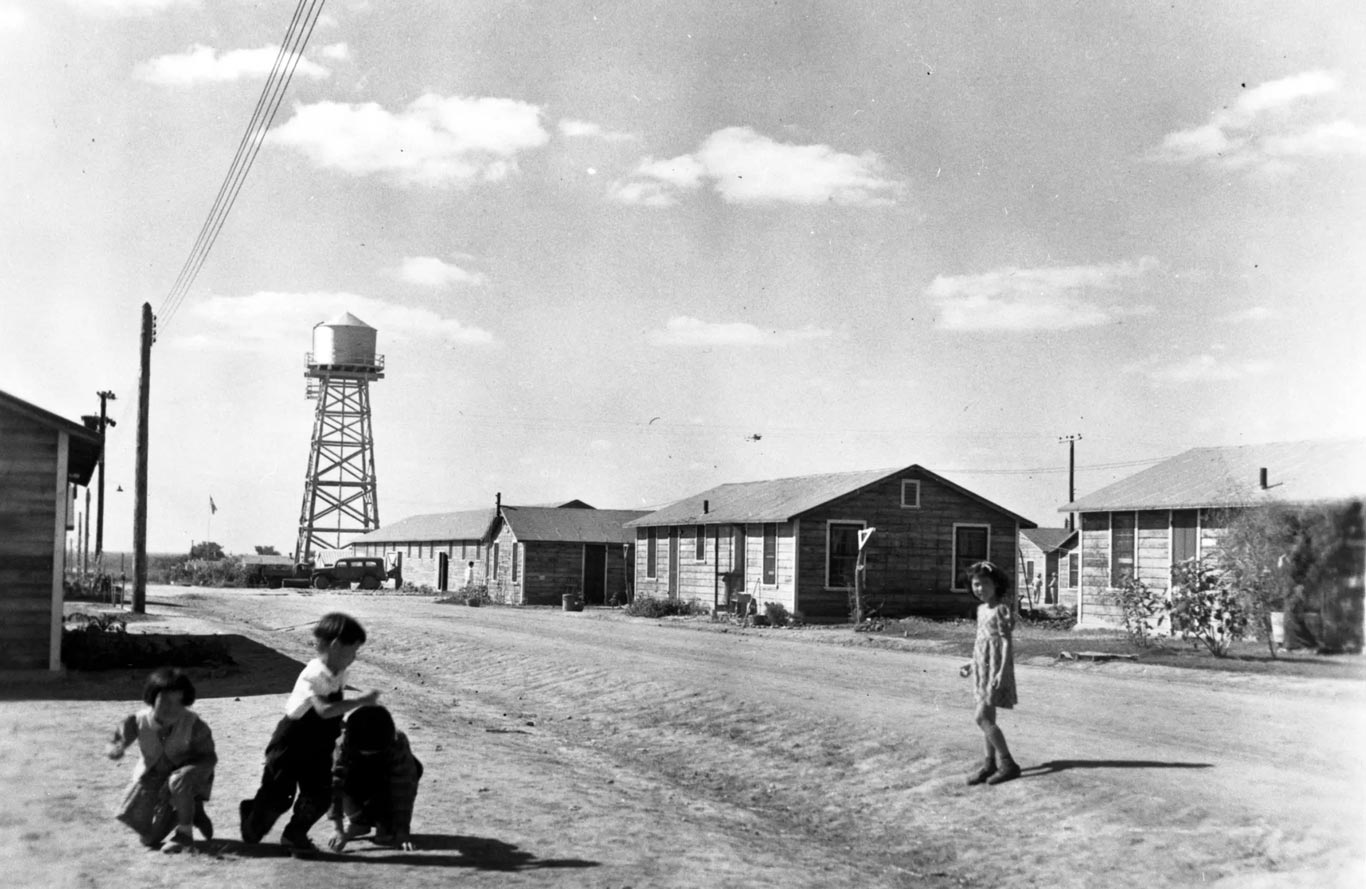
Japanese-American children at the Crystal City Internment Camp in the ’40s
-
Text
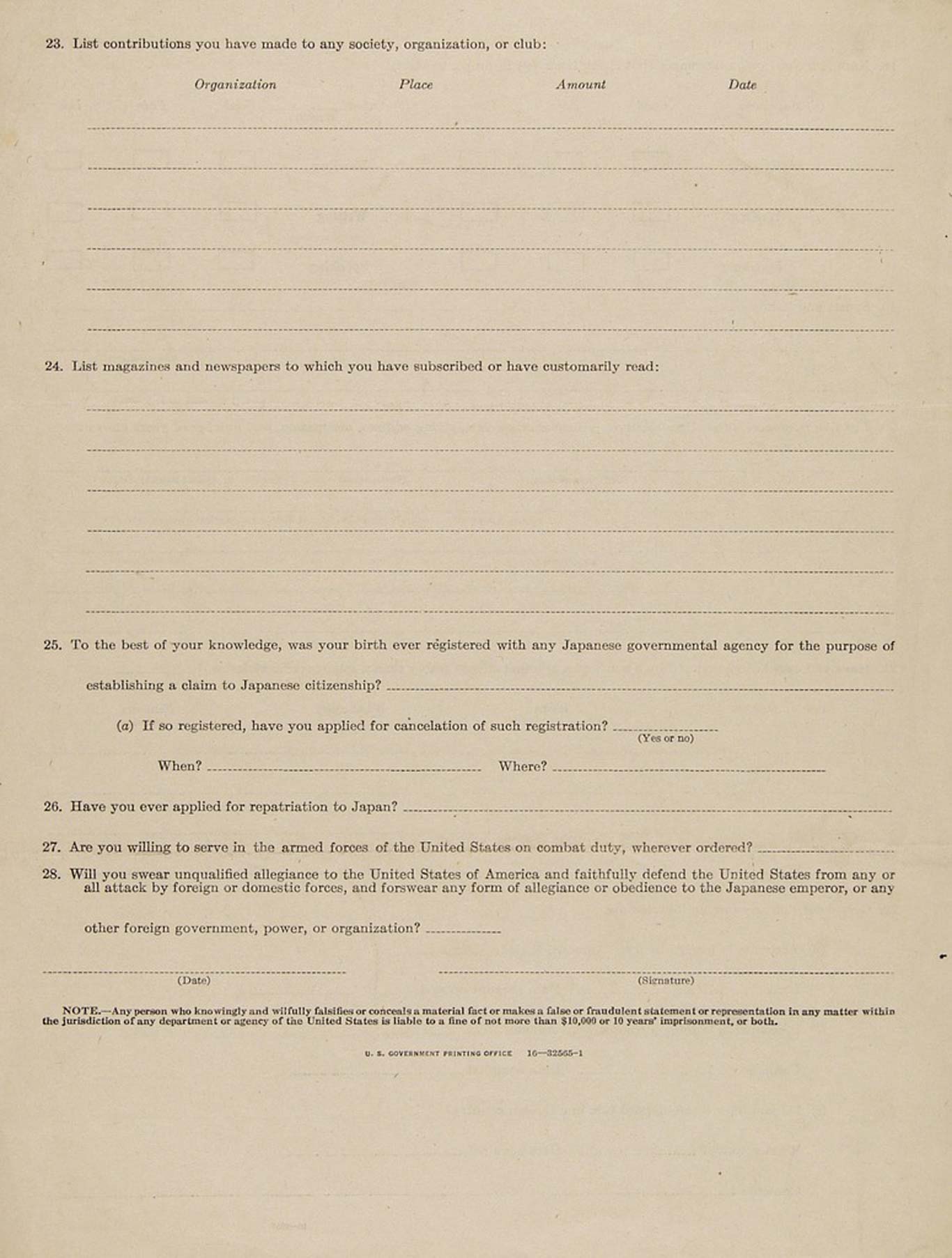
The so-called “Loyalty Questionnaire”
-

Image
Mitsuye Endo
Mitsuye Endo, an American citizen, was relocated to Tule Lake Relocation Center and then at Topaz Relocation Center. In 1944, attorneys argued before the U.S. Supreme Court on her behalf. The court rules that the War Relocation Authority may have to detain other classes of citizens, but it has no authority to subject citizens who are concededly loyal to its leave procedure.
-
Image
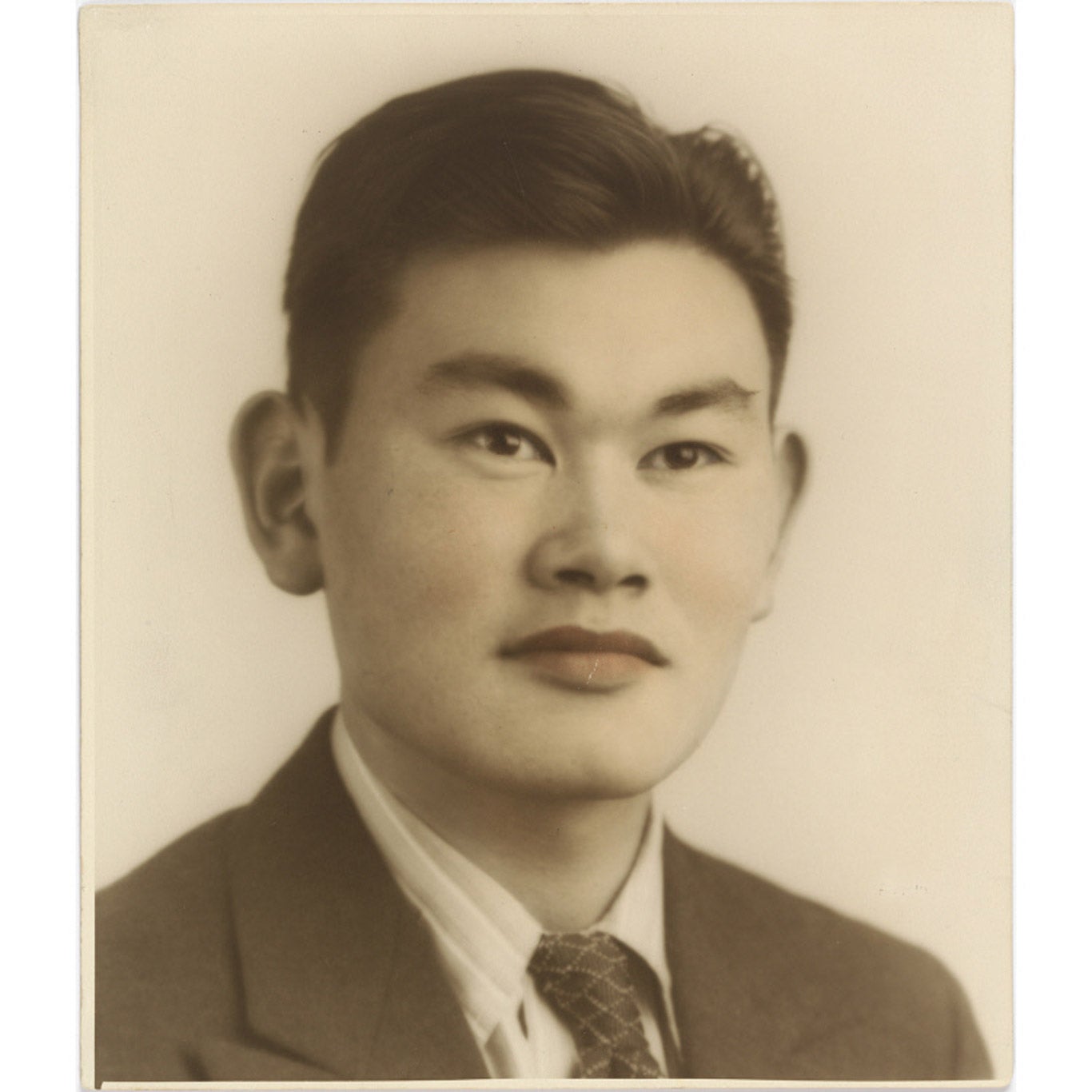
Fred T. Korematsu
Chapters
# of # results
-
Chapter
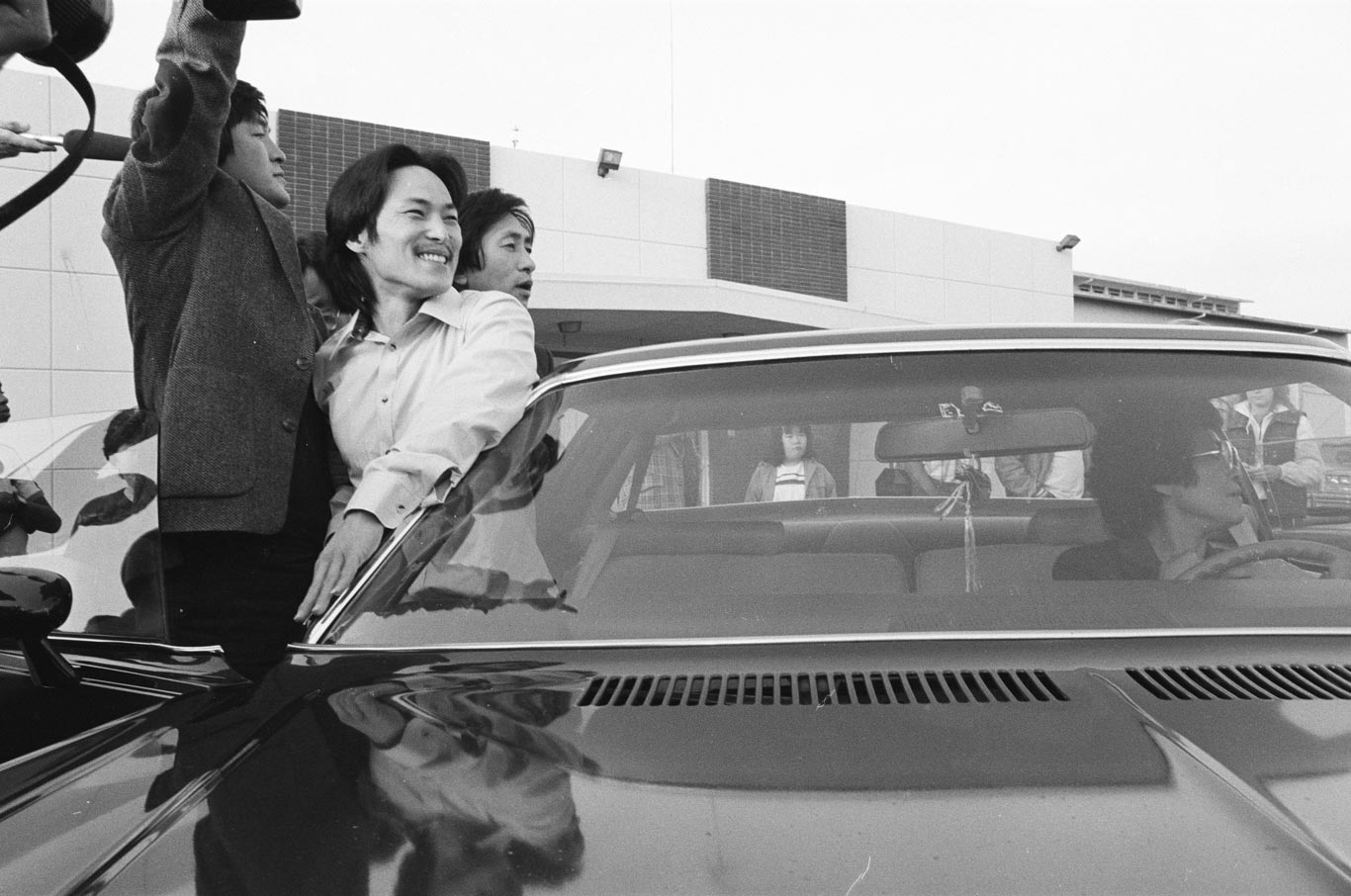
Chapter Overview: Free Chol Soo Lee: How a Lone Immigrant on Death Row Sparked a Movement
Julie Ha
-
Module
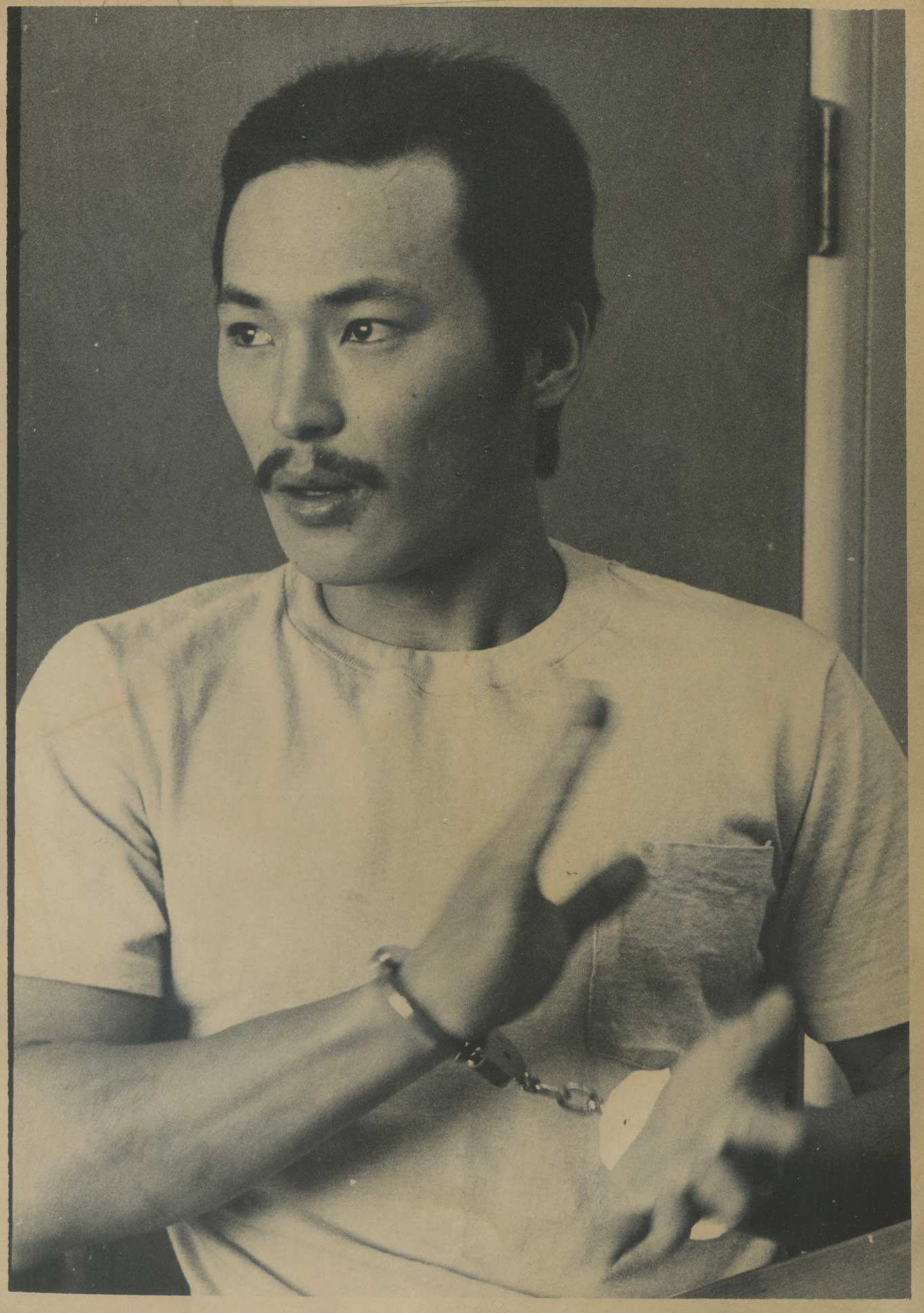
Module 1: Who is Chol Soo Lee?
Julie Ha
-
Module
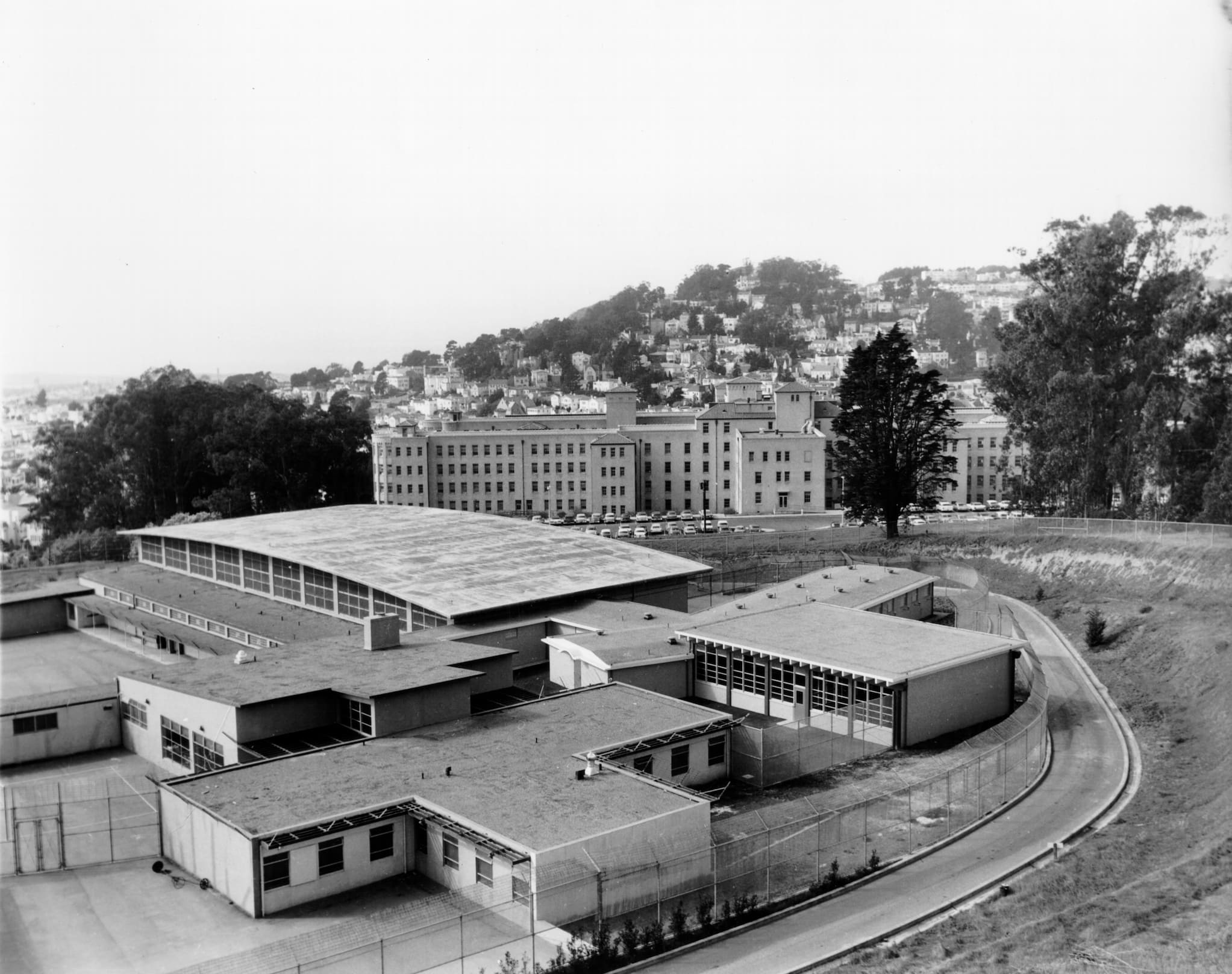
Module 2: Lost in America
Julie Ha
-
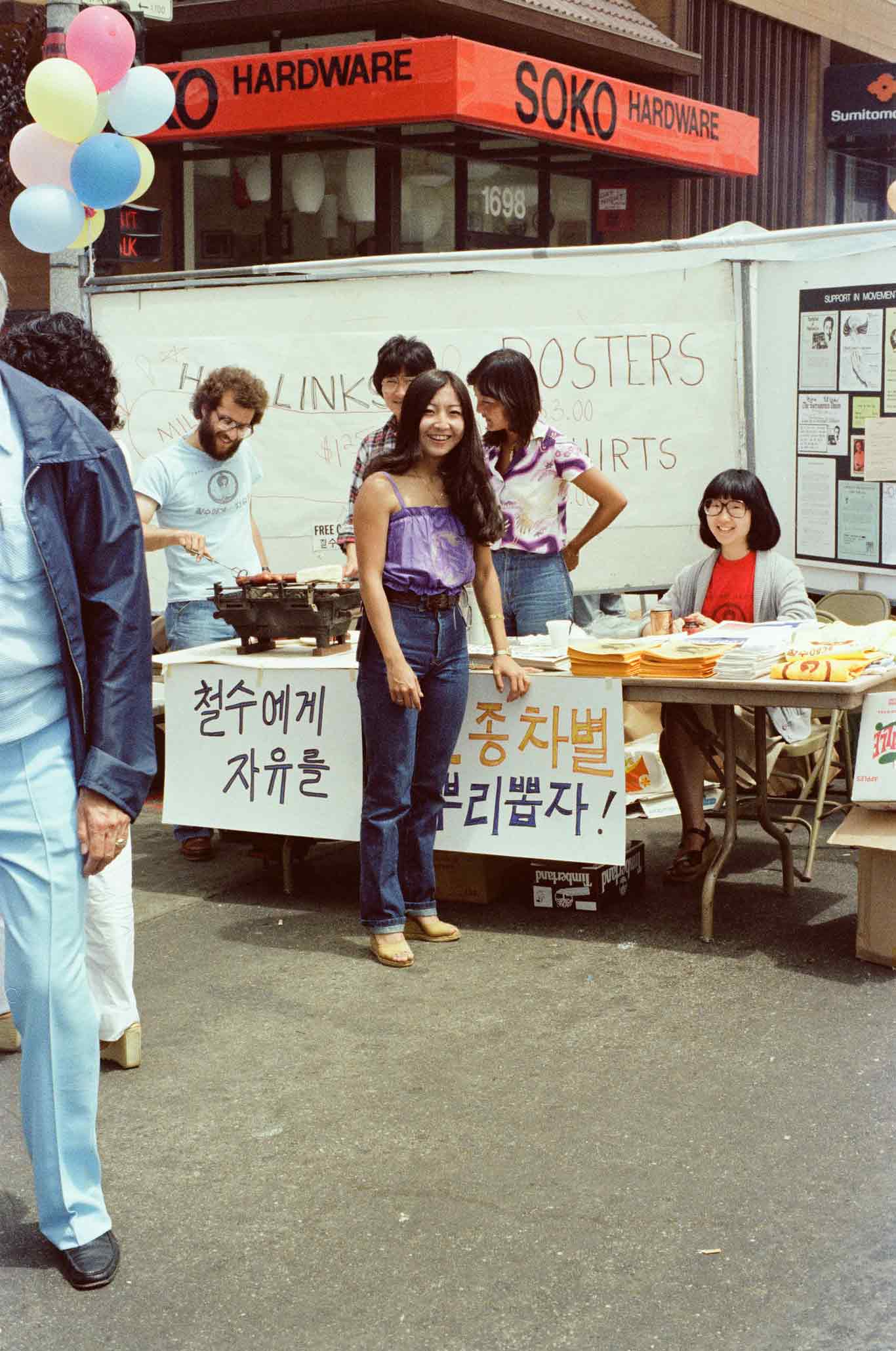
Module
Module 3: It Takes One Person
Julie Ha
-
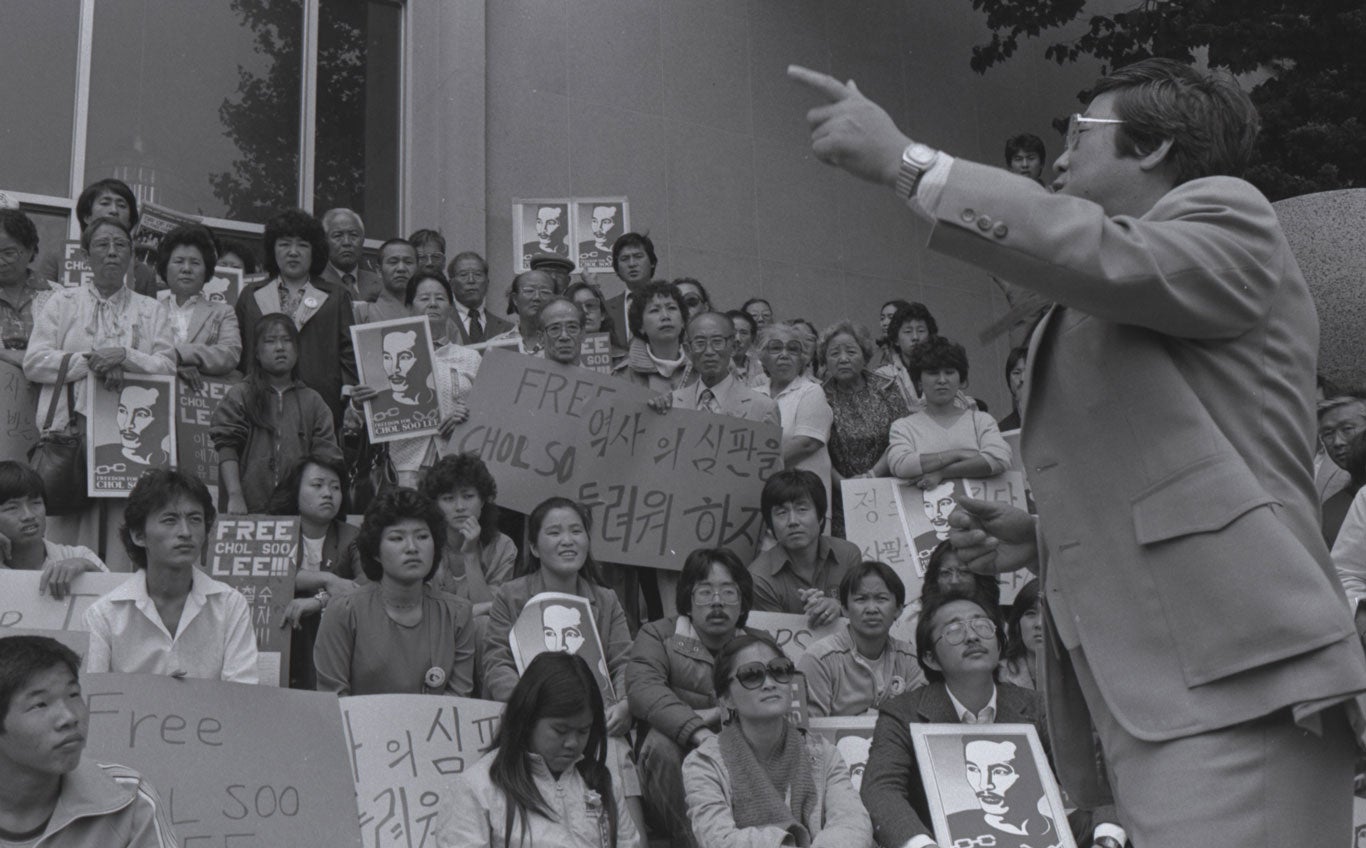
Module
Module 4: ‘Blue Jeans and Chima Jeogori Getting Together’
Julie Ha
-
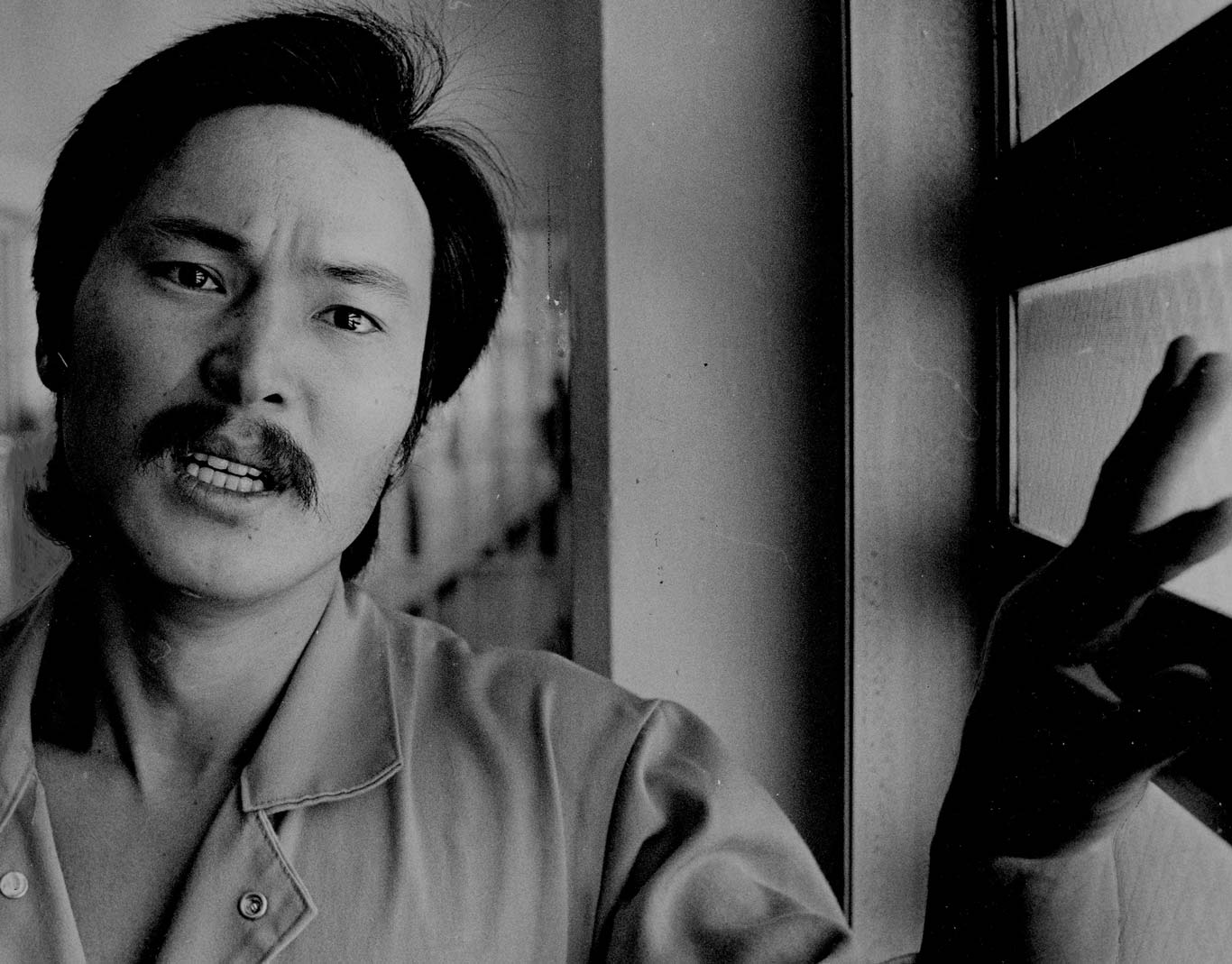
Module
Module 5: Silent Pleas
Julie Ha
-
Chapter
Chapter Overview: Fighting Anti-Asian Violence: Justice for Vincent Chin
Helen Zia
-
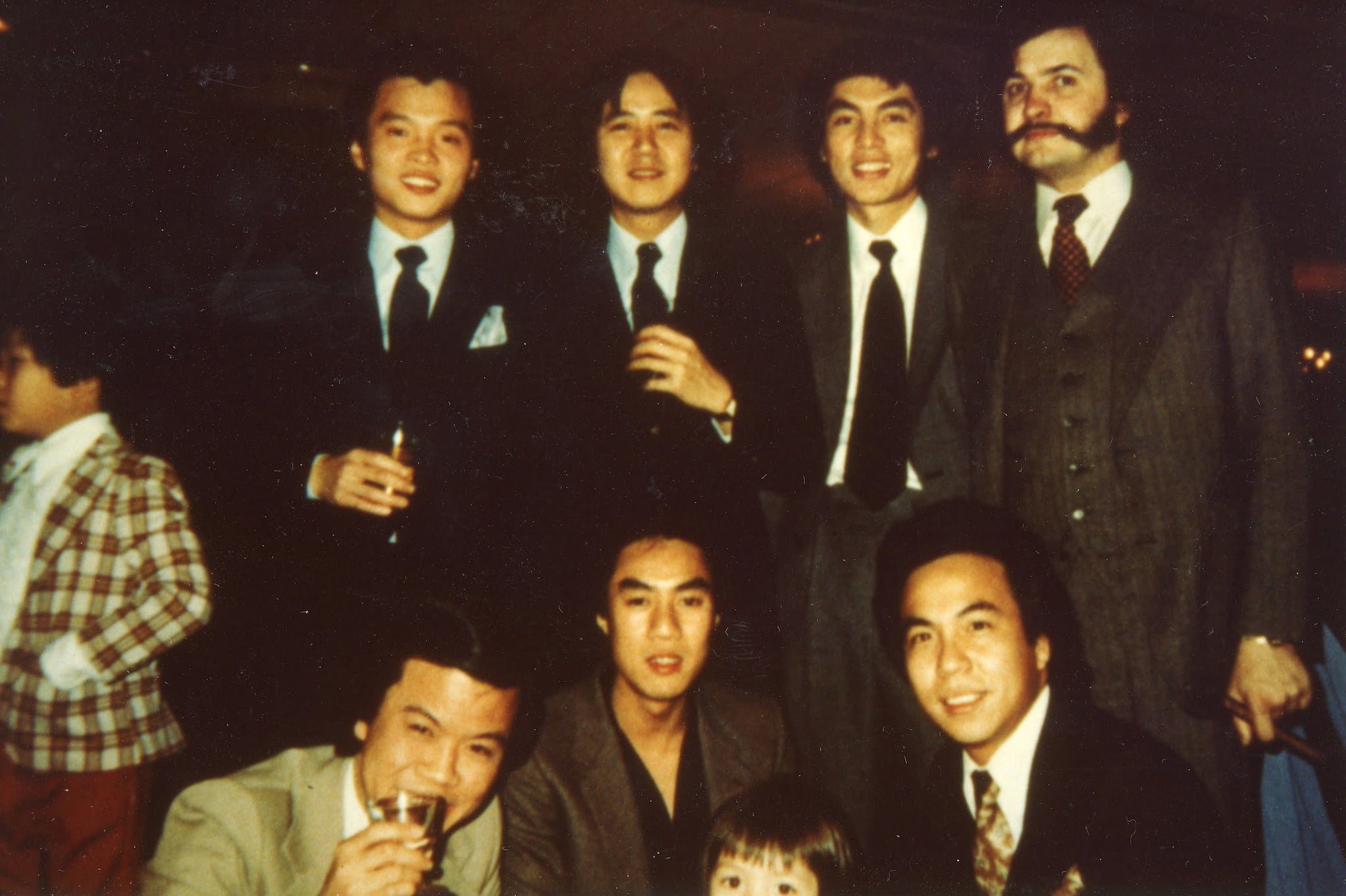
Module
Module 1: Who Was Vincent Chin?
Helen Zia
-
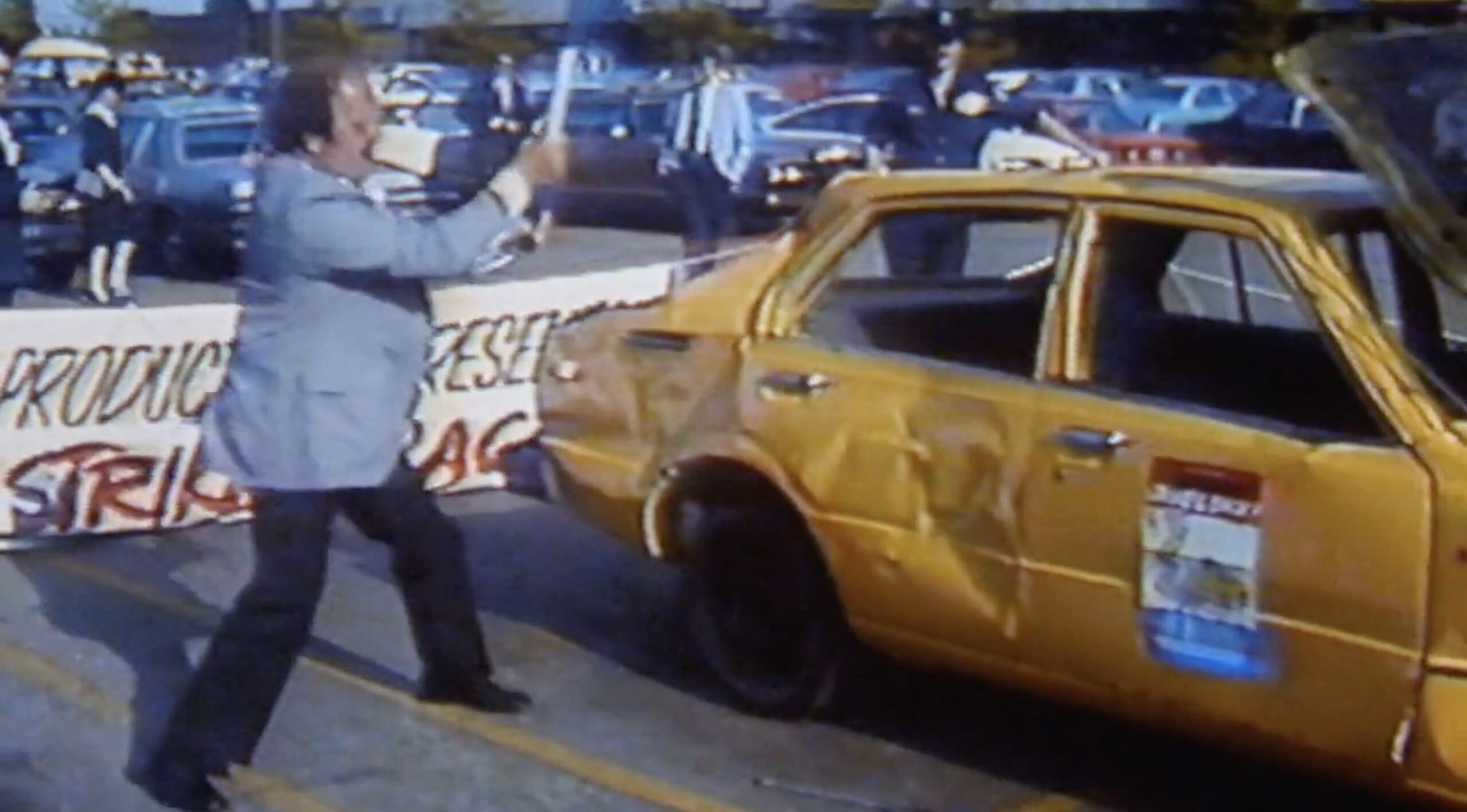
Module
Module 2: Economic Crises, the Politics of Blame, and 1980s Detroit
Helen Zia