


Search the Media Repository
Discover the curated images, videos, and primary sources featured throughout Foundations and Futures
History is more than just text on a page; it is the photographs, voices, and artifacts of the people who lived it. The images and recordings featured across Foundations and Futures are part of a meticulously curated media repository. Whether you are building a lesson plan or investigating an artifact, you can use this database to trace the provenance of our media: discover who created an asset, the historical context behind it, and how it can be used to bring Asian American and Pacific Islander experiences into your classroom.
Multimedia
Chapters
-
Video
CHAN-BOF for Peace Collaborative
California HMong Advocates Network-Building Our Future (CHAN-BOF) for Peace organizers share the work of the organization to serve Hmong communities in Sacramento, Merced, and Fresno, CA.
Featured in:
Hmong Americans, Module 3
-
Image
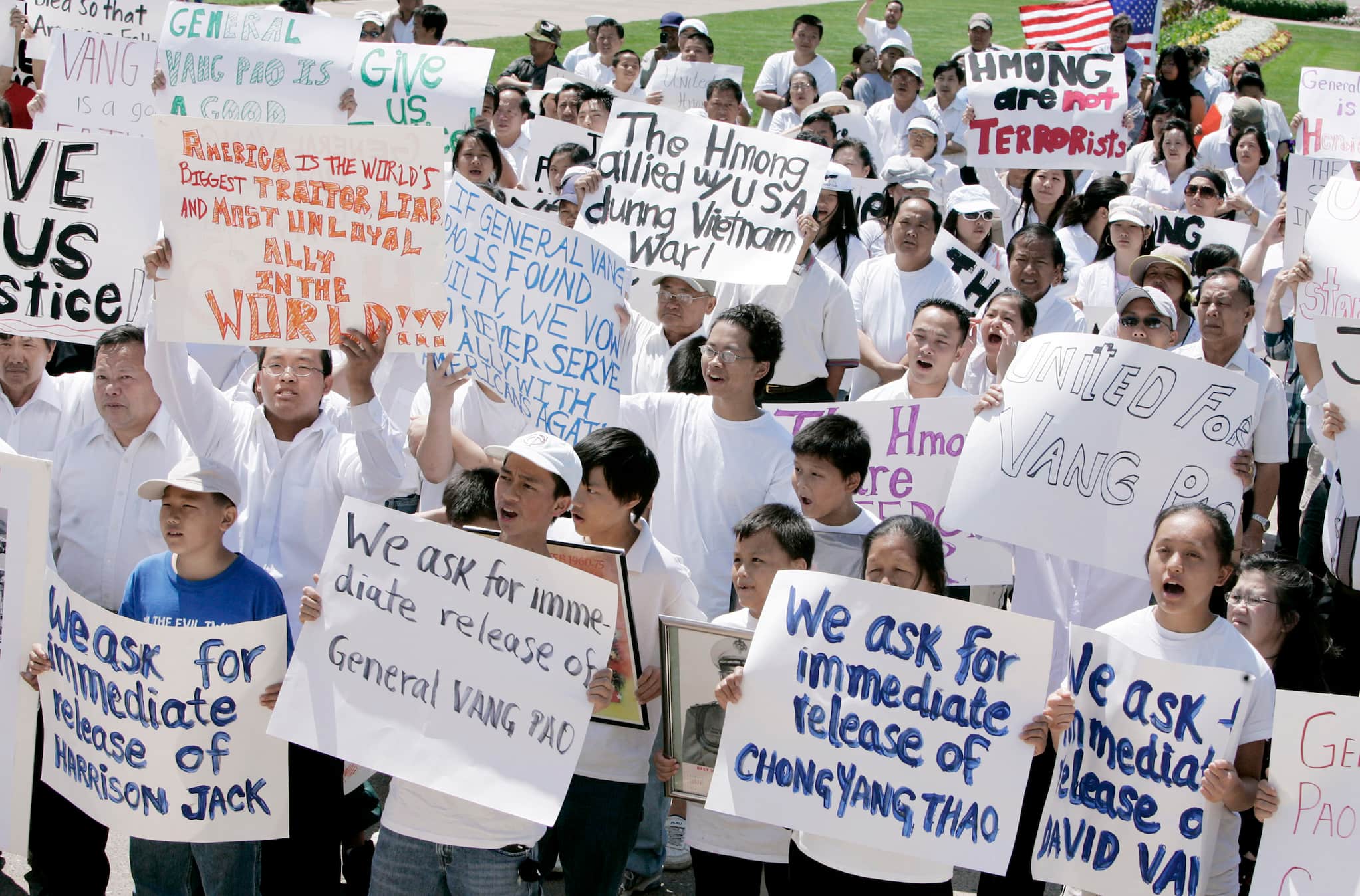
Vang Pao Protest
Hmong community members at a 2007 rally in Minneapolis, demanding the release of General Vang Pao.
Featured in:
Hmong Americans, Module 3
-
Video
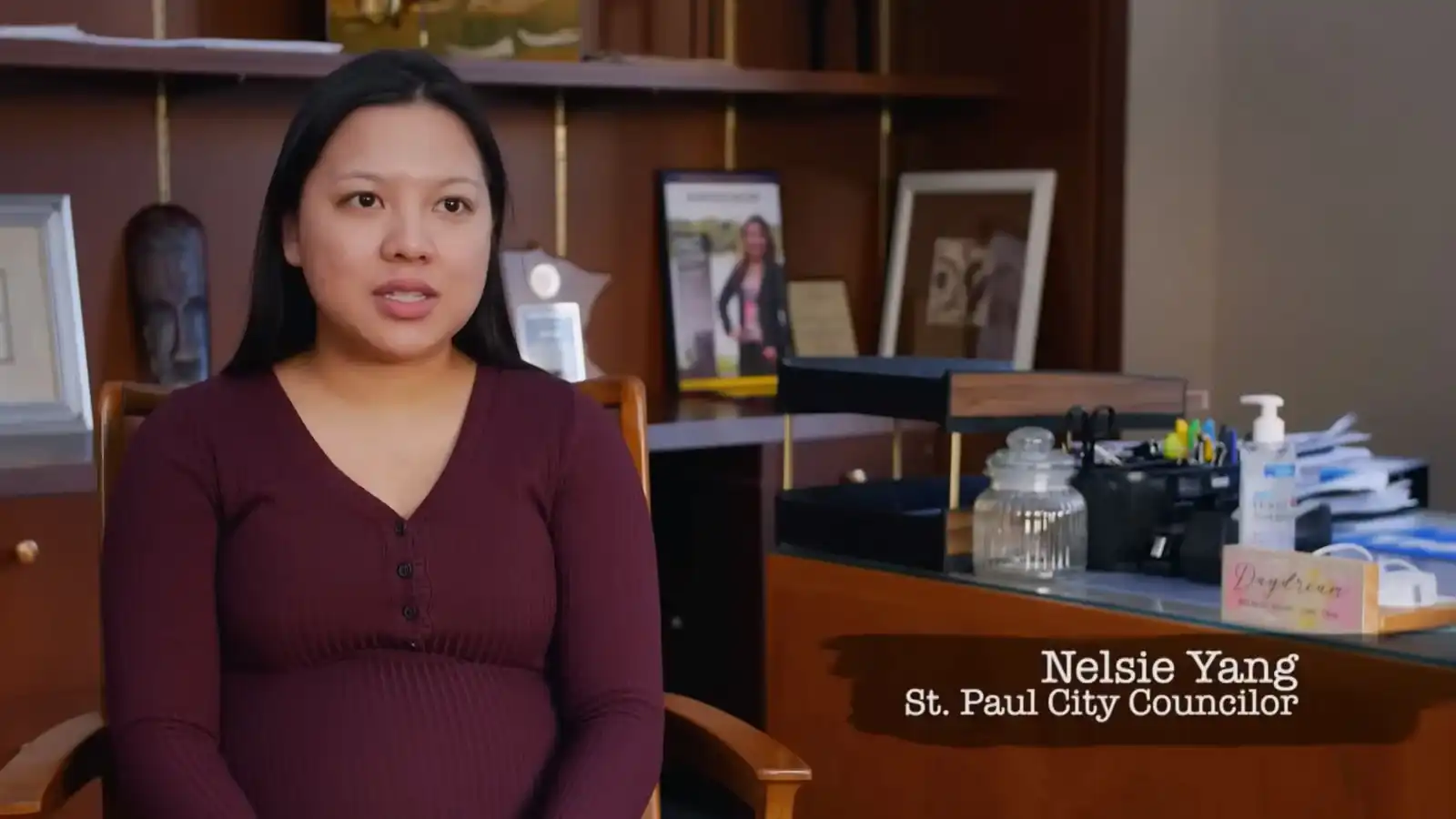
Nelsie Yang Clip
Hmong Americans are becoming increasingly politically active. In this clip from “be/longing: Asian Americans Now,” Nelsie Yang explains why she ran to become the first Hmong American woman elected to the Saint Paul City Council at age twenty-four.
Featured in:
Hmong Americans, Module 3
-
Image
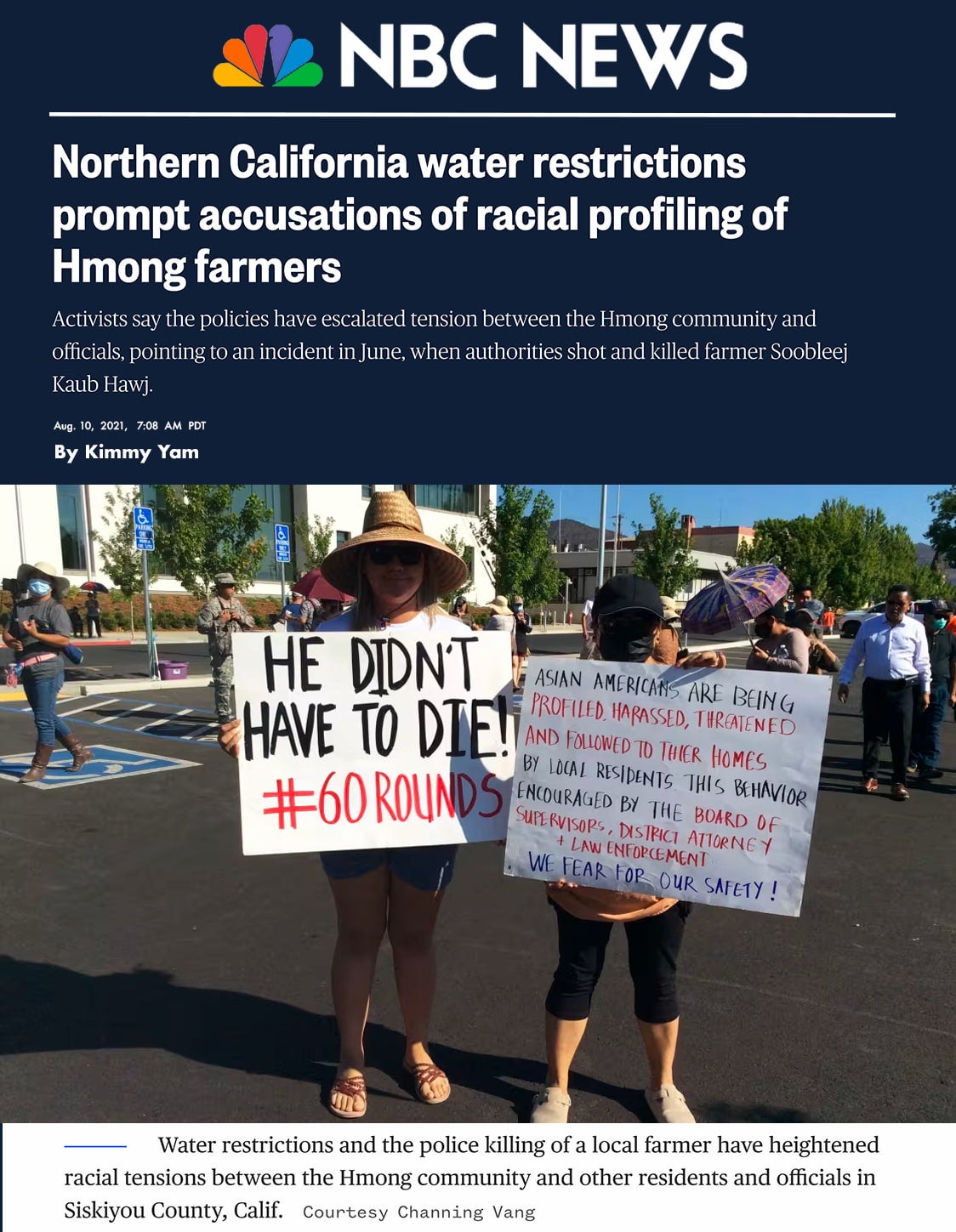
Protest Against Murder of Soobleej Kaub Hawk
NBC News covered a rally against the 2021 police murder of Hmong American farmer Soobleej Kaub Hawk as he fled the Lava Fire in Siskiyou County. Activists claim the sixty times Hawj was shot belies the officers’ claim that he was the aggressor.
Featured in:
Hmong Americans, Module 2
-
Image
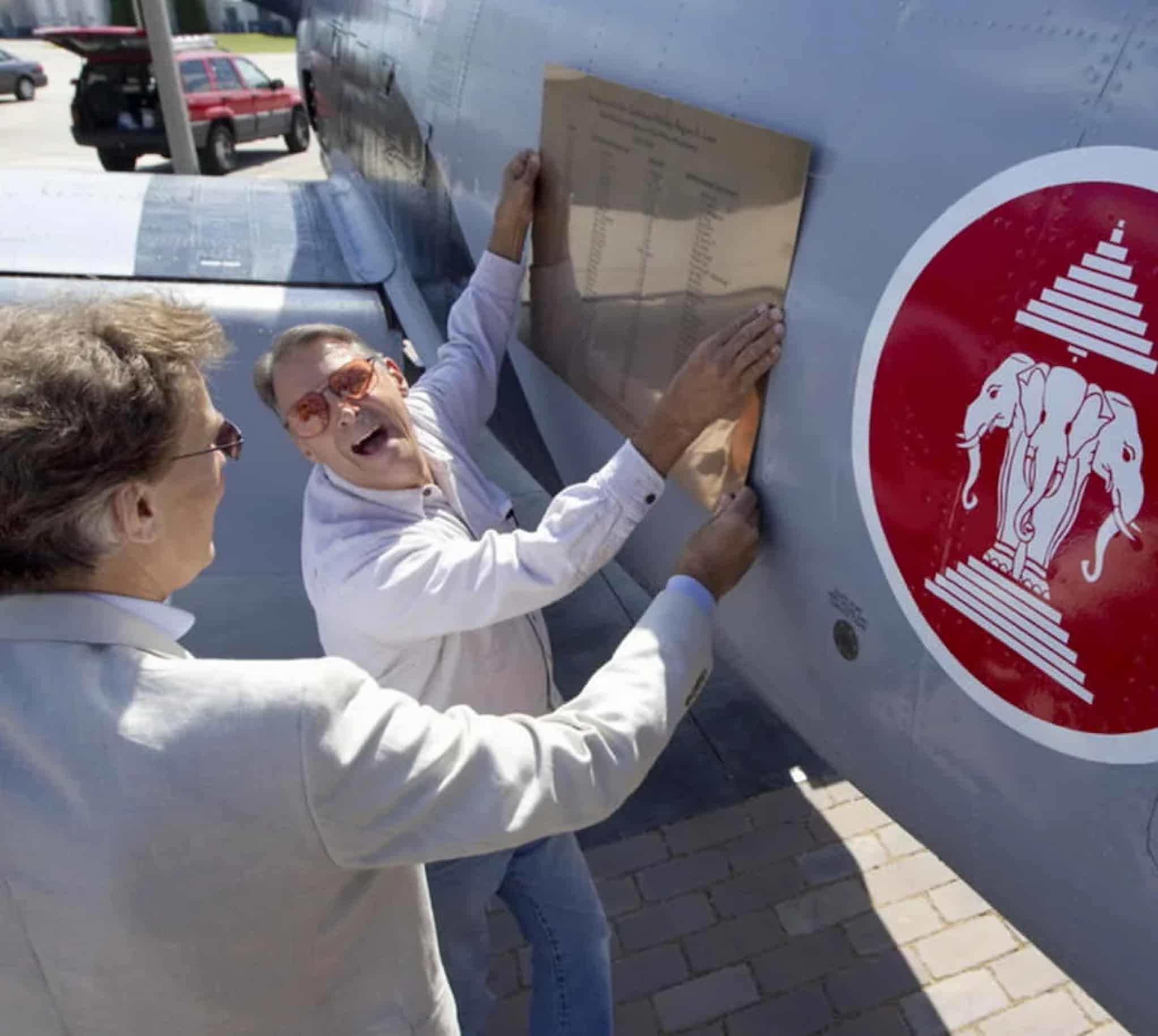
Lao Insignia
The Royal Lao Army insignia on a US plane. US T-28D planes were employed for training Hmong pilots and flying bombing missions in Laos, representing the US subterfuge about its “secret war.”
Featured in:
Hmong Americans, Module 2
-
Text
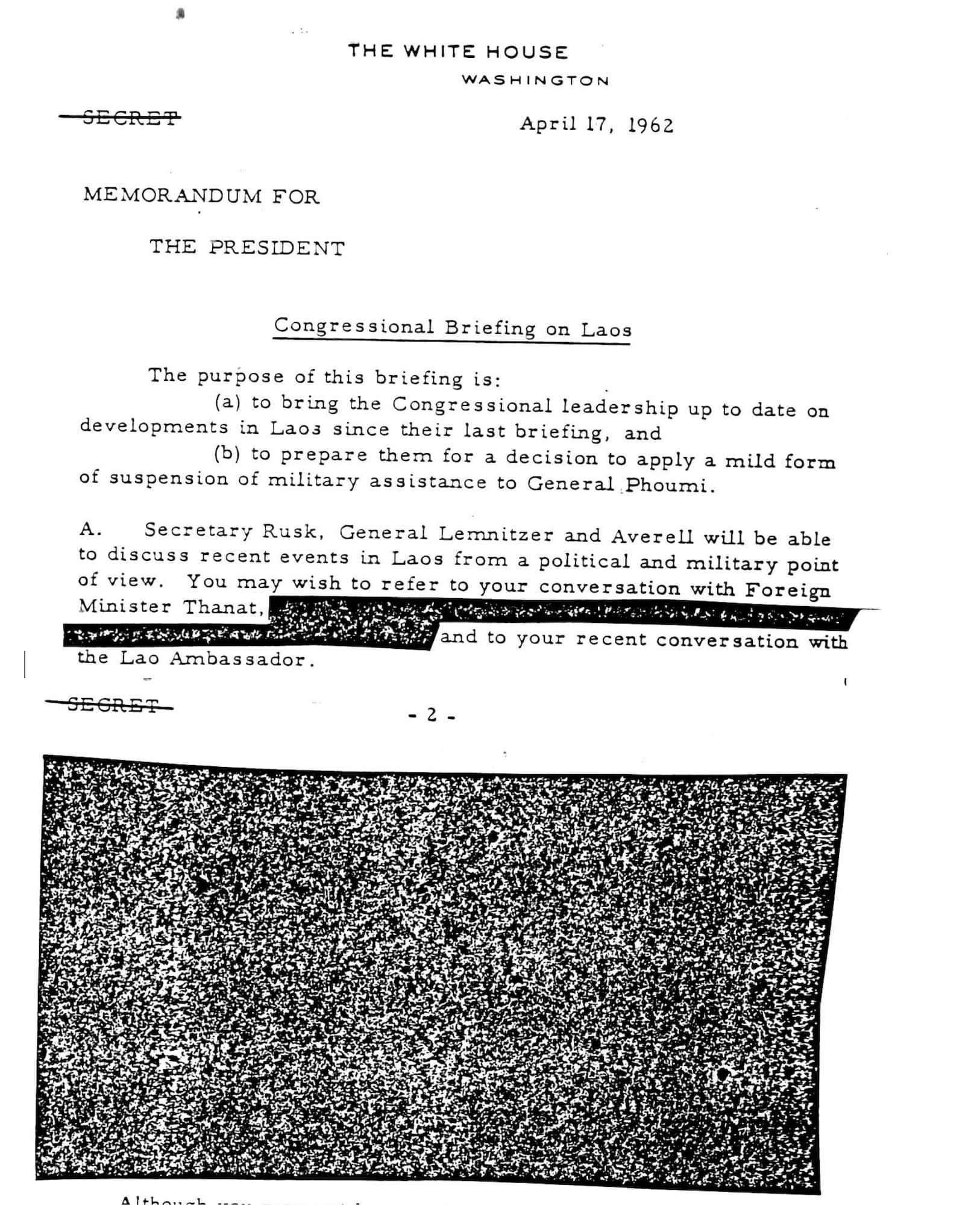
1962 Memorandum for JFK
A declassified 1962 memorandum for President John F. Kennedy regarding a congressional briefing on Laos. The two-page memo was heavily redacted when it was made available to the public in the 1990s.
Featured in:
Hmong Americans, Module 2
-
Video
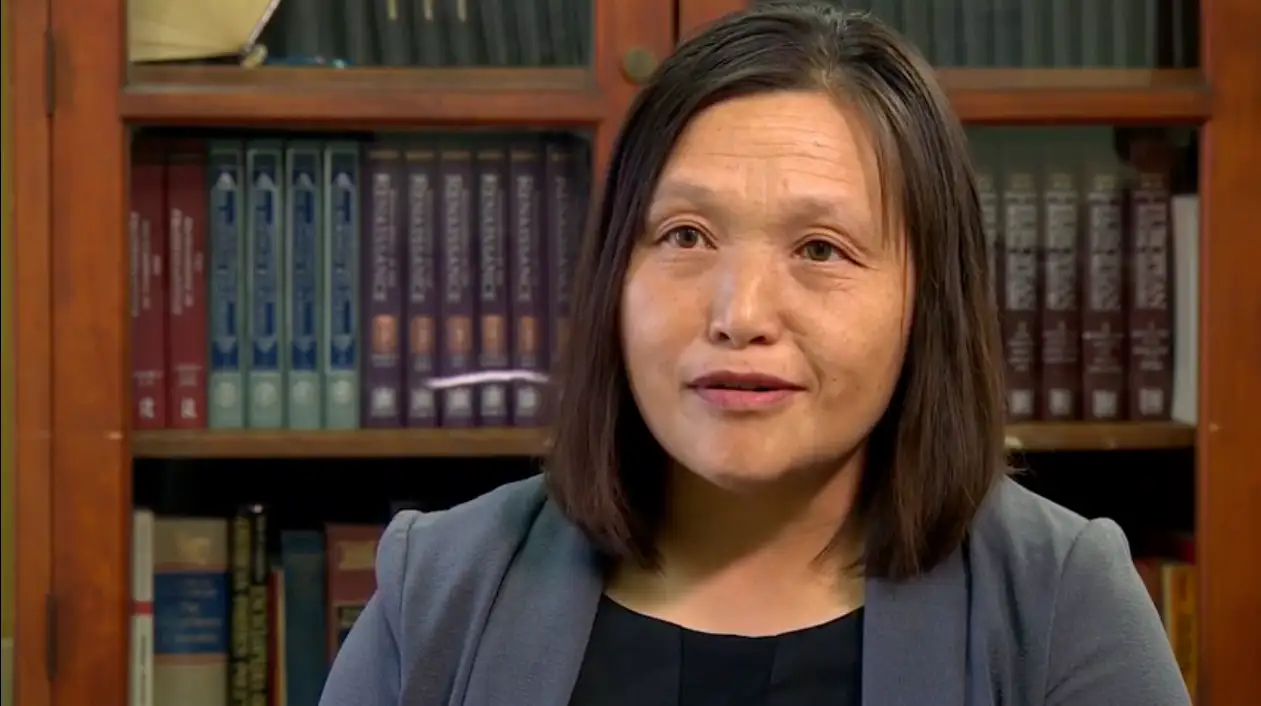
The Secret War: Hmong Soldiers Who Served Alongside Americans in Vietnam
Dr. Chia Youyee Vang discusses the complexities of Hmong soldiers’ involvement in the Vietnam War, noting their critical role in rescuing American soldiers as well as fighting in place of US troops as “proxy soldiers.”
Featured in:
Hmong Americans, Module 2
-
Image
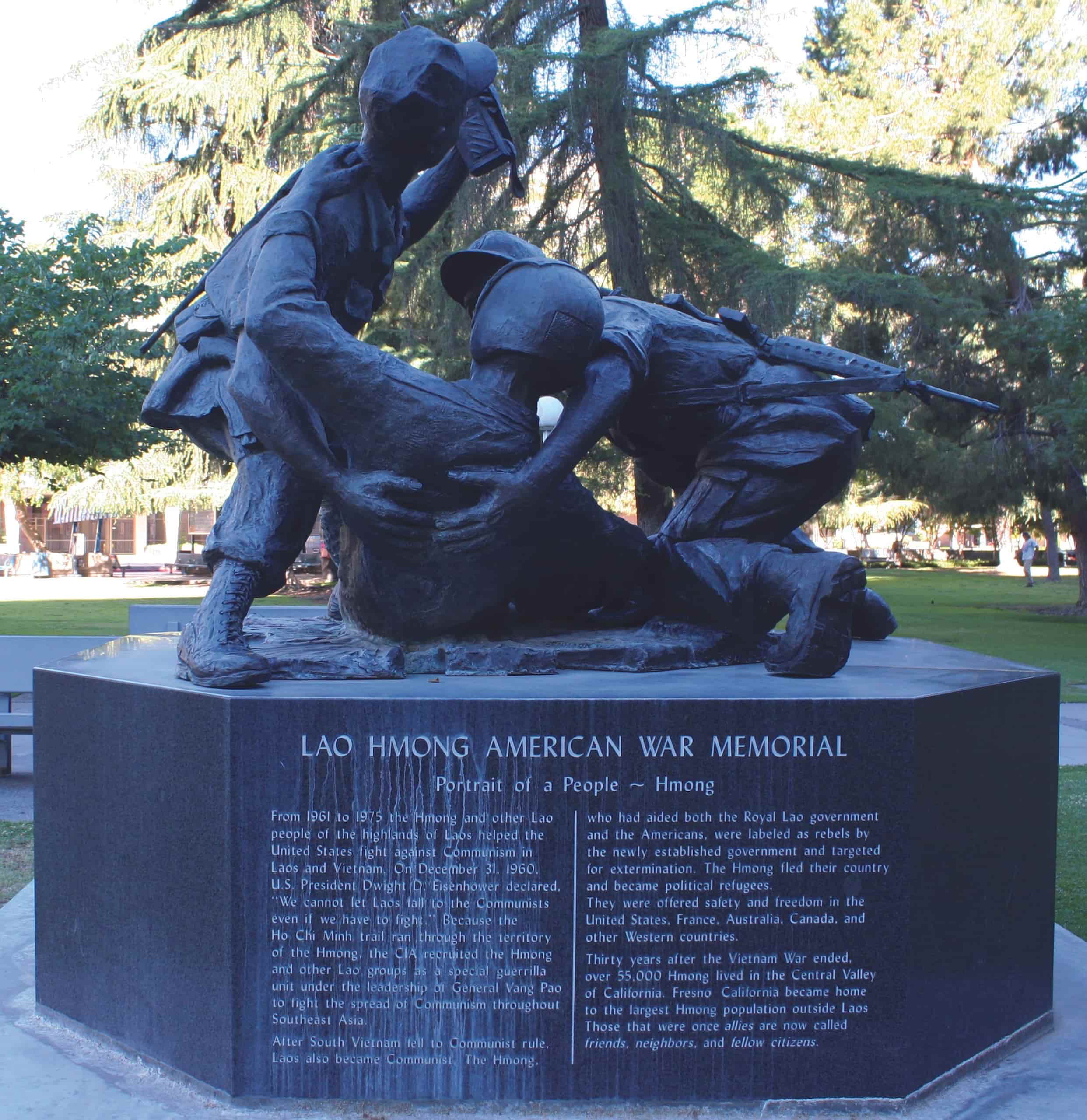
Lao Hmong American War Memorial
This memorial in Fresno, CA was completed in 2005 to commemorate the Hmong and Lao veterans who sacrificed their lives in service of the US in Vietnam and the “secret war” in Laos.
Featured in:
Hmong Americans, Module 2
-
Image
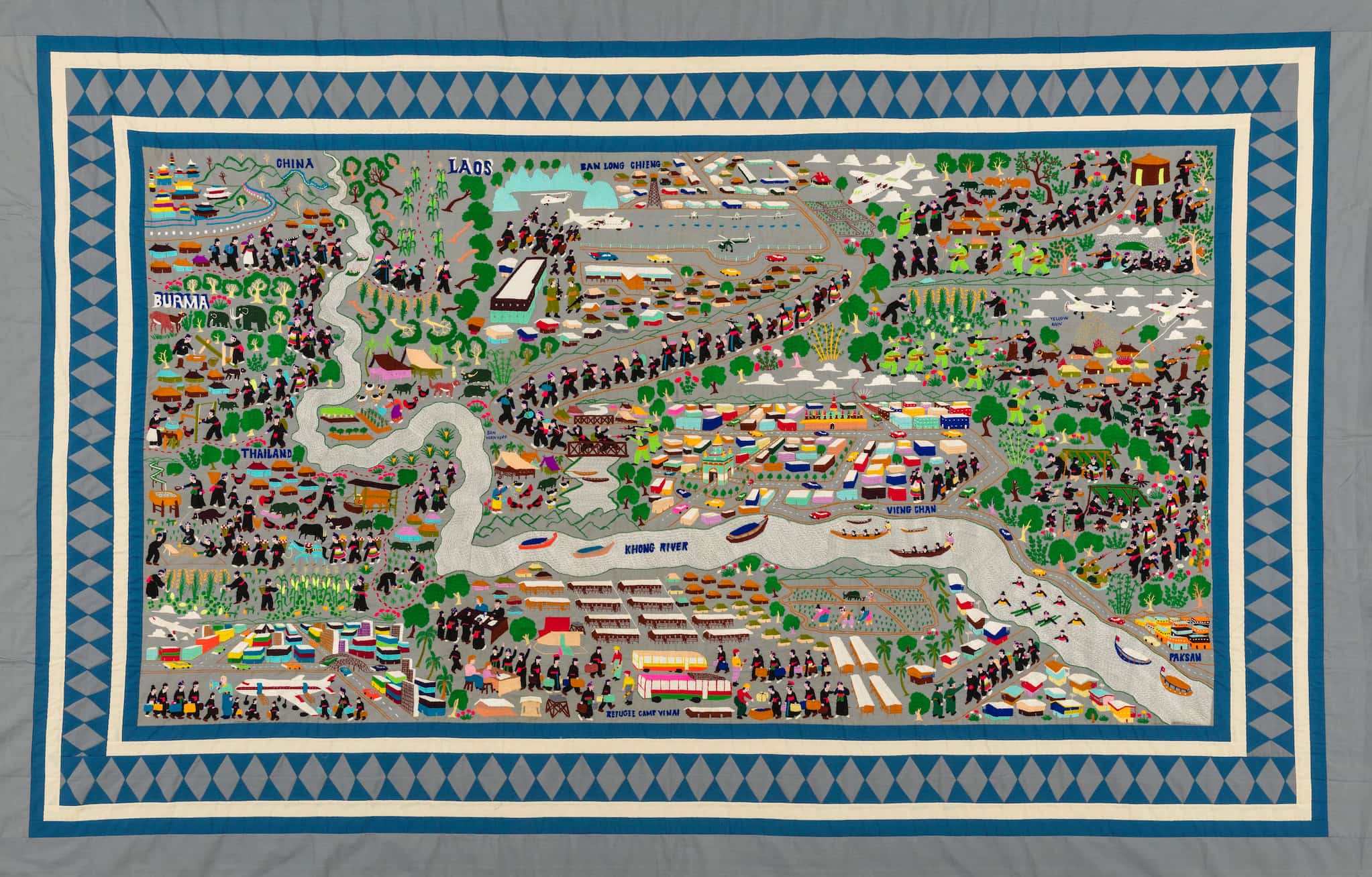
Dia Cha’s Story Cloth
This story cloth includes the representation of Hmong way of life and forced migration across different borders in China and Southeast Asia.
Featured in:
Hmong Americans, Module 1
-
Image
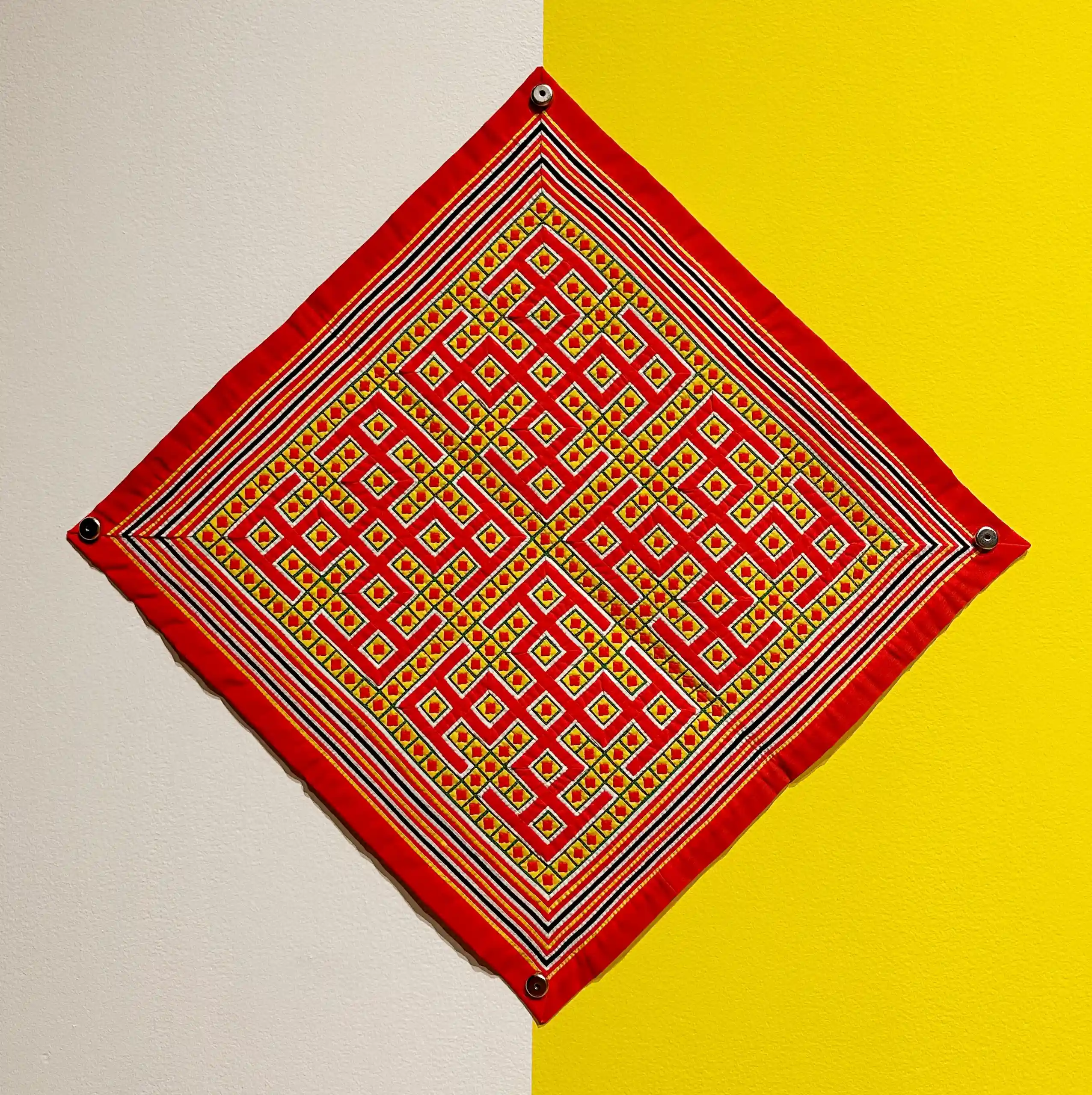
Noob Ncoos
A Noob Ncoos, a gift for elders placed in the coffin and buried for wealth and prosperity in the afterlife.
Featured in:
Hmong Americans, Module 1
-
Video
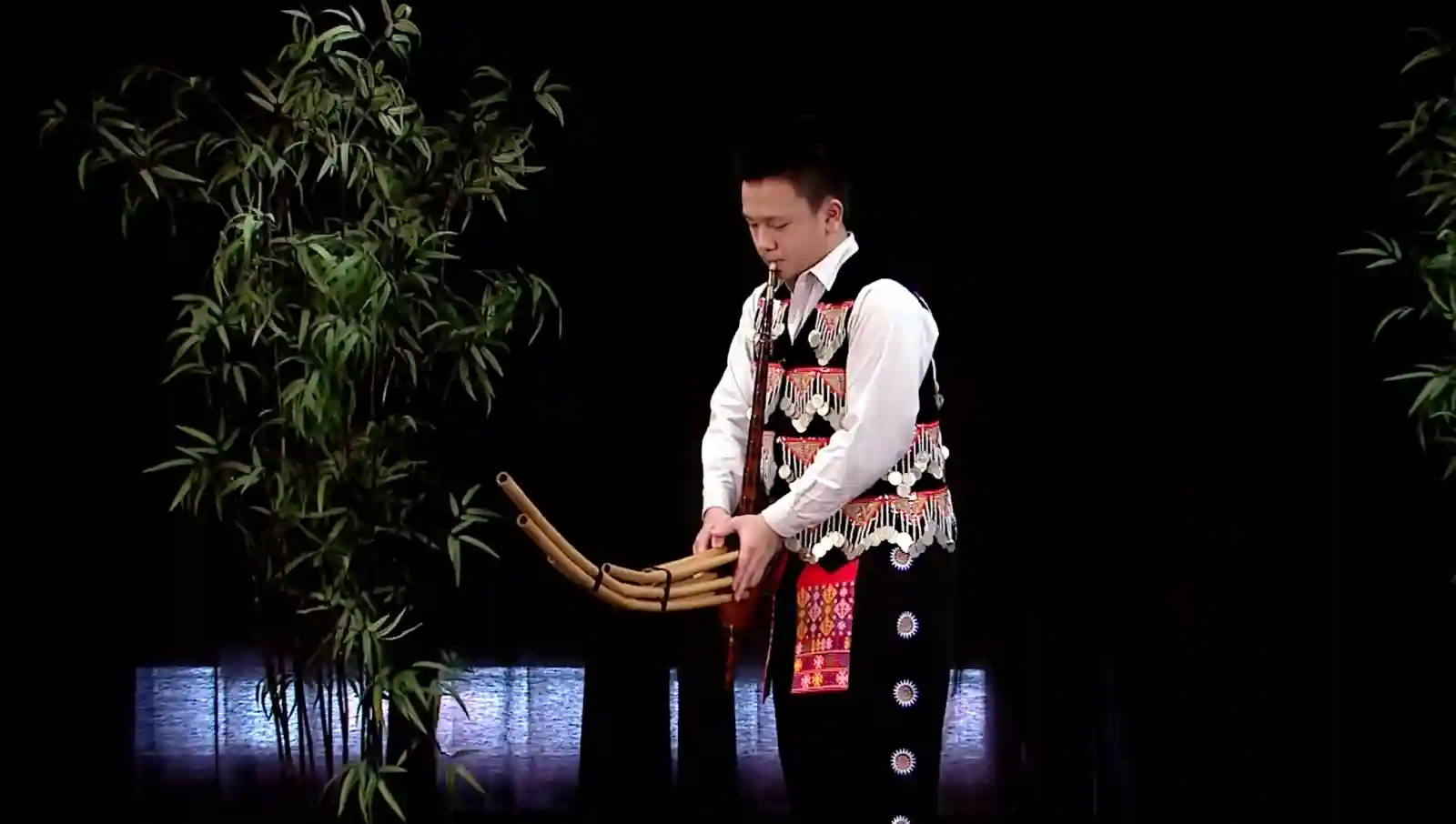
Qeej Performance
Paul Vang, a student at the Hmong Cultural Center of Minnesota plays the qeej– a bamboo pipe instrument that holds deep significance in Hmong culture.
Featured in:
Hmong Americans, Module 1
-
Image
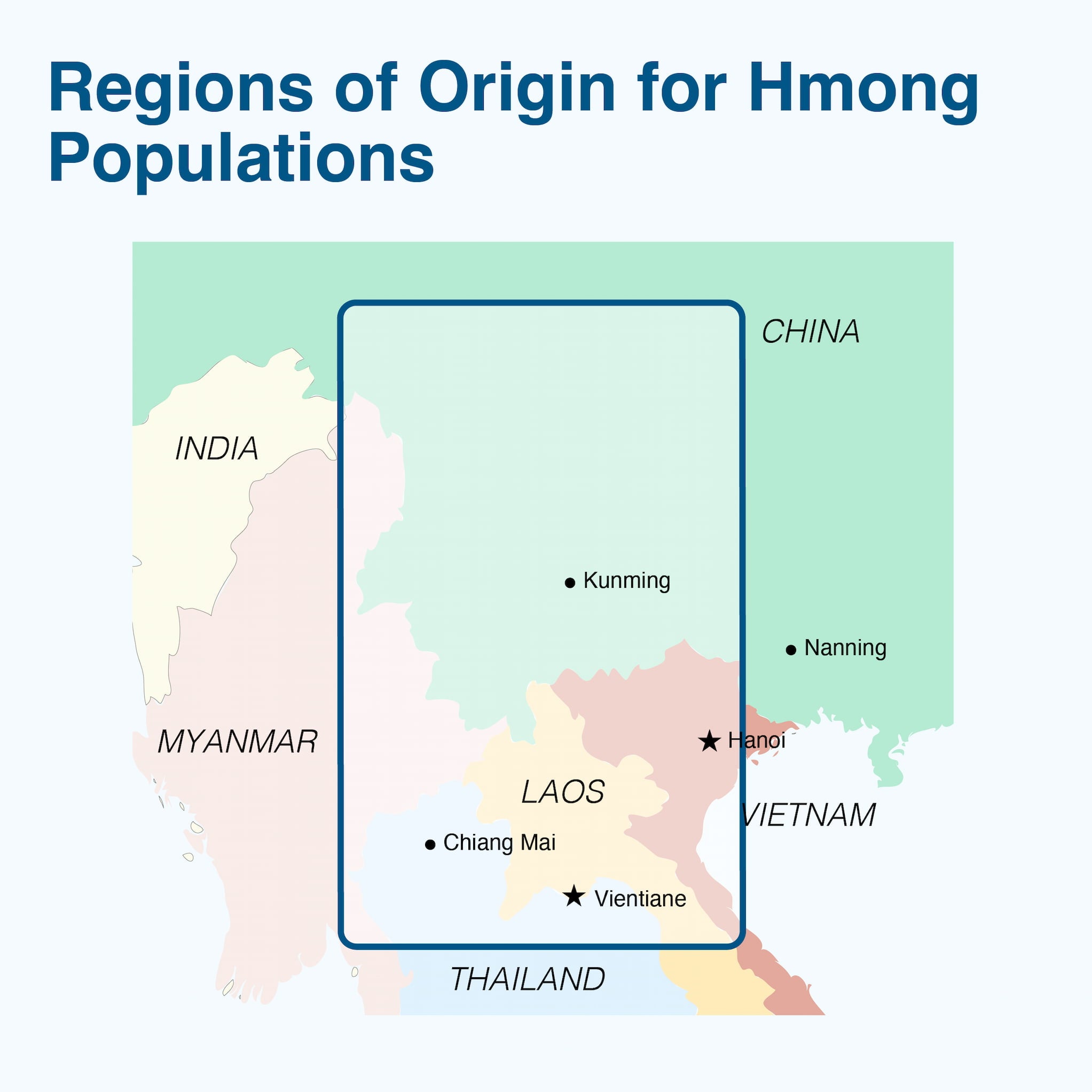
Regions of Origins for Hmong Populations
This map illustrates the geographic regions that Hmong populations originate from.
Featured in:
Hmong Americans, Module 1
-
Video
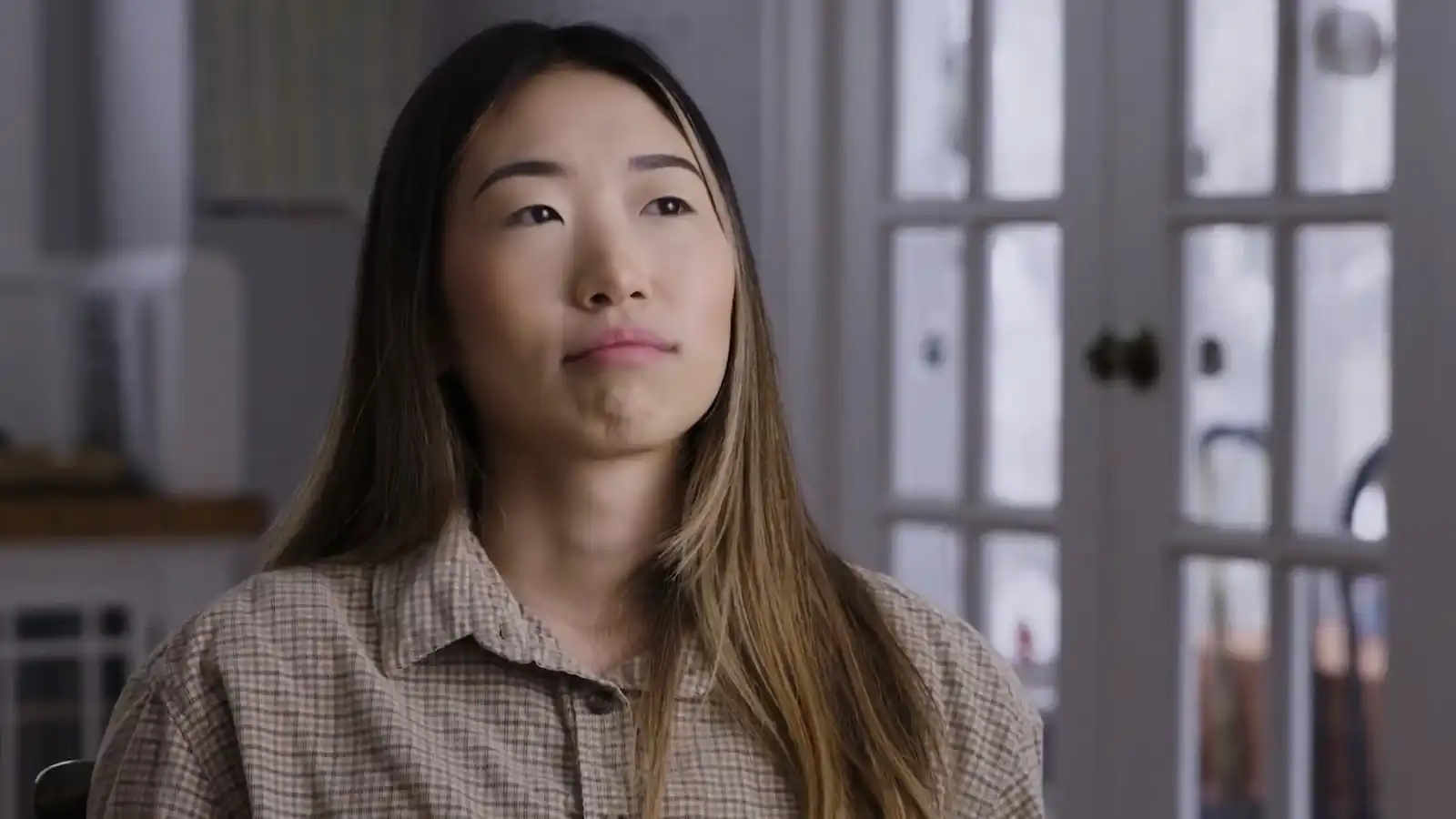
Being Hmong American Clip
Pa Houa discusses the unique historical experiences of Hmong Americans in this clip from Pew Research Center’s “Being Asian in America.” Her reflection highlights the complexities of locating Hmong to a place but also the beautiful ethic of Hmong resistance to notions of geopolitical origins.
Featured in:
Hmong Americans, Module 1
-
Video
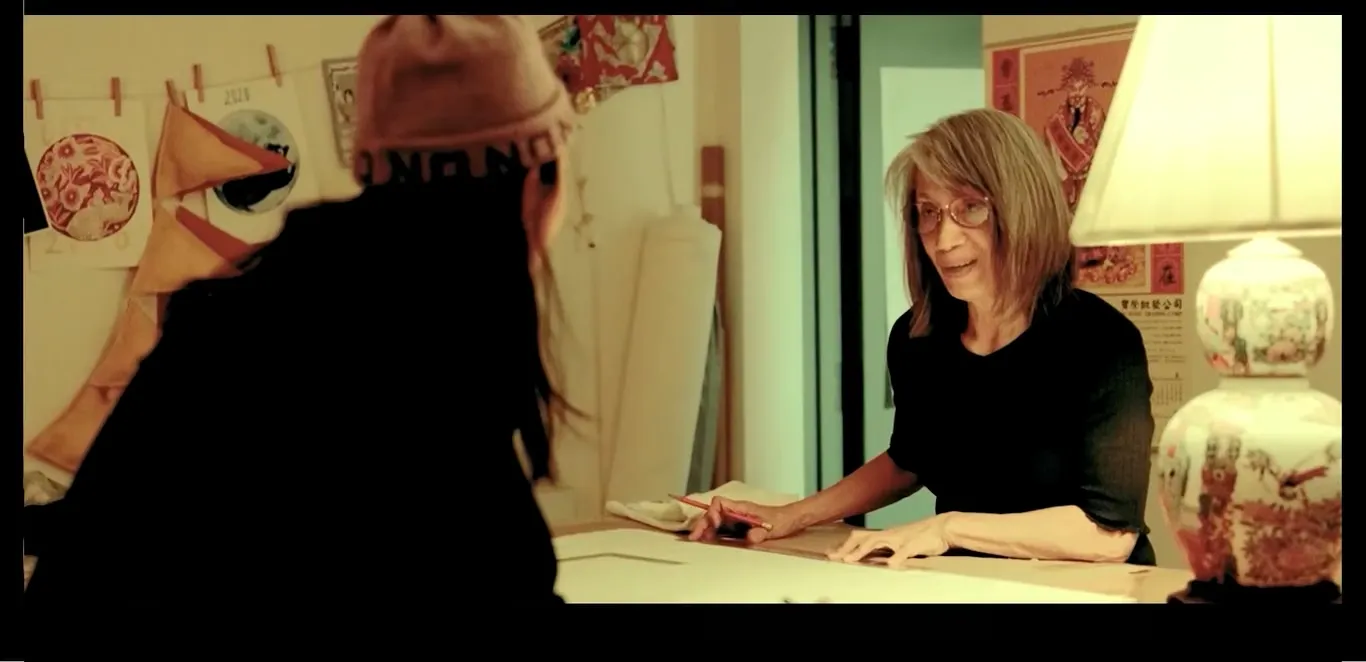
Invisible Seams
This clip shows an intergenerational appreciation and exchange between two women in the garment industry, Joy Mao and Lorraine Lam, brought together by the W.O.W. Project, a community arts initiative rooted in New York City’s Chinatown.
-
Image
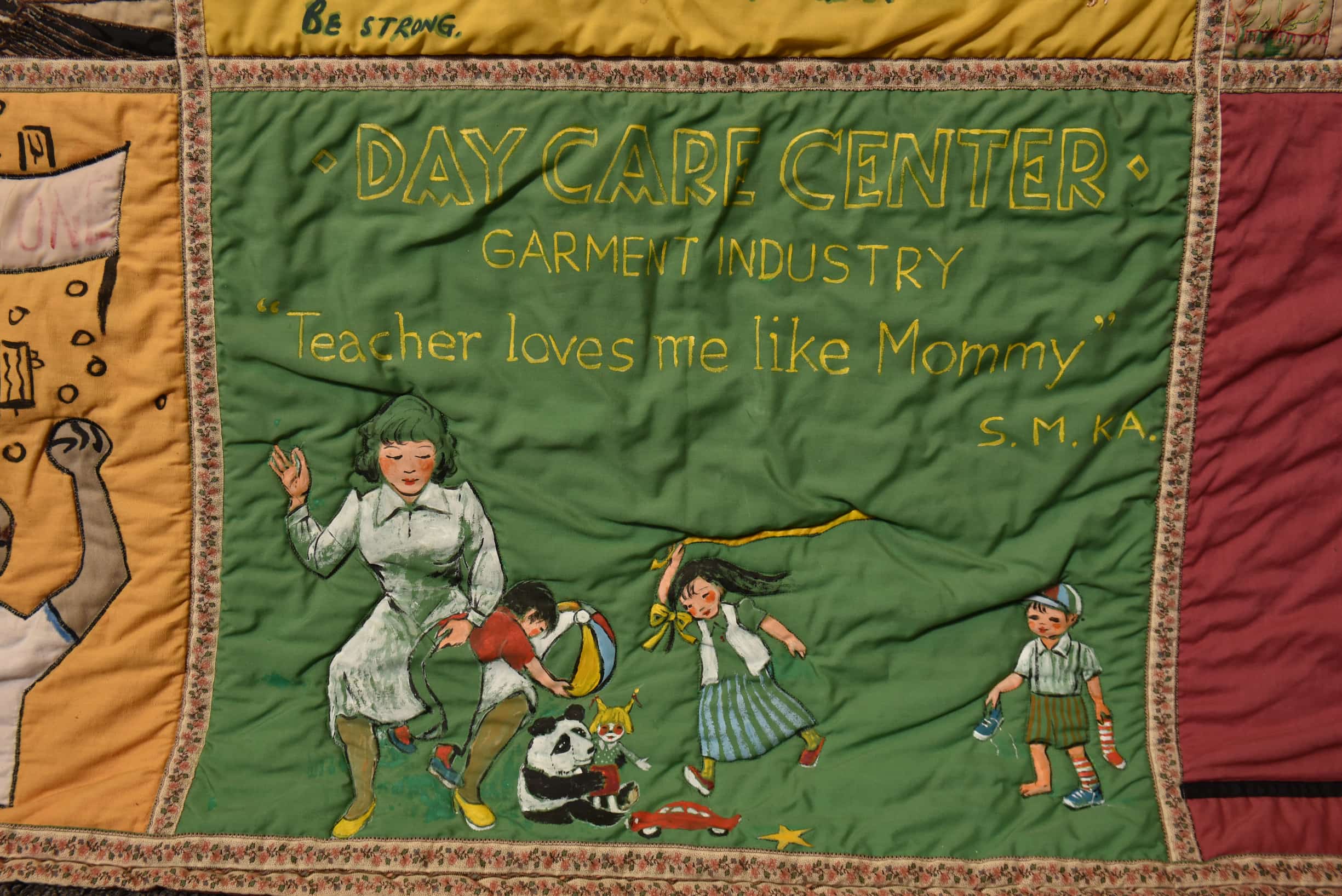
ILGWU Quilt: Childcare
Childcare was an extremely important issue for Chinese women garment workers. Through organized efforts, Chinese women members of Local 23-25 made their voices heard. The Garment Industry Day Care Center of Chinatown opened in 1983.
-
Image
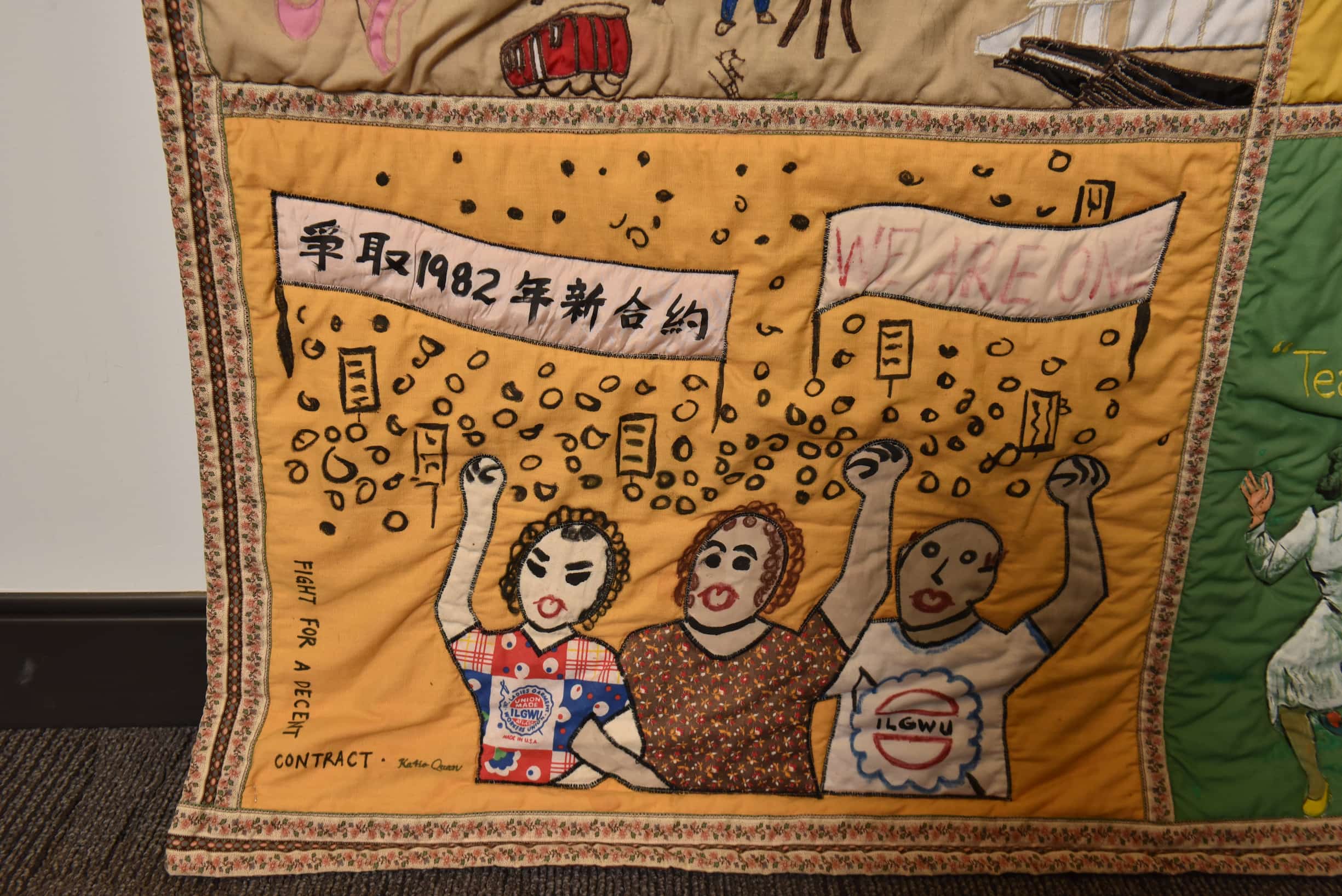
ILGWU Quilt: 1982 Strike
This square, made by Katie Quan, pays tribute to the successful 1982 ILGWU strike.
-
Image
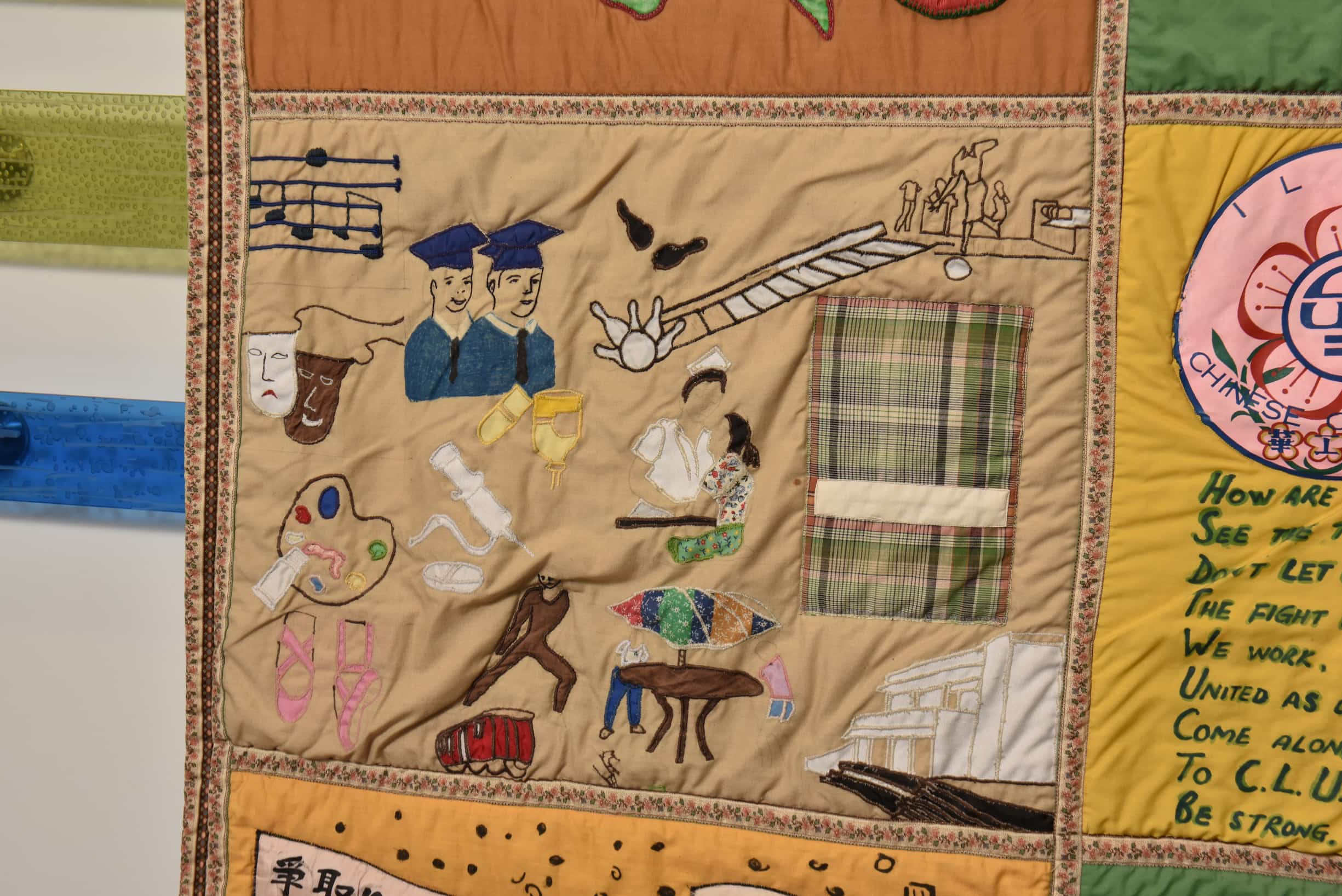
ILGWU Quilt: Union Socializing
This square highlights social unionism activities including bowling, painting, theater, dancing, and music.
-
Image
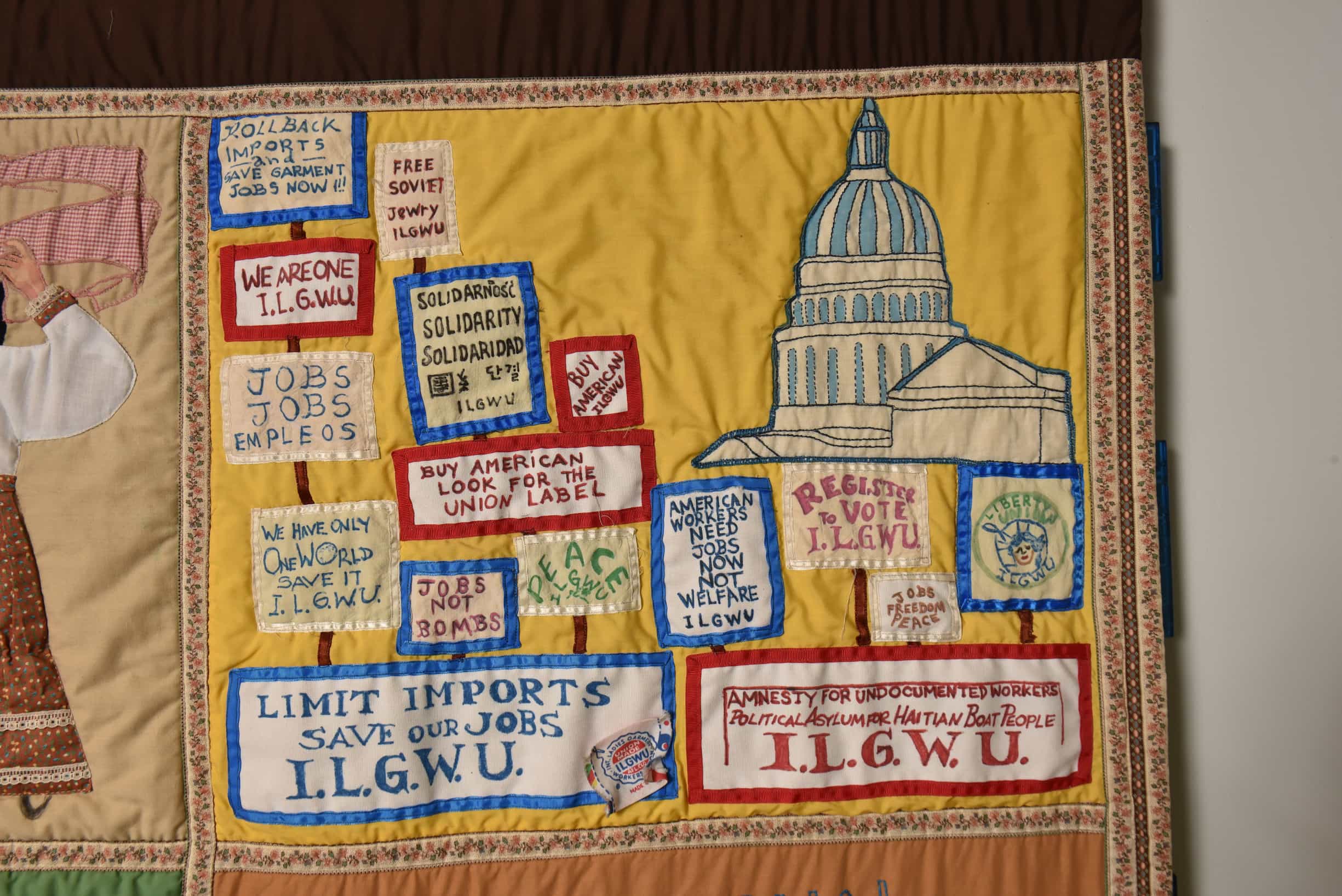
ILGWU Quilt: Protests in D.C.
Protest signs in front of the capitol building in Washington DC where ILGWU members frequently attended demonstrations in support of immigrant and worker rights.
-
Image
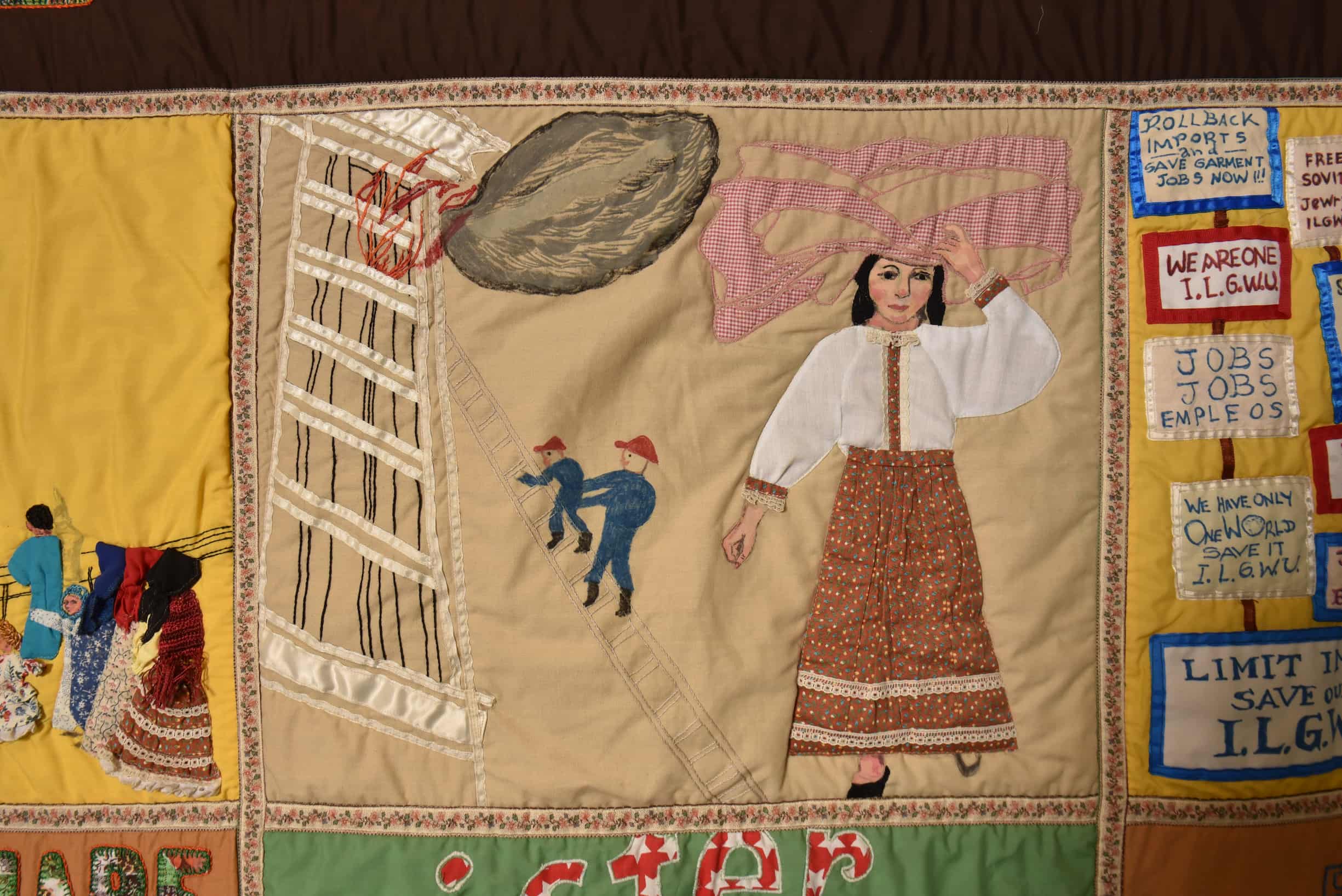
ILGWU Quilt: Triangle Shirtwaist Fire
This square pays respects to the legacy of garment worker unionism through depicting the Triangle Shirtwaist Factory Fire (1911). Massive protests following the fire pushed for new workplace safety regulations and energized the ILGWU’s growth.
-
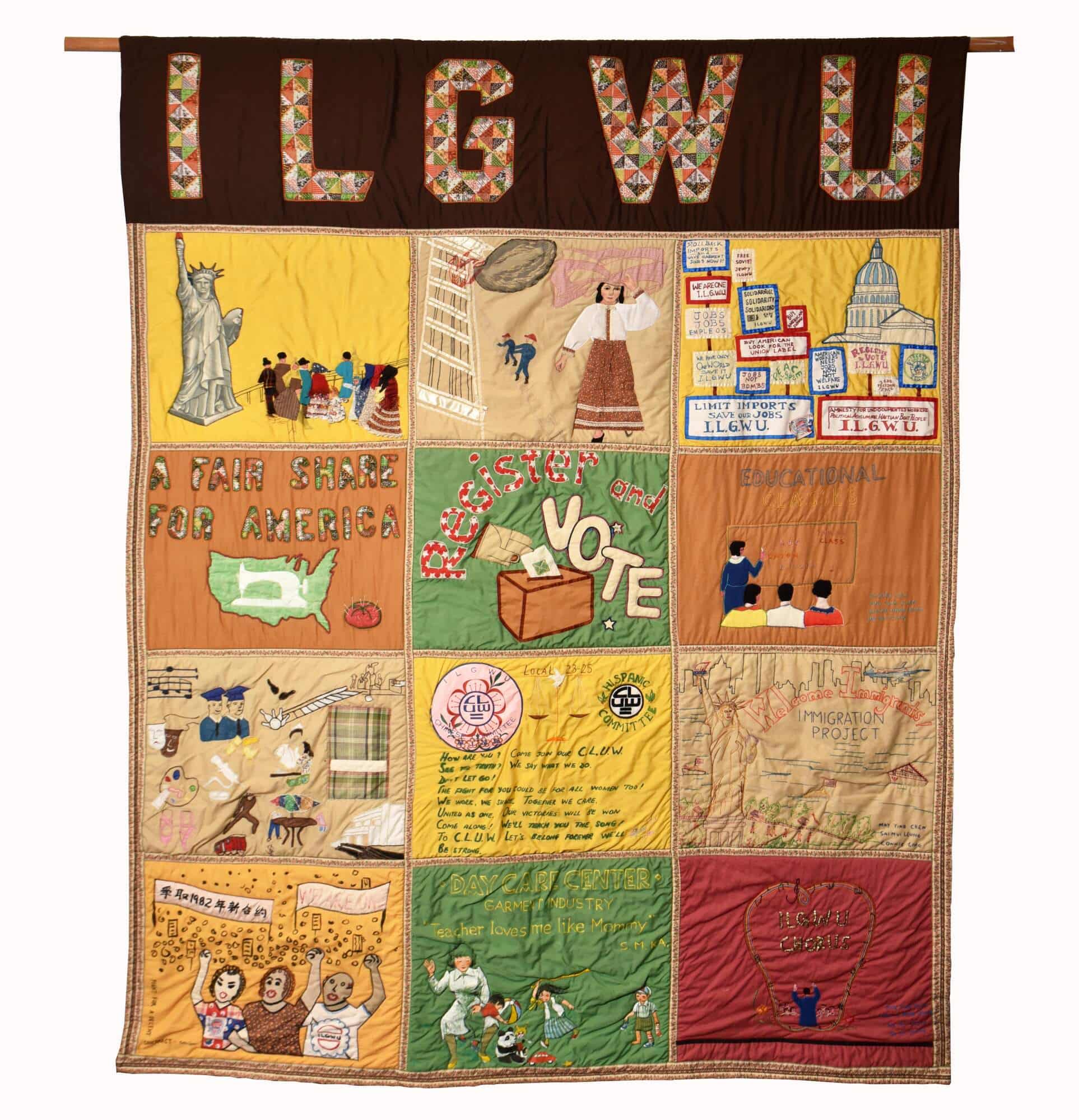
Image
ILGWU Quilt
ILGWU’s social unionism in the 1980s is vividly depicted in this quilt made by members of Local 23-25 from the Chinese and the Hispanic committees of the Coalition of Labor Union Women (CLUW). The twelve squares illustrate their history and values.