Search the Media Repository
Discover the curated images, videos, and primary sources featured throughout Foundations and Futures
History is more than just text on a page; it is the photographs, voices, and artifacts of the people who lived it. The images and recordings featured across Foundations and Futures are part of a meticulously curated media repository. Whether you are building a lesson plan or investigating an artifact, you can use this database to trace the provenance of our media: discover who created an asset, the historical context behind it, and how it can be used to bring Asian American and Pacific Islander experiences into your classroom.
Multimedia
Chapters
-
Image
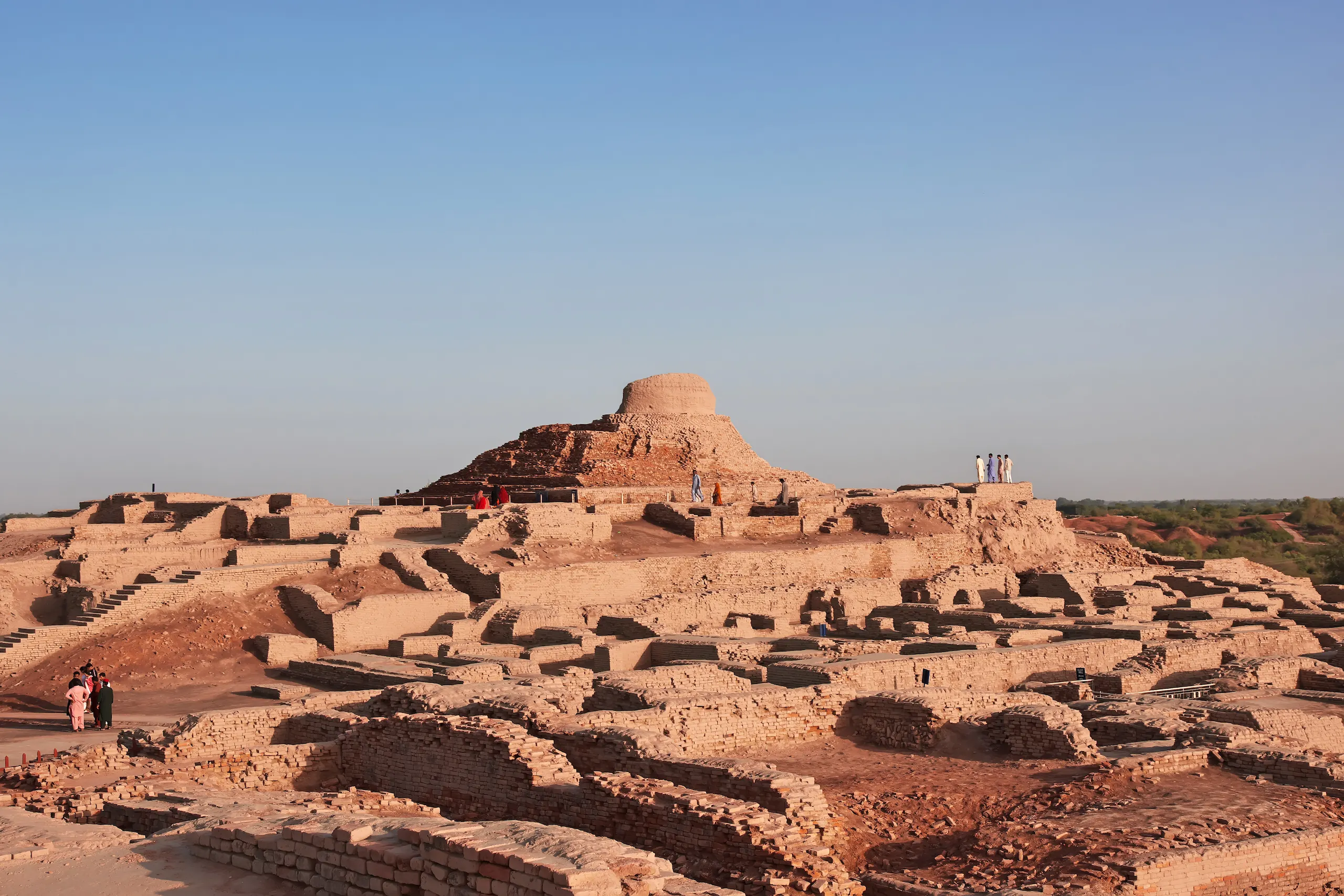
Mohenjo Daro
The ancient Indus Valley civilization, one of the world’s oldest and complex civilizations, began to form around 3200 BCE. The ruins of Mohenjo Daro in Sindh, Pakistan, are one of the Indus Valley archaeological sites.
Featured in:
Pakistani Americans, Module 1
-
Image
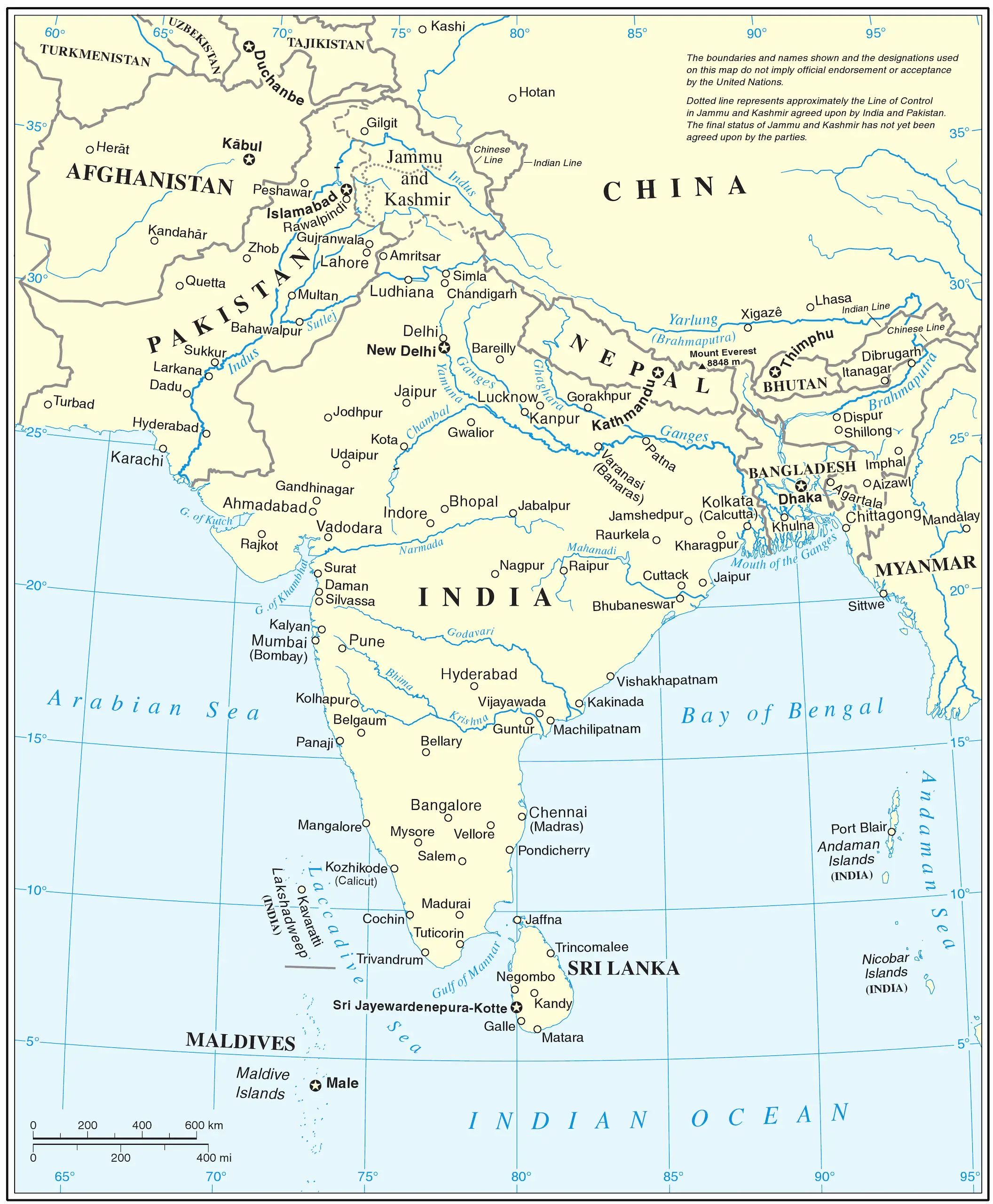
Map of Contemporary South Asia
A map of contemporary South Asia, showing Pakistan in the northeast.
Featured in:
Pakistani Americans, Module 1
-
-
-
Video
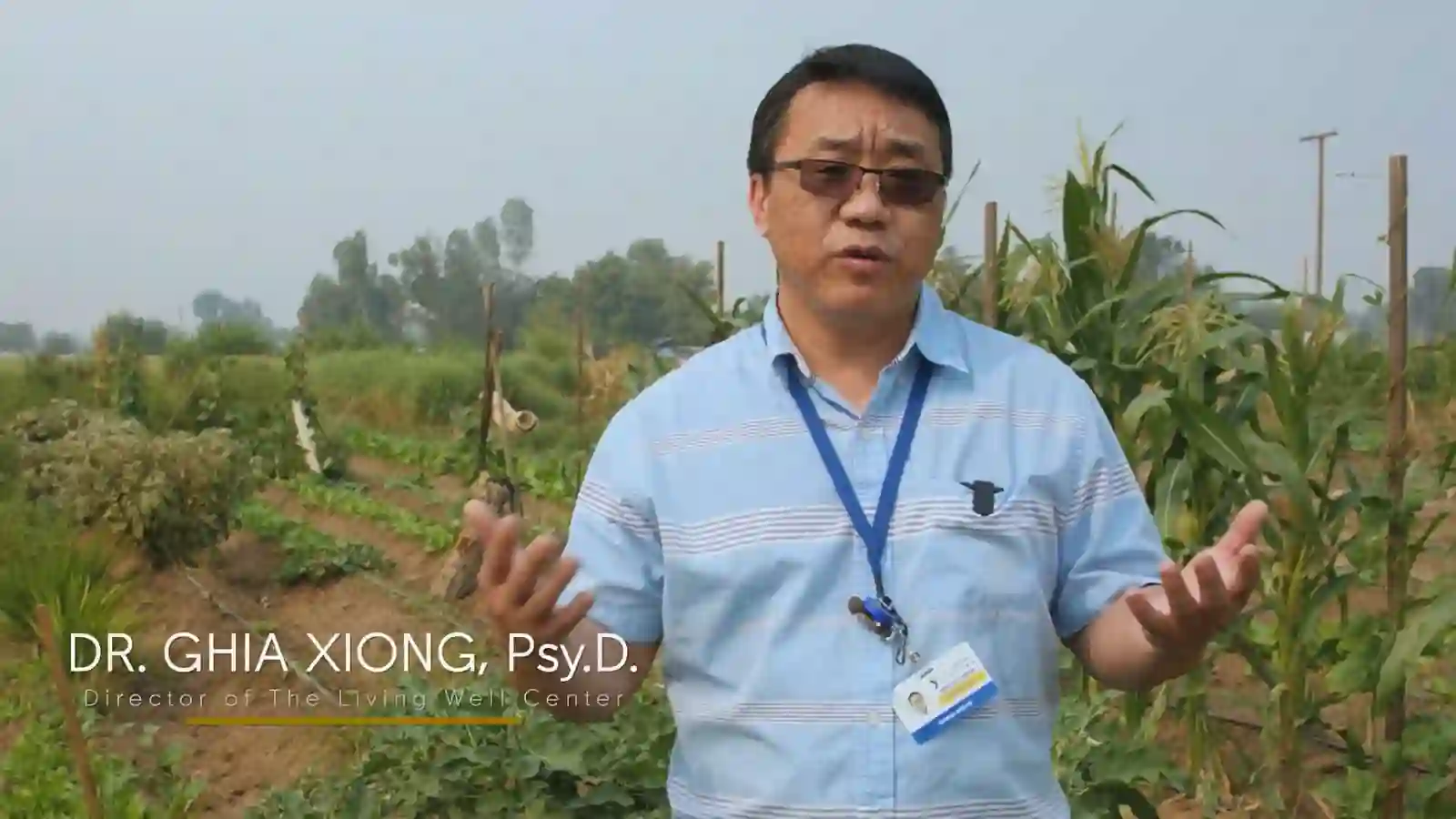
The Community Garden Project
Dr. Ghia Xiong explains The Fresno Center’s Community Garden Project as a way to connect people and provide mental health support. Gardening allows Hmong participants to engage in traditional cultural practices while promoting wellness, especially among the elderly.
Featured in:
Hmong Americans, Module 5
-
Video
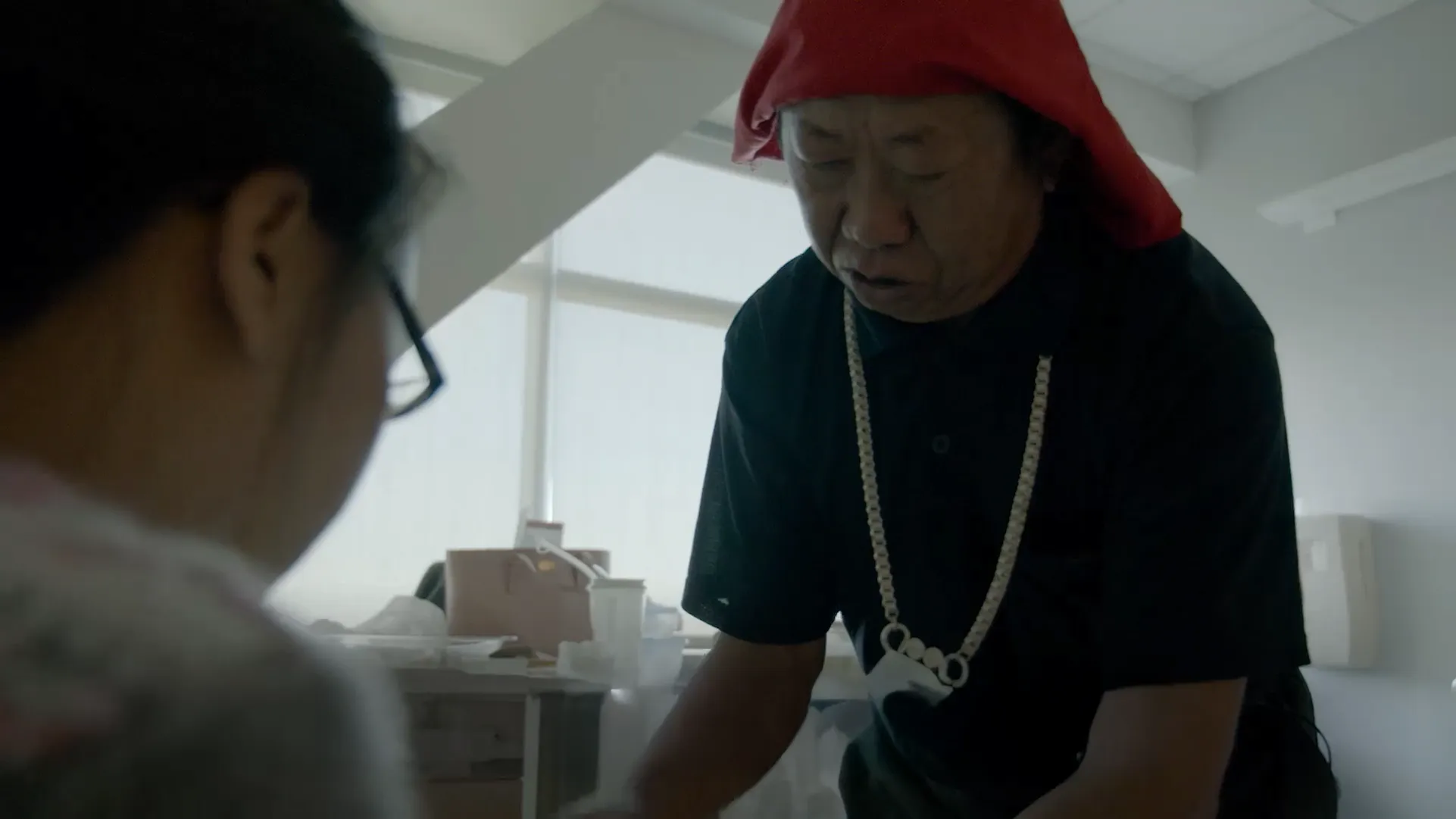
Hmong Healing at Hospital
This clip highlights the transformation from the racism Hmong Americans experienced in healthcare to a meaningful partnership between Hmong ancestral systems of medicine and western medical practices. Through Palee Moua’s advocacy, shamans are respected as partners in the Hmong healing journey.
Featured in:
Hmong Americans, Module 5
-
Audio
Trauma and Mental Health
Therapists Alyssa Kaying Vang, Chue Her, and Mosi Thao discuss the differences between historical trauma, intergenerational trauma, and psychological trauma. For Hmong Americans, intergenerational trauma can manifest in how families navigate not having a country and being forcibly displaced.
Featured in:
Hmong Americans, Module 5
-
Video
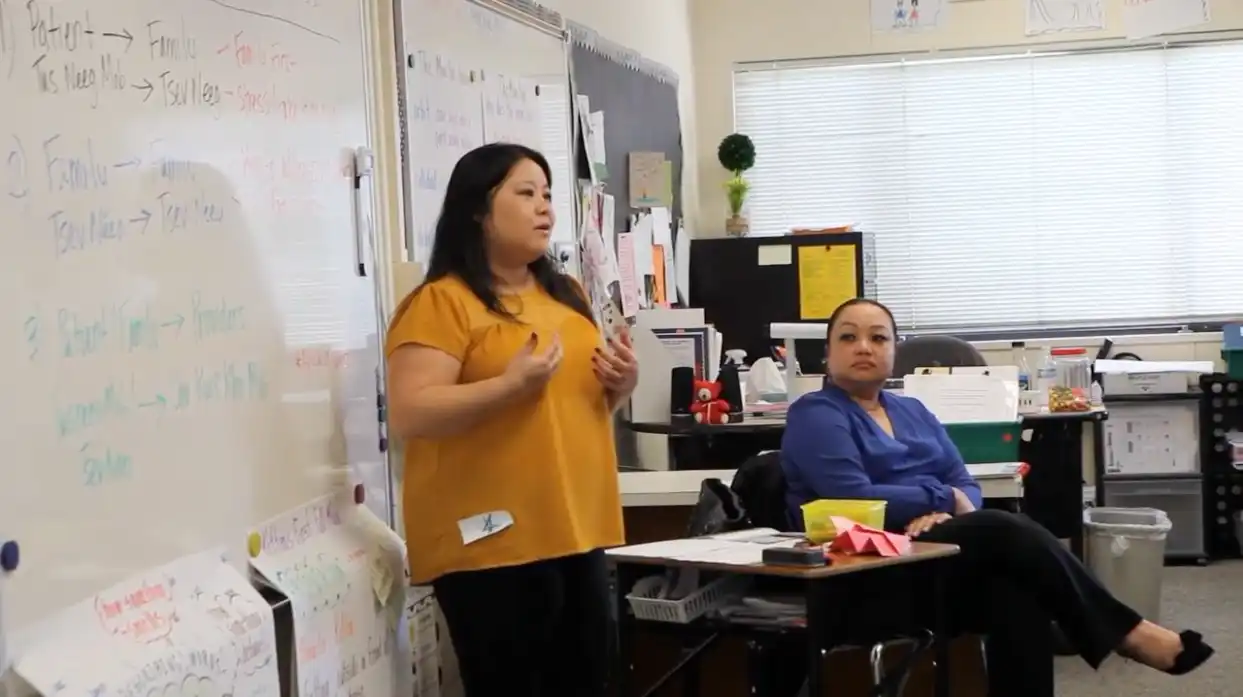
Hmong Cancer Coalition Conference
Footage of the education work at the Hmong Cancer Coalition 4th Patient Empowerment conference in 2017 in Fresno, California. The footage shows Hmong American health professionals and advocates leading workshops in the Hmong language to make cancer education more accessible.
Featured in:
Hmong Americans, Module 5
-
Image
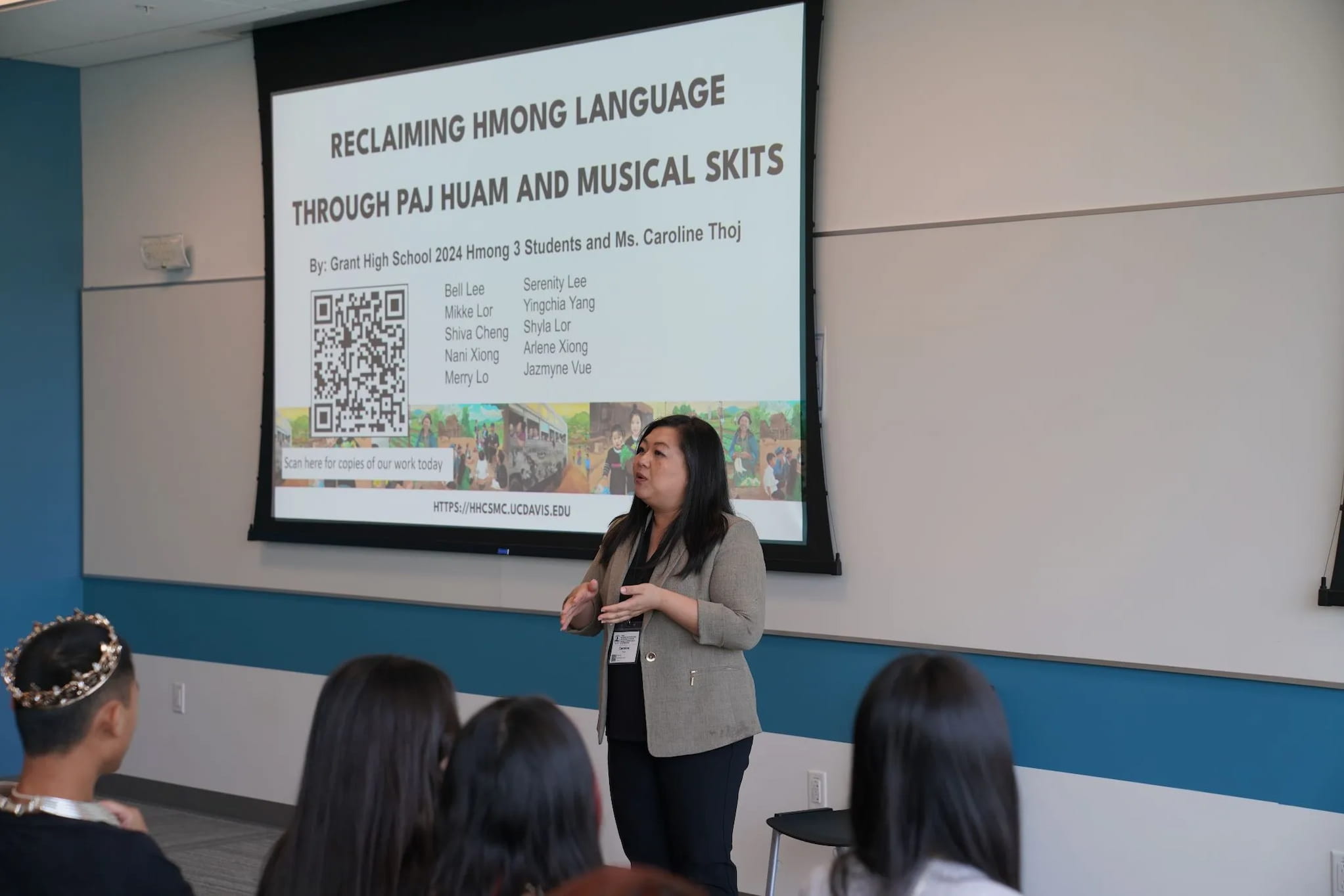
Hmong History and Cultural Studies Conference 2025
Caroline Thao from Grant High School in Sacramento presents at the inaugural Hmong History and Cultural Studies Conference at UC Merced in 2025.
Featured in:
Hmong Americans, Module 4
-
Image
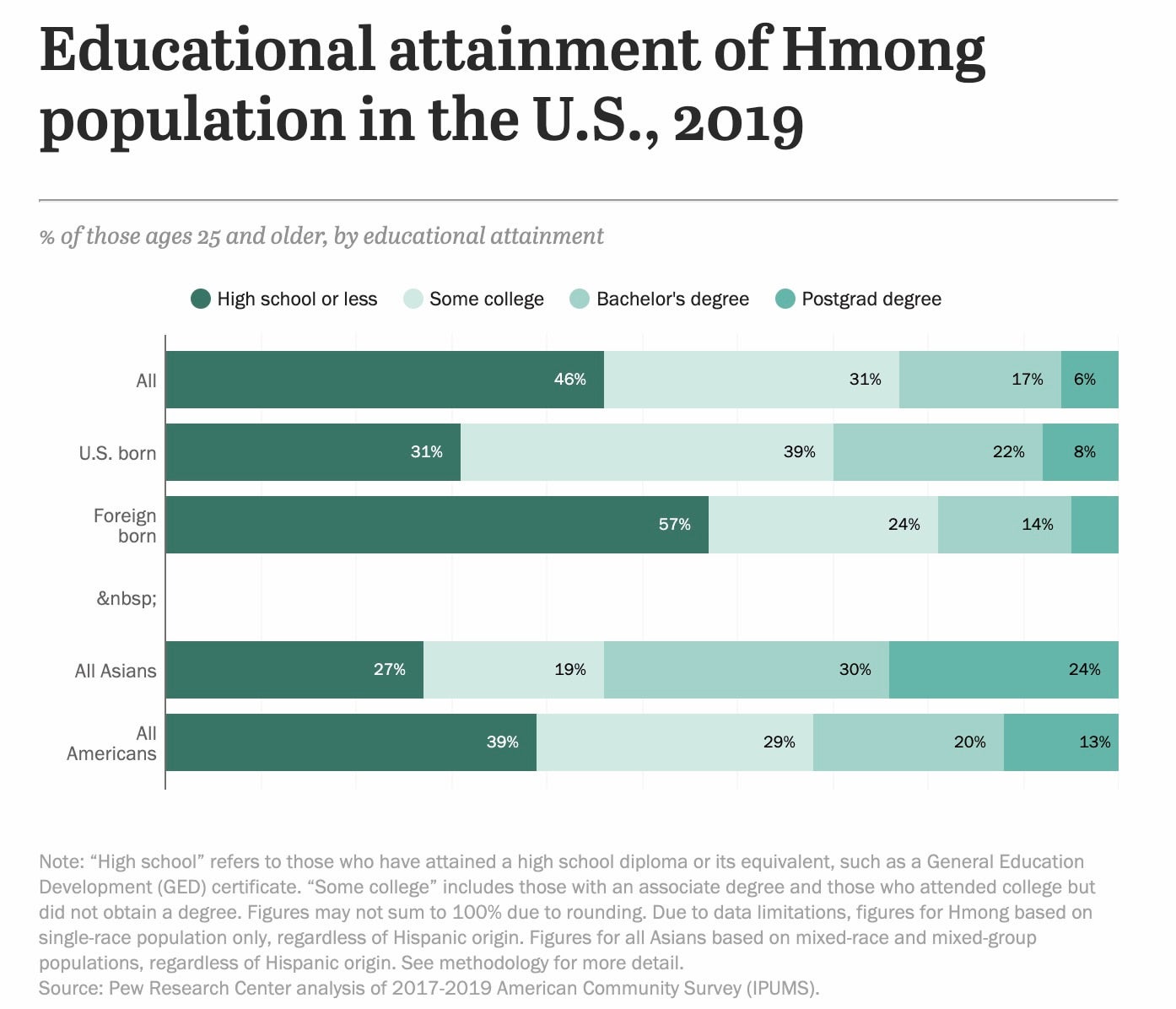
Educational Attainment of Hmong Population in the U.S., 2019
This chart, displaying data from the Pew Research Center, highlights the disparity of Hmong American educational attainment compared to other Asian American groups.
Featured in:
Hmong Americans, Module 4
-
Image
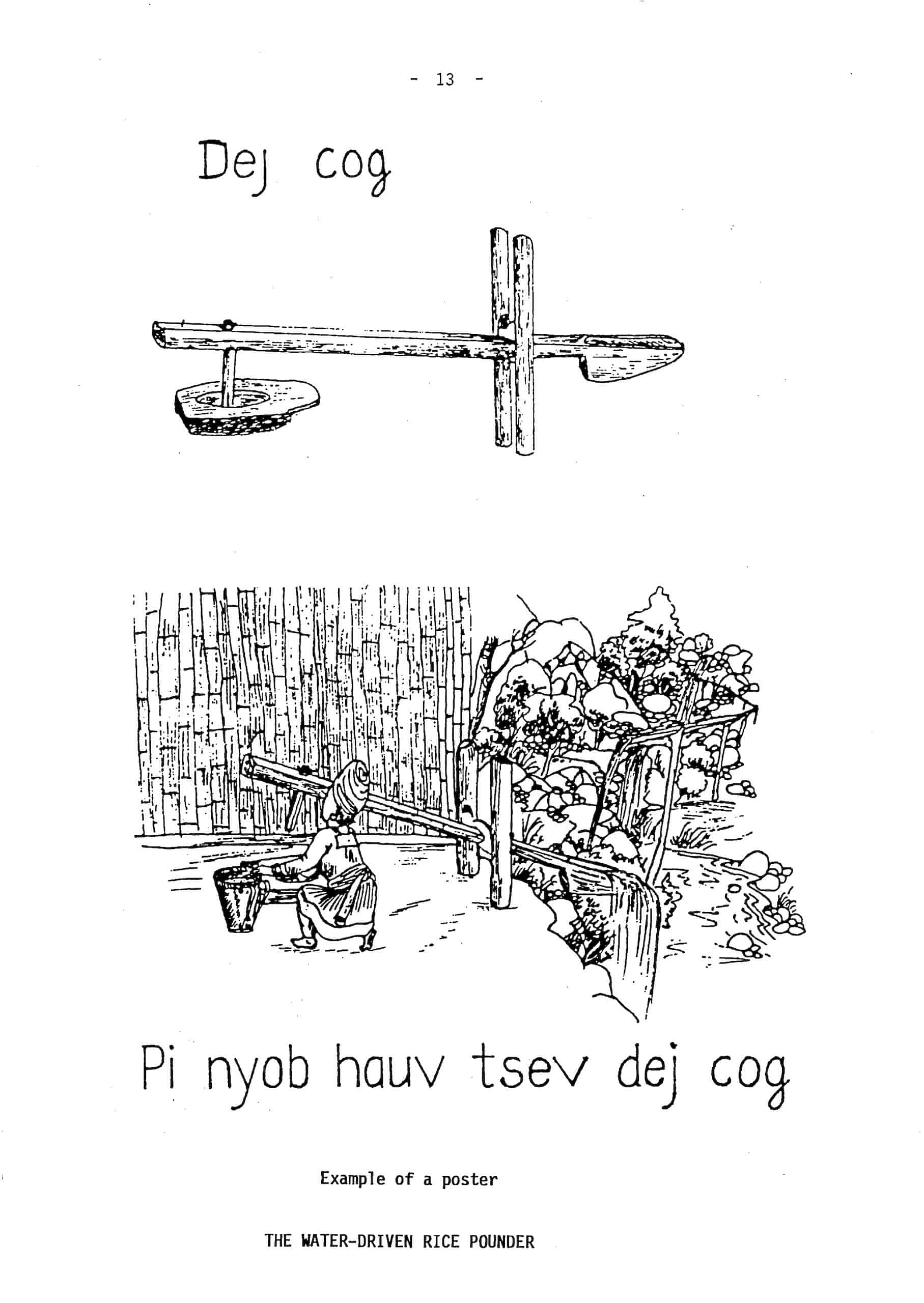
Teaching Literacy to Hmong Refugees
This is a poster for teaching literacy to Hmong refugees. Ecoles Sans Frontieres (ESF), a French voluntary agency designed and implemented a program in 1983 for Hmong refugees in Ban Vinai refugee camp to promote literacy among the adult population.
Featured in:
Hmong Americans, Module 4
-
Video
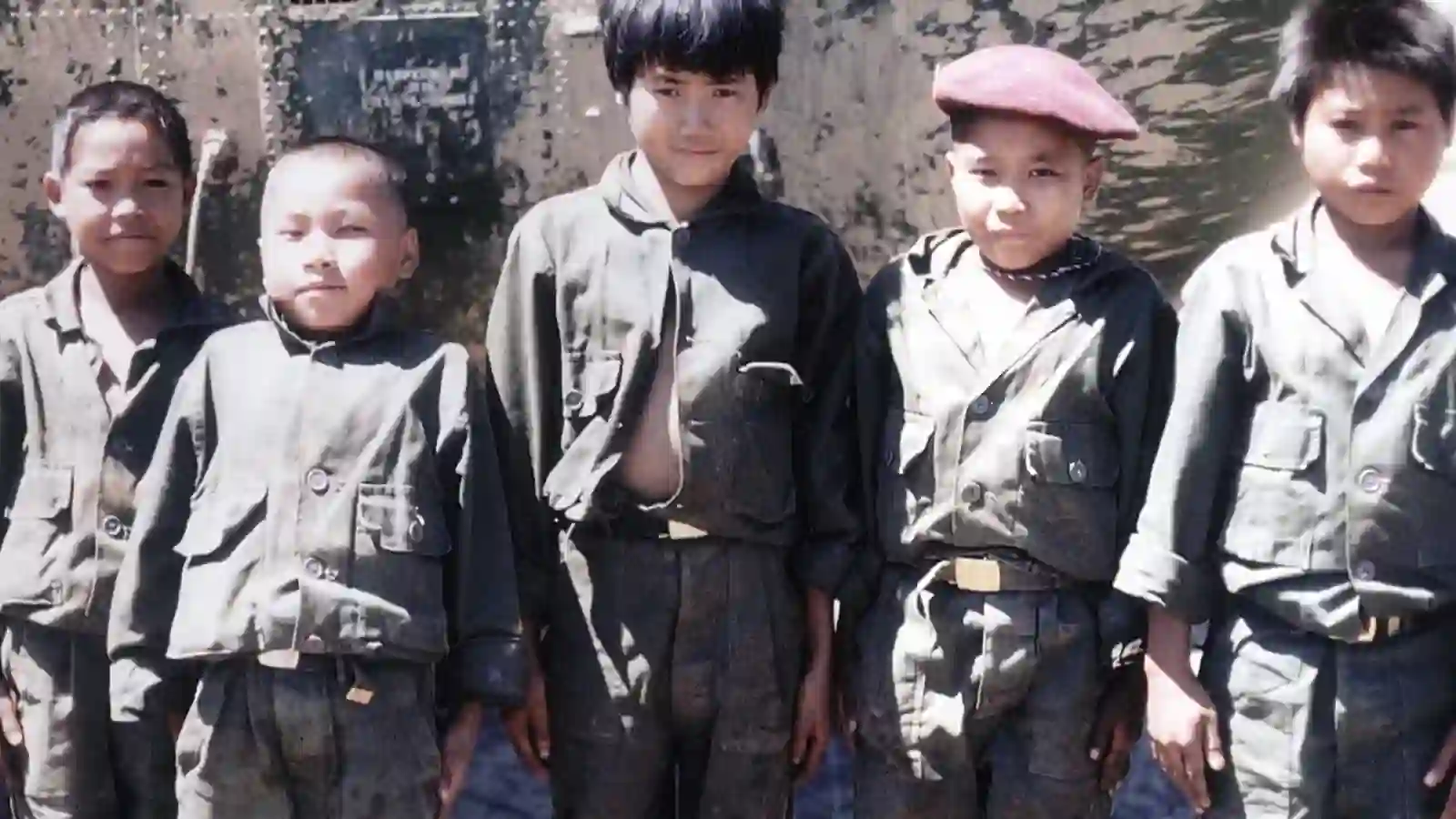
The Secret War: Hmong Soldiers Who Served Alongside Americans in Vietnam
This video shows how Hmong boys were conscripted to fight in the war in place of their fathers or older brothers who had already died fighting. Many Hmong youth could not pursue educational opportunities beyond primary school.
Featured in:
Hmong Americans, Module 4
-
Image
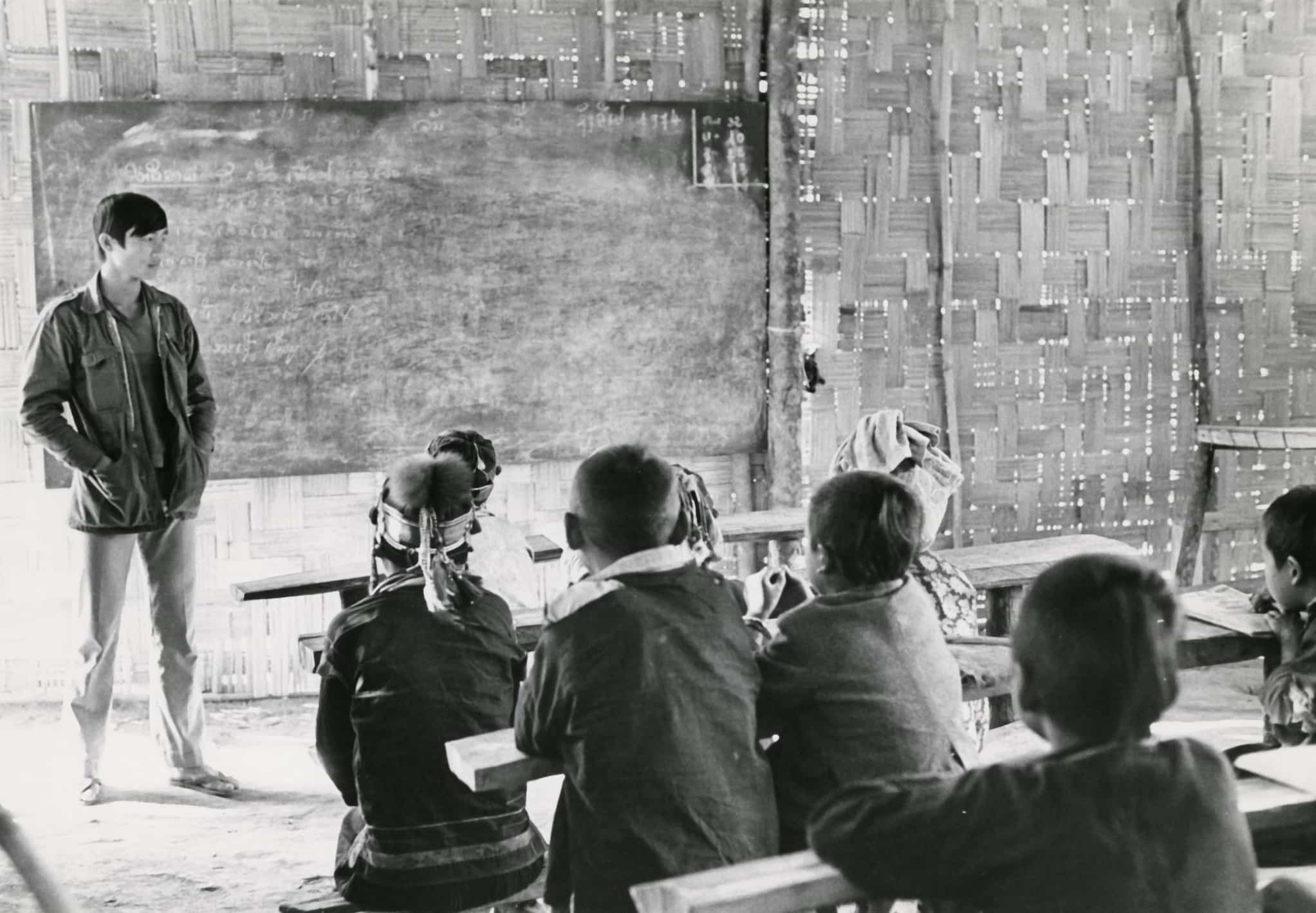
Hmong Children Attend Summer School
Hmong children attend a summer school program operated by the International Voluntary Service (IVS) in Laos, 1972.
Featured in:
Hmong Americans, Module 4
-
Video
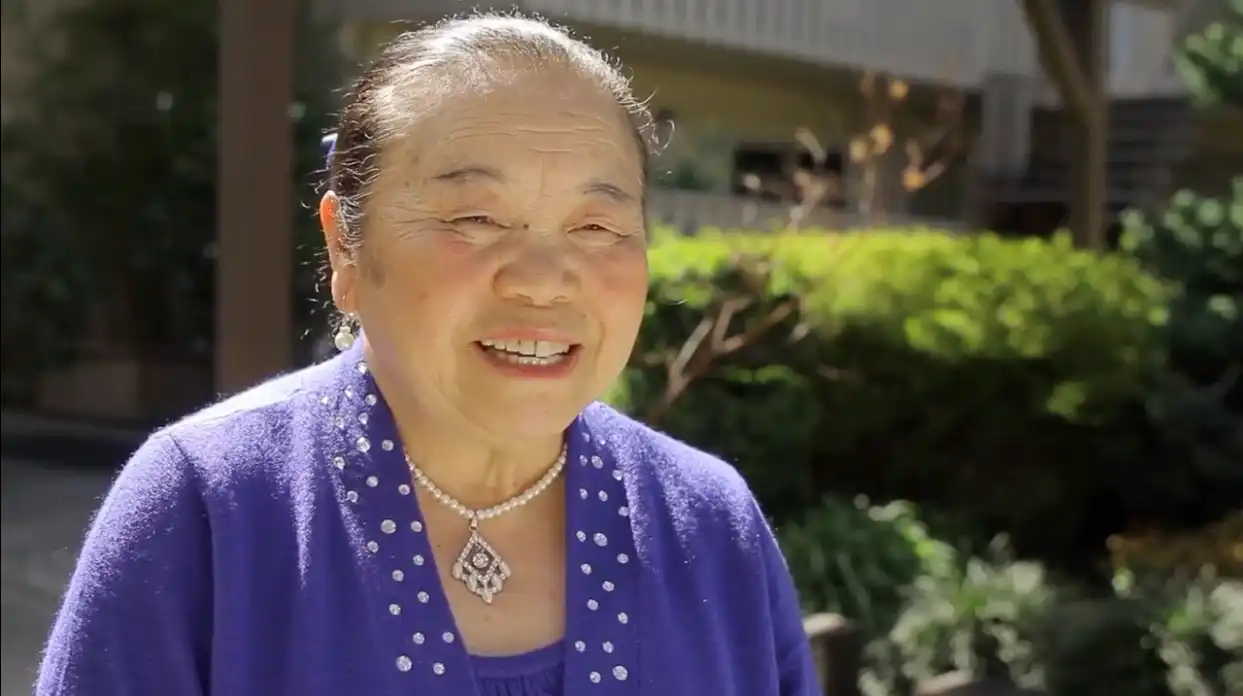
Choua Thao on Role in Vietnam War
Choua Thao shares how her father created an opportunity for her to attend school as a young girl, leading to her role as nurse in the Vietnam War.
Featured in:
Hmong Americans, Module 4
-
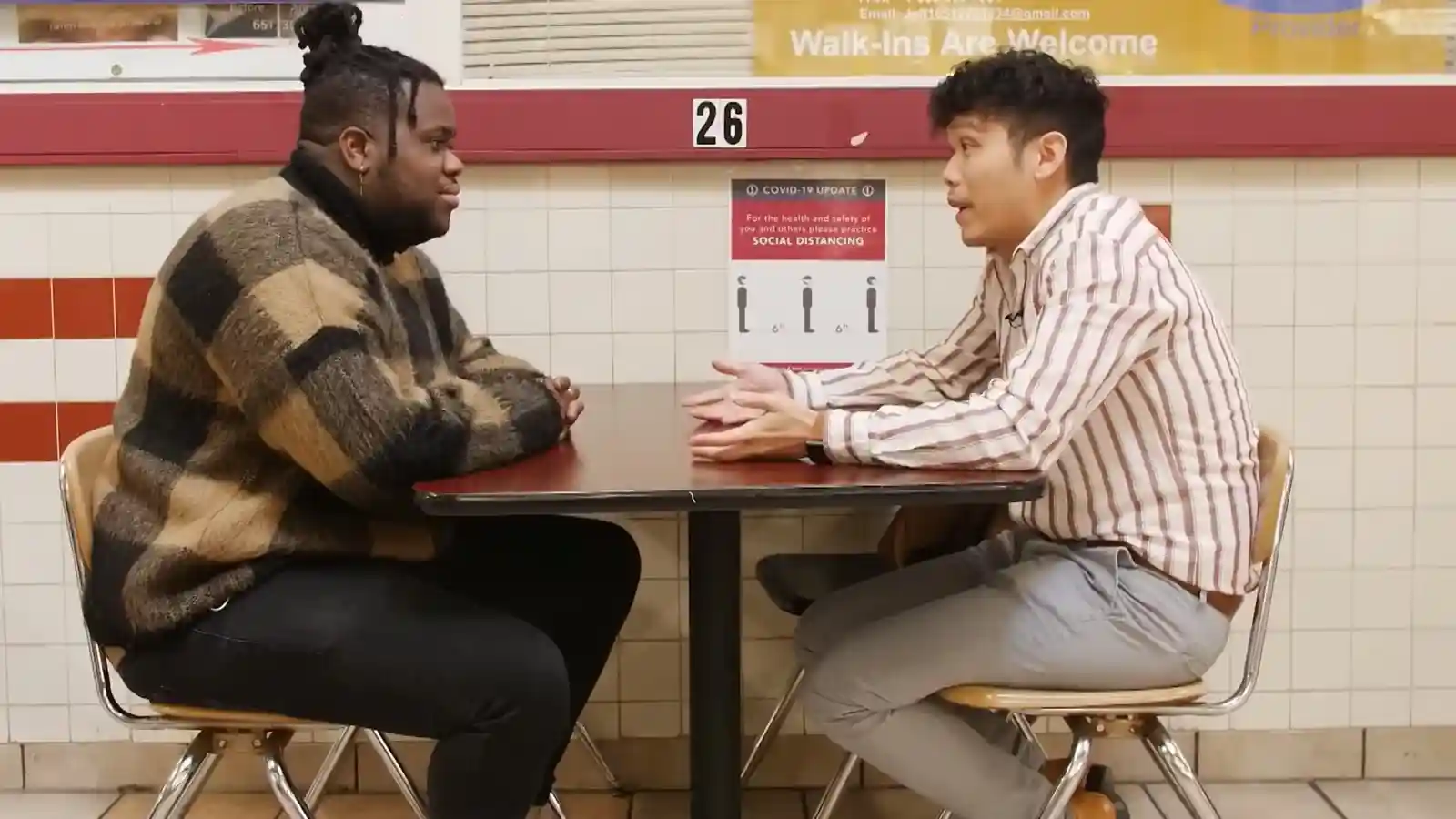
Video
Black and Hmong Solidarity in Minnesota Clip
Activists discuss the importance of solidarity between the Hmong American and Black community in Minnesota following the police murders of George Floyd and Daunte Wright in the greater Minneapolis area.
Featured in:
Hmong Americans, Module 3
-
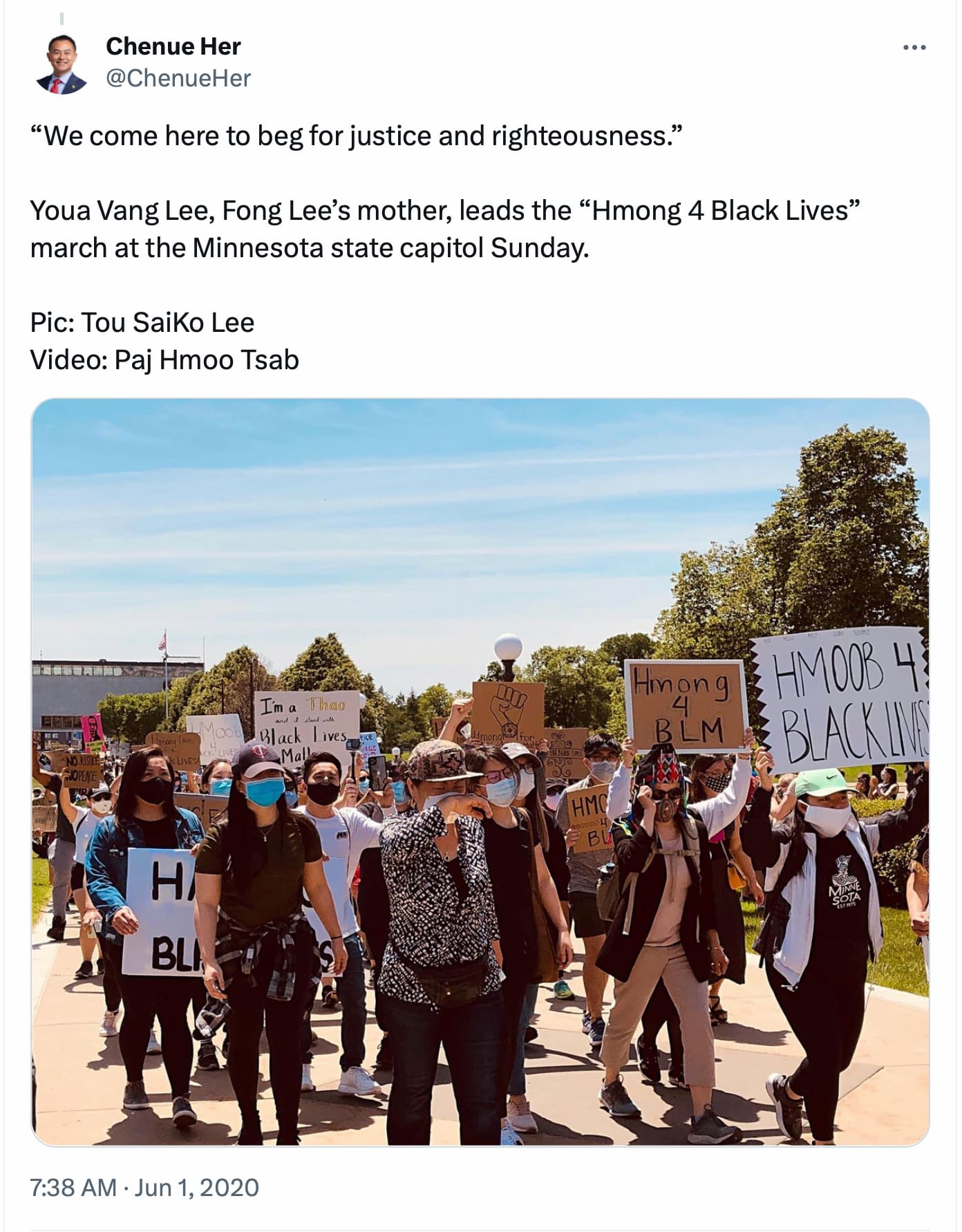
Image
Youa Lee Leads March
Youa Lee (center), mother of Fong Lee who was murdered by Minneapolis police in 2006, leads a march at a Justice for George Floyd protest in 2020. This tweet by @ChenueHer illustrates the organizing power of Hmong American women and their active role in demanding justice for Black lives
Featured in:
Hmong Americans, Module 3
-
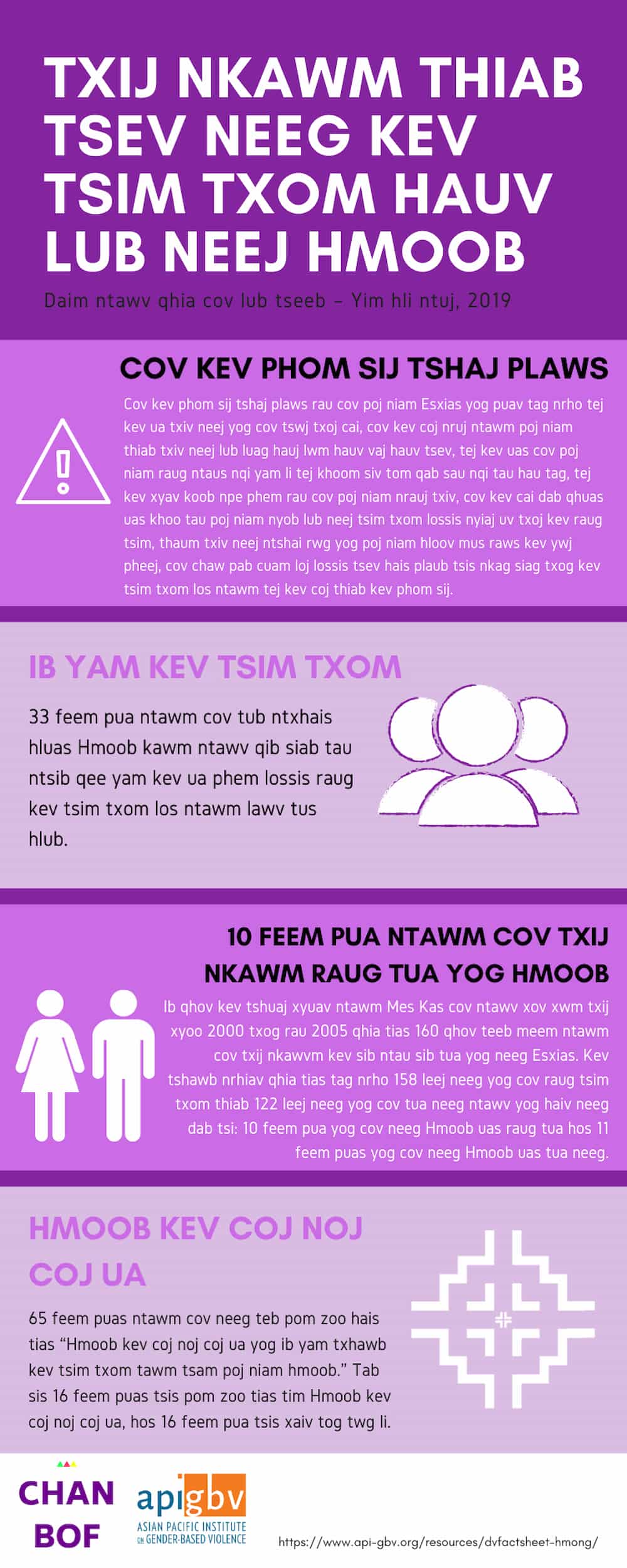
Text
CHAN-BOF 2019 Fact Sheet in Hmong
Chan-BOF created this fact sheet in partnership with the Asian Pacific Institute of Gender-Based Violence, summarizing their findings on domestic and family violence within the Hmong Community. The fact sheet is available in both English (left) and Hmong (right)
Featured in:
Hmong Americans, Module 3
-
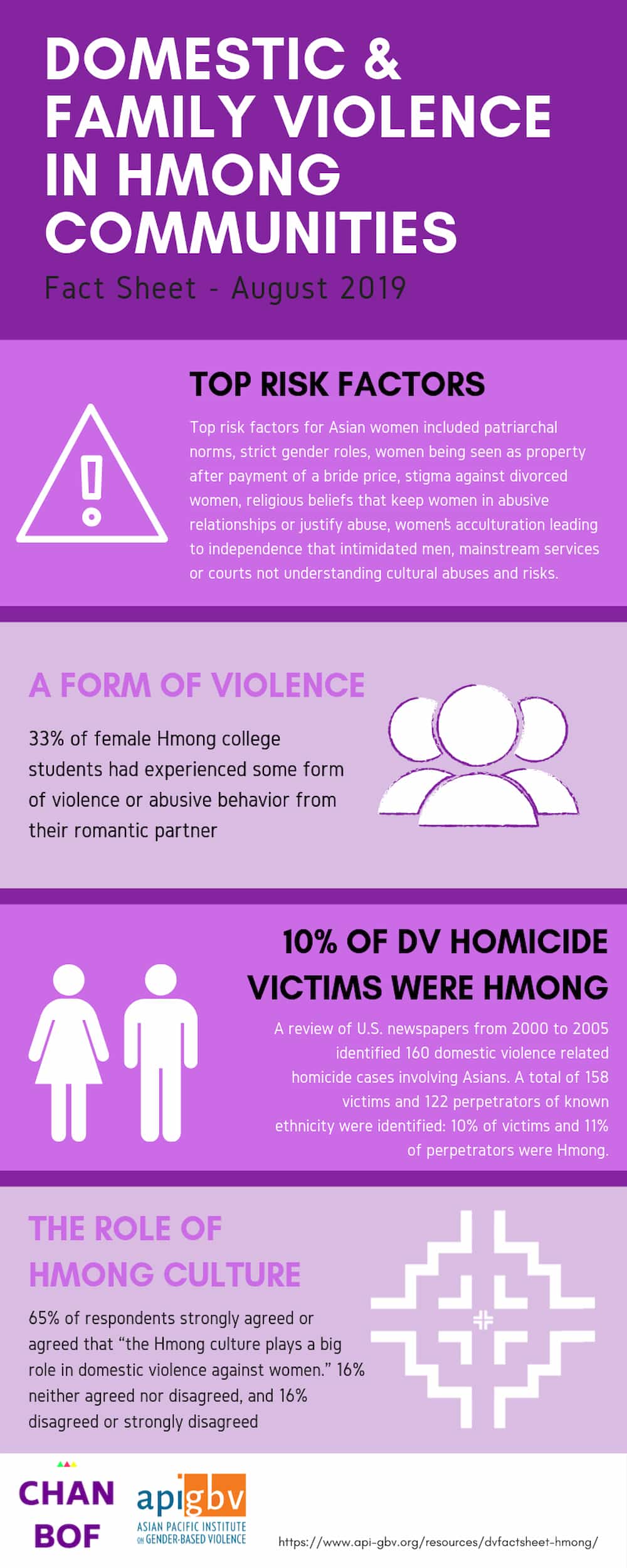
Text
CHAN-BOF 2019 Fact Sheet in English
Chan-BOF created this fact sheet in partnership with the Asian Pacific Institute of Gender-Based Violence, summarizing their findings on domestic and family violence within the Hmong Community. The fact sheet is available in both English (left) and Hmong (right).
Featured in:
Hmong Americans, Module 3
-
Text
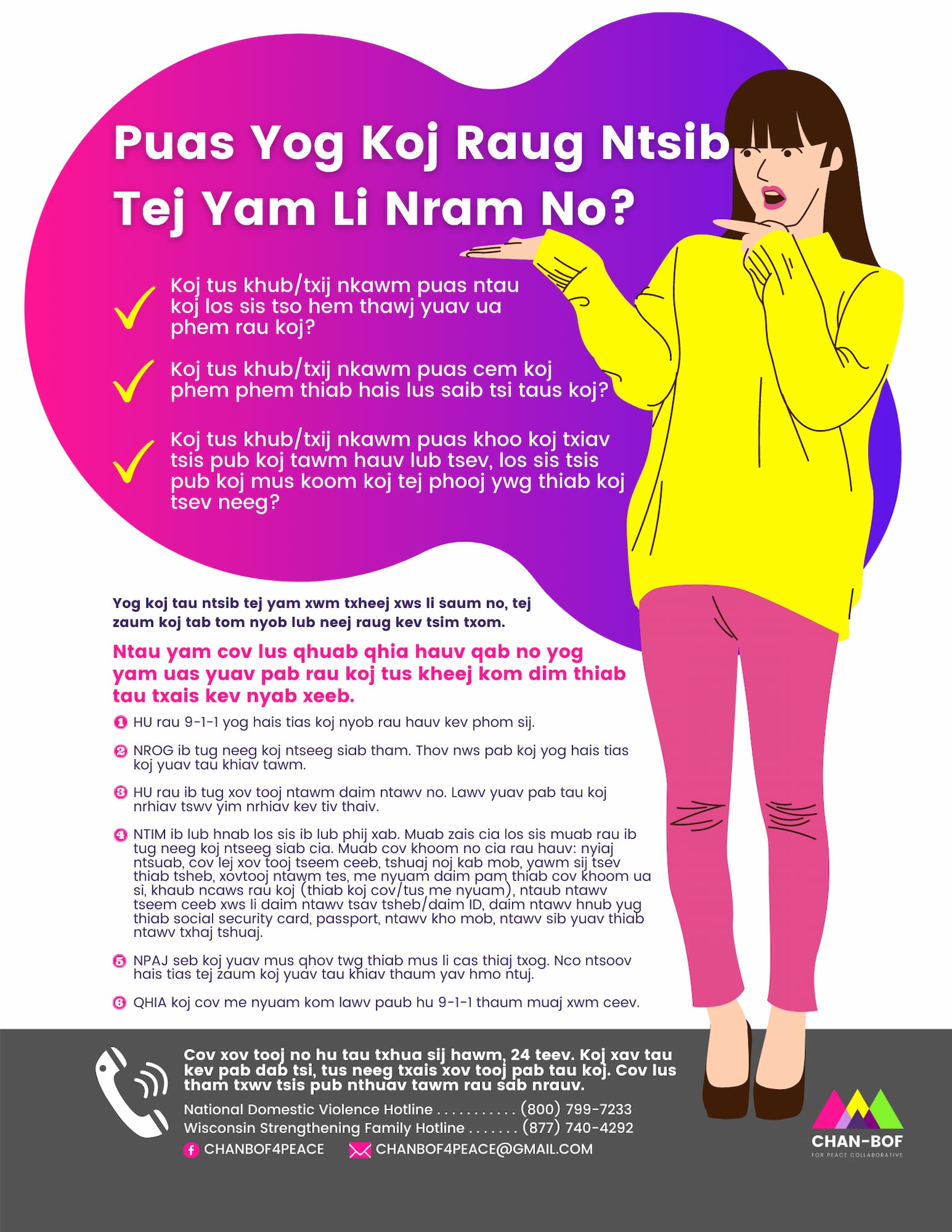
CHAN-BOF Safety Plan in Hmong
Chan-BOF published this graphic in both English (left) and Hmong (right) to identify signs of abusive relationships and provide resources for support.
Featured in:
Hmong Americans, Module 3
-
Text
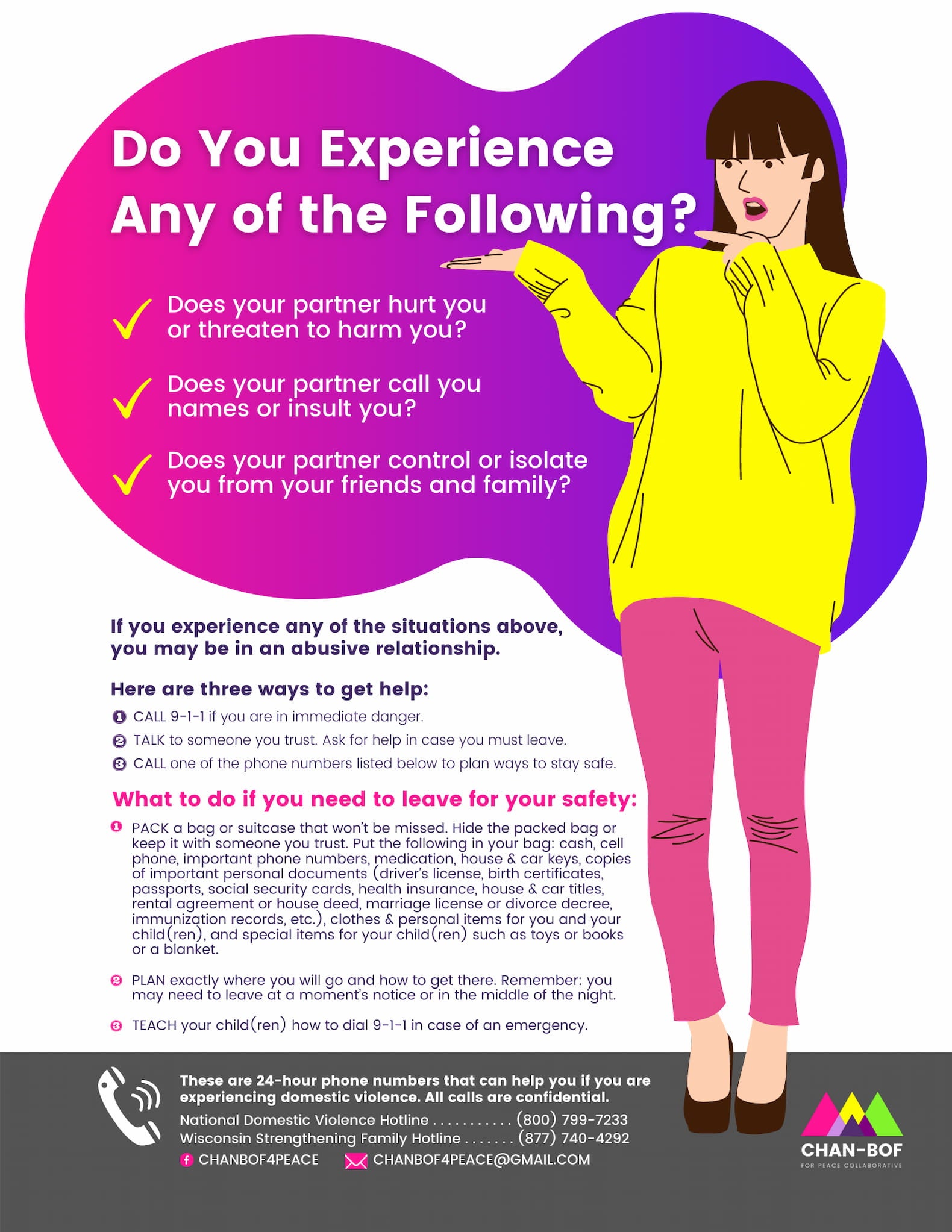
CHAN-BOF Safety Plan in English
Chan-BOF published this graphic in both English (left) and Hmong (right) to identify signs of abusive relationships and provide resources for support.
Featured in:
Hmong Americans, Module 3