



Search the Media Repository
Discover the curated images, videos, and primary sources featured throughout Foundations and Futures
History is more than just text on a page; it is the photographs, voices, and artifacts of the people who lived it. The images and recordings featured across Foundations and Futures are part of a meticulously curated media repository. Whether you are building a lesson plan or investigating an artifact, you can use this database to trace the provenance of our media: discover who created an asset, the historical context behind it, and how it can be used to bring Asian American and Pacific Islander experiences into your classroom.
Multimedia
Chapters
-
Image
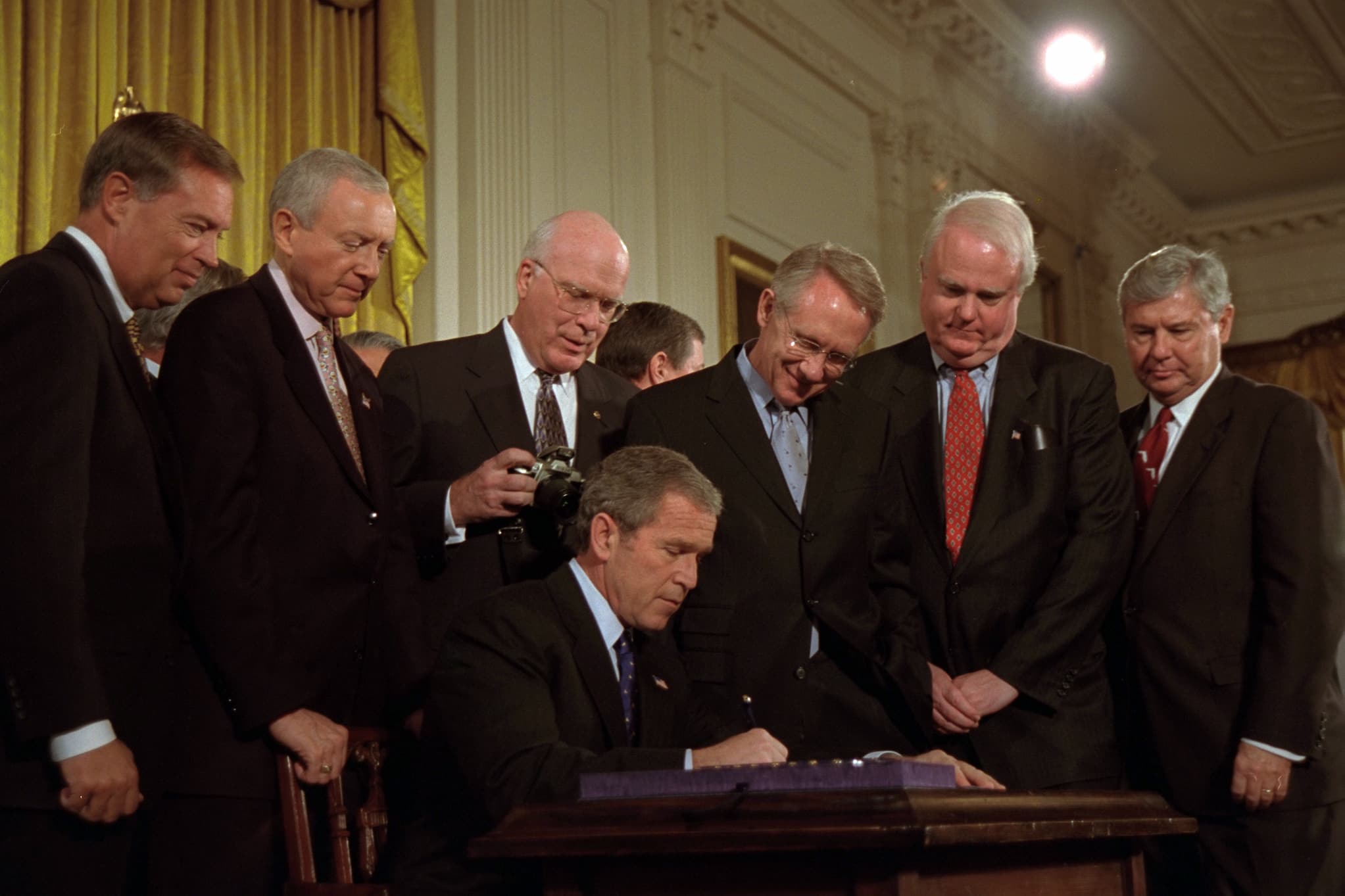
President Bush Signs Patriot Act
President George W. Bush signed the USA Patriot Act into law on October 26, 2001. The act enabled the targeting, detention, and deportation of American Muslims, including Pakistani Americans.
Featured in:
Pakistani Americans, Module 4
-
Image
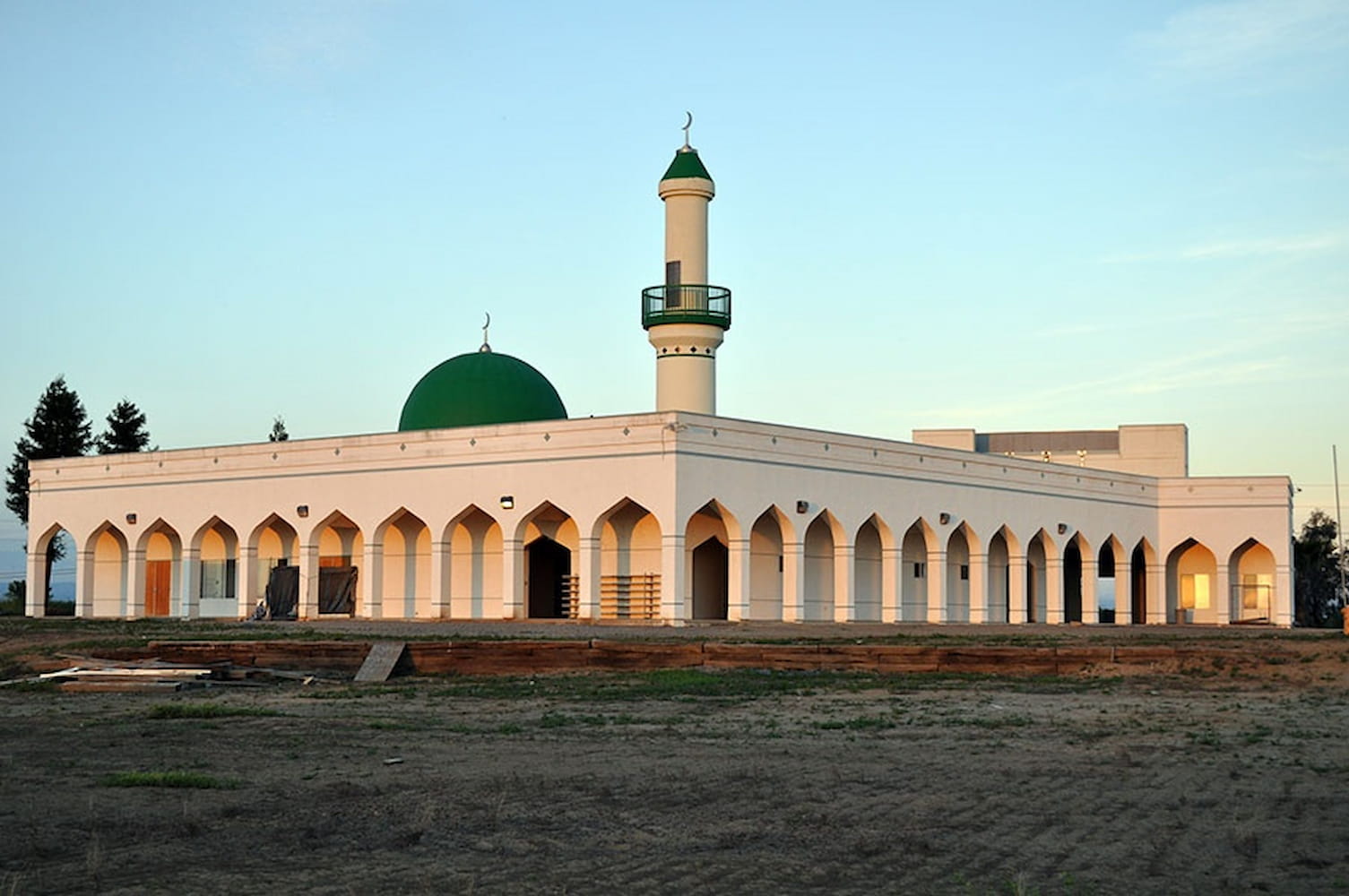
The Islamic Center of Yuba City, California
This Muslim Guide image of the Islamic Center of Yuba City in California was built on acres of land owned by Pakistani American farmers. Just after its completion, it was burned down by arsonists in 1994. The mosque was rebuilt in 2000.
Featured in:
Pakistani Americans, Module 3
-
Image
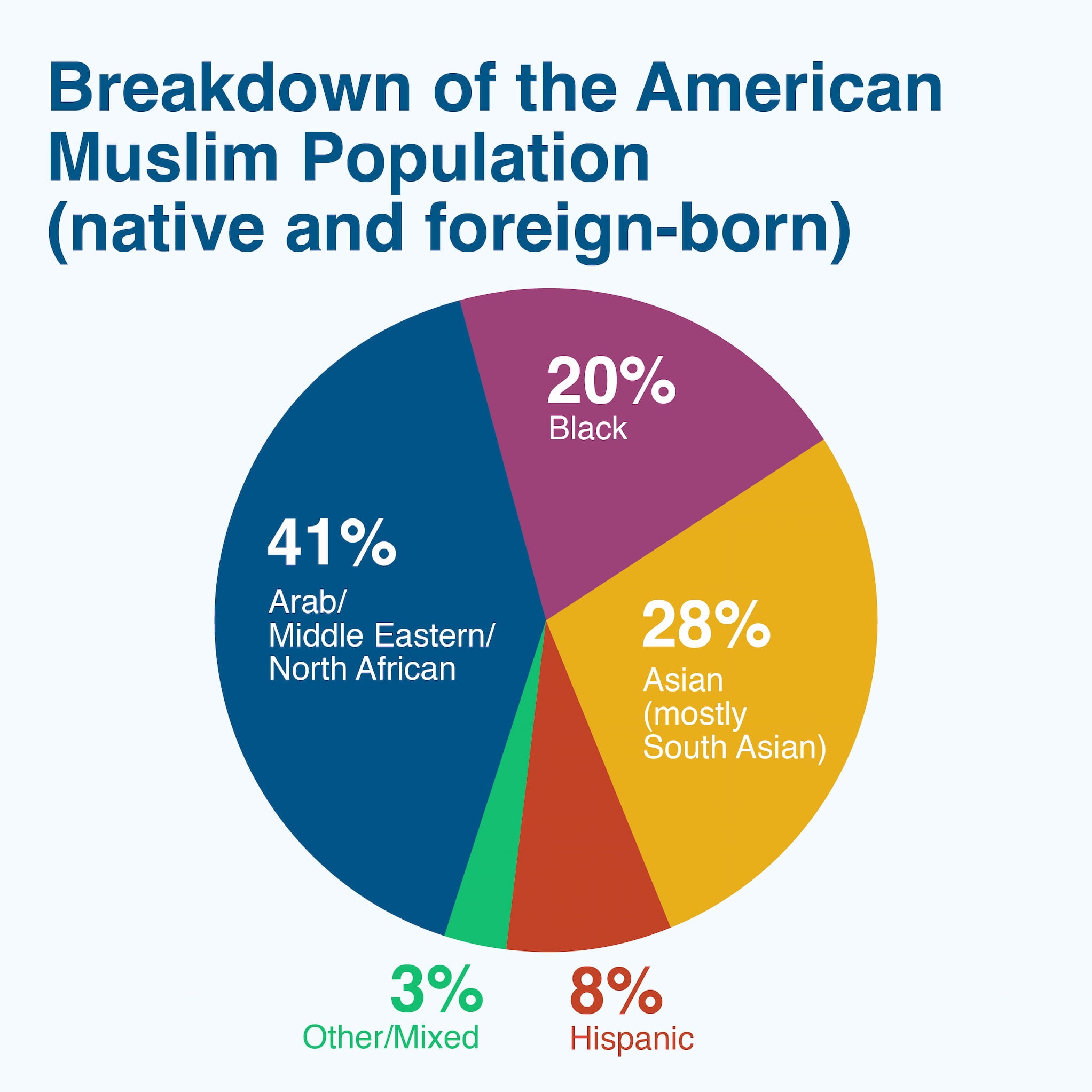
Breakdown of American Muslim Population
A breakdown of the American Muslim population (both native- and foreign-born). Source: Pew Research Center.
Featured in:
Pakistani Americans, Module 3
-
Video
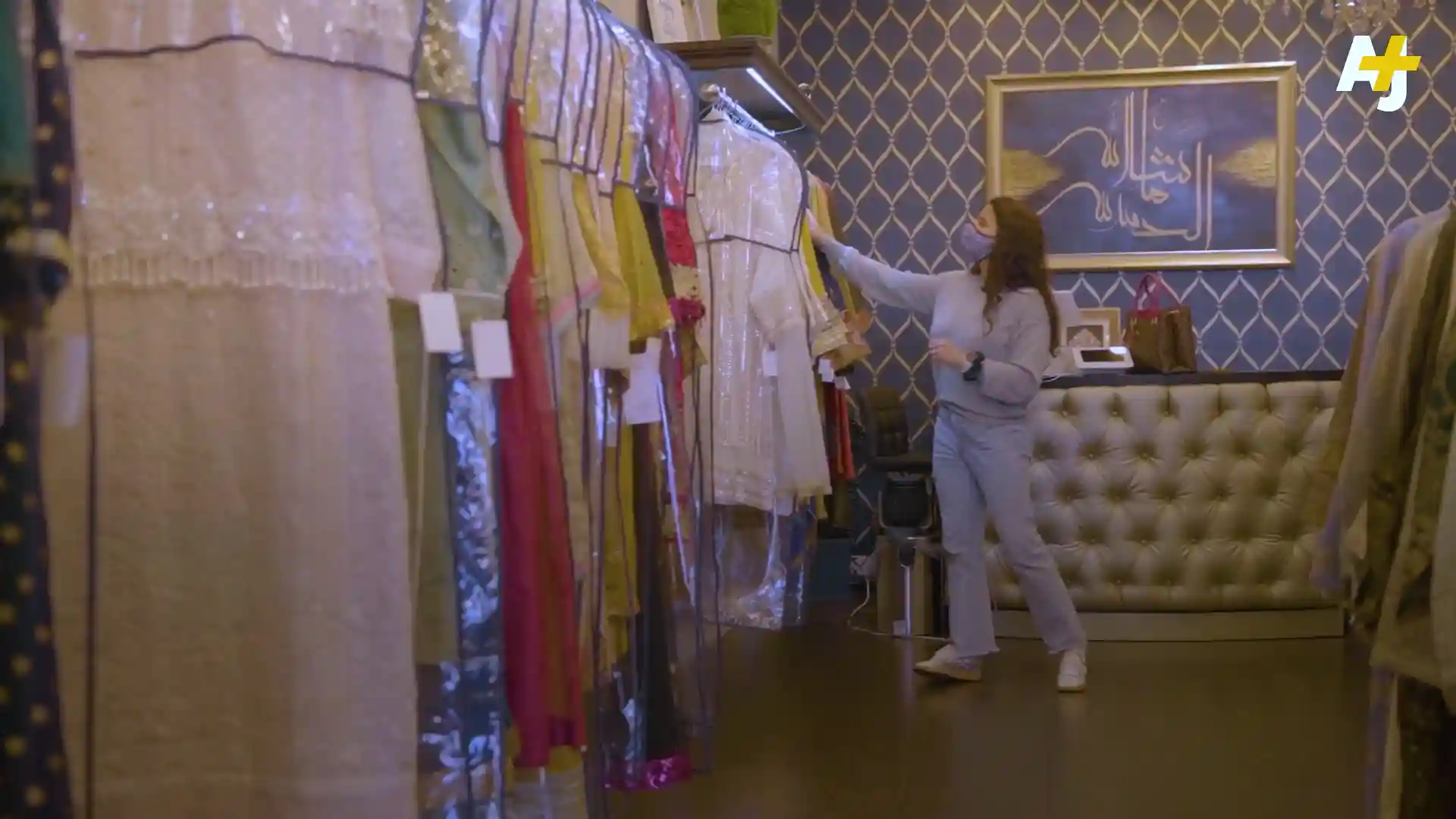
Pakistani American Community in Houston
In this clip from an AJ+ video, a visit to a commercial strip mall in the Hillcroft neighborhood of Houston, Texas highlights Pakistani American economic presence and consumer power to establish an ethnic economic enclave.
Featured in:
Pakistani Americans, Module 3
-
Image
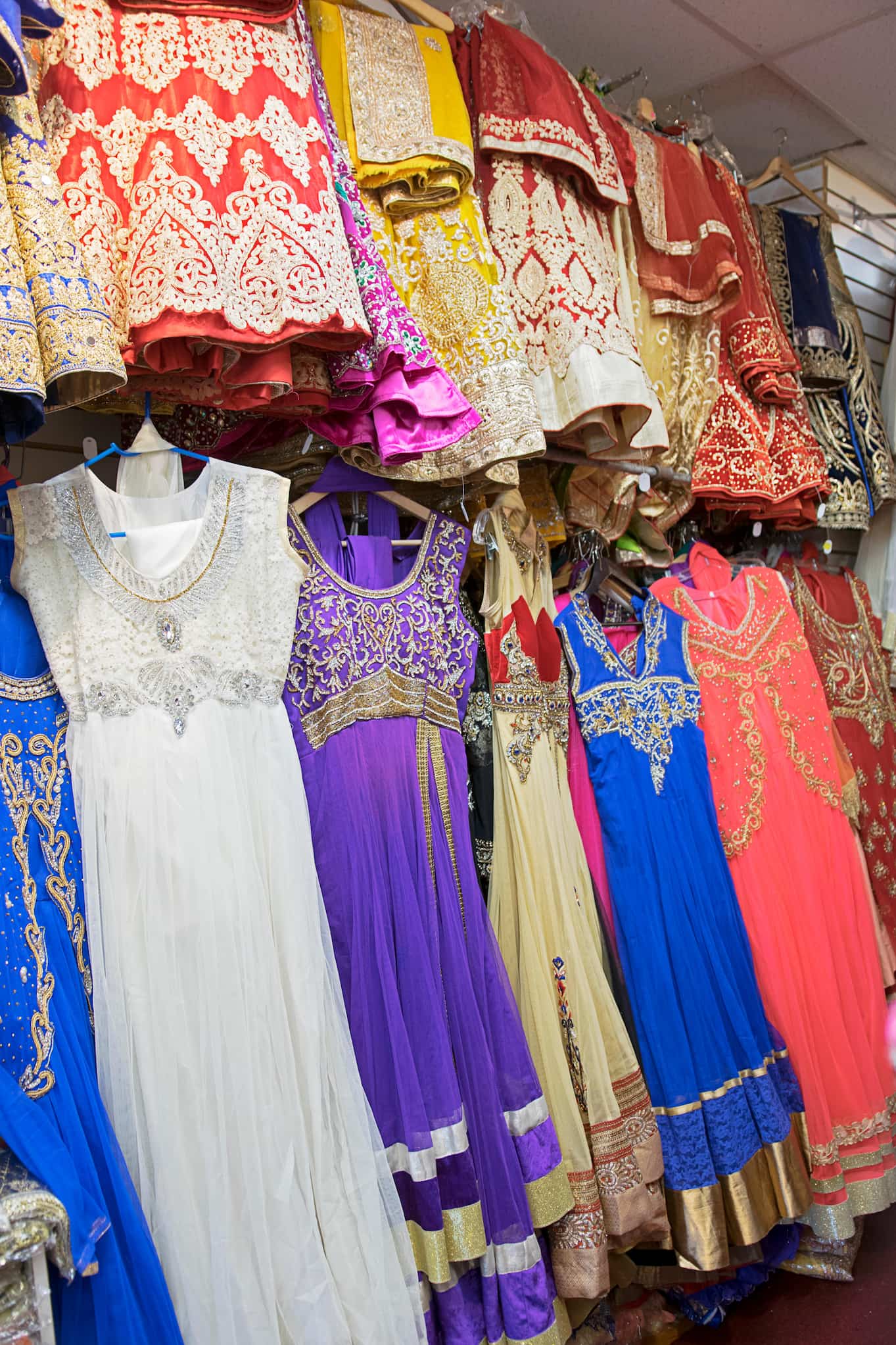
South Asian Clothing For Sale
A number of shalwar kameez and other South Asian clothing for sale at a store in Queens, New York.
Featured in:
Pakistani Americans, Module 3
-
Image
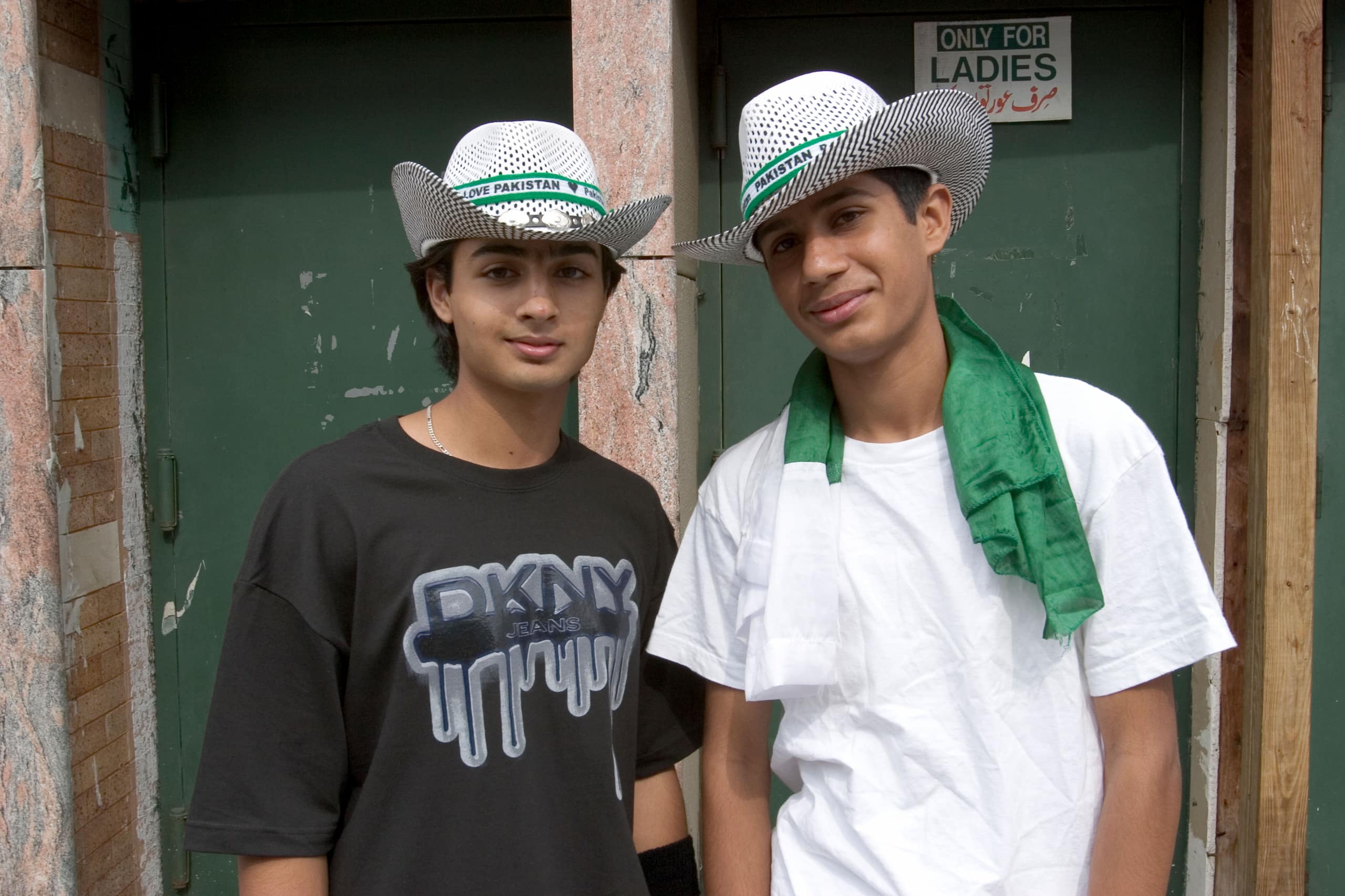
2004 Pakistan Independence Day
Pakistani Americans in the Flatbush section of Brooklyn, New York, celebrate Pakistan Independence Day in 2004.
Featured in:
Pakistani Americans, Module 3
-
Image
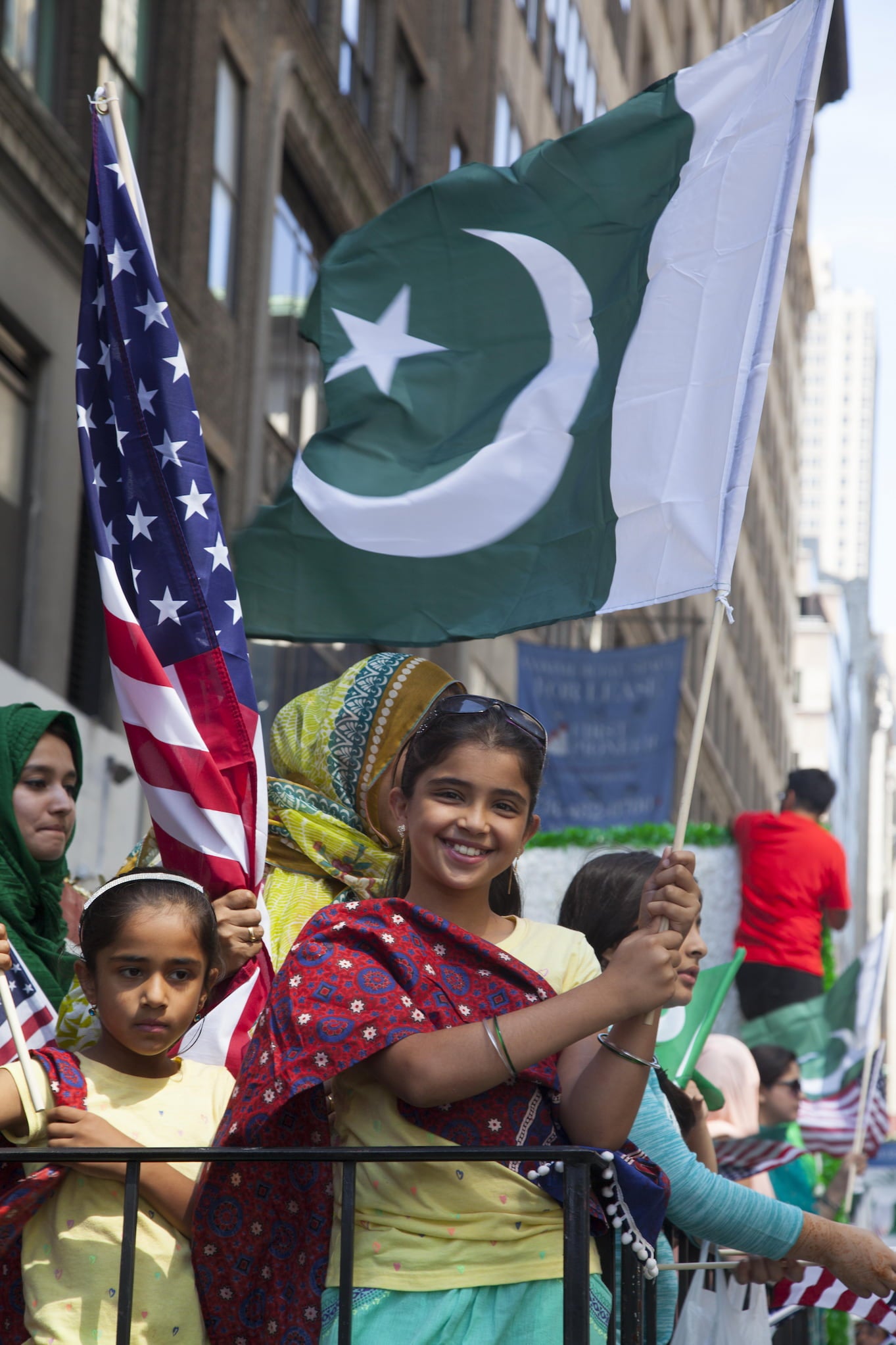
Young Girl at Pakistan Independence Day
Proud Pakistani Americans take part in the Pakistan Independence Day Parade on Madison Avenue in New York City, 2016.
Featured in:
Pakistani Americans, Module 3
-
Image
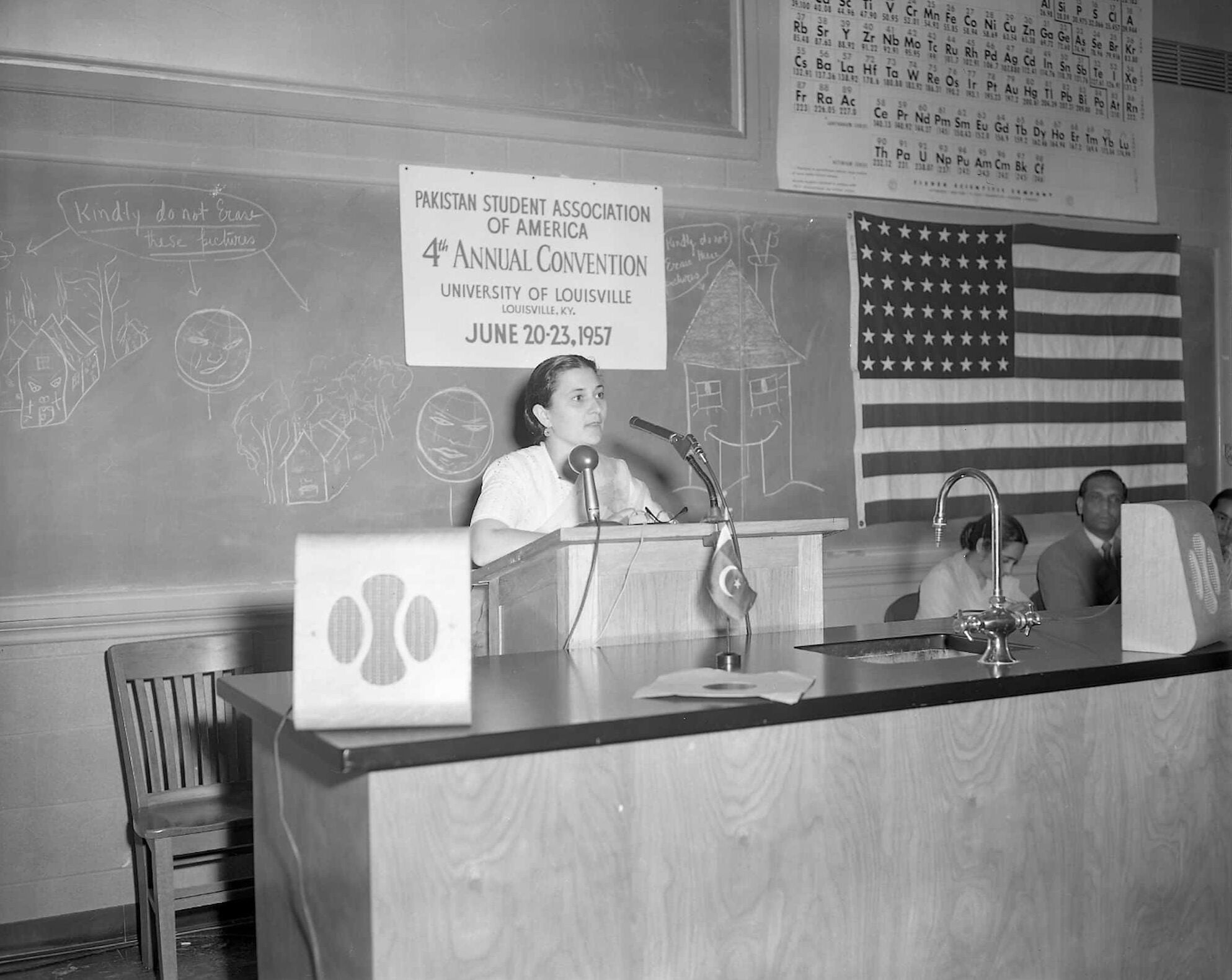
1957 Pakistan Student Association
Begum Haya-Ud-Din moderates a panel discussion at the 4th annual convention of the Pakistan Student Association (PSA) in Louisville, Kentucky, 1957. The PSA was composed of students in American colleges and universities.
Featured in:
Pakistani Americans, Module 3
-
Image
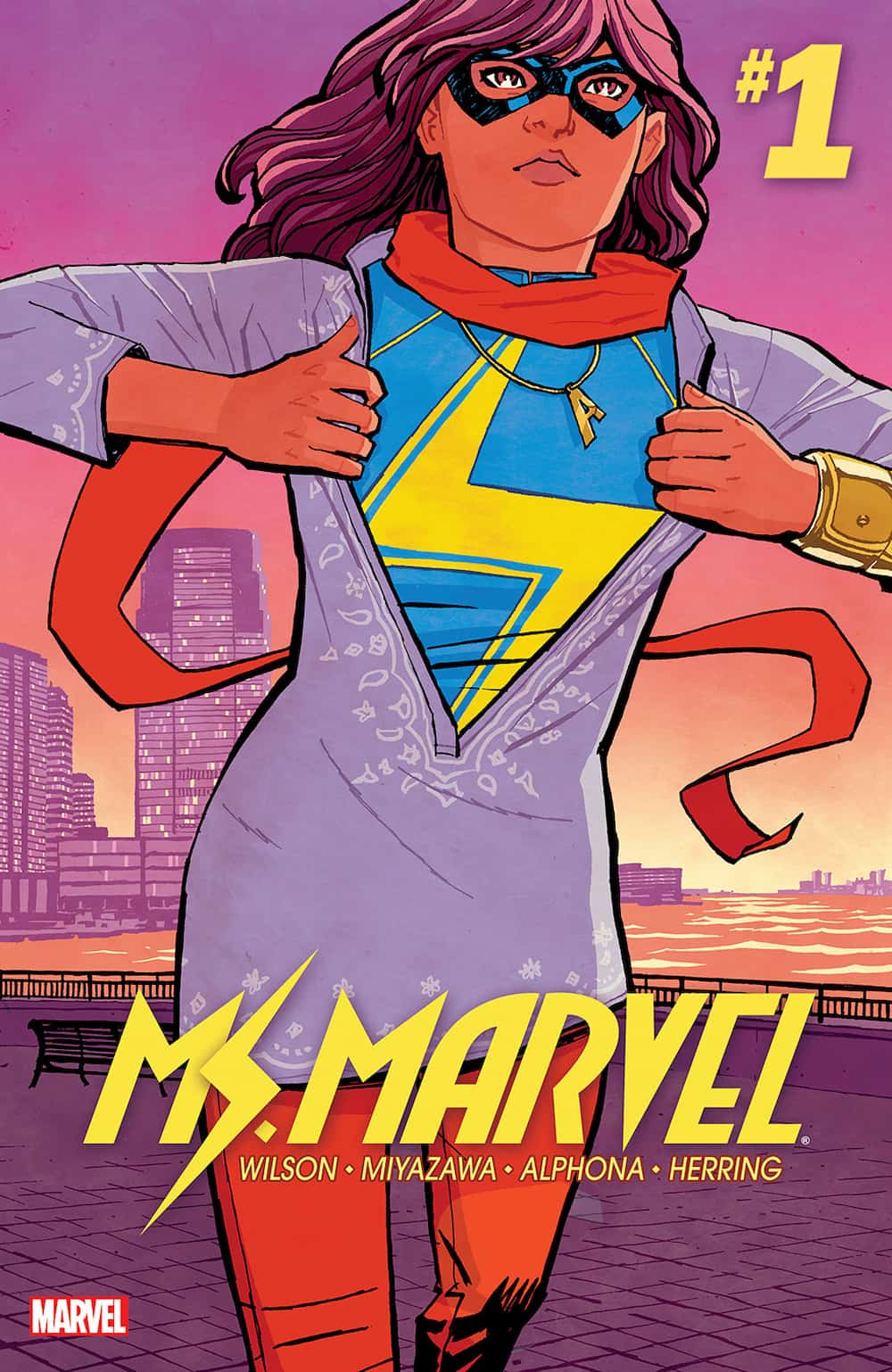
Ms. Marvel
Pakistani American teenager, Kamala Khan from Jersey City, New Jersey, becomes superhero Ms. Marvel, co-created by Sana Amanat. Young Pakistani Americans were energized, seeing this as a turning point for the greater inclusion and media presence of Pakistani Americans.
Featured in:
Pakistani Americans, Module 3
-
Video
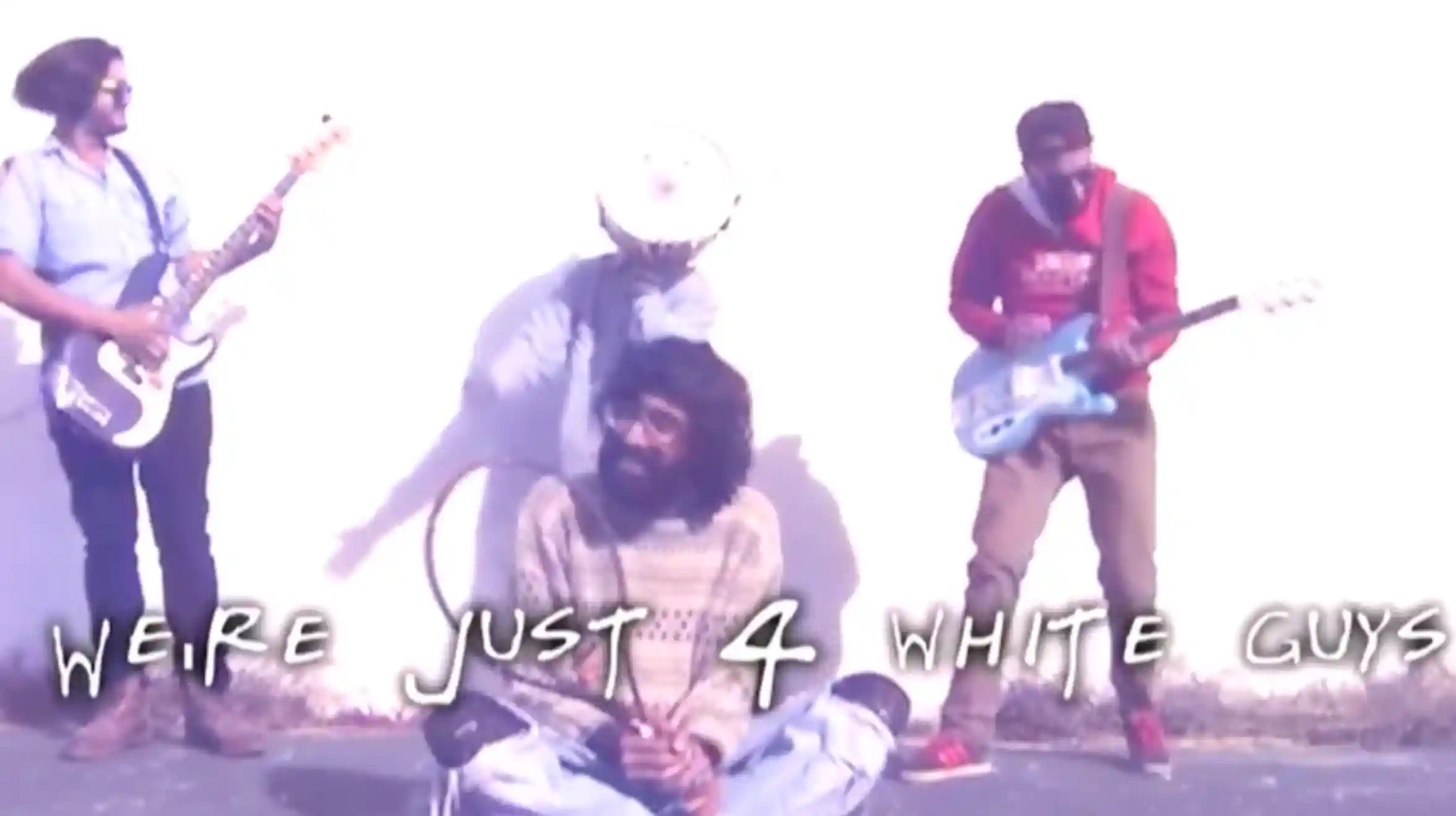
“4 White Guys”
The Kominas’ song“4 White Guys” from their 2016 album, Stereotypes. Formed in 2005 on the East Coast, The Kominas have several members who are Pakistani American. The band has several self-released albums and their songs are often political, with wry humor.
Featured in:
Pakistani Americans, Module 3
-
Video
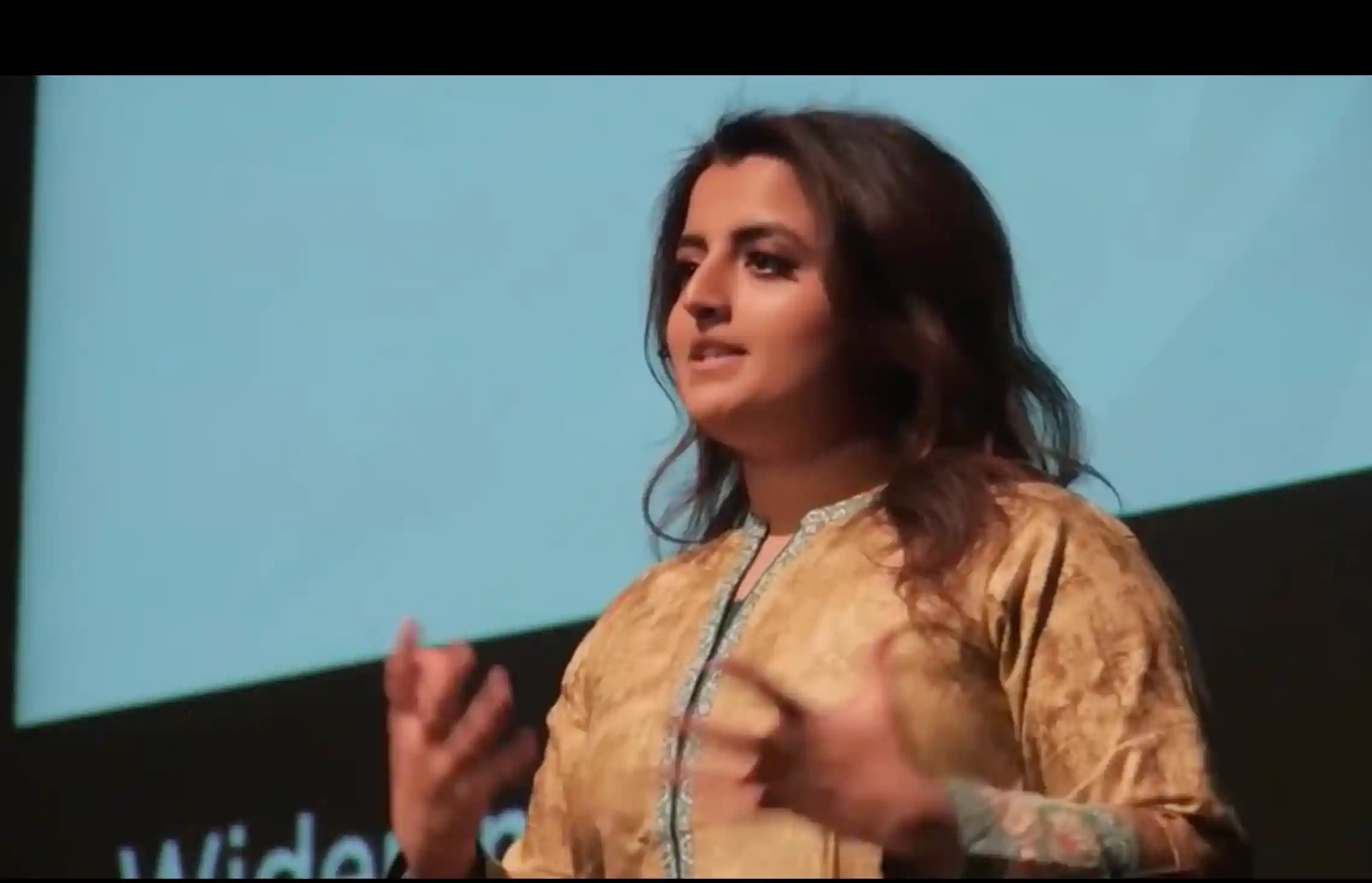
“The Modern Maze of Cultural Identity”
In a TEDx Talk from 2016, Mashaal Hijazi, a student at Idaho State University, discusses being the child of Pakistani immigrants while attempting to navigate racism in America. TED Talk courtesy of TED Conferences LLC. https://youtu.be/-1dFU4ktNfg?si=xWzkjh8xNN4tcGoe
Featured in:
Pakistani Americans, Module 3
-
Image
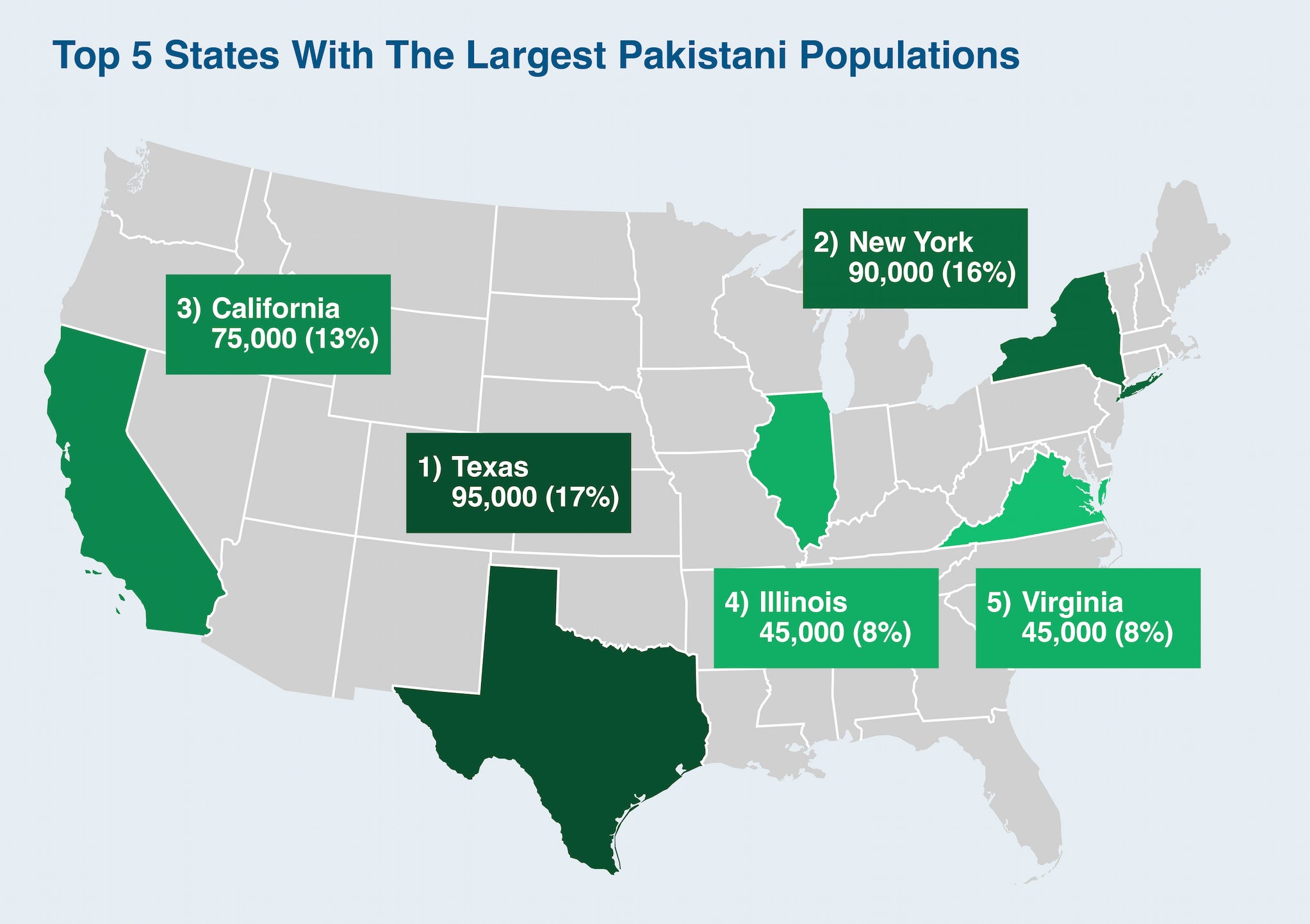
States with Largest Pakistani American Populations
Percentages of the top five states with the largest Pakistani American populations from 2020. Source: AAPI Data, National State of AANHPI Report (June 2022), p. 22.
Featured in:
Pakistani Americans, Module 2
-
Image
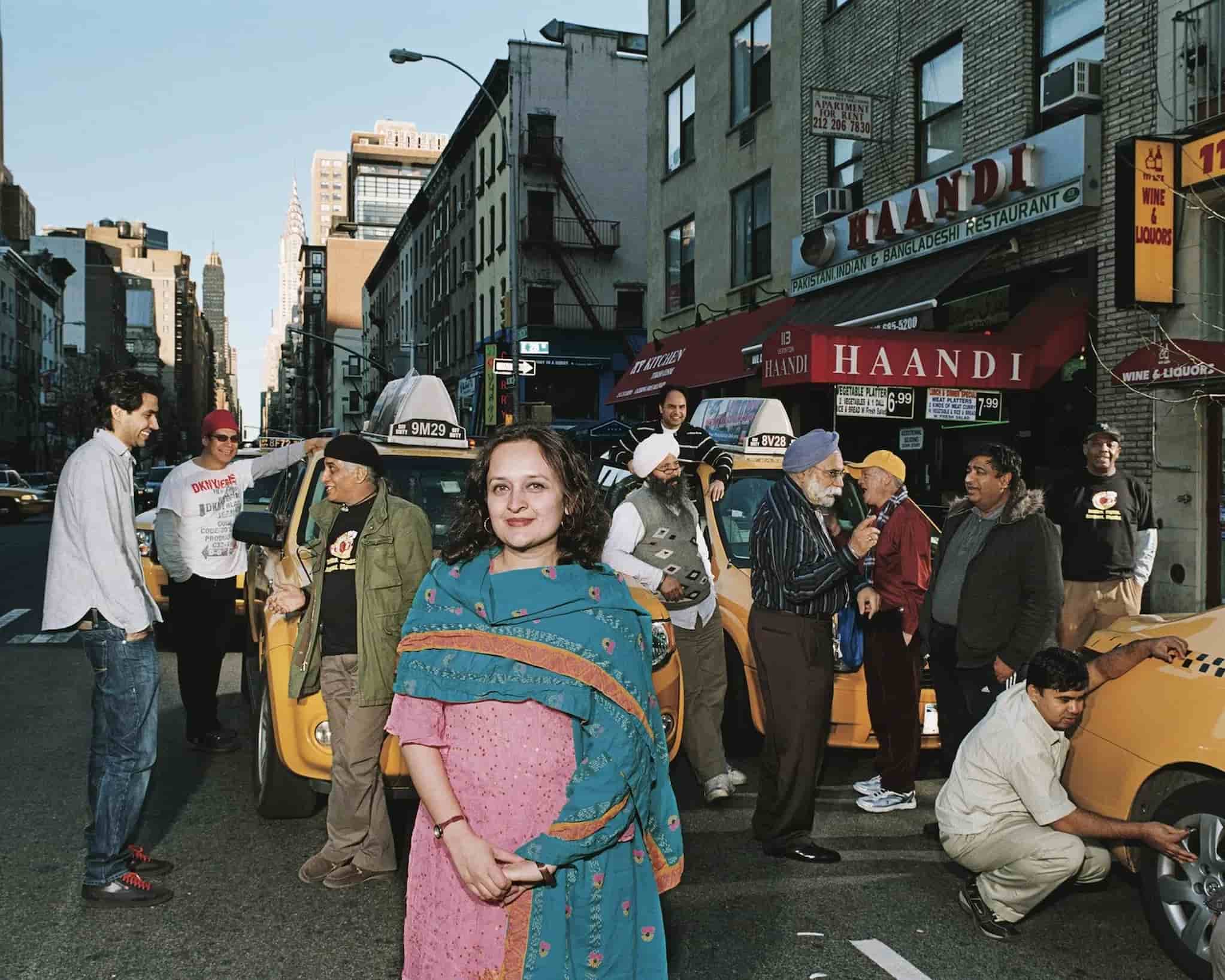
New York Taxi Workers Alliance Co-Founders
Co-founders of the New York Taxi Workers Alliance, Bhairavi Desai (center) and Pakistani American Javaid Tariq (third from left), in a photo from The New Yorker, captured in 1998.
Featured in:
Pakistani Americans, Module 2
-
Image
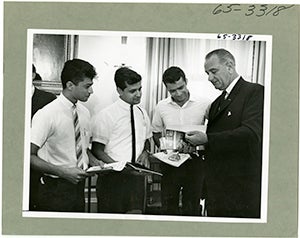
LBJ With Students from Pakistan and India
President Lyndon B. Johnson gives White House literature to students from Pakistan and India after personally conducting them on a tour of his offices in 1965.
Featured in:
Pakistani Americans, Module 2
-
Image
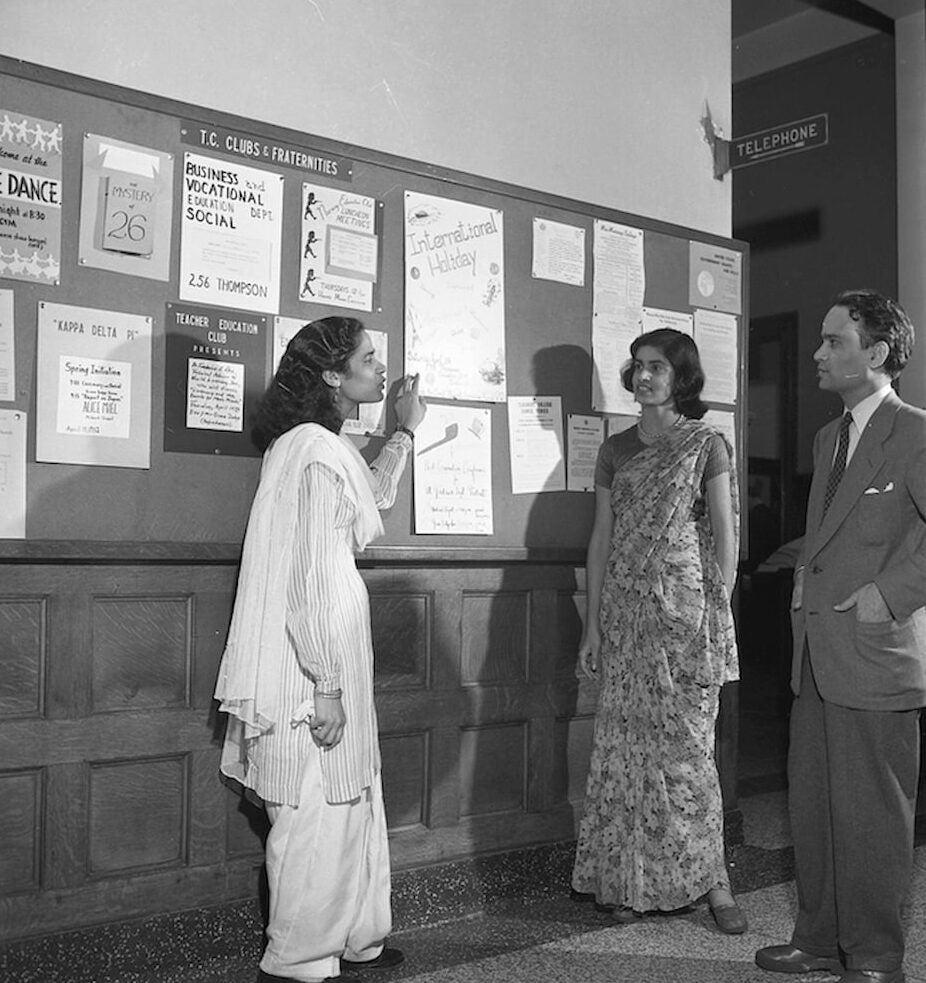
Pakistani Students at Columbia University
Pakistani students at Columbia University, New York, 1952. The US government’s heavy promotion of American higher education abroad attracted increasing numbers of Asian university-bound students. Some Pakistani students with American degrees would remain after finding work in the US.
Featured in:
Pakistani Americans, Module 1
-
Text
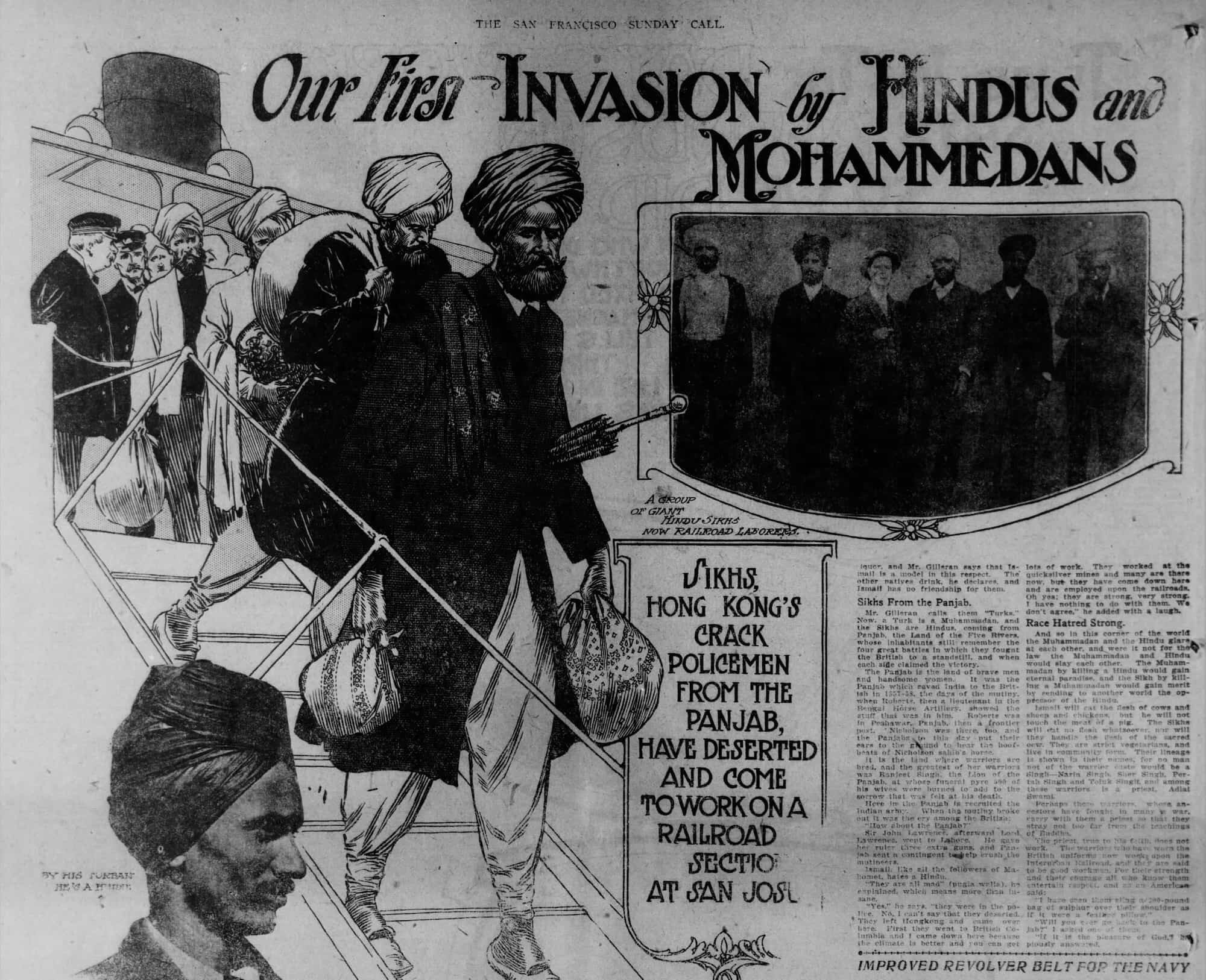
Newspaper Article on South Asian Migration
An article in The San Francisco Sunday Call from 1906 titled “Our First Invasion by Hindus and Mohammedans,” uses discriminatory language against South Asian migrants to the US.
Featured in:
Pakistani Americans, Module 1
-
Image
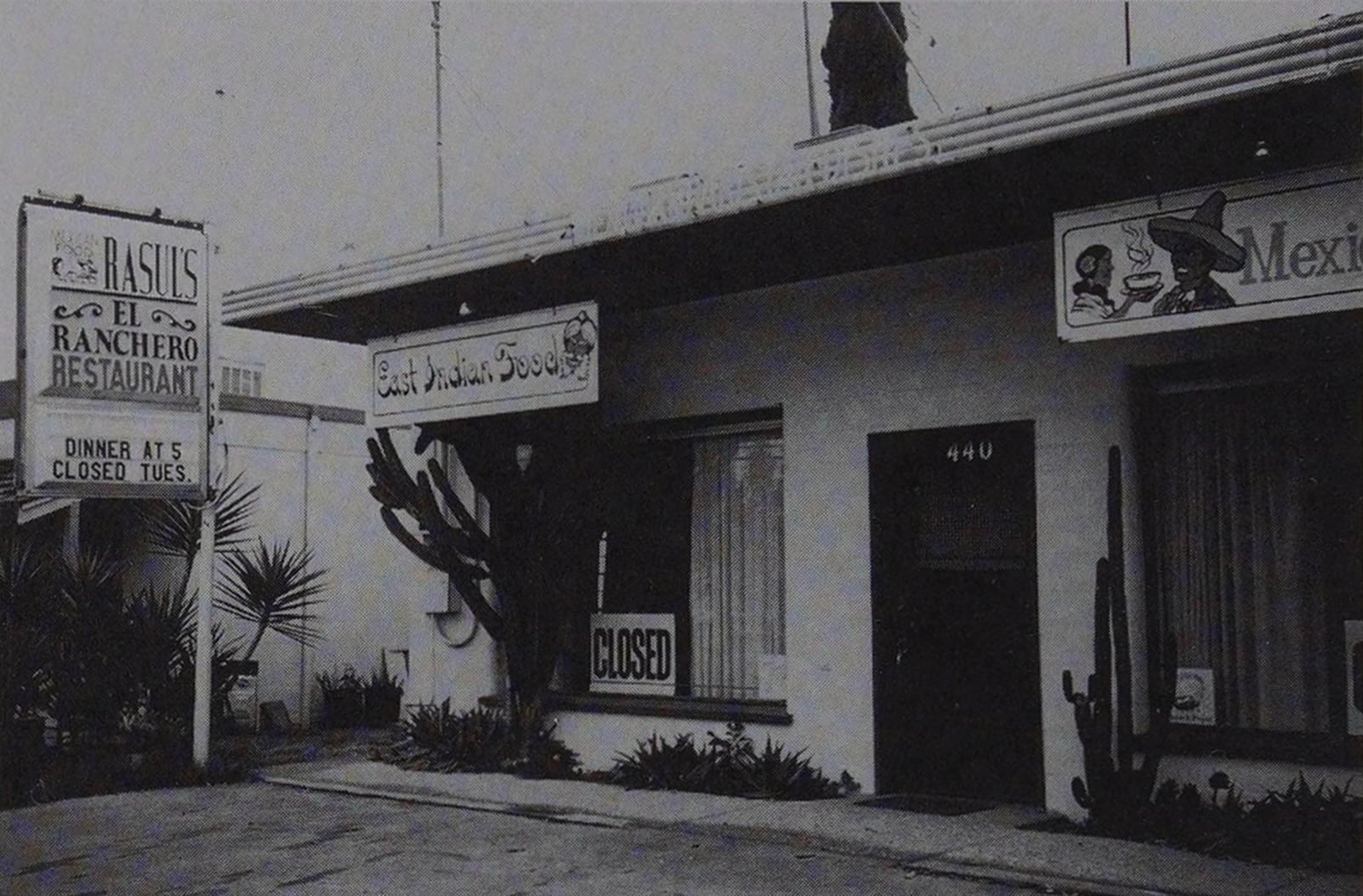
Rasul’s El Ranchero Restaurant
Gulam and Inez Rasul’s El Ranchero Restaurant in California’s Central Valley operated from 1954 to 1993, serving both South Asian and Mexican food. The restaurant advertises “East Indian Food,” a now outdated colonial term that referred to British India, and which includes current-day Pakistan.
Featured in:
Pakistani Americans, Module 1
-
Image
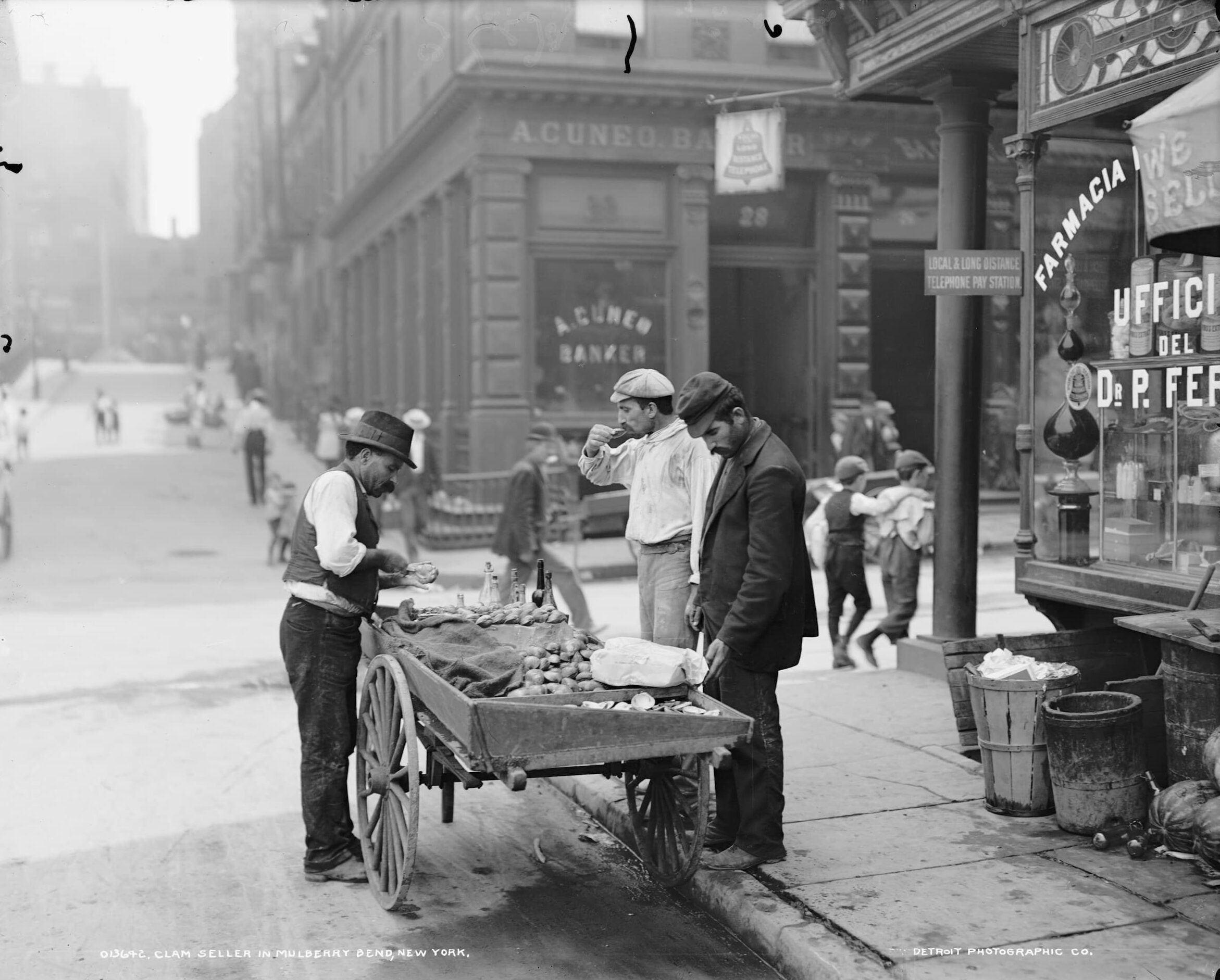
Immigrant Clam Seller in New York City
An immigrant clam seller on Mulberry Bend in New York City, circa 1900. A second wave of migrants who moved to the US in the late nineteenth and early twentieth centuries included many South Asians who became vendors and traders.
Featured in:
Pakistani Americans, Module 1
-
Image
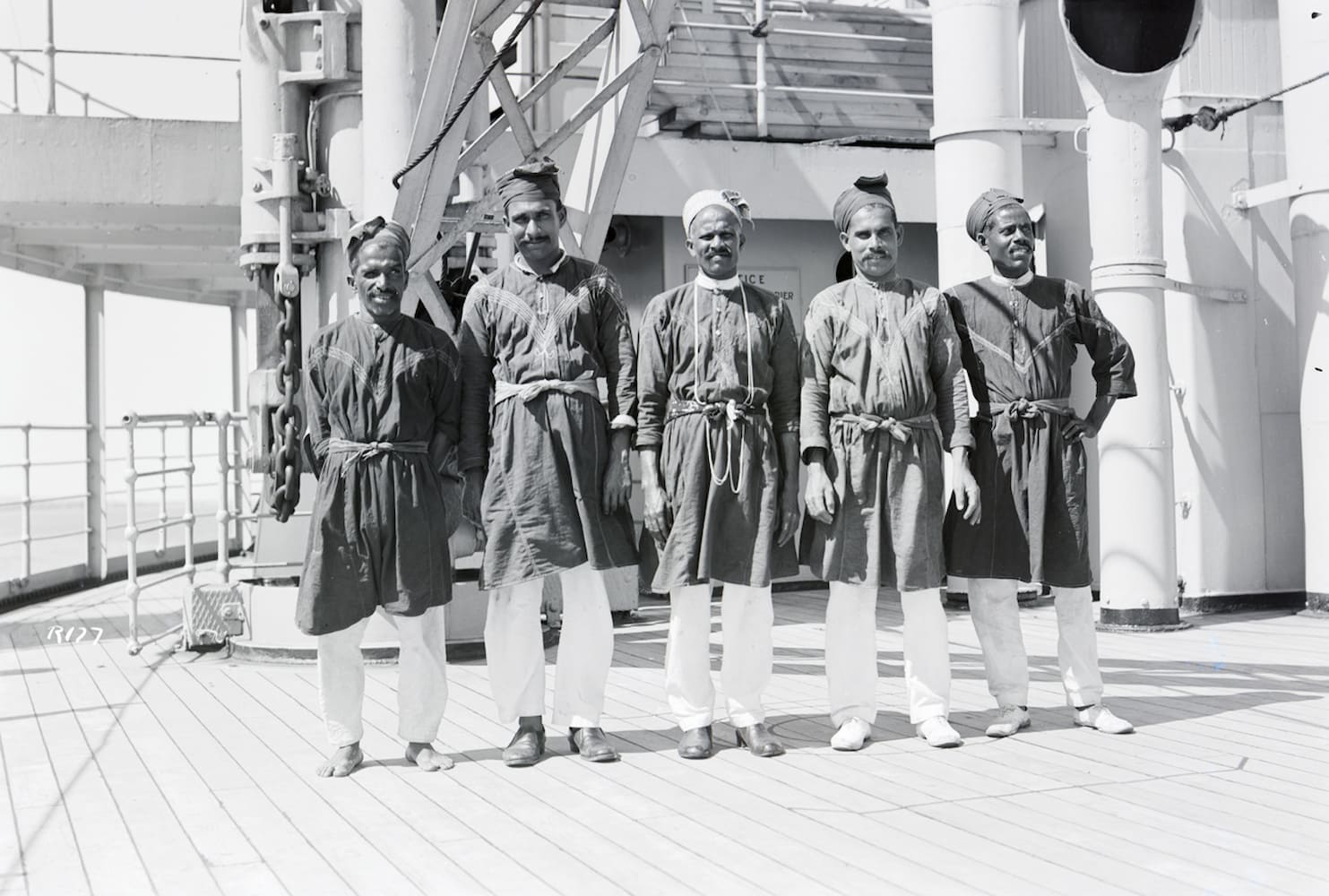
Group of Lascars on Ship Deck
A group of lascars poses on the promenade deck of the Viceroy of India, a colonial British ship. The word “lascar” referred to sailors from “the East Indies,” which is known today as South Asia.
Featured in:
Pakistani Americans, Module 1
-
Image
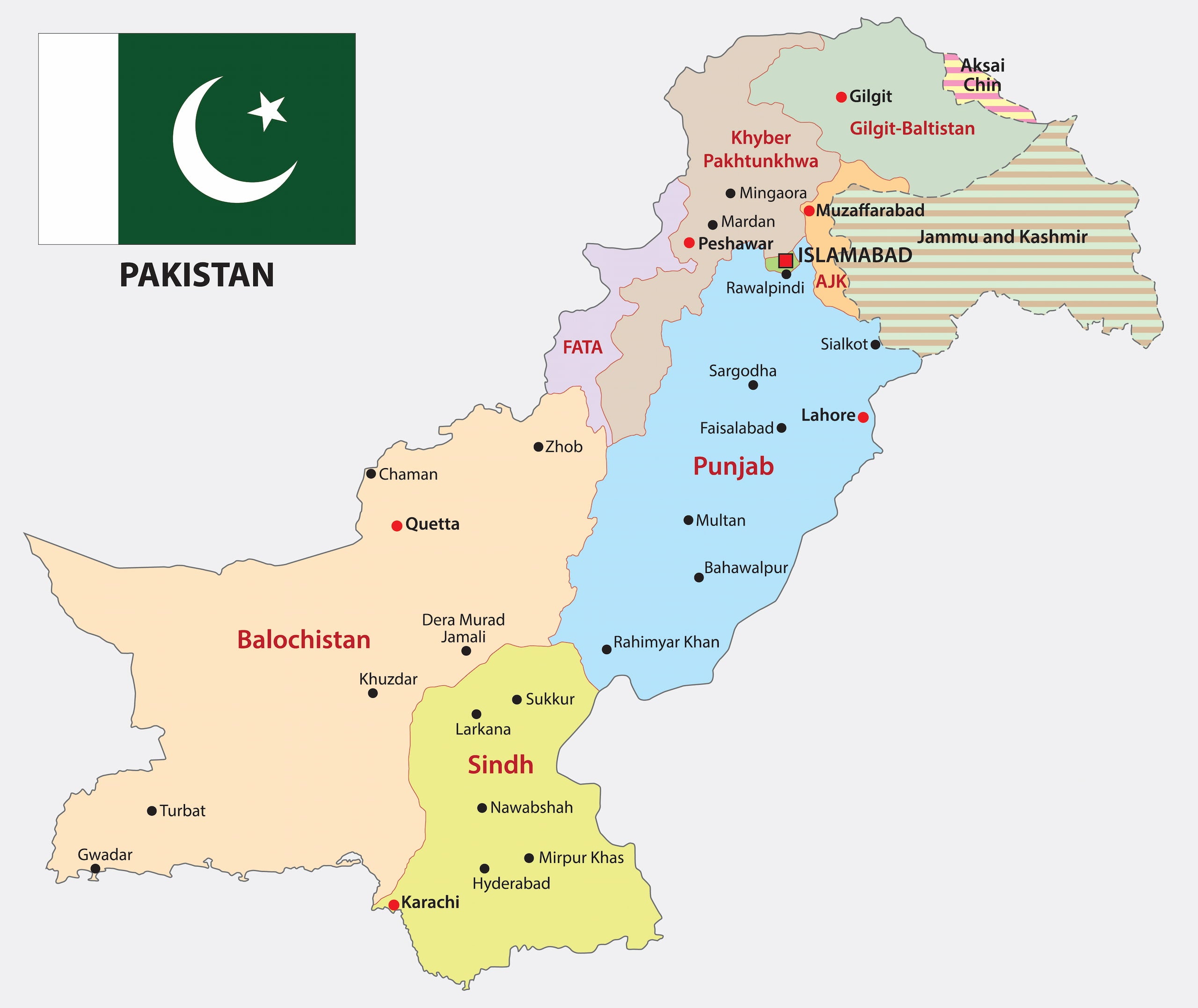
Map of Pakistan
This map of Pakistan shows the country’s provinces and major cities. The capital city of Islamabad lies in the northern Punjab region.
Featured in:
Pakistani Americans, Module 1