


Search the Media Repository
Discover the curated images, videos, and primary sources featured throughout Foundations and Futures
History is more than just text on a page; it is the photographs, voices, and artifacts of the people who lived it. The images and recordings featured across Foundations and Futures are part of a meticulously curated media repository. Whether you are building a lesson plan or investigating an artifact, you can use this database to trace the provenance of our media: discover who created an asset, the historical context behind it, and how it can be used to bring Asian American and Pacific Islander experiences into your classroom.
Multimedia
Chapters
-
Video
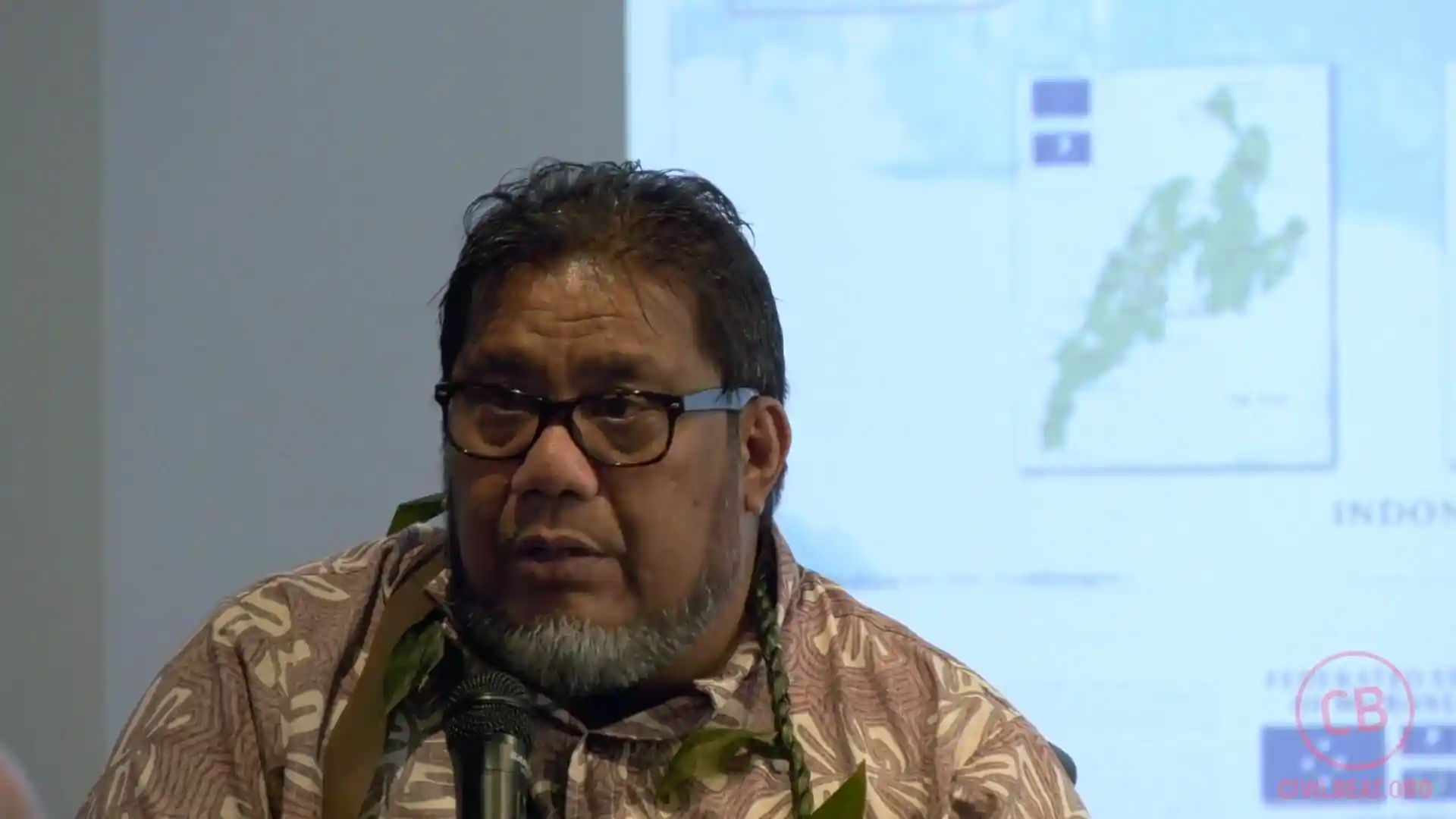
Being Micronesian in Hawaiʻi
At Honolulu Civil Beat’s #BeingMicronesian panel in 2019, Micronesian rights and disability advocate Dr. Joakim “Jojo” Peter identifies misconceptions around Micronesians in Hawaiʻi that have fueled intense discrimination. Dr. Peter uses healthcare and language access as examples.
Featured in:
Micronesians in the United States, Module 1
-
Video
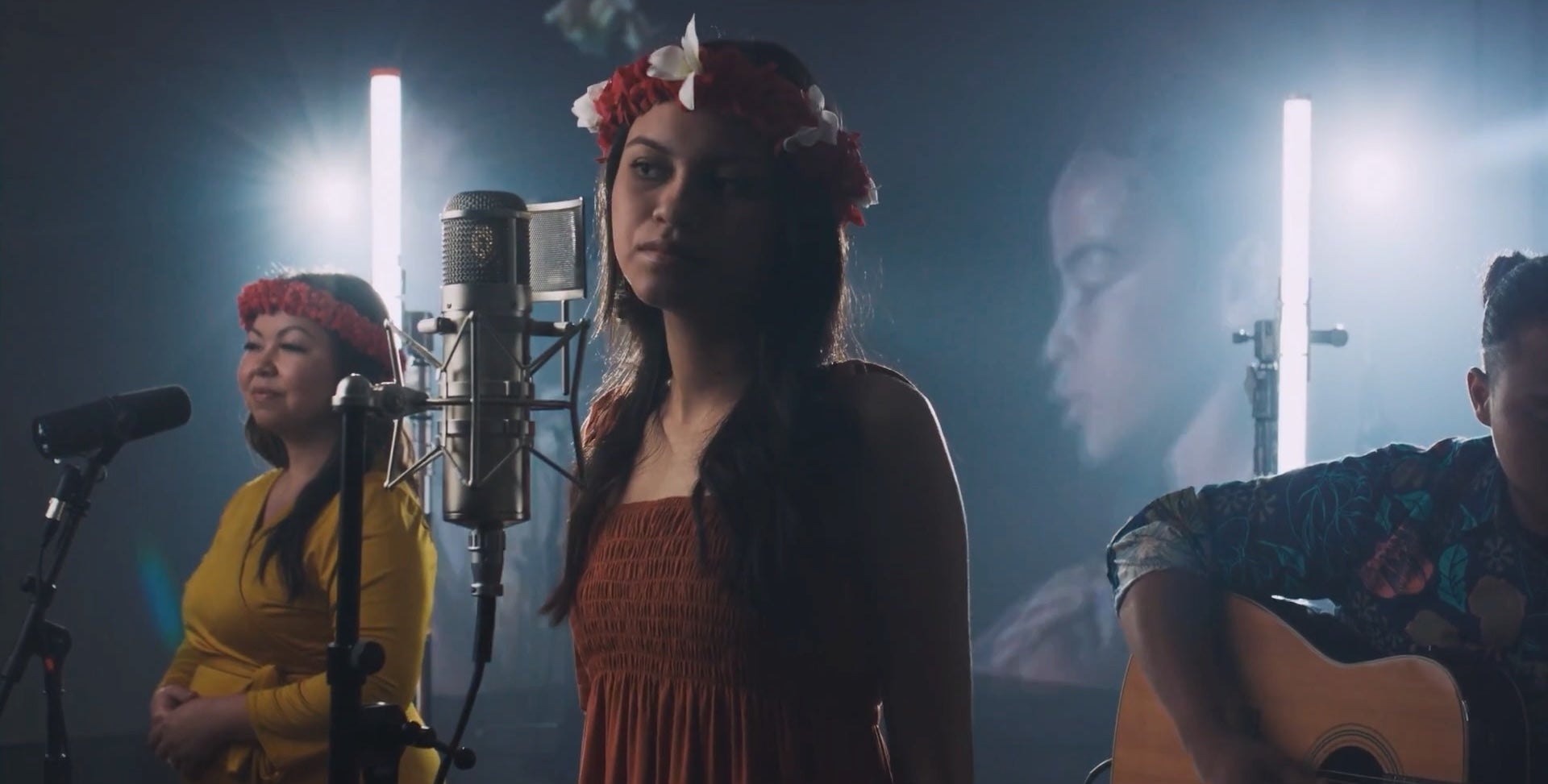
“Mångge Chamorro?”
Listen to an excerpt of “Mångge Chamorro?” performed by Sinahi Benavente, Stacia Guzman, and Pedro Blas. The song was written in the CHamoru language by Ed Benavente (Sinahi Benavente’s grandfather), who was a strong voice for an independent Guåhan.
Featured in:
Micronesians in the United States, Module 1
-
Image
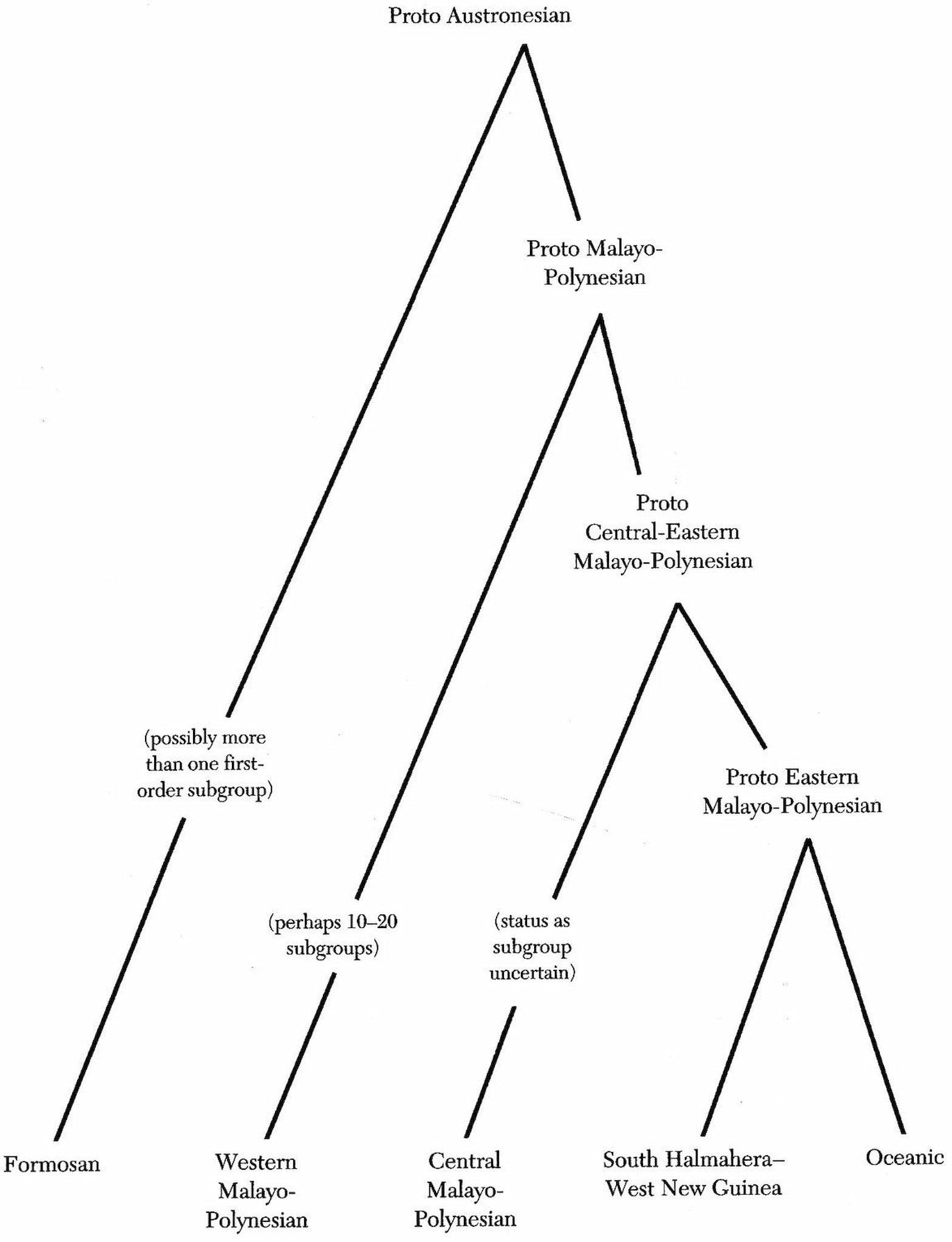
Oceanic Languages Tree Diagram
A tree diagram, also from Lynch’s book, traces Oceanic languages to an ancestral Proto Austronesian language. Apart from Belauan (Palauan) and CHamoru (Western Malayo-Polynesian subgroups), all other Micronesian languages are part of the Oceanic group
Featured in:
Micronesians in the United States, Module 1
-
Image
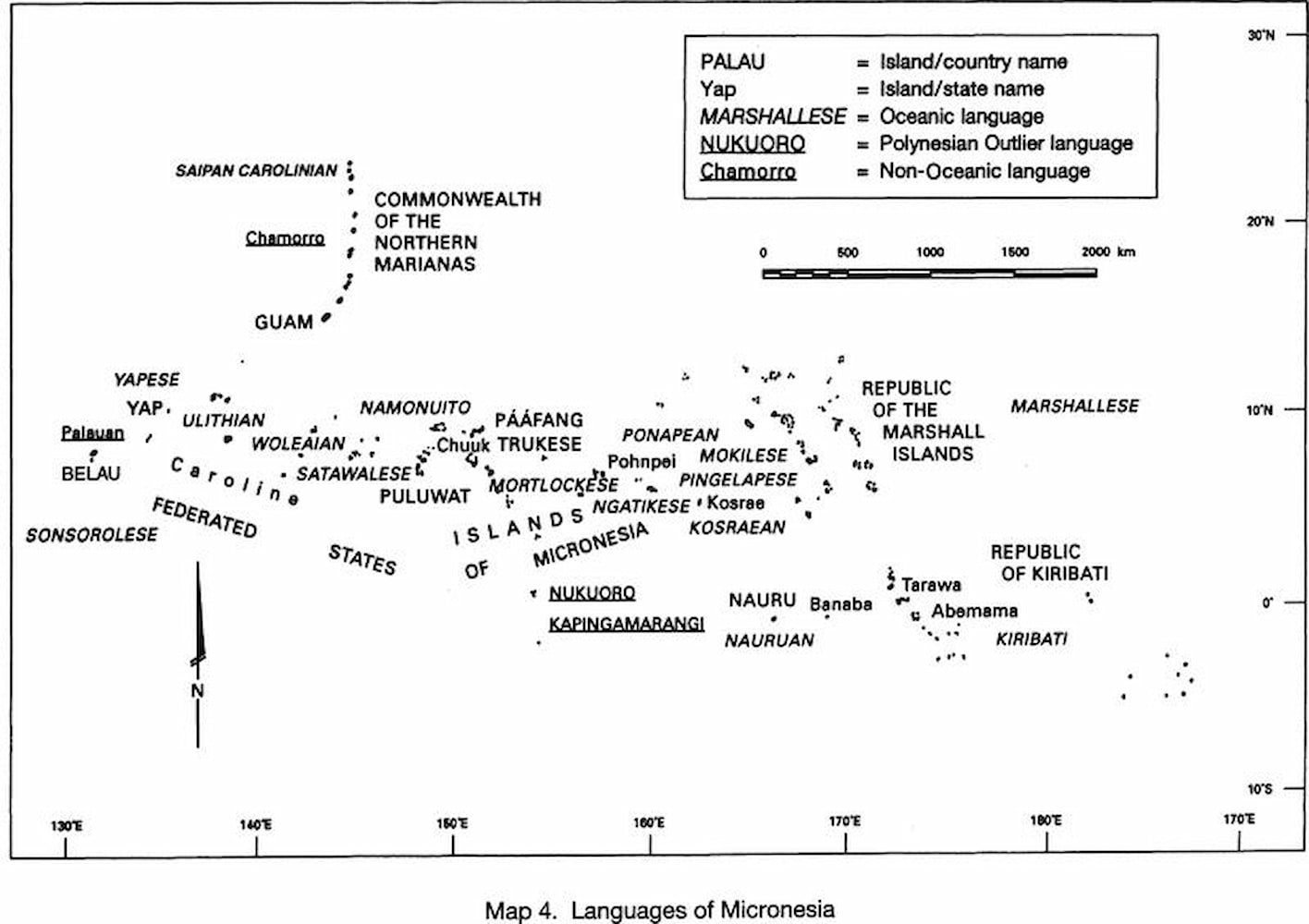
Languages of Micronesia
Map identifying the diversity of languages in the Micronesia subregion. Featured in linguist John Lynch’s book, Pacific Languages: An Introduction (1998).
Featured in:
Micronesians in the United States, Module 1
-
Image
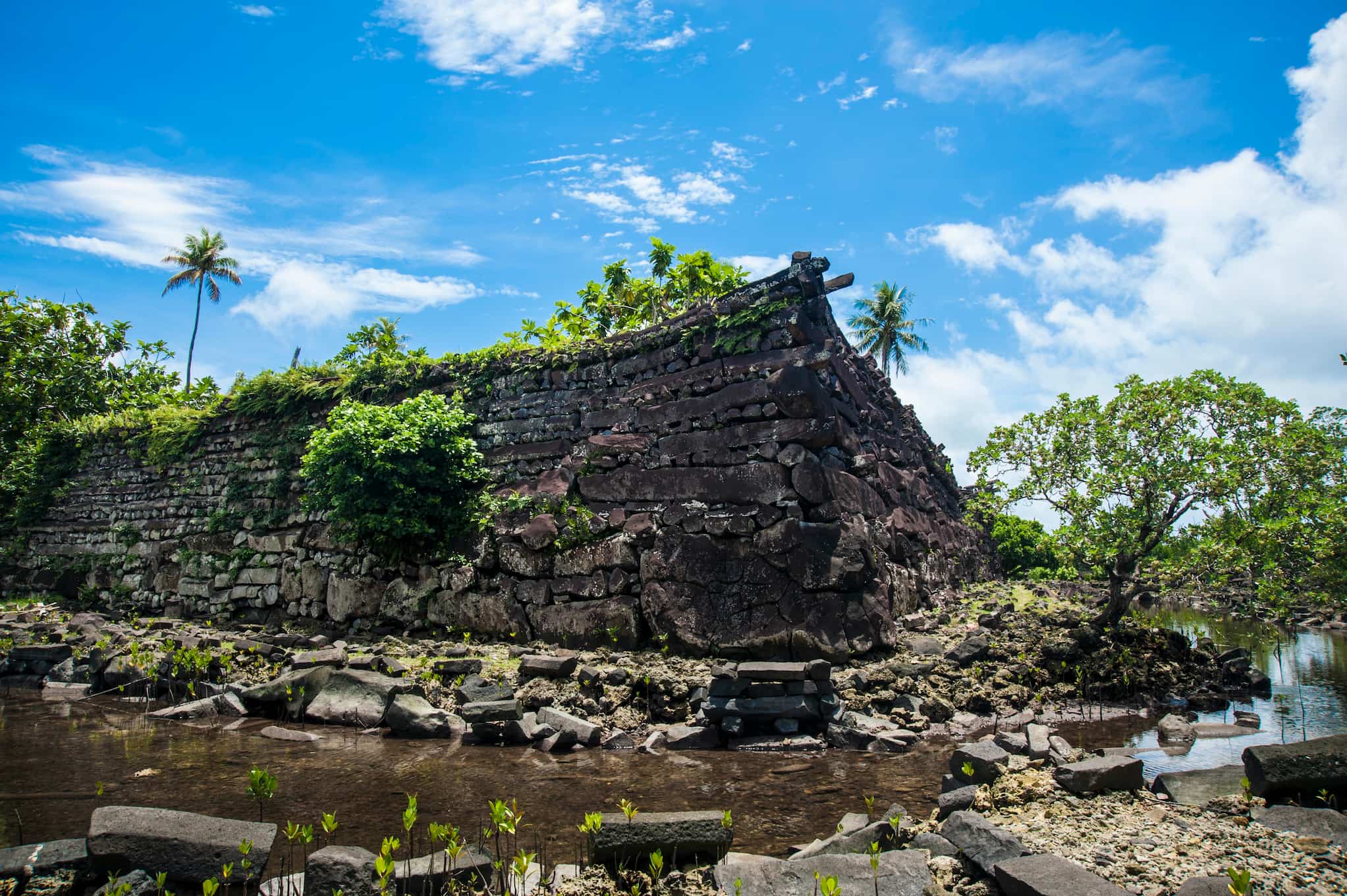
Nan Madol
The island of Pohnpei, meaning “upon a stone altar,” is part of Pohnpei State, one of the four states of the Federated States of Micronesia (FSM). Nan Madol (pictured), an ancient city on Temwen Island, was designated a UNESCO World Heritage Site in 2016.
Featured in:
Micronesians in the United States, Module 1
-
Image
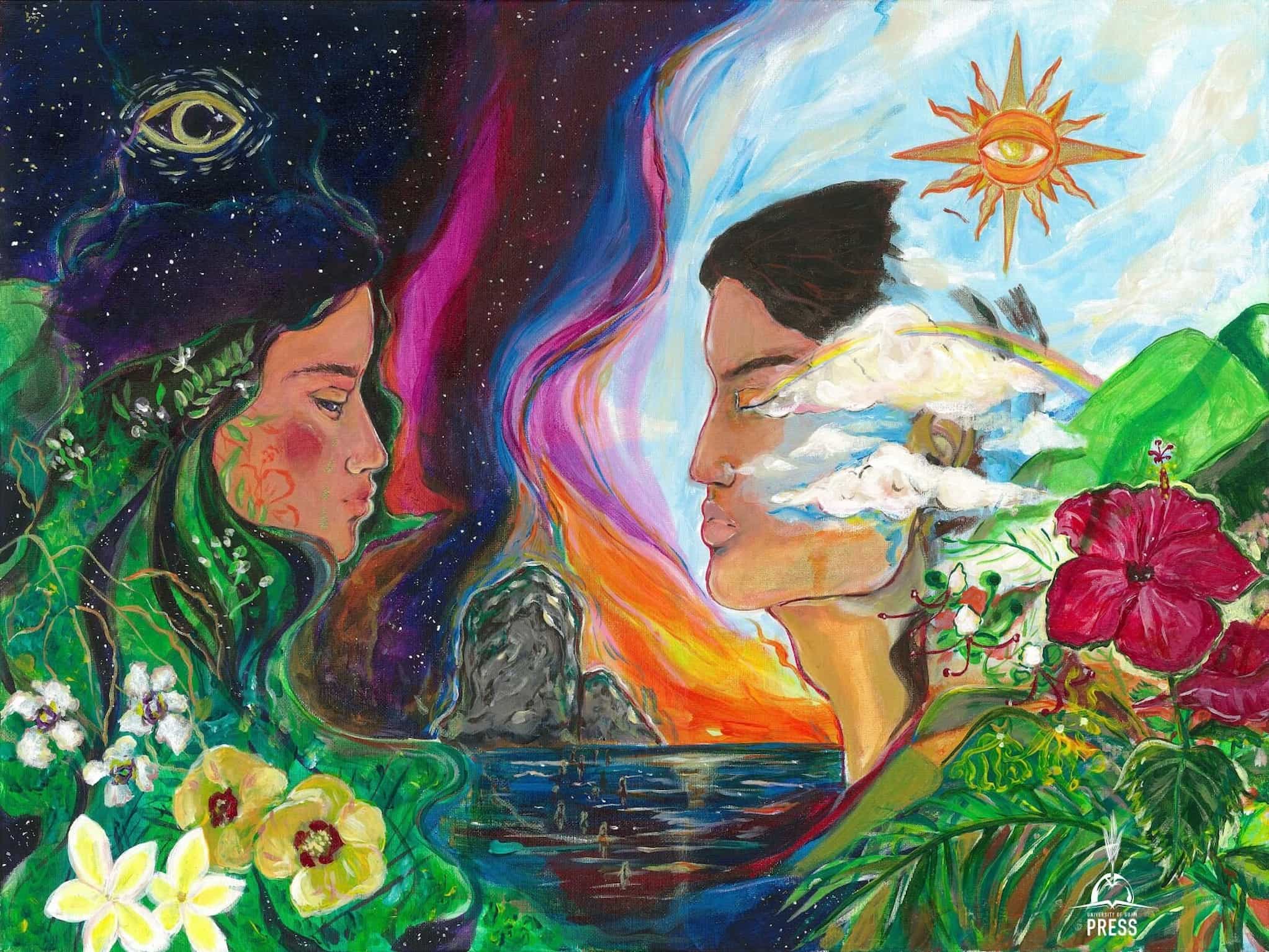
Pontan and Fo’na
This illustration by artist Dorathina Herrero and from University of Guam Press depicts Pontan and Fo’na, two powerful siblings from a creation story of the Indigenous CHamoru people of the Mariana Islands archipelago.
Featured in:
Micronesians in the United States, Module 1
-
Image
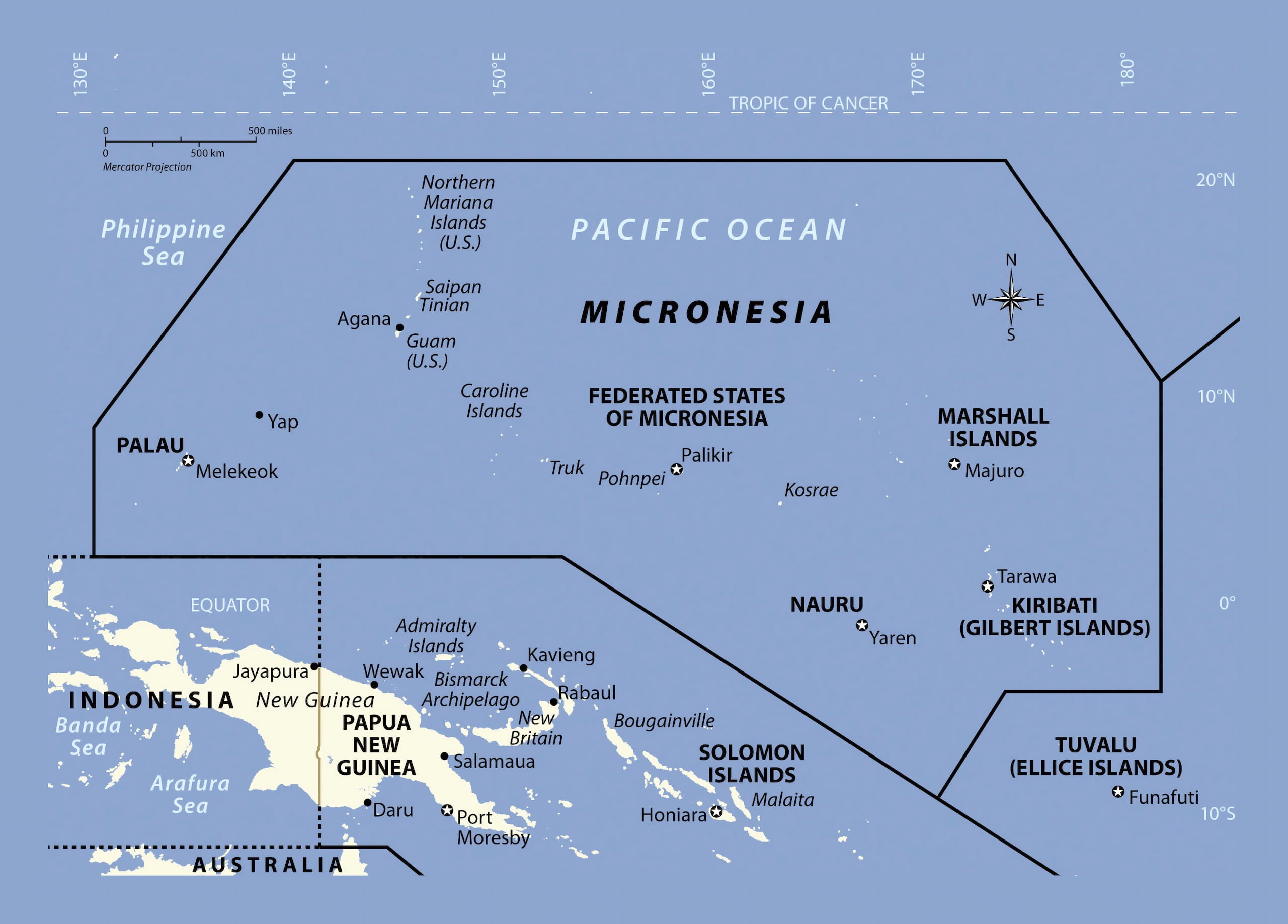
Map of Micronesia
Map of Micronesia, a subregion in the Pacific Ocean that includes: Belau (Palau), Yap, Guåhan (Guam), and the Northern Mariana Islands, Federated States of Micronesia (FSM), Marshall Islands, Nauru, and Kiribati. Not included in the map is Wake Island.
Featured in:
Micronesians in the United States, Module 1
-
-
Image
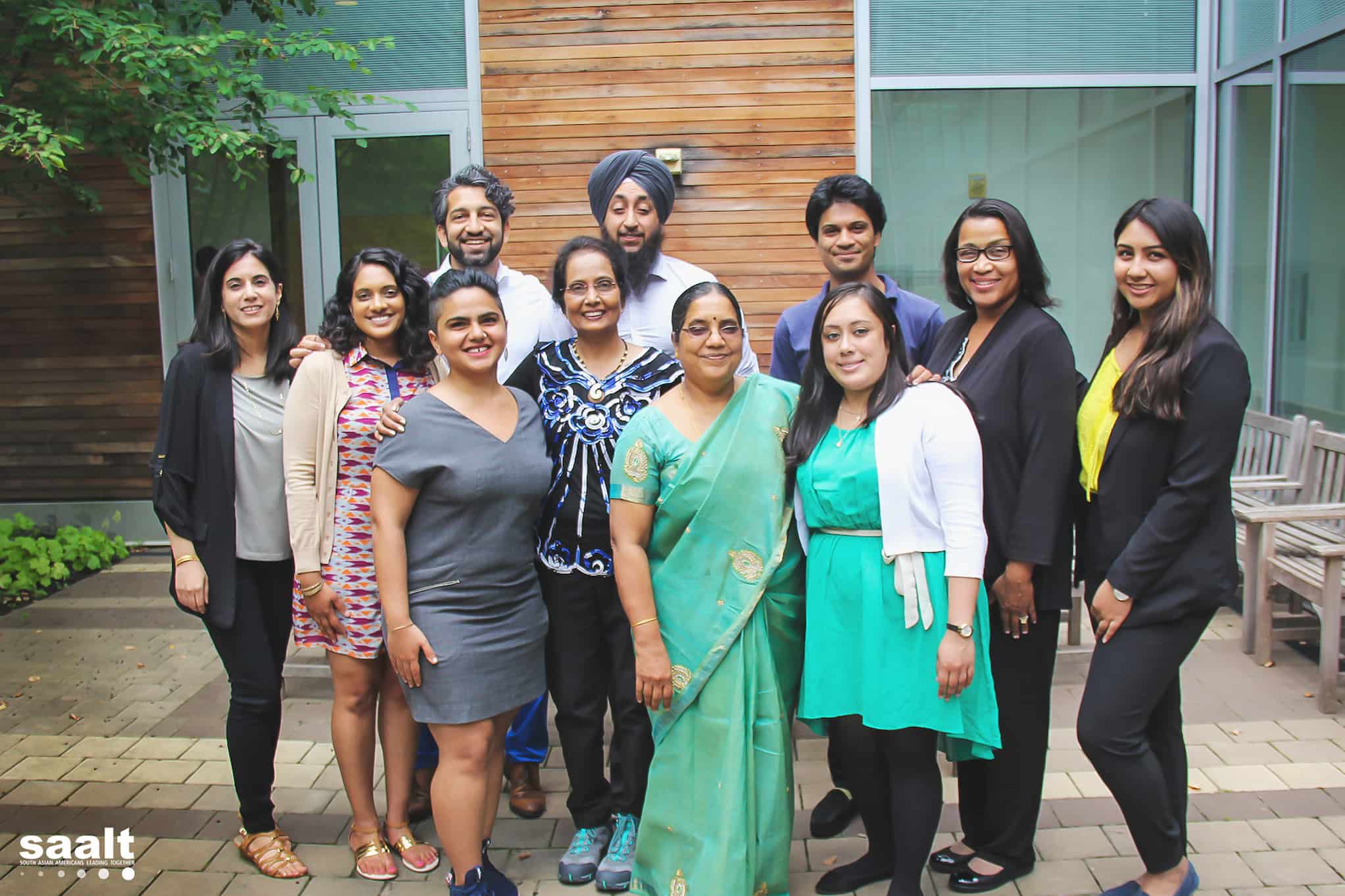
SAALT Members, Staff, and Colleagues
Members, staff, and colleagues of SAALT (South Asian Americans Leading Together), a panethnic South Asian American coalition that existed from 2000-2024.
Featured in:
Pakistani Americans, Module 5
-
Image
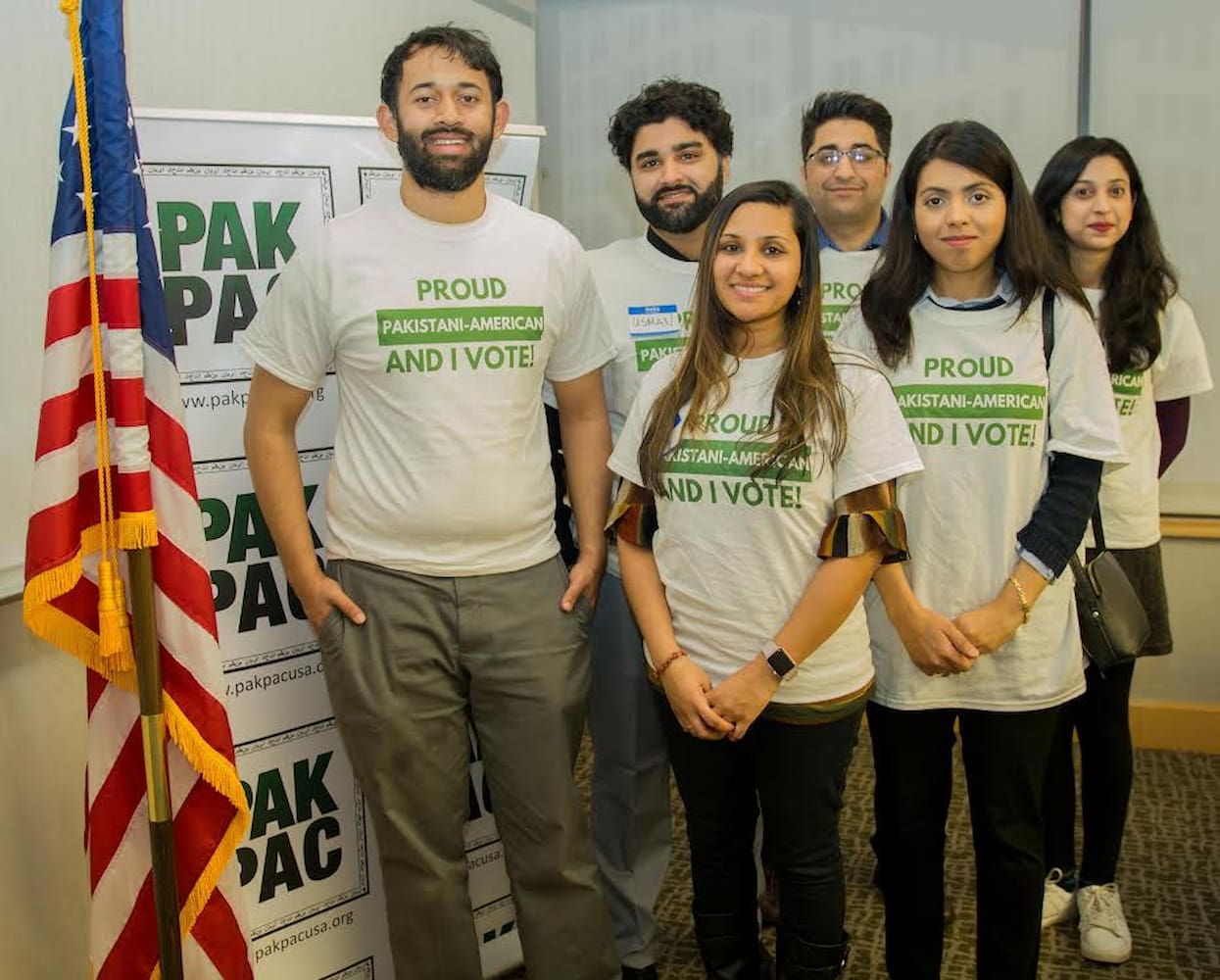
Pakistani American Political Action Committee Volunteers
Pakistani American volunteers from the Pakistani American Political Action Committee (PAKPAC) gather in 2020 to mobilize voting in Nevada.
Featured in:
Pakistani Americans, Module 5
-
Image
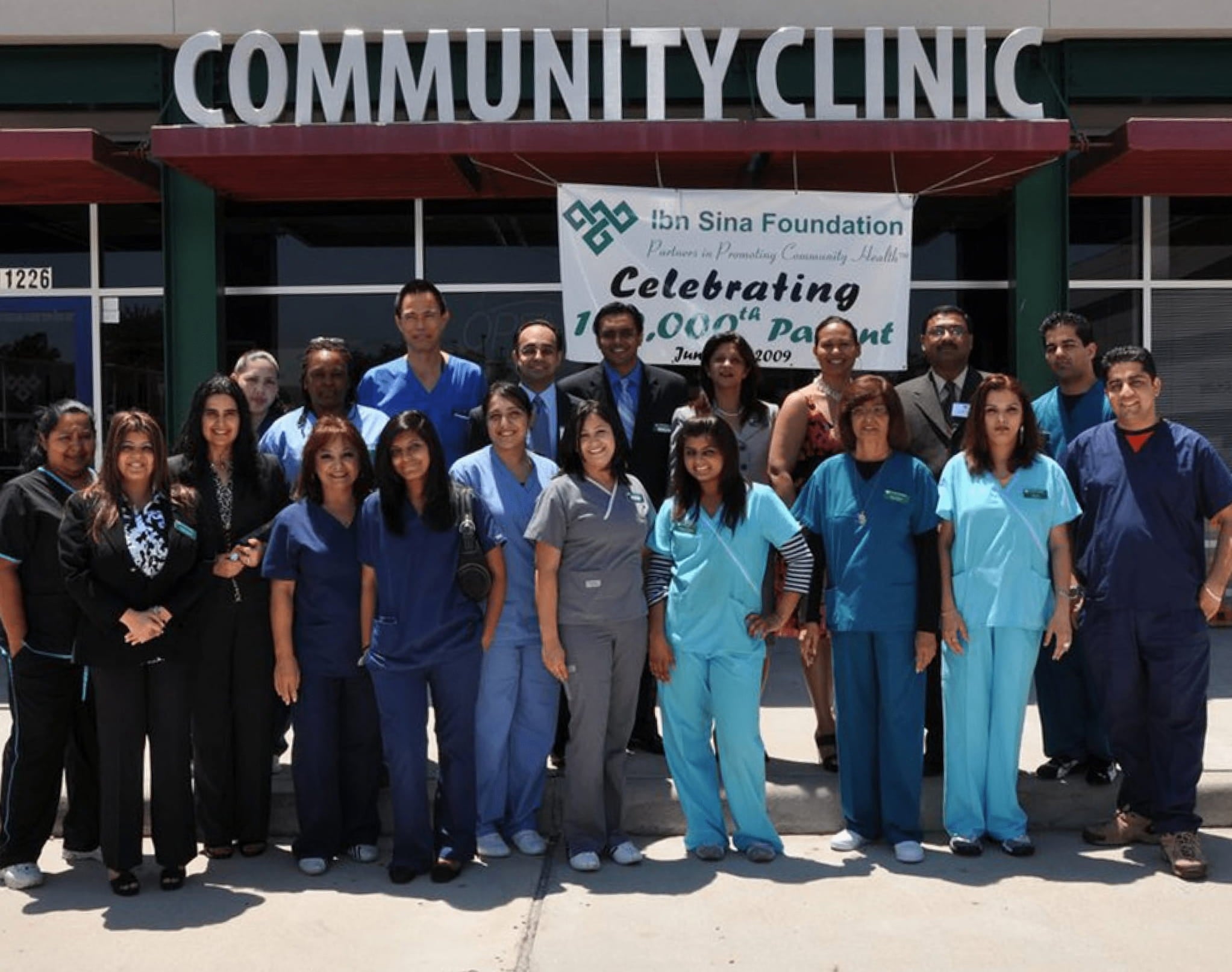
IBN Sina Foundation
The staff at a clinic of the Ibn Sina Foundation, founded by Pakistani Americans. The Foundation provides medical, dental, diagnostic, specialty, mental health, and well-being programs throughout areas around Houston, Texas.
Featured in:
Pakistani Americans, Module 5
-
Image
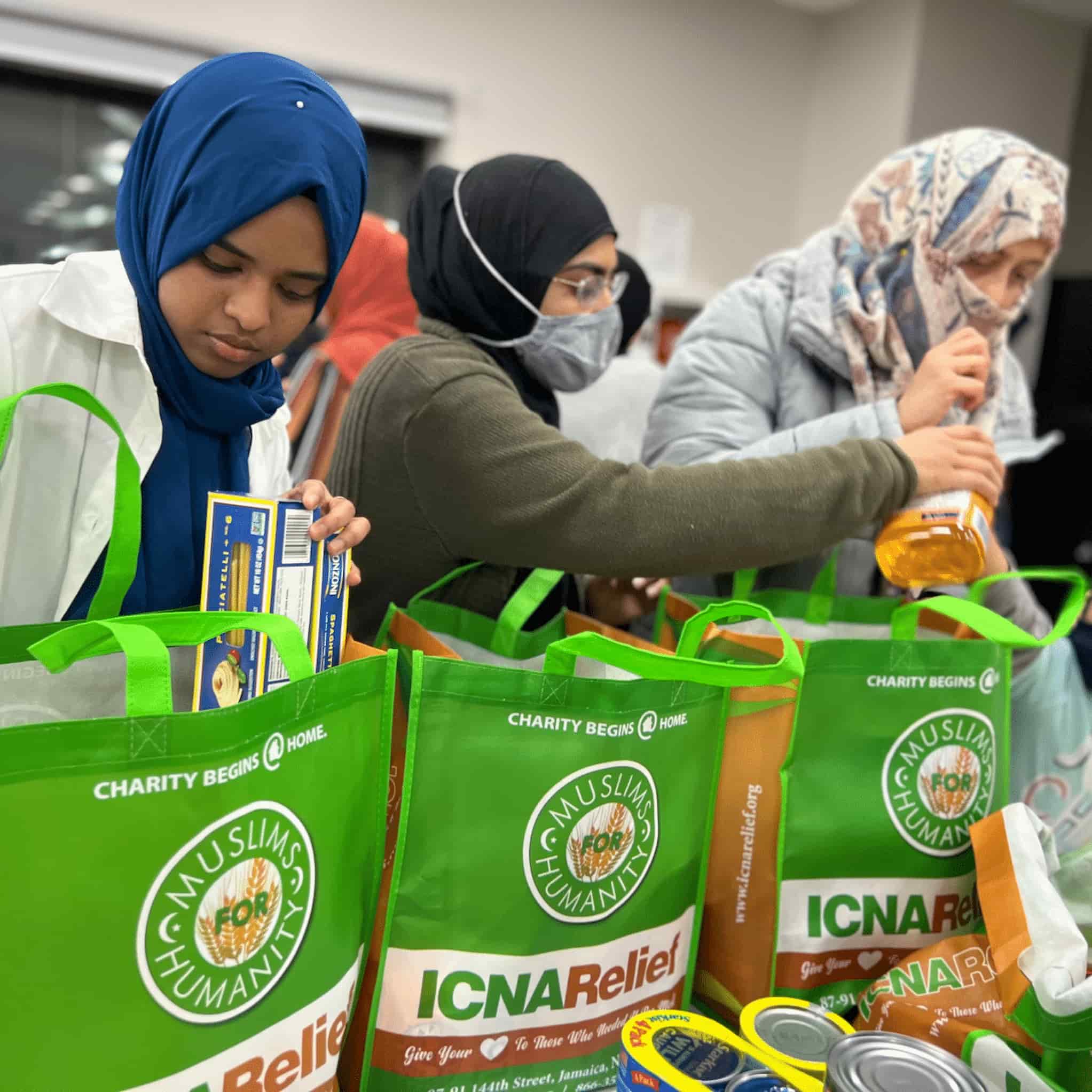
Islamic Circle of North America (ICNA) Volunteers
Islamic Circle of North America (ICNA) volunteers prepare food packages for free distribution through their food pantry. Pakistani Americans are often involved in charitable community efforts.
Featured in:
Pakistani Americans, Module 5
-
Text
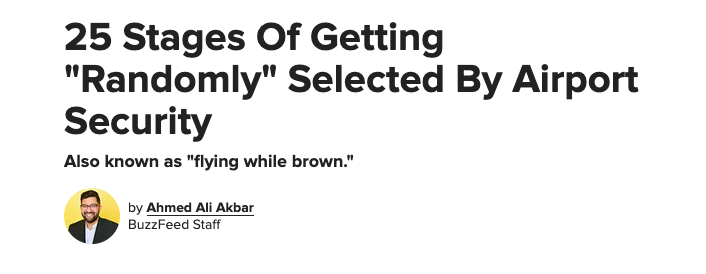
“Stages Of Getting ‘Randomly’ Selected”
A 2014 Buzzfeed article by Pakistani American reporter and podcaster Ahmed Ali Akbar reports on the difficulties of “flying while brown.”
Featured in:
Pakistani Americans, Module 4
-
Image
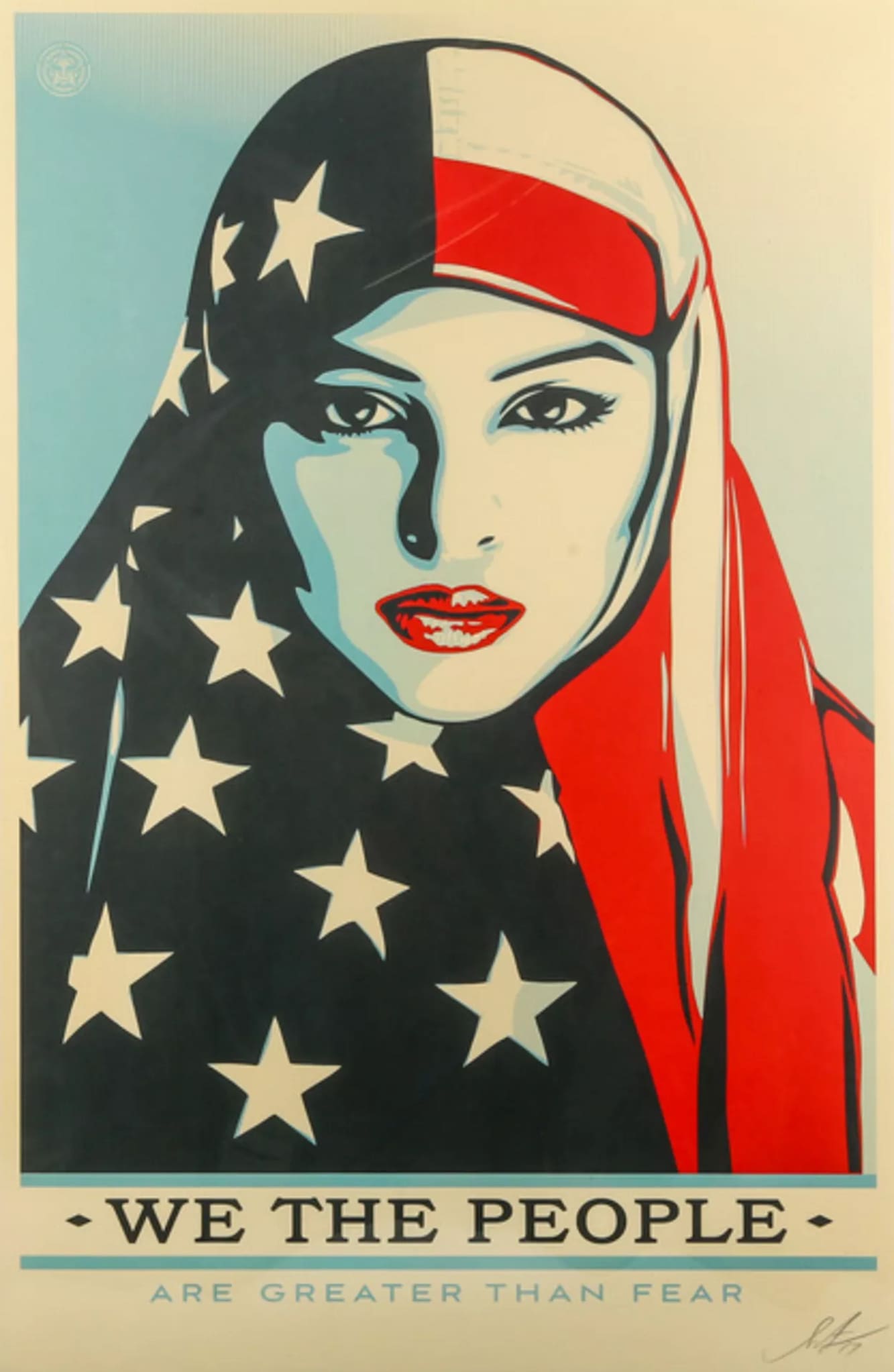
“We The People”
This 2016 “We the People” poster by artist Shepard Fairey from 2016, recasts Adhami’s photo as a symbol of protest.
Featured in:
Pakistani Americans, Module 4
-
Image
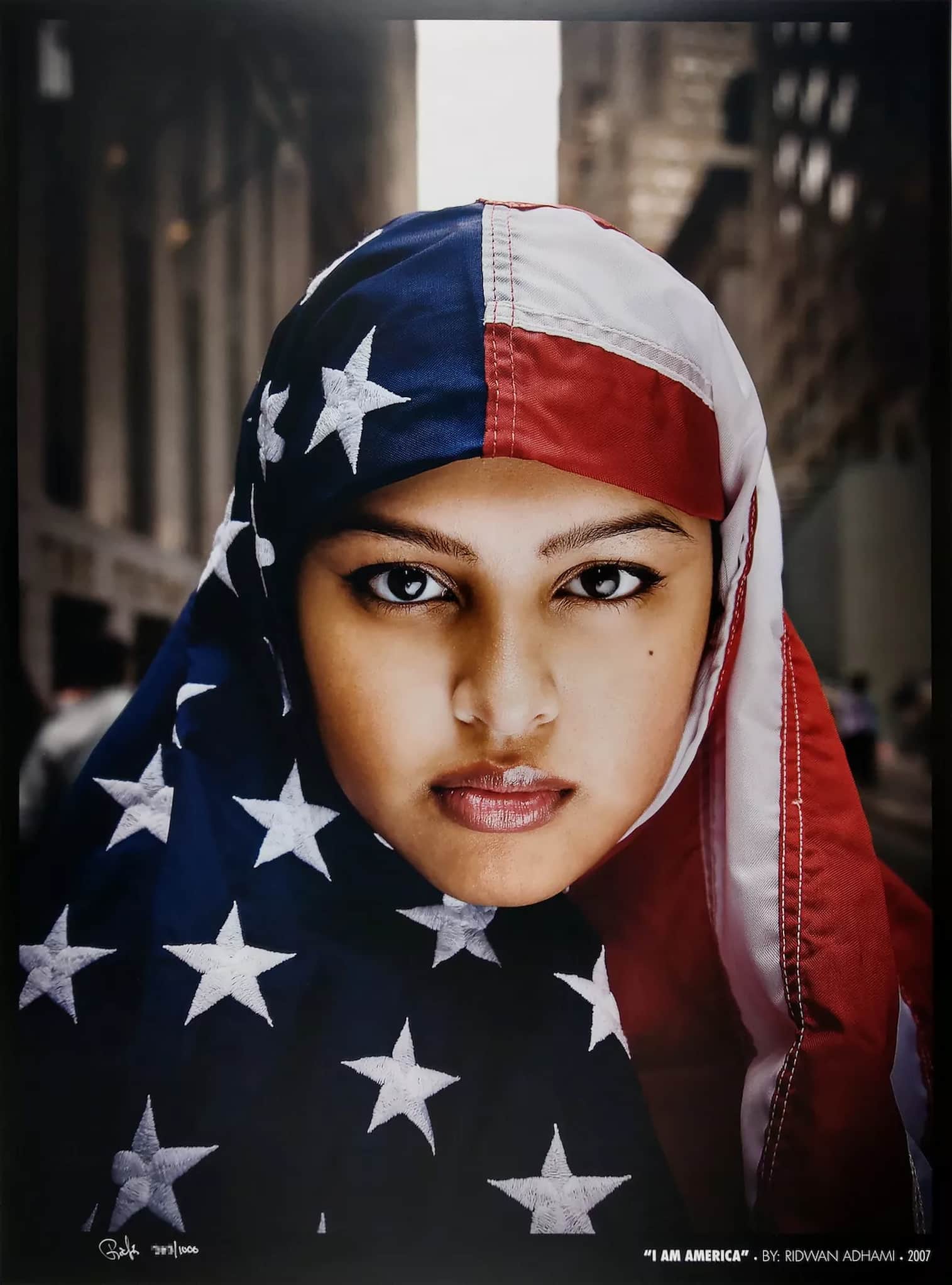
“I Am America”
“I am America” photo by Ridwan Adhami, taken at Ground Zero in New York City 2007, in which a Muslim woman wears an American flag draped as a hijab.
Featured in:
Pakistani Americans, Module 4
-
Audio
King of the World Podcast
Shahjehan Khan’s podcast, King of the World (2021), is a seven-part series about a Pakistani American Muslim teenager who comes of age post-9/11 and tries to make sense of it twenty years later.
Featured in:
Pakistani Americans, Module 4
-
Image
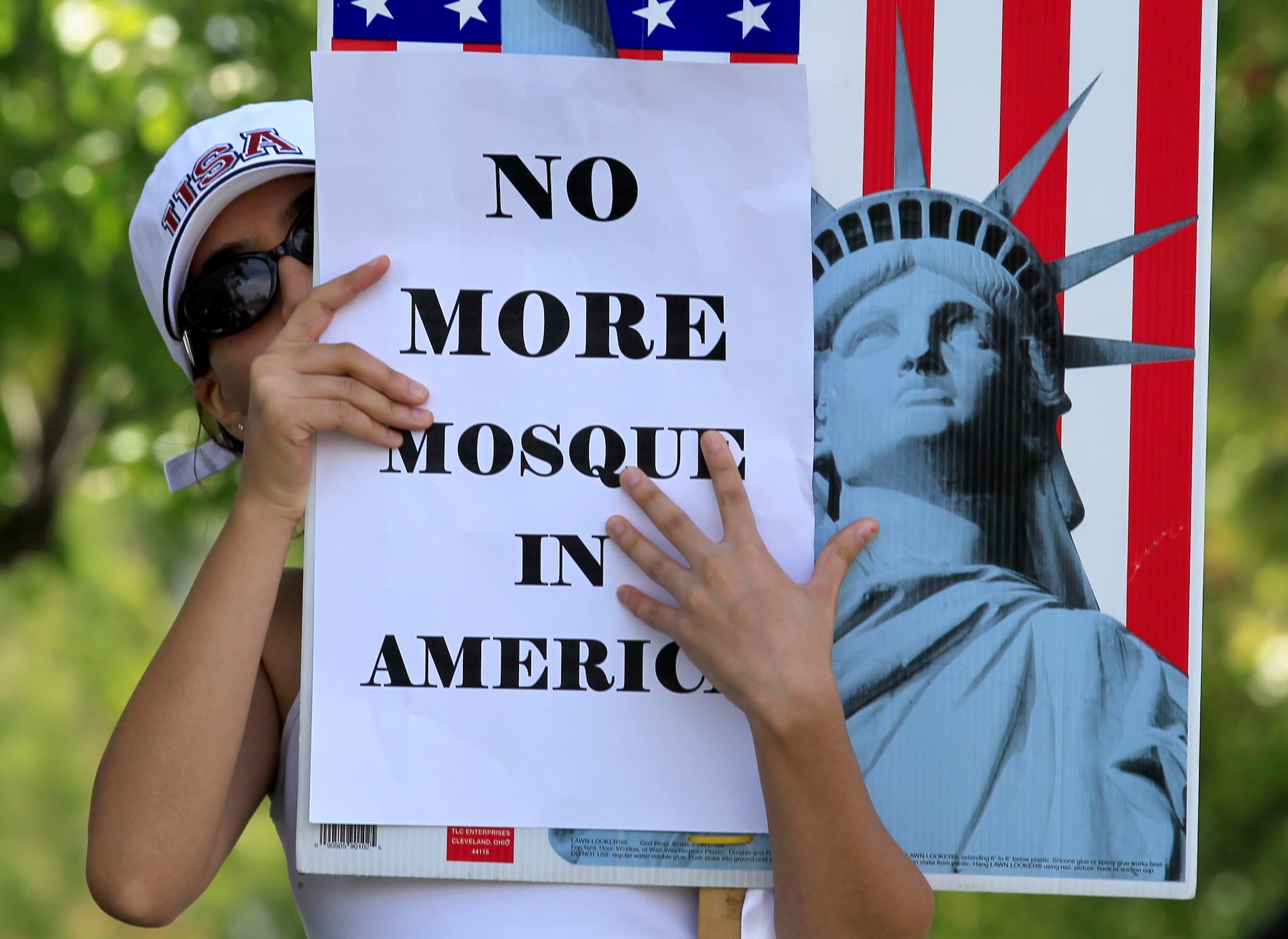
Protestor with “No More Mosque” Sign
A protestor in Temecula, California, opposing the building of mosques in 2010. Such anti-Muslim hostility can be described as Islamophobia or as anti-Muslim racism.
Featured in:
Pakistani Americans, Module 4
-
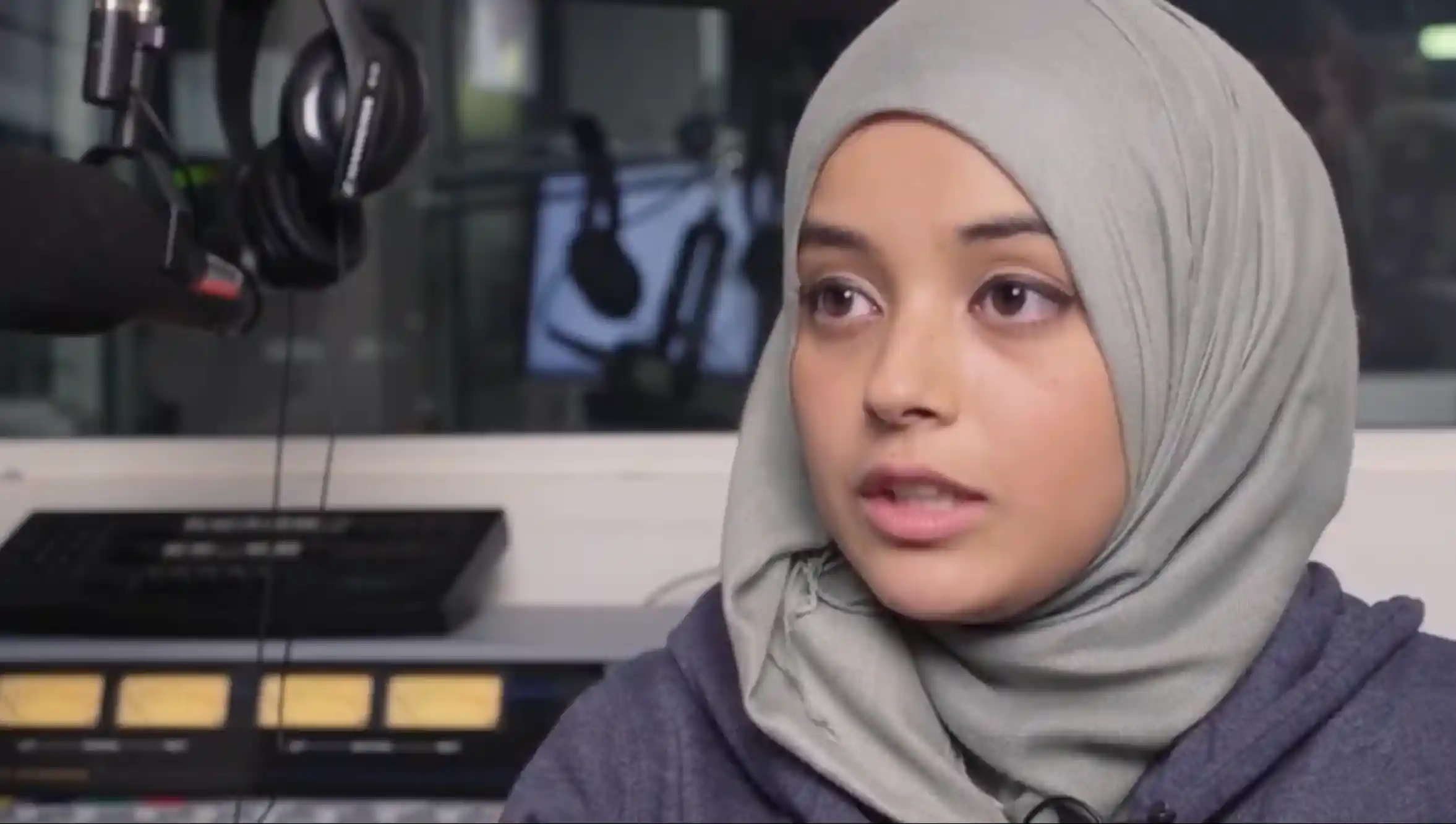
Video
NYPD Muslim Surveillance Program
Student-activist Rabia Ahsan Tarar details how the effects and ramifications of the NYPD Muslim Surveillance Program were greatly detrimental to the lives of Pakistani Americans in the New York area for over a decade.
Featured in:
Pakistani Americans, Module 4
-
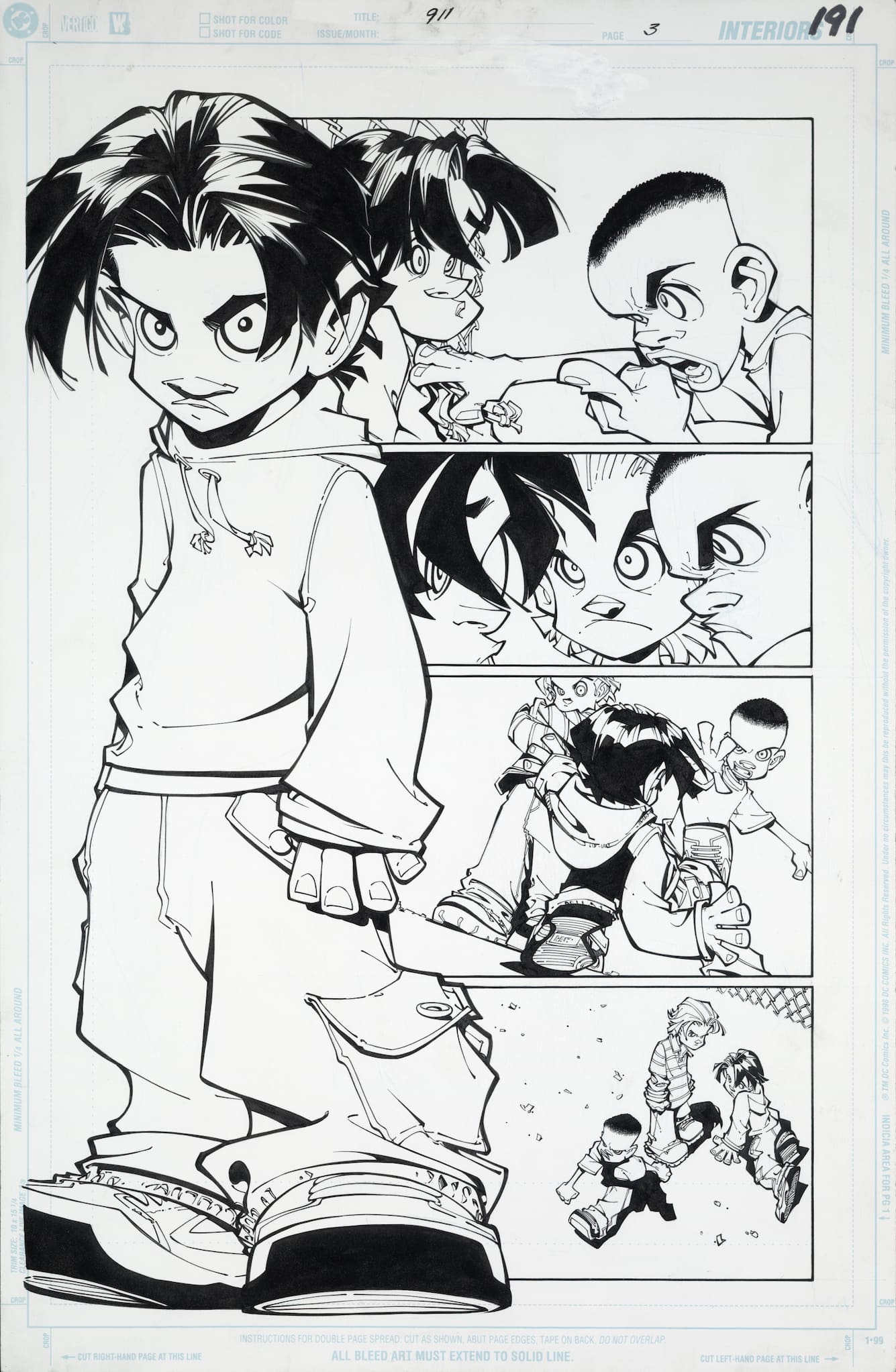
Image
“A Burning Hate”
Drawings by Humberto Ramos and Sandra Hope for “A Burning Hate,” a DC Comics story in the graphic novel, 9/11: September 11th 2001, about the bullying of Pakistani American children by other American children following the 9/11 attacks.
Featured in:
Pakistani Americans, Module 4
-
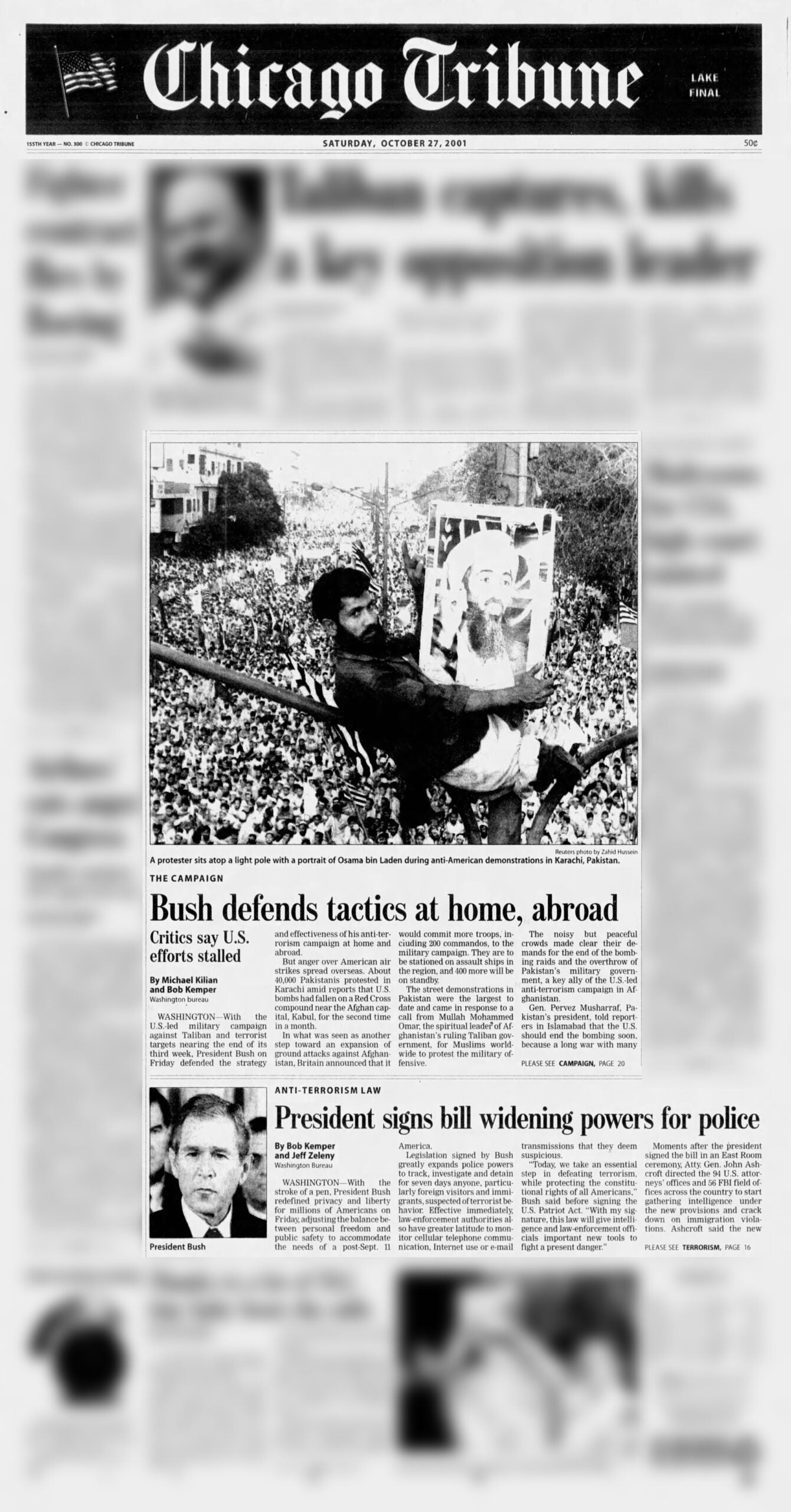
Text
The Chicago Tribune Reports on the Patriot Act
The Chicago Tribune reports on President George W. Bush signing the USA Patriot Act, just a few weeks after the events of 9/11. The Patriot Act became infamous for expanding surveillance and profiling of American Muslims, including Pakistani Americans.
Featured in:
Pakistani Americans, Module 4