



Search the Media Repository
Discover the curated images, videos, and primary sources featured throughout Foundations and Futures
History is more than just text on a page; it is the photographs, voices, and artifacts of the people who lived it. The images and recordings featured across Foundations and Futures are part of a meticulously curated media repository. Whether you are building a lesson plan or investigating an artifact, you can use this database to trace the provenance of our media: discover who created an asset, the historical context behind it, and how it can be used to bring Asian American and Pacific Islander experiences into your classroom.
Multimedia
Chapters
-
Image
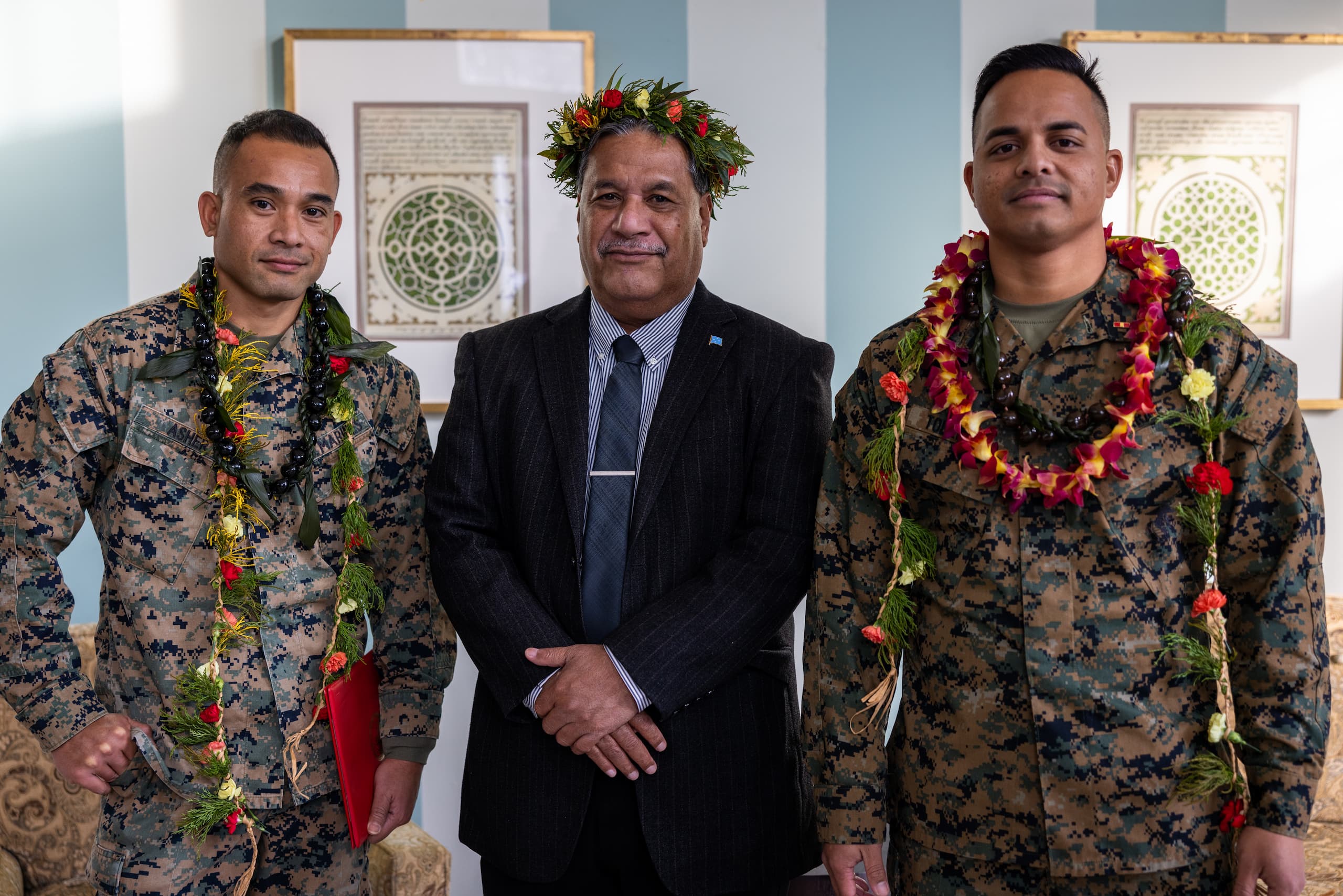
U.S. Marines from Micronesia Promoted
In 2023 at Marine Corps Base Quantico, Virginia, FSM Ambassador Akillino H. Susaia (center) attended the promotion ceremony of Staff Sergeants Steve J. Asher (left) and Jerry A. Tolenoa (right), both from Kosrae and the first from FSM to be promoted to US Marine Warrant Officers.
Featured in:
Micronesians in the United States, Module 4
-
Image
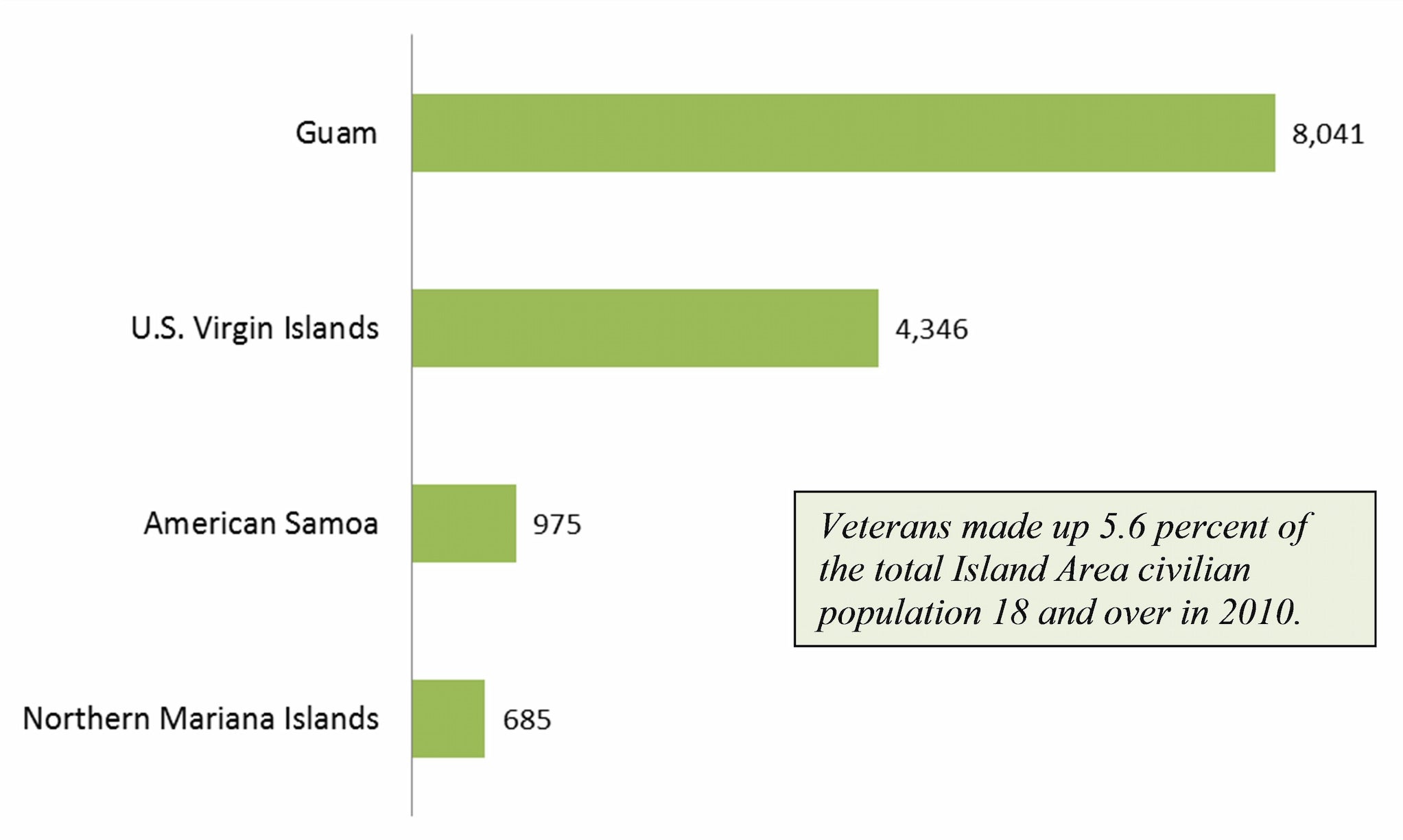
Veterans in Guam
This figure from the US Census charts the total number of veterans 18 years and over by island area in 2010. Guåhan (Guam) has the highest number in the group. Source: US Census Bureau, 2010 Island Area Census.
Featured in:
Micronesians in the United States, Module 4
-
Image
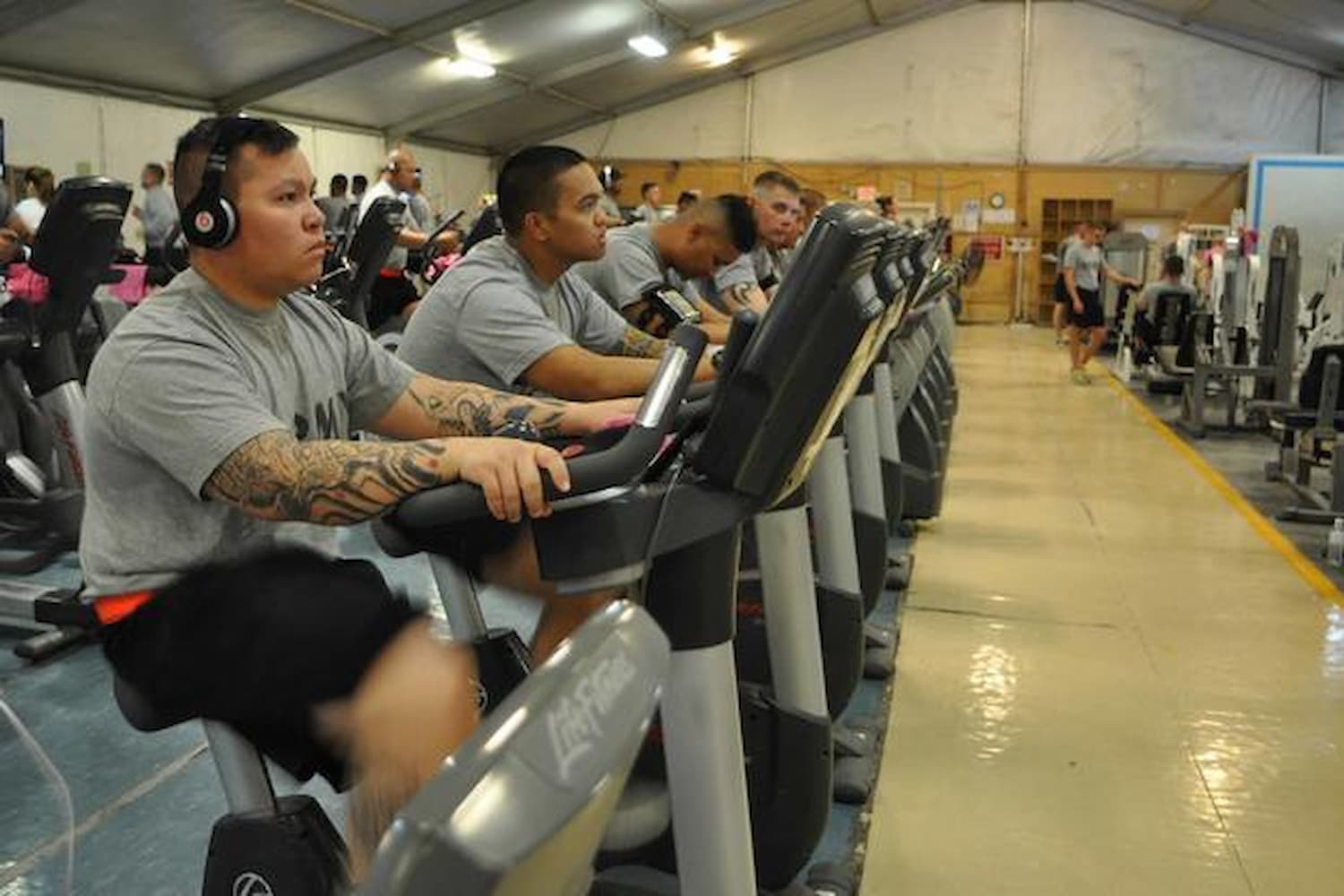
Soldiers from Guam in Afghanistan
Donovan Santos (left), around age 19, photographed on November, 16 2013 at Kandahar Airfield, Kandahar province, Afghanistan during his deployment. The two men to his right are also from Guåhan (Guam).
Featured in:
Micronesians in the United States, Module 4
-
Video
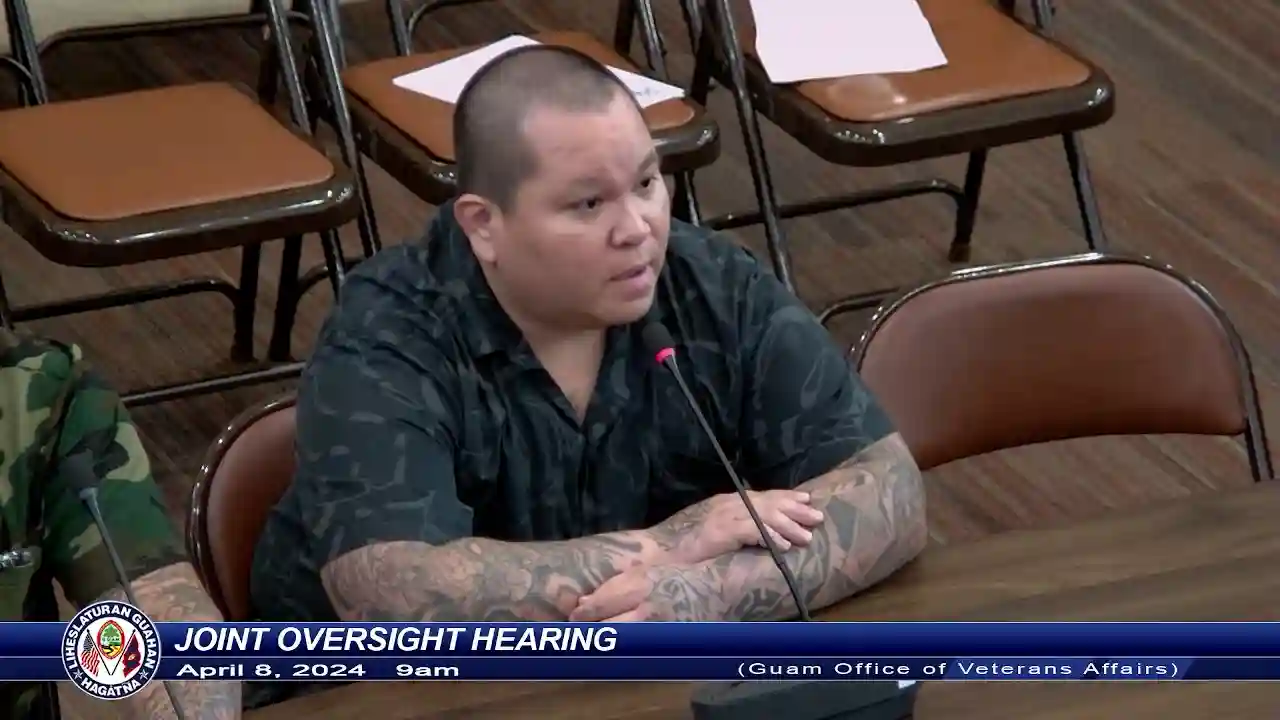
Hearing on Guam Office of Veterans Affairs
Donovan Santos, two-year combat veteran of Afghanistan, speaks at the Joint Oversight Hearing on Guam Office of Veterans Affairs in 2024. He shares his challenging experience encountering barriers to veteran care upon returning from Afghanistan. Content warning: mention of suicide towards end of video.
Featured in:
Micronesians in the United States, Module 4
-
Image
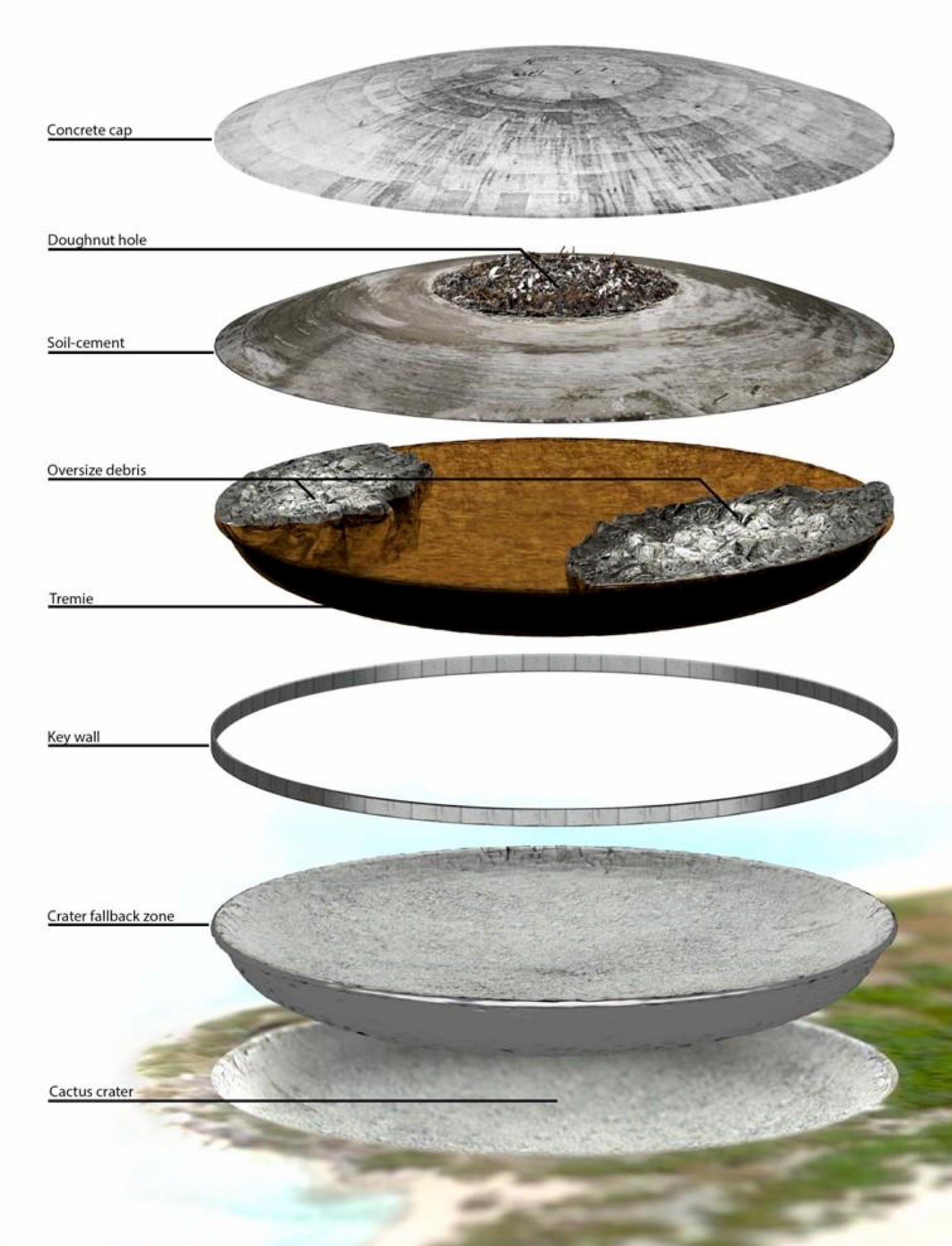
Runit Dome Design Cross-Section
This graphic illustrating the Runit Dome design elements clearly shows that the bottom layer of the dome is not lined with concrete. The unlined base of the dome makes it porous, allowing water to enter and seep out with nuclear debris.
Featured in:
Micronesians in the United States, Module 4
-
Video
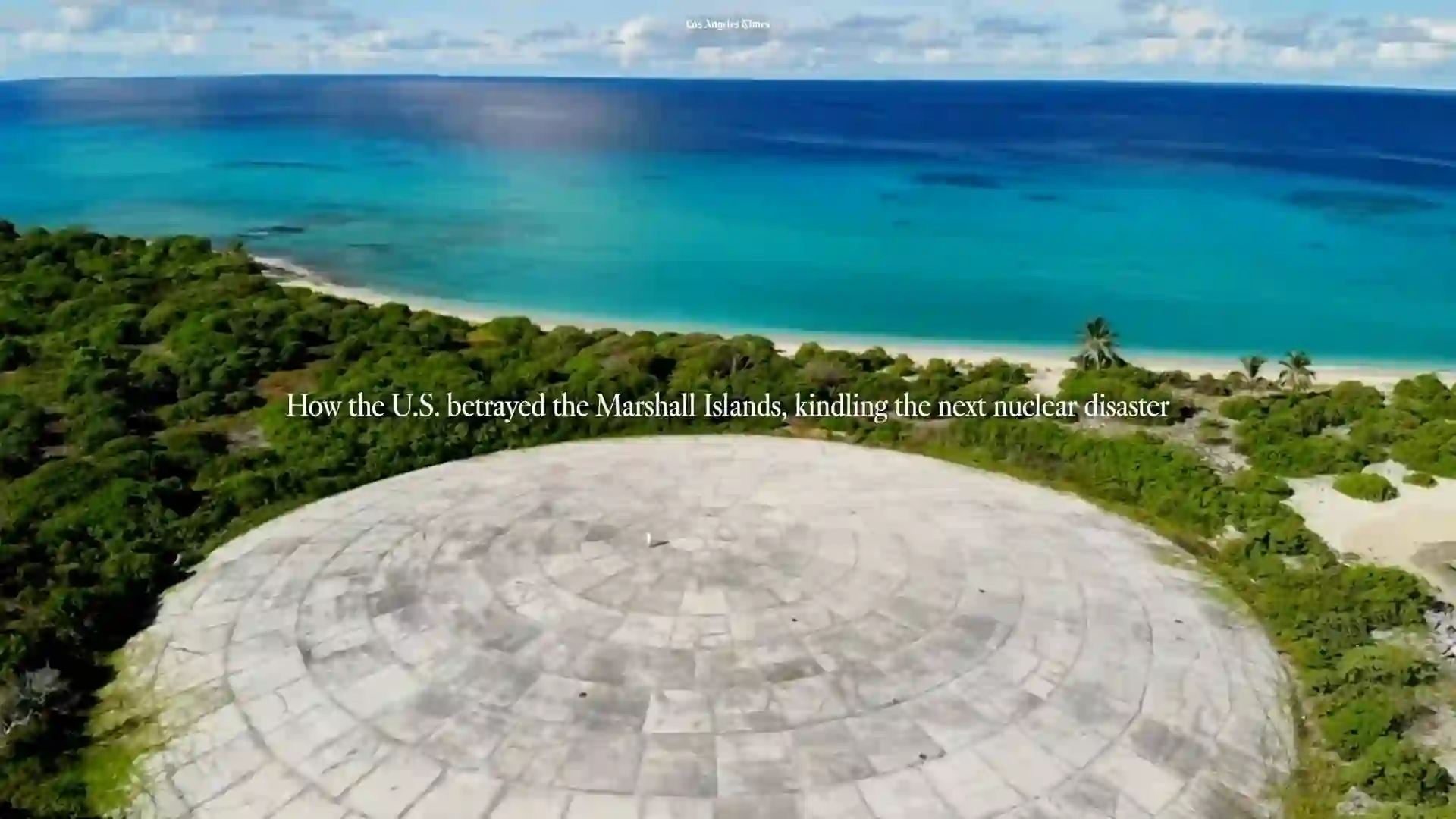
“How The U.S. Betrayed the Marshall Islands”
In 2019, The Los Angeles Times published a special reporting project, “How the U.S. betrayed the Marshall Islands, kindling the next nuclear disaster.” The title appears over the Runit Dome on Enewetak Atoll, created to contain nuclear debris and now structurally compromised.
Featured in:
Micronesians in the United States, Module 4
-
Image
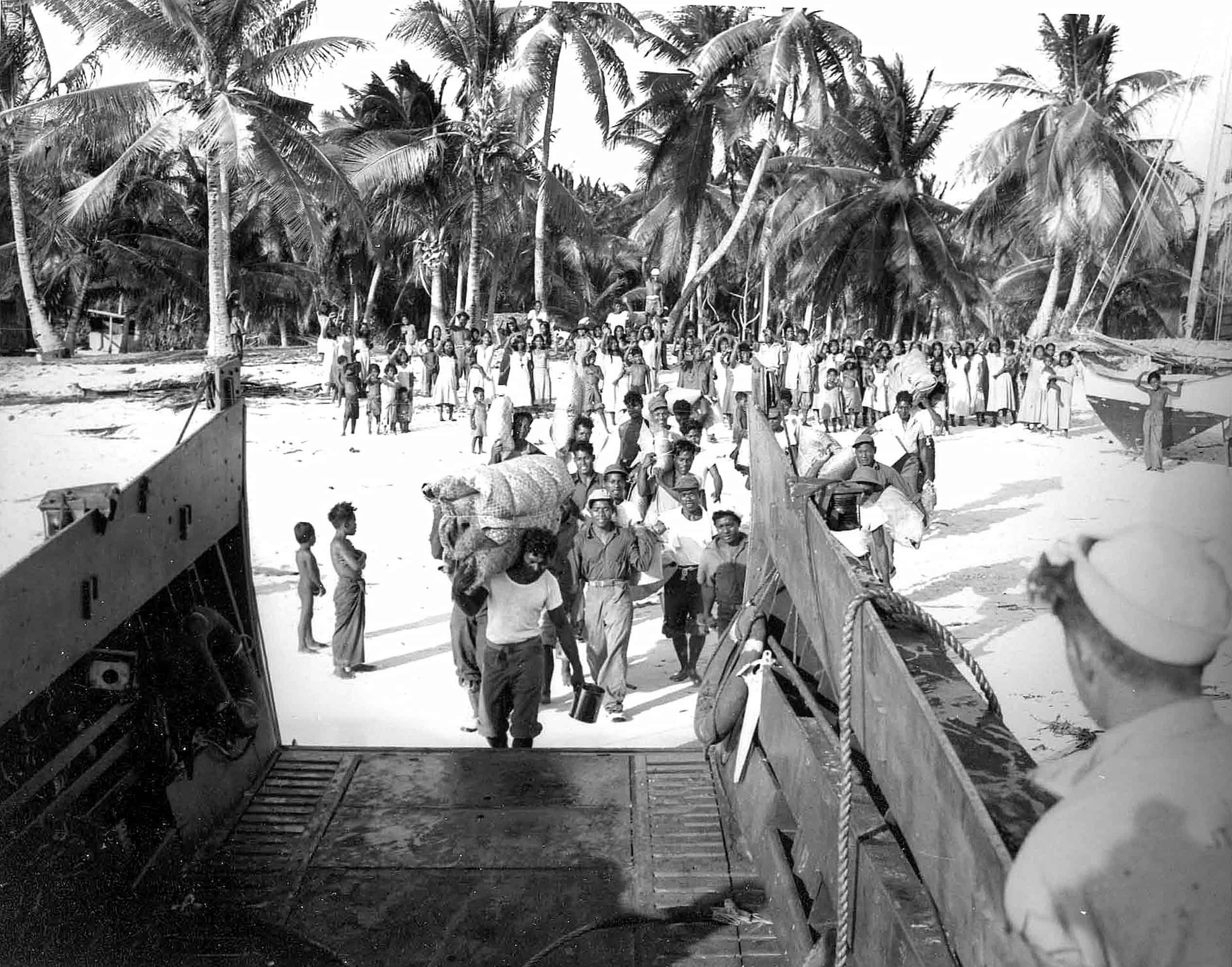
Leaving Bikini Before Nuclear Testing
In 1946, prior to the first nuclear “test,” the people of Bikini left their home for what they believed to be temporary relocation, reassured by the US that they would be able to return after the testing.
Featured in:
Micronesians in the United States, Module 4
-
Image
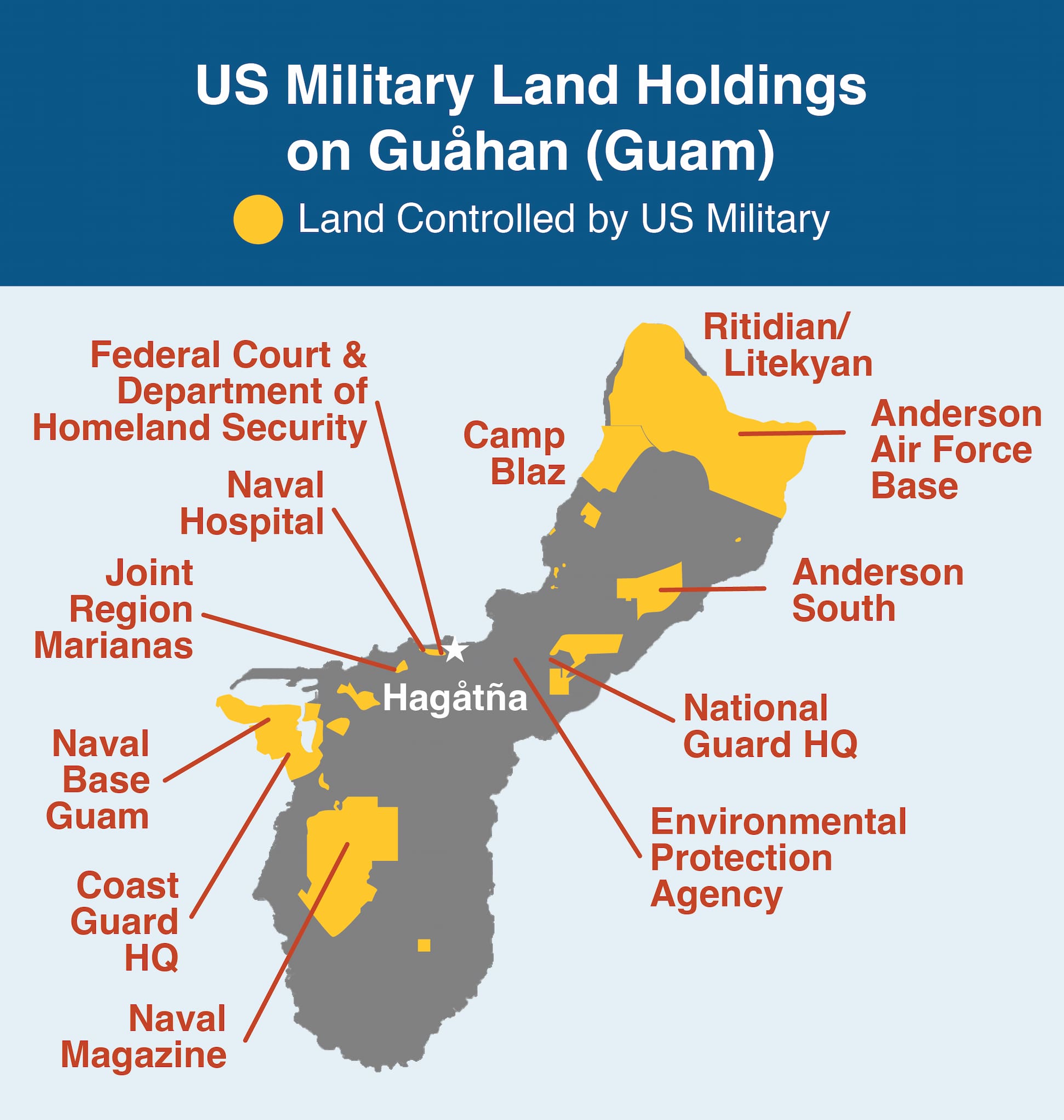
U.S. Military Jurisdiction on Guam
On Guåhan, about 30 percent of land is under US military jurisdiction.
Featured in:
Micronesians in the United States, Module 4
-
Image
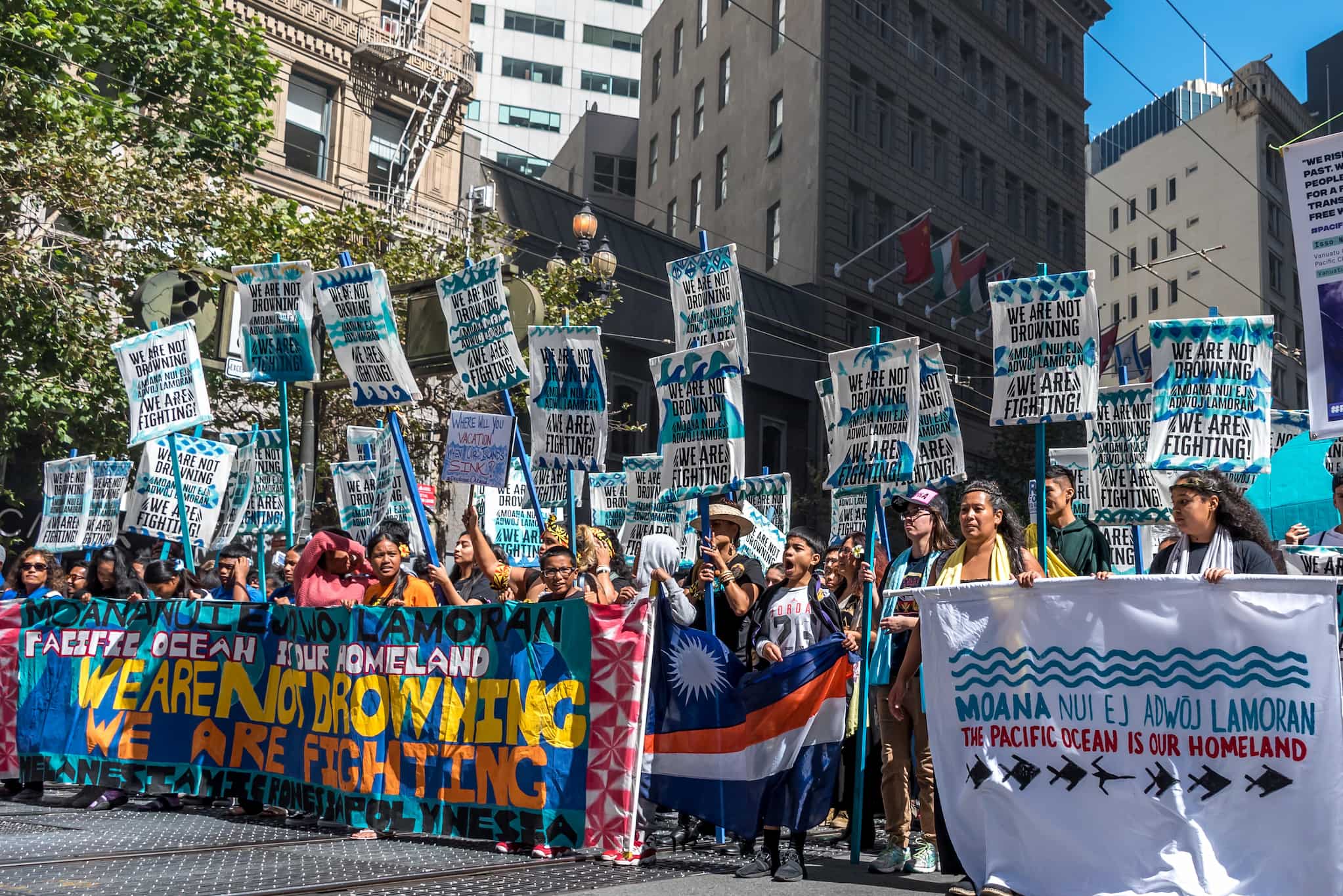
Rise For Climate March
Participants at the Rise for Climate march in San Francisco, California on September 8, 2018 join together to hold up signs that counter the “drowning islands” narratives of the Pacific, demonstrating active stewardship of their homeland: the Pacific Ocean.
Featured in:
Micronesians in the United States, Module 3
-
Video
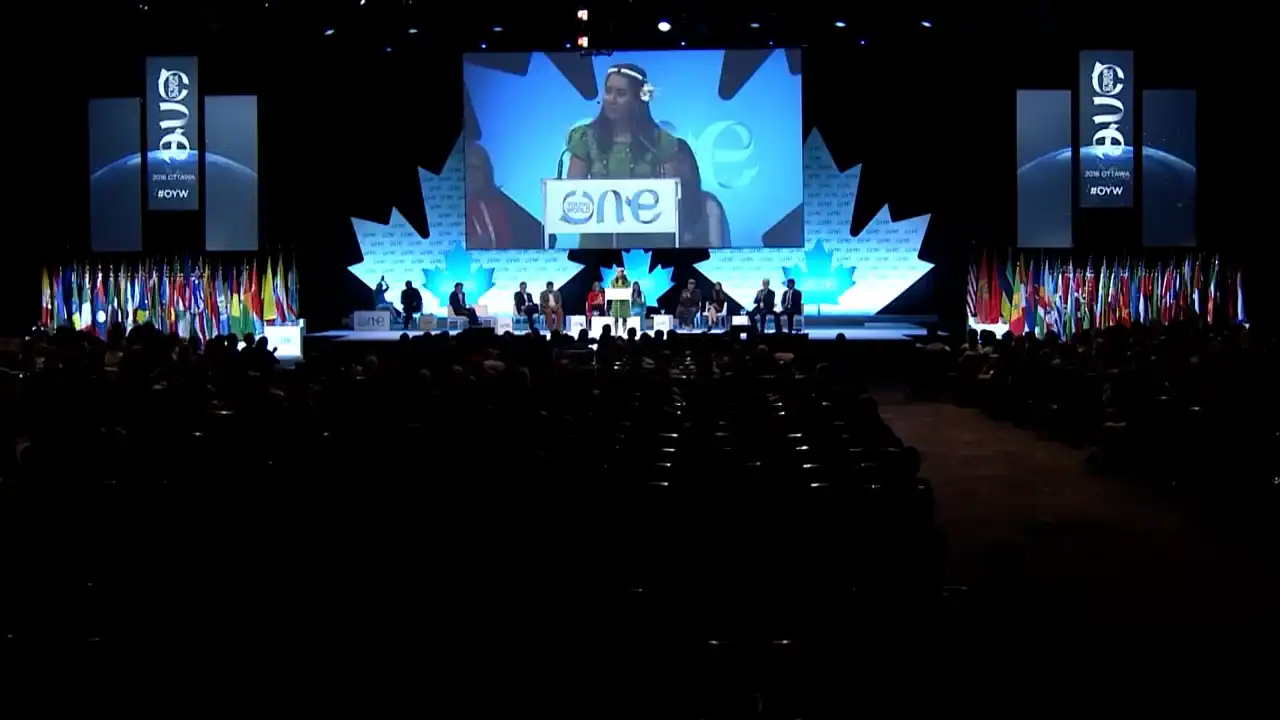
Yolanda Joab Mori on Climate Change
Yolanda Joab Mori, a member of the Lasialap clan (Pohnpei State) from the Federated States of Micronesia, speaks about her work on education initiatives that bring technology, tools, and knowledge to Micronesian communities to become proactive and resilient in addressing climate change.
Featured in:
Micronesians in the United States, Module 3
-
Video
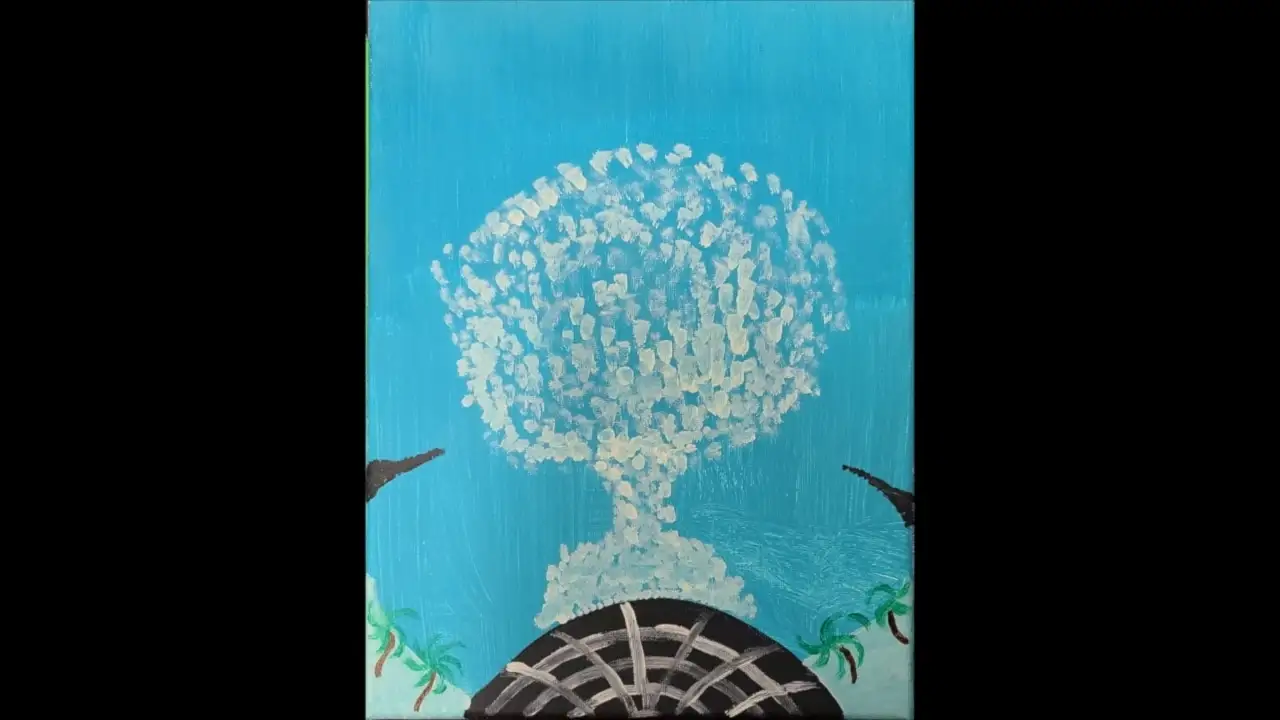
Young Artists Share Work
In this clip, young Marshallese artists in Arkansas share their art, reflecting on themes such as nuclearism, climate change, and youth voices.
Featured in:
Micronesians in the United States, Module 3
-
Text
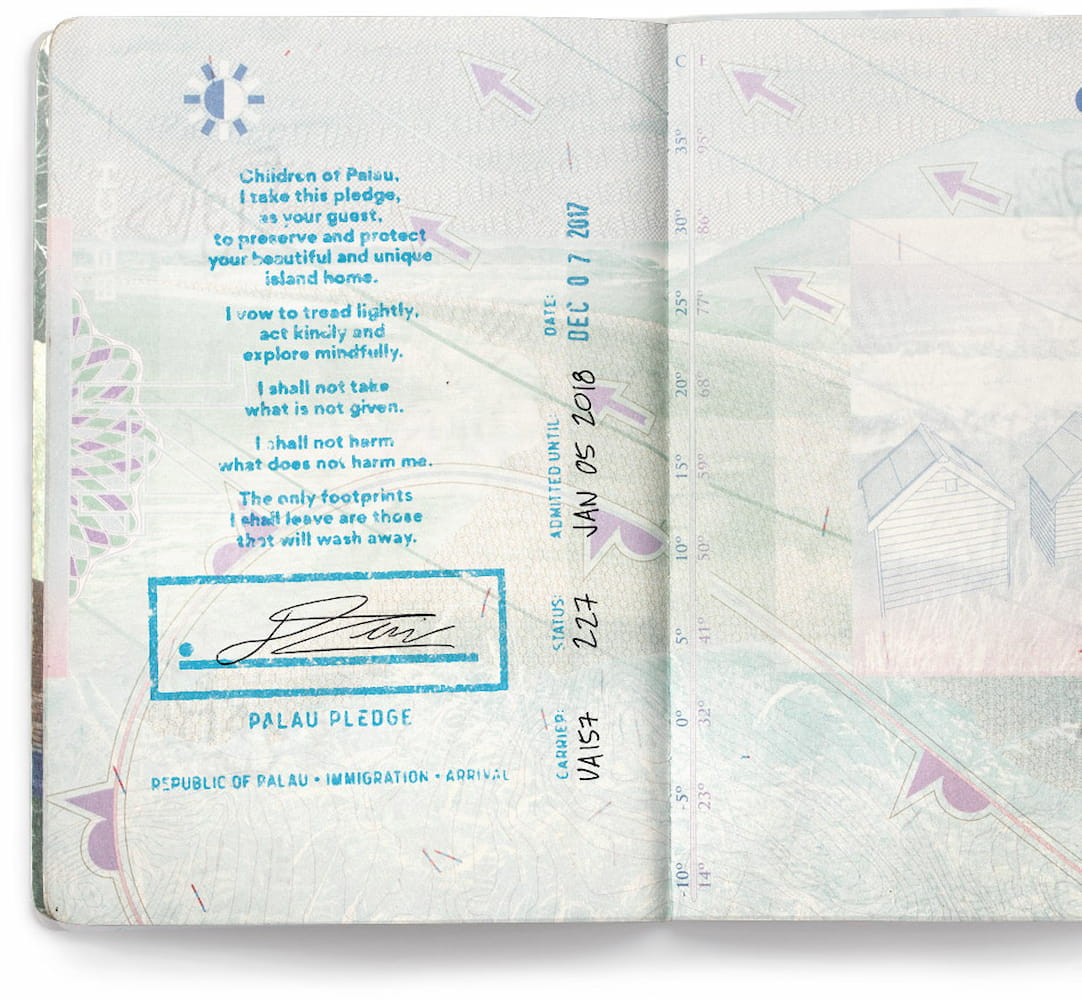
Palau Pledge
As part of the Palau Legacy Project, Belau (Palau) launched the Palau Pledge in 2017. Upon arrival to Belau, the pledge is stamped on passports and requires signature, a promise to Belau’s children to respect the environment.
Featured in:
Micronesians in the United States, Module 3
-
Image
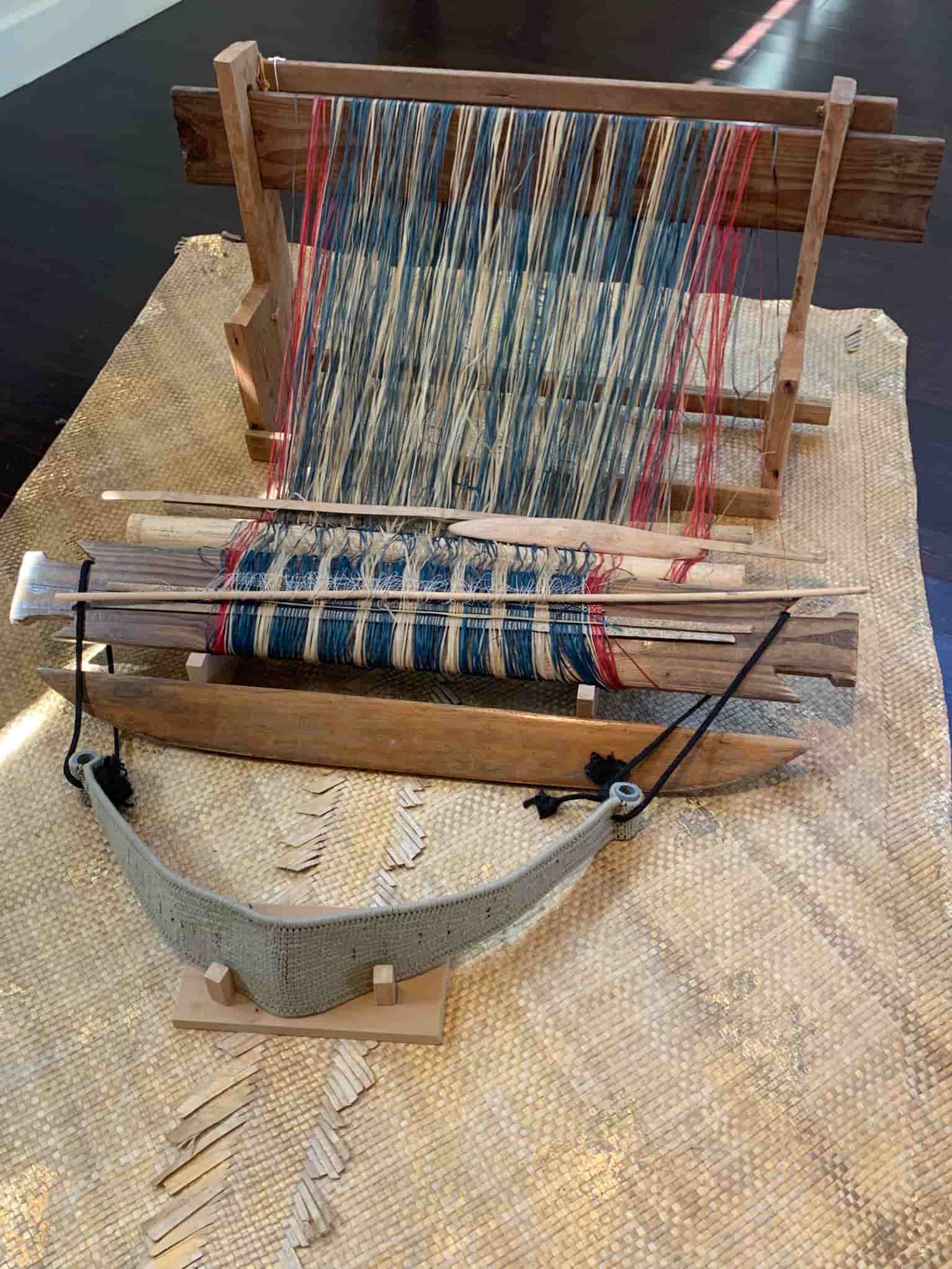
Backstrap Loom
A backstrap loom with fibers ready to weave holds traditional knowledge and marks the Pasifika diaspora that is renewing connection to traditions, culture, and place-based environments. On display at the Pacific Island Ethnic Art Museum (PIEAM) in Long Beach, California (September 2022).
Featured in:
Micronesians in the United States, Module 3
-
Video
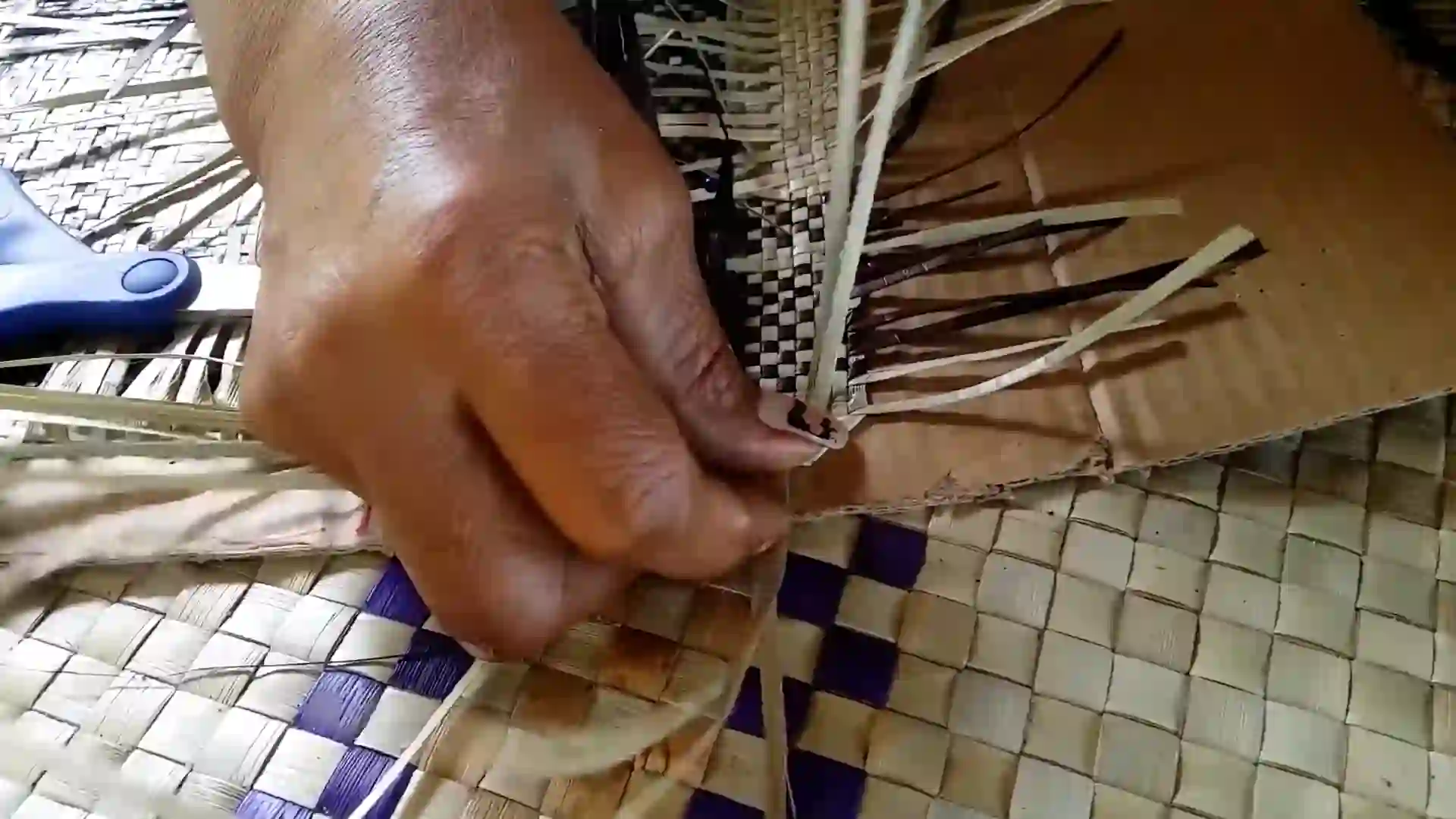
Jaki-ed, Traditional Marshallese Weaving
An example of jaki-ed, a traditional Marshallese weaving technique used to make dress mats. The organic materials used to make these cultural dress mats include dried pandanus leaves.
Featured in:
Micronesians in the United States, Module 3
-
Image
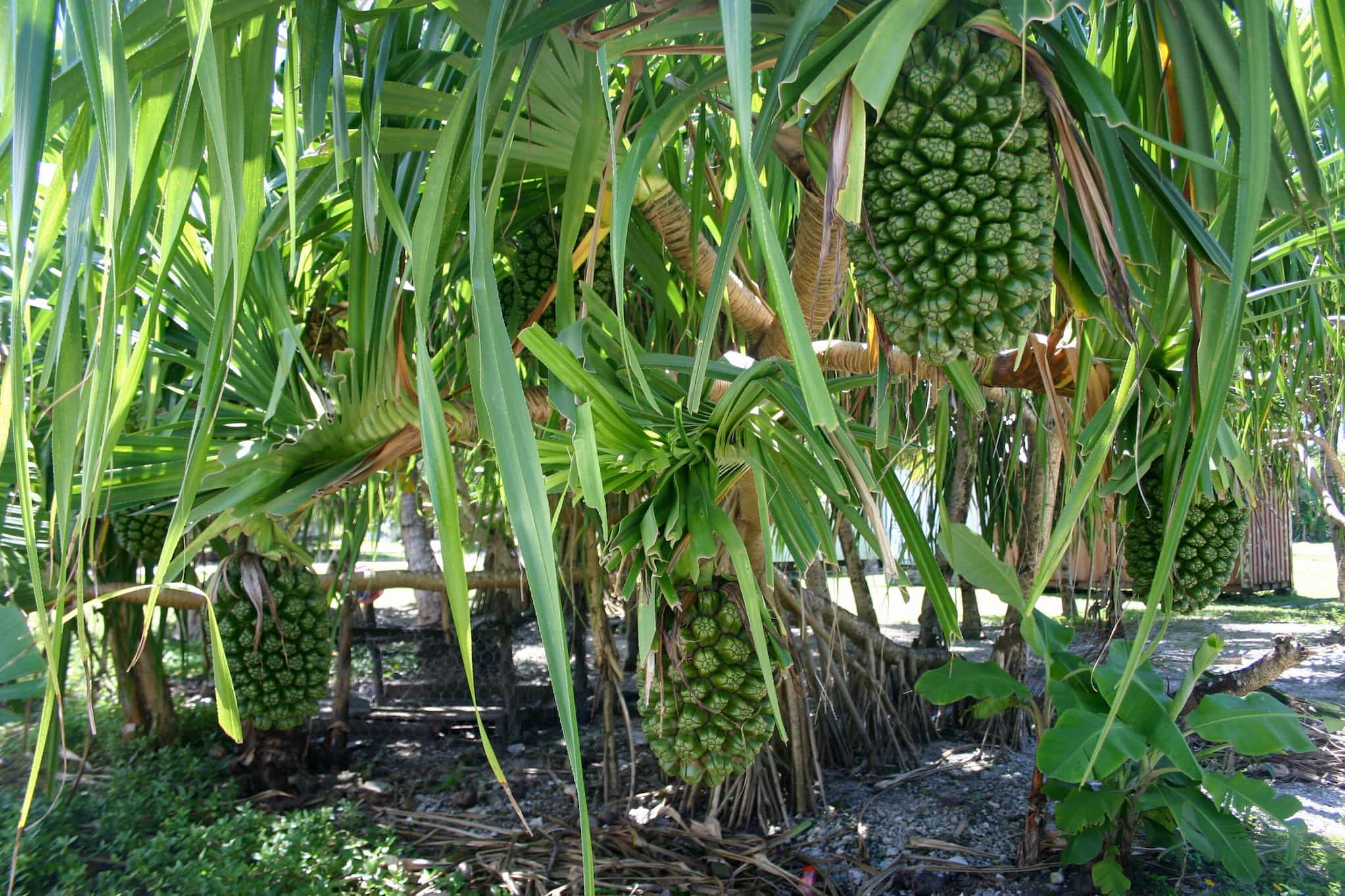
Pandanus Trees
A pandanus tree in Jaluit Atoll of the Marshall Islands in Micronesia. The Pandanus tree grows long, slender leaves and bears large fruit with an appearance similar to pineapple. In this picture, aerial roots anchor the Pandanus tree into the ground.
Featured in:
Micronesians in the United States, Module 3
-
Video
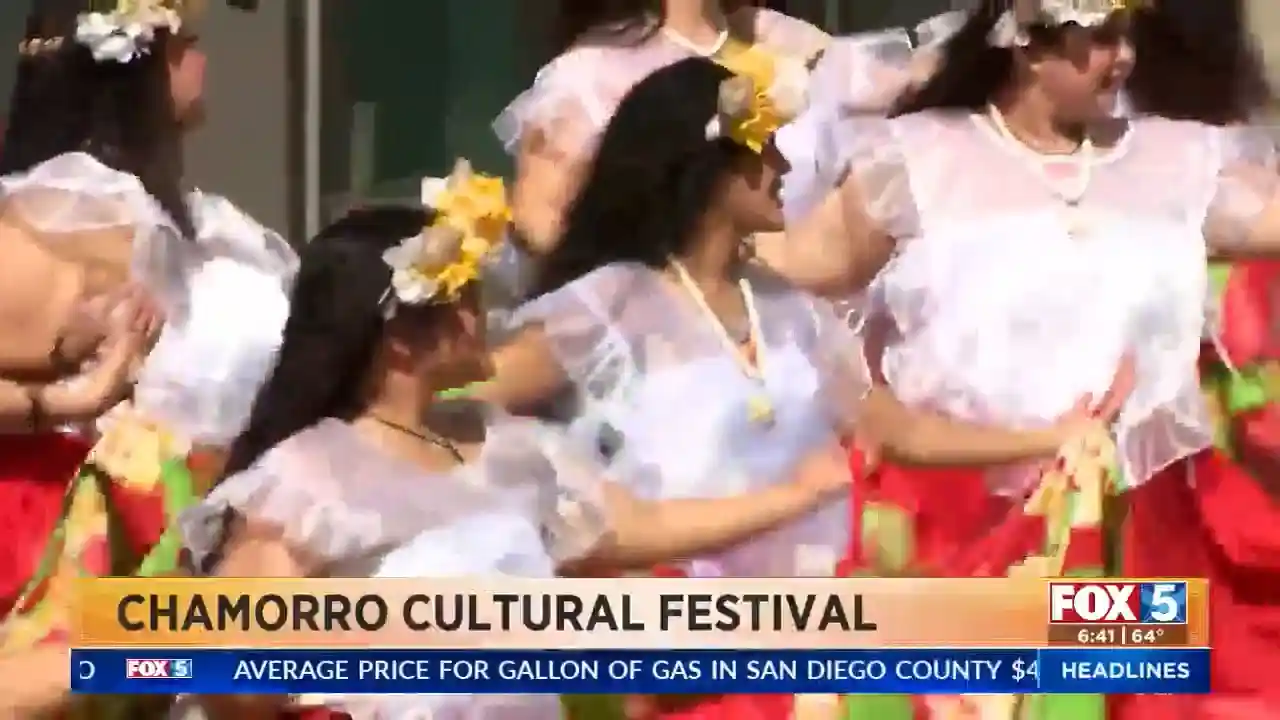
Tribute to CHamoru Traditions
A Fox 5 San Diego News showcase of the 2023 Chamorro Cultural Festival by photojournalist Geovanni Arreola highlights how the festival is a diasporic tribute to CHamoru traditions and home islands.
Featured in:
Micronesians in the United States, Module 2
-
Video
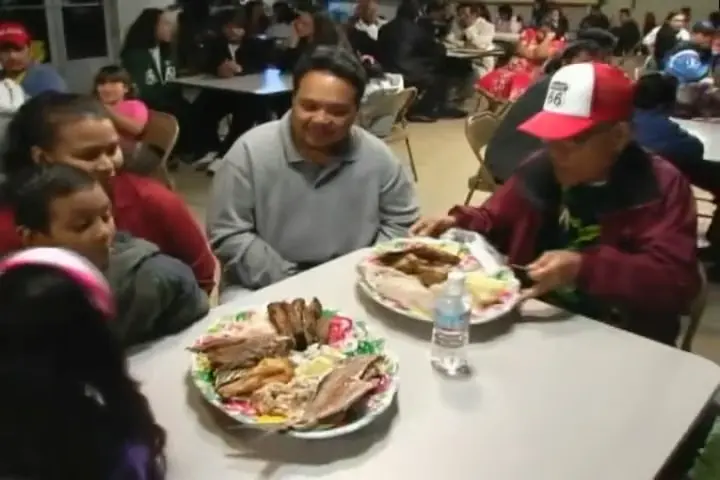
Marshallese Community in Arkansas
This clip documents the Marshallese community in Springdale, Arkansas expressing their identity through gathering community for important cultural traditions, such as Kemem, a traditional Marshallese celebration of a child’s first birthday. The narrator also discusses the relationship between COFA and Marshallese in Arkansas.
Featured in:
Micronesians in the United States, Module 2
-
Audio
Matt Howard Interview
Matt Howard, a filmmaker from Pohnpei and currently based in Hawaiʻi, speaks about his childhood in Pohnpei, touching upon his home island’s matrilineal society and village culture.
Featured in:
Micronesians in the United States, Module 2
-
Video
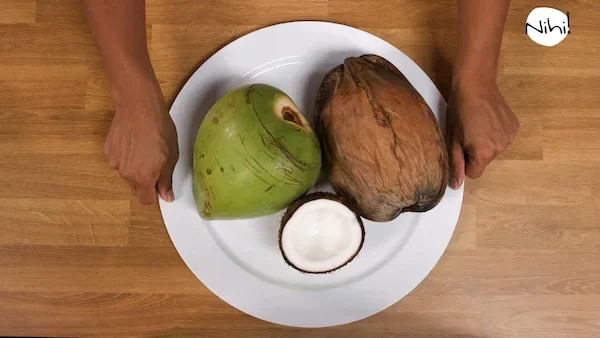
“Coconut” in Indigenous Languages
In this clip, Micronesian families introduce themselves and share the word for “coconut” in their indigenous languages.
Featured in:
Micronesians in the United States, Module 2
-
Image
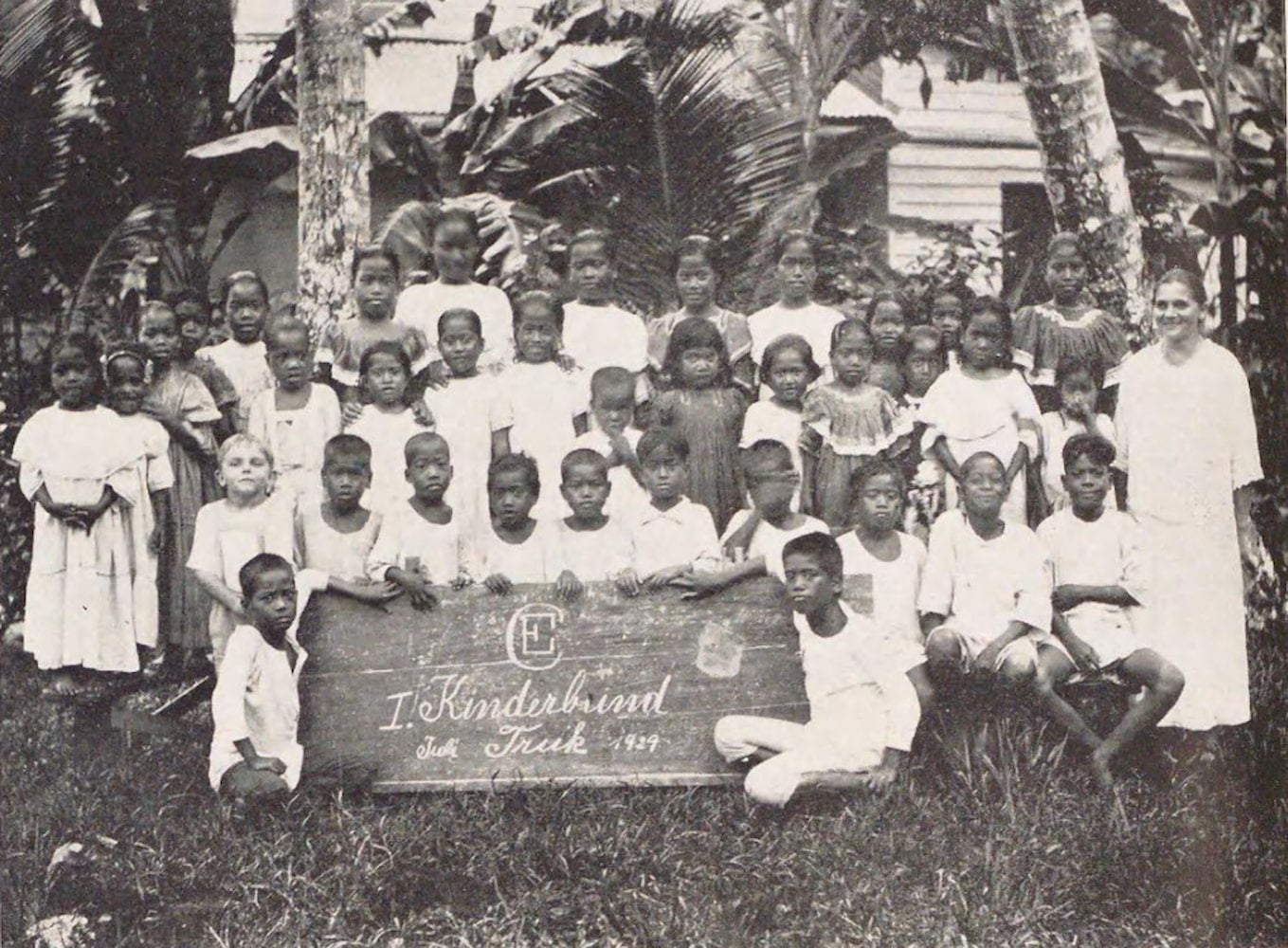
Kindergarten Class on Tol Island
This Japanese photo album illustrates Micronesia’s complex colonial histories. Prior to US presence through the UN Trusteeship, Chuuk (misnamed “Truk” in the image) was occupied by German and Japanese colonial powers. This Japanese publication “celebrates” Japan’s tenth anniversary of the South Seas Mandate.
Featured in:
Micronesians in the United States, Module 2