



Search the Media Repository
Discover the curated images, videos, and primary sources featured throughout Foundations and Futures
History is more than just text on a page; it is the photographs, voices, and artifacts of the people who lived it. The images and recordings featured across Foundations and Futures are part of a meticulously curated media repository. Whether you are building a lesson plan or investigating an artifact, you can use this database to trace the provenance of our media: discover who created an asset, the historical context behind it, and how it can be used to bring Asian American and Pacific Islander experiences into your classroom.
Multimedia
Chapters
-

Image
The Good Earth (1937)
In The Good Earth (1937), actress Luise Rainer (left) plays O-Lan—a subservient and selfless Chinese woman who withstands the oppression of Japanese aggressors—alongside co-star Paul Muni (right) as Wang, her husband. The cast comprises largely non-Asian actors playing Asian roles.
-
Image
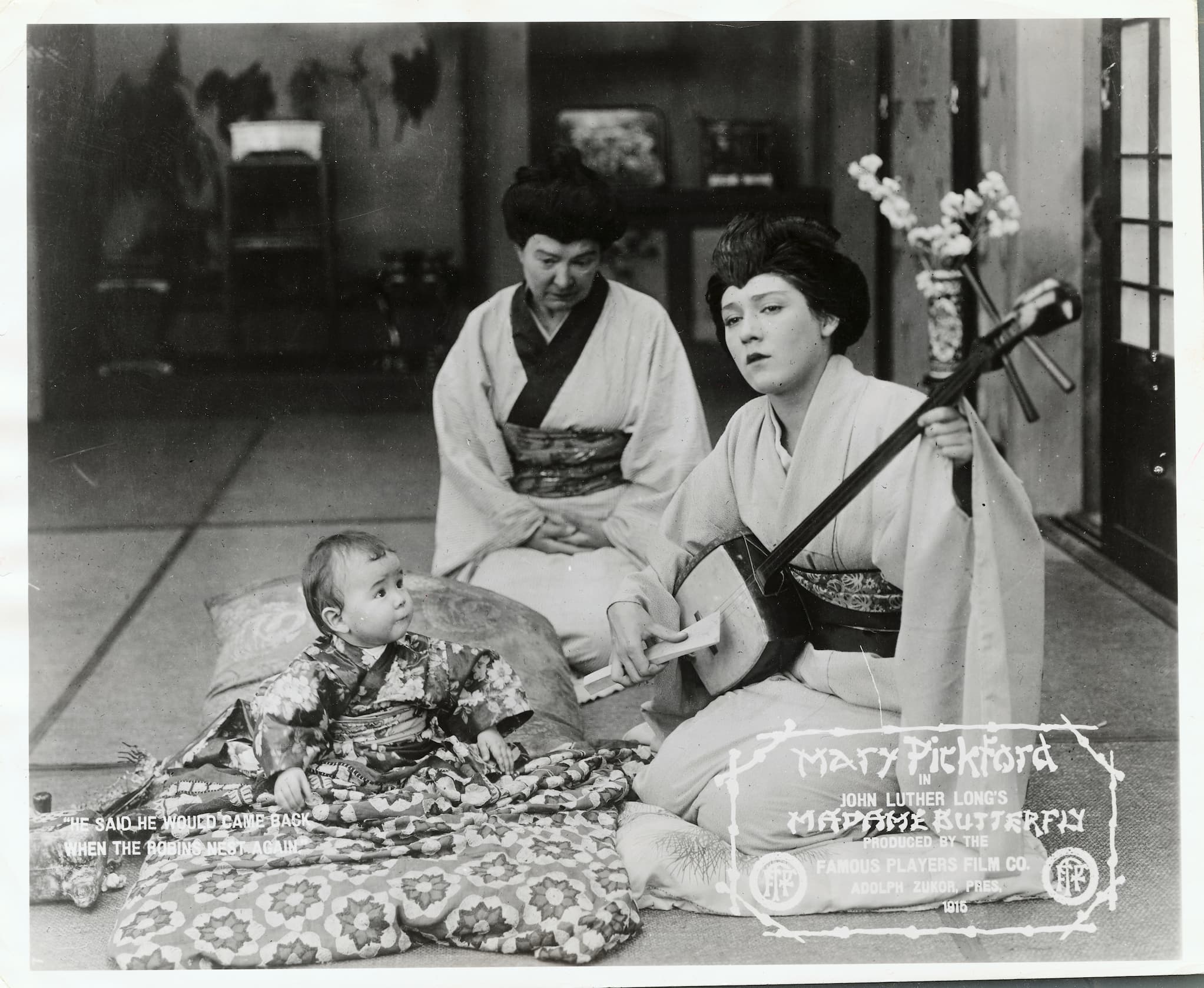
Madame Butterfly (1915)
White actress Mary Pickford (right) portrayed the tragic Japanese protagonist Cio-Cio-San in a 1915 silent film adaptation of Madame Butterfly.
-
Image
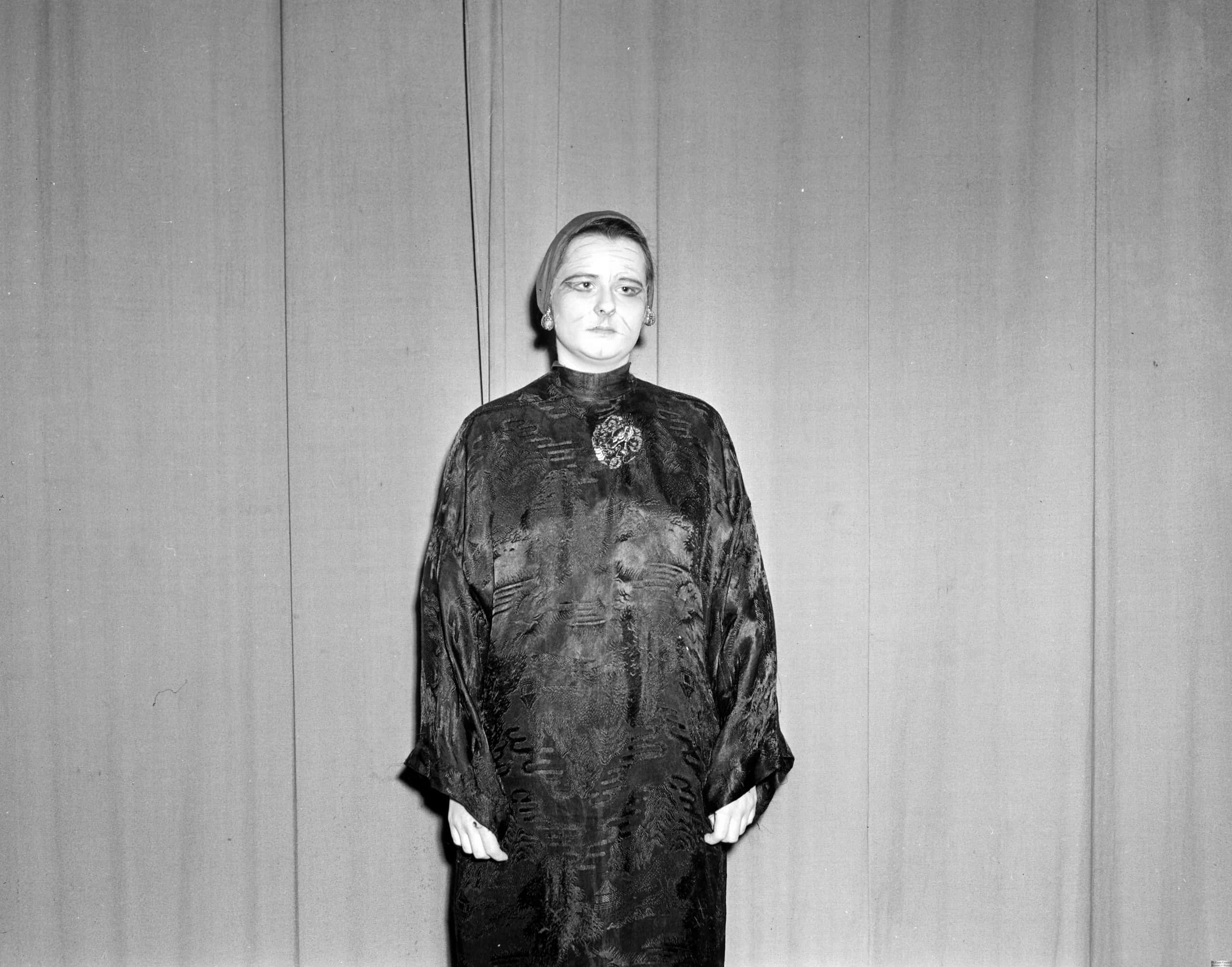
Dragon Seed Yellowface
White American actress Katherine Hepburn played the Chinese character Jade in the film Dragon Seed (1944). Following the film’s success, local theaters adopted the practice of yellowface to reproduce the story, including this 1944 show in Bloomington, Illinois.
-

Image
Anna May Wong Quarter
Anna May Wong’s inspiring legacy includes becoming the first Asian American to be featured on US currency when the US Mint issued a quarter bearing her name and likeness in October 2022.
-
Image
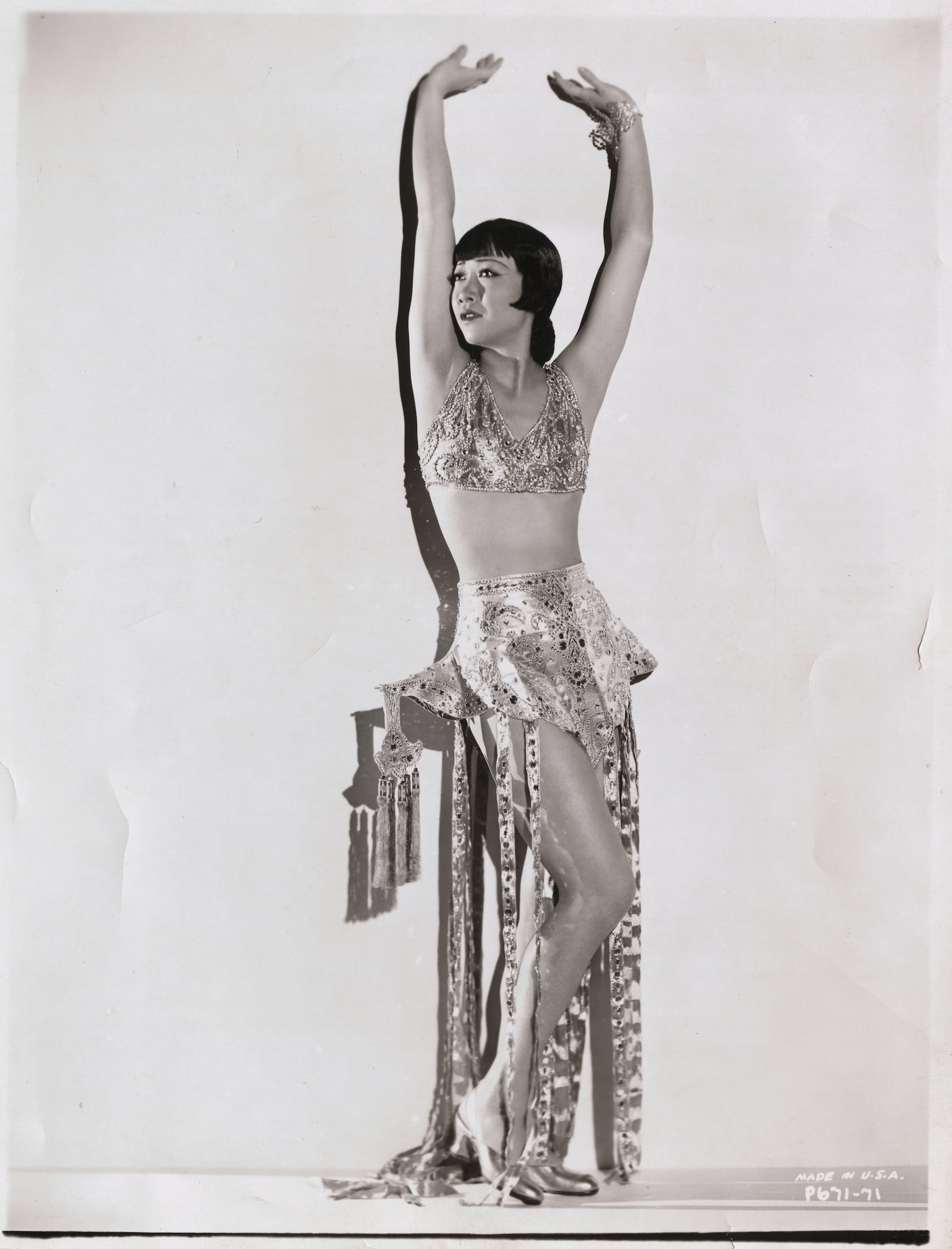
Anna May Wong
Anna May Wong in a promotional photograph for the 1931 film Daughter of the Dragon, where she played antagonist Princess Ling Moy, a Dragon Lady. Despite the limited roles she was provided, Wong continued her passion for acting.
-
Image
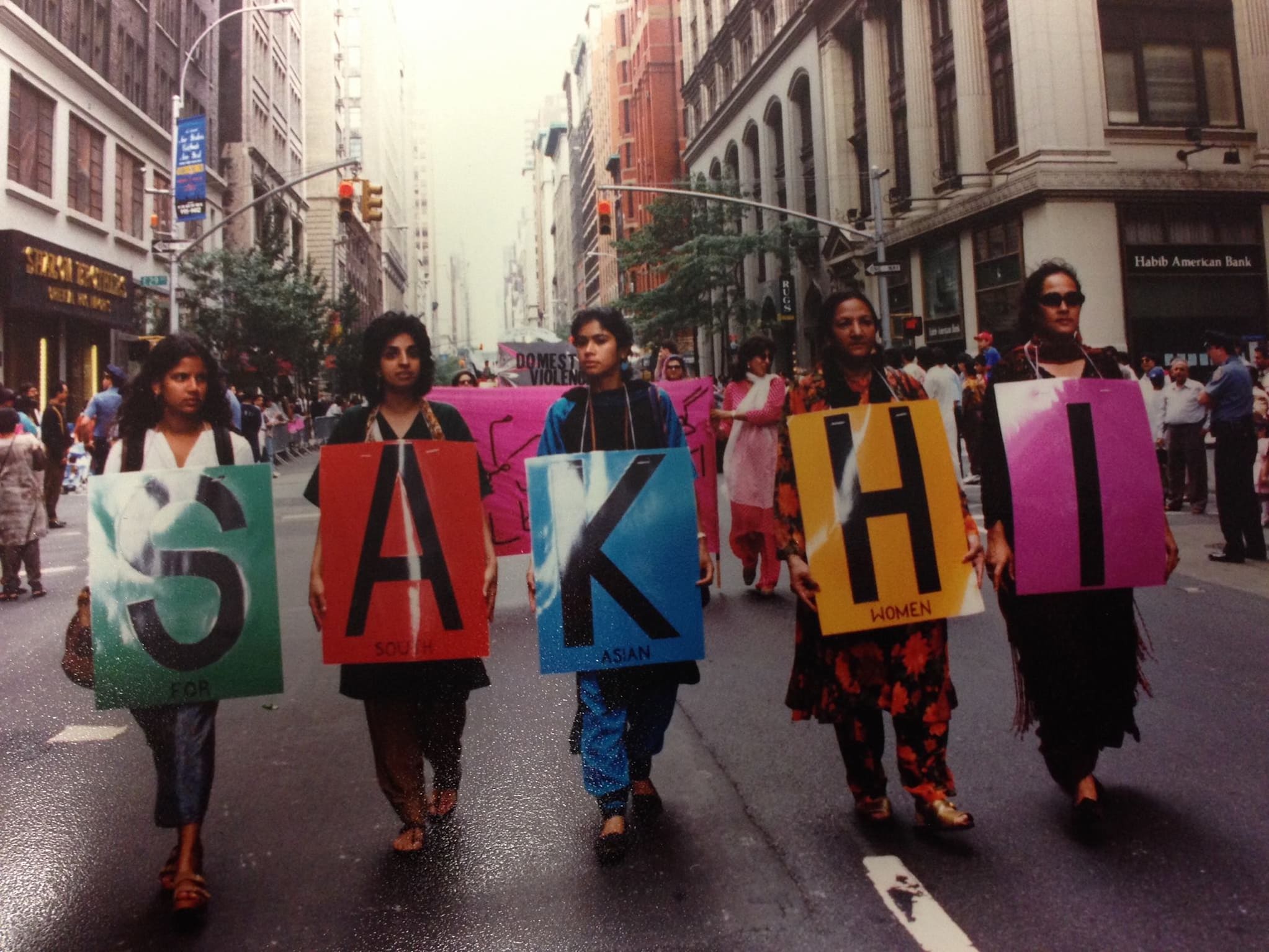
Sakhi for South Asian Survivors
Sakhi’s founders and members bring awareness to gender justice and violence against South Asian women. They were the second South Asian women’s organization founded in the United States.
-
Image
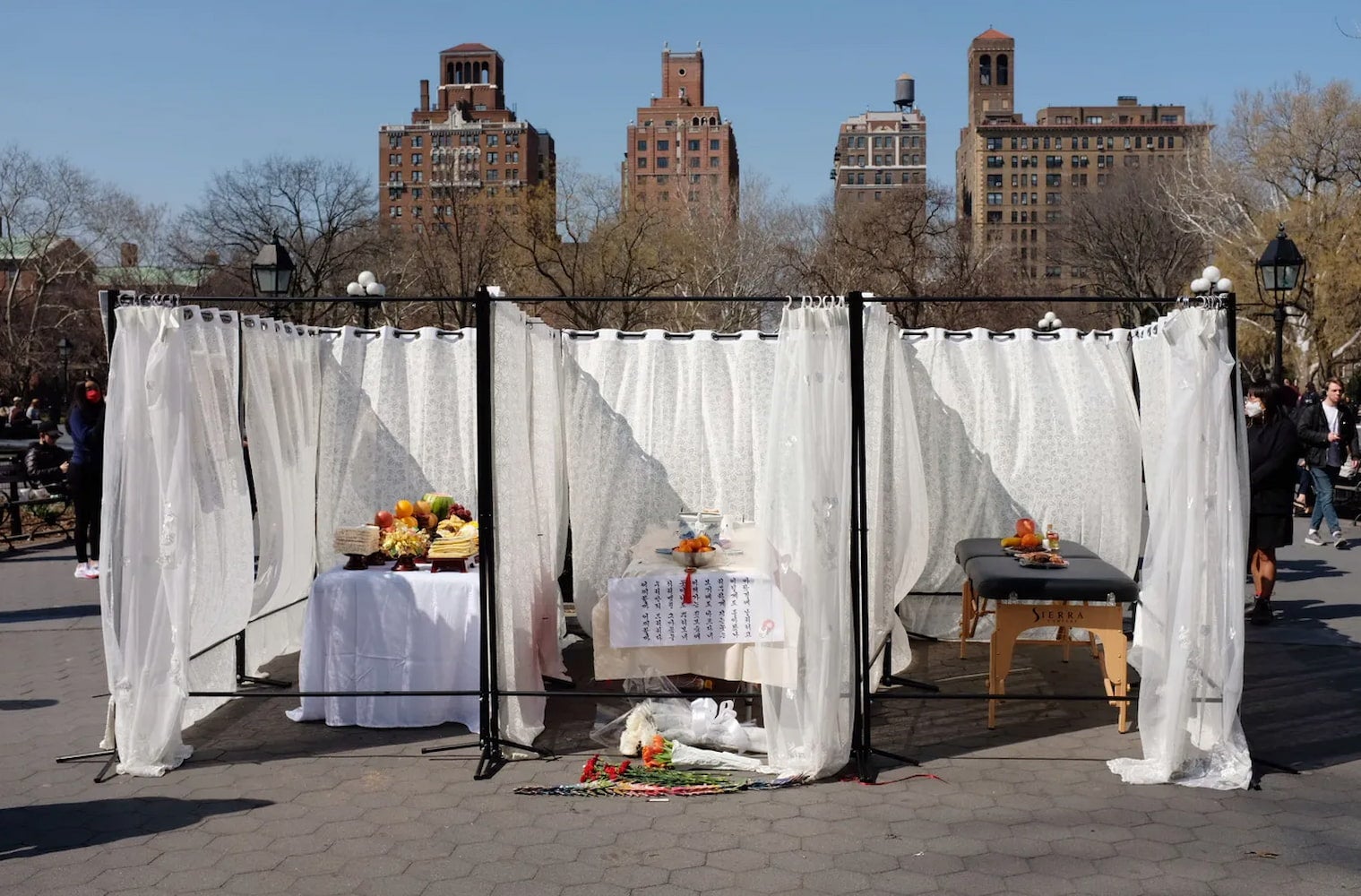
Atlanta Spa Shooting Vigil
In 2022, one year after the Atlanta spa shooting, Red Canary Song organized a vigil honoring the eight lives lost during the Atlanta spa shooting. The organization created installations resembling massage stations with fruit and flower offerings.
-

Image
Miss Saigon
Premiering in 1989, the musical Miss Saigon, based on Puccini’s opera Madame Butterfly, depicts a tragic love story portraying the protagonist—a seventeen-year-old Vietnamese bargirl—as helpless and desperately in love. While it originally received acclaim, community groups protested its portrayal of Vietnamese women.
-

Text
Homeland Season 3 Poster
TV shows like 24 and Homeland, as well as movies like American Sniper, depict MENA women as vulnerable victims in need of American soldiers’ protection. These stories would often justify acts of violence and invasion.
-

Text
Birds of Paradise Poster
South Seas Cinema films like Bird of Paradise (1932) laid the basis for the fetishization of Asian American and Pacific Islander women. Mexican actress Dolores del Río played the female lead, Luana—a sexualized Pacific Islander.
-
Image
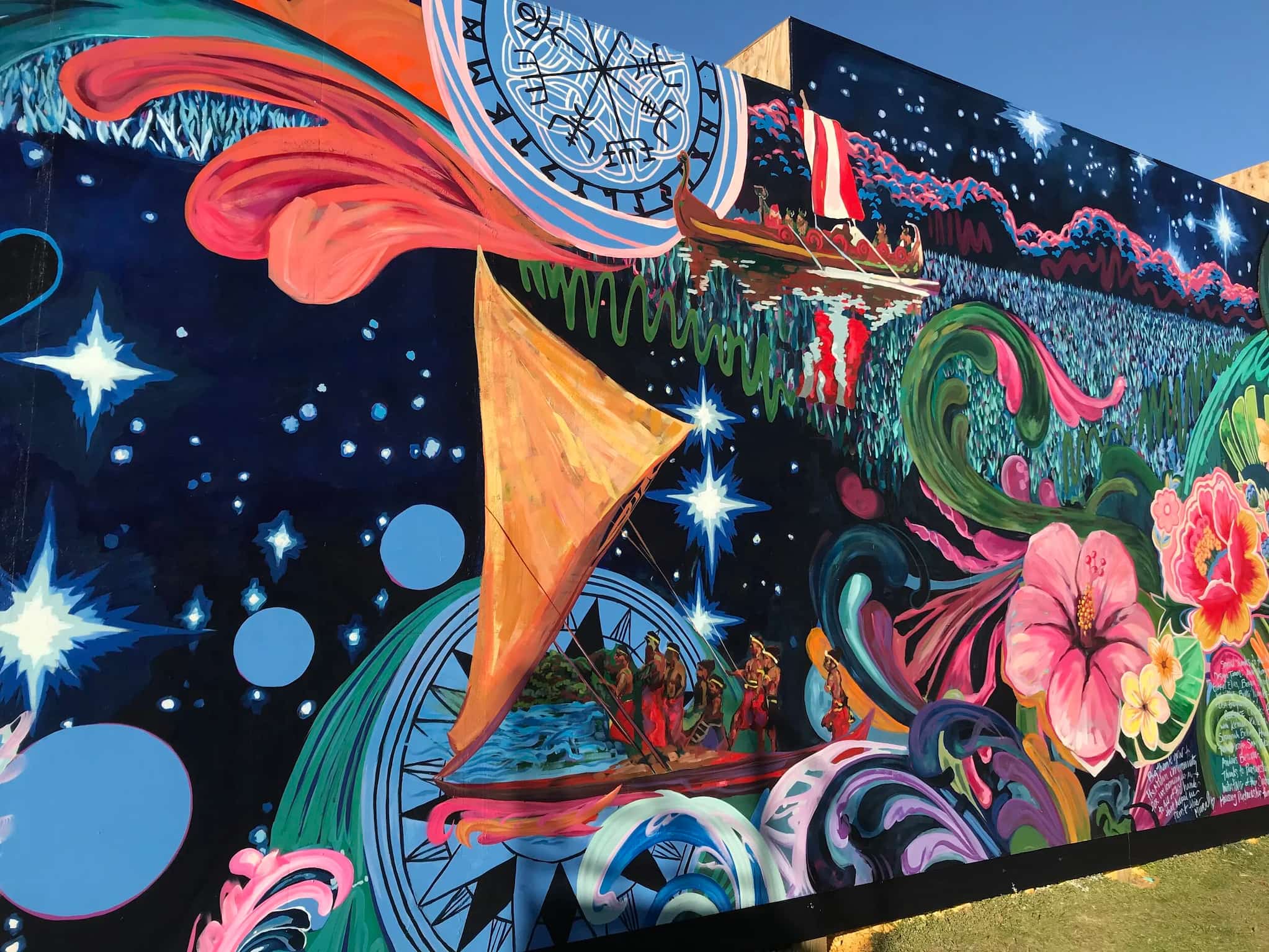
Detail of Mural with Polynesian Outrigger Canoe
The mural draws on the shared spirit of exploration and relationship to the stars that connects Micronesian and Nordic histories, reimagining Milan as a place where distant journeys converge and stories reconnect. This photo shows a detail of a Polynesian outrigger canoe.
Featured in:
Micronesians in the United States, Module 5
-
Image
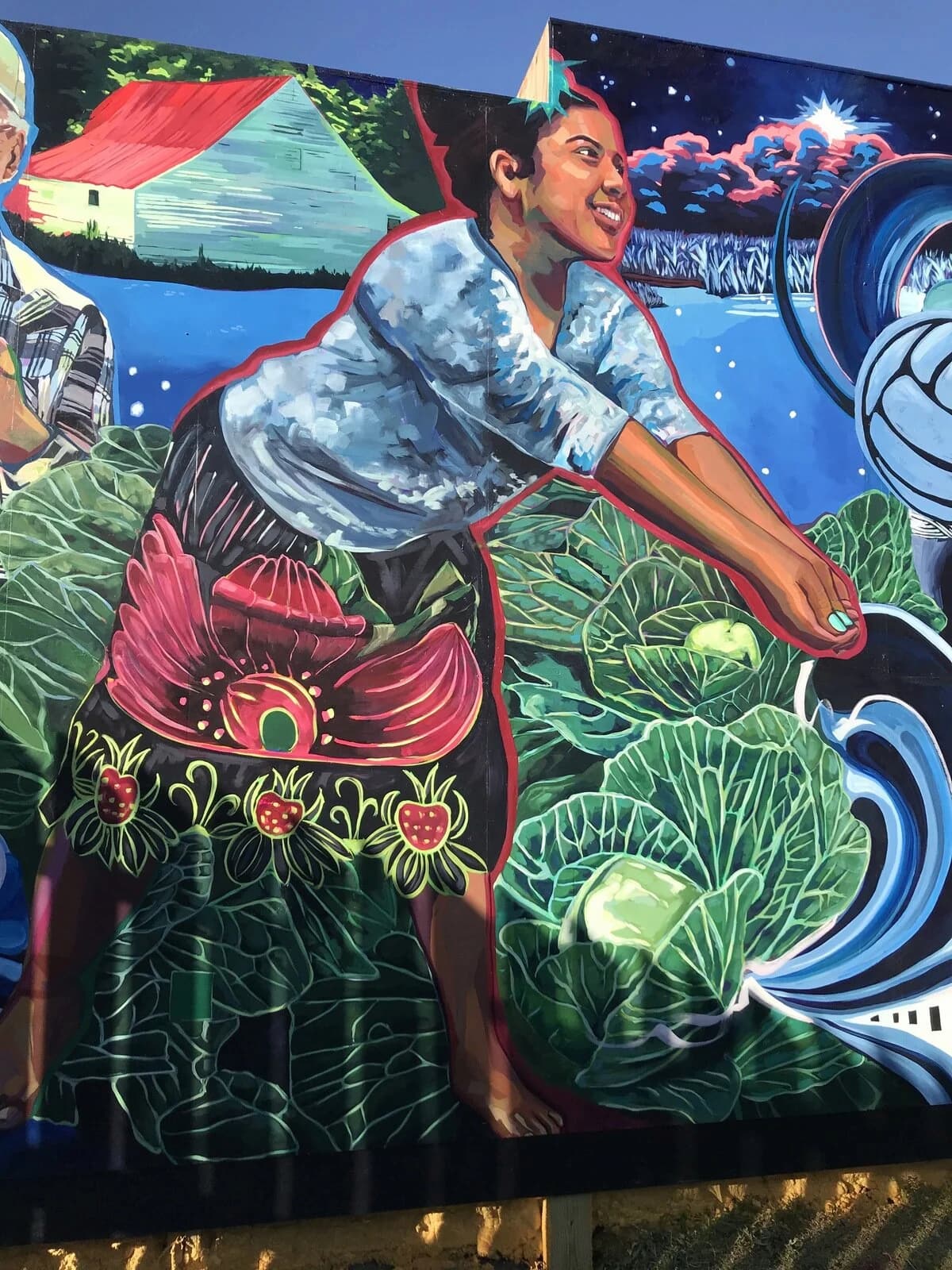
Detail of Mural with Micronesian Volleyball Player
Completed in 2018, the public art project was inspired by Milan’s community ties to Micronesian and Norwegian heritages, both of which share traditions of seafaring, navigation, and boat building.
Featured in:
Micronesians in the United States, Module 5
-
Image
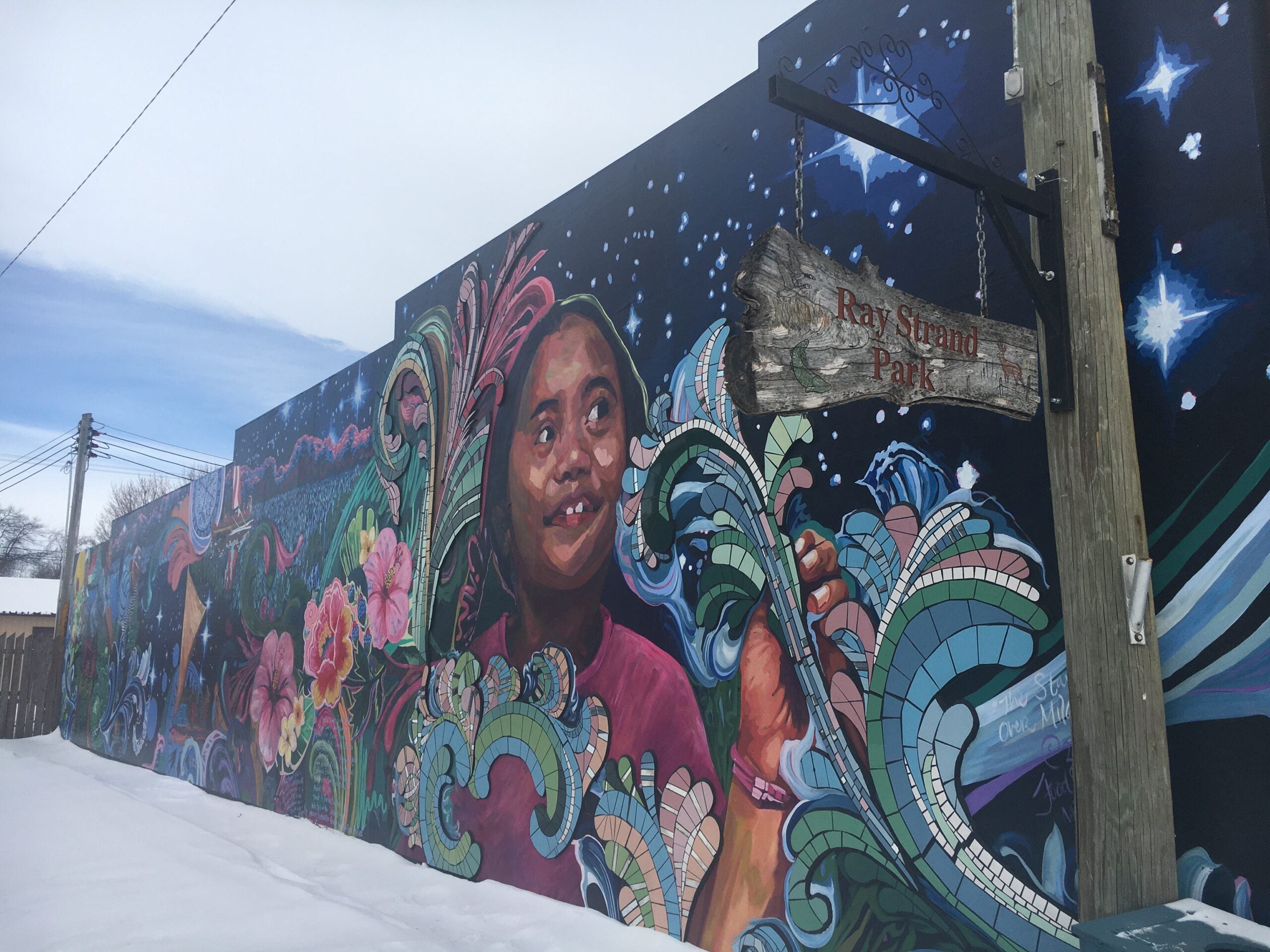
Mural of Young Micronesian Girl
A photo of “Stars Over Milan” by Goodspace Murals (Greta McLain, lead muralist) at Bergen’s Prairie Market on Main Street in Milan, Minnesota. The Micronesian population in Milan has been increasing steadily since the early 2000s, and at the 2020 census was 416.
Featured in:
Micronesians in the United States, Module 5
-
Image
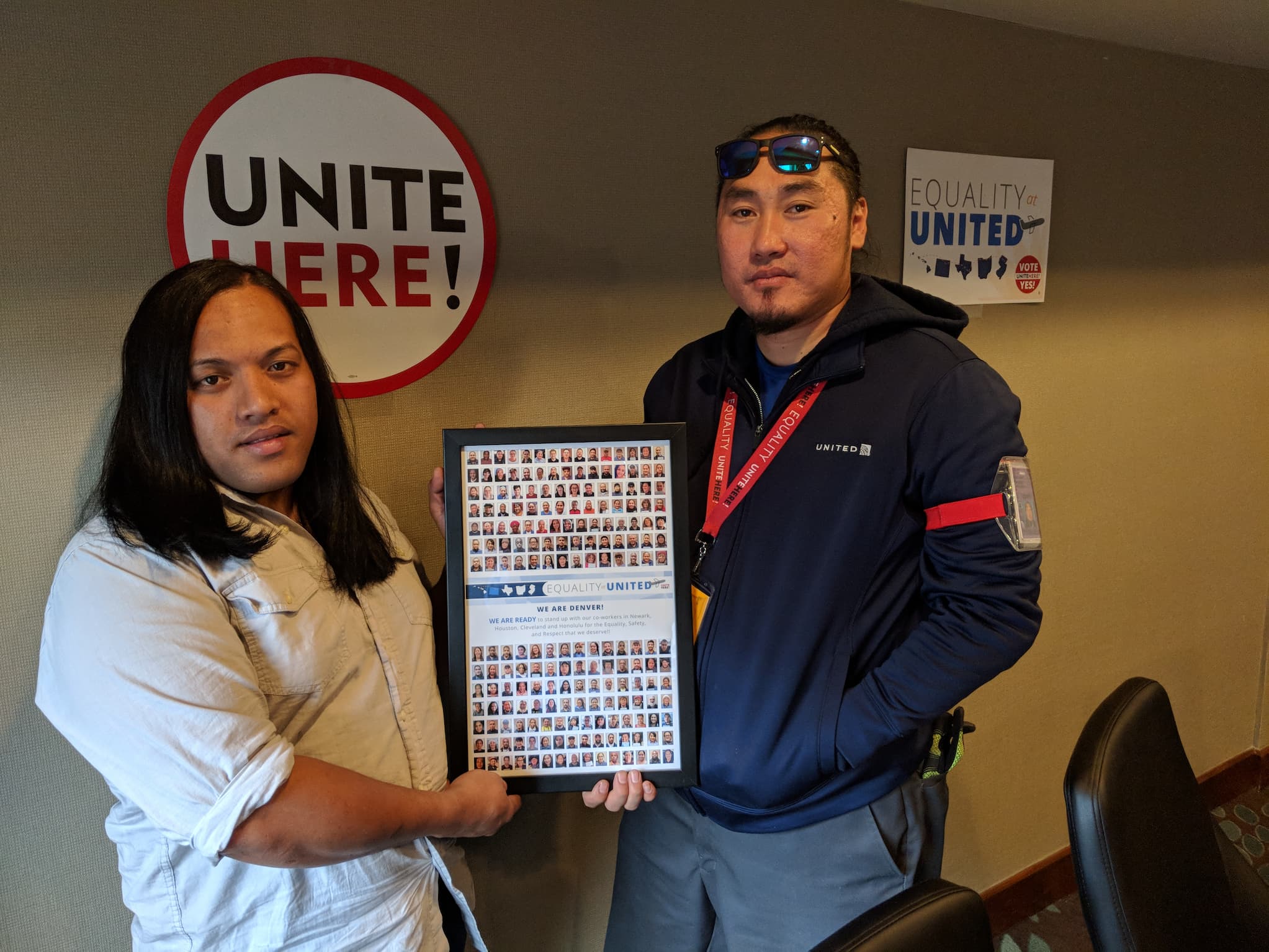
Organizing for Better Working Conditions
Solomon Jacklick (left) is from the Marshall Islands and is a Compact of Free Association (COFA) migrant who took a leadership role to organize and fight for better working conditions for United Airlines catering department employees. Right: Enstrasio Takashy from Chuuk in the FSM, holding a plaque featuring United coworkers.
Featured in:
Micronesians in the United States, Module 5
-

Image
Hermana Ramarui at Festival for Pacific Arts
Poet and educator Hermana Ramarui smiles as she shares stories at the Festival of the Pacific Arts, hosted by Guåhan (Guam) in 2016.
Featured in:
Micronesians in the United States, Module 5
-
-
Image
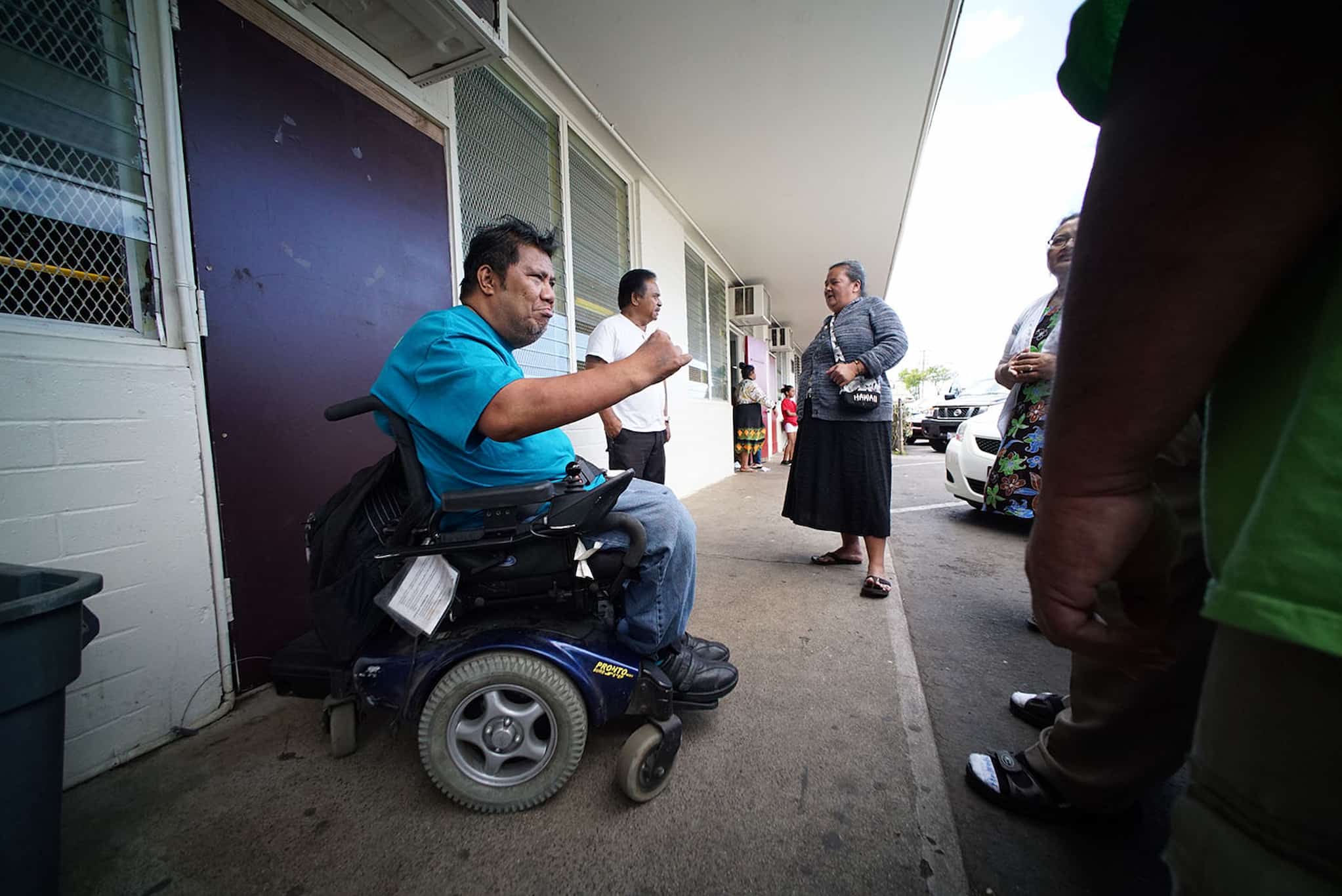
Dr. Joakim “Jojo” Peter
Dr. Joakim “Jojo” Peter (1964-2019) from Chuuk State was a dedicated social justice leader for the COFA community. Pictured here (left) in Honolulu, Oʻahu, Hawaiʻi, helping a Micronesian community, his life’s work included raising awareness about immigrant and disability rights.
Featured in:
Micronesians in the United States, Module 5
-
Image
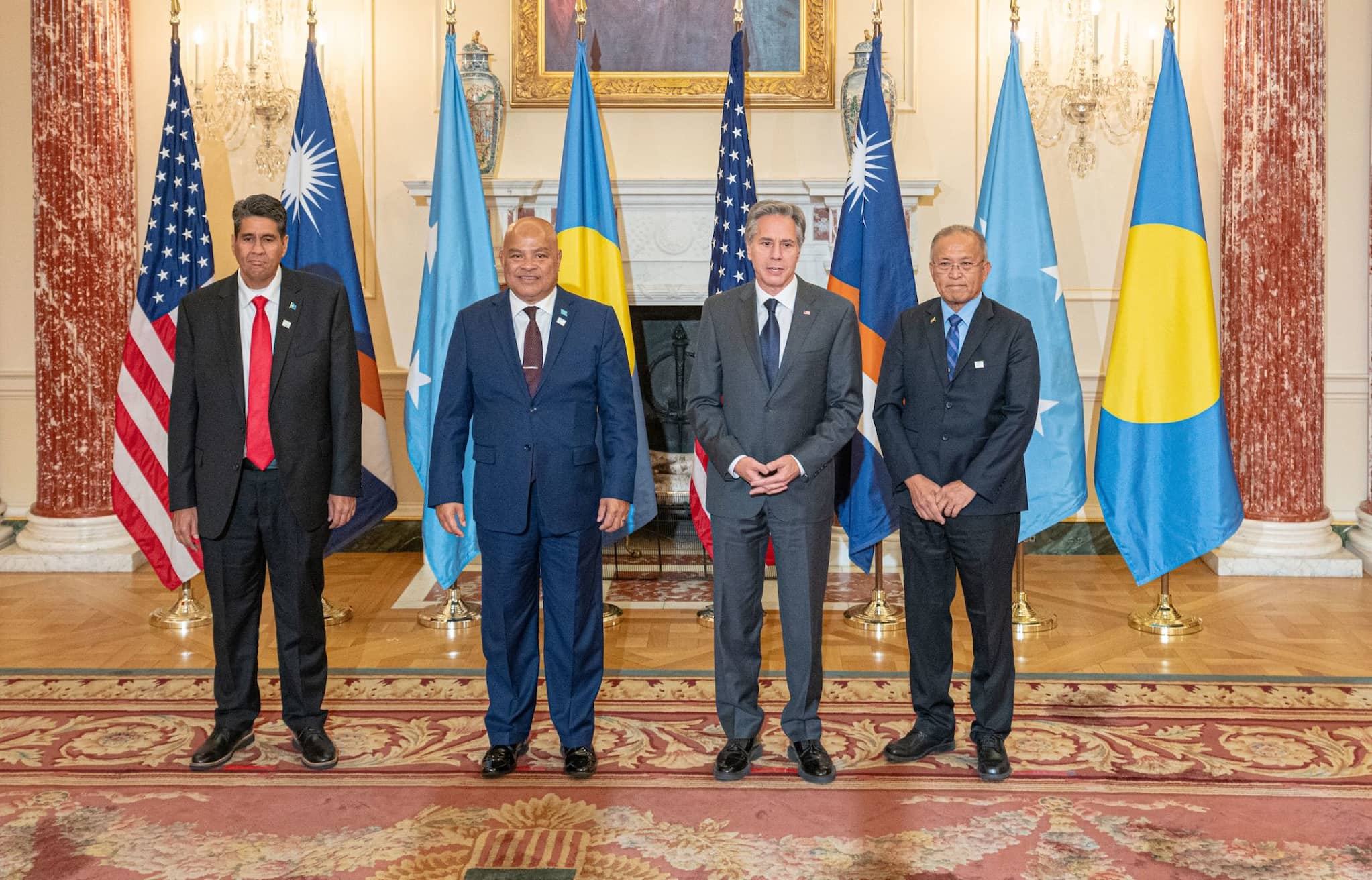
Leaders from Freely Associated States
Former US Secretary of State Antony Blinken (second from right), Belau’s President Surangel Whipps, Jr. (left), former Federated States of Micronesia’s President David Panuel (second from left), and former Marshall Islands’ President David Kabua (right) gather in Washington, DC in 2022.
Featured in:
Micronesians in the United States, Module 5
-
Image
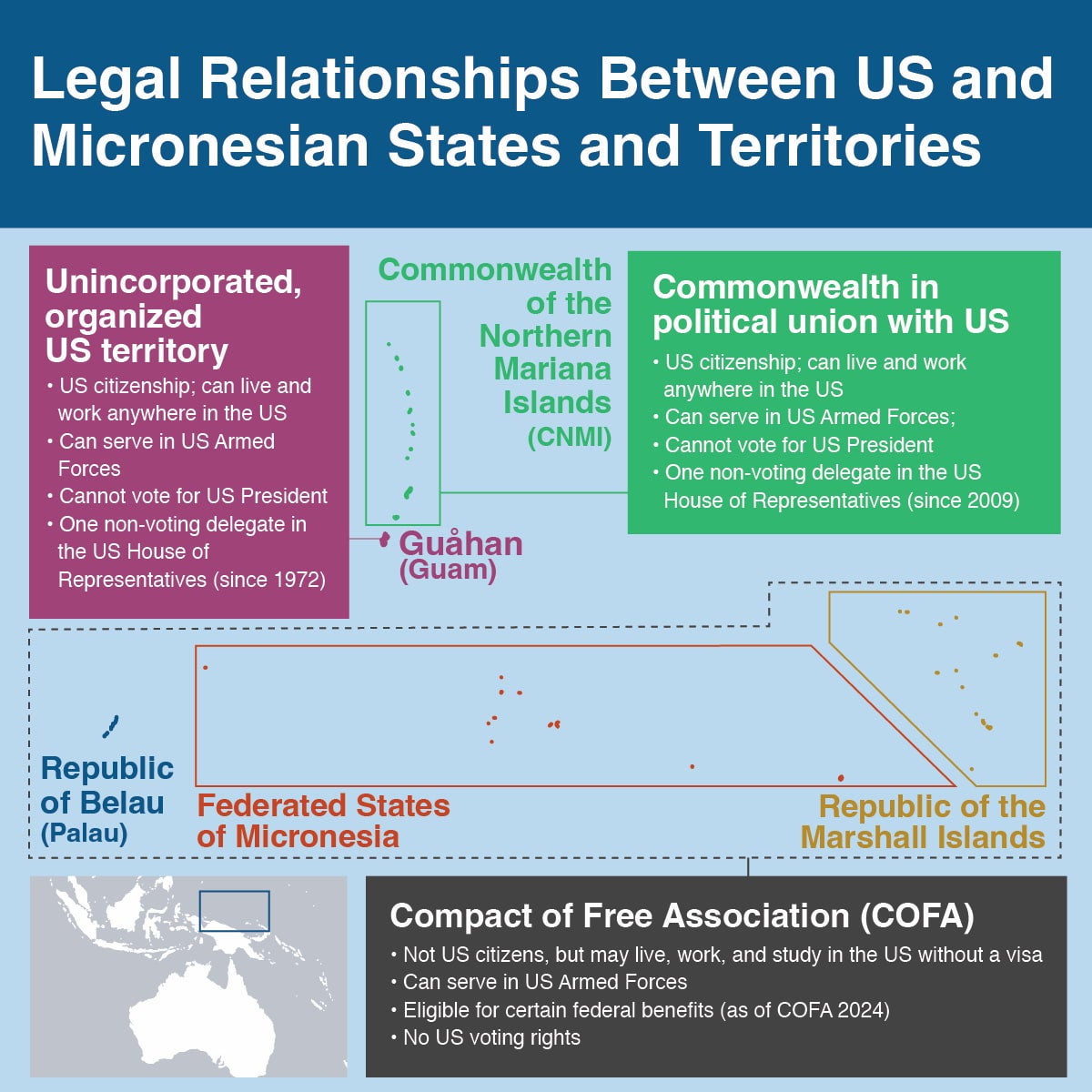
Legal Relationships Between US and Micronesian States and Territories
Map identifying the different agreements between the US and island states in Micronesia.
Featured in:
Micronesians in the United States, Module 5
-
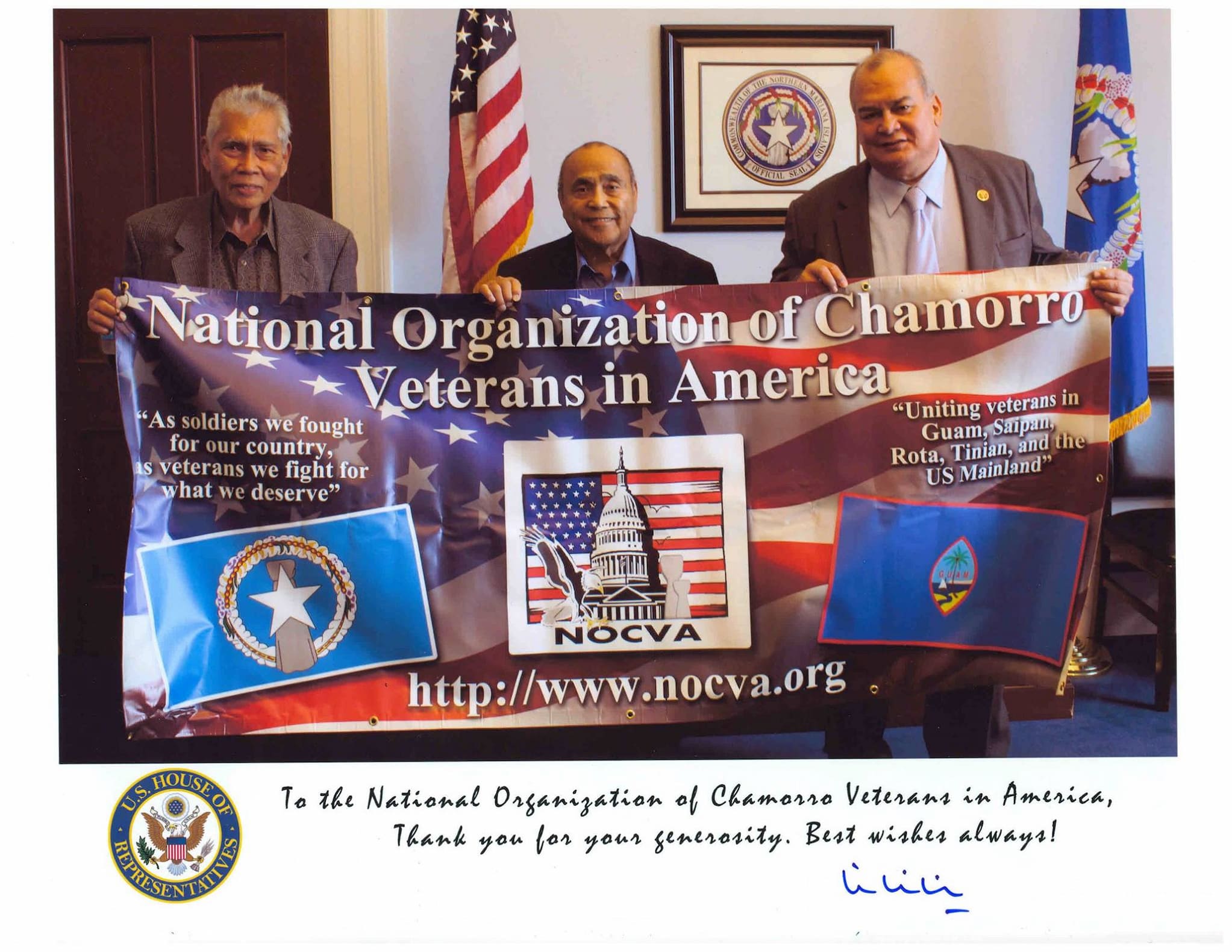
Image
NOCVA Founders
In 2015, co-founders of National Organization of Chamorro Veterans in America (NOCVA), Cel Aguigui (left) and Larry Cruz (center) met with the US Congressman Gregorio “Kilili” Camacho Sablan (right), the first to represent the people of the Northern Mariana Islands in the US House of Representatives.
Featured in:
Micronesians in the United States, Module 4