



Search the Media Repository
Discover the curated images, videos, and primary sources featured throughout Foundations and Futures
History is more than just text on a page; it is the photographs, voices, and artifacts of the people who lived it. The images and recordings featured across Foundations and Futures are part of a meticulously curated media repository. Whether you are building a lesson plan or investigating an artifact, you can use this database to trace the provenance of our media: discover who created an asset, the historical context behind it, and how it can be used to bring Asian American and Pacific Islander experiences into your classroom.
Multimedia
Chapters
-
Video
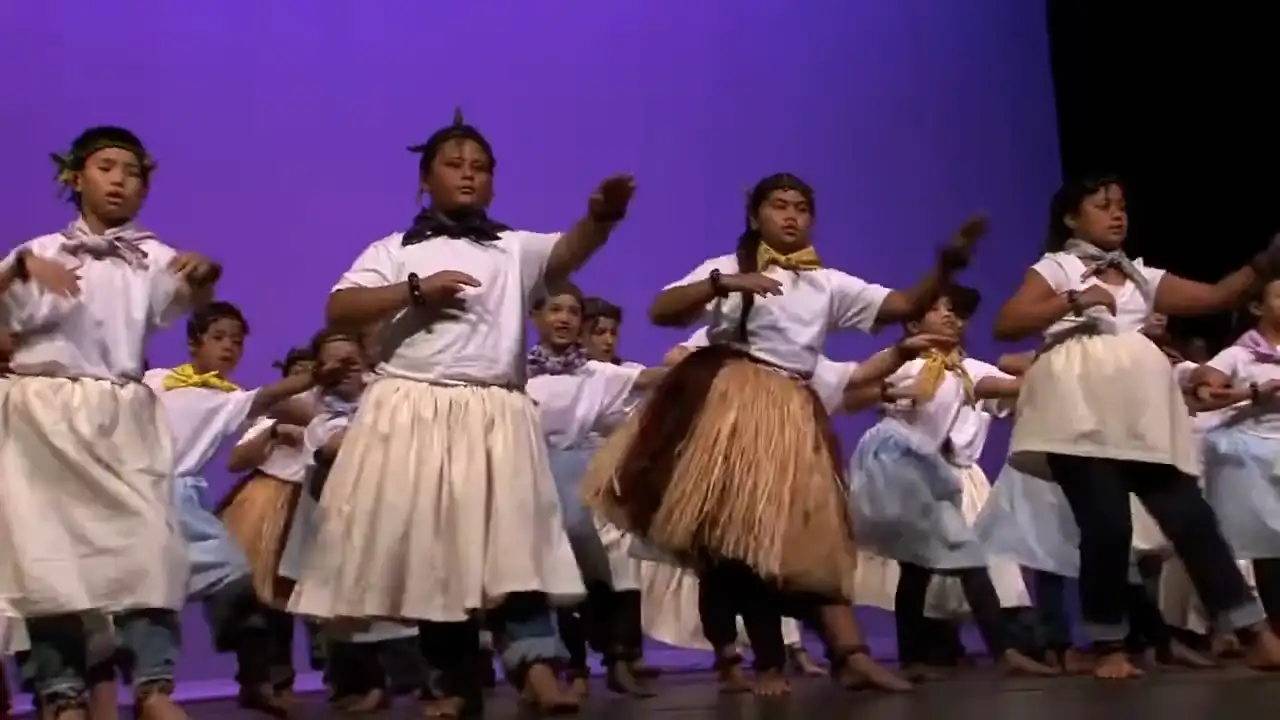
Hula Performance with Hina Wong-Kalu
Hina Wong-Kalu performing at a concert with students from Halau Lokahi Public Charter School in 2012. Working with youth, Wong-Kalu seeks to keep her culture alive in Honolulu.
-
Image
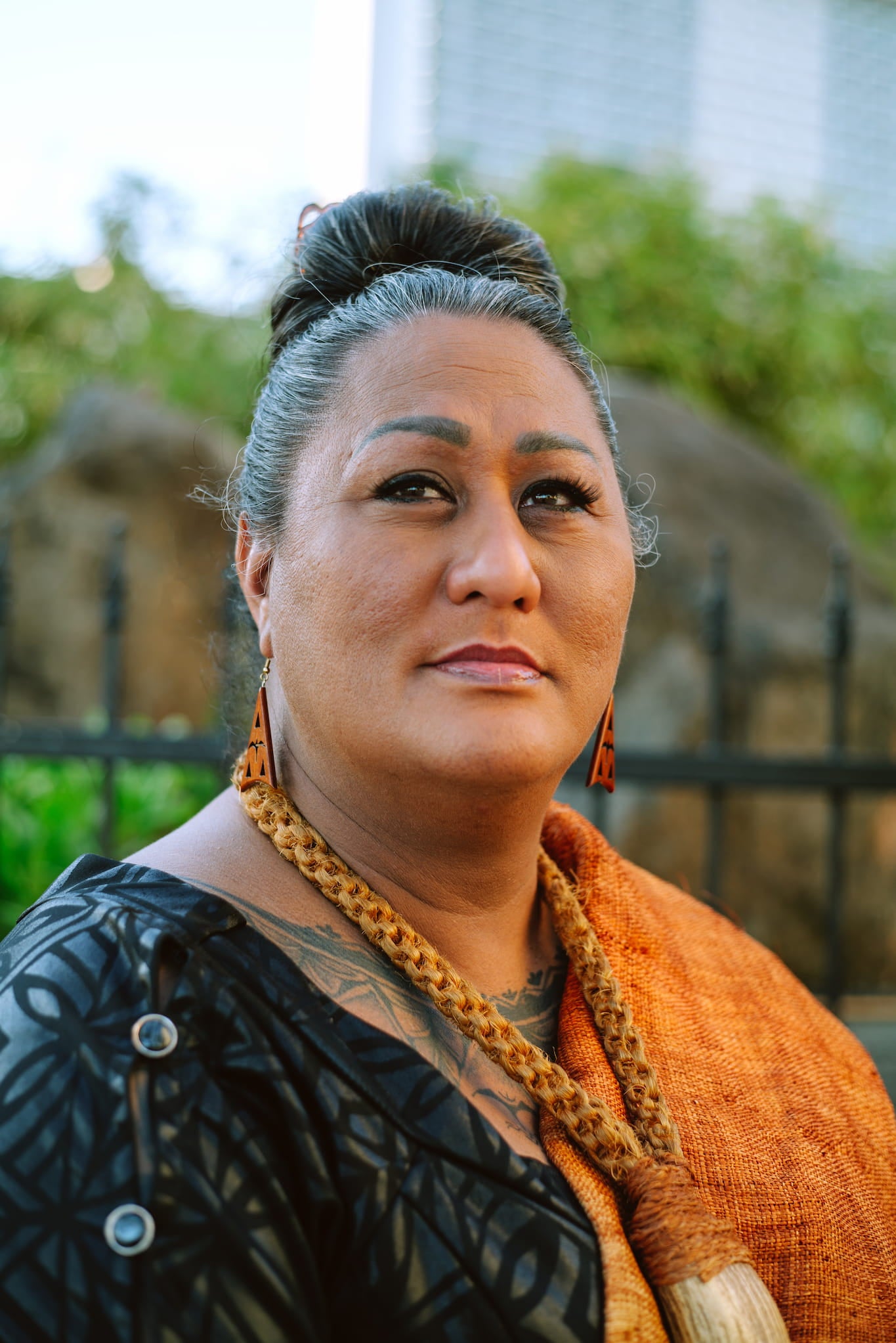
Hina Wong-Kalu
Portrait of Hina Wong-Kalu, a cultural leader keeping ancestral arts and stories alive within her Native Hawaiian community.
-
Video
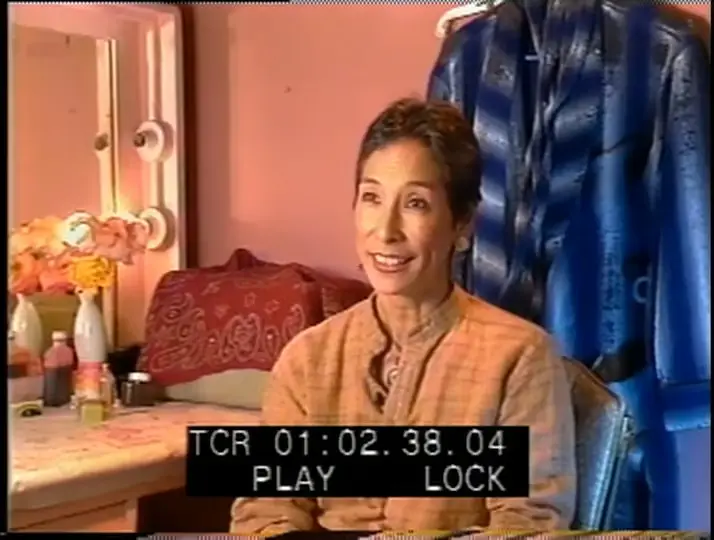
Nobuko Miyamoto Interview
Artivist Nobuko Miyamoto speaks about her experiences as a professional singer, dancer, and actor before joining East West Players, including the social movements that motivated her to create stories and art depicting the Asian American and Pacific Islander experience.
-
Video
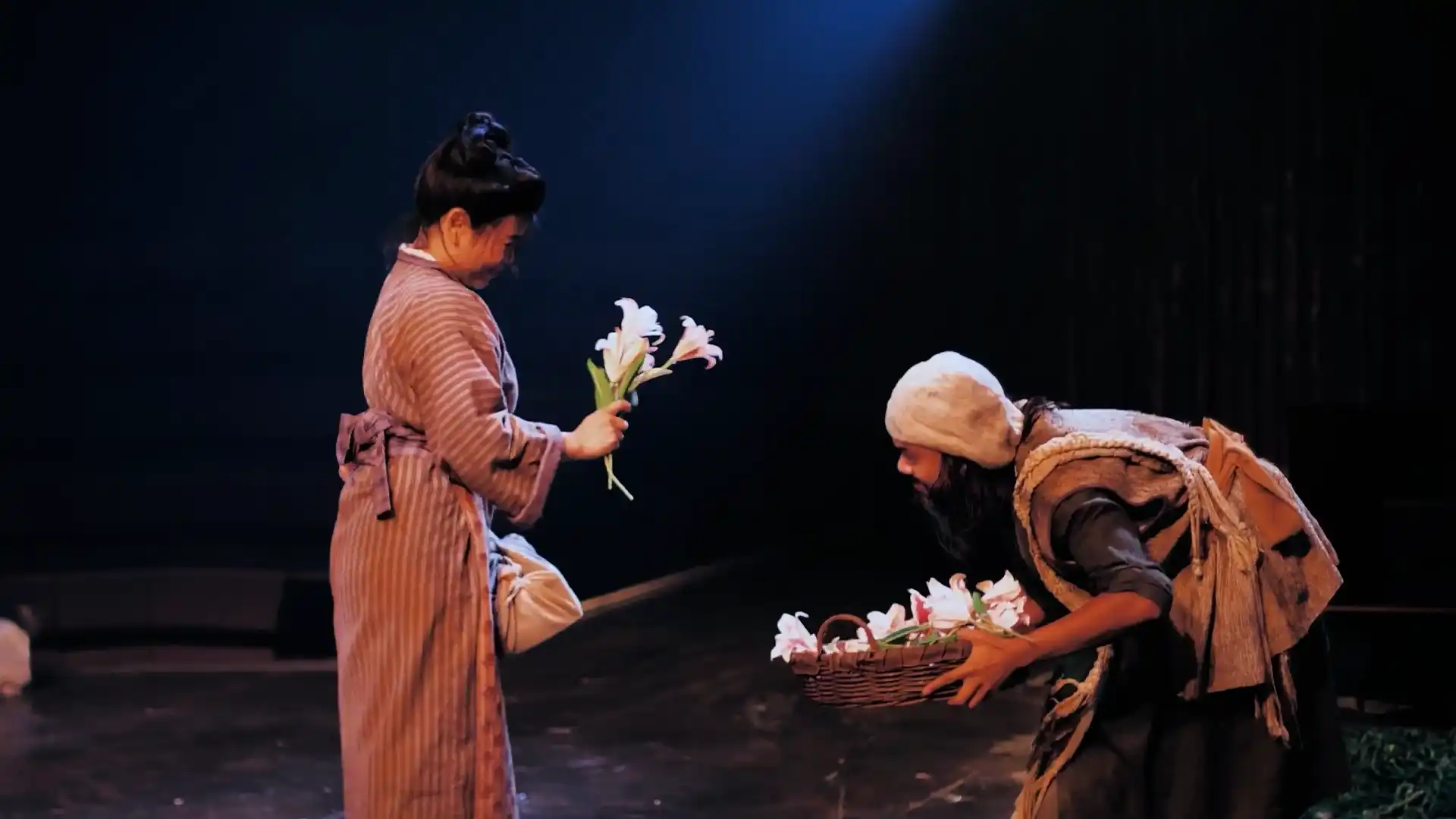
untitled f*ck m*ss s**gon
Written by Kimber Lee, the opening scene for untitled f*ck m*ss s**gon play sets the tone for the absurdity and satire Lee and the cast want to convey about overused stereotypes.
-
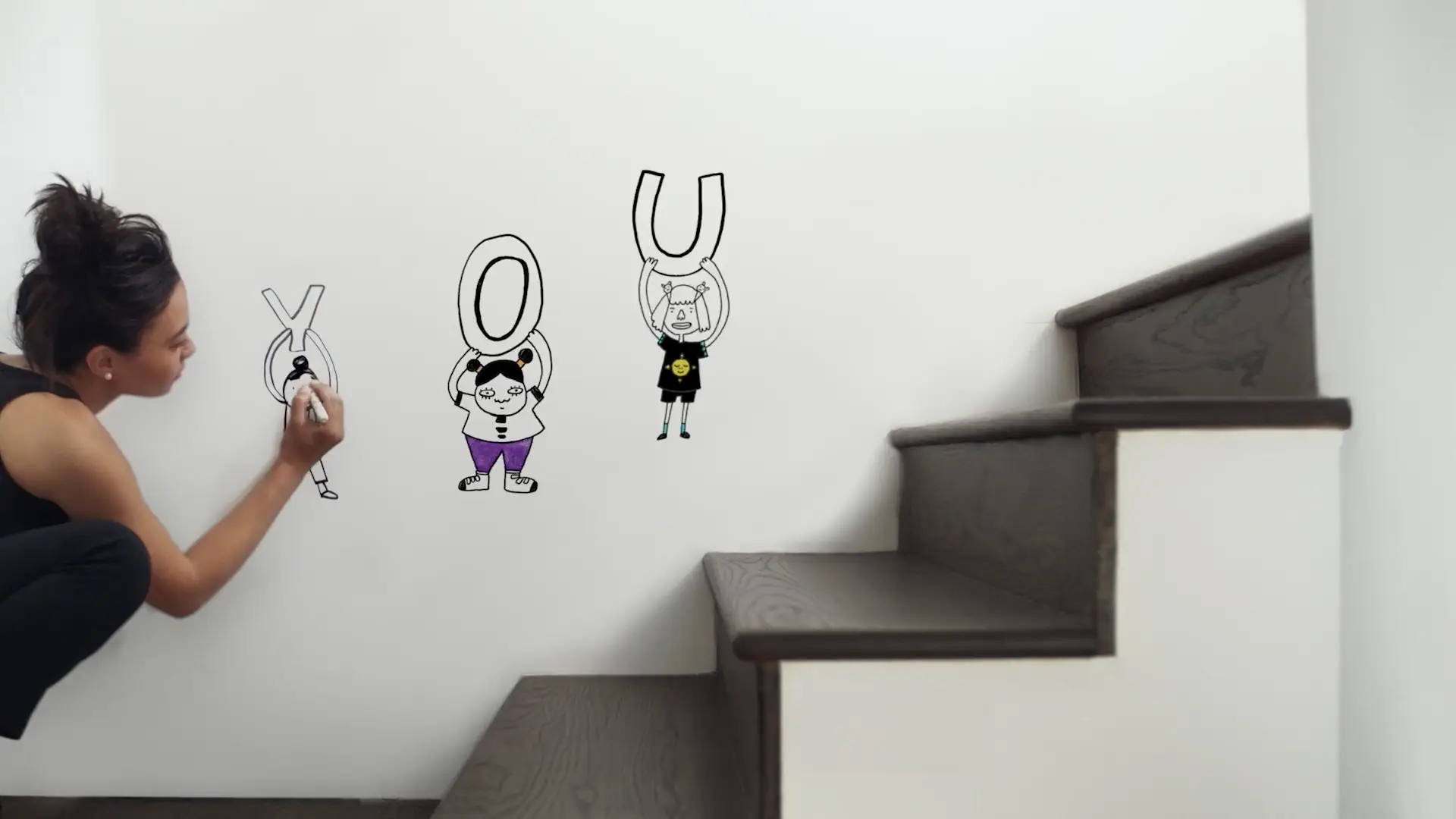
Video
Chanel Miller
Art and storytelling allow Chanel Miller to express a vision of hope and possibility that both builds on and also transcends her advocacy journey, demonstrated in her piece I was, I am, I will be.
-

Audio
Mira Nair Interview
Mira Nair discusses her origins as a filmmaker. Her first film, Salaam Bombay!, highlighted the true stories of “street children” and brought to light child welfare issues in India.
-
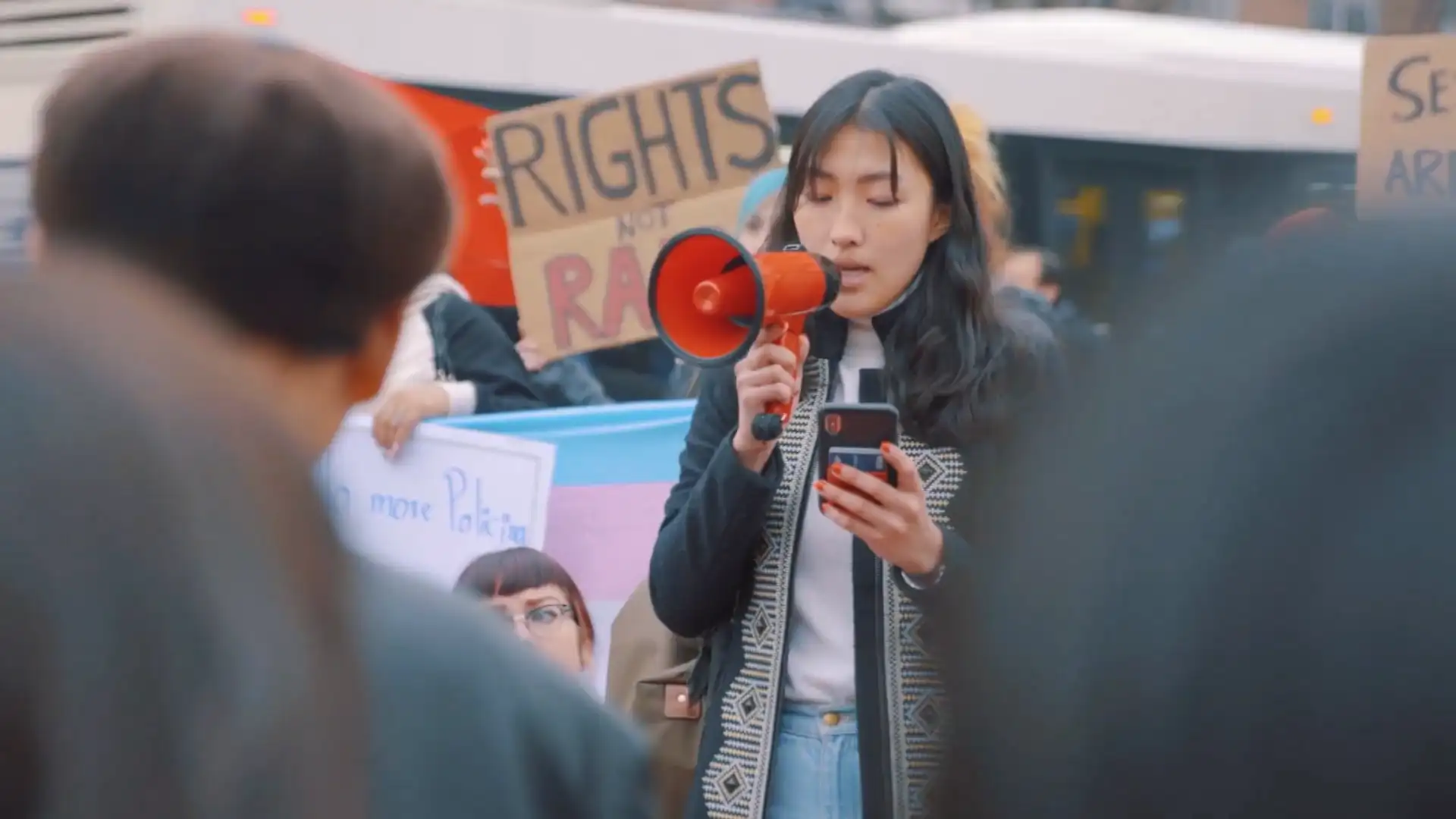
Video
Yang Song: Fly In Power
Red Canary Song leaders describe the injustices Yang Song experienced. They discuss how the system failed to create safe job opportunities for her and then criminalized her when she turned to sex work to support her sick husband.
-
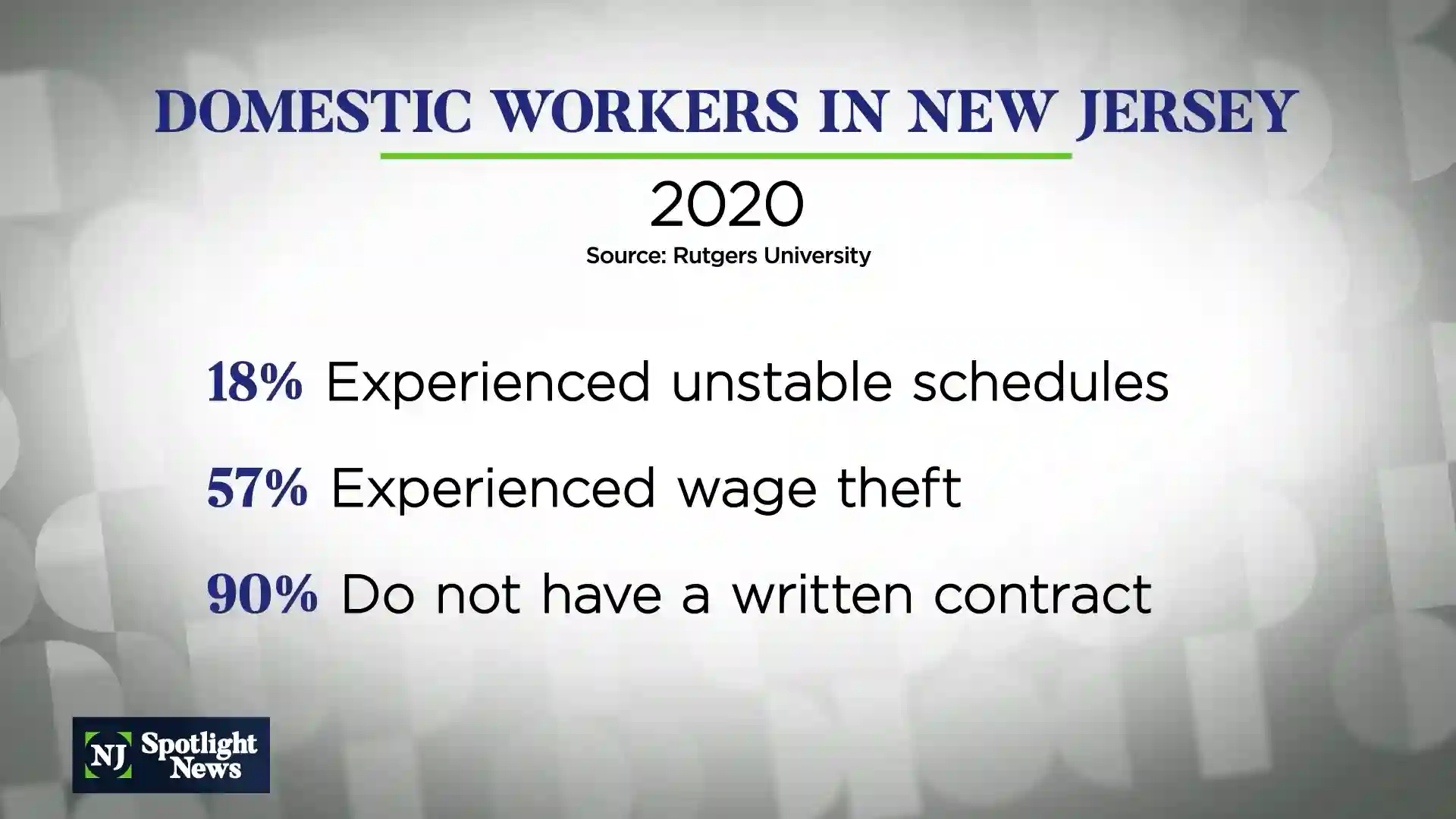
Video
Fighting for Better Protections
This news story covers the National Domestic Workers Alliance and New Jersey workers’ fight for a Domestic Workers Bill of Rights. In 2024, New Jersey became the eleventh state to guarantee basic labor rights and protections for its domestic workers.
-
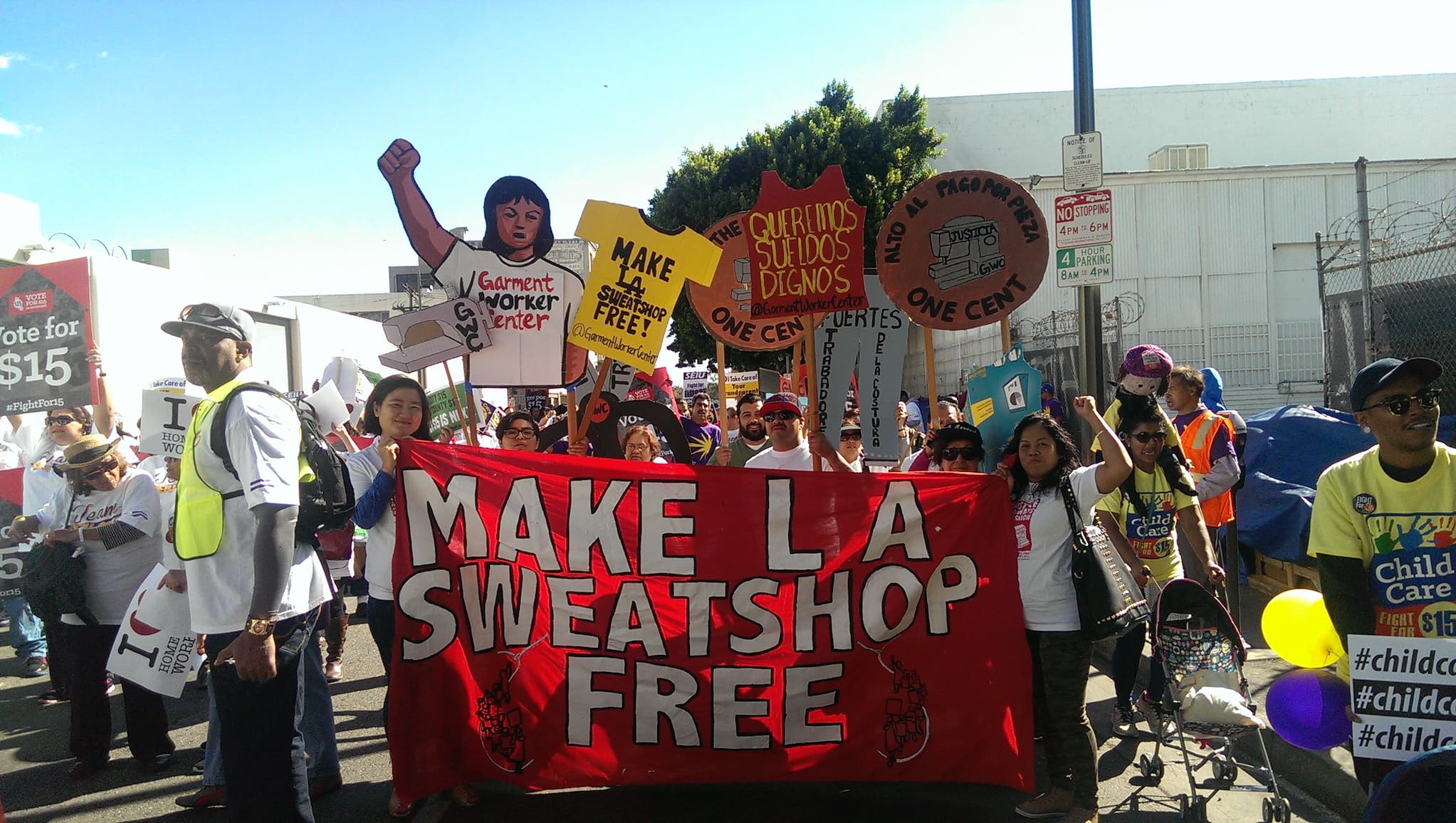
Image
Garment Worker Center Protest
Members of GWC protesting the LA garment industry’s egregious working conditions and wages affecting the region’s largely Latinx and Asian American and Pacific Islander workforce.
-
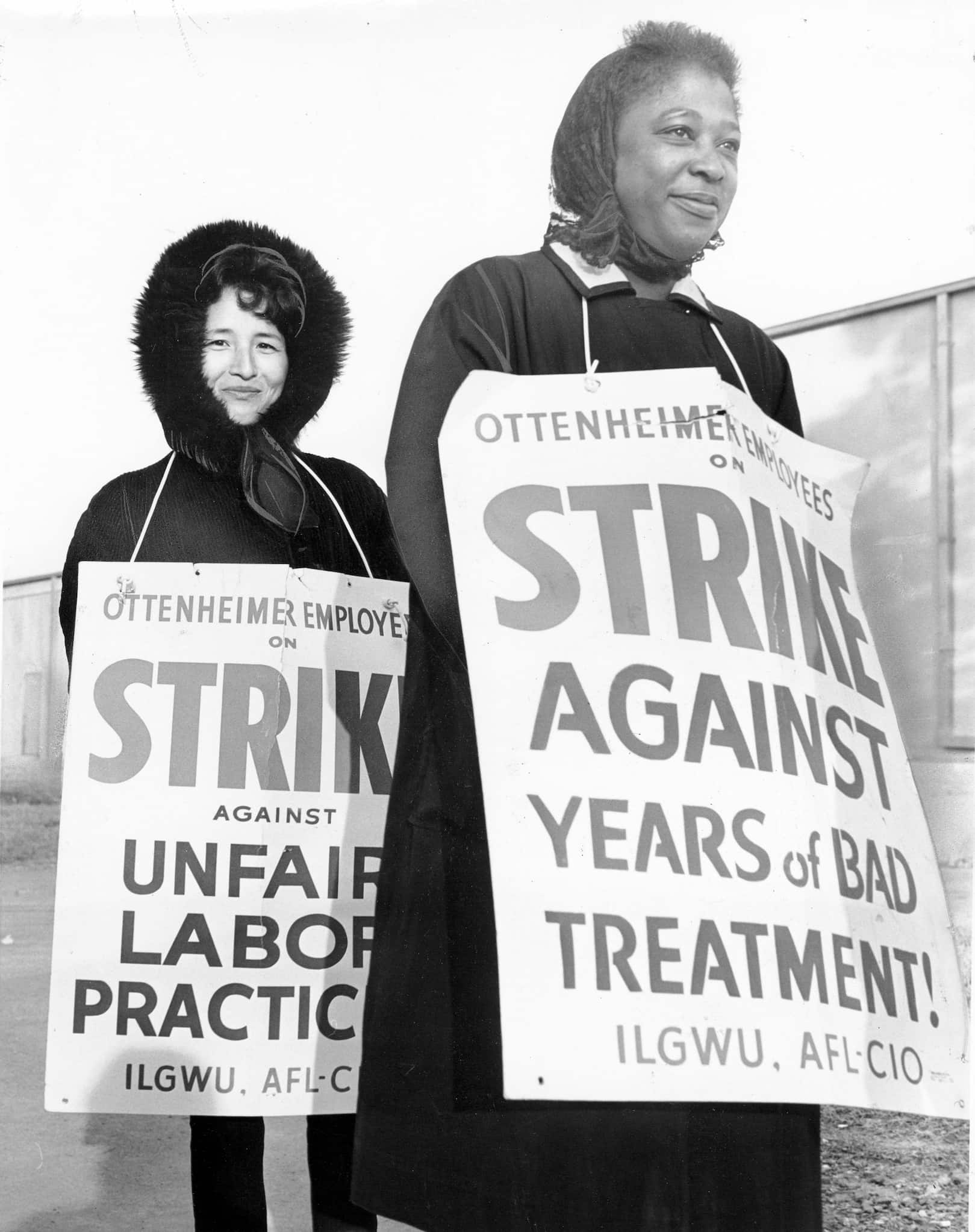
Image
Two Workers on Strike
Founded in 1900, ILGWU originally represented South and Eastern European women immigrants. The expansion of the union’s representation allowed for solidarity among its racially diverse members, seen in this 1966 photo of an Asian American and Black worker on strike.
-
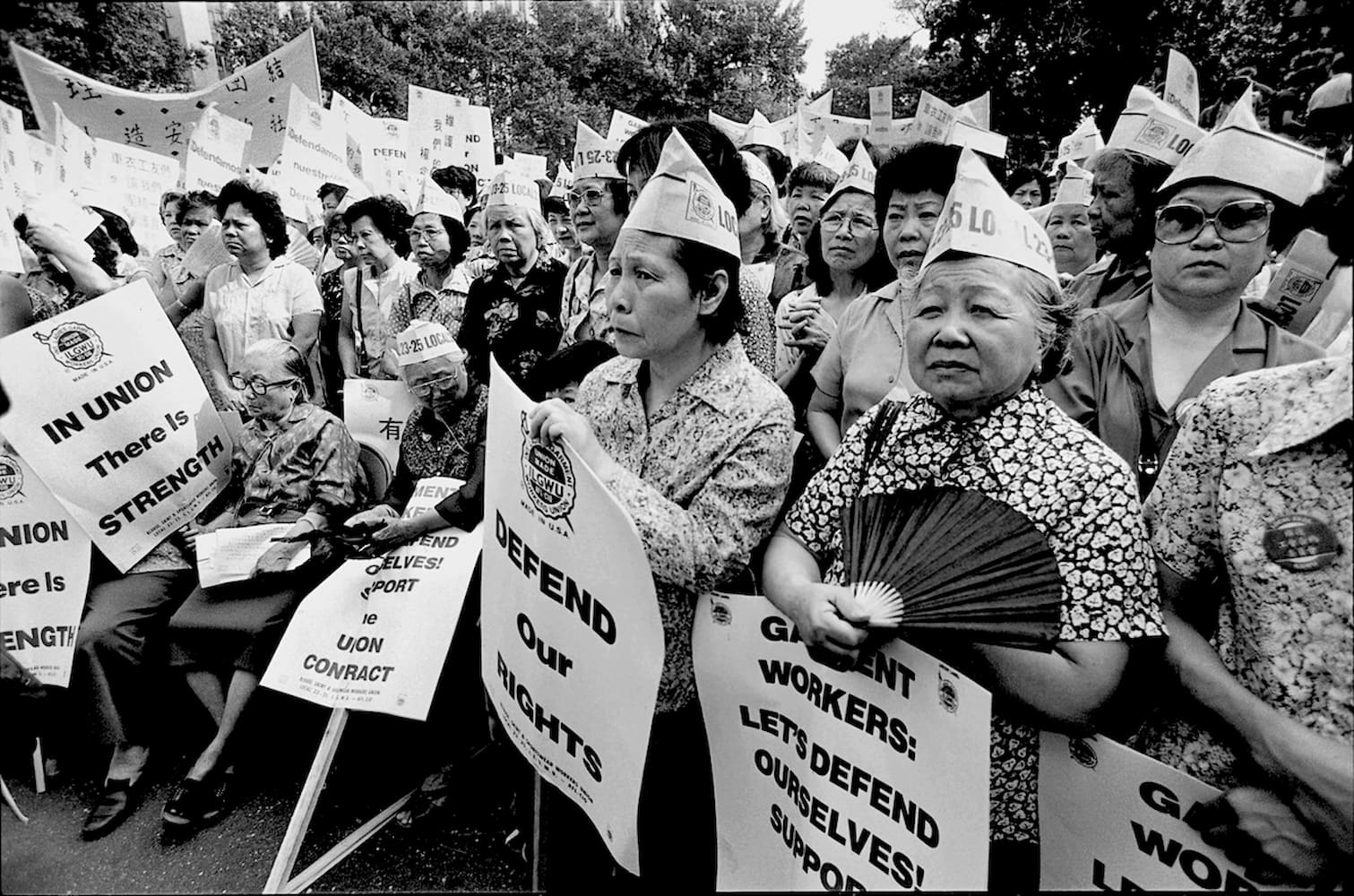
Image
Garment Workers On Strike
Unionized garment workers on strike in New York City’s Chinatown, 1982. Comprised of mostly immigrant women, their picket signs were written in both Chinese and English.
-
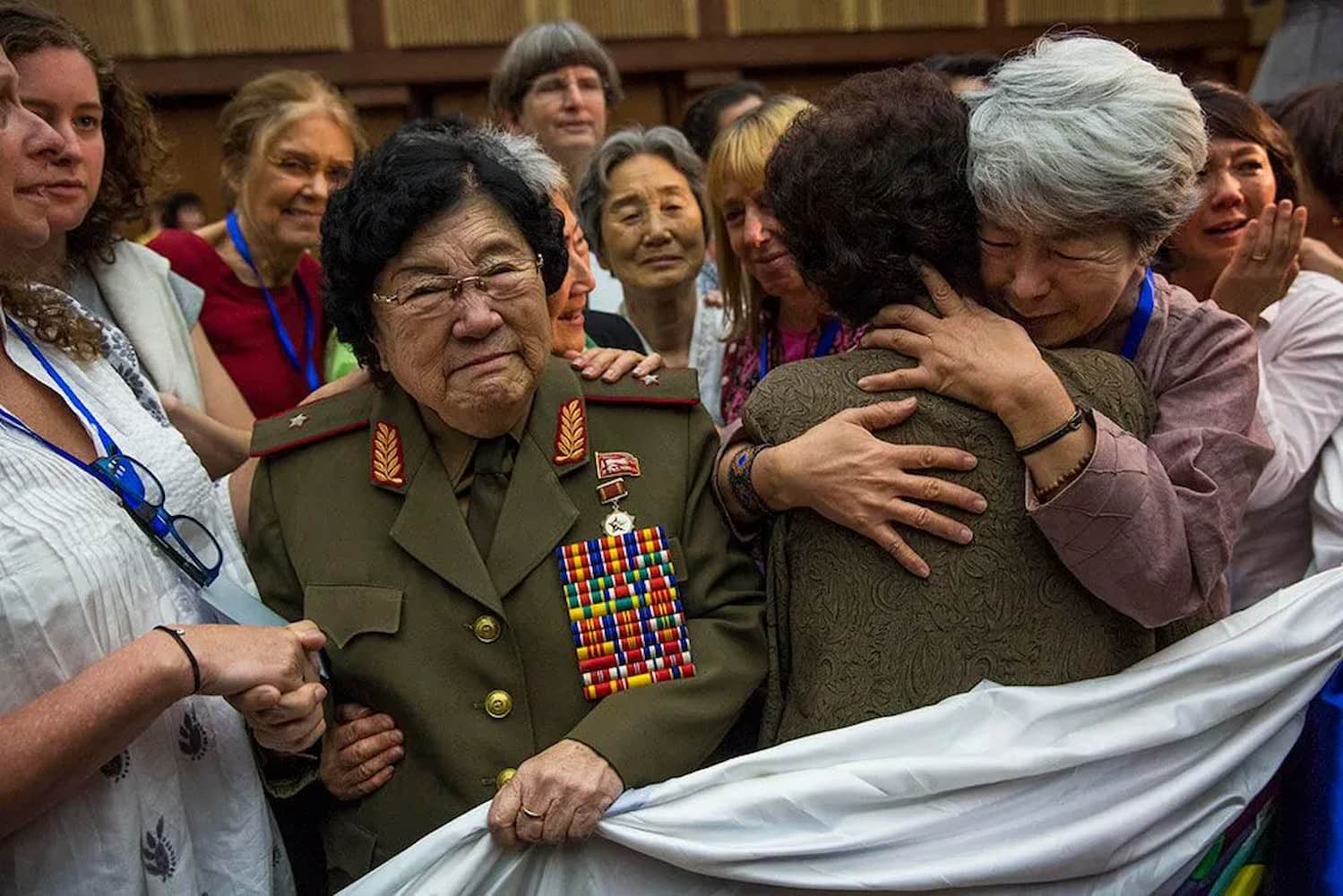
Image
Women’s Peace Symposium
Starting in North Korea, Women Cross DMZ campaigned for peace across the Korean Peninsula—meeting with officials and organizing two Women’s Peace Symposiums. In this photo of the symposium in Pyongyang, North and South Korean women embrace.
-
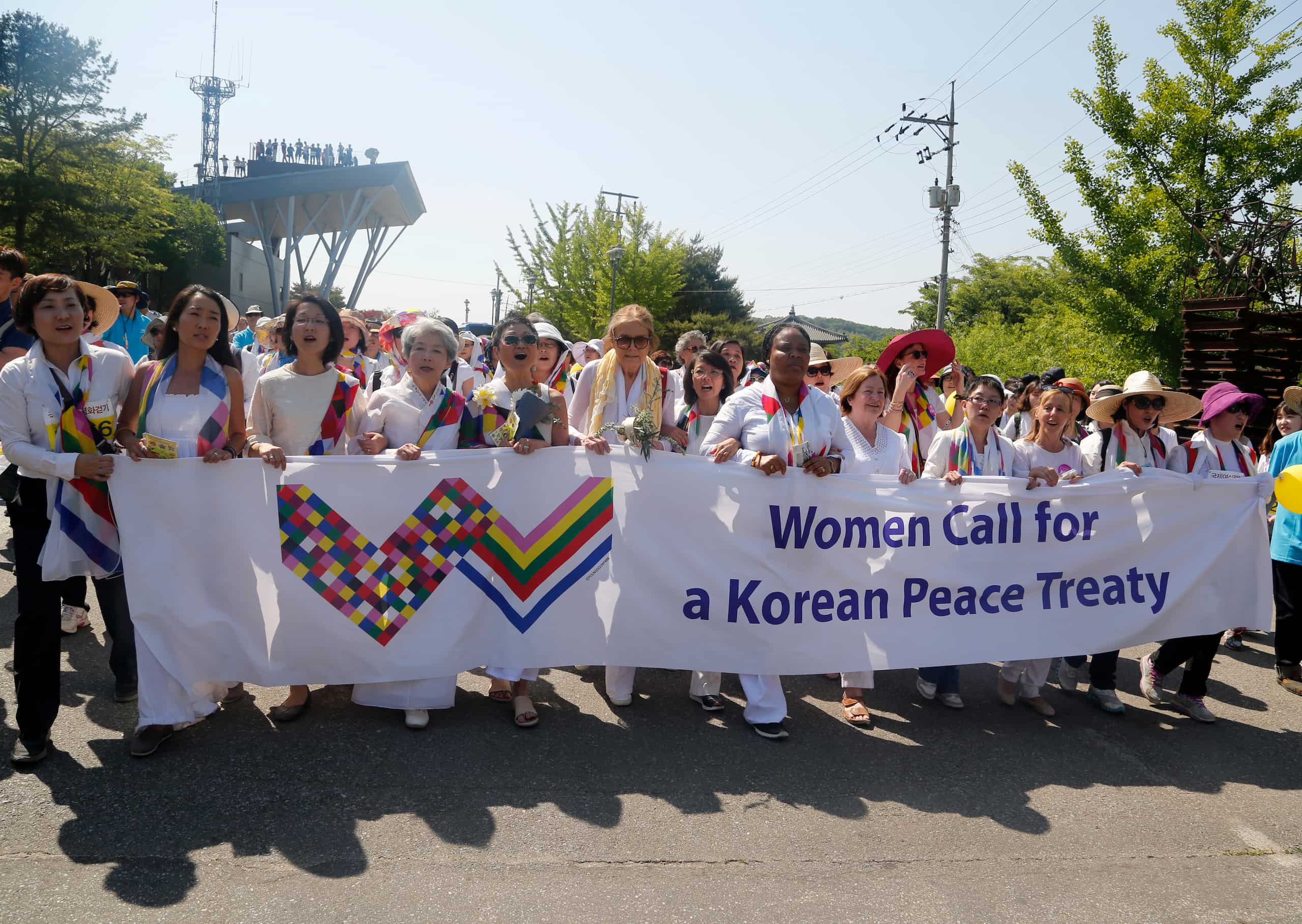
Image
Women Cross DMZ Group March
On May 24, 2015, activists from Women Cross DMZ successfully crossed the DMZ separating North and South Korea.
-
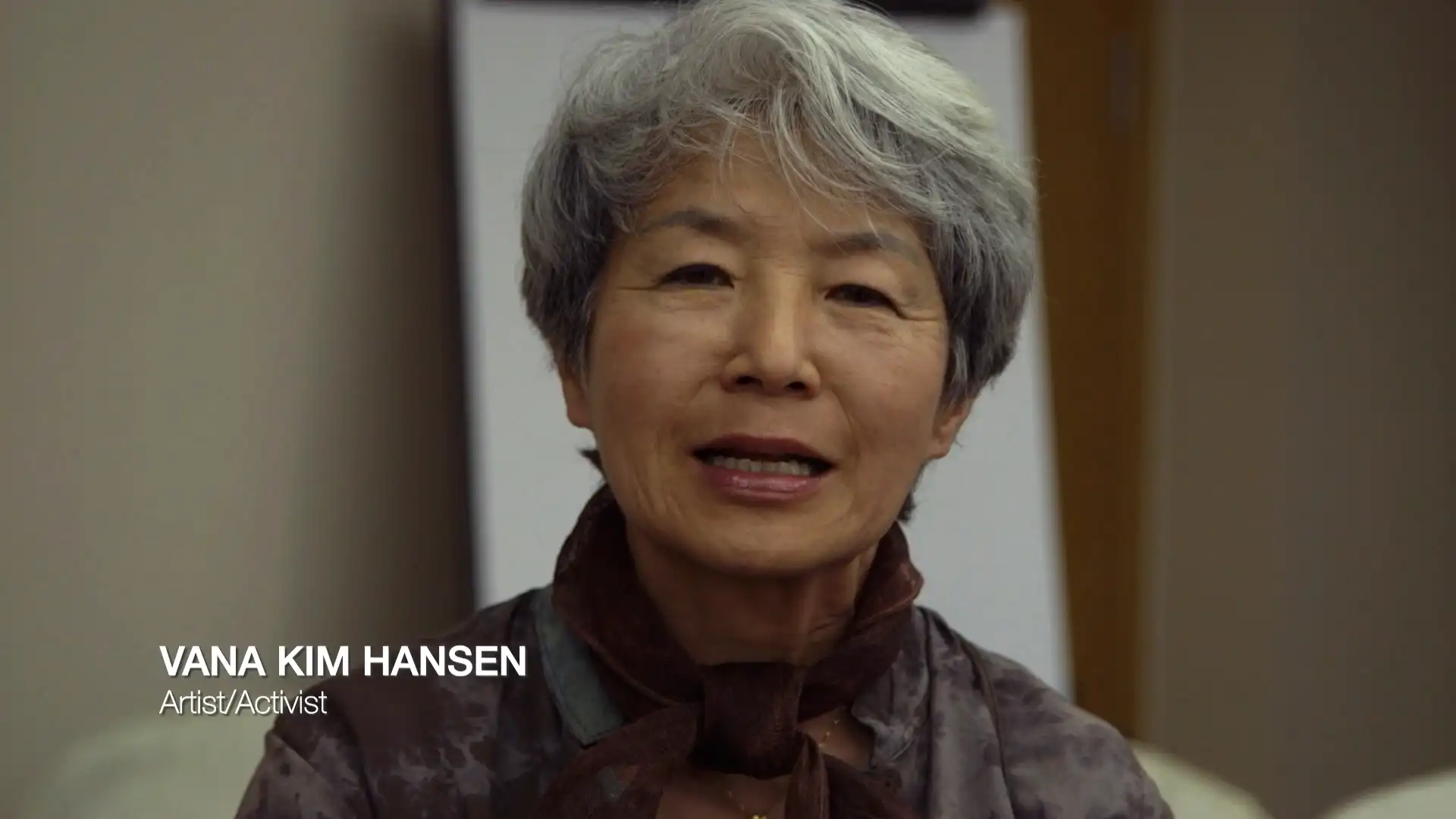
Video
Women Cross DMZ
The crossing’s entourage consisted of thirty international women leaders and activist peacemakers including founder Christine Ahn alongside Gloria Steinem, Leymah Gbowee, Mairead Maguire, Vana Kim Hansen, Kozue Akibayashi, Netsai Mushonga, and others.
-
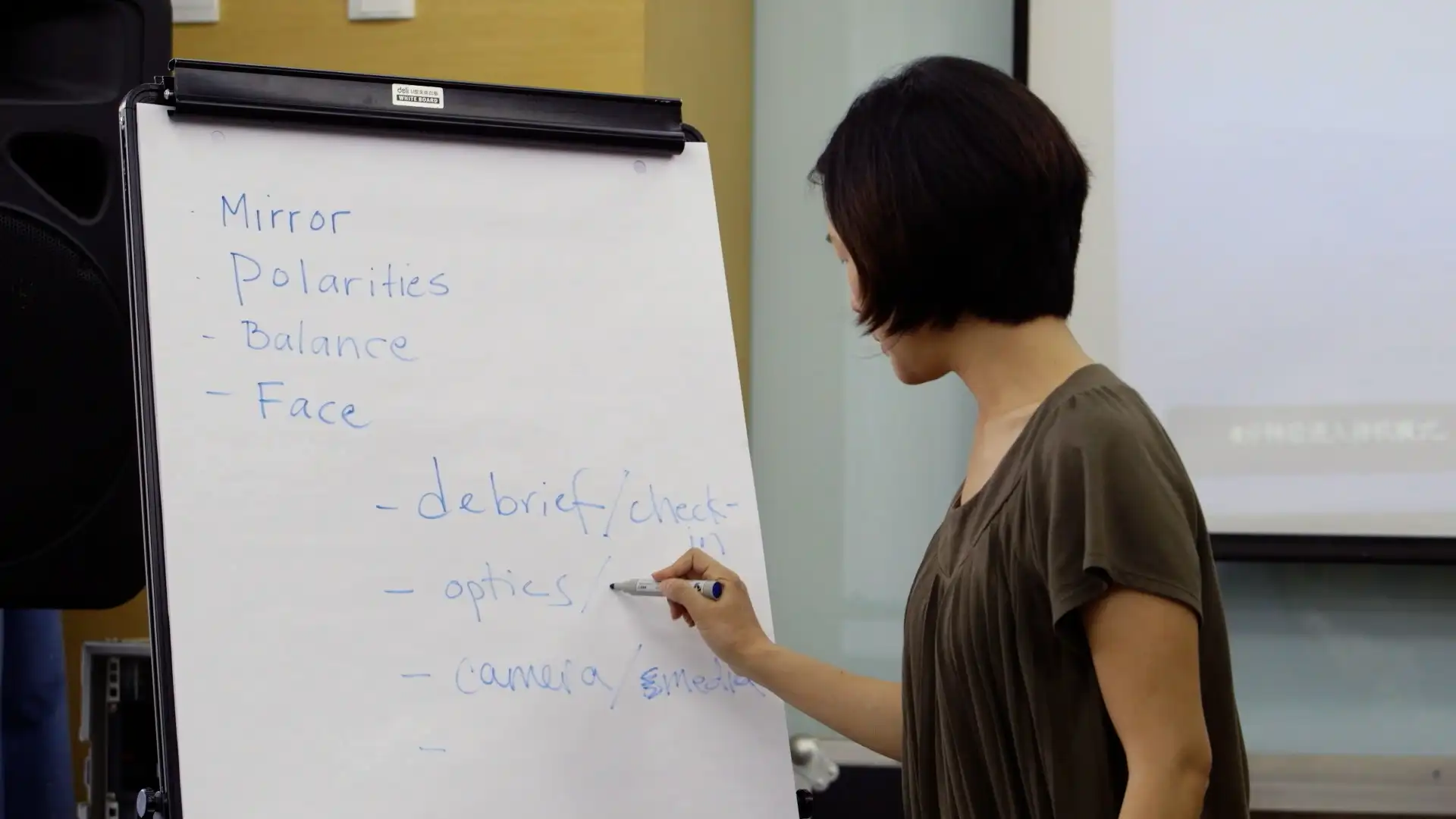
Video
Women Cross DMZ Organizing
Organized in 2015, Women Cross DMZ traveled from Pyongyang in North Korea, to Panmunjom in the DMZ, to Seoul in South Korea to call for a peace treaty and the reunification of families.
-
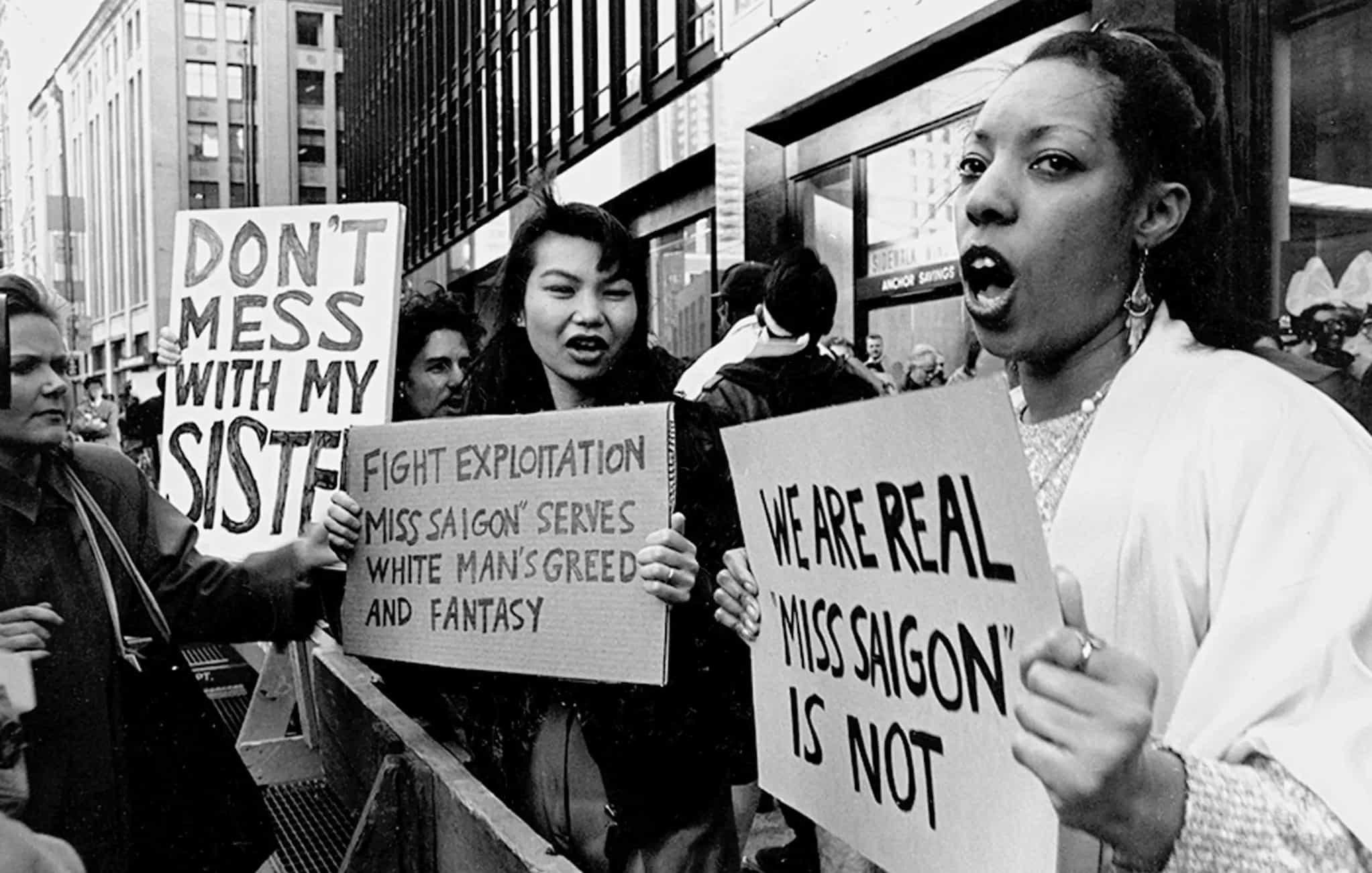
Image
Miss Saigon Protest
Activists protesting the Broadway production Miss Saigon on opening night in 1991. Protestors of all backgrounds came together in solidarity to demand an end to the play’s false narrative about Asian American and Pacific Islander women.
-
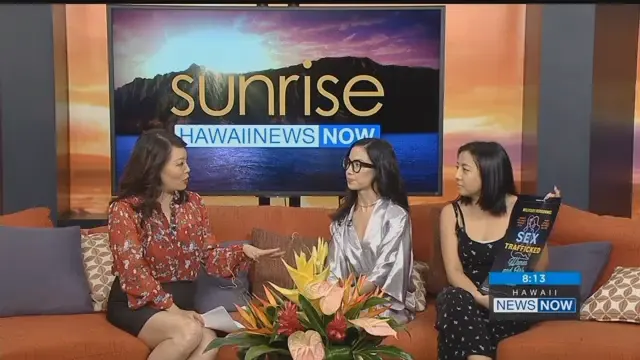
Video
“She Is All Women” Campaign
During RIMPAC 2018, the Hawaiʻi State Commission on the Status of Women spearheaded a campaign to raise awareness about sex trafficking in Hawaiʻi, including the spread of posters, bus and radio ads, social media blasts, and a victim support hotline.
-
Image
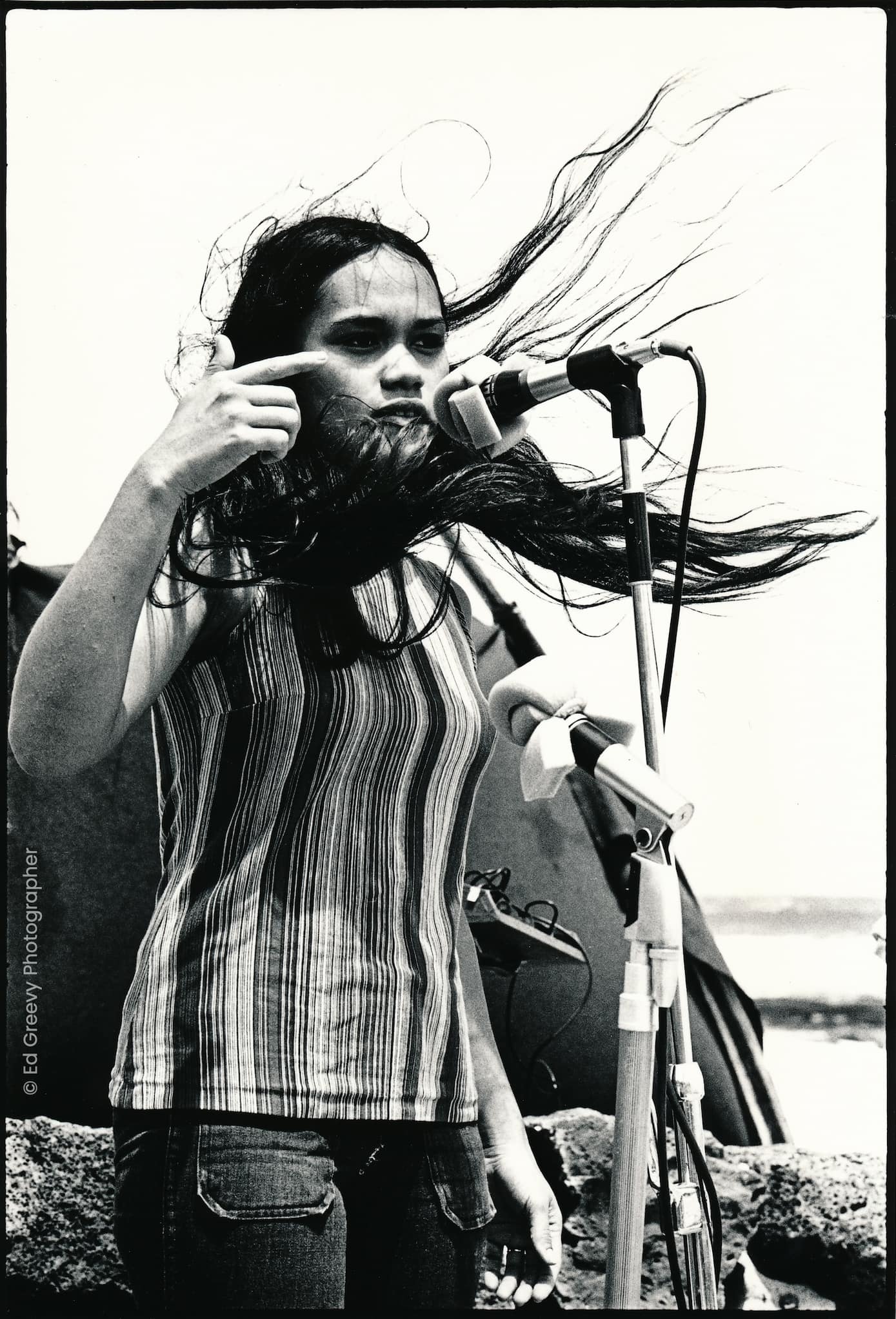
Terrilee Kekoʻolani-Raymond
Native Hawaiian activist Terrilee Kekoʻolani-Raymond addressing the impact of the US military’s nuclear waste on the environment and Hawaiian community at a 1972 rally.
-
Image
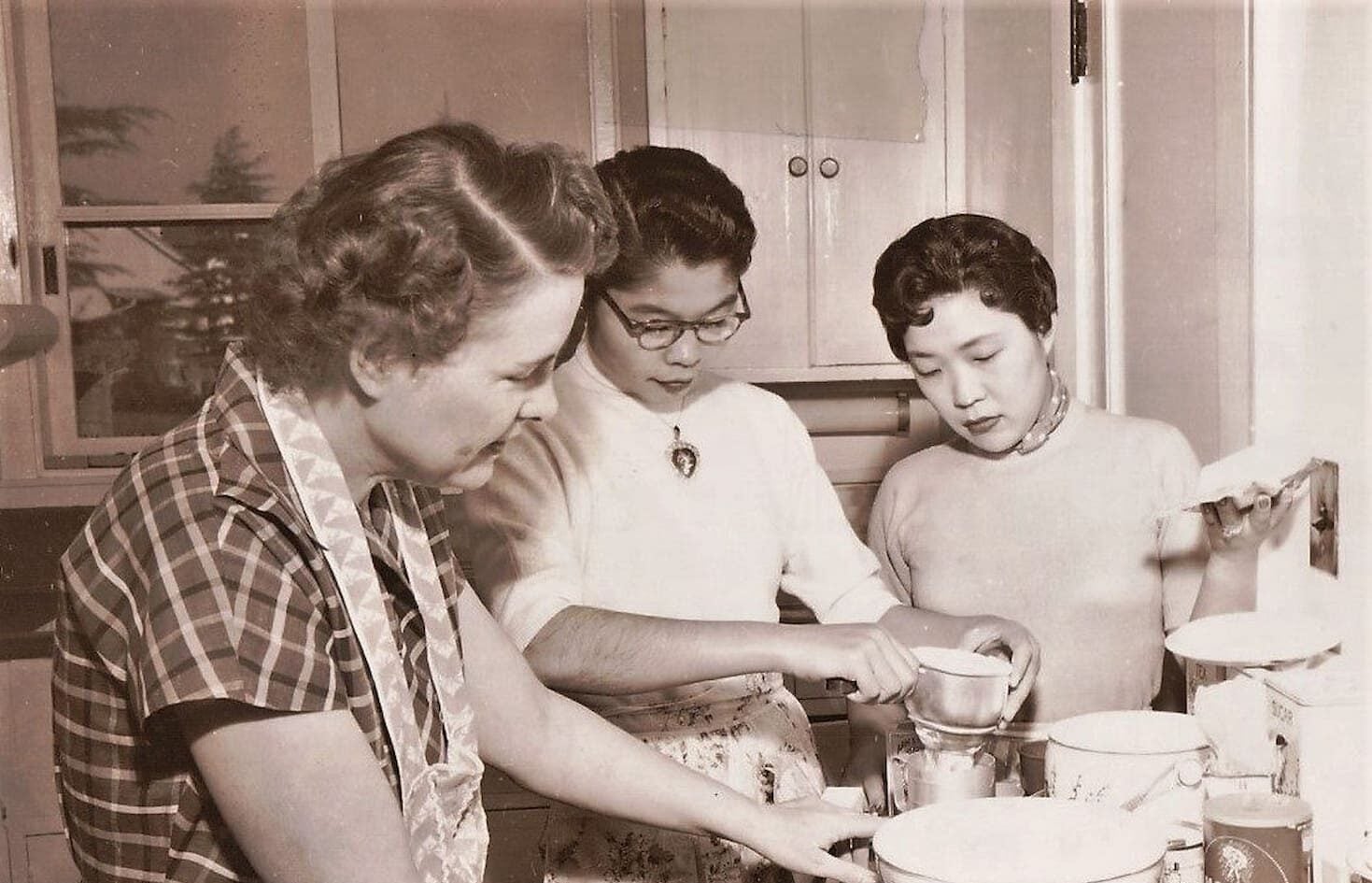
Bride School
A “bride school” class taught in Tokyo, 1955. As students, Japanese and Korean wives of American soldiers would learn how to serve their husbands in American domestic life.
-
Text
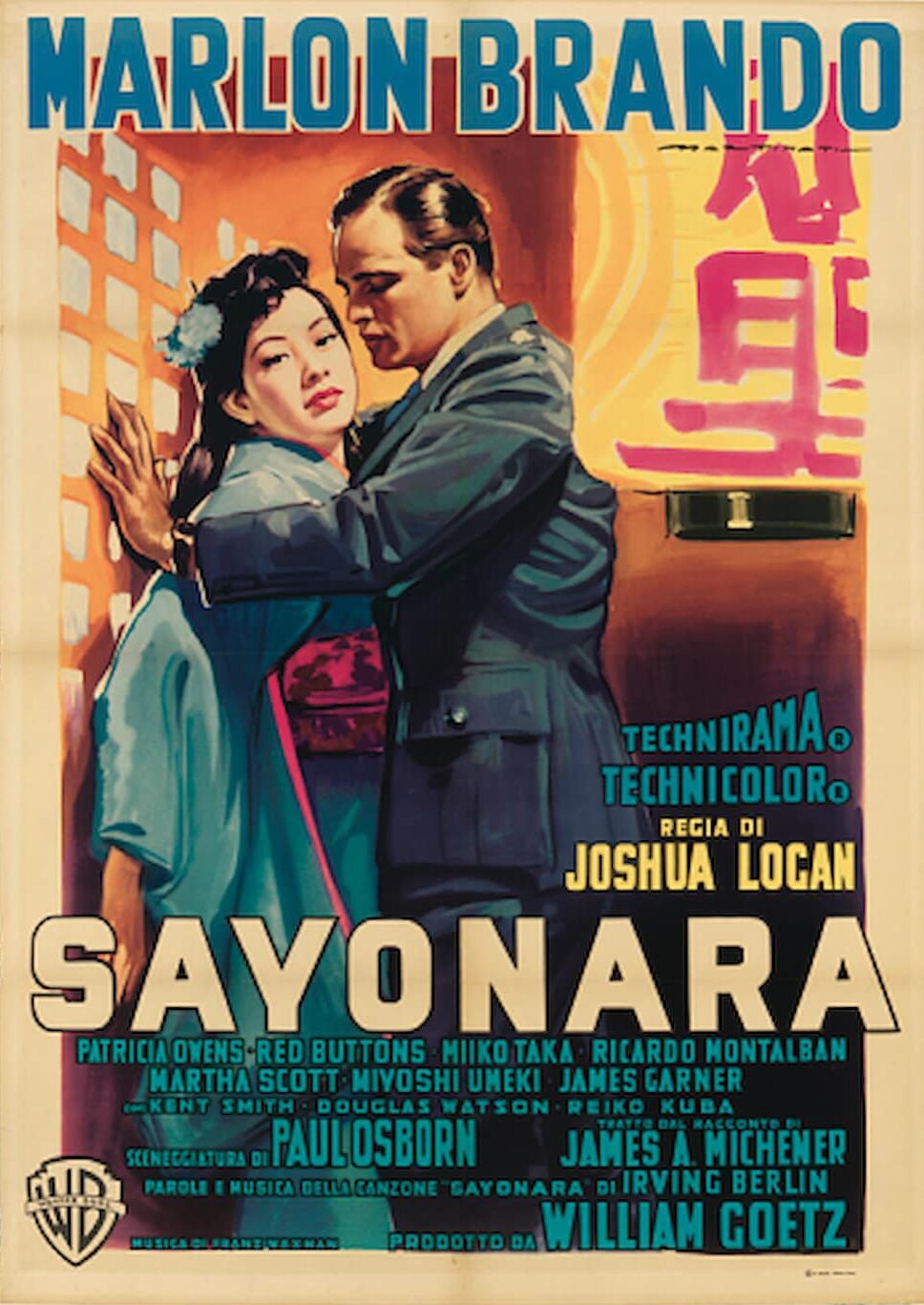
Sayonara (1957)
This movie poster for Sayonara (1957) depicts Hollywood superstar Marlon Brando as a military man and Japanese American actress Miiko Taka as his Lotus Blossom love interest, Hana-ogi.