





Search the Media Repository
Discover the curated images, videos, and primary sources featured throughout Foundations and Futures
History is more than just text on a page; it is the photographs, voices, and artifacts of the people who lived it. The images and recordings featured across Foundations and Futures are part of a meticulously curated media repository. Whether you are building a lesson plan or investigating an artifact, you can use this database to trace the provenance of our media: discover who created an asset, the historical context behind it, and how it can be used to bring Asian American and Pacific Islander experiences into your classroom.
Multimedia
Chapters
-
Video
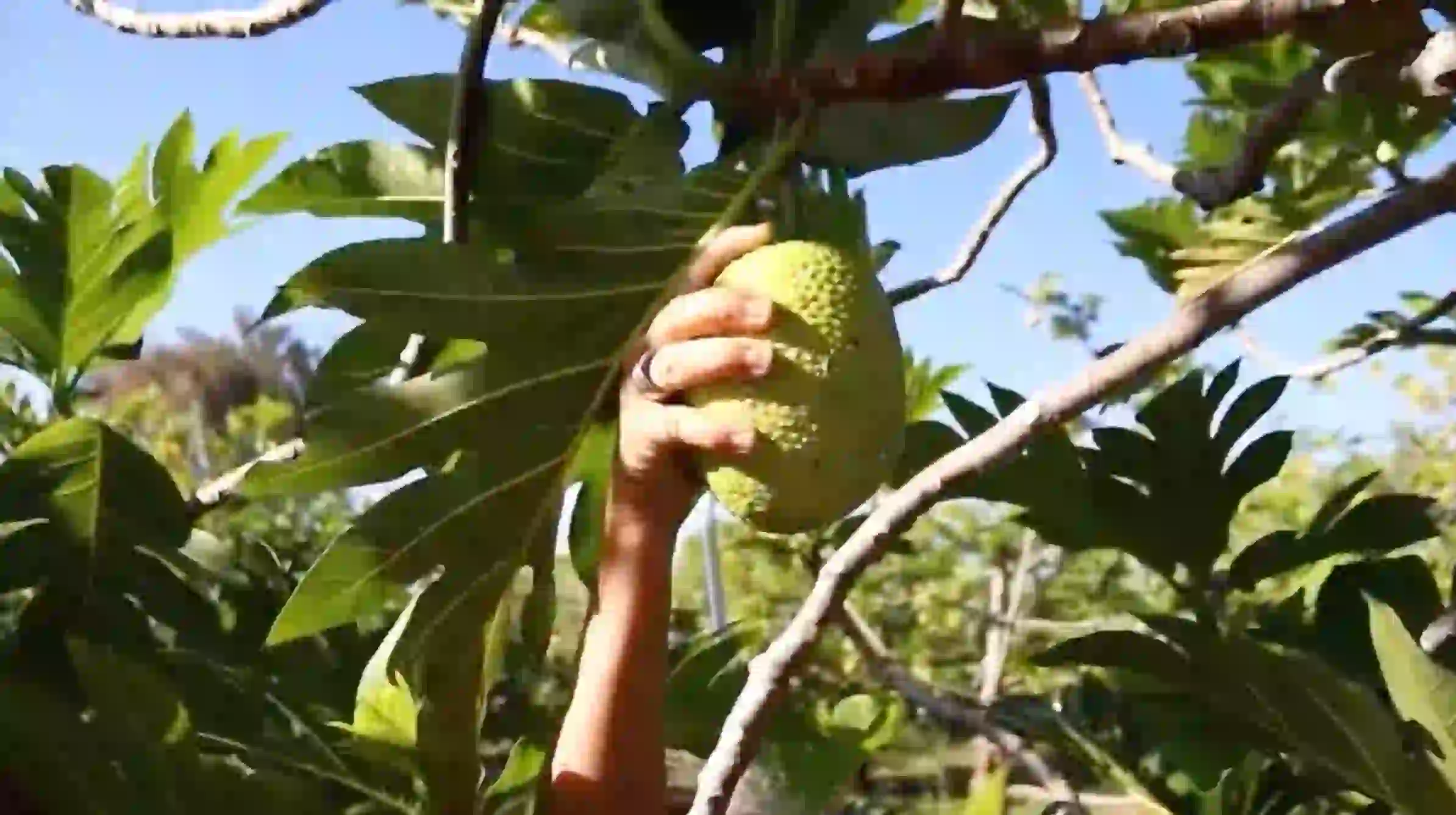
Meet the ʻUlu Farmers
Hawaiʻi ʻUlu Cooperative farmers harvest ʻulu (breadfruit) while upholding the values of mutual aid and care for the common good.
-
Image
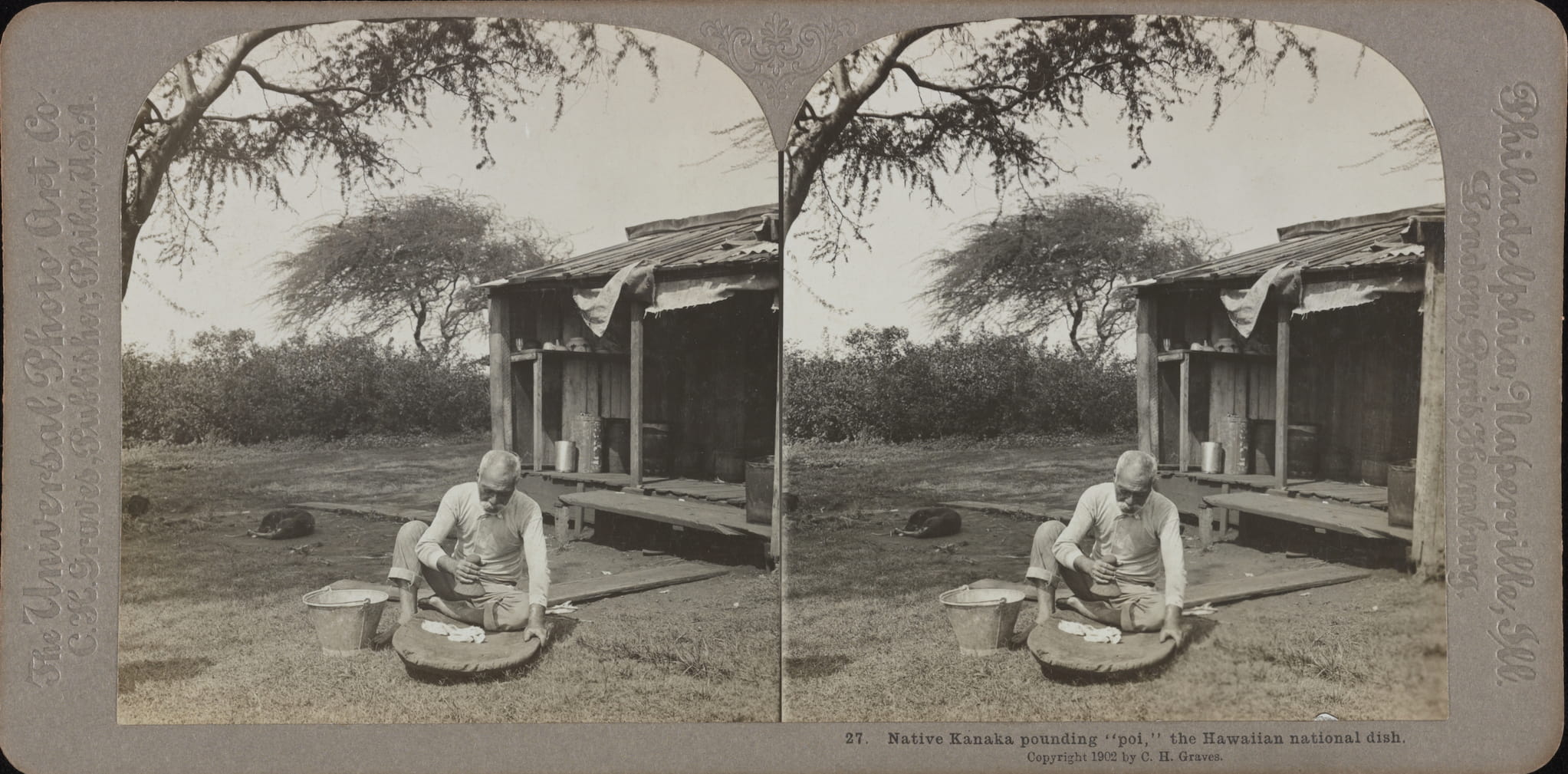
Pounding Poi
A Native Hawaiian man pounding taro into a paste for poi in 1902. Still prevalent in Native Hawaiian cuisine today, taro has a spiritual and storied meaning that connects the Hawaiian people to the land.
-
Image
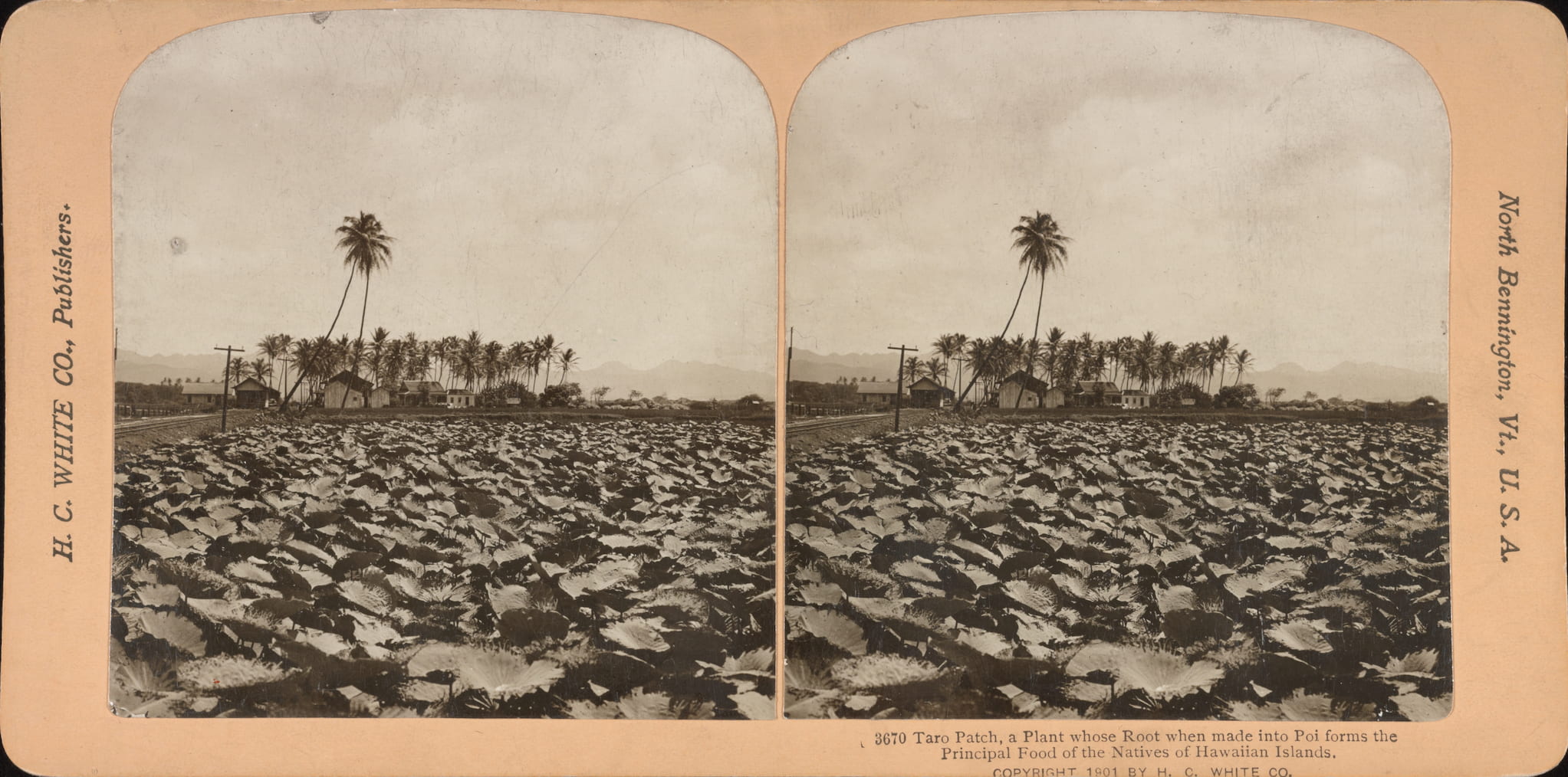
Taro Patch
A taro field, or loʻi kalo in Hawaiʻi, 1902. The taro root farmed from these lands is made into poi, a staple in Native Hawaiian cuisine, which is prepared by mashing cooked taro into a paste and consumed fresh immediately or fermented over time.
-
Image
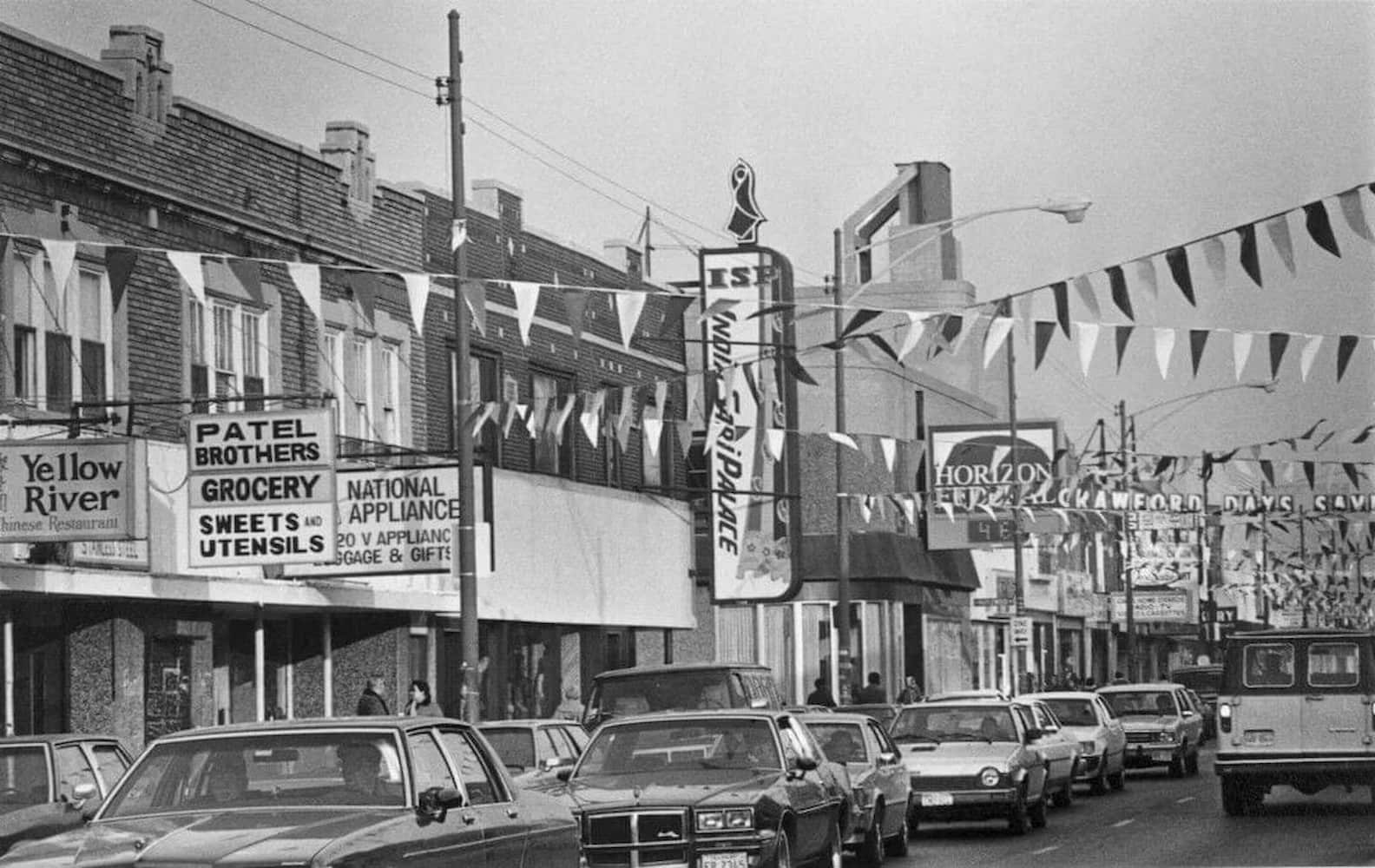
The Original Patel Brothers
The original Patel Brothers location on Devon Avenue in Chicago, Illinois, 1984, has since grown into the largest Indian grocery chain in the United States.
-
Image
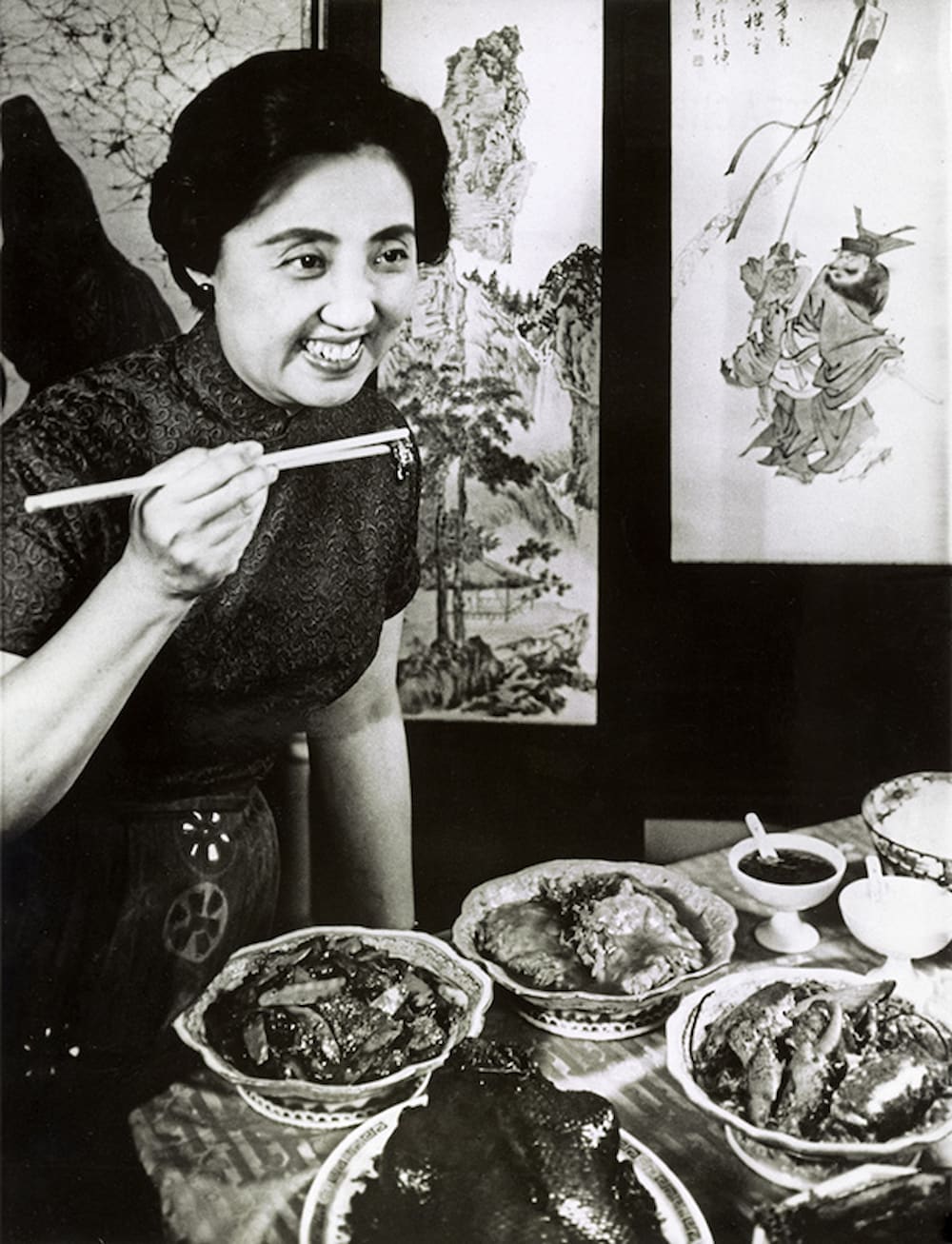
Joyce Chen Sampling Her Dishes
Joyce Chen sampling her dishes in 1967. Through her restaurant in Cambridge, Massachusetts, and her educational TV cooking show, Joyce Chen Cooks, Chen was deeply influential in the expansion of Chinese cuisine in the US.
-
Image
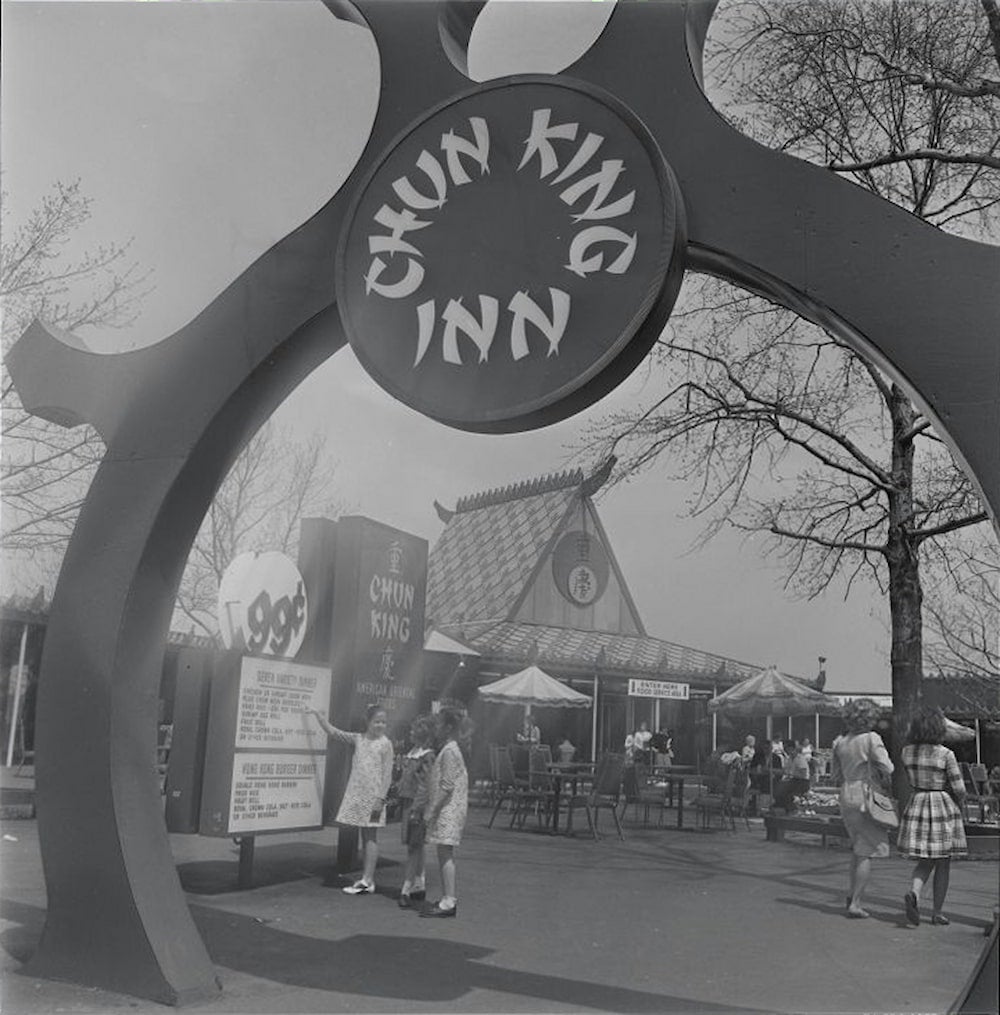
Chun King Inn
Children looking at the menu of the Chun King Inn, an American-style Chinese restaurant that opened as part of the 1964–1965 New York World’s Fair.
-

Audio
Interview on Inside Job Documentary
Charles Ferguson, director of Inside Job (2010), a documentary about the downfall of Wall Street, reveals the shocking level of unethical and fraudulent behavior observed during filming in an interview with National Public Radio (NPR)’s All Things Considered.
-
Video
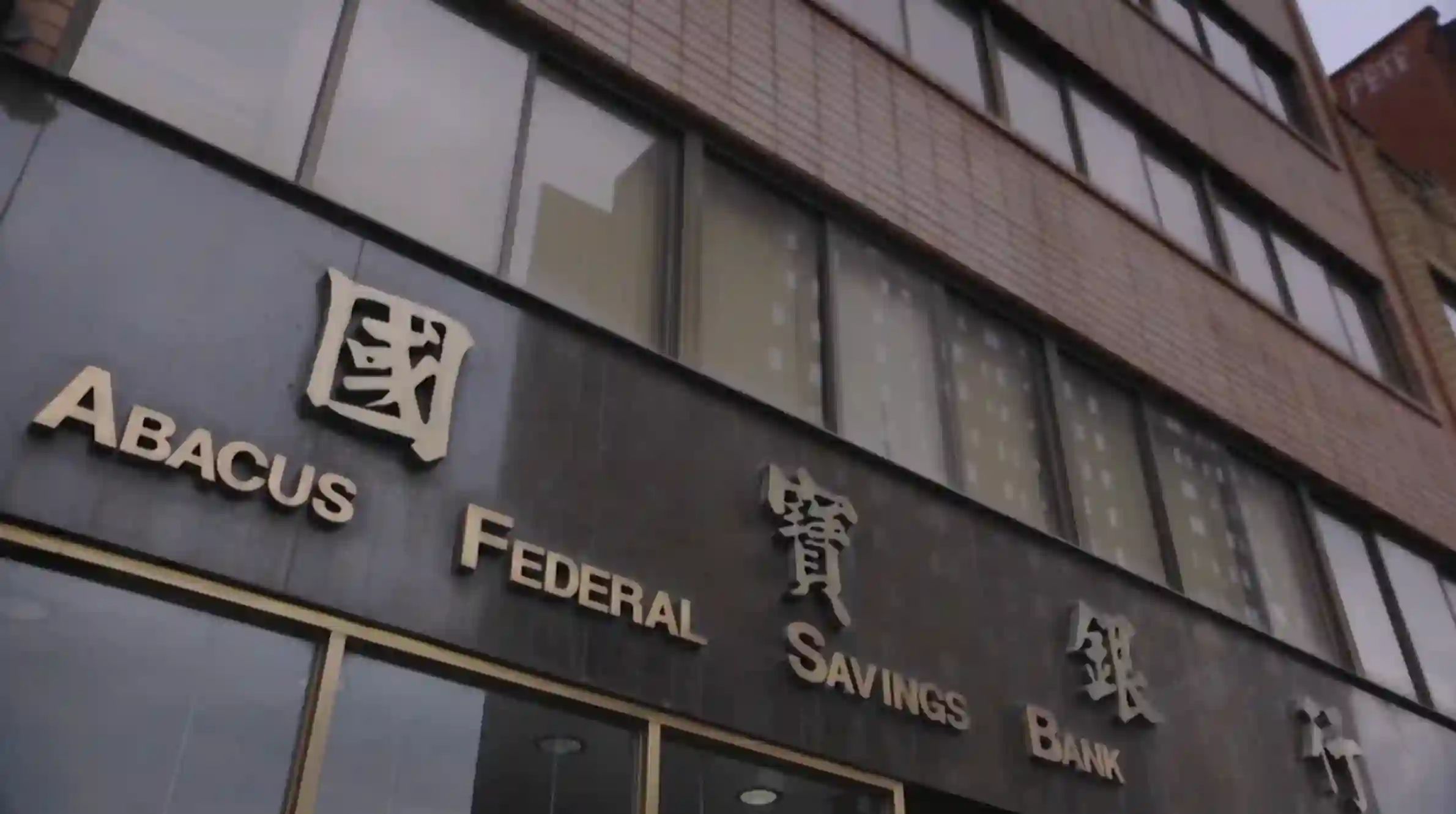
Abacus Federal Savings Bank
Abacus: Small Enough to Jail (2017) documents Thomas Sung and his family’s fight to defend the Abacus Federal Savings Bank, a small community bank and the only to be prosecuted during the fallout of the 2008 financial crisis.
-
Image
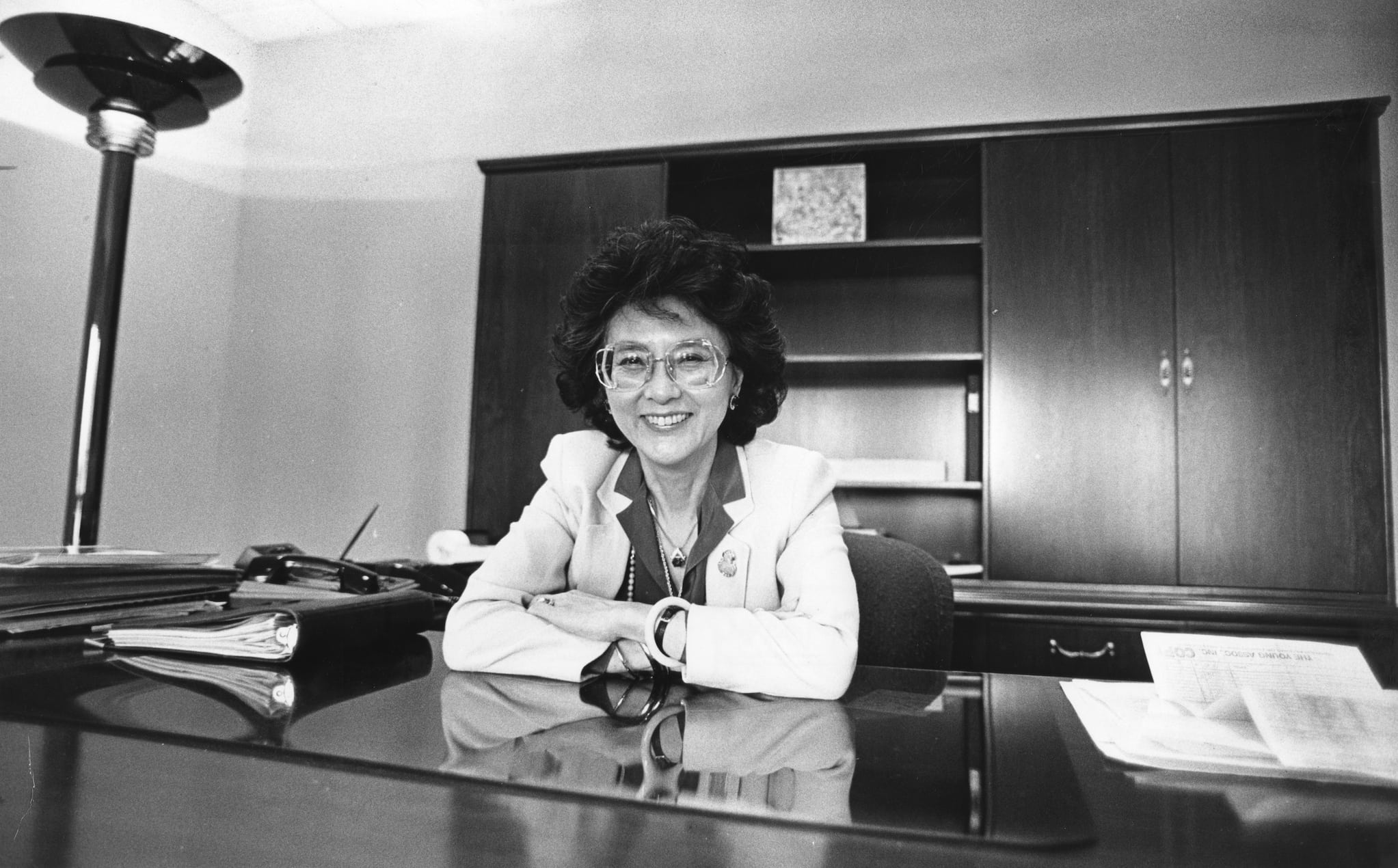
Betty Tom Chu
Betty Tom Chu, the first Asian American woman to run a savings and loan. Together with Fung Chow Chan, Gilbert Leong, and others, their savings and loans served growing numbers of Chinese American homeowners.
-
Image
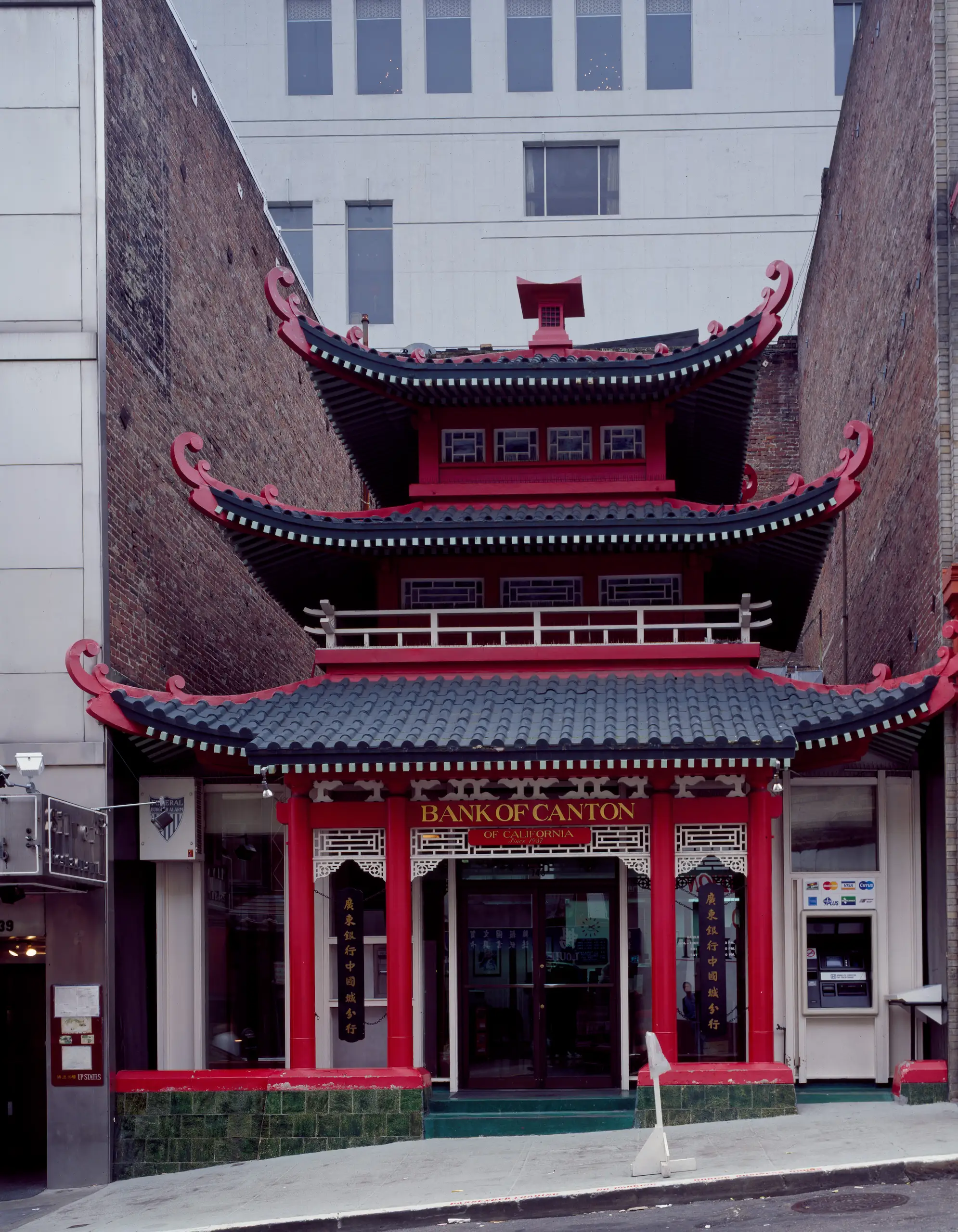
Bank of Canton
While the Look brothers’ bank closed in 1926, the institution paved the way for others to assist the Chinese community, including the Bank of Canton of California in 1937. Pictured is the Bank of Canton’s San Francisco branch in 1980.
-
Image
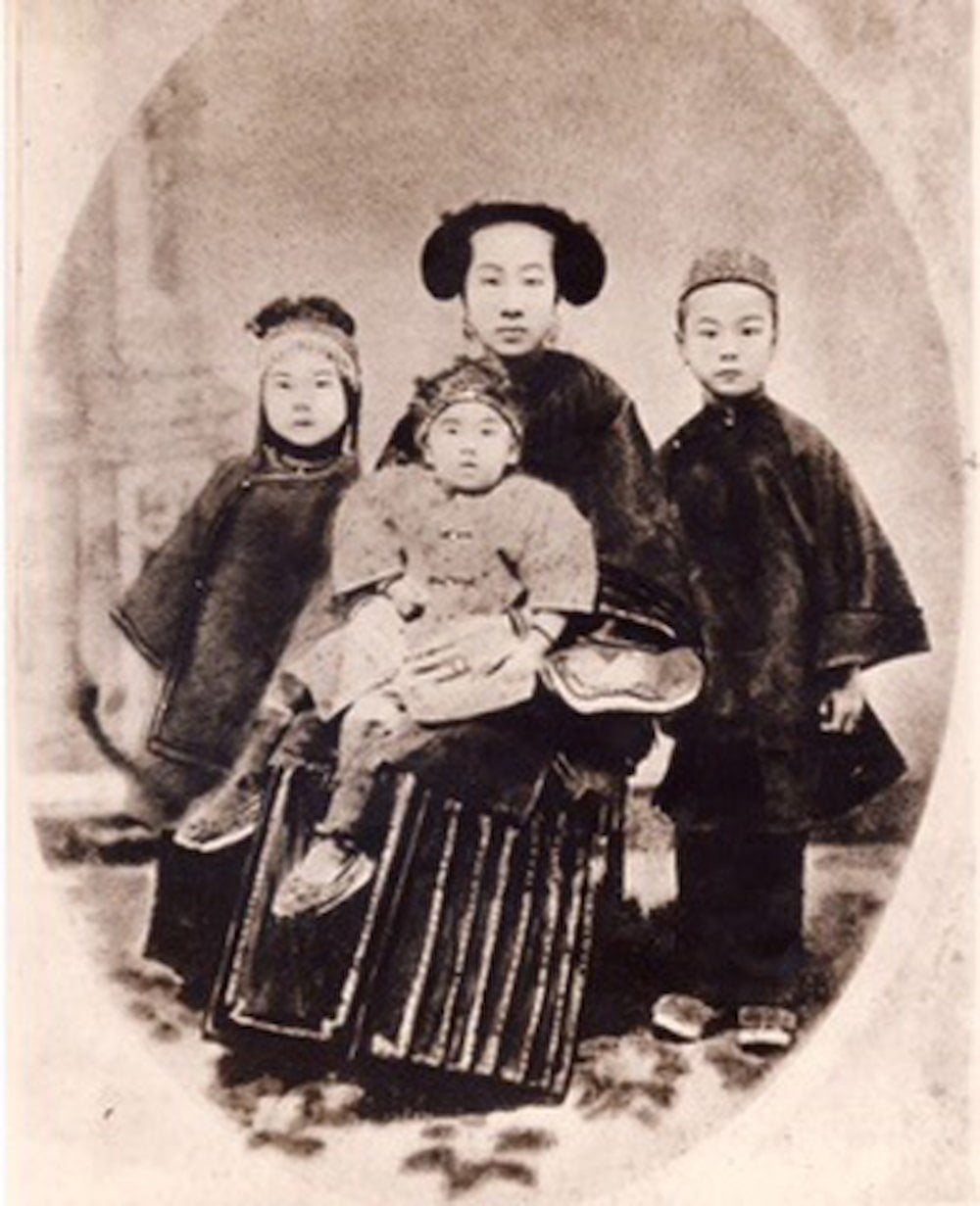
The Look Family
Look Tin Eli (right) with his mother (center) and siblings, circa 1877, before the birth of Look Poong-shan. American-born sons of a Chinese merchant, their bank supported the Chinese community rebuild following the 1906 San Francisco earthquake.
-
Image
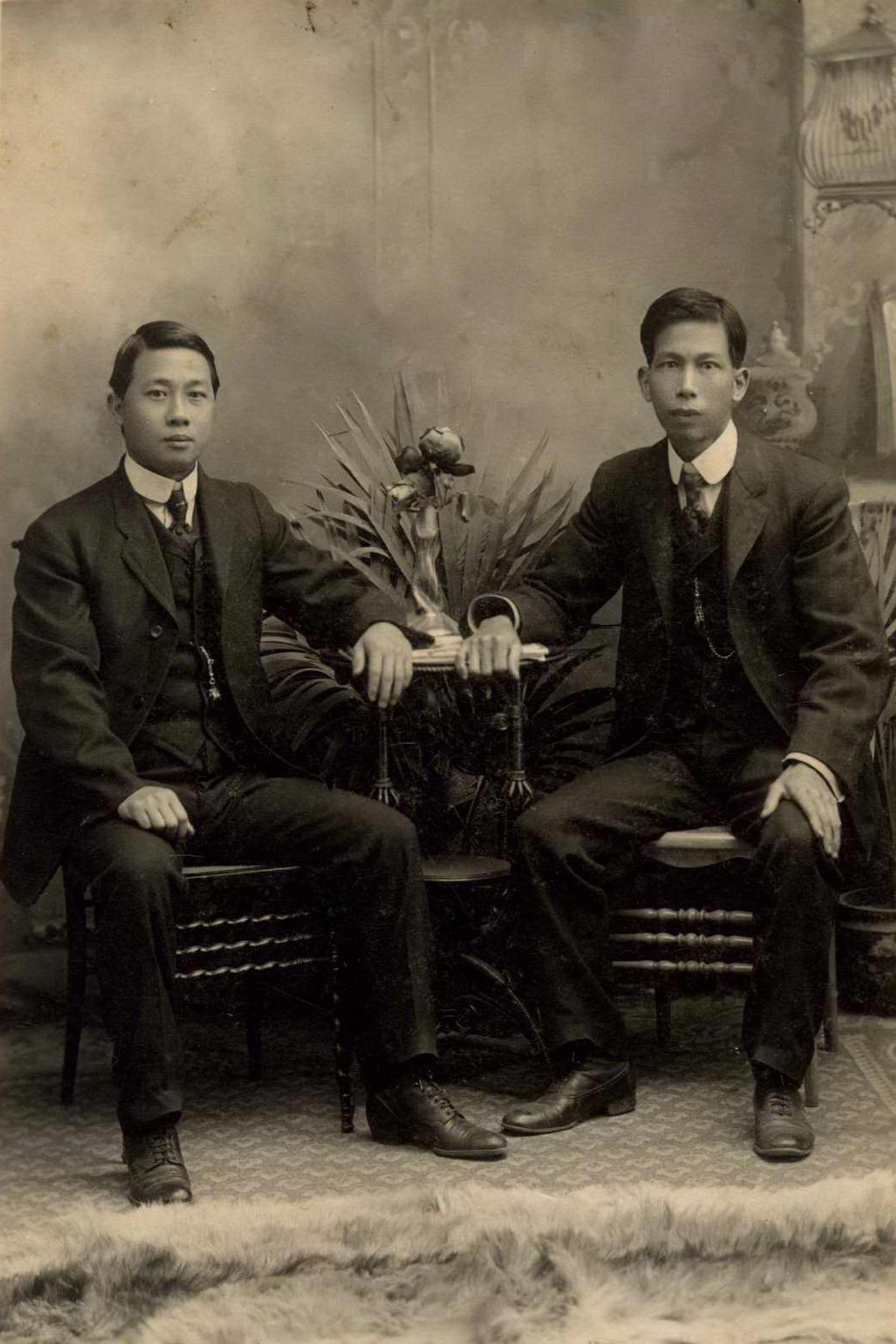
The Look Brothers
Brothers Look Tin Eli (left) and Look Poong-shan, circa 1900. Together, they established the Canton Bank of San Francisco in 1907.
-
Image
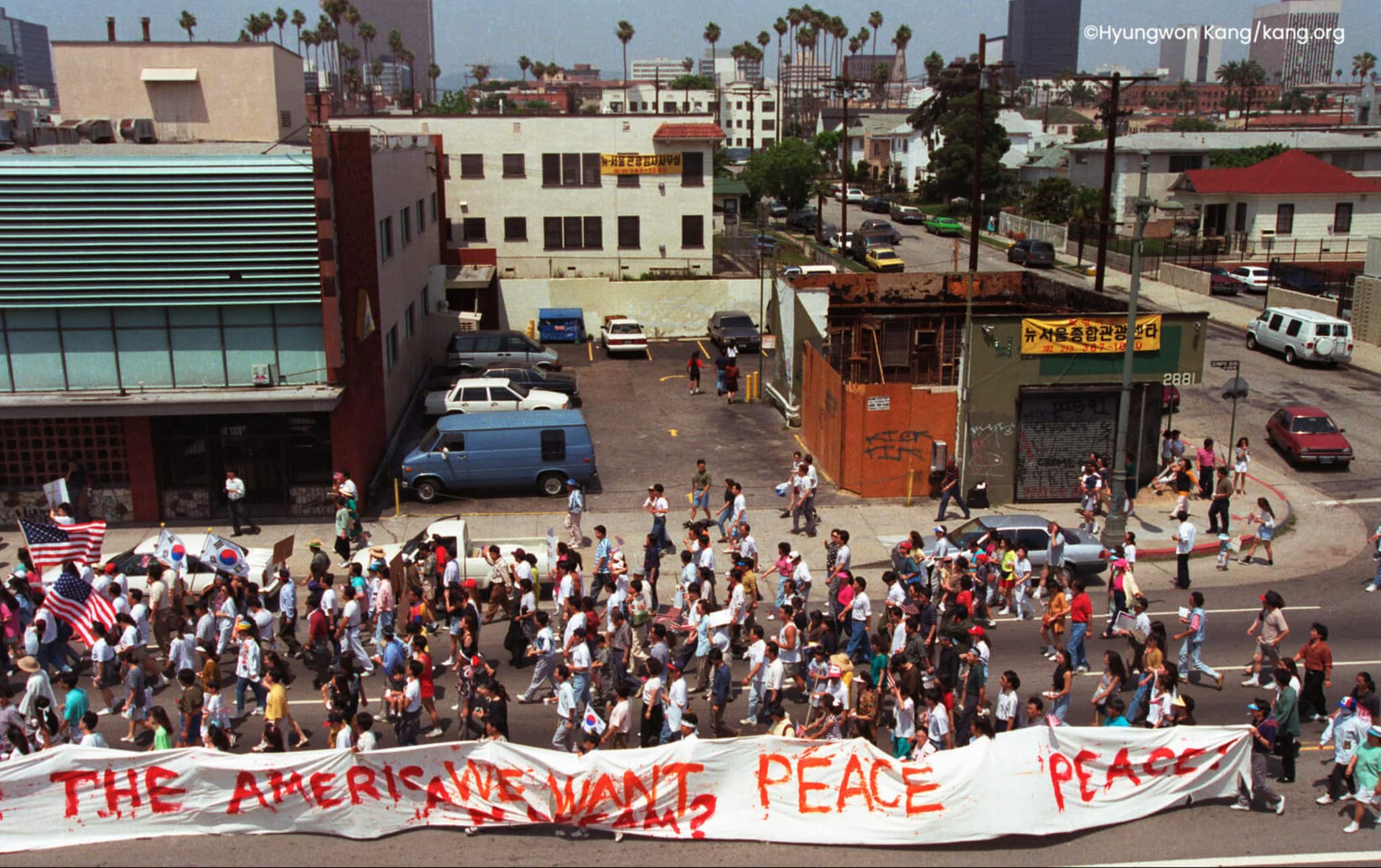
Calling for Peace in Koreatown
Demonstrators called for peace in Koreatown on May 2, 1992, marking four days of destruction and, by the end of the Los Angeles Uprising, over sixty deaths.
-
Image
Extinguishing Fire in Koreatown
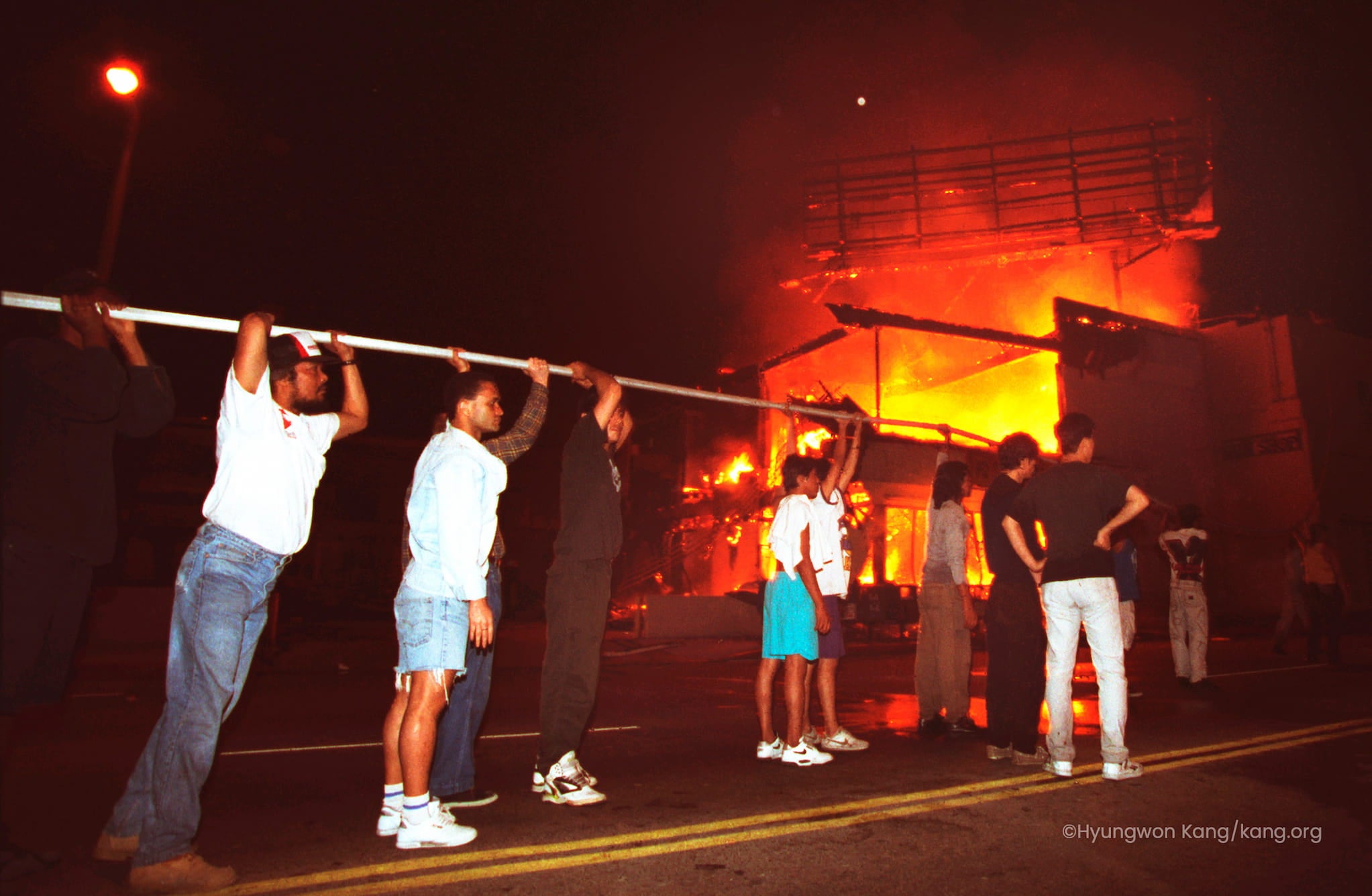
Community members help to extinguish fires engulfing a shopping center at the intersection of Western Avenue and Sixth Street. The shopping center was one of 2,400 businesses, most of which were Korean American-owned, destroyed during the Los Angeles Uprising.
-
Image
Koreatown Shopping Center Burns
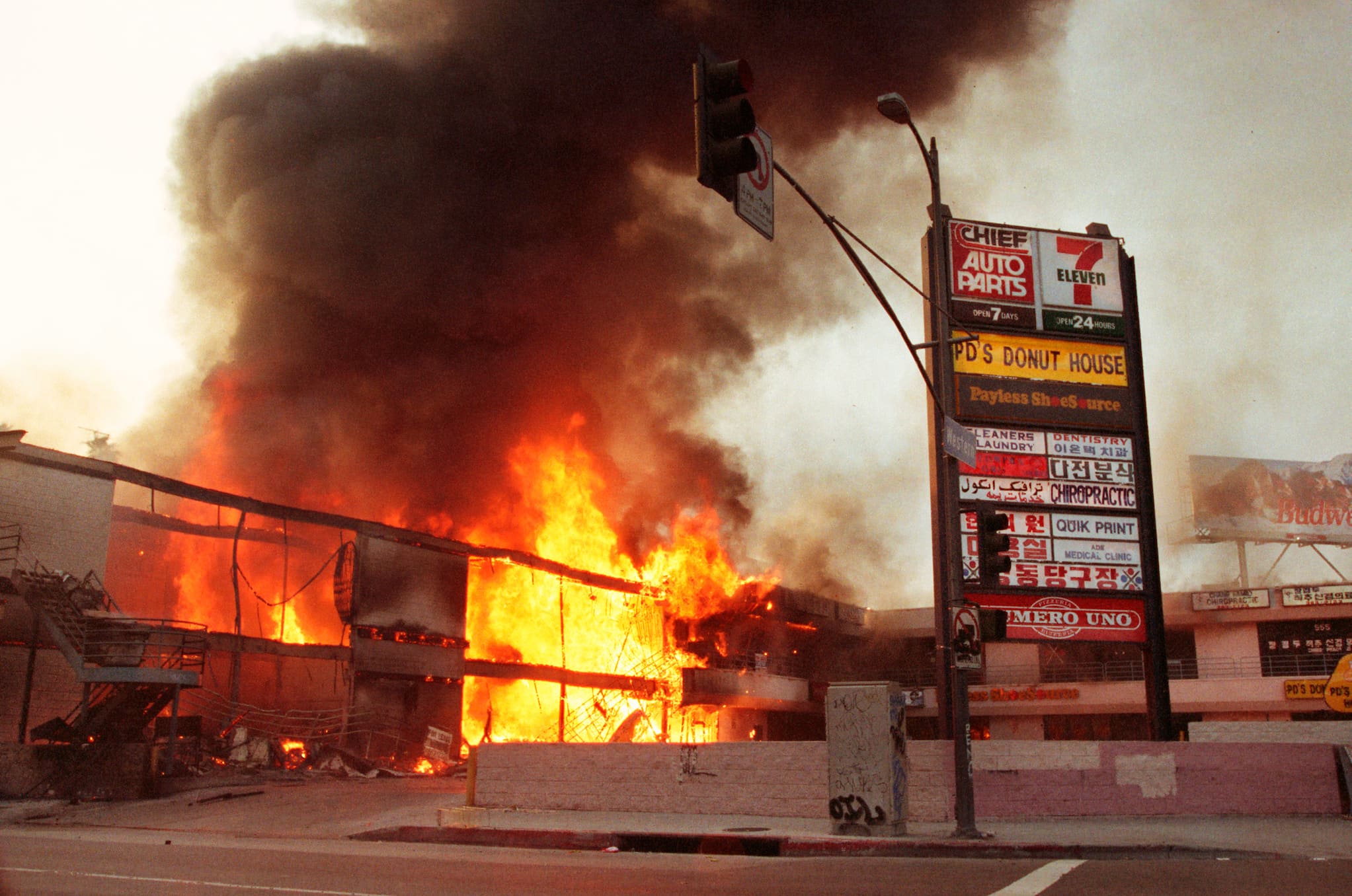
The Los Angeles Uprising erupted on April 29, 1992. The event is referred to in Korean as Sa I Gu (literally 4-2-9) to indicate April 29. Shown in this image is a corner shopping center during the burning of Koreatown on the third day of the Uprising.
-
Image
Ted Ngoy’s First Shop
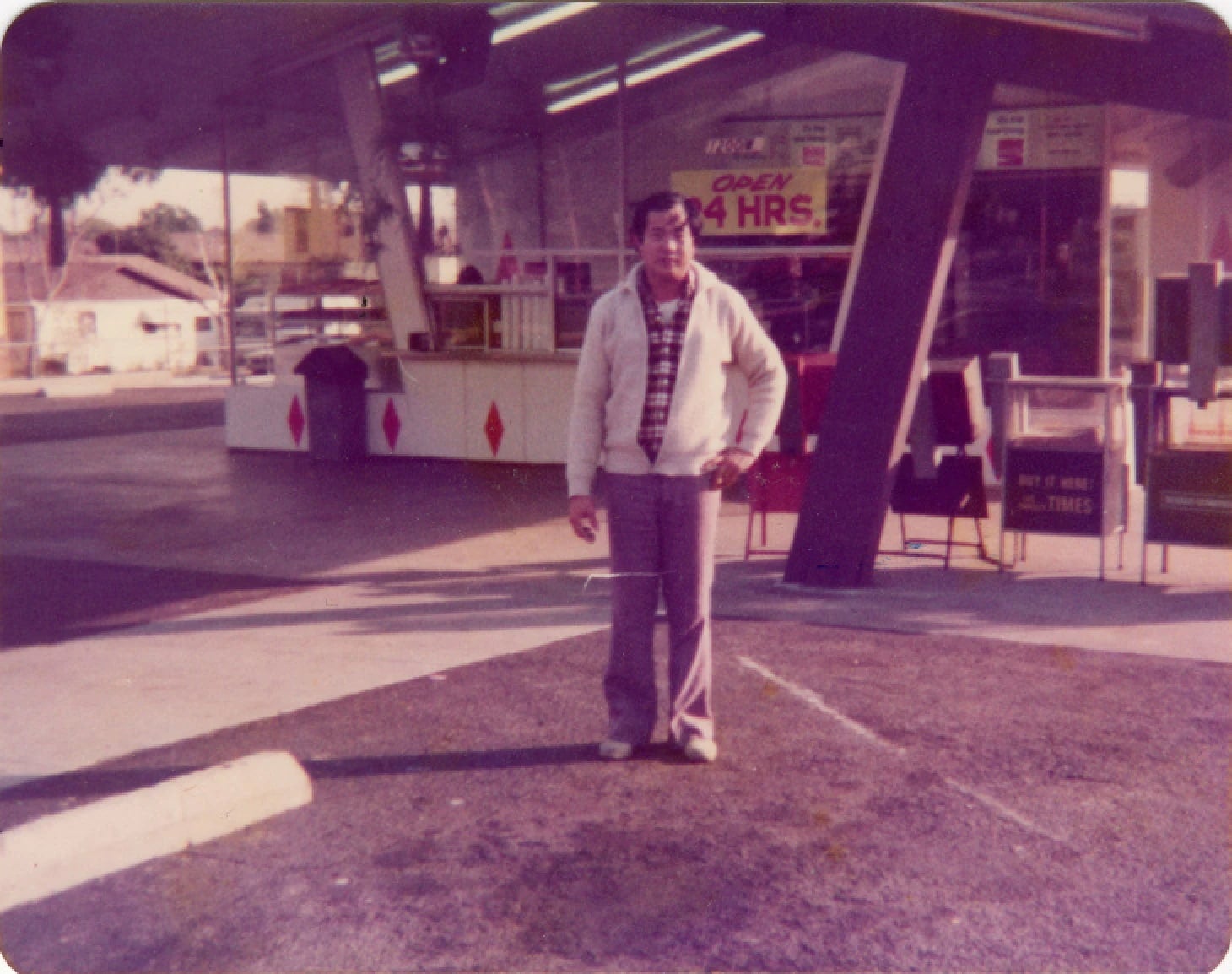
Before earning the title “Donut King” with his multi-million dollar donut empire, Ted Ngoy came to the US as a Cambodian refugee. This Ngoy Family photograph published by LAist captures Ngoy in 1977, standing in front of the first shop he bought in La Habra, California.
-
Audio
Interview with Adele Free Pham
In an interview with National Public Radio (NPR), Adele Free Pham explores her curiosity on how Vietnamese nail salons entered Black neighborhoods by filming with Mantrap Nails founders, Olivett Robinson and Charlie Vo. Their partnership marked a major shift in nail culture shaped by Black and Vietnamese women.
-
Image
Furuya Shoten Store Front
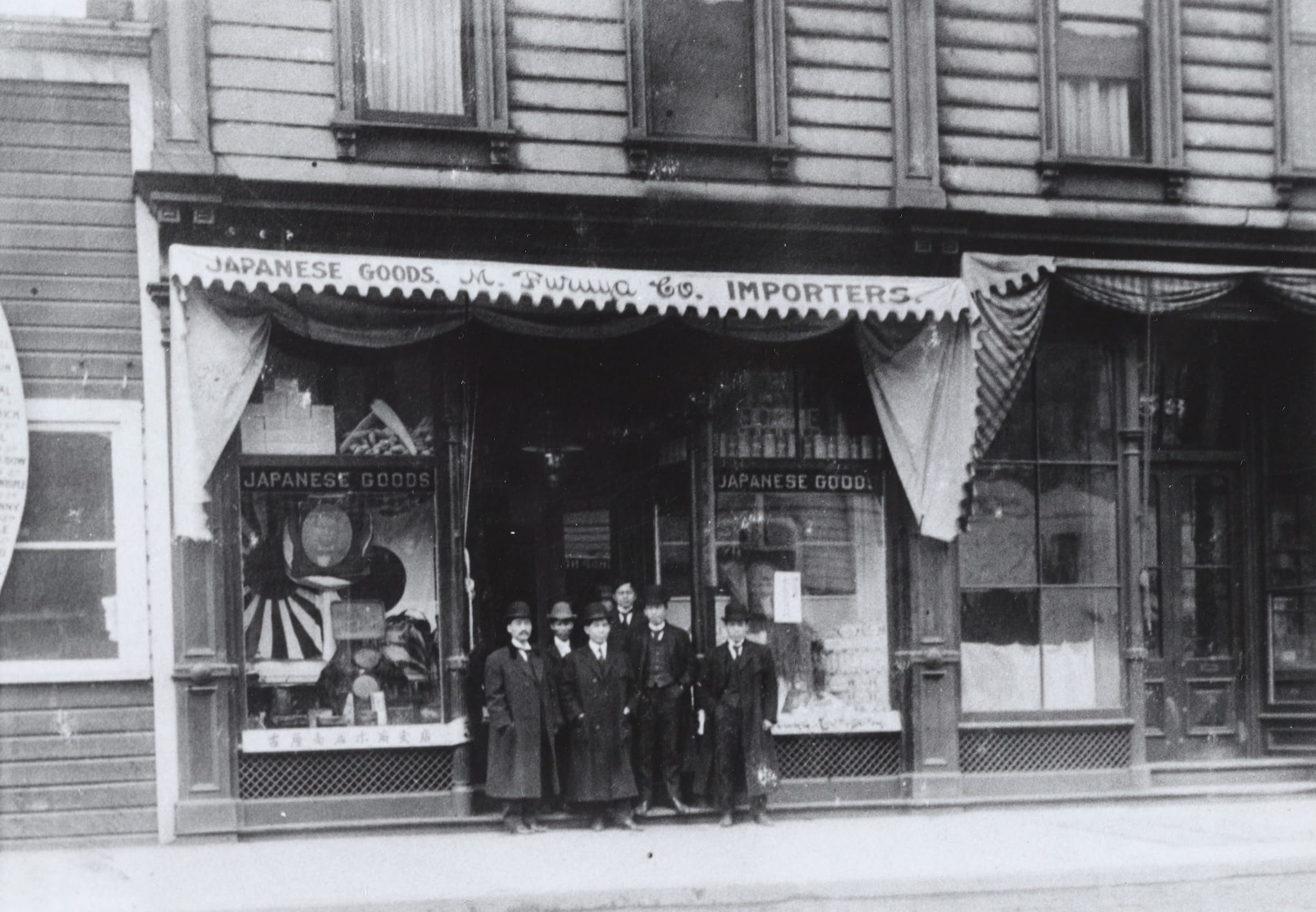
A photograph of a branch of Furuya Shoten, a Japanese American goods store established by Japanese immigrant Masajiro Furuya. The store catered to Japanese American communities in Seattle, Washington, and surrounding areas.
-
Video
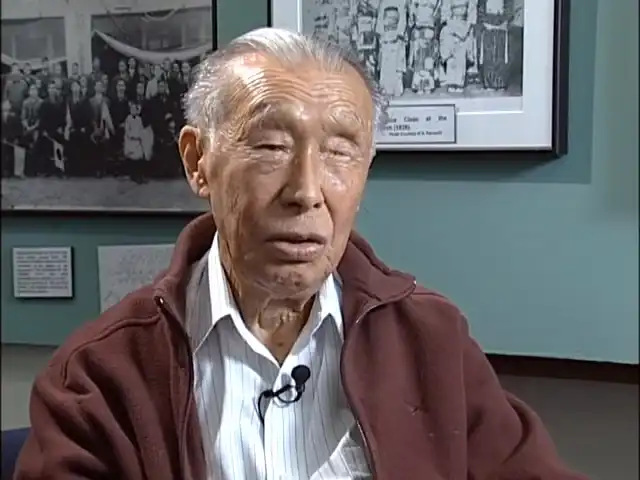
Eiichi Sakauye Interview
Eiichi Sakauye, the American-born son of an Issei farmer, describes his father’s strategy to keep the family farm alive in spite of the alien land laws.
-
Image
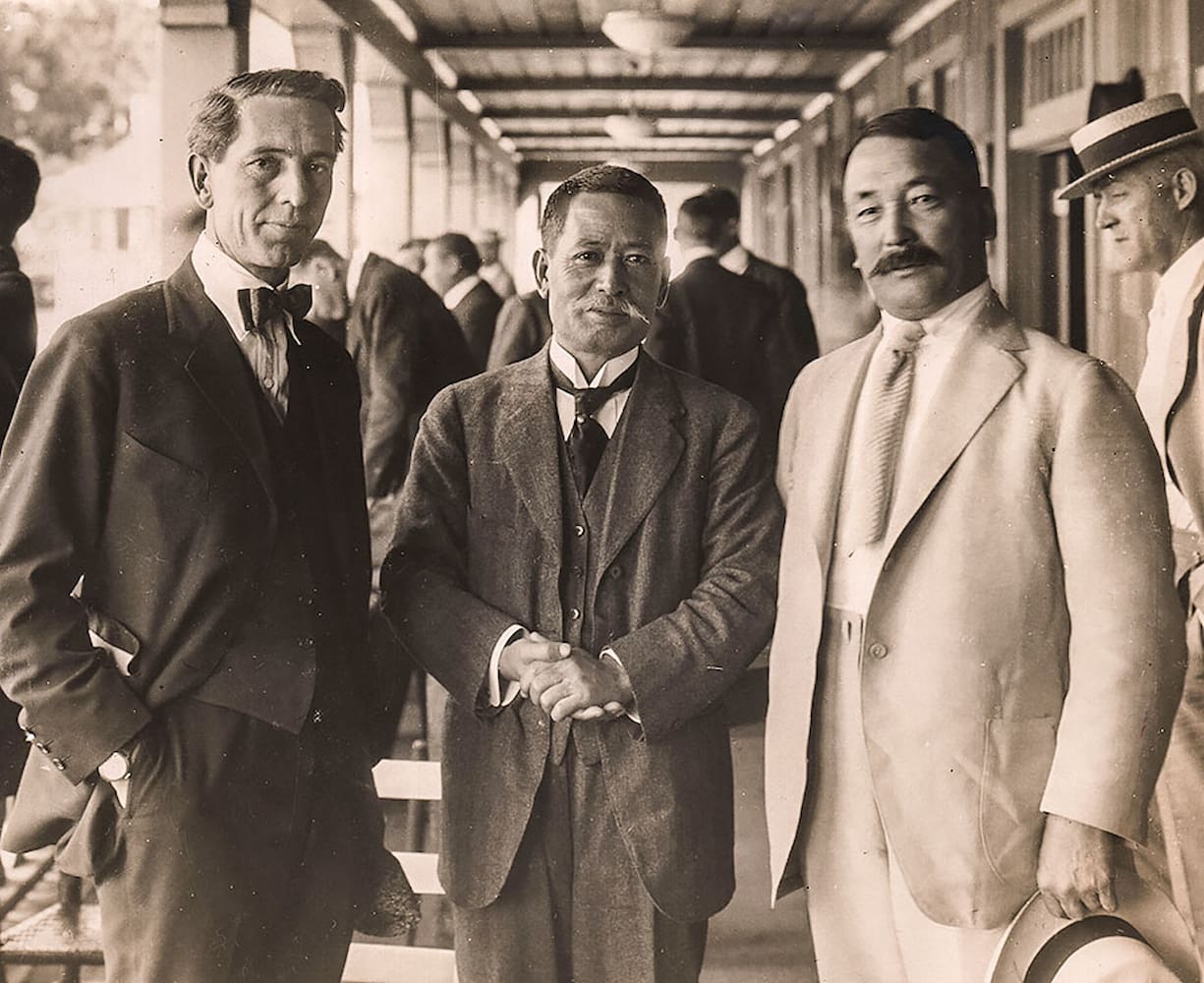
George Shima, “Potato King”
The economic success of Japanese immigrant George Shima’s potato farm earned him the title, “Potato King.” Shima (right) became the first Japanese American millionaire.


