



Search the Media Repository
Discover the curated images, videos, and primary sources featured throughout Foundations and Futures
History is more than just text on a page; it is the photographs, voices, and artifacts of the people who lived it. The images and recordings featured across Foundations and Futures are part of a meticulously curated media repository. Whether you are building a lesson plan or investigating an artifact, you can use this database to trace the provenance of our media: discover who created an asset, the historical context behind it, and how it can be used to bring Asian American and Pacific Islander experiences into your classroom.
Multimedia
Chapters
-
Text
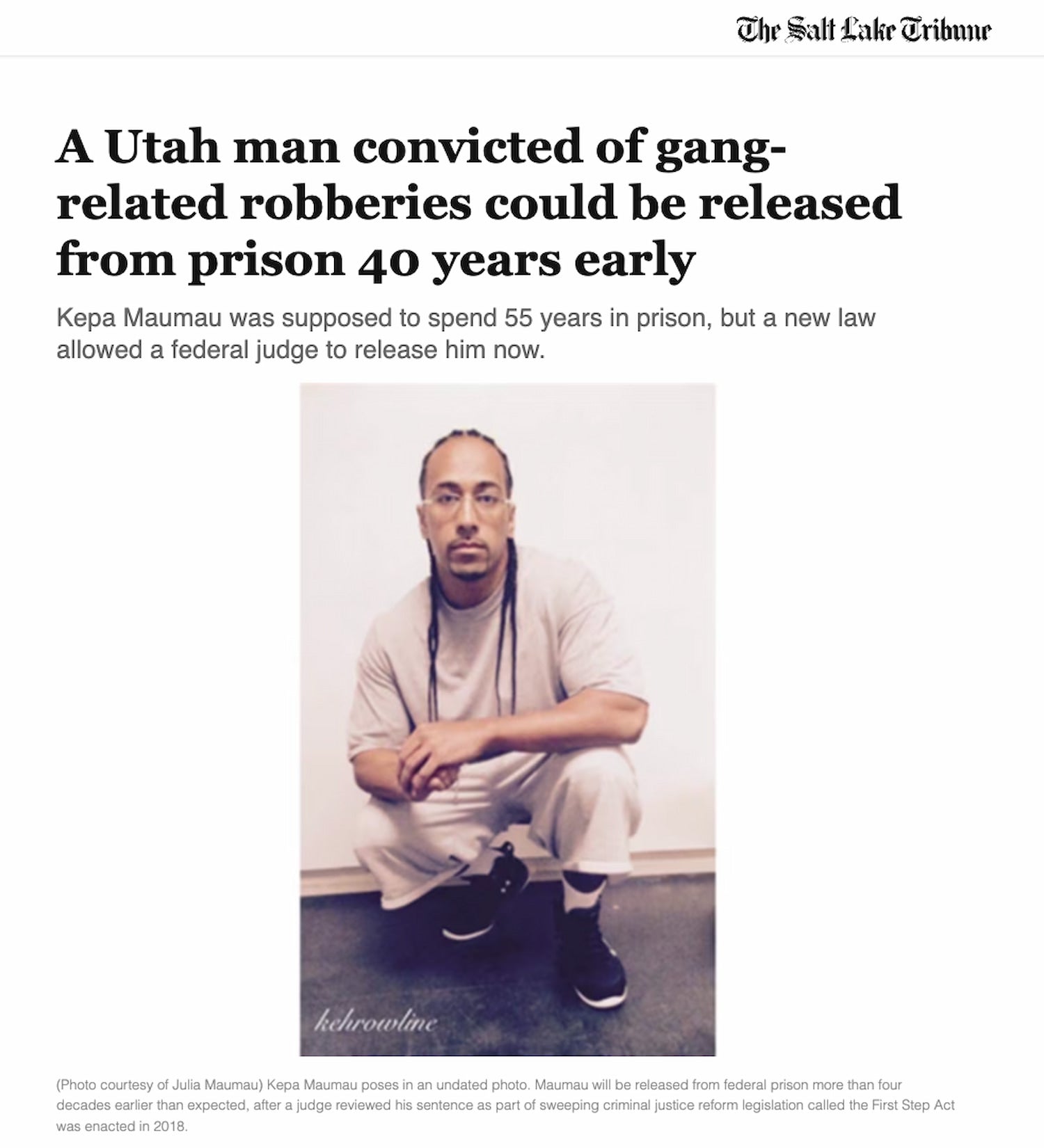
Kepa Maumau
In April 2021, Kepa Maumau, a Tongan Utah man who was sentenced to fifty-five years in prison, was released as part of the 2010 RICO Act. Media coverage such as this article in the Salt Lake Tribune contributed to fearful and negative stereotypes about the Tongan community
-

Image
National Flag of Tonga
The spread of Christianity in Tonga is evidenced in its national flag: red signifies the color of Jesus Christ’s blood, and white signifies purity. The cross symbolizes the crucifixion of Christ.
-
Image
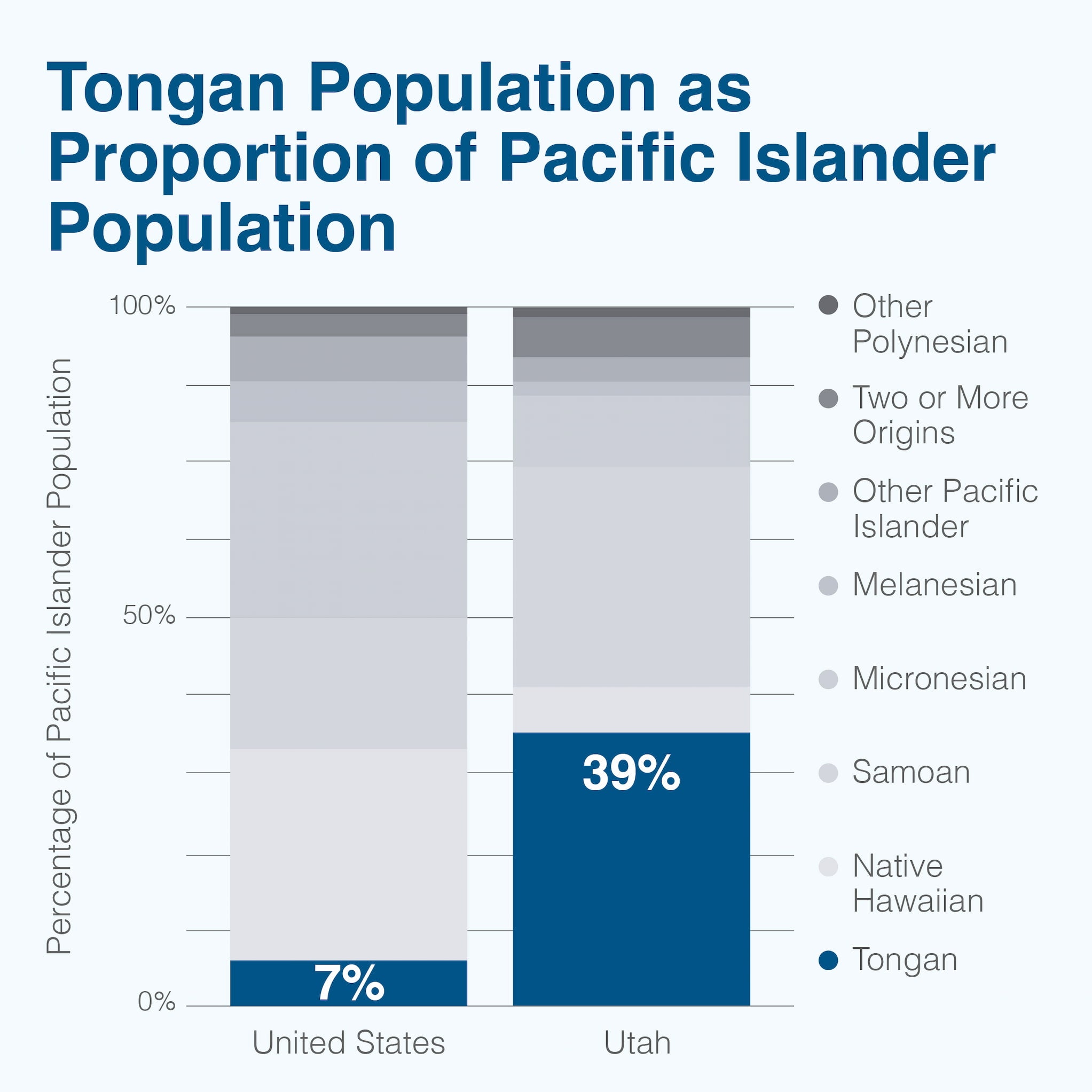
Pacific Islander Population Proportions by Origin
Data from the U.S. Census Bureau’s 2016-2020 American Community Survey 5-Year Estimates shows that the Tongan population is proportionally higher in Utah than it is in the United States.
-
Video
Chhaya CDC’s Vision for Richmond Hill
Chhaya CDC’s Vision for Richmond Hill showcases the planning process to gather the community’s ideas and visions to plan and redesign the park.
-
Video
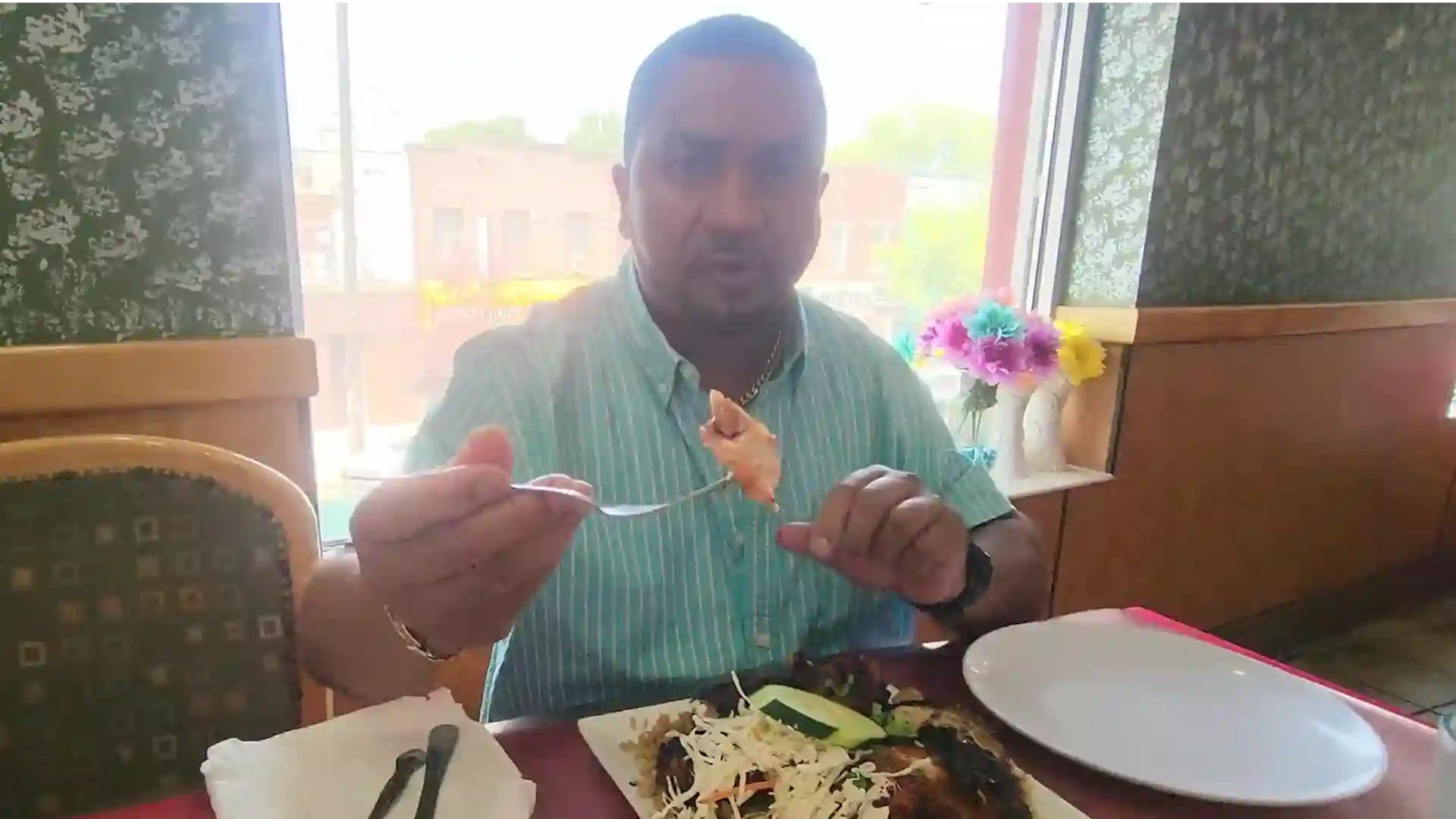
A Visit to Liberty Avenue
In this video, Indo-Guyanese creators Rita and Khrisna Sukaran document their visit to Liberty Avenue. They have lunch at Tropical Jade 2, a Chinese Caribbean restaurant, and purchase fresh coconut juice from a street vendor.
-
Image
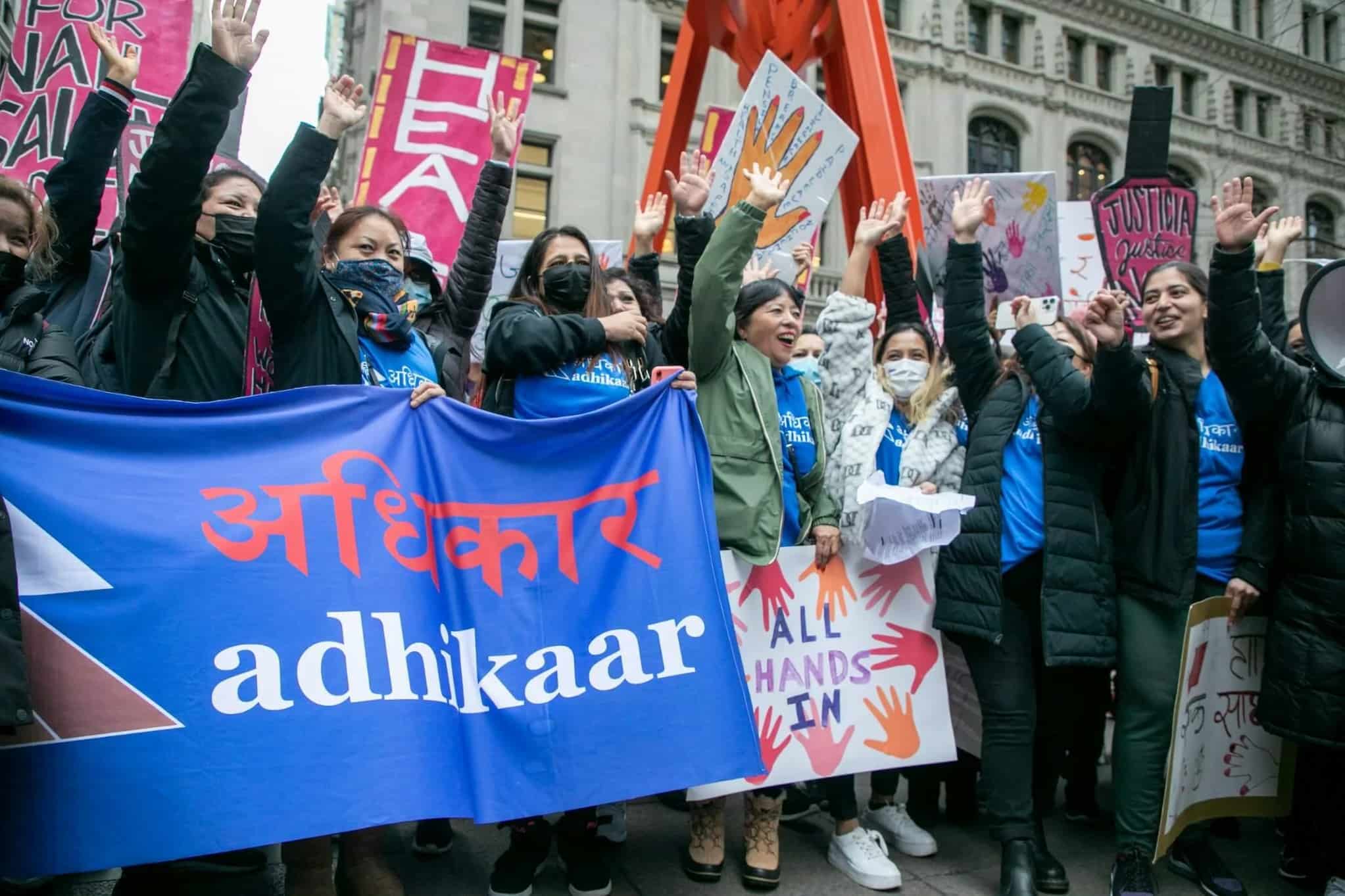
NYC Women’s Workers March
In 2023, Adhikaar organized the NYC Women’s Workers March as a part of the New York Healthy Nail Salon Coalition. Their #AllHandsIn campaign aimed to spread awareness about protections for nail salon workers and improving industry safety standards.
-
Image
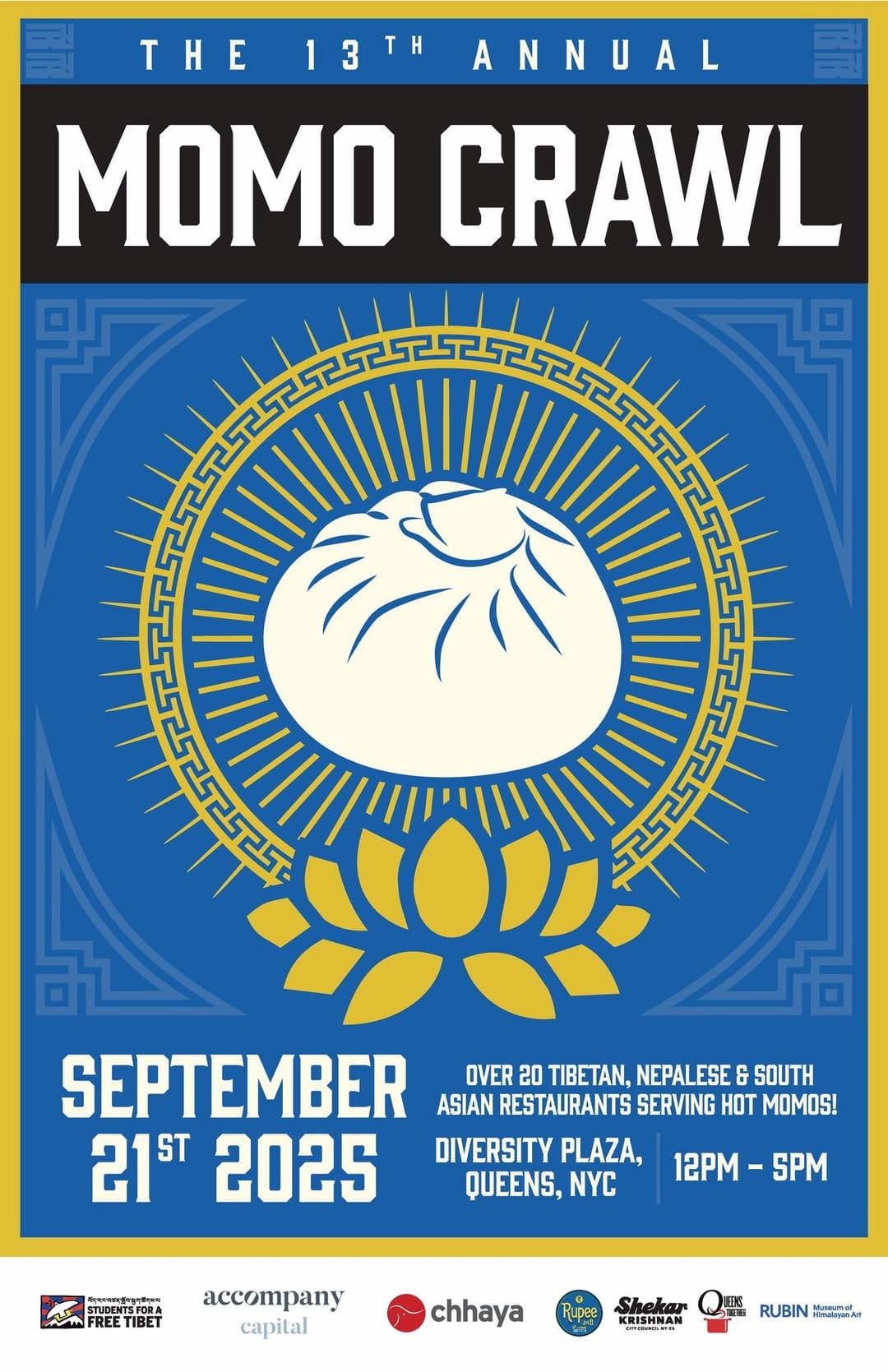
2025 Momo Crawl Flyer
A flyer for the 13th annual Momo Crawl in 2025. Hosted in Queens, NYC, attendees ate from and supported over twenty local Tibetan, Nepalese, and South Asian restaurants.
-
Video
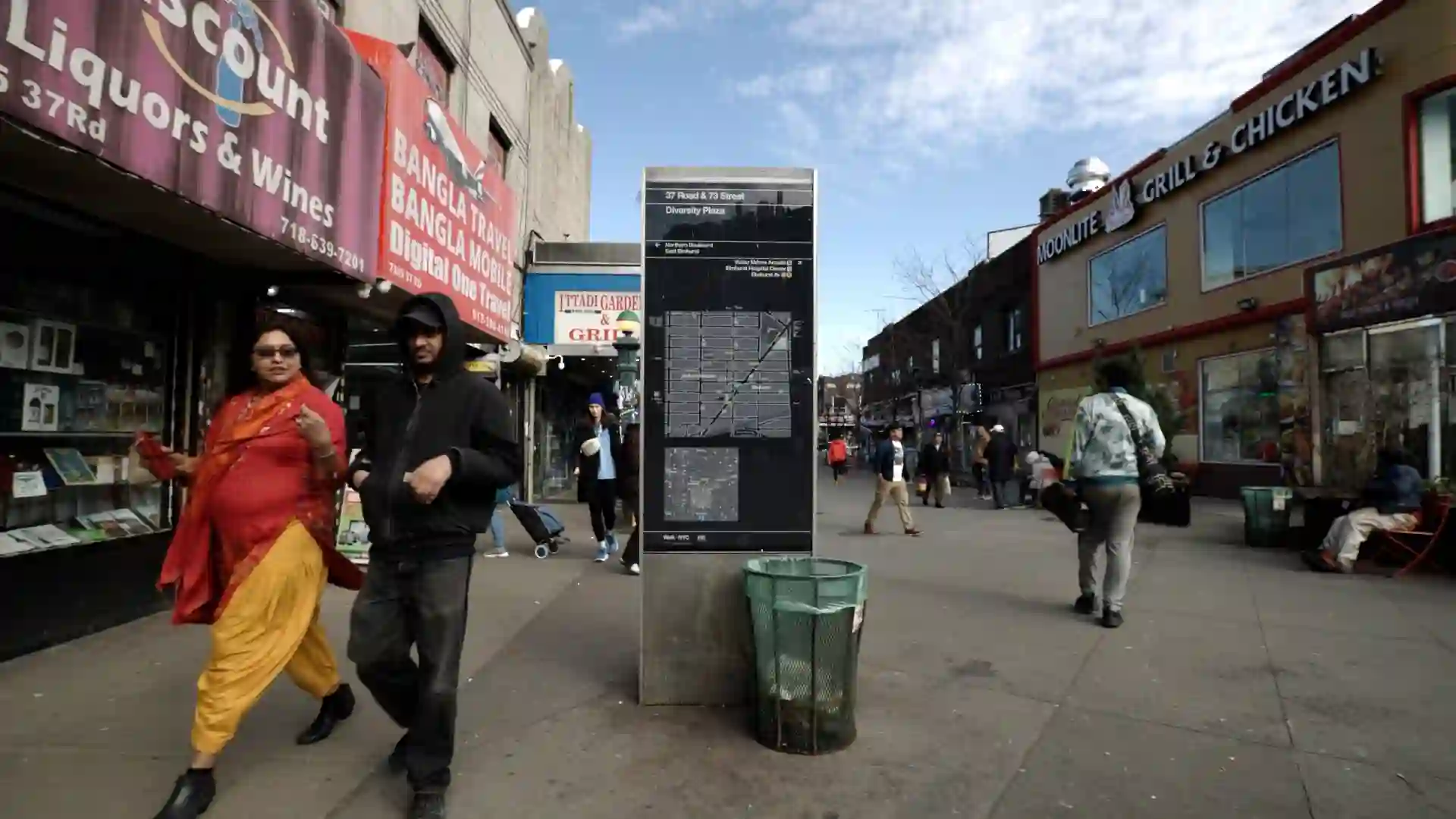
Diversity Plaza in Jackson Heights
Scenes from Jackson Heights’s Diversity Plaza, a vital public square for many community gatherings and actions that is known as “ground zero for new immigrants.”
-
Image
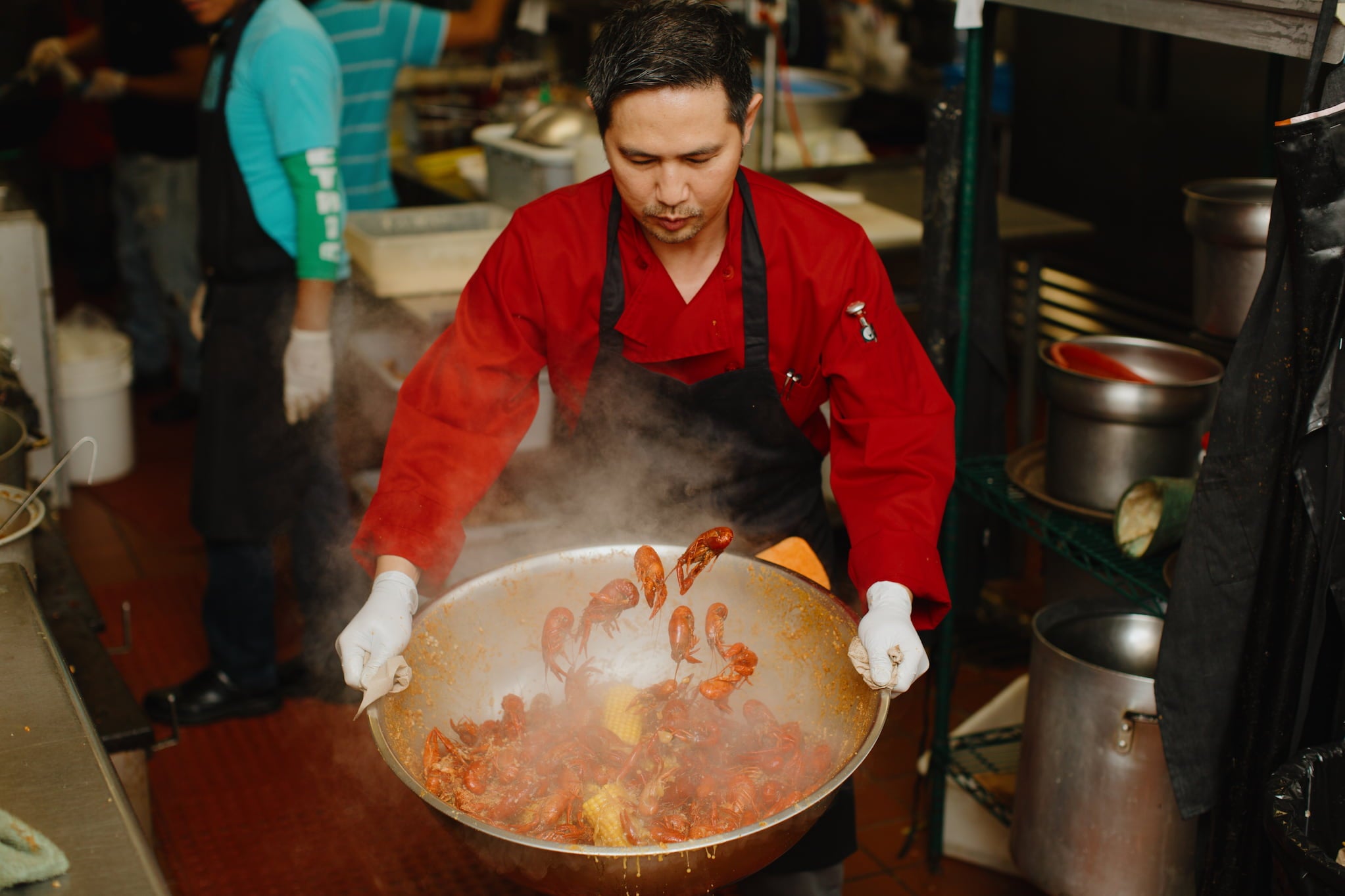
Chef Trong Nguyen
Chef/Owner Trong Nguyen of Crawfish & Noodles is considered a pioneer of Viet-Cajun cuisine in Houston, Texas. A self-taught chef, Nguyen was a James Beard Award finalist for Best Chef: Texas in 2020, reflecting the cuisine’s important impact on the region.
-
Text
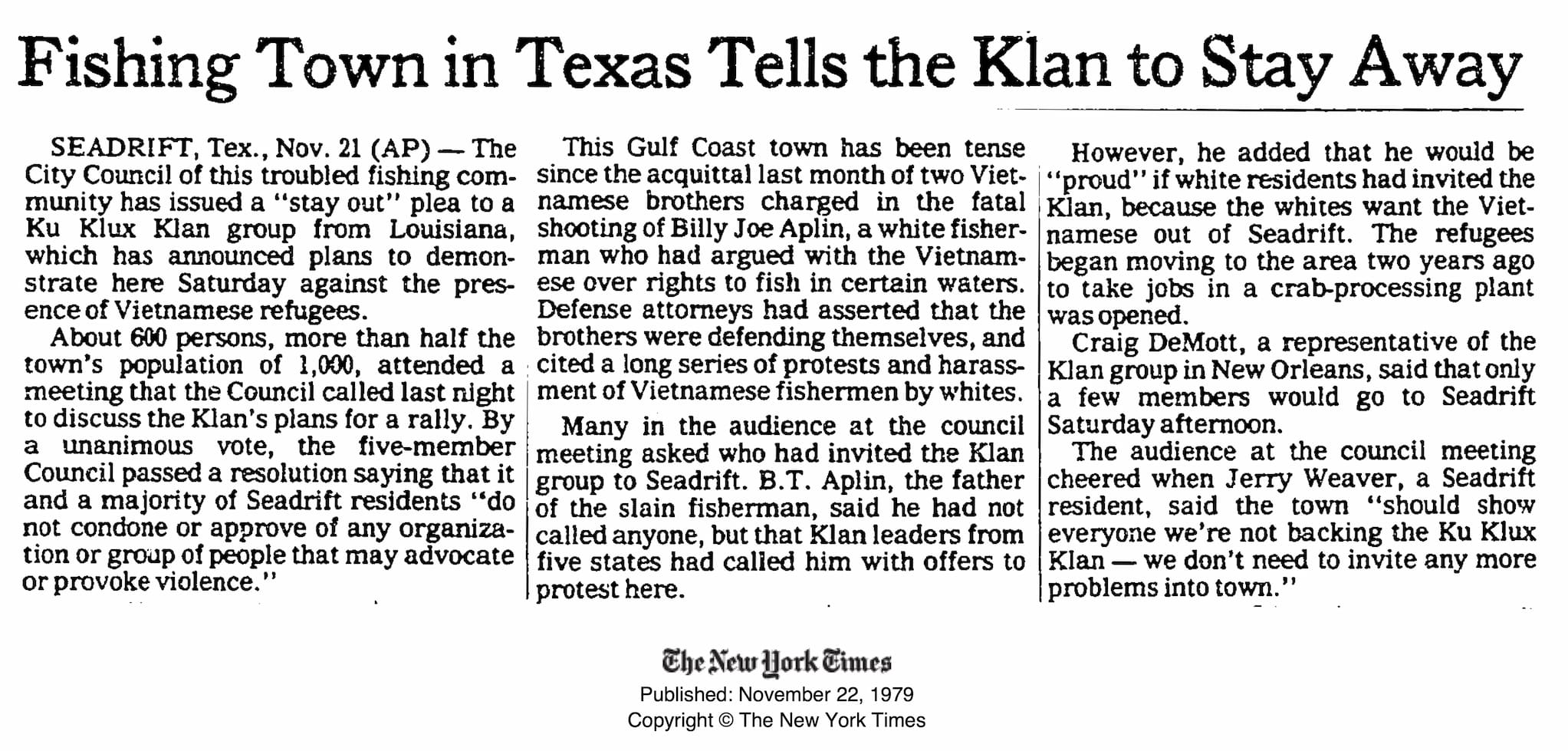
Tension Between Vietnamese Refugee Fishermen and White Fishmeren
A New York Times story covers the tensions between Vietnamese refugee fishermen and white fishermen in Seadrift, Texas. While the City Council unanimously voted to condemn a planned Ku Klux Klan rally in the town, some community members welcomed their presence.
-
Image
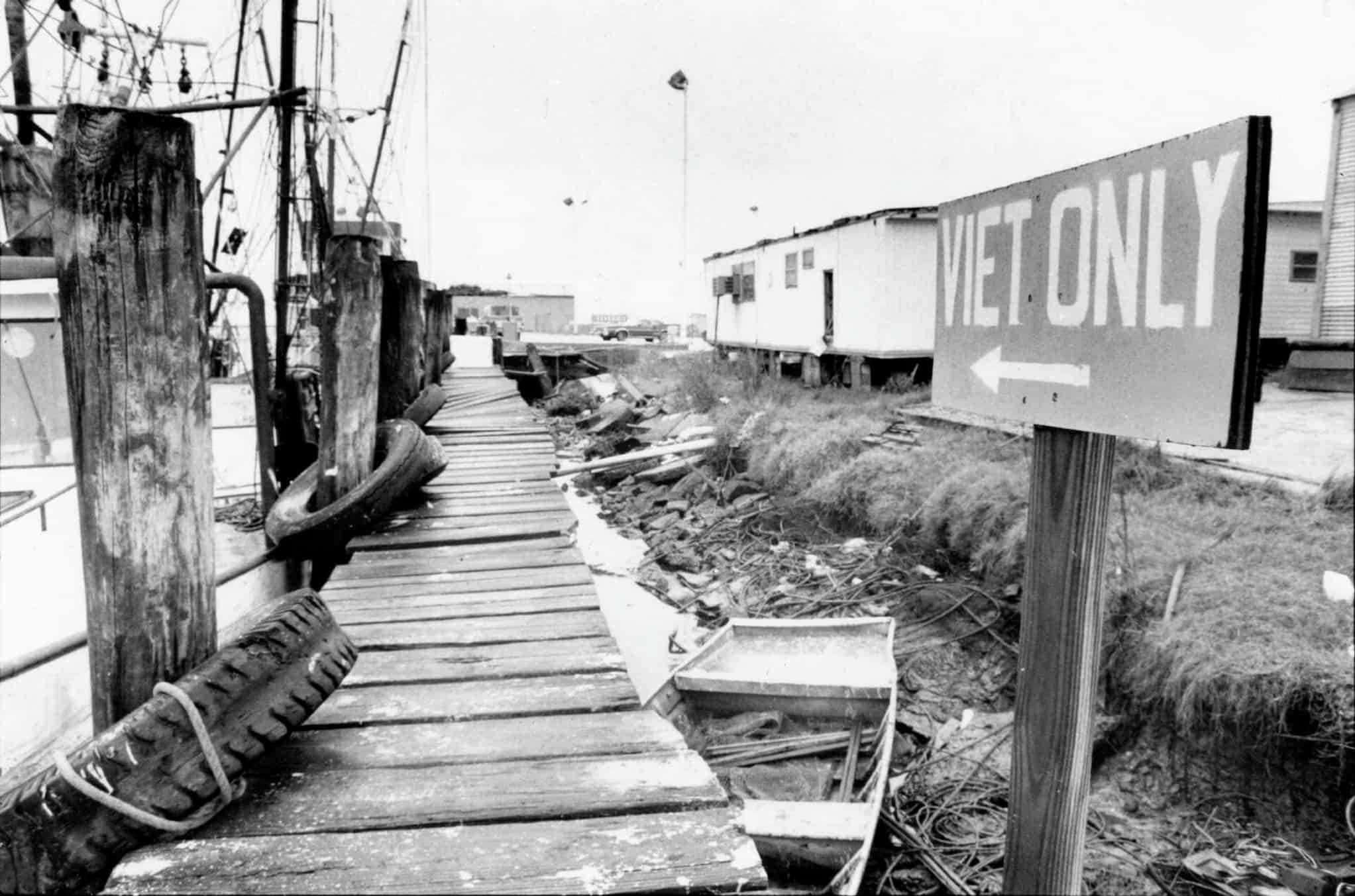
“Viet Only” Sign in Port Arthur, Texas
A fishing boat pier in Port Arthur, Texas is designated as ‘Viet Only’ c. 1980.
-
Image
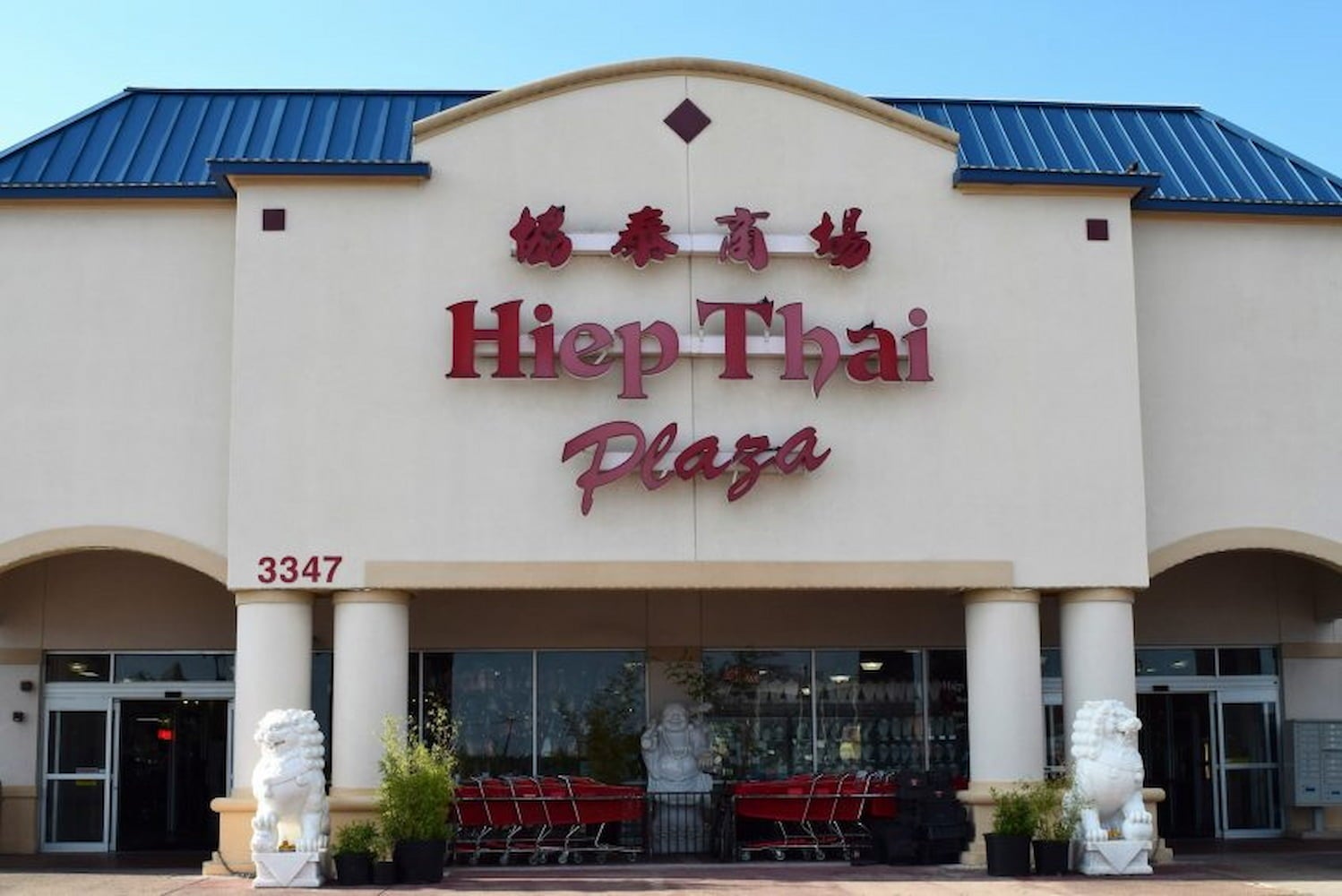
Hiep-Thai Plaza
Hiep-Thai Plaza in Garland, Texas is a bustling shopping center for the Vietnamese community of Dallas.
-
Image
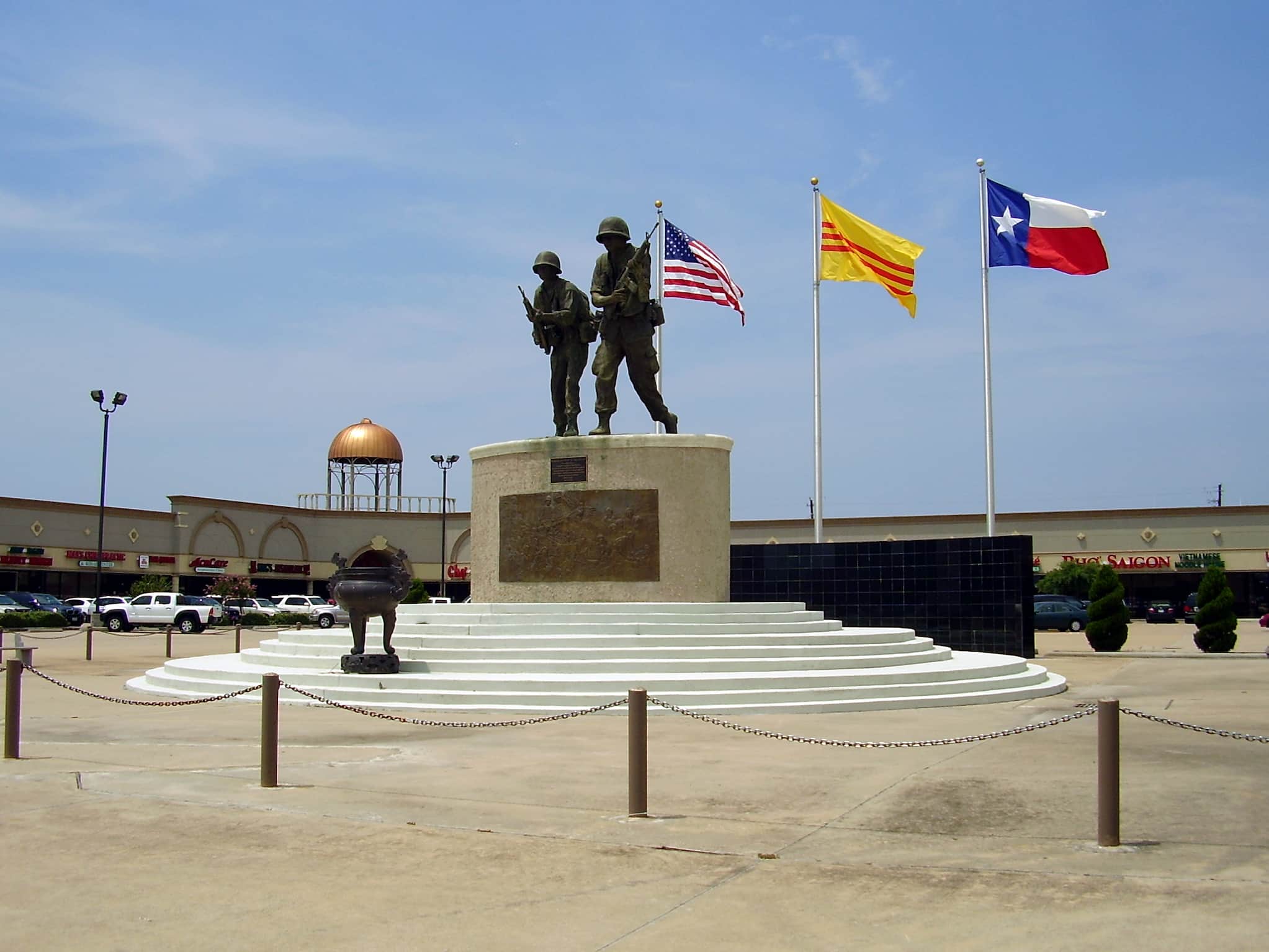
Houston Vietnam War Memorial
The Vietnam War Memorial in Houston features a twenty seven-foot copper statue of two soldiers—one Vietnamese, one American—standing side by side, symbolizing their joint fight for South Vietnam’s freedom.
-
Image
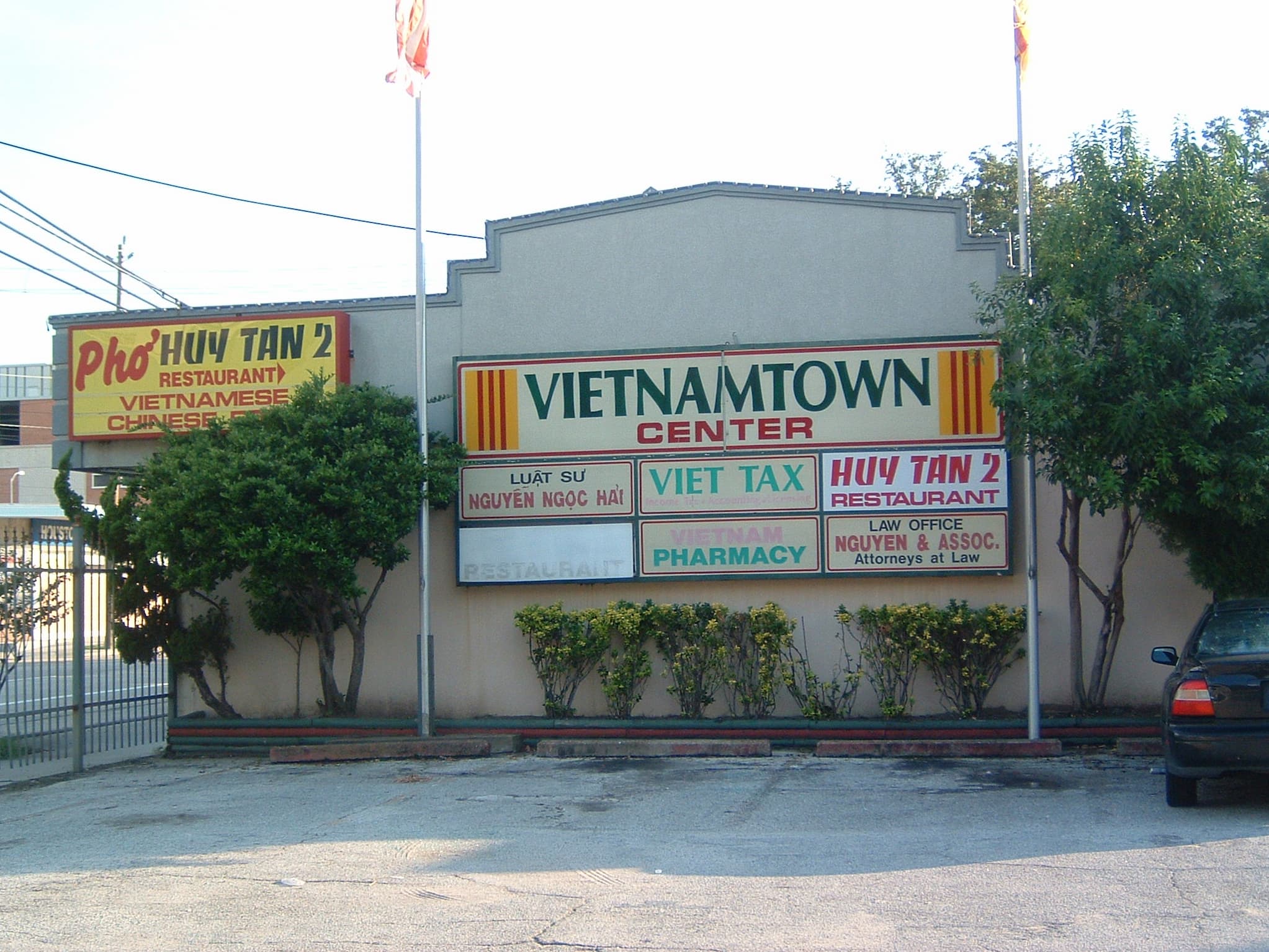
Houston’s Little Saigon
Houston’s first Little Saigon was located in the downtown area. The flag of South Vietnam—yellow with three red stripes—is often depicted throughout the area.
-
Image
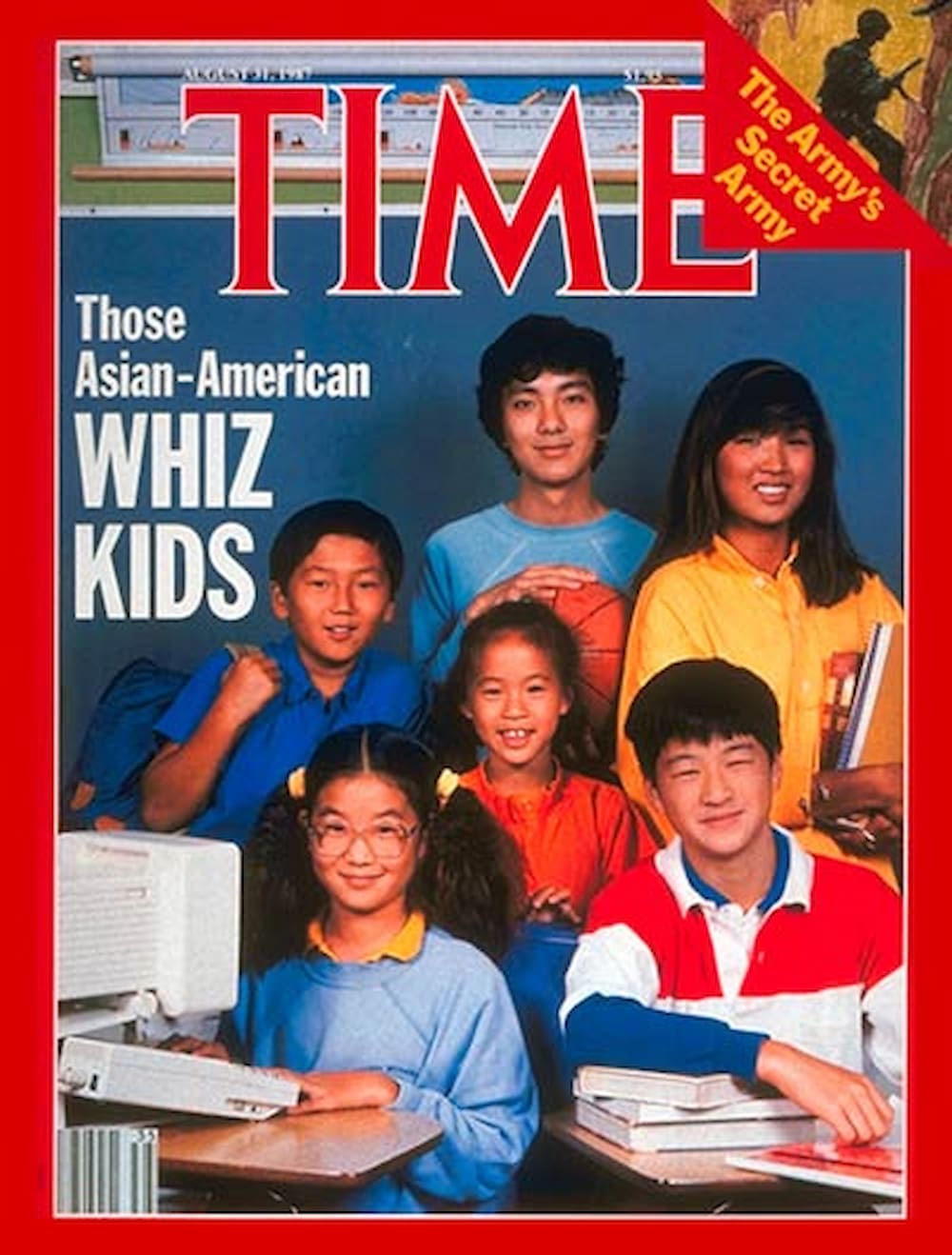
Whiz Kids
Perpetuated by media, such as in this 1987 cover of Time magazine, students of Asian descent are often subjected to the “model minority myth,” which includes the generalization that all Asian and Asian American students are academically gifted.
-
Image
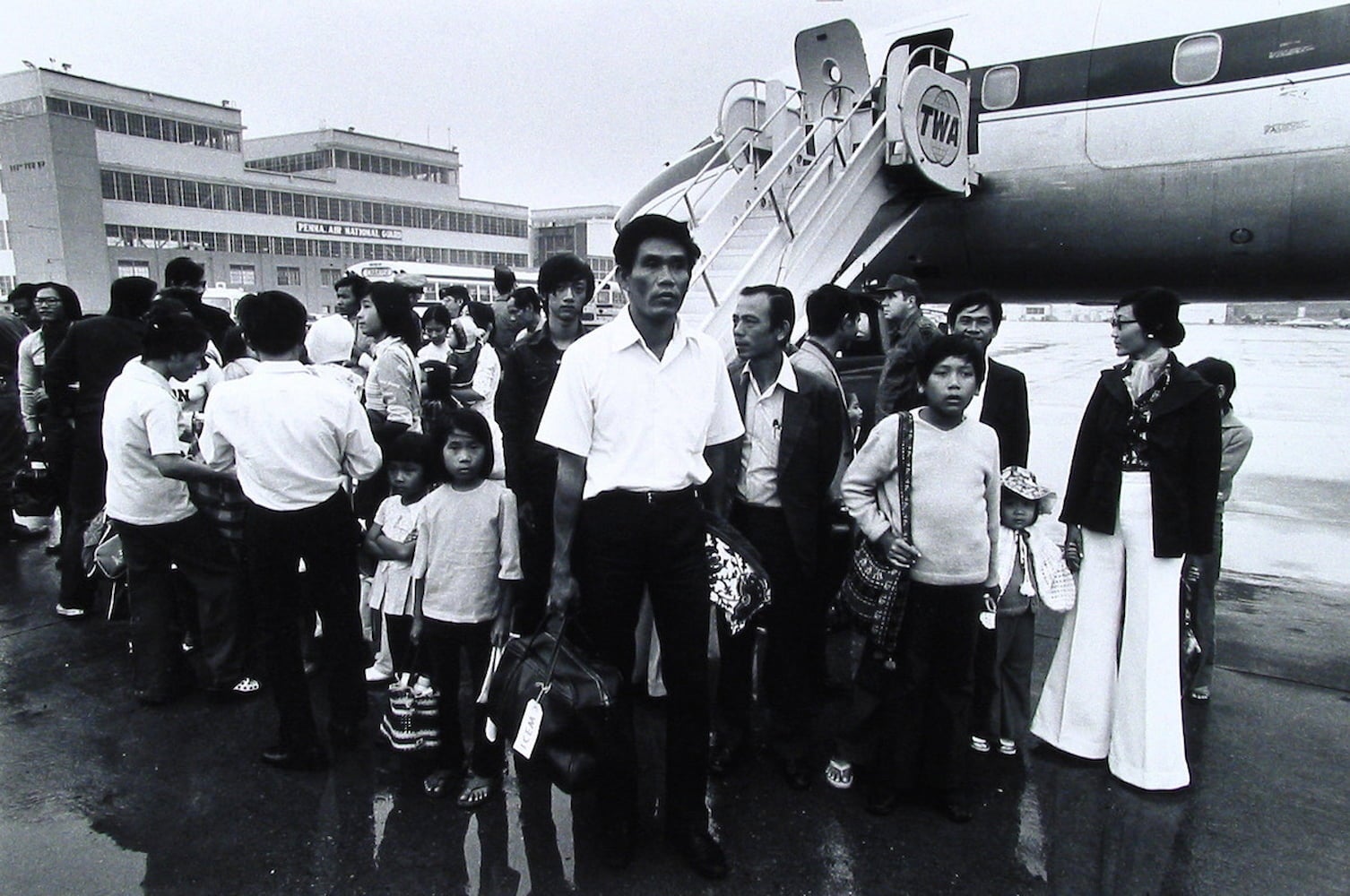
First Planeload of Arrivals, Harrisburg Pa. Airport
Vietnamese refugees disembarking from an airplane at a resettlement camp in Fort Indiantown Gap, Pennsylvania, after the end of the Vietnam War in 1975.
-
Audio
Life Behind the Lobby
In an interview with NPR, Pawan Dhingra, author of Life Behind the Lobby: Indian American Motel Owners and the American Dream, details the circumstances of how immigrant Gujarati farmers aspiring for autonomous professions fell into the US motel industry.
-
Image
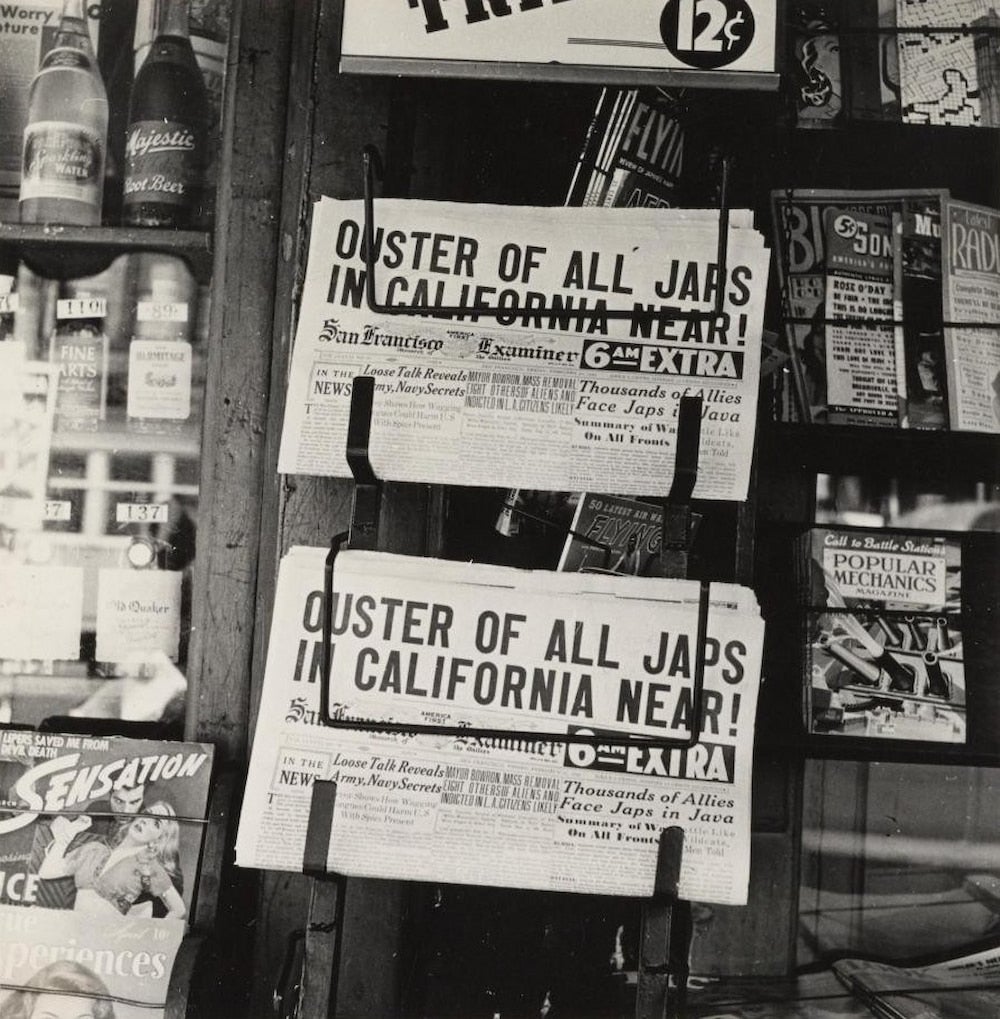
“Ouster Of All Japs In California Near!”
This 1942 San Francisco Examiner headline, “OUSTER OF ALL JAPS IN CALIFORNIA NEAR!,” signaled the beginning of the forced incarceration of Japanese Americans, including Kay Keiichi Sugahara and his family.
-
Image
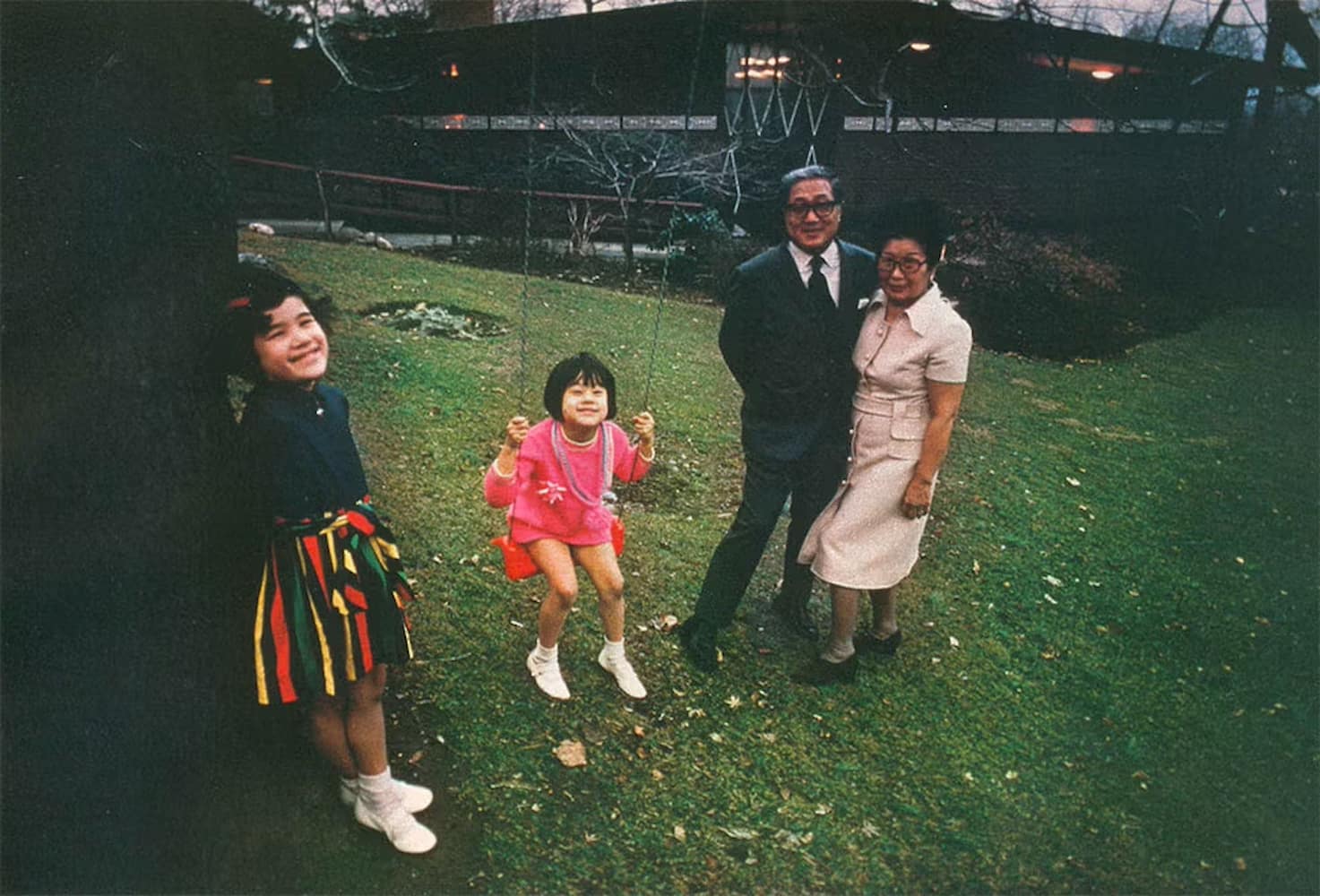
Keiichi Sugahara and Family
Japanese American industrialist Kay Keiichi Sugahara with his wife and grandchildren on the lawn of his estate in Pelham Manor, a suburb of New York City, in 1972.
-
Image
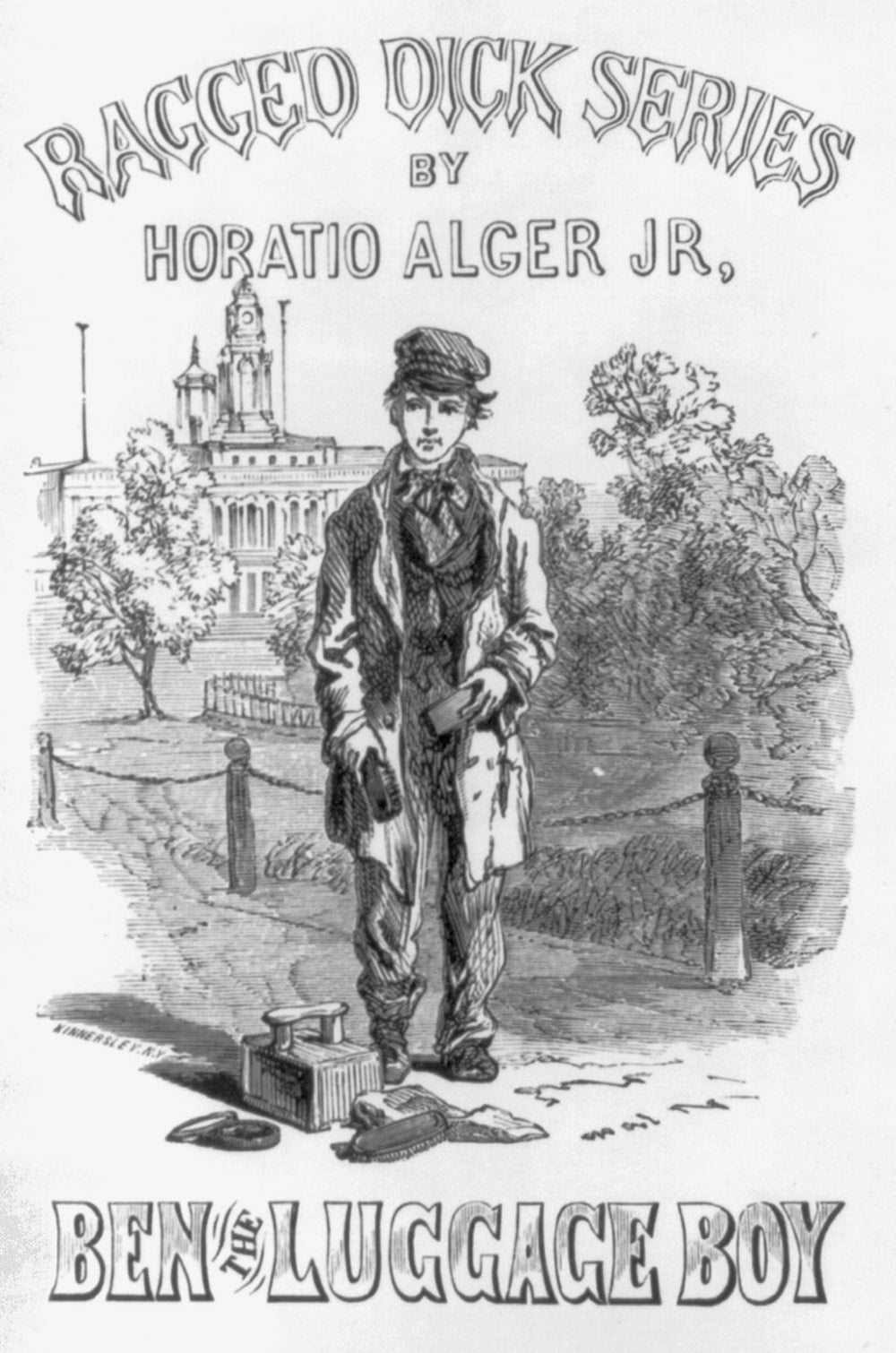
Ben, The Luggage Boy by Horatio Alger Jr.
American author Horatio Alger (1832–1899) wrote over one hundred books regaling “rags to riches” tales of self-made men. His writings promoted the “American Dream” and popularized the idea of the US as a meritocracy during the early years of the twentieth century.