



Search the Media Repository
Discover the curated images, videos, and primary sources featured throughout Foundations and Futures
History is more than just text on a page; it is the photographs, voices, and artifacts of the people who lived it. The images and recordings featured across Foundations and Futures are part of a meticulously curated media repository. Whether you are building a lesson plan or investigating an artifact, you can use this database to trace the provenance of our media: discover who created an asset, the historical context behind it, and how it can be used to bring Asian American and Pacific Islander experiences into your classroom.
Multimedia
Chapters
-
Image
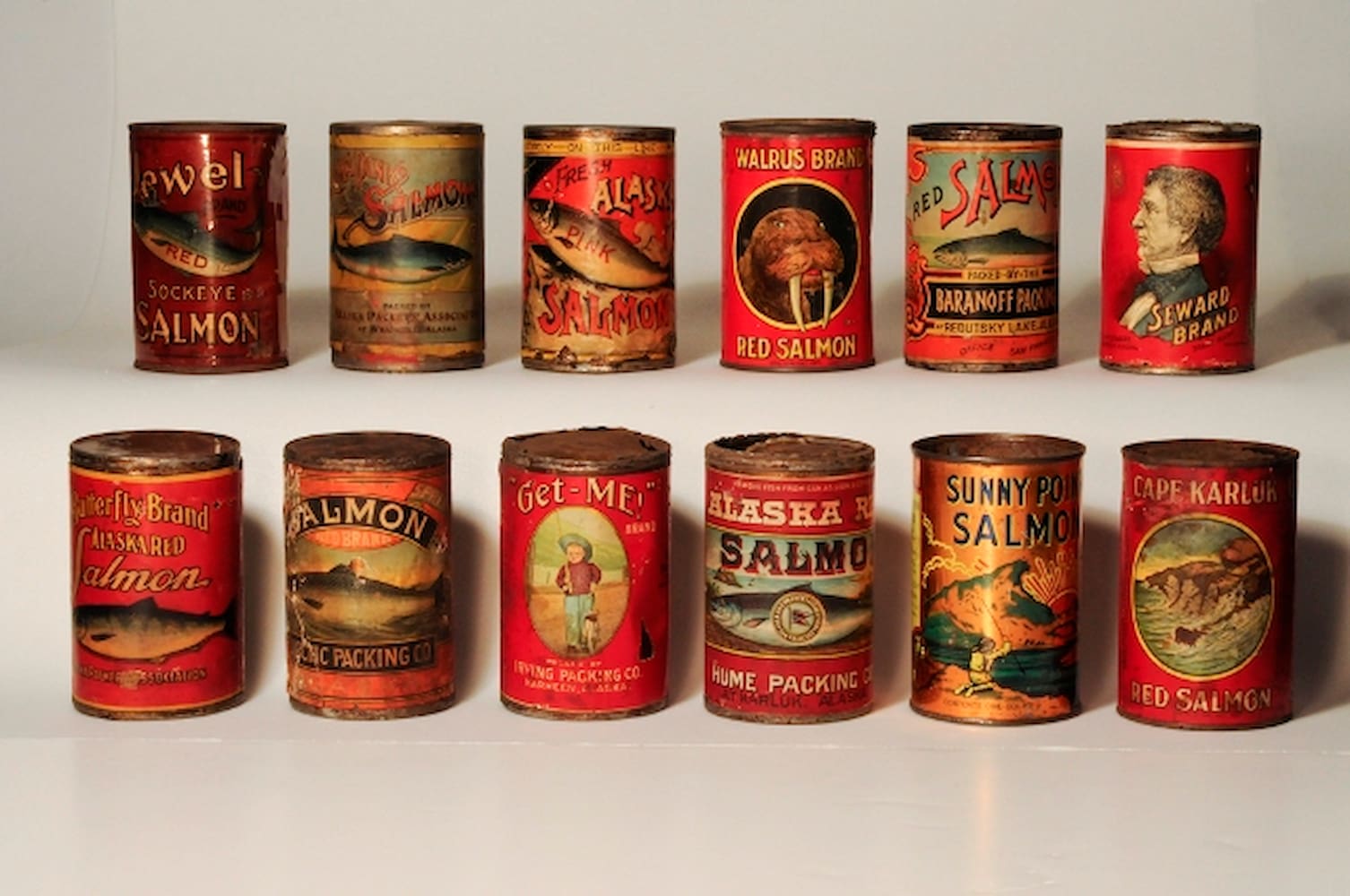
History in a Can
Salmon can label artwork; starting in the mid-1800’s the commercial exploitation of salmon marked a turning point in Alaska’s colonial economic development.
-
Image
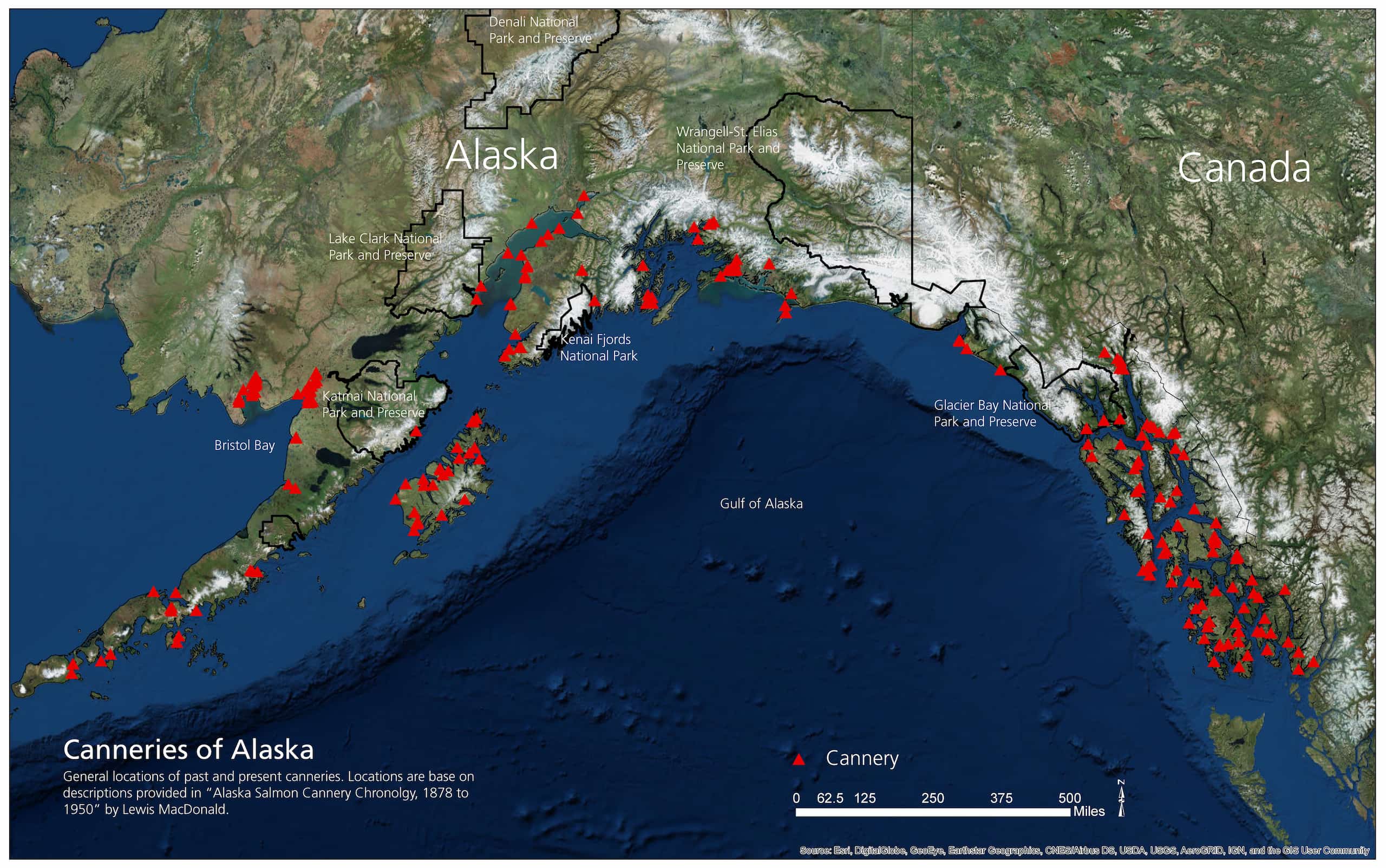
Canneries of Alaska
Canneries along the southeastern coast of Alaska, which displaced indigenous fishing grounds. Alaska became a state in 1959, the same year as Hawai‘i.
-
Image
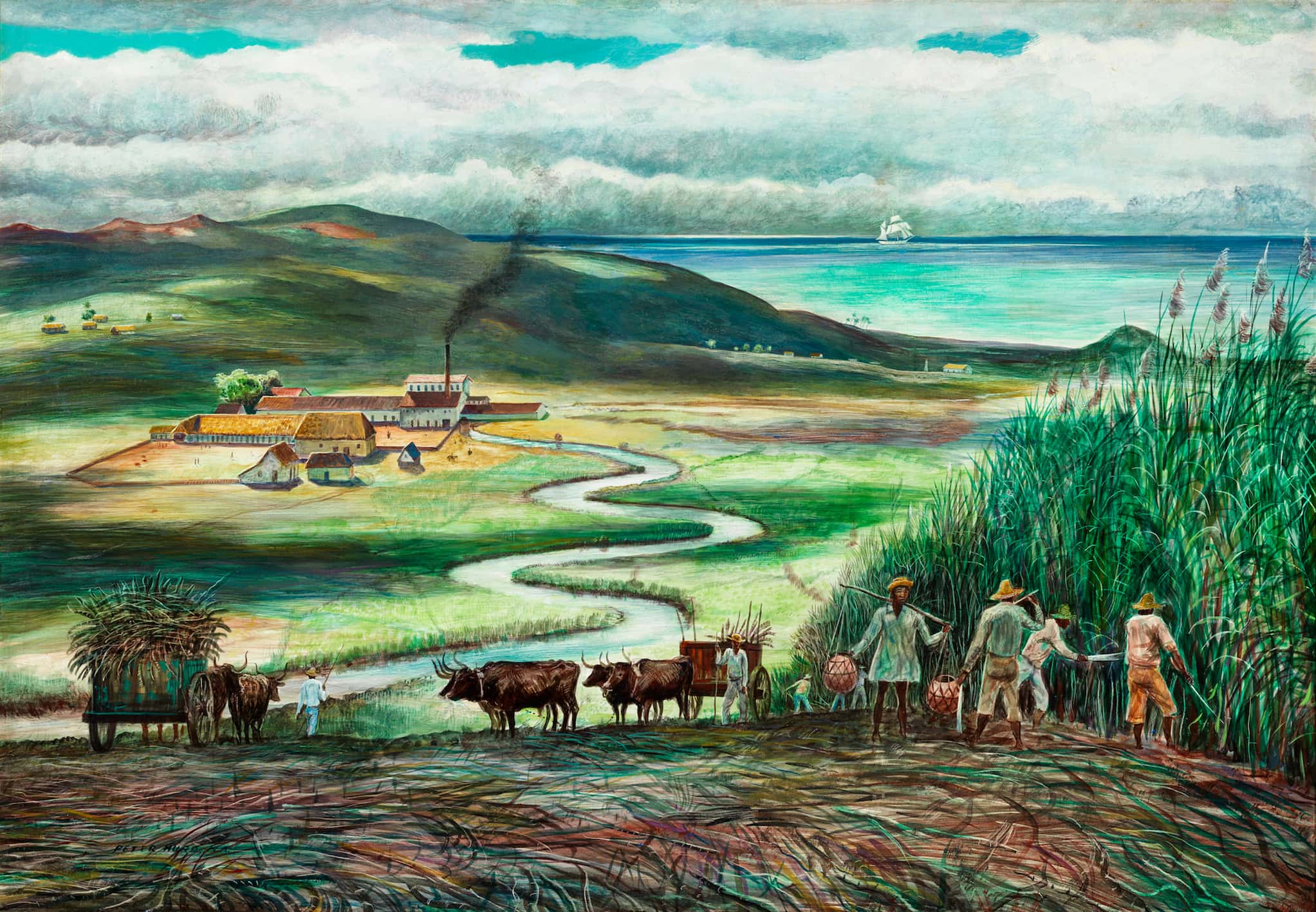
Sugar Plantation in Kōloa, Kaua‘i
American painter Peter Hurd was hired by a “Big 5” company to create works to commemorate 100 years of settler development in Hawaiʻi. This painting of a sugar plantation in Kōloa, Kauaʻi, in 1841 demonstrates the diversion of water to the plantation, a disruption from the Hawaiian ahupuaʻa land system.
-
Video
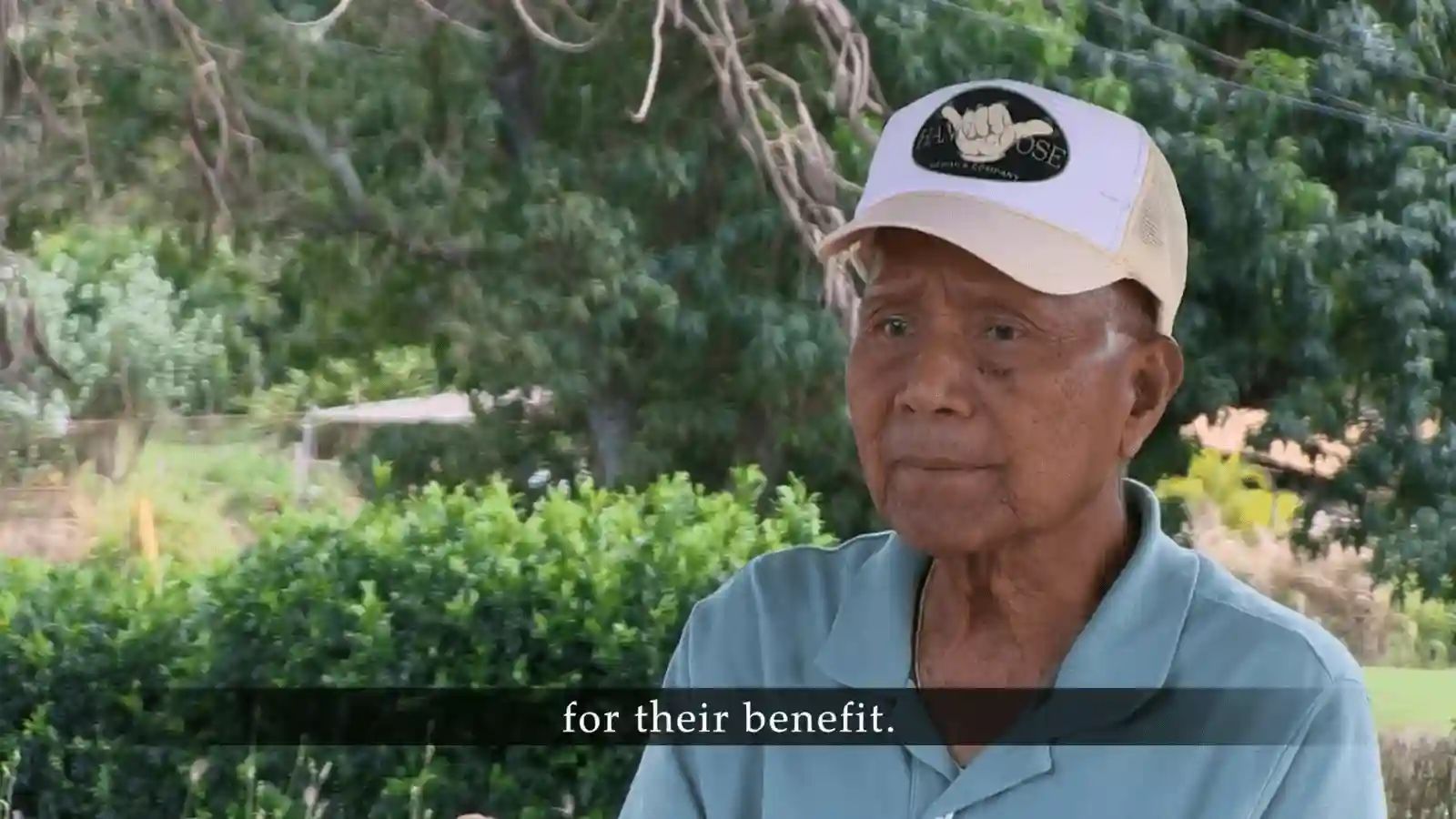
A Sakada Story
Filipino immigrant Cipriano Erice recounts his experience fighting for workers’ rights at the Waialua Sugar Plantation as a member of the International Longshore and Warehouse Union (ILWU).
-
Image
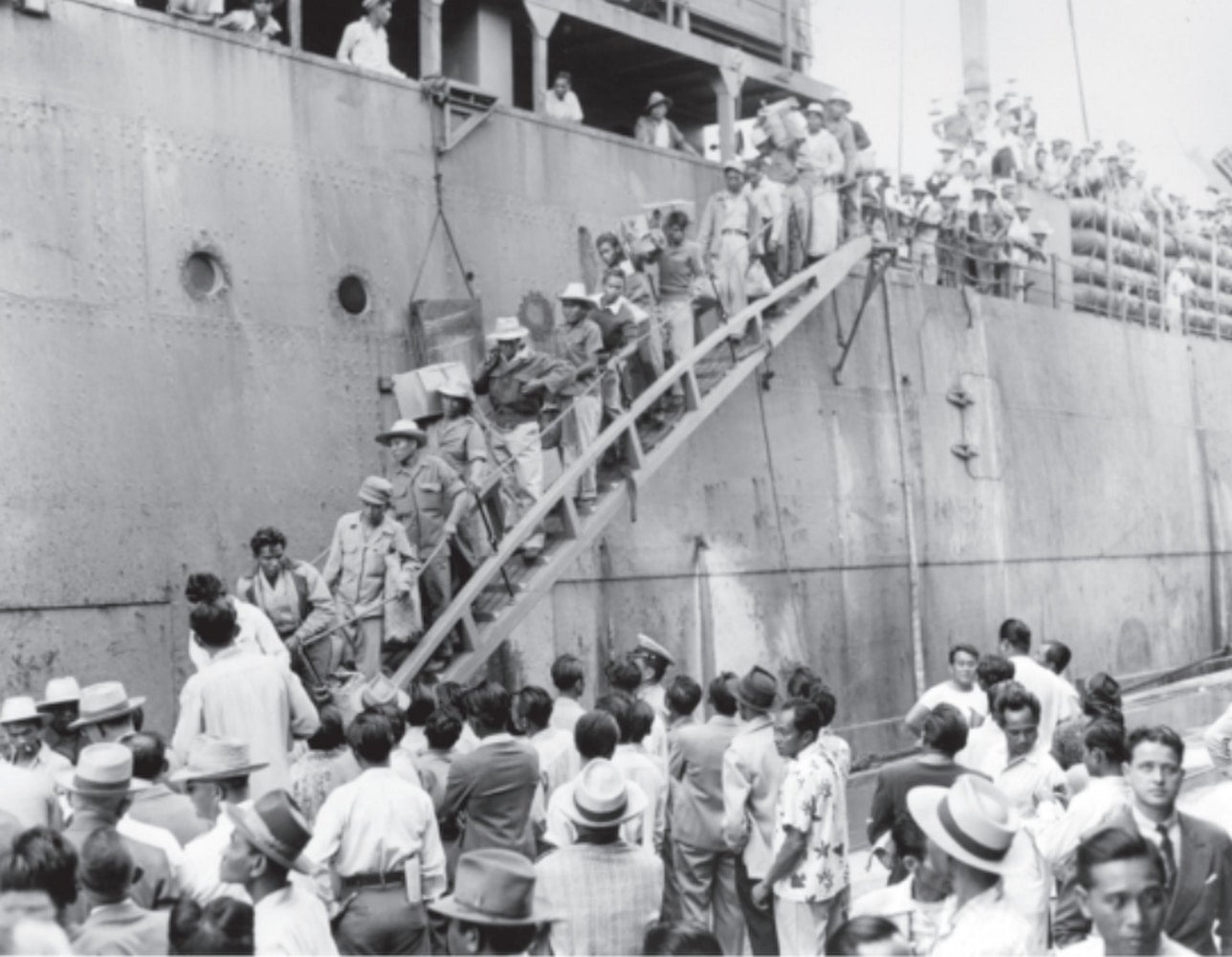
Filipino Workers Arrive in Hawai‘i
Filipino workers, known as Sakadas, arrive in Hawai‘i circa 1946. Organizers from the International Longshore and Warehouse Union would board the ships upon arrival and encourage Sakadas to join the union, and thus also join their ongoing sugar strike against the “Big 5” sugar companies.
-
Video
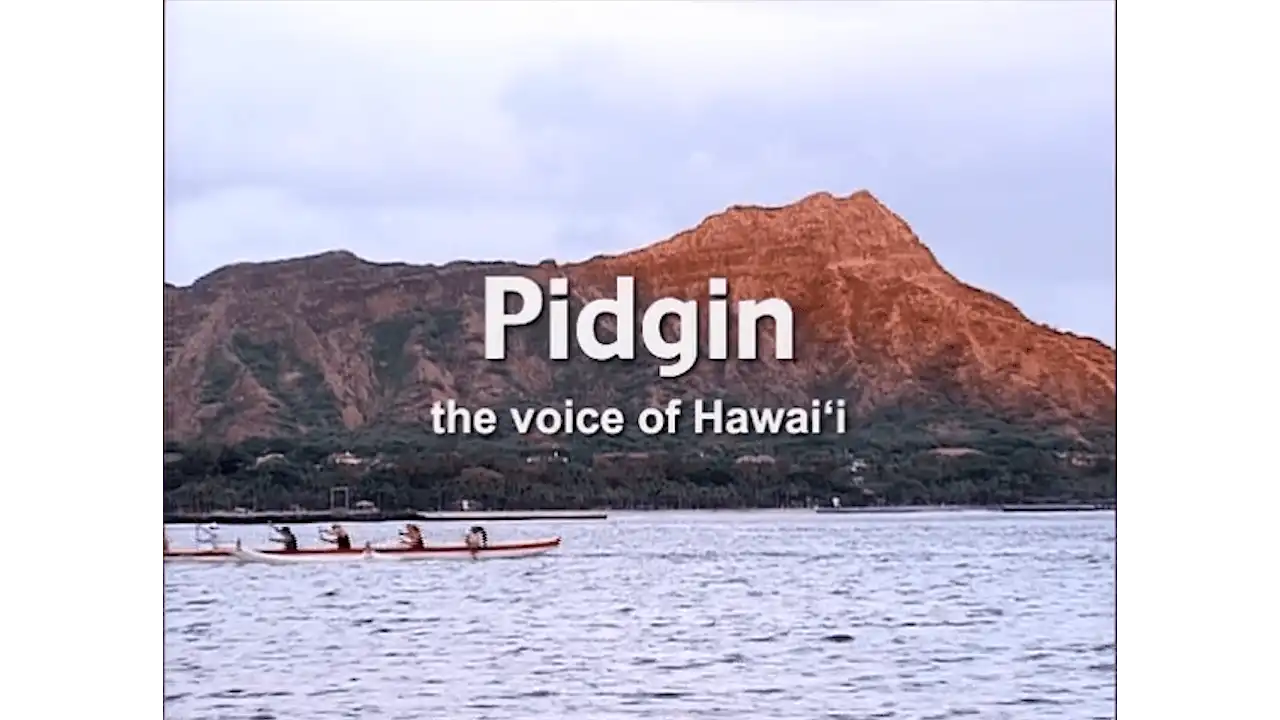
Pidgin: The Voice of Hawaiʻi
Pidgin English (Hawaiʻi English Creole) is spoken by residents of Hawaiʻi of all ethnicities. The language reflects both the migrant and Indigenous histories of Hawaiʻi.
-
Image
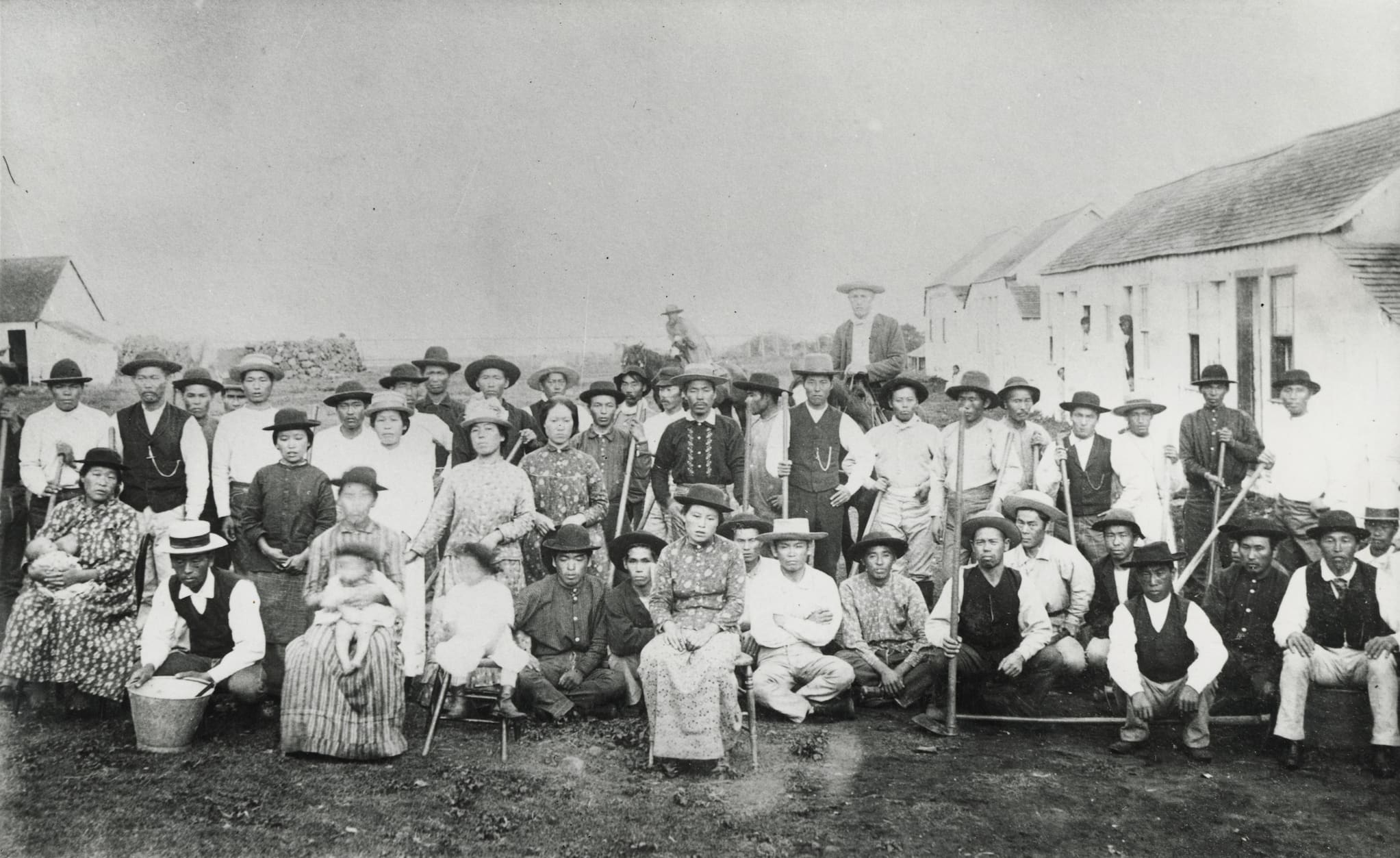
Japanese Sugar Plantation Laborers
Japanese sugar plantation laborers photographed in 1890 in Kaʻū, Hawai‘i; they faced harsh working and living conditions.
-
Image
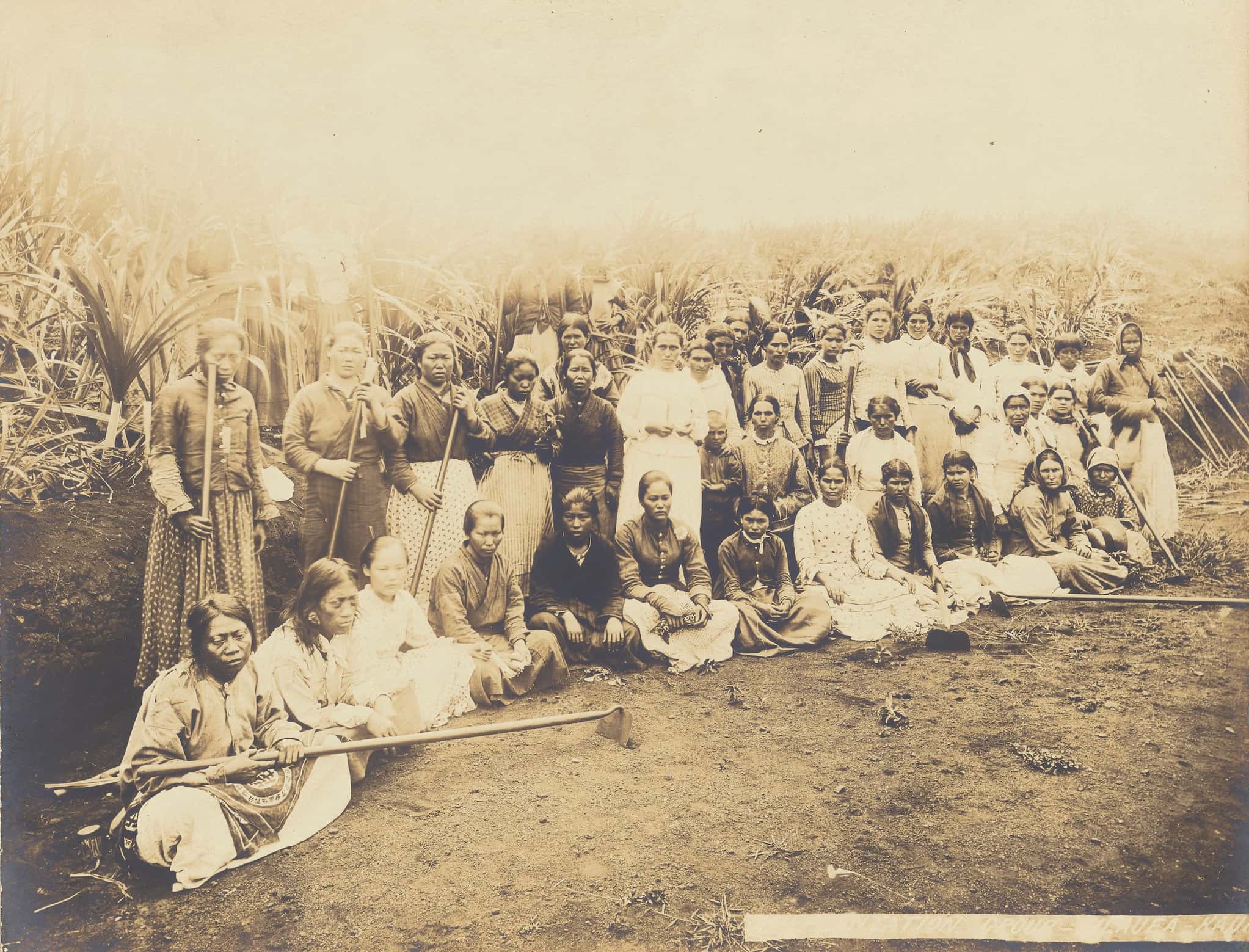
Women Sugar Plantation Workers on Kaua‘i
Women sugar plantation workers on the island of Kaua‘i. Women received less pay than men for performing the same work.
-
Image
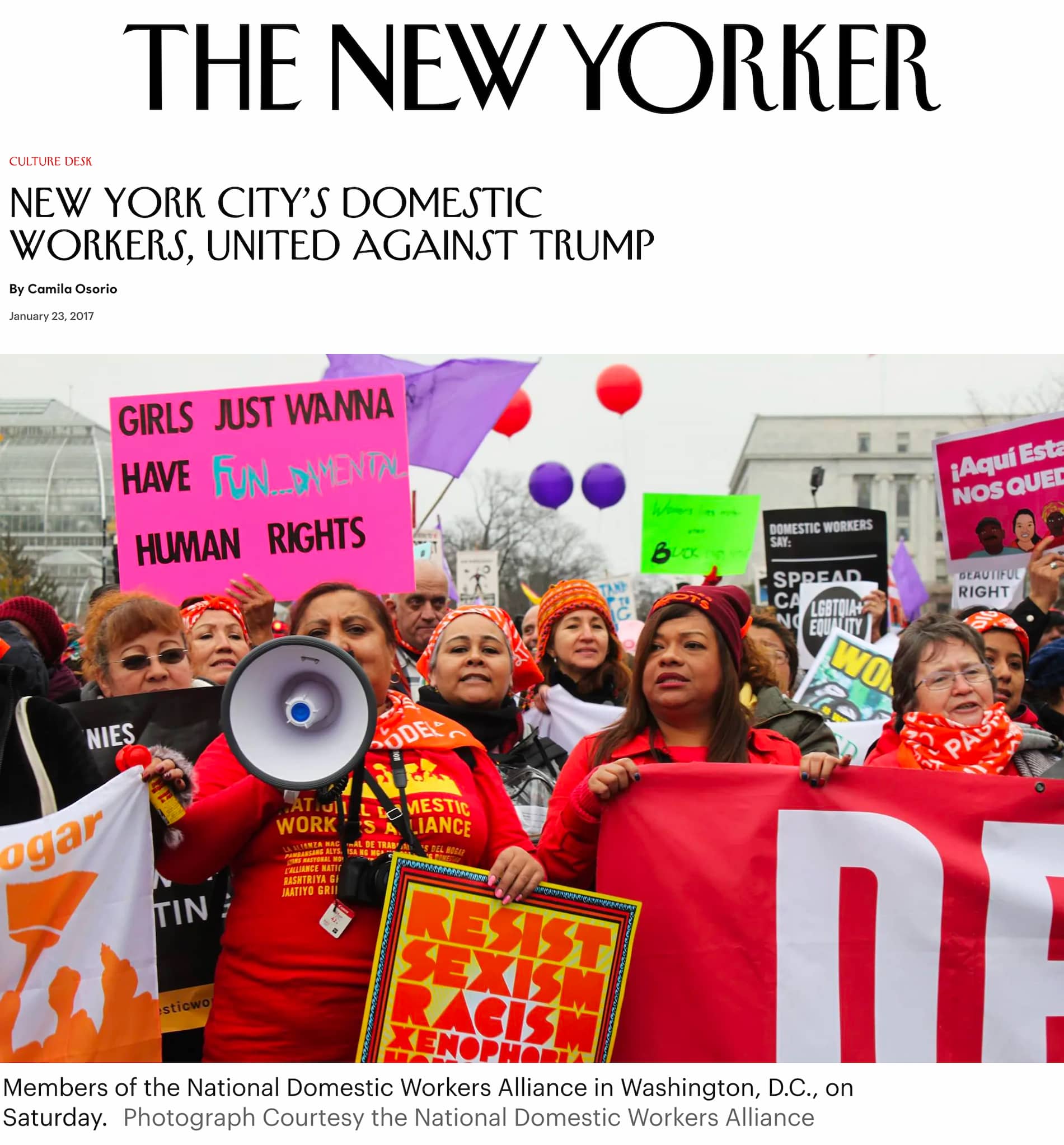
National Domestic Workers Alliance (NDWA) March
In 2017, The New Yorker published a profile about care workers in New York City, focusing on their activism in marching with the National Domestic Workers Alliance (NDWA) in Washington, DC. The NDWA is an example of a worker center that helps defend the rights of non-unionized workers.
-
Text
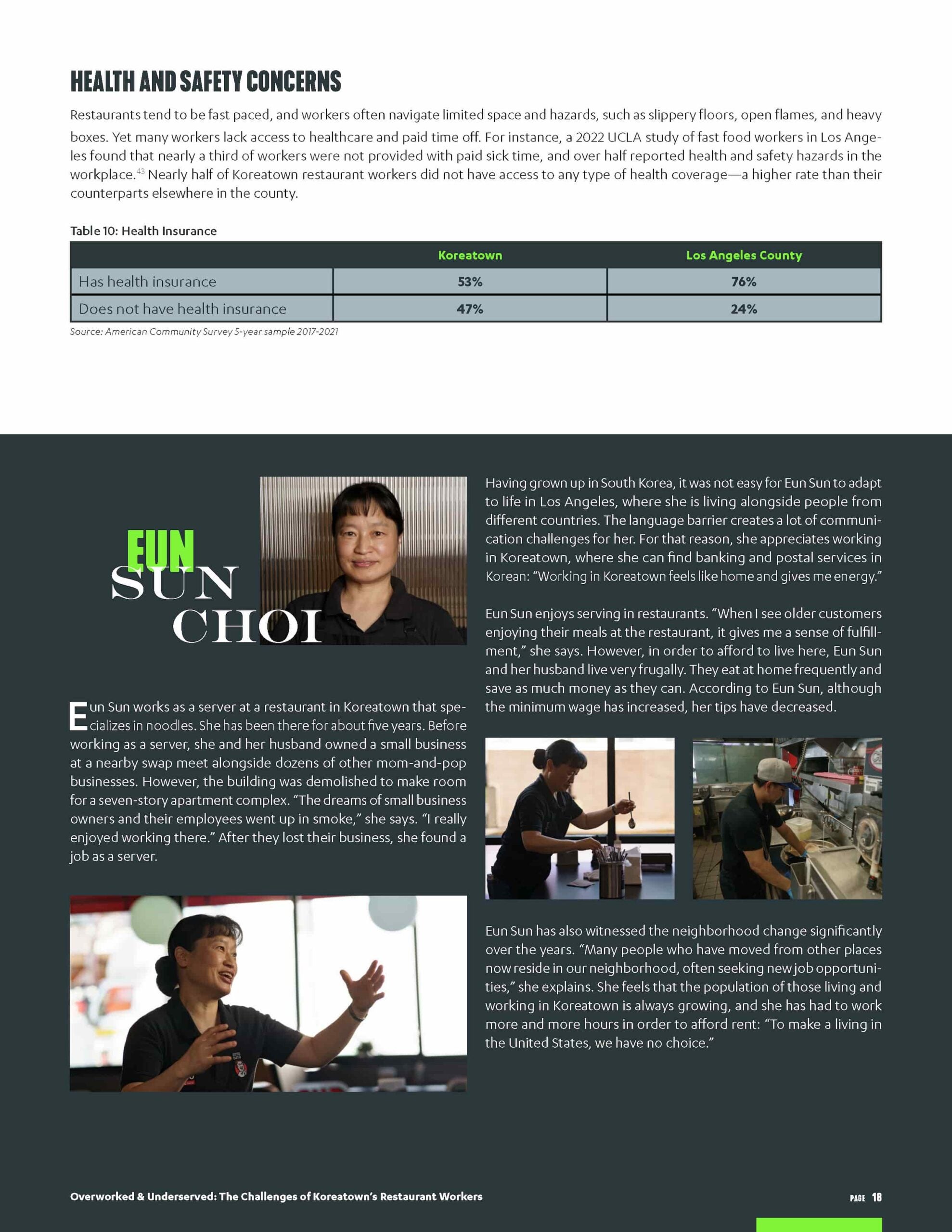
Eun Sun Choi Profile
Profile of Eun Sun Choi, a Korean restaurant worker from the Korean Immigrant Workers Association (KIWA).
-
Video
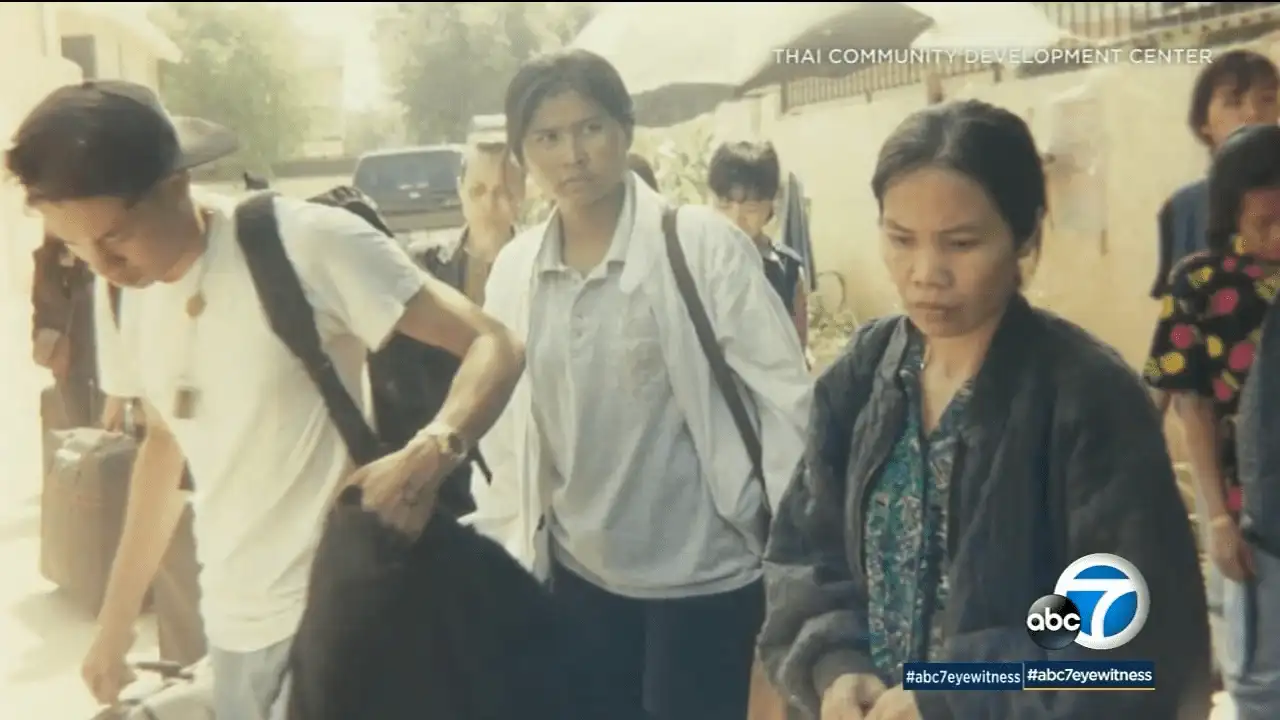
25th Anniversary of Thai Worker Trafficking
From 2020, ABC7 reported on the then 25th year anniversary of the shocking discovery of trafficked Thai workers, who were found in El Monte, California.
-
Video
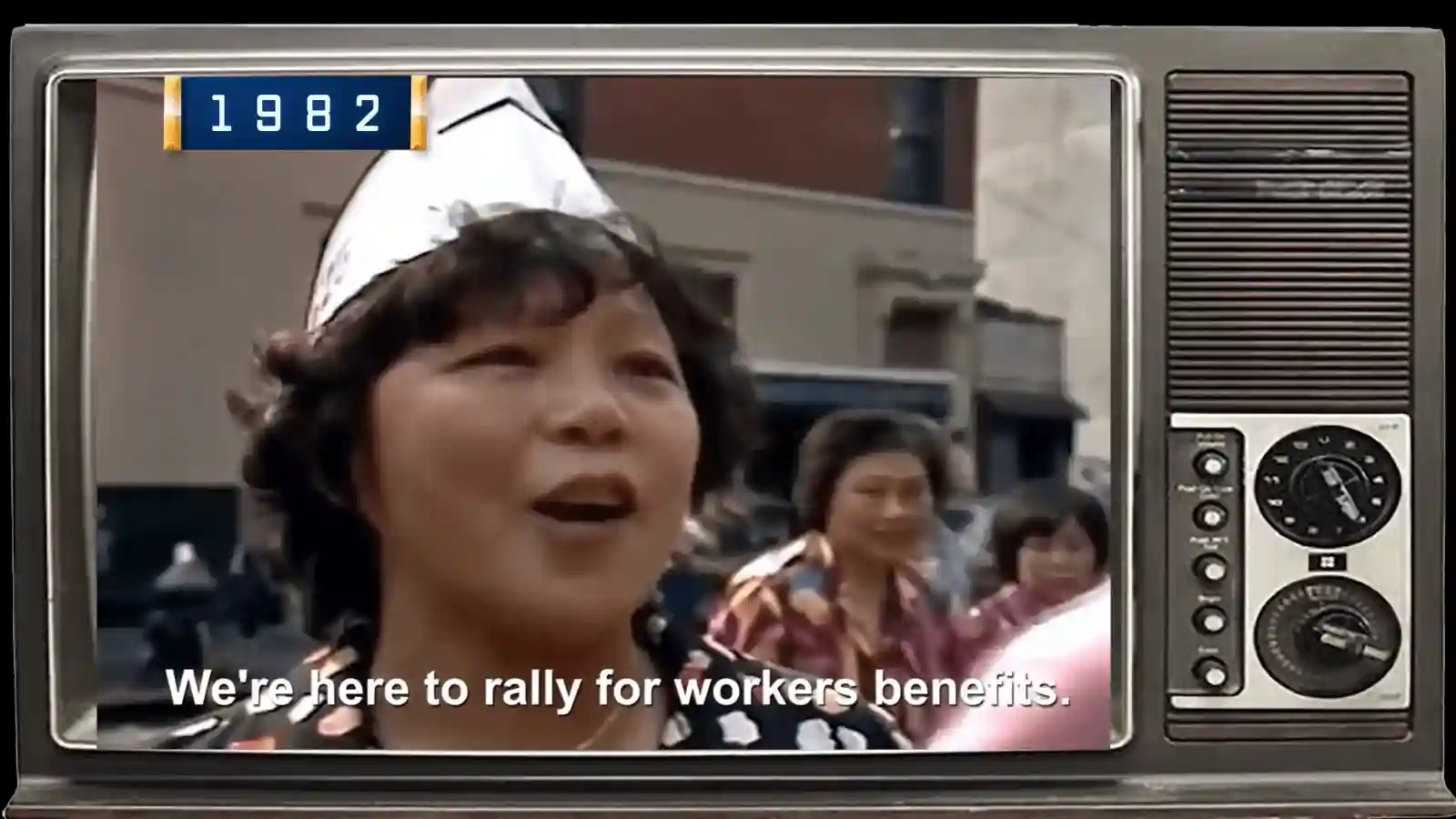
1982 New York City Chinatown Garment Workers Strike
In 1982, twenty thousand garment workers in New York City, consisting mostly of Chinese women, demanded better working conditions and wages.
-
Image
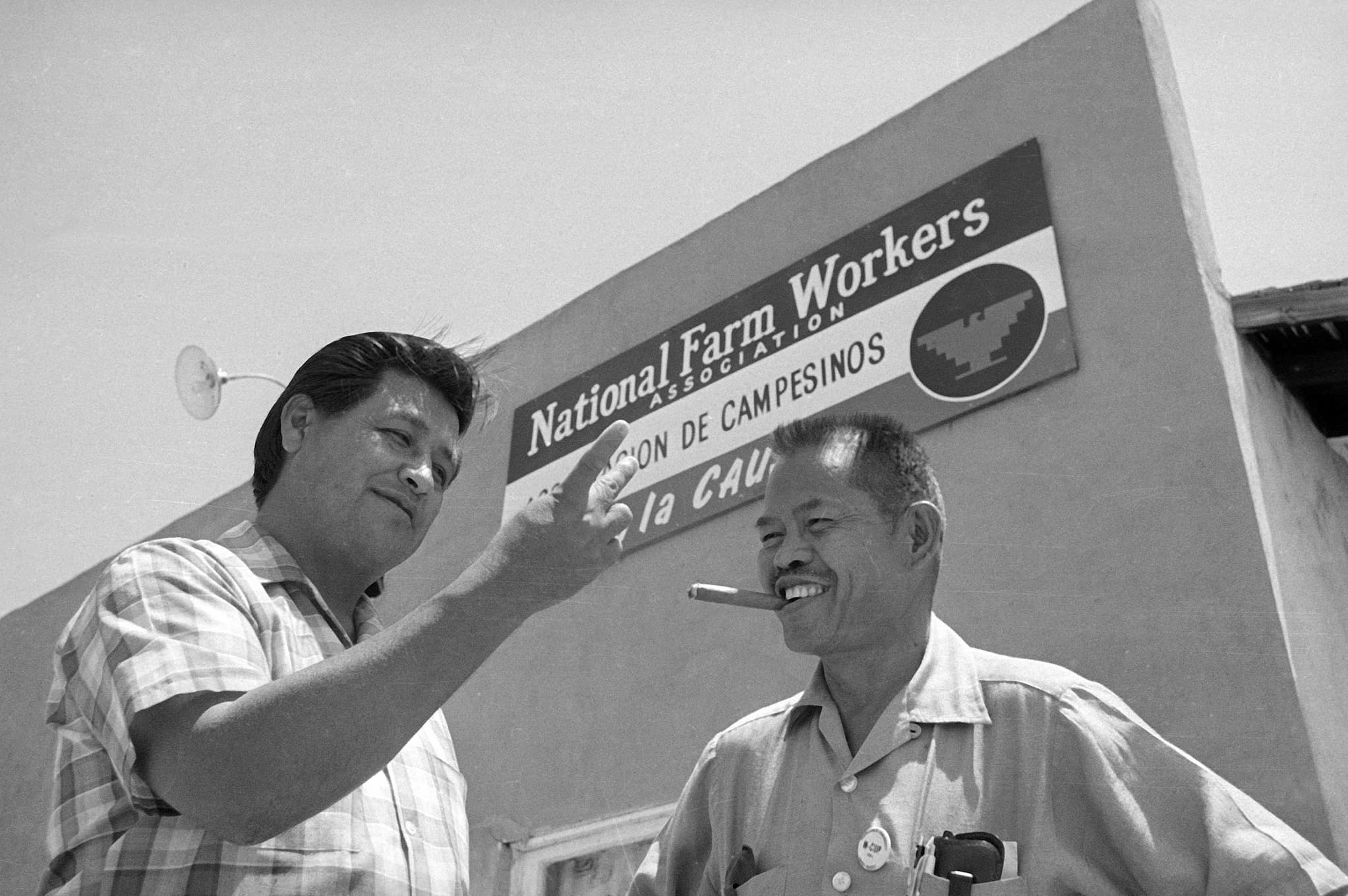
Larry Itliong and Cesar Chavez
Larry Itliong (right) and Cesar Chavez (left) in front of NFWA headquarters on July 28, 1967.
-
Image
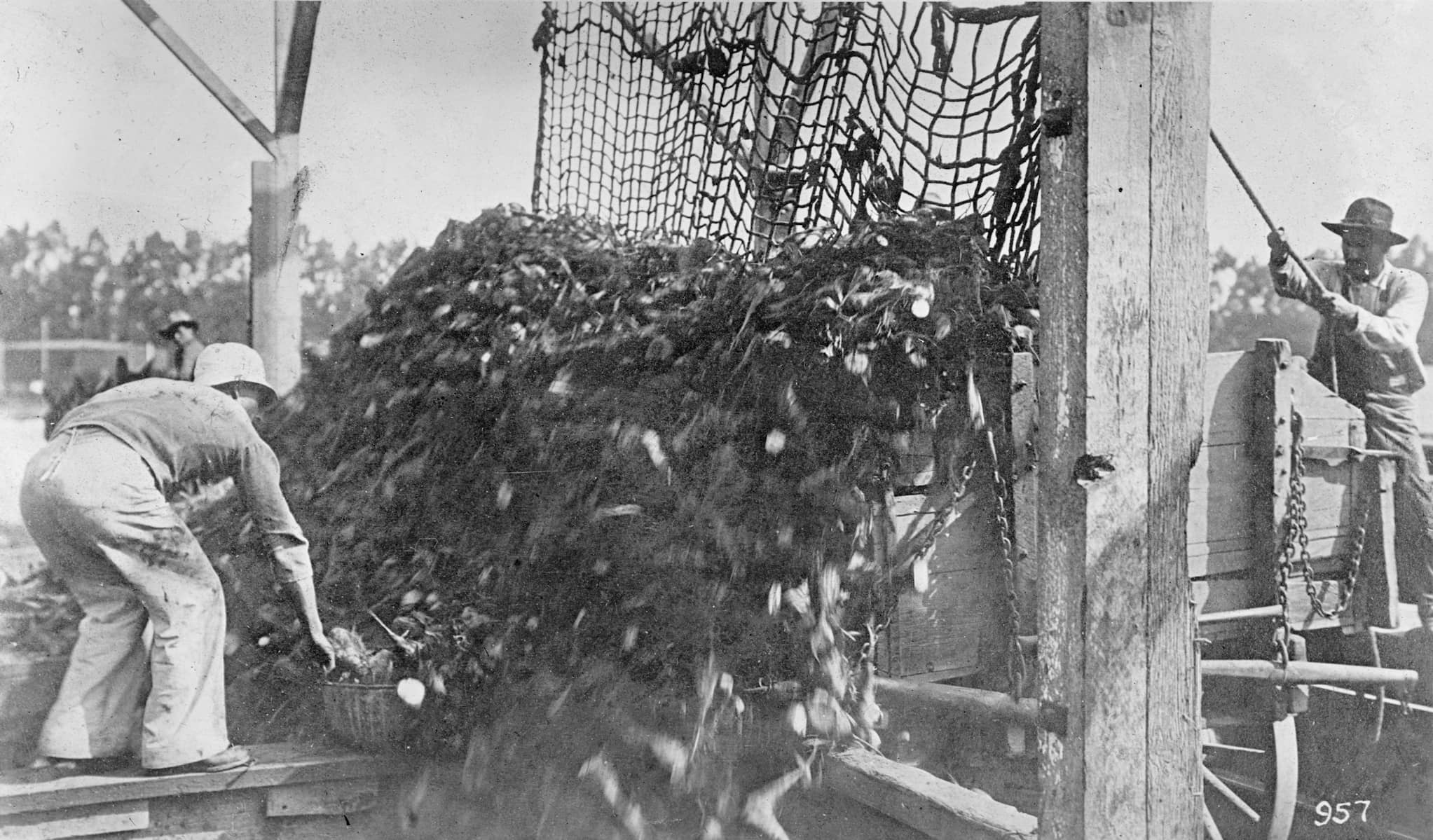
Workers Unload Beets
Workers unload beets from wagons at a factory in Oxnard, California. The Japanese-Mexican Labor Association (JMLA), formed in 1903, united both Japanese and Mexican sugar beet thinners to organize together for better work protections.
-
Image
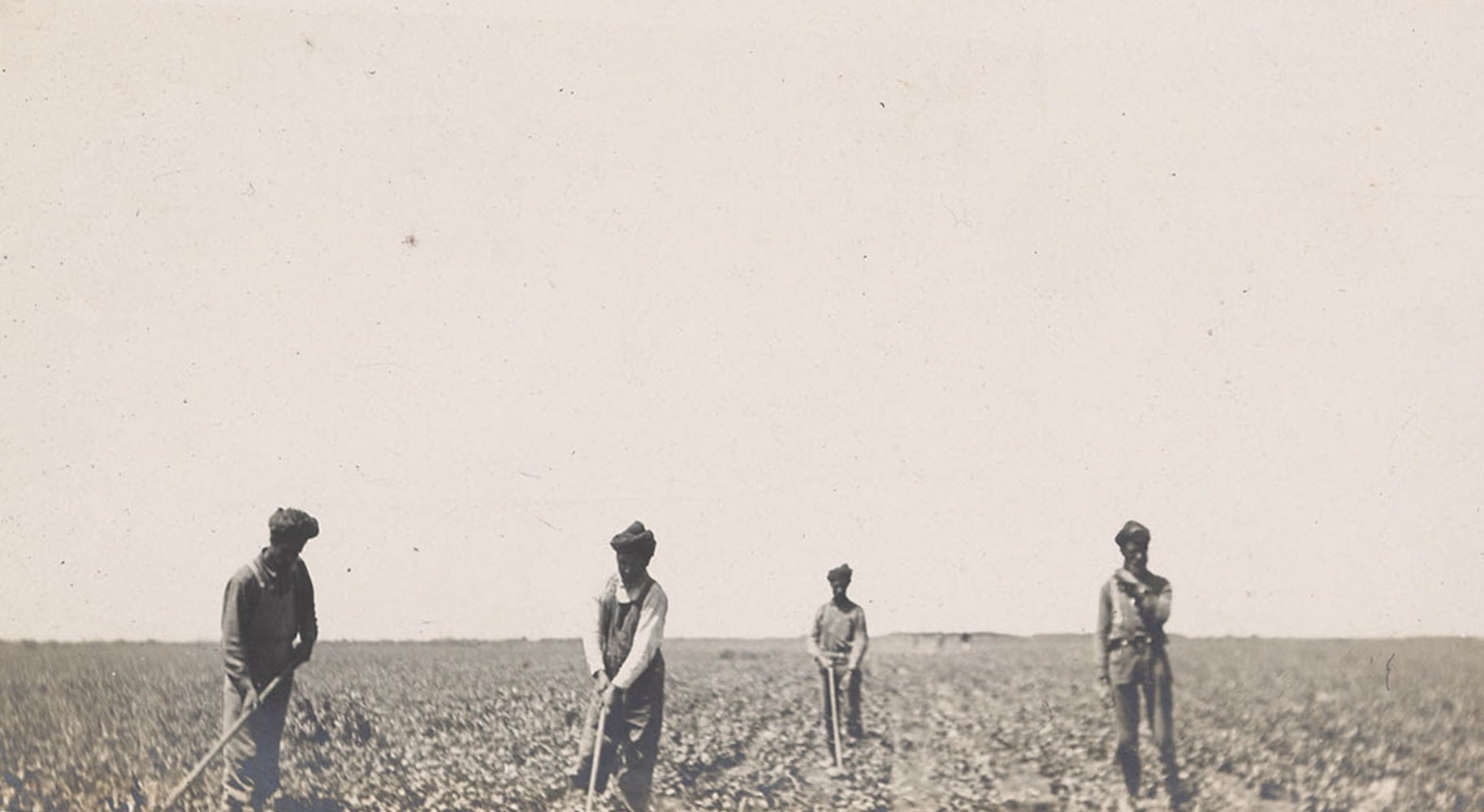
Punjabi Farm Laborers
Punjabi farm laborers from South Asia work the land on San Joaquin Valley Island, California, in 1909.
-
Image
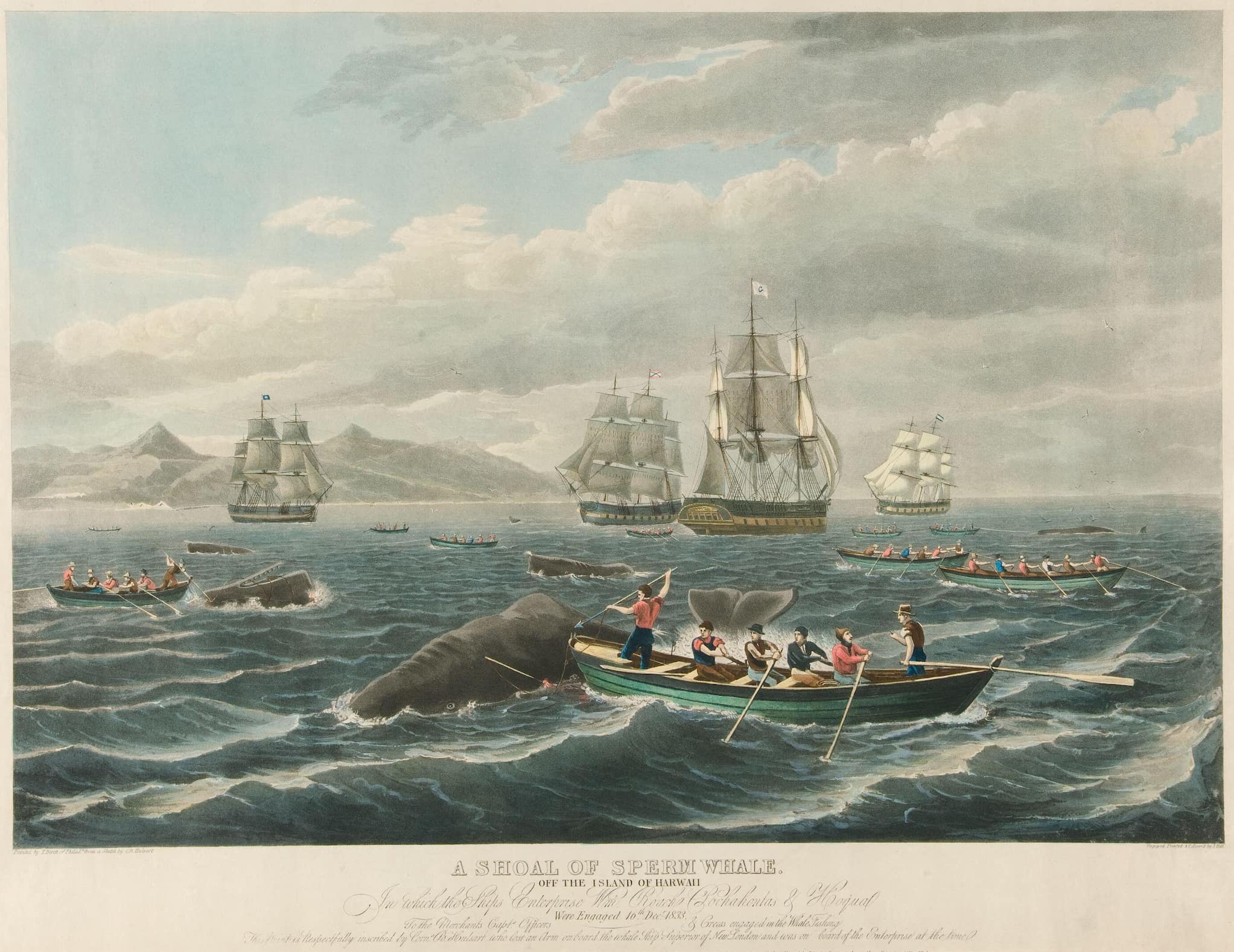
A Shoal of Sperm Whale off the Island of Hawai‘i
An 1833 painting of whale hunting off the coast of Hawai‘i. Such labor was often done by Asians and Native Hawaiians.
-
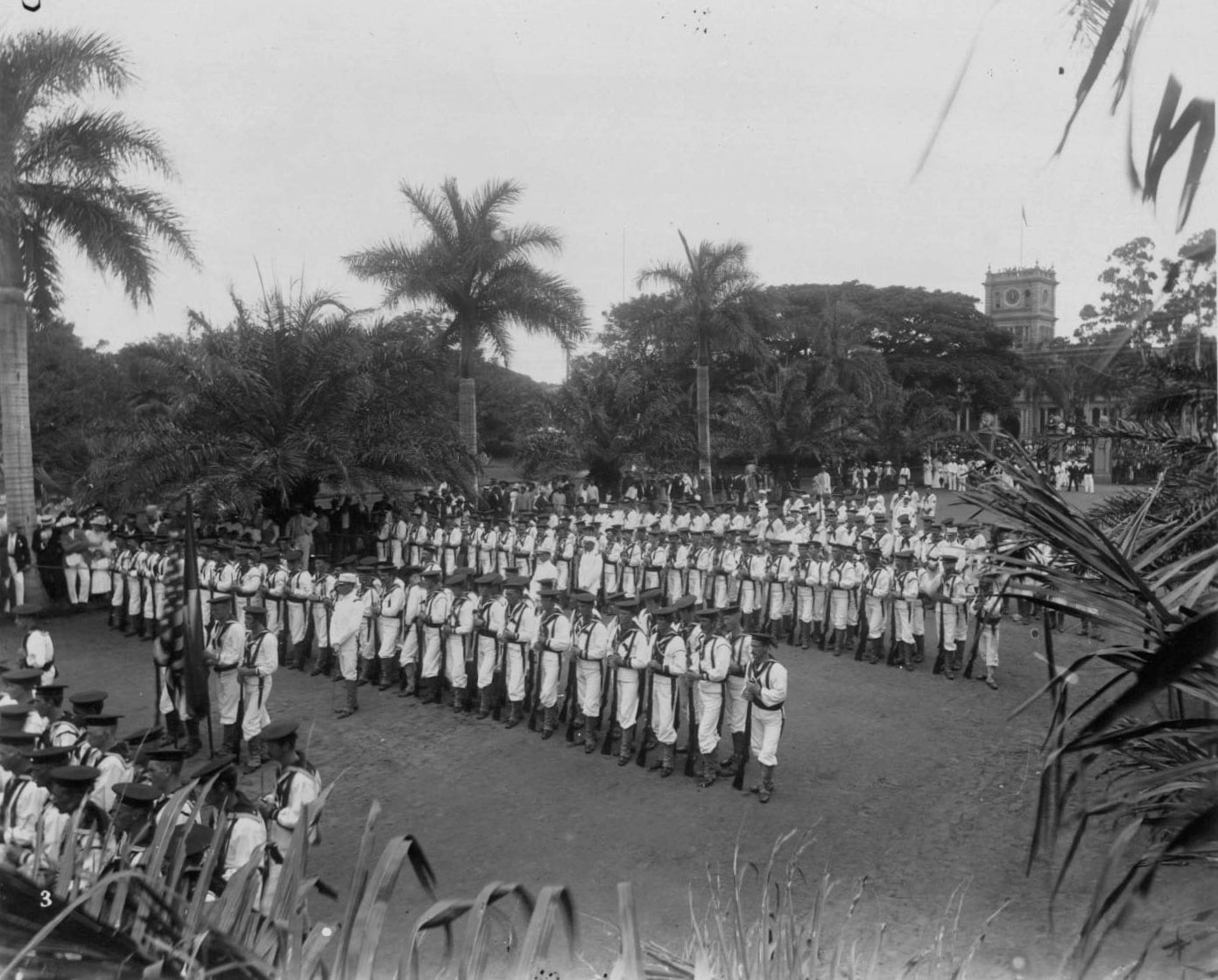
Image
Hawai‘i Annexation
US Marines were present at the Hawaiian annexation ceremonies on August 12, 1898. The annexation had strategic military and economic purposes.
-
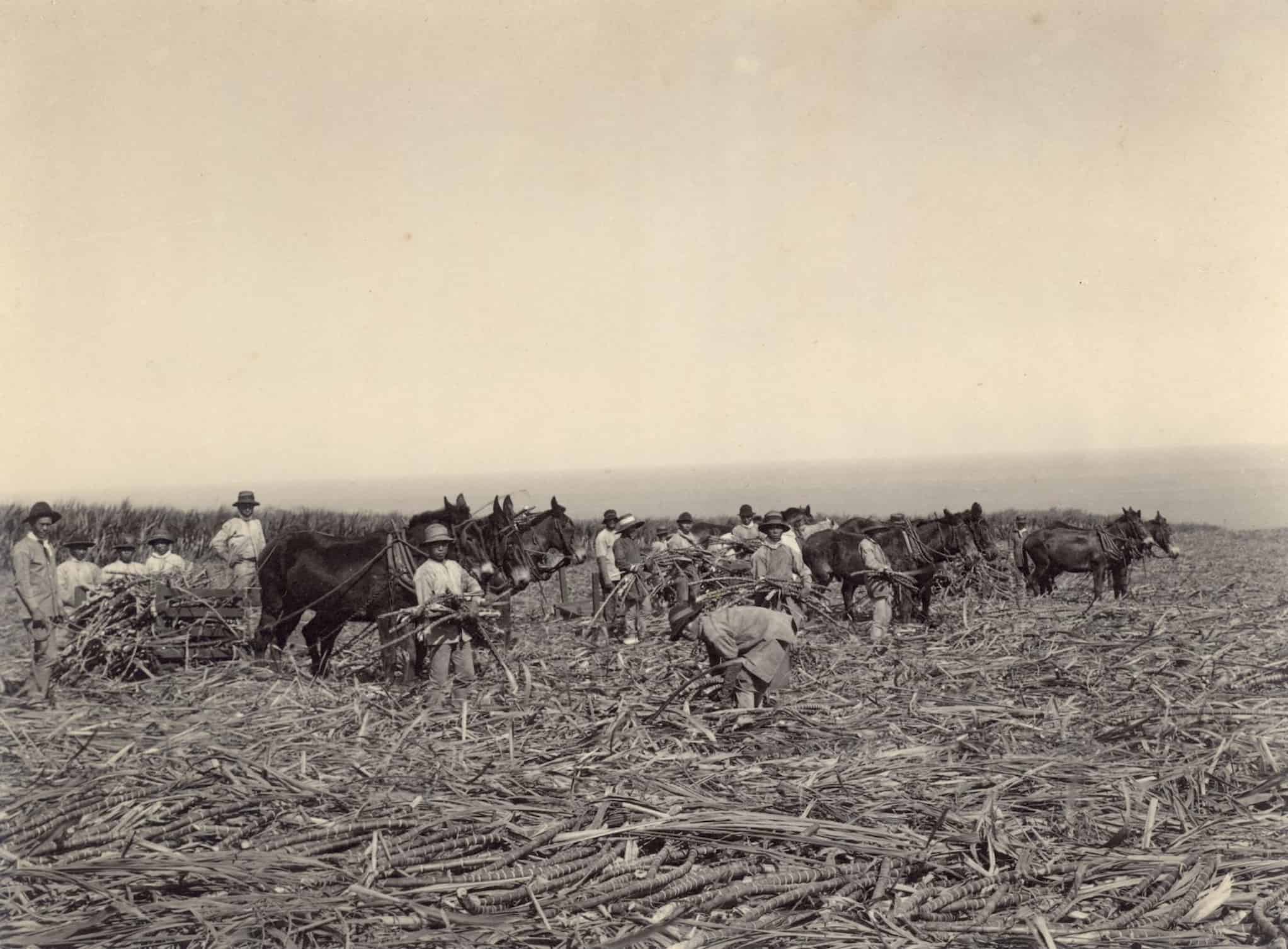
Image
Hawai‘i Sugar Laborers
Laborers in Hawai‘i used mules to carry sugar cane, circa 1900.
-

Text
Flyer for Friendly Islands Tongan Festival
Salt Lake City’s annual Friendly Islands Tongan Festival is organized by the National Tongan American Society and is one of the longest running festivals to celebrate Tongan culture and heritage in the United States.
-
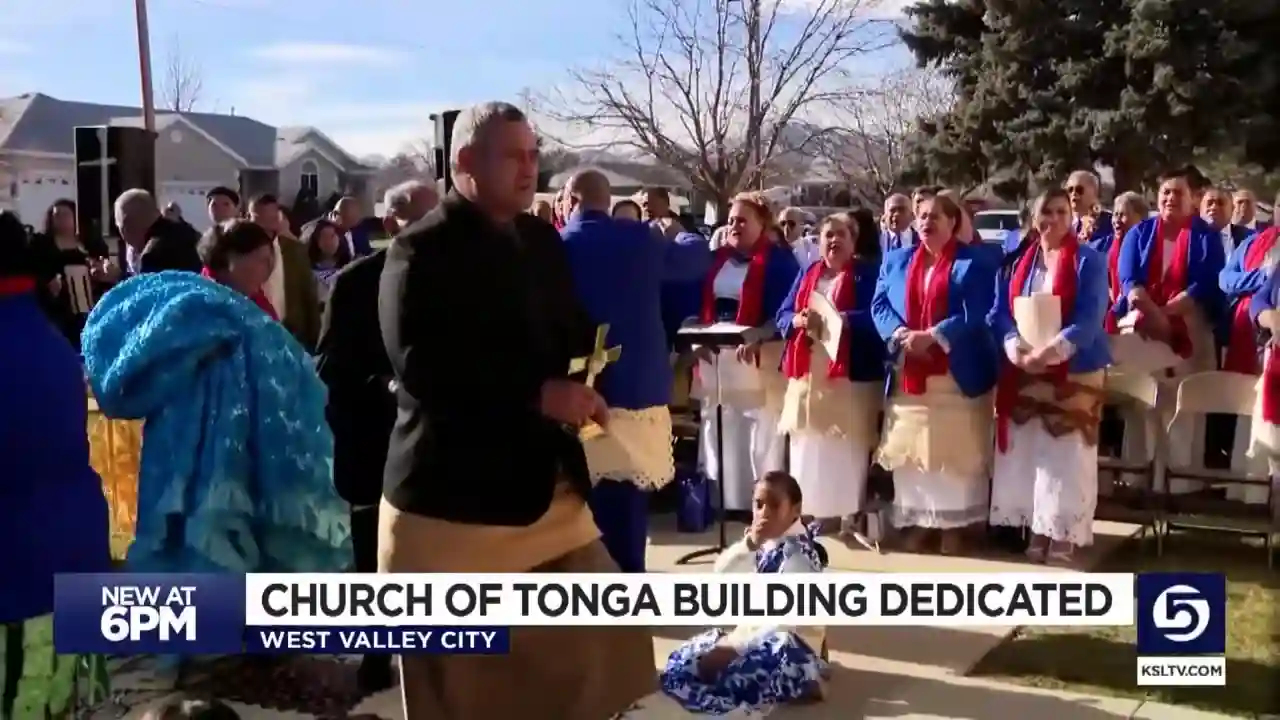
Video
Free Wesleyan Church of Tonga
In Utah, the Free Wesleyan Church of Tonga has acquired a new church building, which was previously a stake center for The Church of Jesus Christ of Latter-day Saints.