



Search the Media Repository
Discover the curated images, videos, and primary sources featured throughout Foundations and Futures
History is more than just text on a page; it is the photographs, voices, and artifacts of the people who lived it. The images and recordings featured across Foundations and Futures are part of a meticulously curated media repository. Whether you are building a lesson plan or investigating an artifact, you can use this database to trace the provenance of our media: discover who created an asset, the historical context behind it, and how it can be used to bring Asian American and Pacific Islander experiences into your classroom.
Multimedia
Chapters
-
Text
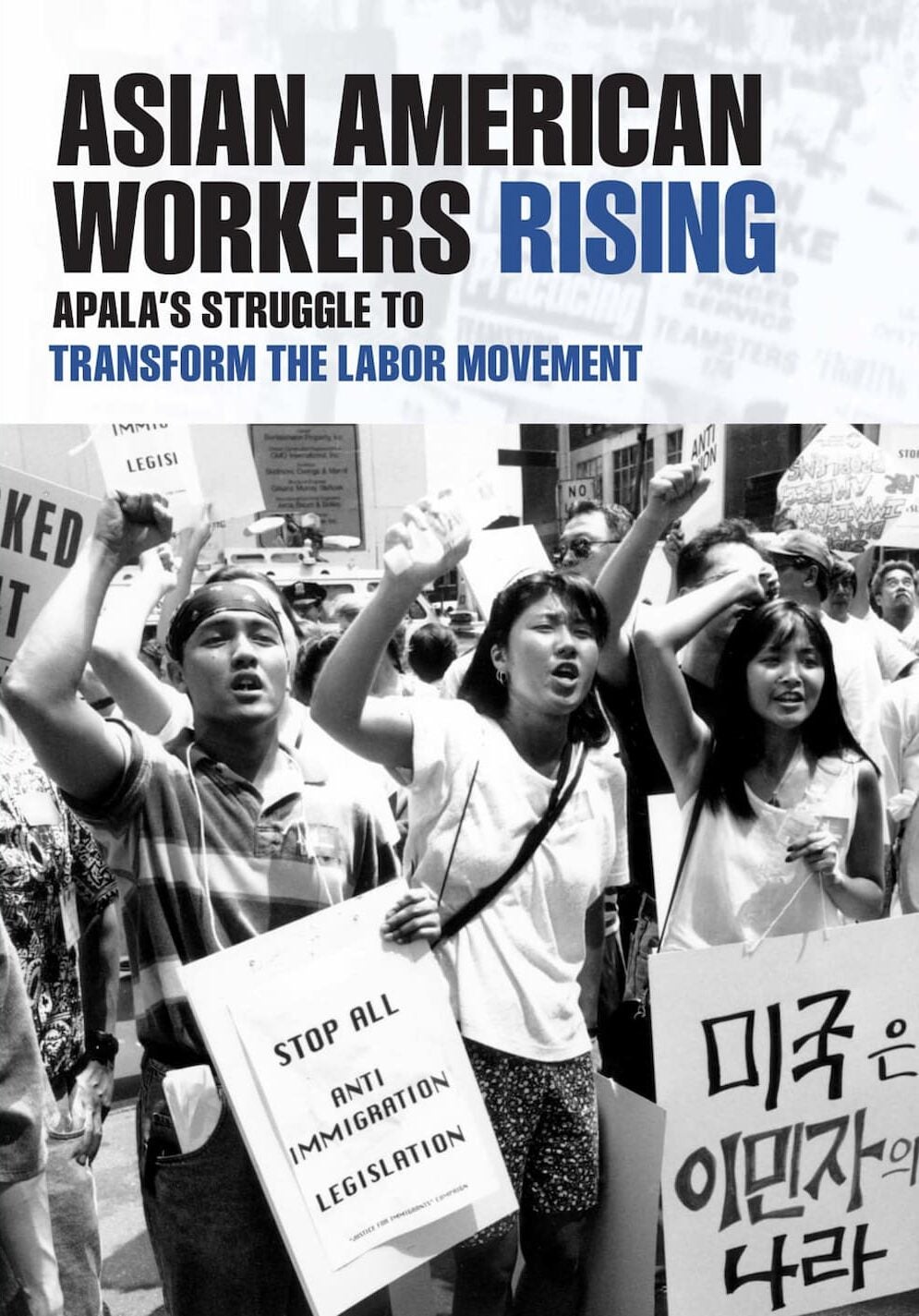
Asian American Workers Rising
Asian American Workers Rising celebrates the first thirty years of the Asian Pacific American Labor Alliance (APALA), the first national Asian American and Pacific Islander worker organization within the US labor movement.
-
Image
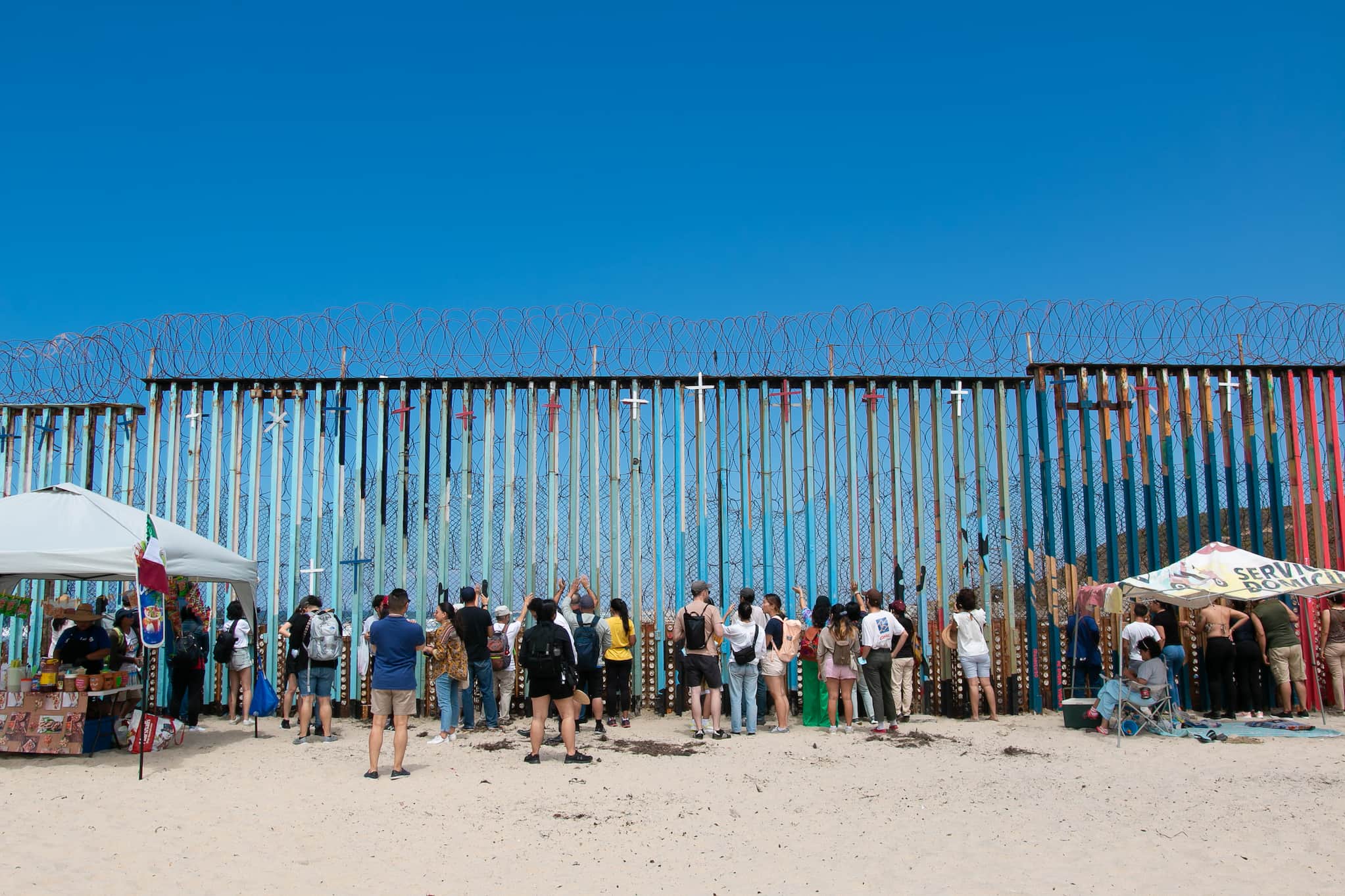
APALA Members Visit U.S.-Mexico Border
APALA members visit the border wall that was erected inside Friendship Park, a binational park on the US-Mexico border in the San Diego-Tijuana region.
-
Video
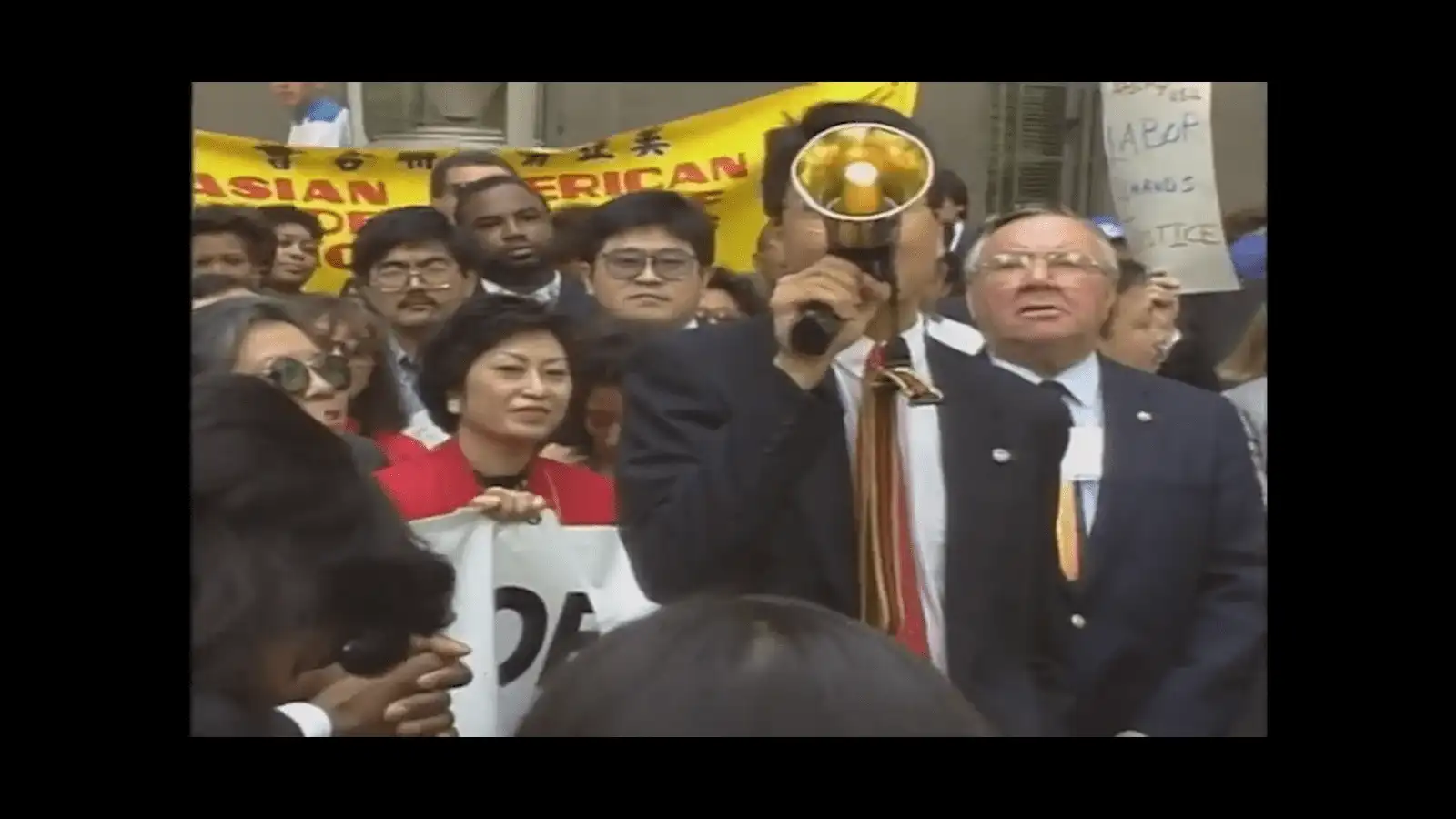
1992 APALA Founding Convention Video
APALA members and supporters march in Washington, DC, on May 1, 1992, to protest the police acquittal in the Rodney King beating in Los Angeles, California. This clip highlights APALA’s social unionism organizing values, in that labor issues are interconnected to racial justice issues.
-
Image
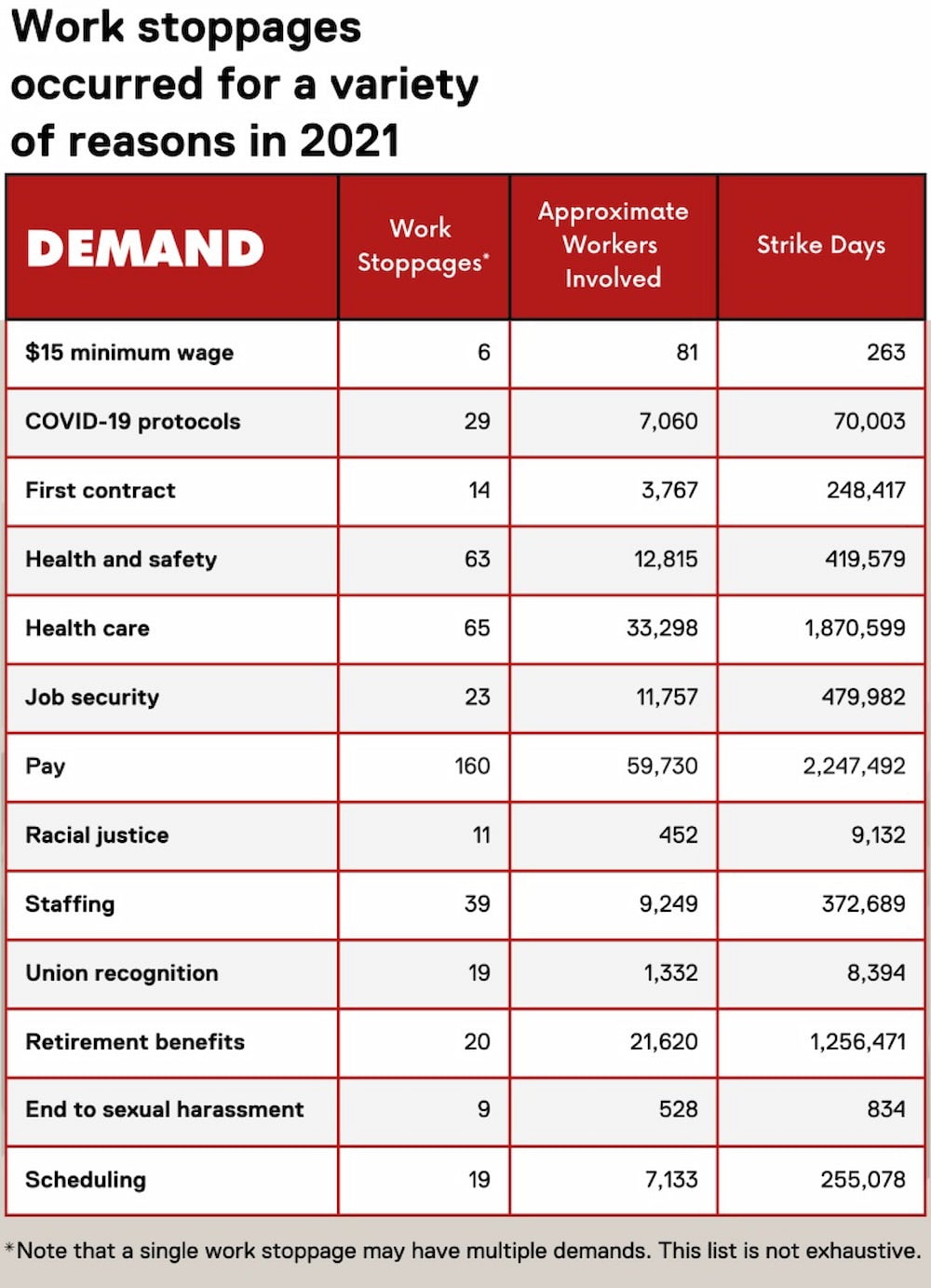
Labor Action By Demands
Details on the large number of work stoppages that took place in 2021.
-
Image
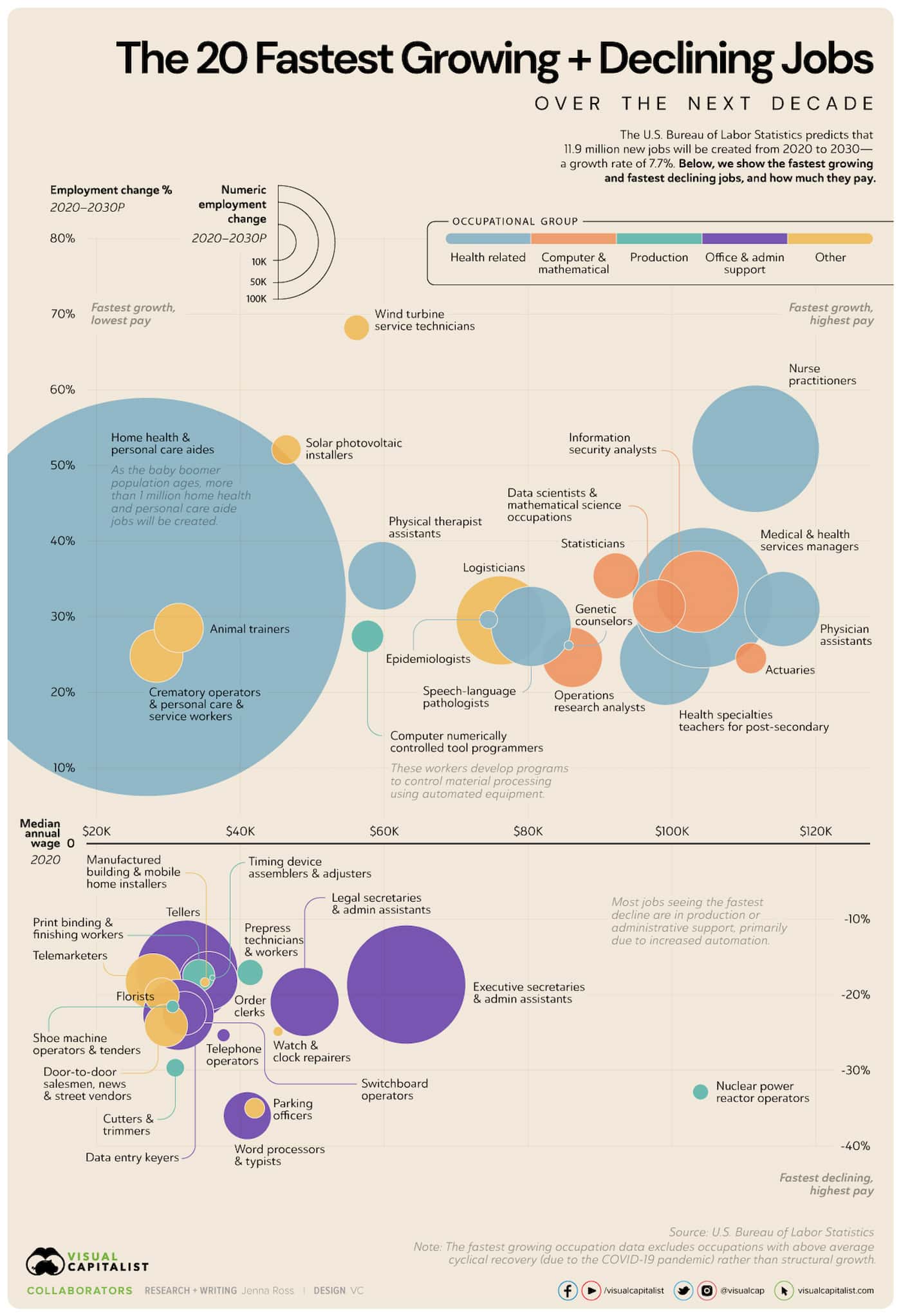
The 20 Fastest Growing + Declining Jobs Over the Next Decade
In 2020, the US Bureau of Labor Statistics published the twenty fastest growing and declining jobs in the next decade. This infographic from Visual Capitalist illustrates the effects of globalization, automation, and outsourcing.
-

Video
Organizing Nail Salon Workers
Adhikaar, a New York based worker and community center that organizes the Nepali-speaking immigrant and refugee community, focuses on the significant number of Nepali nail salon workers, all who lack labor protections and rights.
-
Image
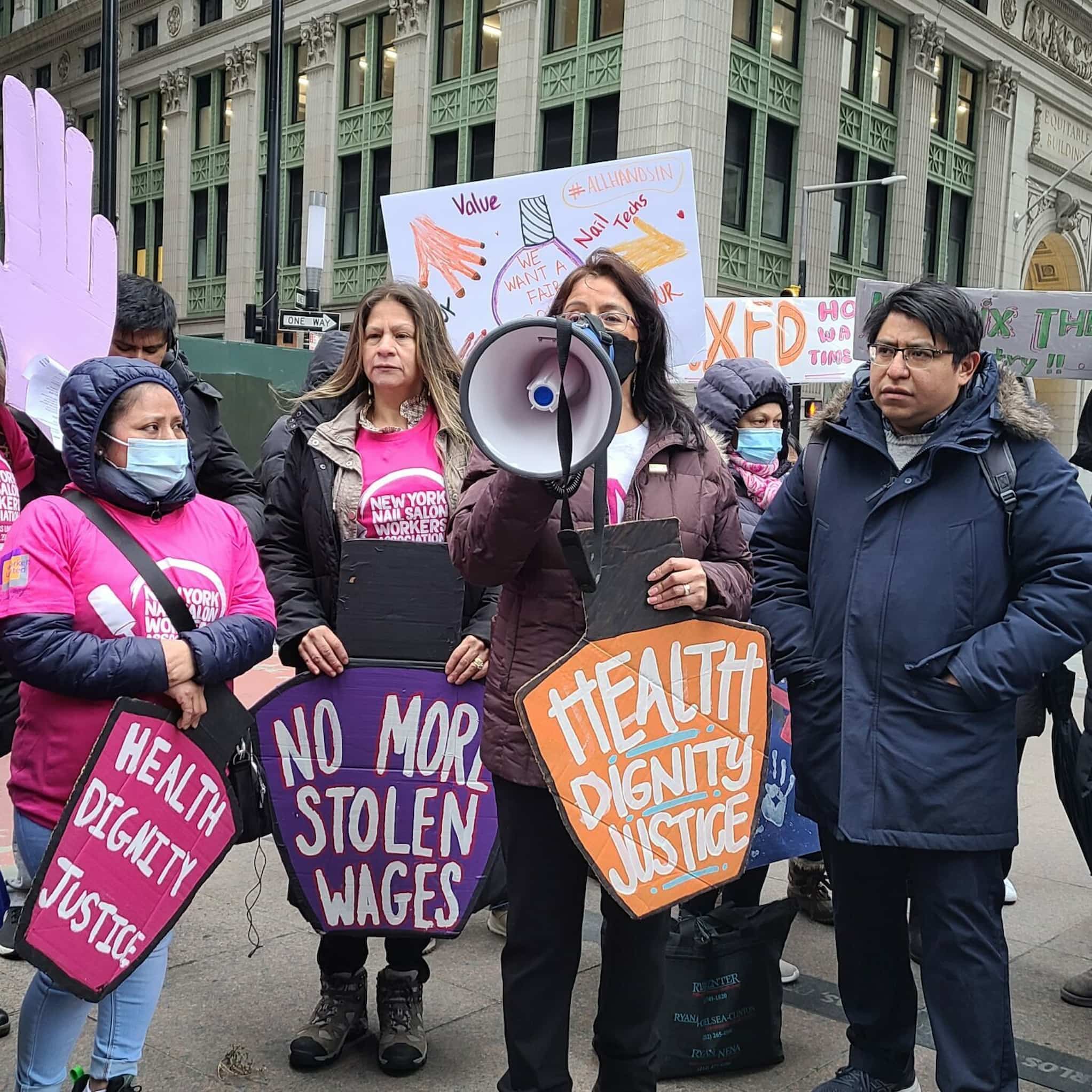
Nail Salon Worker Protest
Nail salon workers in New York gather to protest their dire working conditions. They helped pass the nation’s first Nail Salon Workers Bill of Rights in 2015.
-
Text
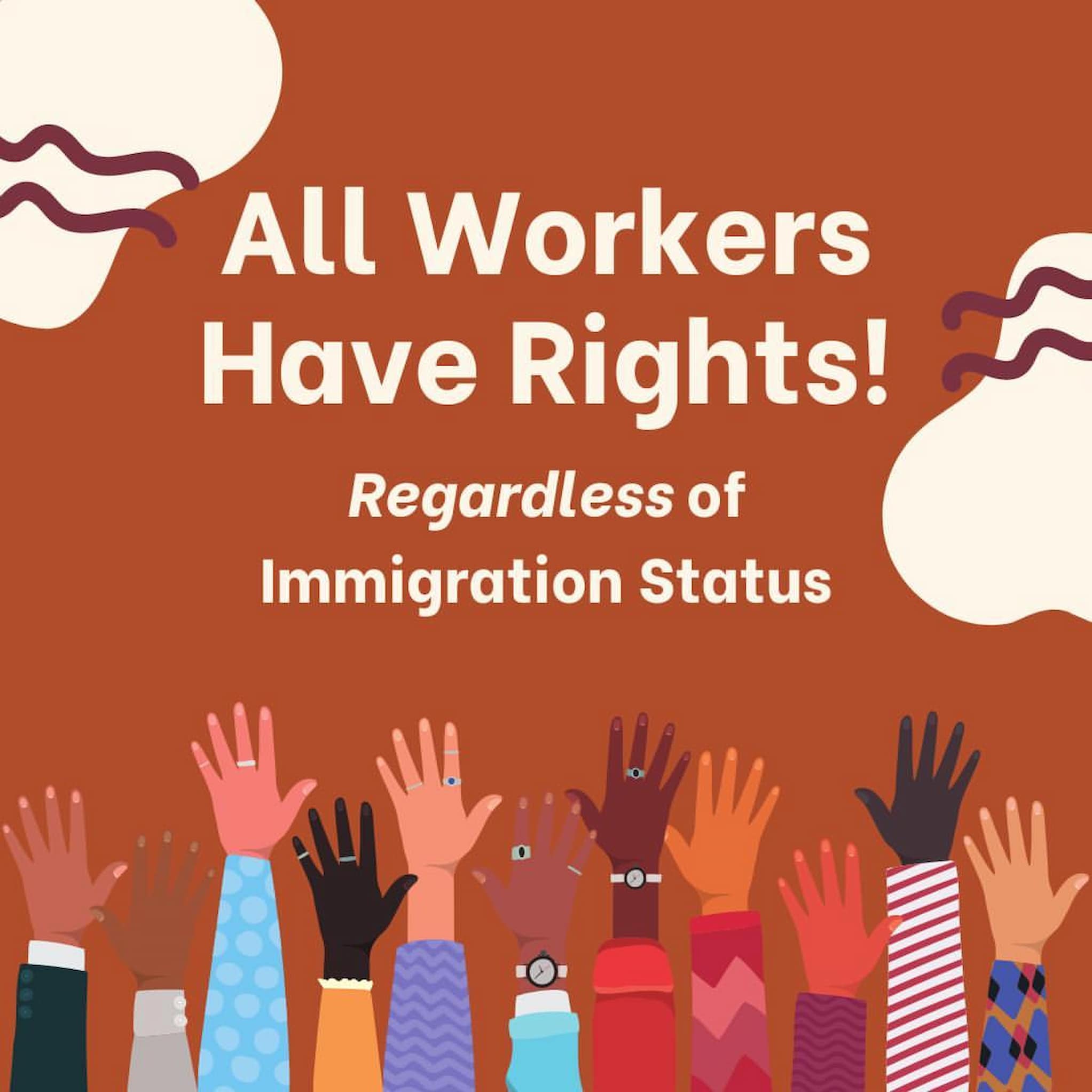
California Healthy Nail Salon Collaborative Poster
A workers’ rights poster from the California Healthy Nail Salon Collaborative (CHNSC).
-
Text
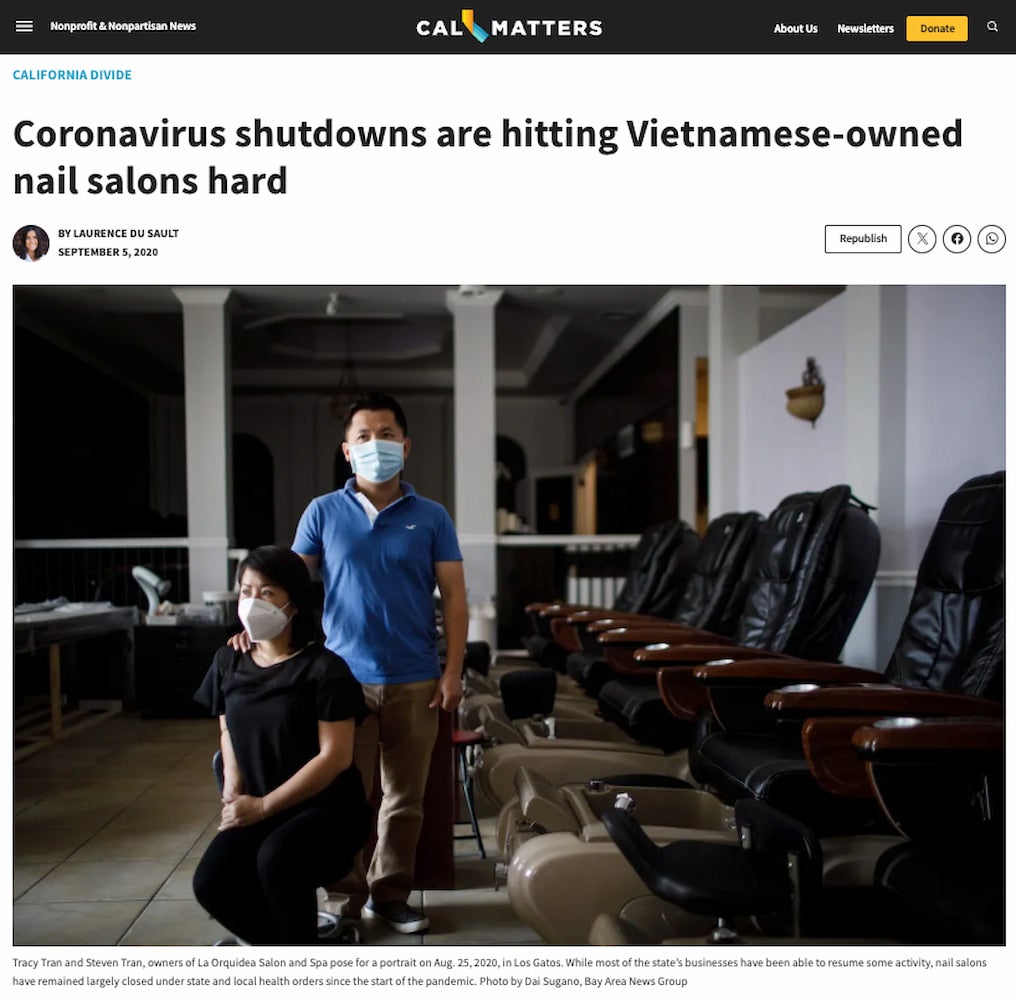
Vietnamese-Owned Nail Salons Affected by Shutdowns
CalMatters in September 2020 reported on how COVID-19 lockdowns affected nail salons, which are often owned by Vietnamese immigrants.
-
Image
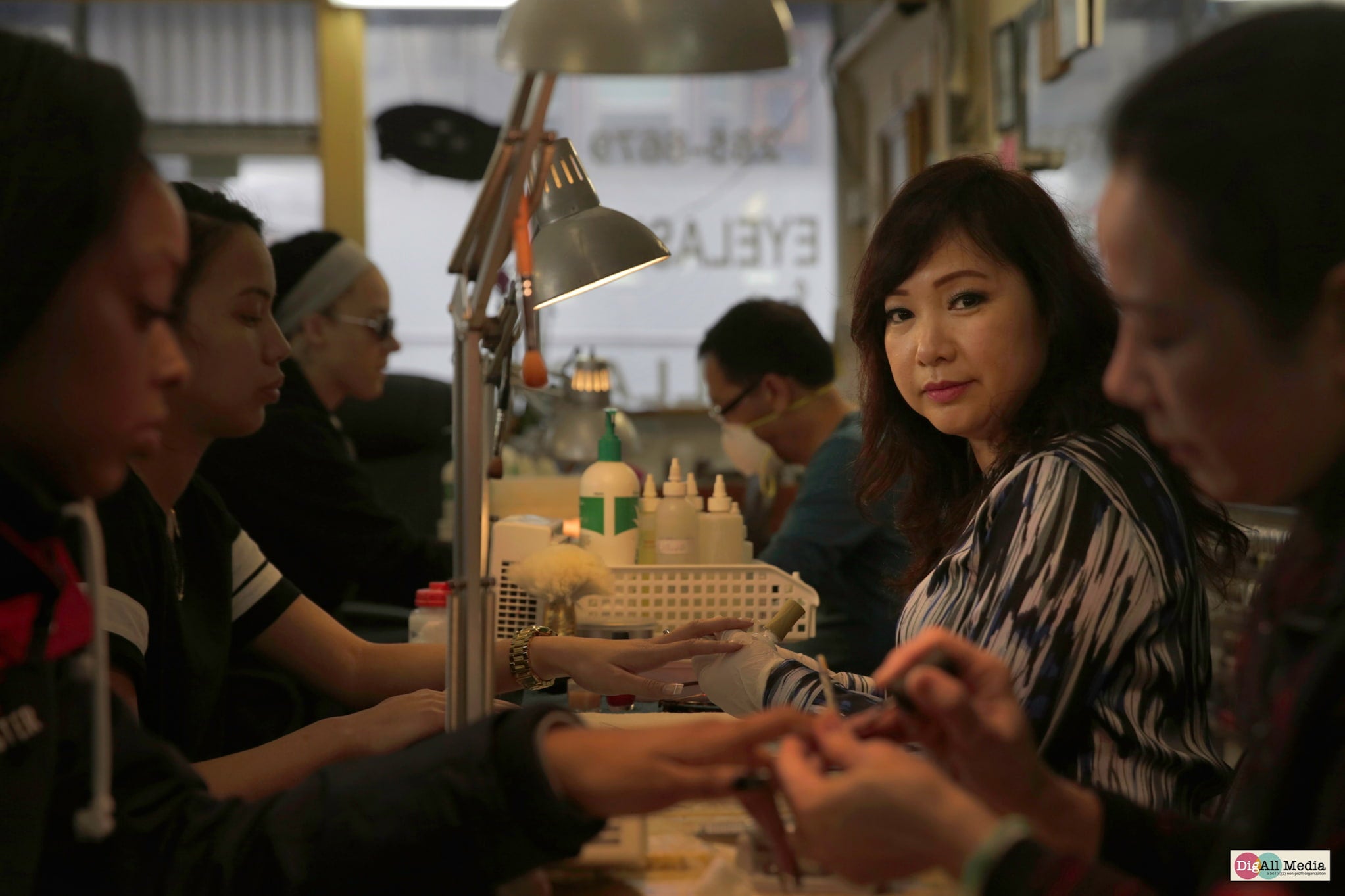
Van Hoang In Nail Salon
Van Hoang (right), a Vietnamese immigrant who owns and runs a nail salon in San Francisco, California, faces many health risks including suffering multiple miscarriages, likely due to her exposure to toxins.
-
Image
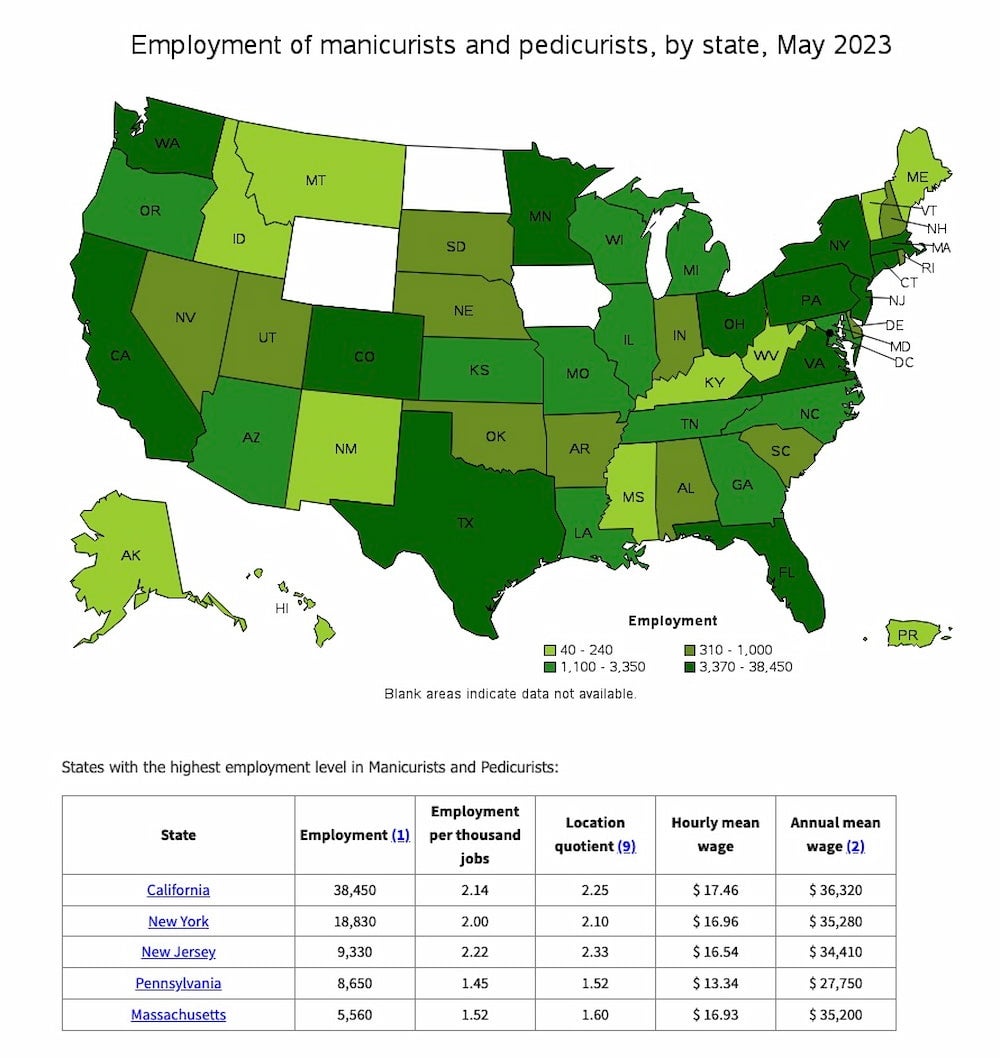
Employment of Manicurists by State
The states with the highest percentage of nail salon workers. (Source: US Bureau of Labor Statistics, May 2023)
-
Image
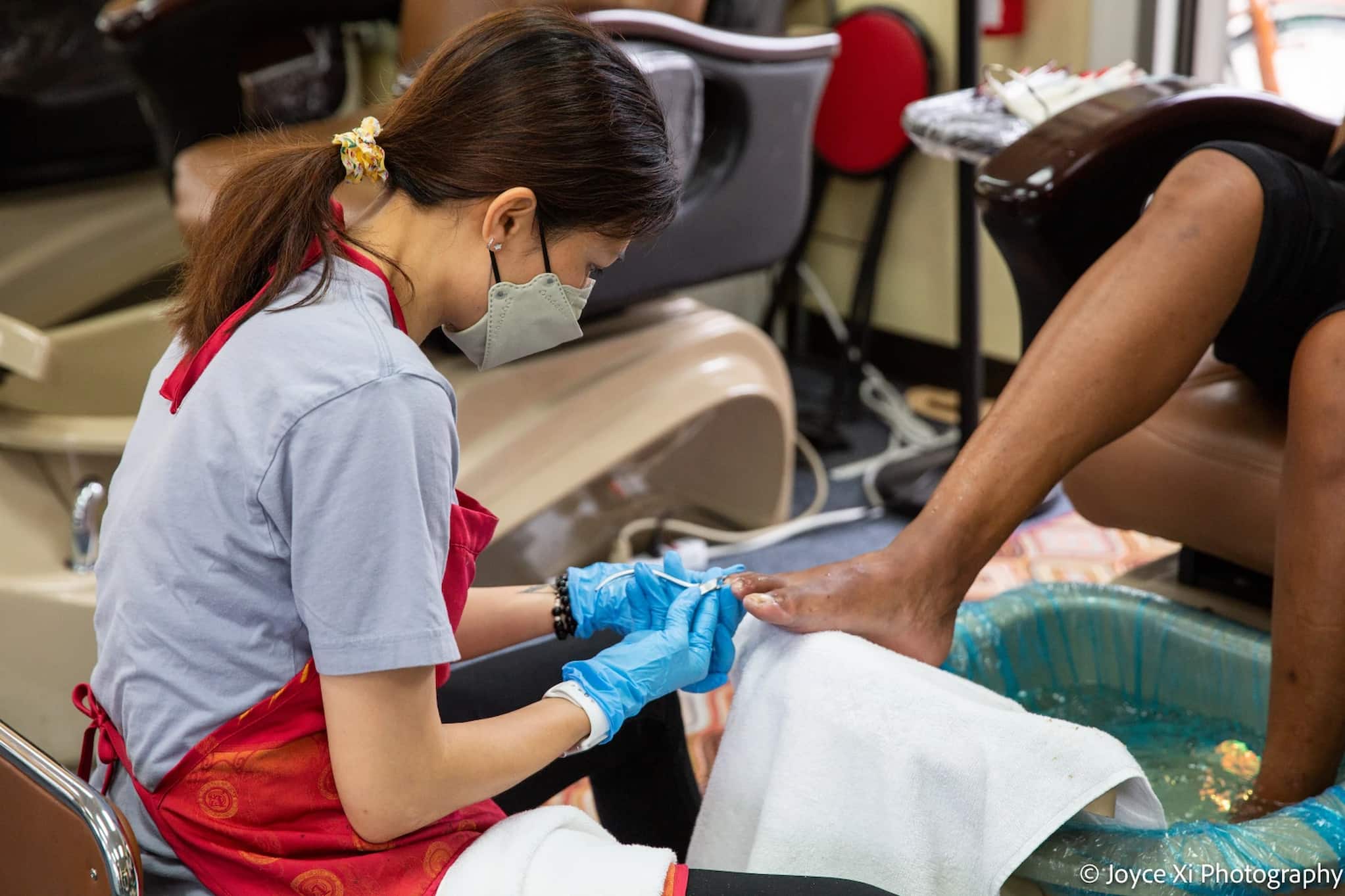
Nail Salon Worker
Nail salon business owners and workers are often Asian immigrant and refugee women.
-
Image
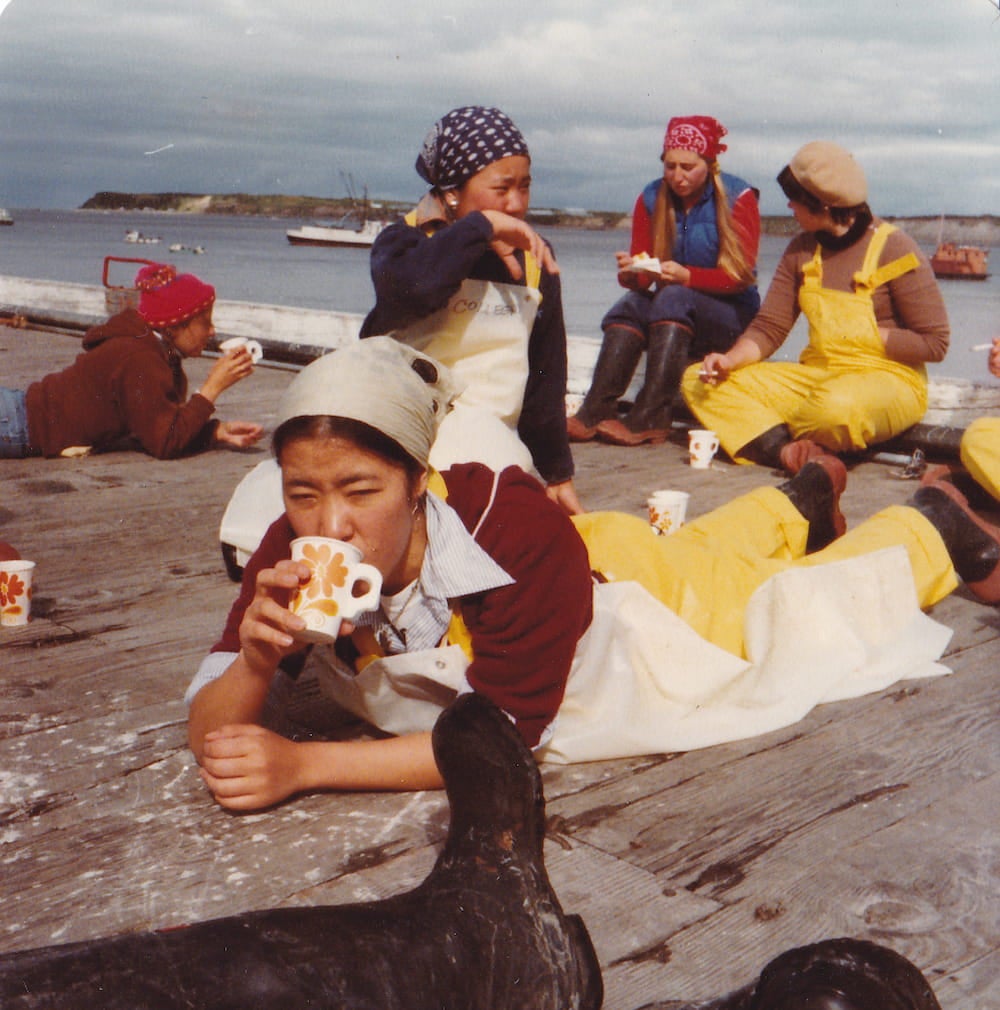
Cannery Coffee Break
This candid photograph from a National Parks Service-supported project captures a break in the monotony of daily life at Diamond NN Cannery as workers drink coffee and rest on the dock.
-

Video
Murder of Gene Viernes and Silme Domingo
A news report details the 1981 murders of Filipino American labor activists Gene Viernes and Silme Domingo. It was later proved that the Marcos government in the Philippines had ordered their murders due to their union organizing and anti-Marcos advocacy.
-
Image
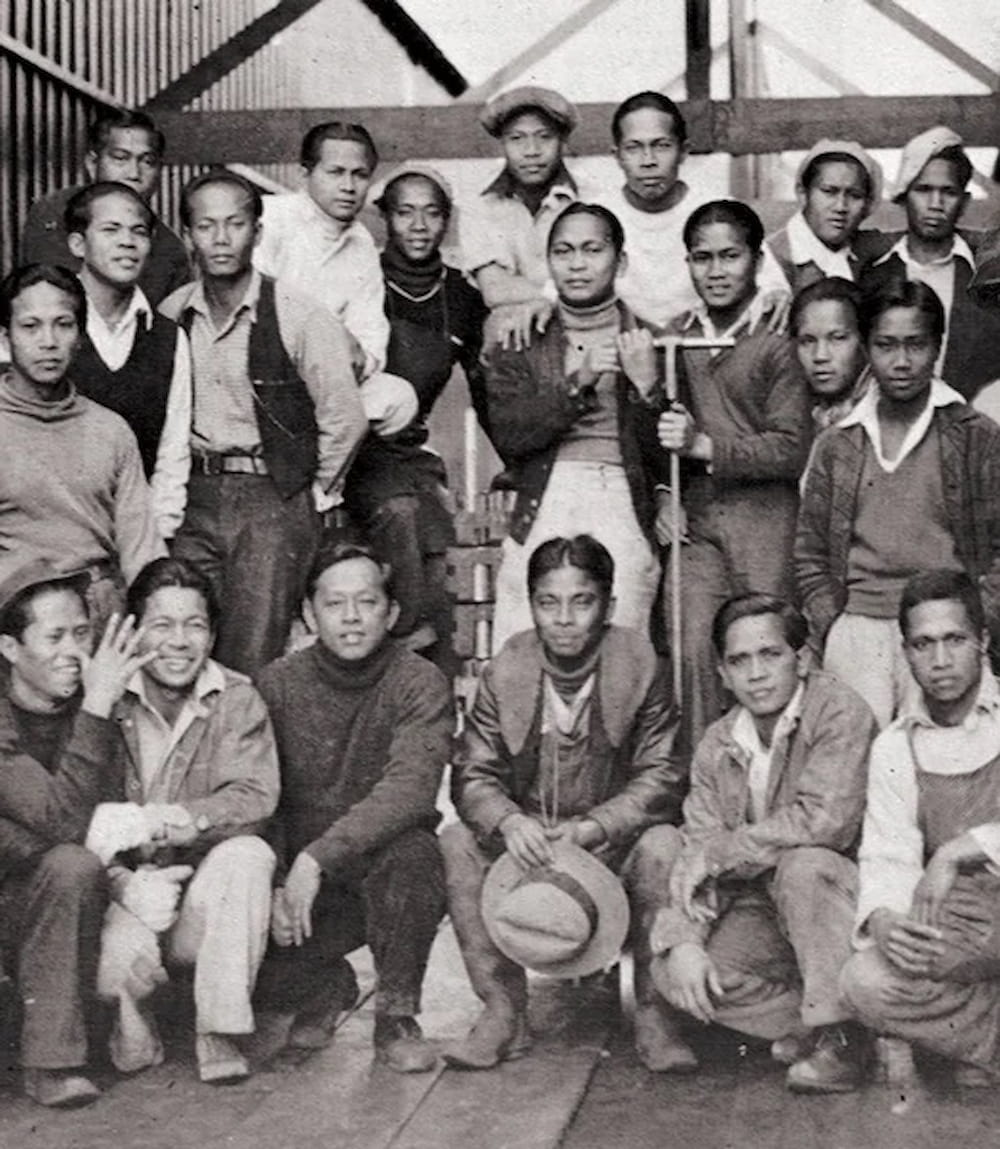
Filipino Cannery Workers
Filipino cannery workers in Alaska, who faced discrimination and segregation alongside other workers of color.
-

Video
David Della Interview
David Della, who worked in Alaska canneries in the 1970s and 1980s, became influenced by the Civil Rights Movement and was part of the cannery workers’ class action discrimination lawsuit against several salmon canneries.
-
Image
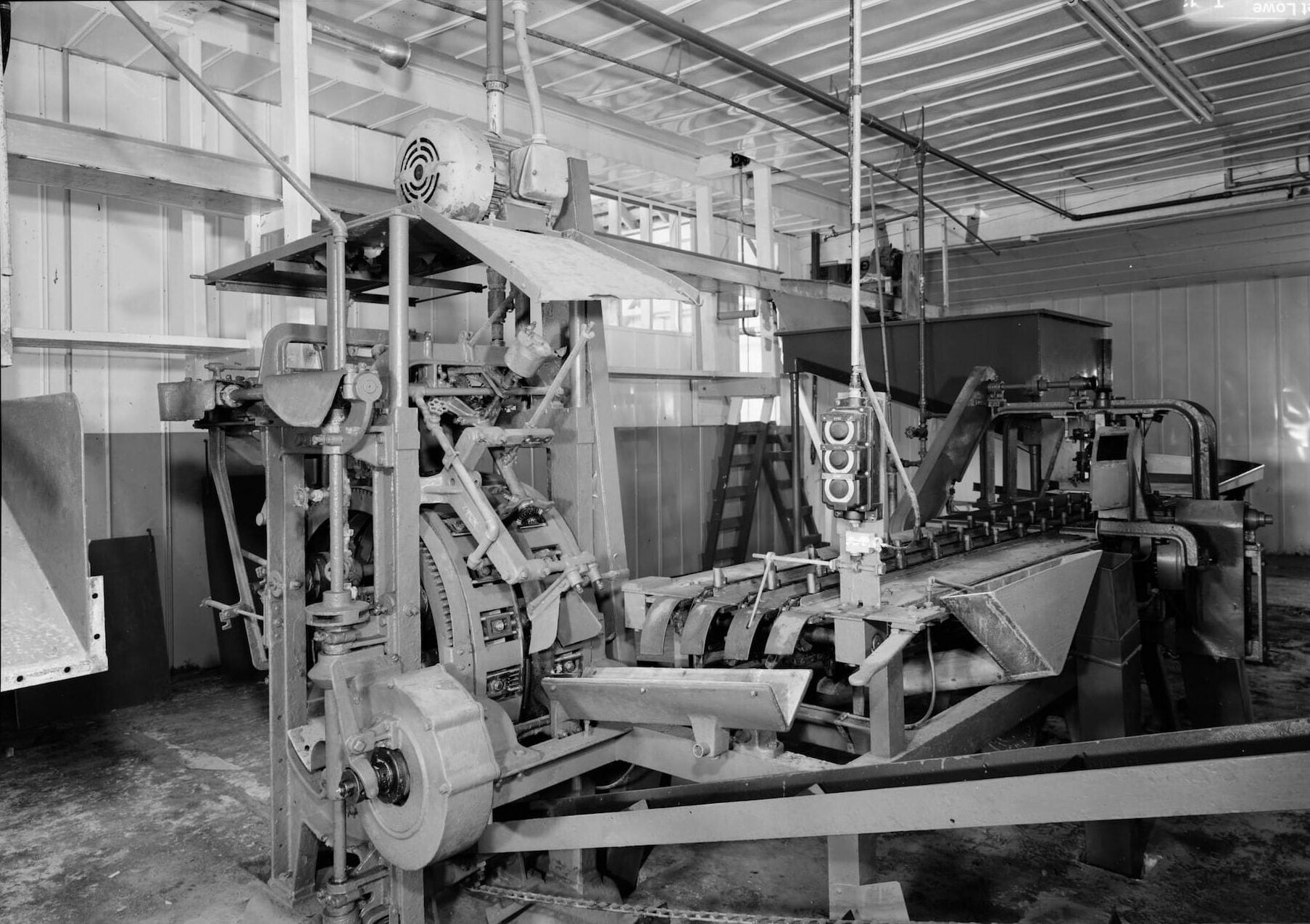
Salmon Cannery Machine
The machine that could replace ten to twenty cannery workers bore a racist anti-Asian slur for its name, and was adopted by larger canneries.
-
Image
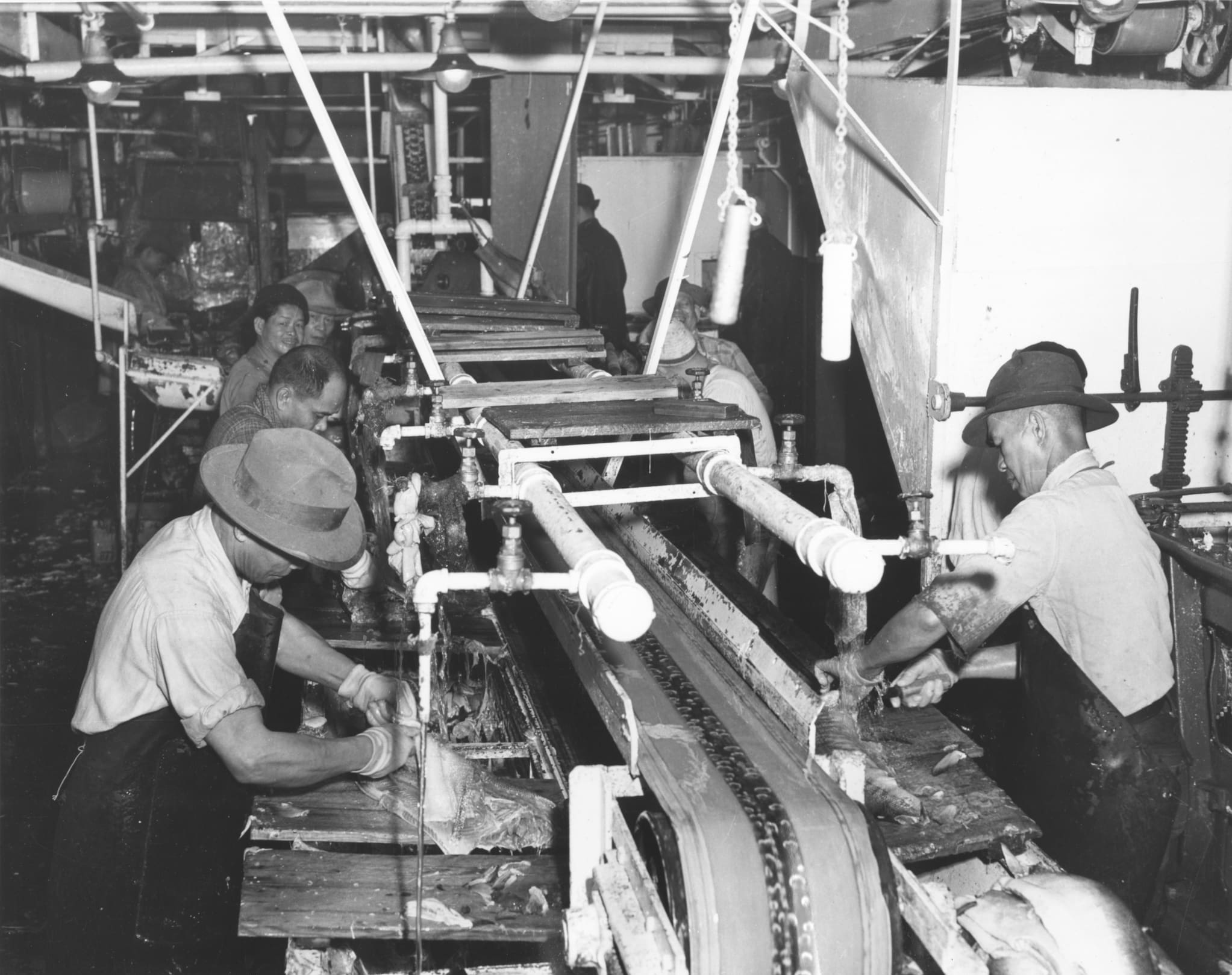
Chinese Cannery Workers
Chinese cannery workers in Alaska at risk of being replaced by new machinery with a racist name and losing their jobs.
-
Image
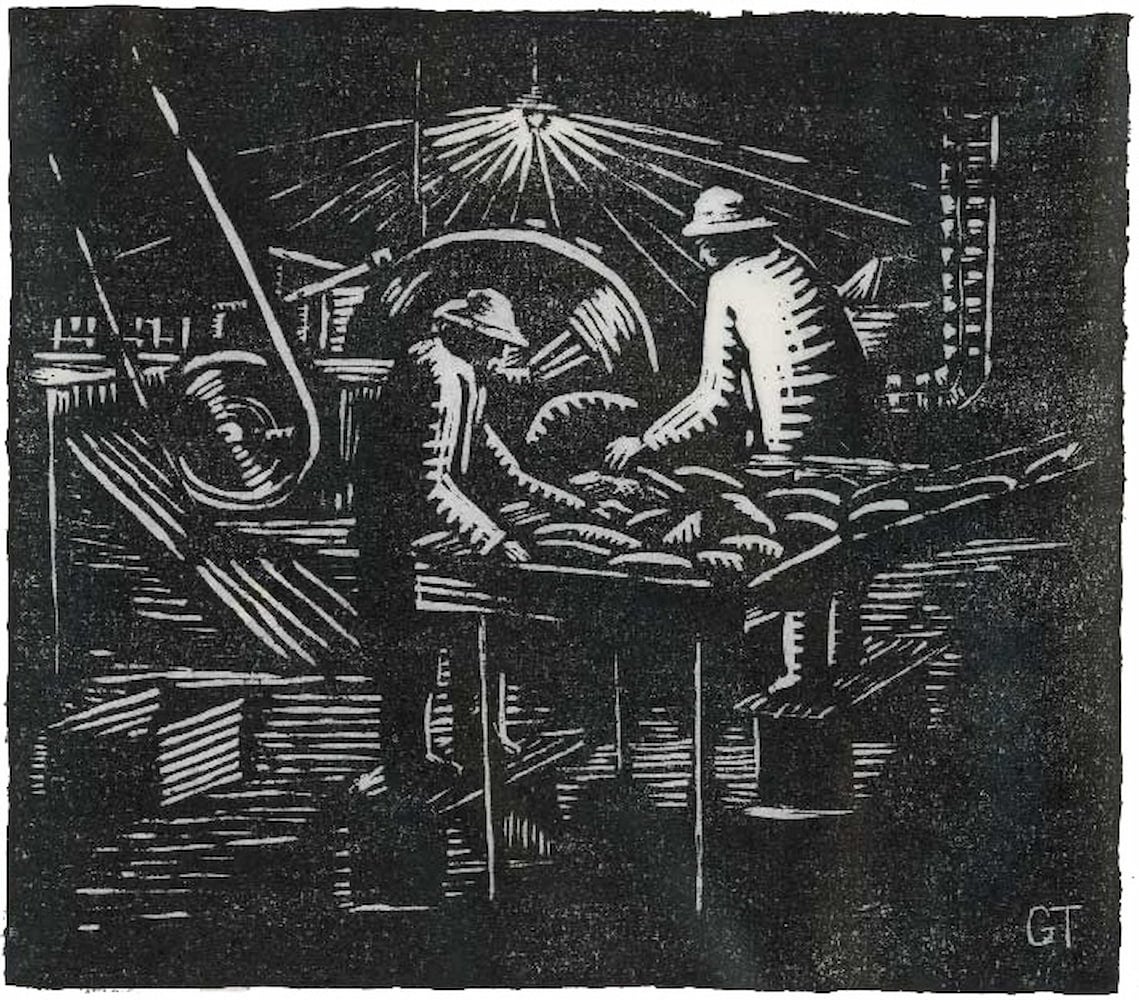
Union Bay Cannery Block Print
In this 1932 blockprint by George Tsutakawa, workers process fish alongside the “Iron Chink,” a cannery machine named with a derogatory ethnic slur. Tsutakawa, who worked at Alaskan canneries, illustrates the imposing presence of the machine against Asian workers.
-
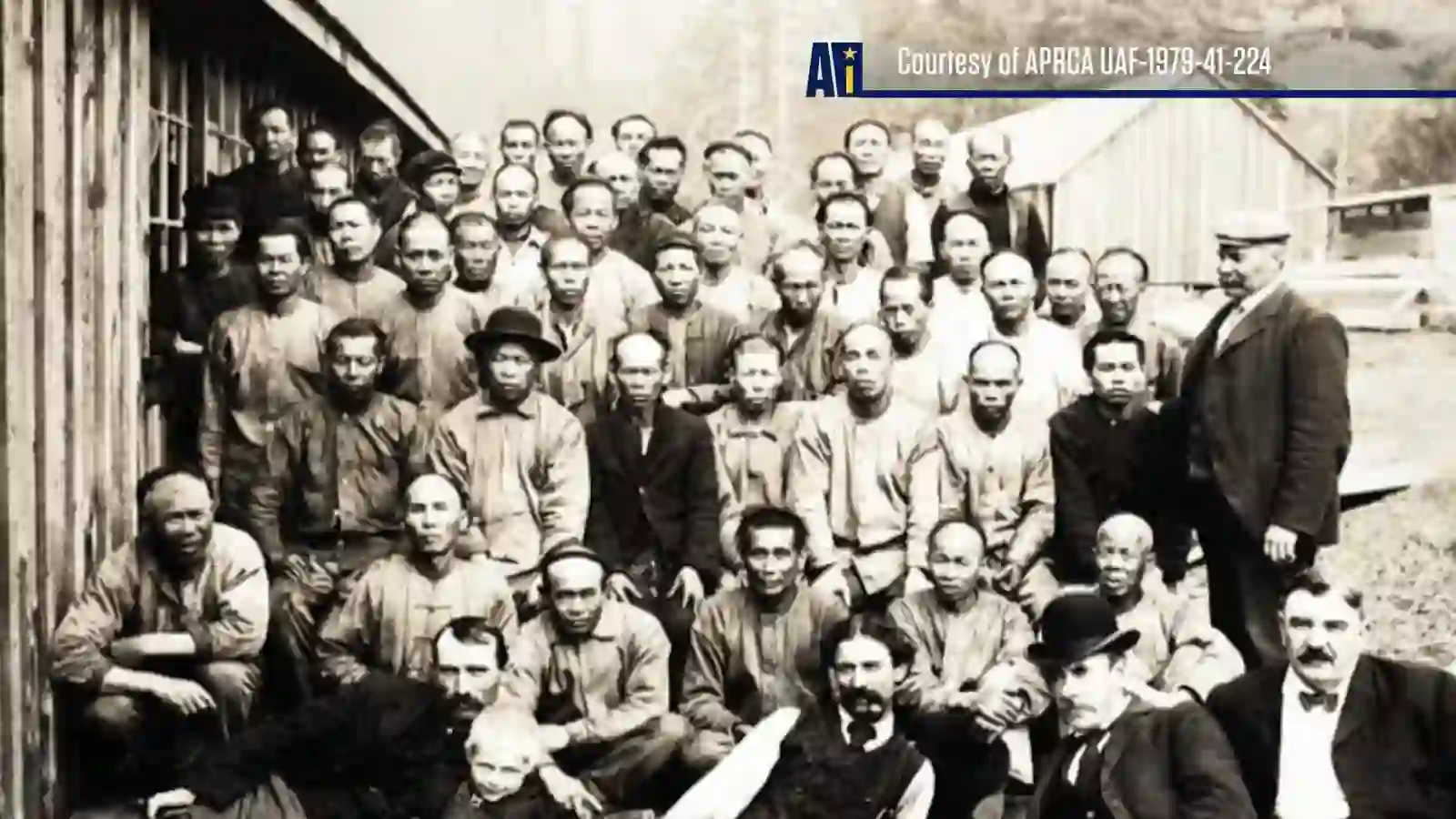
Video
Chinese Cannery Workers in Alaska
Chinese immigrants who arrived before statehood helped grow Alaska’s wild salmon industry into the international, multibillion-dollar economy it became known for.