



Search the Media Repository
Discover the curated images, videos, and primary sources featured throughout Foundations and Futures
History is more than just text on a page; it is the photographs, voices, and artifacts of the people who lived it. The images and recordings featured across Foundations and Futures are part of a meticulously curated media repository. Whether you are building a lesson plan or investigating an artifact, you can use this database to trace the provenance of our media: discover who created an asset, the historical context behind it, and how it can be used to bring Asian American and Pacific Islander experiences into your classroom.
Multimedia
Chapters
-
Image
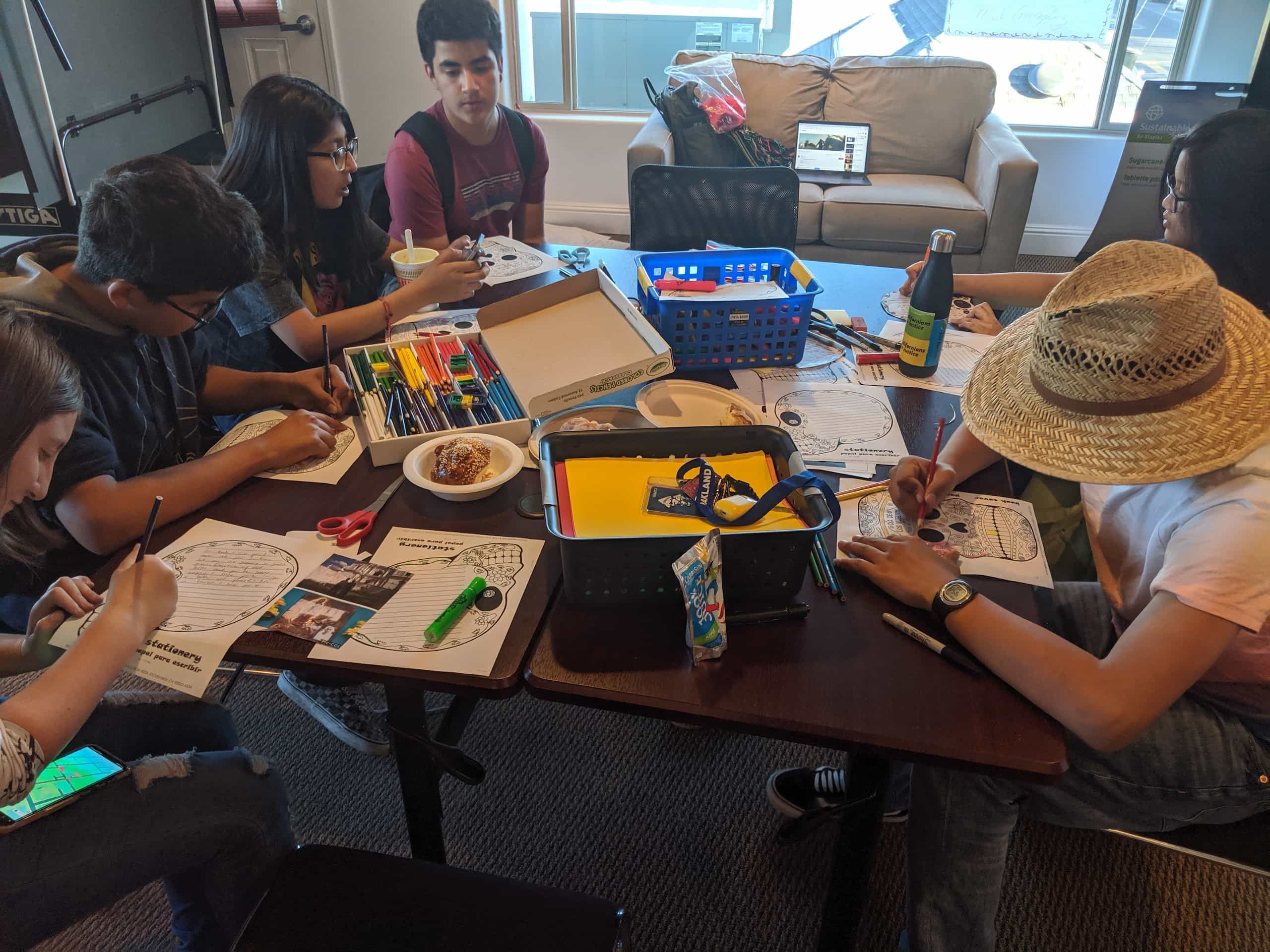
Writing To Loved Ones for Día de (los) Muertos
Californians for Justice (CFJ) leaders writing to loved ones that have passed away for Día de (los) Muertos.
-
Image
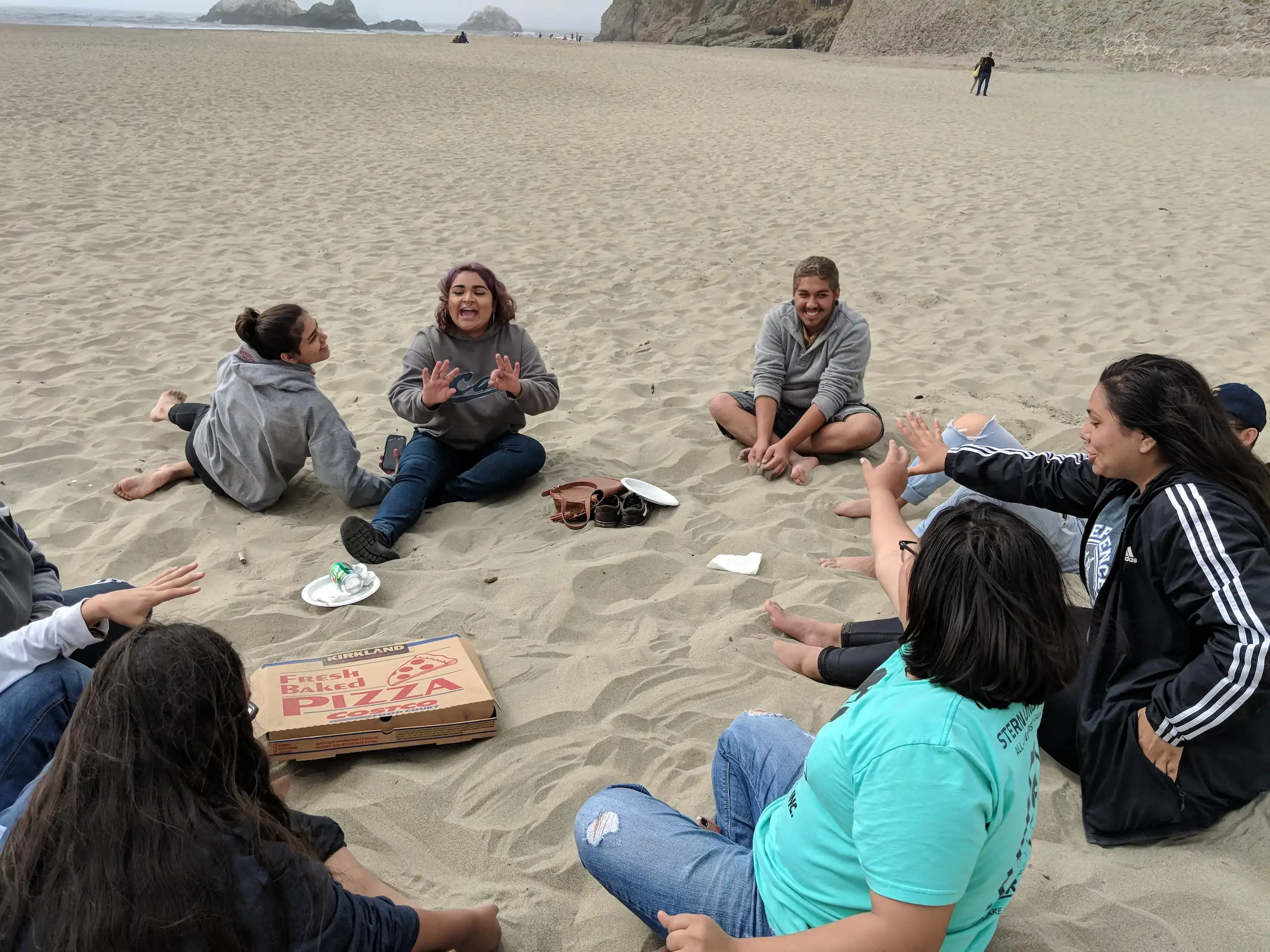
Californians for Justice
Californians for Justice (CFJ) youth enjoying pizza at the beach, a rare experience for many of them who juggle multiple responsibilities due to certain social and economic systems.
-
Image
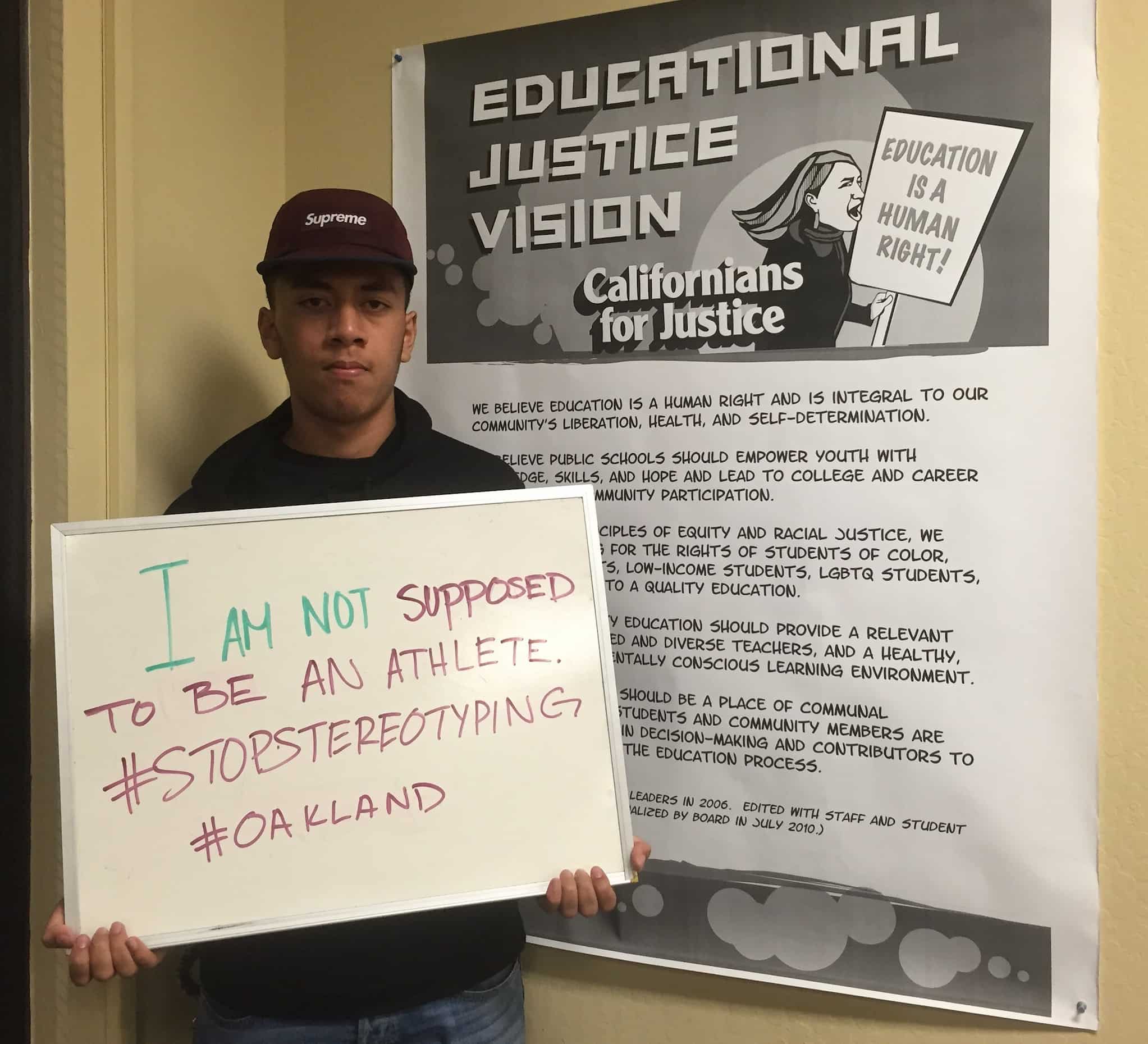
Flip the Frame: Not Supposed To Be An Athlete
A young man holds a sign against stereotyping that reads “I’m not supposed to be an athlete,” as part of the “Flip the Frame” campaign.
-
Image
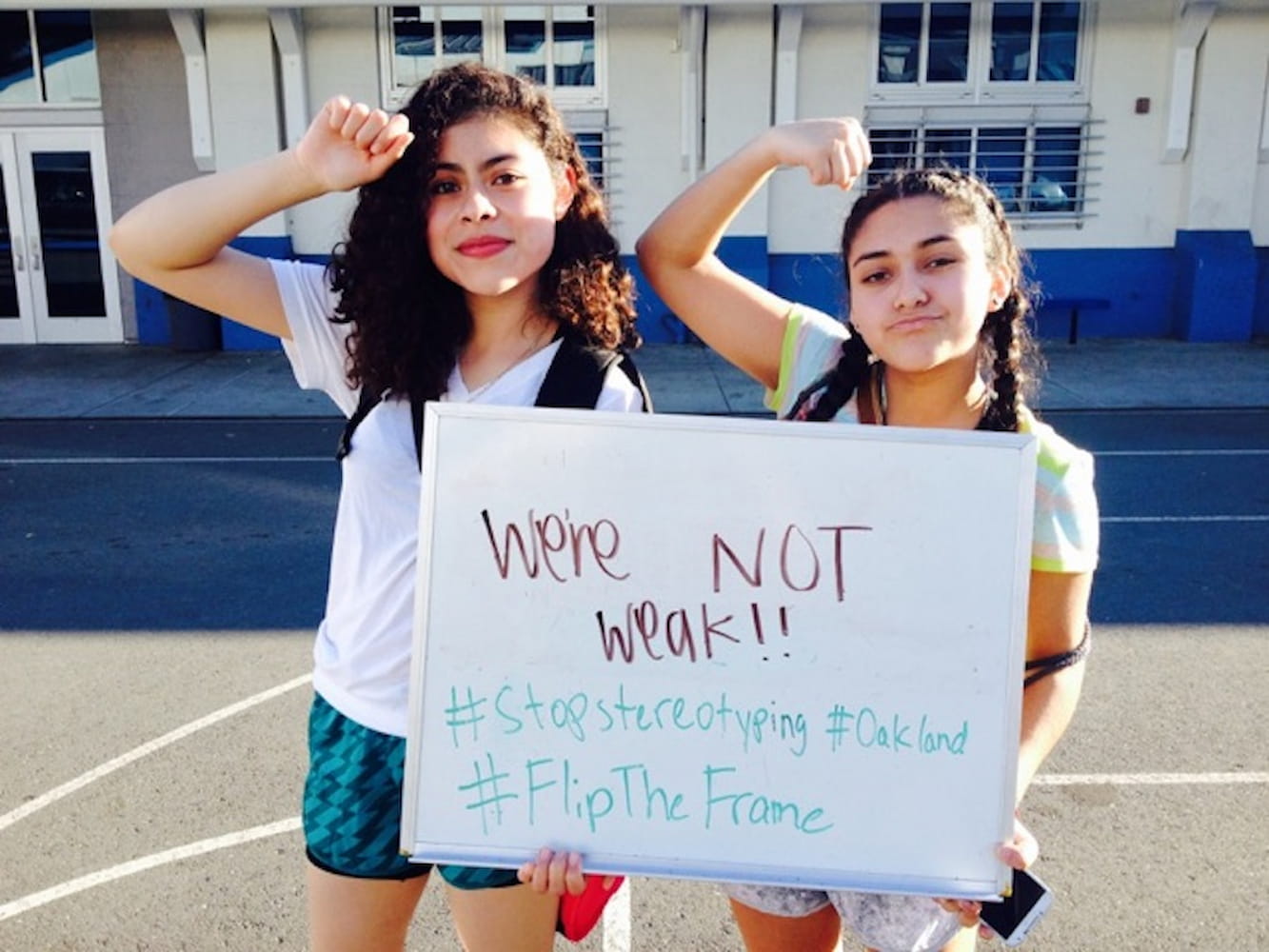
Flip The Frame: We’re Not Weak
Two young women hold out a sign that says “We’re not weak!!” as part of the “Flip the Frame” campaign. This campaign focused on improving relationships between students and adults at school.
-
Image
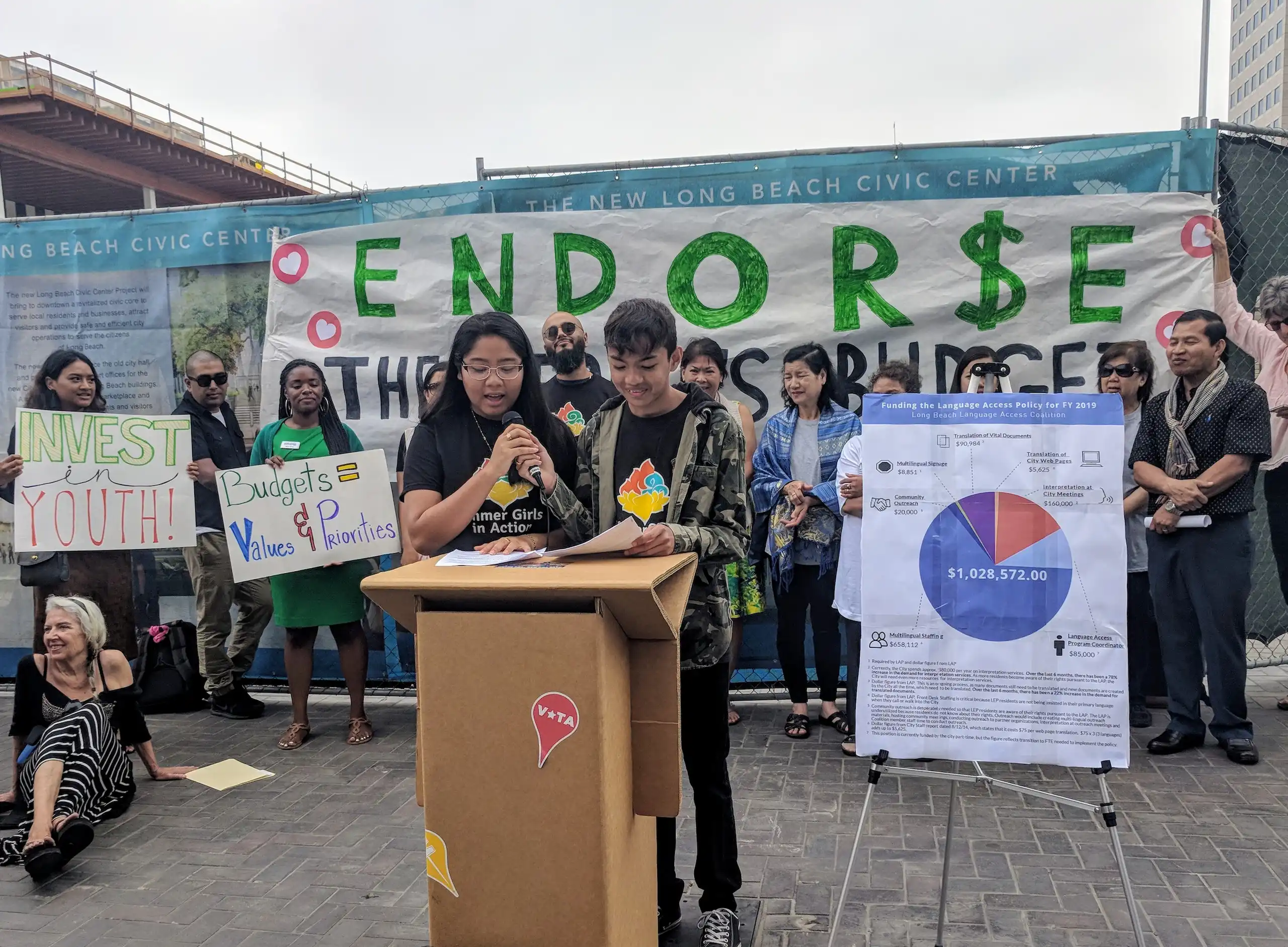
People’s Budget Press Conference
In 2018, KGA youth advocated for a Youth Fund at the People’s Budget press conference supporting community demands for an equitable Long Beach budget addressing immigrant justice, language access, housing, and other critical needs.
-
Image
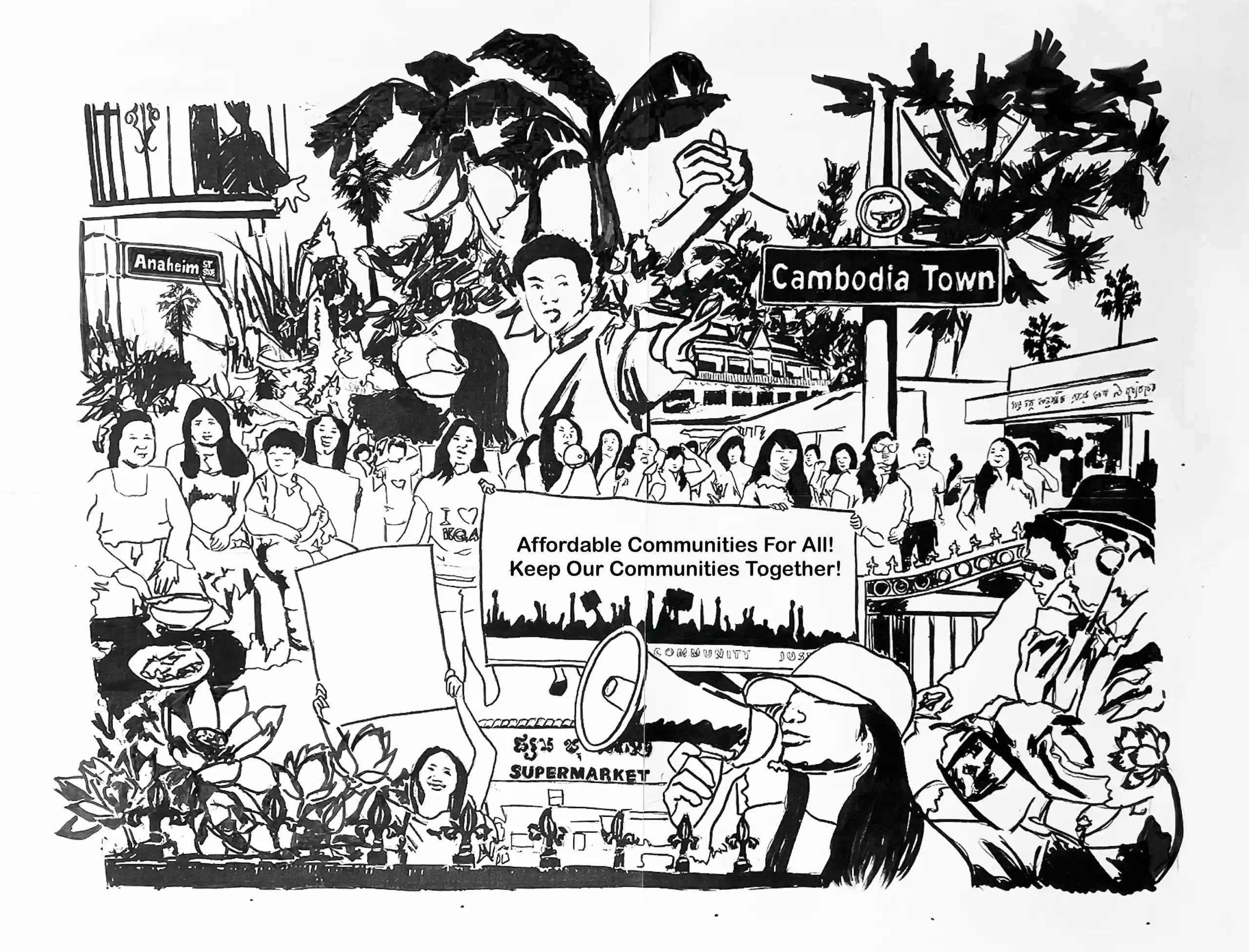
KGA Housing Justice
In 2021, artist and Khmer Girls in Action (KGA) member Tidawhitney Lek created a portable canvas artwork illustrating the fight for housing justice in Long Beach, California. Incorporating photos of KGA members, the work was displayed at various Housing Justice actions.
-
Image
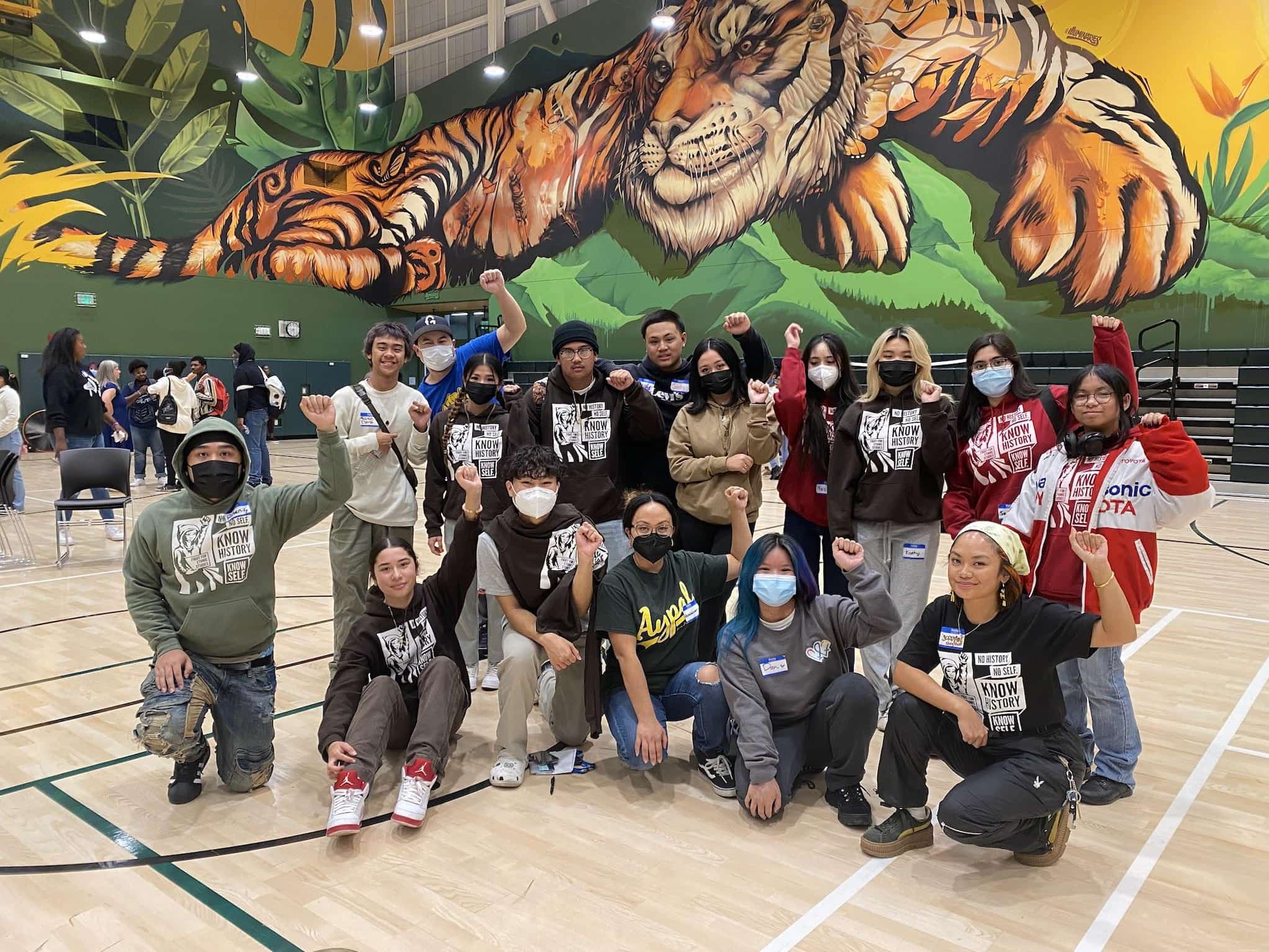
AYPAL Oakland School Board Event
In 2022, members of AYPAL gather together after leading an event to share their perspectives with candidates for the Oakland School Board.
-
Image
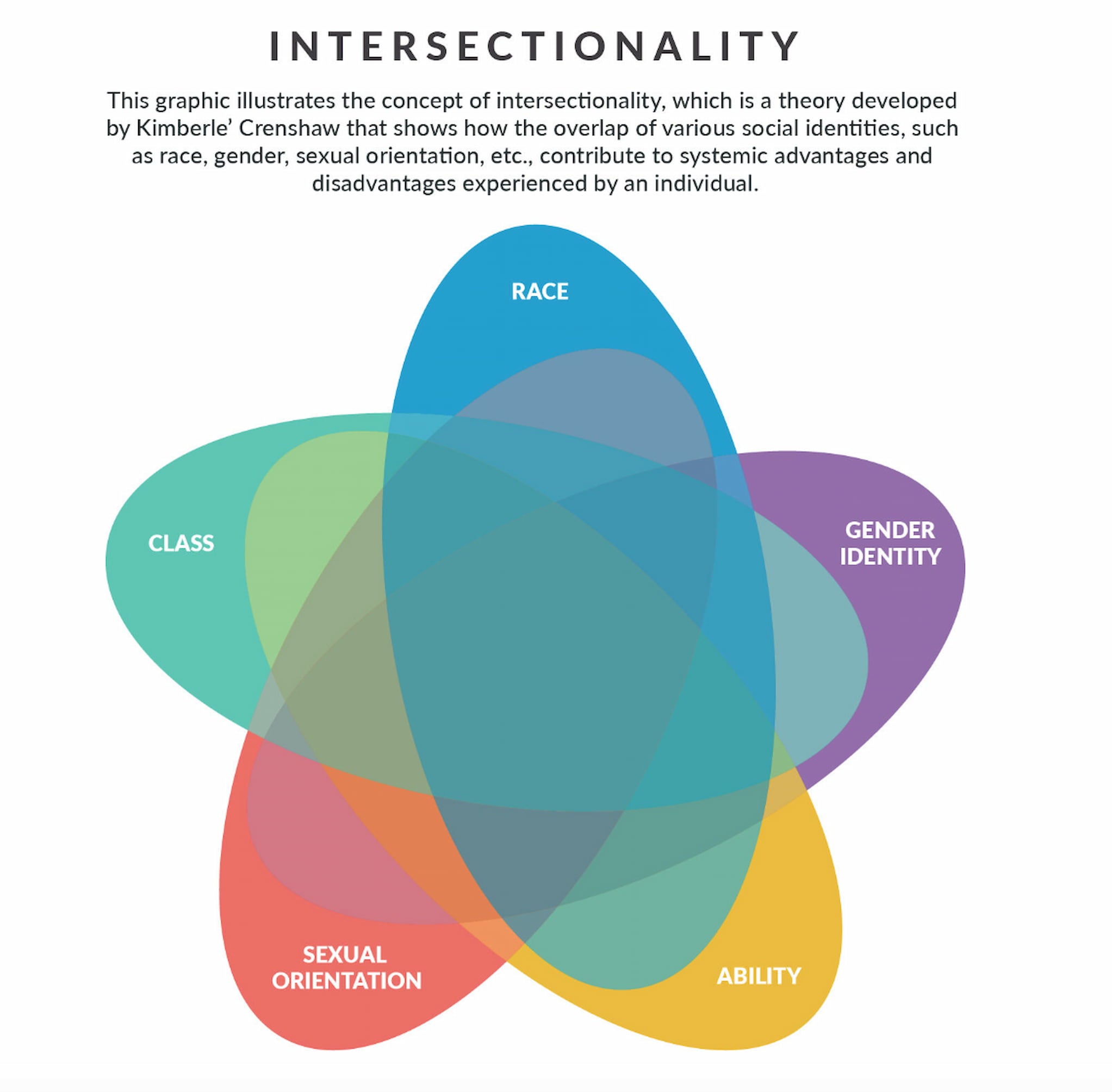
Intersectionality Visual Diagram
This diagram visually shows the intersections between our overlapping social identities.
-
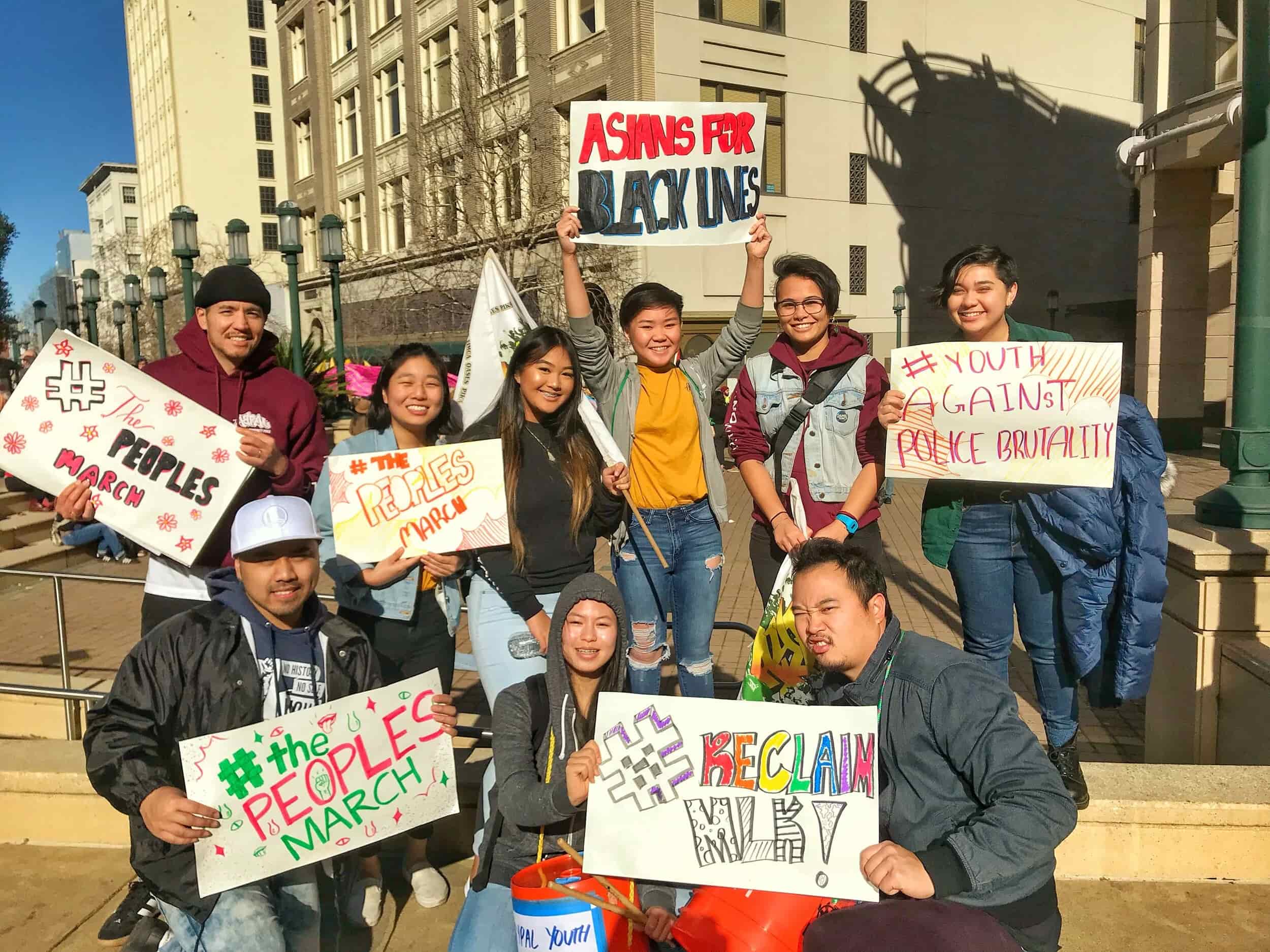
Image
AYPAL and Black Lives Matter
AYPAL members show their solidarity with Black Lives Matter.
-
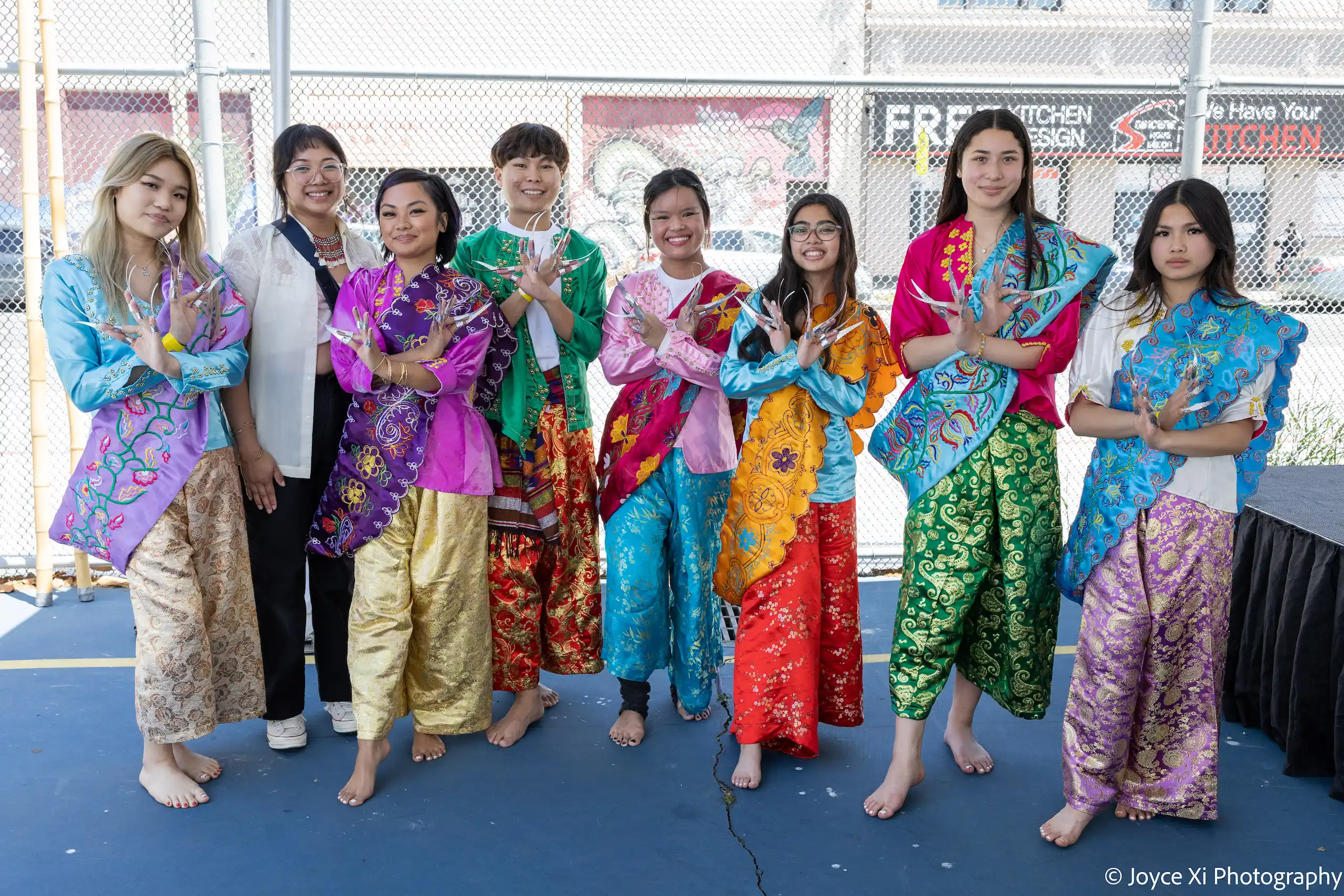
Image
2023 May Arts Festival
Members of AYPAL, a group that aims to empower diverse Asian American and Pacific Islander youth, dress in traditional Southeast Asian attire for their annual May Arts festival in 2023.
-
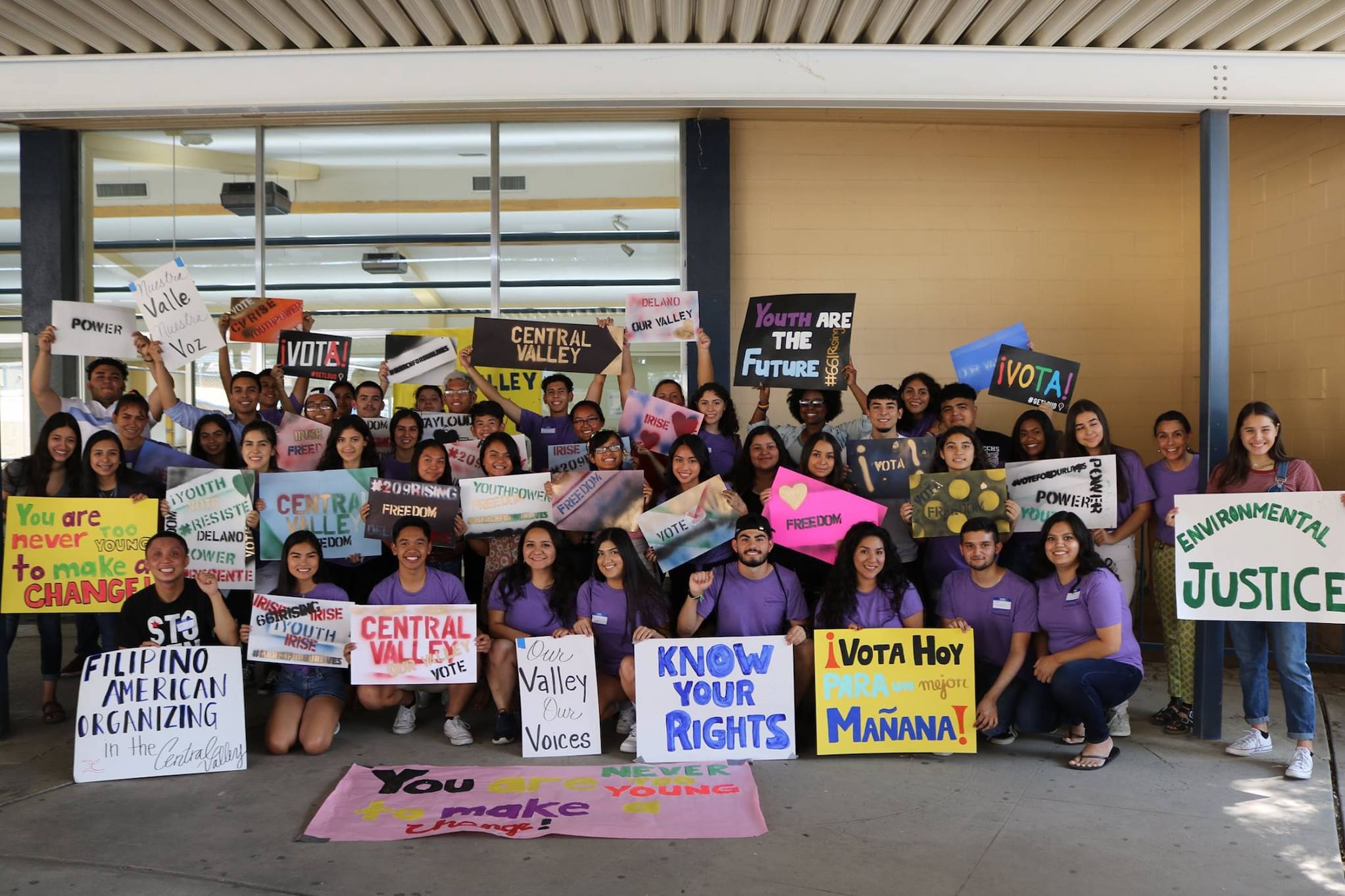
Image
Central Valley Students’ Grassroots Organizing
Returning home for the summer, university students from the largely agricultural Central Valley region of California participate in local grassroots community organizing, youth development, and voter engagement.
-
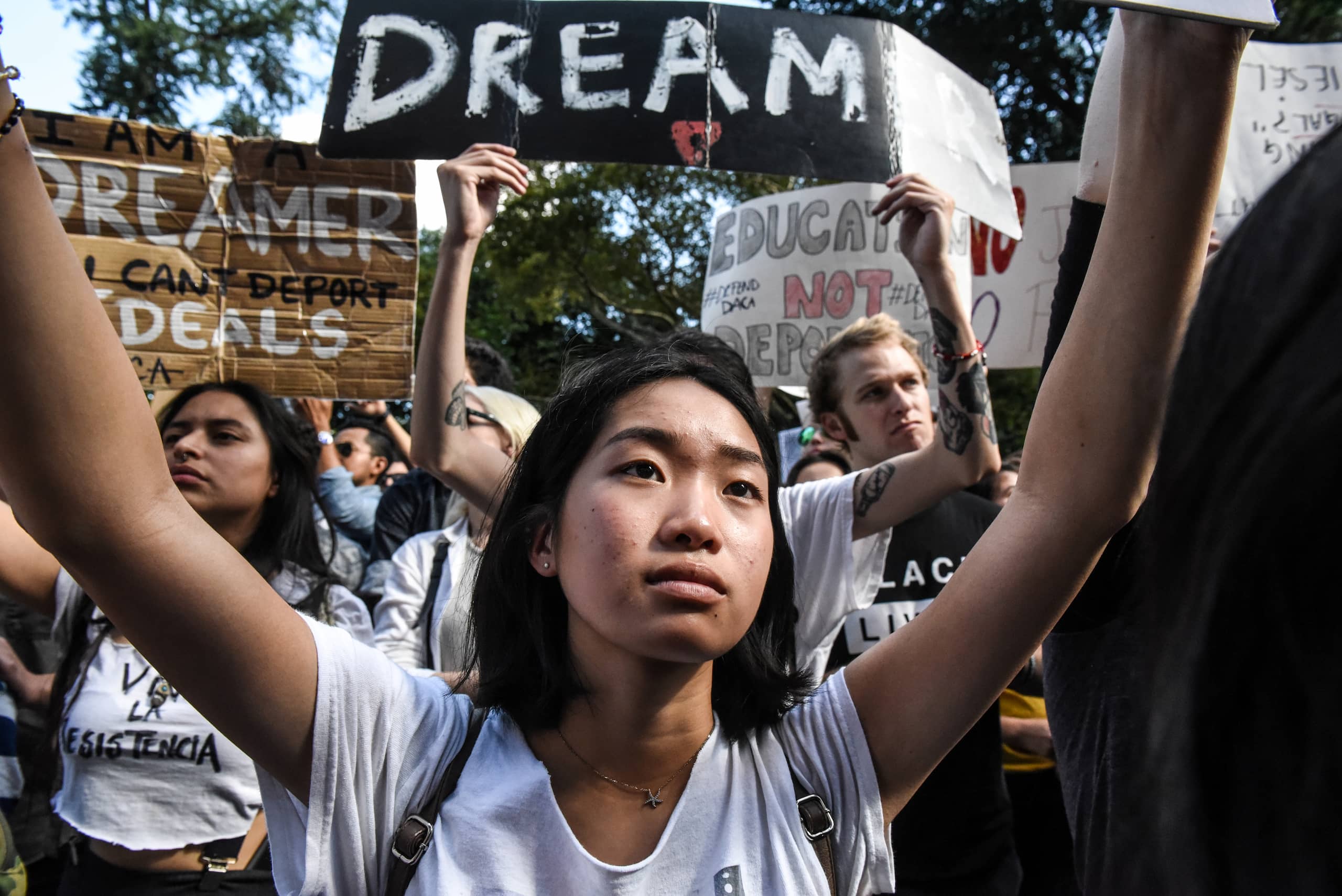
Image
Protest to Defend DACA
Young people protest to defend the Deferred Action for Childhood Arrivals program (DACA) in New York in 2017.
-
Image
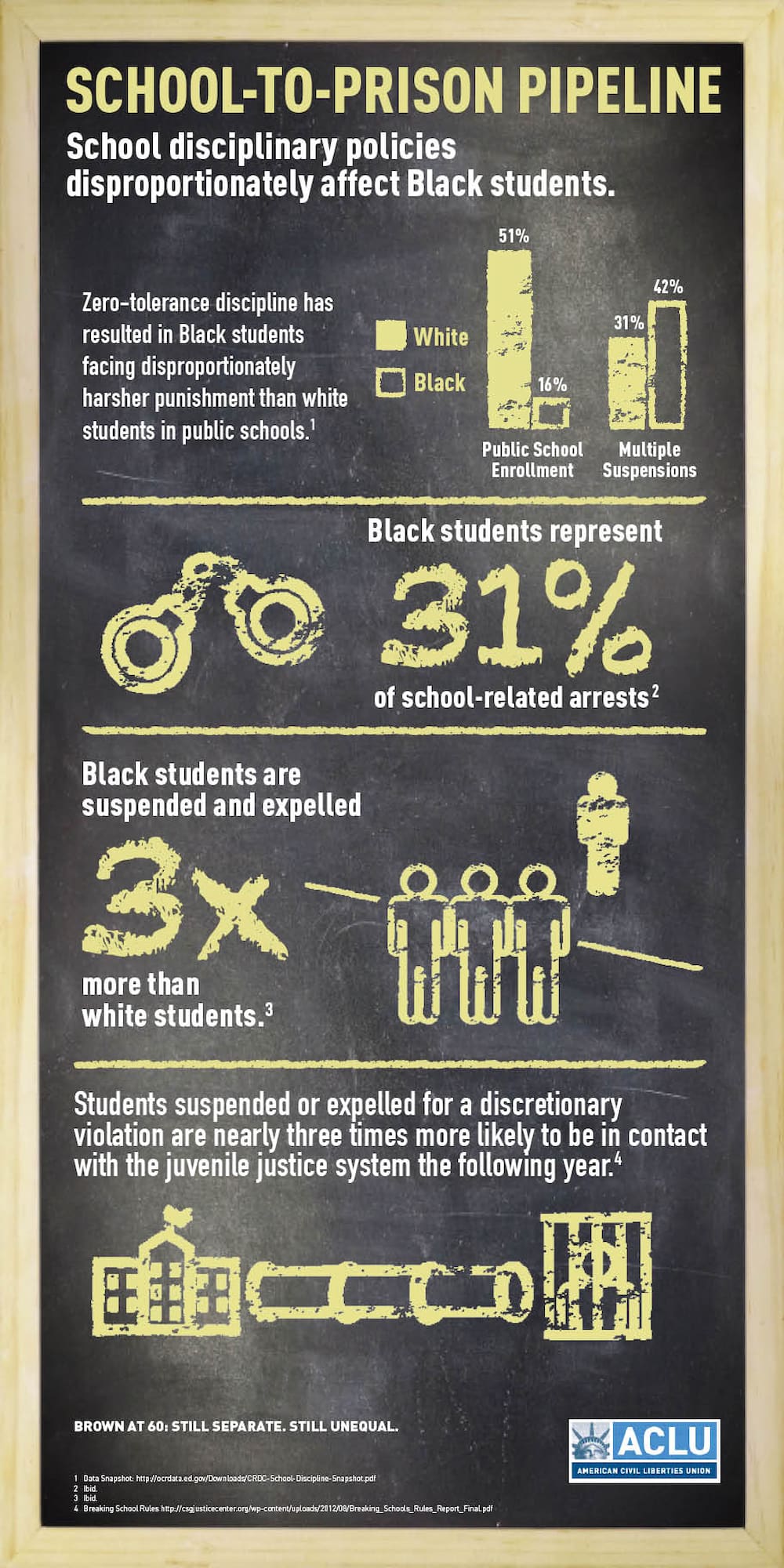
School to Prison Infographic
Graphic from the American Civil Liberties Union (ACLU) showing how school discipline can criminalize student behavior.
-
Image
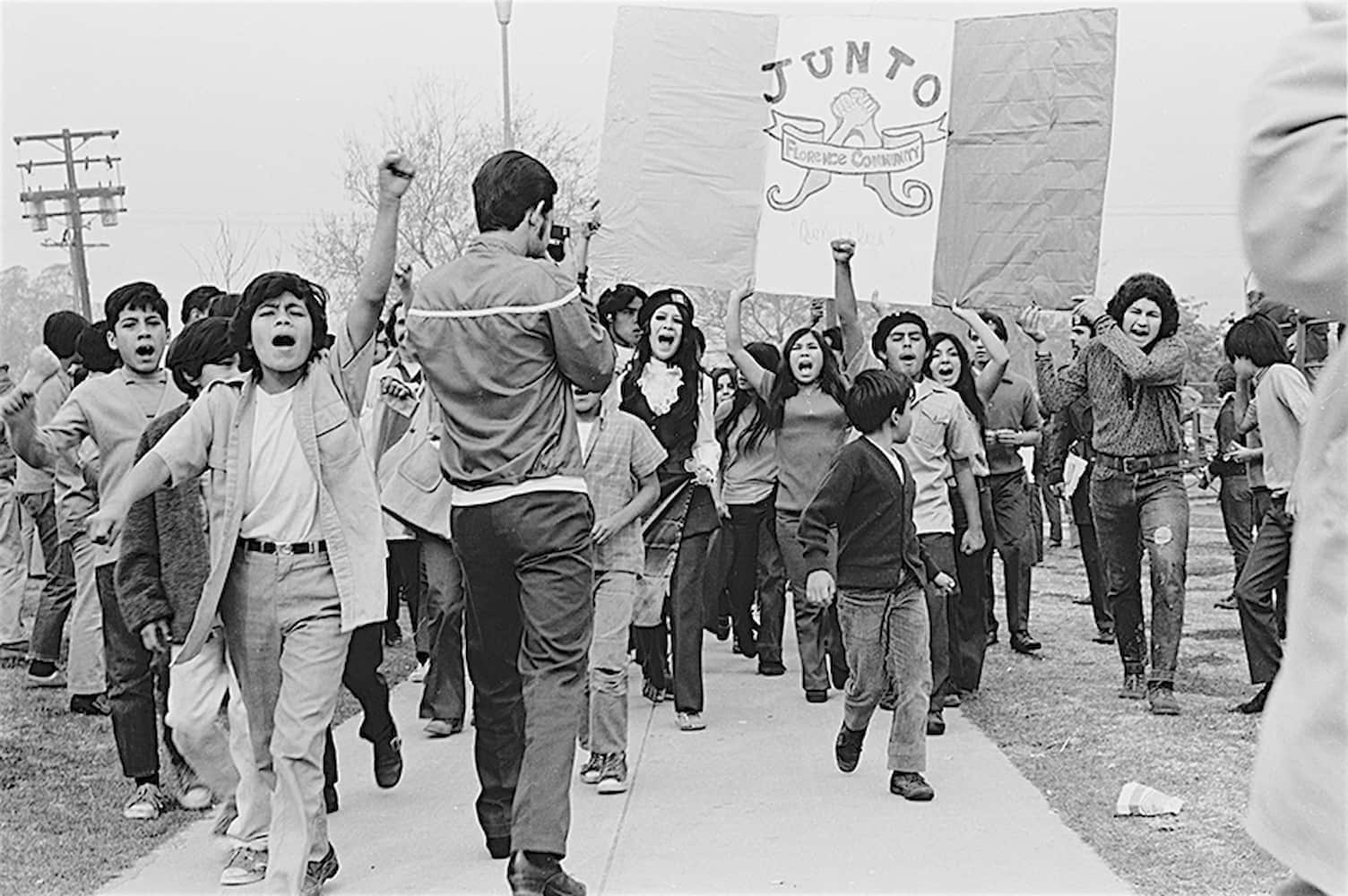
La Marcha Por La Justicia
Youth from the Florencia barrio of South Central Los Angeles arrive at Belvedere Park for La Marcha Por La Justicia on January 31, 1971.
-
Image
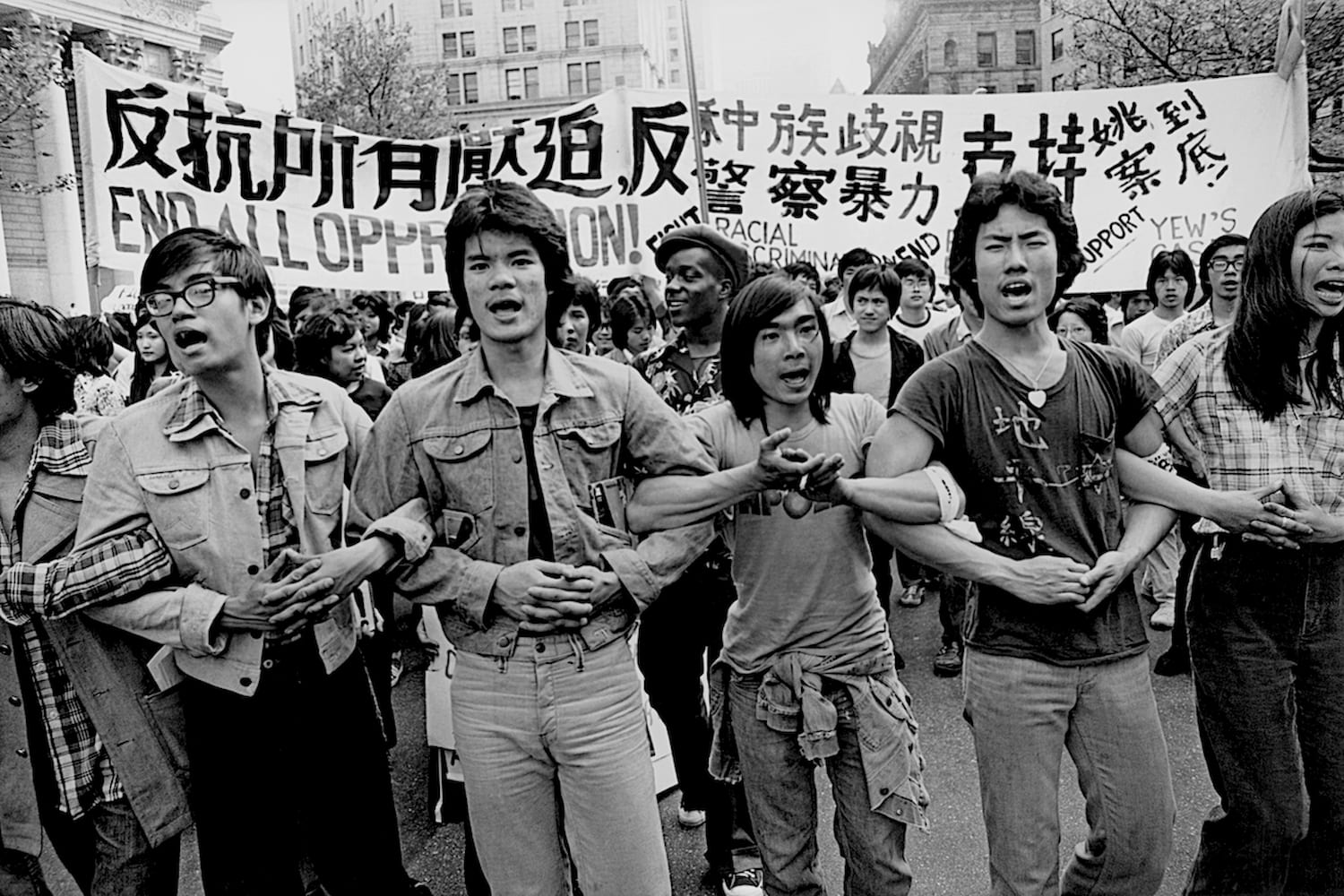
Protest Against Police Brutality
Students banding together during a 1975 protest against police brutality after the beating of fifteen-year-old Peter Yew by police after a traffic stop.
-
Image
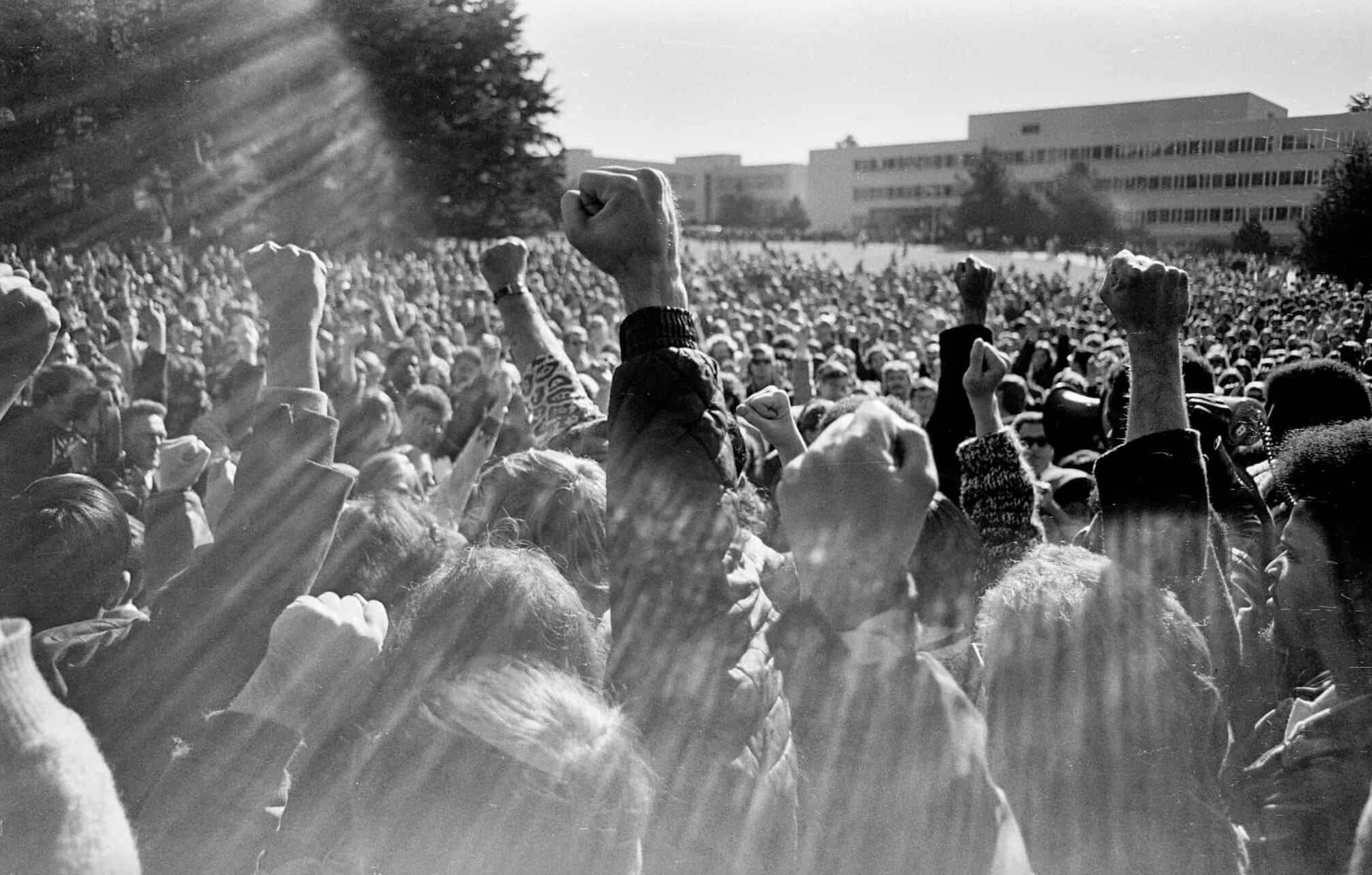
SF State Strike
The Black Student Union and Third World Liberation Front organized the longest strike at San Francisco State College (now University) in 1968. The strike created the College of Ethnic Studies and policies for relevant curricula.
-
Image
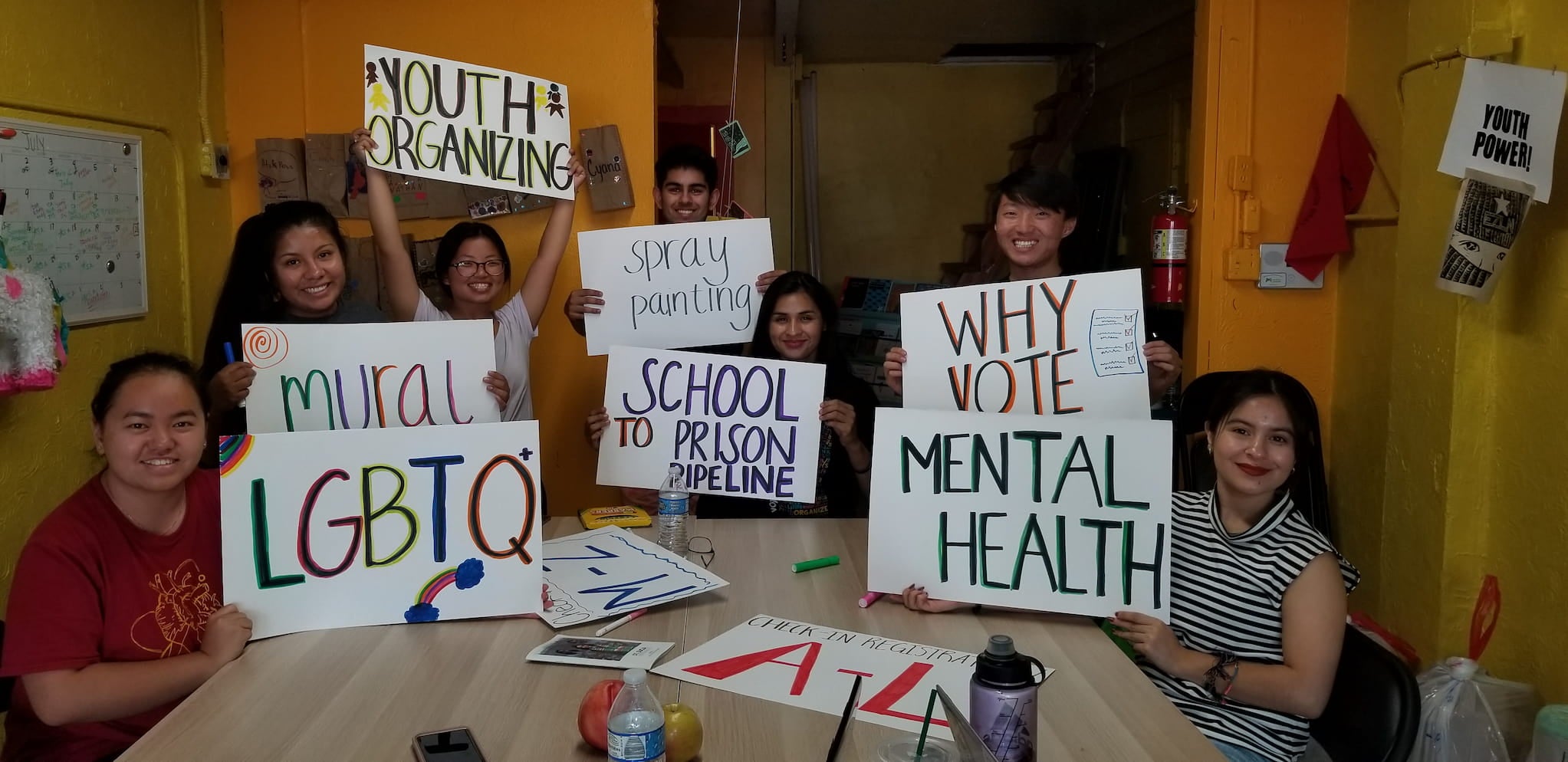
Central Valley Freedom Summer Participants
Youth members of 99Rootz and participants of the 2018 Central Valley Freedom Summer Action Research Project prepare public education workshops on issues that affect their communities.
-
Image
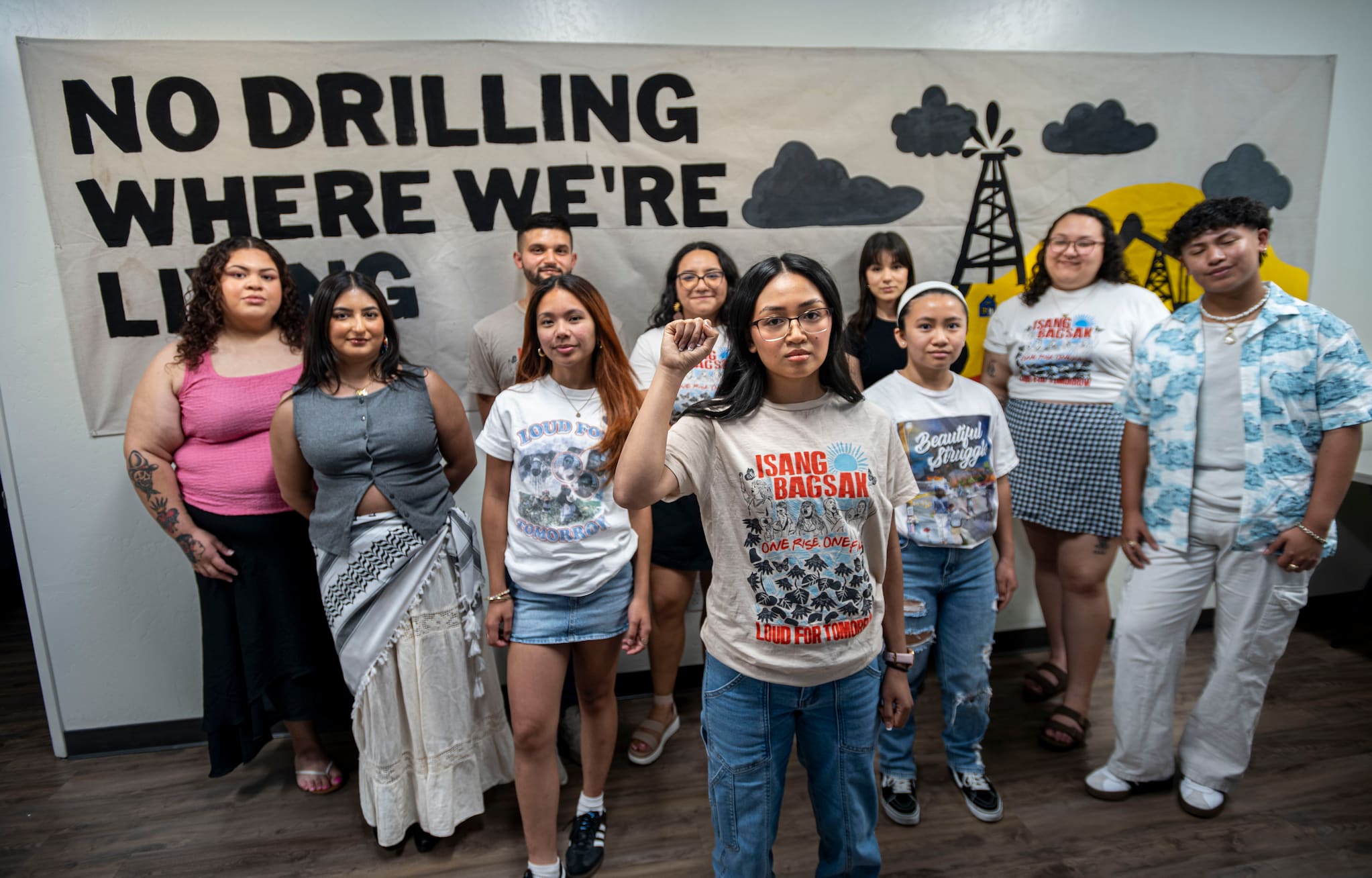
Loud For Tomorrow
A 2024 photo of the Delano, California-based grassroots youth-led organization Loud for Tomorrow. The group encourages transformation through civic engagement, advocacy, and community healing. Their work encompasses social, environmental, health, and racial issues.
-
Video
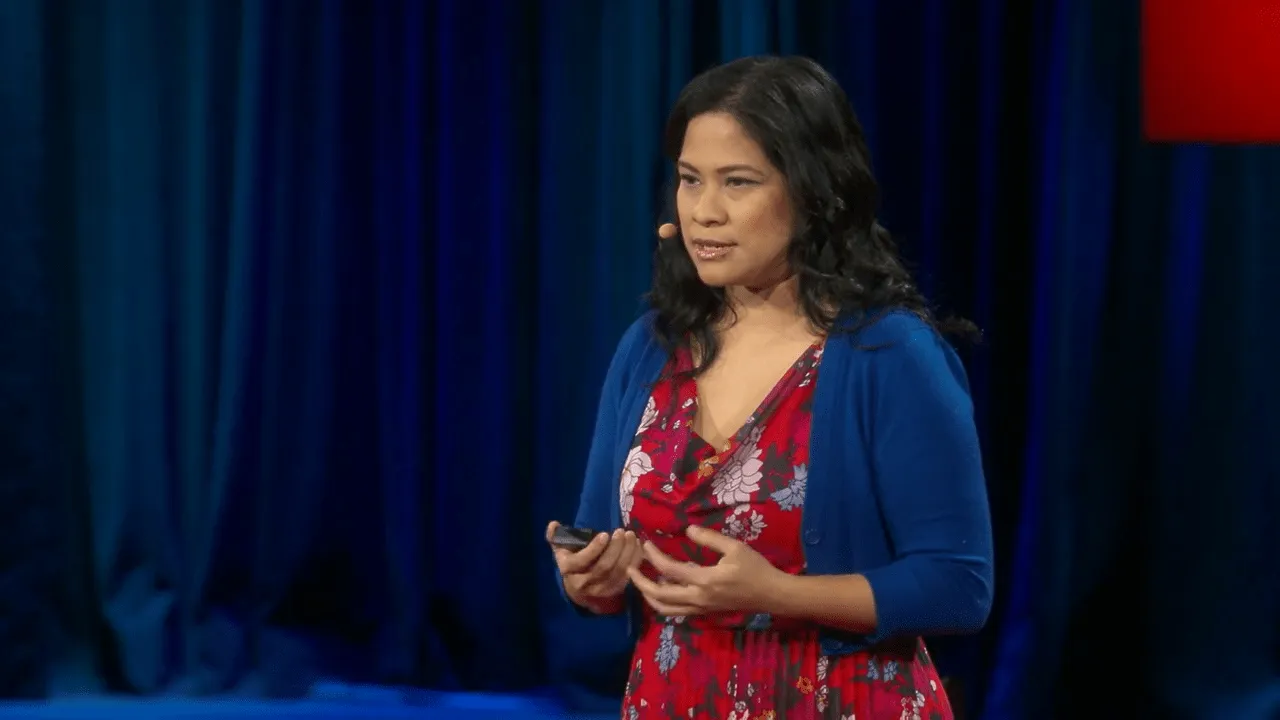
Noy Thrupkaew’s TED Talk on Trafficking
Excerpt of a TED Talk by journalist Noy Thrupkaew, dispelling the common misconceptions about human trafficking. TED Talk courtesy of TED Conferences LLC.
-
Text
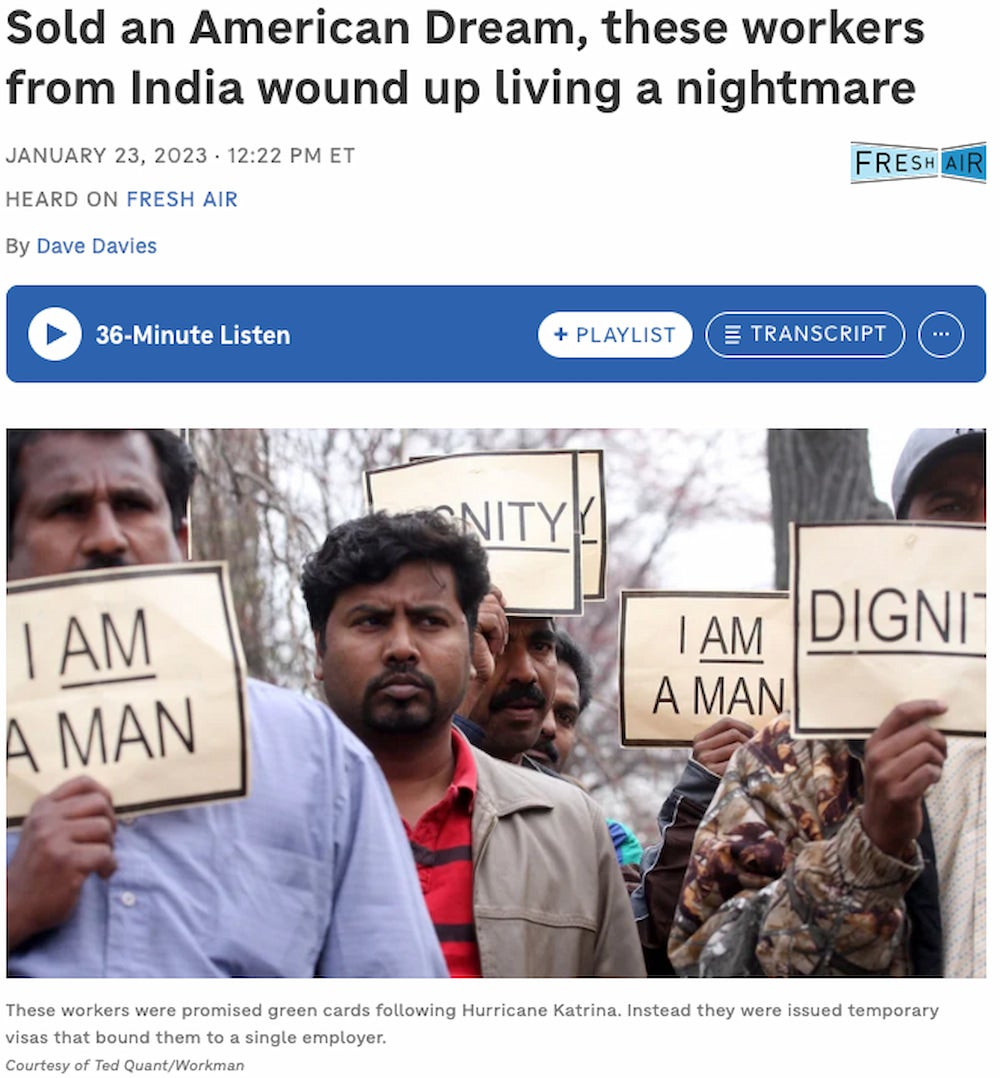
2023 Report on Indian Workers Who Were Trafficked
NPR in January 2023 reported on the outcomes of Indian workers who were exploited in the aftermath of Hurricane Katrina in 2006 and trafficked for work by Signal International.