



Search the Media Repository
Discover the curated images, videos, and primary sources featured throughout Foundations and Futures
History is more than just text on a page; it is the photographs, voices, and artifacts of the people who lived it. The images and recordings featured across Foundations and Futures are part of a meticulously curated media repository. Whether you are building a lesson plan or investigating an artifact, you can use this database to trace the provenance of our media: discover who created an asset, the historical context behind it, and how it can be used to bring Asian American and Pacific Islander experiences into your classroom.
Multimedia
Chapters
-
Image
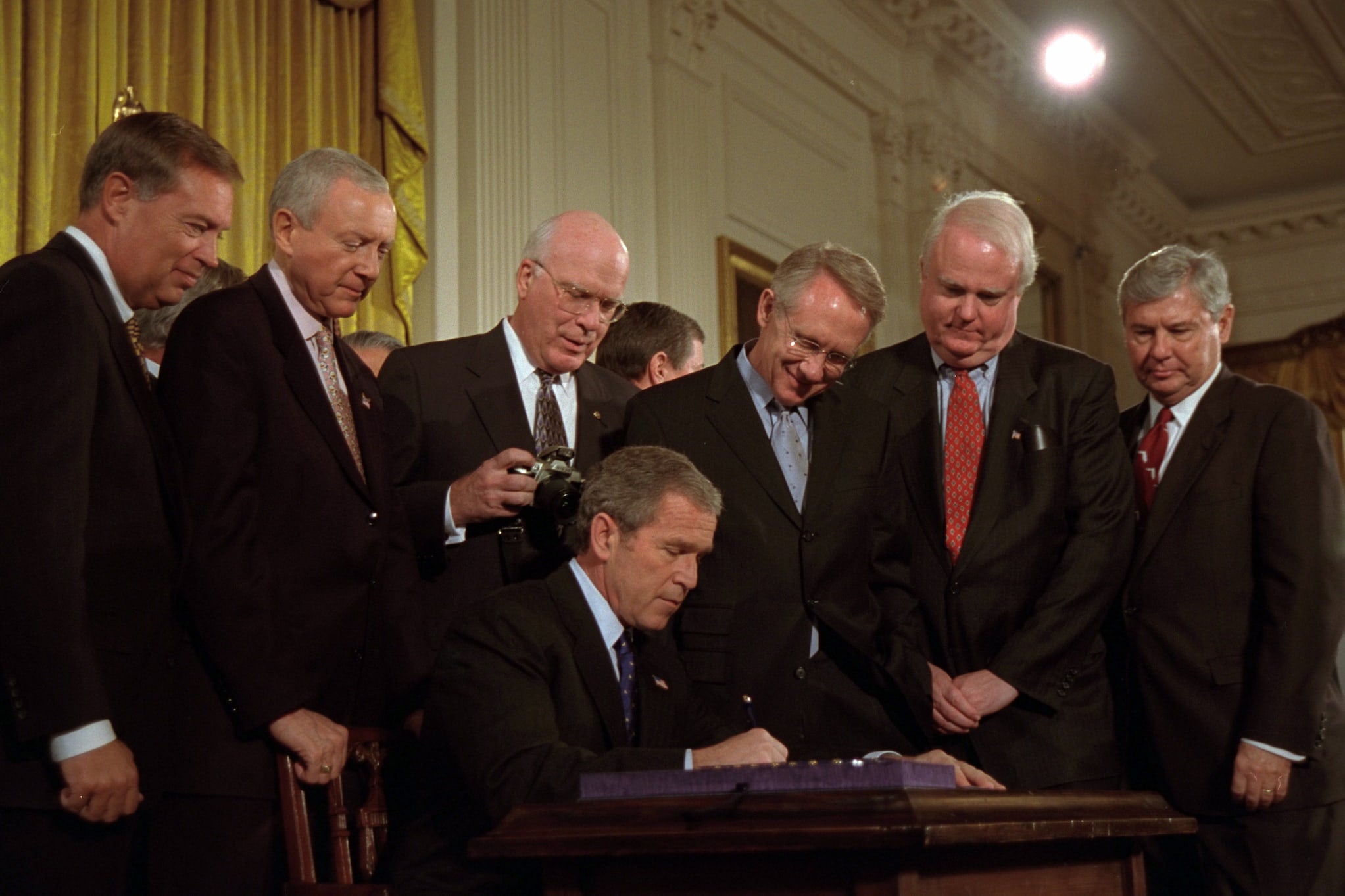
President George W. Bush signs the USA PATRIOT Act into law
President George W. Bush signed the USA Patriot Act into law on October 26, 2001. The act enabled the targeting, detention, and deportation of Muslim Americans during the War on Terror.
Featured in:
The War on Terror and Anti-Muslim Racism, Module 1
-
Image
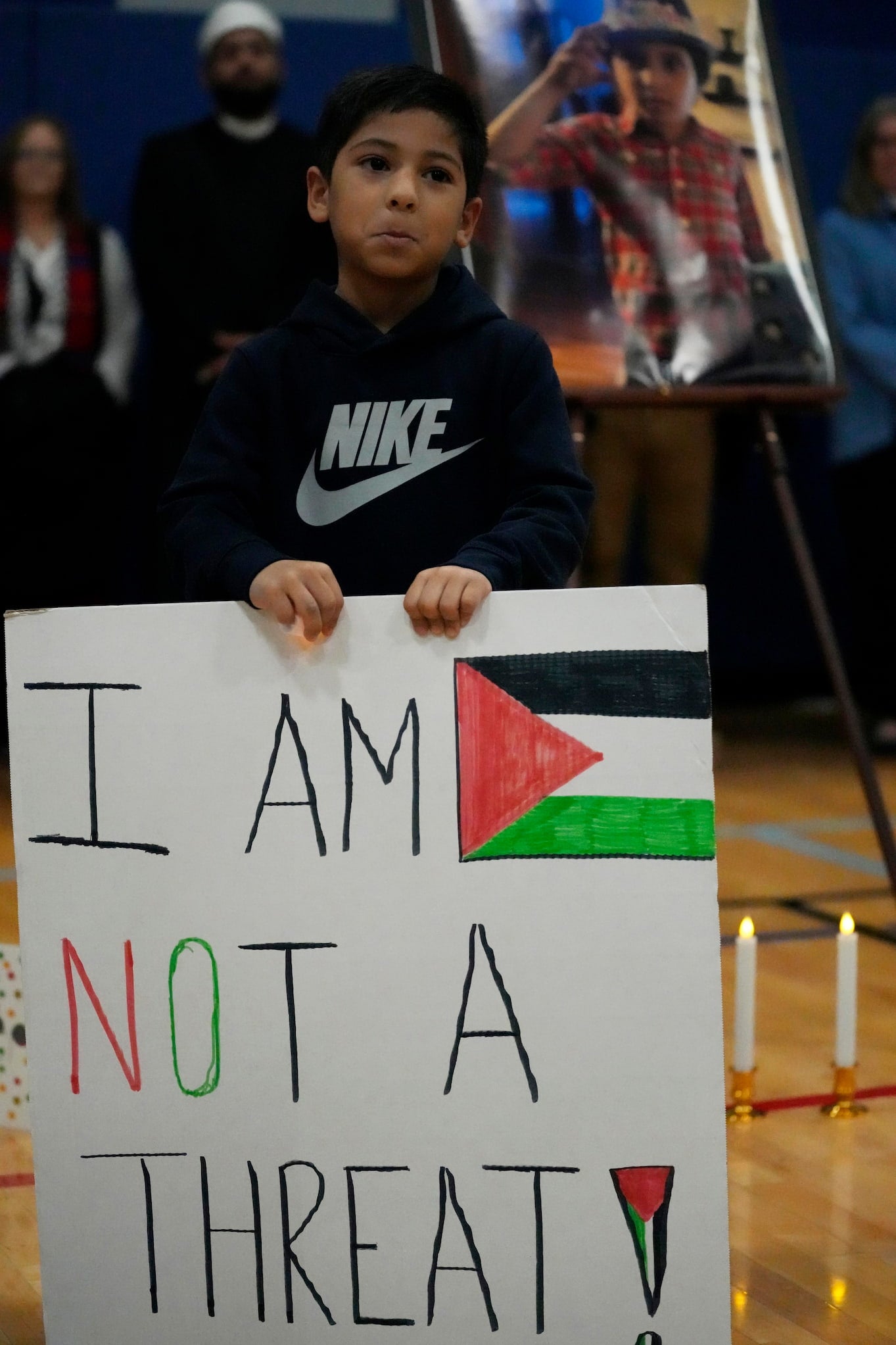
Easton Amjad Waz at a vigil for Wadea Al-Fayoume
Palestinian American five-year-old Easton Amjad Waz holds a sign during a vigil for Wadee Alfayoumi in Plainfield, Illinois, in October 2023.
Featured in:
The War on Terror and Anti-Muslim Racism, Module 1
-
Image
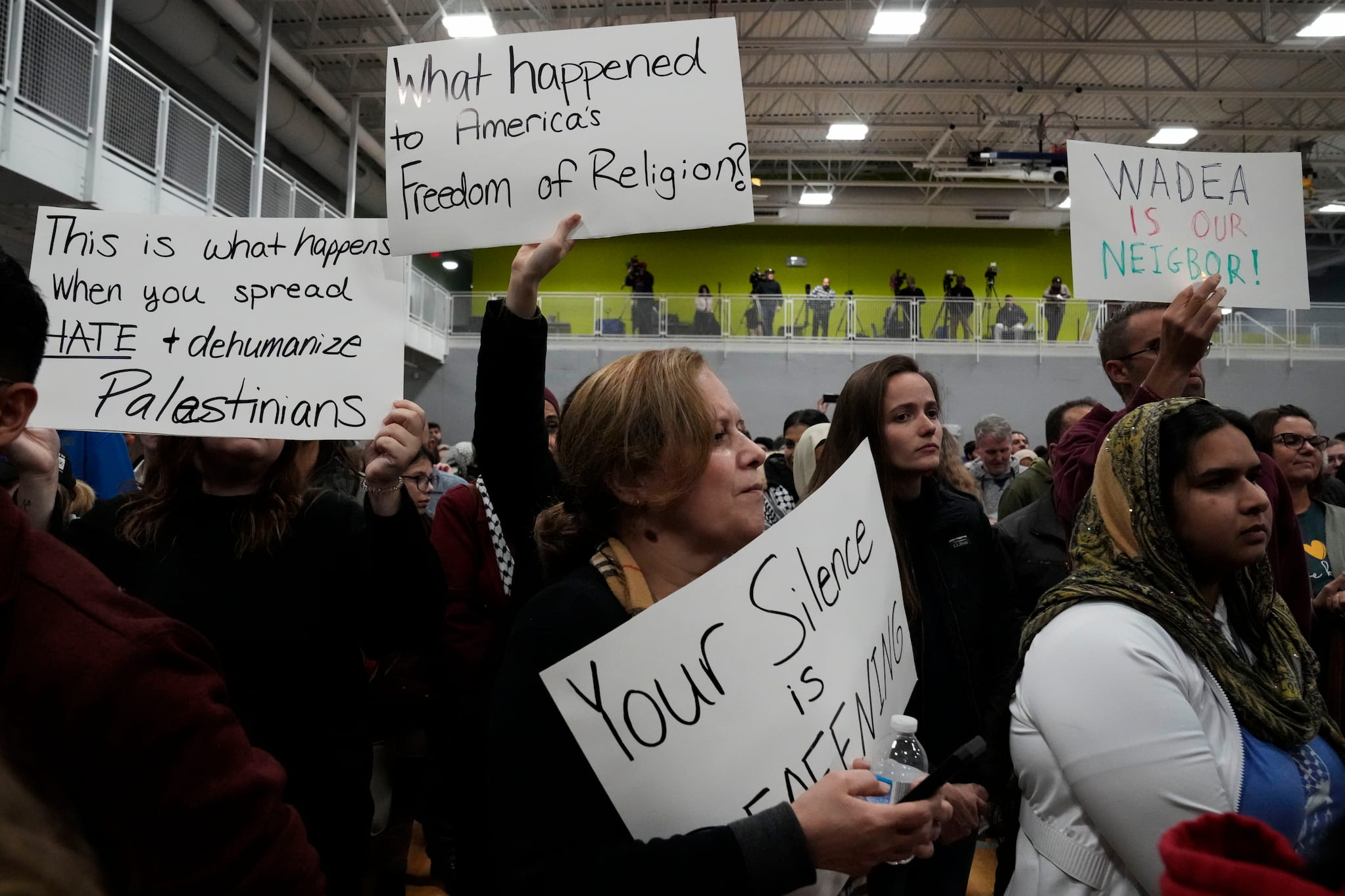
Mourners hold signs for Wadea Al-Fayoume during a vigil
Mourners hold signs for Wadea Al-Fayoume during a vigil in Plainfield, Illinois, in October 2023.
Featured in:
The War on Terror and Anti-Muslim Racism, Module 1
-
Image
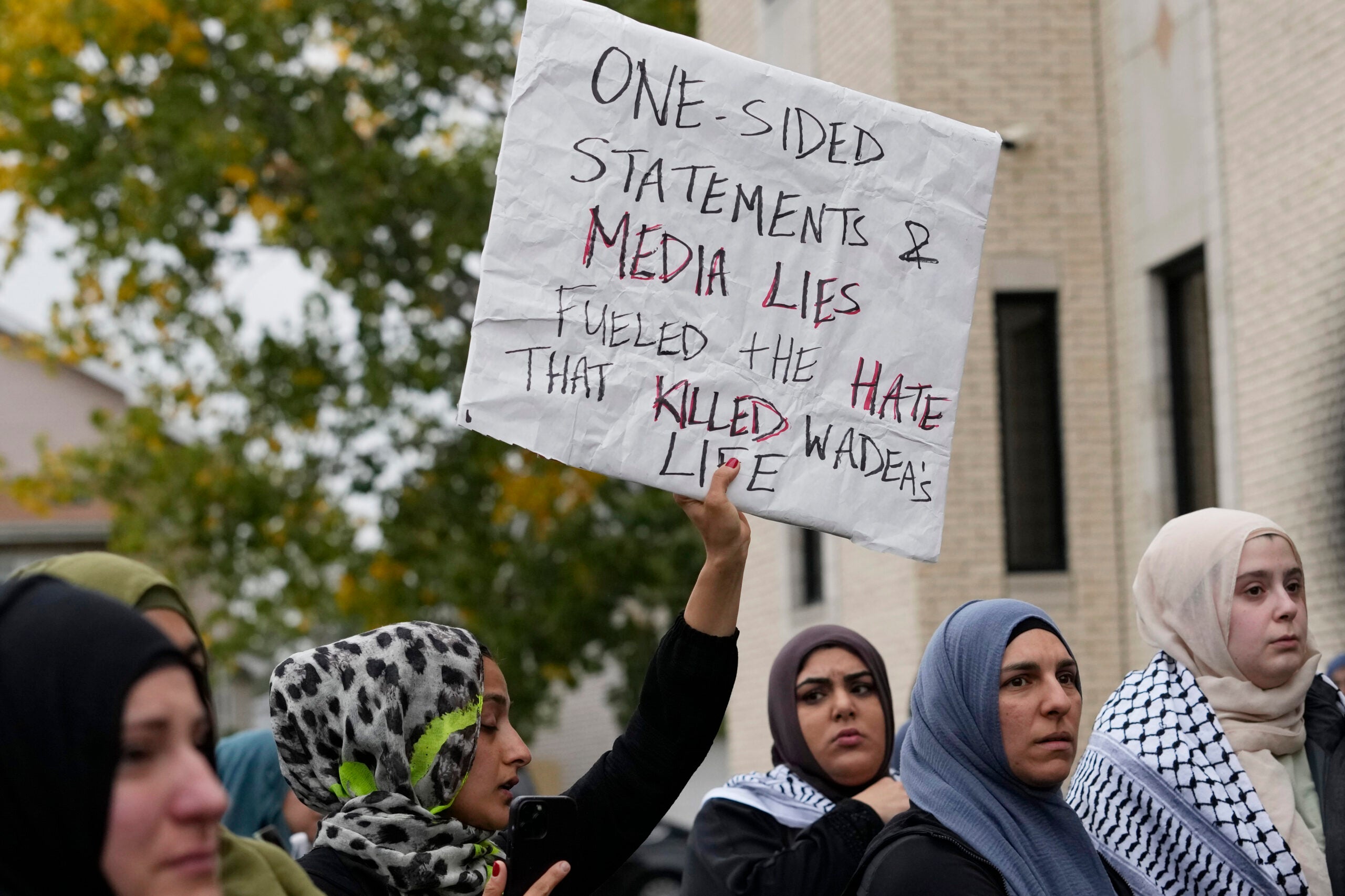
A community member with a sign at Wadea Al-Fayoume’s funeral
A Muslim American community member holds a sign as she attends Wadea Al-Fayoume’s funeral service at Mosque Foundation in Bridgeview, Illinois, in October 2023.
Featured in:
The War on Terror and Anti-Muslim Racism, Module 1
-
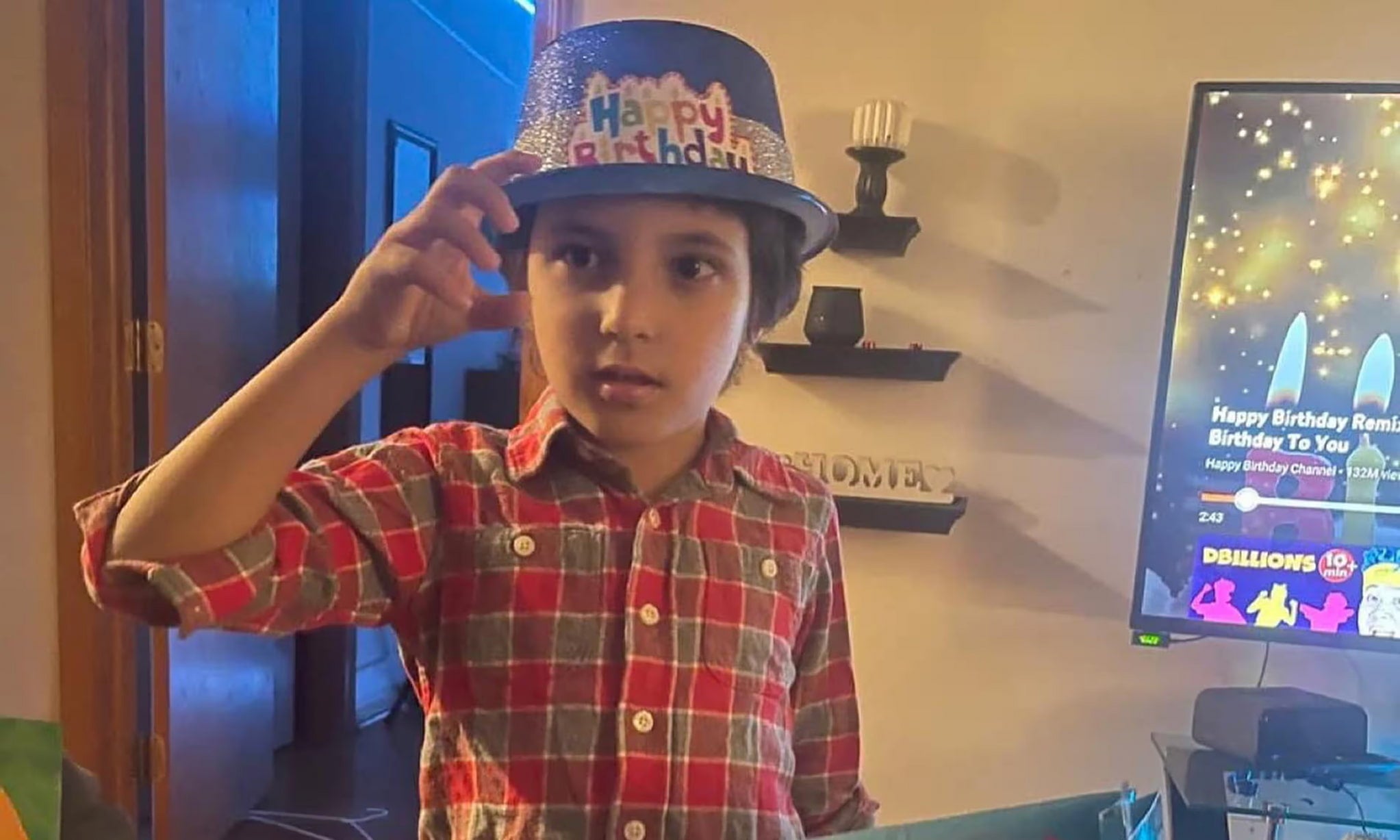
Image
Wadea Al-Fayoume
Six-year-old Wadea Al-Fayoume, a Palestinian American child who was murdered by his landlord from a knife attack in October 2023, in Plainfield, Illinois. Wadee’s mother Hanan Shaheen was critically injured in the same attack.
Featured in:
The War on Terror and Anti-Muslim Racism, Module 1
-
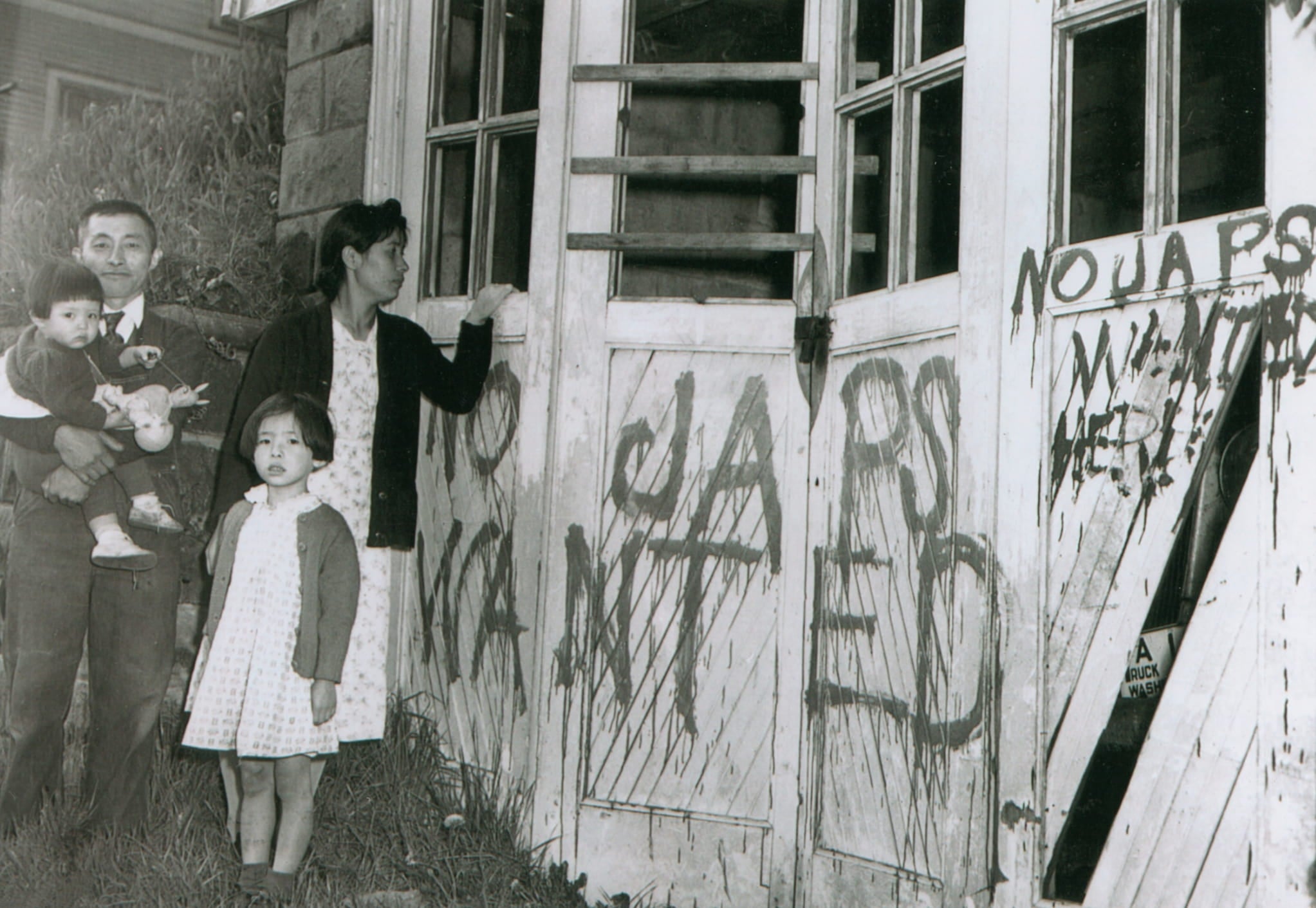
Image
Returning Seattle Family’s Garage Vandalized
This family returned to their home in Seattle from the camp at Minidoka, Idaho to find their garage vandalized.
-
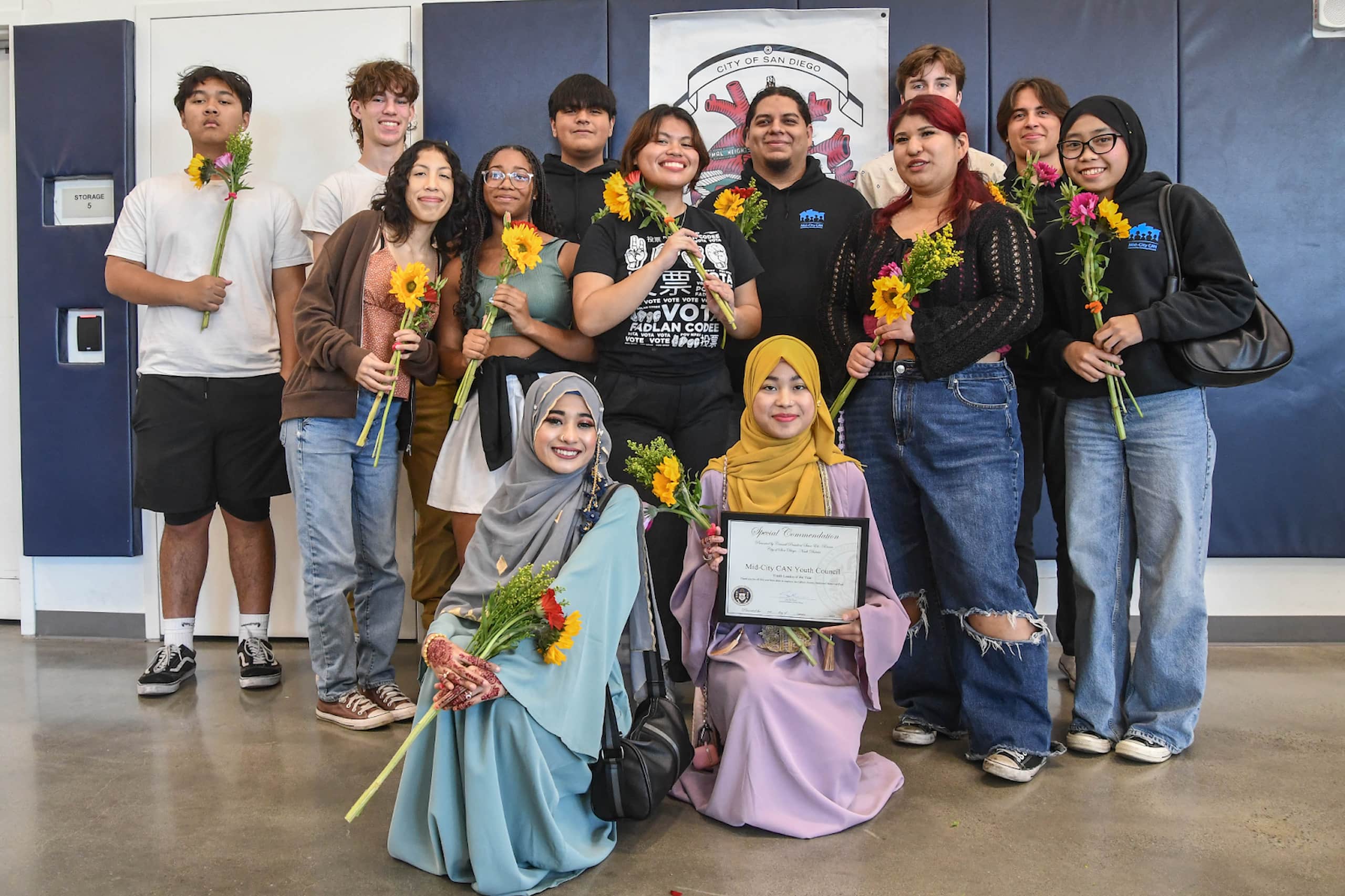
Image
Celebrating Youth Council Leadership
In February 2024, a group of thirteen to eighteen-year-old youth gathered to celebrate the Youth Council leadership in southeast San Diego, California. The group joined together to build community, have fun, and create change in their communities.
-
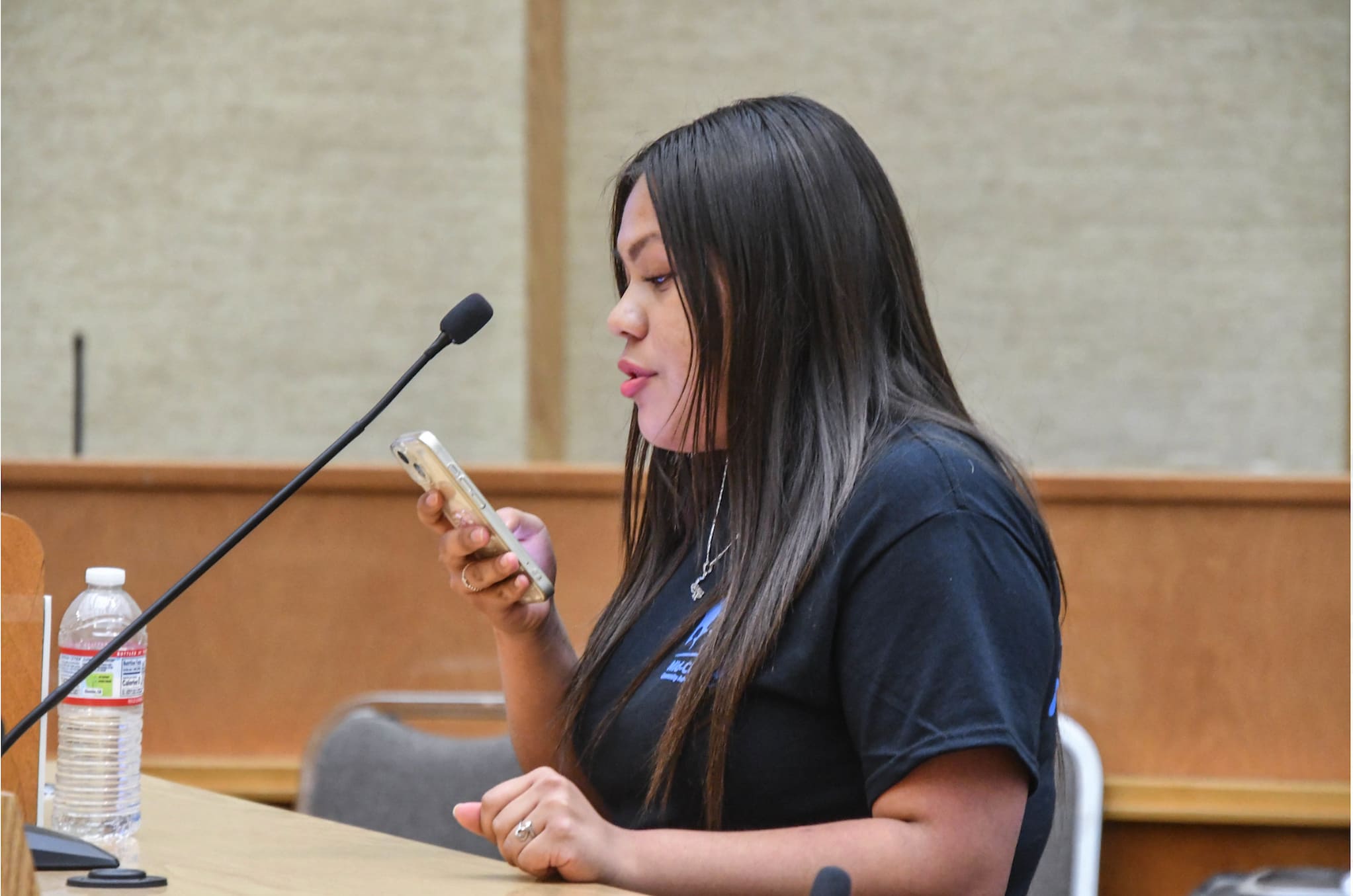
Image
MCC Youth Council Representative
In 2024, a youth representing Mid-City CAN (MCC) Youth Council speaks out to share community struggles specifically regarding Officer Jeremy Henwood Park in City Heights, San Diego.
-
Image
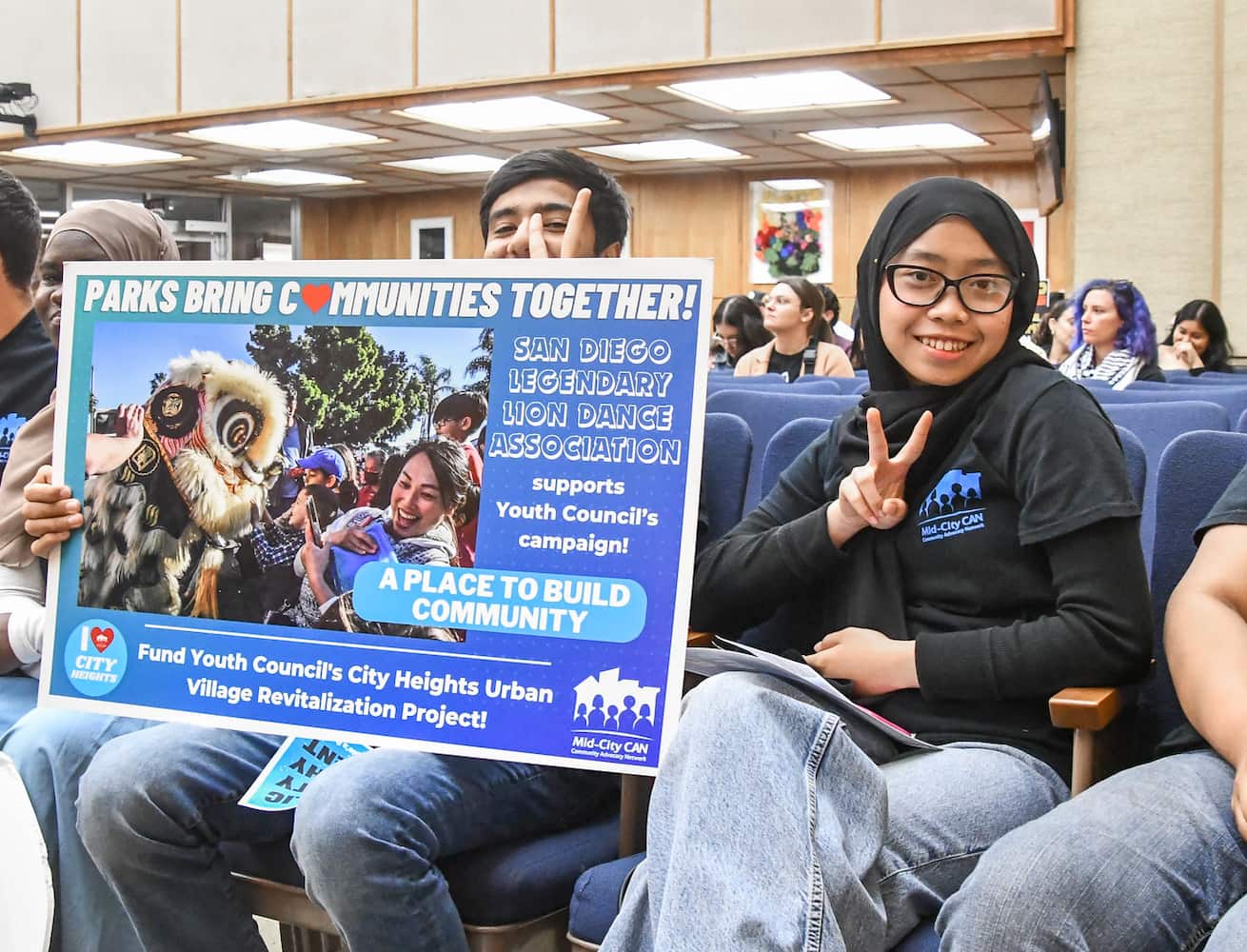
MCC Youth Council At Hearing
Mid-City CAN (MCC) Youth Council members in San Diego, California, attend a 2023 hearing to speak in favor of a revitalized park.
-
Image
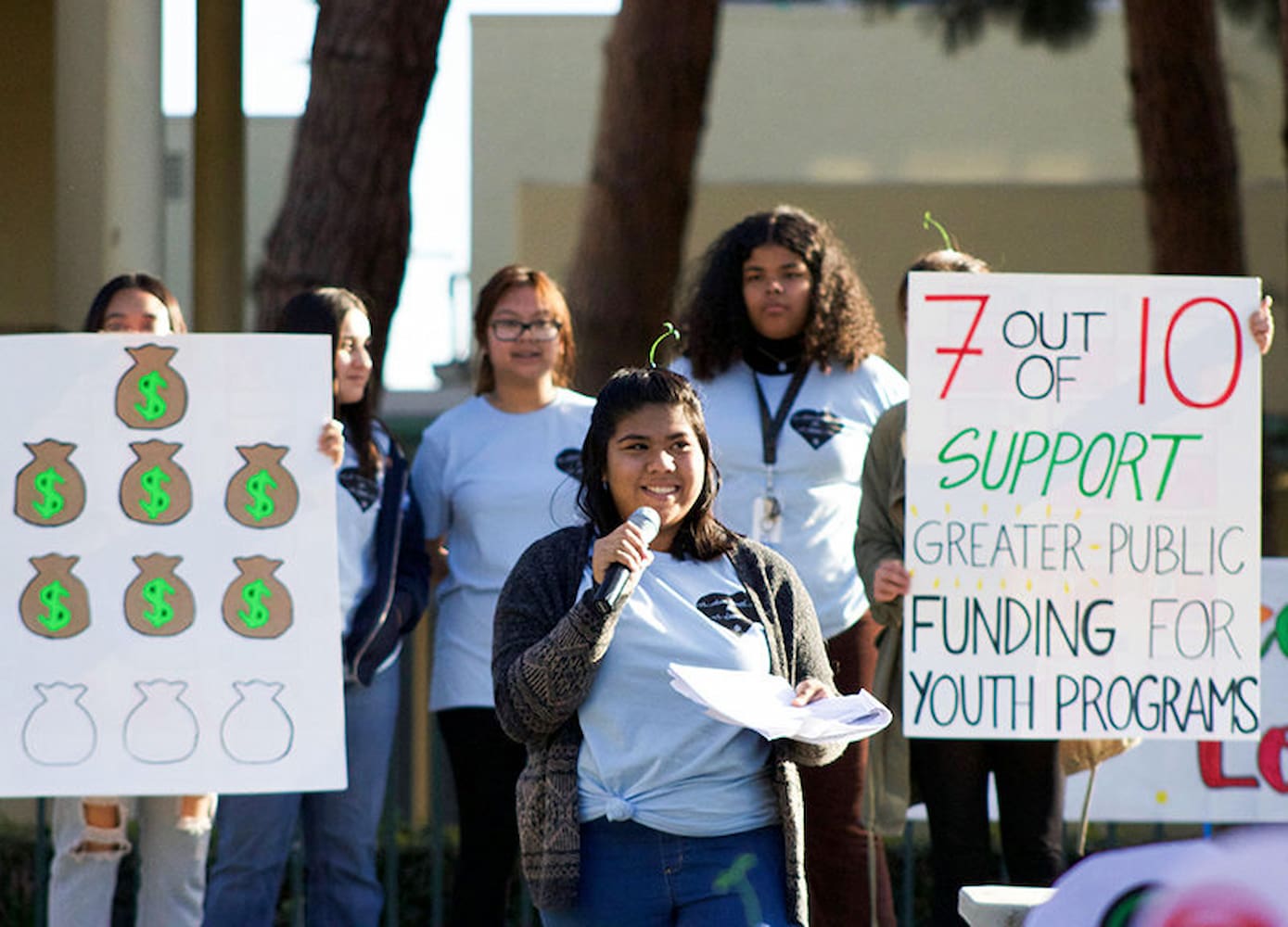
Invest In Youth Coalition
Invest in Youth, a coalition from Long Beach, California, organized for more funding for afterschool youth programs.
-
Image
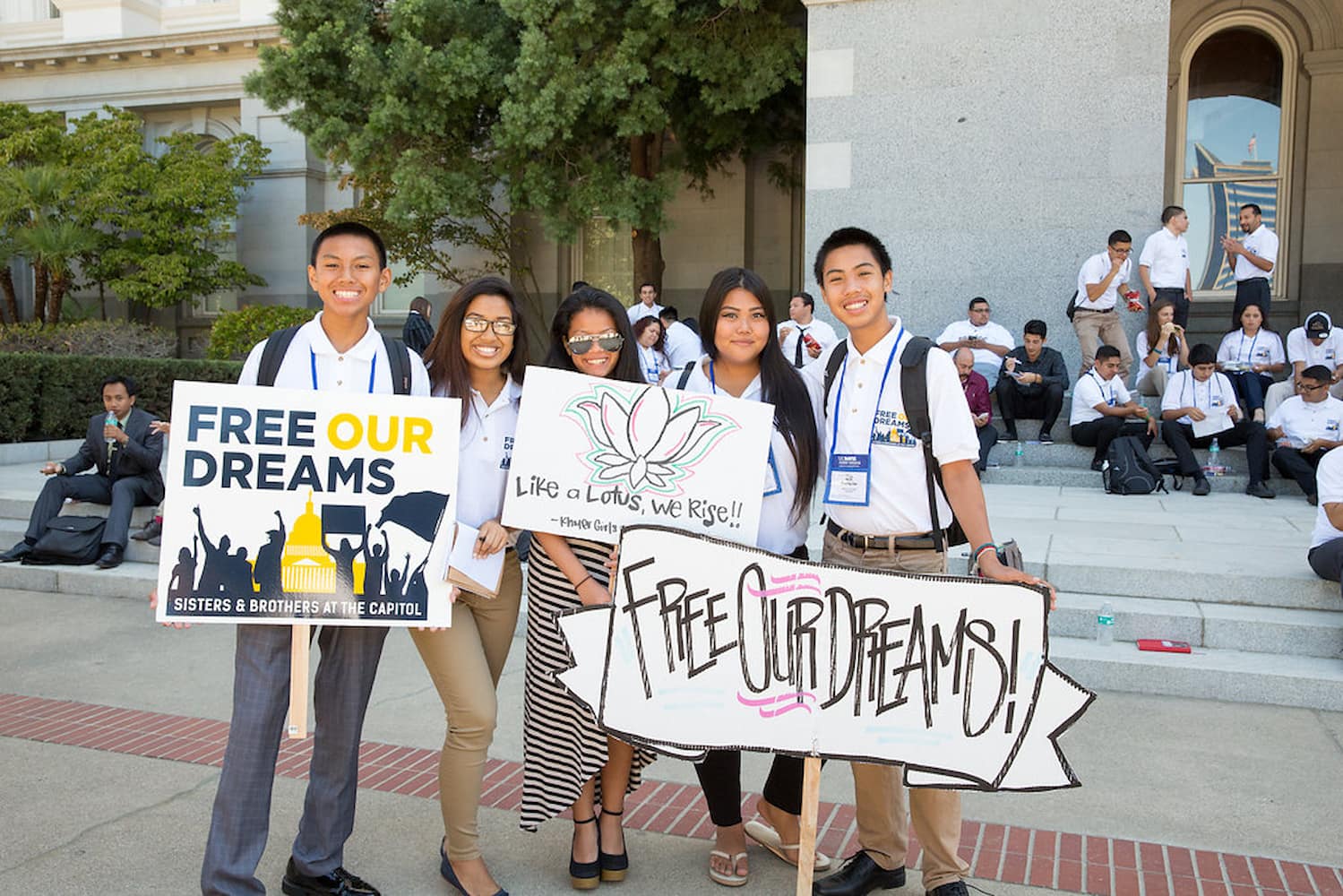
California Youth at Sacramento Demonstration
With support from Youth Organize California (YO! Cali) Members of KGA joined other young people from across the state to advocate on behalf of their communities in Sacramento.
-
Image
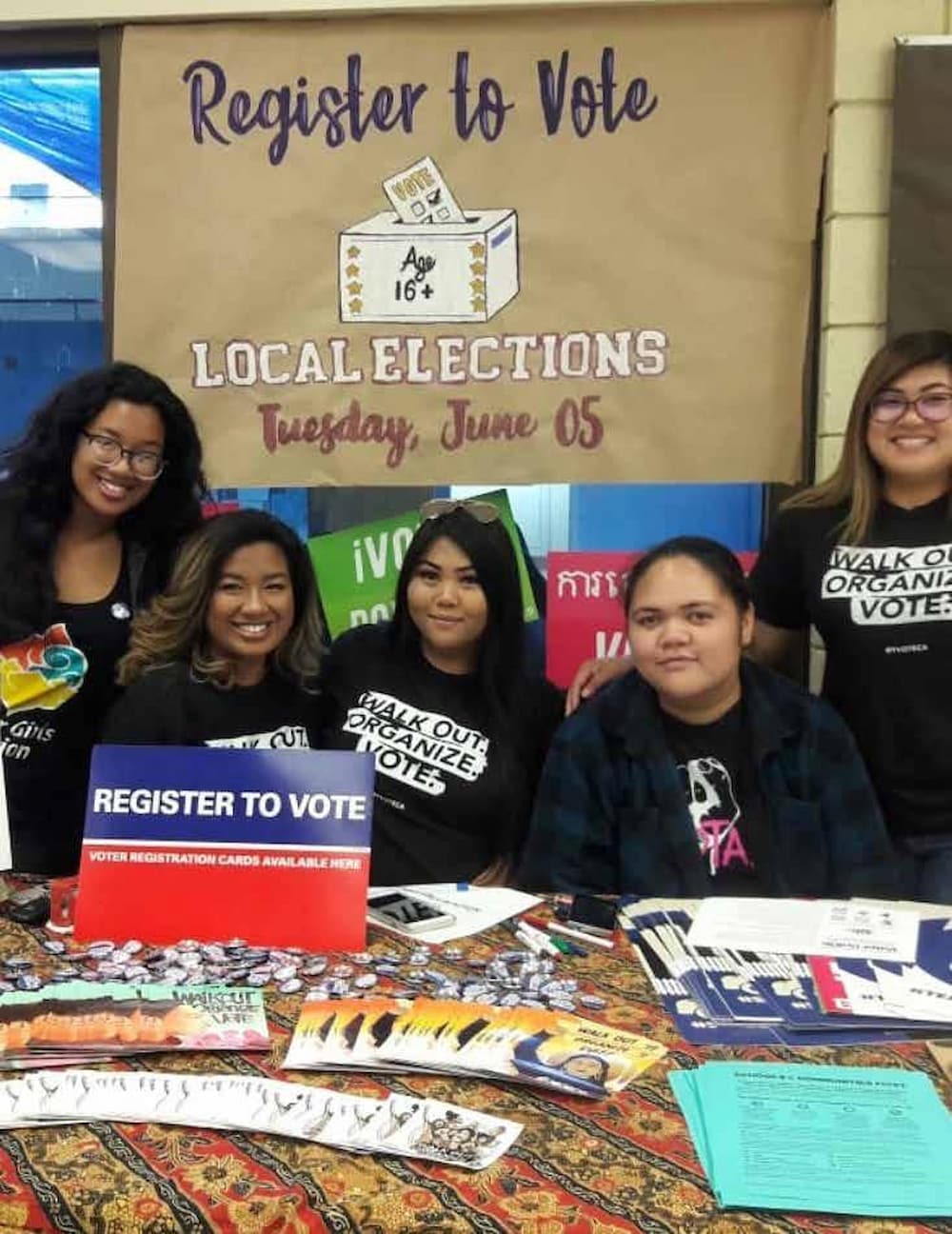
KGA’s Voter Outreach
Khmer Girls in Action (KGA) conducted voter outreach in Long Beach, California.
-
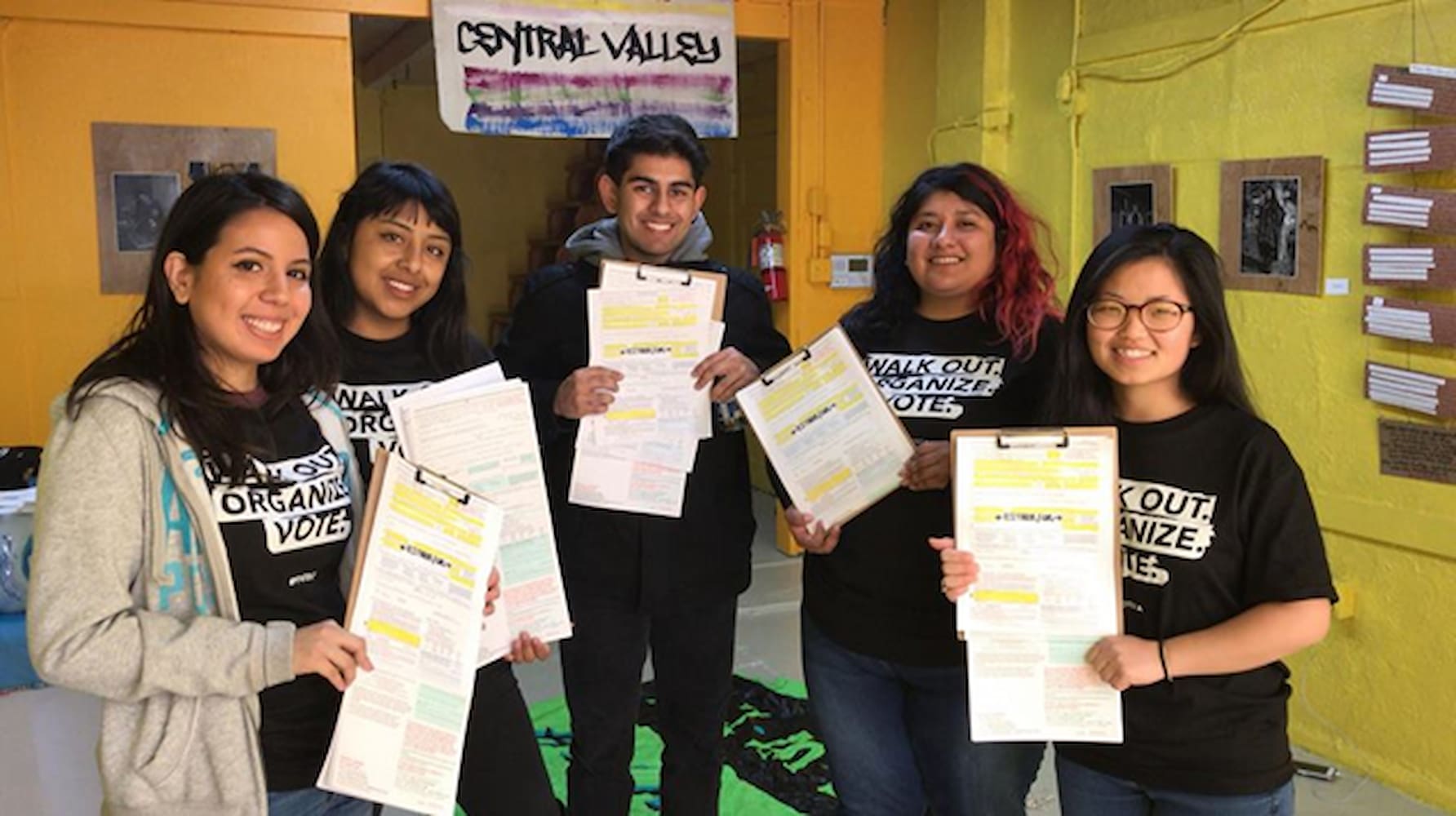
Image
Voter Registration Drive
Youth prepare to conduct a voter registration drive in Merced, California.
-
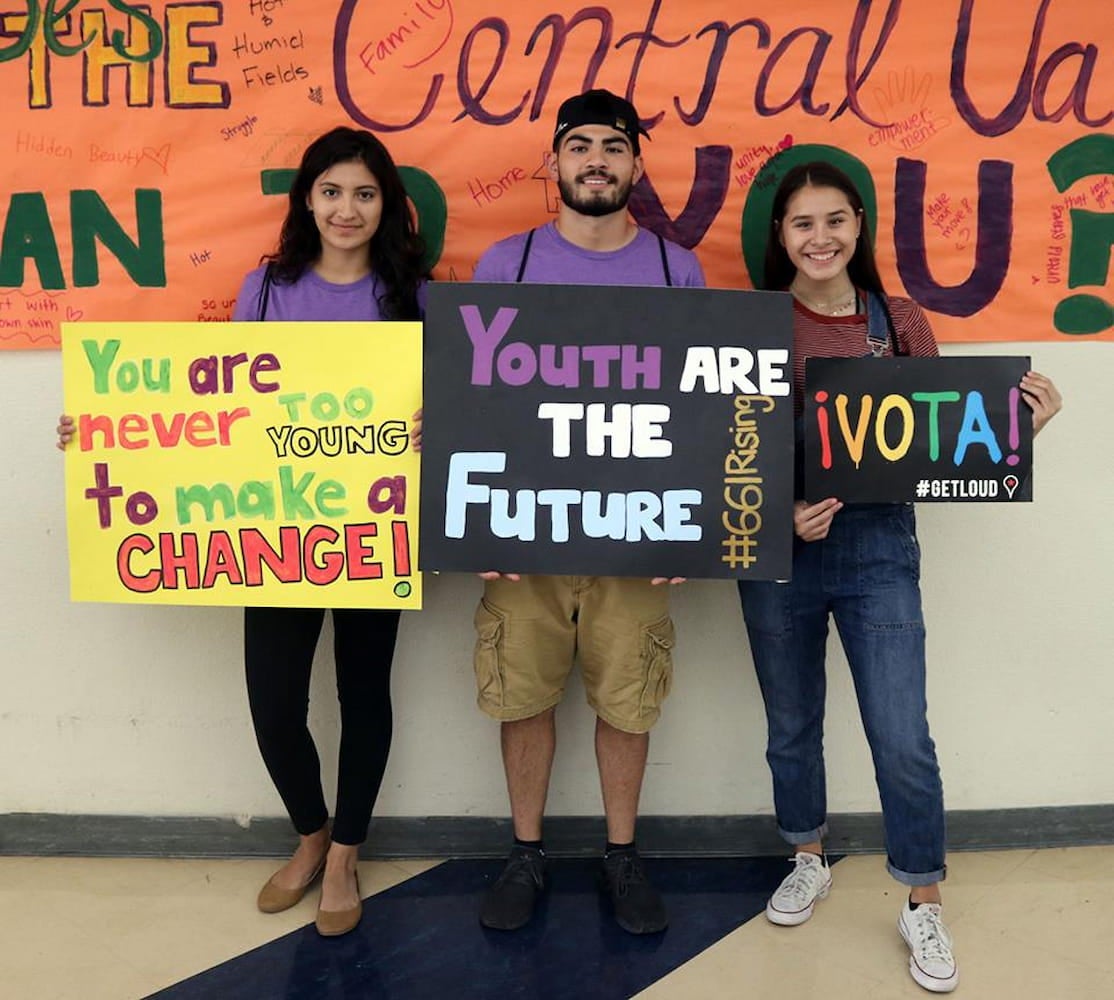
Image
Voting and Civic Engagement
Loud for Tomorrow students encourage voting and civic engagement.
-
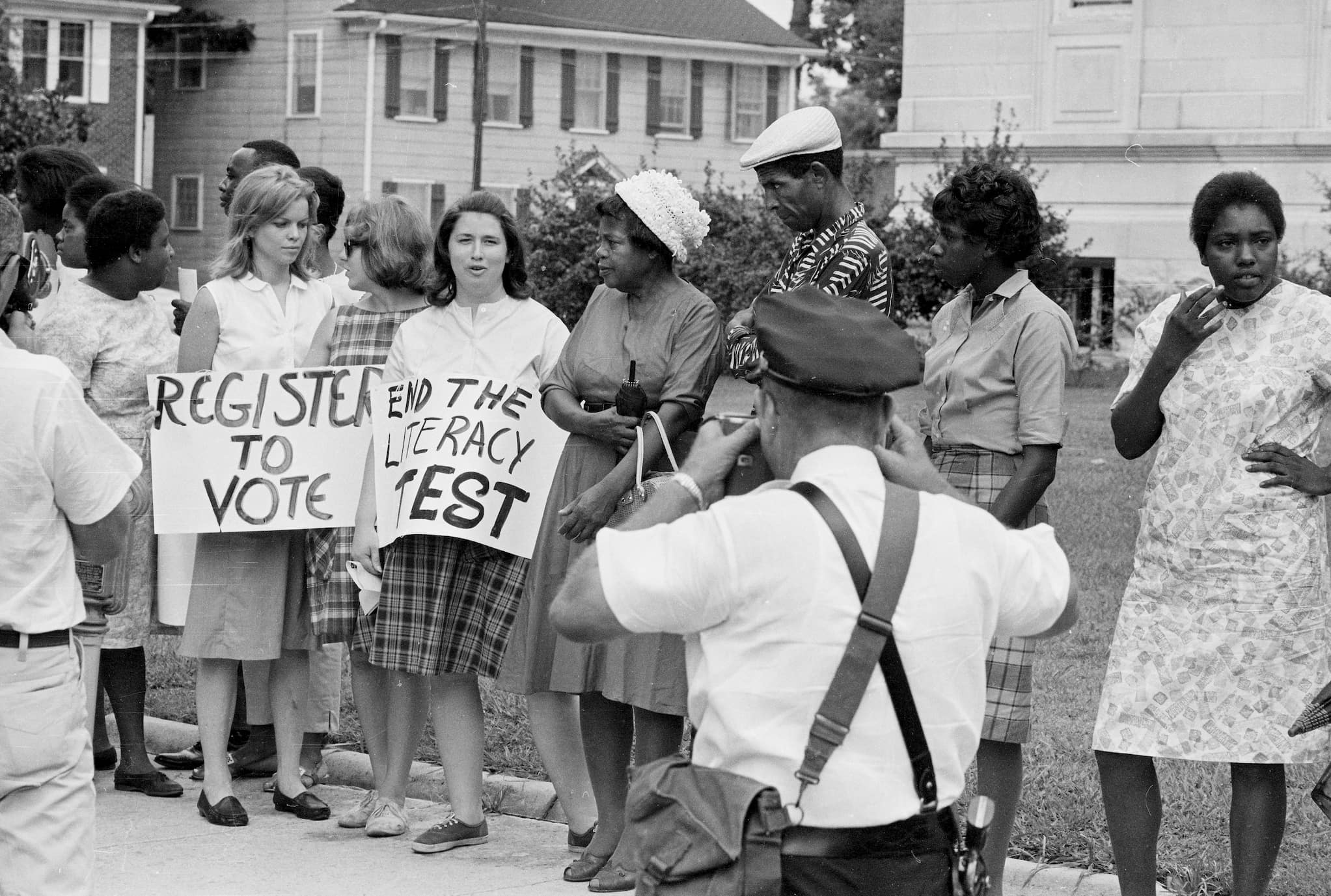
Image
Freedom Summer Demonstration
White civil rights workers supporting Black citizens registering to vote with non-violent demonstration during the 1964 Freedom Summer.
-
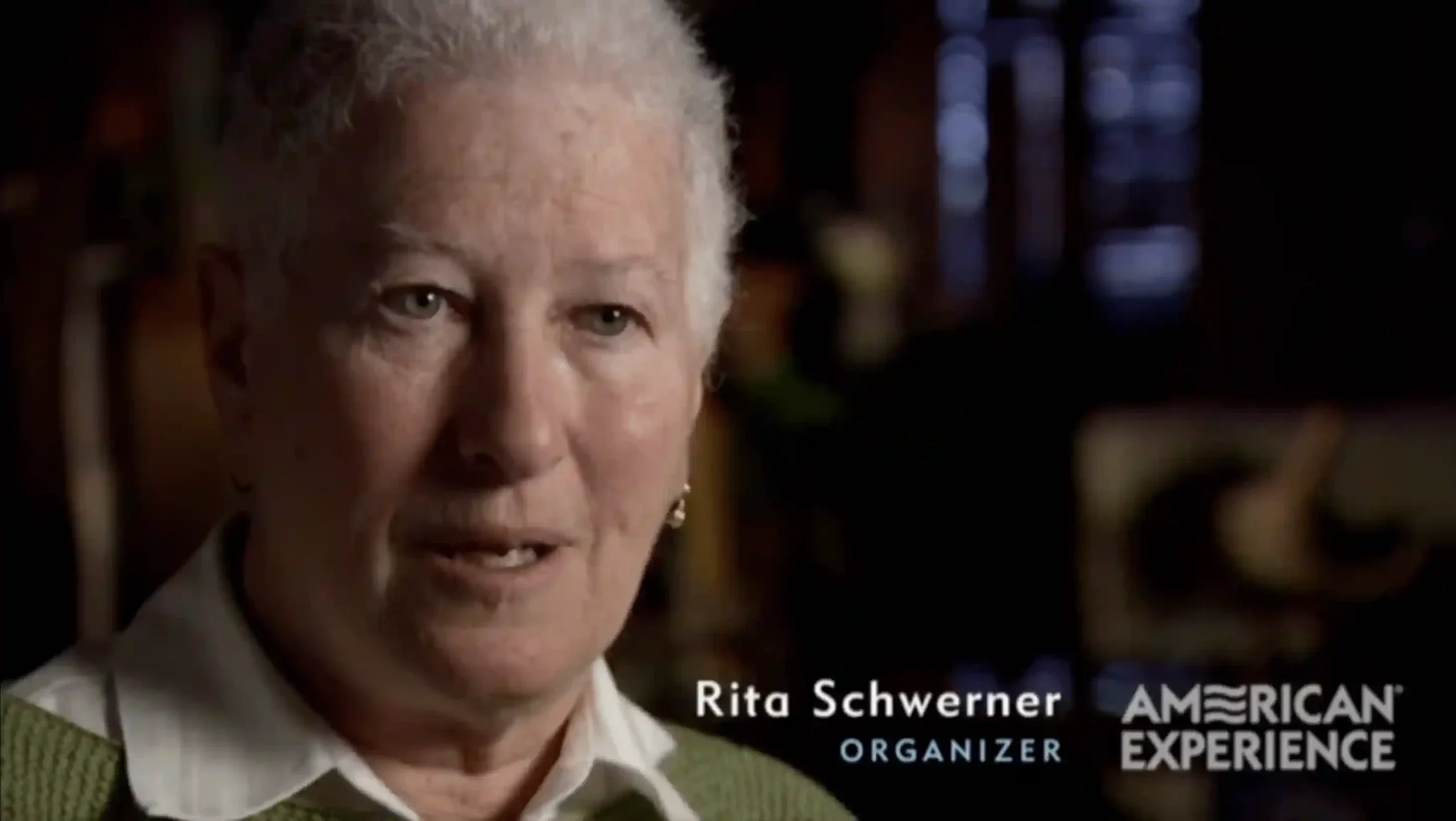
Video
What Was “Freedom Summer”?
Civil rights activist and lawyer Rita Schwerner Bender recounts the dangerous conditions of the Freedom Summer that many were unprepared for. Her husband, Michael Schwerner, was murdered that June by the Ku Klux Klan.
-
Image
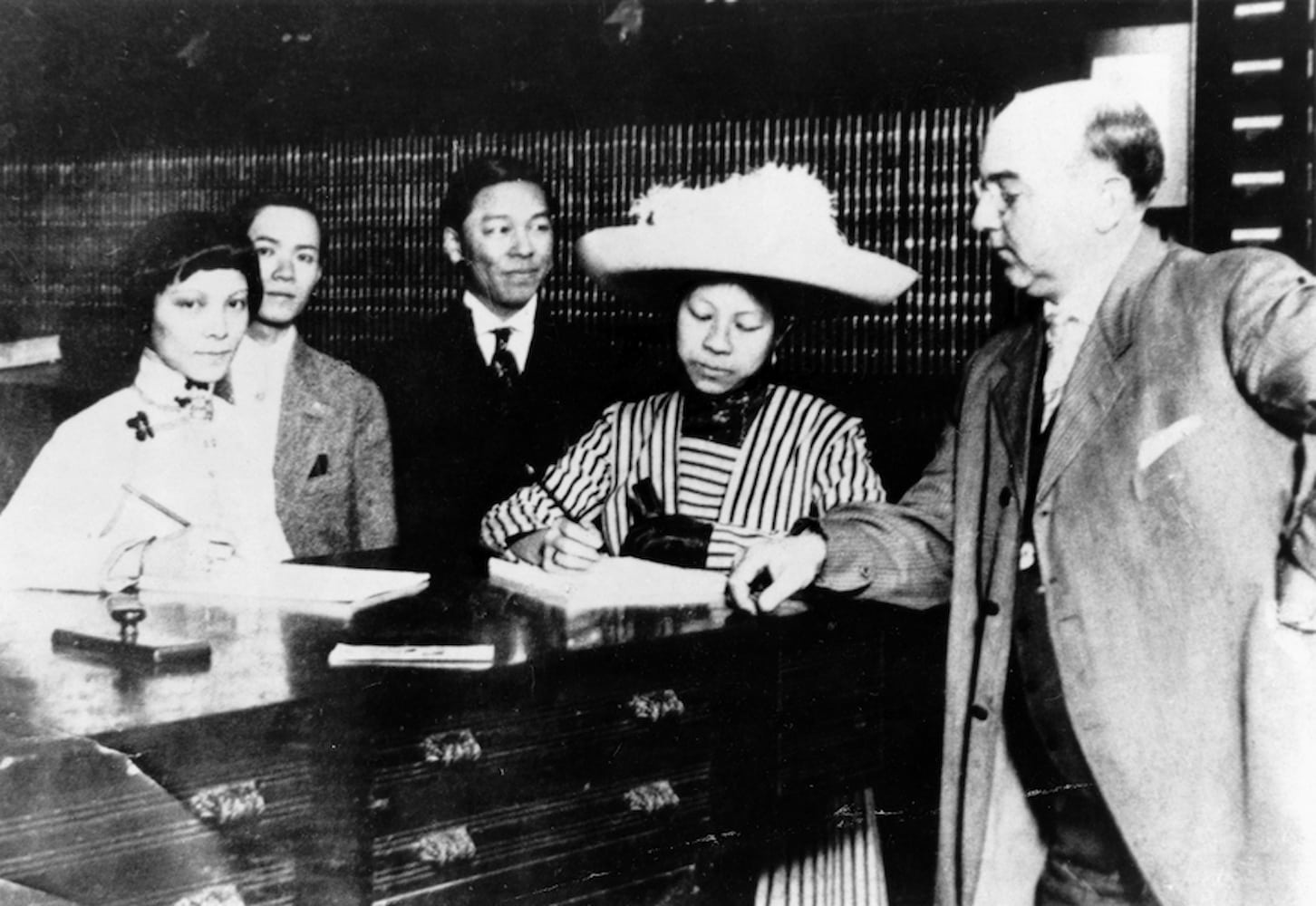
Clara Elizabeth Chan Lee
3/31 JT REVISED : In 1911, Clara Elizabeth Chan Lee became the first Chinese American woman to register to vote in the United States. OLD: In 1912, Tye Leung Schulze became the first Chinese American woman to cast a ballot in a presidential primary election in the United States.
-
Image
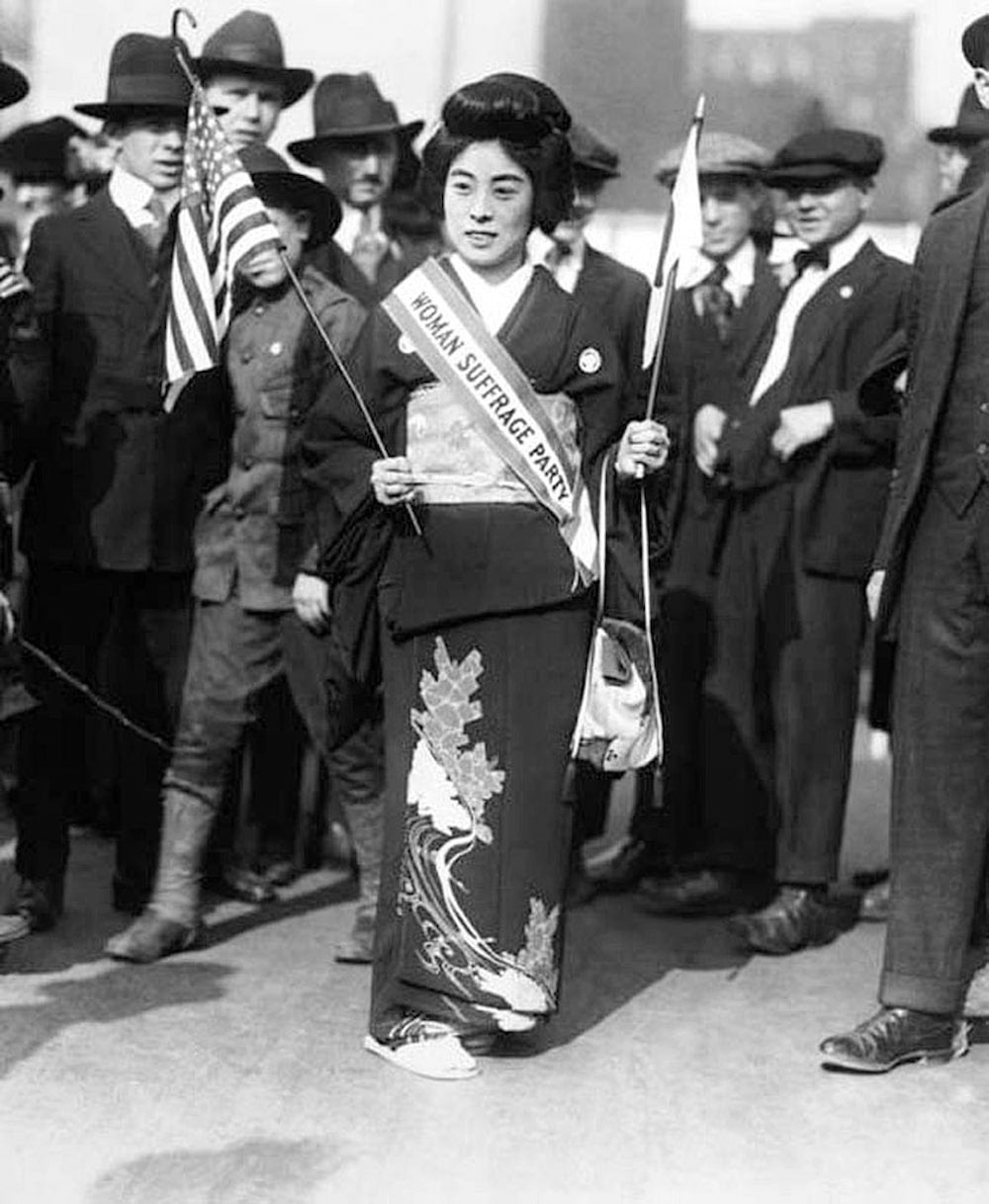
Komako Kimura
On October 23, 1917, Komako Kimura marched in New York City. She came to the US from Japan to learn more about the Women’s Suffragist Movement.
-
Image
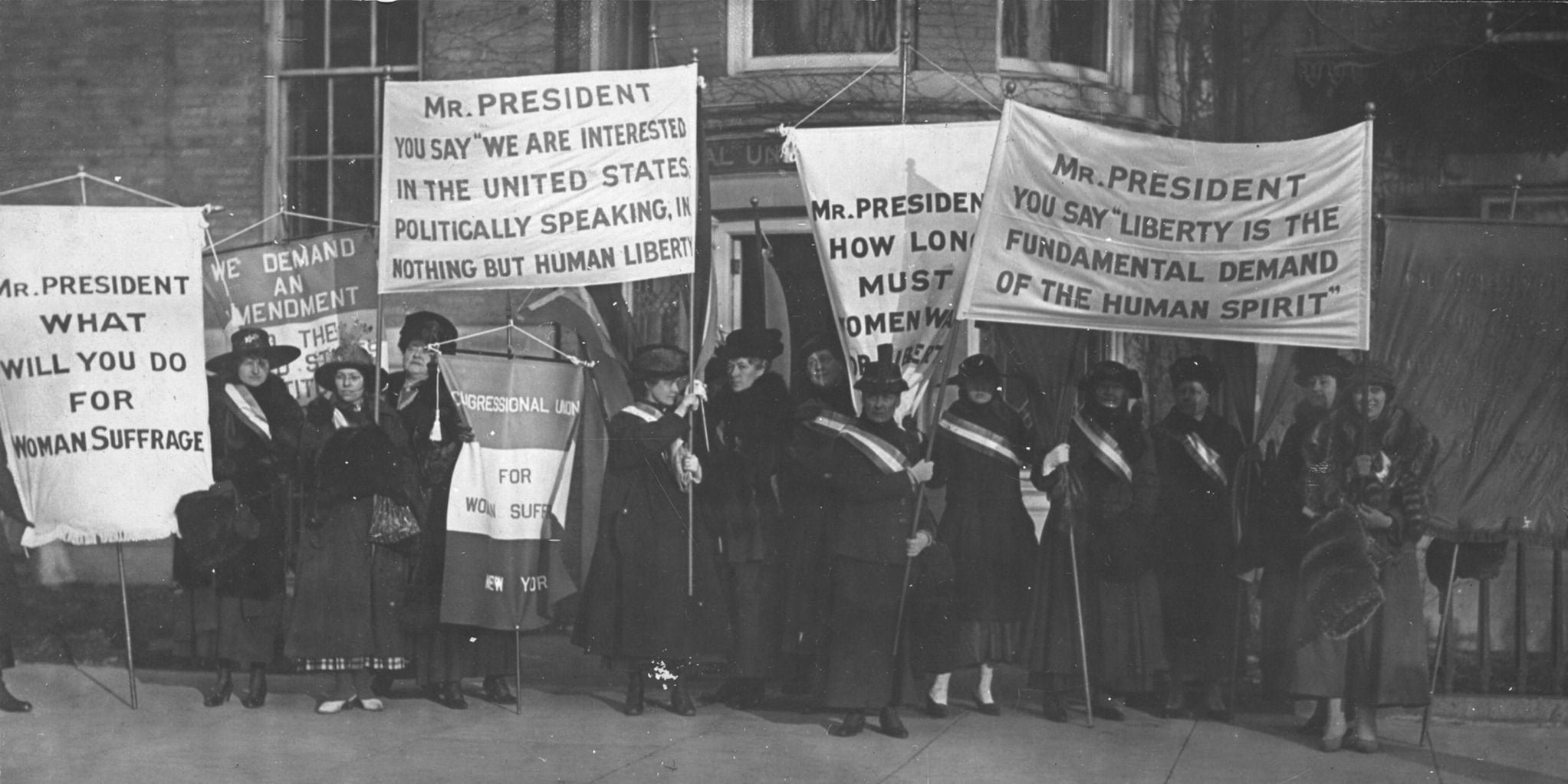
Suffragists in Washington, DC
Suffragists demonstrating in Washington, DC, in 1917. Their banners call for President Woodrow Wilson to take action in support of women’s suffrage, or right to vote.
-
Image
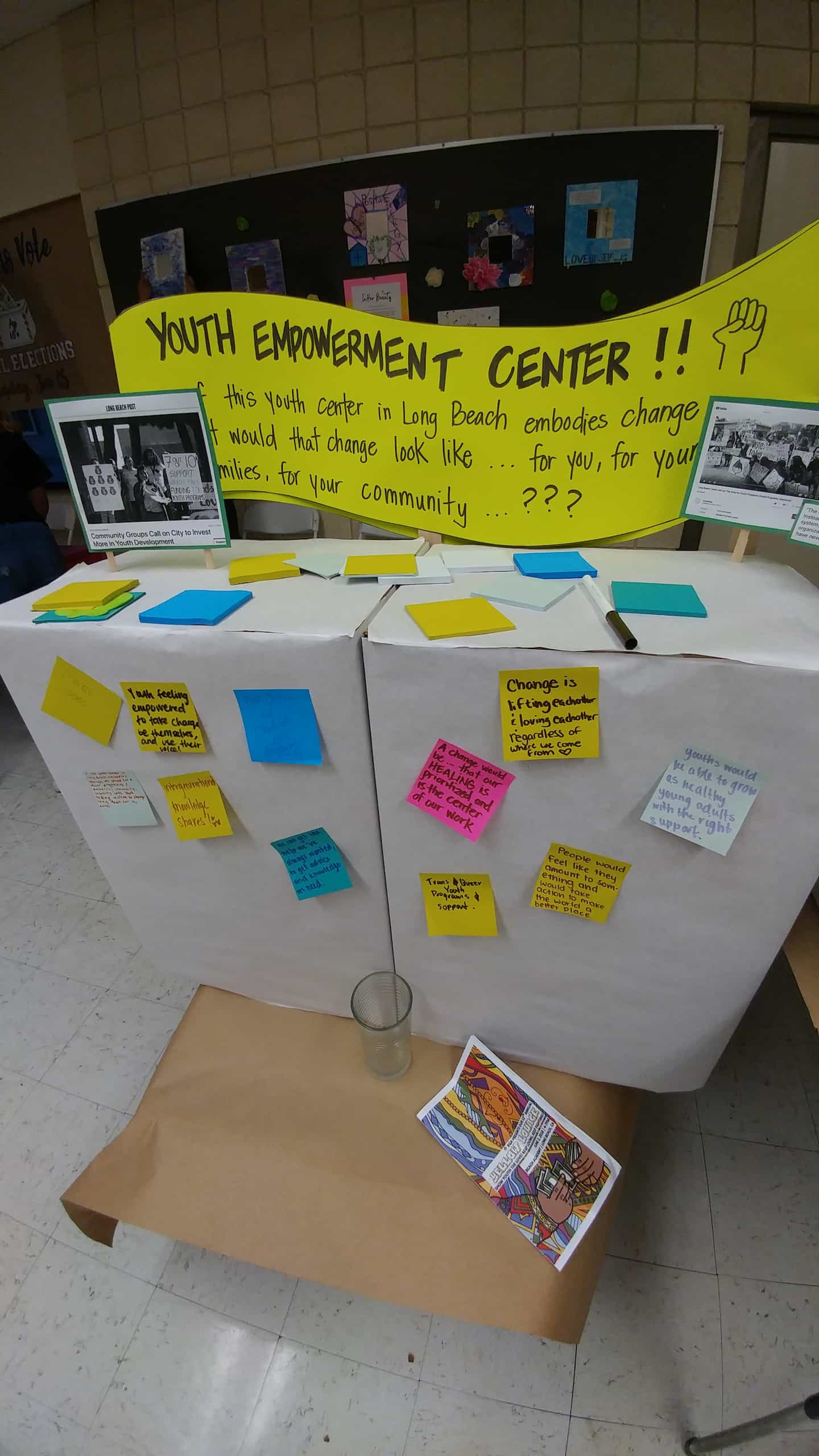
Youth Empowerment Center
In Spring of 2018, artist and Khmer Girls in Action (KGA) member Raya Kom created Cambodiatown models exploring youth criminalization, park funding, and community appreciation.