



Search the Media Repository
Discover the curated images, videos, and primary sources featured throughout Foundations and Futures
History is more than just text on a page; it is the photographs, voices, and artifacts of the people who lived it. The images and recordings featured across Foundations and Futures are part of a meticulously curated media repository. Whether you are building a lesson plan or investigating an artifact, you can use this database to trace the provenance of our media: discover who created an asset, the historical context behind it, and how it can be used to bring Asian American and Pacific Islander experiences into your classroom.
Multimedia
Chapters
-
Image
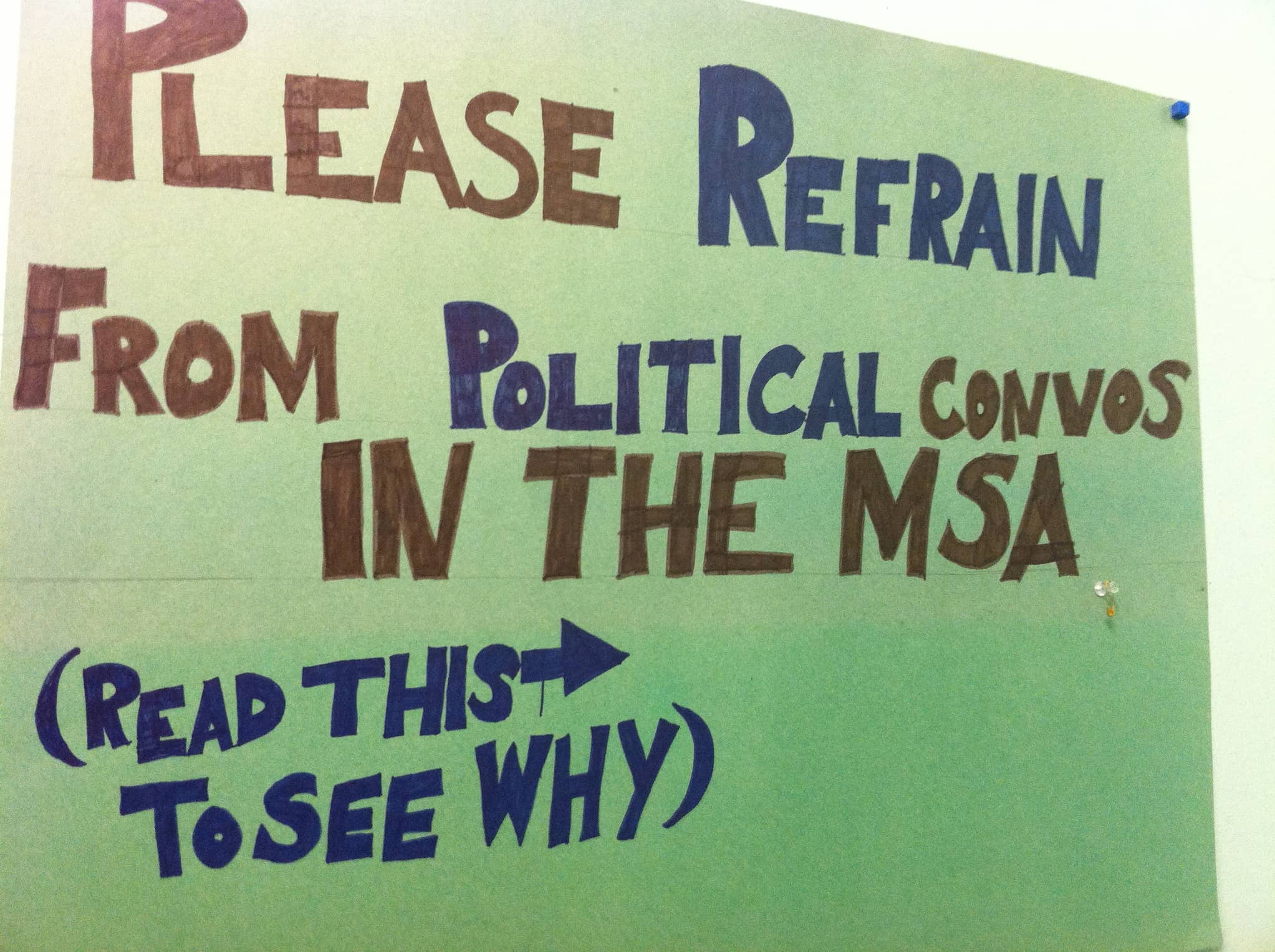
“Please Refrain from Political Convos”
A sign in the Muslim Students Association room at Hunter College, New York City from 2012, shows the climate among Muslim students following news of sprawling NYPD surveillance. “Read this” pointed to a press article about the NYPD’s surveillance program.
Featured in:
The War on Terror and Anti-Muslim Racism, Module 5
-
Video
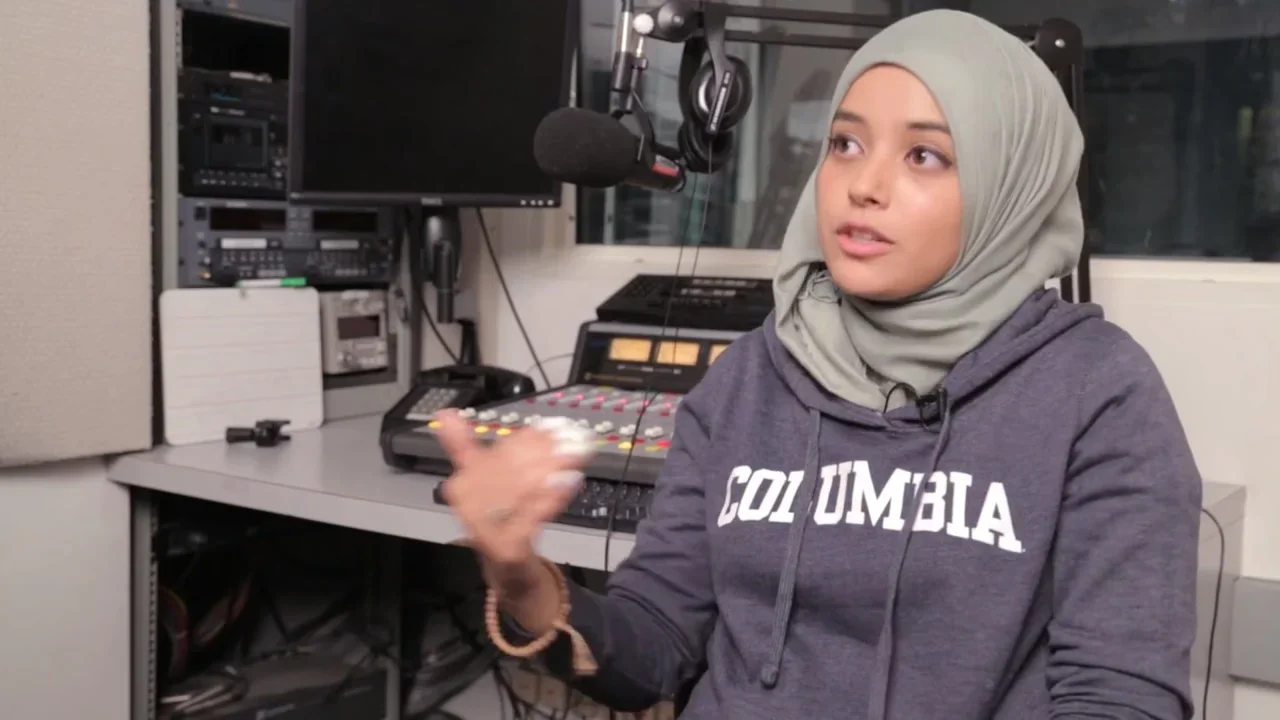
NYPD Muslim Surveillance Program
In this 2015 video, activists Linda Sarsour and Rabia Ahsan Tarar discuss the chilling effects of the NYPD Muslim Surveillance Program, which impacted the lives of Muslim Americans for over a decade in the New York area.
Featured in:
The War on Terror and Anti-Muslim Racism, Module 5
-
Image
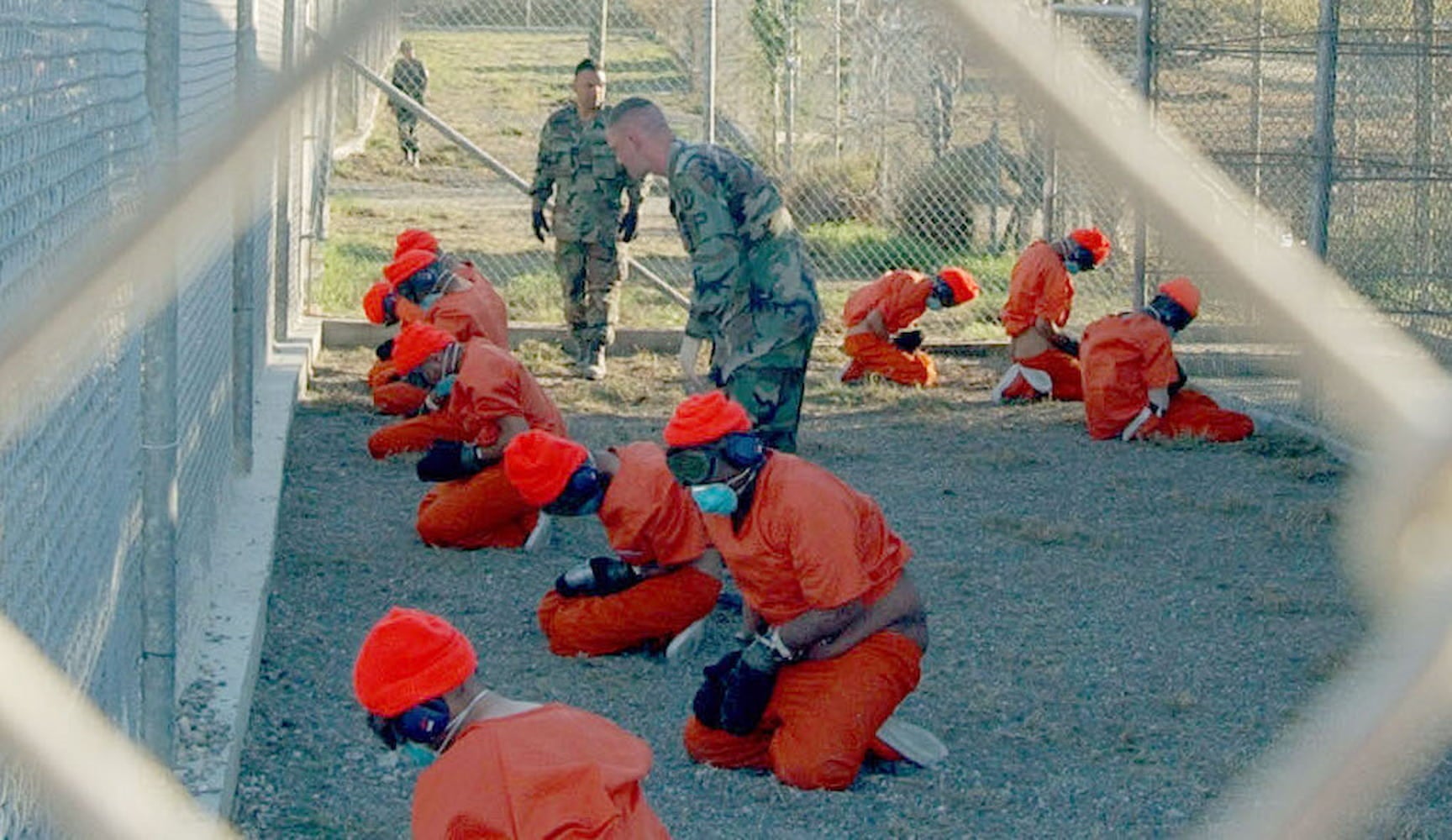
Guantanamo Bay Prisoners
Guantanamo Bay prisoners in January 2002. Investigations by the United Nations and a 2009 Senate Armed Services Committee report detailed how prisoners were stripped of their dignity and due process rights, held indefinitely without charges, and were often subjected to torture. The prison remains in use.
Featured in:
The War on Terror and Anti-Muslim Racism, Module 4
-
Image
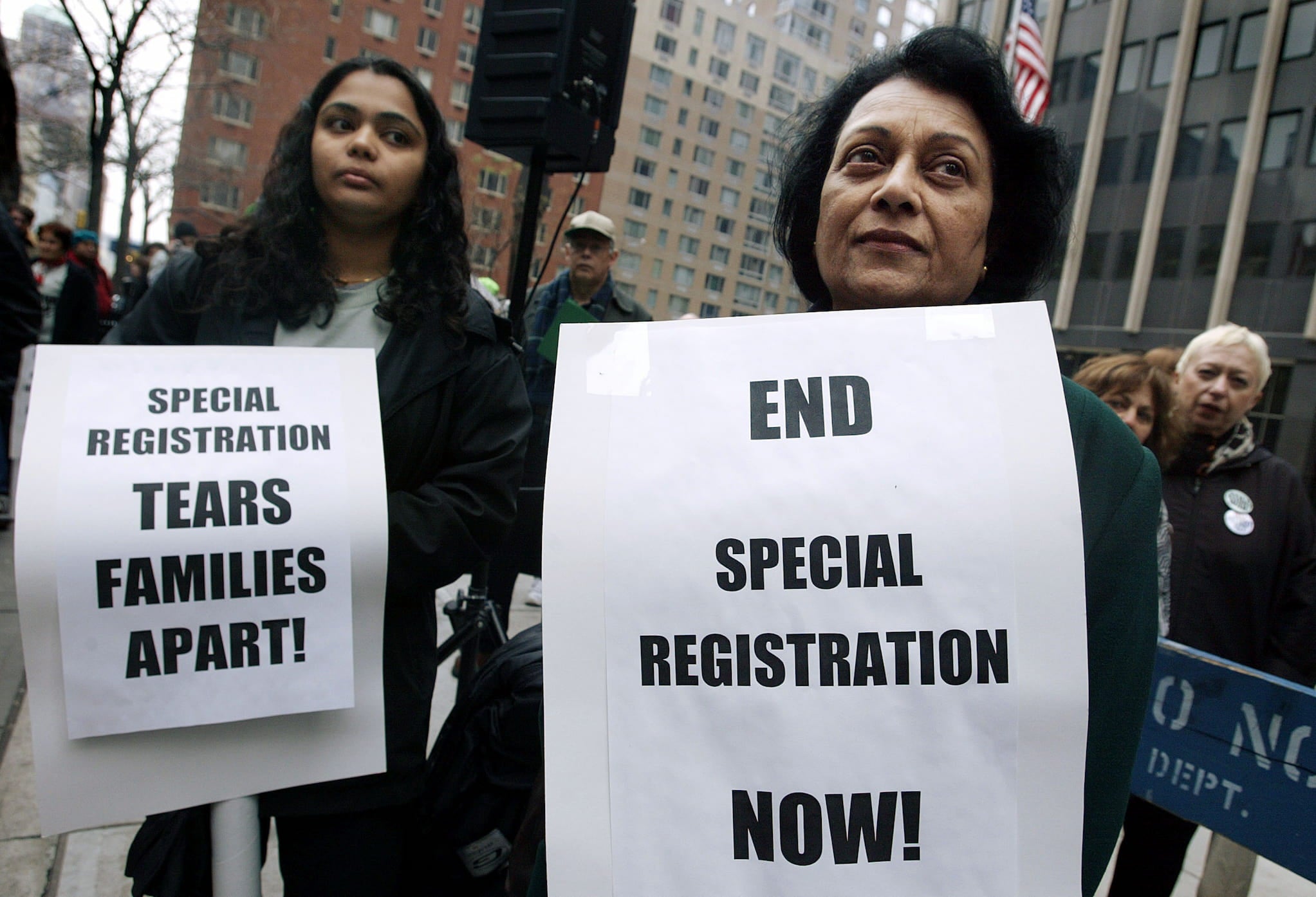
Protesting NSEERS
In 2003, Muslim Americans protested the National Security Entry-Exit Registration System (NSEERS) which targeted US-based citizens of majority-Muslim countries.
Featured in:
The War on Terror and Anti-Muslim Racism, Module 4
-
Video
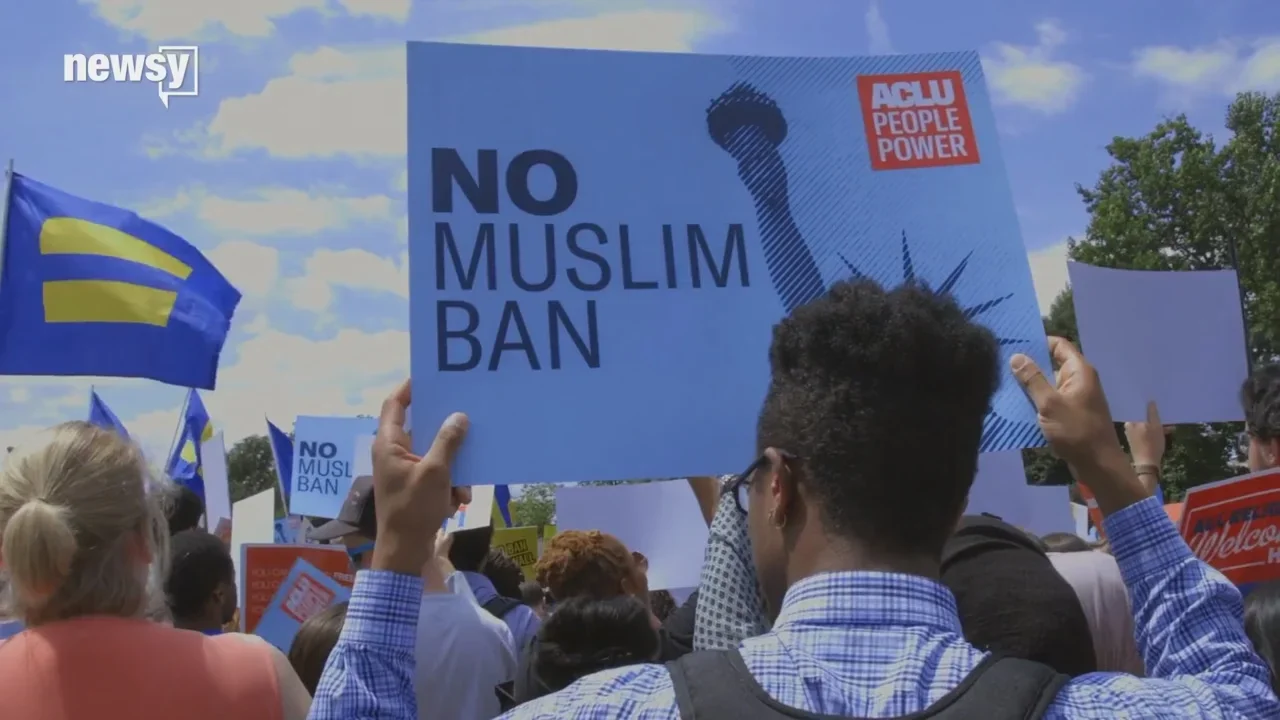
Reactions to Muslim Travel Ban Ruling
In 2018, after the Supreme Court upheld the executive order known as the “Muslim Travel Ban,” Scripps News interviewed Muslim Americans about their reactions.
Featured in:
The War on Terror and Anti-Muslim Racism, Module 4
-
Video
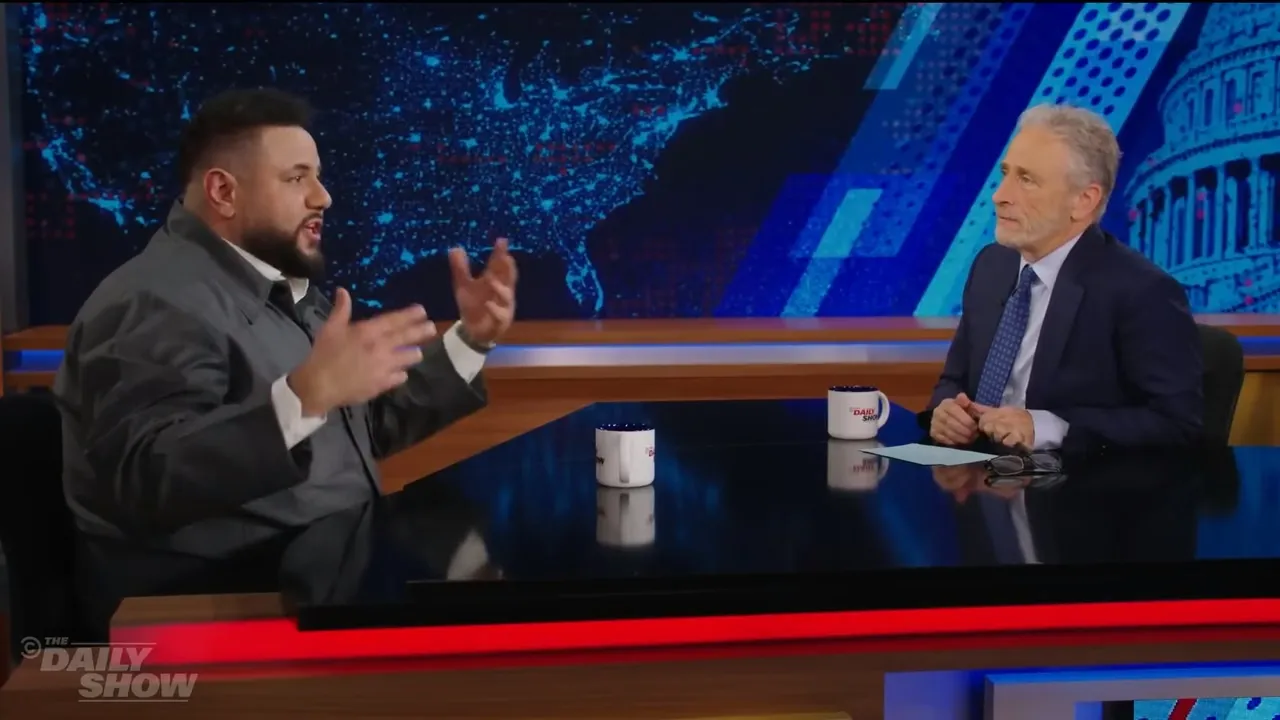
Mo Amer on The Daily Show
Mo Amer discusses his show Mo with Jon Stewart on The Daily Show, in 2025. Inspired by his own Palestinian refugee experience, Mo exposes the complexities of statelessness, asylum, and the difficulties of the US immigration process.
Featured in:
The War on Terror and Anti-Muslim Racism, Module 3
-
Image
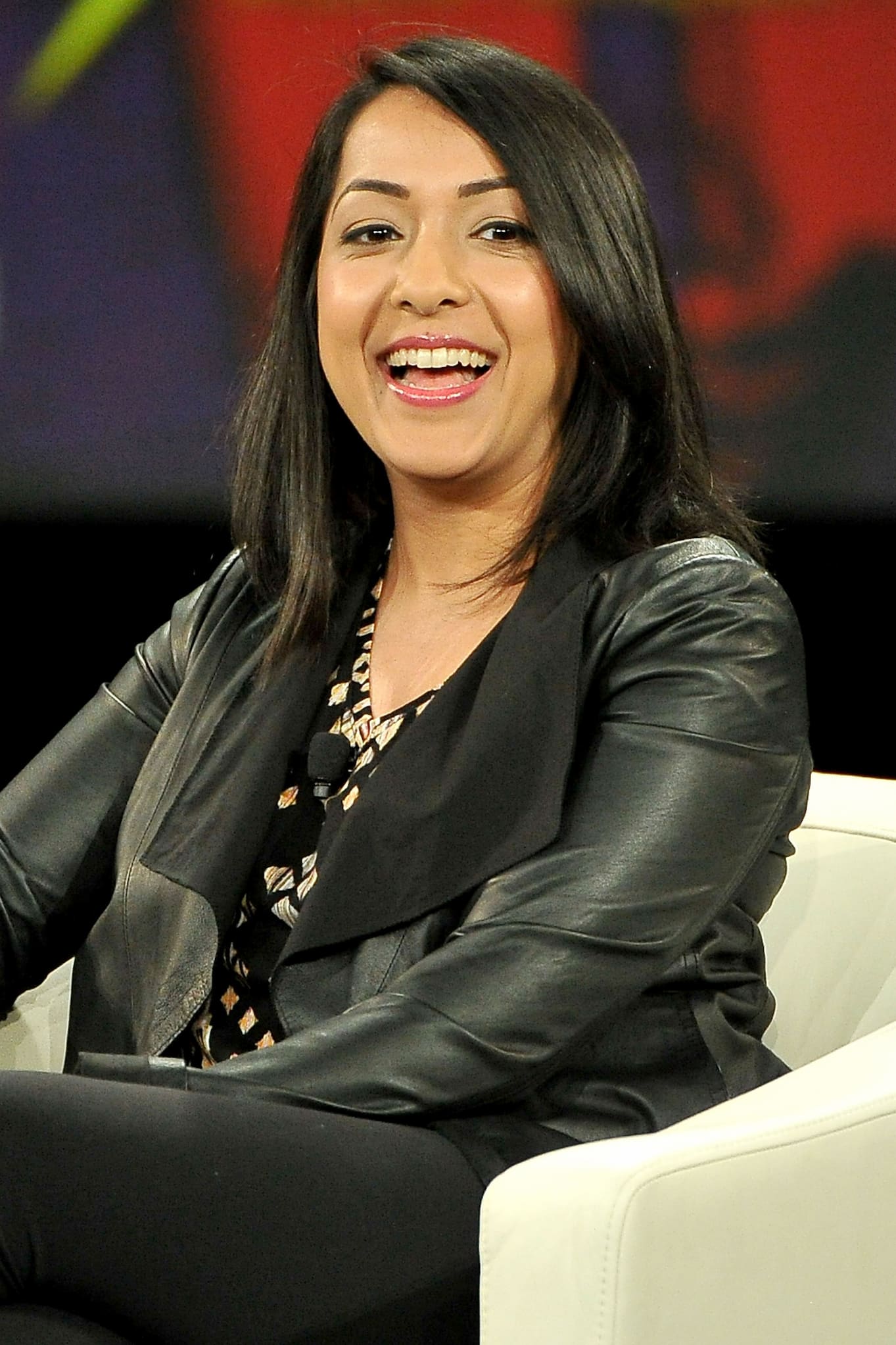
Sana Amanat
Sana Amanat, a Pakistani Muslim American, co-created the character of Kamala Khan who becomes Ms. Marvel, a superhero. Like Amanat herself, Kamala Khan is from Jersey City, New Jersey.
Featured in:
The War on Terror and Anti-Muslim Racism, Module 3
-
Image
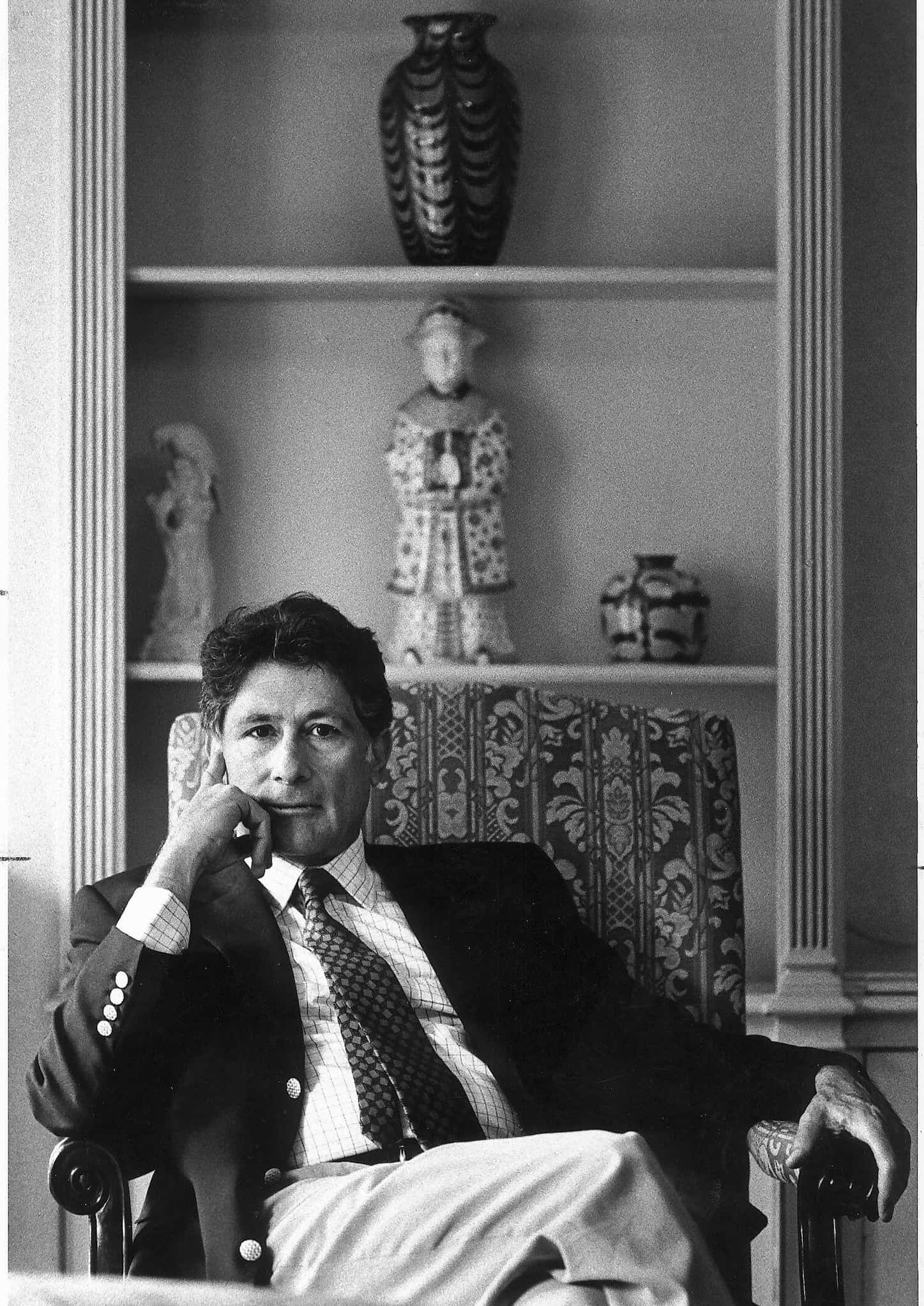
Edward Said
Edward Said (1935-2003) was a Professor of English and Comparative Literature at Columbia University. In Orientalism, Said argued that Orientalist writings and ideologies portrayed the West as being culturally superior, while people of Eastern countries are seen as inferior and subordinate.
Featured in:
The War on Terror and Anti-Muslim Racism, Module 3
-

Video
Reel Bad Arabs Excerpt
An excerpt from the documentary Reel Bad Arabs (2006), which is based on a book of the same name, by Dr. Jack Shaheen.
Featured in:
The War on Terror and Anti-Muslim Racism, Module 3
-
Image
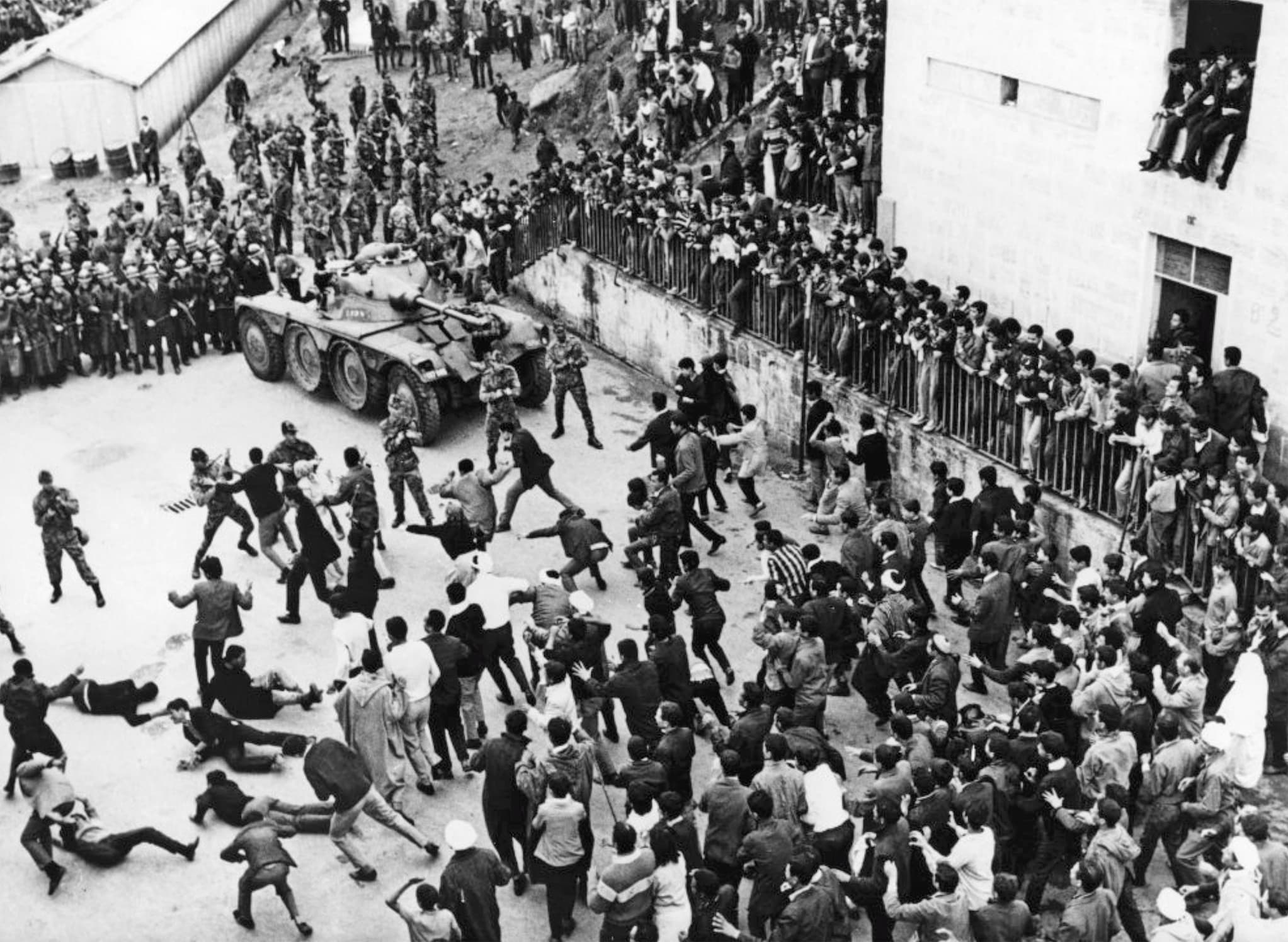
Battle of Algiers
The Battle of Algiers, from 1966, is a story of anti-colonial rebellion. In 2003 soon after the US invaded Iraq, the Pentagon screened the film for military and intelligence leaders.
Featured in:
The War on Terror and Anti-Muslim Racism, Module 3
-
Image
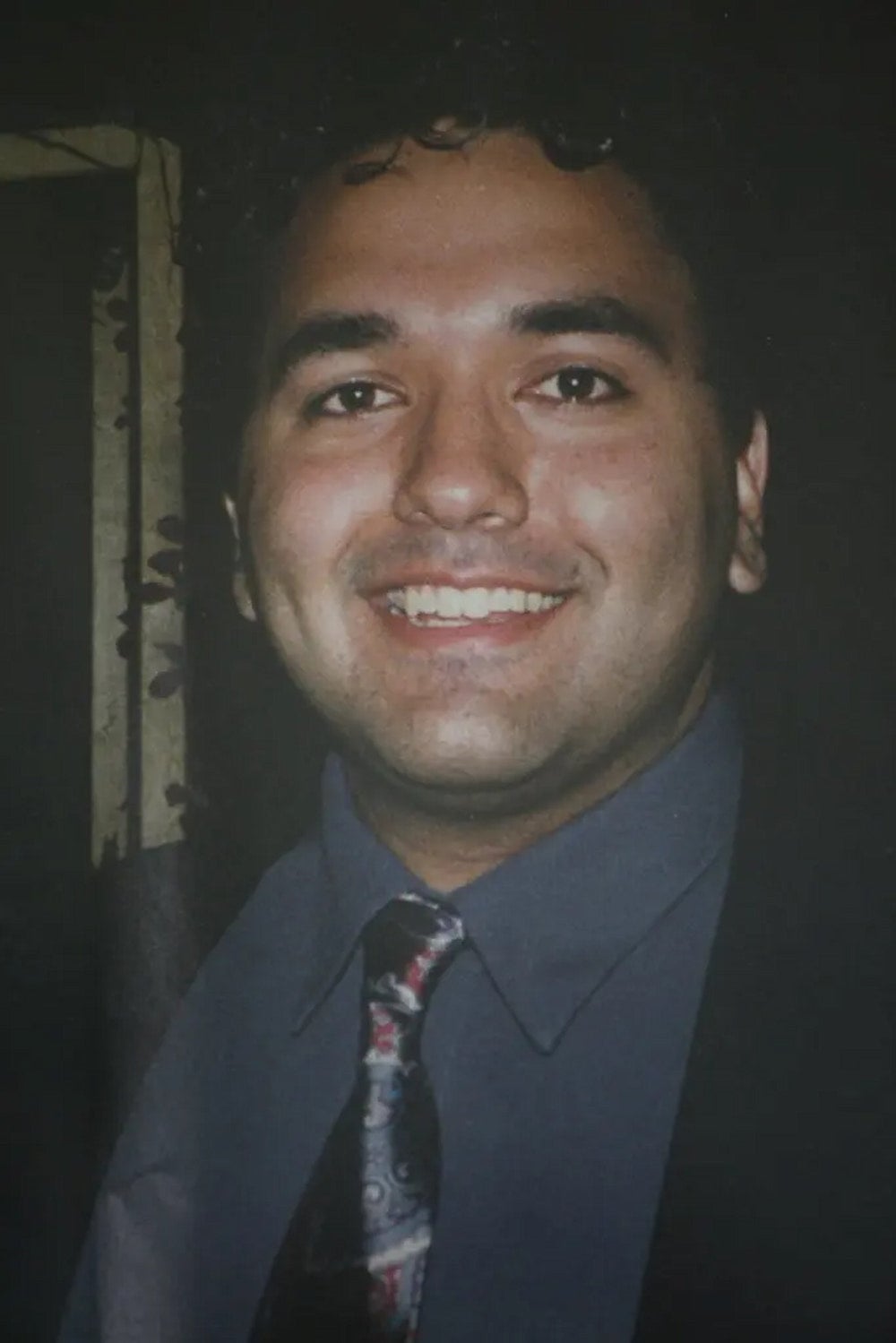
Mohammad Salman Hamdani
Mohammad Salman Hamdani was a 23-year-old Pakistani American emergency medical technician, NYPD cadet, and aspiring medical student who died after rushing to the World Trade Center on 9/11.
Featured in:
The War on Terror and Anti-Muslim Racism, Module 2
-
Video
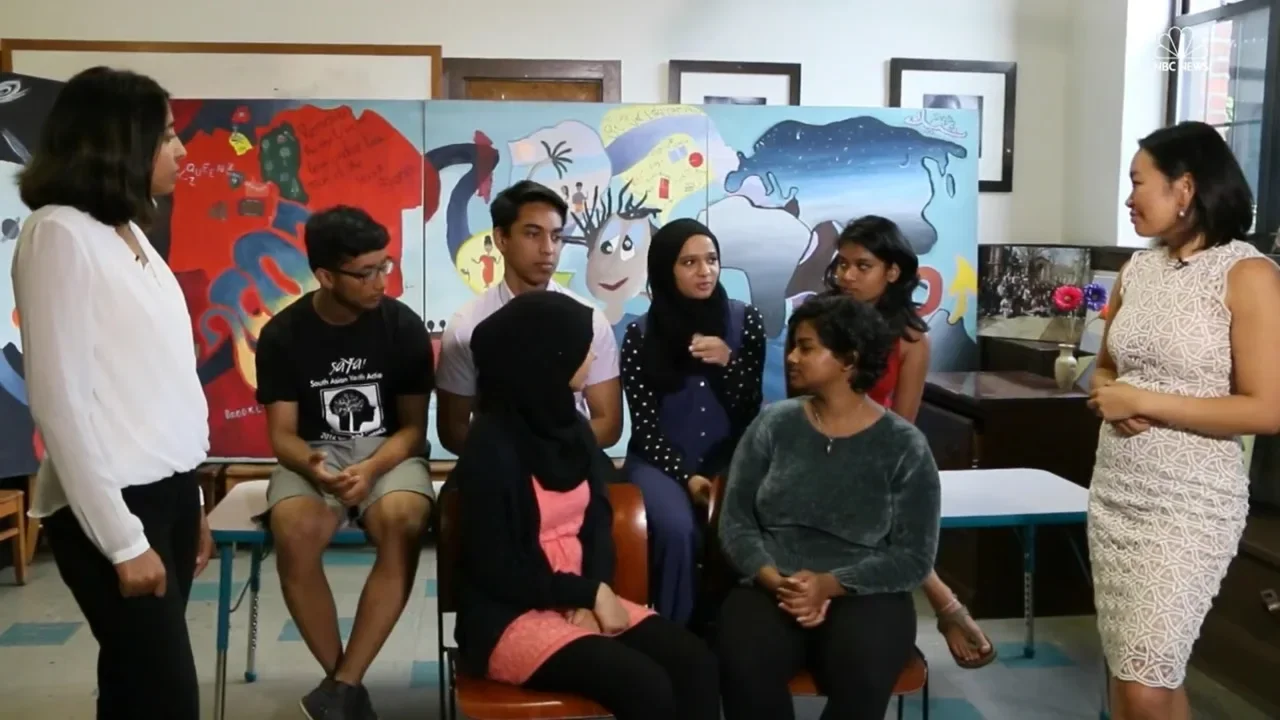
Young Adults on Islamophobia
Members of South Asian Youth Action (SAYA), in Queens, New York, described to NBC News in 2016 instances of Islamophobia they had personally experienced.
Featured in:
The War on Terror and Anti-Muslim Racism, Module 2
-
Image
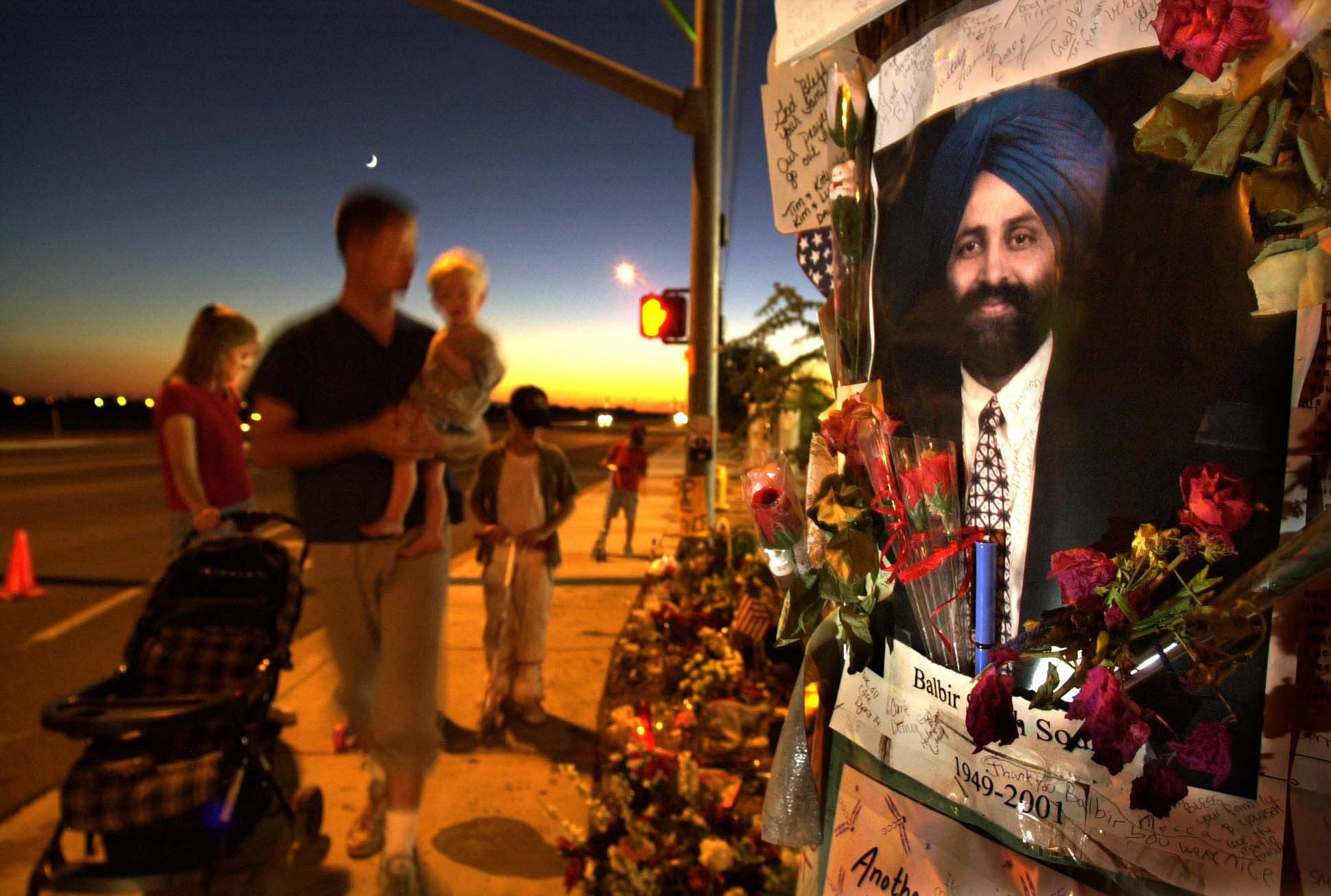
Balbir Singh Sodhi Memorial
Balbir Singh Sodhi was popular in the neighborhood and often gave candy to children. After his murder on September 15, 2001 in Mesa, Arizona, this makeshift memorial quickly appeared.
Featured in:
The War on Terror and Anti-Muslim Racism, Module 2
-
Image
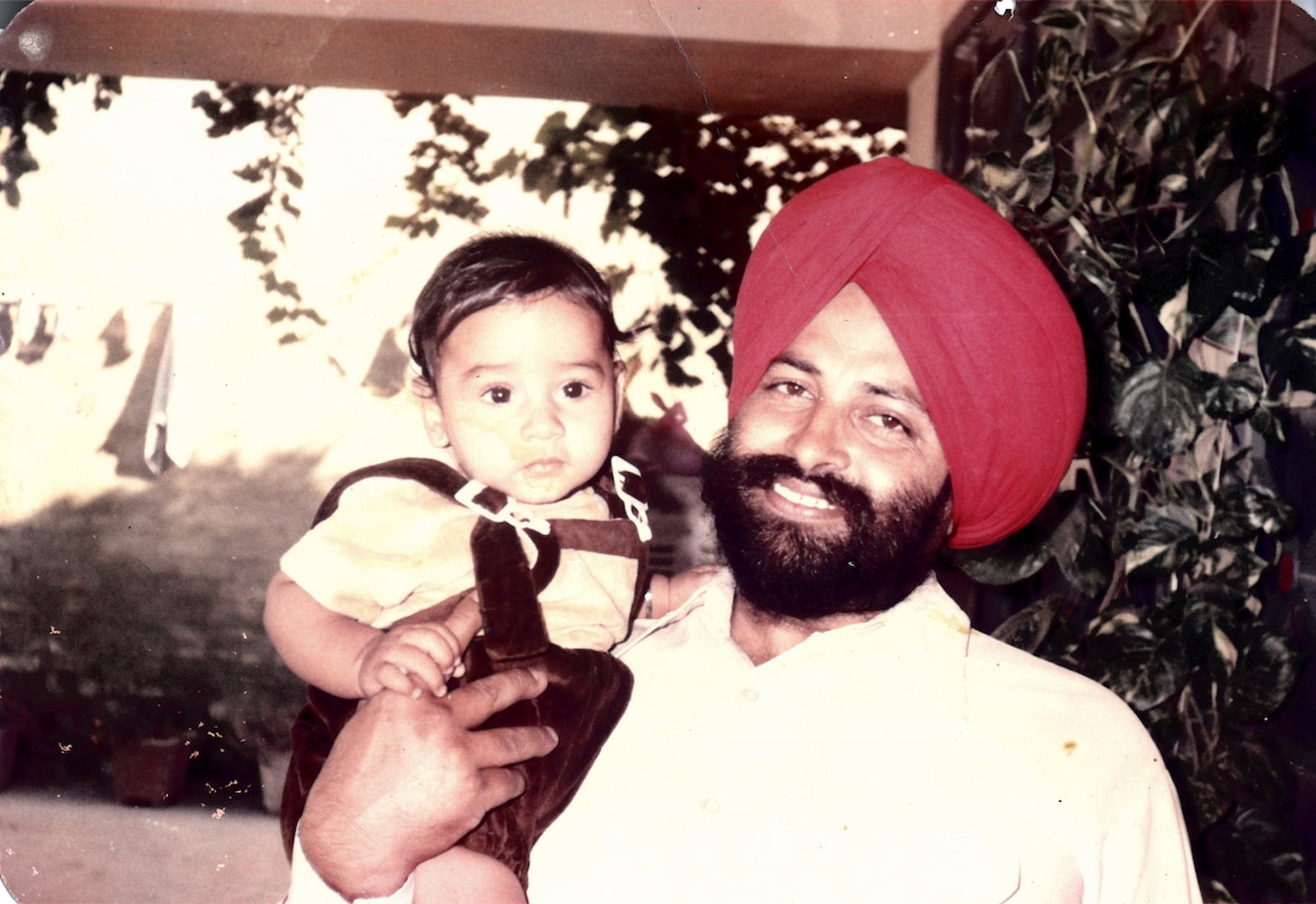
Balbir Singh Sodhi
Balbir Singh Sodhi (right) with a nephew. Sodhi was murdered just days after 9/11 in 2001 as a result of anti-immigrant and anti-Muslim violence, in Mesa, Arizona. Sodhi was the first hate crime victim after the 9/11 attacks.
Featured in:
The War on Terror and Anti-Muslim Racism, Module 2
-
Text
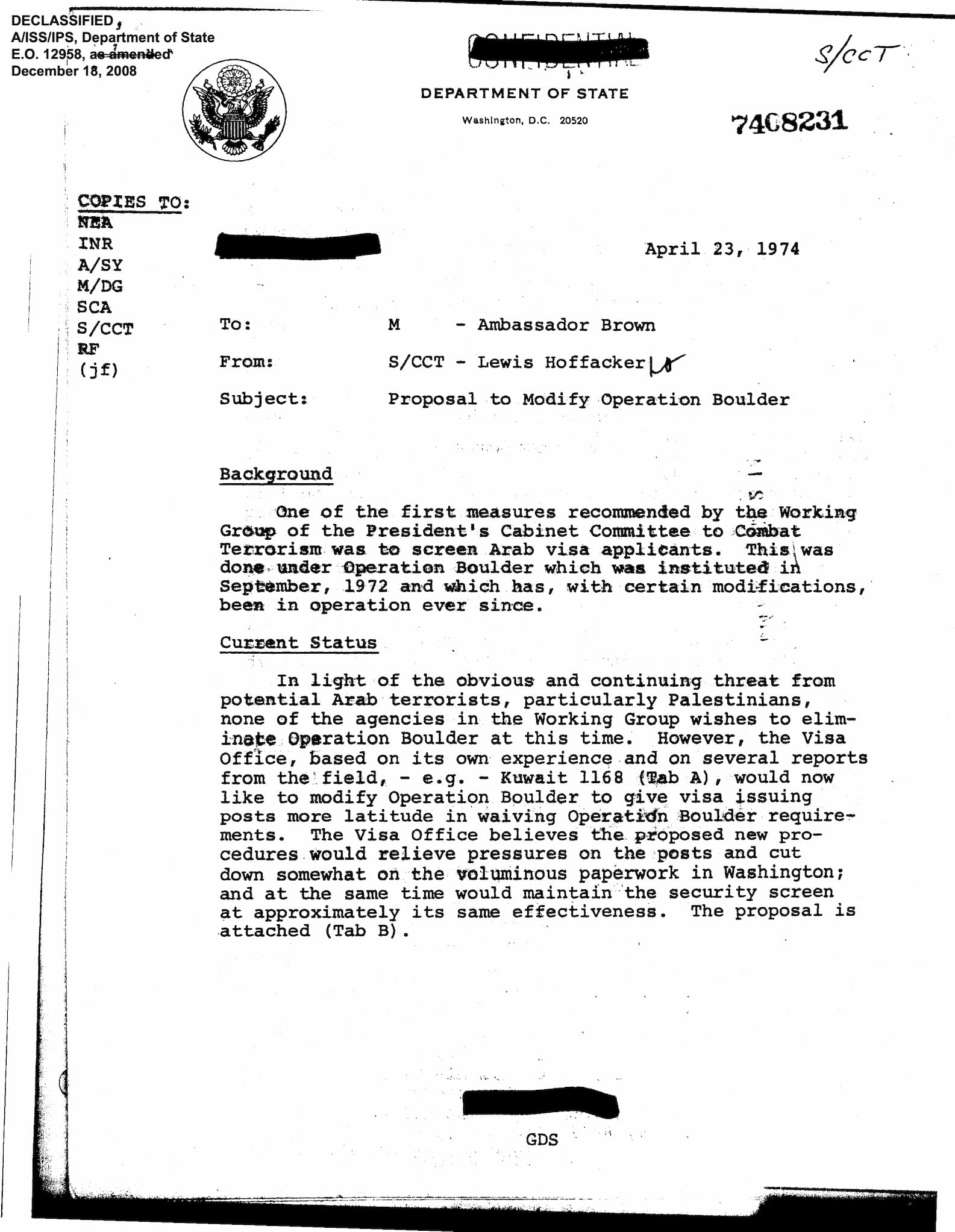
Operation Boulder
Declassified documents from 1974 of Operation Boulder, which monitored Arabs and Iranians through illegal surveillance, harassment, and additional scrutiny and restrictions for student visas, resulting in political intimidation through the fear of deportation and incarceration. Operation Boulder processed over 150,000 people.
Featured in:
The War on Terror and Anti-Muslim Racism, Module 2
-
Image
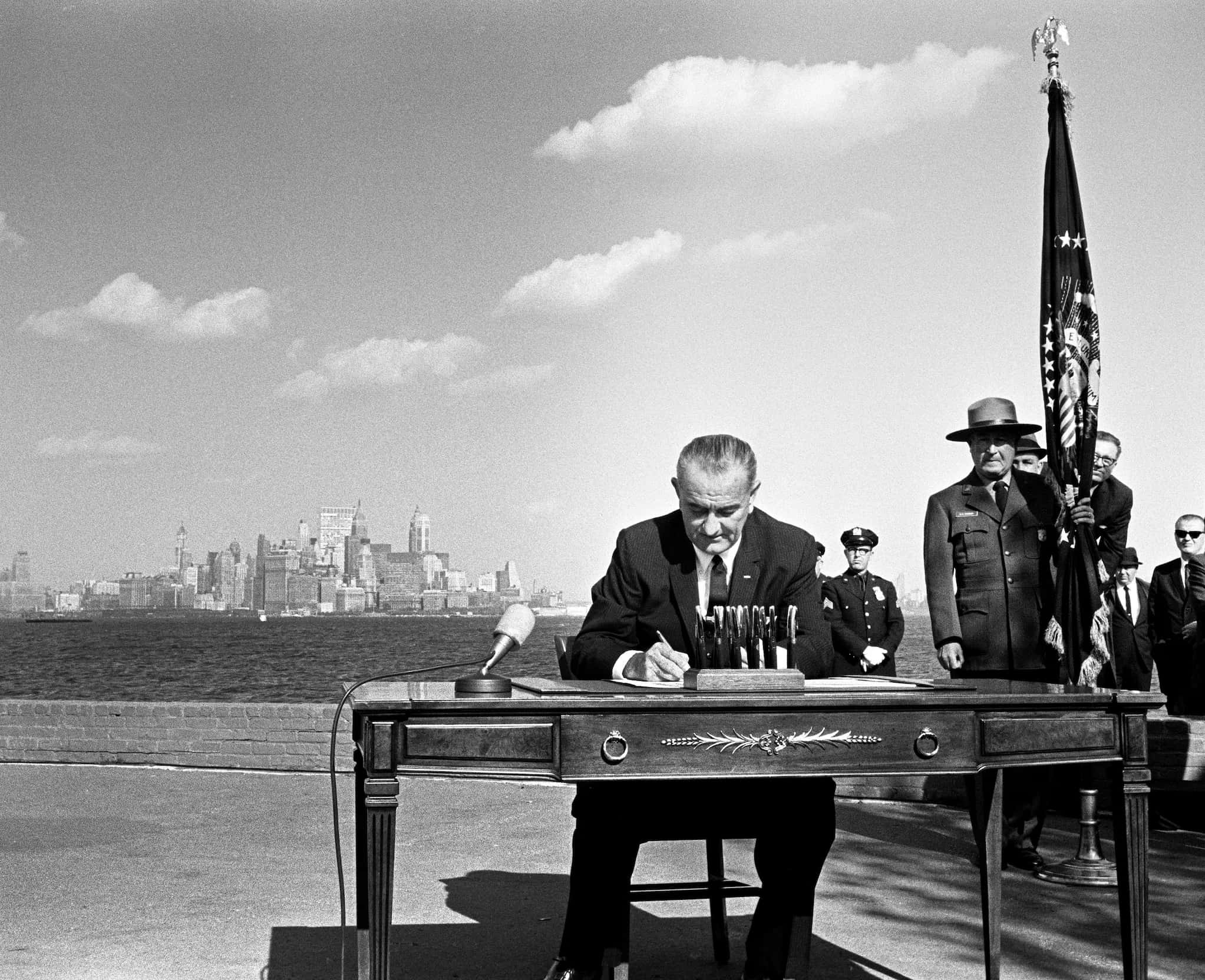
LBJ Signs Immigration and Nationality Act of 1965
President Lyndon B. Johnson signed the Immigration and Nationality Act of 1965, on Liberty Island in New York City. Also known as the Hart-Celler Act, it greatly increased the numbers of Arab immigrants to the US, including many displaced Palestinian refugees.
Featured in:
The War on Terror and Anti-Muslim Racism, Module 2
-
Video
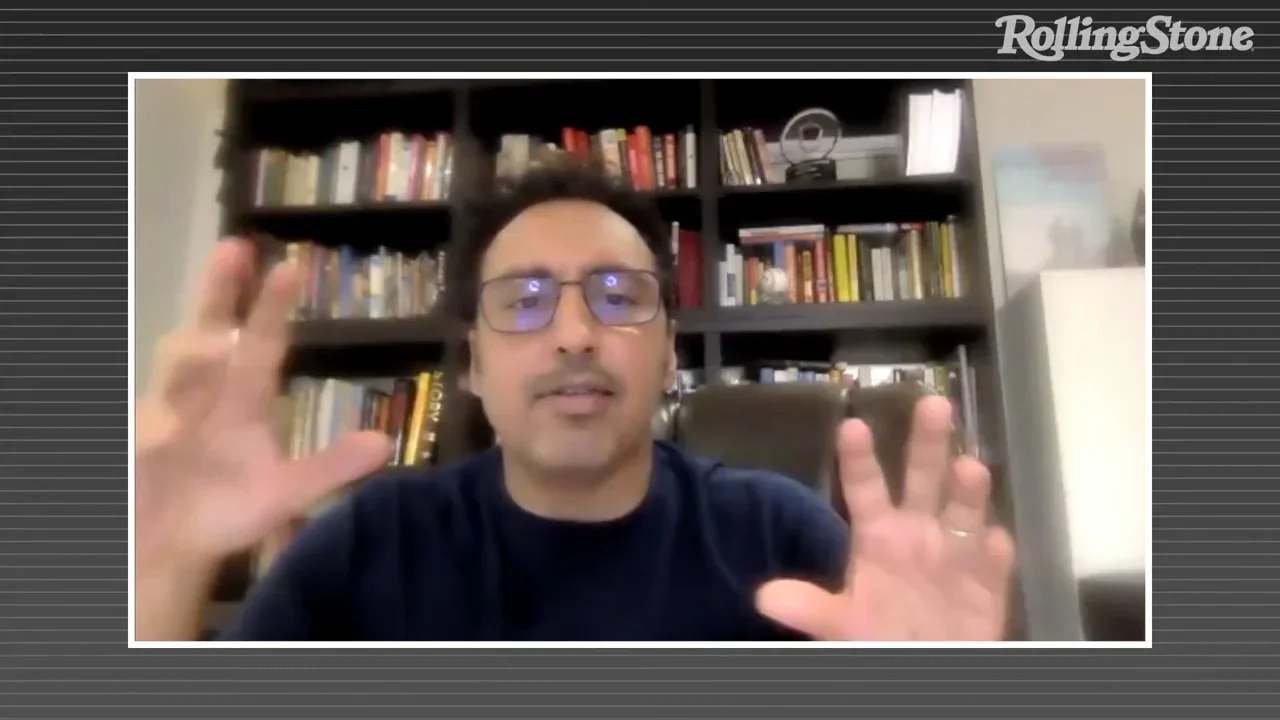
Asaif Mandvi on Post-9/11 New York
Actor and comedian Aasif Mandvi recounts experiencing 9/11 as a New Yorker, and the post-9/11 discrimination against the Muslim community.
Featured in:
The War on Terror and Anti-Muslim Racism, Module 1
-
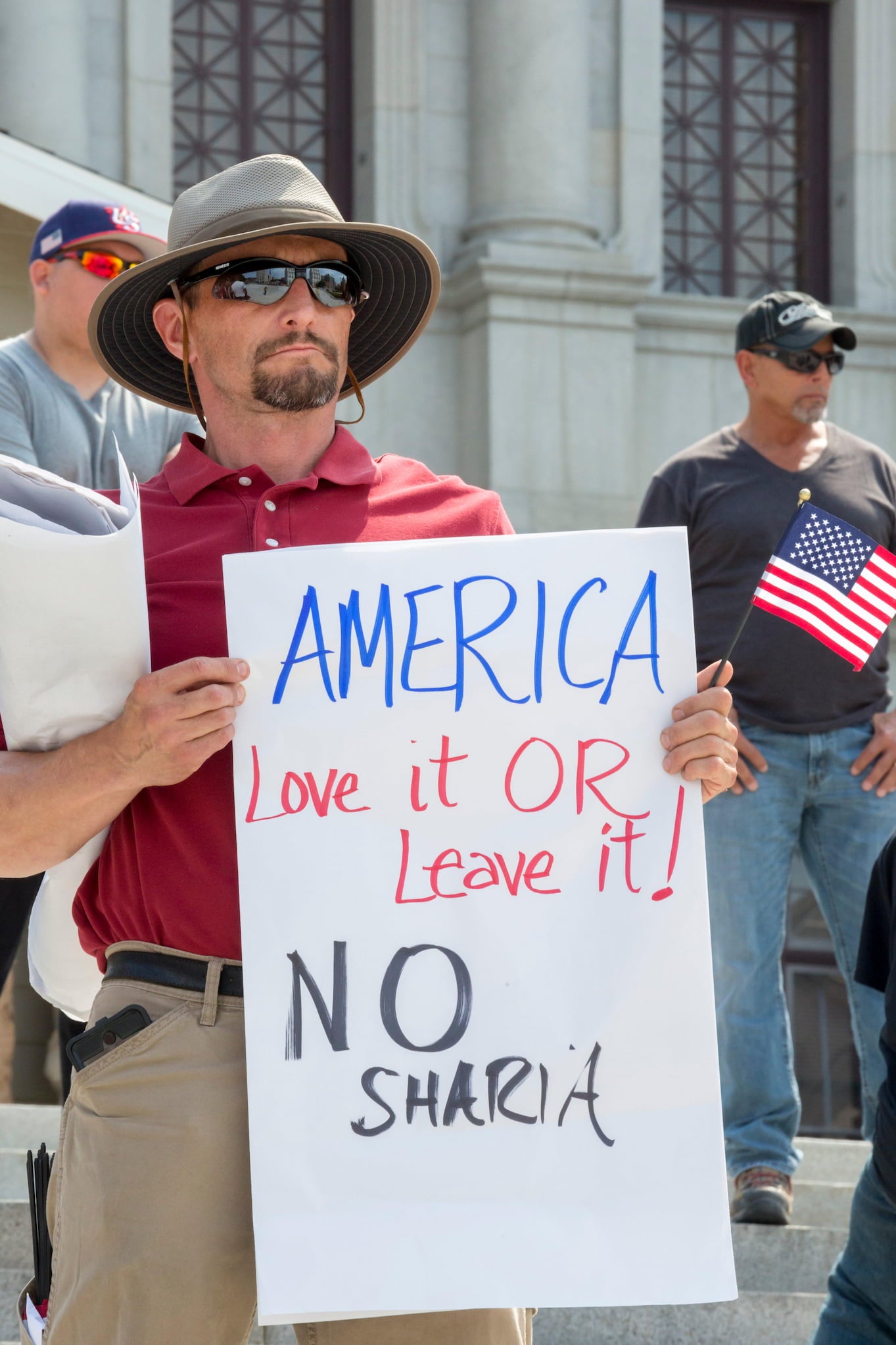
Image
ACT for America rally against Sharia law
In Harrisburg, Pennsylvania, around fifty protestors held an anti-Muslim rally with signs about sharia law and Islam, in 2017.
Featured in:
The War on Terror and Anti-Muslim Racism, Module 1
-
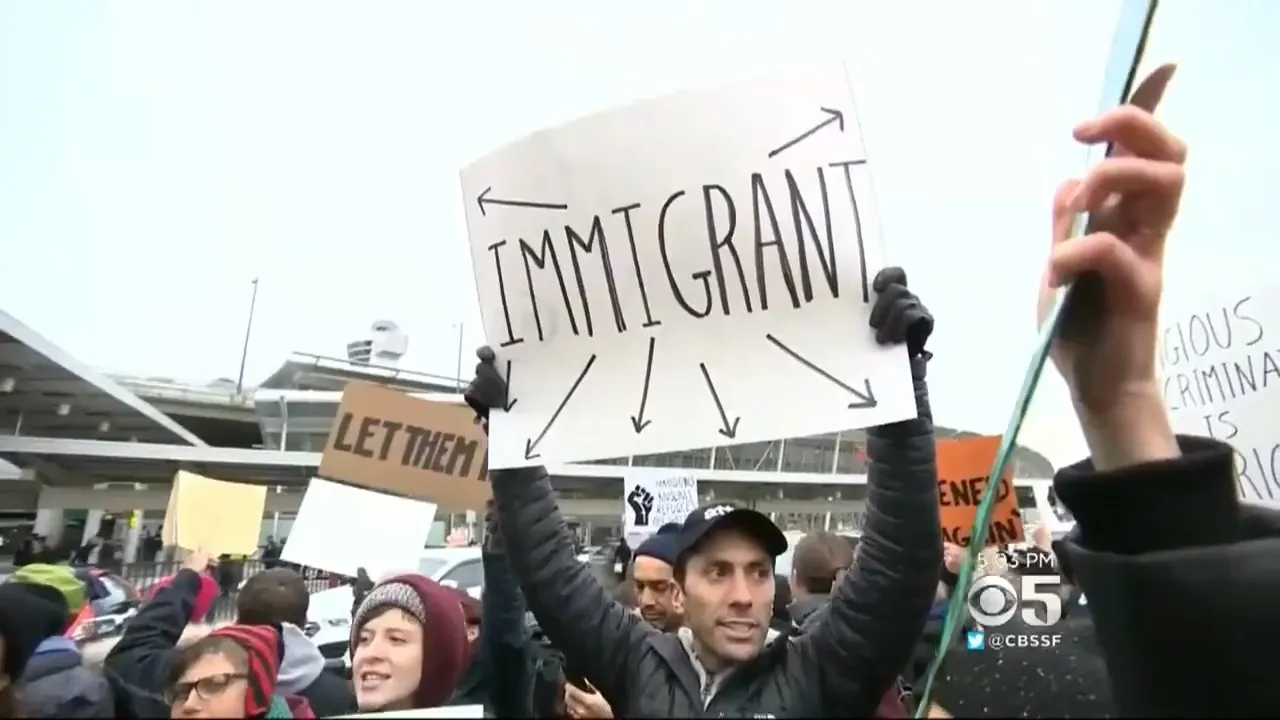
Video
Protests at San Francisco Airport against the “Muslim Ban”
KPIX in 2017 reported on the Trump administration’s first iteration of the Muslim Travel Ban, which banned refugees from Iran, Iraq, Libya, Somalia, Sudan, Syria, and Yemen from entering the United States. This sparked immediate mass protests at airports across the country.
Featured in:
The War on Terror and Anti-Muslim Racism, Module 1
-
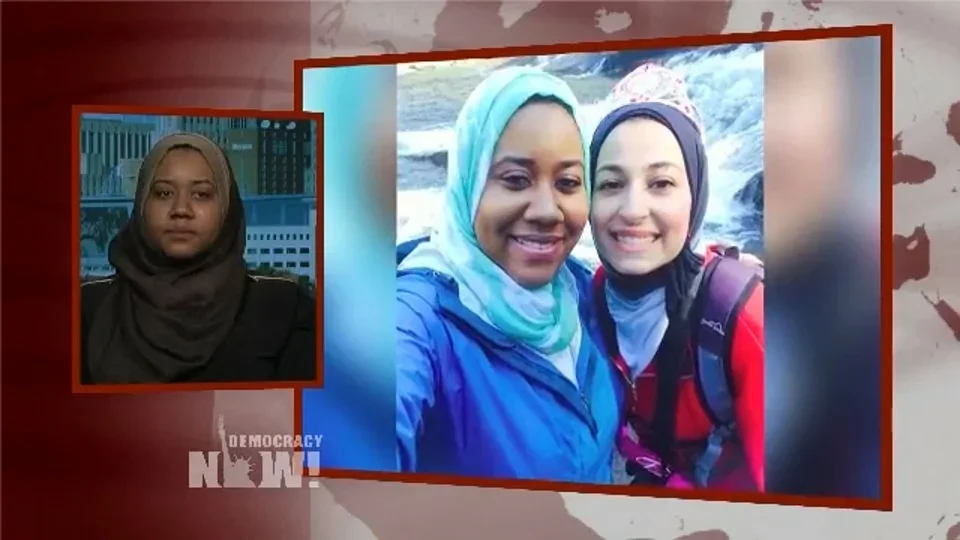
Video
Amira Ata, friend of slain Muslim students, speaks out
In 2015 Yusor Mohammad Abu-Salha, Deah Shaddy Barakat, and Razan Mohammad Abu-Salha were shot and killed in Chapel Hill, North Carolina. In a Democracy Now! interview, Yusor’s best friend Amira Ata stated the victims were murdered because they were Muslim.
Featured in:
The War on Terror and Anti-Muslim Racism, Module 1