





Large banner with text “Go Home and Take Your True American Democracy Back With You” hangs in front of large field crowded with people.
Module 1: Departures and Arrivals
Have Thai Americans found or created a home in the United States?
“You don’t have to live in Thailand to be a Thai person. I hope to set a good example for the Thai people in my country. For I am a Thai person and yes, I did grow up in Los Angeles, but I am a Thai person throughout. I live the Thai culture and I speak the Thai language and I just want everyone to know that I am proud to be a Thai woman.”
– Porntip “Bui” Simon (neé Nakhirunkanok)
Porntip Simon (neé Nakhirunkanok), or Bui Porntip (ปุ๋ย ภรณ์ทิพย์), as she is lovingly called by Thais everywhere, was born in Bangkok, Thailand, in 1969. Her family moved to Los Angeles, California shortly after. At the age of nineteen, she took a break from Pasadena City College and returned to Thailand for the first time. There, she competed in the 1988 Miss Thailand pageant, hoping to represent Thailand in the international Miss Universe competition.
During the interview portion of the pageant, host Alan Thicke asked Bui Porntip, “How did you get to be Miss Thailand from Pasadena?”
Without missing a beat, Bui Porntip responded, “You don’t have to live in Thailand to be a Thai person.” She won the title of Miss Thailand and represented Thailand in the Miss Universe competition that year. She was the second Thai woman to be crowned Miss Universe and the first Thai American to win the title.

Image 18.01.01 — Bui Porntip on the cover of the November 1988 issue of Thai fashion magazine, Dichan. During her reign as Miss Universe, she was featured on many Thai magazine covers and on several television shows. She remains extremely popular with Thais today.
Bui Porntip’s Miss Thailand win sparked a national debate in Thailand on whether a Thai person who grew up outside of Thailand can represent Thailand. Her “Thainess” was often questioned during her tour as Miss Universe, especially because she was not a fluent Thai speaker like many others who grew up bilingual. Was Bui Porntip Thai enough to be Miss Thailand? The 1988 Miss Universe competition was the first time many Thais in Thailand learned that there were sizable Thai communities outside of Thailand. Meanwhile, Thai Americans in Los Angeles felt validated and were proud that “one of theirs” was representing Thailand on the world stage.
In this module, we will discuss the various ways to define “Thainess,” in other words, what it means to be Thai, in and outside of Thailand. We will also learn how Thai Americans are building, preserving, and defining “Thainess” for themselves and future generations. This module is an overview of contemporary Thai migration to the United States. Why did the US Thai population increase after 1965? How did these factors shape the Thai communities that thrive in the US today?
How did Thais get to the United States?
Why did Thais come to the United States?
What role did the Peace Corps play in Thai immigration to the US?
Crypto-Colonialism and US Militarism
Throughout its contemporary history, Thailand, or Siam, as it was called before 1939, has played a complex role in colonization and militarism in Asia. Although well known for never having been colonized, Thailand has compromised its economy and politics with Western powers—like England, France, and the United States—to maintain its independence as a nation. This particular relationship can be referred to as crypto-colonialism. Crypto-colonialism is a colonial practice that is more ambiguous than violent conquering and overthrow. For example, with crypto-colonialism, a powerful nation can control a less powerful nation’s economic development under the guise of diplomacy.
The US never declared Thailand its colony, but after World War II, it increased its military presence and influenced politics in Thailand. In return, Thailand received infrastructural and economic investments. This is an example of crypto-colonialism in action.
As the Vietnam War (1955–1975) continued, the US increased its political, economic, and military presence throughout Southeast Asia. With cooperation from Field Marshal Thanom Kittikachorn’s military government, the US operated several facilities and bases in Thailand. These locations housed troops and supplies, including the US planes and munitions that dropped bombs and chemical weapons like Agent Orange on Vietnam and Laos. In addition, the secret recruitment of ethnic minorities, the creation of sex tourism zones, and the launch of the Peace Corps program contributed to the irrevocable transformation of Thailand.
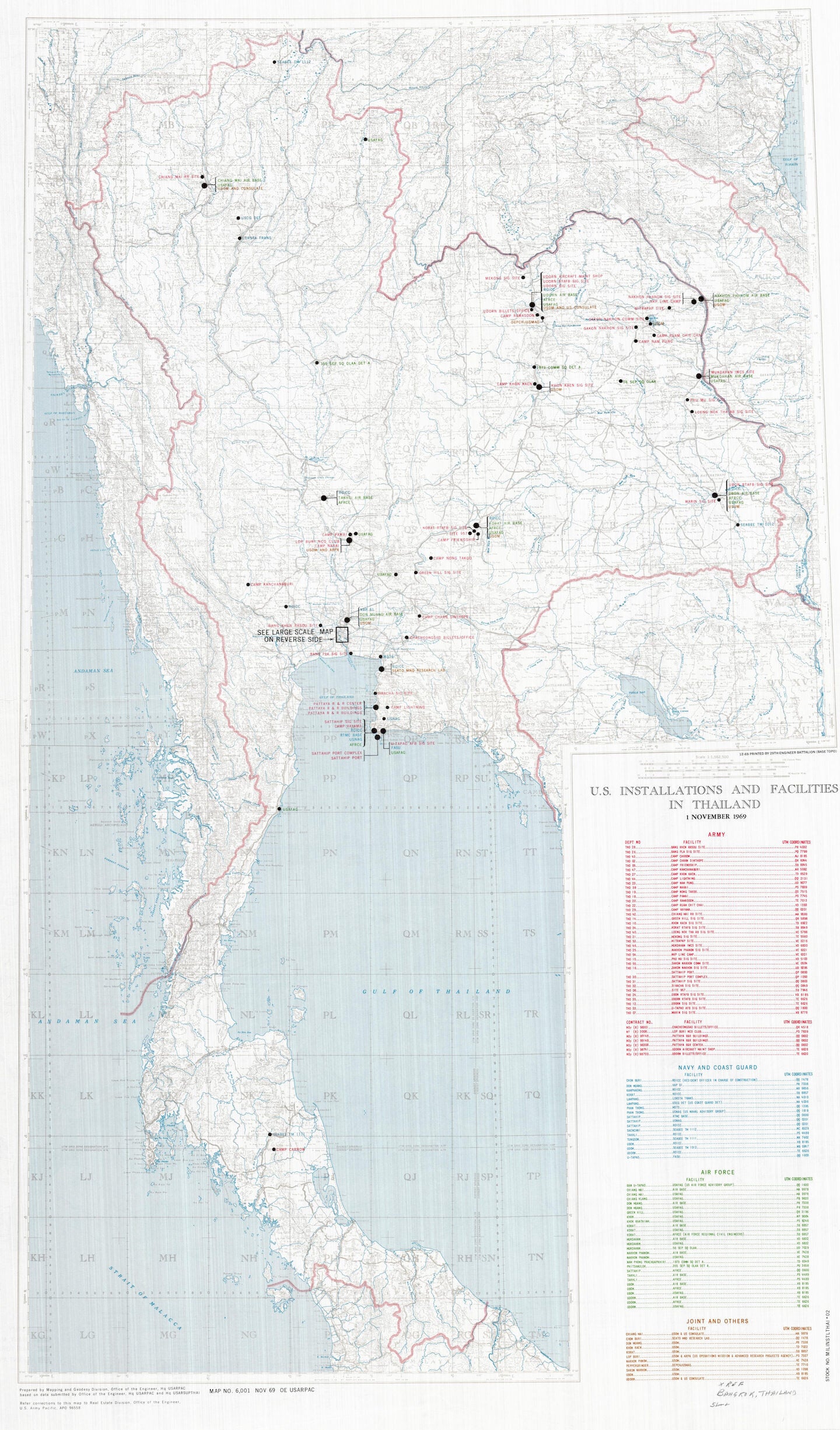
Image 18.01.02 — The “Vietnam War,” also known as The Second Indochina War, was not waged only in Vietnam. This map shows the number of US military facilities operating in Thailand in 1969. (Source: Geography and Map Division Titled Collection, Library of Congress)
Although crypto-colonialism is a less overt type of control, it is still violent; not all Thais have accepted these conditions. The 1970s in Thailand were punctuated with several military coups’ d’état and two major student uprisings. In October 1973 students led a week of protests against the military government. On October 14, as protestors gathered at Sanam Luang (สนามหลวง) on the main ceremonial field near the Grand Palace in Bangkok, the military attacked the crowd, killing seventy-seven people and injuring hundreds.
Prime Minister and Army Field Marshall Thanom Kittikachorn (ถนอม กิตติขจร) was forced to resign and leave Thailand, only to return three years later as a monk. Students took to the streets again—Thanom’s return as a monk did not make them forget the lack of justice for the 1973 killings and the continued US military presence in the country, which Thanom had enabled. Once more, the military retaliated, this time bolstered by far-right supporters of the monarchy and the military regime.
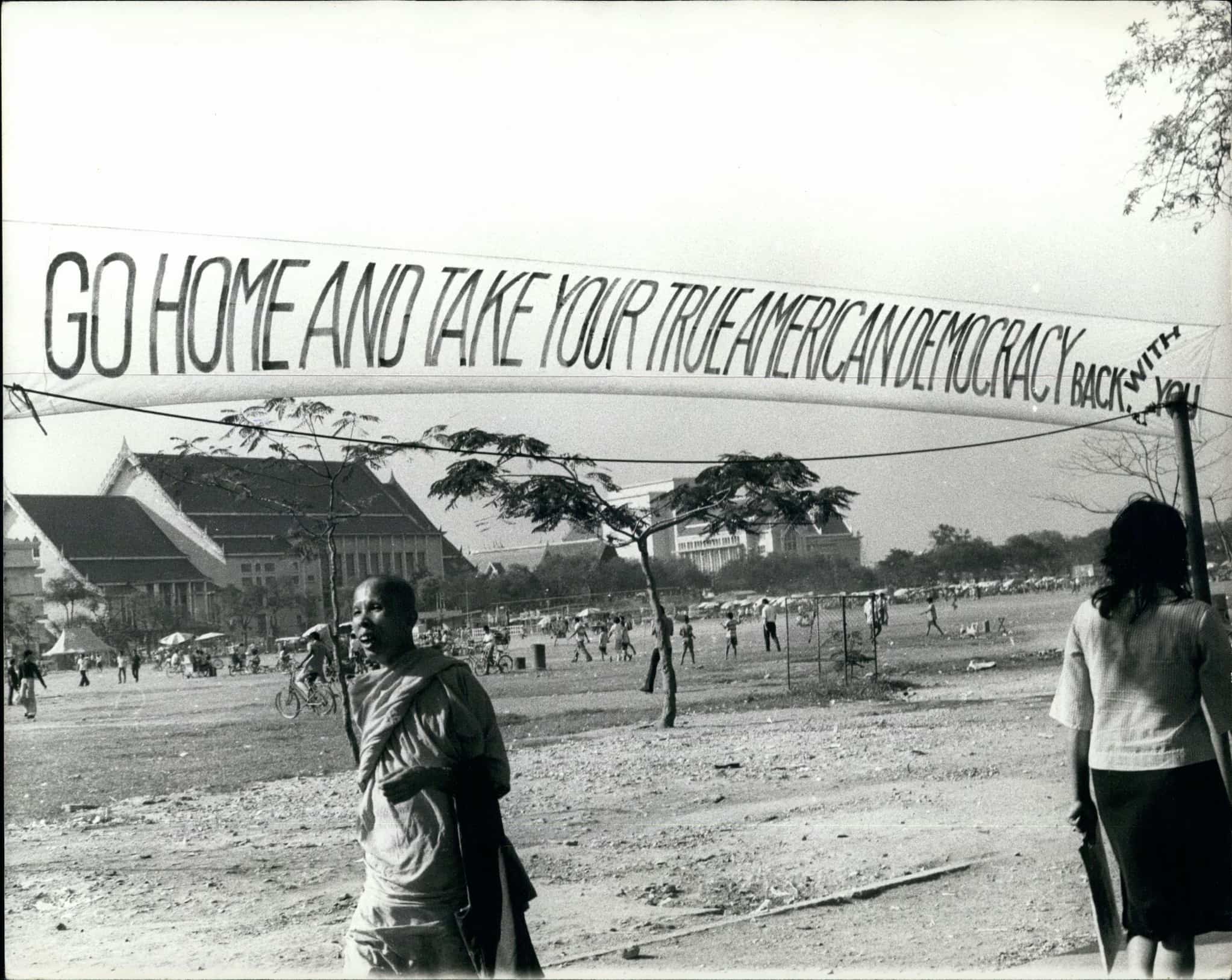
Image 18.01.03 — The US has had a looming presence in Thai politics and economy since after WWII. During the 1976 protests, students erected giant banners around Sanam Luang to criticize continued US presence and support of the ruling military regime in Thailand.
This turmoil and lack of stability may have caused Thais to seek opportunities elsewhere. Many turned to the US.
The Immigration and Nationality Act
When Bui Porntip’s family arrived in Los Angeles in the early 1970s, they joined a wave of Thais exiting Thailand. Thousands of Thais were able to enter the US because of the landmark Immigration and Nationality Act of 1965, also known as the Hart-Celler Act. Prior to this, Thais came to the US primarily as students after World War II. Beatrice Morlan and Chanchanit Martorell (2011) divide Thai migration to the US into three waves:
- The Pioneer Group (1940s–1960s),
- Group Migration (1970s–1980s), and
- Mass Migration (1980s–present).
When President Lyndon B. Johnson signed the 1965 law, he ended previous immigration quotas based on race and country of origin. The 1952 McCarran-Walter Act had earlier ended the exclusion of Asians from becoming naturalized citizens. These two new immigration laws—the 1952 McCarran-Walter Act and the Immigration and Nationality Act of 1965—gave priority to:
- those already living in the US,
- applicants who had certain specialized skills (e.g., in engineering and medicine), and
- relatives of US citizens.
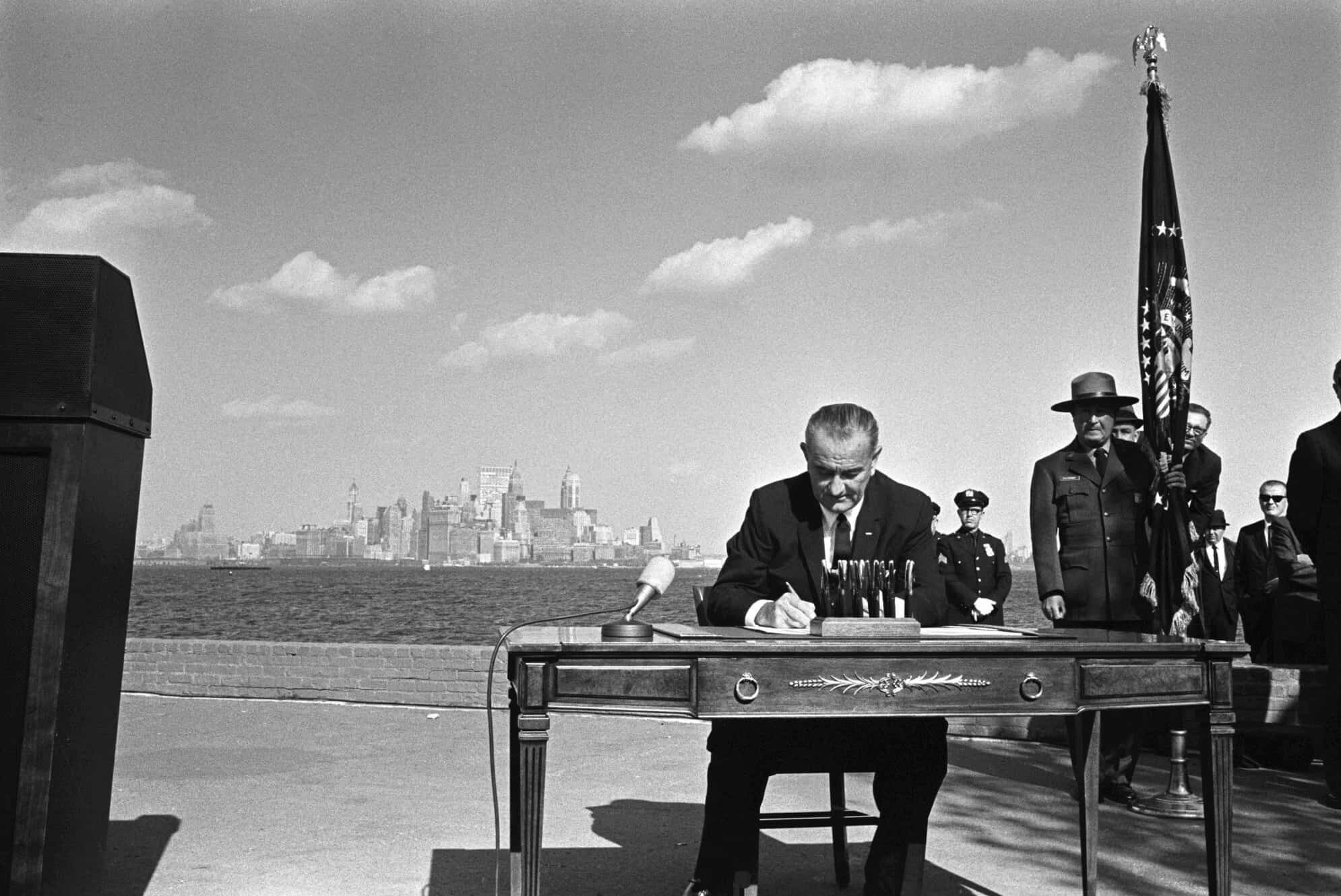
Image 18.01.04 — When President Johnson signed the Immigration and Nationality Act of 1965, he did not foresee how drastically the legislation would change Asian American communities and the American ethnic landscape.
The lawmakers behind this bill underestimated the effects of the Hart-Celler Act. “This bill that we will sign today is not a revolutionary bill,” Johnson said before signing the act into law. “It does not affect the lives of millions.” In reality, the Hart-Cellar Act transformed the lives of millions, forever changing demographics and communities throughout the United States.
Arrival of Thais to the US
Many Thais entered the US as students, while others fulfilled the requirements as high-skilled professionals in the medical field under the new 1965 law. By the mid- and late-1970s, there were enough Thai doctors and nurses in the US to form the Thai Physician Association of America (TPAA) and several regional Thai nurses associations.
Thais also entered through family members who were US citizens. Some were wives or fiancés of US servicemen who were stationed at various military facilities in Thailand during the Vietnam War. Others were immediate family members of Thais already living and working in the US. Immigration records show that between 1965 and 1975, 396 Thais entered the US as citizens, while 286 entered as fiancés of US citizens, and forty-one entered as children of fiancés of US citizens.
The US Thai population increased exponentially after 1965. During the first decade, nearly four hundred Thais entered the US as citizens. The number of Thais entering the US with immigrant visas increased from 214 people in 1965 to 4,217 people in 1975. The number of Thais entering the US with non-immigrant visas as students, tourists, business people, and diplomats increased from 2,785 in 1965 to 14,211 in 1975.
Many students who arrived during this “pioneer” period in Thai American history later found jobs, got married, and started families in the US. According to the 2020 US Census, there were over three hundred thousand people who identified themselves as Thai or part-Thai.
Circular Migration and the Peace Corps
Not all Thais who came to the US intended to stay, nor were they seeking a better life outside of Thailand. Students, especially those from the elite or upper-middle class, planned on returning to Thailand with new skills acquired abroad. According to a 1967 study done by sociologist Jean Barry, only 9 percent of Thai students intended to remain. Time in the West was a career boost in Thailand. Some of those seeking work experience in the US were eventually employed as trainers with the Peace Corps.
President John F. Kennedy established the Peace Corps in the 1960s. Under this new program, US volunteers would come to “developing” countries and assist with education, health, and other fields. The Thai government worked closely with the Peace Corps to welcome and train volunteers, who mostly served in the education sector in rural areas of Thailand.
While the Peace Corps seems well-intentioned and offers some benefit to both volunteers and people receiving education and training, it was created to combat anti-Communism. President Kennedy wanted to rehabilitate the image of the US and still retain control over countries the US saw as susceptible to Communist regimes.
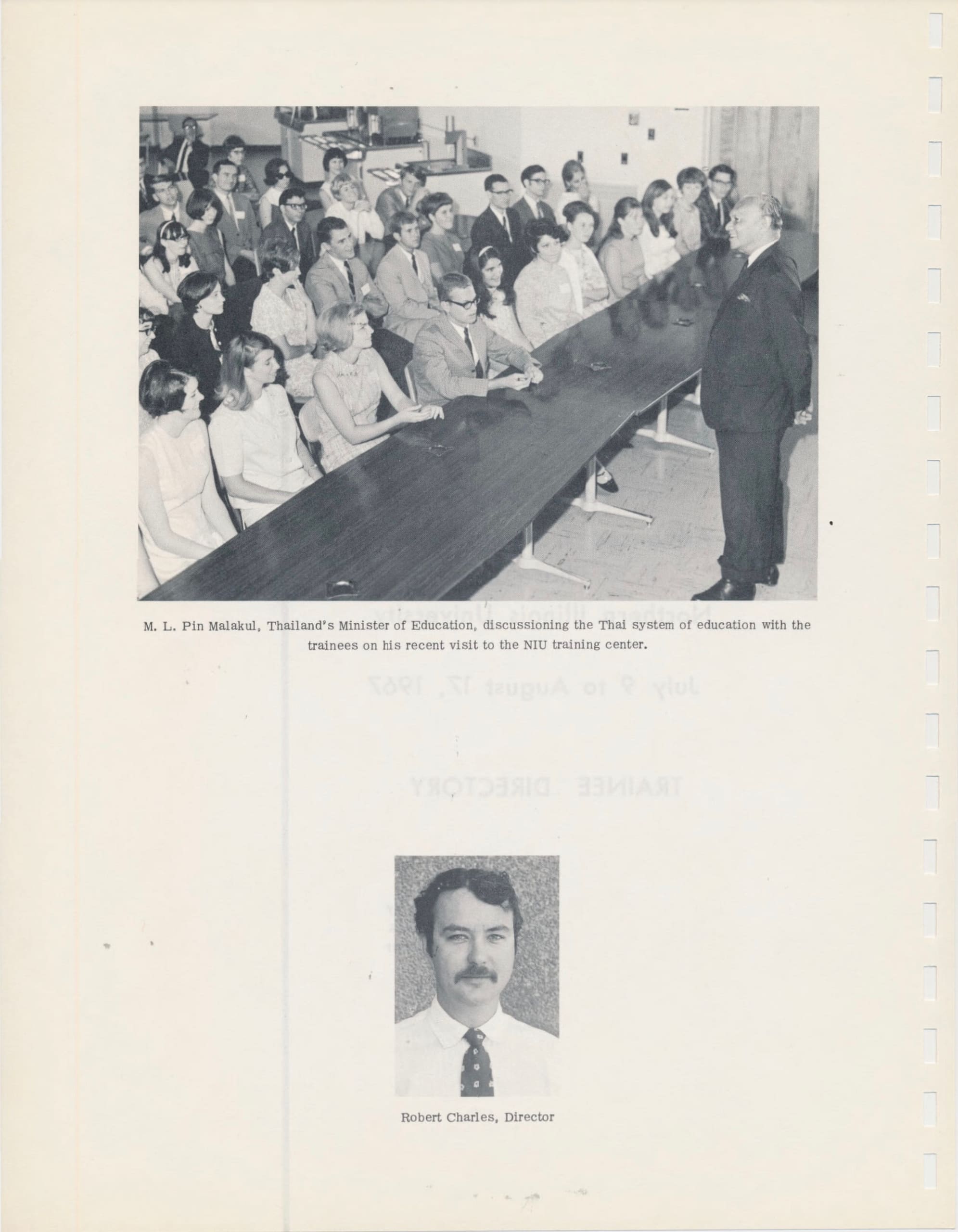
Image 18.01.05 — A page from the 1967 Peace Corps Training Directory showing Thai language instructors and the Thai Minister of Education, M.L. Pin Malakul, addressing the latest cohort of volunteers during his visit to the training center at Northern Illinois University.
The Peace Corps is an example of the US using soft power instead of bombs and chemical weapons. Soft power is the ability to influence others without taking coercive actions, such as waging war or implementing economic sanctions. Soft power is typically used outside of the realm of government or military, in sectors such as schools, media, religious institutions, or non-profit organizations.
The presence of the Peace Corps in Thailand created a cycle of circular migration. Training US volunteers required highly educated Thais who could give months of field, cultural, and language training. These trainers had to have cultural and linguistic competencies. Trainers often came from privileged backgrounds. Some were completing their studies in the US, while others came to the US to work for the Peace Corps.
Whatever the case, these trainers generally returned to Thailand after training was complete. Some trainers returned multiple times through the Peace Corps, similar careers, or other connections they made. Historian JoAnn LoSavio calls Thais entering and leaving the US multiple times for professional gains “circular migration,” which is a phenomenon made possible by soft power and crypto-colonialism.
Conclusion
Thais left Thailand for various reasons, and some returned permanently or in circular migration patterns. The majority of Thais who left Thailand came to the US, and the Thai diaspora is concentrated on the West Coast, particularly in Los Angeles. Thai Americans have called Los Angeles the “77th province” of Thailand because it’s now the home of such a large Thai population.
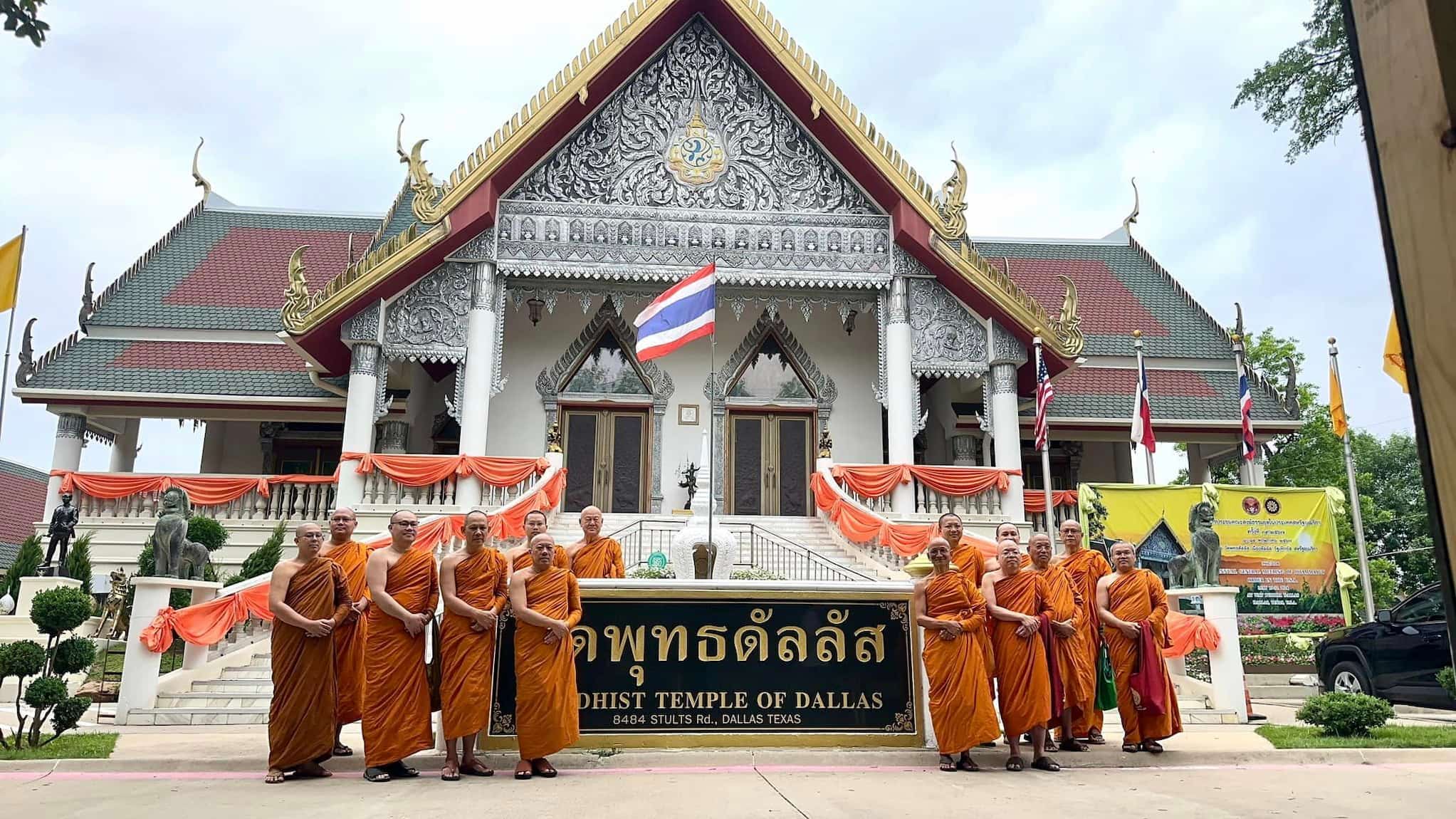
Image 18.01.06a — The Buddhist Temple of Dallas was founded in 1982. Like many Thai wats at the time, it was initially housed in a small home in a residential neighborhood. The next year, a new and larger location was consecrated on March 29, 1983.
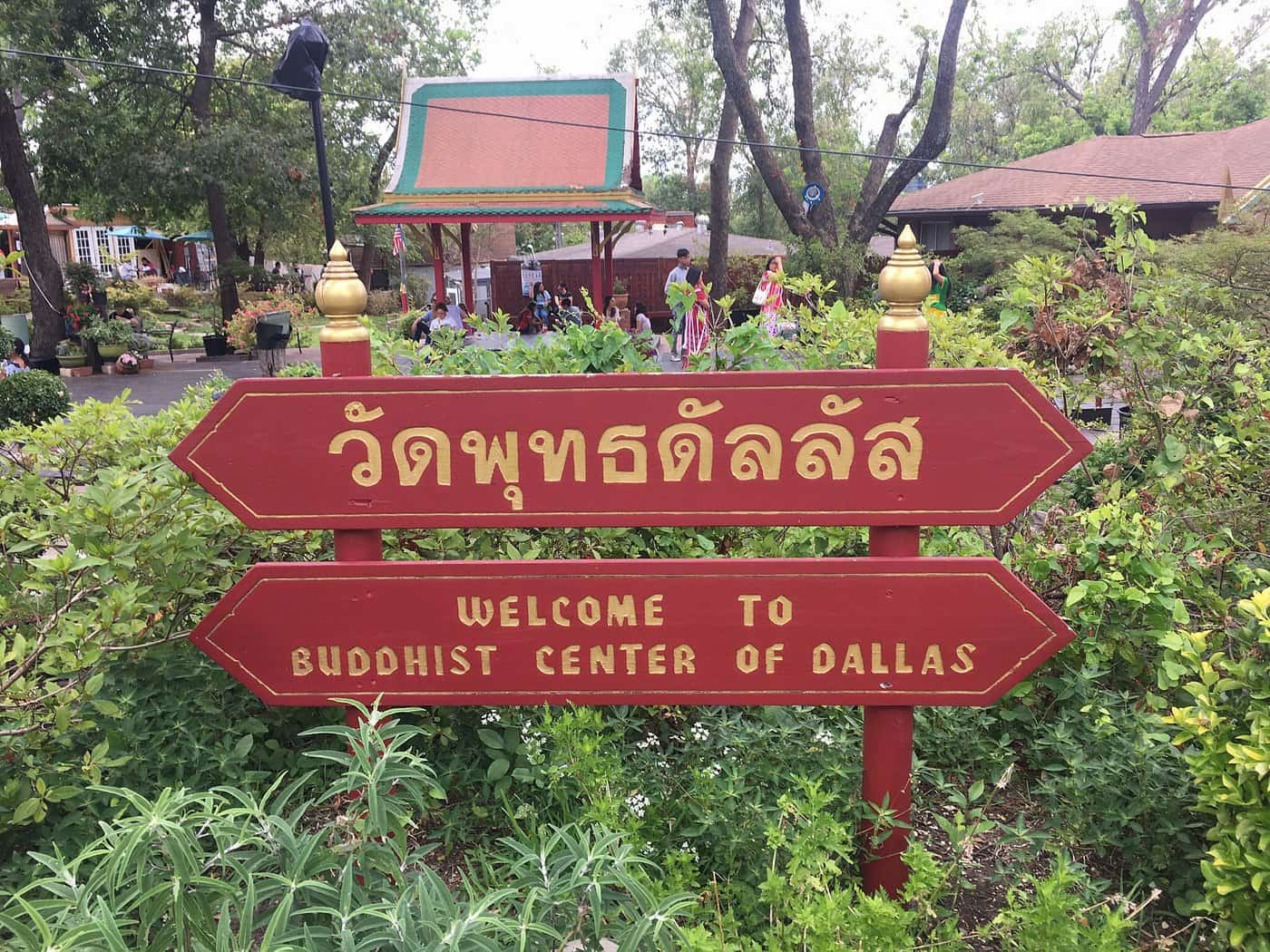
Image 18.01.06b — The Buddhist Temple of Dallas was founded in 1982. Like many Thai wats at the time, it was initially housed in a small home in a residential neighborhood. The next year, a new and larger location was consecrated on March 29, 1983.


The word “diaspora” comes from the Greek word “to scatter.” It was originally used to describe the wide distribution of the Jewish population due to expulsion and persecution. In the twentieth century, the term applied to other forcibly displaced populations, such as the descendants of enslaved Africans and those escaping war-torn areas like Armenia, Sudan, and Vietnam.
Today, the term is used to describe people, like Thais, who leave their traditional homelands to build lives and communities elsewhere, by force or by choice. In diaspora, people can feel alienation as they maintain ties with their original homeland and their new homeland. Yet in diaspora, people also share a sense of connection with others in their diasporic community.
In the following modules, we will learn how Thai communities in the US define their “Thainess” in diaspora within the context of newfound “Americanness.” We will see how these definitions are constantly changing.
Glossary terms in this module
circular migration Where it’s used
The temporary and usually repetitive movement of workers between home and host areas for the purpose of employment.
crypto-colonialism Where it’s used
An unequal political and economic relationship between two nations where the less powerful nation sacrifices their economic independence in order to maintain some political independence and gain some investments. The more powerful nation can increase military presence and influence politics, as well as create a relationship of dependency.
diaspora Where it’s used
The dispersal, movement, migration, or scattering of a people from their established or ancestral homeland.
Immigration and Nationality Act of 1965 Where it’s used
This act, also known as the Hart-Celler Act, officially ended the era of Asian Exclusion and created an immigration system based on family relationships and job skills. The law significantly changed the demographics of Asian immigrants in the US.
soft power Where it’s used
A country’s ability to influence other countries without taking direct actions such as waging war or implementing economic sanctions, but through other realms such as schools, media and entertainment, religious institutions, and/or non-profit organizations.