



Search the Media Repository
Discover the curated images, videos, and primary sources featured throughout Foundations and Futures
History is more than just text on a page; it is the photographs, voices, and artifacts of the people who lived it. The images and recordings featured across Foundations and Futures are part of a meticulously curated media repository. Whether you are building a lesson plan or investigating an artifact, you can use this database to trace the provenance of our media: discover who created an asset, the historical context behind it, and how it can be used to bring Asian American and Pacific Islander experiences into your classroom.
Multimedia
Chapters
-
Video
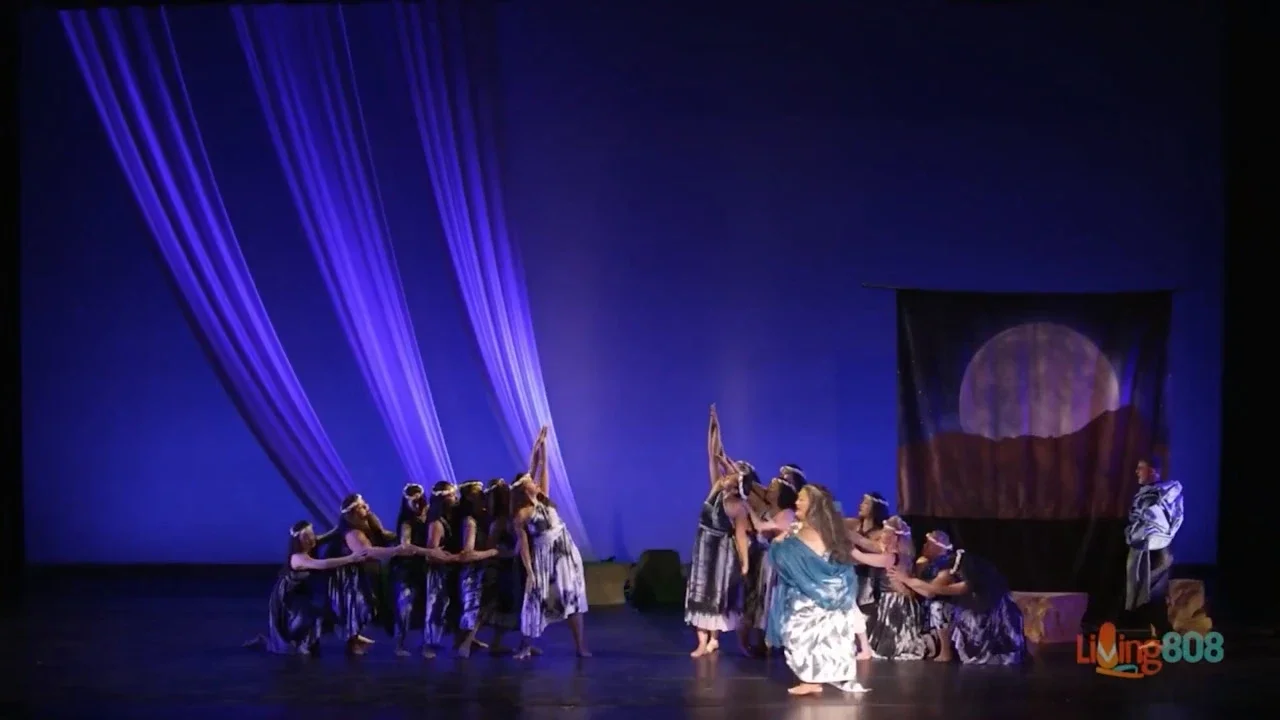
Patrick Makuakāne on the LGBTQ+ significance of his hula show, The Return of Kapaemahu
Kumu Hula and director Patrick Makuakāne discusses the impact of LGBTQ+ representation in his hula show, The Return of Kapaemahu. Through innovative approaches to hula, the show tells the story of four māhū, or third gender people, who brought miraculous healing practices to Waikīkī.
-
Audio
Ric Parish on the Origin of the “Love Your Asian Body” Campaign
Listen to Ric Parish talk with Eric Wat about the origin of the “Love Your Asian Body” campaign.
-
Image
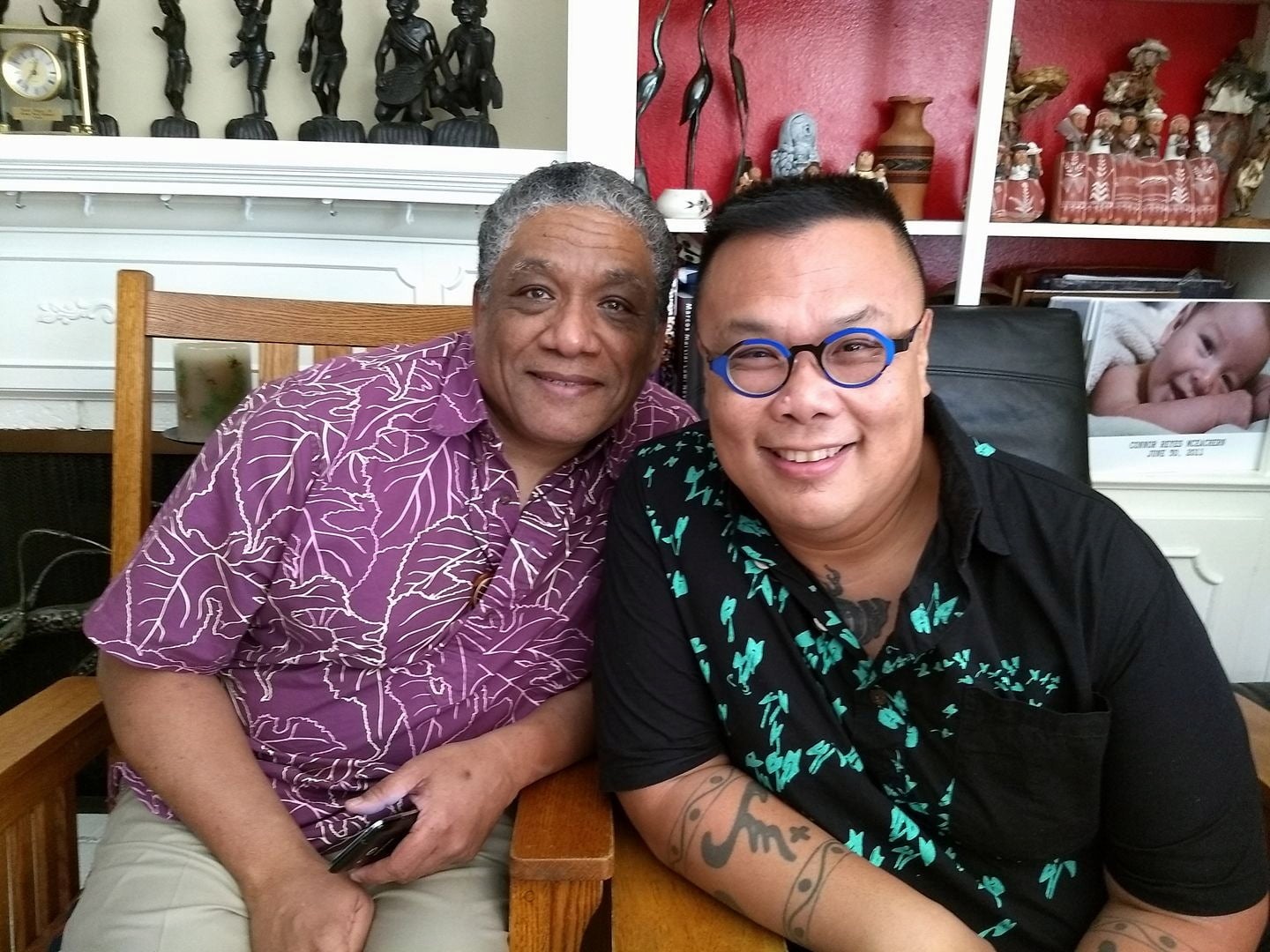
Portrait of Ric Parish and Joël Barraquiel Tan
AIDS activists and APAIT founders Ric Parish (left) and Joël Barraquiel Tan (right) in 2018. Today, APAIT is known as Access to Prevention, Advocacy, Intervention, & Treatment, and the organization continues to support multi-ethnic, LGBTQ+ communities across LA and Orange County.
-
Video
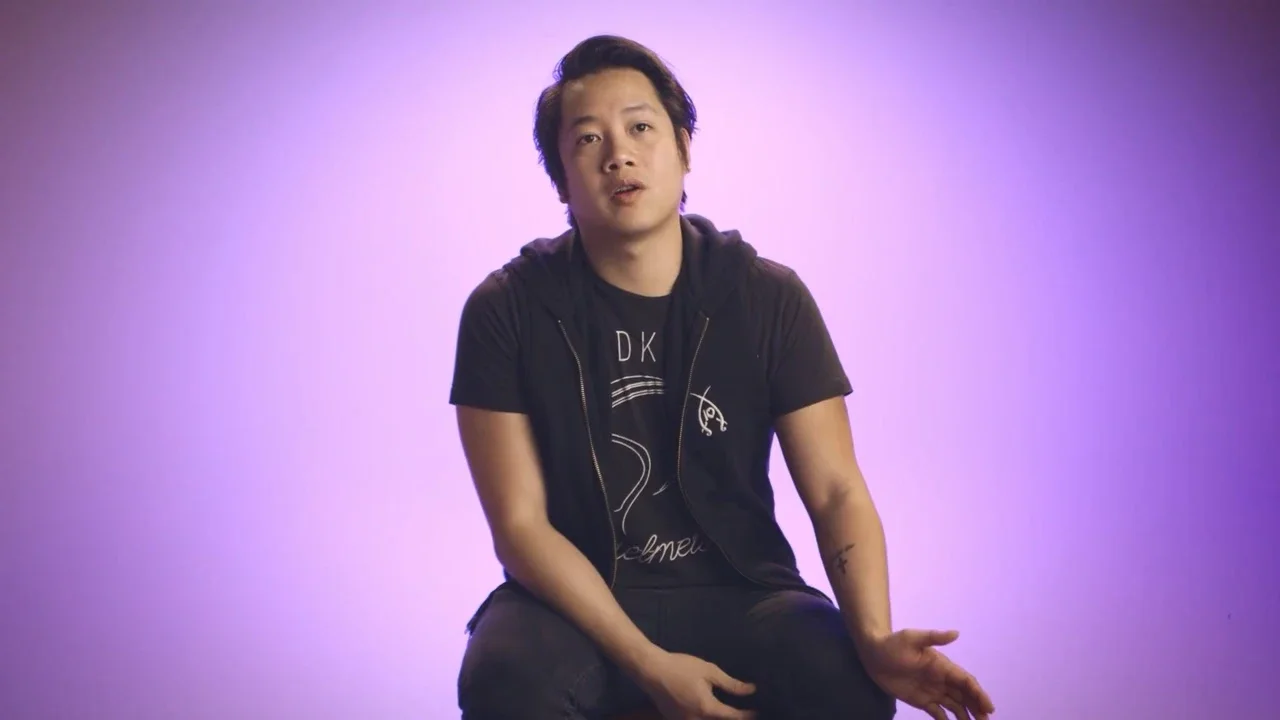
LGBTQ+ Asian American Speaking on Self-Acceptance
In this clip, an LGBTQ+ Asian American describes the process of overcoming negative stereotypes on the road to self-acceptance through education and community engagement.
-
Image
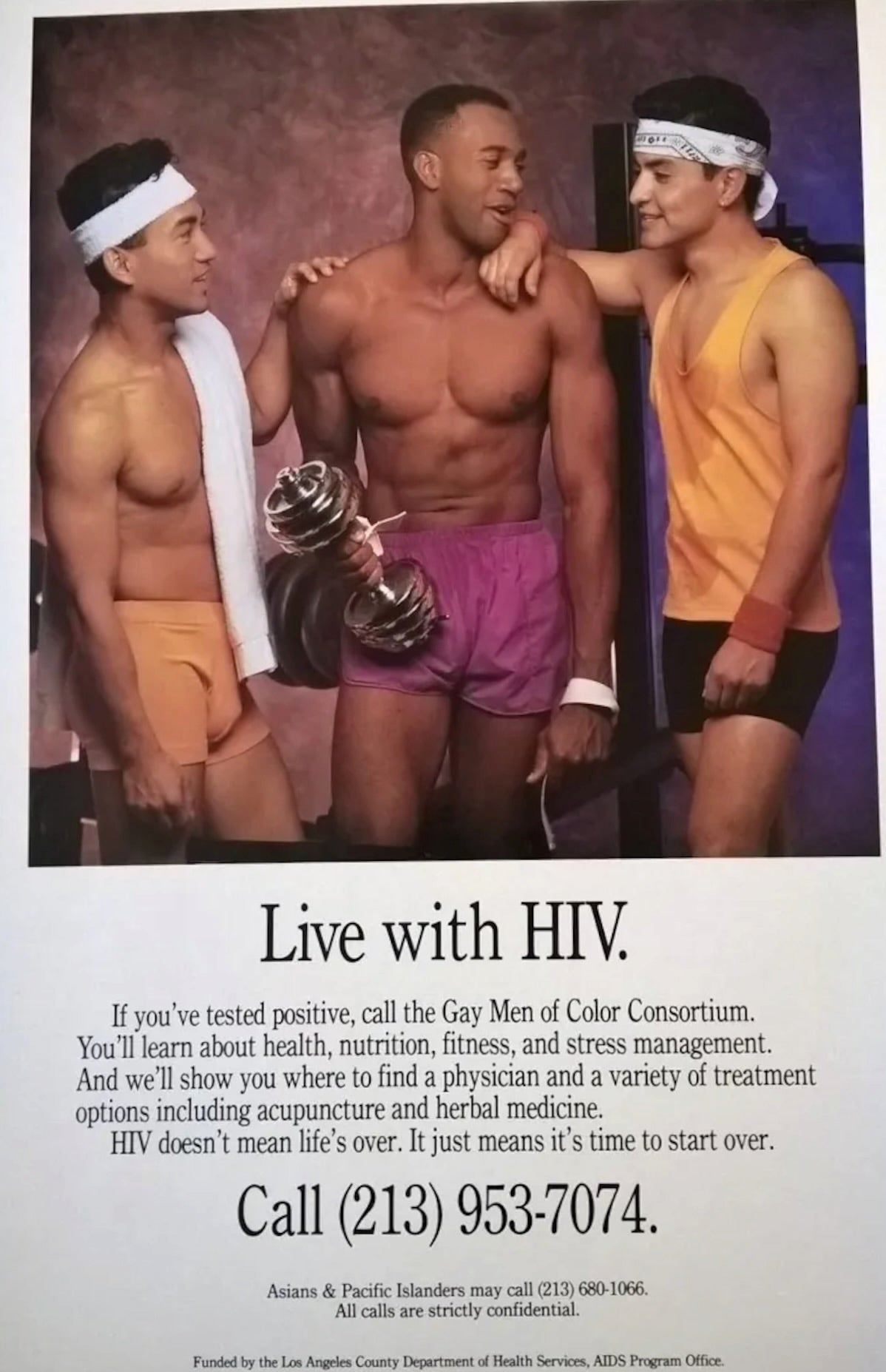
Los Angeles County Department of Health Services Public Service Poster
A 1990’s public service poster by the Los Angeles County Department of Health Services directed at Asian Americans and Pacific Islanders. During a time when AIDS activists were mostly white and US-born, outreach to Asian Americans and Pacific Islanders required an intersectional lens.
-
Image
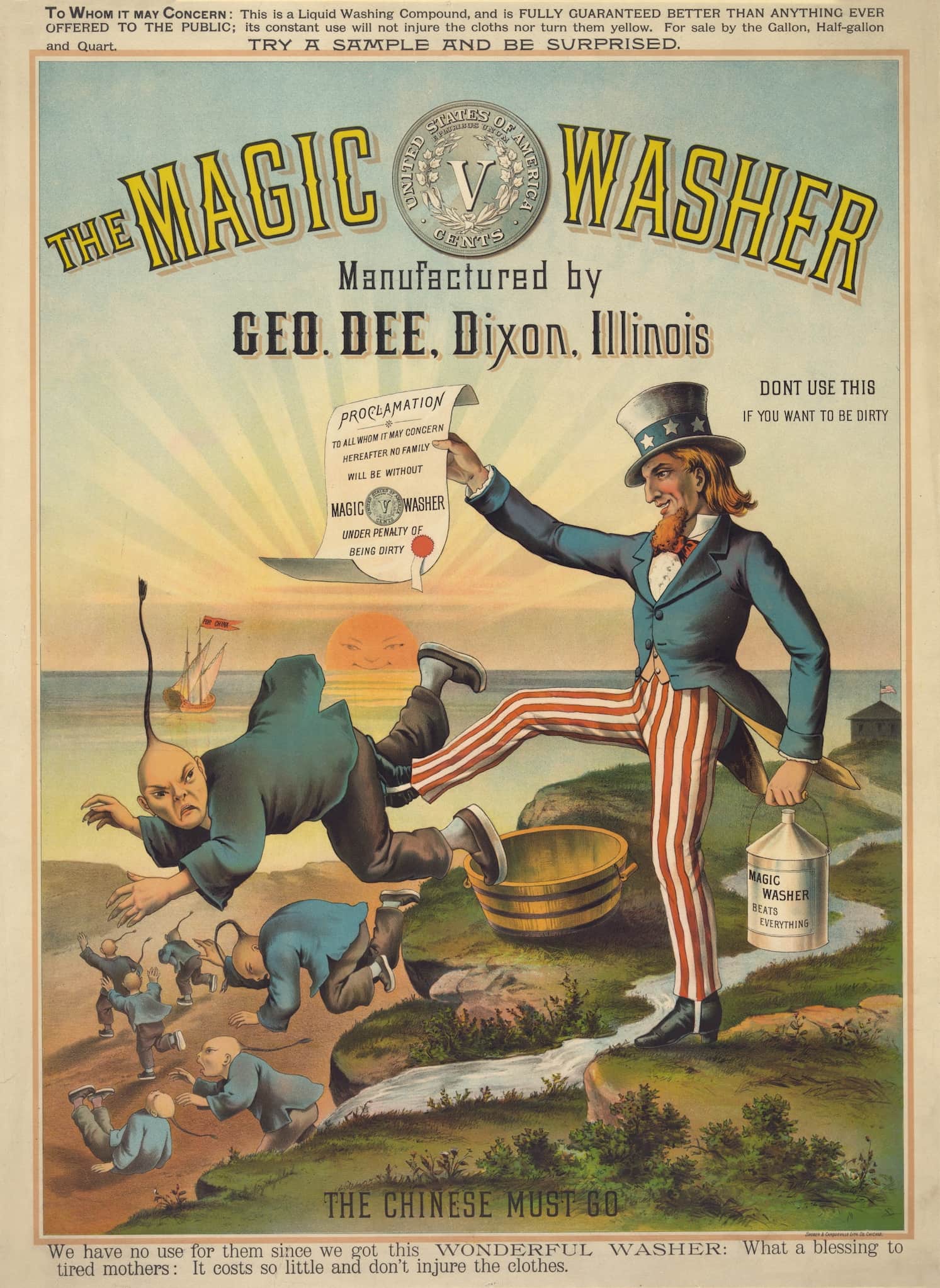
“Uncle Sam Kicks Out the Chinaman” Political Cartoon
The 1886 advertisement for laundry detergent titled “Uncle Sam Kicks Out the Chinaman” proclaims, “Don’t use this if you want to be dirty.” This advertisement echoed “public health” concerns surrounding early Filipino, Chinese and Pacific Islander immigrants who were seen as diseased, uncivilized and immoral.
-

Video
Interview with Harold and Ellen Kameya
Ellen and Harold Kameya share how they turned their initial disappointment at their daughter’s coming out into a dedication to allyship and activism.
-
Video
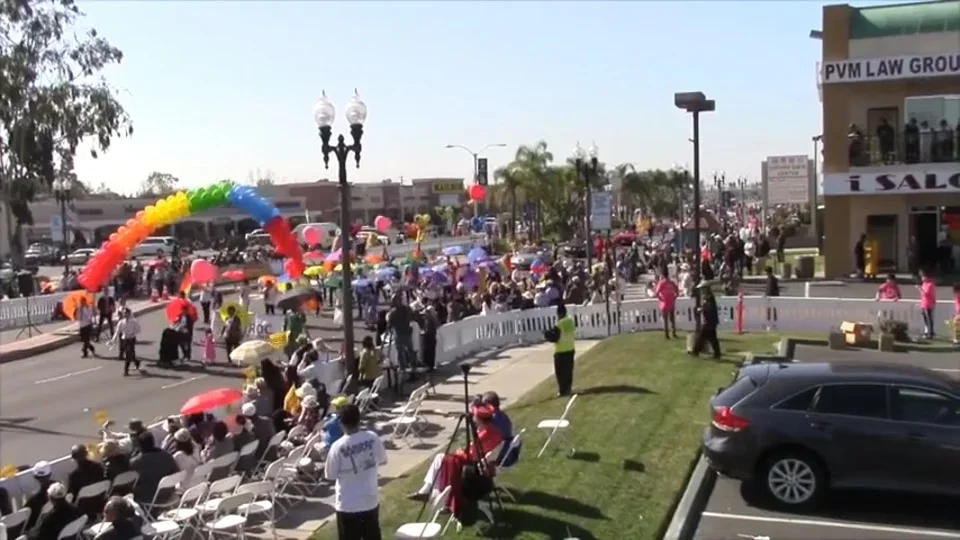
Viet Rainbow of Orange County (VROC) Marching in Tết Parade
Viet Rainbow of Orange County (VROC) marching in the 2016 Little Saigon Tết Parade. Through public community events like the parade, VROC helps shift attitudes about LGBTQ+ people among the Vietnamese community.
-
Image
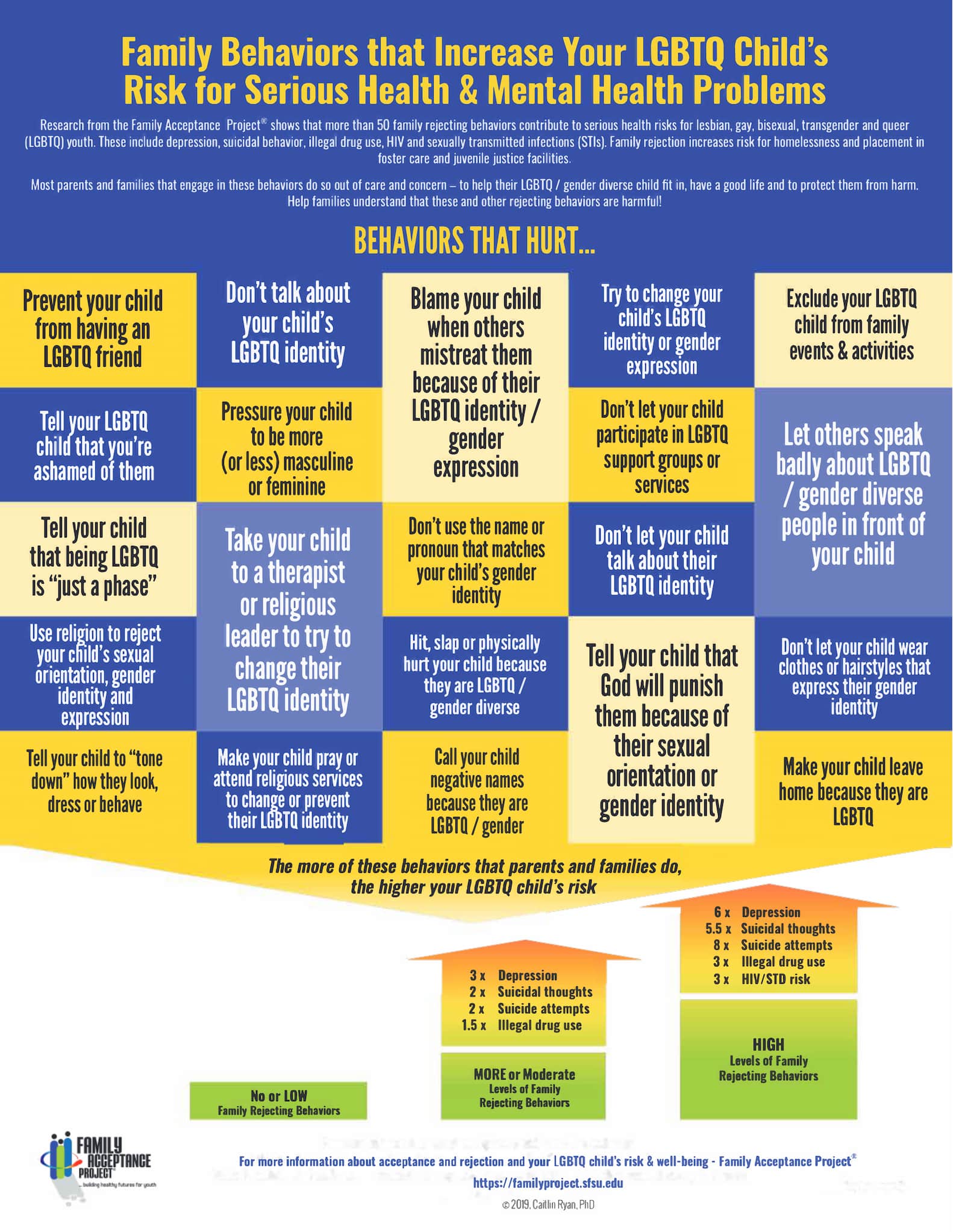
Family Acceptance Project’s Healthy Futures Poster
San Francisco State University’s Family Acceptance Project Posters assist with educating family members, LGBTQ+ youth, and others about the importance of family support in preventing health risks among LGBTQ+ youth. Translations are available in traditional and simplified Chinese, Hindi, Japanese, Korean, Punjabi, Tagalog, and Vietnamese.
-
Image
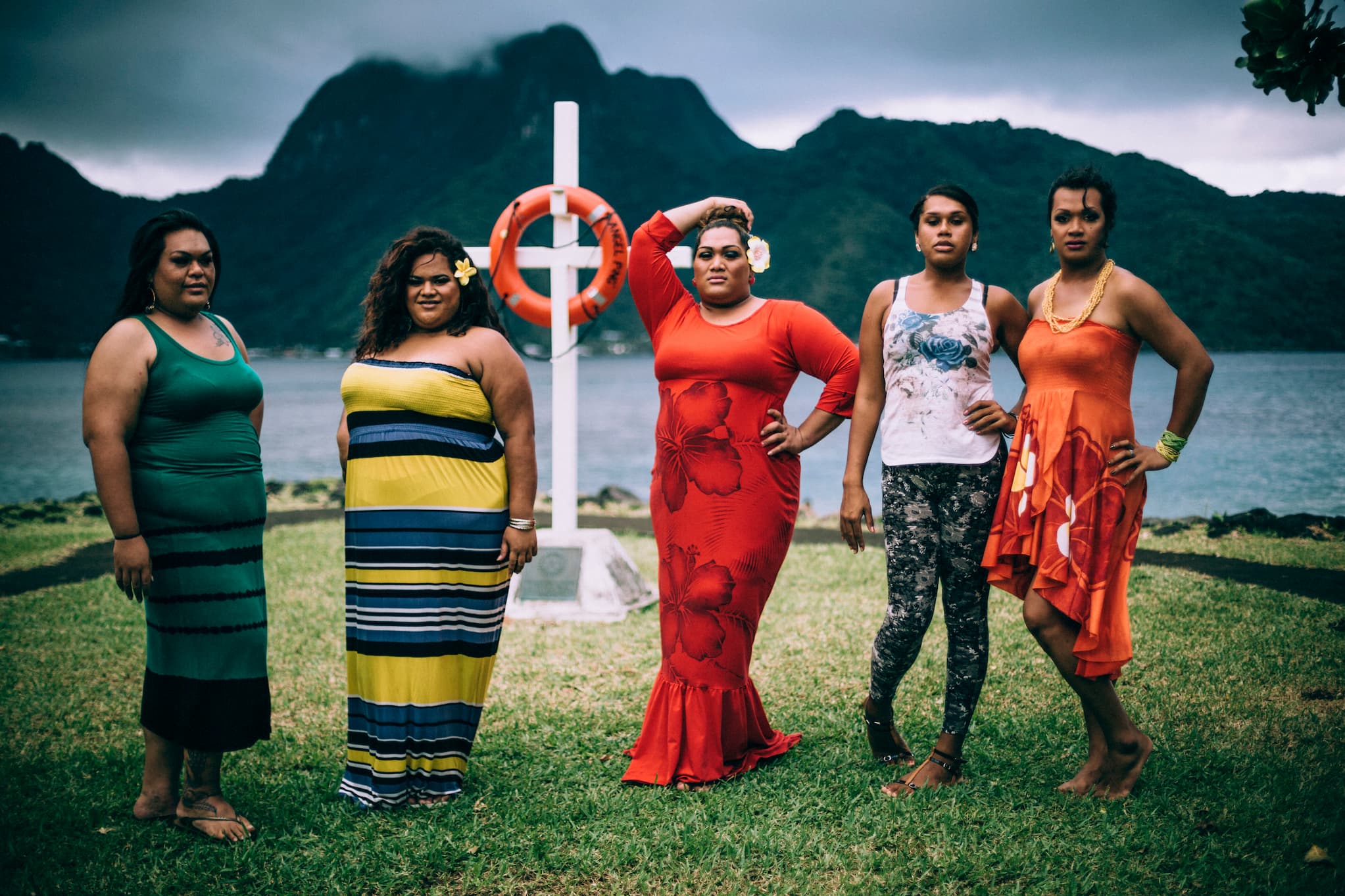
A Group of Fa’afafine
This photograph by Vlad Sokhin shows diverse faʻafafine members of American Samoa Alliance against Domestic Abuse and Sexual Violence (ASADSV). Faʻafafine are Sāmoa’s third gender, who consider themselves non-binary and non-cisgender, ultimately gender fluid individuals.
-
Image
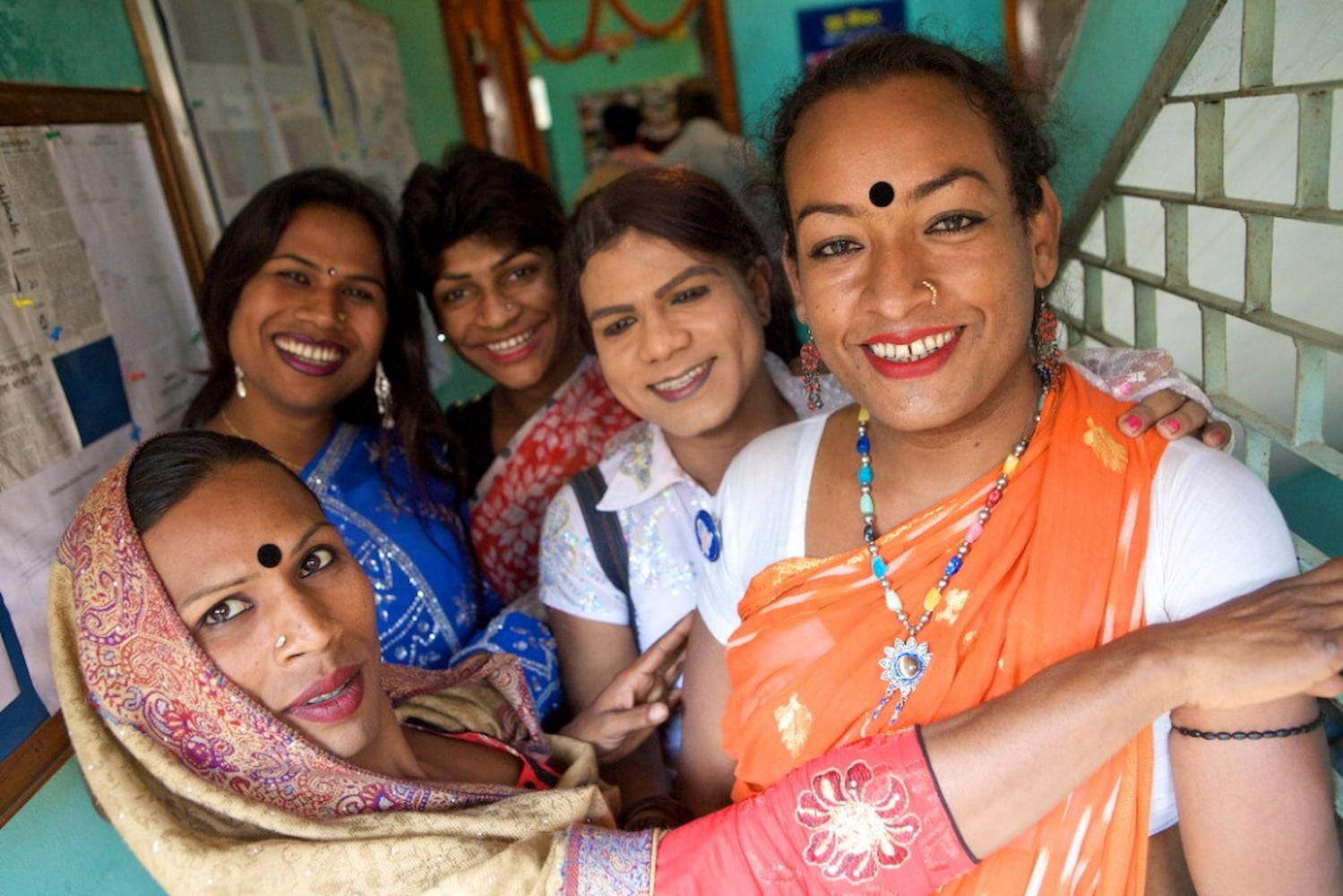
A Group of Hijra in Bangladesh
A 2010 photo of hijras in Bangladesh. Hijra identity is complex, though most consider themselves third gender—neither male or female, nor transitioning.
-
Image
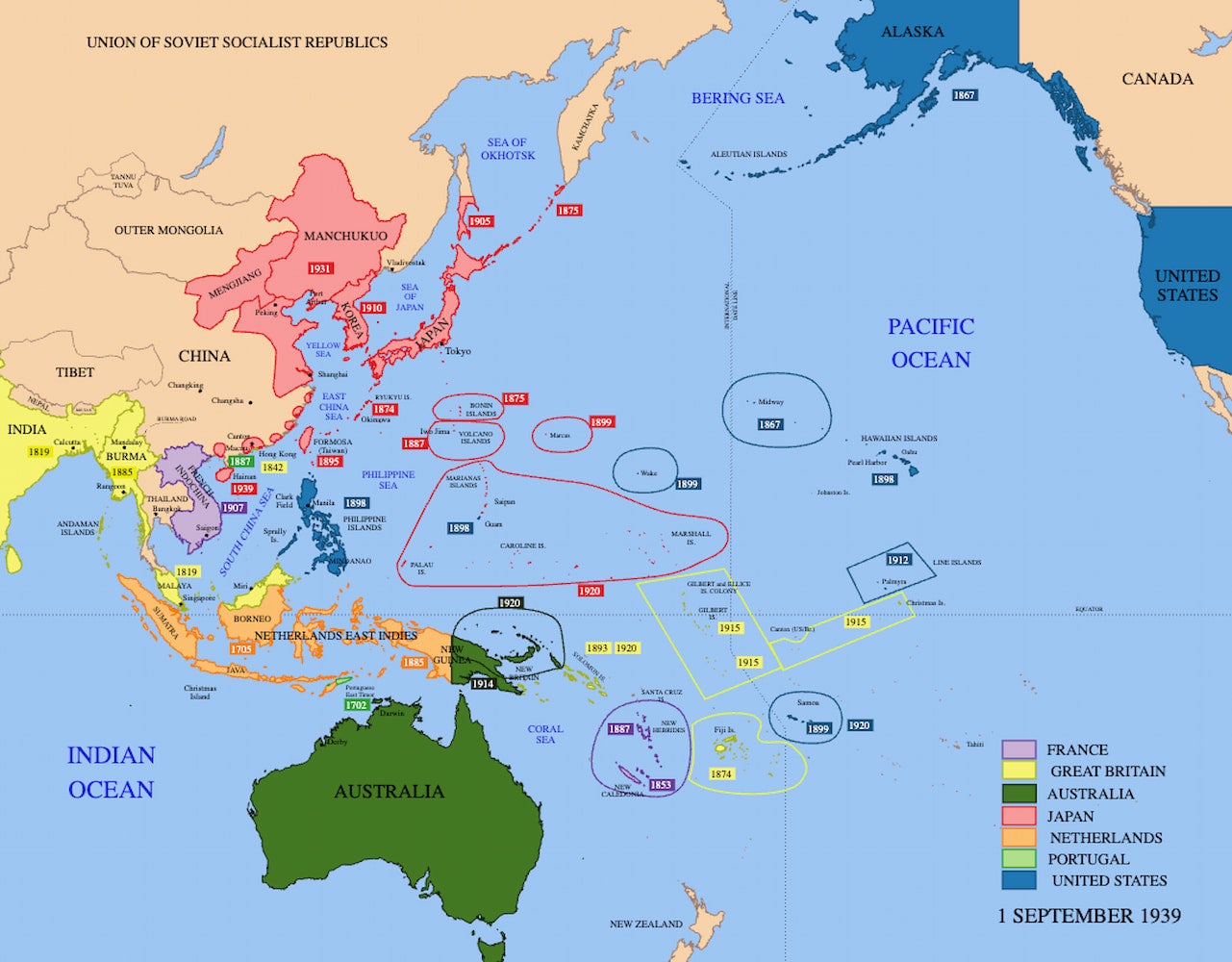
A Map of the Imperial Powers of the Pacific, 1939
A map of the Asian Pacific regions by colonizing nations and year, as of 1939, before World War II. During this period and the Cold War era that followed, Western colonizers imposed their culture, language, and cultural belief systems.
-
Video
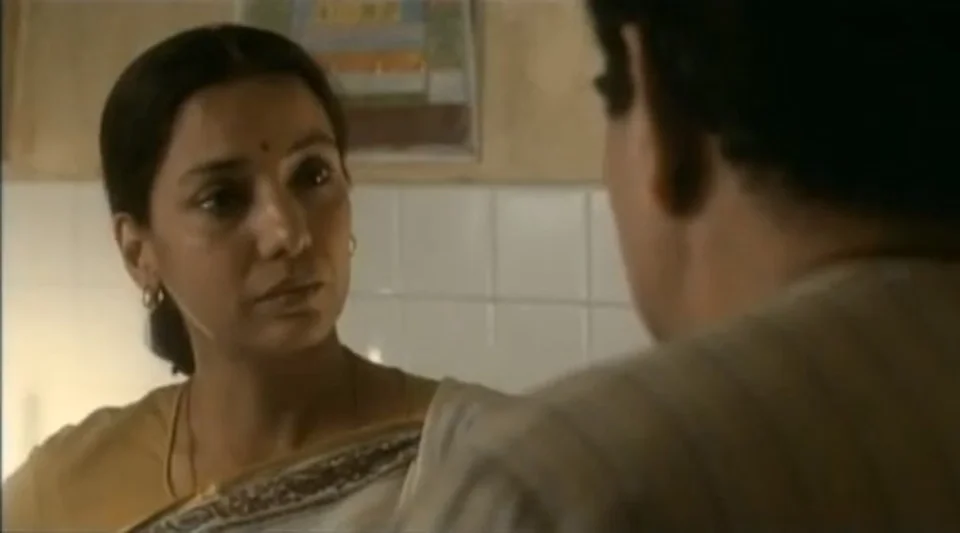
Excerpt from Fire on Desire
In this clip from the 1996 film Fire by Deepa Mehta, protagonist Radha, portrayed by Shabana Azmi, defends her desire for sister-in-law Sita and stands up to her husband Ashok, portrayed by Kulbhushan Kharbanda.
-
Image
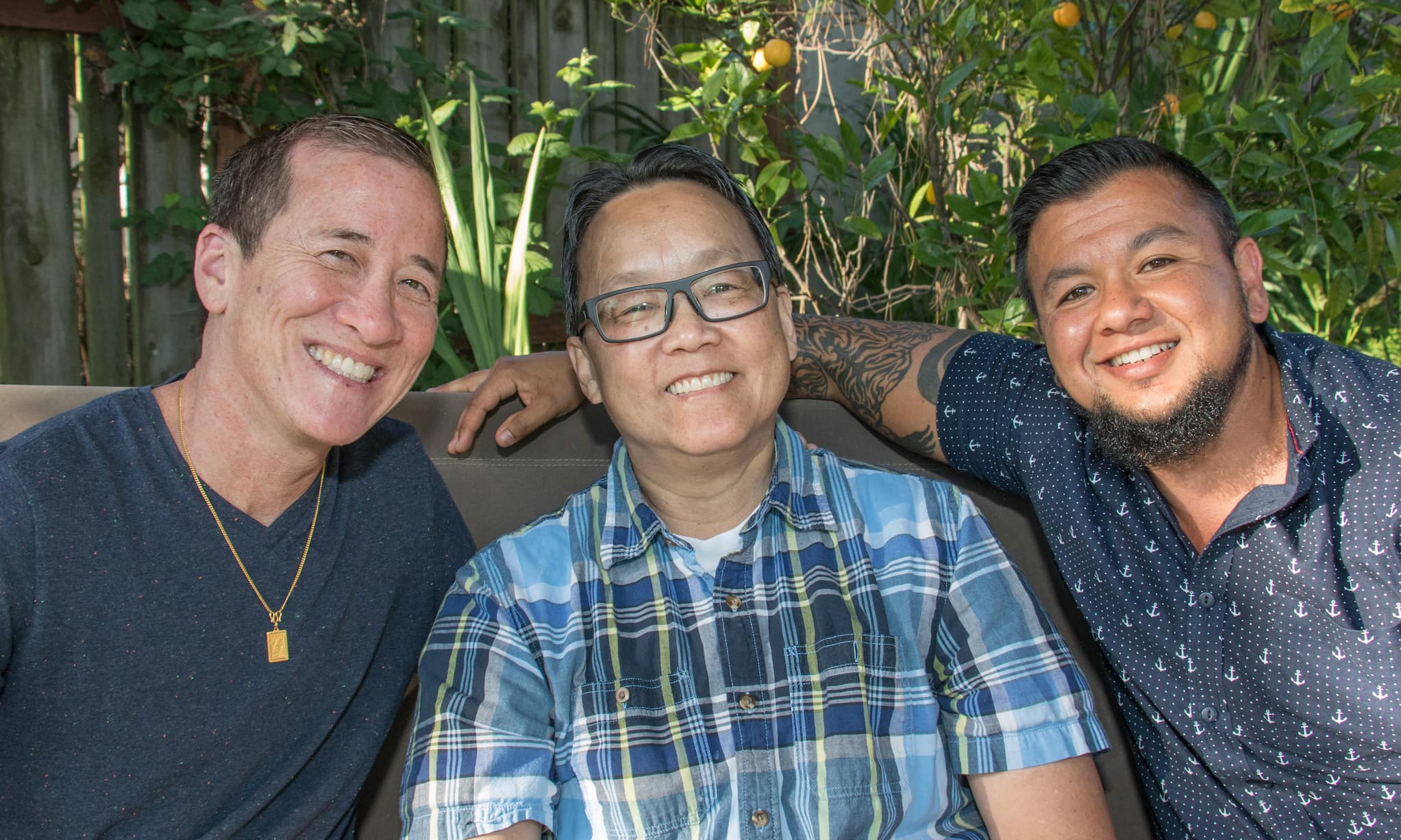
Chino Scott-Chung with Willy Wilkinson and Jai DeLotto
Chino Scott-Chung (middle) continues to create safe spaces for queer Asian American and Pacific Islander individuals to build community. Alongside Willy Wilkinson (left) and Jai DeLotto (right), API TransFusion was created as the first ever Asian and Pacific Islander transmasculine retreat in the US.
-
Image
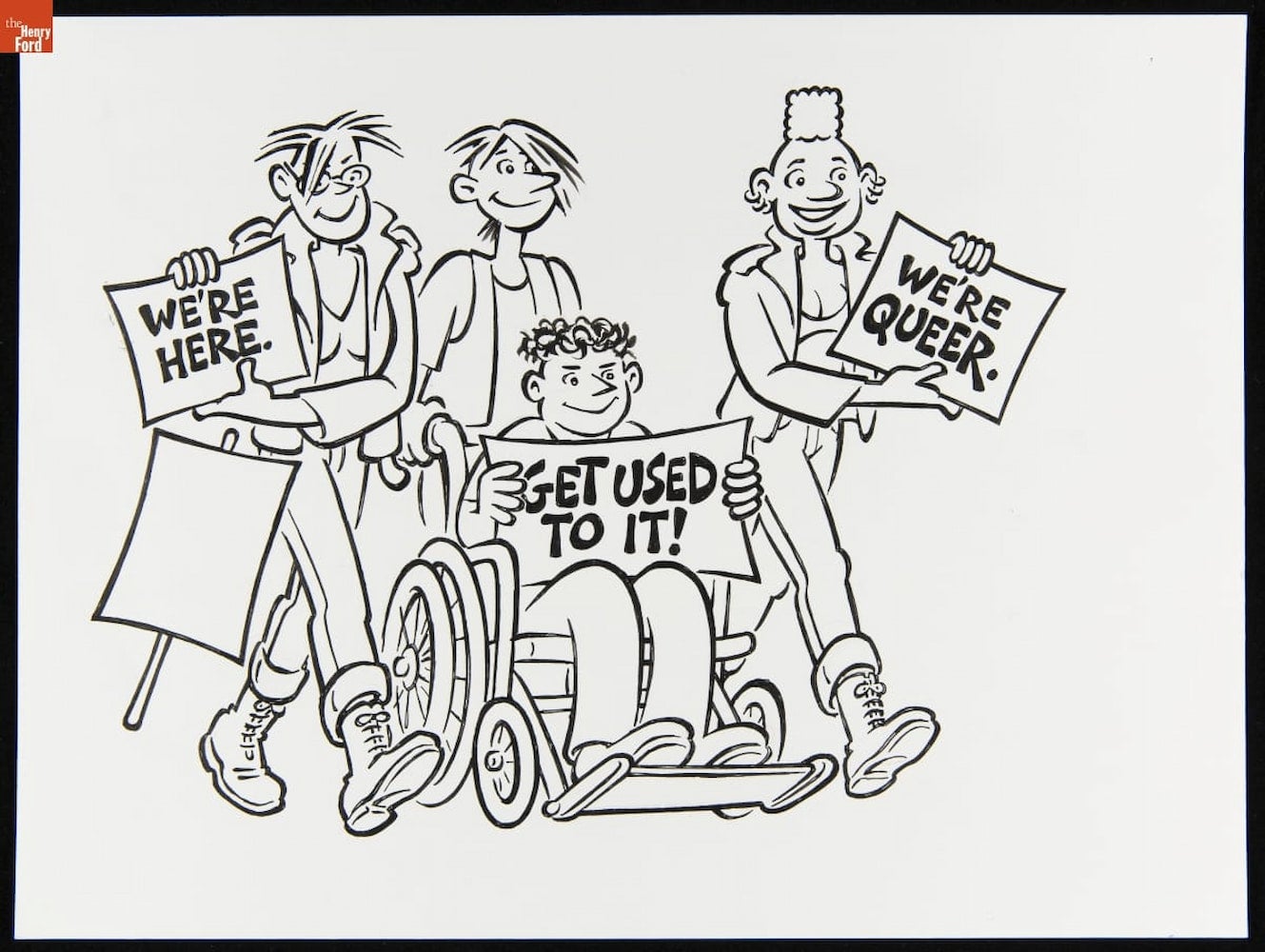
“We’re here. We’re queer. Get used to it!”
Comic artist Howard Cruse used the slogan “We’re here. We’re queer. Get used to it!” in this illustration of protestors, circa 1995. His illustration portrays how young people in the 1990s reclaimed the word “queer” to resist conformity and articulate a political ideology.
-
Image
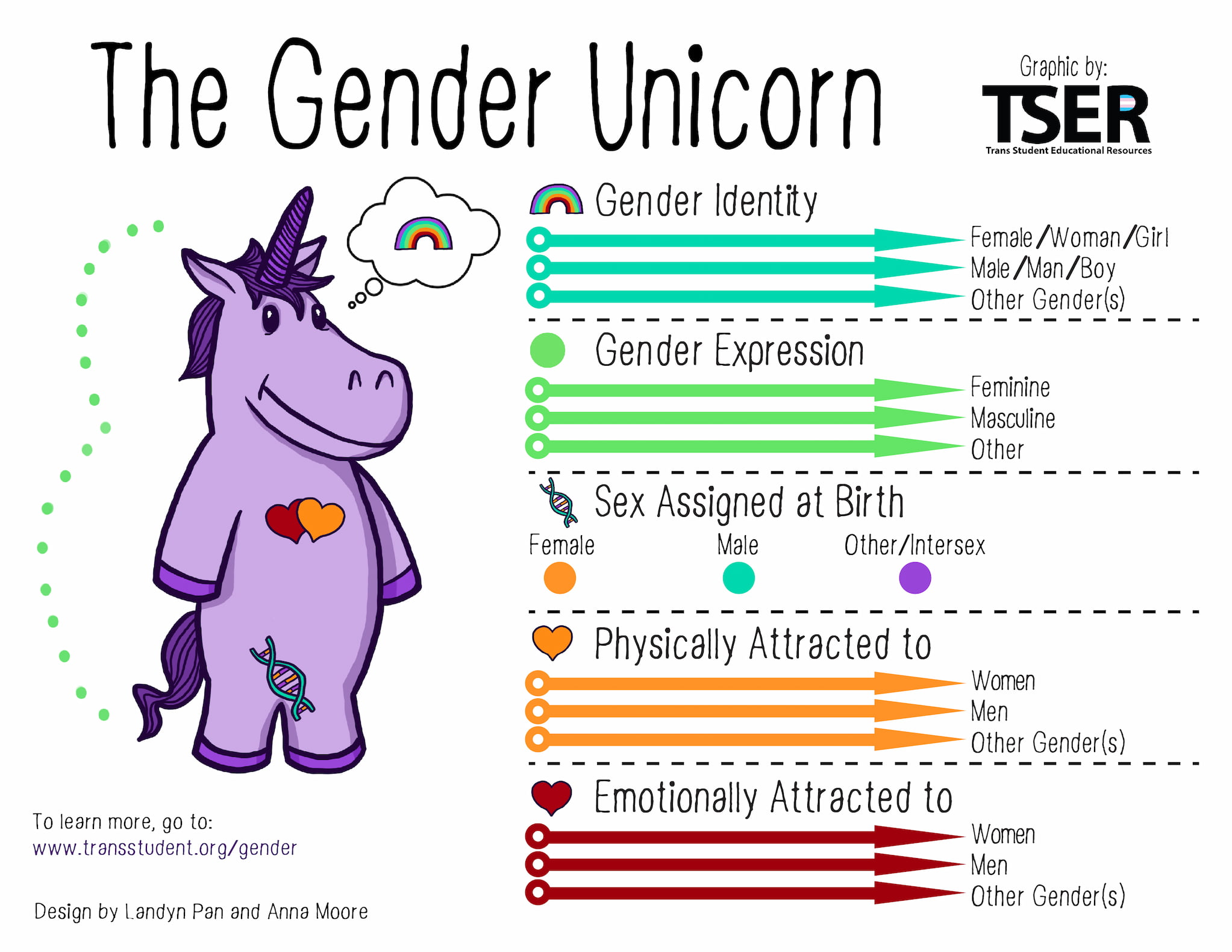
The Gender Unicorn
The Gender Unicorn may help a person identify their gender identity, sex assigned at birth, and physical or emotional attraction. Each arrow indicates a sliding scale that allows one to map their own human experience freely, using spectra instead of rigid categories.
-
Video
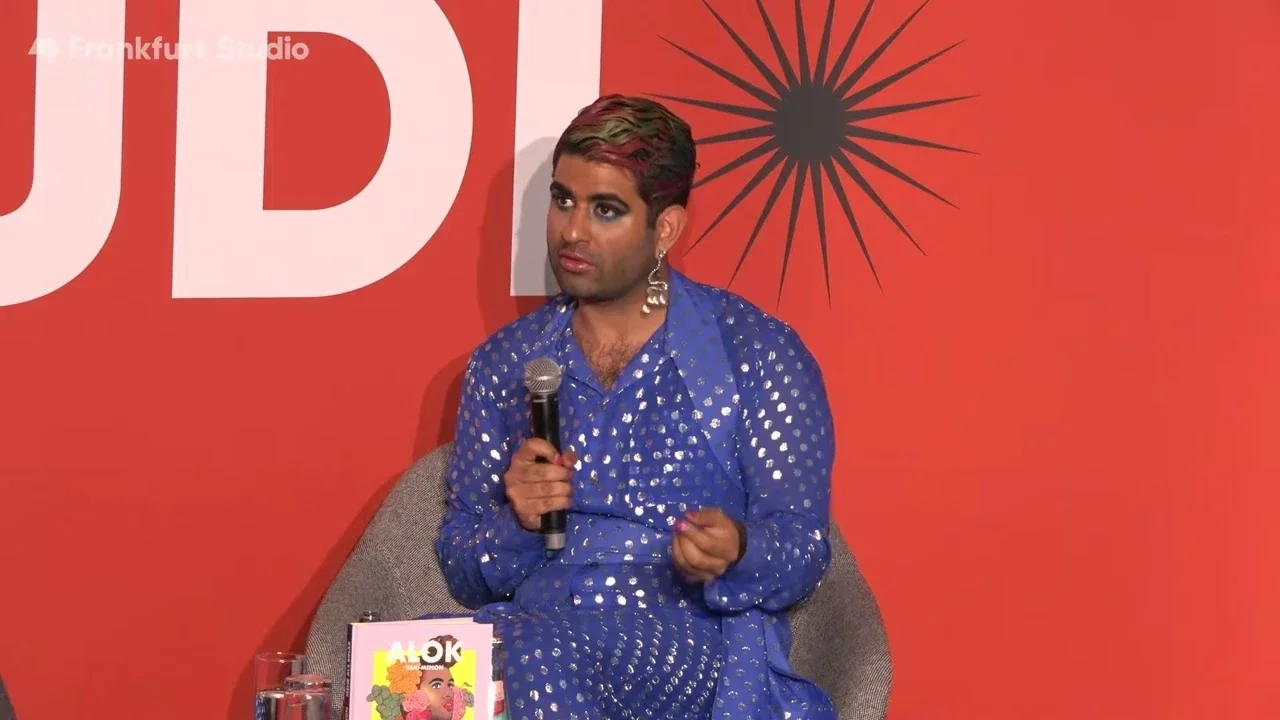
Alok Vaid-Menon Speaking on Gender at Frankfurter Buchmesse
Alok Vaid-Menon discusses how challenging the gender binary by embracing non-binary ways of identifying and thinking allows people the freedom to authentically express themselves.
-
Image
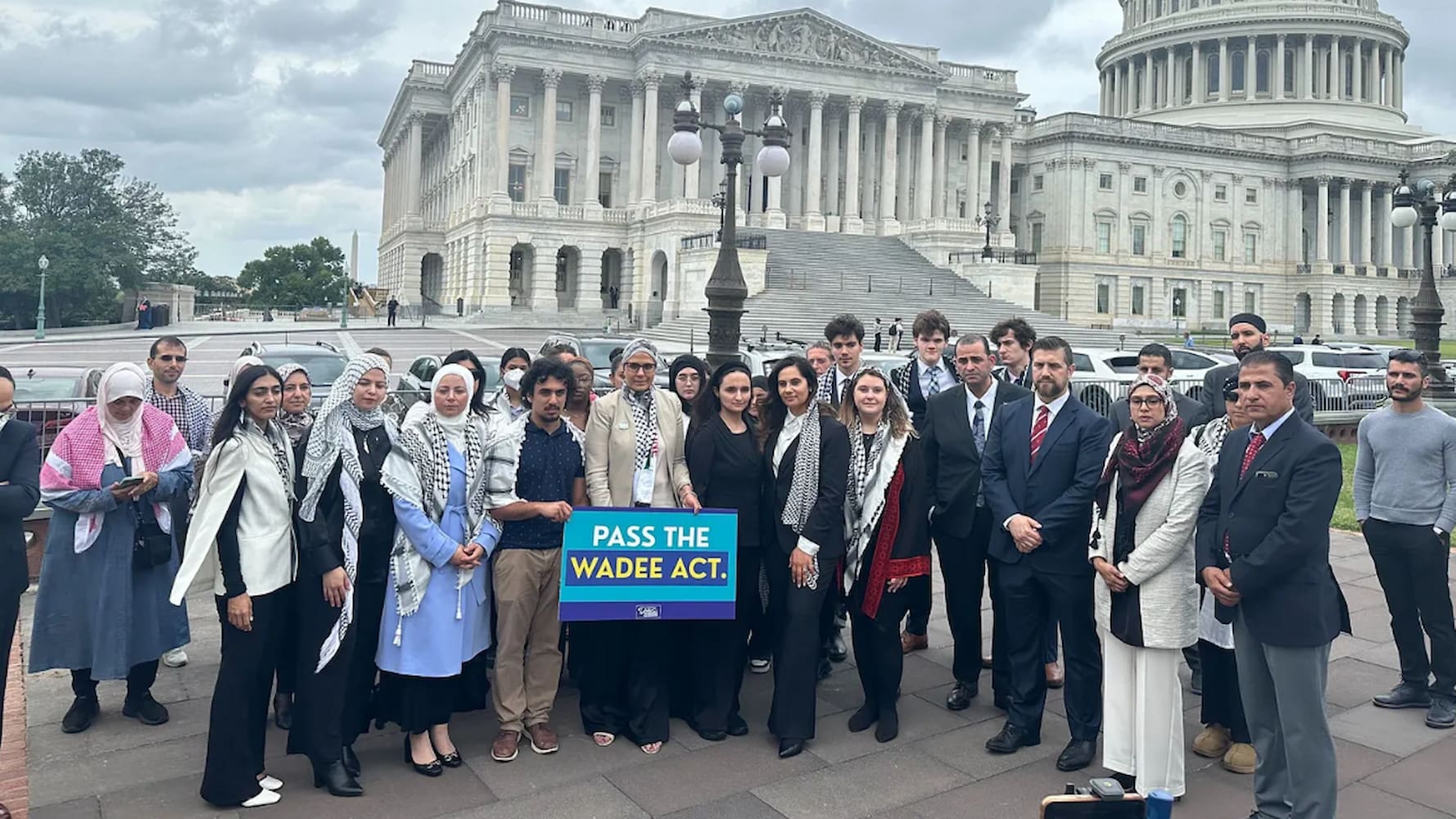
Passage of Resolution 847
In 2024, the US Senate passed Resolution 847 honoring Wadee Alfayoumi. The commemoration was muted and remorseful, and the resolution stated that Alfayoumi’s death was a hate crime based on anti-Muslim, anti-Arab, and anti-Palestinian discrimination.
Featured in:
The War on Terror and Anti-Muslim Racism, Module 5
-
Image
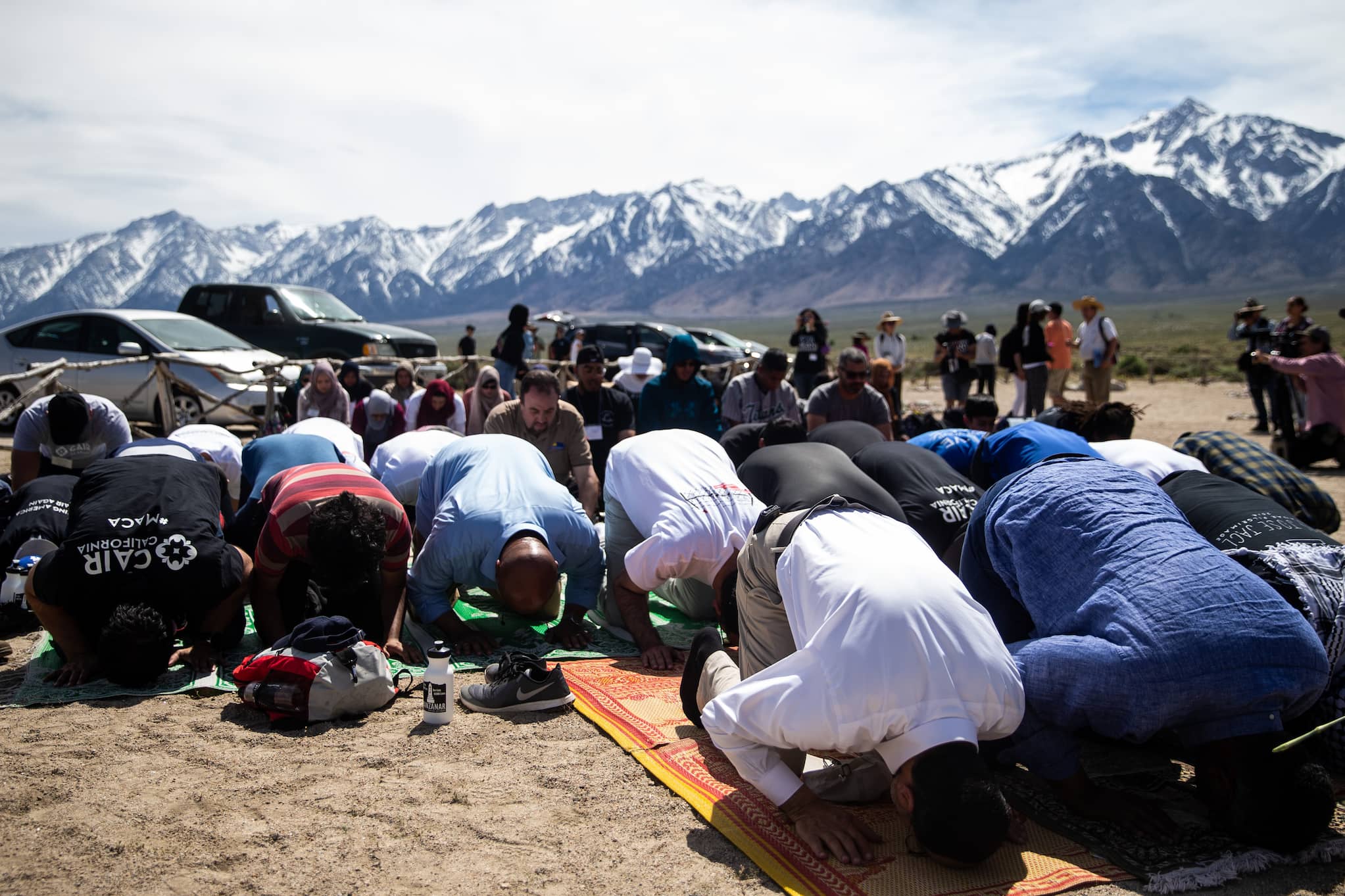
Prayer at Manzanar
In 2019, Muslims conducted prayers at Manzanar Internment Camp, a major site of Japanese American imprisonment during World War II. Manzanar pilgrimages, organized by Vigilant Love, connected such history to the ongoing racial violence of the War on Terror.
Featured in:
The War on Terror and Anti-Muslim Racism, Module 5
-
Video
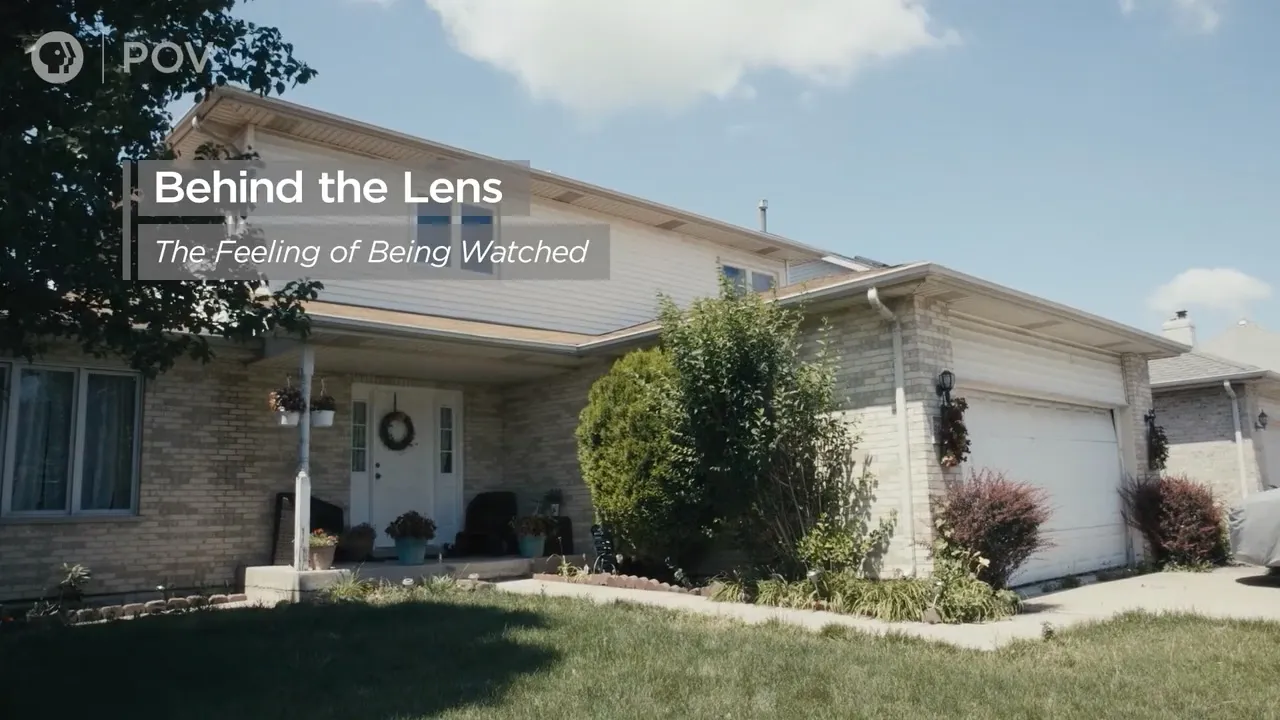
Feeling of Being Watched Clip
Muslim American filmmaker Assia Boundaoui shows her family some of the thousands of documents she found, that are part of a decades-long surveillance operation on the family by the FBI.
Featured in:
The War on Terror and Anti-Muslim Racism, Module 5