




Module 5: Storytelling as Resistance: Cultural Expression
Despite the US Secret War in Laos, have Laotian Americans found home in the United States?
Storytelling shows us the myriad ways refugee communities make meaning of their lived experiences. Earlier scholarship on refugee policy and resettlement often depicted refugees through dominant tropes of “victims” in need of help, “unwelcoming intruders,” or “good refugees.” These simplistic tropes see refugees and their children as objects of suffering or as passive recipients of the United States’ generosity of rescue rather than subjects with stories of rich and complex lives.
This module centers on the lives and voices of Laotian Americans, exploring how they tell their stories through art, literature, theater, and food, all of which highlight their rich and complex lives.
How have first- and second-generation Laotian Americans forged their own cultural spaces in the United States?
In what ways do Laotian Americans use storytelling and cultural expression to stay connected across borders?
How have Laotian Americans cultivated other ways of seeing and being in America?
Storytelling as Self-Definition
Making a place through community-building creates spaces of mutual support and belonging, while fostering ways to imagine “home” in America. Their community-building efforts involve establishing temples, cultural centers, support networks, and hosting cultural events. In the early 1980s, San Francisco’s Tenderloin neighborhood was home to nearly two thousand Laotian refugees. They came together to set up Lao grocery stores, open restaurants, and build a mutual support and assistance network.
For over four decades, Laotian Americans have rebuilt their lives in the United States. Today, Laotian Americans are defining their own ways of seeing and being in America, making sense of war, displacement, and what it means to build a sense of home. Ethnic studies scholar Yến Lê Espiritu explains the lives of refugees are complex, unstable, and full of contradictions. Their stories, choices, and even silences challenge and uphold existing systems of power, revealing the layered and often conflicting realities they navigate. Author Vinh Nguyen also suggests that we redefine “success” not as gratitude for being rescued but as survival and resilience in the face of war and violence.
Our Stories, Our Way
Storytelling is essential for Laotian Americans, enabling them to highlight their unique experiences and address the fragments, gaps, and missing pieces in mainstream narratives. Through shared stories, they bring to light the richness and diversity of their lives, from the lasting impact of the Secret War to the efforts of 1.5 and second-generation Laotian Americans to ensure their voices are heard.
A significant milestone in this journey began on August 11, 1995, with the creation of the SatJaDham Lao Literary Project (pronounced sutt-ja-tumm). This initiative marked one of the first efforts by Lao Americans to take control of their narratives. Between 1995 and 2001, SatJaDham organized seven national conferences at universities across the United States and produced five anthologies of Lao American writings. While SatJaDham is considered inactive by many, its founders and members remain involved in community building through organizations such as the Laotian American National Alliance, Lao Heritage Foundation and the Center for Lao Studies, which preserve and promote Lao American culture and stories. Most recently, SatJaDham held its thirtieth anniversary reunion conference at Fresno State University on August 23, 2025. This is where the first annual conference took place in 1996.
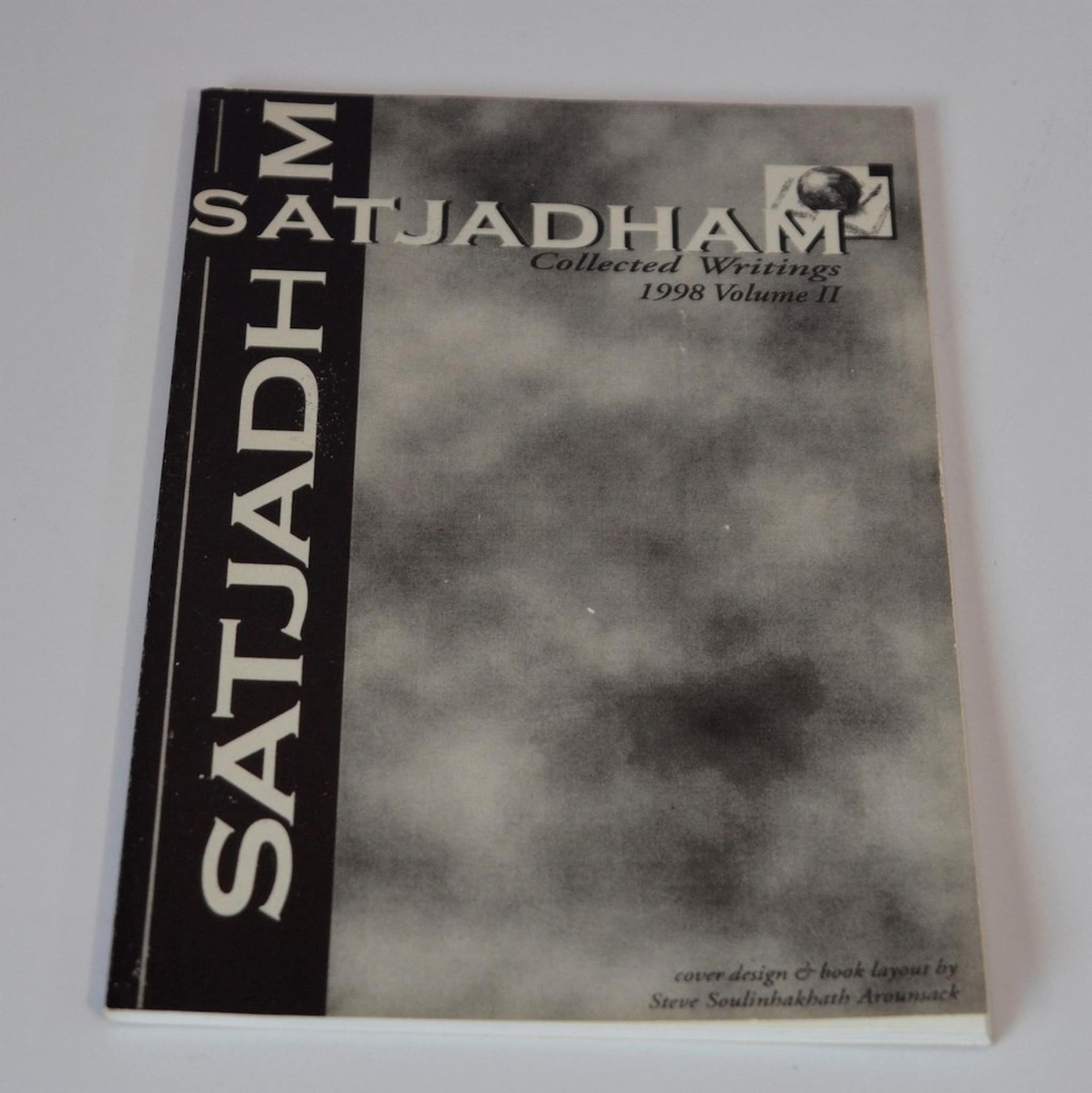
Image 15.05.01a — SatJaDham Collected Writings (1998) is one of five small anthologies produced by the members of SatJaDham Lao Literary Project.
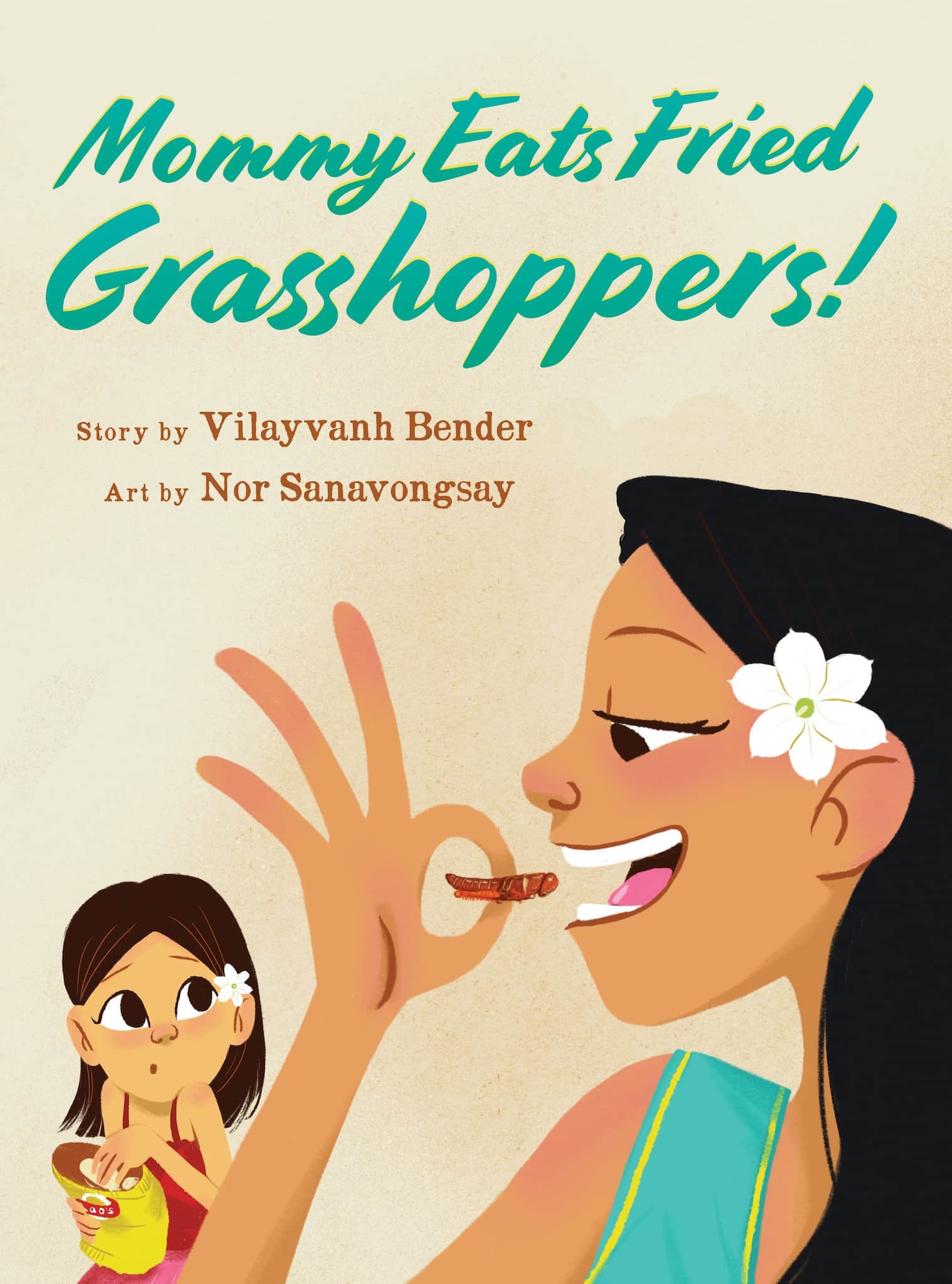
Image 15.05.01b — Mommy Eats Fried Grasshoppers (2018), one of several books published by Sahtu Press, tells a story of generational and cultural differences between mother and daughter.


Building on SatJaDham’s mission to tell Lao American stories, Sahtu Press continues this work by focusing on themes of displacement, belonging, isolation, hope, and happiness. Sahtu Press is the first Lao American-owned and operated literary publisher based in California and founded by Nor Sanavongsay, Bryan Thao Worra, and Krysada Panusith Phounsiri. The press provides a platform for Lao Americans and others to share their stories in print.
Since its founding in 2013, Sahtu Press has published several works by Lao American authors, including A Sticky Mess (2013) by Nor Sanavongsay, Mommy Eats Fried Grasshoppers (2018) by Vilayvanh Bender, Bryan Thao Worra’s poetry collection Before We Remember, We Dream (2020), and Krysada Panusith Phounsiri’s poetry books Dance Among Elephants (2015) and every passing minute (2020).
Both SatJaDham and Sahtu Press are dedicated to Lao American narratives and telling their stories on their terms. For example, Lao American writer, poet, and activist Bryan Thao Worra has long explored the idea of home, its fragmentation, and how this theme continues in his speculative poetry, including “Narrative of the Nak’s Heirs.” Worra’s work seeks to express how refugees claim agency and share their experiences in ways that the “world might sincerely learn from it.”
Storytelling within refugee communities often utilizes various mediums to amplify Laotian American voices and experiences. Online publications, in particular, offer a powerful platform for individuals to share personal stories, cultural reflections, and community news. One such platform is Little Laos on the Prairie (LLOTP), which emerged after the first Lao American Writers Summit in Minneapolis, Minnesota, in 2010. LLOPT became a vital space where Lao diaspora writers share their experience.
Focused on the Lao diaspora, LLOPT preserves and promotes the community’s stories through articles, personal essays, interviews, and cultural commentaries. By curating content that reflects the diverse nature of Lao American life, LLOTP highlights the nuances of identity and belonging, encompassing historical contexts, refugee experiences, and contemporary cultural expressions, as well as community achievements. This form of storytelling fosters a sense of community and pride, and connects Lao Americans across the diaspora, creating a supportive network that transcends geographic boundaries.
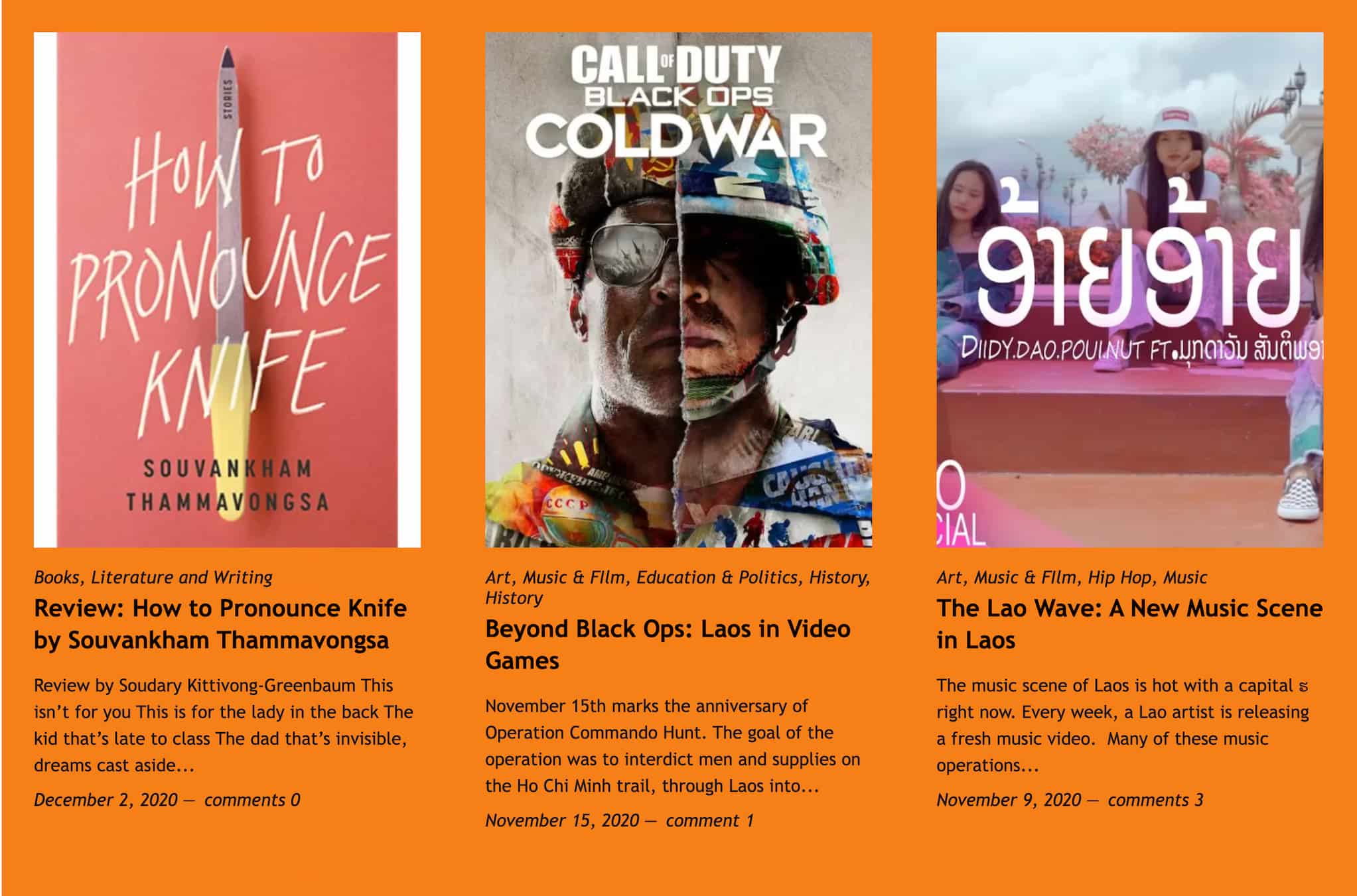
Image 15.05.02 — With over a thousand published stories, Little Laos on the Prairie has been “amplifying Lao’d voices” since 2011. Students can browse their website and explore a variety of stories, poetry, and reviews.
In addition to online publications, nonprofit organizations further strengthen these connections by offering resources and opportunities for marginalized voices to be heard through community-driven projects, workshops, digital storytelling initiatives, and oral history. For instance, Laos in the House, based in Philadelphia, actively promotes storytelling within the Lao refugee communities through art.
Under the direction of Catzie Vilayphonh, the organization is committed to promoting empathy and understanding by sharing authentic stories that go beyond statistics and headlines. A key example of this work is the “Street Talk” series, which captures candid conversations with Lao Americans about their cultural identity and contemporary life. This initiative preserves these stories and also strengthens connections within the community and encourages cross-cultural dialogue, bridging gaps and building understanding across different communities and spaces.

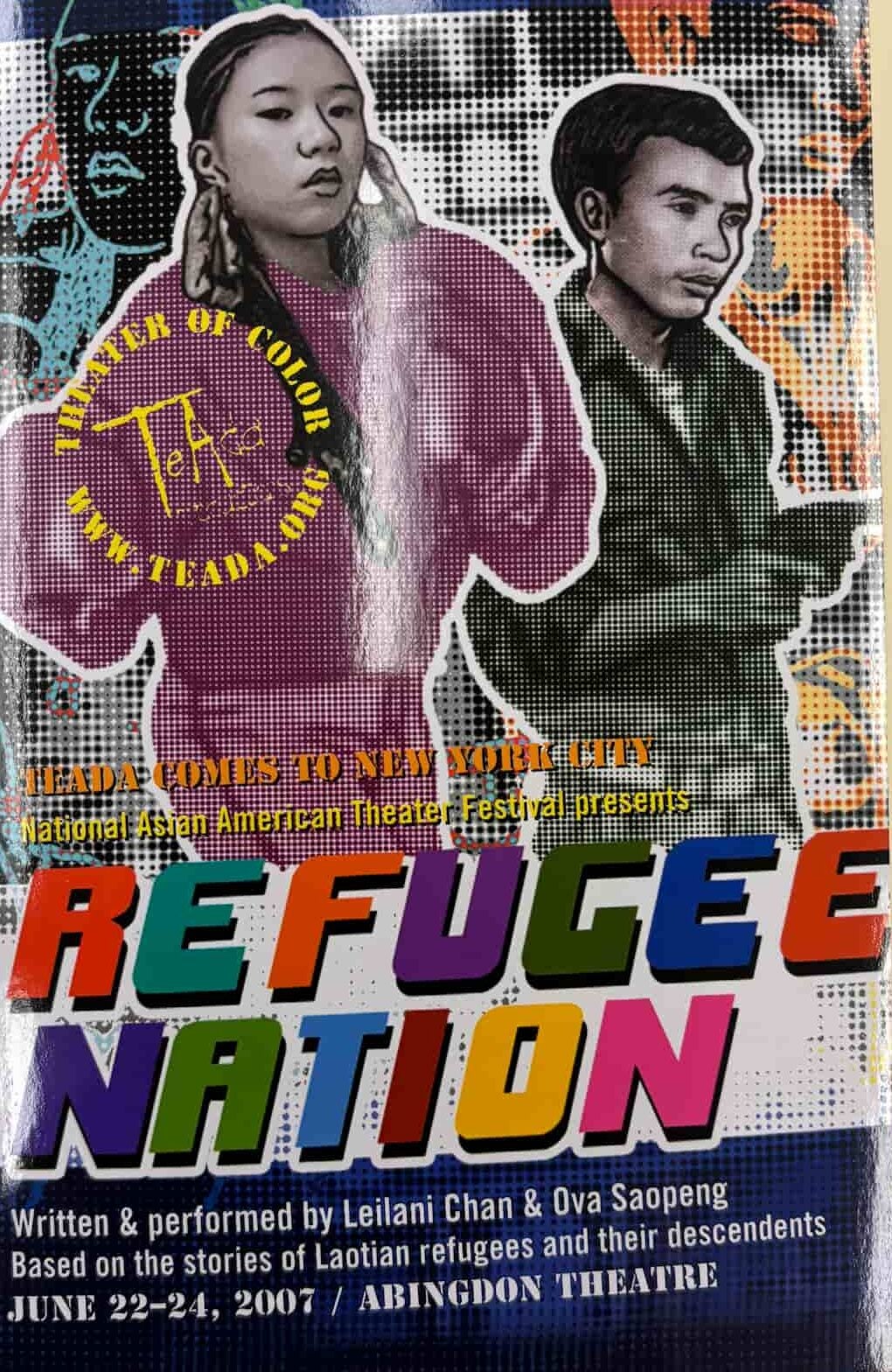
Image 15.05.03 — A flyer for the play Refugee Nation (2007) by Leilana Chan and Ova Saopeng, based on the stories of Laotian refugees, at Abingdon Theatre in New York City as part of National Asian American Theater Festival.
Another powerful medium for storytelling is theater, where oral history serves as the foundation for the play Refugee Nation (2007), written by Leilana Chan and Ova Saopeng. Based on the stories of Laotian refugees in the United States, the play explores a young generation still grappling with the traumas of war. Refugee Nation goes beyond recounting Laotian American history by addressing issues like the refugee experience, assimilation, generational gaps, and mental health.
The three-person performance uses drama, film, music, and audience interaction to personalize these issues from the Laotian American perspective. The oral histories conducted since 2005 offered firsthand experiences, emotions, and perspectives that reflect the complexities and nuances of Laotian refugees that might otherwise be overlooked in traditional historical records.
Forging Cultural Space through Food
The rise of social media platforms such as Instagram, Snapchat, YouTube, and TikTok has played a significant role in bringing Lao cuisine, known for its bold flavors of bitterness and spiciness, fresh herbs, and seasonal vegetables, to the forefront. While Anthony Bourdain helped introduce Lao food to a wider audience by featuring it on his travel shows and praising its bold, complex flavors, it is important to acknowledge and recognize that Lao chefs have long celebrated, preserved, and innovated their culinary traditions.
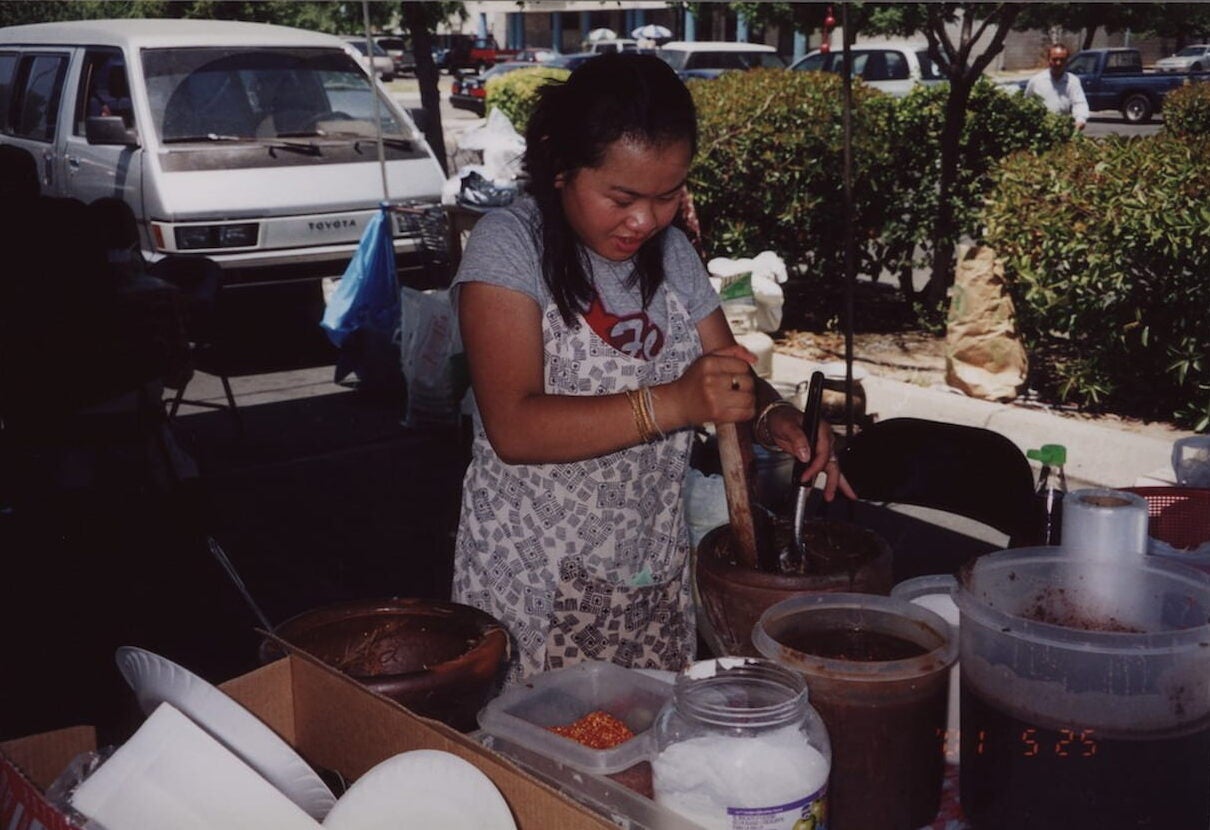
Image 15.05.05 — Woman making papaya salad in Fresno, California. Making papaya salad, or tam mak hoong, is common at Lao events.
Type the hashtag #LaoFoodMovement on social media, users can find hundreds of posts ranging from “Intro 101 to Lao Food” to cooking’ videos and vibrant images showcasing traditional dishes, cooking techniques, and personal stories from Lao Americans and chefs. Among them are Seng Luangrath (founder of the Lao Food movement, executive chef and owner of Thip Khao); James Syhabout (chef/proprietor of Commis, the only Michelin-starred restaurant in Oakland since 2010); Ann Ahmed (chef and restaurateur in Minneapolis, Minnesota); and personal chefs and influencers such as Saeng Douangdara (@saengdouangdara and author of The Lao Kitchen: Lao Flavors and Stories told Through Family Recipes (2026)) and Nana Sanavongsay (@cookingwithnana on YouTube).
Followers will encounter traditional dishes like laab (minced meat salad), khao piek sen (chicken noodle soup), tam mak hoong (green papaya salad), mok pa (steamed fish in banana leaves), sai oua (pork sausage flavored with galangal, lemongrass, and kaffir lime leaves), jeow (spicy dipping sauce), and khoa niew (sticky rice), which is a national food staple that accompanies Lao dishes. Followers will also discover unique Lao ingredients like padaek (fermented fish sauce), and traditional cooking tools such as the sticky rice steamer, and the communal nature of Lao meals. The Lao food movement goes beyond a hashtag and a collection of recipes. It is a way for Laotian Americans to connect, preserve and promote Lao cuisine, and educate those interested about Lao culture. It also serves as a way for Laotian Americans to shape their identity and presence in America since their resettlement in the late 1970s.
Chef Seng Luangrath, founder of the Lao Food Movement, stated in Virginia Living that her goal is to “encourage Lao immigrants to celebrate their culture and cuisine and inspire would-be restaurateurs to open Lao restaurants.” By naming her restaurant Padaek, after the traditional fermented fish sauce, Luangrath felt empowered to cook Lao food openly.
She explains that cooking Lao food helped show the Laotian American community that we no longer need to hide or feel embarrassed about our cuisine. Before the movement and the rising popularity of Lao cuisine, many Lao dishes were sold under the guise of Thai food in Thai restaurants. Catzie Vilayphonh noted in “Foodizen: Identity, Reclaimed,” that opening a Thai restaurant was simply more practical, since people were already familiar with Thai food, and it was a decision driven by survival and how to market effectively.
Similarly, James Syhabout, author of Hawker Fare: Stories & Recipes from a Refugee Chef’s Isan Thai & Lao Roots (2018), recalls in Food & Wine that “It’s just easier to say you’re Thai.” For practical reasons, many Lao restaurateurs identified as Thai to avoid the complexities of explaining their Lao heritage and political situation in Laos, which could lead to prejudice and misunderstandings.
For this reason, Lao restaurants may include “Thai” in their name such as “Laos Thai Kitchen” in Lowell, Massachusetts or “SaBaiDee, a Thai Lao Cuisine” in Fresno, California. Presenting as Thai restaurants allowed Lao refugees to attract more customers already familiar with Thai cuisine, improving their financial stability and helping them thrive in a competitive and culturally unaware market. Despite this strategic choice, some establishments remained steadfastly Lao, such as Khao Niew Lao Street Food in Portland, Oregon or Chef Seng Luangrath’s restaurants in Washington, DC, Baan Mae and Thip Khao.
Today, the Lao Food Movement not only showcases delicious Lao cuisine but also tells the stories of family traditions, regional influences, and the resilience of Laotian Americans. Stella Bayphouthongkham, co-owner of Mekong Cuisine Lao and Thai in San Diego, California wants people to know that “Lao food and flavor does not have to take a backseat to any other cuisine.” 1 The Lao portion of the menu is quintessentially her family’s recipes and every item is something she grew up enjoying.
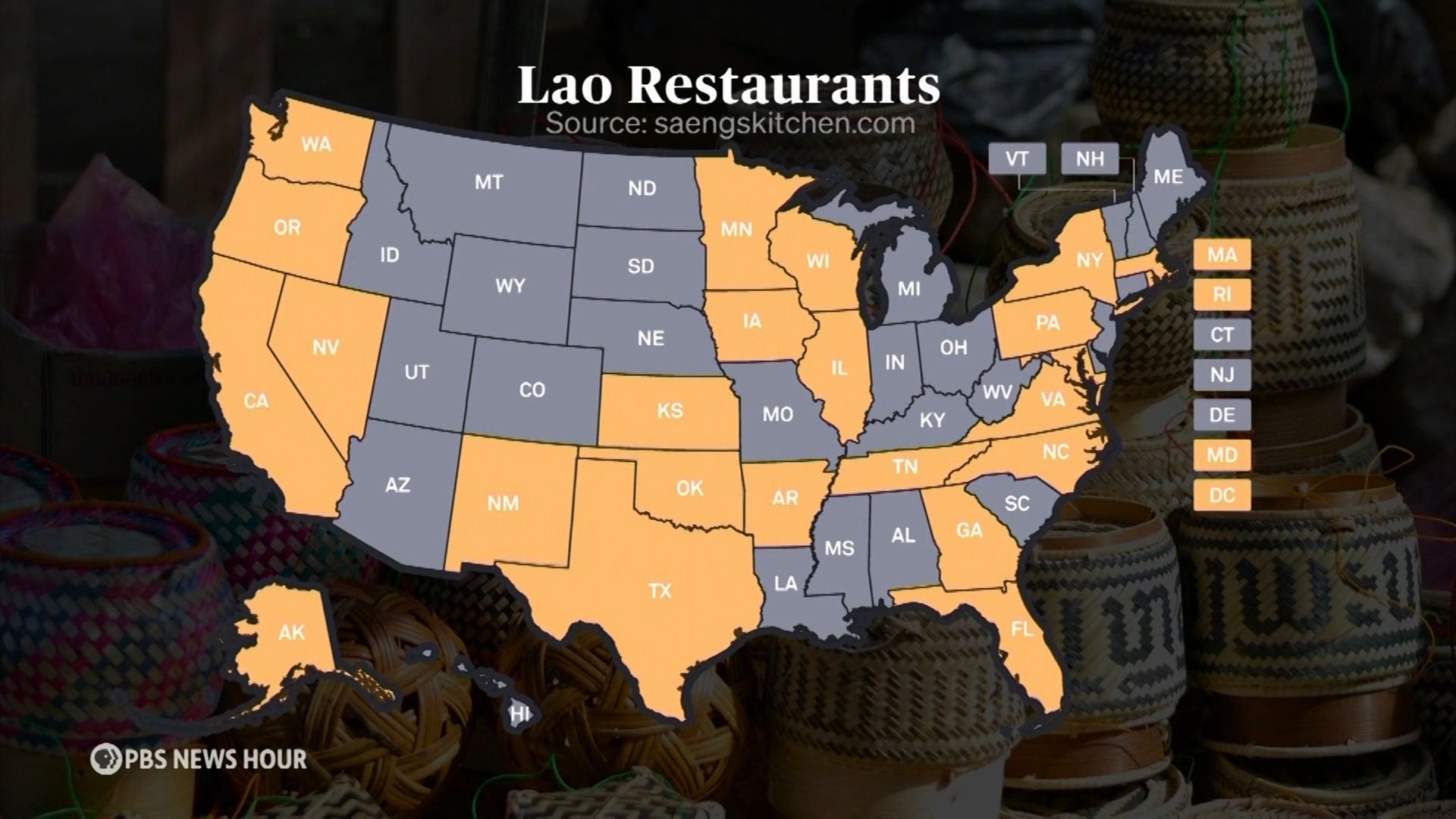
Image 15.05.07 — Lao-centered restaurants now stretch across the US from Morganton, North Carolina, to Wasilla, Alaska. The Lao Food Movement has become a way for Lao and Laotian Americans to shape their identity and presence in America since their resettlement in the late 1970s.
Home: Here and There
For Laotian Americans and their children, finding a sense of home in America involves a dynamic experience that exists both here and there, bridging their lives between two worlds. Despite facing hostility and exclusion in the United States, they build networks of support and solidarity through community centers, places of worship, traditional celebrations, and culinary practices that keep their heritage alive.
These physical and virtual spaces offer Laotian Americans a platform to share their stories that shape their identities, and demonstrate resilience as they make sense of war and violence. By telling their stories of displacement, belonging, hope, and happiness, they create a living legacy that connects their ancestral homeland with their American identity. This journey shows that home is not limited to a single place but is found in the shared experiences and memories that transcend borders.
Glossary terms in this module
home Where it’s used
Home has different meanings from the interpersonal to national levels, be they imagined connections or physical spaces. It represents a lived space of growth and conflict and a geographical place where one belongs as a family and community within a village, city, or country.
Lao diaspora Where it’s used
A global community of people of Lao descendents who have migrated and settled outside of Laos in the United States, Canada, France, Australia, Thailand, and Argentina.
Lao Food Movement Where it’s used
A culinary movement founded by Chef Seng Luangrath celebrating and promoting Lao cuisine through recipes, family histories, supporting aspiring Lao chefs and business owners while highlighting its distinct flavors and dishes.
Laotian American Where it’s used
Americans who trace their ancestry to Laos.
Laotian American National Alliance Where it’s used
Established in 1999, this national organization works to advance the social and economic well-being of the multi-ethnic Laotian Americans in the US.
refugee Where it’s used
A person forced to flee their country due to persecution, war, or violence, and is unable to return due to a well-founded fear of persecution. This is a legal term defined by the United Nations 1951 Refugee Convention, and supplemented by its 1967 Protocol.
Refugee Nation Where it’s used
A TeAda Productions, written by Leilani Chan and Ova Saopeng is a play that explores the narratives and experiences of Laotian Americans. As noted on TeAda Productions website, “More than just a telling of Laotian American history, this three-person performance eloquently touches upon issues relating to the refugee experience, assimilation, generation gap, and mental health using drama, film, music, and audience interaction, and personalizes these issues through a genuine Laotian American perspective.”
storytelling Where it’s used
The practice of sharing, preserving, or entertaining cultural knowledge, history, traditions, and identity through various narrative methods such as oral, digital, and written. Storytelling preserves marginalized voices and perspectives that may be overlooked in traditional historical narratives.