





Twelve members of the Laotian American National Alliance attend a meeting around a conference table. Snacks and office supplies cover the table.
Module 3: Laotian American Activism and Advocacy
Despite the US Secret War in Laos, have Laotian Americans found home in the United States?
The experience of Laotian Americans has been shaped by their relationship with the US, particularly through the legacy of the Secret War. Since their arrival in the late 1970s, Laotian Americans have remained hopeful and determined to support, advocate for, and organize their communities.
Despite challenges of resettlement, Laotian Americans found ways to develop grassroots strategies to address their needs, including mutual aid, cultural preservation efforts, advocacy work for social, financial, and educational advancement, youth-led activism, and civic participation in political leadership. Learning about Laotian American communities’ struggles and resilience contributes to the broader Asian American experience, while recognizing that advocacy and organizing help heal and empower the community.
This module focuses on the work of Laotian American communities to advocate, develop, and build strategies for belonging and representation, support for future generations, and demand for recognition in US history and policy.
How has the historical relationship between Laotian Americans and the US shaped their resettlement experience?
What strategies have Laotian Americans implemented to address their social and economic needs?
Why is it important to learn the unique struggles of Laotian American communities?
Building Community, Claiming Agency
The US government resettlement program dispersed Laotians throughout the country to prevent the formation of large ethnic communities and minimize financial impact on a single community. Many Laotians were relocated to poor urban areas where they experienced shock and isolation. Without adequate support, Laotian Americans turned to cultural knowledge and collective practices. Some Laotians resettled with family members through family reunification, while others engaged in secondary migration to pursue better job opportunities and establish support networks. By leveraging kinship networks and forming co-ethnic communities and organizations in cities, Laotian Americans shaped their sense of belonging in their new environment.
Once a small Laotian American community, the Dallas-Fort Worth (DFW) metropolitan area in Texas is now home to the third largest Laotian American population in the US after Minneapolis-Saint Paul, Minnesota, and Fresno, California. According to Ashley Lynn Link’s research on making Laos in DFW, Saginaw remains one of the most popular areas for Laotian Americans. They were drawn to the available jobs in the technological manufacturing center and the growing Lao American community. Link describes a community savings pool organized by the local Lao grocery mart owner, Overseas Market, to support each other.
Through a network of families and friends, Link notes that Lao Americans would contribute to the savings and take turns borrowing from it. This reflected a form of mutual aid that helped overcome the restrictions on public assistance programs such as the 1996 Welfare Reform Act, also known as the Personal Responsibility and Work Opportunity Reconciliation Act. These informal rotating savings and credit associations are common among immigrant communities, such as the tongtine practiced by Cambodian Americans.
In Georgia, the Laotian American Society (LAS) was formed in the early 2000s by young Laotian Americans in the greater Atlanta area. Although LAS has undergone different iterations of its name, LAS continues to promote and advocate for Laotian Americans. LAS aims to bridge the gap between generations by celebrating the rich culture of Laotian Americans and supporting the community. The Advocacy, Outreach, and Policies Department supports the Laotian American community by staying informed about local, state, and federal changes to offer assistance and educational clinics. They also proactively engage with policymakers to ensure Laotian Americans are heard and considered in legislative processes.
Some of the advocacy work done by LAS include 1) Lao Counts (Census 2020) to ensure every Laotian was counted and their voices heard; 2) Language Access to provide elderly individuals with limited English proficiency access to materials in Lao; 3) Lao Votes to assist and educate the community about their voting rights; and 4) Know Your Rights Clinics to educate the community and help them navigate the legal system.
Their current program on immigration resolution and citizenship assistance provides support for Laotian Americans to secure their roots in the United States. This advocacy work is necessary, especially since deportation flights to Laos have resumed. Laos does not have a formal repatriation agreement with the U.S., and for decades, Laotians with final orders of removal lived in a legal limbo. Many have built families and businesses, believing their status was stable. In response to pressures and visa sanctions from the U.S., Laos began issuing travel documents in June 2025 for nationals of Laos who have removal orders.
According to the Asian Law Caucus, there were over 4,800 people considered by Immigration Customs and Enforcement to be nationals of Laos who had removal orders. Many Laotians who arrived as children grew up in under-resourced communities and faced poverty, discrimination, and language and employment barriers. Many found themselves struggling, sometimes joining gangs and committing crimes. For example, in an interview with Stephanie Sy of PBS News, Alan Phetsadakone arrived in the US as a toddler and faced the threat of deportation because of a conviction for bank fraud. Phetsadakone acknowledges he made a mistake and has taken responsibility. While his lawyers work to vacate the case in federal court, Phetsadakone lives in uncertainty, not knowing when, or if, he will be deported to Laos, a country where he has no family.
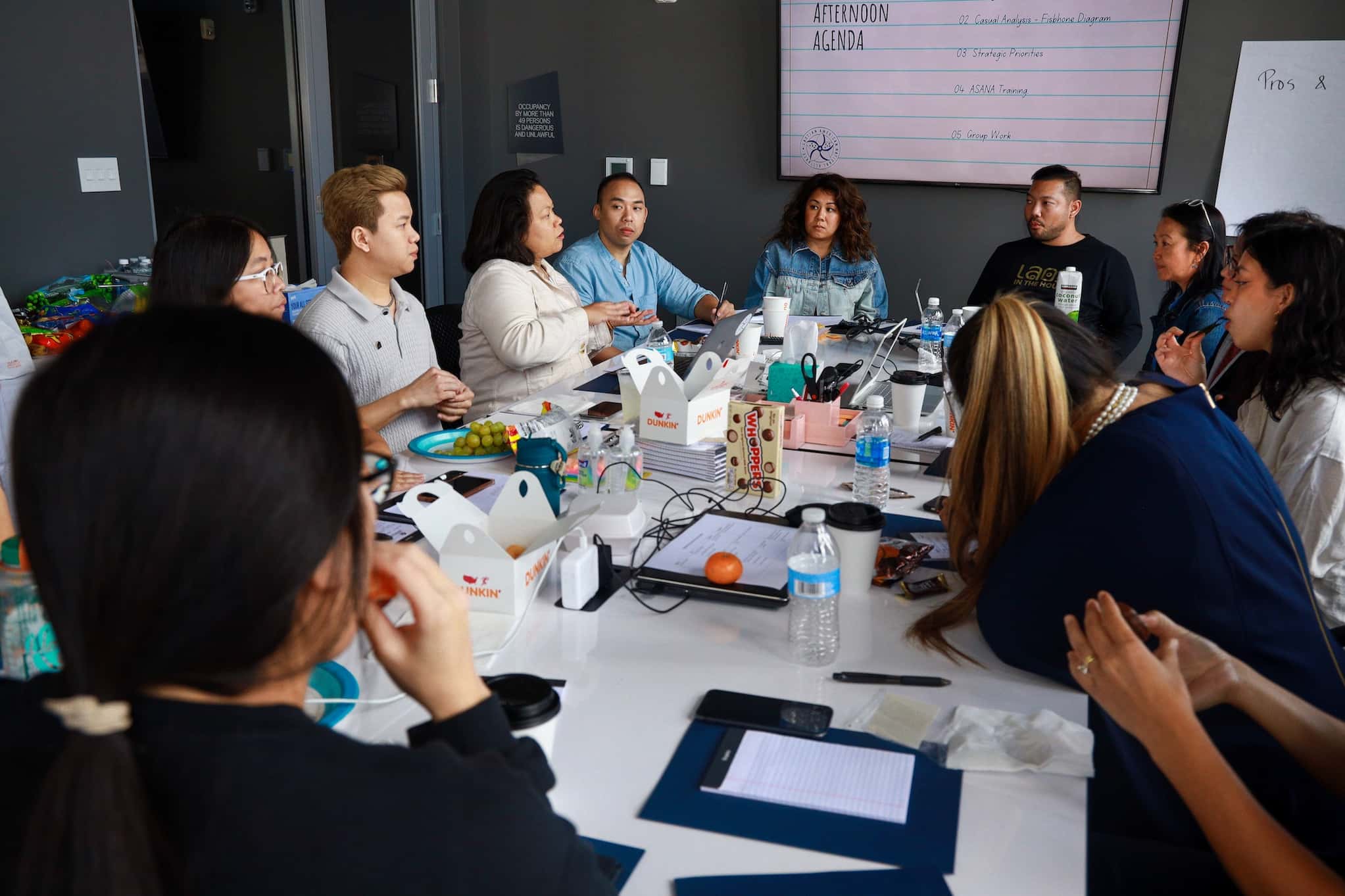
Image 15.03.01 — Founded in 1999, the Laotian American National Alliance (LANA) aims to uplift and empower Laotian Americans’ multi-ethnic community through education, visibility, and collaboration.
Building on local efforts by Laotian American communities, community leaders with networks in Laos gathered and established the Laotian American National Alliance (LANA) in 1999. LANA aims to uplift and empower Laotian Americans’ multi-ethnic community through education, visibility, and collaboration. LANA’s network connects Laotian Americans across regions to share resources and advocate for common interests.
The programs include promoting civic participation, advocating for social justice, developing a new generation of leaders, advancing coalitions and community-building efforts, and increasing funding for local Laotian community organizations. Over the years, Laotian Americans have become politically active, advocating for refugee rights including voting rights, educational resources, deportation prevention, and other social services.
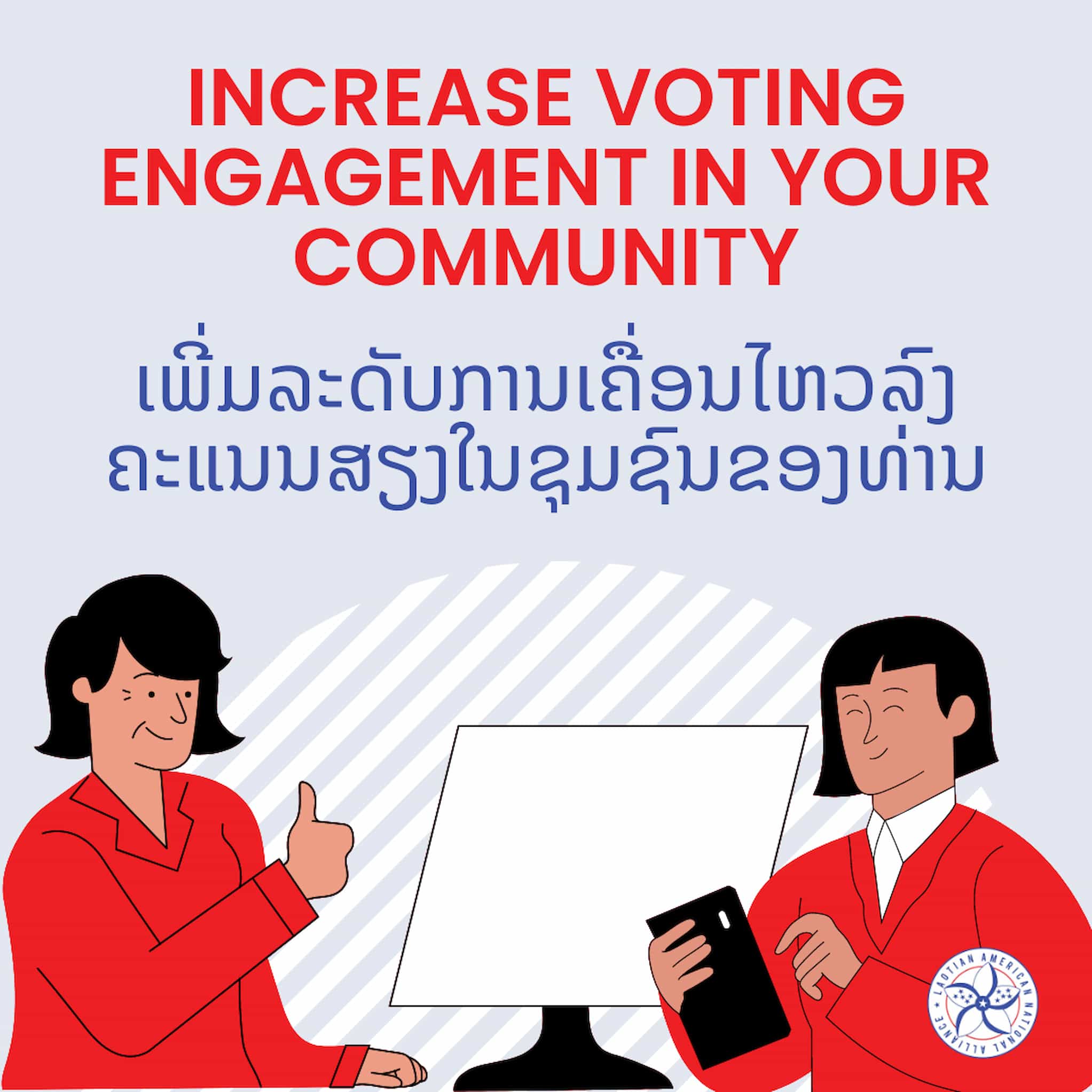
Image 15.03.02a — These graphics created by the Laotian American National Alliance (LANA) feature text in both English and Laotian, encouraging members of the Laotian American community to participate in civic engagement and stay informed about ballot measures.

Image 15.03.02b — These graphics created by the Laotian American National Alliance (LANA) feature text in both English and Laotian, encouraging members of the Laotian American community to participate in civic engagement and stay informed about ballot measures.

Image 15.03.02c — These graphics created by the Laotian American National Alliance (LANA) feature text in both English and Laotian, encouraging members of the Laotian American community to participate in civic engagement and stay informed about ballot measures.



Terms of Belonging: Addressing the Silence of History
Building activism and advocacy within Laotian American communities has increasingly centered on education. According to LANA, among Laotian Americans aged twenty-five and over, 14 percent hold bachelor’s degrees and less than 4 percent have attained a postgraduate degree. Compared to the broader Asian American population in which 56 percent have a bachelor’s degree, Laotian Americans face educational outcomes below the national average for Asian Americans. To counter this issue, organizations such as Southeast Asian Resource Action Center (SEARAC), LANA, and others work to advocate for Laotian American students in education.
For example, in California, the omission of Laotian American history and cultural studies from advancing the ethnic studies curriculum for California’s public K-12 school systems brought the organizations together. In 2018, California Governor Jerry Brown approved Senate Bill-895, the Pupil Instruction Model Curriculum for Vietnamese American refugee experience, the Cambodian genocide, and Hmong history and cultural studies to be developed and submitted to the state board by December 31, 2022, in K-12 schools.
While this textbook series includes Laotian Americans, the bill itself did not include language about Lao and other ethnic groups, including Khmu and Iu-Mien. In the fall of 2018, San Diego’s Lao community members, Pida Kongphoutone and Bobbie Oudinarath co-founded the Lao Americans Organization San Diego (LAOSD) to launch a statewide movement to include Lao American refugee history and experience as part of California Assembly Bill 1393.
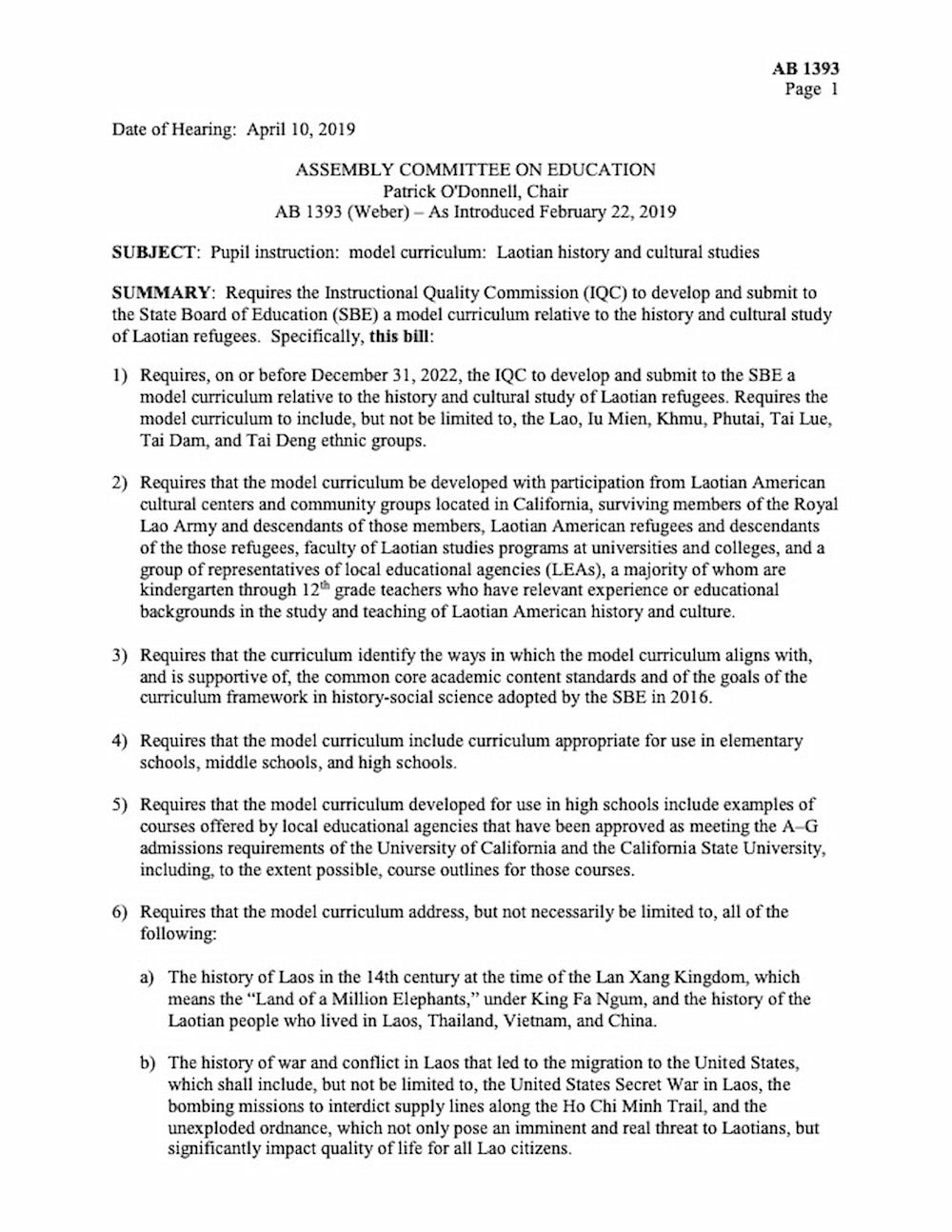
Image 15.03.03a — The Southeast Asian Resource Action Center (SEARAC), the Laotian American National Alliance (LANA), and the Lao Americans Organization of San Diego (LAOSD) worked with Shirley Weber (a State Assembly member at the time) in a statewide movement to include Lao history and the Laotian American experience as part of AB-1393.
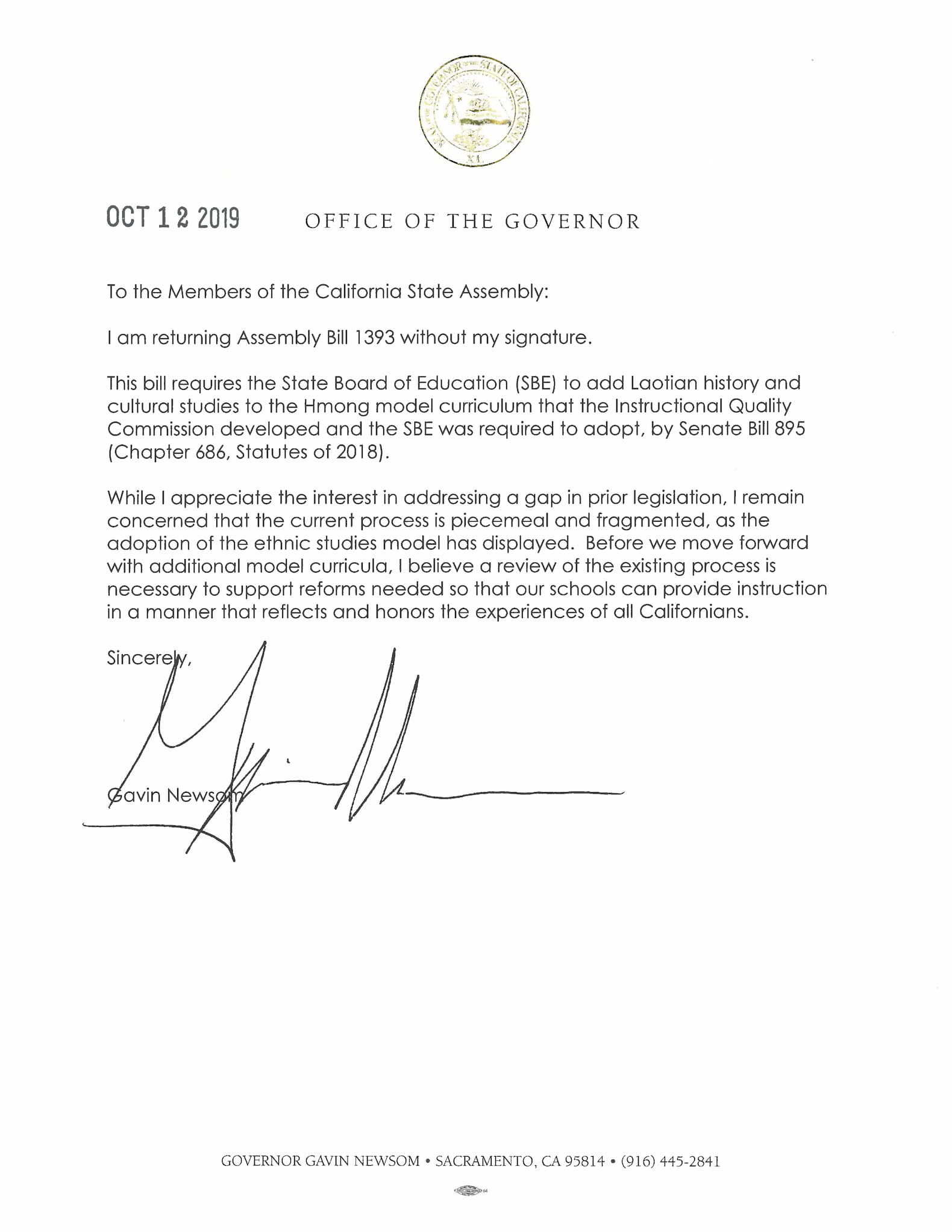
Image 15.03.03b — Despite receiving bipartisan support across the California State Legislature, Governor Gavin Newsom vetoed AB-1393 on October 12, 2019.


LAOSD co-founder, Pida Kongphoutone expressed concern that the bill overlooked the plight of Lao refugees. Kongphoutone’s concern reveals how excluding Lao American history from education compelled the community to fight for recognition and visibility in the broader narrative of US history.
Listen to
Pida Kongphoutone on AB-1393 and the Lao American community
Audio 15.03.04 — Pida Kongphoutone, a community member of LAOSD, talks about his involvement with different local and national organizations, helping the Lao American community through AB-1393, and how different generations can learn from one another.
The inclusion of Laotian American history in California’s ethnic studies curriculum highlights the need for ongoing advocacy to ensure that the diverse voices of Laotian Americans are represented and taught in public schools. Many second-generation youths grow up never learning about the US Secret War in Laos, the trauma of forced displacement, or the enduring struggles of resettlement by their parents or grandparents. They navigate the complexities of their ethnic heritage while integrating into American society.
Without this historical understanding, Laotian American youth are left to navigate fragmented family memories and silences, or try to piece together a legacy shaped by war, displacement, and survival on their own.
Piecing together this legacy has inspired the Healing Out Lao’d podcast. When asked what inspired the creation of Healing Out Lao’d, founder Rita Phetmixay stated the project was rooted in both necessity and love for the community. She envisioned the podcast as a platform for social change that could speak from the bottom up and directly connect Lao Americans to the often-taboo subject of mental health. Growing up in a small town in the South, Phetmixay recalls that silence around trauma and violence was treated as normal. For many Lao Americans, that silence became an inherited and passed down legacy from elders who had lived through war and carried its weight without words to the second generation.
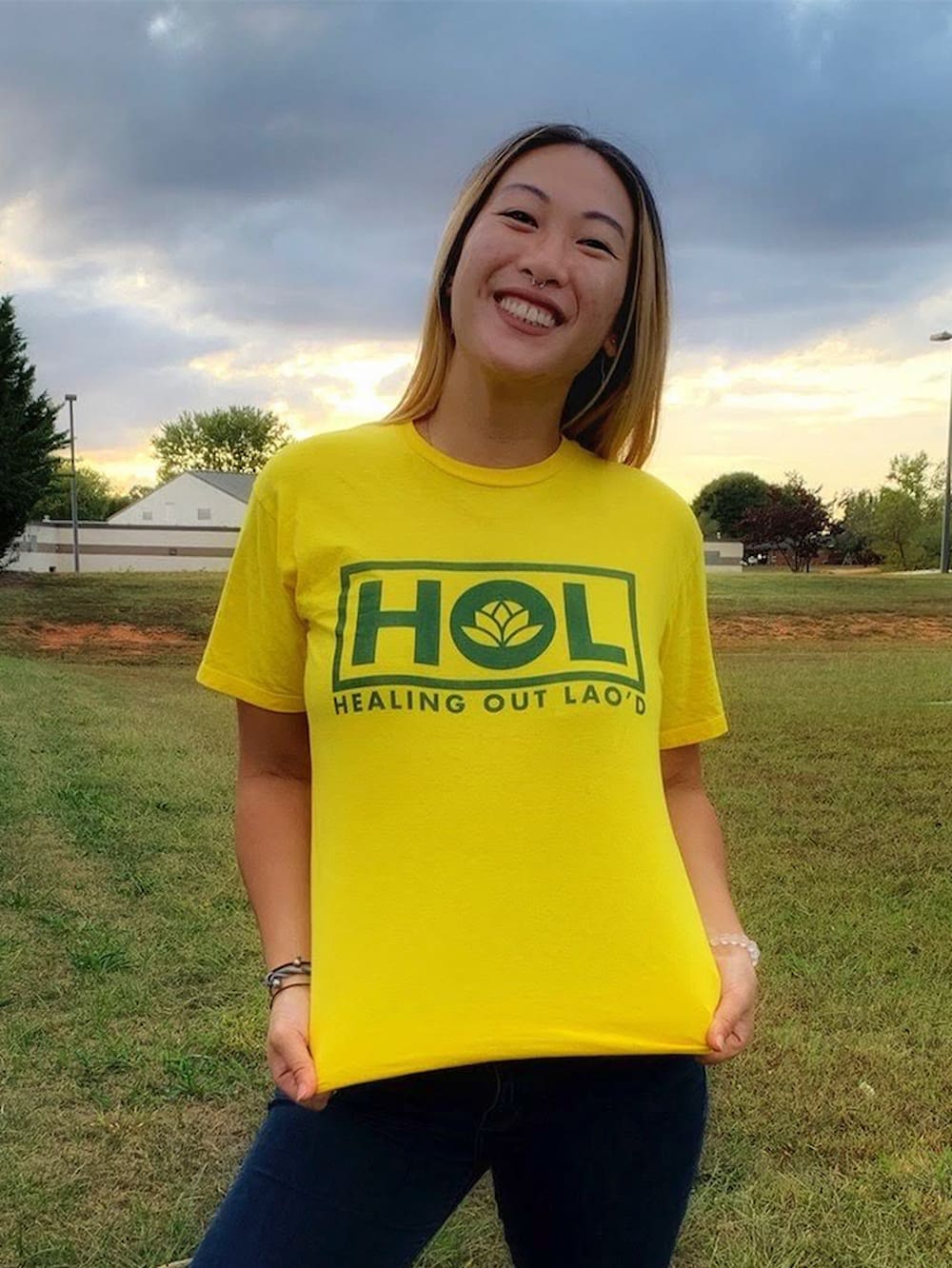
Image 15.03.05 — Rita Phetmixay is the host of the podcast Healing Out Lao’d, which explores themes of intergenerational trauma and healing within the Lao diaspora.
The podcast aims to break that cycle. Although organizations like Legacies of War and the Center for Lao Studies created vital spaces for the community, very few addressed what it means to talk openly about trauma, language, and healing. Phetmixay reiterates that Lao Americans already know what they need from each other.
Healing Out Lao’d provides a space to talk openly about the Secret War, trauma, and how Lao Americans carry it together. As Phetmixay states, it is about choosing not to wait for outsiders to define Lao Americans’ healing, but instead building a community where Lao Americans can see one another, support one another, and name their truths. Healing Out Lao’d was born from a simple but powerful question for the diaspora: if not us, then who? 1
Audio 15.03.06 — This is the first podcast by Healing Out Lao’d (March 4, 2019) created and hosted by Rita Phetmixay. Here, Rita shares the moment that inspired her to start this podcast, and reflects on how healing and joy can be an option for children of refugees.
Conclusion
Laotian Americans continue to shape their own narratives and recognize that activism, advocacy, and sharing their stories are important to understanding their unique experiences. The 1.5 and second generation, such as LAS, model what it means to build and sustain an organization serving Laotian Americans in Georgia, or Rita Phetmixay creating space to be open about intergenerational trauma. In their active process of creating a place and finding home in the US, Laotian Americans also stood in stark contrast to US government policies that often treated them as a burden on society, from resettlement and welfare dependency to criminalization and deportation. Even after decades of living and rebuilding their lives in America, the promise of safety and freedom remains uncertain, revealing how belonging for many has always been and continues to be tenuous. The question remains: can home be made when one’s place in a country is conditional and revocable?
Glossary terms in this module
Healing Out Lao’d Where it’s used
A virtual space and podcast created and hosted by second generation Lao American, Rita Phetmixay to explore the intersections of Lao diaspora storytelling, healing, and tools for sustainability.
home Where it’s used
Home has different meanings from the interpersonal to national levels, be they imagined connections or physical spaces. It represents a lived space of growth and conflict and a geographical place where one belongs as a family and community within a village, city, or country.
LAOSD Where it’s used
Stands for Lao Americans Organization of San Diego, which is a grassroots community based, all volunteer organization. Co-founded in 2018 by Pida Kongphoutone and Bobbie Oudinarath, LAOSD is most known for the advocacy to include Lao Americans refugee history and experience in California’s education curriculum.
Laotian American Where it’s used
Americans who trace their ancestry to Laos.
Laotian American National Alliance Where it’s used
Established in 1999, this national organization works to advance the social and economic well-being of the multi-ethnic Laotian Americans in the US.
refugee Where it’s used
A person forced to flee their country due to persecution, war, or violence, and is unable to return due to a well-founded fear of persecution. This is a legal term defined by the United Nations 1951 Refugee Convention, and supplemented by its 1967 Protocol.
second generation Where it’s used
An individual born in the United States whose parents were also born in the US, or has one parent born abroad.
The Laotian American Society Where it’s used
Formed by a group of young Laotian Americans in Georgia to promote cultural awareness and empower the Laotian American community by providing education, services, and resources.