



Module 1: Entrepreneurship and Asian American Business
Have Asian Americans who are successful at business achieved the “American Dream?”
One of the best-known agriculturalists in the twentieth century was Ushijima Kinji, or George Shima, who immigrated to the United States in 1889 and became known as the Potato King. Shima purchased swampland in California at a low price because white farmers considered the soil unsuitable for farming. There, he grew a type of potato that became so popular that, by 1909, his farm grew more potatoes than any farm in the world.
Shima was one of many Japanese American farmers in the West who bolstered the agricultural production of the region. However, his success story ended when envious white settlers attempted to seize the land for their own profit and use. Starting in California in 1913, state governments began passing alien land laws, prohibiting “aliens ineligible to citizenship” from owning land. As the only group that could not become naturalized citizens, the phrase clearly targeted Asian immigrant populations.
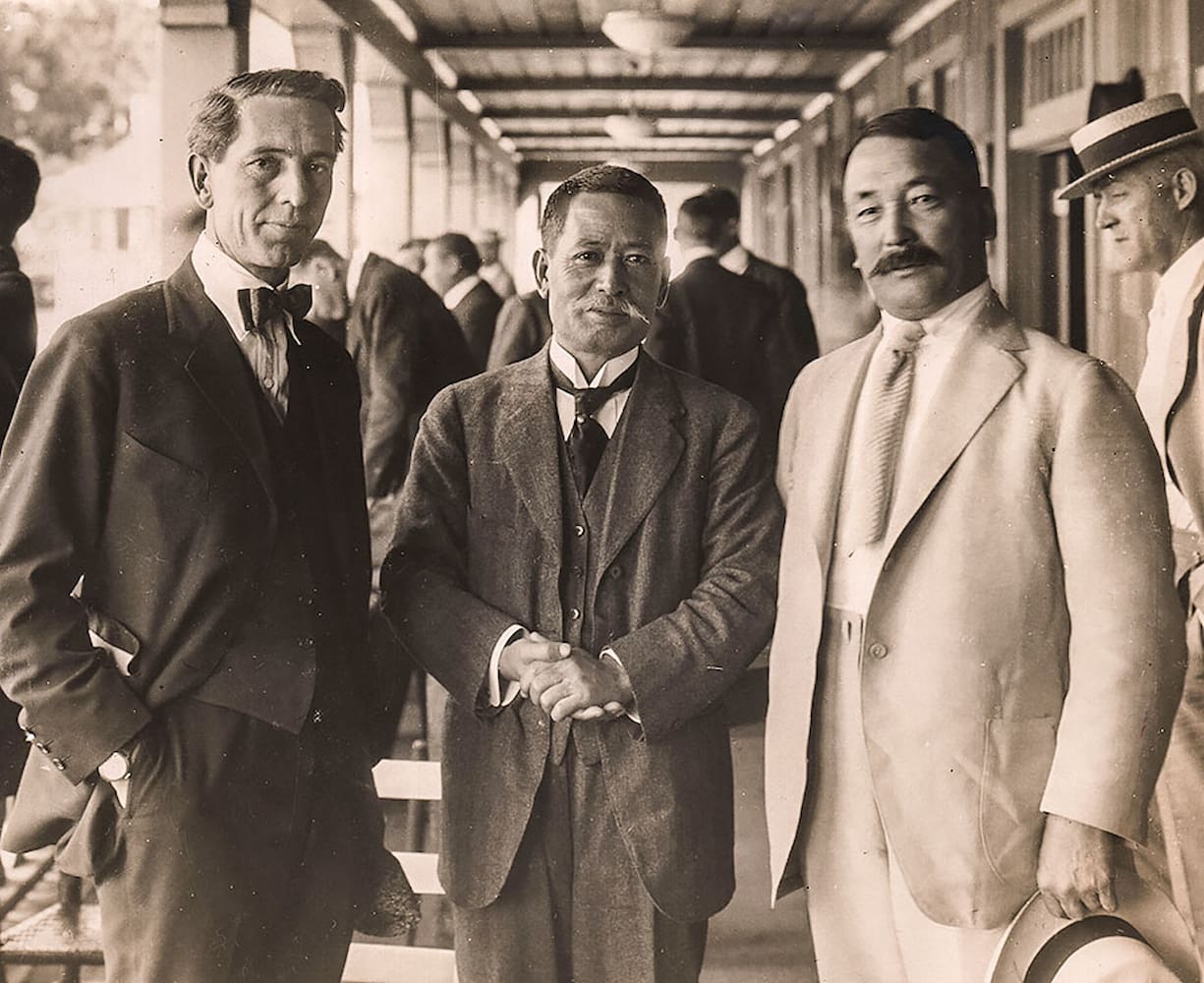
Image 28.01.01 — The economic success of Japanese immigrant George Shima’s potato farm earned him the title “Potato King.” Shima (right) became the first Japanese American millionaire.
Created date, created by Name, Title Italicized. Credit line indicating where the image is from. Metadata ↗
Shima is an example of an entrepreneur—someone who takes on the financial risk of running a business or creating an innovation. Many Asian Americans became entrepreneurs to escape exploitative working conditions while others saw entrepreneurship as a way to overcome language, racial prejudice and other barriers to greater economic mobility.
In this module, we learn how Asian American businesses and entrepreneurs helped form communities. We also consider how structural racism, including racist laws and policies, have affected Asian American financial success.
What is an entrepreneur?
What are the historic, geographic, and demographic features of Asian American entrepreneurs and their businesses?
How does the myth of self-reliance conceal their lived realities?