





Module 4: Asian Americans and the Different Realties of the American Dream
Have Asian Americans who are successful at business achieved the “American Dream?”
How do you define success? Does it mean having a lot of money, living in a big house, or being famous? Does it mean going to a prestigious college, living in a wealthy neighborhood, having important friends, or having a lot of social media followers? If you had all these things but your family or your community lacked security, resources, and equal opportunities, would you still feel successful? If you were financially secure and physically safe, but people around you faced unjust treatment, poverty, and danger, would you still consider yourself to be a success?
This module prompts us to think about the meaning of “success” and how we can better understand the myths and realities of Asian Americans with very different realities in the US economy.
What are the different definitions of “success” and how have Asian Americans worked to achieve success?
How do Asian American histories contradict American myths about success?
What have Asian American entrepreneurs done to navigate challenges to their visions of a successful life?
Defining Success
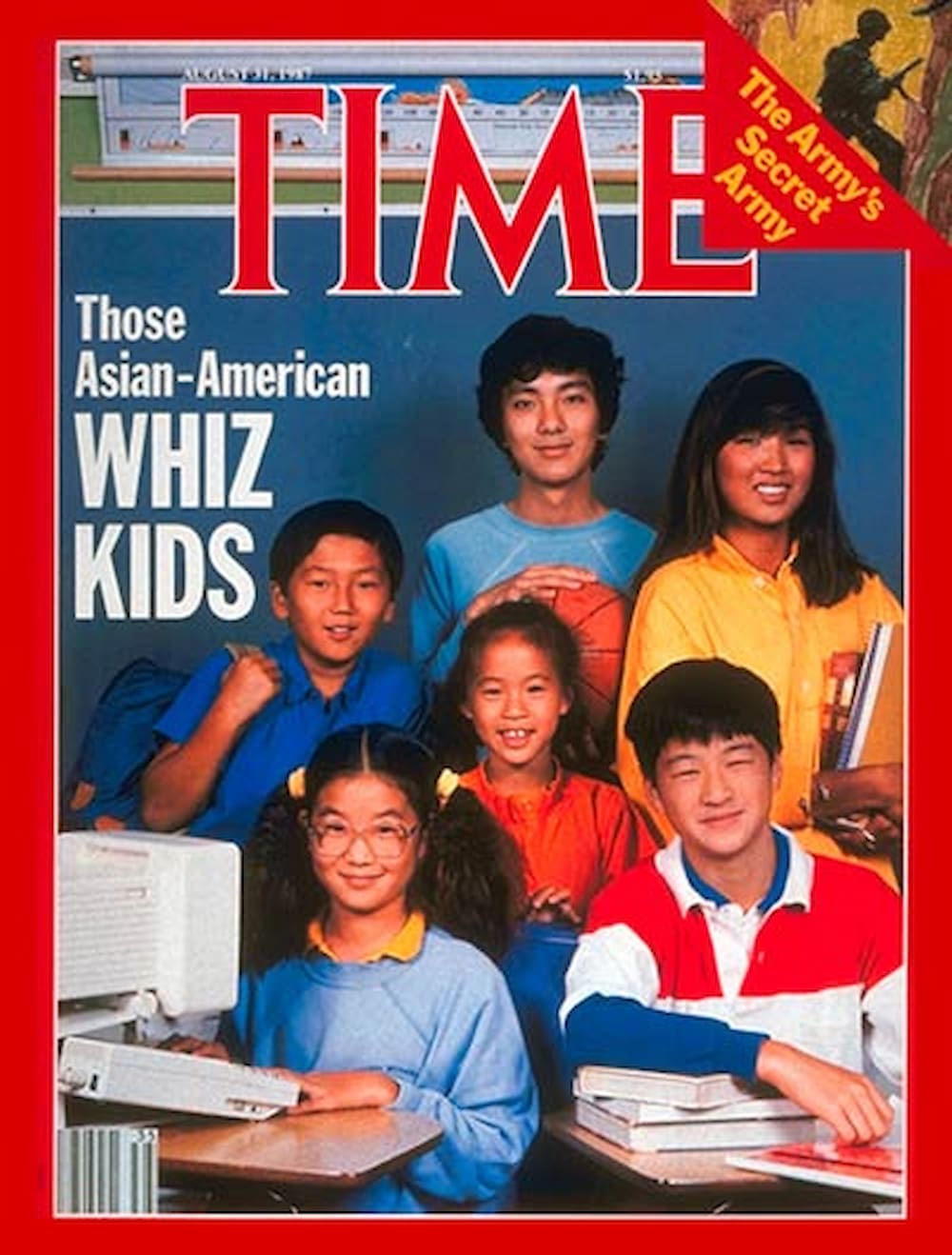
A powerful and persistent myth exists that Asian Americans have become economically successful without any government assistance. This story, also called the model minority myth, is not old, only appearing since the Cold War. An infamous article that appeared in a 1966 New York Times opinion piece helped catapult the idea. In the throes of the Civil Rights Movement, the model minority myth served to place blame on Black people for not achieving idealized success, setting aside the obstacles that the Civil Rights Movement was challenging.
Many people in the United States still believe in the idea that hard work and thrift can make anyone rich, successful, and powerful. This is a core facet of the American Dream, in which success is built upon one person’s ability to overcome all hardships to become wealthy and live a stable life. This type of thinking oversimplifies, and does not take into consideration the many variables at play throughout one’s life.
The American Dream
The American Dream is an idea rooted in capitalism. In a capitalist economic system, the means of production are owned privately, and the owners of capital rely on people who sell their labor for wages in order to derive a profit. These laborers do not benefit as much as the people who own the capital, even though the work of laborers makes the owners richer. However, the American Dream creates an illusion that everyone begins on equal footing, and that everyone has an equal chance at achieving economic wealth.
The model minority myth further reinforces this illusion, singling out Asian Americans as being more successful than other people of color—particularly Black people. This myth perpetuates a belief that anyone, no matter their race or ethnicity, can achieve capitalist success. The myth also implies that those who do not “make it” have only themselves to blame for their lack of success.
Throughout US history, many races have been denied citizenship to limit their opportunities to own property and open businesses. These groups were also prohibited the right to vote to change these policies. Many Asian Americans used the judicial system to fight for their civil rights. People like Lee Yick, the owner of a San Francisco laundry in the 1880s, won Supreme Court cases that not only helped them, but that also established a legacy of constitutional rights for everyone.
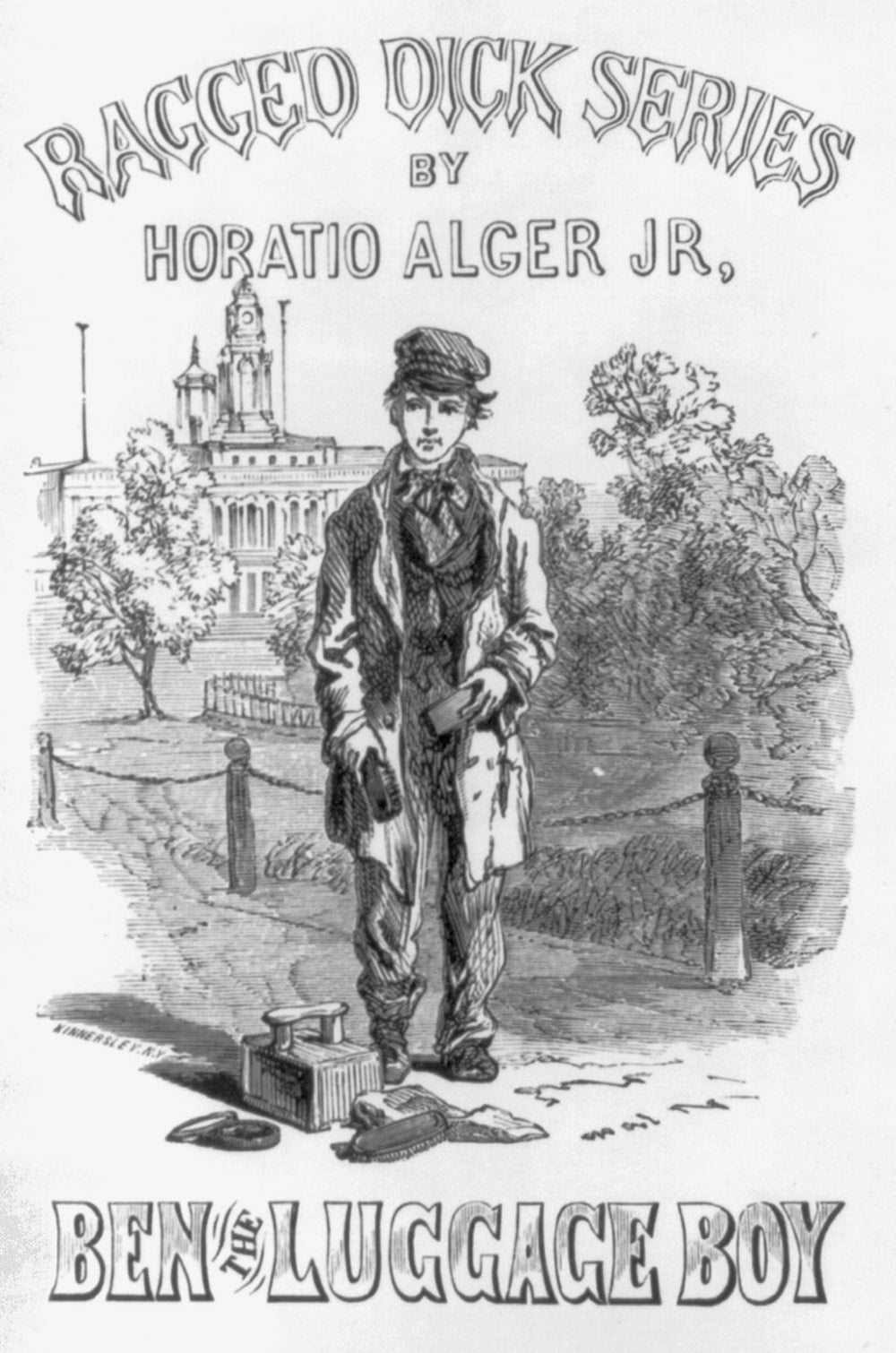
Image 28.04.01 — American author Horatio Alger (1832–1899) wrote over one hundred books regaling “rags to riches” tales of self-made men. His writings promoted the “American Dream” and popularized the idea of the US as a meritocracy during the early years of the twentieth century.
Kay Keiichi Sugahara
The story of Kay Keiichi Sugahara (1909–1988) reveals the tenuousness of the American Dream. An orphan by the age of thirteen, he graduated from the University of California, Los Angeles, and became an entrepreneur. The story of Sugahara is about a person who takes on the risk of creating a new business. Starting his own customs brokerage business, Sugahara became a millionaire before the age of thirty. He considered himself a “rags-to-riches” success, or someone who has worked hard to escape poverty and achieve wealth.
However, Sugahara’s world soon changed at the onset of World War II, when the US government sent him, his family, and over 120,000 other Japanese Americans from the West Coast to concentration camps. The government targeted Japanese Americans based on their ethnicity, falsely suspecting they were spies for Japan, an enemy of the United States during the war. Japanese Americans lost their homes and businesses, and the incarceration system devastated Japantowns of the West Coast. Sugahara’s financial wealth did little to protect him.
Sugahara and other Japanese Americans were released from incarceration camps after the end of the war. In the years that followed, the United States expanded its military presence abroad, and Sugahara rebuilt his fortune by supporting these efforts. One of several key activities he took on for the US government was helping to procure war materials during the Korean War.
During World War II, Sugahara and other Japanese Americans were considered “enemies of the state” and were imprisoned without charges, which was a violation of US constitutional law. However, when the war ended, the United States shifted its targets elsewhere. Sugahara’s background thus became valuable rather than suspicious, helping to expand US global power against the sovereignty of Asian nations like Korea.
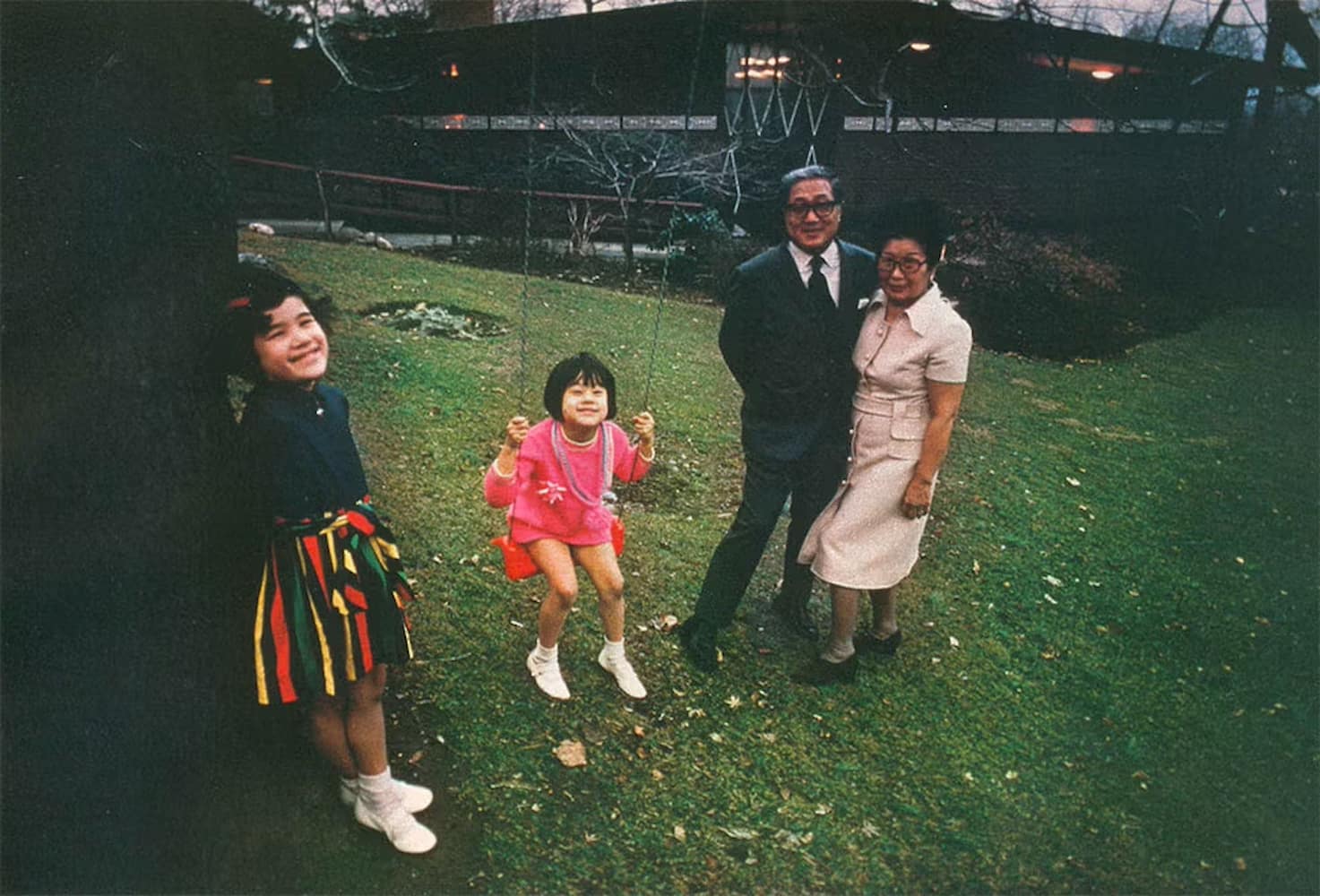
Image 28.04.02a — Japanese American industrialist Kay Keiichi Sugahara with his wife and grandchildren on the lawn of his estate in Pelham Manor, a suburb of New York City, in 1972.
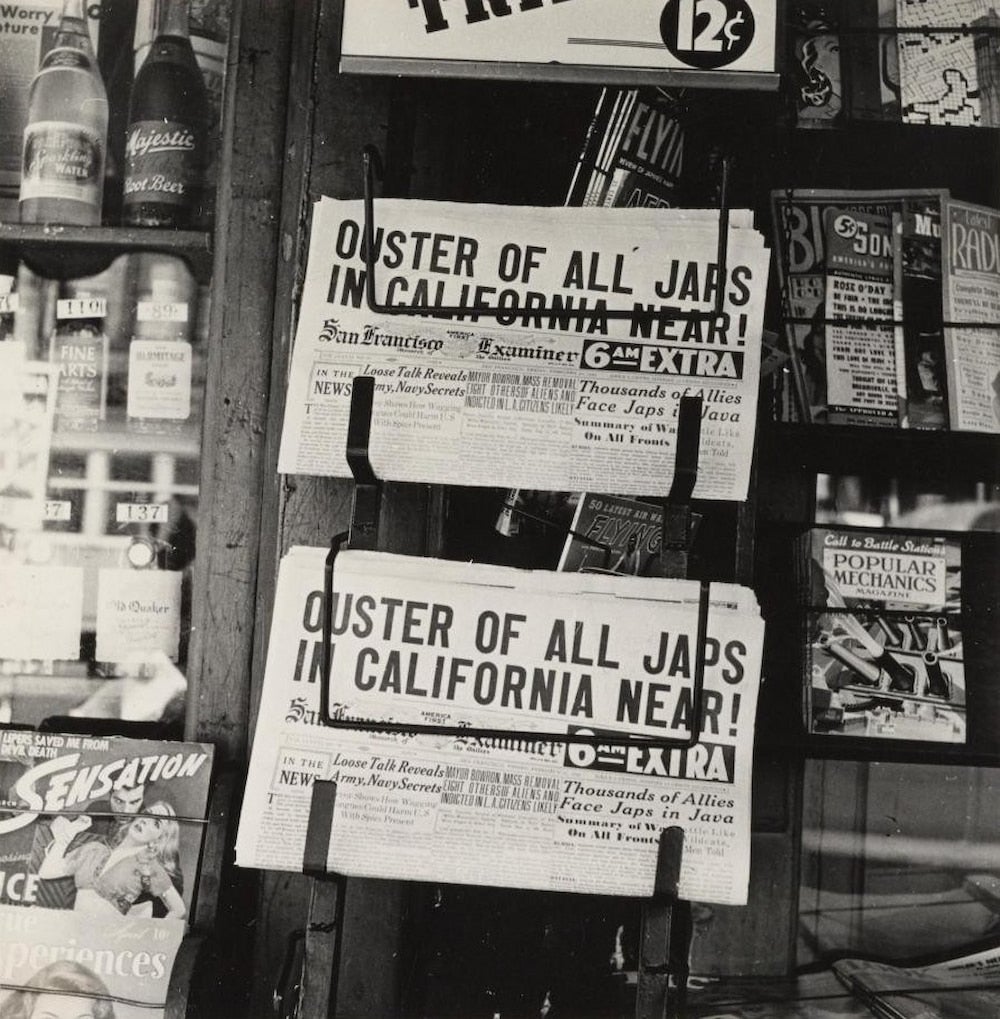
Image 28.04.02b — This 1942 San Francisco Examiner headline, “OUSTER OF ALL JAPS IN CALIFORNIA NEAR!,” signaled the beginning of the forced incarceration of Japanese Americans, including Kay Keiichi Sugahara and his family.


While Sugahara undoubtedly worked hard throughout his life, his story shows the fragility of the American Dream. Sugahara’s wealth was not only determined by the hours and effort he put into his career, but by the whims of his government’s foreign and domestic policies. Others in the Japanese American community lost everything, including their homes and businesses, and never recovered. Incarceration nearly decimated the West Coast’s vibrant Japantowns. The total extent of the economic loss of intergenerational wealth for West Coast Japanese Americans has yet to be calculated.
Policies and Institutions
In the United States, racism is structural, which means that racial favoritism and bias is embedded in history and reinforced by laws, language, and government policy. This has been true for generations. For example, during the Gold Rush era (1848–1855), Chinese American men arrived in California to primarily become miners or establish businesses, such as laundries. However, in many cases, white miners and business owners pressured local governments to drive down their competition. Chinese Americans had to pay special taxes and abide by city ordinances that targeted them specifically. Later, in the twentieth century, alien land laws forced many Japanese and Indian immigrant farmers off their farms and restricted them from leasing or owning land.
Sometimes, reforms can alleviate some problems while also overshadowing root causes. In 1965, immigration reforms permitted many people from Asian countries to immigrate to the United States, causing a rapid increase of Asian American populations across the country. Additionally, these reforms selected highly educated immigrants, or those with financial wealth, which gave them an advantage over earlier immigrants. Although it may appear that such reforms lifted Asian Americans out of poverty, it only widened the gap between the rich and the poor. The model minority myth emerged during this time; the praise Asian Americans received for being “hardworking” hid difficulties that many communities faced, including structural labor disadvantages.
Entrepreneurs and Small Businesses
To escape low wages and limited opportunities and have more autonomy in their workplaces, some Asian Americans became entrepreneurs and small business proprietors. Some groups concentrated in niche markets available to them. For example many Korean Americans established themselves in the businesses of green groceries and dry cleaners in New York State, Cambodian American entrepreneurs opened donut shops in California, Vietnamese Americans expanded the nail salon business, and many Chinese Americans found success with Chinese food establishments throughout the nation.
Listen to
An interview with Pawan Dhingra
Pawan Dhingra: And they fell into the hospitality issue by accident. And this is at a time in the ’40s and ’50s when these residential hotels were seen as places that cater to a down-and-out population where there’s going to be drugs and alcohol, whatever else going on.
The European-Americans and the Japanese-Americans who ran those hotels were looking to get out. Japanese-Americans were interned, but even Frenchmen and other European-Americans who had been running them, it’s not a lot of money to be made, and their kids didn’t want to take them over. So no one else wanted to buy these.
Audio 28.04.03 — In an interview with NPR, Pawan Dhingra, author of Life Behind the Lobby: Indian American Motel Owners and the American Dream, details the circumstances of how immigrant Gujarati farmers aspiring for autonomous professions fell into the US motel industry.
Although owning small businesses gave many Asian Americans more control over their finances and labor over the years, they were not immune to racism and other systemic problems. For example the subprime mortgage crisis of 2008 was the result of multiple institutional failures, including big Wall Street banks targeting economically disadvantaged people with predatory mortgages, which was made possible by the US government deregulating banks so they could take irresponsible risks.
When the housing market collapsed, many people—disproportionately people of color—suffered from foreclosures, job losses, and more. The only bank to receive criminal prosecution, however, was a small Chinese American–owned community bank in New York City, Abacus Federal Savings Bank. Meanwhile, none of the large corporate banks that played major roles in the crisis were criminally charged and instead received government bailouts as being “too big to fail.”
Inequalities in Income and Wealth
The model minority myth obscures the many inequalities that Asian American communities face. While it may seem like a success story to learn that the median annual income for Americans of Asian descent was higher than that of whites according to the 2020 US Census, this narrative erases the diversity within categories like “Asian American.” Income and economic wealth outcomes differ within and between immigrant groups in terms of many variables, including but not limited to:
- When and why they came to the US
- Where they came and conditions under which they migrated
- Their age, gender, and family structure
- Educational or professional background
- Amount of money they had or had access to when entering the US
- State of economic growth or decline at the time of arrival
Additionally, the laws and policies in effect at the time of migration all affected the socioeconomic status of Asian Americans and their potential to achieve the American Dream, raising the question of what that dream actually entails.
Post-1965 Immigrants and Refugees
In the middle of the twentieth century, while the United States waged war abroad, the government also began efforts to bolster its own industrial and economic development in order to fuel its fight against Communism and its competition with the Soviet Union. The United States therefore sought skilled labor from other countries, particularly in medicine and engineering. The 1965 Immigration and Nationality Act was passed, abolishing previous racial quotas and opened the door for Asians and others with education and capital to come to the US. It also opened a pathway for relatives of US citizens to immigrate.
Meanwhile, the defeat of US imperial pursuits in Southeast Asia led to the arrival of many Vietnamese, Cambodian, Hmong, and Laotian refugees. They faced overwhelming challenges as victims of war and with very different educational backgrounds, ethnic and national origins, and economic circumstances.
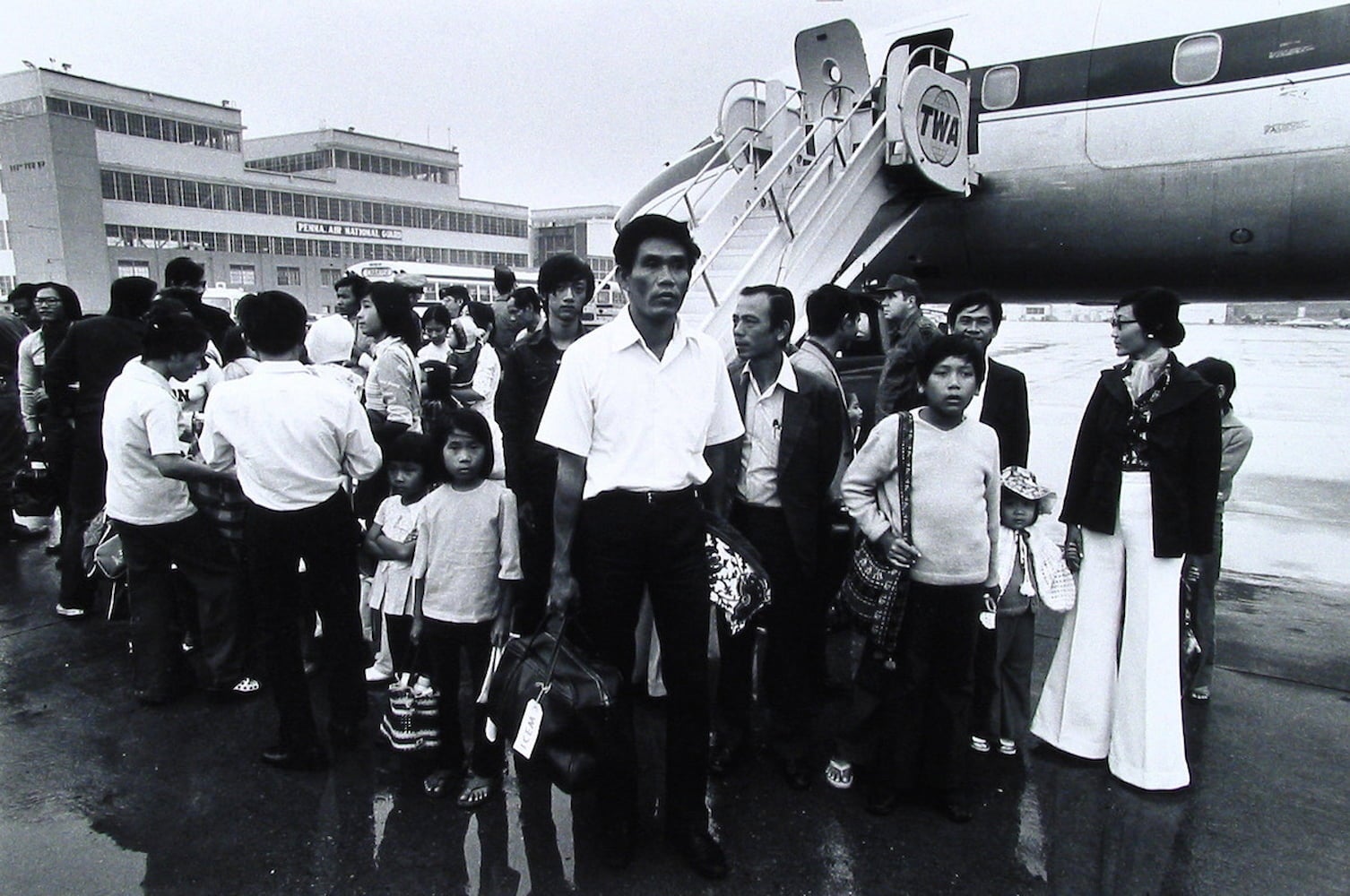
Image 28.04.04 — Vietnamese refugees disembarking from an airplane at a resettlement camp in Fort Indiantown Gap, Pennsylvania, after the end of the Vietnam War in 1975.
This marked the start of a widening economic divide among and between Asian American groups. Some Asian Americans are lauded as examples of the fulfillment of the American Dream, overcoming discrimination and hardship to become rich and successful. Others are made to feel that their lack of economic advancement is a reflection of personal shortcomings. This line of thinking insinuates that Black and Latinx people who also face economic hardship, have only themselves to blame for their problems. Not only does the model minority myth hide the role of domestic and foreign policies, it also absolves the government of responsibility to address systemic problems and encourages the abandonment of those who are most in need.

Image 28.04.05 — Perpetuated by media, such as in this 1987 cover of Time magazine, students of Asian descent are often subjected to the “model minority myth,” which includes the generalization that all Asian and Asian American students are academically gifted.
Self-help and Mutual Aid
Throughout history, Asian Americans have used the power of community cooperation and collective action for economic survival and to overcome systemic obstacles to economic equality. This includes early iterations of volunteer community organizations, such as the Chinese huiguan (regional associations), the Japanese kenjinkai (prefectural associations), and rotating credit associations, such as the Korean kye (which enabled the financing of businesses without access to formal avenues of capital investment). Other examples such as farmer cooperatives and ethnic business associations abound.
Learning about the complexities of Asian American communities illuminates how certain systems benefit some groups, but not all. While Asian American businesses were not always free of conflict and exploitation, many practiced alternatives to capitalism. Some joined collective efforts against injustice, while others performed mutual aid, established cooperatives, and cared for the common good.
Though not all Asian American entrepreneurial and business activities have been motivated by visions of community well-being, it is important to remember that commerce and business to support families and neighborhoods, which generally entail the exchange of goods and services, long predate the modern economic system of capitalism.
Glossary terms in this module
alien land laws Where it’s used
Laws enacted by California and other Western states in 1913 and 1920 that banned the purchase of land to “aliens ineligible to citizenship”, specifically targeting Asian immigrants, especially Japanese immigrants.
American Dream Where it’s used
The ideal that the United States is the land of opportunity where anyone can attain a successful and prosperous life, regardless of socioeconomic status.
capital Where it’s used
Money or possessions that are valuable and beneficial to its owner, typically used to generate more wealth.
capitalism Where it’s used
An economic system where the means of production, such as land, factories, and resources, are privately owned by individuals or corporations with the goal of generating more wealth, and in which labor is purchased in exchange for payment. Under capitalism, wealth is concentrated among those who own the means of production and different social classes emerge as a result of economic inequality.
collective action Where it’s used
A group of people coming together to organize and mobilize towards a common goal.
cooperative Where it’s used
An enterprise or organization owned and operated by a group of people in order to attain their economic, social, and cultural needs and desires.
economic wealth Where it’s used
Abundant possession of assets such as property, money or other types of resources that can be used, exchanged or sold.
entrepreneur Where it’s used
A person who takes a financial risk and makes money from starting a business.
finance Where it’s used
The management of money, capital, assets, and other resources by an individual, the government, or a corporation.
income Where it’s used
Money received on a regular basis from one’s labor or capital possessions.
model minority myth Where it’s used
The belief that Asian Americans are academically and professionally more successful than other minorities purely as a result of their capabilities and hard work. This myth creates divides between Asian Americans and other racial groups—particularly Black and Latinx people–by not recognizing historical factors leading to inequality, and it does not account for the diversity among Asian American groups themselves.
rotating credit association Where it’s used
A method of saving and lending money where members collectively contribute money and take turns withdrawing it.