


Module 1: Kānaka ʻŌiwi Maoli: Hawaiʻi Identity
Can we learn from Kānaka ʻŌiwi and the practice of aloha to understand sovereignty among Indigenous peoples around the world?
He Hawaiʻi Au
I kēia pō eia au me ʻoe
Kēia pō ua hoʻi mai au
He loa ka helena ma ke ala hele
E huli i wahi ma kēia ao
Maopopo a ua ʻike hoʻi
Ka home i loko o kuʻu puʻuwai
Ua hoʻi mai au, ke ʻike nei au
ʻAʻole au e ʻauana hou
Ke maopopo he Hawaiʻi au
I am Hawaiian
Tonight I am here with you
Tonight, I have returned
Long was my journey on the path
To seek a place in this world
I now clearly see and understand
The home within my heart
I returned when I realized this
I will not wander again
For I understand, I am Hawaiian
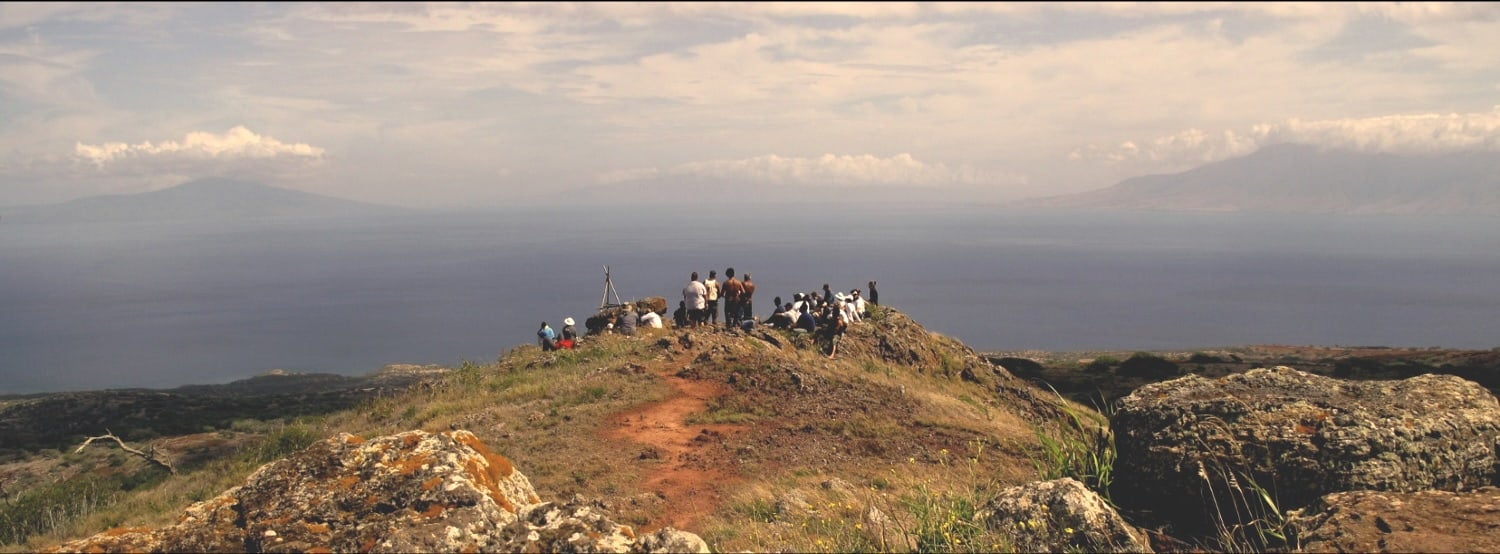
Image 22.01.01 — Kānaka ʻŌiwi envision a sovereign Hawaiʻi from Puʻu Moaʻulaiki (foreground) on the island of Kahoʻolawe, looking across to the islands of Lānaʻi, Molokaʻi and Maui (left to right). The State of Hawaiʻi holds Kahoʻolawe in trust for the future sovereign Kānaka ʻŌiwi entity.
Created date, created by Name, Title Italicized. Credit line indicating where the image is from. Metadata ↗
What does it mean to identify as Kānaka ‘Ōiwi?
What is the role of genealogies in connecting Kānaka ʻŌiwi to Hawaiʻi?
What does Indigenous mean? How are the rights of “Indigenous peoples” distinct from civil rights?