





Kānaka ʻŌiwi stand on Puʻu Moaʻulaiki, an elevated hill overlooking the ocean, and look out towards the other islands of Maui County.
Module 1: Kānaka ʻŌiwi Maoli: Hawaiʻi Identity
Can we learn from Kānaka ʻŌiwi and the practice of aloha to understand sovereignty among Indigenous peoples around the world?
He Hawaiʻi Au
I kēia pō eia au me ʻoe
Kēia pō ua hoʻi mai au
He loa ka helena ma ke ala hele
E huli i wahi ma kēia ao
Maopopo a ua ʻike hoʻi
Ka home i loko o kuʻu puʻuwai
Ua hoʻi mai au, ke ʻike nei au
ʻAʻole au e ʻauana hou
Ke maopopo he Hawaiʻi au
I Am Hawaiian
Tonight I am here with you
Tonight, I have returned
Long was my journey on the path
To seek a place in this world
I now clearly see and understand
The home within my heart
I returned when I realized this
I will not wander again
For I understand, I am Hawaiian 1
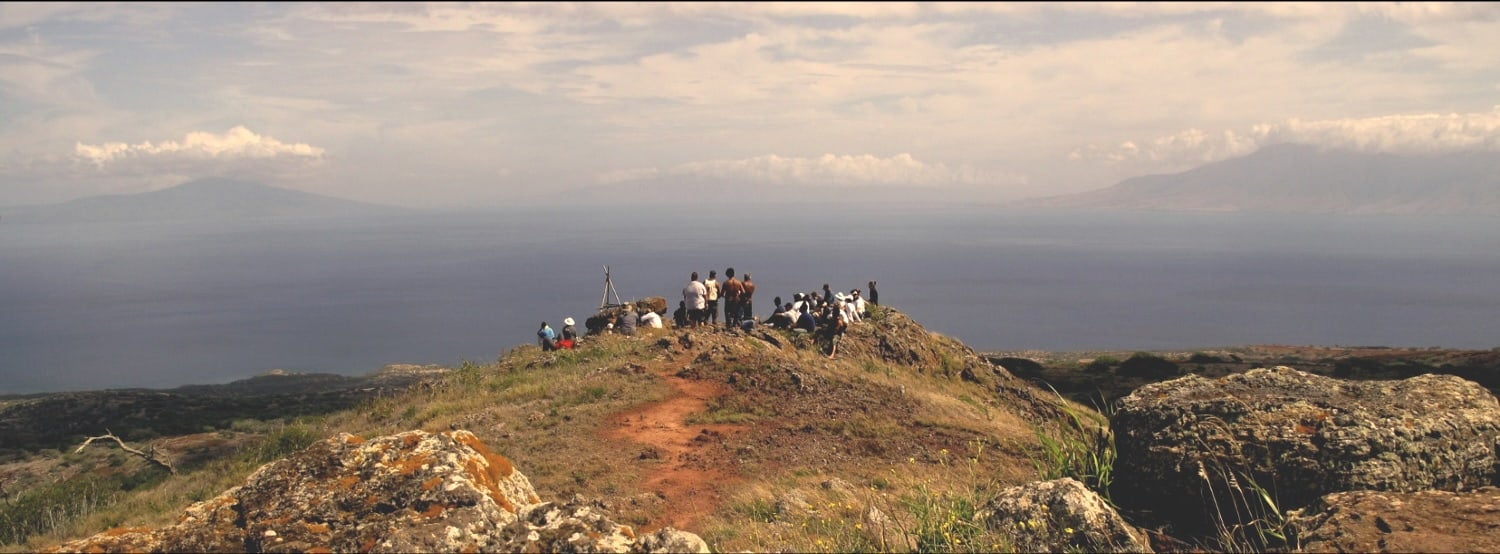
Image 22.01.01 — Kānaka ʻŌiwi envision a sovereign Hawaiʻi from Puʻu Moaʻulaiki (foreground) on the island of Kahoʻolawe, looking across to the islands of Lānaʻi, Molokaʻi, and Maui (left to right). The State of Hawaiʻi holds Kahoʻolawe in trust for the future sovereign Kānaka ʻŌiwi entity.
What does it mean to identify as Kānaka ‘Ōiwi?
What is the role of genealogies in connecting Kānaka ʻŌiwi to Hawaiʻi?
What does Indigenous mean? How are the rights of “Indigenous peoples” distinct from civil rights?
He Hawaiʻi Au: Origins and National Identity
“He Hawaiʻi Au, I am Hawaiian,” is a popular song that speaks of the deep connection of Kānaka ʻŌīwi (Native Hawaiians) to Ko Hawaiʻi Pae ʻĀina, the Hawaiian archipelago (from Kure in the northwest to Hawaiʻi island). No matter where Kānaka ʻŌiwi may go in the world, their connection to these islands remains strong, as expressed in this song.
Why do Kānaka ʻŌiwi feel such a deep connection to Hawaiʻi? For many reasons, including her remarkable natural beauty, her nurturing climate, the isolation of the islands that compels close supportive family and community relationships, or for what we call the feeling of aloha. There is also the sense of spiritual connection to the natural life of the islands. In this module, we will discuss what it means to identify as Kānaka ‘Ōiwi, and the rights of Indigenous people.
An ʻōlelo noʻeau (Hawaiian wise saying) that refers to the closeness, interrelationship and shared ancestry of Kānaka ʻŌiwi is, “Kuʻu ewe, kuʻu piko, kuʻu iwi, kuʻu koko,” meaning “My afterbirth, my navel, my bones, my blood.” 2 Kānaka ʻŌiwi, literally, “persons of the same ancestral bone,” are connected with each other through genealogies that trace ʻŌiwi origins to the islands themselves. This connection originates with Papa, the earth mother and Wākea, the sky father who are common shared ancestors of all Kānaka ʻŌiwi.
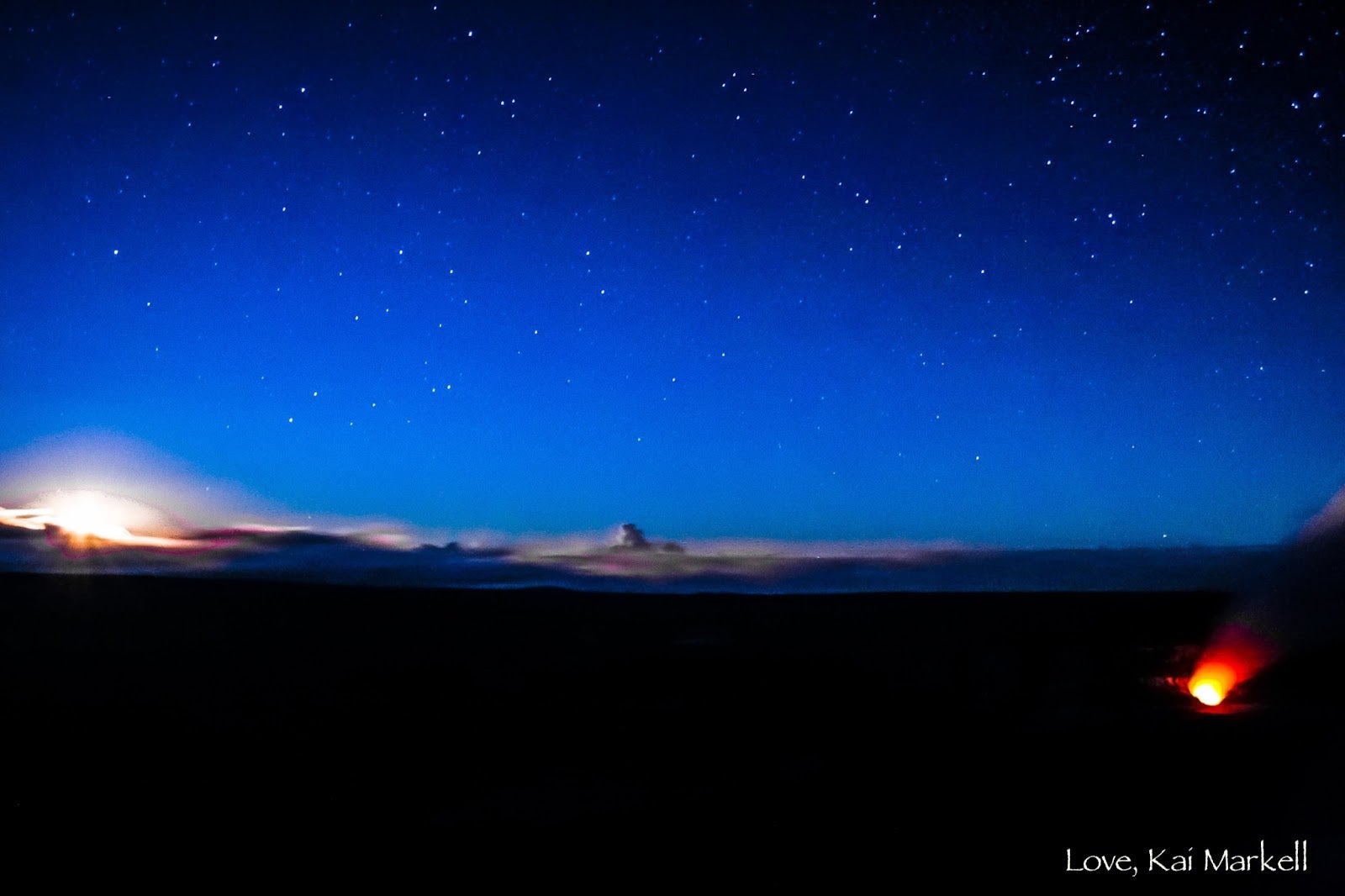
Image 22.01.02 — All Kānaka ʻŌiwi genealogies trace ancestry to Papahānaumoku (Earth mother) and Wākea (Sky Father). “Mauna A Wākea,” the full name of the mountain in this image, means “mountain child of Wākea.”
The following chant shows how Papa and Wākea, the ancestors of all Kānaka ʻŌiwi are also the ancestors of the islands.
ʻO Wâkea noho iā Papahānaumoku
ʻO Wākea noho iā Papahānaumoku
Hānau ʻo Hawaiʻi, he moku
Hānau ʻo Maui, he moku
Hoʻi hou ʻo Wâkea noho iā Hoʻohākākalani
Hānau ʻo Molokaʻi, he moku
Hānau ʻo Lānaʻikaula, he moku
Liliʻōpūpunaluʻa ʻo Papa iā Hoʻohōkūkalani
Hoʻi hou ʻo Papa noho iā Wākea
Hānau ʻo Oʻahu, he moku
Hānau ʻo Kauaʻi, he moku
Hānau ʻo Niʻihau, he moku
He ʻula aʻo Kahoʻolawe
Wākea lived with Papa, who births islands
Born was Hawaiʻi, an island
Born was Maui, an island
Wākea lived with Hoʻohōkūkalani
Born was Molokaʻi, an island
Born was Lānaʻi, an island
The womb of Papa became jealous at its partnership with Hoʻohōkūkalani
Papa returned and lived with Wākea
Born was Oʻahu, an island
Born was Kauaʻi, an island
Born was Niʻihau, an island
Red and sacred was Kahoʻolawe 3
The genealogies of Kanaka ʻŌiwi chiefs trace to the origin of life in the islands and the islands themselves. These relationships of Kānaka ʻOiwi to each other, the islands, and natural life on the islands is the foundation for the Lāhui Hawaiʻi, the Hawaiian nation and the national identity of Kānaka ʻŌiwi.
A Living Language and Culture
ʻŌlelo Hawaiʻi (Hawaiian language) was an oral and aural language until the 1820s. Traditional customs, beliefs, and practices were passed on orally from one generation to the next through oli (chants), kaʻao (legends), moʻolelo (histories), and genealogies. They were eventually written and recorded in Hawaiian language newspapers, ethnographic collections, and by scholars in the nineteenth and twentieth centuries.
Similarly, oral histories that were collected by Kānaka ʻŌiwi scholars, and stories and articles were published in 1.5 million pages of over one hundred different Hawaiian language newspapers from 1834–1948. Oli (chants) and hula (dance), lāʻau lapaʻau (healing practices), and lua (fighting arts) are still taught orally by kumu (master teachers) in hālau (schools) or by elders within ʻohana (extended families), conveying a sense of ancestral connection between humans, nature, and the universal life cycles and energy.
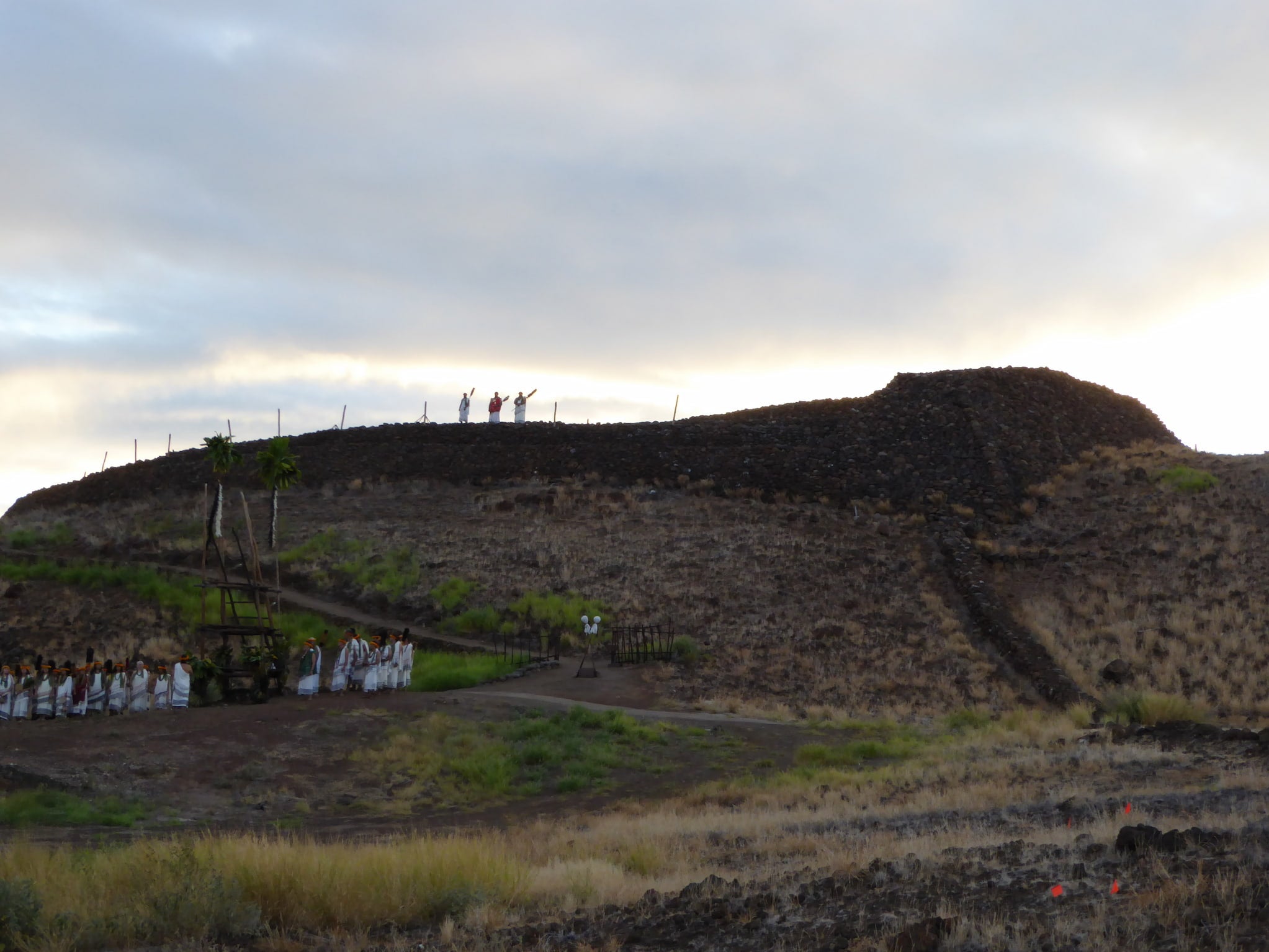
Image 22.01.03 — In August 1791, King Kamehameha dedicated the Puʻu Koholā Heiau by sacrificing his last rival over control of Hawaiʻi Island, High Chief Keouakūahuʻula of Kaʻū. In August 1991, the first annual ceremony to reunify descendants of Kamehameha and Keouakūahuʻula was held.
When colonial American policies banned the Hawaiian language as an official language and medium of school instruction, many Kānaka ʻŌiwi became disconnected from their histories, ancestral knowledge, and heritage. Nevertheless, ʻŌiwi persisted. ʻOhana in rural Hawaiian communities, and hālau of hula, lua, lāʻau lapaʻau, kapa (bark cloth), and lauhala (pandanus leaf) weaving perpetuated oli and moʻolelo related to their traditional cultural practices as part of a living ʻŌiwi culture.
Kānaka ʻŌiwi: An Indigenous People
Learning about the history and conditions of Kānaka ʻŌiwi also provides an opportunity to understand the rights of Indigenous peoples in the United States and internationally. Within the US, the rights of Indigenous peoples arise from a unique legal relationship based upon the US Constitution, treaties, statutes, executive orders, and court decisions. Indigenous American Indian nations hold inherent or natural powers of self-governance and self-determination because they are sovereign nations that existed before the formation of the United States. Likewise, Hawaiʻi existed as a sovereign and independent nation before the formation of the US.
In addition, as noted in the law of apology by the US government to Kānaka ʻŌiwi, “from 1826 until 1893, the United States recognized the independence of the Kingdom of Hawaiʻi, extended full and complete diplomatic recognition to the Hawaiian Government, and entered into treaties and conventions with the Hawaiian monarchs to govern commerce and navigation in 1826, 1849, 1875 and 1887.” 4
The US federal government, through the Department of Interior, sustains a government-to-government relationship with 574 native nations and supports the exercise of certain natural powers of self-governance under US law. Kānaka ʻŌiwi have the right to exercise these same powers. The Obama administration set up a process that enables Kānaka ʻŌiwi to establish a governmental relationship with the US Department of Interior and engage in a government-to-government relationship.
Kānaka ʻŌiwi and other Indigenous peoples also have rights recognized under international law. From 1976 to 1987, the United Nations Sub-Commission on Prevention of Discrimination and Protection of Minorities studied Indigenous peoples in thirty-seven different countries. The definition of Indigenous peoples in the UN report can be applied to Kānaka ʻŌiwi:
Indigenous communities, peoples and nations are those which, having a historical continuity with the pre-invasion and pre-colonial societies that developed on their territories, consider themselves distinct from other sectors of the societies now prevailing in those territories, or parts of them. They form at present non-dominant sectors of society and are determined to preserve, develop and transmit to future generations their ancestral territories, and their ethnic identity, as the basis of their continued existence as peoples, in accordance with their own cultural patterns, social institutions and legal systems. 5
A Declaration on the Rights of Indigenous Peoples was adopted by the United Nations General Assembly on September 13, 2007. The following are rights held by Kānaka ʻŌiwi:
Article 5 Indigenous peoples have the right to maintain and strengthen their distinct political, legal, economic, social and cultural institutions, while retaining their right to participate fully, if they so choose, in the political, economic, social and cultural life of the State. 6
Article 26: Indigenous peoples have the right to the lands, territories and resources which they have traditionally owned, occupied or otherwise used or acquired. 7
Although the United States initially did not vote in favor of the Declaration, on December 16, 2010, President Barack Obama announced US support for the Declaration and specifically mentioned Kānaka ʻŌiwi.
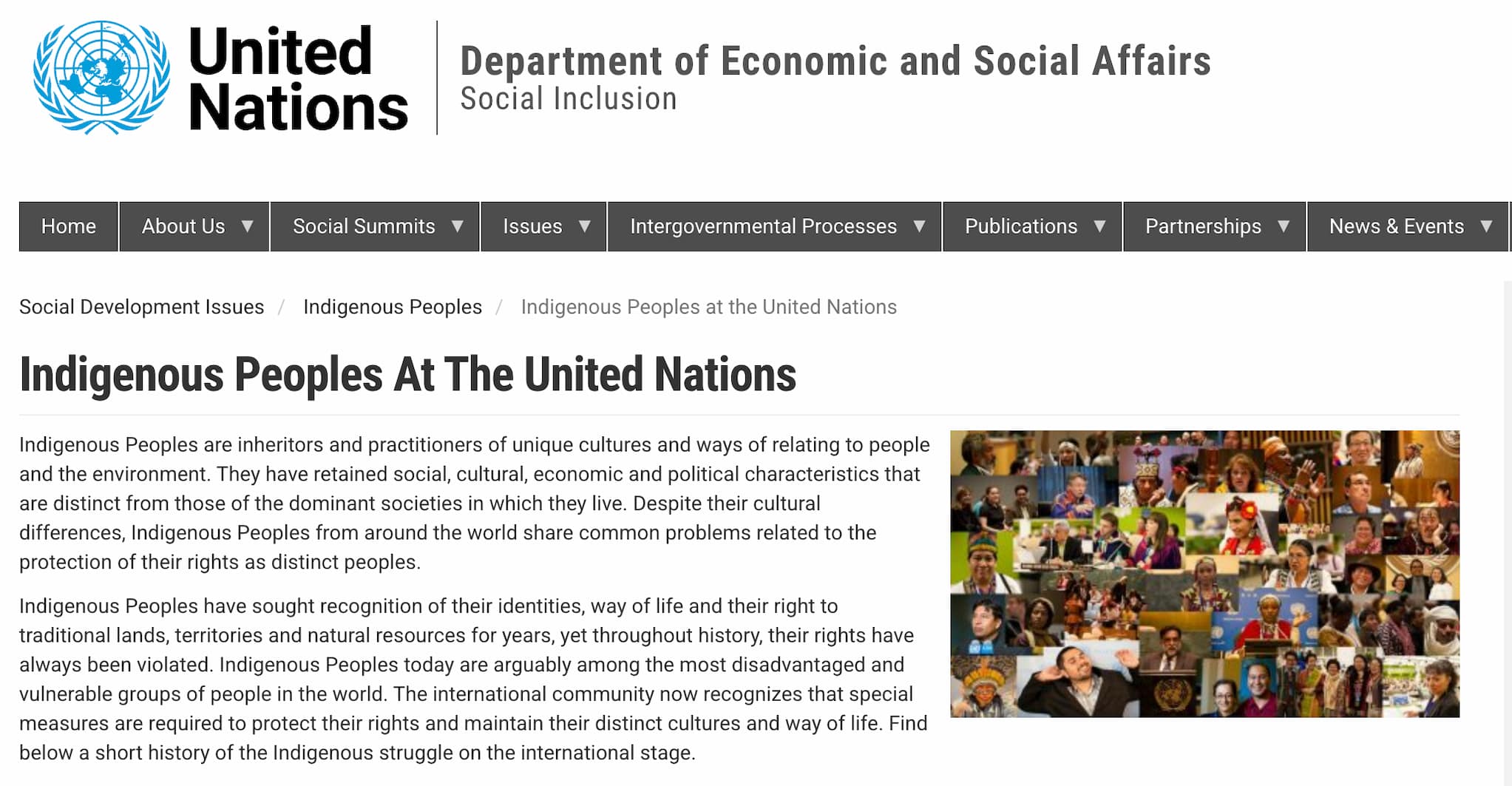
Image 22.01.04 — The United Nations Declaration on the Rights of Indigenous Peoples recognizes the rights of these vulnerable groups, including Kānaka ʻŌiwi, to perpetuate their language, culture, religious beliefs and practices, and manage ancestral territories.
The US Congress has passed hundreds of laws acknowledging and funding programs for Kānaka ʻŌiwi. However, these rights and entitlements have been challenged and undermined by anti-Kānaka ʻŌiwi groups such as Aloha for All and the Grassroots Institute of Hawaiʻi. These groups claim that anyone who lives in Hawaiʻi is Hawaiian, just like how anyone who lives in California is a Californian.
They argue that rights and entitlements to Kānaka ʻŌiwi is a race-based privilege and a violation of the 14th Amendment of the US Constitution. They claim that Kānaka ʻŌiwi are a racial group and not Indigenous because their ancestors arrived to Hawaiʻi from other Polynesian Islands, and that with the contact and importation of contract laborers, these groups have intermarried and assimilated into mainstream Hawaiʻi society. These claims have been filed with courts but not upheld.
Such challenges by these groups are of themselves racial discrimination against Kānaka ʻŌiwi, as they would deny the just claims and entitlements of Kānaka ʻŌiwi as an Indigenous people. All racial and ethnic groups in the US have civil rights—such as the right to vote and equal access to education, health care, justice, decent housing, and a living wage.
In addition, Indigenous peoples have the right to perpetuate their language, cultural and spiritual beliefs and practices, as well as live on and manage ancestral lands and territory. This is why it is important to understand how Kānaka ʻŌiwi are a unique Indigenous people with a living culture, language, and ancestral lands. They are a part of, yet distinct from, the people who live in Hawaiʻi, and the US.
Who are Kānaka ʻŌiwi today?
According to the 2010 US Census, there were 527,077 Kānaka ʻŌiwi in the United States, with 289,970 (55 percent) living in Hawaiʻi, and 237,107 (45 percent) living in the continental US. Kānaka ʻŌiwi comprised 21.3 percent of Hawaiʻi’s population in 2010. Only 2,000 have full Kānaka ʻŌiwi ancestry.
The colonization of Hawaiʻi has led to actions aimed at separating Kānaka ʻŌiwi from ancestral lands, fracturing extended family relationships, and demeaning spiritual and cultural beliefs and customs. Kānaka ʻŌiwi today have lower incomes, and higher unemployment and incarceration rates, and reliance on public assistance. Kānaka ʻŌiwi also have poor health, high rates of cardiovascular disease and cancer due to low incomes that hinder access to health care. The life expectancy rate for Kānaka ʻŌiwi is six years lower than that of Hawaiʻi’s multiethnic population as a whole. These conditions reflect the lasting effects of colonization on Kānaka ʻŌiwi.
Among the 45 percent of Kānaka ʻŌiwi living outside of Hawaiʻi, many are students attending American colleges and universities, former students who secured jobs in their chosen profession upon graduation, or married and started families. A number of Kānaka ʻŌiwi serve in the US armed forces or are dependents of those who do, and many moved to the mainland because it is just too expensive to live in Hawaiʻi. According to the 2010 US Census, a large number of Kānaka ʻŌiwi reside in California (74,932), Washington (19,863), Nevada (16,339), and Texas (13,192). Even while living away, Kānaka ʻŌiwi manage to sustain strong relationships among each other, with their families, and to Hawaiʻi.
Wherever Kānaka ʻŌiwi may reside, their connection to Hawaiʻi remains strong knowing that they are of Hawaiʻi, as spoken of in the opening song for this chapter: He Hawaiʻi Au, meaning “I am of Hawaiʻi, I am Hawaiian.”
Glossary terms in this module
genealogy Where it’s used
A line of descent that traces back to an ancestor.
hula Where it’s used
The cultural dance of Kānaka ʻŌiwi which manifests in many ancient and contemporary forms. Hula is at the heart of Kānaka ʻŌiwi culture.
self-determination Where it’s used
The right of a people to freely determine their political status and freely pursue their economic, social, and cultural development without external interference. This right is recognized by the United Nations and is an important aspect of human rights.
Endnotes
1 The Sunday Manoa, “He Hawaiʻi Au,” track 7 on Guava Jam: Contemporary Hawaiian Folk Music, Hula Records, 1969.
2 Mary Kawena Pukui, ʻOlelo Noeʻau: Hawaiian Proverbs and Poetical Sayings (Bishop Museum Press, 1983), 207.
3 Davida Malo, Hawaiian Antiquities, trans. Nathaniel B. Emerson (Bernice Pauahi Bishop Museum Press, 1951), 318.
4 Pub. L. No. 103-150, 107 Stat. 1510 (1993).
5 Jose R. Martinez Cobo, Study of the Problem of Discrimination Against Indigenous Populations. Volume 5, Conclusions, Proposals and Recommendations (United Nations, 1987), 29.
6 G.A. Res. 61/295, United Nations Declaration on the Rights of Indigenous Peoples, art. 5 (Sept. 13, 2007), https://digitallibrary.un.org/record/606782?ln=en&v=pdf.
7 G.A. Res. 61/295, United Nations Declaration on the Rights of Indigenous Peoples, art. 26 (Sept. 13, 2007), https://digitallibrary.un.org/record/606782?ln=en&v=pdf.