





Five South Asian women march in a row on a street between tall buildings. They each hold multi-colored signs that spell out the word “Sakhi.”
Module 1: Asian American and Pacific Islander Women Stereotypes and Counternarratives
Does the media portrayals of Asian American and Pacific Islander women’s stories change the way they are treated in society?
Ideas about groups and people form not only through experiences, but also through storytelling. Representation of Asian American and Pacific Islander women in the media has historically been scarce and one-dimensional. For example, Nobu McCarthy was a Japanese Canadian actress who was among the few women of Asian descent in Hollywood between 1958 and 2005. She was often cast in different East Asian ethnic roles, despite her actual heritage. During her time, she encountered casting directors who were quick to typecast her.
When recounting her experiences in the documentary film Slaying the Dragon (1988), McCarthy shared:
One time I went to an audition and they said to me, “This character, we see her as a dragon lady.” I said to them, “No, I don’t know what that is, and so I can’t play the role.” I walked out. 1
Recognizing that she was being asked to play a harmful stereotype, McCarthy refused. Still, given the limited roles in Hollywood, she did often have to play stereotypical parts, including geishas, abused prostitutes, and helpless immigrant women.
This module introduces the origins of stereotypical stories about Asian American and Pacific Islander women in the media, the impact of such stories, and how they persist today.
How does media representation impact how others are viewed and treated?
What are the benefits of telling your own story and the stories of those like you?
What key Asian American and Pacific Islander women-led organizations and collectives have changed how women are viewed and treated?
Asian American and Pacific Islander Women Stereotypes
Throughout American history, the media has often depicted Asian American and Pacific Islander women as submissive and passive sexual objects. They are portrayed as both desirable and villainous in films, music, and books. These stereotypes originated from specific immigration policies.
The first Asian exclusion law, the Page Act of 1875, specifically forbade the entry of Asian women who were prostitutes from “China, Japan or any Oriental country,” but such policies had numerous reverberations. First, the policy forbade any Asian women from migrating to America, even if there was no evidence that they were sex workers. While 50,000 Chinese men immigrated to the US between 1880 and 1882, only 550 Chinese women were allowed entry.
While the policy targeted Chinese women specifically, anyone from Asia was impacted. Second, such policies made it illegal for Chinese laborers and miners who immigrated to the US in the late eighteenth century to bring their Chinese wives and children. Finally, this separation of families led to difficulty for Chinese migrant workers who had to work without their immediate family members.
Reflection Question
Can you name any contemporary music, show, or film that channels these early stereotypes about Asian American and Pacific Islander women?
US Militarism
In the endeavor to gain global control against Communism during the Cold War, the United States deployed soldiers across the Pacific Rim to contain the Soviet bloc and its Communist forces in Asia. The American military built bases in Korea, Taiwan, Guam (Guåhan), the Philippines, Japan, and Vietnam. In turn, military bases siphoned land and resources from the local population, disrupting local economies and ecosystems.
In addition to the construction of military bases, the US also waged proxy wars across Asia and the Pacific. In these struggling economies, there were limited work opportunities, and military base-related work became a way for women to make ends meet. While some were able to take wartime roles as nurses and translators, many worked at bars, clubs, and brothels that entertained foreign soldiers. Some soldiers returned home with war brides, who were often met with discrimination and rejection in US society. Yet other US soldiers who had children with their Asian counterparts often left them behind to be rejected and discriminated against. These wartime experiences furthered the stereotype of Asian American and Pacific Islander women as sexual and passive objects of desire.
From 1991 to 2011, America’s war in Iraq and Afghanistan provided a similar experience for Middle Eastern and Central Asian women in these regions. Middle Eastern and North African (MENA) women were portrayed equally as mysterious and alluring at the same time as they were helpless victims in need of saving. In particular, after the 9/11 attacks, fictional stories about violent, oppressive Southwest Asian and North African (SWANA) men, as well as fearful and submissive SWANA women, became a common portrayal in mainstream media.
Both narratives exoticize women or portray them as titillating because they were atypical. When applied to a person, exoticization means focusing on how someone is physically or culturally different from mainstream norms without seeing that individual for their personal attributes. This often leads to stereotypes that ultimately objectify or essentialize a person or culture as that one strange trait based often upon race or sex.
When the exoticization takes on a sexual nature, a fetishization takes place, making someone an object of desire based on a sexual trait. Some of the earliest examples could be seen in the South Seas Cinema film genre that cast non-Indigenous women as “island natives” in coconut bras serving Western male explorers. In effect, micro-aggressions, comments and behaviors that fetishize Asian American, Pacific Islander, and SWANA women, objectify them. These attitudes have created the context for derogatory, non-consensual, and violent acts carried out against Asian American and Pacific Islander women and their bodies.
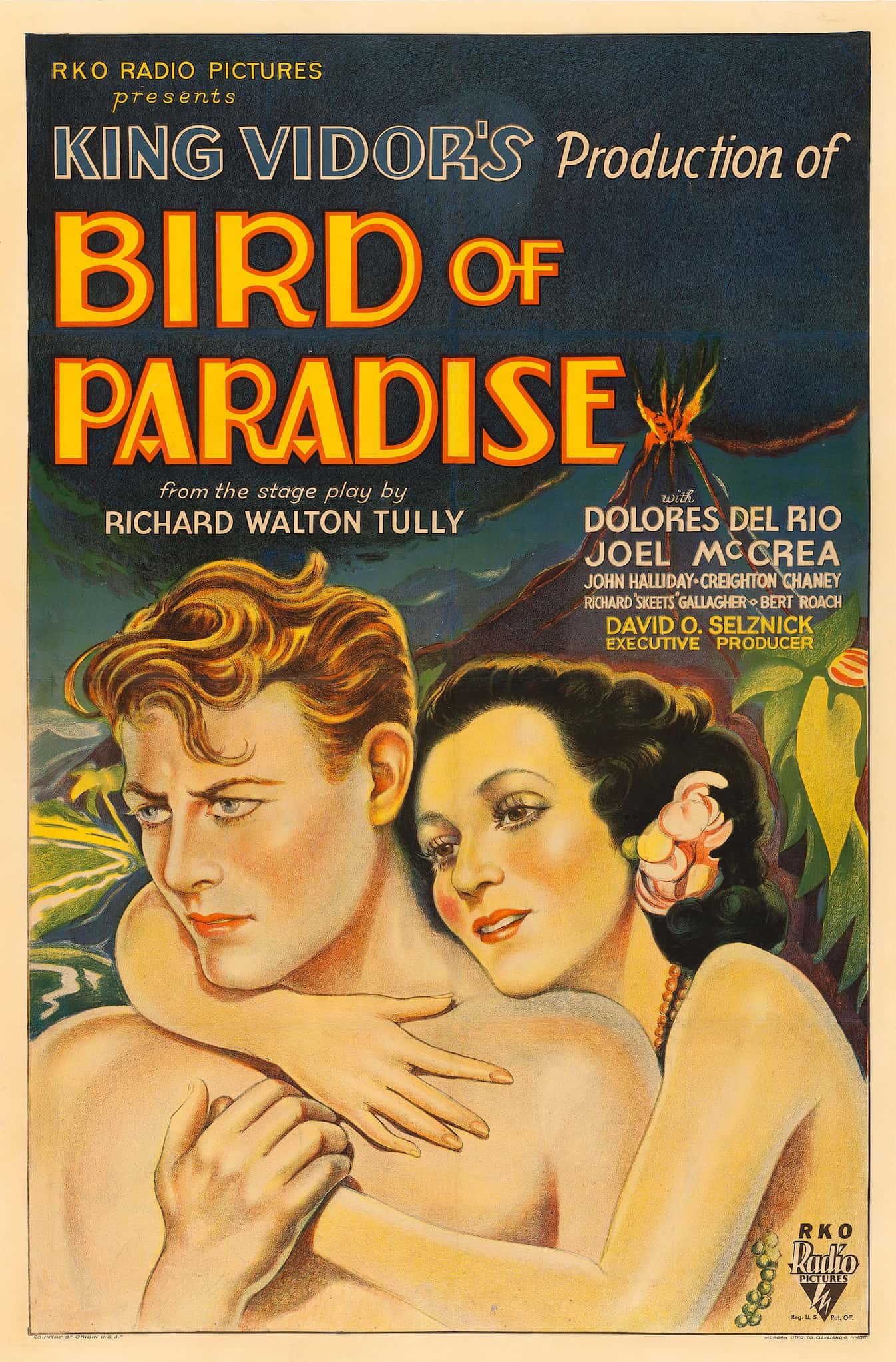
Image 26.01.01a — South Seas Cinema films like Bird of Paradise (1932) laid the basis for the fetishization of Asian American and Pacific Islander women. Mexican actress Dolores del Río played the female lead, Luana—a sexualized Pacific Islander.
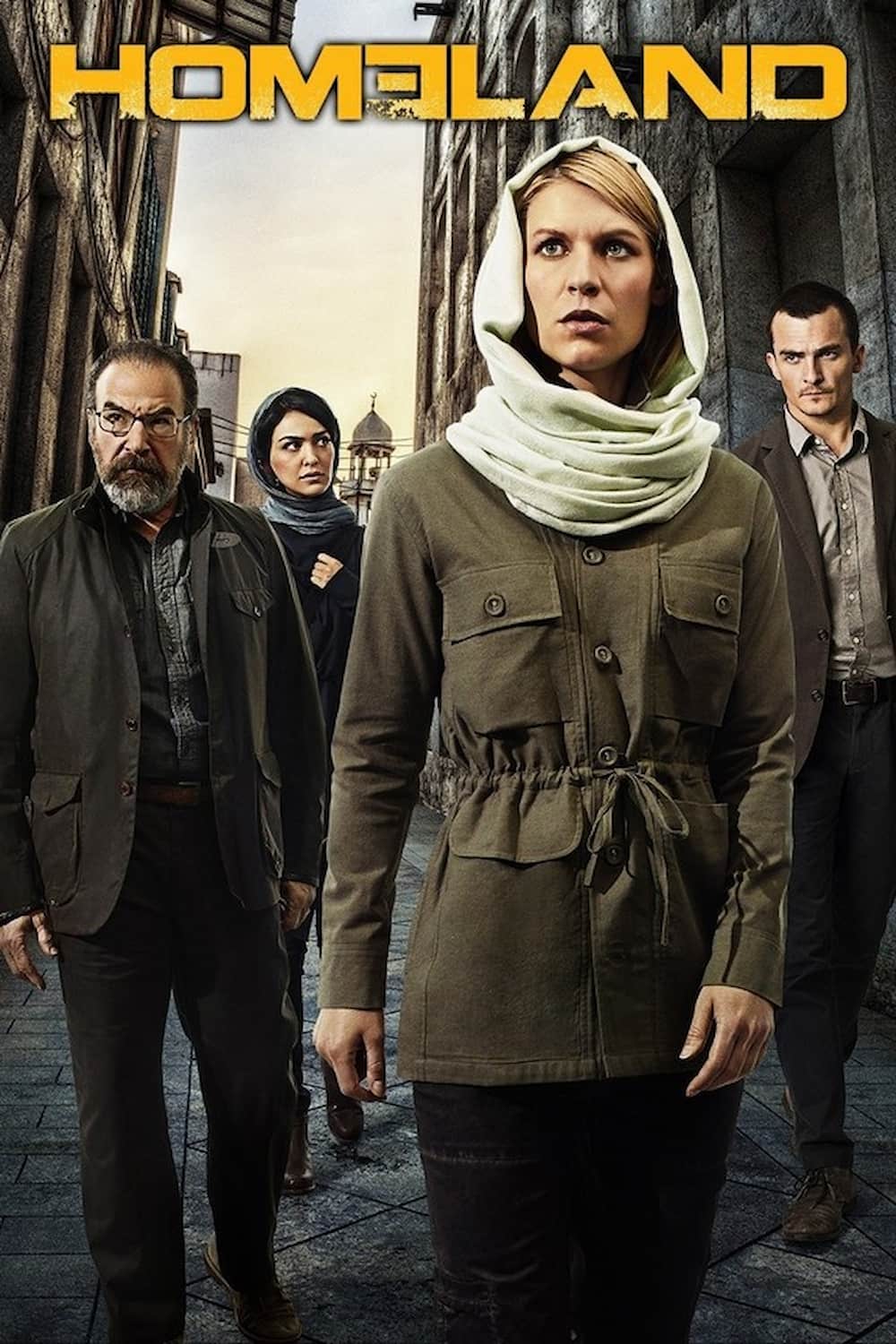
Image 26.01.01b — TV shows like 24 and Homeland, as well as movies like American Sniper, depict Middle Eastern and North African women as vulnerable victims in need of American soldiers’ protection. These stories would often justify acts of violence and invasion.
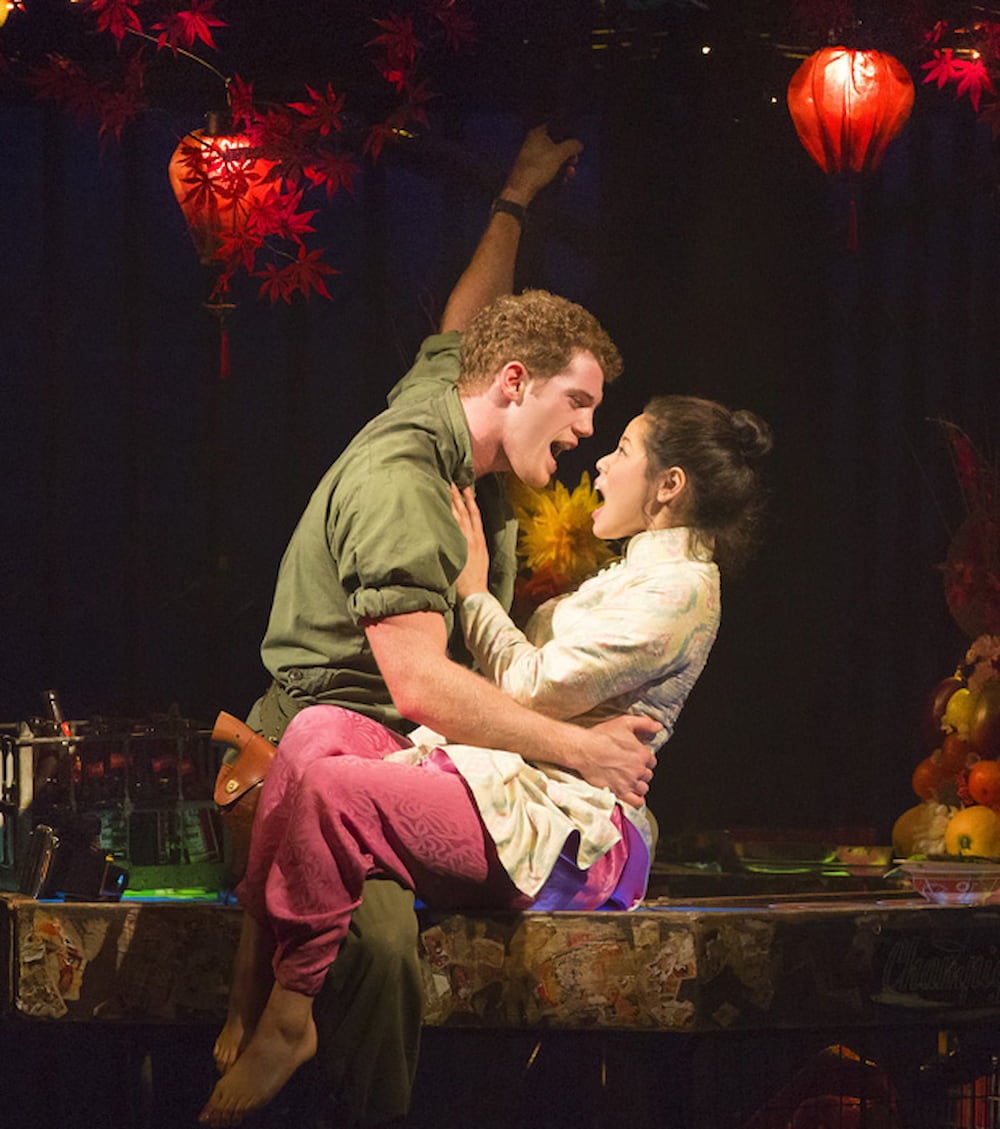
Image 26.01.01c — The 1989 musical Miss Saigon, based on Puccini’s opera Madame Butterfly, depicts a tragic love story portraying the protagonist—a seventeen-year-old Vietnamese bargirl—as helpless and desperately in love. While it originally received acclaim, community groups protested its portrayal of Vietnamese women.



These fictional depictions produce cultural power by telling the story that is most accepted by society. Cultural power also reinforces stereotypes with real impacts on Asian American and Pacific Islander women. Whoever wields cultural power heavily influences what a group or society believes or how a particular group of people is perceived. Access to cultural power often depends on control of media. It also relies on their credibility as a trusted source of entertainment, information, or quality art. In sum, the soft power of culture is influential.
False Narratives, Real Consequences
In March 2021, a twenty-one-year-old white gunman targeted Asian women employees at three different massage spas in Atlanta, Georgia, killing eight people including six Asian women. After confessing to the fatal shooting, he told police that he targeted Asian-owned massage parlors because they were sites of temptation for sex.
Such stereotypes of Asian women date back to the early 1800s, but they continue to motivate violence toward Asian American and Pacific Islander women today, wreaking havoc on their families and communities. The women killed were targeted because of their gender, race, and class. While it was the gunman’s choice to act violently, many Asian American women’s organizations conjectured that his actions were shaped by the false narratives surrounding Asian American and Pacific Islander women as hypersexual and passive.
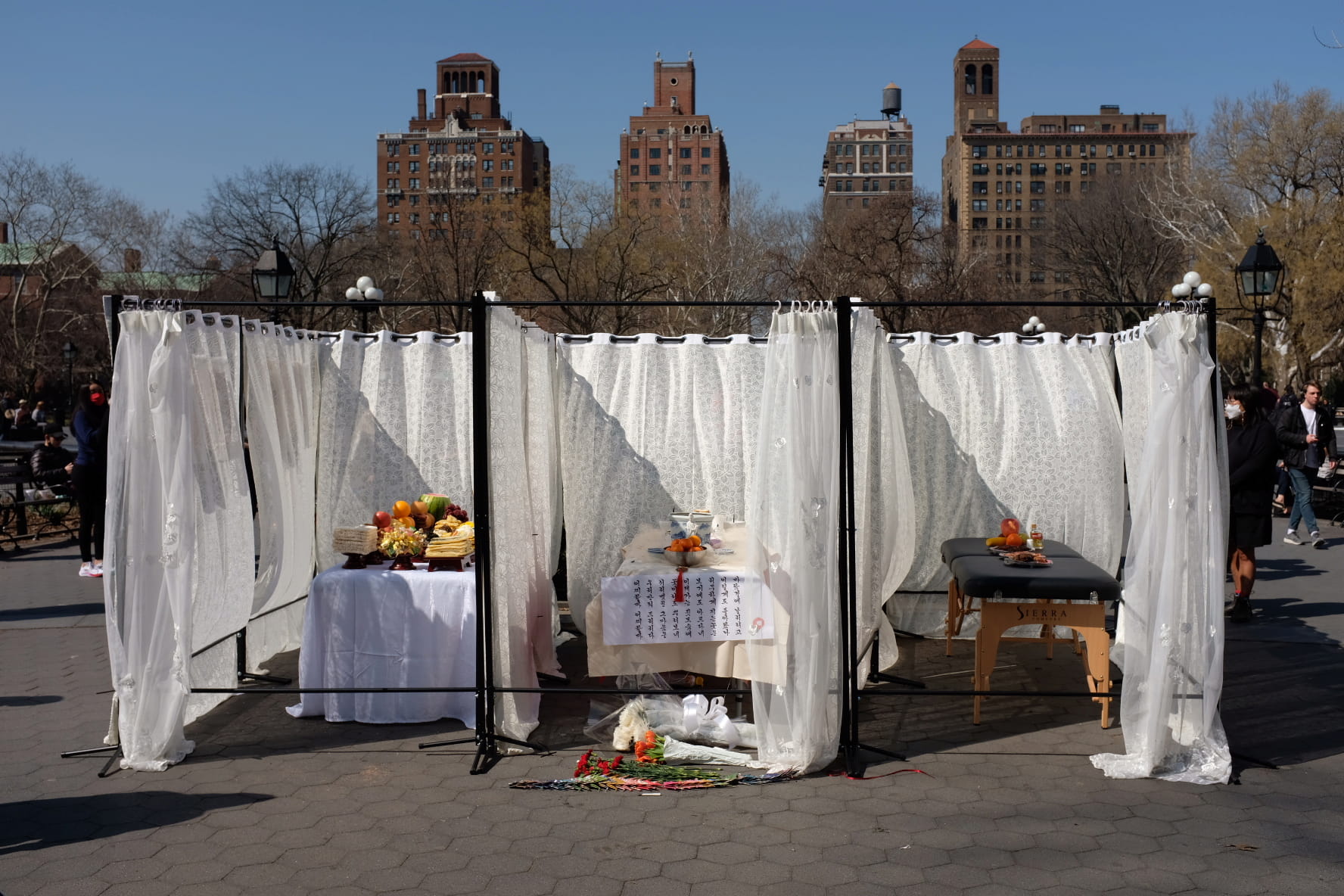
Image 26.01.02 — In 2022, one year after the Atlanta spa shooting, Red Canary Song organized a vigil honoring the eight lives lost during the shooting. The organization created installations resembling massage stations with fruit and flower offerings.
After the shootings, the advocacy organization Red Canary Song posted a letter on its website saying, “This act of violence against migrant Asian women connected to sex work belongs to the foundational history of the US where, for centuries, sexual violence and misogyny have been tools of white supremacy, anti-Asian racism, imperialism, and colonialism.” The letter encourages readers not to simply address individual hate crimes, but to also address the “broader culture and structures of society that produce such individuals.” 2
Actress Lucy Liu reflected on the dangers of stereotypes as quoted in an essay in The Washington Post:
Asians in America have made incredible contributions, yet we’re still thought of as Other. We are still categorized and viewed as dragon ladies or new iterations of delicate, domestic geishas—modern toile. These stereotypes can be not only constricting, but also deadly. 3
These shootings and the tragic deaths of working class immigrant Asian and Asian American women occurred during a period of anti-Asian hate of the COVID-19 lockdown that began in the spring of 2020. The sense of helplessness and outrage voiced not only by Liu but by many others calls for change and action.
Crafting Counternarratives
The stereotypes and false narratives about Asian American and Pacific Islander women have been challenged by these same women and their allies throughout recent history. Through collective action and community-led activism, many Asian American and Pacific Islander women’s groups have sought to transform the images and thus change the reality surrounding their lives. In doing so, they counter the stereotypes and other false narratives to challenge mainstream portrayals of Asian American and Pacific Islander women. Shifting the narrative by telling new stories that are more genuine and comprehensive of the women’s lived experiences can transform cultural suasion and empower women anew.
In response to the Atlanta massage parlor shootings, many grassroots community actions emerged to tell a story that would humanize and honor the people killed. The news often failed to name the victims or share much about their lives. In response, the People’s Collective for Justice and Liberation held virtual healing circles, townhalls, and educational workshops to bring together communities seeking to support those impacted by the shooting and address racialized gender-violence.
During the midst of the COVID-19 pandemic, the People’s Collective brought together over 7,000 people through their virtual town halls. Additionally, the Massage Parlor Worker Outreach Program in Seattle organized a vigil to honor the lives lost and the broader challenges that massage workers face due to social stigma and racism.
Other organizations with a longer history remain active in the fight for new narratives. For example, California-based Asian Women United (AWU) seeks to dispel the anti-women narratives. Since 1976, the organization has analyzed the portrayal of Asian American and Pacific Islander women in the media and produced films, publications, and other forms of content to depict women’s diverse lived experiences. Their goal is to capture stories missing from the mainstream.
AAPI Women Lead is an organization dedicated to ending violence against Asian, Native Hawaiian, and Pacific Islander women, girls, and non-binary people. The organization highlights the voices of Asian American, Native Hawaiian, and Pacific Islander (ANHPI) educators and storytellers through platforms such as social media and conferences. Through partnerships with large media organizations such as A24, HBO Max, and Elle magazine, they bring awareness to the challenges and untold stories of the community. At the center of these stories are the histories behind the violent acts, pinpointing the root causes of discrimination rather than the superficial symptoms.
These and other groups recognize the different histories that Asian American and Pacific Islander women embody and experience. Sahki, for example, is a New York-based organization founded by women in 1989, and they address gender-based violence in the South Asian community. Sahki serves South Asian survivors of gender violence from Bangladesh, the Caribbean, India, Nepal, Pakistan, and Sri Lanka. Further, Sahki provides advocacy, storytelling, housing, financial resources, and emotional support for those in need.
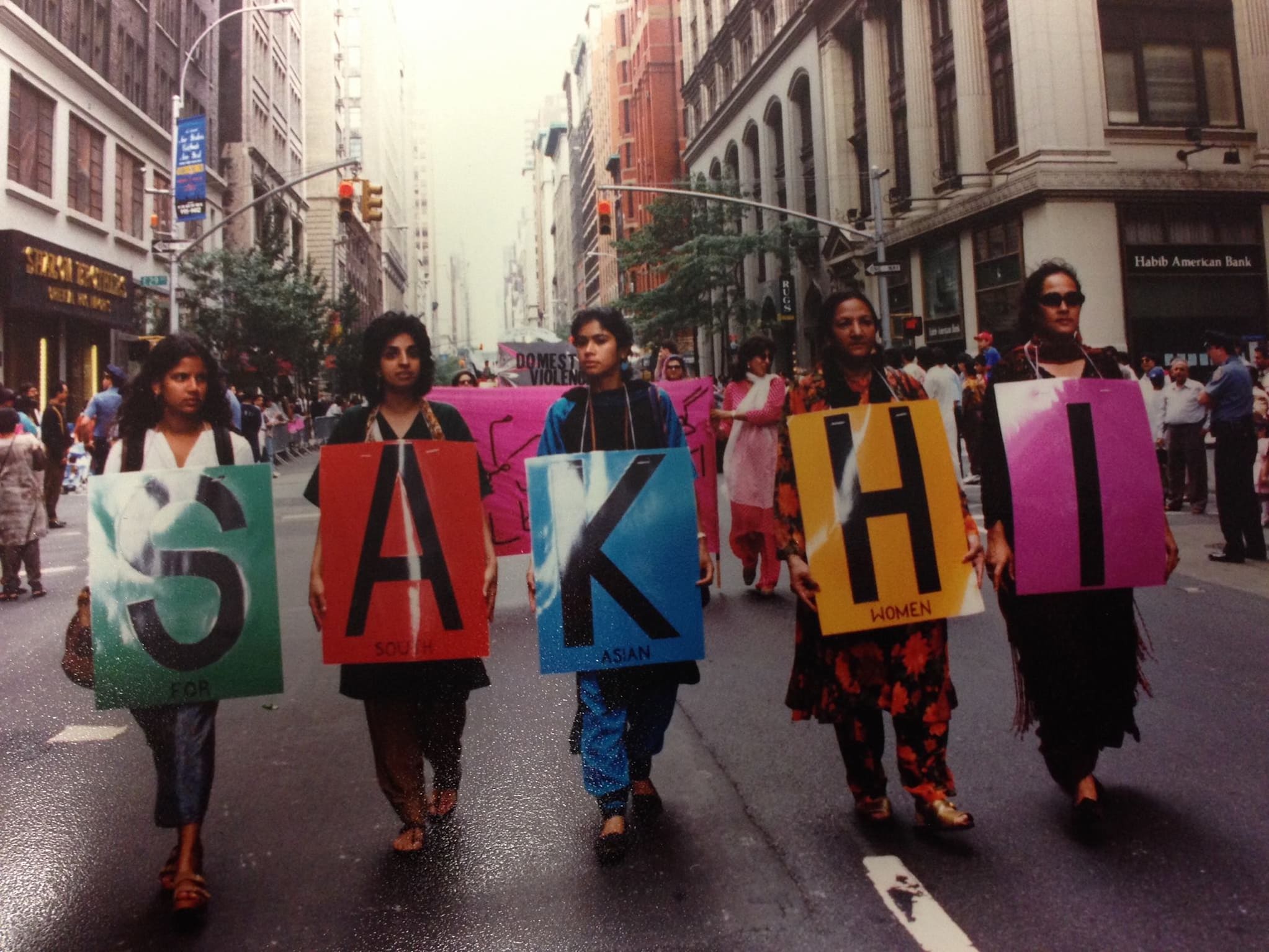
Image 26.01.03 — Sakhi’s founders and members bring awareness to gender justice and violence against South Asian women. They were the second South Asian women’s organization founded in the United States.
Conclusion
Asian American and Pacific Islander women’s narratives in mainstream American culture have relied on essential and one-dimensional stereotypes as submissive or sexual objects of desire. The legacies behind these stereotypes are rooted in ideas of white superiority and imperial wars across the Pacific Rim during the late-nineteenth and twentieth centuries. Generations after the Page Act of 1875, the stereotypes and narratives surrounding Asian American and Pacific Islander women remain difficult to dispel, and they continue to incite aggression against them today. It is through understanding the origins of these false narratives, creating new ones, and taking collective action that the harm seeded by past generations can begin to be uprooted.
Glossary terms in this module
collective action Where it’s used
A group of people coming together to organize and mobilize towards a common goal.
cultural power Where it’s used
One group’s ability to document and broadcast their histories; having their accounts be the most widely distributed, absorbed, and accepted versions by society.
exoticization Where it’s used
The labeling of an attribute as “different,” “unusual,” and “mysterious” solely because it diverges from what is considered “normal” in a given society. This leads to the dominant group, in a given society, with the ability to create stereotypical fictions that affect how minority groups are treated and perceived.
fetishization Where it’s used
Objectifying something or someone in a sexual manner; Viewing something or someone as attractive, important, or fascinating to an irrational degree, often rooted in sexual interest.
gender-based violence Where it’s used
Violence directed against a person due to their gender. This violence includes emotional, physical, sexual, and/or psychological harm.
stereotype Where it’s used
Generalized beliefs about a group of people based on one characteristic. Typically, stereotypes perpetuate harmful discourse about groups of people and are rooted in incorrect, and often racist beliefs.
Endnotes
1 Slaying the Dragon, directed by Deborah Gee, Pacific Productions, 1988.
2 “A response to hate crime charges from Red Canary Song + Survived & Punished,” Survived & Punished, November 23, 2021, https://survivedandpunished.org/2021/11/23/a-response-to-hate-crime-charges-from-red-canary-song-survived-punished/.
3 Rebekah Clark, “Lucy Liu says her role in ‘Charlie’s Angels’ has ‘normalized Asian identity’ on screen,” Grazia Magazine (n.d.), accessed October 4, 2025, https://graziamagazine.com/us/articles/lucy-liu-charlies-angels-normalised-asian-identity/.