Advanced Search
Asian American and Pacific Islander studies resources for the classroom
All chapters of Foundations and Futures include lesson plans and curricular tools that are designed for high school students and grounded in ethnic studies pedagogy. Feel free to search our repository of primary sources and material that helps bring Asian American and Pacific Islander histories and experiences into the classroom.
Multimedia
# of # results
Chapters
-
Image
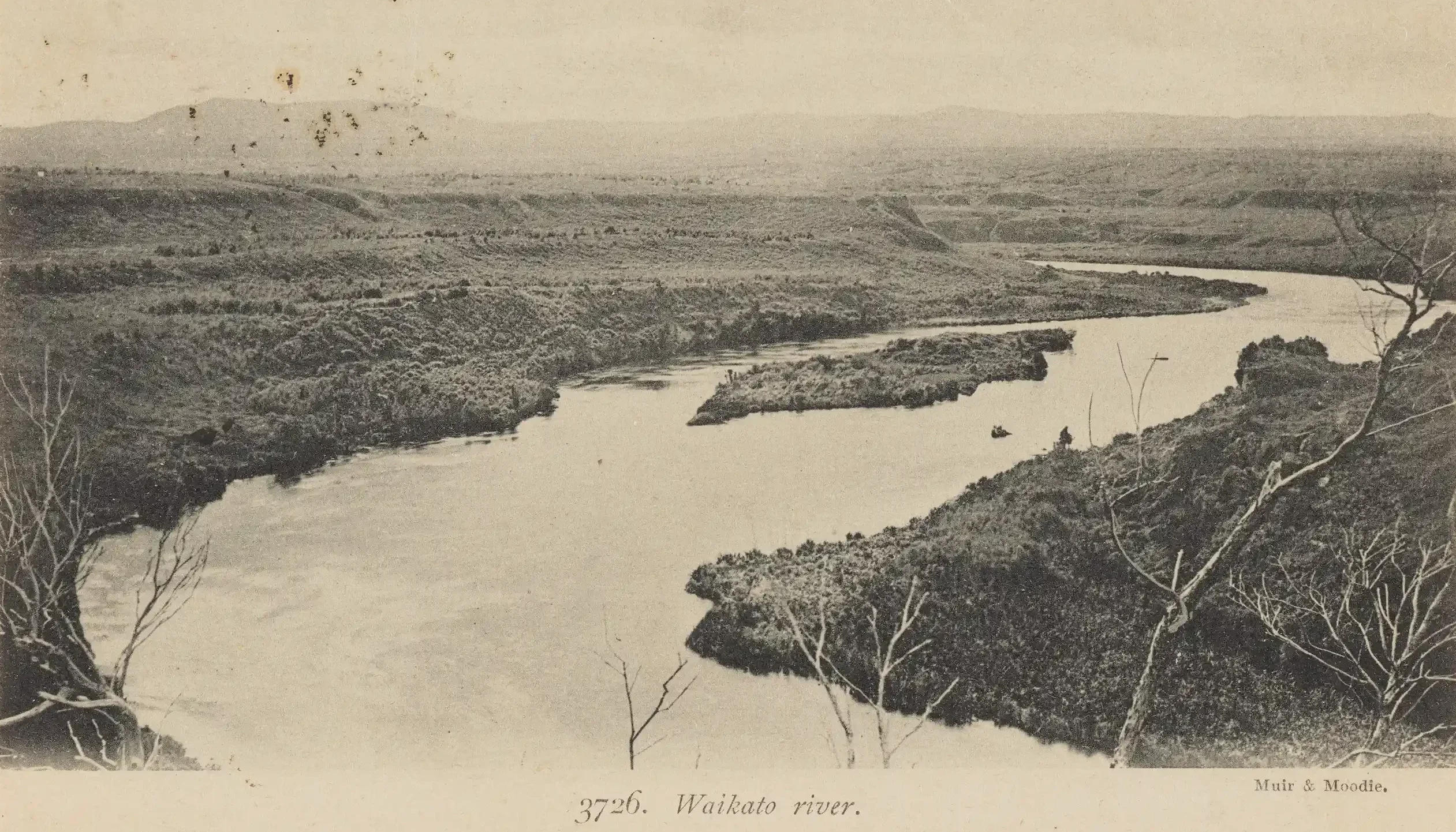
Waikato River Postcard
Postcard of Waikato River, c. 1900-1903. Many areas of the Waikato River are considered to be sacred by Waikato Māori.
Featured in:
Pacific Islanders, Module 2
-
Image
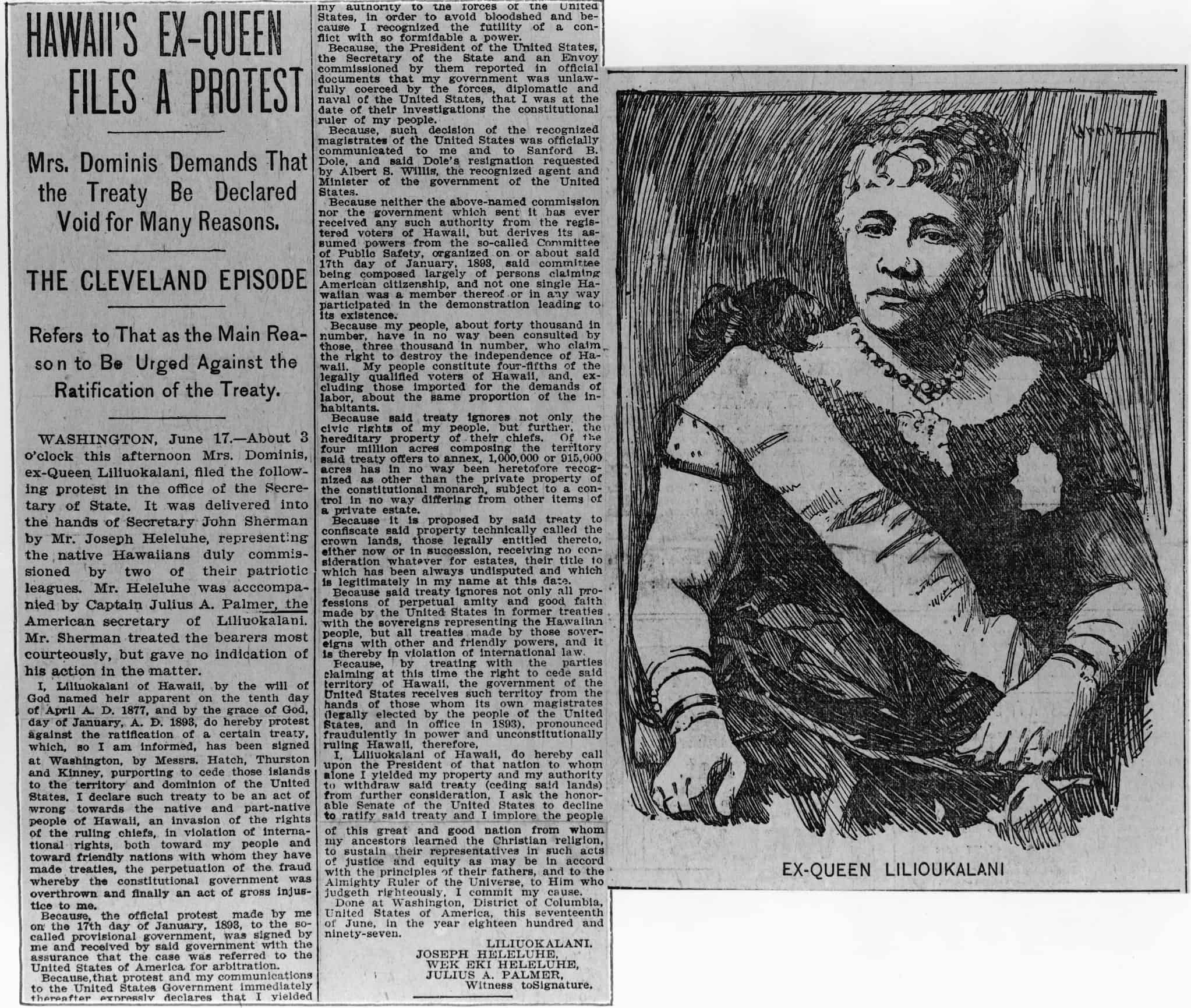
Queen Liliʻuokalani Files Protest
This clipping from another 1897 publication depicts a much different portrayal of Queen Liliʻuokalani. How do media representations shape perspectives and attitudes?
Featured in:
Pacific Islanders, Module 2
-
Image
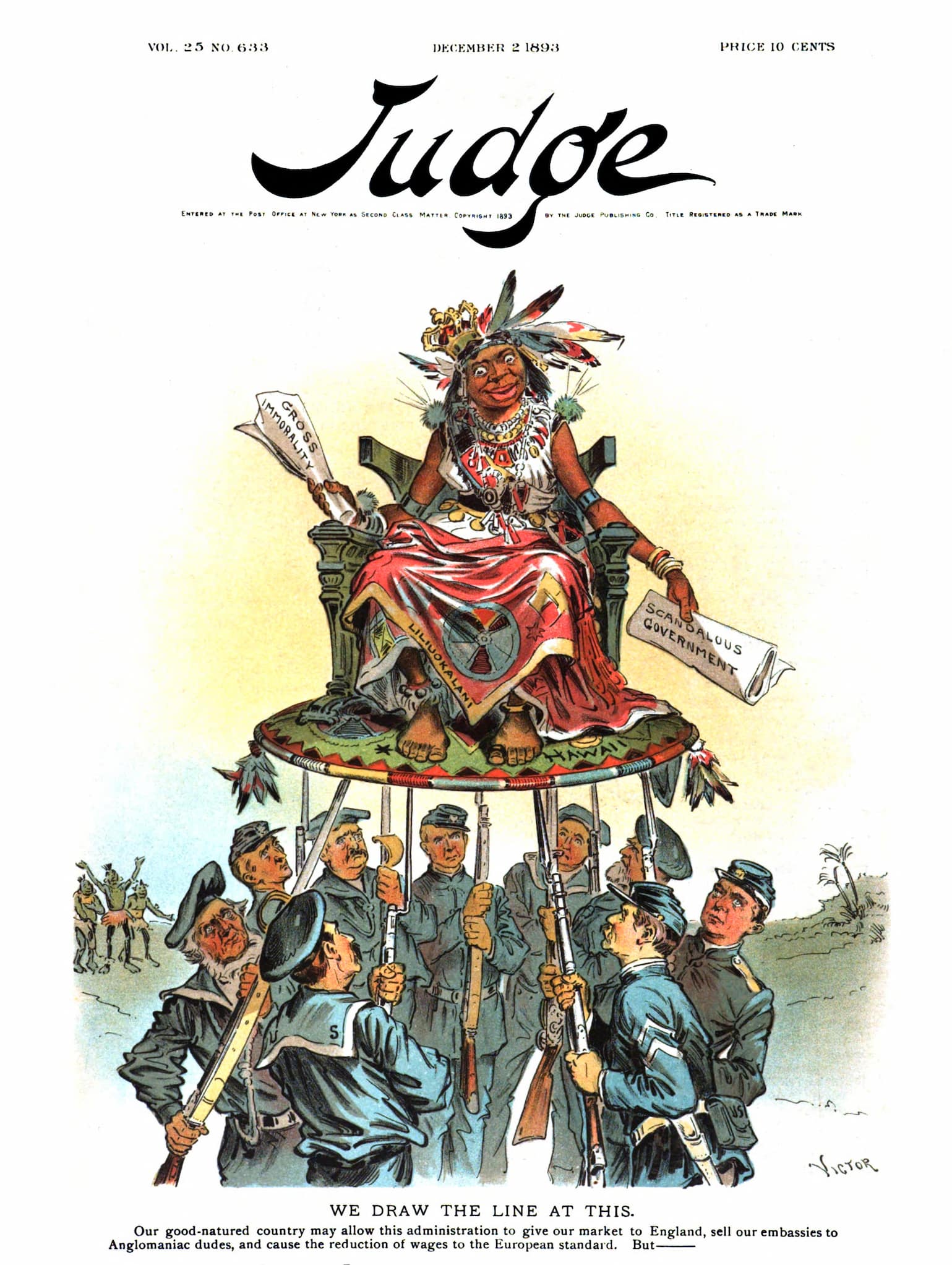
“We Draw The Line At This”
In the late 1800s, publications like Judge magazine would utilize cartoons to portray the imperialist attitudes of the US. This racist depiction of Queen Liliʻuokalani represents a perspective of the overthrow of the monarchy.
Featured in:
Pacific Islanders, Module 2
-

Video
Mehana Kihoi Final Argument
At the Thirty Meter Telescope (TMT) Contested Case Hearing in 2017, Mehana Kihoi argues against the construction of the TMT on Mauna Kea, questioning the Bureau of Land and Natural Resources’ interests and the treatment of protestors on Mauna Kea.
Featured in:
Pacific Islanders, Module 2
-
Image
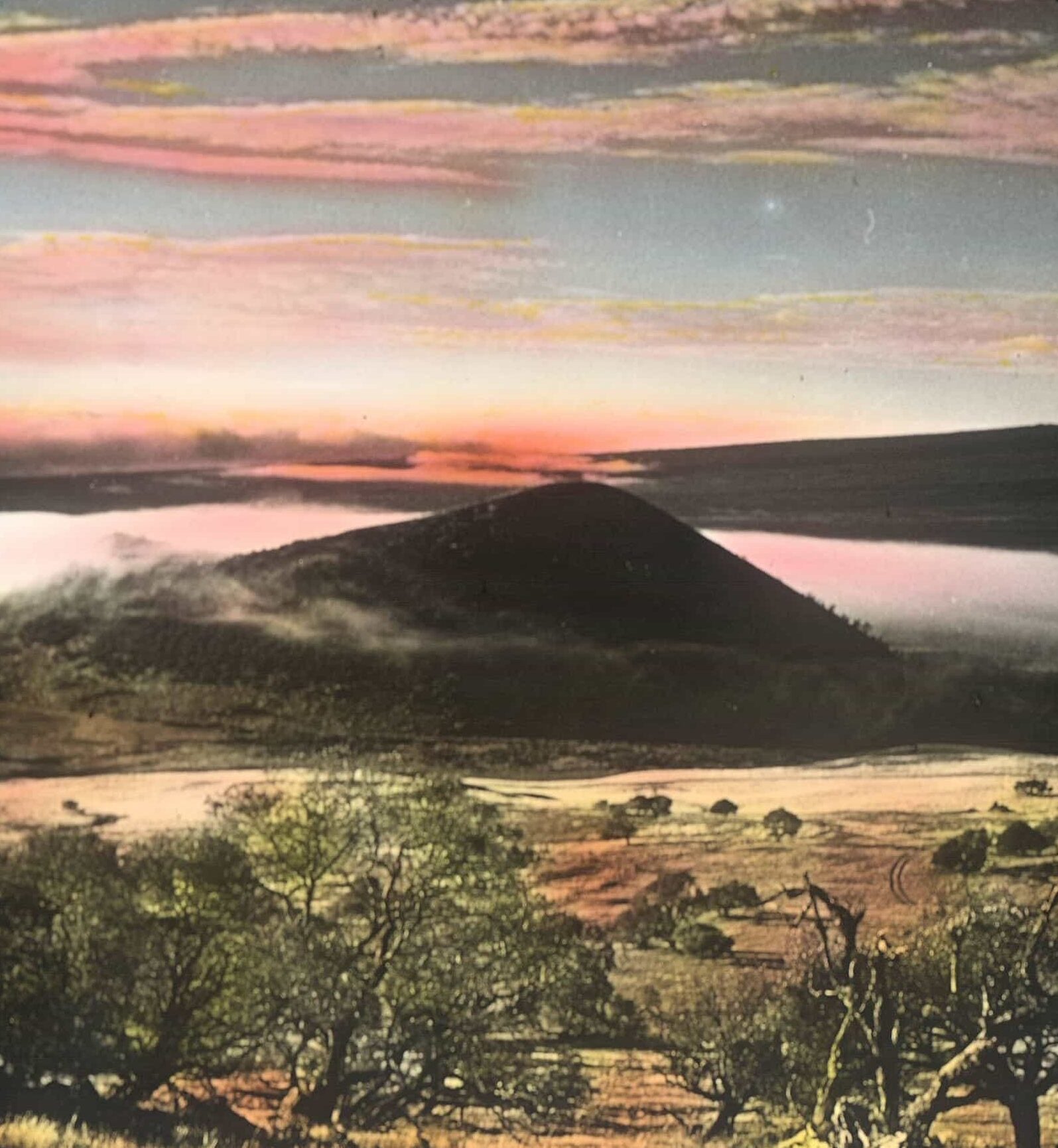
Mauna Kea Sunrise
A lantern slide of sunrise at Mauna Kea on Hawaiʻi Island, 1940. Lantern slides were projected in magic lantern shows, typically for entertainment, education, and advertising. This slide was acquired by Seiju Ifuku, an antique collector, and donated to the University of Hawaiʻi at Mānoa.
Featured in:
Pacific Islanders, Module 2
-
Video
Lehua Kamalu on Traditional Wayfinding
Lehua Kamalu of the Hōkūleʻa is one of the few women navigators of Hawaiʻi with the Polynesian Voyaging Society. In this Hōkūleʻa navigation report clip, Kamalu discusses measuring the stars, a traditional wayfinding technique.
Featured in:
Pacific Islanders, Module 1
-
Image
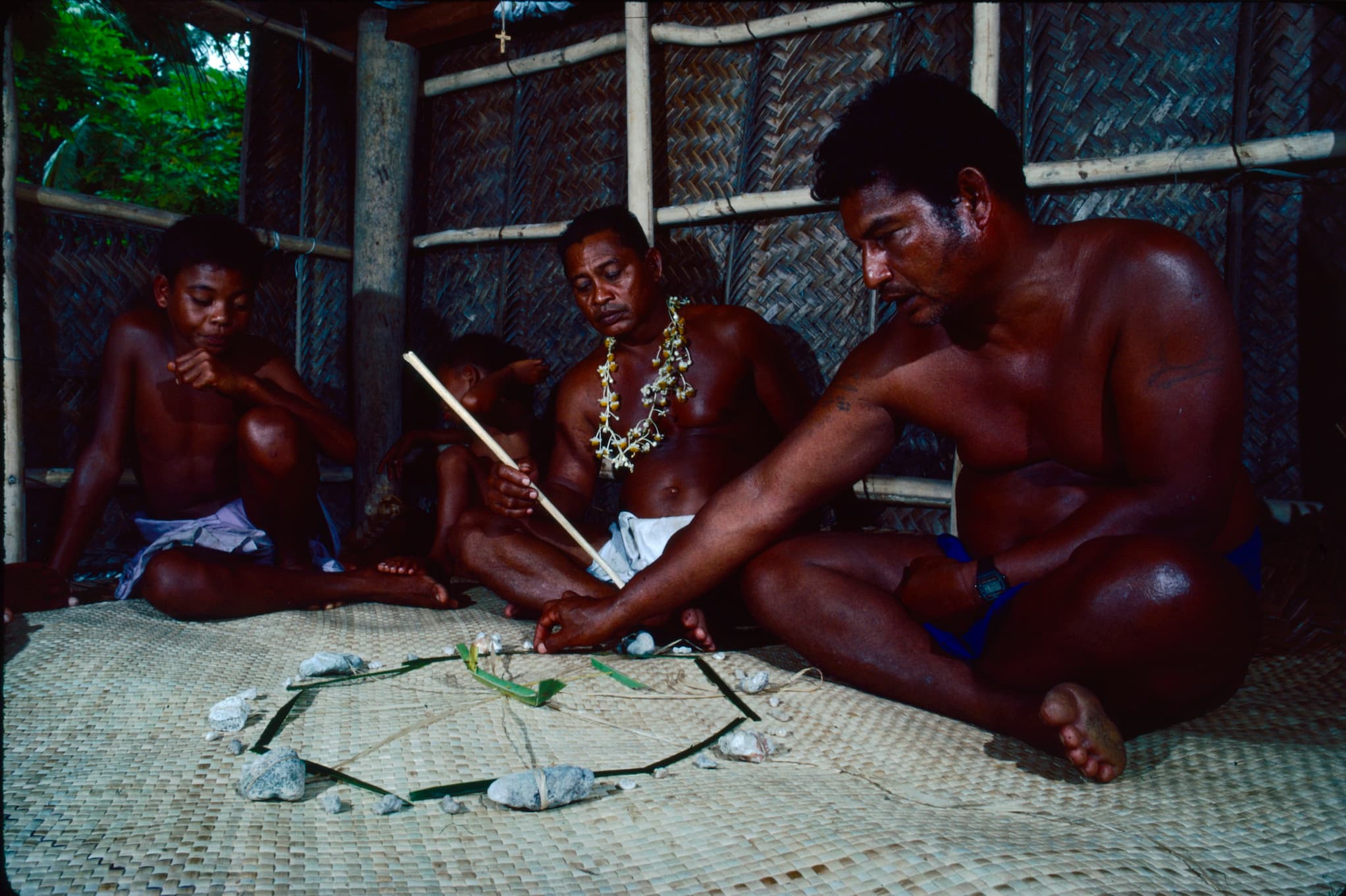
Master Navigator Mau Piailug
Mau Piailug (center), a master navigator from Satawal, Yap State, Federated States of Micronesia, taught many islanders the arts of traditional navigation and guided Hōkūle‘a on its inaugural voyage from Hawaiʻi to Tahiti in 1976.
Featured in:
Pacific Islanders, Module 1
-
Image
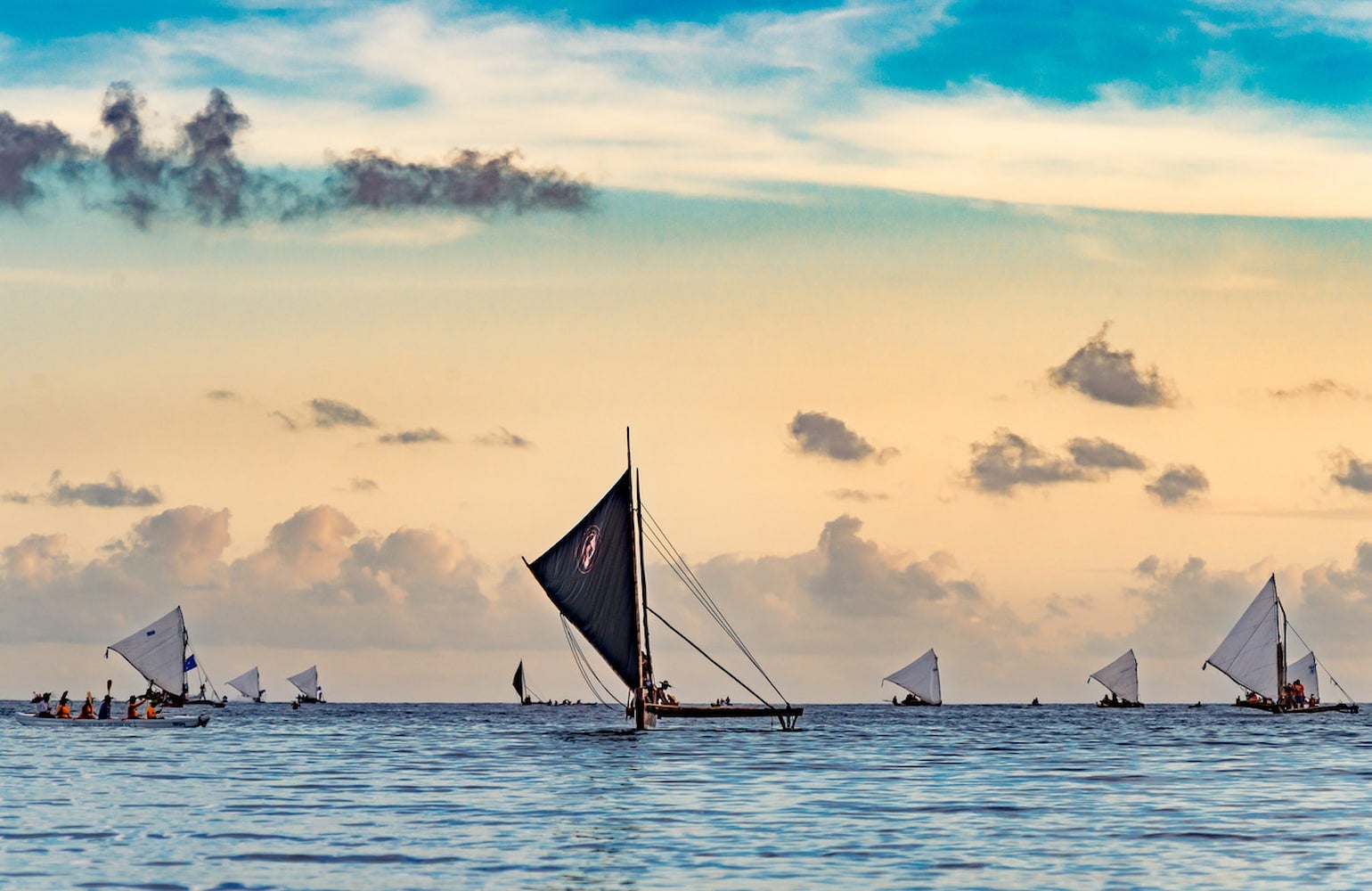
Welcome Ceremony for Festival of Pacific Arts
Boats ranging from sakmans to canoes during the traditional canoe welcome ceremony, signaling the commencement of the 12th Festival of Pacific Arts in Hagåtña, Guåhan (Guam) on May 22, 2016. The festival brings together delegations from across Oceania every four years.
Featured in:
Pacific Islanders, Module 1
-
Video
Amasai Jeke
In this clip from UTOPIA Washington, a Queer and Trans Pacific Islander organization, Amasai Jeke identifies as vaka sa lewalewa, Fiji’s traditional third gender community. Ms. Jeke has served as Vice Chair of the Washington State LGBTQ Commission.
Featured in:
Pacific Islanders, Module 1
-
Video
Benetick Kabua Maddison’s UN Address
In 2023 Benetick Kabua Maddison, Executive Director of the Marshallese Educational Initiative (MEI), a nonprofit based in Springdale, Arkansas, addressed the United Nations about the ongoing devastation of US nuclear detonations on the Marshall Islands while calling for the end of nuclear weapons.
Featured in:
Pacific Islanders, Module 1
Chapters
# of # results
-
-
Module
-

Module
Module 4: Building Community in “Little Saigon”
Thuy Vo Dang
Chapter:
Vietnamese American Experiences
-
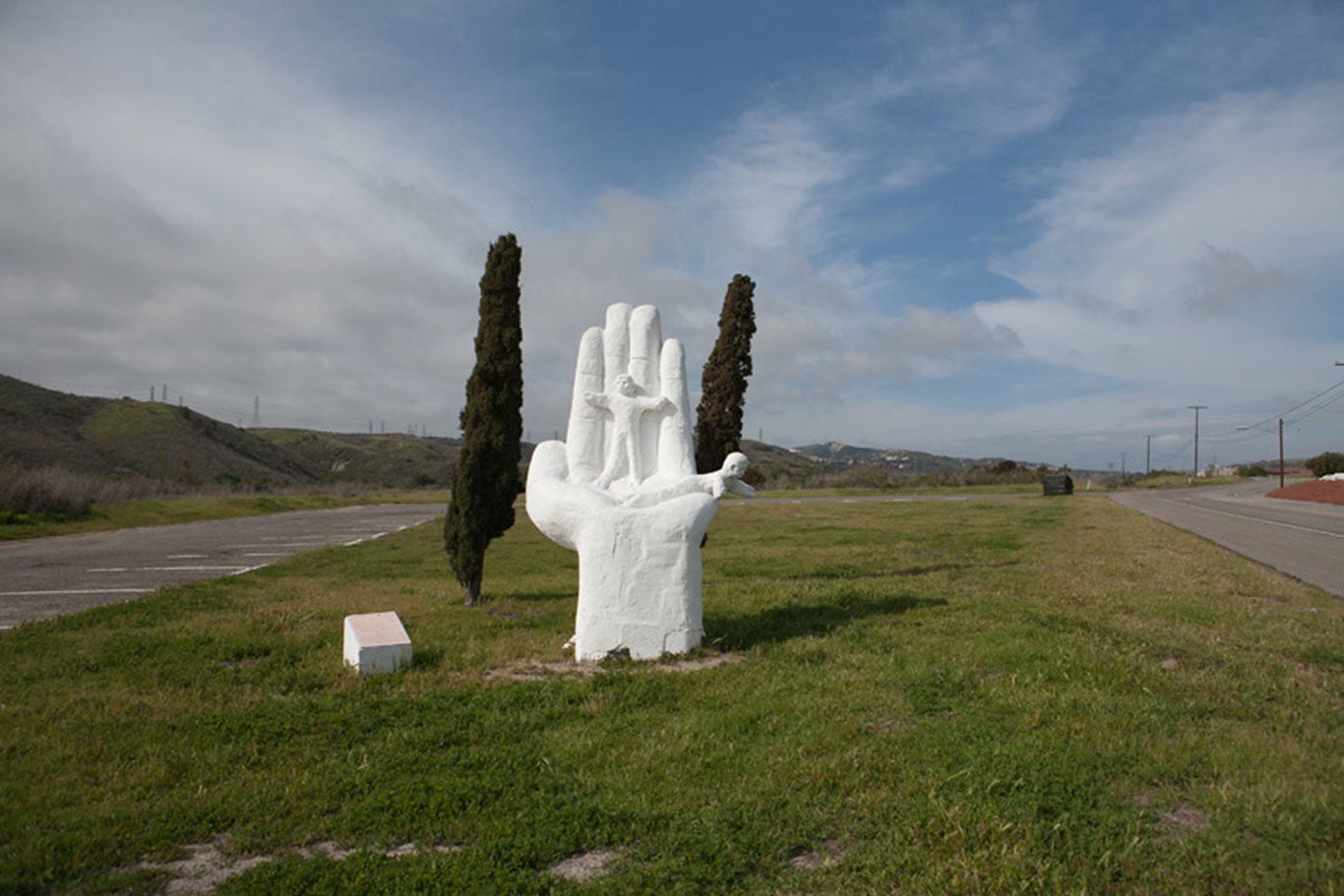
Module
Module 5: Politics and Remembrance in the Vietnamese American Community
Thuy Vo Dang
Chapter:
Vietnamese American Experiences
-
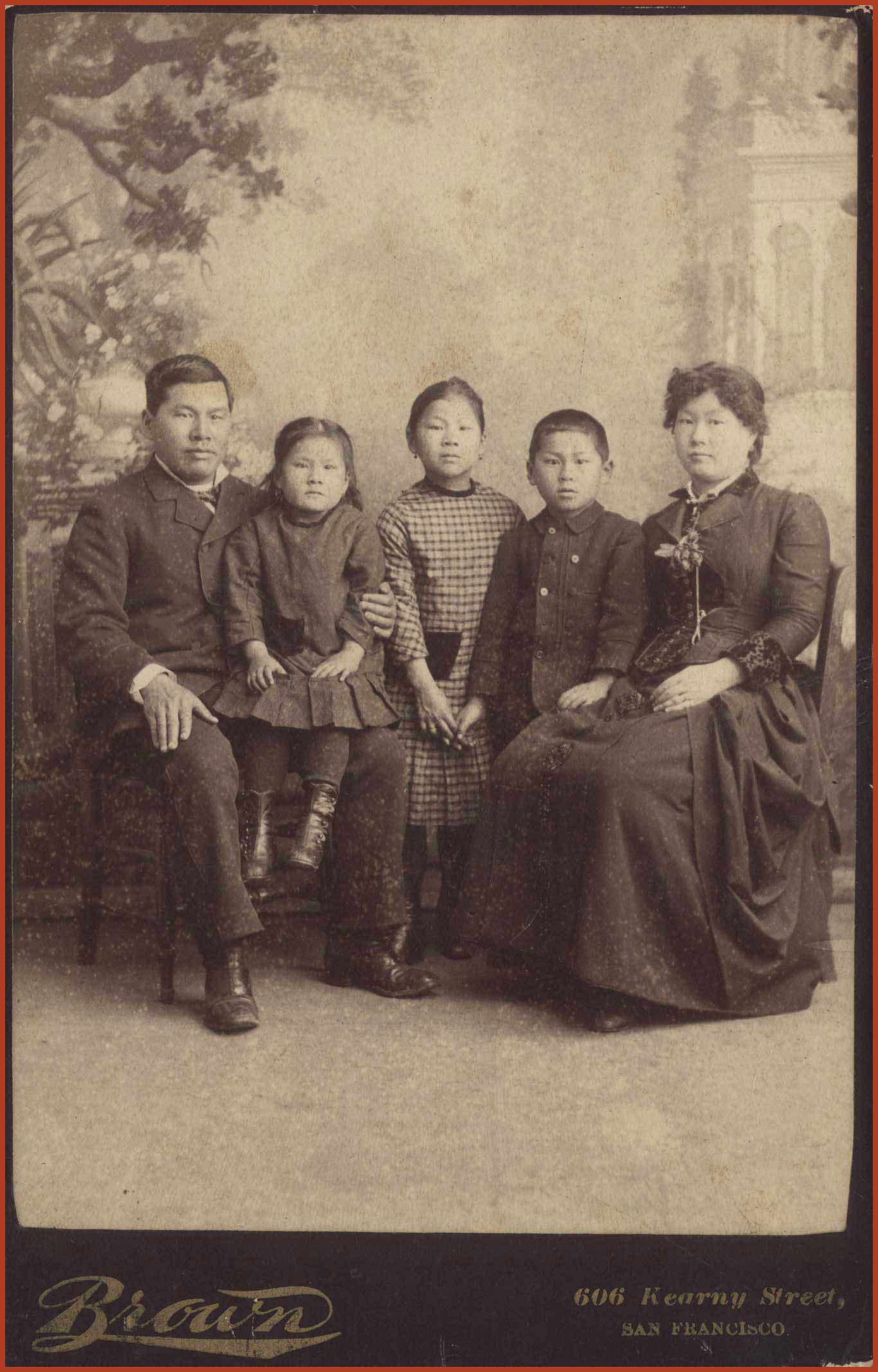
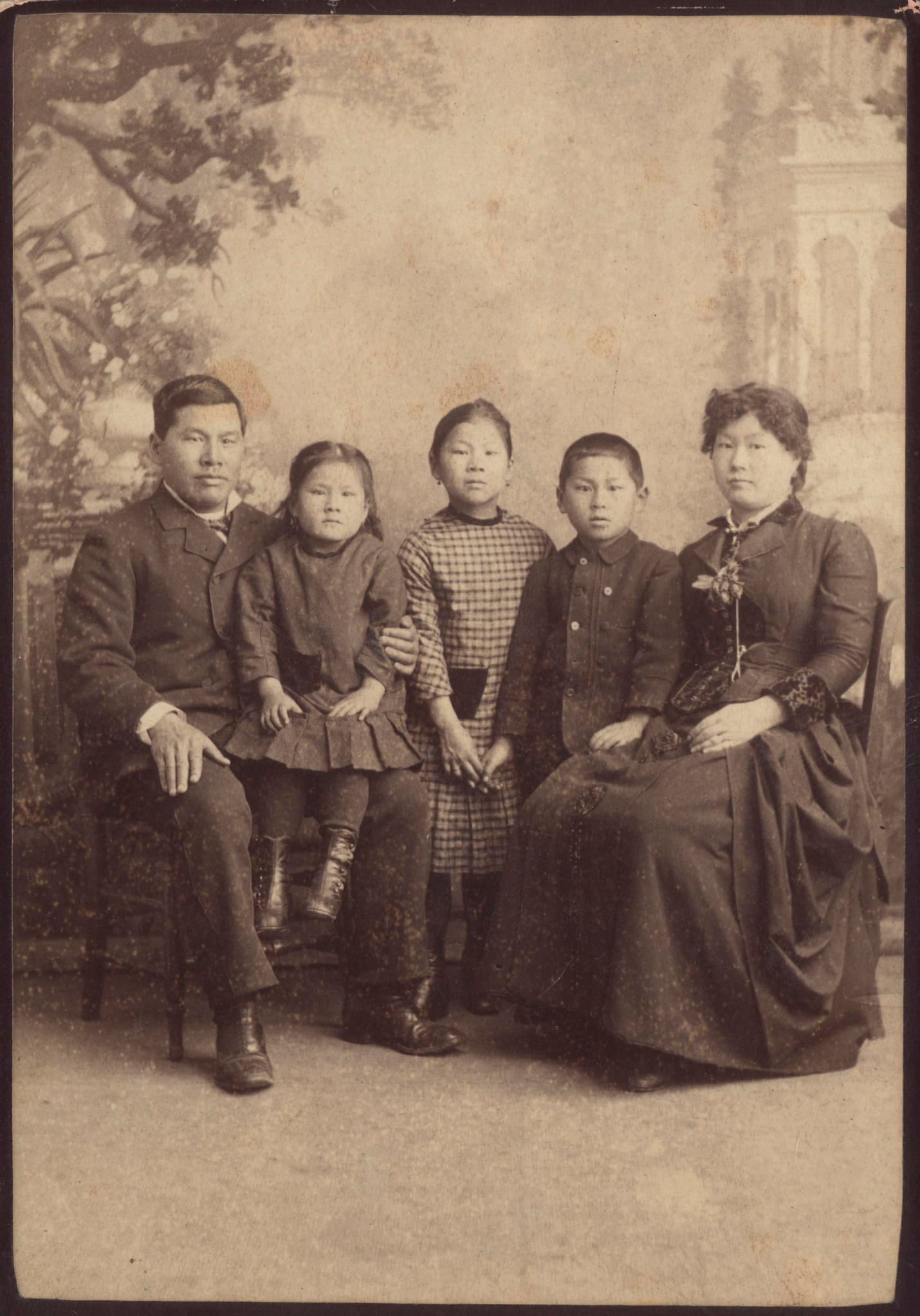
Chapter
Chapter Overview: The Tape Family and Chinese American Civil Rights
Mae Ngai
-
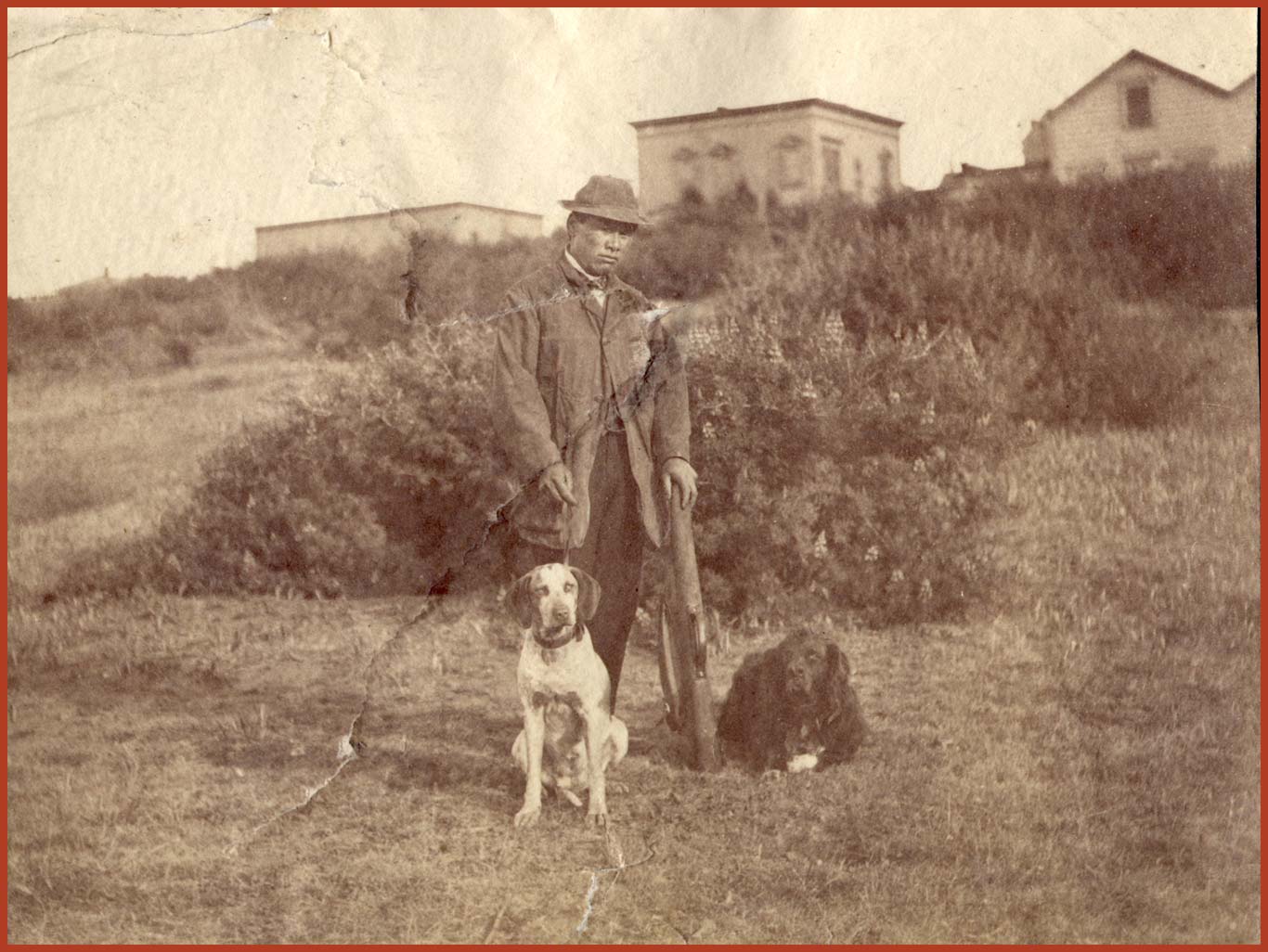
Module
-
Module
-
Module
-
Module
Module 4: The Strange Career of a Chinese Interpreter
Mae Ngai