



Search the Media Repository
Discover the curated images, videos, and primary sources featured throughout Foundations and Futures
History is more than just text on a page; it is the photographs, voices, and artifacts of the people who lived it. The images and recordings featured across Foundations and Futures are part of a meticulously curated media repository. Whether you are building a lesson plan or investigating an artifact, you can use this database to trace the provenance of our media: discover who created an asset, the historical context behind it, and how it can be used to bring Asian American and Pacific Islander experiences into your classroom.
Multimedia
Chapters
-
Image
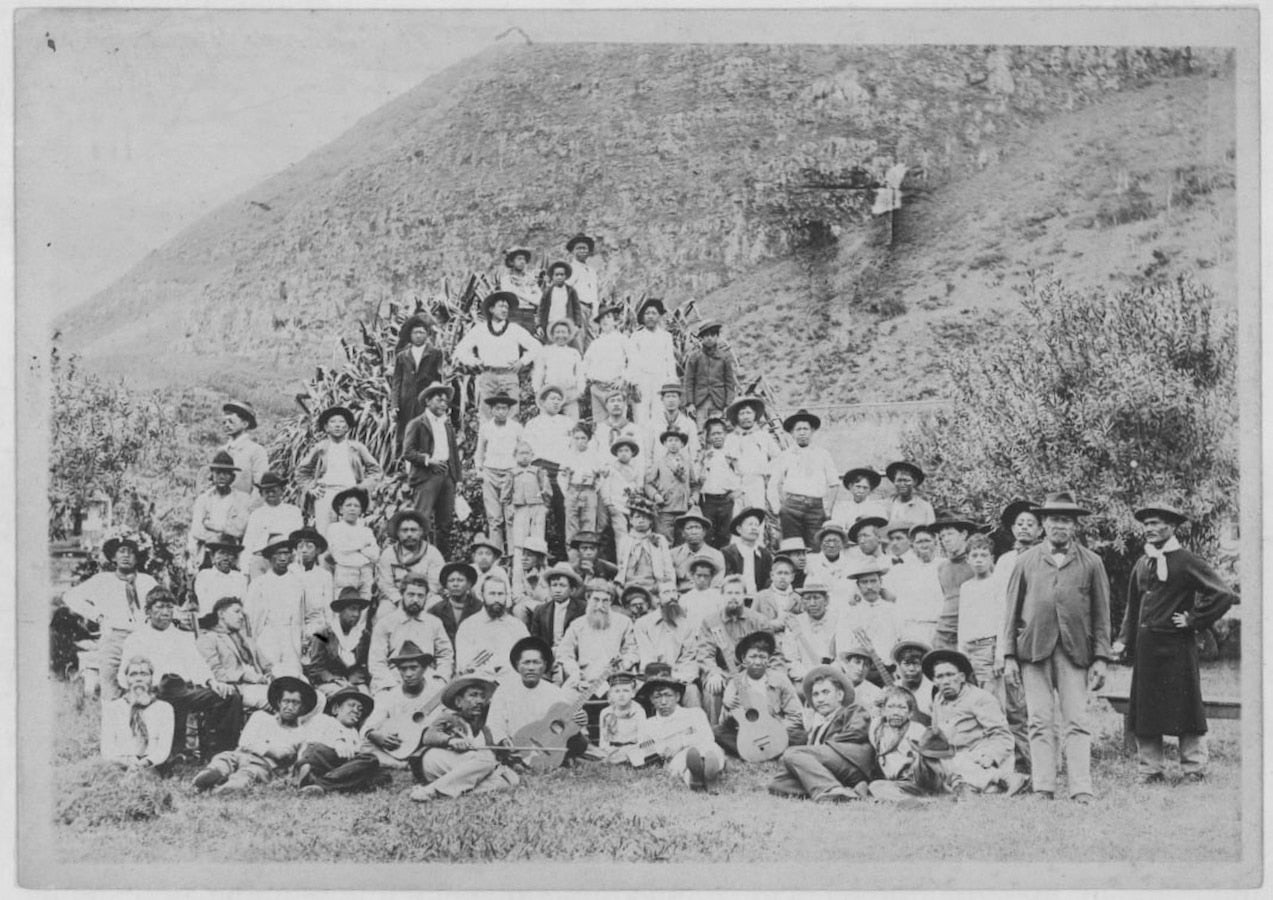
Kalaupapa Molokaʻi Leper Colony
A photograph of exiled people living in the Kalaupapa Molokaʻi Leper Colony on the island of Molokaʻi, one of the Hawaiian Islands, in 1905. During this time, there were approximately 750 people living on the Kalaupapa peninsula.
-
Image
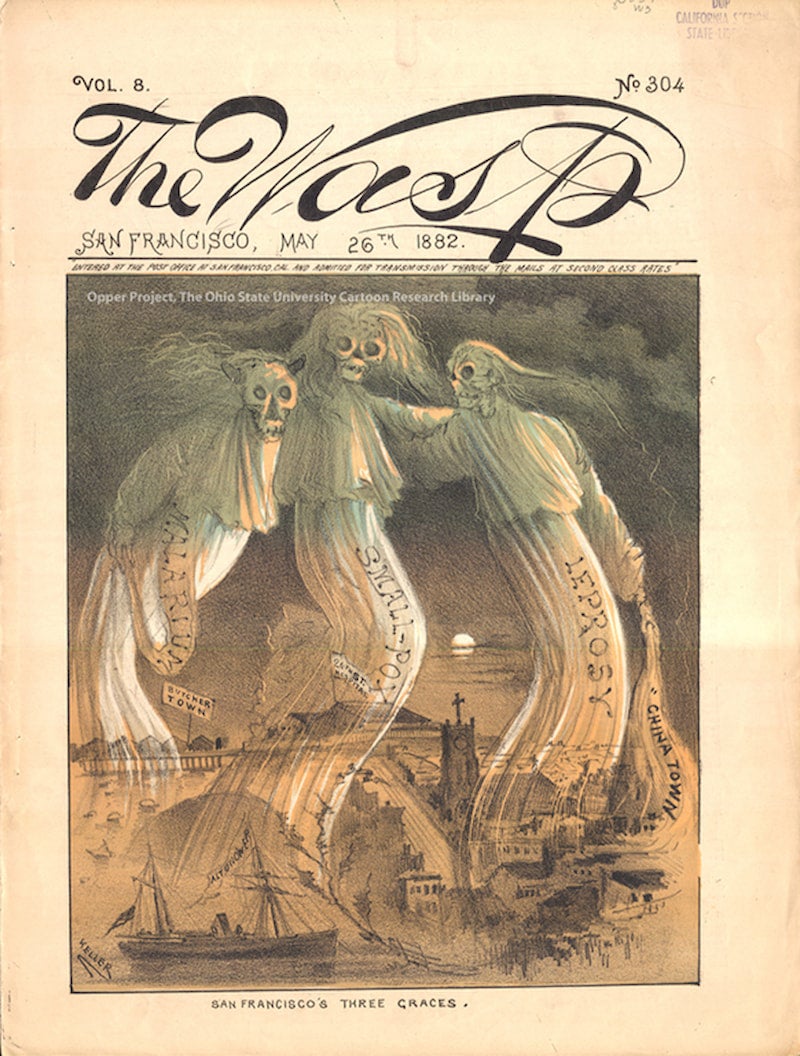
“Three Graces” The Wasp Magazine Cover
This cover of The Wasp magazine, published May 26, 1882, illustrates the “three graces” of San Francisco’s Chinatown as “malaria,” “small-pox,” and “leprosy.”
-
Image
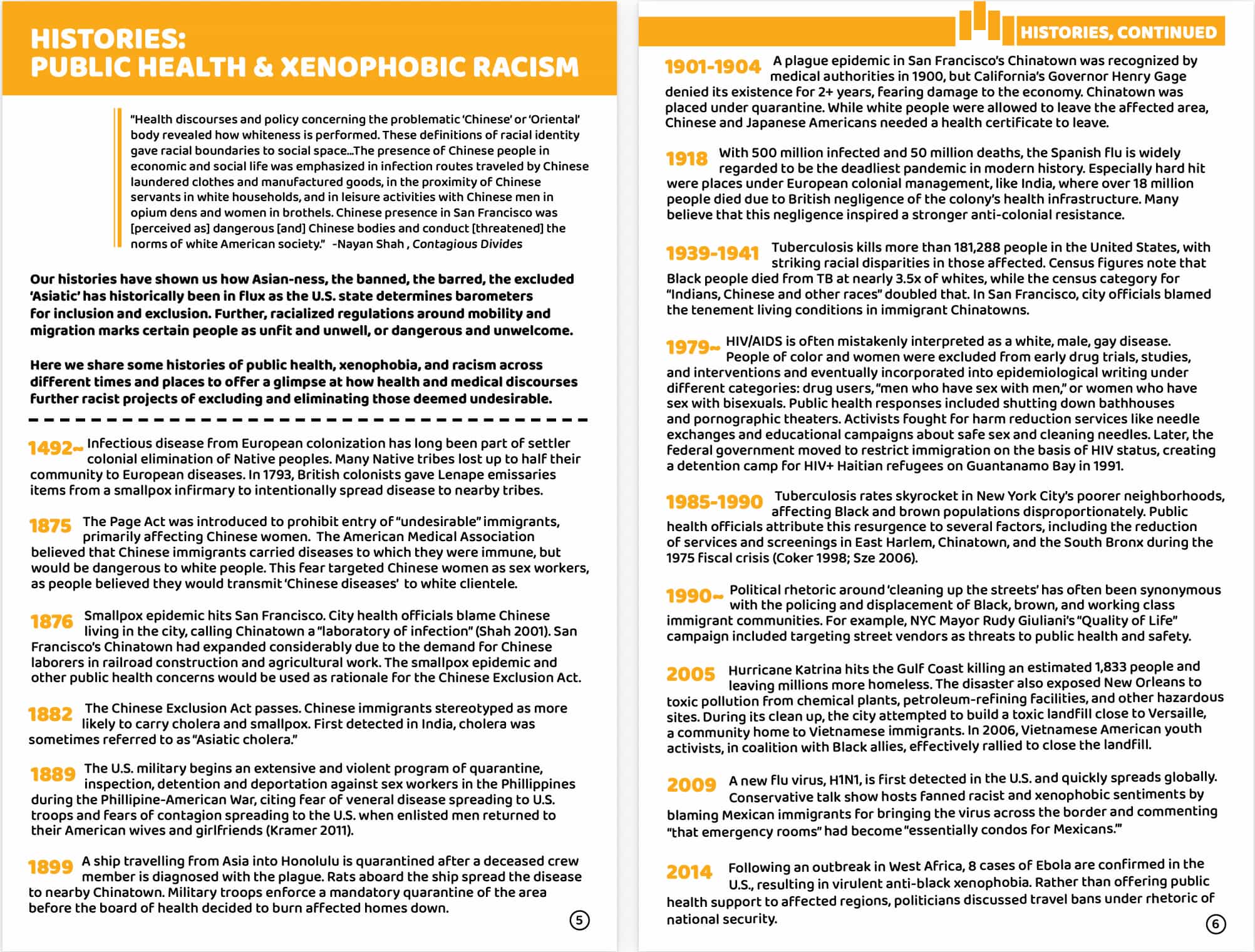
Asian American Feminist Antibodies: Care in the Time of Coronavirus Timeline
This timeline from Asian American Feminist Antibodies: Care in the Time of Coronavirus (2020), a digital zine by the Asian American Feminist Collective, maps Asian American and Pacific Islander histories of public health and xenophobic racism from 1492 to 2014.
-
Video
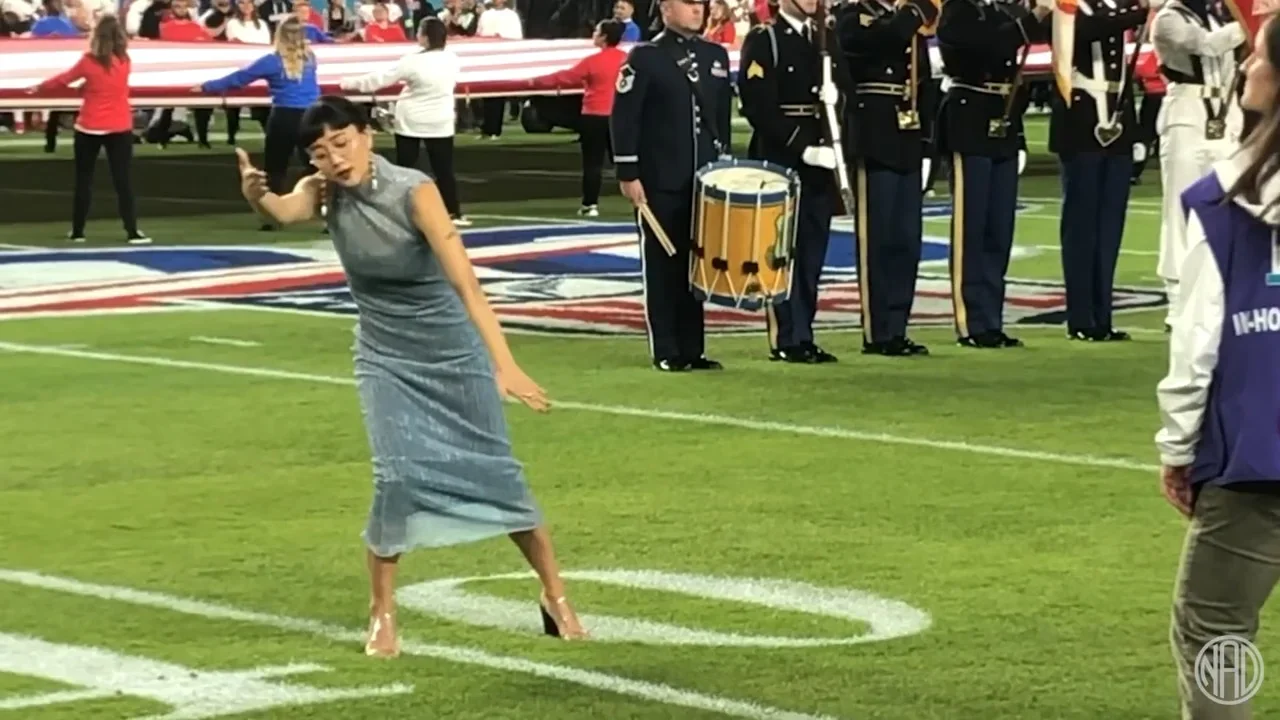
Christine Sun Kim performing the National Anthem, 2020
Christine Sun Kim performing the National Anthem at the Super Bowl LIV in 2020, filmed by the National Association of the Deaf. During the event’s live broadcast, only two seconds of Kim’s performance was aired.
-
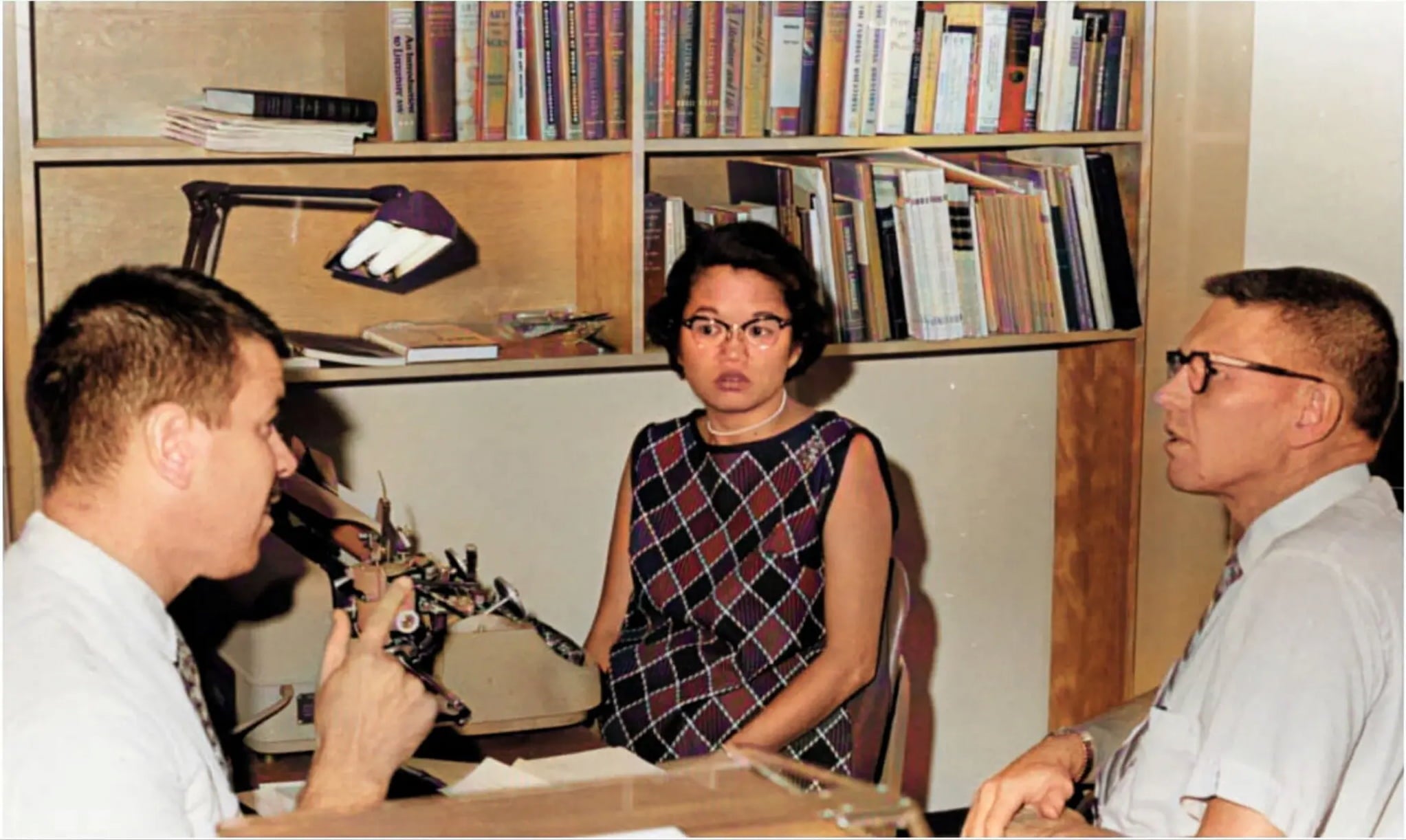
Image
Dorothy “Dot” Chiyoko Sueoka Casterline, 1962
Dorothy “Dot” Chiyoko Sueoka Casterline at Gallaudet University in 1962. In addition to being the first student from Hawaiʻi to earn a degree there, Casterline also became the school’s first faculty of color and co-authored A Dictionary of American Sign Language on Linguistic Principles (1965).
-
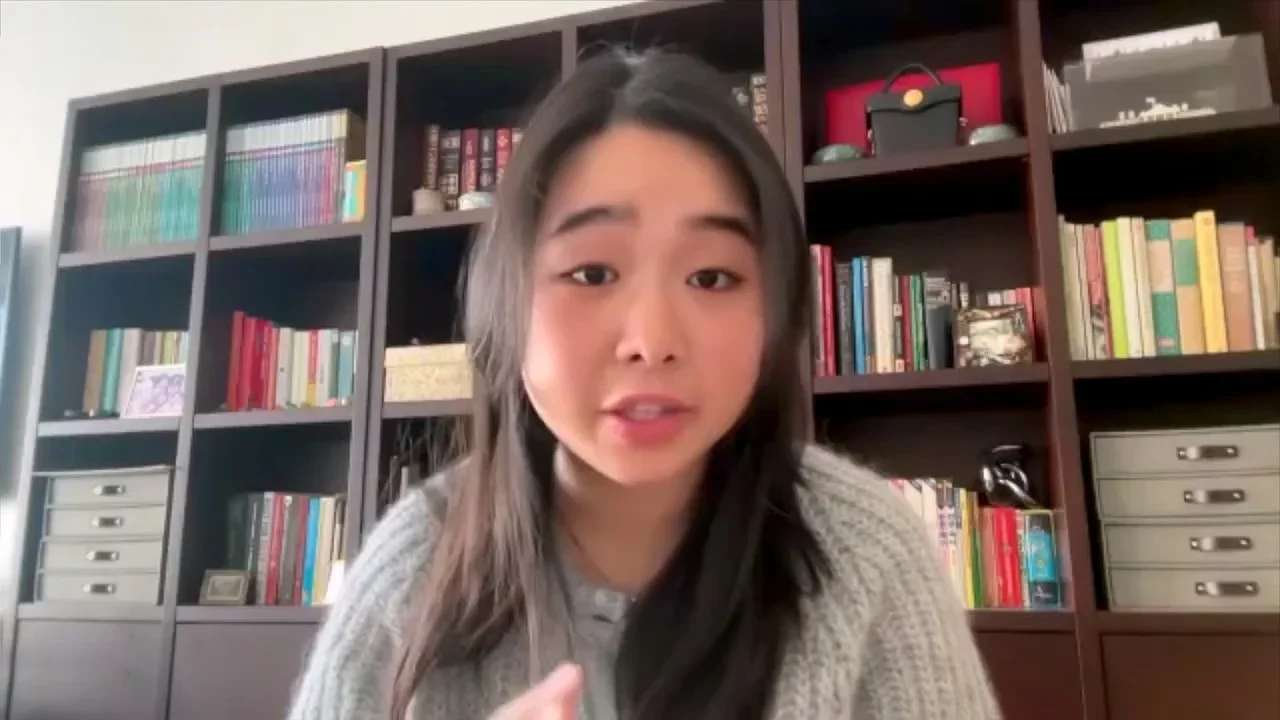
Video
Jennifer Lee
In an interview with Asian American Life, Jennifer Lee talks about how being Asian American impacted her delayed diagnosis of Crohn’s disease and the questions that led her to start the Asian American Disability Initiative.
-
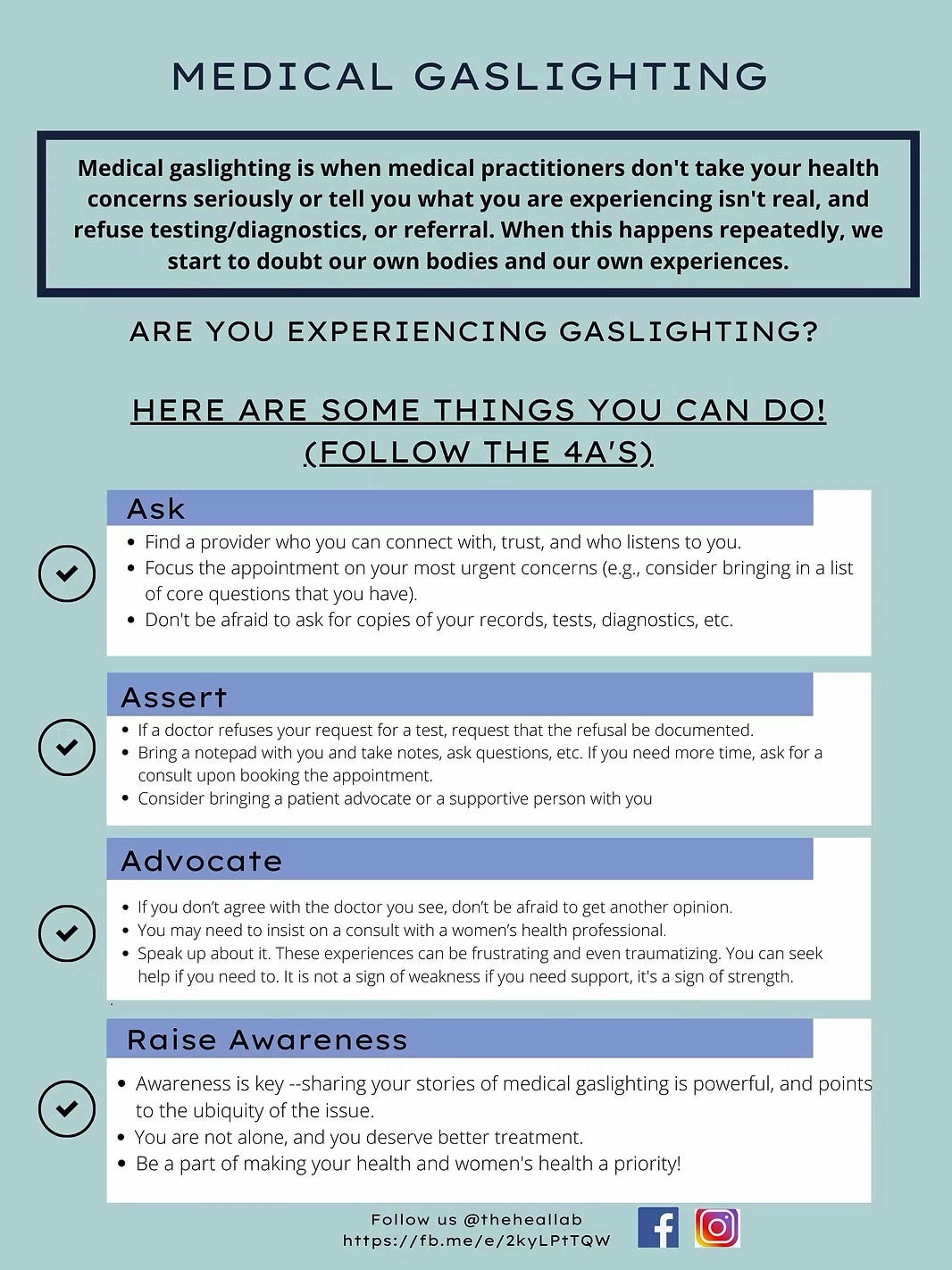
Image
Medical Gaslighting
This infographic created by the Health Experiences and Longevity Lab (HEAL) defines “medical gaslighting” and outlines four responses.
-
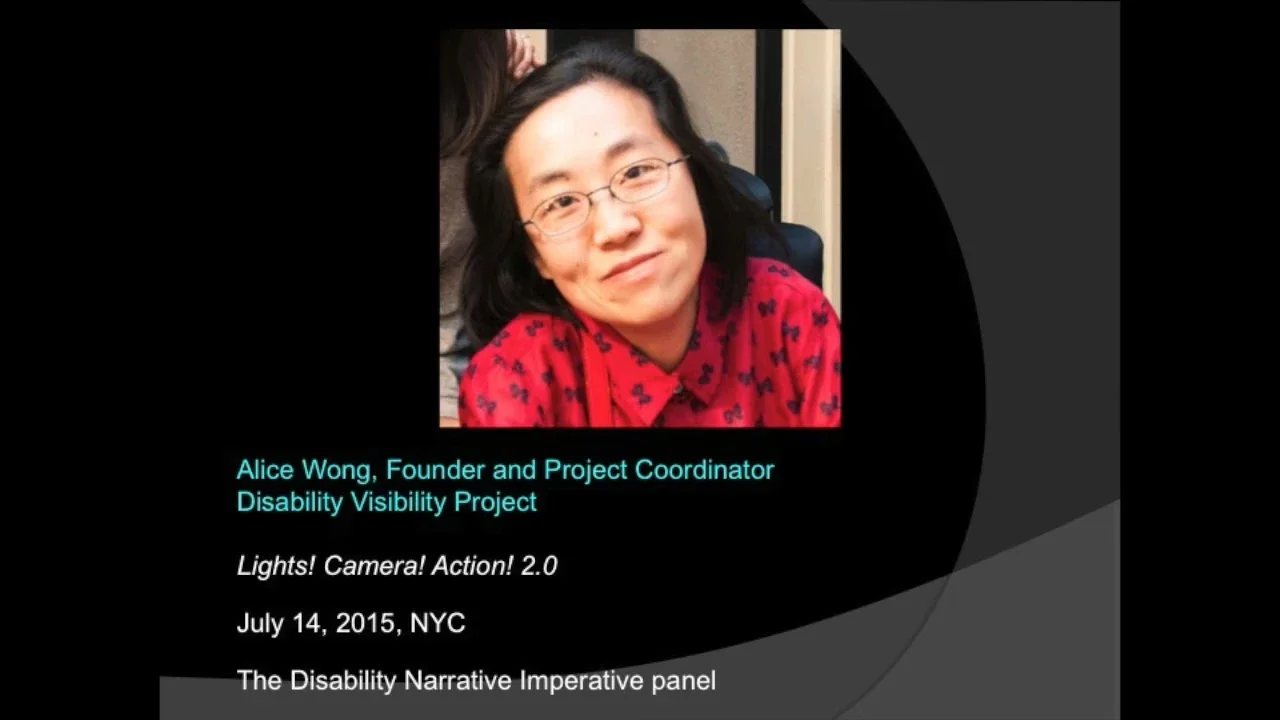
Video
Alice Wong, the Disability Visibility Project Video
In this clip, Alice Wong (1974–2025) describes the Disability Visibility Project, a community partnership with StoryCorps, as well as the importance of telling the stories of people with disabilities.
-
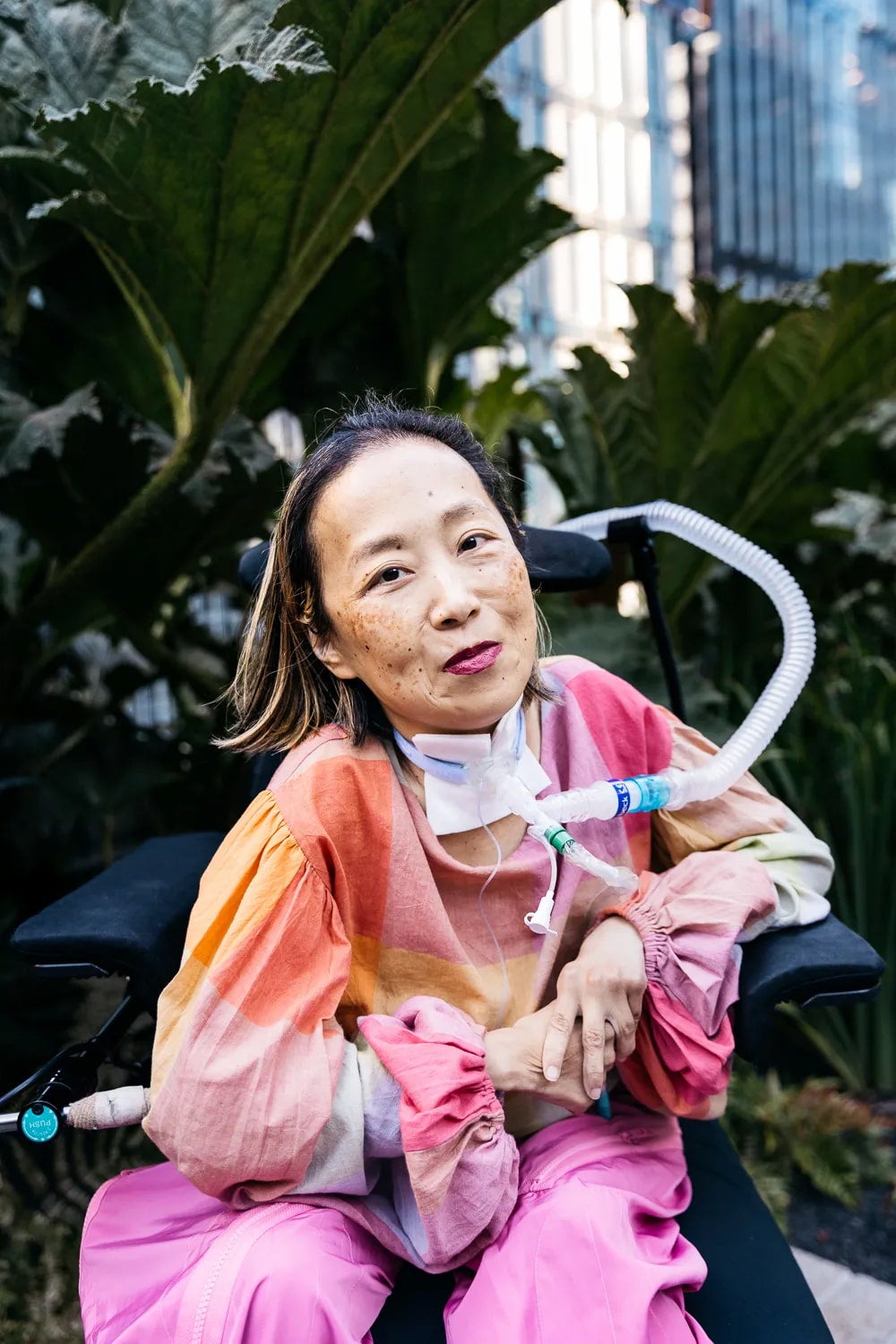
Image
Alice Wong, the Disability Visibility Project
As founder and project coordinator of the Disability Visibility Project, activist-ancestor Alice Wong (1974–2025) amplified countless stories of people with disabilities.
-
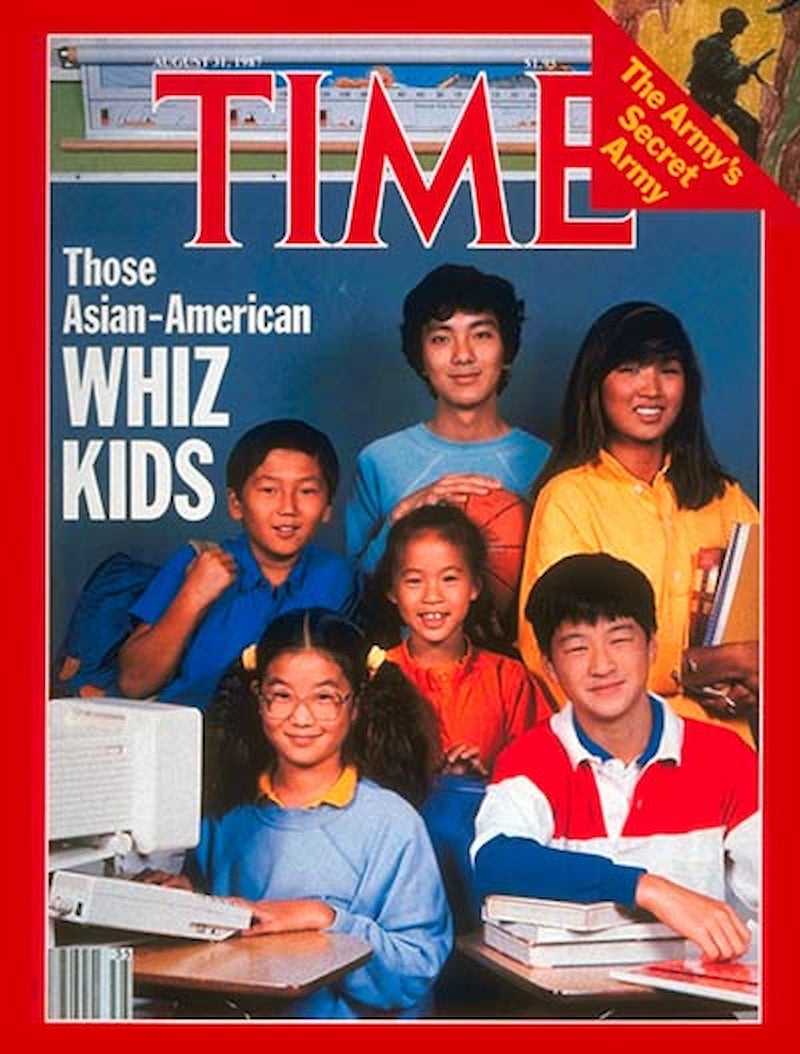
Image
“Whiz Kids” TIME Magazine Cover
This 1987 cover of TIME illustrates the mainstream misperception of Asians as the “model minority” during the influx of educated professionals immigrating from Asia to the US after 1965.
-
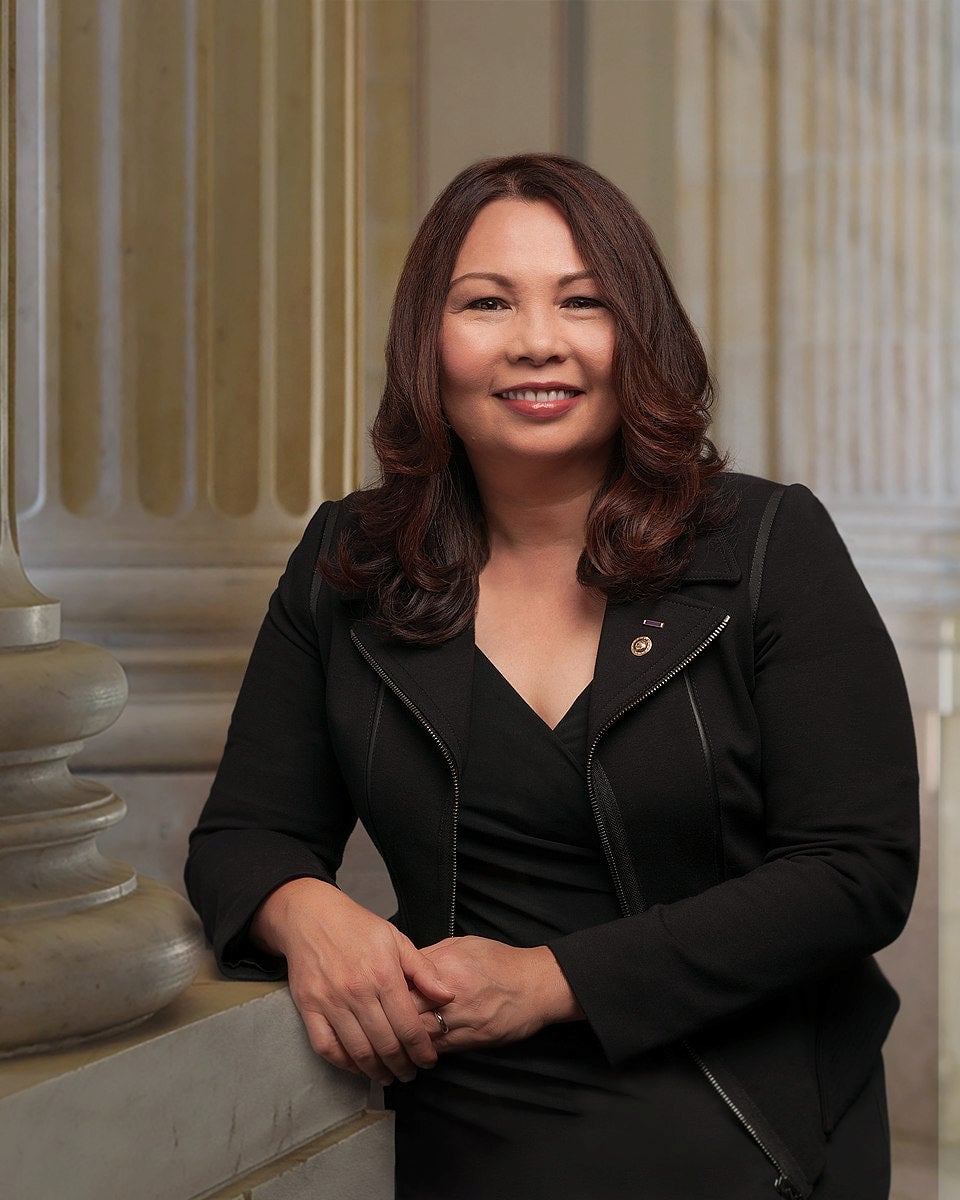
Image
As Asian American politician with disabilities in Congress, Tammy Duckworth
As Asian American politicians with disabilities in Congress, Daniel Inouye (left), Mazie Hirono (center), and Tammy Duckworth (right) have transformed mindsets and policies related to disability rights, increased access, and improved accommodations for people with disabilities.
-
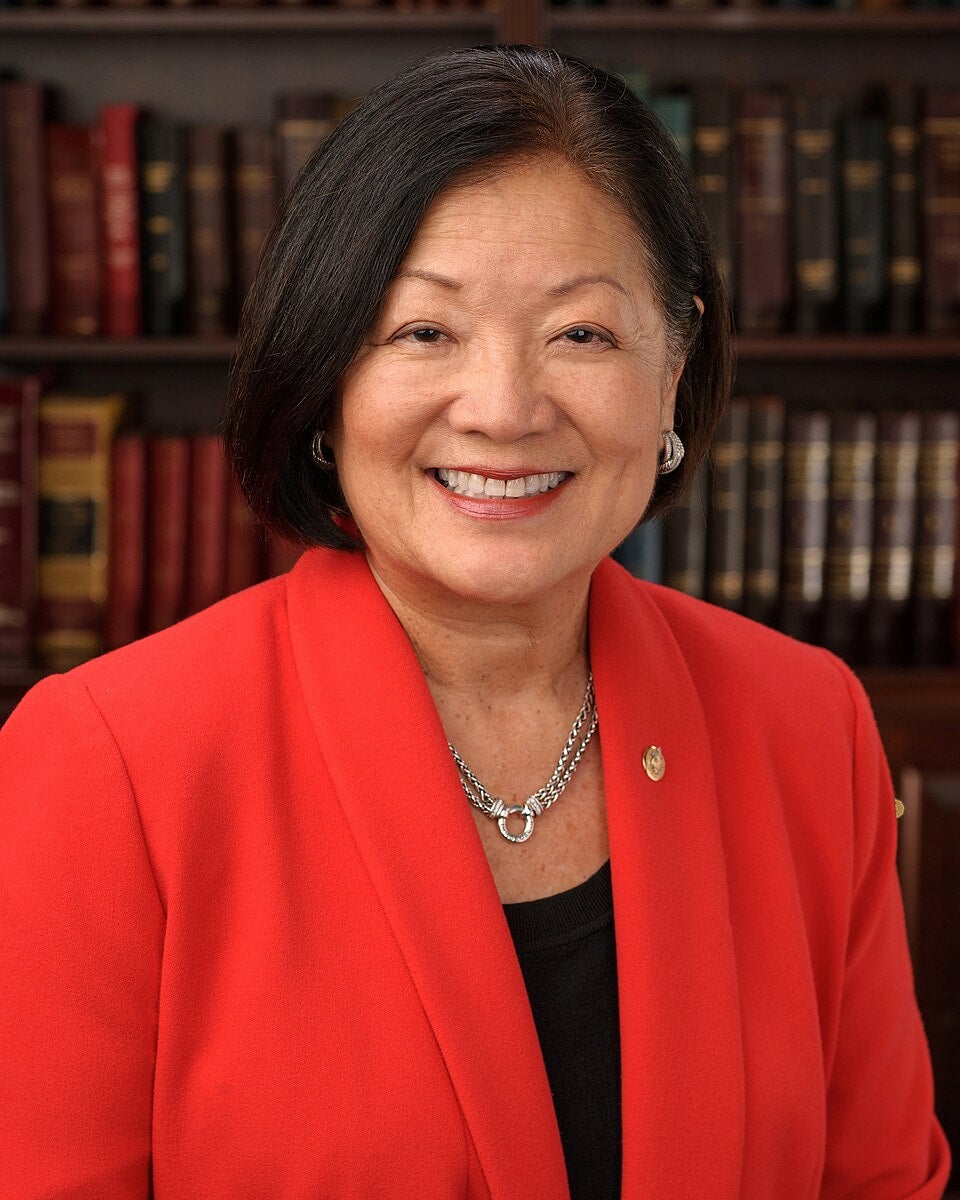
Image
Asian American politician with disabilities in Congress, Mazie Hirono
As Asian American politicians with disabilities in Congress, Daniel Inouye (left), Mazie Hirono (center), and Tammy Duckworth (right) have transformed mindsets and policies related to disability rights, increased access, and improved accommodations for people with disabilities.
-
Image
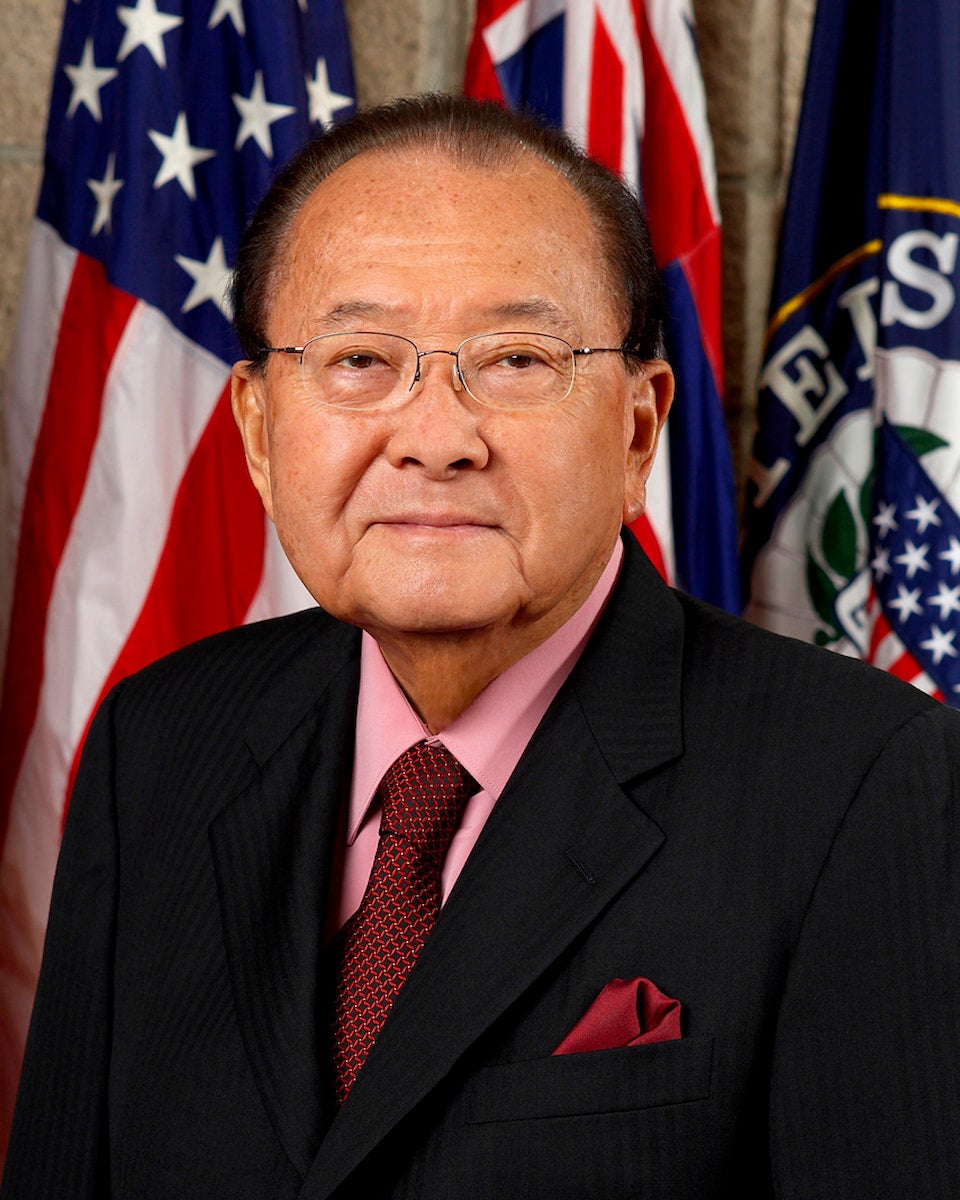
Asian American politician with disabilities in Congress, Daniel Inouye
As Asian American politicians with disabilities in Congress, Daniel Inouye (left), Mazie Hirono (center), and Tammy Duckworth (right) have transformed mindsets and policies related to disability rights, increased access, and improved accommodations for people with disabilities.
-
Image
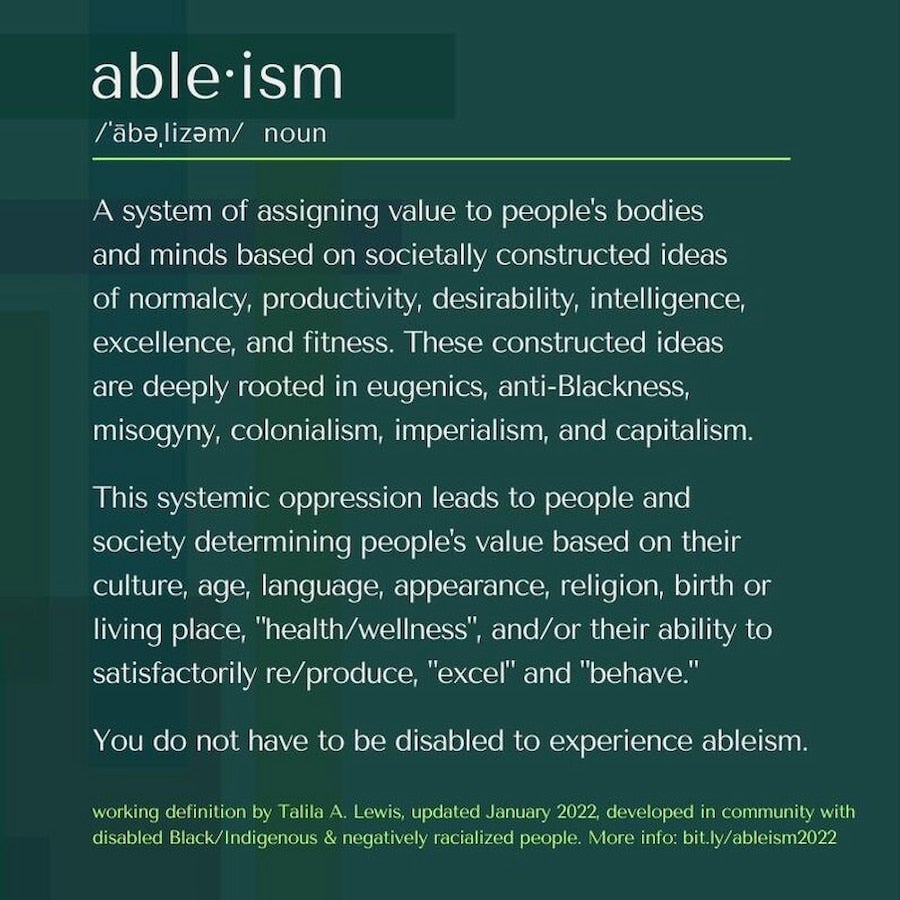
Ableism Definition
A working definition of ableism developed by neuroqueer educator Talila “TL” Lewis, in community with disabled Black/Indigenous and negatively racialized people.
-
Video
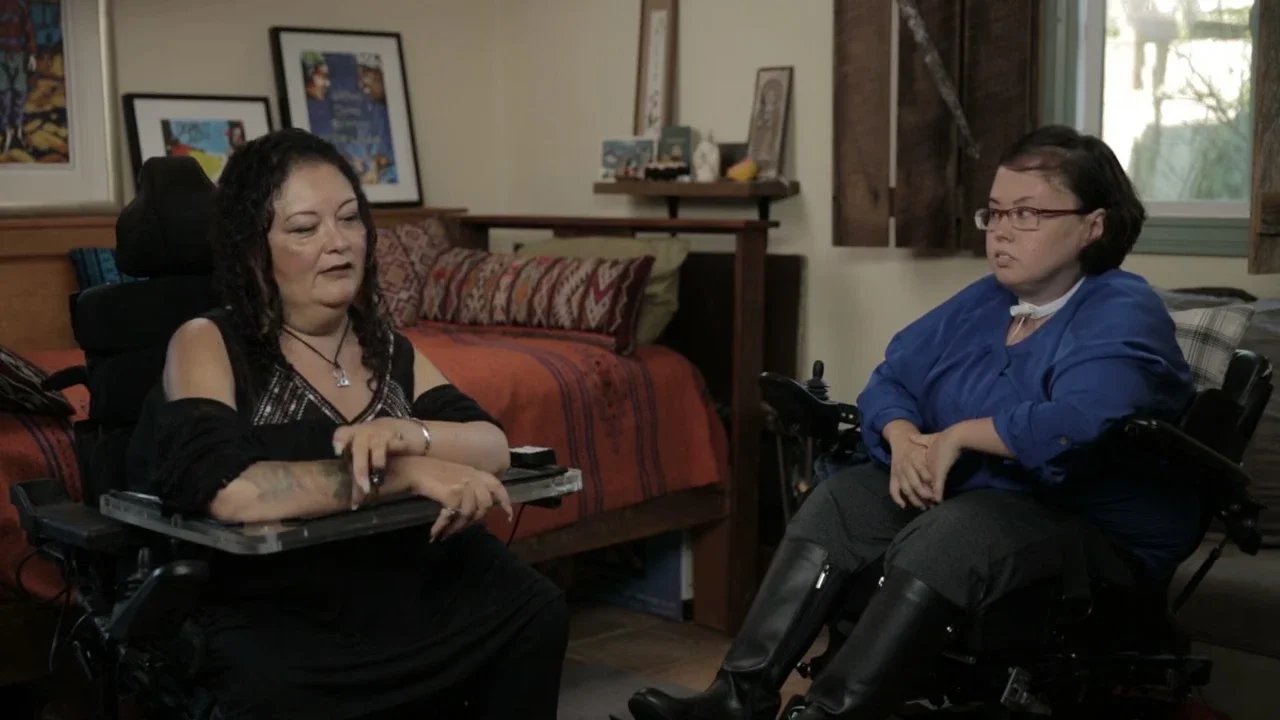
“My Body Doesn’t Oppress Me, Society Does”
In a 2017 conversation titled “My Body Doesn’t Oppress Me, Society Does,” activists Patty Berne (1967–2025) and Stacey Milbern (1987–2020) discuss disability, impairment, and how structural barriers impact those with disabilities.
-
Image
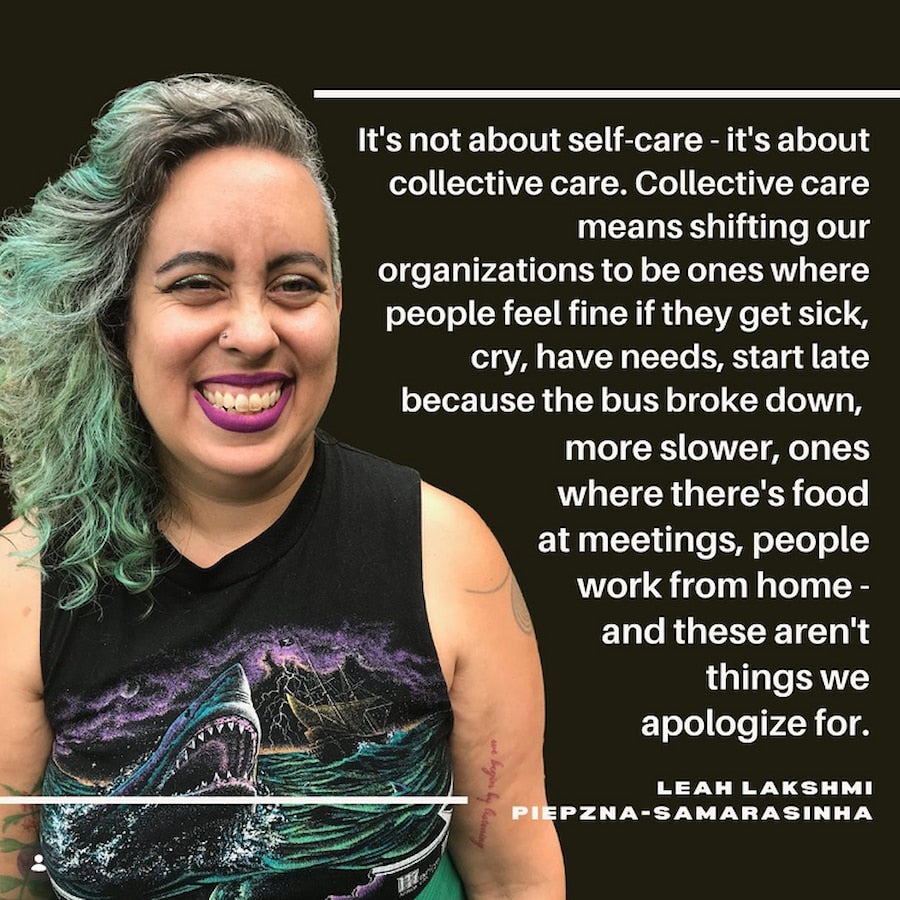
Leah Lakshmi Piepzna-Samarasinha
Activist, author, and educator Leah Lakshmi Piepzna-Samarasinha is shown in a graphic created by the National Equity Project and posted on Instagram. The quote highlights her stance on collective care.
-
Image
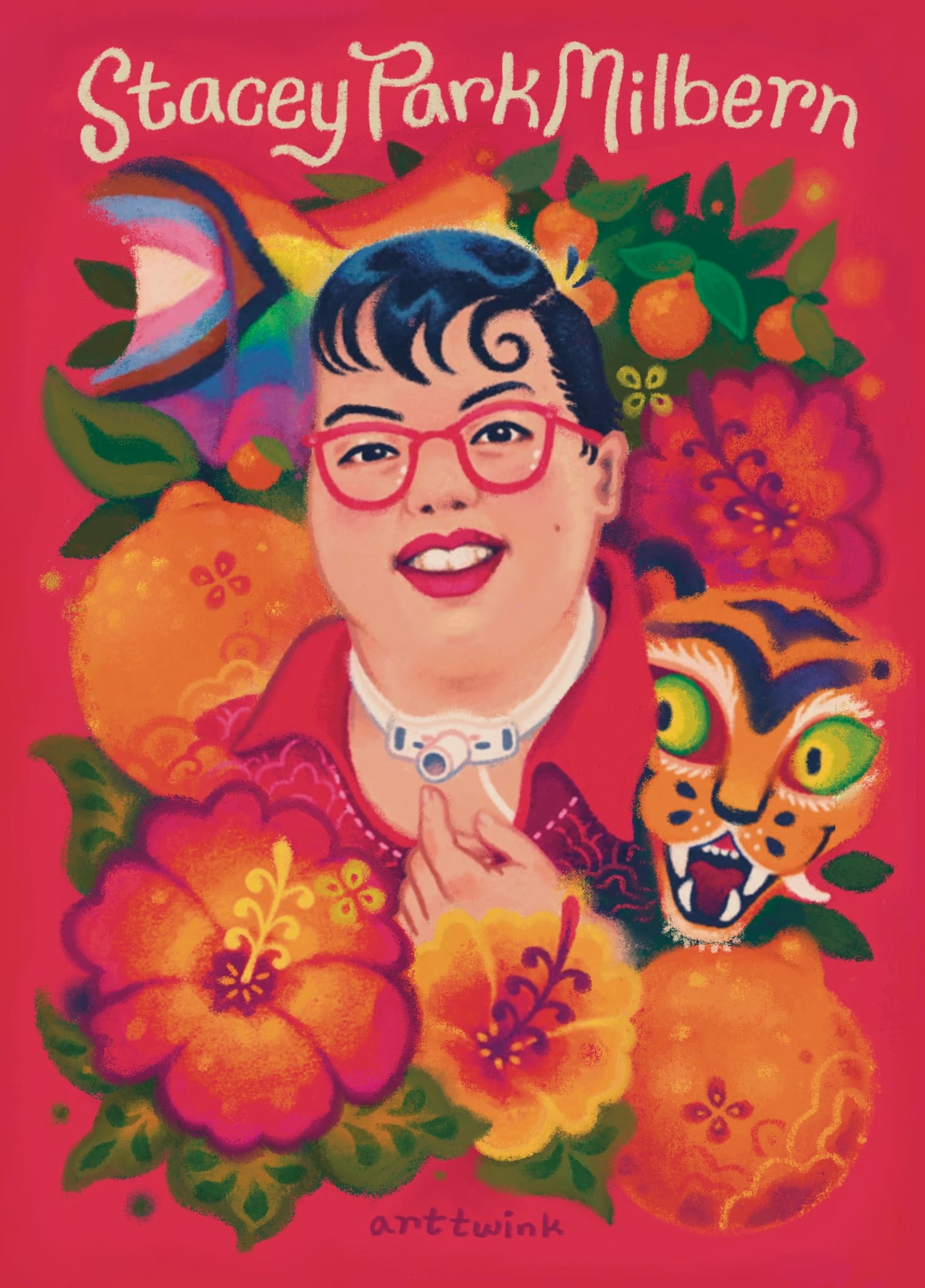
Stacey Park Milbern Illustration
Korean American disability justice activist Stacey Park Milbern (1987–2020), illustrated by Bengali American artist Art Twink. For her activism and work as a co-founder of Disability Justice, Milbern was commemorated as the first female wheelchair user featured on a US quarter.
-
Video
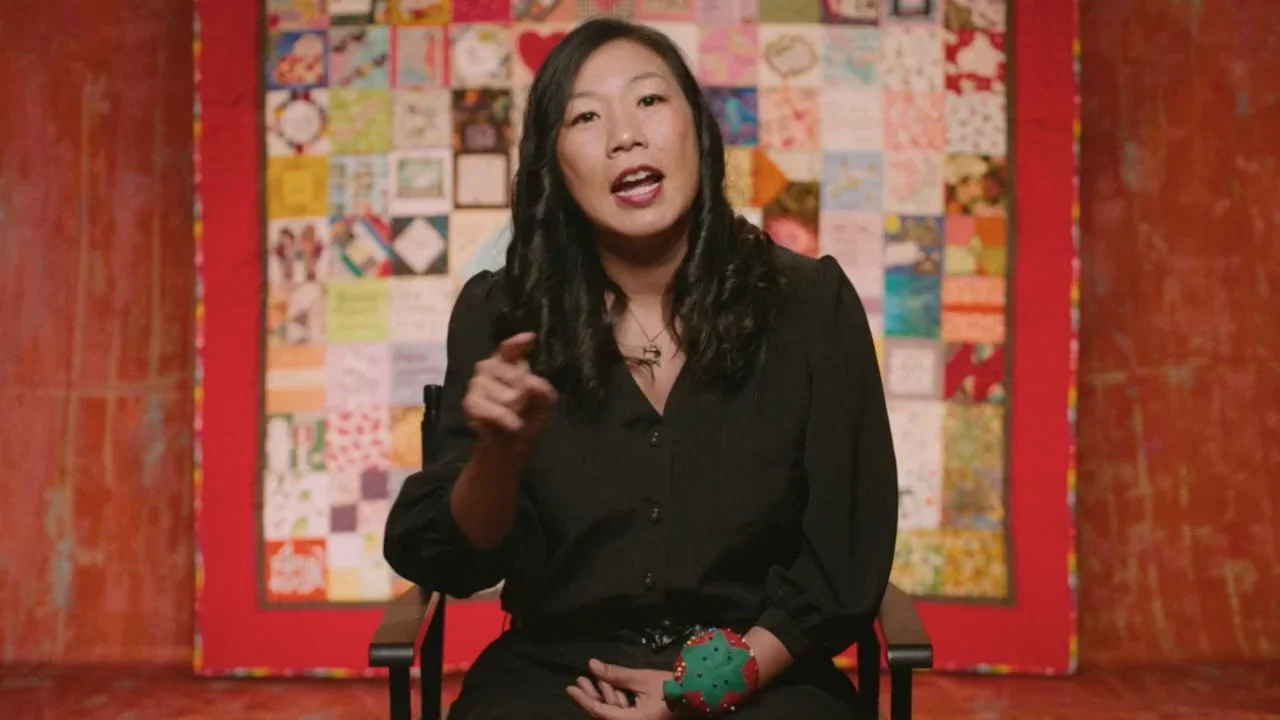
Video of Kristina Wong and Auntie Sewing Squad
In this PBS video, comedian and artist Kristina Wong chronicles the growth of the Auntie Sewing Squad, the story that became the basis of her breakout one-woman show in 2021, “Sweatshop Overlord,” a finalist for the Pulitzer Prize for Drama.
-
Image
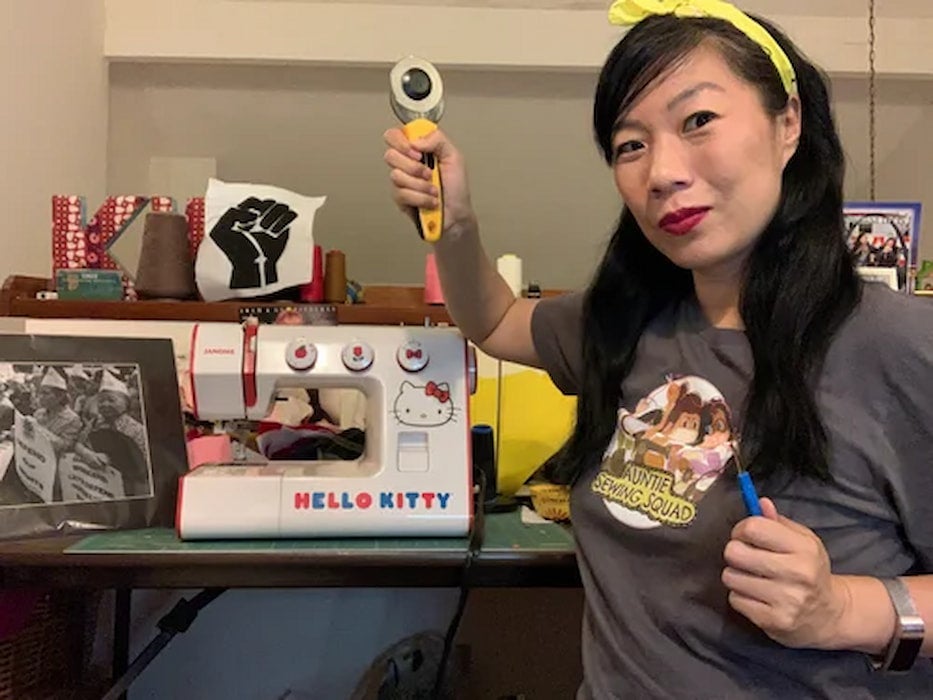
Photo of Kristina Wong and Auntie Sewing Squad
Comedian and artist Kristina Wong started the Auntie Sewing Squad over Facebook during the COVID-19 pandemic, using her sewing skills and Hello Kitty machine to create masks for frontline workers and other vulnerable groups.
-
Image
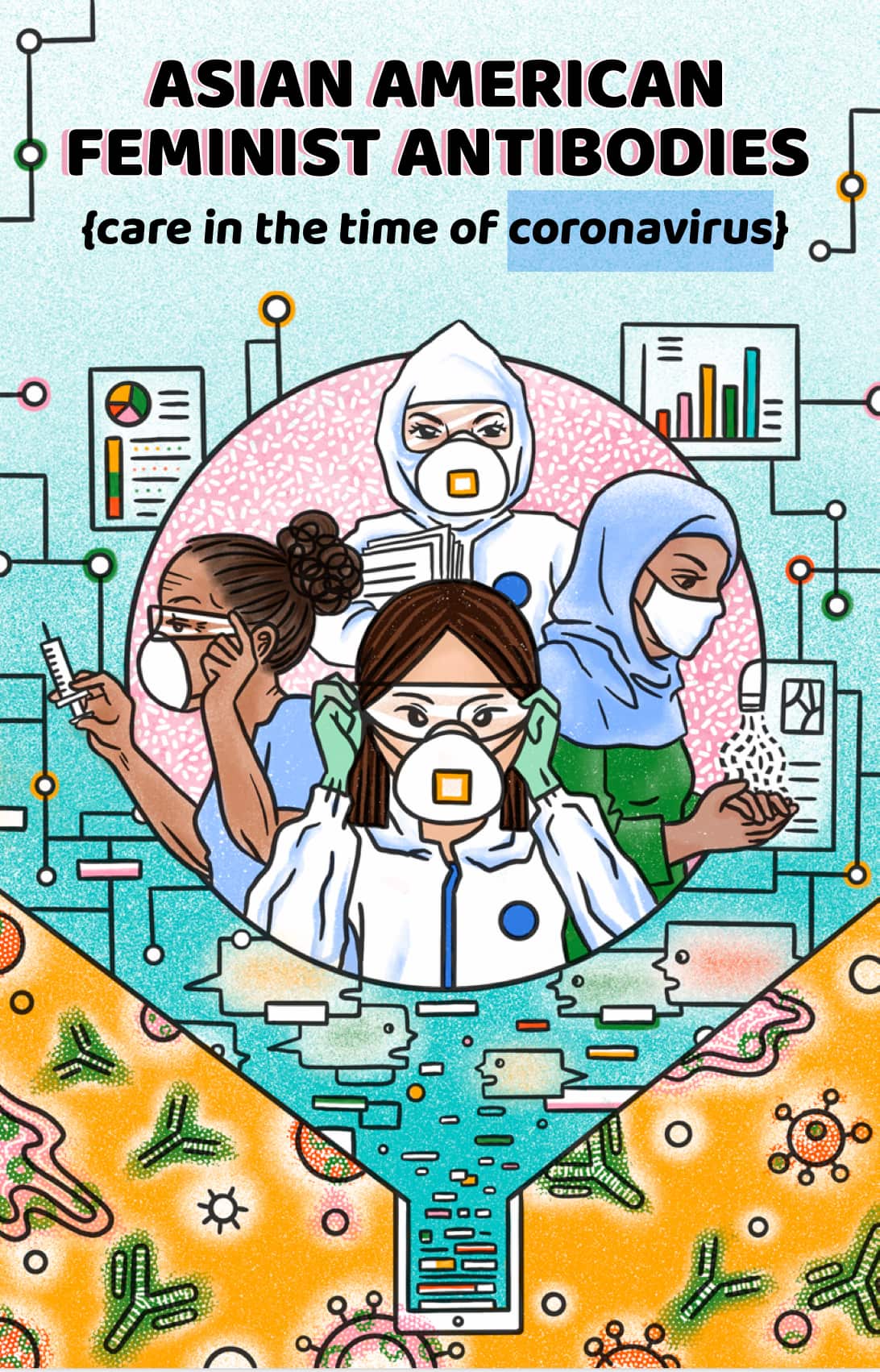
Asian American Feminist Antibodies Digital Zine
Cover of digital zine Asian American Feminist Antibodies: Care in the Time of Coronavirus (2020), created by the Asian American Feminist Collective, in collaboration with Bluestockings NYC.