



Search the Media Repository
Discover the curated images, videos, and primary sources featured throughout Foundations and Futures
History is more than just text on a page; it is the photographs, voices, and artifacts of the people who lived it. The images and recordings featured across Foundations and Futures are part of a meticulously curated media repository. Whether you are building a lesson plan or investigating an artifact, you can use this database to trace the provenance of our media: discover who created an asset, the historical context behind it, and how it can be used to bring Asian American and Pacific Islander experiences into your classroom.
Multimedia
Chapters
-
Image
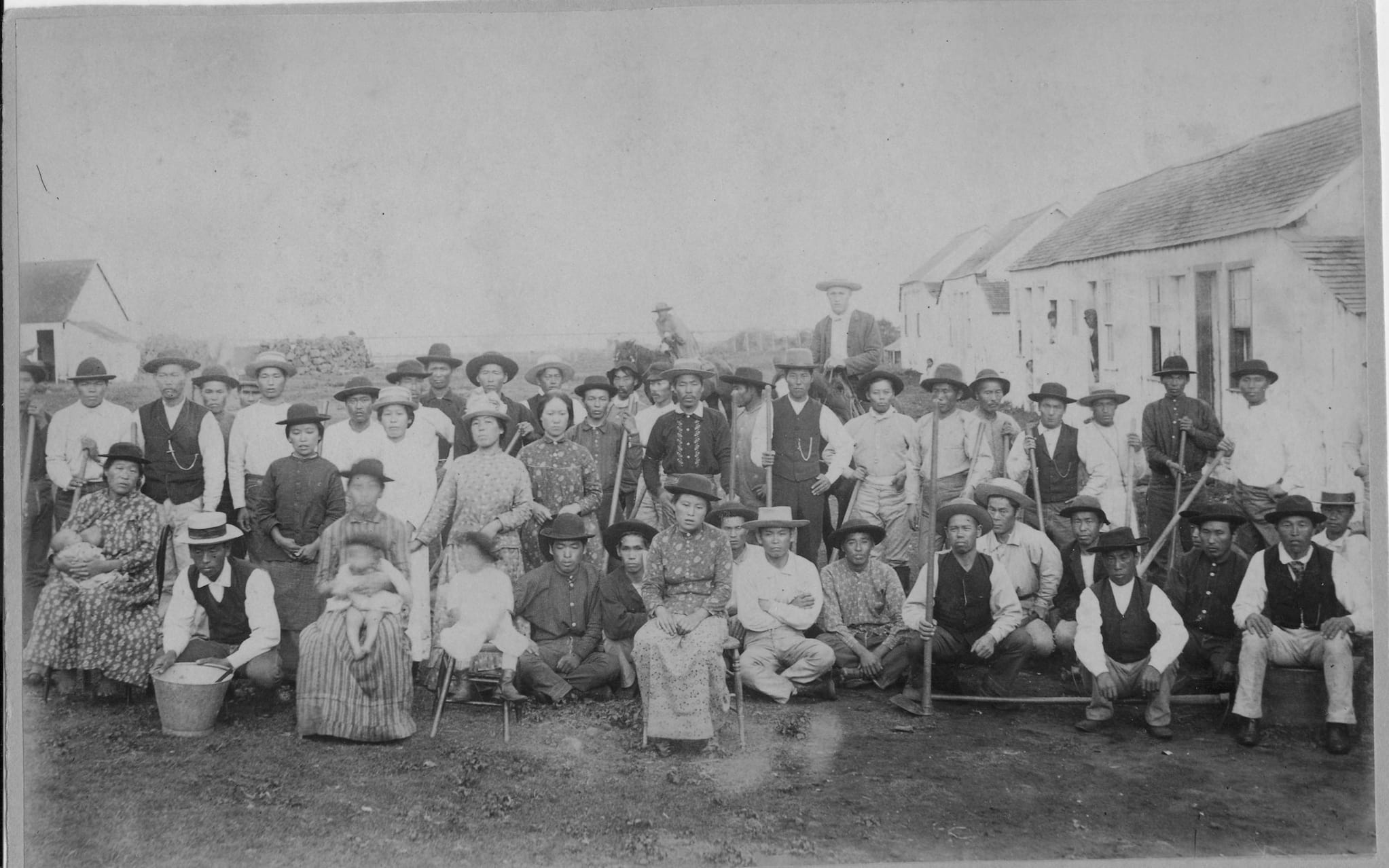
Japanese Sugar Plantation Workers, 1890
Japanese sugar plantation workers in Kaʻū, Hawaiʻi Island, in 1890. Japanese made up the largest group of immigrant labor recruits between 1885 and 1924.
-
Video
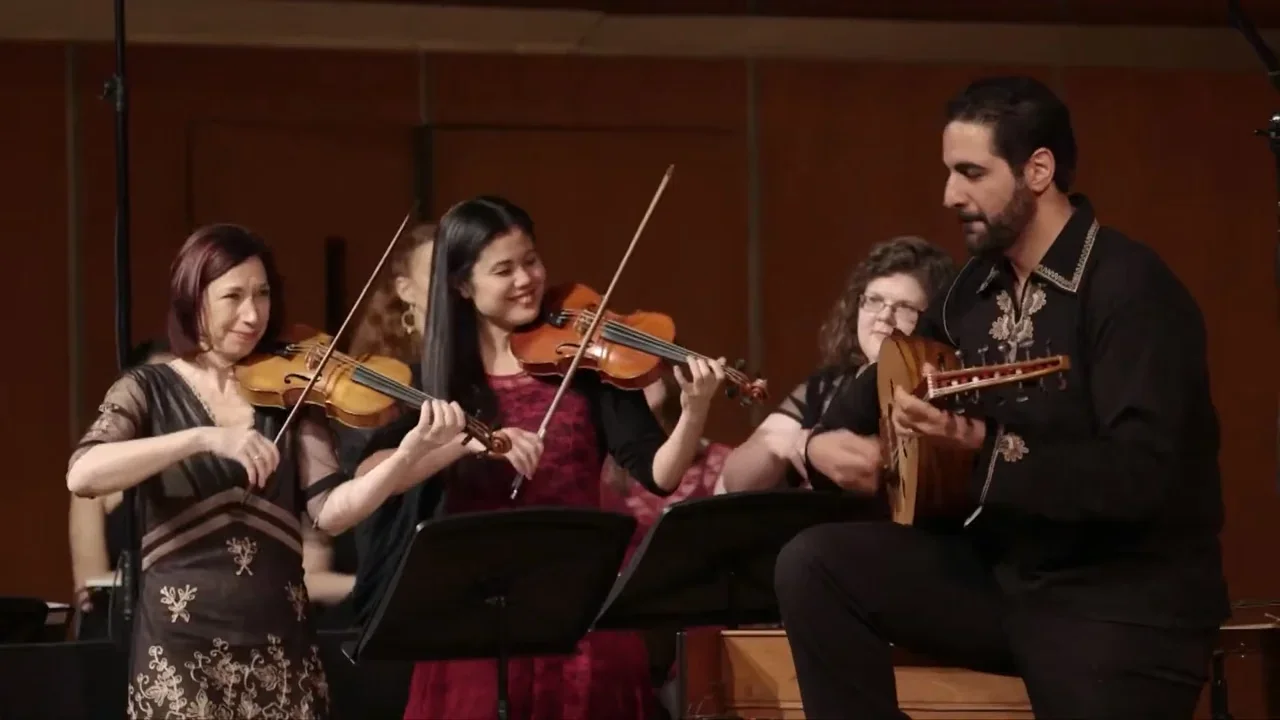
“Longa Farahfaza” Performance Excerpt
Ronnie Malley (far right), Palestinian-American musician and executive director of Intercultural Music Production in Chicago, Illinois, performs the classical Arab instrumental composition, “Longha Farahfaza,” in “O’ Jerusalem,” with the Grammy award-winning Apollo’s Fire Baroque Orchestra.
-
Video
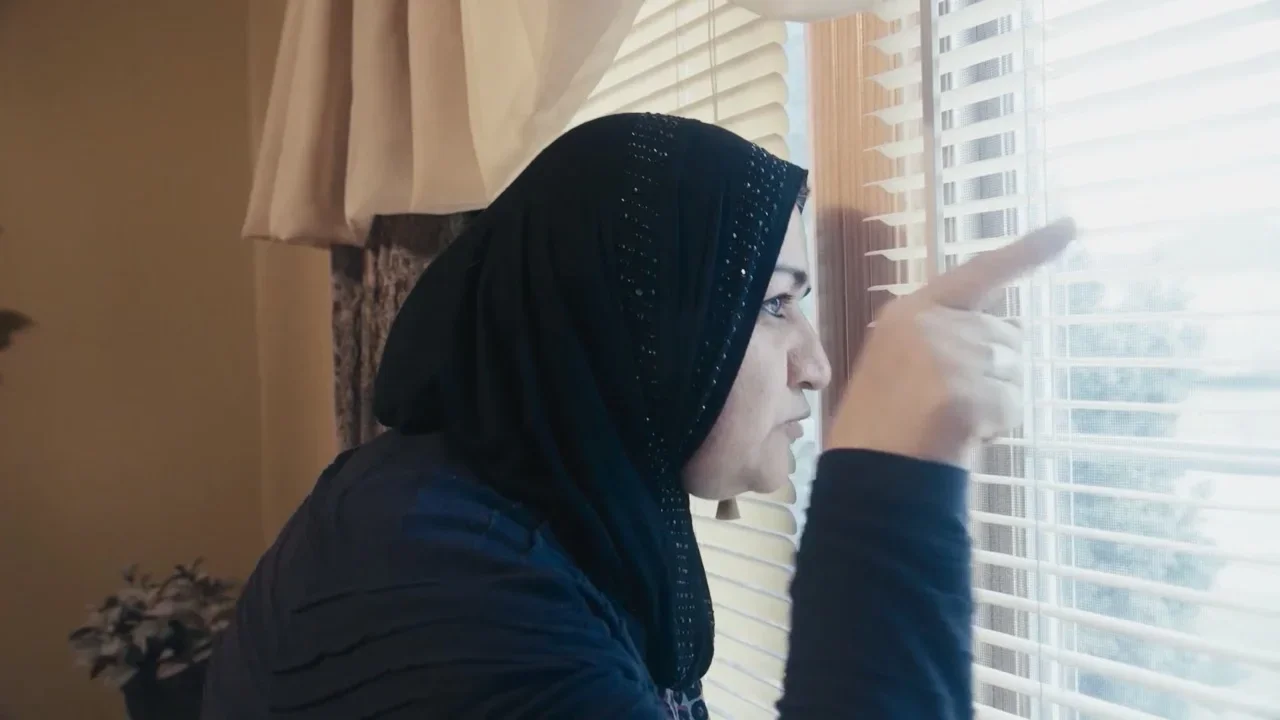
Clip from The Feeling Of Being Watched
In The Feeling of Being Watched (2018), filmmaker Assia Boundaoui investigates rumors that her quiet, predominantly Arab American neighbourhood was being monitored by the FBI and uncovers government surveillance invading residents’ lives.
-
Text
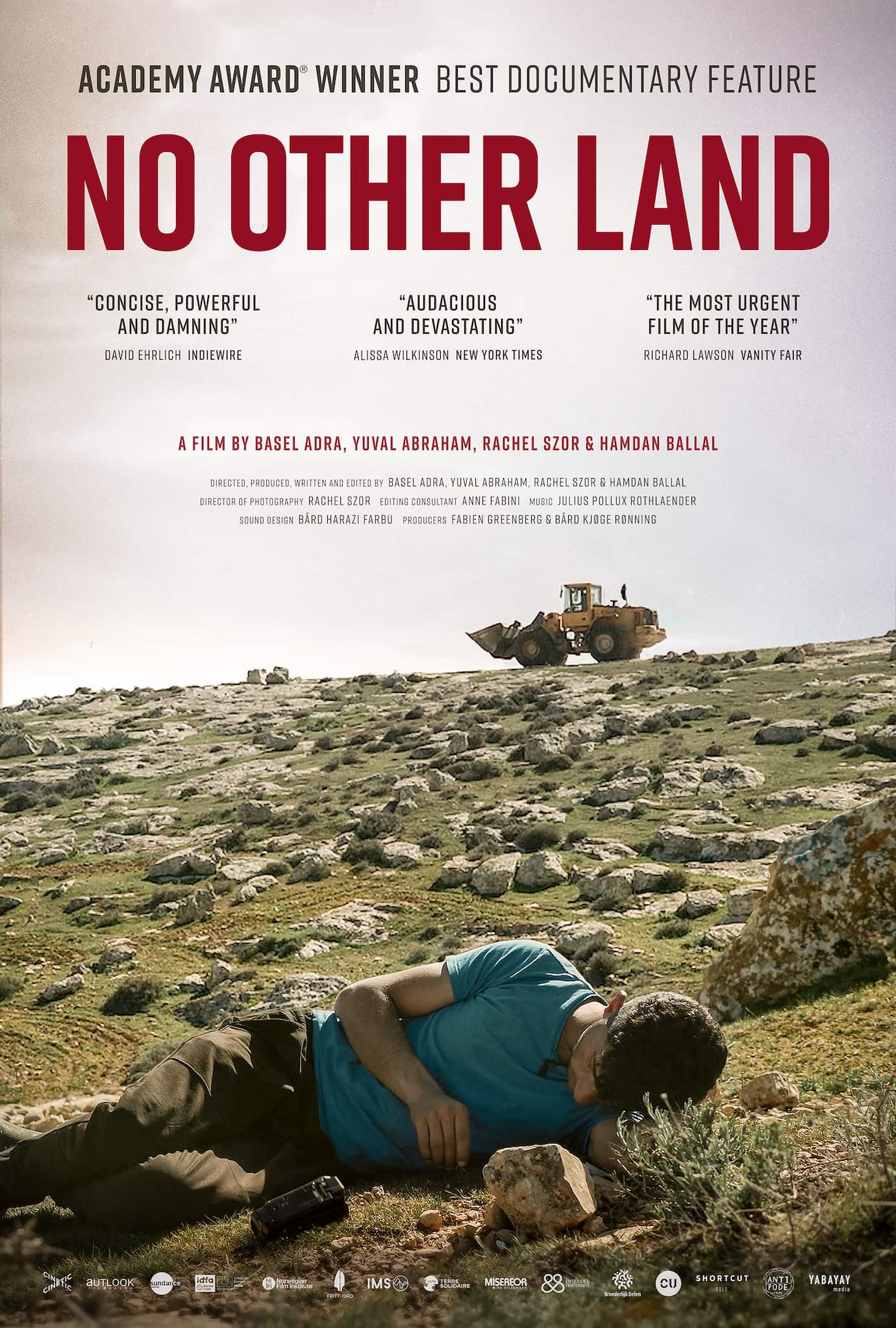
No Other Land Poster
The film No Other Land, about the Israeli occupation of Palestine’s West Bank, won the 2025 Academy Award for Best Documentary Feature.
-
Image
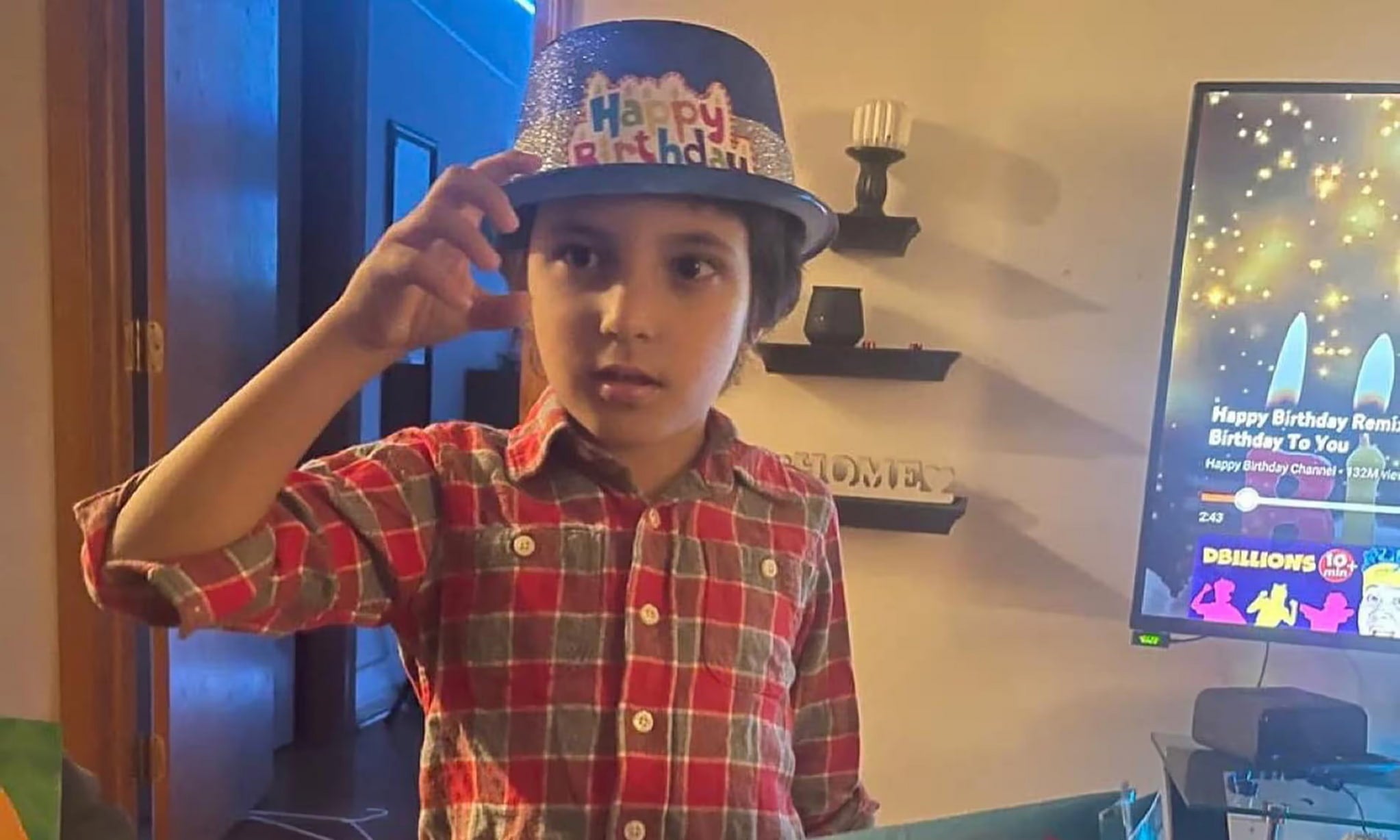
Wadea Al-Fayoume
Wadea al-Fayoumi, age six, was murdered in suburban Chicago, Illinois, by his landlord in a 2023 anti-Palestinian and anti-Muslim hate crime.
-
Image
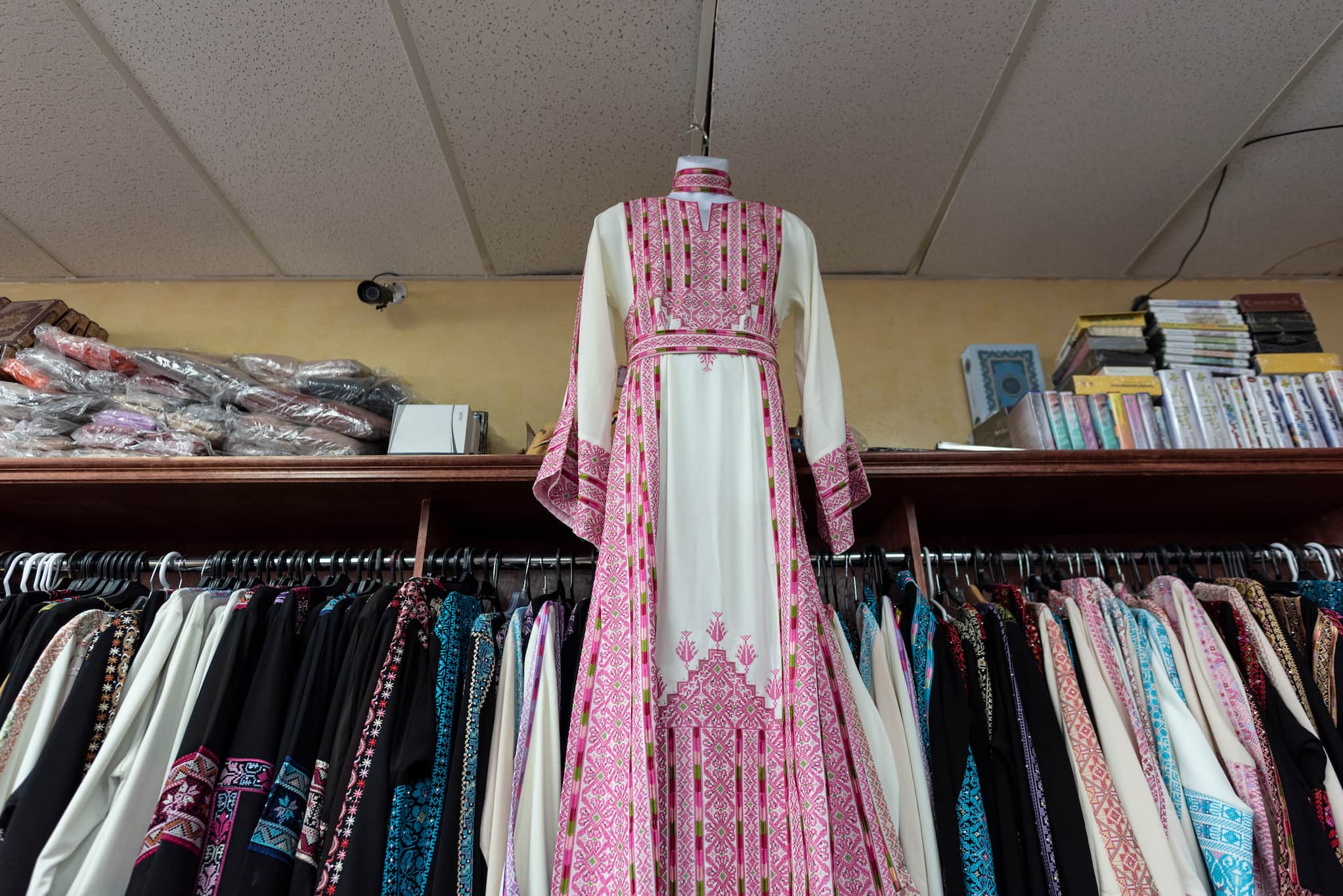
Traditional Dress For Sale
A traditional Palestinian dress for sale inside of the Al-Omari Islamic Fashions shop in Bridgeview, Illinois.
-
Image
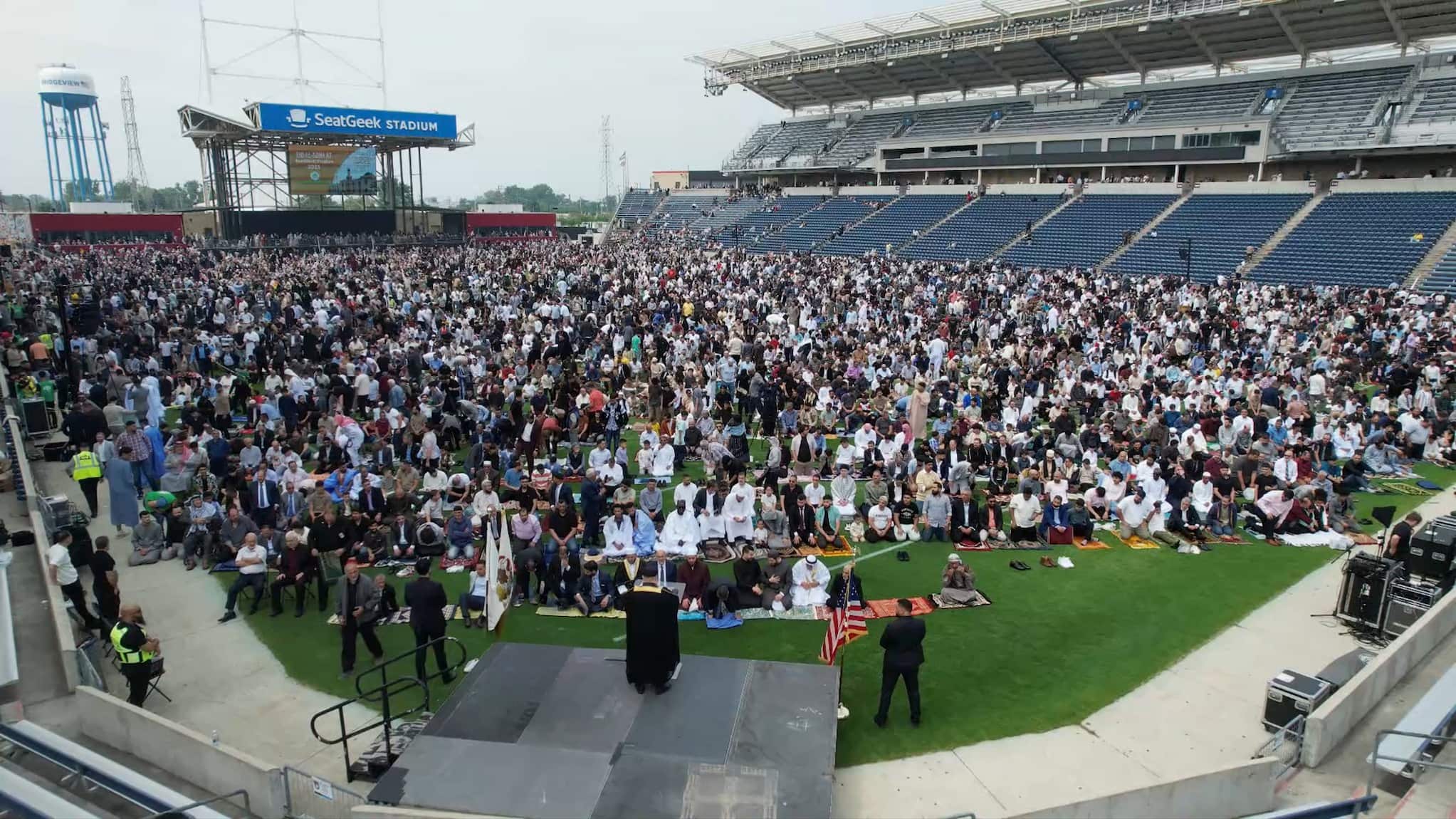
Eid Prayer at SeatGeek Stadium
The Bridgeview Mosque near Chicago, Illinois, is one of the largest in the country. This 2015 Eid prayer hosted by the Mosque Foundation took place at the SeatGeek Stadium in Bridgeview, Illinois, and drew thousands of worshipers.
-
Image
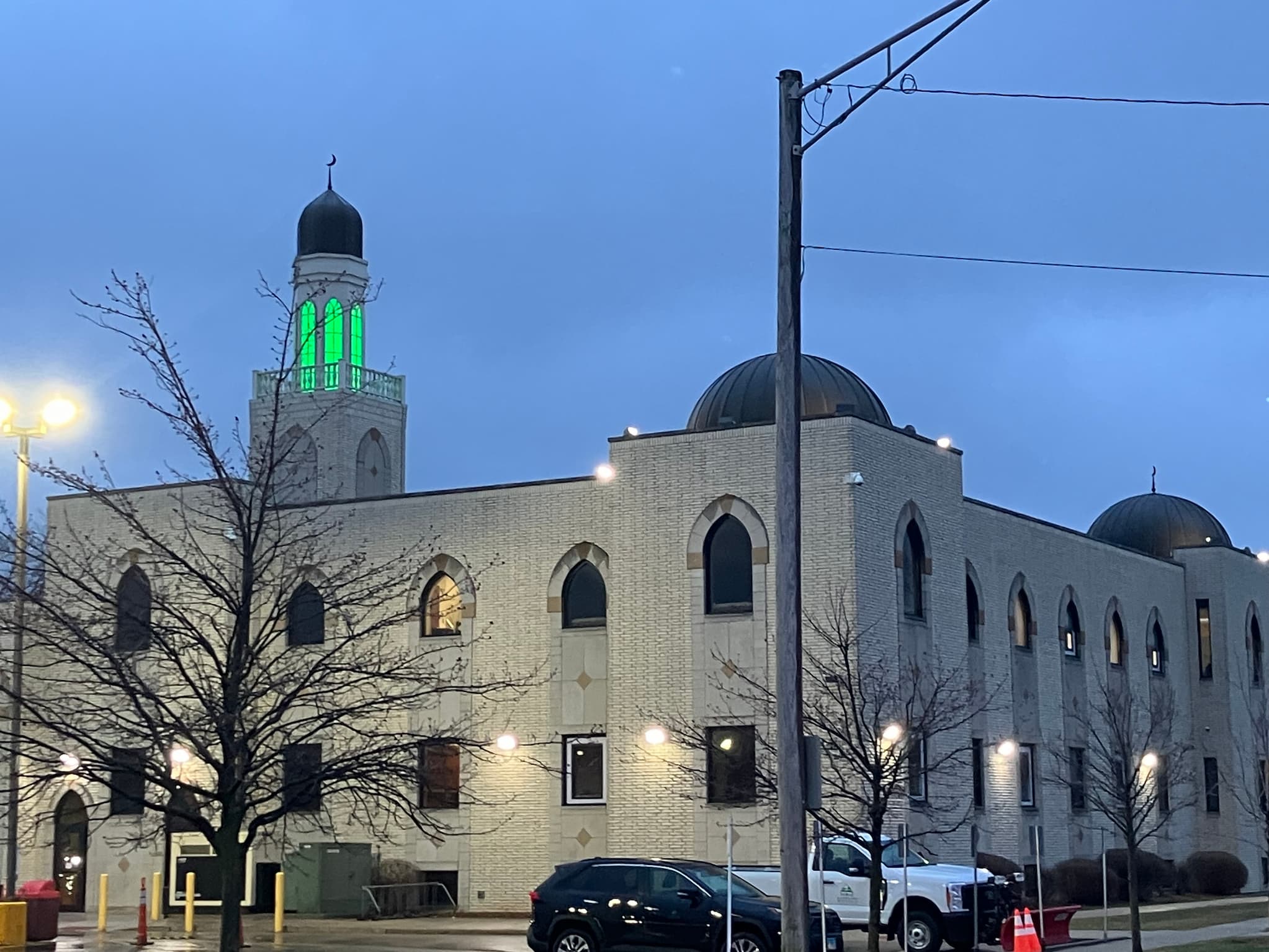
Mosque in Bridgeview, Illinois
The Mosque Foundation in Bridgeview, Illinois, seen here in 2025, attracted Palestinians to the southwest suburbs of Chicago.
-
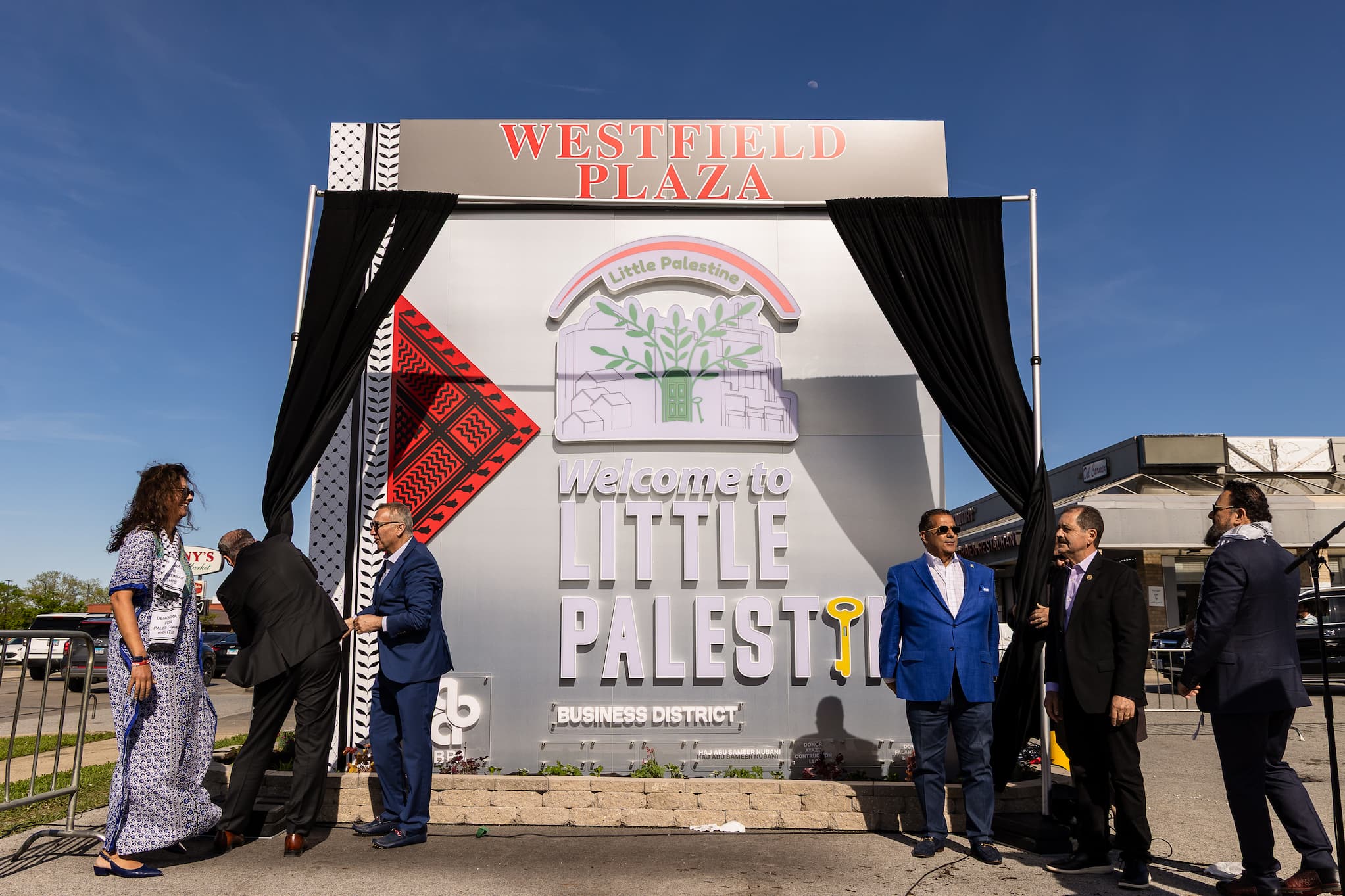
Image
Welcome to Little Palestine Sign, Bridgeview, Illinois
Community leaders, including members of the Arab American Business and Professional Association and Congressman Jesús Garcia (second from right), unveil a “Welcome to Little Palestine” sign in Bridgeview, Illinois. The sign is a symbol of unity and pride for the community.
-
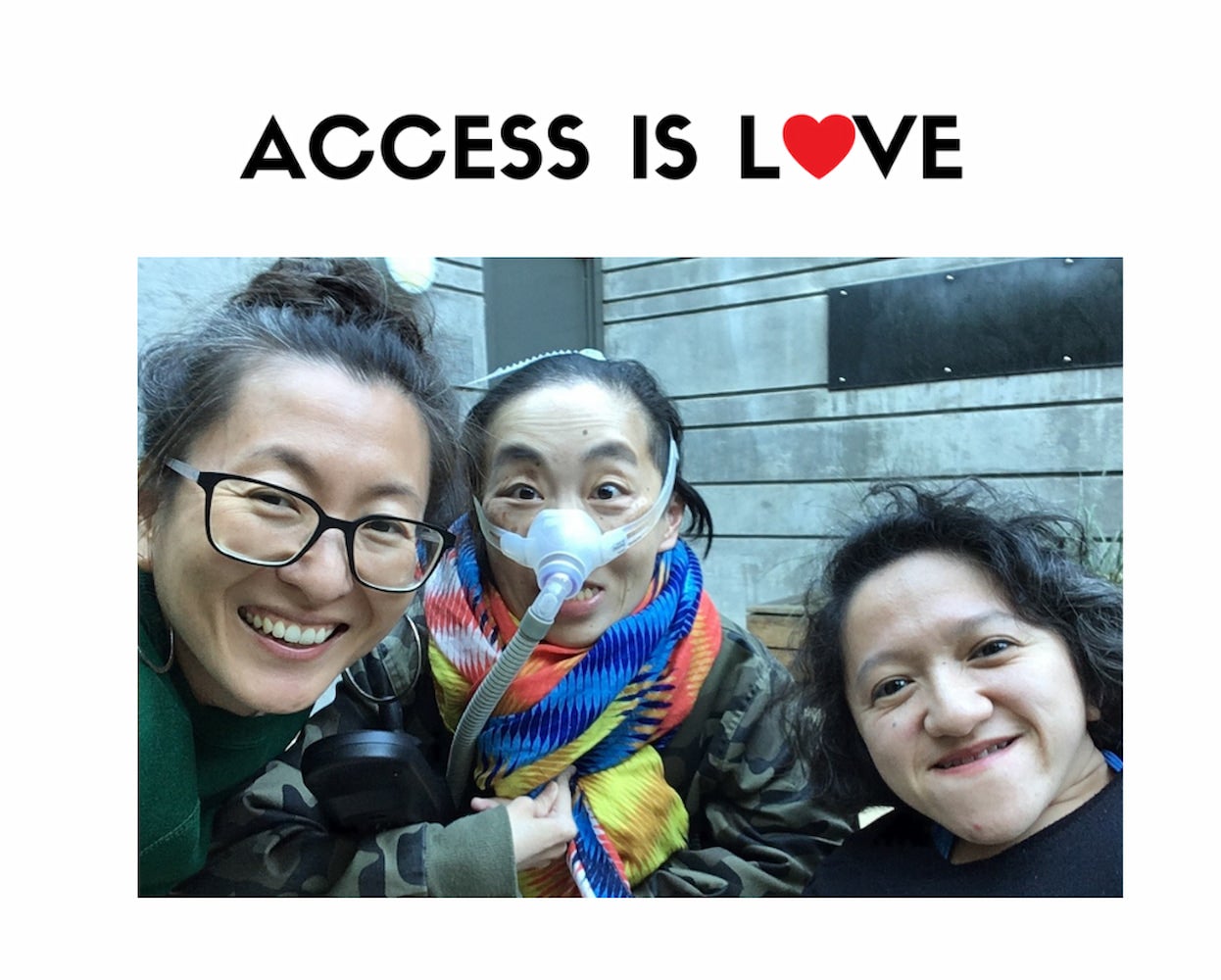
Image
Access is Love
Disability justice activists (left to right) Mia Mingus, Alice Wong, and Sandy Ho started the Access Is Love Project with the “aim to help build a world where accessibility is understood as an act of love.”
-
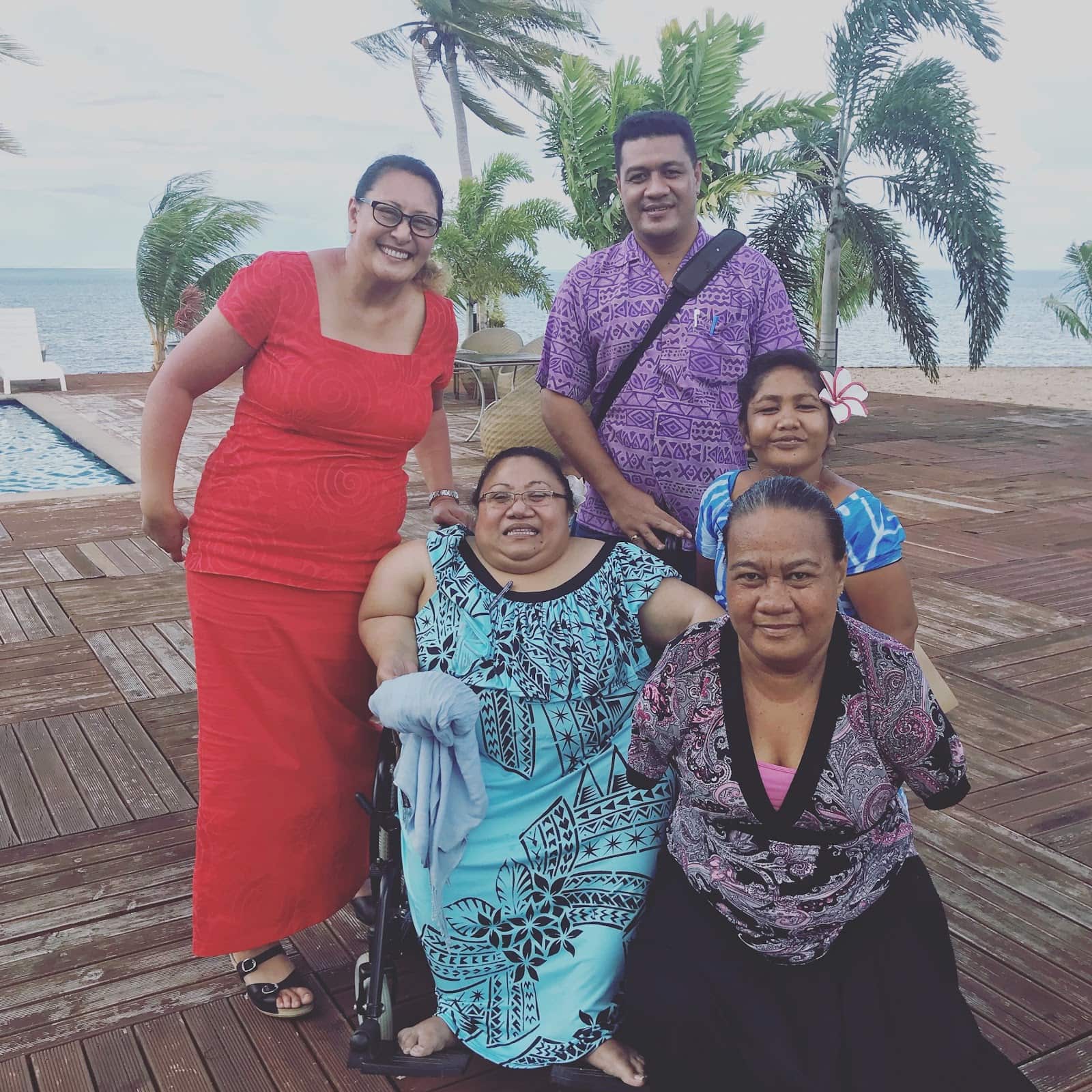
Image
Nuanua O Le Alofa (NOLA)
Louise Tasileta Leauanae (center, in wheelchair) was one of the founding members of Nuanua O Le Alofa (NOLA). Her advocacy work fostered representation of people with disabilities in decision-making in Sāmoa and the Pacific Islands. Louise became an ancestor in 2018 at the age of forty-five.
-
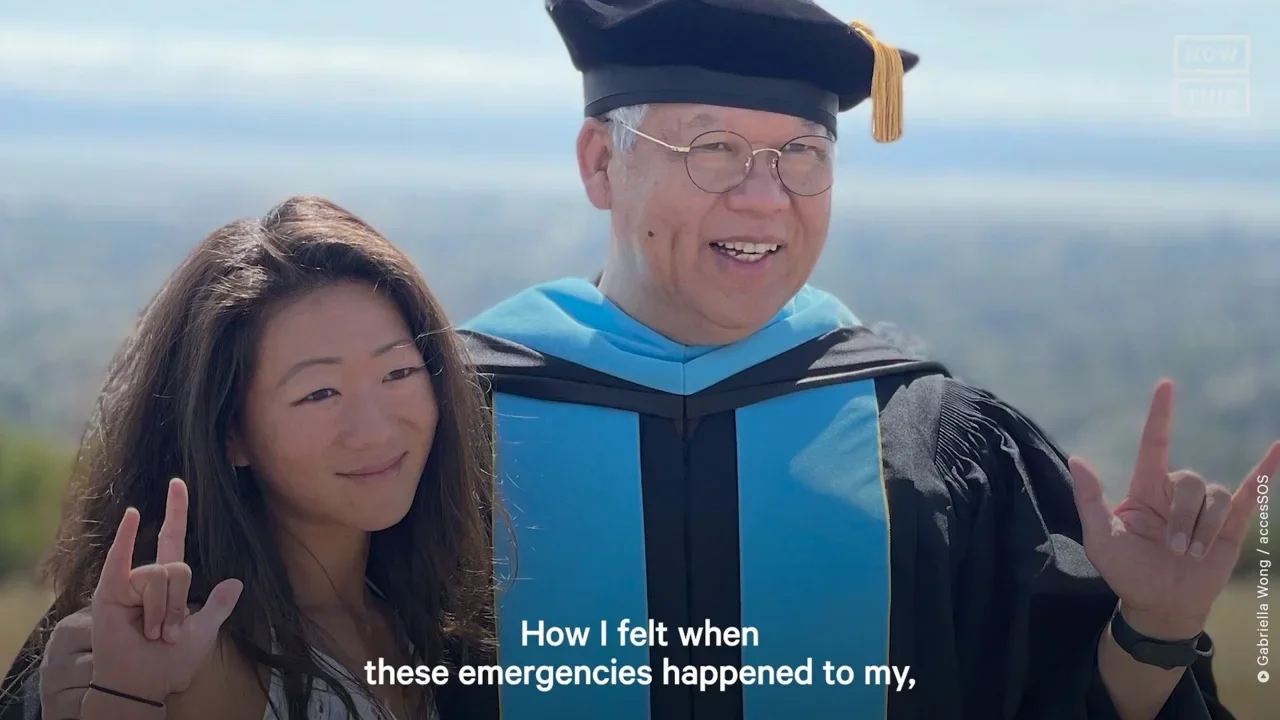
Video
AccesSOS Founder, Gabriella Wong
AccesSOS founder Gabriella Wong explains how the app’s inclusive features make emergency services accessible to those with hearing disabilities like her father, as well as other minority and at-risk populations.
-
Image
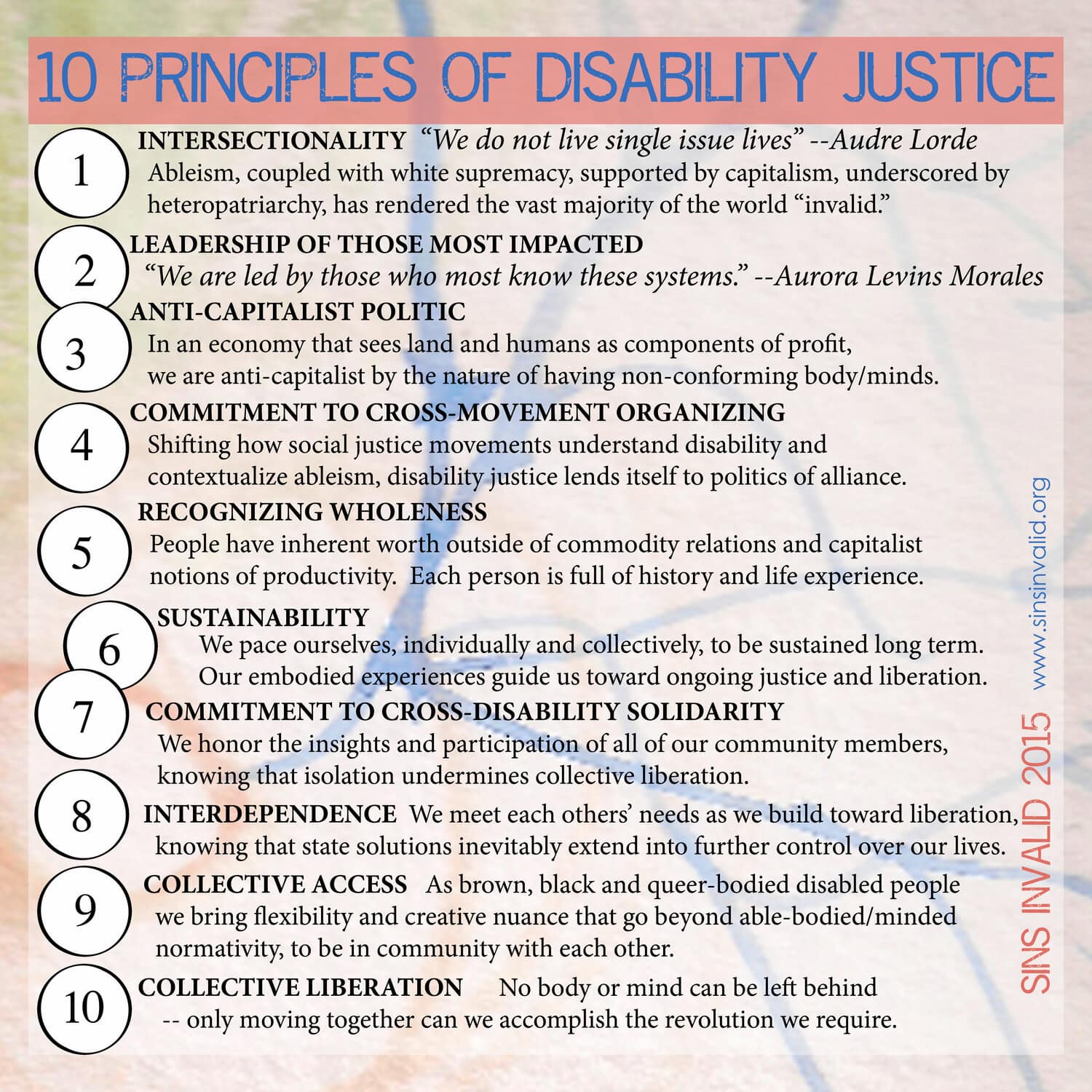
“10 Principles of Disability Justice”
This infographic created by Sins Invalid in 2015 lists the “10 Principles of Disability Justice” and their definitions.
-
Image
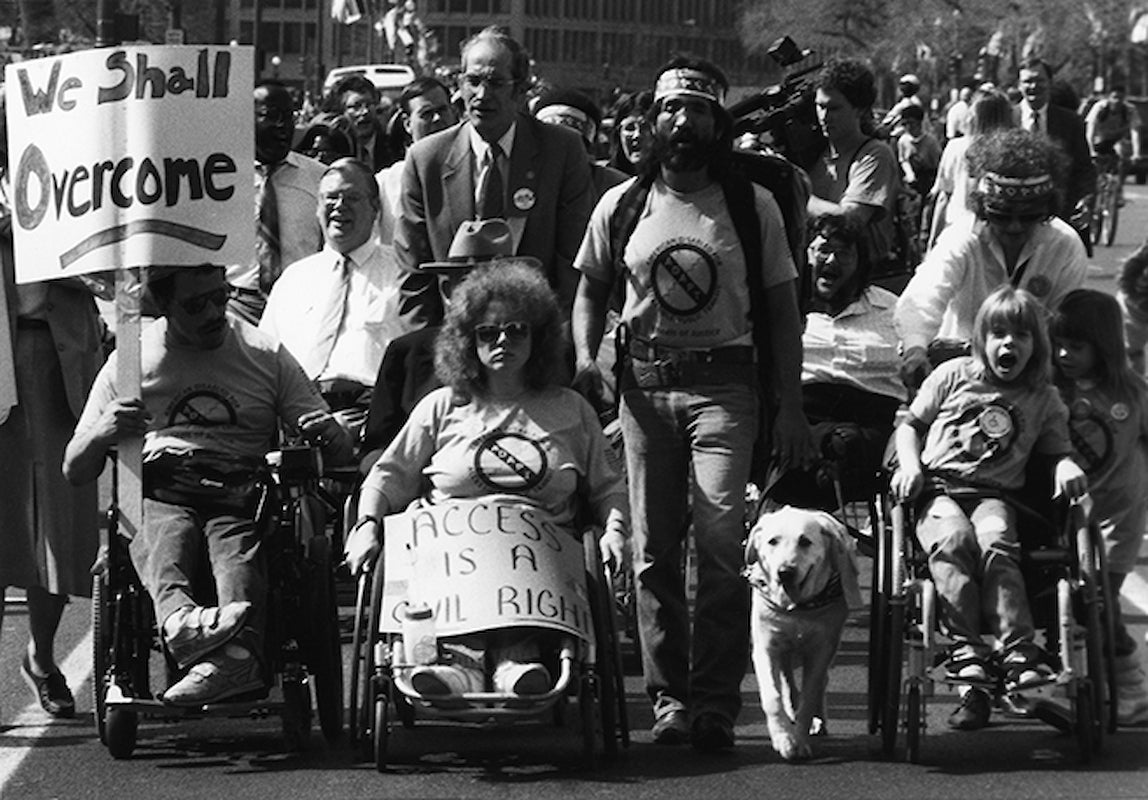
Wheels of Justice March on March 12, 1990
Protestors at the Wheels of Justice March on March 12, 1990, in Washington, DC, push for the passing of the American Disability Act (ADA). The efforts of organized activism by people with disabilities led to the signing of the ADA into law on July 26, 1990.
-
Image
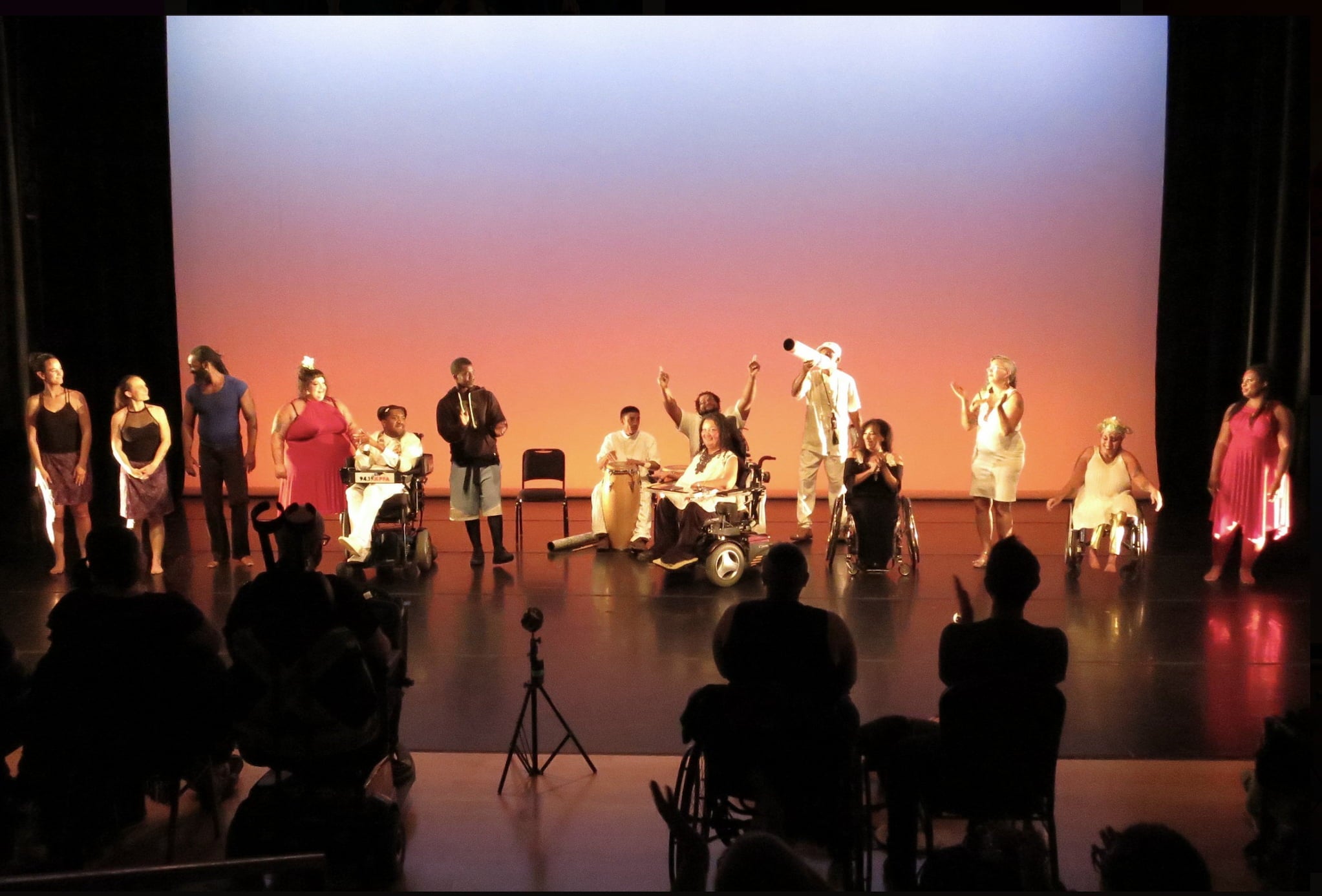
Curtain Call for Birthing, Dying Becoming Crip Wisdom
Queer Japanese Haitian American artist, director, and co-founder Patty Berne (center, woman wearing a white blouse and sitting in a wheelchair) with performers during a Sins Invalid production.
-
Text
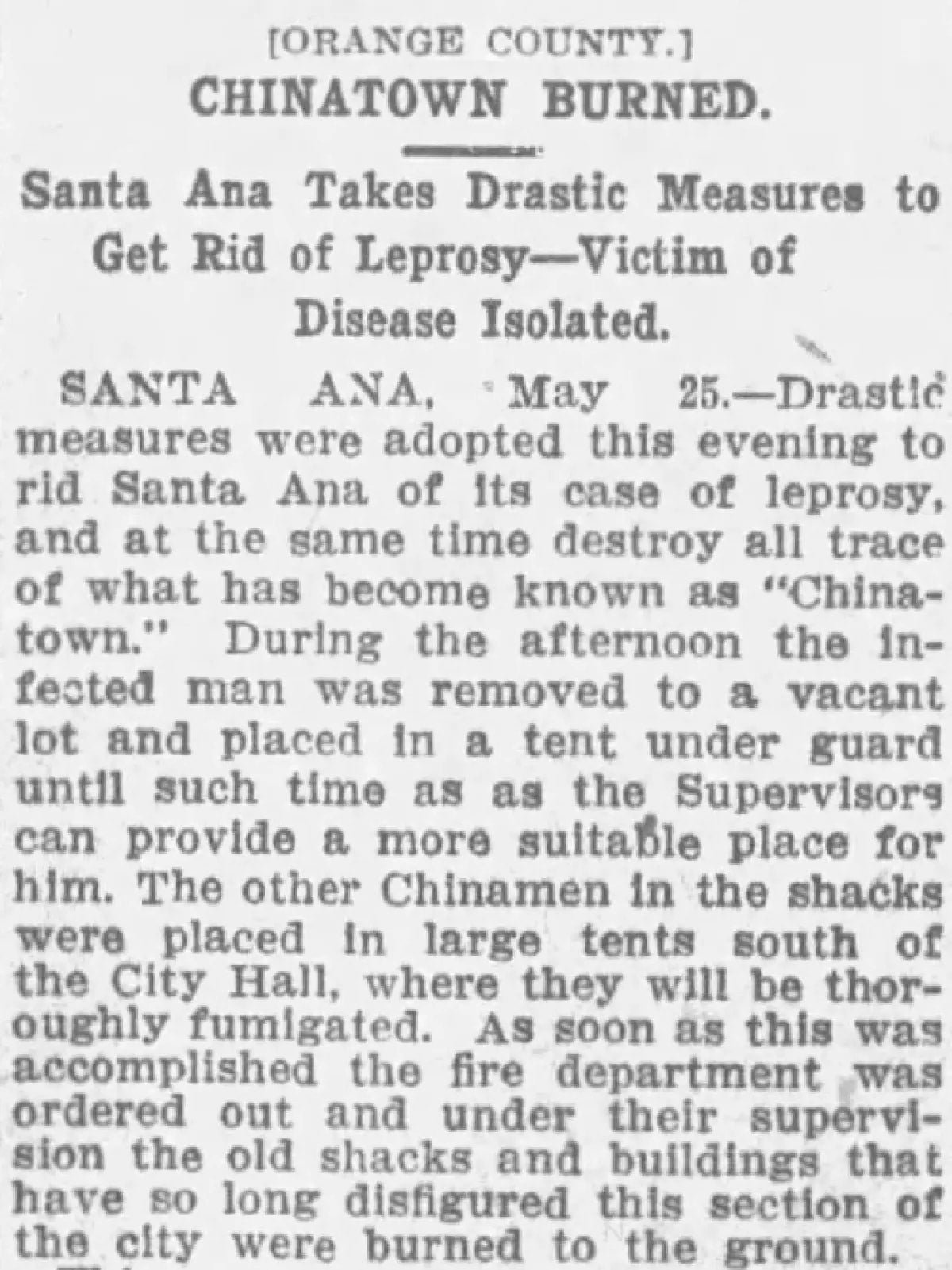
Los Angeles Times Clipping From May 25, 1906
This Los Angeles Times clipping from May 25, 1906, documents the quarantining and fumigation of Chinese residents while Chinatown in Santa Ana, California, was burned by the city’s fire department.
-
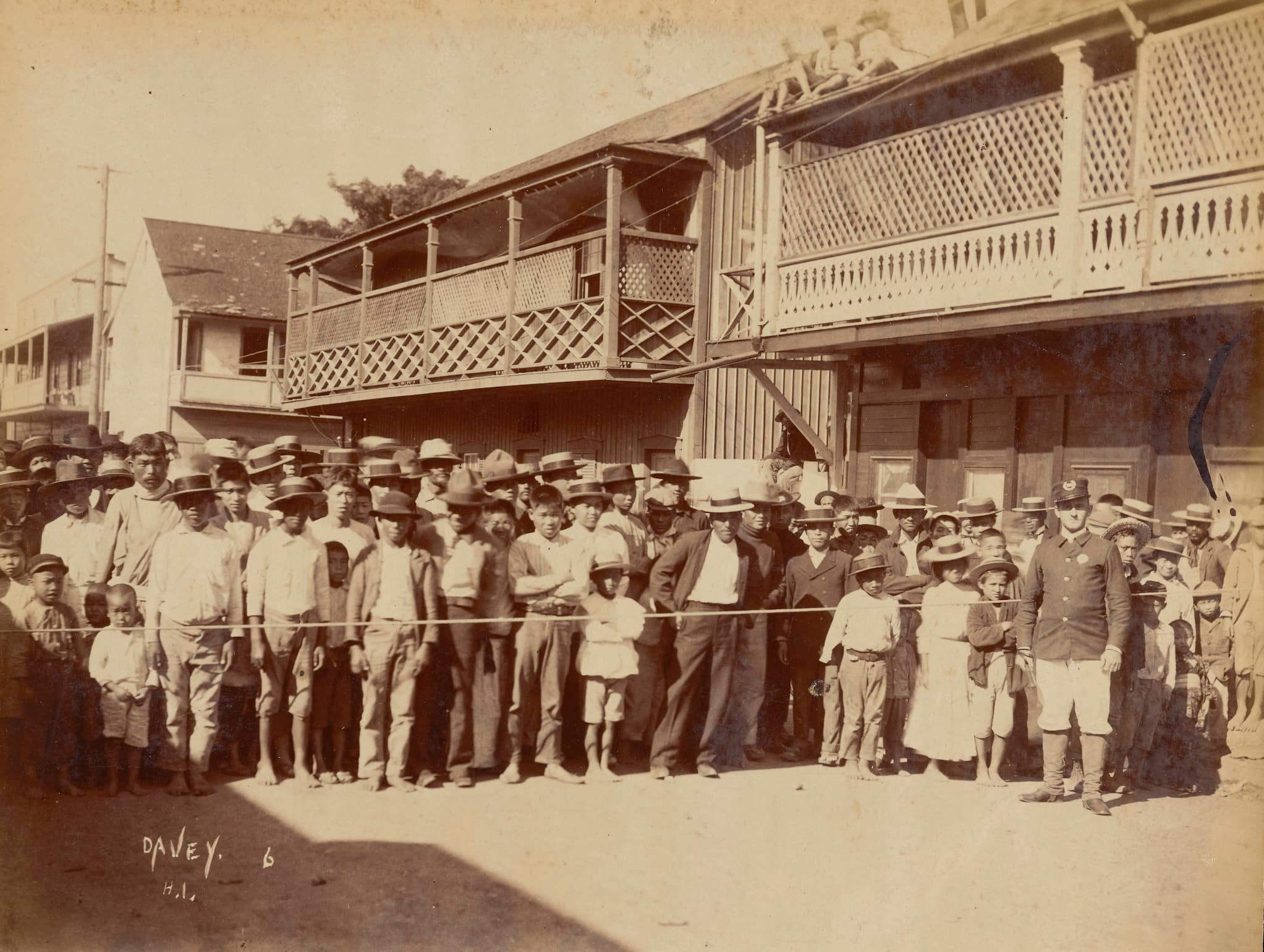
Image
Chinatown Residents Cordoned Off, 1900
Chinatown residents cordoned off with rope, monitored by white guards, such as Officer Charles Lambert (right), during the bubonic plague in Honolulu, Hawaiʻi, in 1900.
-
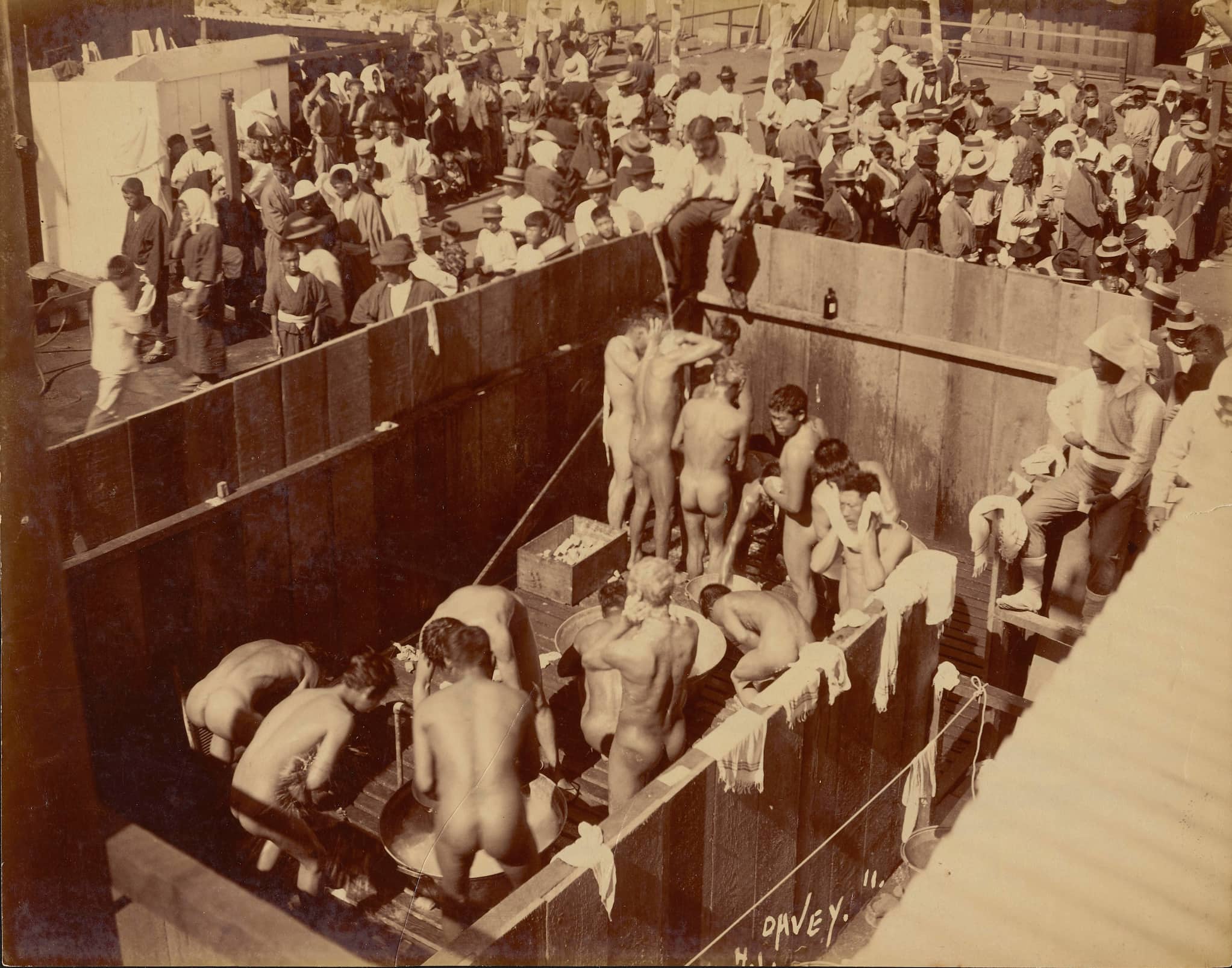
Image
1900 Honolulu, Hawaiʻi Residents Forced Fumigation Shower
This photo from 1900 shows Honolulu, Hawaiʻi, residents in a fumigation shower. After the fires, displaced residents were publicly stripped and fumigated by health officials and police.
-
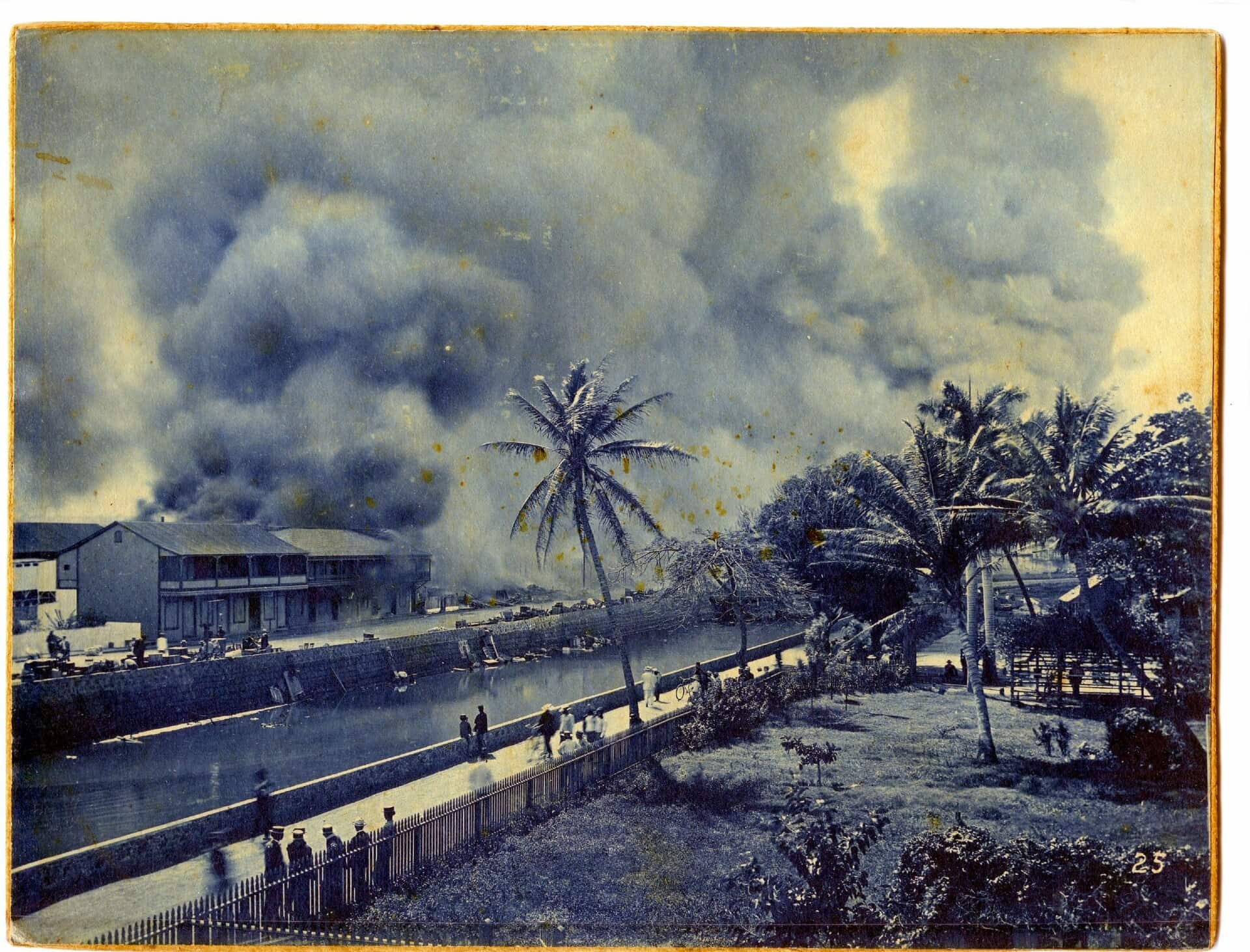
Image
Burning of Honolulu, Hawaiʻi, 1900
A photograph of the burning of Honolulu, Hawaiʻi, in 1900. Upon recommendation of physicians, the Board of Health purposely burned buildings to halt the spread of infections. This fire burned down almost all of Chinatown and a fifth of Honolulu.
-
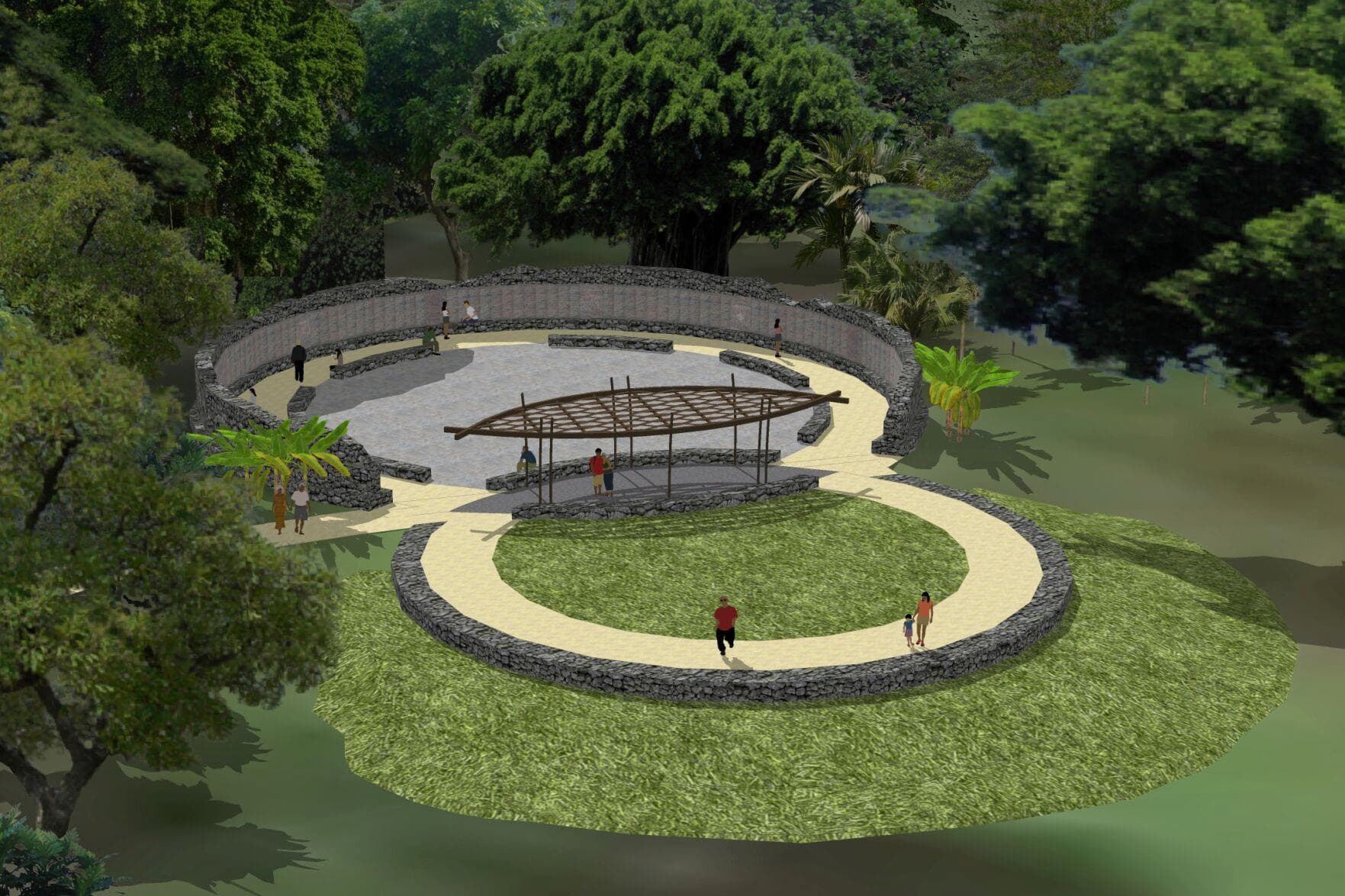
Image
Proposed Memorial Designed by Japanese American Immigrant Architect Hitoshi Hida for Kalaupapa National Historic Park
This proposed memorial designed by Japanese American immigrant architect Hitoshi Hida for Kalaupapa National Historic Park on Molokaʻi, one of the Hawaiian Islands, will commemorate the names of the eight thousand people who were quarantined there.