



Search the Media Repository
Discover the curated images, videos, and primary sources featured throughout Foundations and Futures
History is more than just text on a page; it is the photographs, voices, and artifacts of the people who lived it. The images and recordings featured across Foundations and Futures are part of a meticulously curated media repository. Whether you are building a lesson plan or investigating an artifact, you can use this database to trace the provenance of our media: discover who created an asset, the historical context behind it, and how it can be used to bring Asian American and Pacific Islander experiences into your classroom.
Multimedia
Chapters
-
NPR StoryCorps interivew with family of Joe Kahahawai
In 2024, National Public Radio featured a StoryCorps interview of the nieces of Joseph Kahahawai, Jr., decades after their uncle was shot and killed.
Featured in:
Hawaiʻi: A Place and Its People, Module 4
-
Image
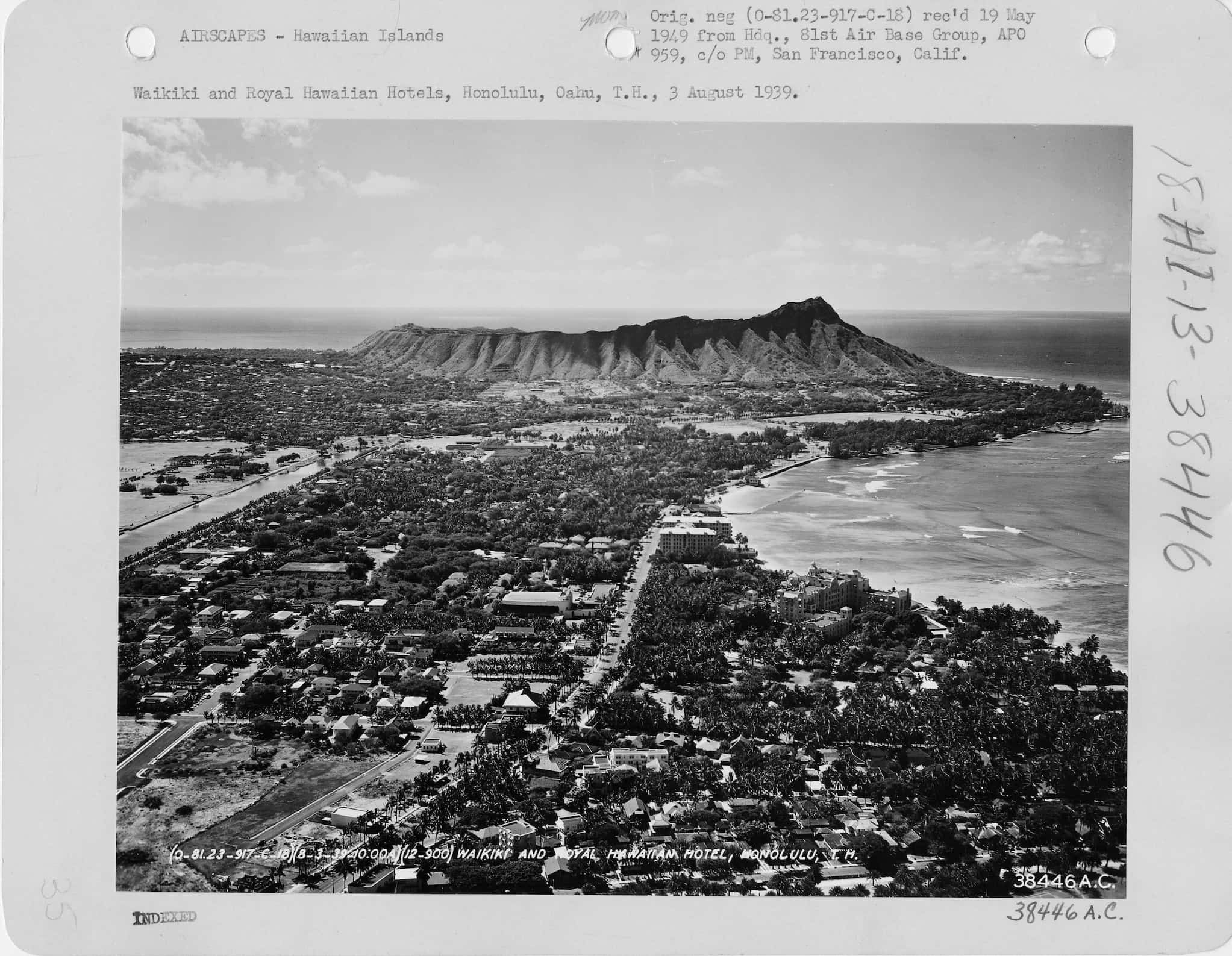
Aerial photograph of Waikiki and Royal Hawaiian Hotels, 1939
This aerial photo taken by the US Army Air Force in 1939 shows the city of Honolulu, Hawaiʻi, extending to Diamond Head in the distance. At least two large hotels can be seen along Waikīkī Beach; the bottom one is the Royal Hawaiian Hotel.
Featured in:
Hawaiʻi: A Place and Its People, Module 4
-

Video
Excerpts from Ha Kam Wi Tawk Pidgin Yet
In 2009, researchers from the Charlene J. Sato Center for Pidgin, Creole, and Dialect Studies at the University of Hawaiʻi at Mānoa worked with Waiʻanae High School on the island of Oʻahu to produce this film, Ha Kam Wi Tawk Pidgin Yet, about Hawaiʻi Creole (commonly referred to as Pidgin in Hawaiʻi).
Featured in:
Hawaiʻi: A Place and Its People, Module 4
-
Video
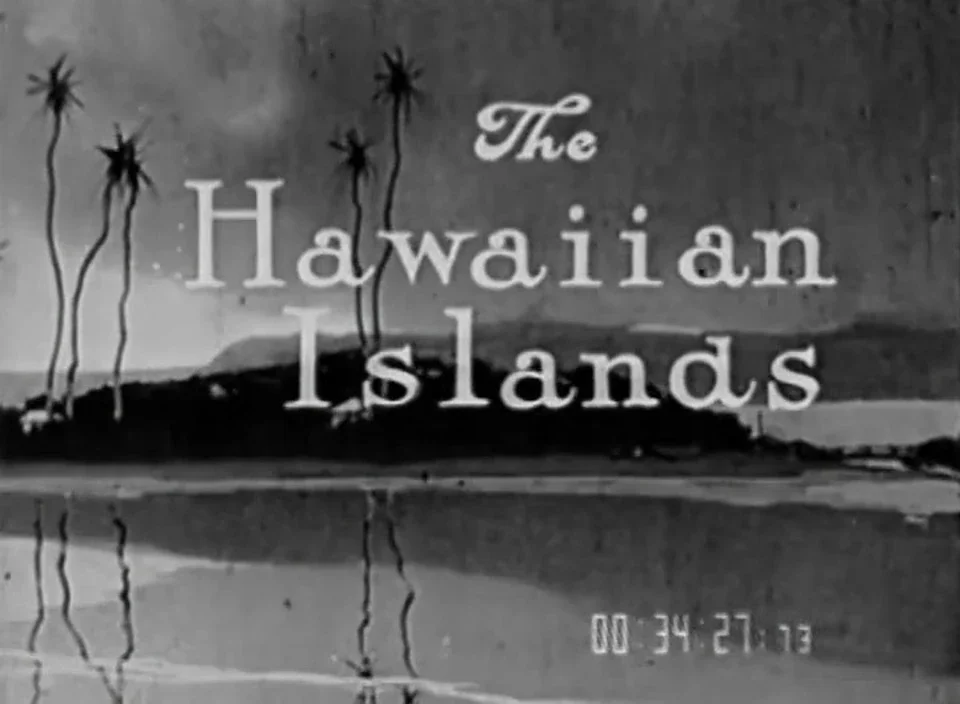
The Hawaiian Islands
This 1924 silent film by the Ford Motor Company showed everyday life in the Territory of Hawaiʻi to audiences on the continental United States.
Featured in:
Hawaiʻi: A Place and Its People, Module 3
-
Video
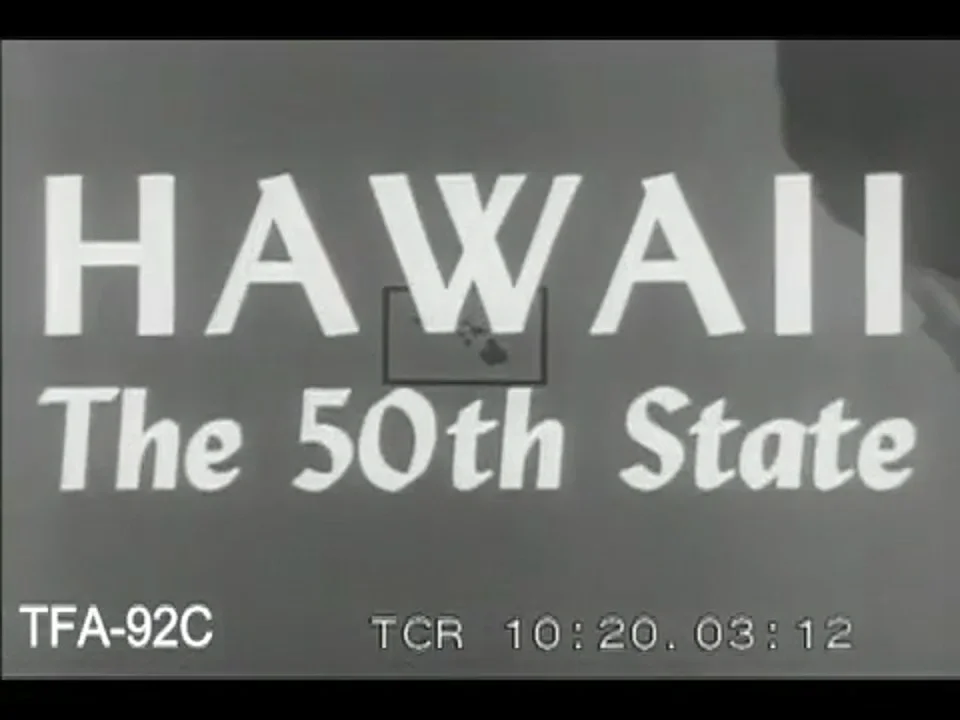
Excerpt from Hawaii, The 50th State
Hawaii: The 50th State (1959) was a film produced for the US Information Service of the Department of State. It was created to introduce the islands as the newest state of the union to the American public.
Featured in:
Hawaiʻi: A Place and Its People, Module 3
-
Image
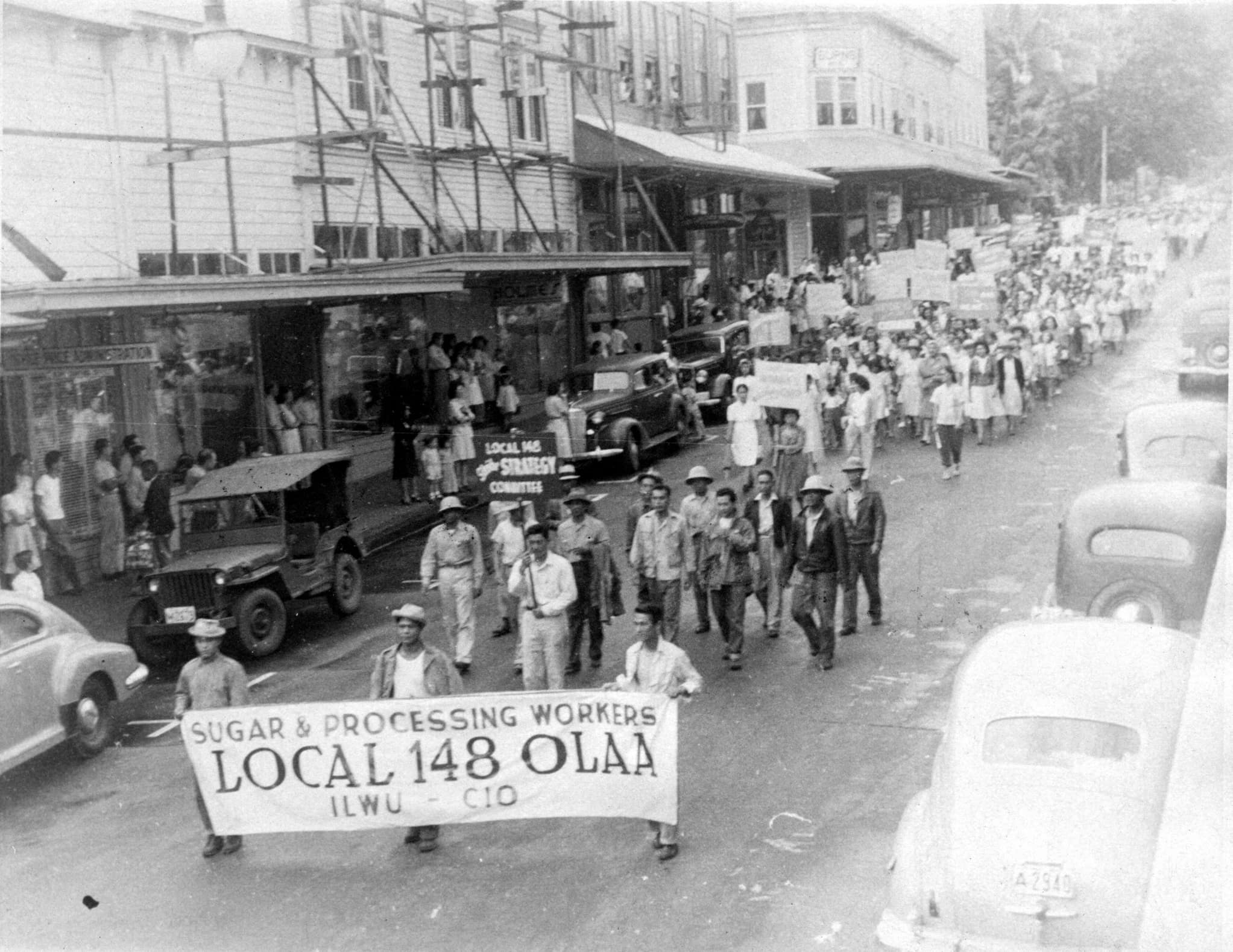
ILWU Great Sugar Strike Protest, 1946
Although many today merely see Labor Day as a three-day holiday, in 1946, it was the start of the Great Sugar Strike in Hawaiʻi that lasted 171 days.
Featured in:
Hawaiʻi: A Place and Its People, Module 3
-
Video
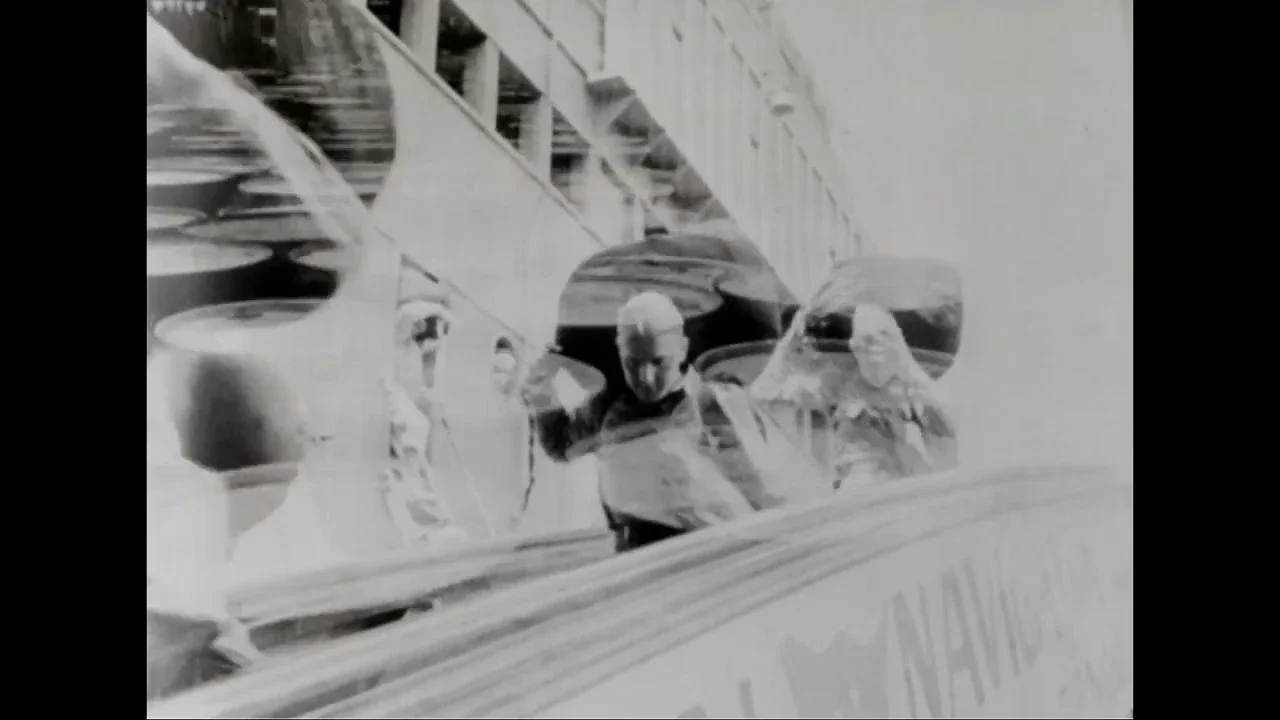
Excerpt from December 7th
John Ford’s film December 7th (1943) was commissioned by the federal government and completed with assistance of the US Navy to rouse patriotic support for the American war effort. In this clip, Ford shows martial law conditions and how local Hawaiʻi residents demonstrated their patriotism.
Featured in:
Hawaiʻi: A Place and Its People, Module 3
-
Image
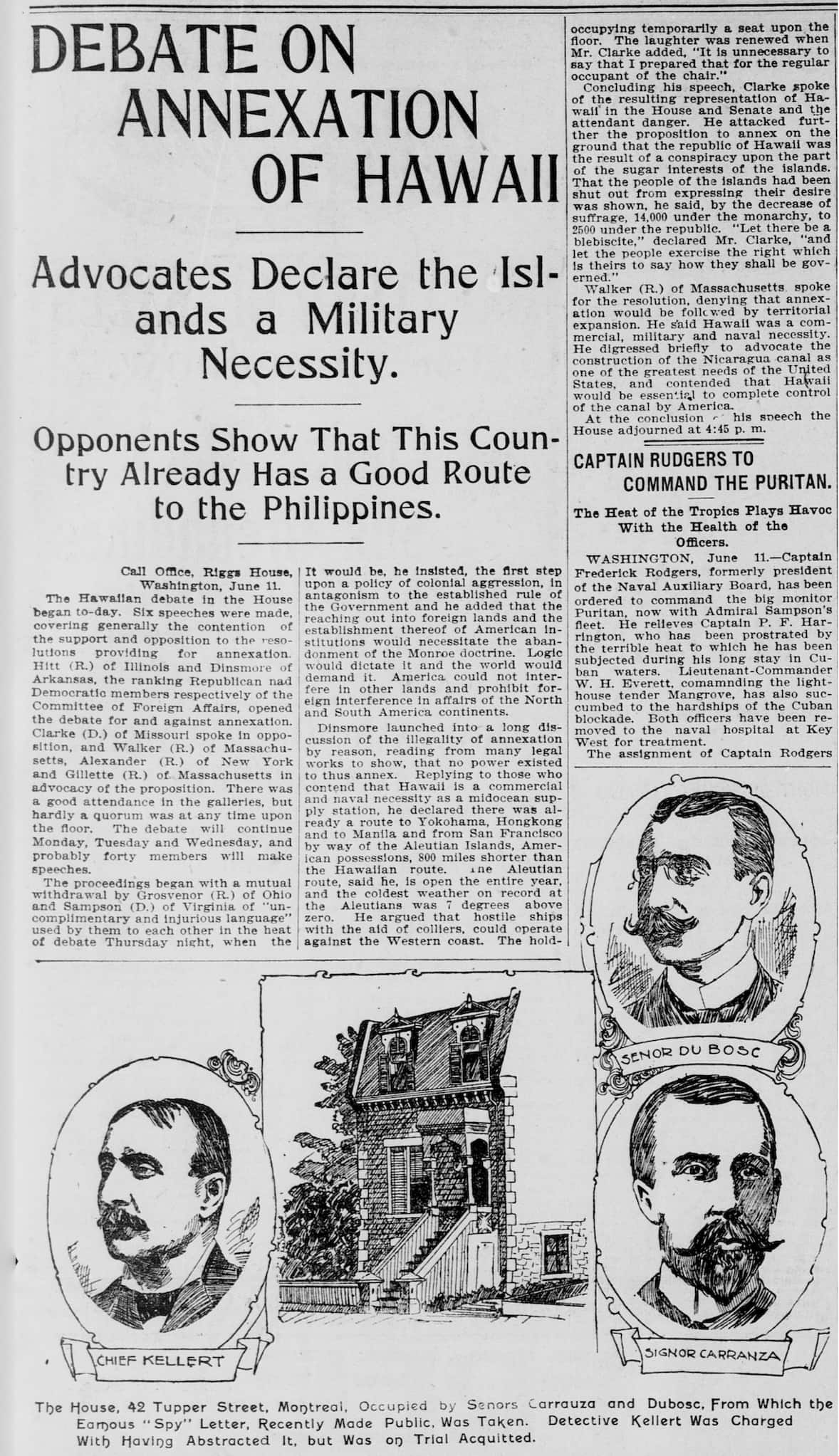
Annexation Debate in The San Francisco Call
Debates over the annexation of the Hawaiian Islands could be found in many American newspapers, like in this 1898 issue of The San Francisco Call.
Featured in:
Hawaiʻi: A Place and Its People, Module 3
-

Video
Lowering the Hawaiian Flag
The Hawaiian flag was lowered from ʻIolani Palace in 1898 after annexation. Historian Kanalu Young describes how there was then a great wailing among Native Hawaiians.
Featured in:
Hawaiʻi: A Place and Its People, Module 3
-
Image
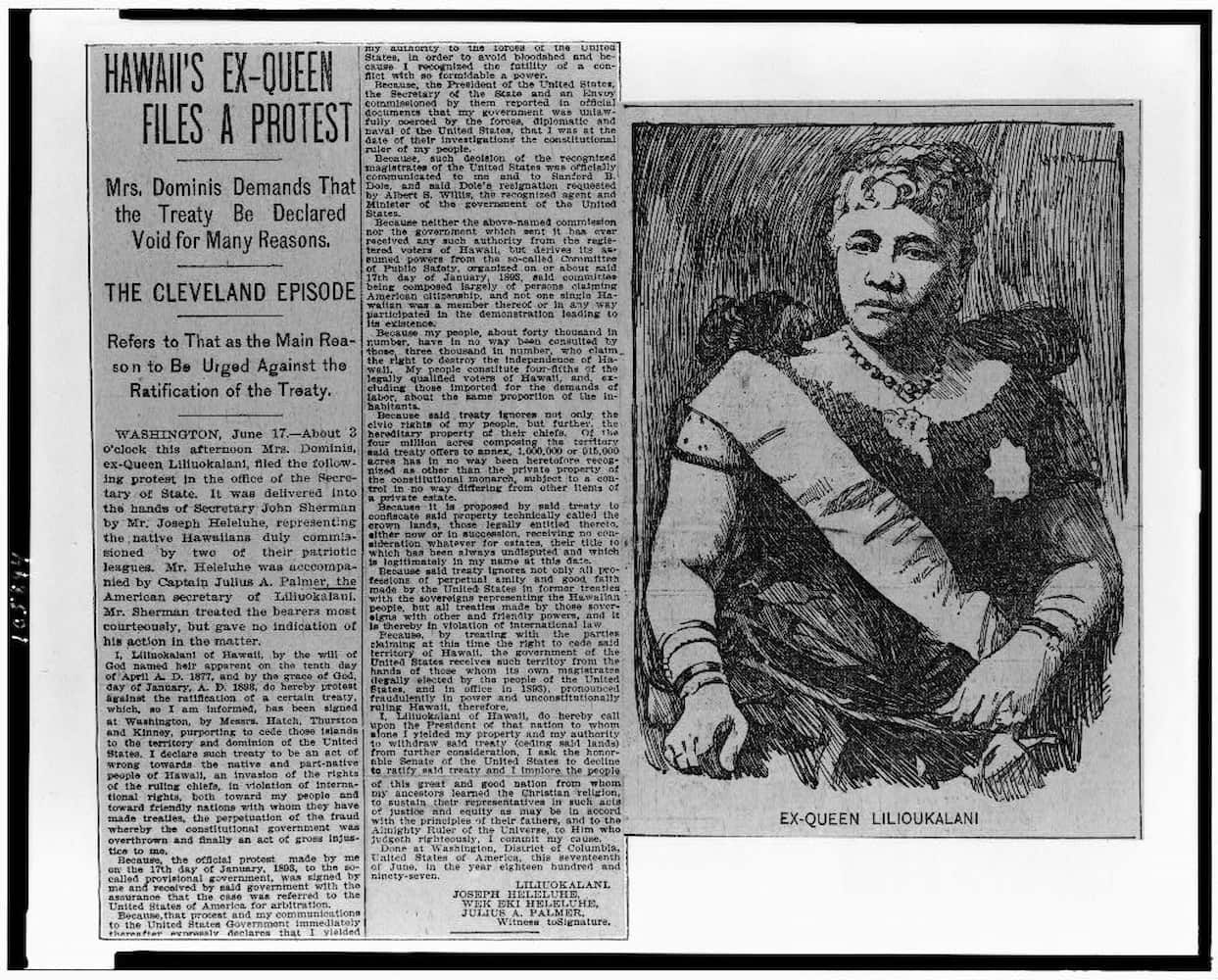
Hawaii’s ex-queen files a protest
In June 1897, Queen Liliʻuokalani filed a protest with the Department of State in Washington, DC, in opposition to a proposed treaty of annexation. This newspaper clipping can be found in the Prints & Photographs Division of the Library of Congress.
Featured in:
Hawaiʻi: A Place and Its People, Module 3
-
Image
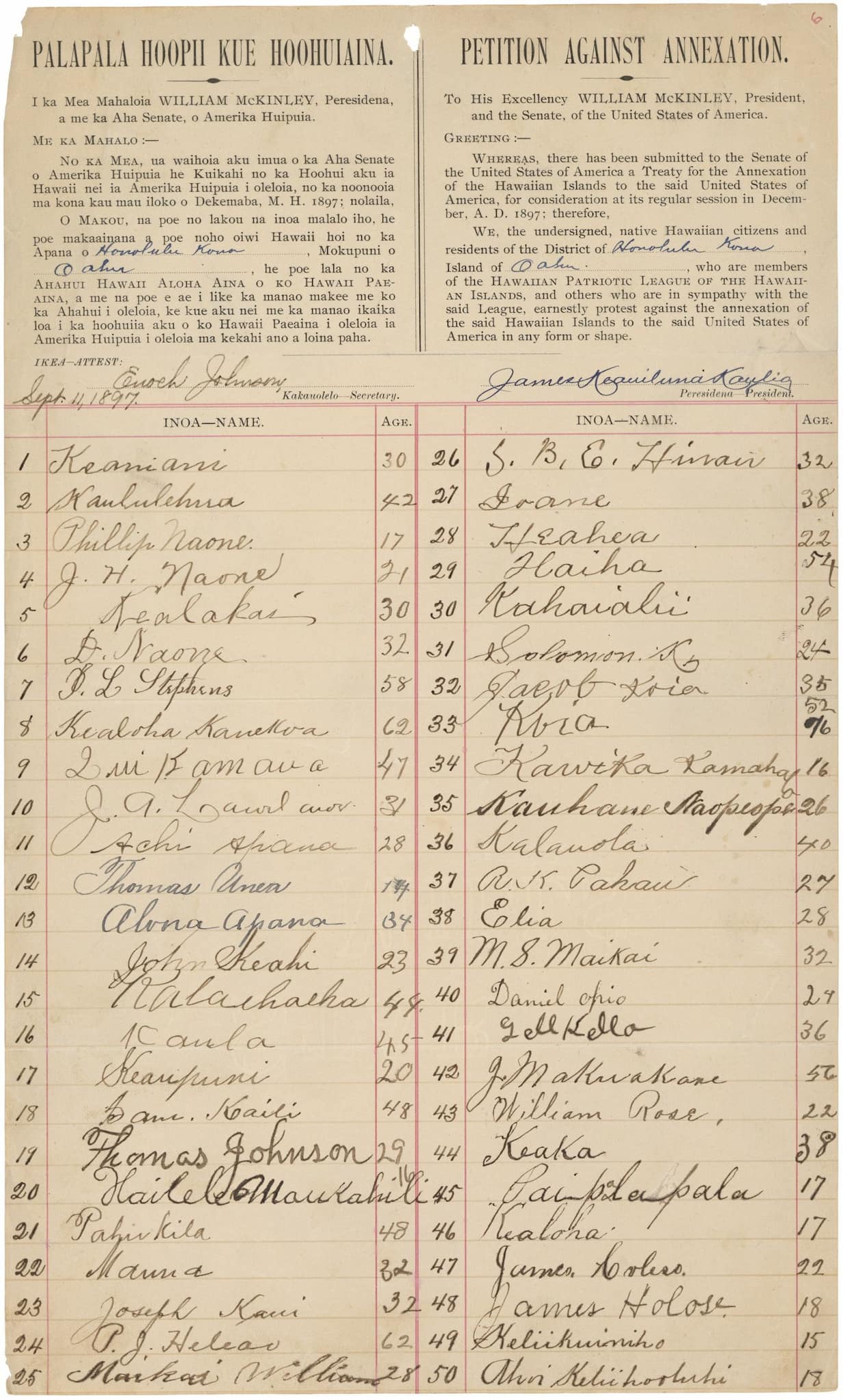
Petition Against the Annexation of Hawaii; 1897
This page of signatures comes from the anti-annexation petition organized by the Hui Aloha ʻĀina (the Hawaiian Patriotic League) in 1897.
Featured in:
Hawaiʻi: A Place and Its People, Module 3
-
Image
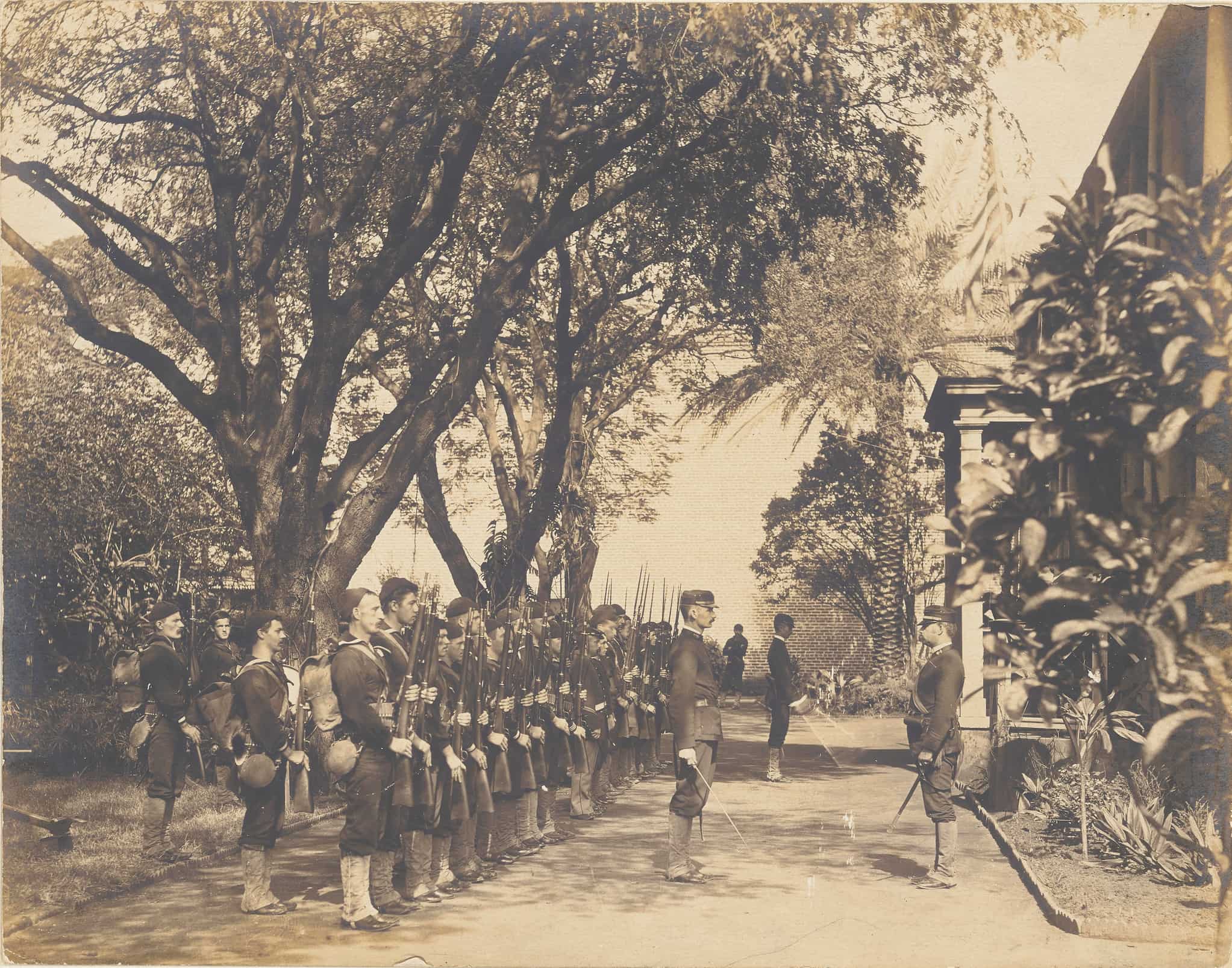
Overthrow of the Monarchy, 1893
In 1893, sailors and marines from the USS Boston occupied the Arlington Hotel grounds across from ʻIolani Palace during the overthrow of Queen Liliʻuokalani.
Featured in:
Hawaiʻi: A Place and Its People, Module 3
-
Image
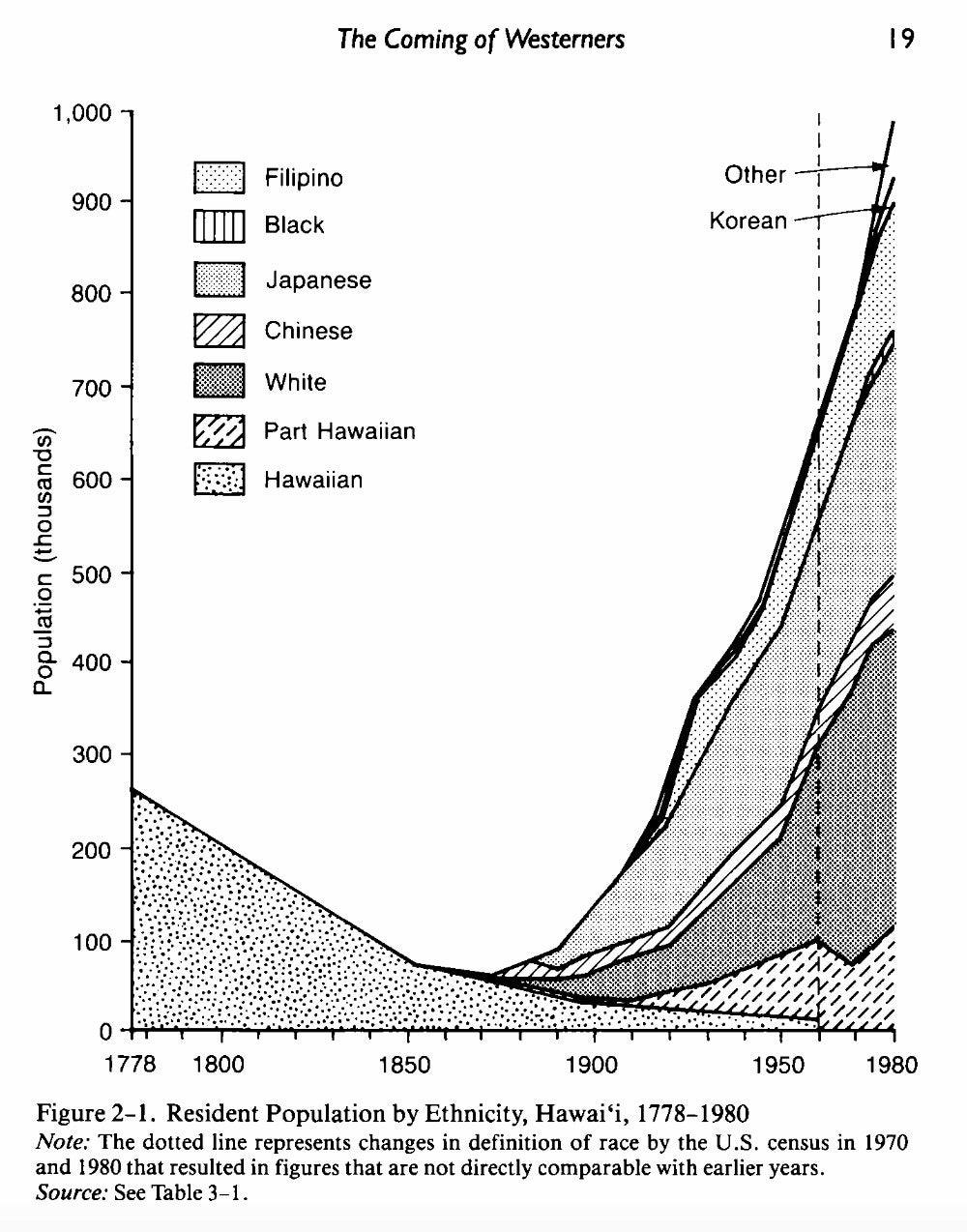
Hawai‘i’s Population from 1778 onward
The Native Hawaiian population decreased sharply after contact with the outside world in 1778. From the mid-1800s onward, many different migrant groups from around the world were brought to the islands to work on sugar plantations.
Featured in:
Hawaiʻi: A Place and Its People, Module 2
-
Image
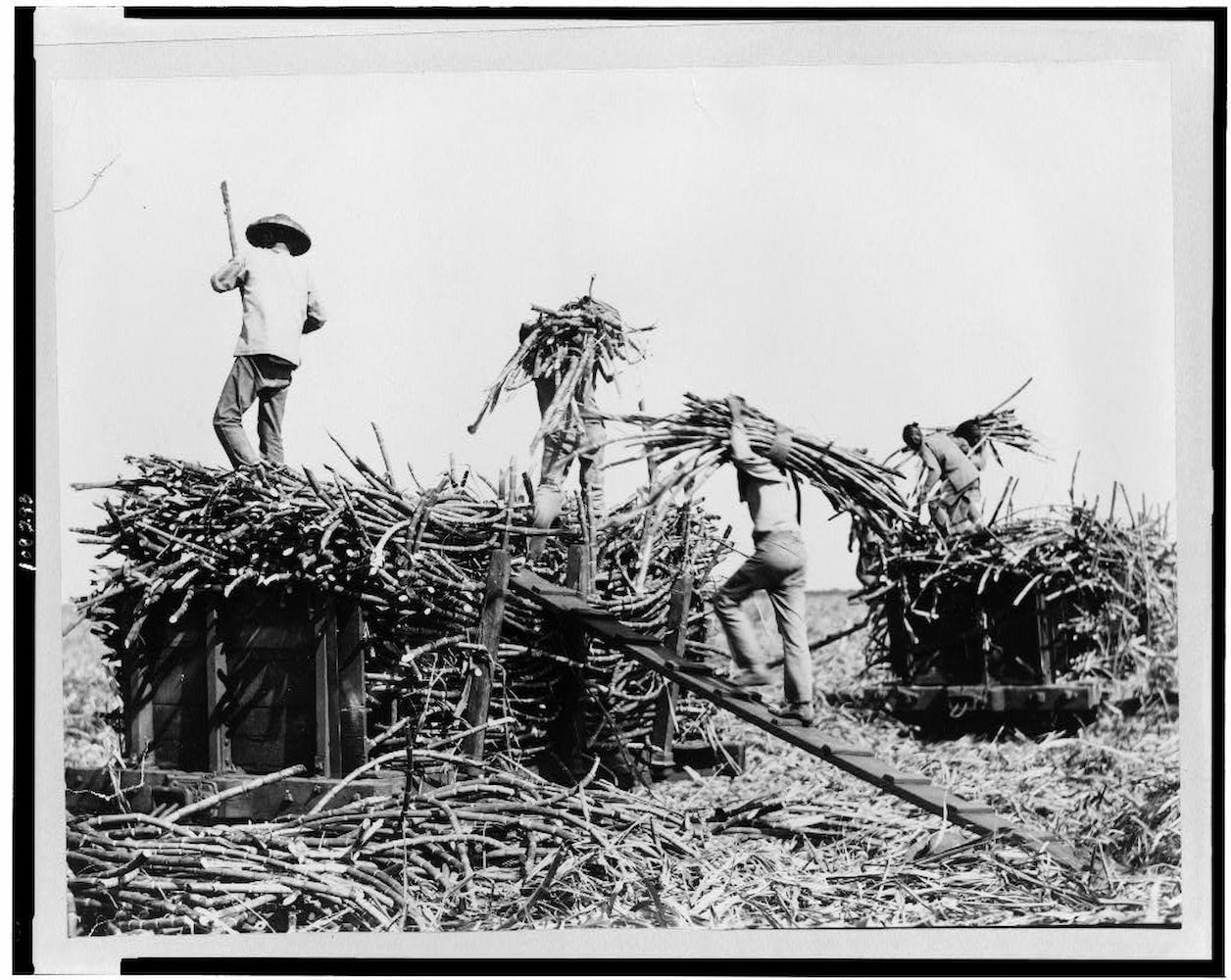
Loading sugar cane on carts
Loading Sugar Cane, c. 1917. The sugar industry connected the Hawaiian Islands more firmly to the global capitalist economy.
Featured in:
Hawaiʻi: A Place and Its People, Module 2
-
Video
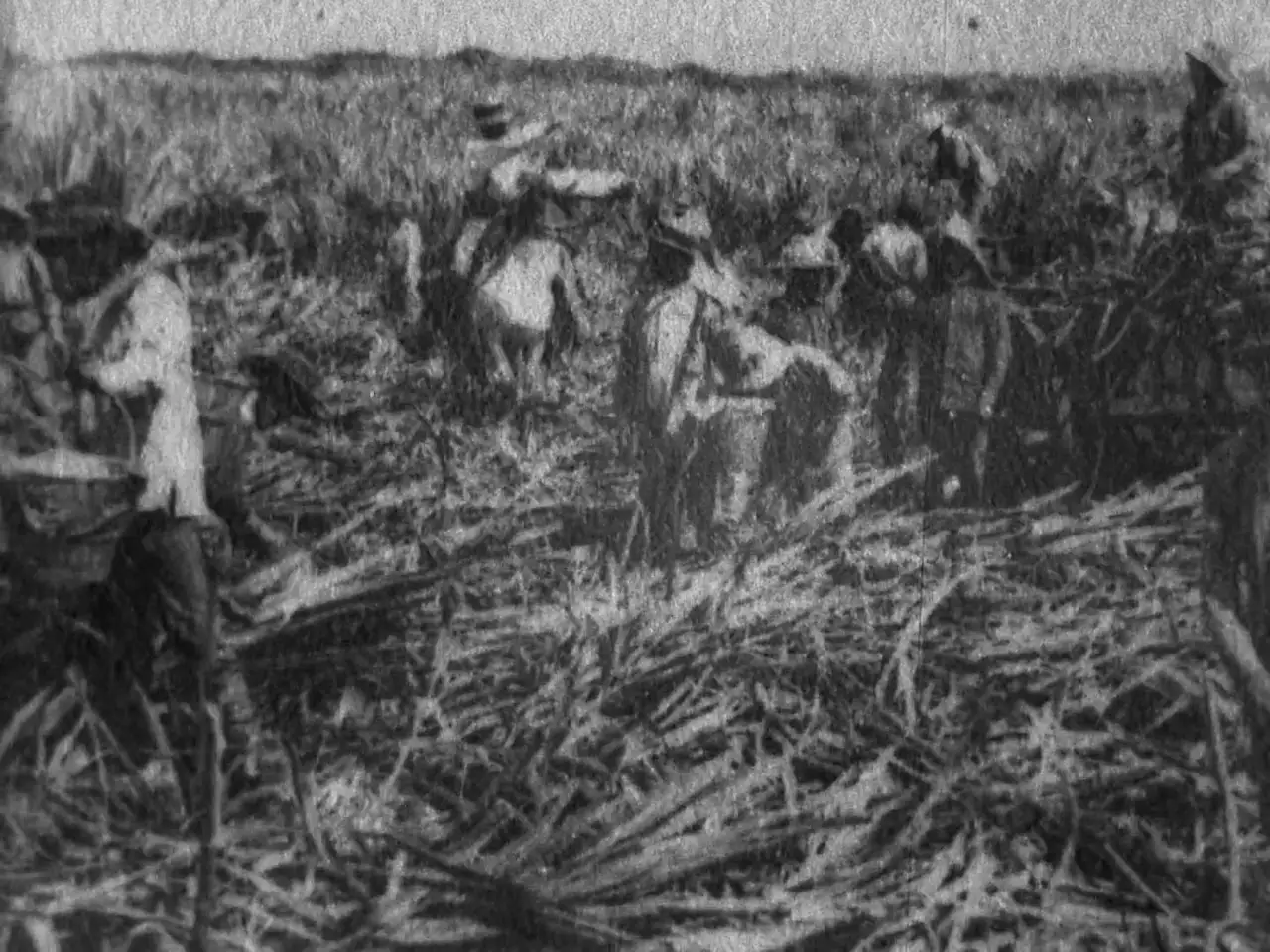
Plantation Workers Cutting Sugar Cane
Early moving image footage of plantation workers cutting sugar cane in Honolulu, Hawaiʻi, c. 1901.
Featured in:
Hawaiʻi: A Place and Its People, Module 2
-
Image
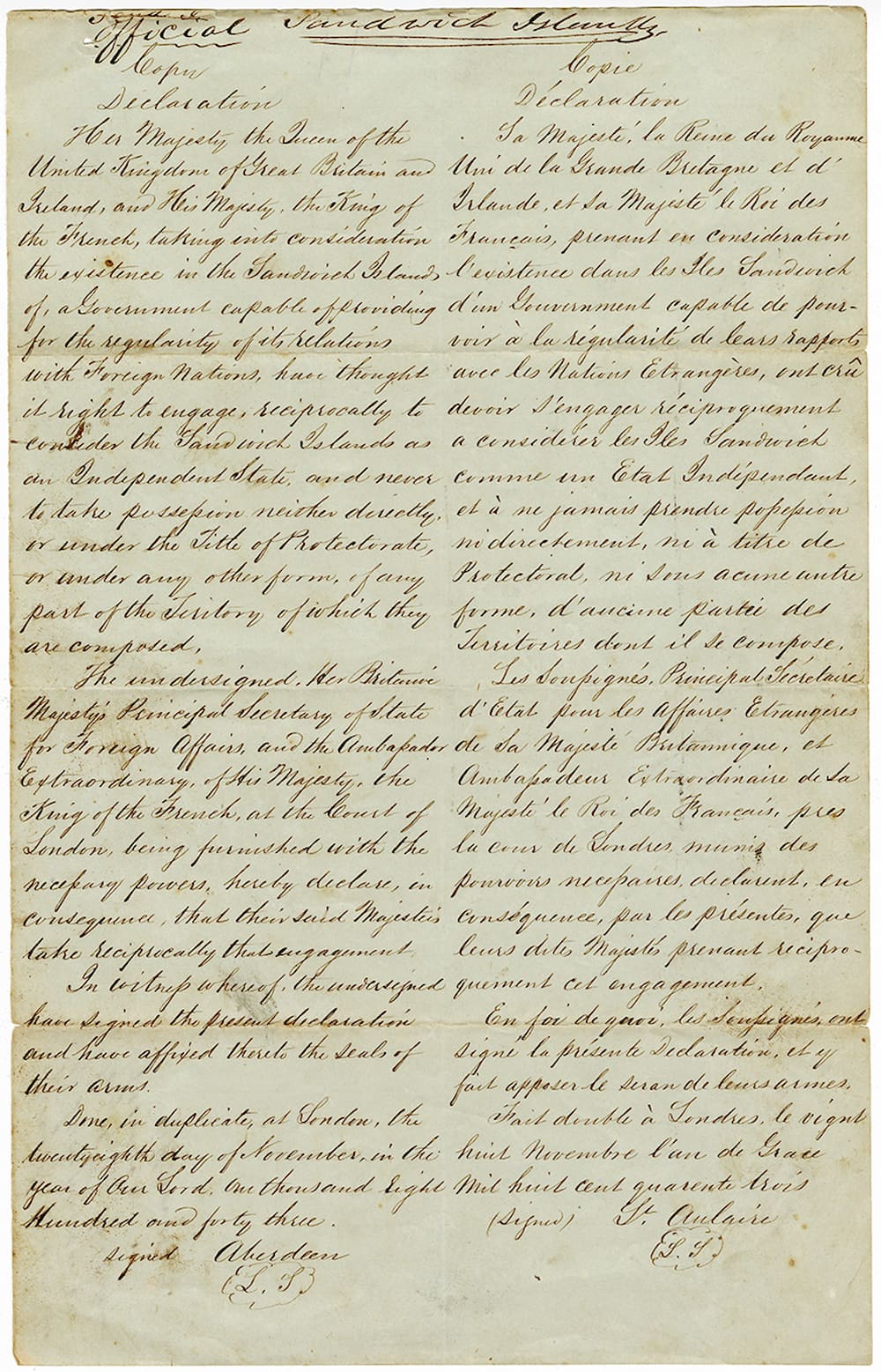
Anglo-French Declaration of 1843
England and France signed this declaration on November 28, 1843, recognizing the Hawaiian Kingdom as a fellow sovereign nation. By the 1840s, Native Hawaiians were already literate in their own ʻŌlelo Hawaiʻi (Hawaiian language) that used the Roman alphabet; aliʻi (royalty) were also increasingly literate in English, French, and other European languages.
Featured in:
Hawaiʻi: A Place and Its People, Module 2
-
Image
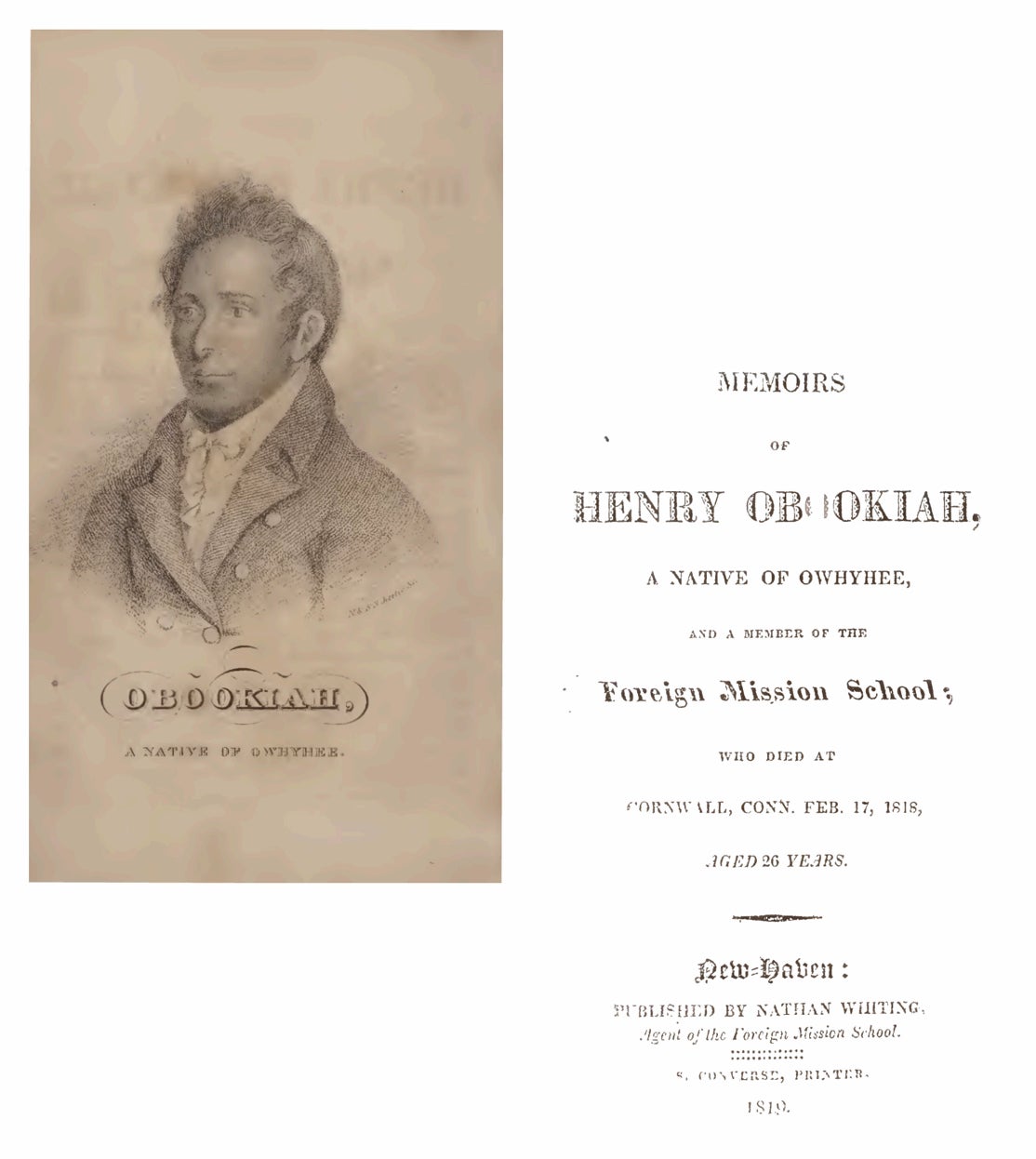
Memoirs of Henry Obookiah, a native of Owhyhee, and a member of the Foreign Mission School
Henry Obookiah (ʻŌpūkahaʻia in modern ʻŌlelo Hawaiʻi) was one of the first Native Hawaiians to travel abroad. Memoirs of Henry Obookiah, a book written by Edwin Dwight and published in 1819, inspired American Protestant missionaries to journey to the islands. The book is available through the Library of Congress.
Featured in:
Hawaiʻi: A Place and Its People, Module 2
-
Image
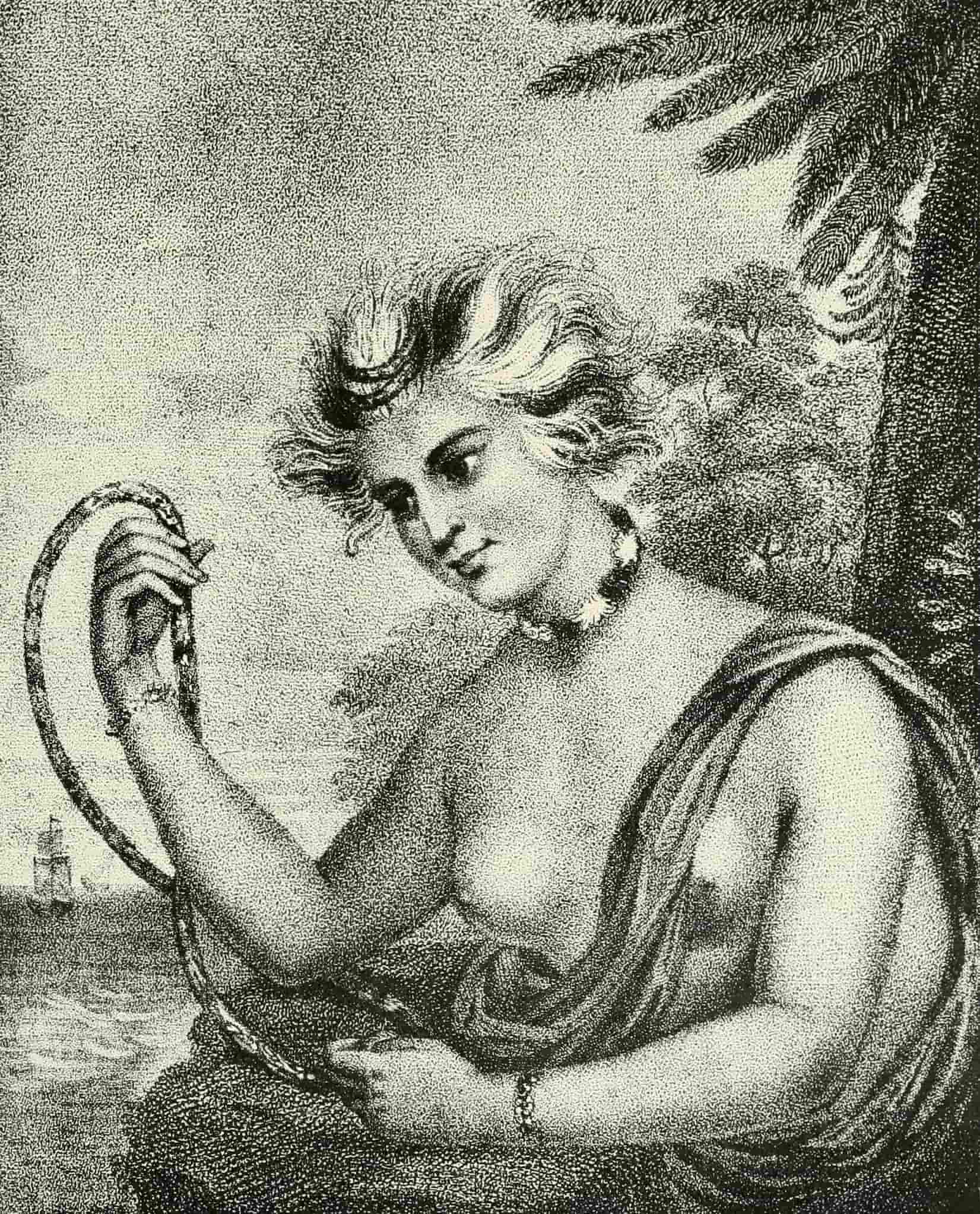
Engraving of Wynee, a Native of Owyhee, one of the Sandwich Islands
This engraving of Wynee, a Kanaka ʻŌiwi woman, was sketched by a member of Captain John Meares’ crew during voyages to the Pacific Northwest and China in the late 1780s.
Featured in:
Hawaiʻi: A Place and Its People, Module 2
-
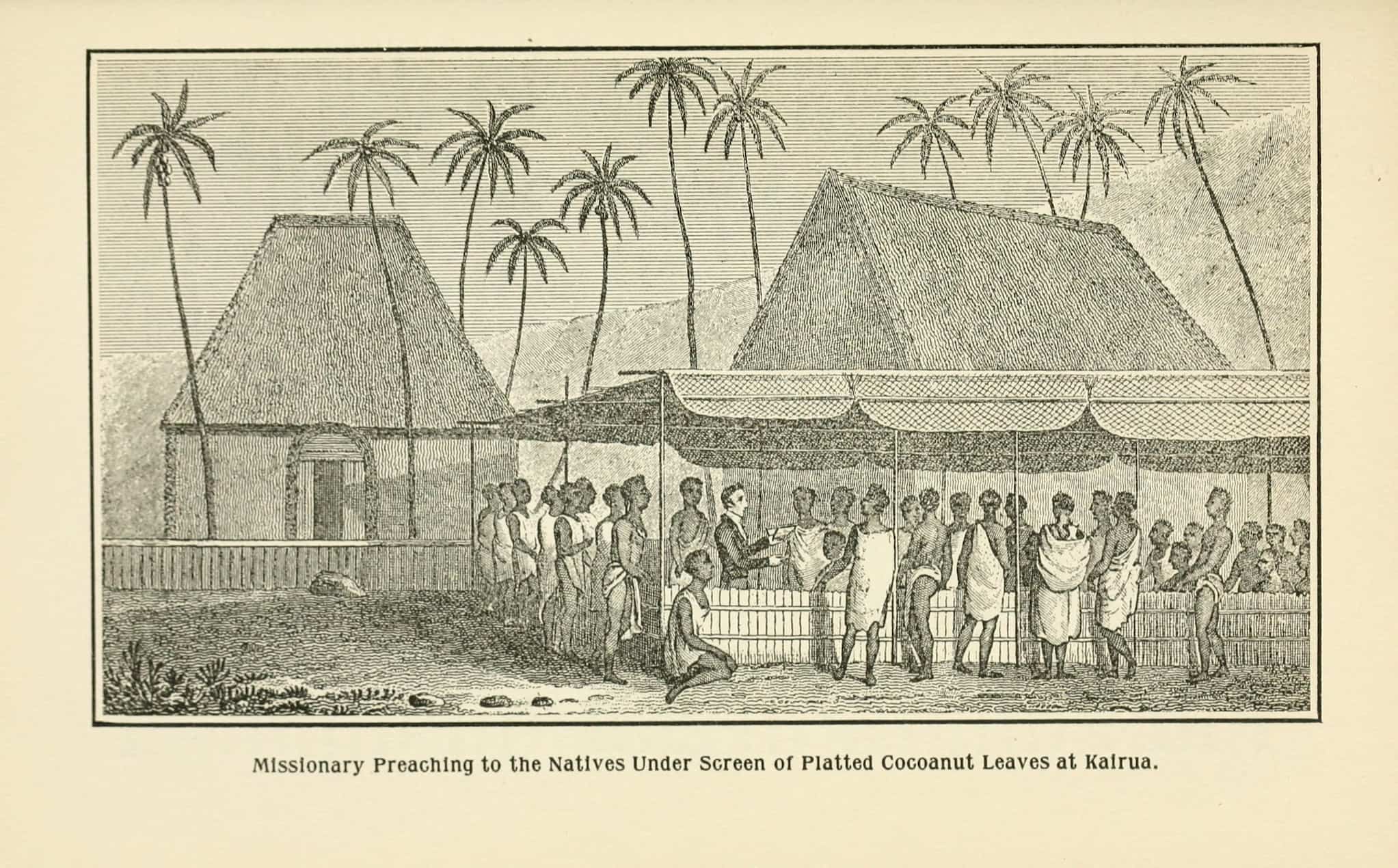
Image
A Missionary Preaching to the Natives, under a Skreen of platted Cocoa-nut leaves at Kairua
Originally published in Reverend William Ellis’s 1826 Narrative of a Tour Through Hawaii, this engraving shows a Christian missionary preaching to Kānaka ʻŌiwi in Kailua-Kona on Hawaiʻi Island.
Featured in:
Hawaiʻi: A Place and Its People, Module 2
-
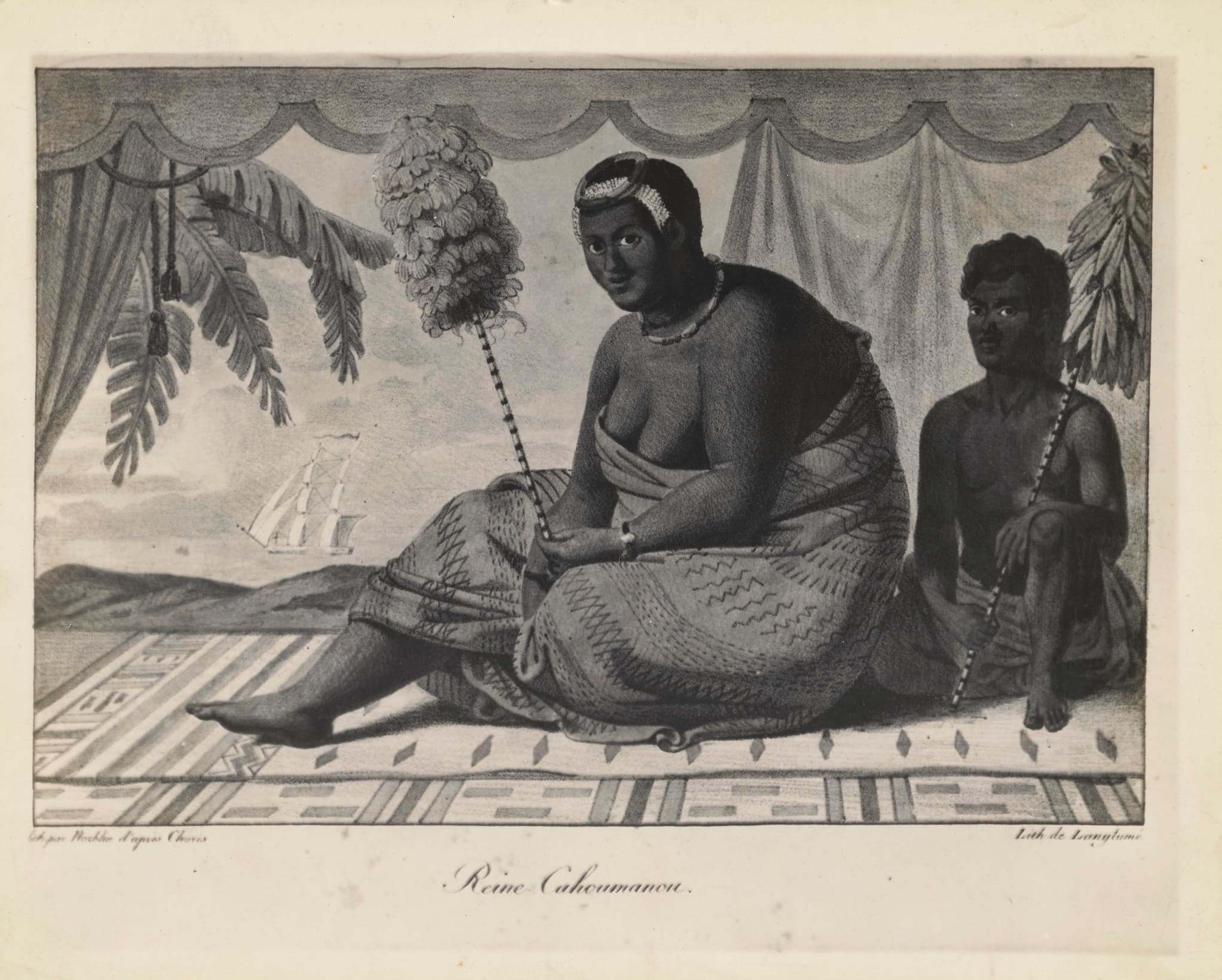
Image
Ka‘ahumanu, Consort of Kamehameha I, 1768?-1832
A drawing of Kaʻahumanu by German-Russian explorer Louis Choris. As Queen Consort to Kamehameha the Great, Kaʻahumanu wielded immense political power after his death, instituting radical changes as Kuhina Nui (regent) of the Hawaiian Kingdom.
Featured in:
Hawaiʻi: A Place and Its People, Module 2