



Search the Media Repository
Discover the curated images, videos, and primary sources featured throughout Foundations and Futures
History is more than just text on a page; it is the photographs, voices, and artifacts of the people who lived it. The images and recordings featured across Foundations and Futures are part of a meticulously curated media repository. Whether you are building a lesson plan or investigating an artifact, you can use this database to trace the provenance of our media: discover who created an asset, the historical context behind it, and how it can be used to bring Asian American and Pacific Islander experiences into your classroom.
Multimedia
Chapters
-
Image
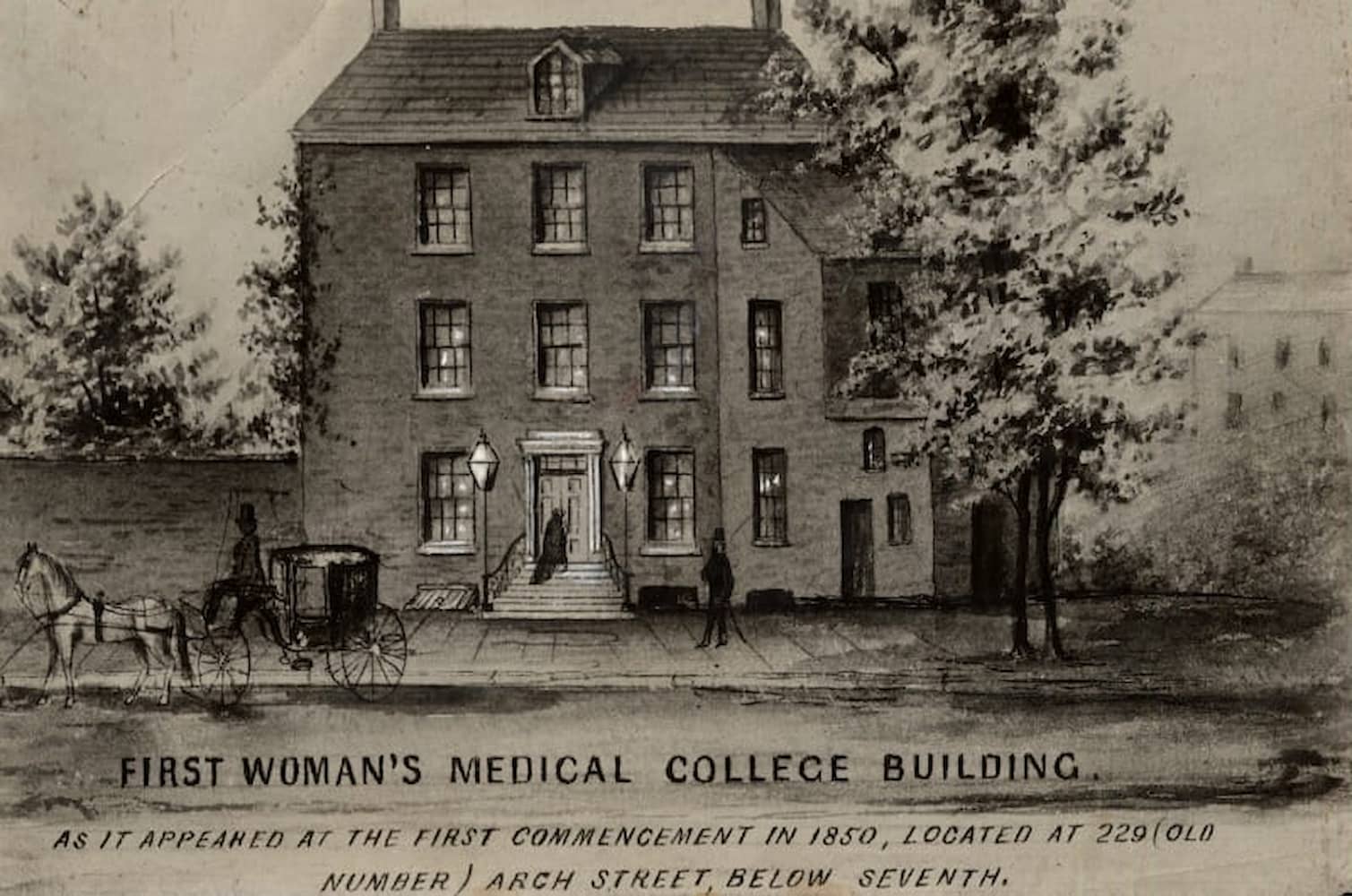
The Woman’s Medical College of Pennsylvania
The Woman’s Medical College of Pennsylvania, in Philadelphia, was the first medical school in the world established to train women toward the Doctor of Medicine (MD) degree.
Featured in:
South Asian Americans Before 1965, Module 3
-
Image
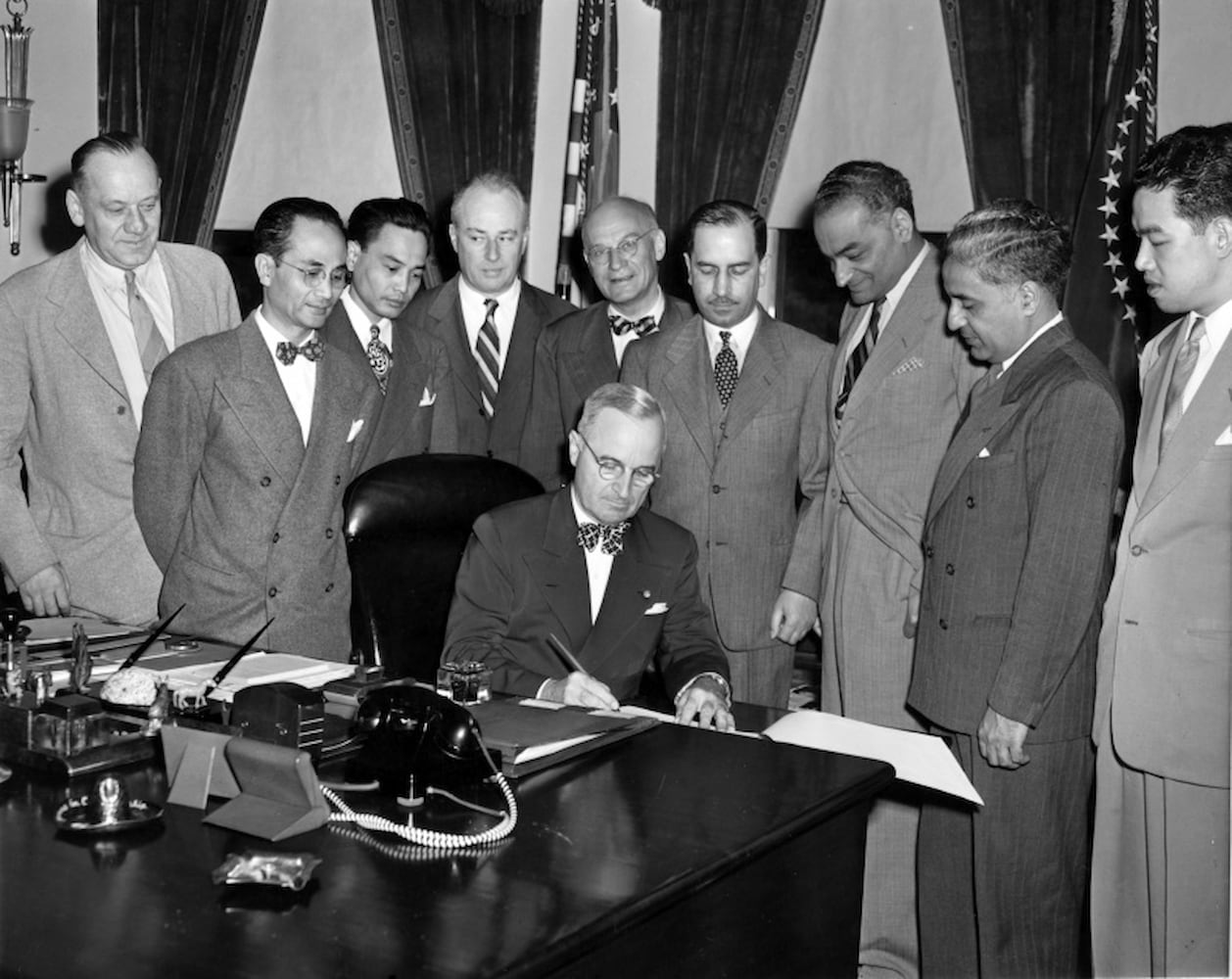
Truman Signs Luce-Celler Act
With South Asian and Filipino community leaders in attendance, President Harry Truman signed the Luce–Celler Act in the White House’s Oval Office on July 2, 1946.
Featured in:
South Asian Americans Before 1965, Module 2
-
Text
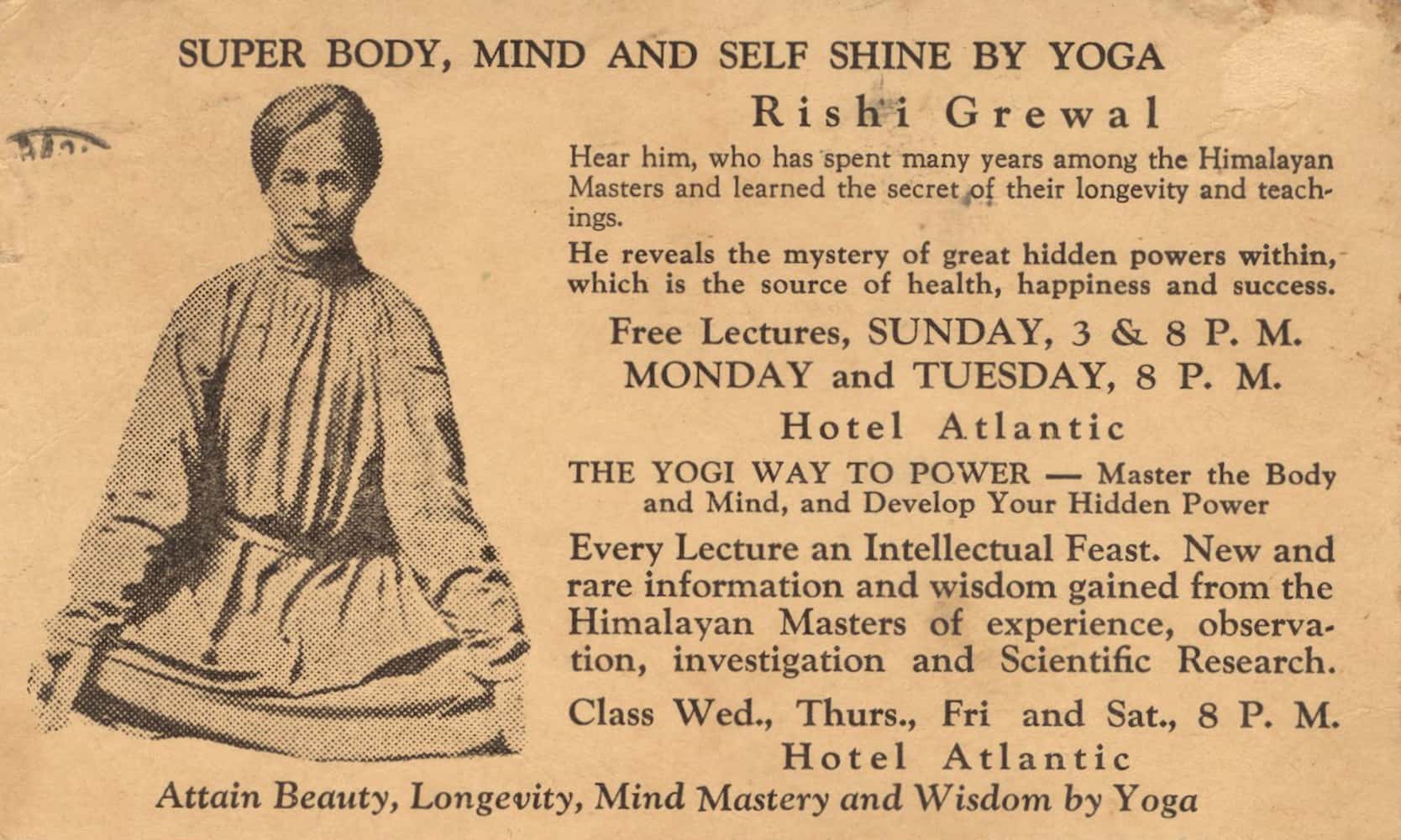
Rishi Singh Grewal Flyer
This 1940 flyer for Rishi Singh Grewal’s spiritual lectures advertises the benefits of yoga and spiritual practices, with the tagline: “Attain Beauty, Longevity, Mind Mastery and Wisdom by Yoga.”
Featured in:
South Asian Americans Before 1965, Module 2
-
Text
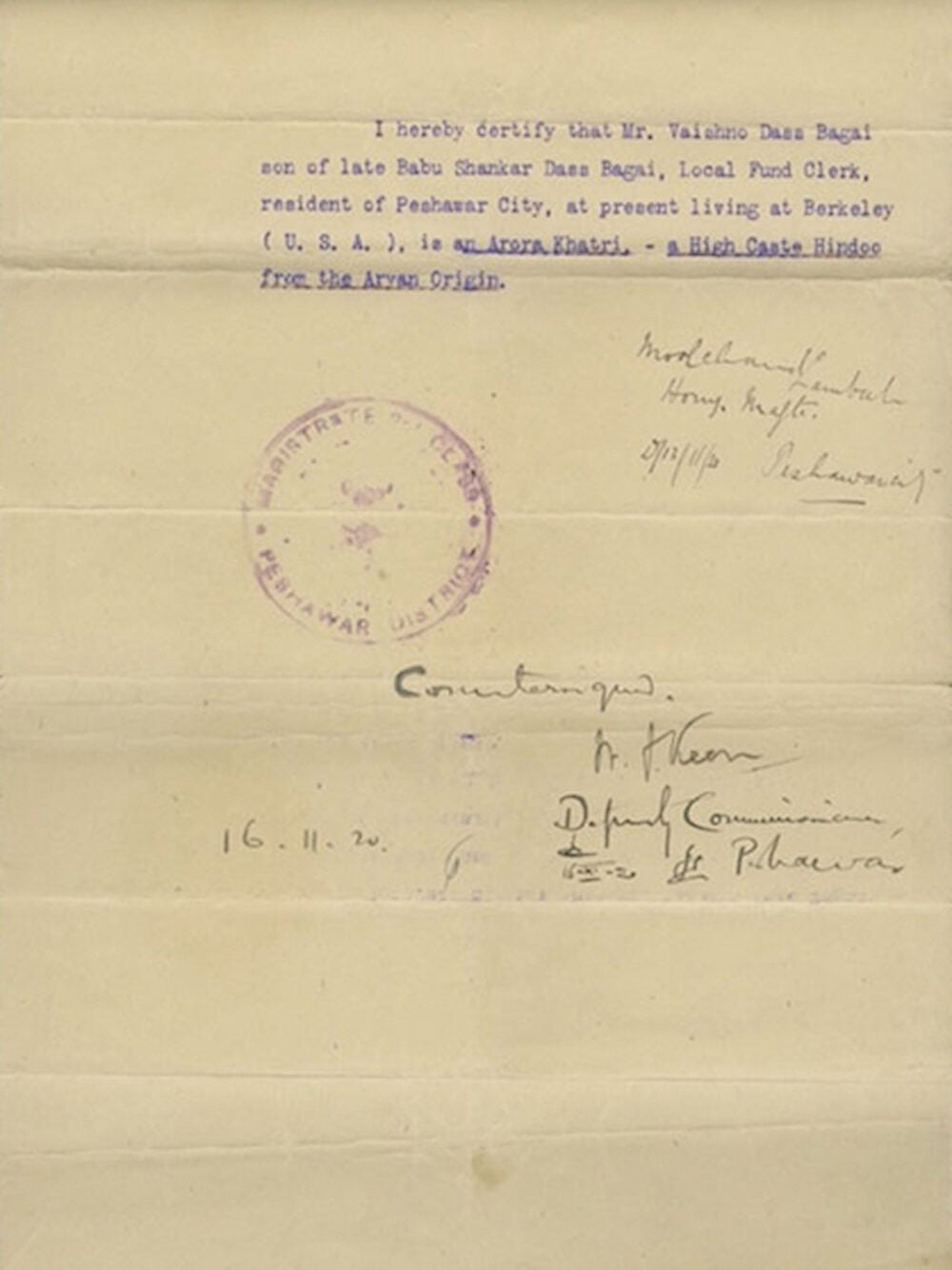
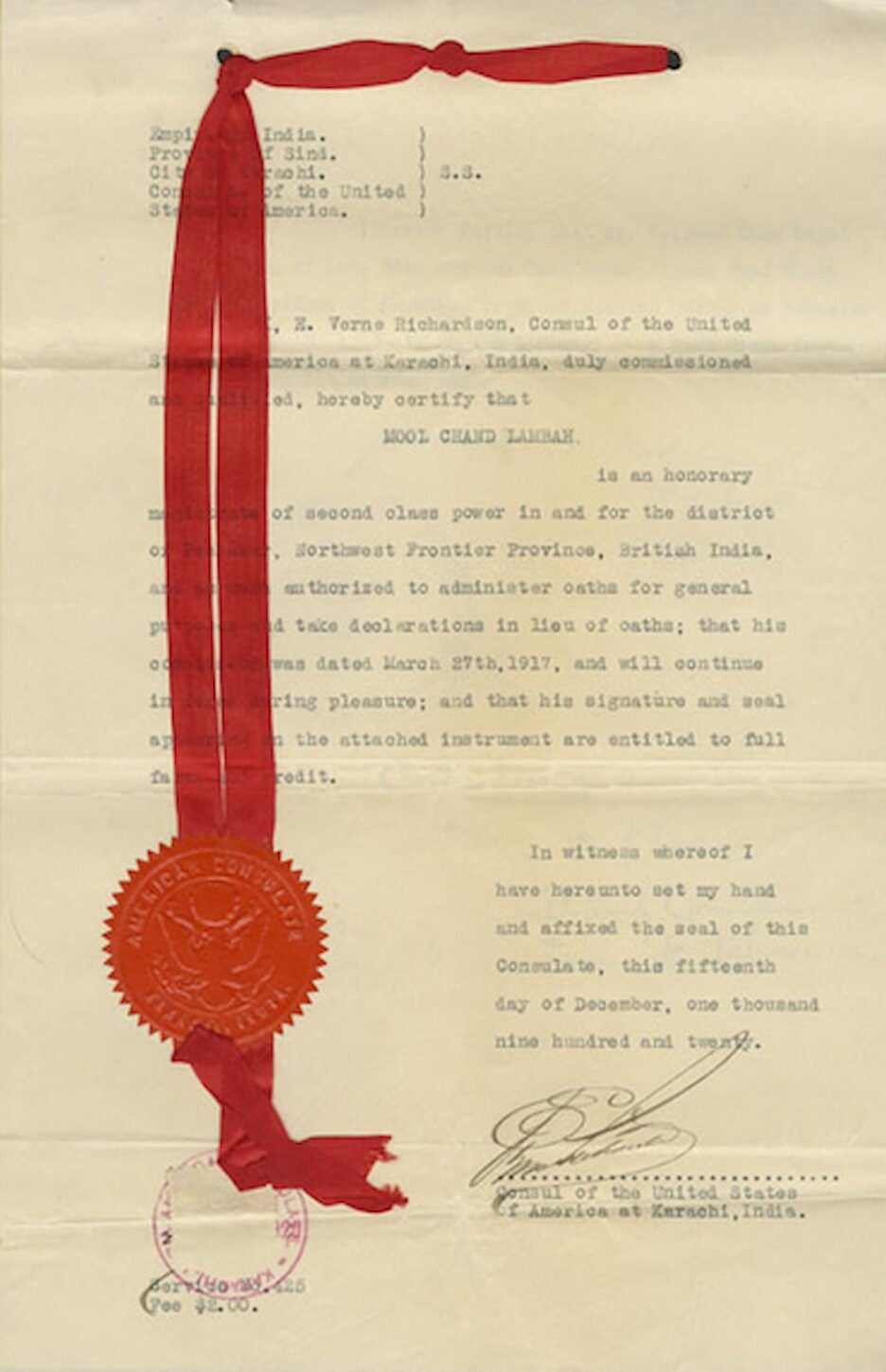
Vaishno Das Bagai’s Caste Certification
Certificates like this one issued to Vaishno Das Bagai confirmed that their recipients were from a high-caste background, demonstrating the importance of caste to South Asian immigrants.
Featured in:
South Asian Americans Before 1965, Module 2
-
Text
Vaishno Das Bagai’s Caste Certification
Certificates like this one issued to Vaishno Das Bagai confirmed that their recipients were from a high-caste background, demonstrating the importance of caste to South Asian immigrants.
Featured in:
South Asian Americans Before 1965, Module 2
-
Image
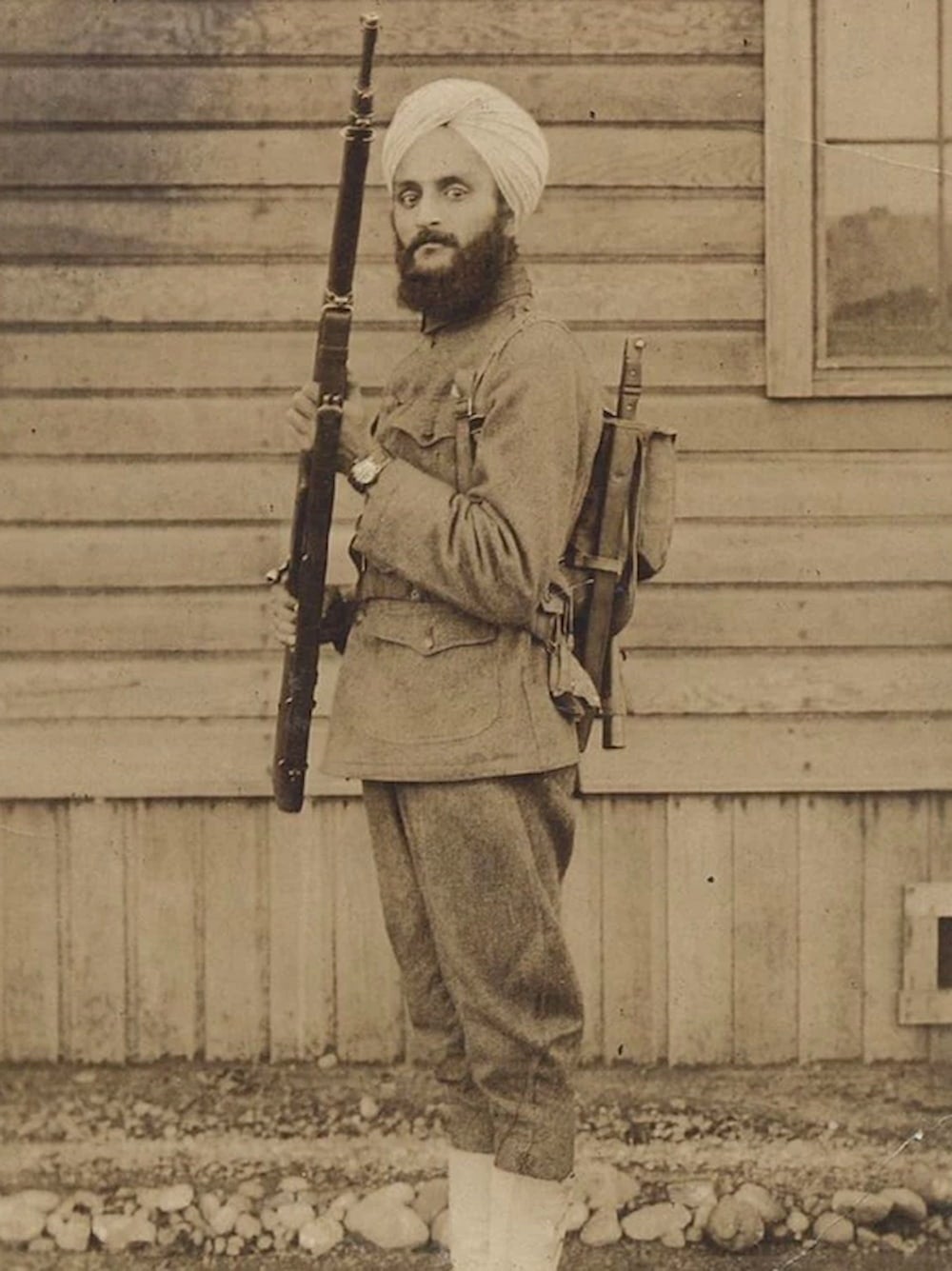
Bhagat Singh Thind
As a Sikh American, Bhagat Singh Thind was the first US serviceman to be allowed to wear a turban as part of his military uniform for religious reasons. This 1918 photo was taken at Camp Lewis, Washington.
Featured in:
South Asian Americans Before 1965, Module 2
-
Image
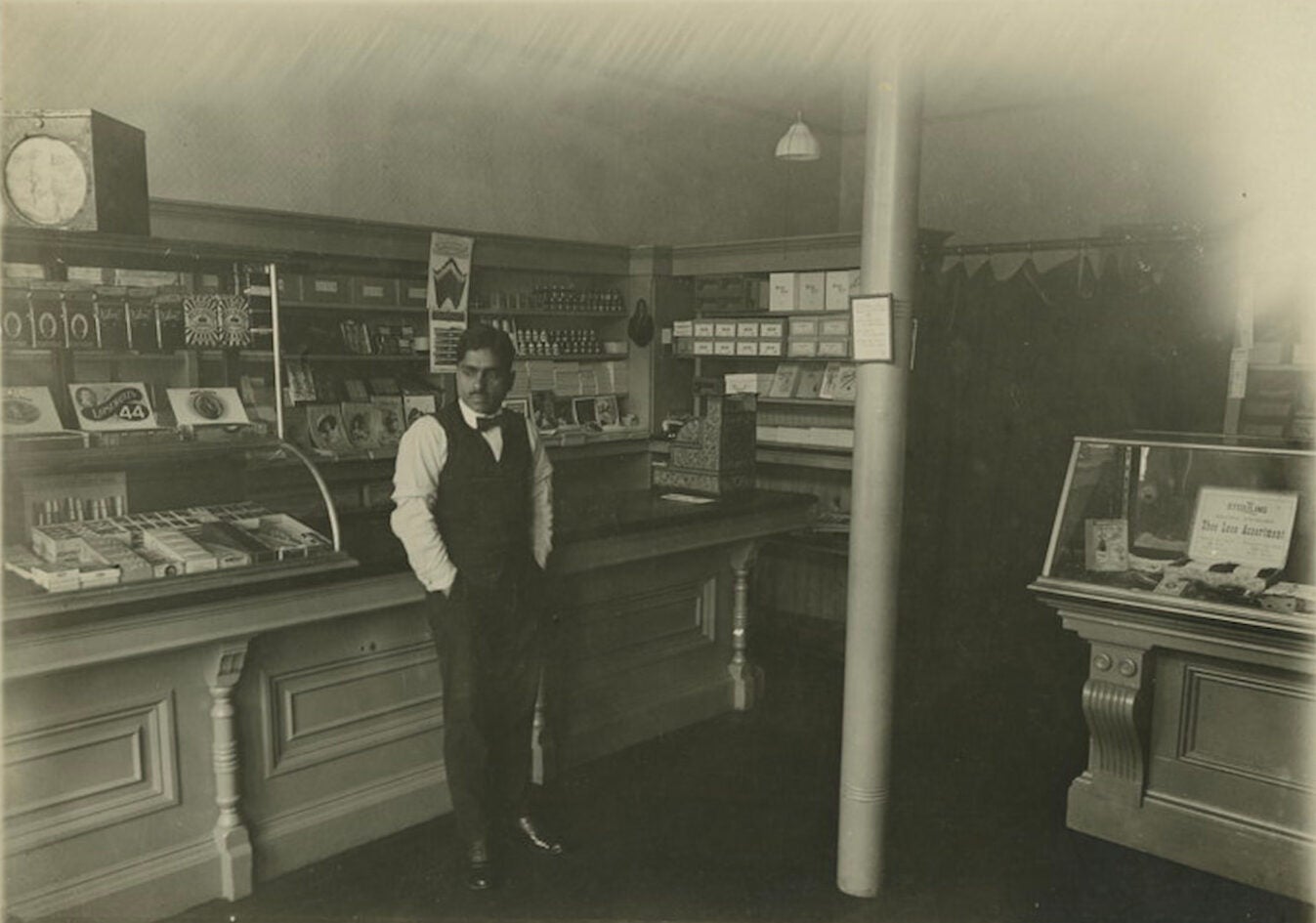
Bagai’s Bazaar
Vaishno Das Bagai opened Bagai’s Bazaar, a general store and import business located on Filmore Street in San Francisco. The Bagais lived in an apartment above the store.
Featured in:
South Asian Americans Before 1965, Module 2
-
Image
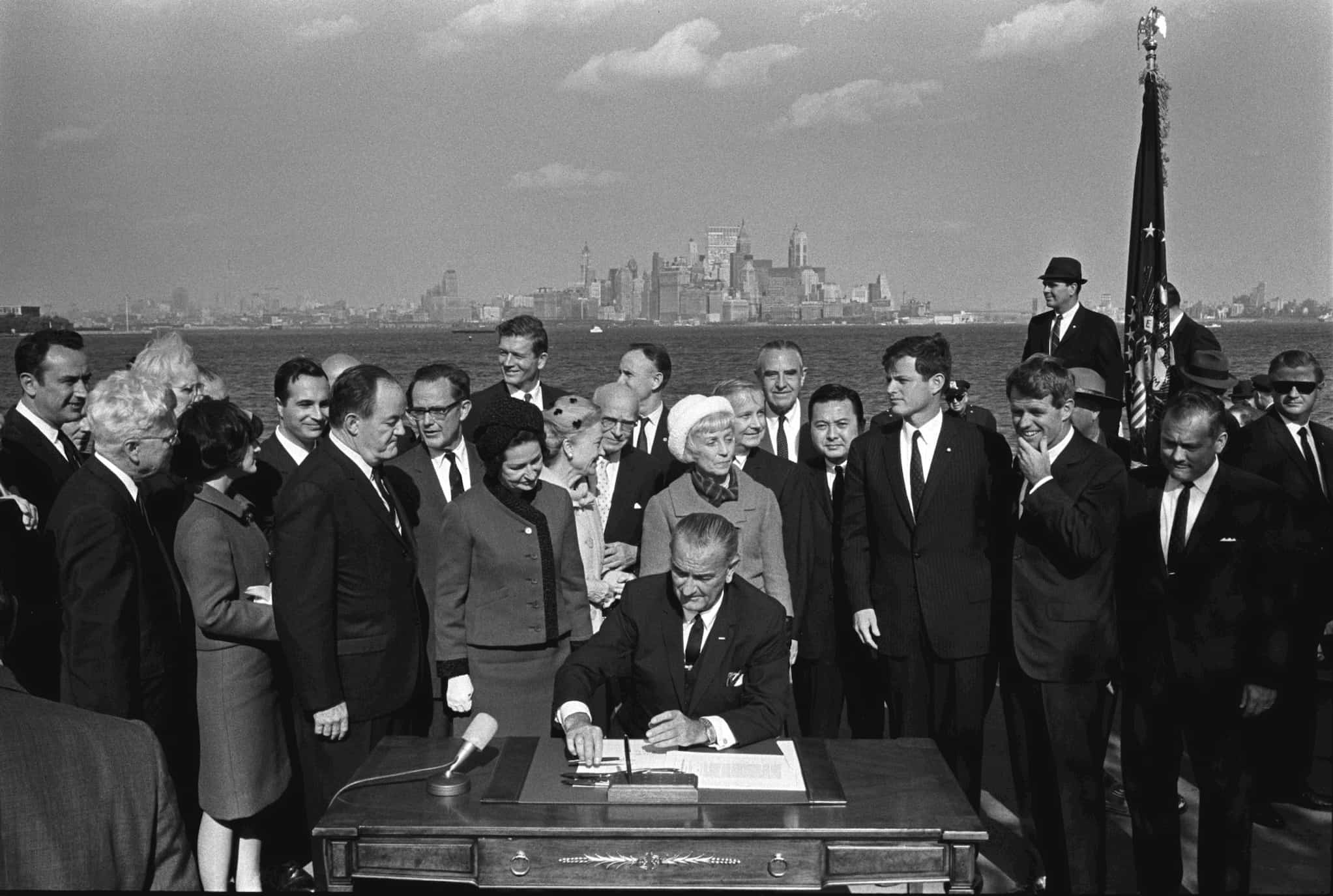
LBJ Signs Immigration and Nationality Act of 1965
Due to the historic nature of the legislation, President Lyndon B. Johnson chose to sign the Immigration and Nationality Act of 1965 in a special ceremony at the base of the Statue of Liberty, overlooking the island of Manhattan.
Featured in:
South Asian Americans Before 1965, Module 1
-
Image
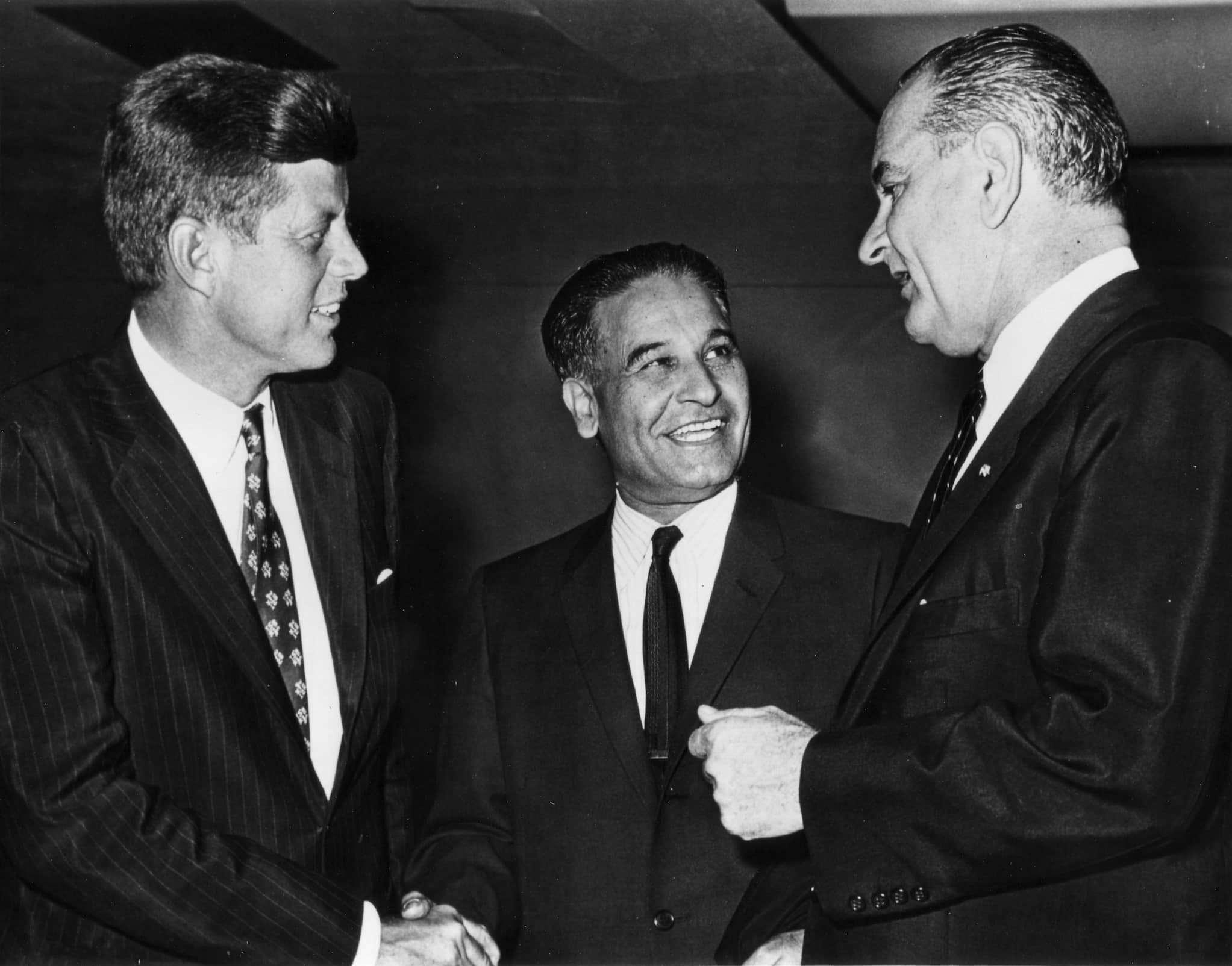
Dalip Singh Saund with John F. Kennedy and Lyndon Johnson
Dalip Singh Saund (center) with John F. Kennedy (left) and Lyndon Johnson (right), circa 1960.
Featured in:
South Asian Americans Before 1965, Module 1
-

Image
Hawaii Grown Website Banner
Hawaiʻi publications like Honolulu Civil Beat and other news outlets regularly discuss sustainability issues, including how Hawaiʻi will feed itself and grow its own food, especially during times of emergency.
Featured in:
Hawaiʻi: A Place and Its People, Module 5
-
Image
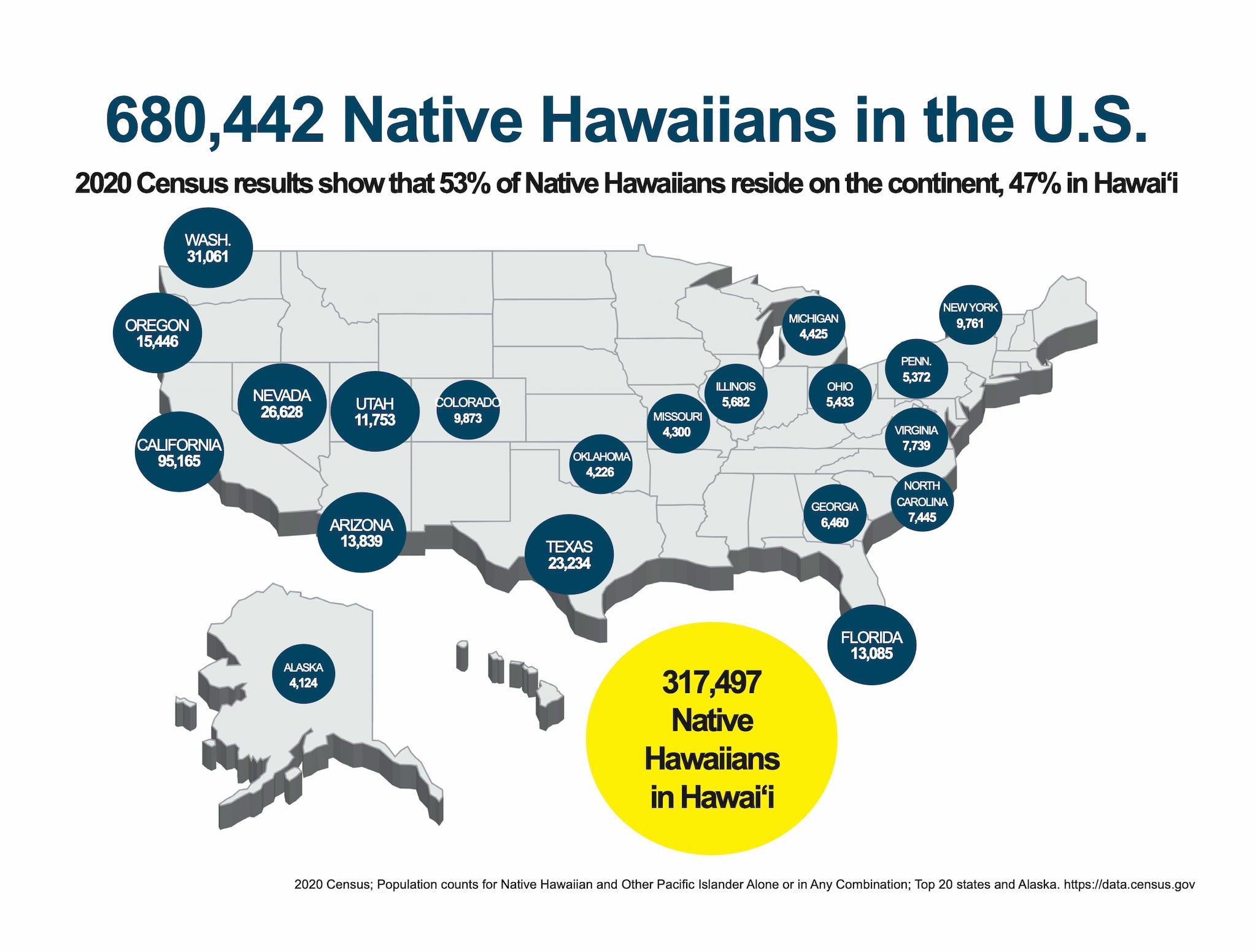
Native Hawaiians in the US Population Map
As shown in this infographic by Ka Wai Ola News,the US Census 2020 tells us that for the first time there are more people of Native Hawaiian ancestry living outside Hawaiʻi than in the islands. Fifty-three percent of Native Hawaiians live in the continental US versus 47 percent in Hawaiʻi.
Featured in:
Hawaiʻi: A Place and Its People, Module 5
-
Image
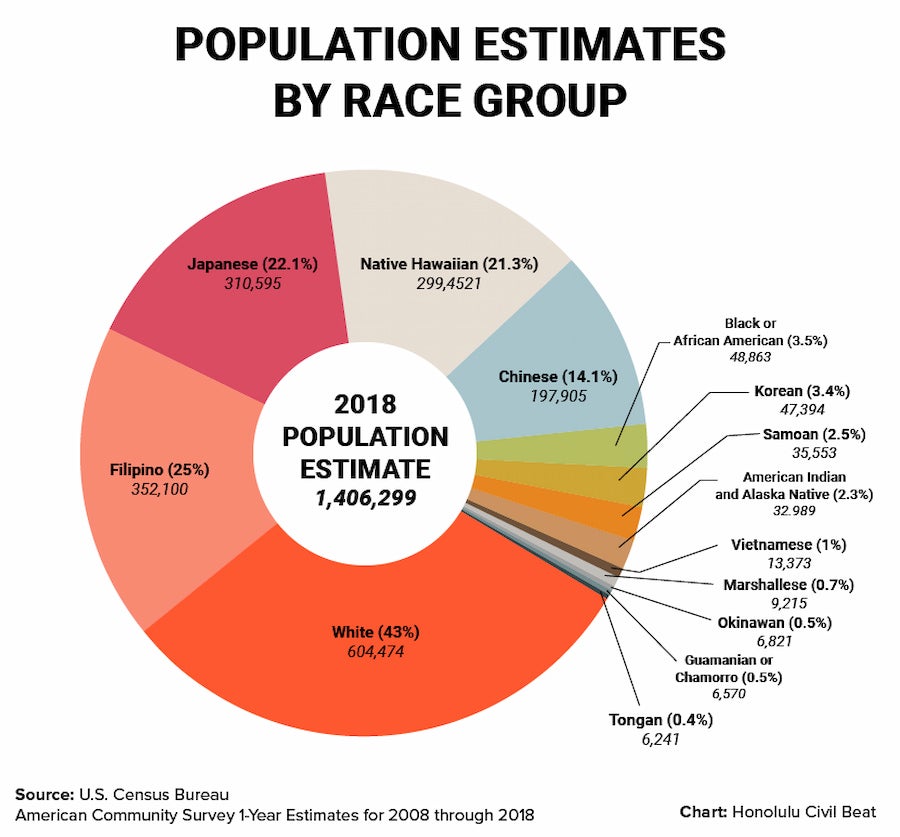
2018 Population Estimates by Racial Group
This infographic by Honolulu Civil Beat shows Hawaiʻi’s population estimates by race and ethnicity. These 2018 US Census American Community Survey figures add up to more than 100 percent since respondents can identify as being part of one or more racial or ethnic groups.
Featured in:
Hawaiʻi: A Place and Its People, Module 5
-
Image
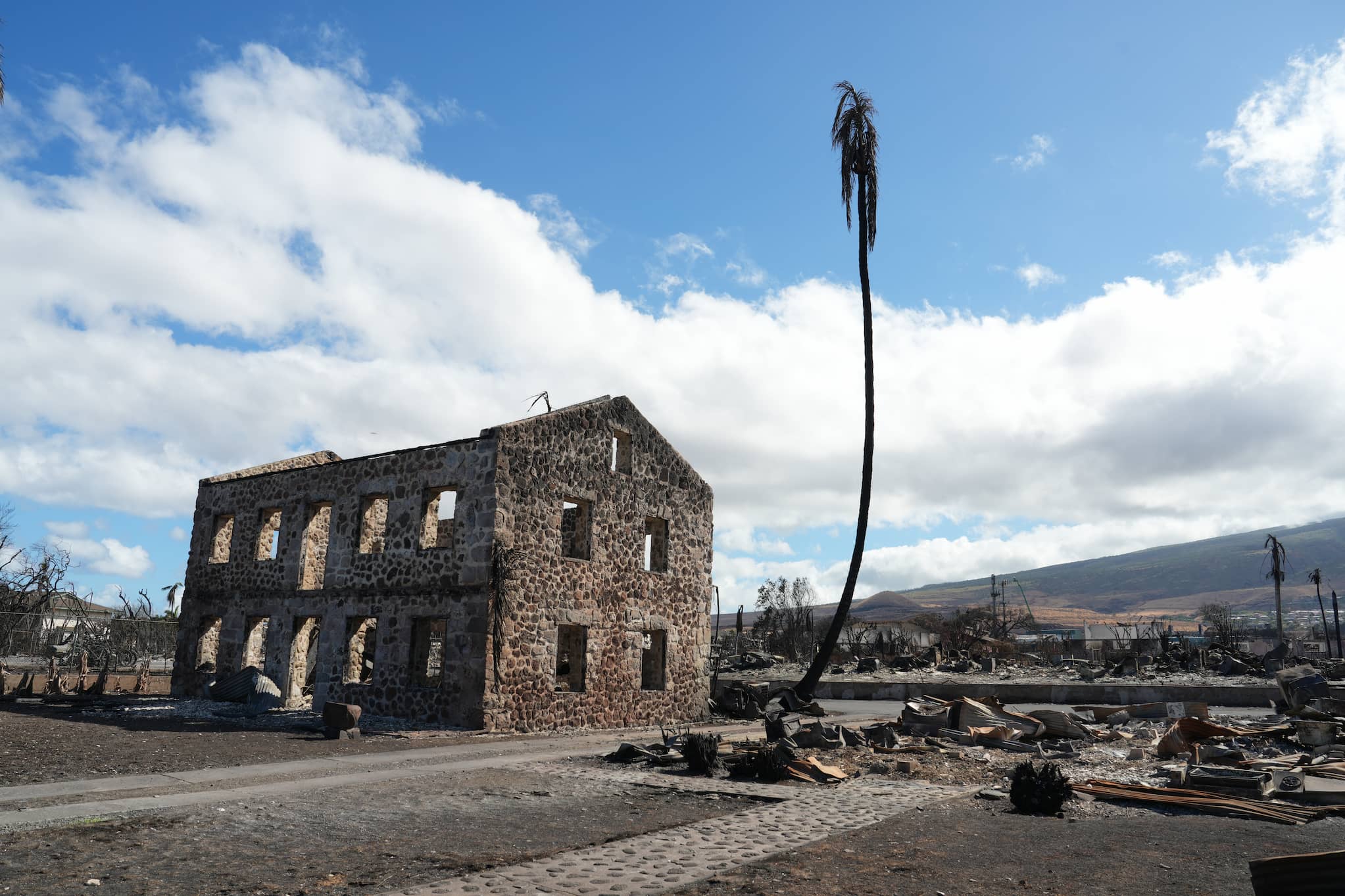
Remains of the US Seamen’s Hospital after Lāhaina fire
Remains of the US Seamen’s Hospital (US Marine Hospital) at 1024 Front Street, Lāhinā, Hawaiʻi, first built in 1833. The 2023 Lāhaina fire on the island of Maui resulted in over a hundred deaths and more than 2,200 structures destroyed.
Featured in:
Hawaiʻi: A Place and Its People, Module 5
-
Image
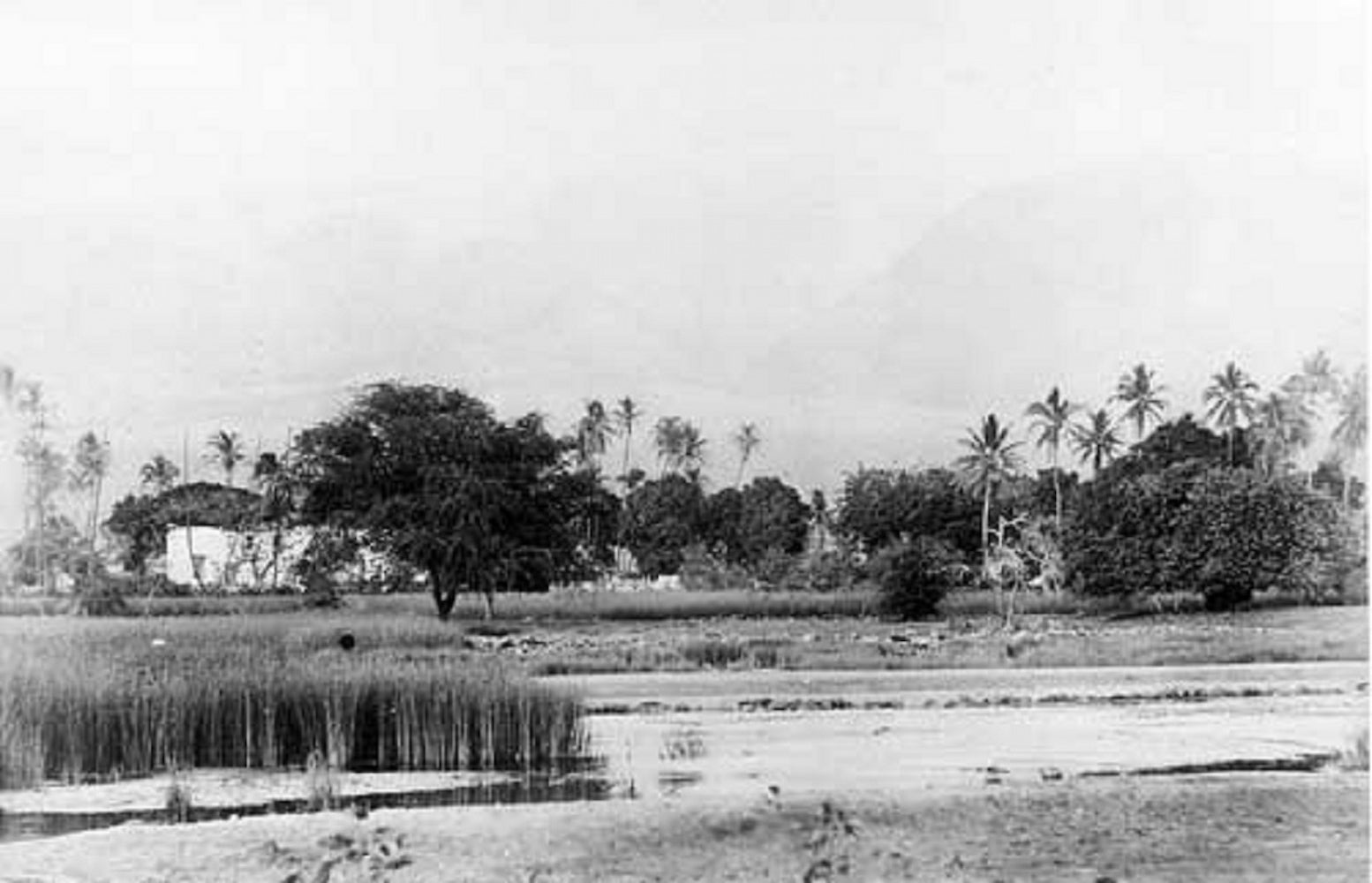
Mokuʻula, ca. 1893
The site of Kamehameha III’s royal home on Mokuʻula Island in the fishpond, Loko o Mokuhinia, located in the town of Lāhinā on the island of Maui, circa 1893.
Featured in:
Hawaiʻi: A Place and Its People, Module 5
-
Image
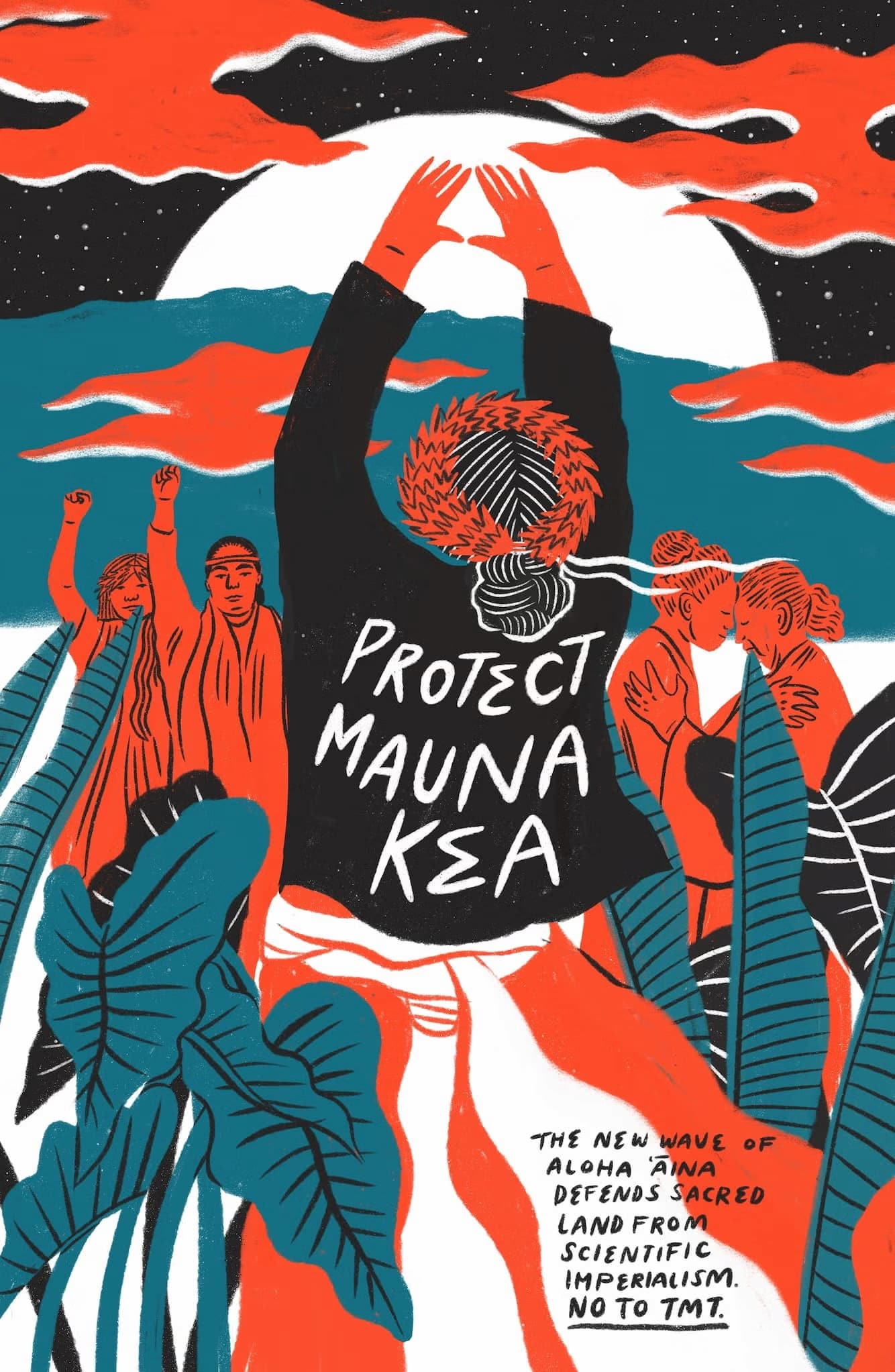
We Are Mauna Kea
Honolulu-based artist, Ash Kwak Lukashevsky, created this illustration in support of activists demonstrating against the proposed Thirty-Meter Telescope on Maunakea (Mauna a Wākea).
Featured in:
Hawaiʻi: A Place and Its People, Module 5
-
Image
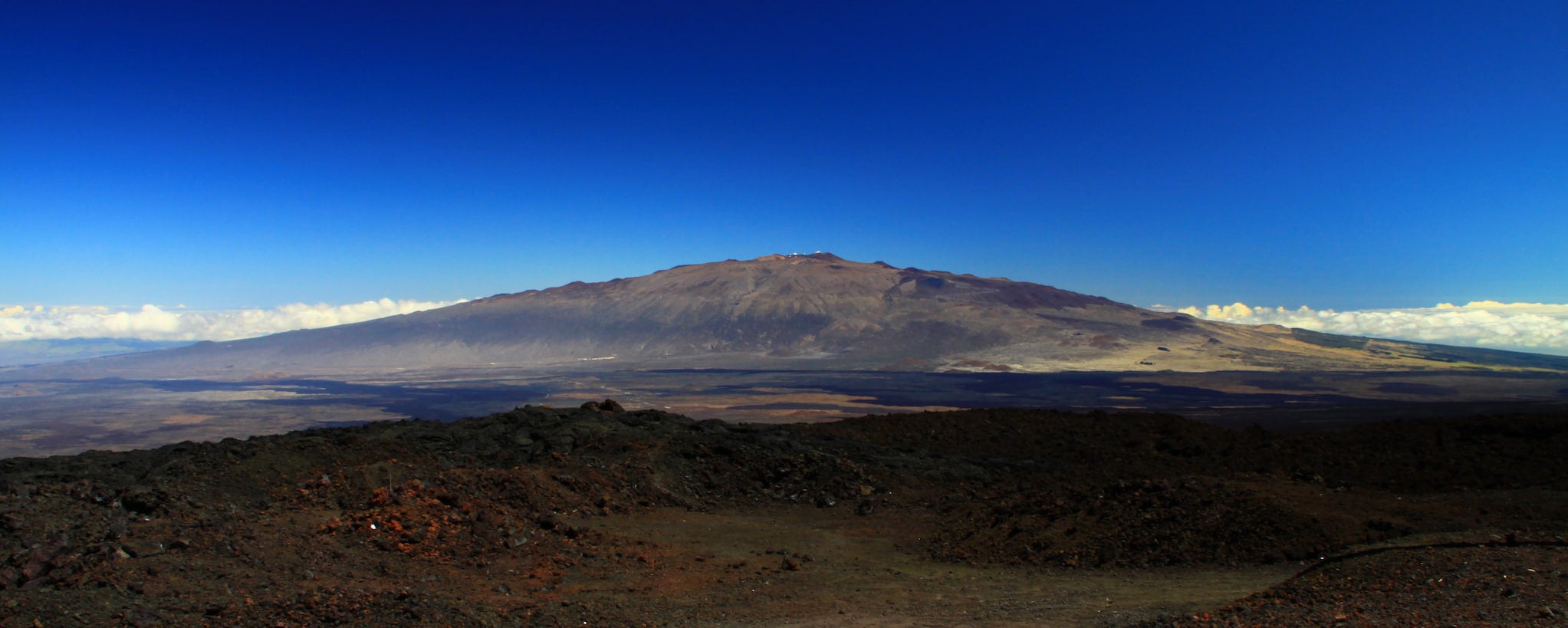
Maunakea (Mauna a Wākea) from Mauna Loa Observatory
This view of Maunakea (Mauna a Wākea) on Hawaiʻi Island was taken in 2010 from an observatory on nearby Maunaloa (Mauna Loa).
Featured in:
Hawaiʻi: A Place and Its People, Module 5
-
Image
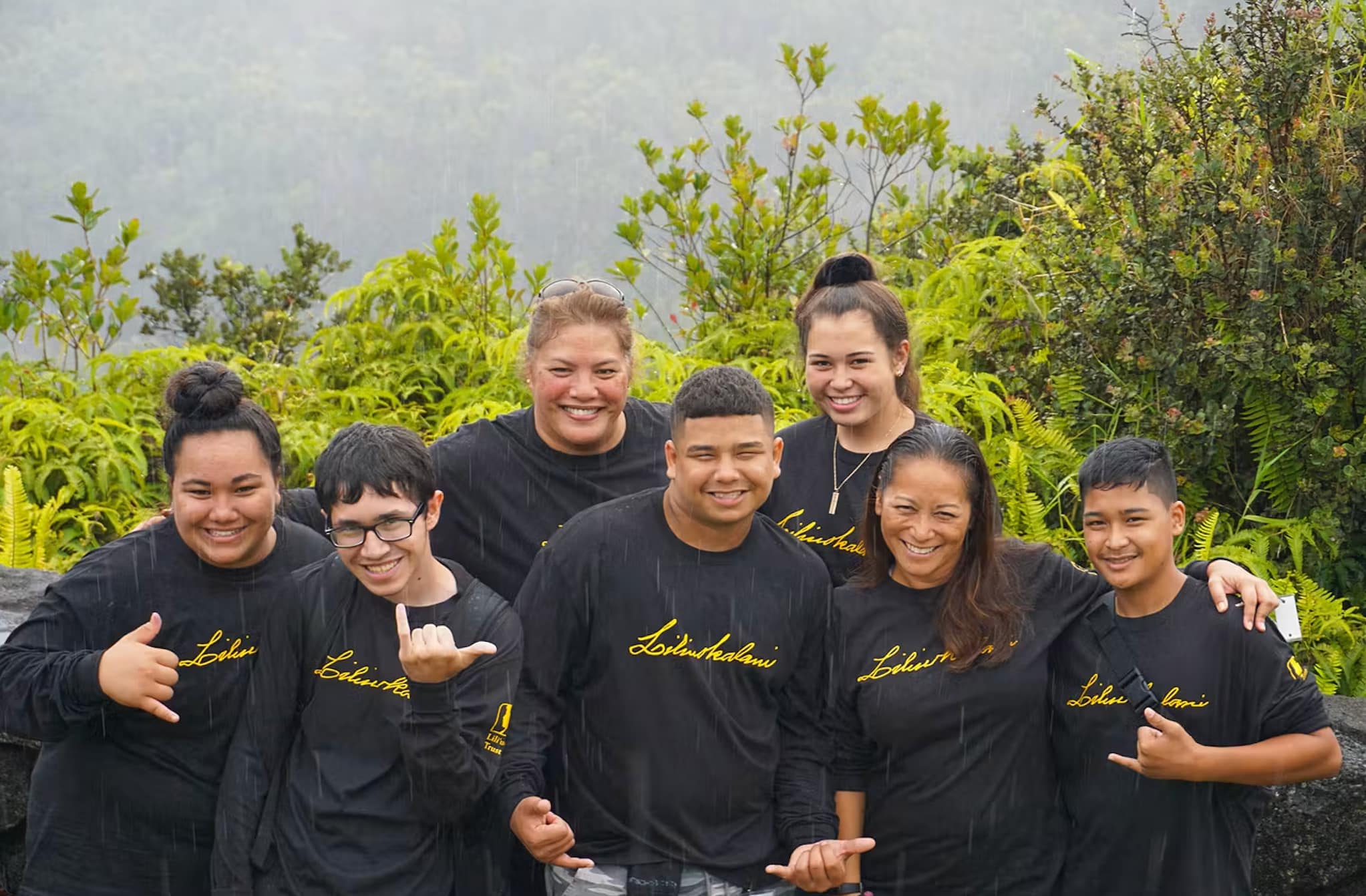
Liliʻuokalani Trust Group Photo
Founded in 1909 by Queen Liliʻuokalani the trust serves orphan and destitute children, with a preference given to assisting the welfare and development of Kānaka ʻŌiwi youth.
Featured in:
Hawaiʻi: A Place and Its People, Module 5
-
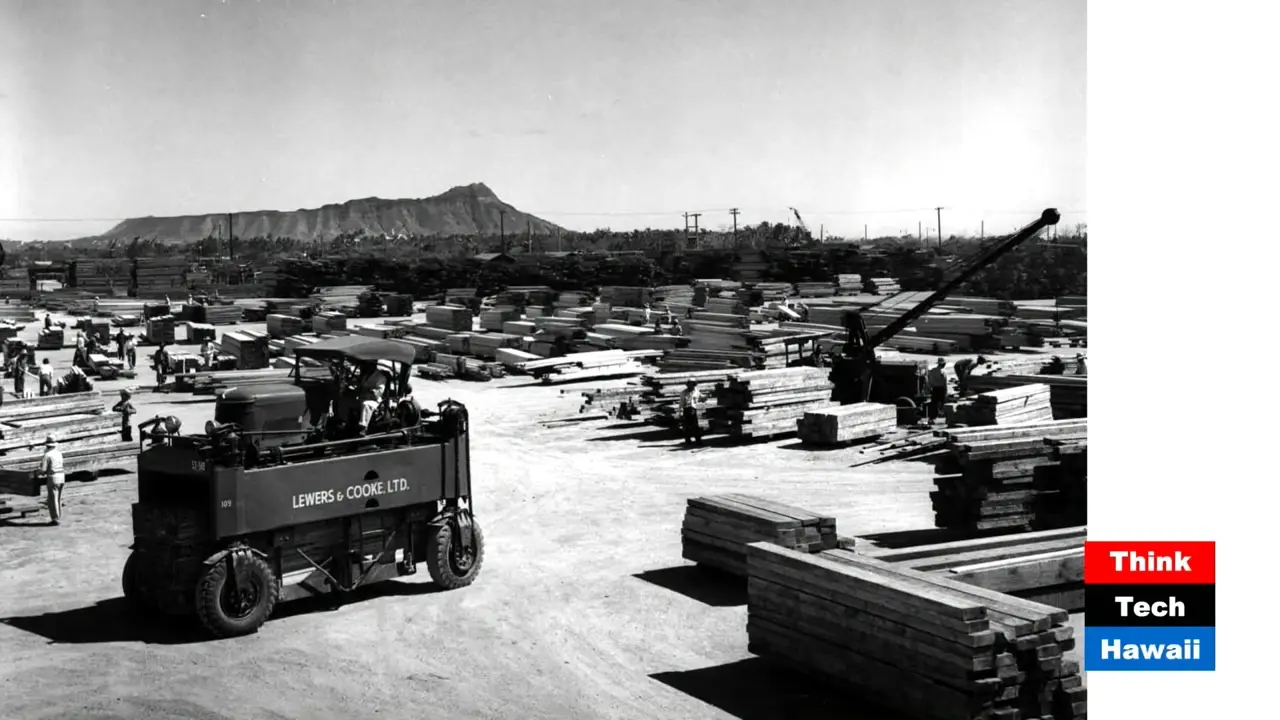
Video
Excerpt from Ala Moana Mall Paradise
Bishop Museum historian Desoto Brown appears on Humane Architecture to discuss the development of Ala Moana Shopping Center, which opened in 1959. The center has often faced criticism that local Hawaiʻi residents are not able to afford the luxury goods aimed more toward higher-income tourists.
Featured in:
Hawaiʻi: A Place and Its People, Module 4
-
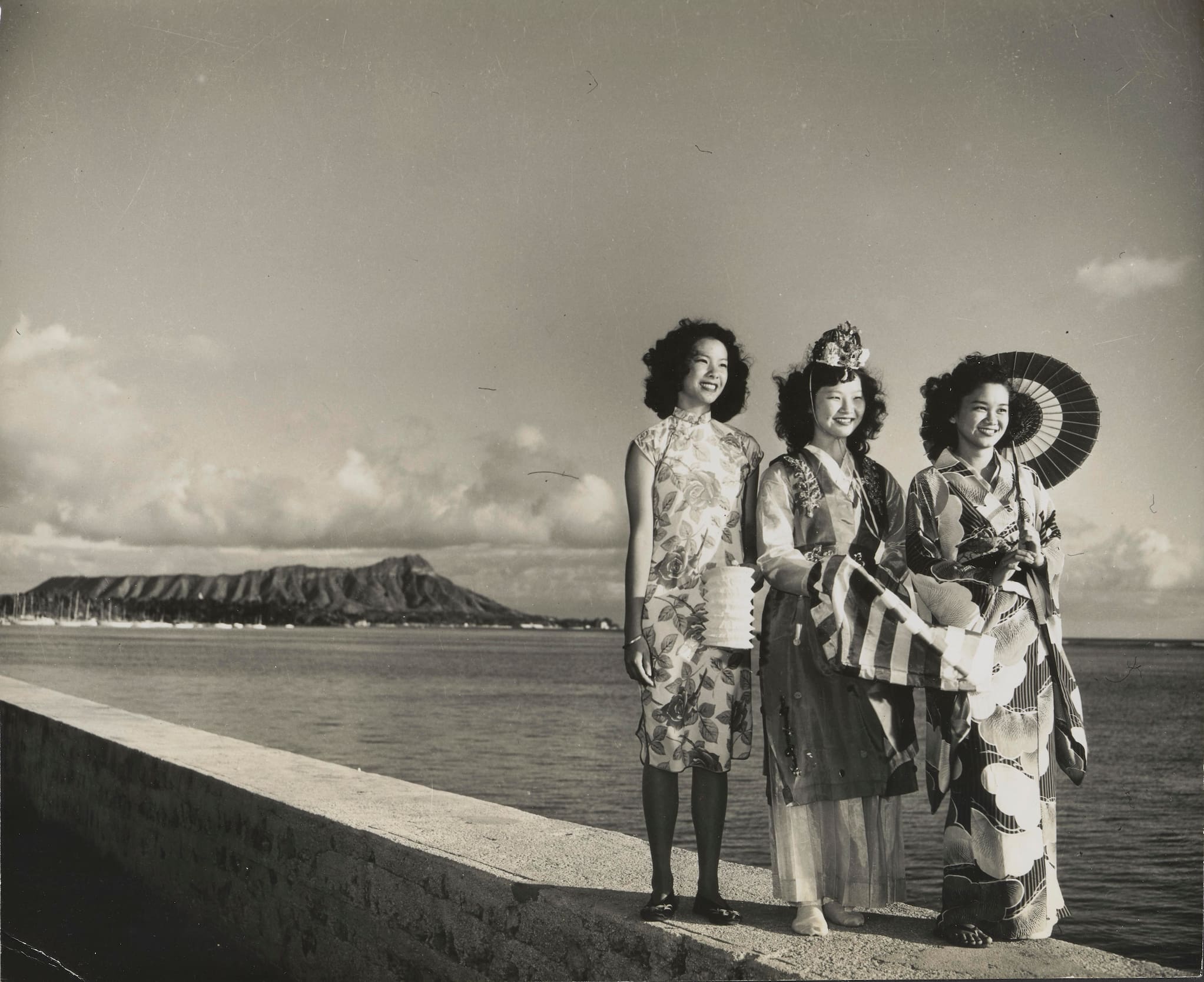
Image
Aloha Week participants representing the Chinese, Korean, and Japanese ethnic groups
Diversity has often been displayed as one of Hawaiʻi’s strong points, emphasizing its ethnic and racial harmony. The Hawaiʻi Visitors Bureau featured these women of Chinese, Korean, and Japanese ancestry in the first celebration of Aloha Week in 1947.
Featured in:
Hawaiʻi: A Place and Its People, Module 4
-
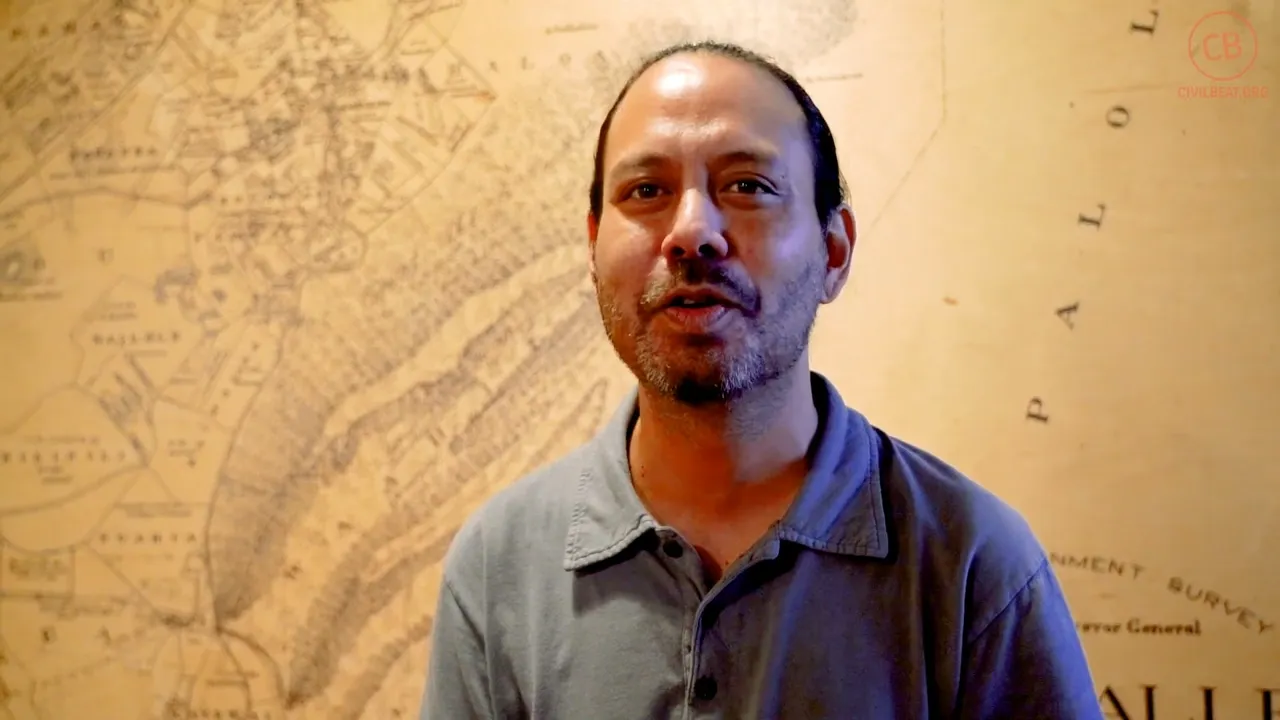
Video
Excerpt from What does it mean to be local in Hawai‘i?
Watch people answer the question, “What does it mean to be local in Hawai‘i?” in this 2020 Fault Lines feature by Honolulu Civil Beat.
Featured in:
Hawaiʻi: A Place and Its People, Module 4