



Search the Media Repository
Discover the curated images, videos, and primary sources featured throughout Foundations and Futures
History is more than just text on a page; it is the photographs, voices, and artifacts of the people who lived it. The images and recordings featured across Foundations and Futures are part of a meticulously curated media repository. Whether you are building a lesson plan or investigating an artifact, you can use this database to trace the provenance of our media: discover who created an asset, the historical context behind it, and how it can be used to bring Asian American and Pacific Islander experiences into your classroom.
Multimedia
Chapters
-
Image
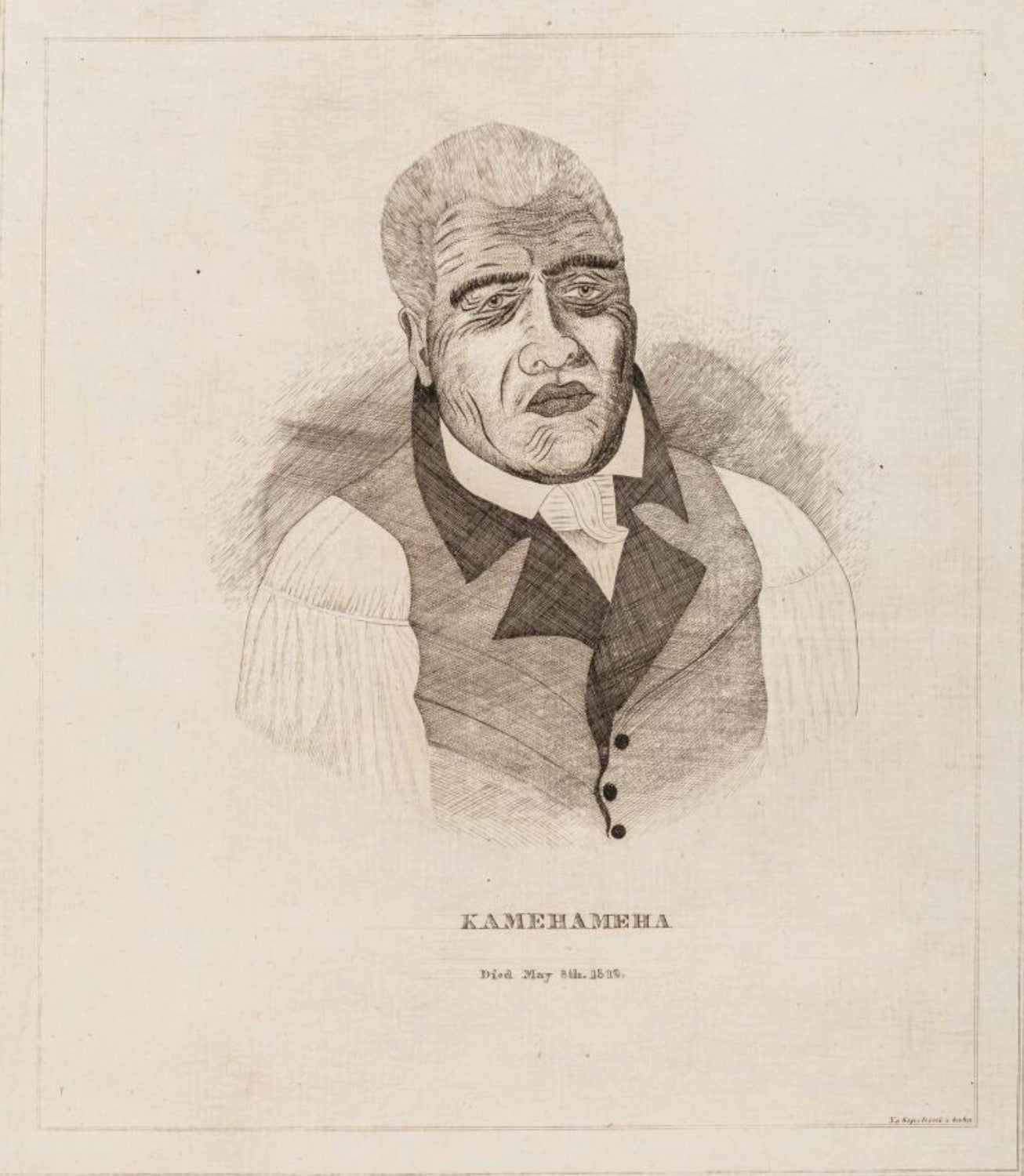
Engraving of Kamehameha the Great
This engraving of Kamehameha the Great (c. 1838) was done by Kepohoni at Lahainaluna Seminary, a school on the island of Maui established by American Protestant missionaries in 1823.
Featured in:
Hawaiʻi: A Place and Its People, Module 2
-

Image
Cook Entering Kealakekua Bay
A 1994 painting by artist-historian Herbert “Herb” Kawainui Kāne (1928–2011), Cook Entering Kealakekua Bay, January 1779, reimagines the fateful encounter between Kānaka ʻŌiwi and British Captain James Cook and his crew.
Featured in:
Hawaiʻi: A Place and Its People, Module 1
-
Image
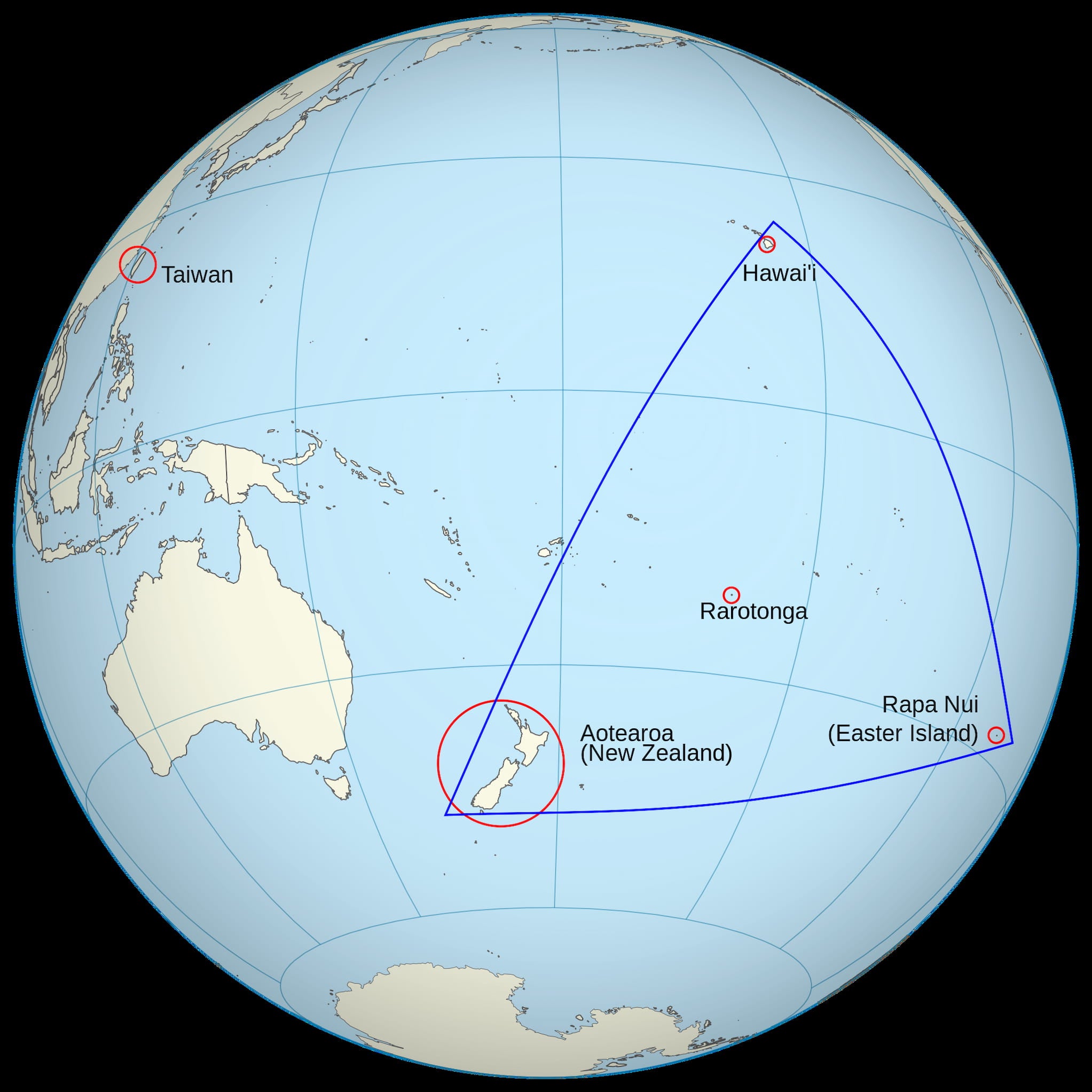
Polynesian Triangle
The cultural geographic region of Polynesia extends from the Hawaiian Islands in the north, to Rapa Nui (Easter Island) in the east, and to Aotearoa (New Zealand) in the west.
Featured in:
Hawaiʻi: A Place and Its People, Module 1
-
Video
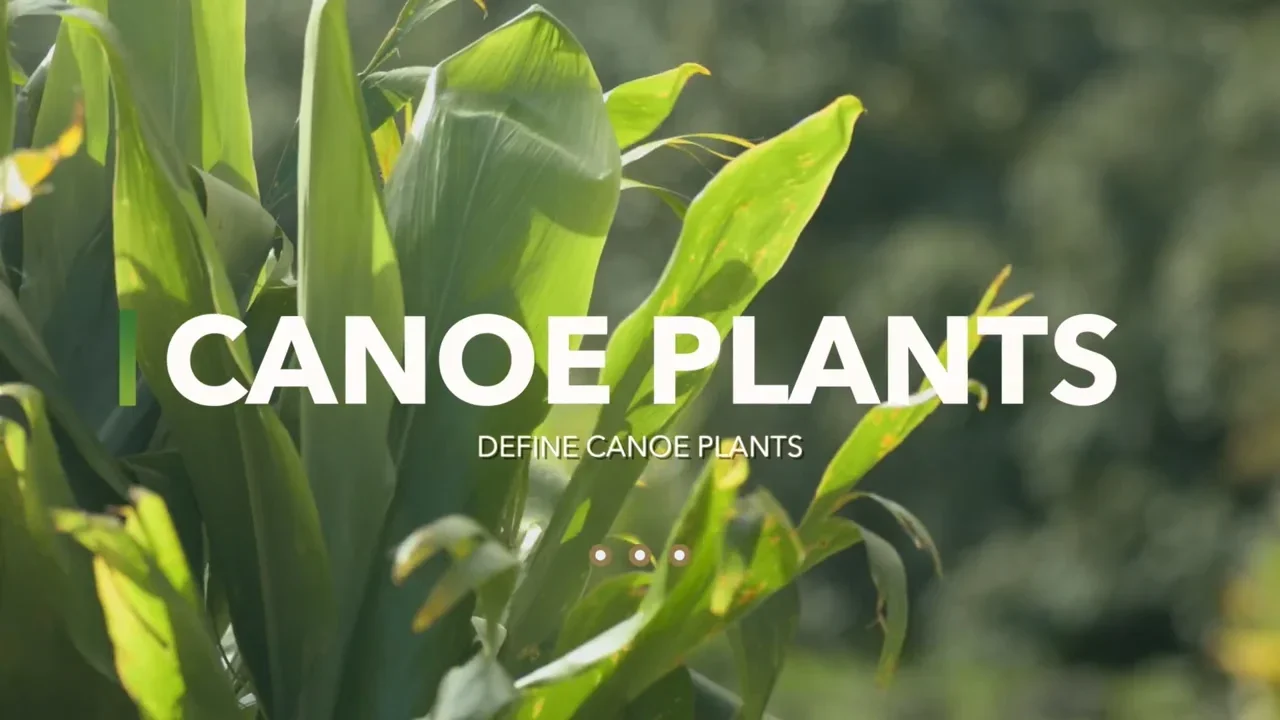
Excerpt from “Canoe Plants”
“Canoe plants” were carefully selected by Polynesian voyagers to serve as a handy toolkit to help them survive in their new homeland, as shown in this 2022 video by the Hawaiʻi-based National Tropical Botanical Garden.
Featured in:
Hawaiʻi: A Place and Its People, Module 1
-
Image
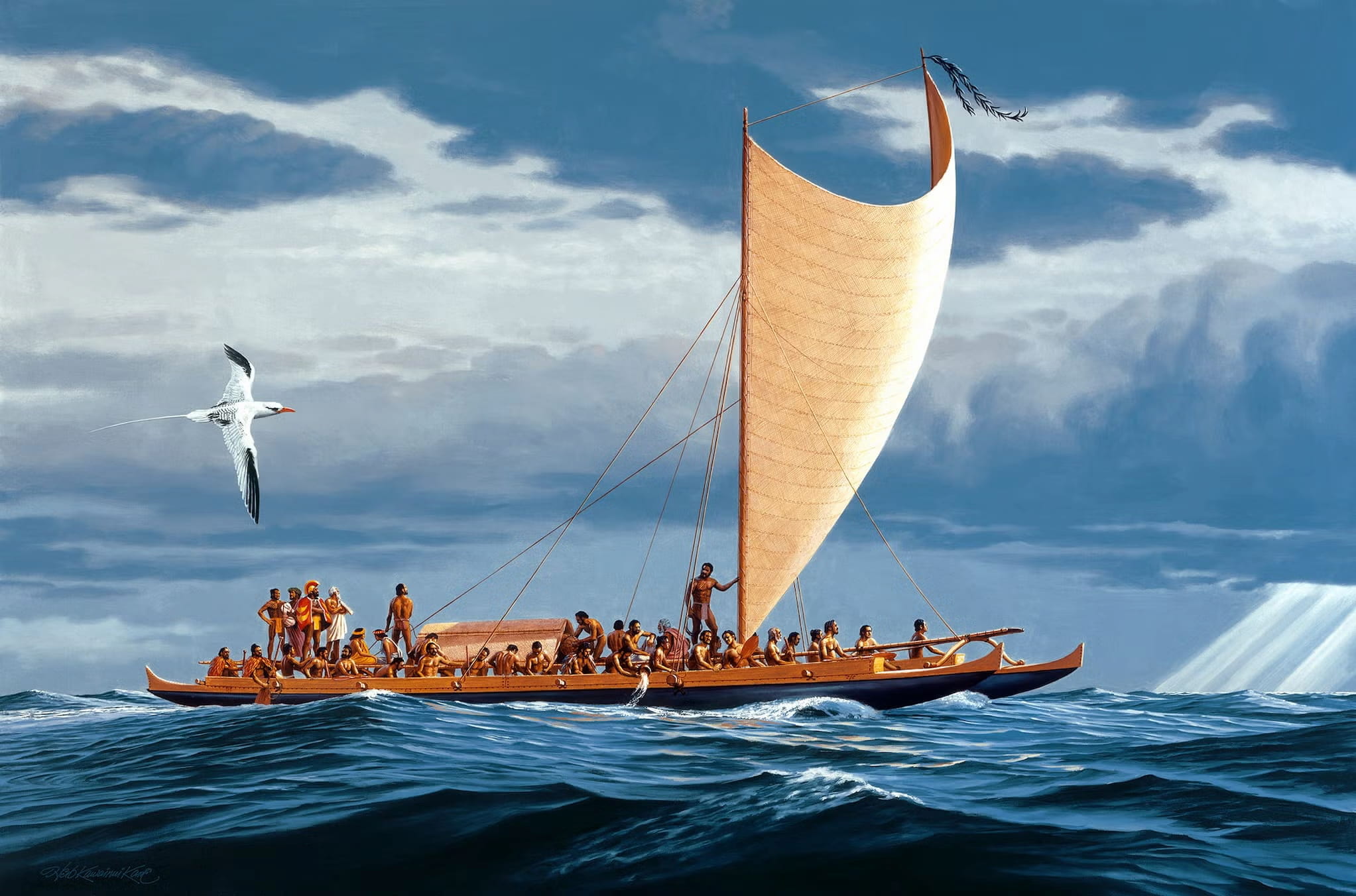
Kamehameha’s Double Canoe
Waʻa (c. 1972) is a painting of a waʻa kaulua double-hulled voyaging canoe by artist-historian Herbert “Herb” Kawainui Kāne (1928–2011). Along with nautical anthropologist Ben Finny and sailor Charles Tommy Holmes, Kāne co-founded the Honolulu-based Polynesian Voyaging Society in 1973.
Featured in:
Hawaiʻi: A Place and Its People, Module 1
-
Image
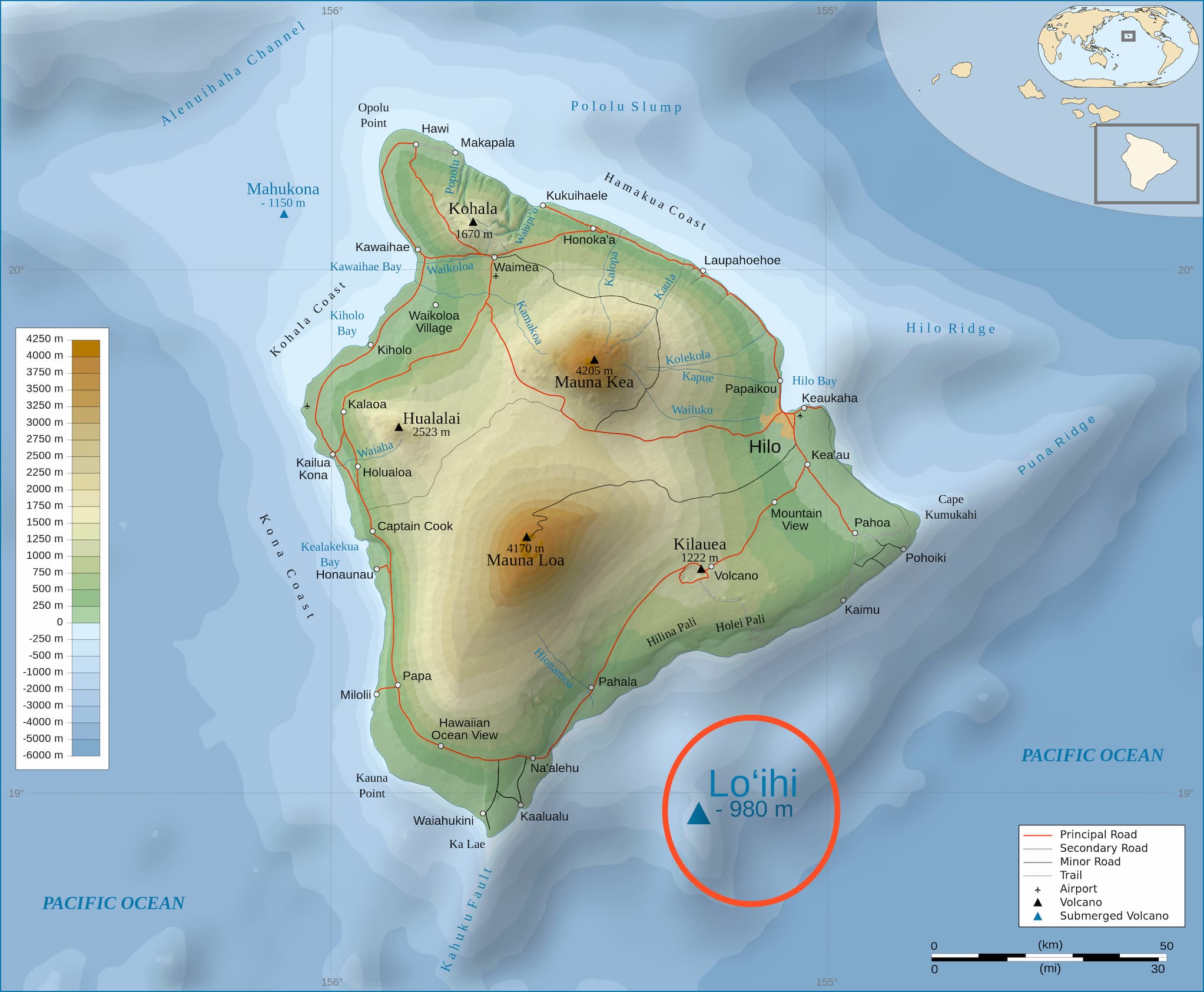
Topographic Map of the island of Hawai‘i with the Lōʻihi Seamount highlighted
Previously known as Lōʻihi, the Hawaiʻi Board on Geographic Names renamed the undersea volcano Kamaʻehuakanaloa in 2021.
Featured in:
Hawaiʻi: A Place and Its People, Module 1
-
Image
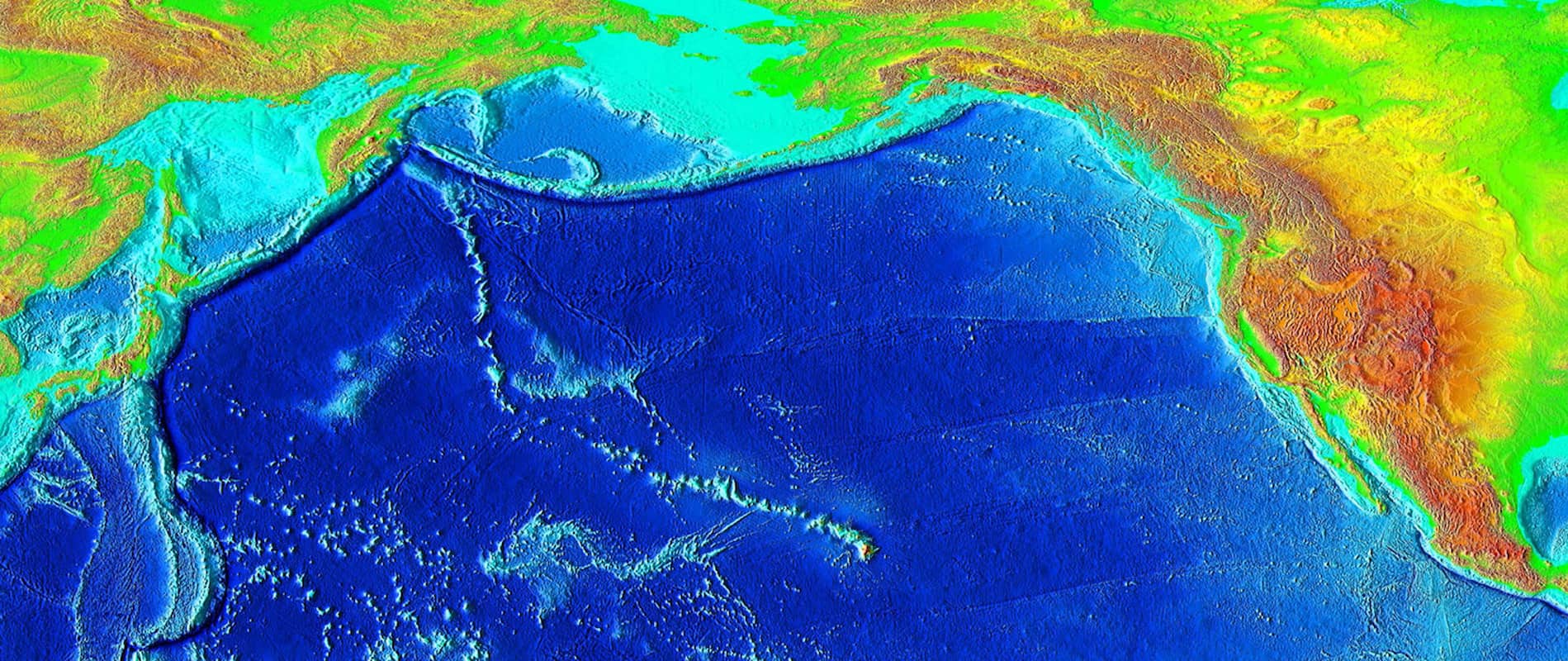
Hawaiian-Emperor seamount chain
A wide view of the Hawaiian Island Emperor Seamounts Chain. The Hawaiian Islands (above water) and Emperor Seamounts (underwater) extend from the middle of the Pacific to Japan. A hotspot under the Pacific Plate created the Hawaiian chain over the course of fifty million years as the tectonic plate moved toward the northwestern direction.
Featured in:
Hawaiʻi: A Place and Its People, Module 1
-
Video
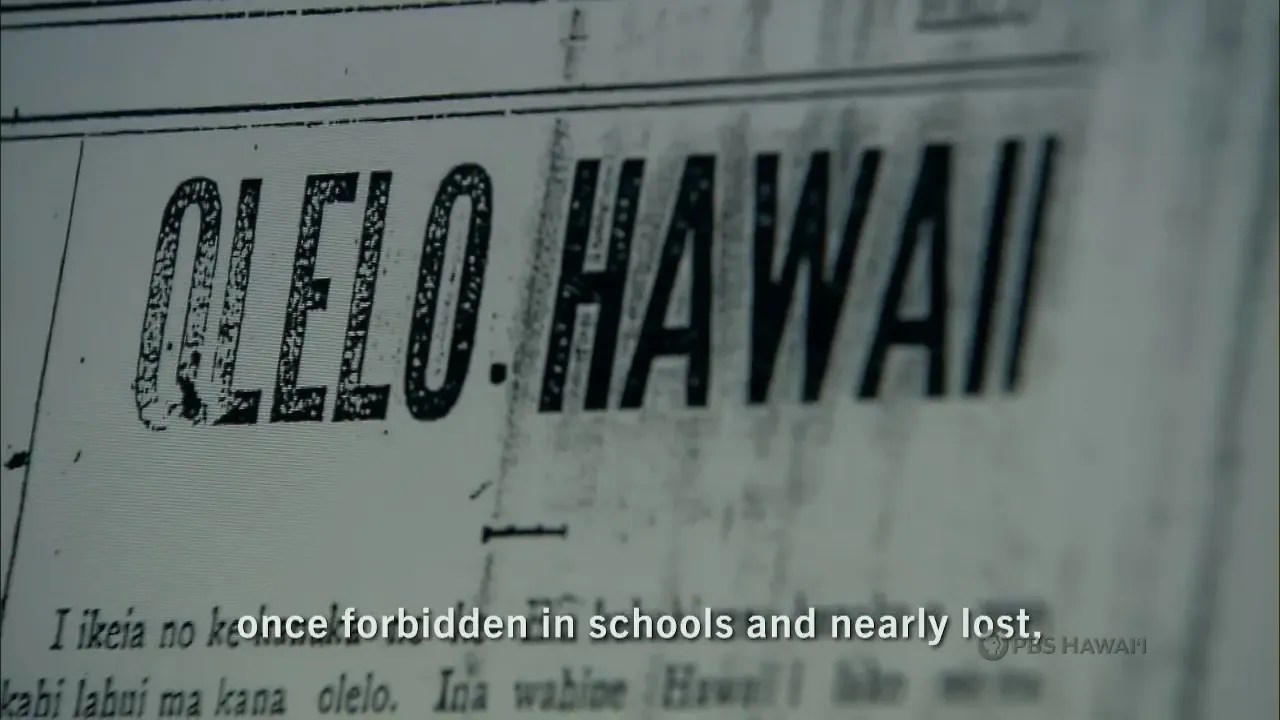
Excerpt from “The Hawaiian Language, INSIGHTS ON PBS HAWAIʻI”
This 2019 video by PBS Hawaiʻi features a roundtable conversation spoken in Ka ʻŌlelo Hawaiʻi (the Hawaiian language).
Featured in:
Hawaiʻi: A Place and Its People, Module 1
-
Image
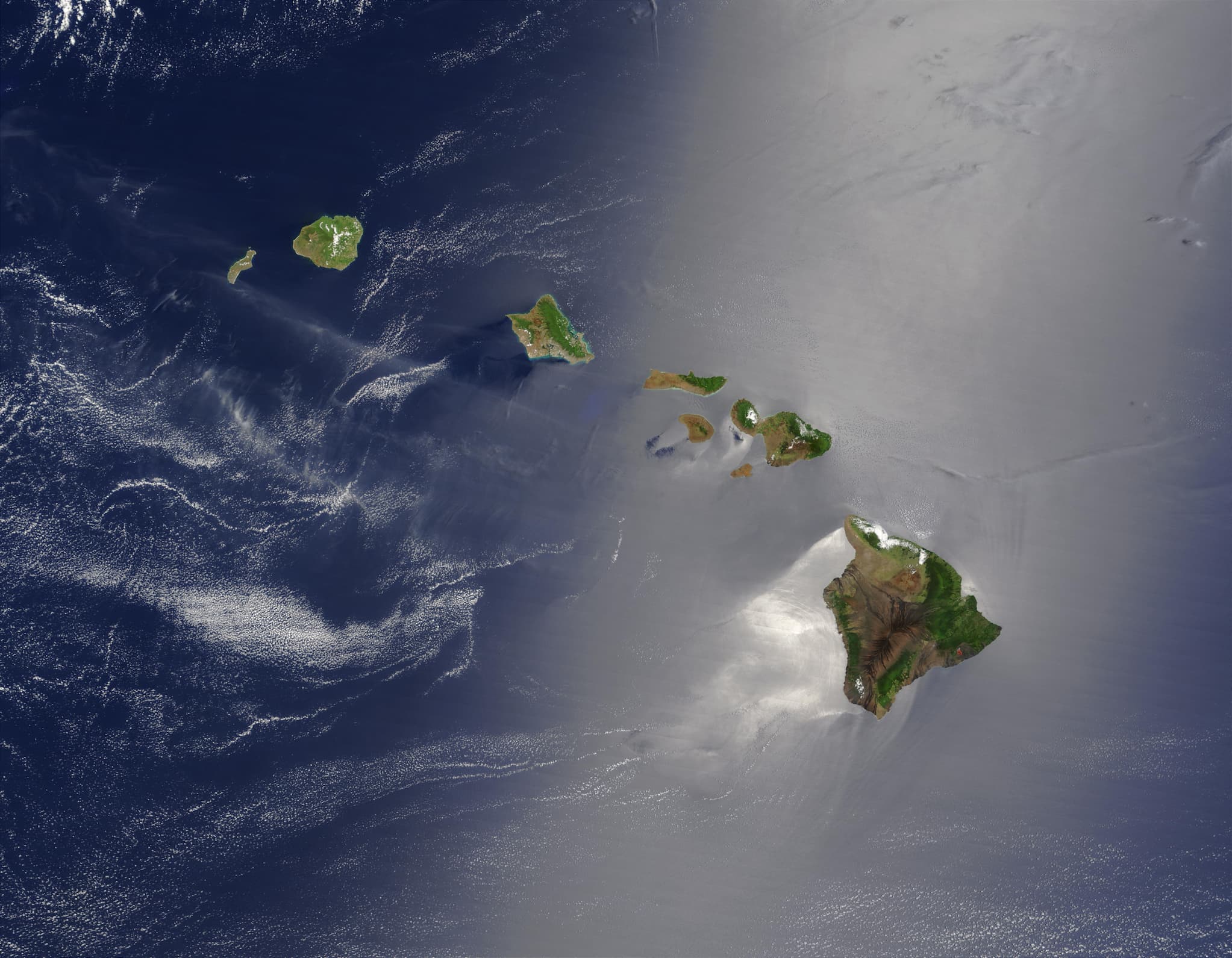
Satellite view of Hawaiian archipelago
A view of the Hawaiian Islands from Space. Lower right to top left: Hawaiʻi Island (the Big Island), Maui, Kahoʻolawe, Lānaʻi, Molokaʻi, Oʻahu, Kauaʻi, and Niʻihau. 2003 NASA image.
Featured in:
Hawaiʻi: A Place and Its People, Module 1
-
Image
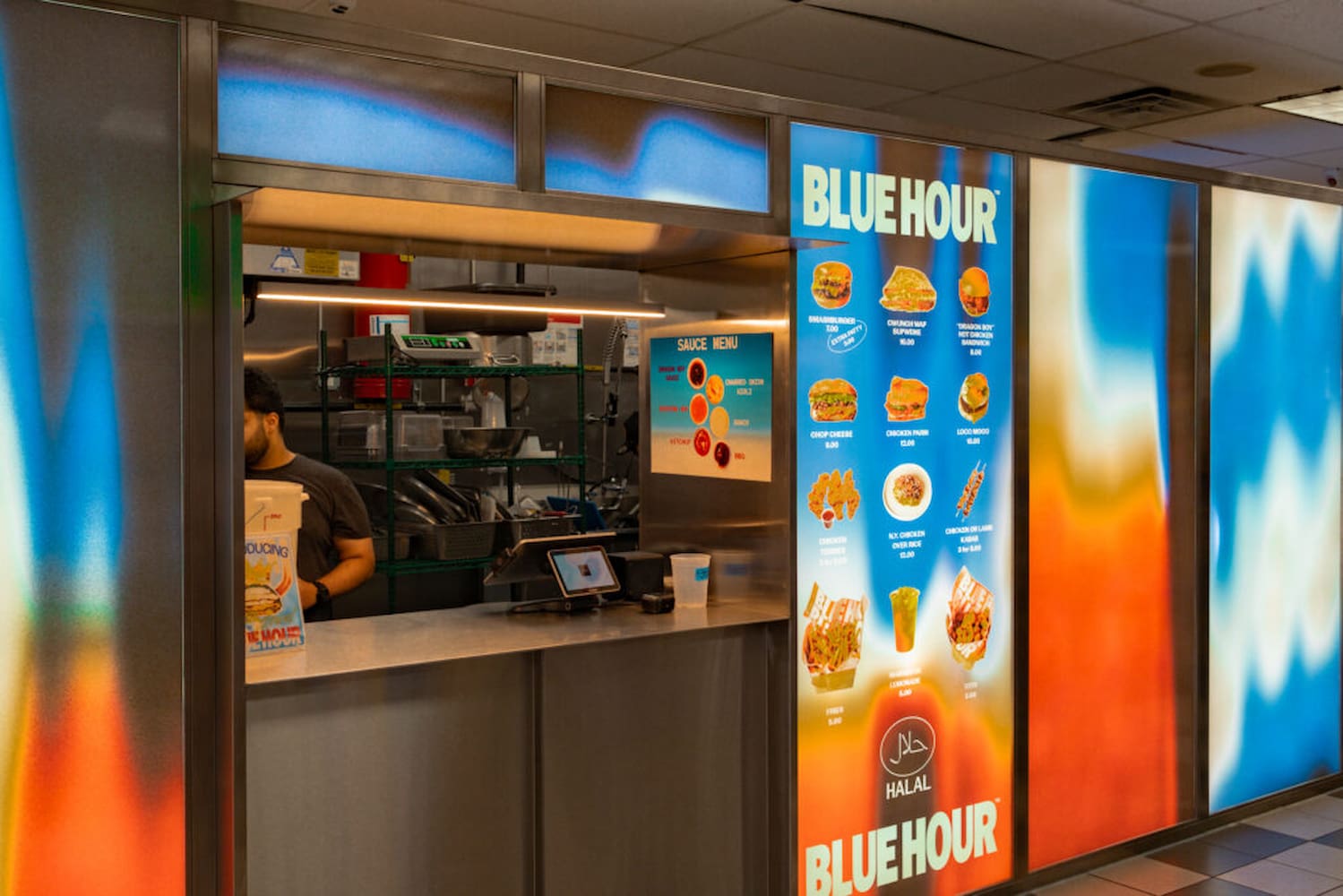
Blue Hour in Bushwick, Brooklyn
Blue Hour, also owned by Ali Zaman, serves ‘halalified’ fast-food classics from inside of a BP gas station in Bushwick, Brooklyn.
-
Image
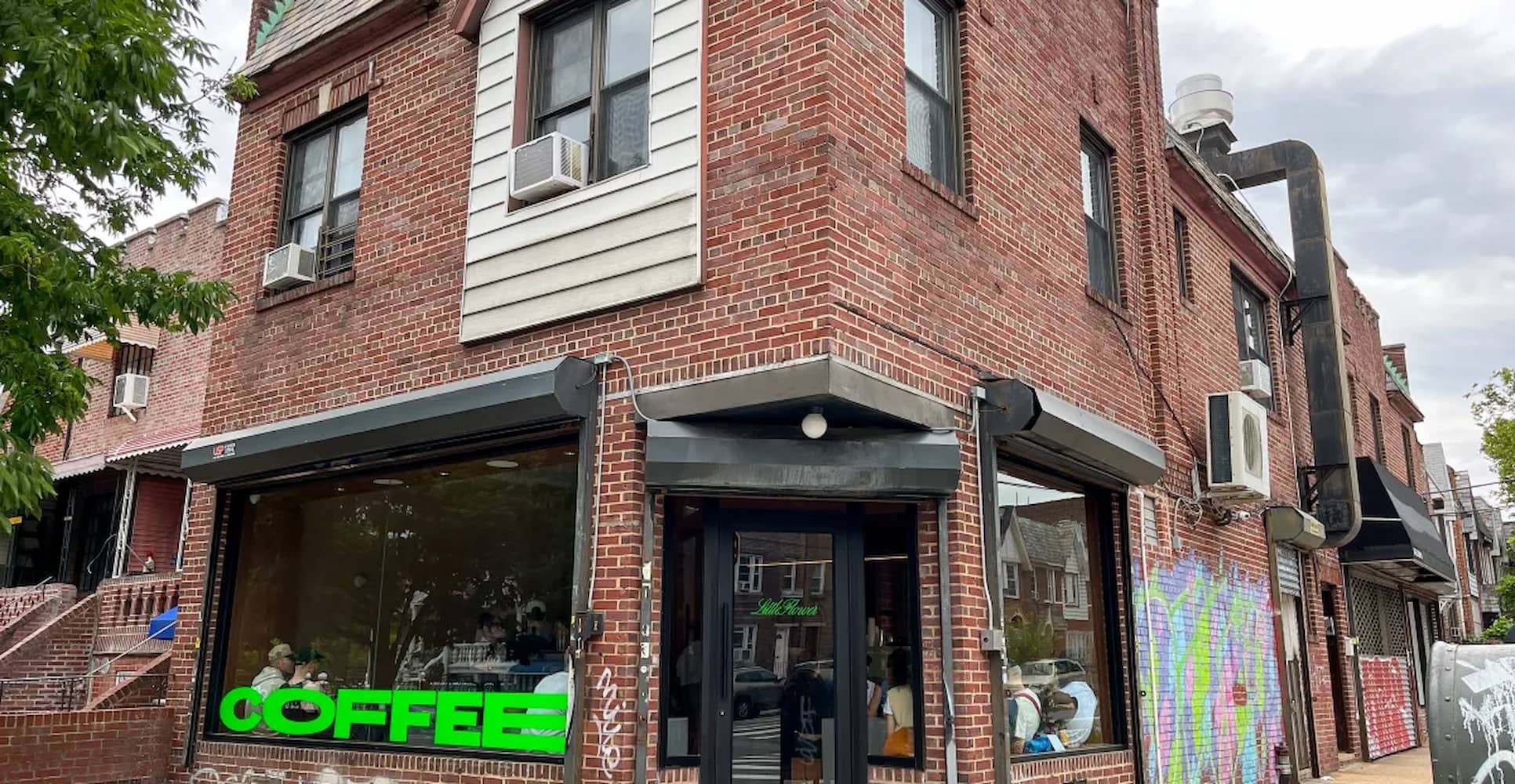
Little Flower Cafe in Astoria, Queens
Little Flower Cafe, owned by Ali Zaman, is a halal cafe located in Astoria, Queens.
-
Image
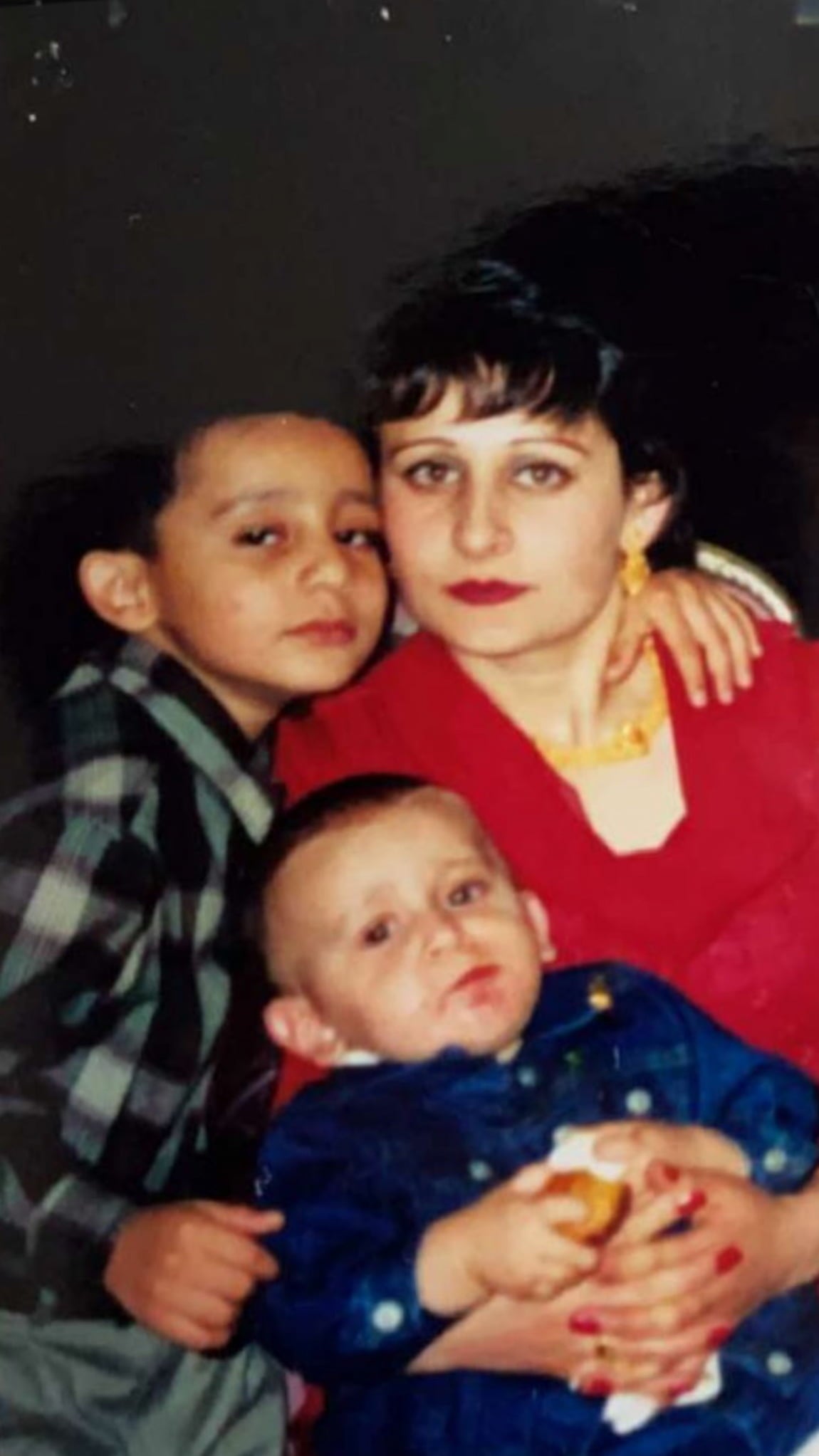
Family Photo of Ali, Sharifa, and Yusuf Zaman
Ali, Sharifa, and Yusuf Zaman at an Afghan wedding in Queens in 2001. Today, Ali Zaman is the owner of Little Flower Cafe and Blue Hour, which serve re-envisioned Afghan American food inspired by his mother’s cooking.
-
Image
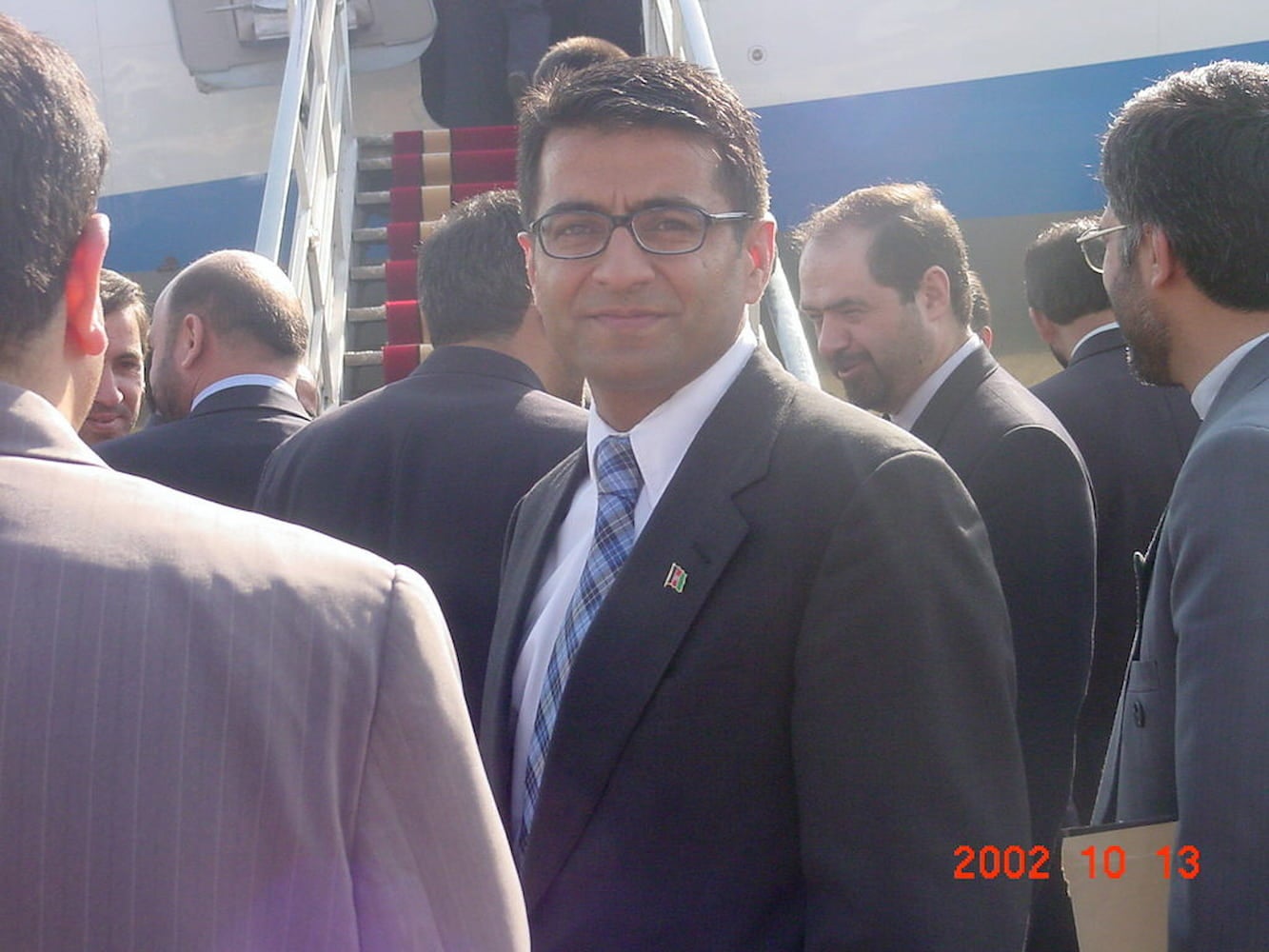
Farhad Ahad
Farhad Ahad, an Afghan American engineer and founder of Afghan Solidarity, served as Deputy Minister of Mines in the Nascent post Taliban Afghan Government.
-
Image
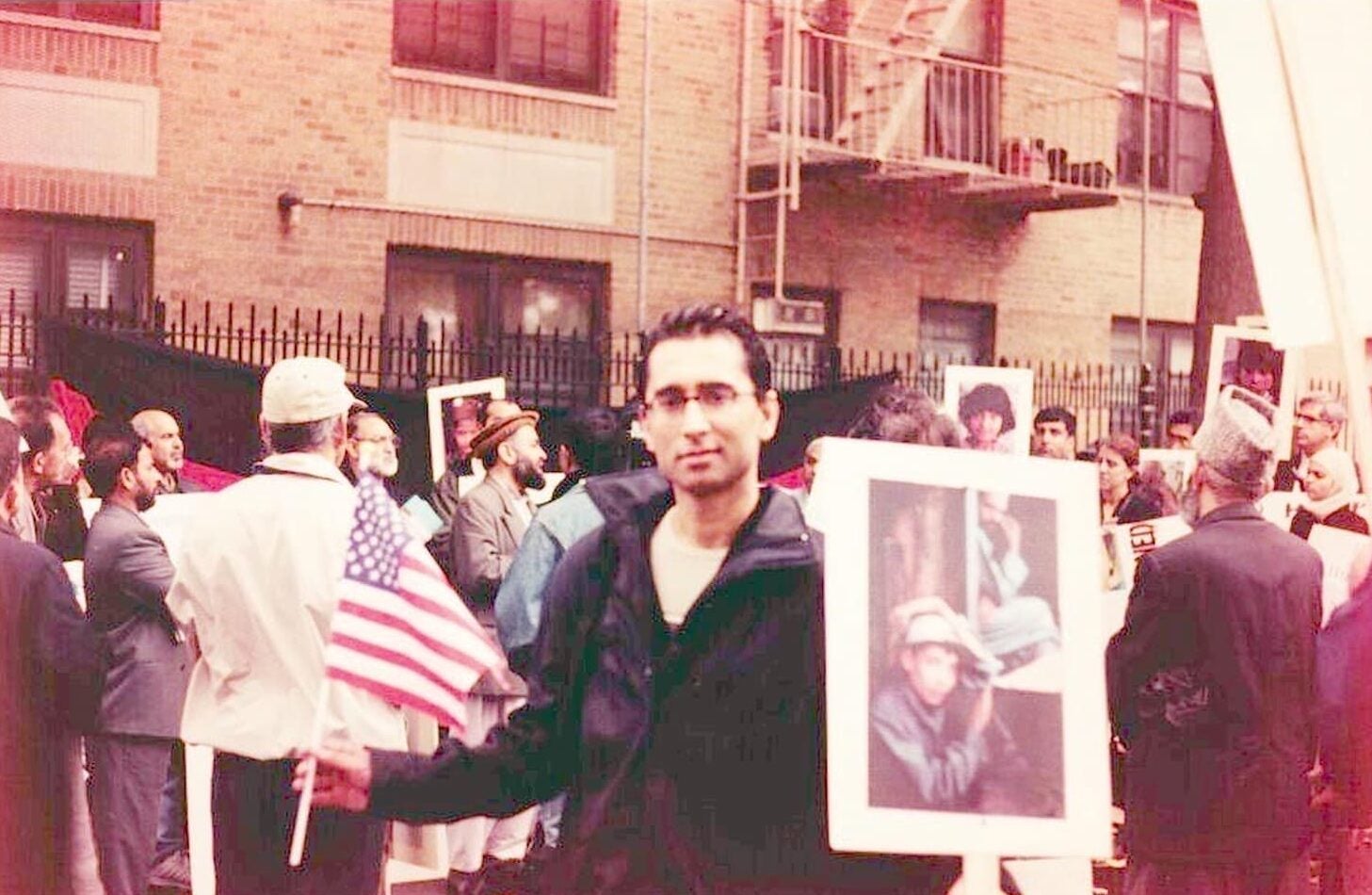
Rameen M. Javid
Rameen M. Javid, Executive Director of The Afghan Communicator, at a Peace Rally held in Flushing, Queens in 2001.
-
Image
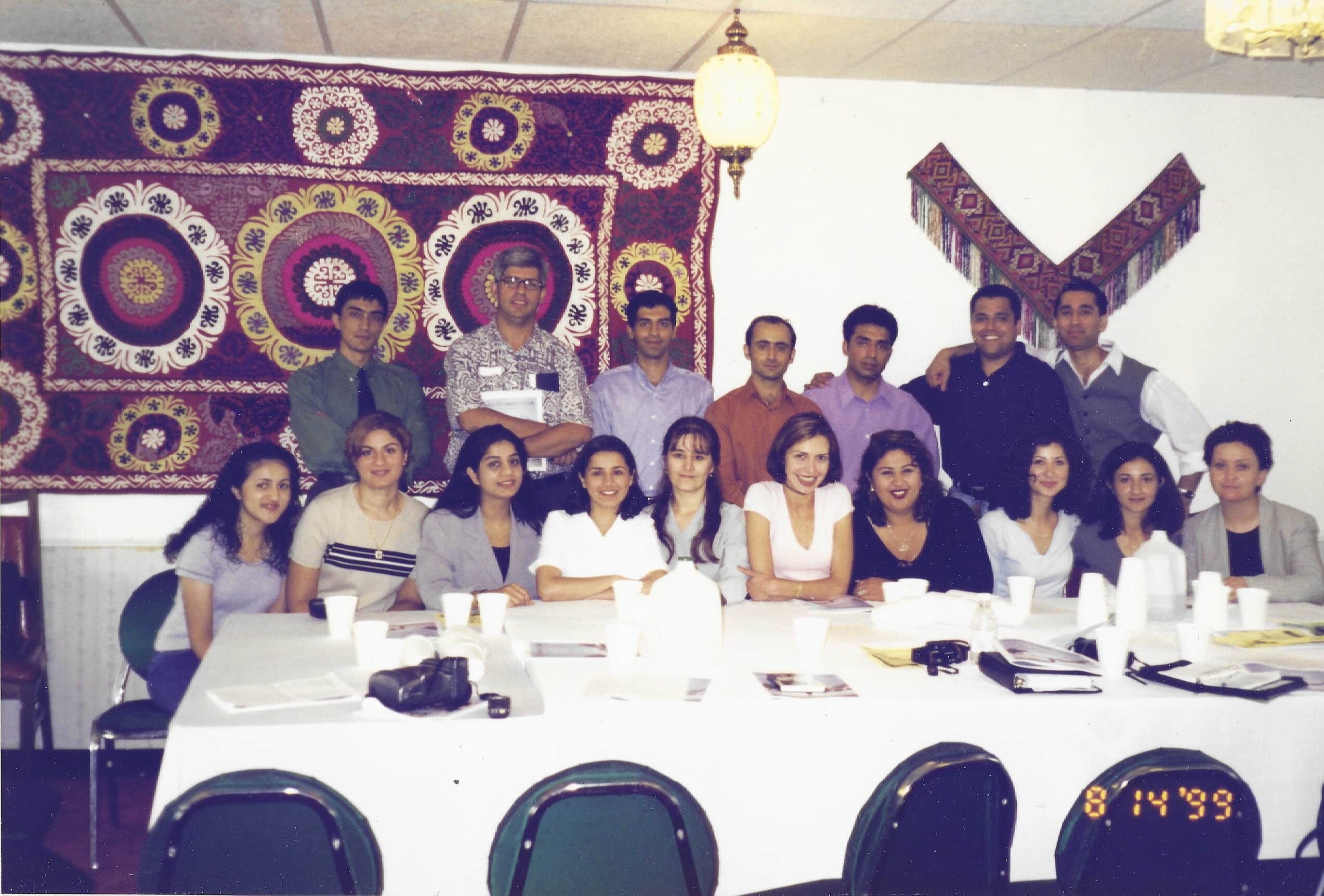
InterAfghan Youth Summit
The inaugural InterAfghan Youth Summit held in Flushing, Queens, near Kouchi Market in August 1999.
-
Image
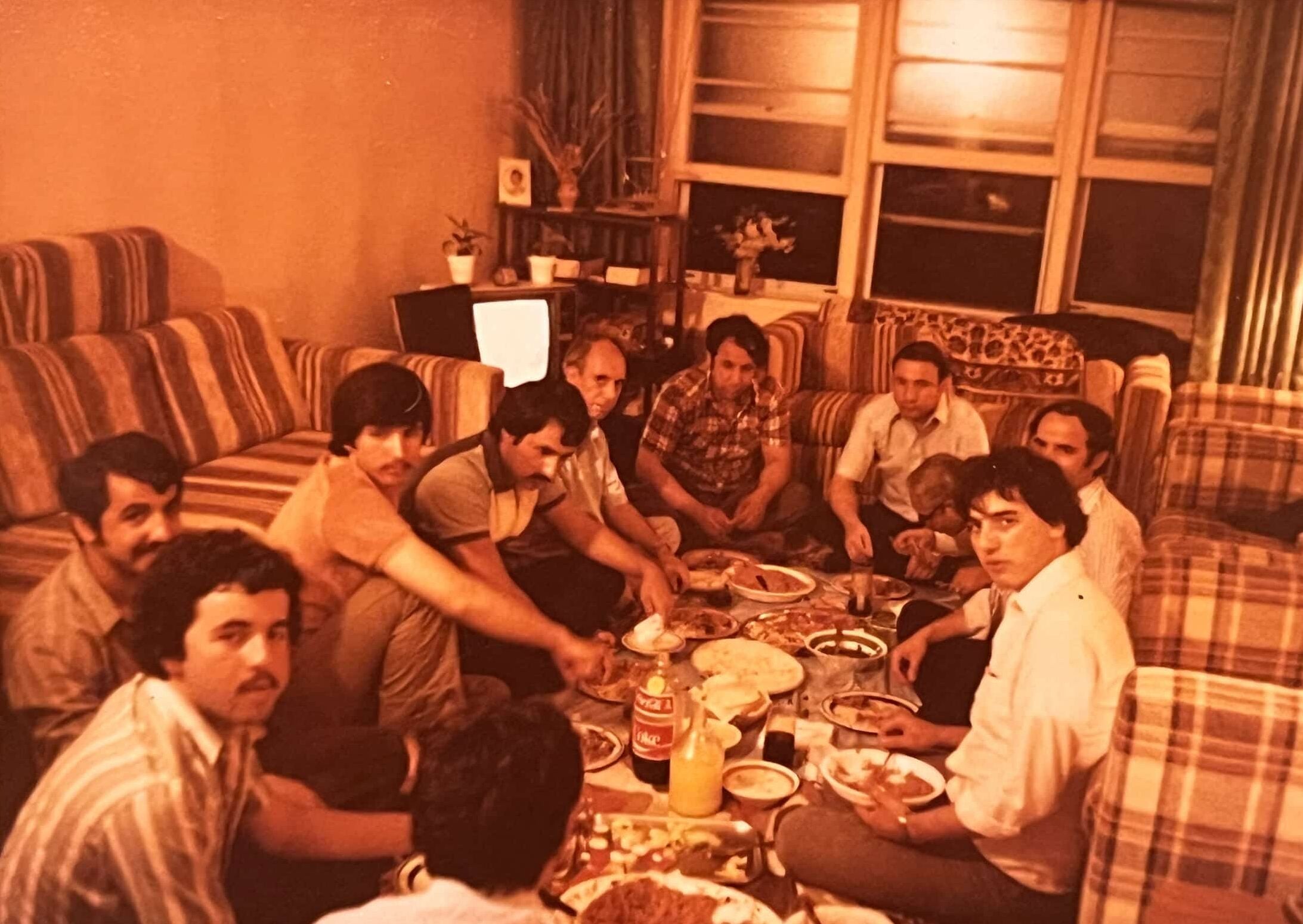
Afghan Migrant Family and Friends
An Afghan migrant family and friends at dinner in Queens, New York.
-
Video
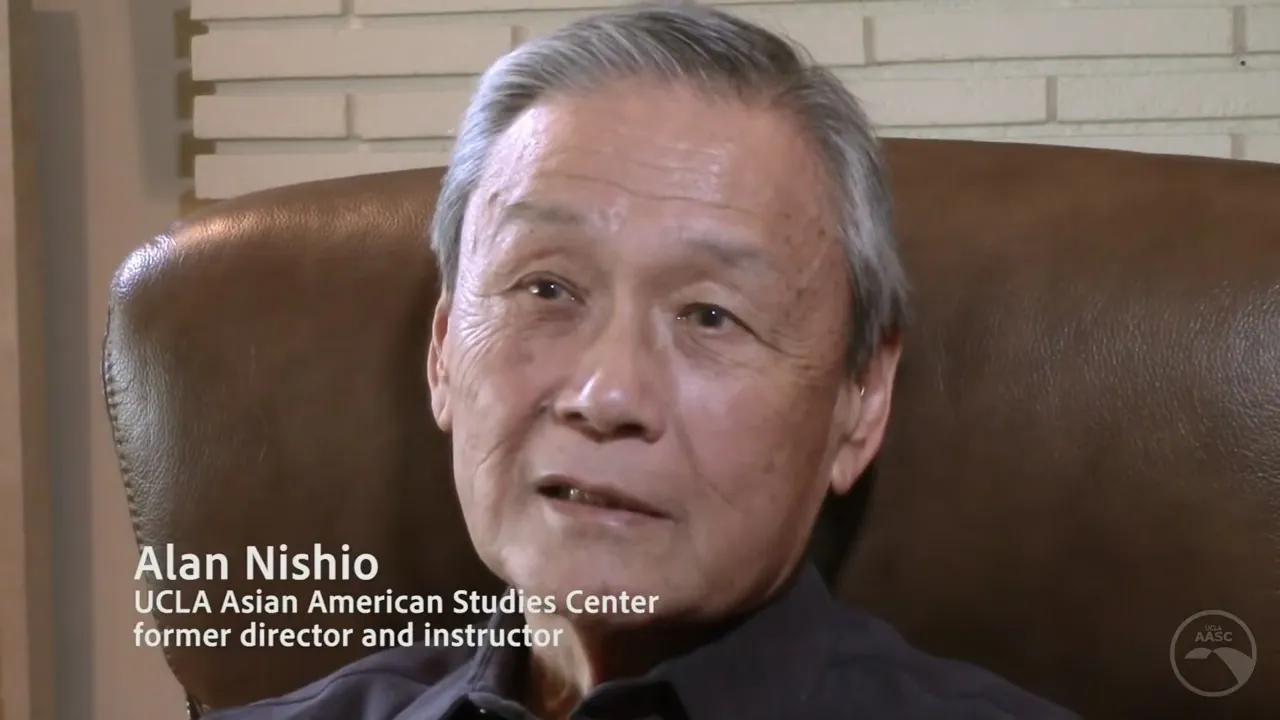
Oral histories from Asian American activists
Oral histories from Asian American activists reflect on the 1960s movement, including the early years of the American American Studies at the University of California, Los Angeles. These accounts capture the motivations, experiences, and impact of Asian American activists.
-
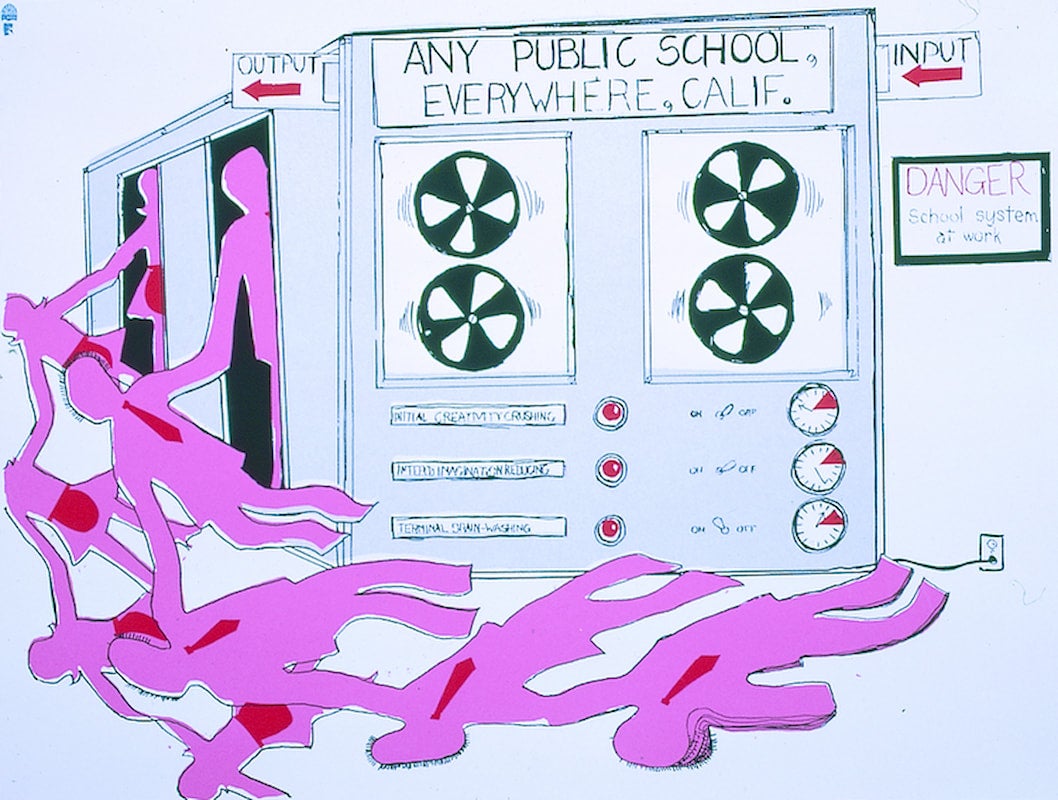
Image
SF State Strike Poster
San Francisco State College Strike Posters
-
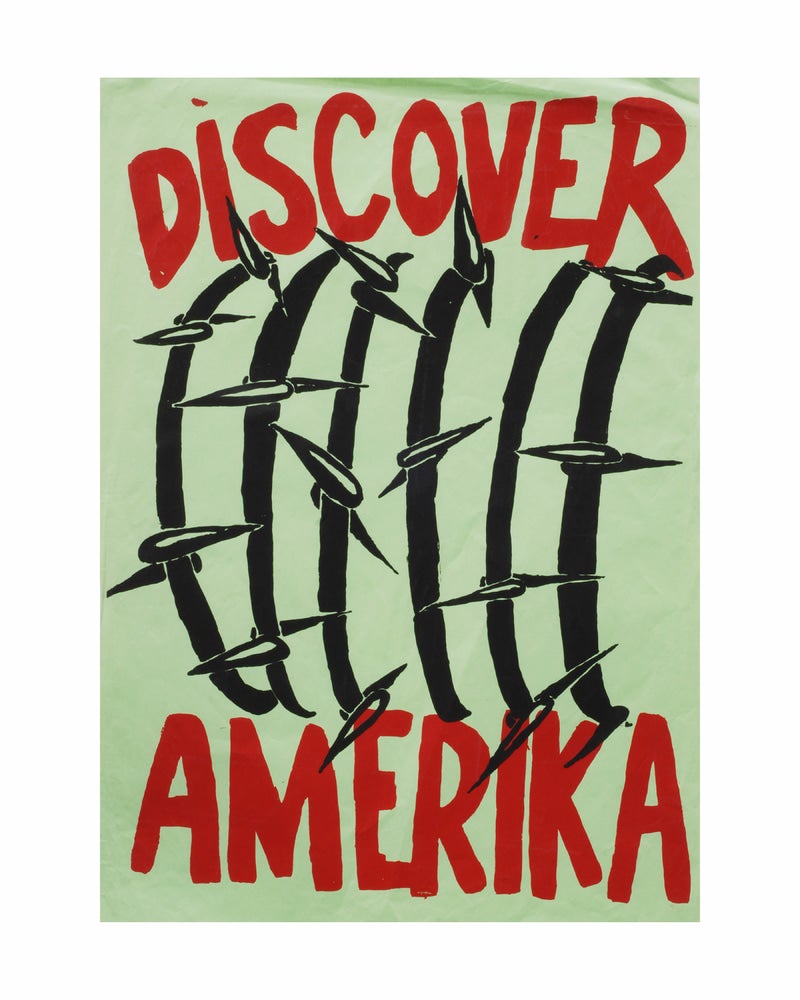
Image
SF State Strike Poster
San Francisco State College Strike Posters
-
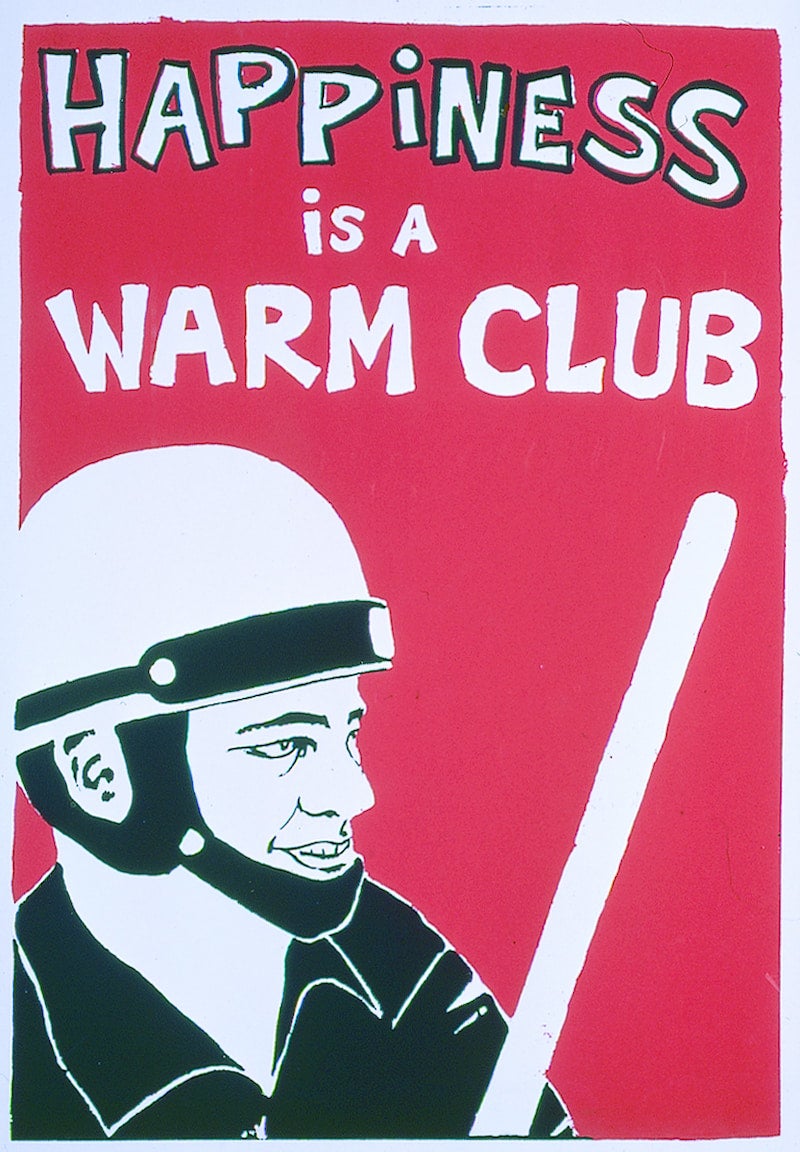
Image
SF State Strike Poster
San Francisco State College Strike Posters