



Search the Media Repository
Discover the curated images, videos, and primary sources featured throughout Foundations and Futures
History is more than just text on a page; it is the photographs, voices, and artifacts of the people who lived it. The images and recordings featured across Foundations and Futures are part of a meticulously curated media repository. Whether you are building a lesson plan or investigating an artifact, you can use this database to trace the provenance of our media: discover who created an asset, the historical context behind it, and how it can be used to bring Asian American and Pacific Islander experiences into your classroom.
Multimedia
Chapters
-
Image
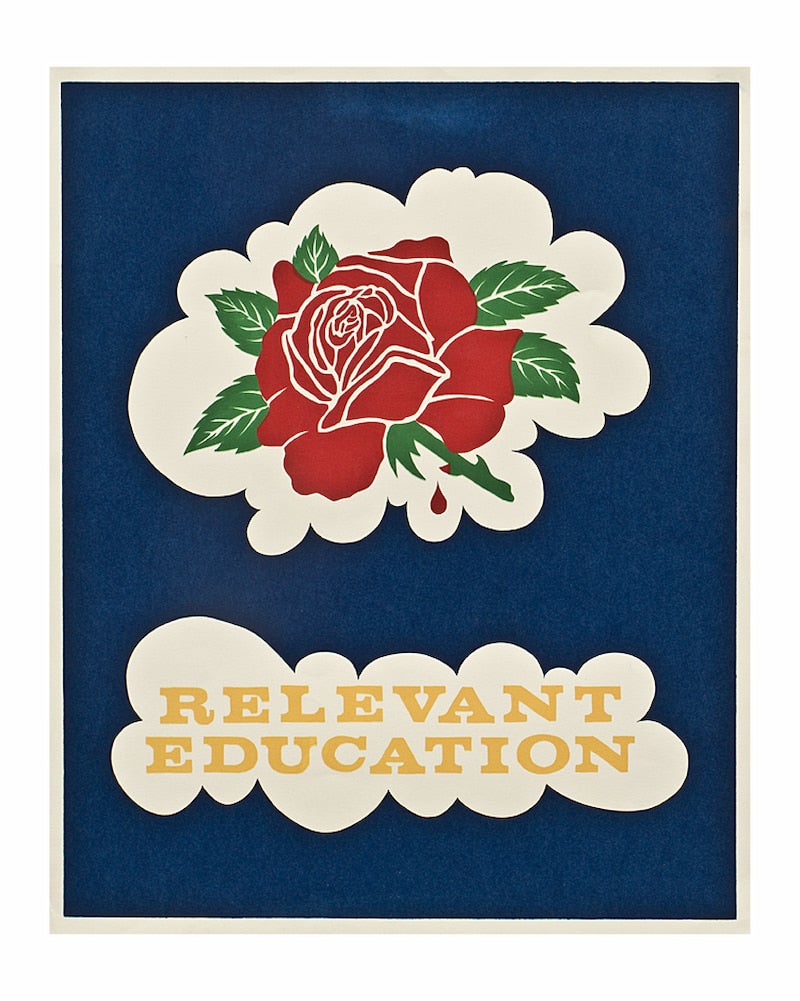
SF State Strike Poster
San Francisco State College Strike Posters
-
Image
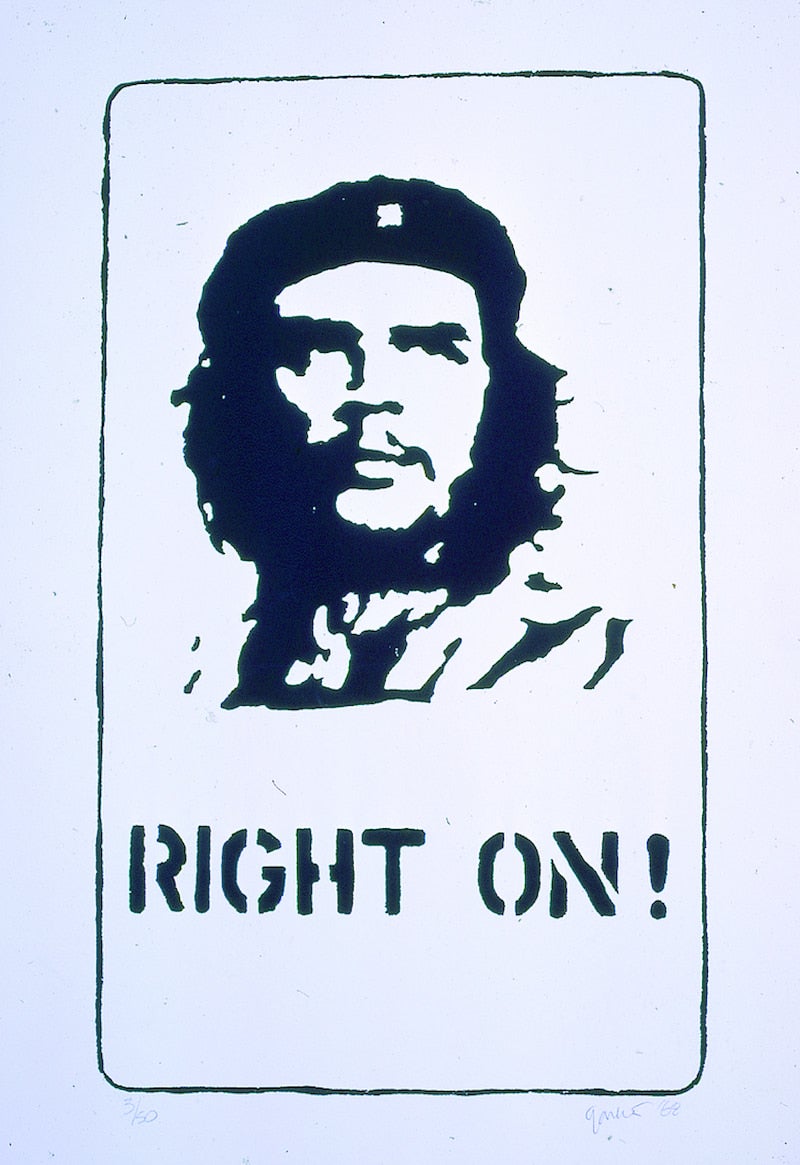
SF State Strike Poster
San Francisco State College Strike Posters
-
Image
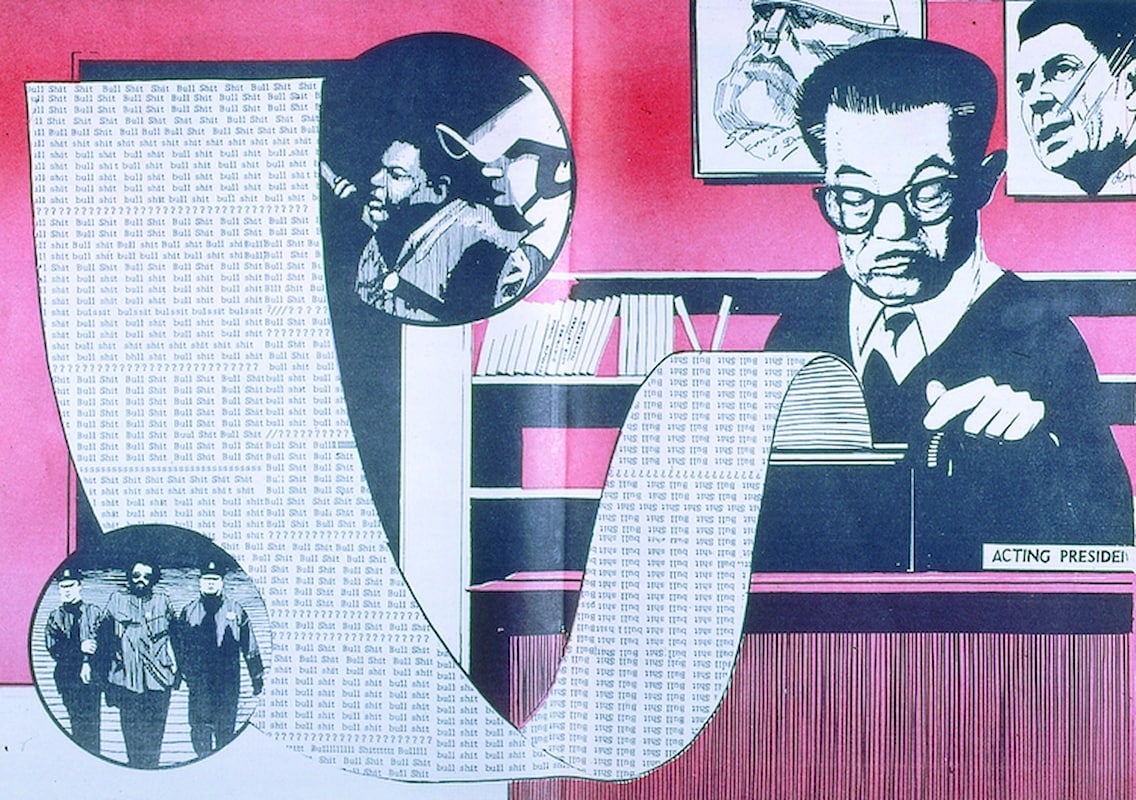
SF State Strike Poster
San Francisco State College Strike Posters
-
Image
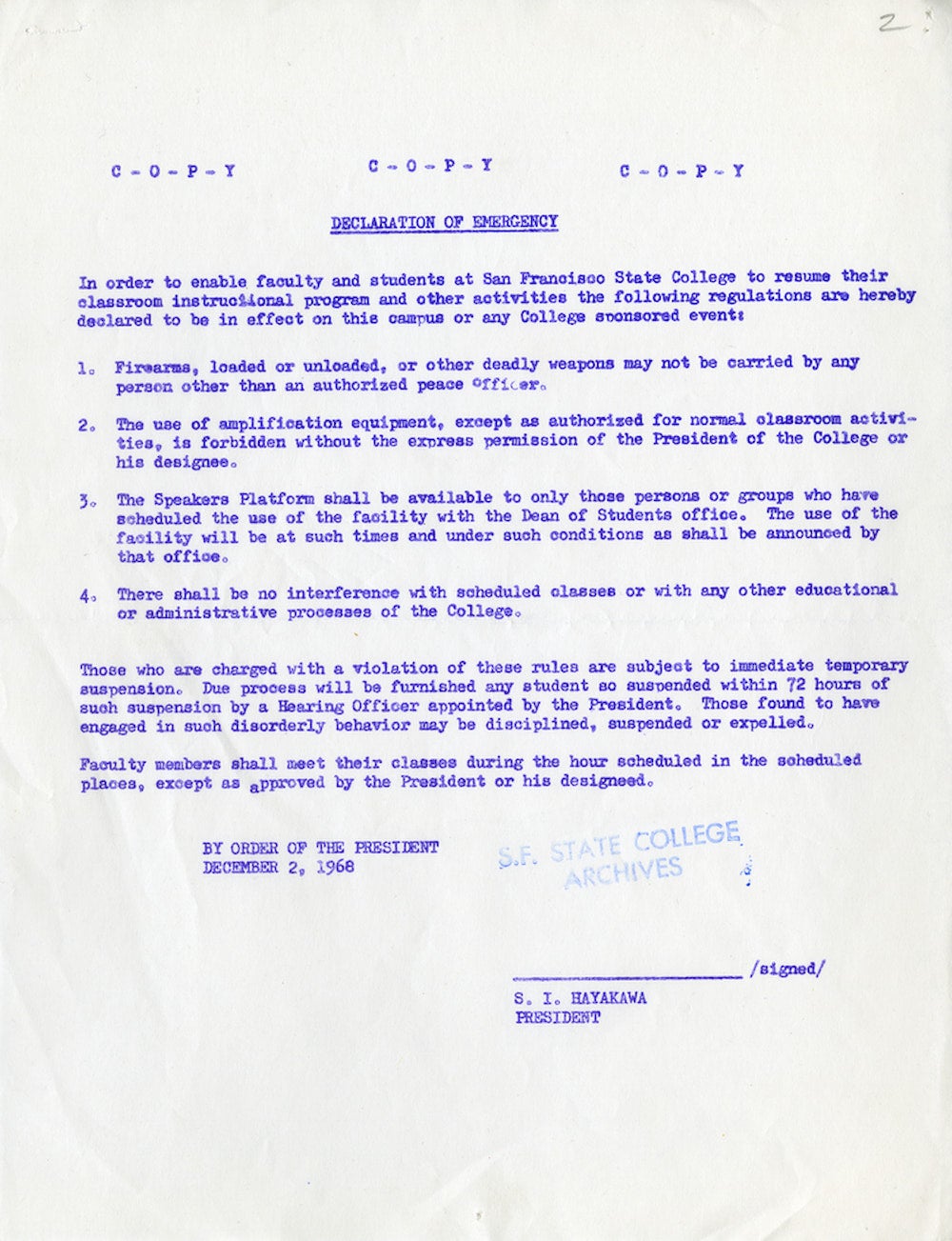
S.I. Hayakawa’s Declaration of Emergency
S.I. Hayakawa responded to the tactics of the Black Student Union and the Third World Liberation Front with a Declaration of Emergency on December 2, 1968.
-
Video
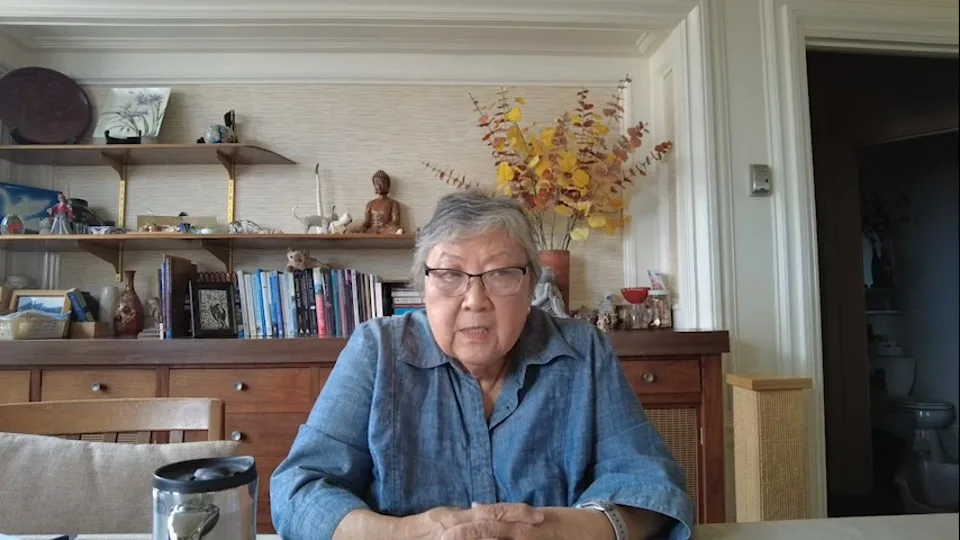
Penny Nakatsu Oral History
Penny Nakatsu enrolled at San Francisco State College in 1967. The following year, she served on the Third World Liberation Front (TWLF) Central Committee and recruited Asian American students to support the strike. She discusses the challenge of participating and breaking traditional gender norms and expectations as an Asian American woman.
-
Image
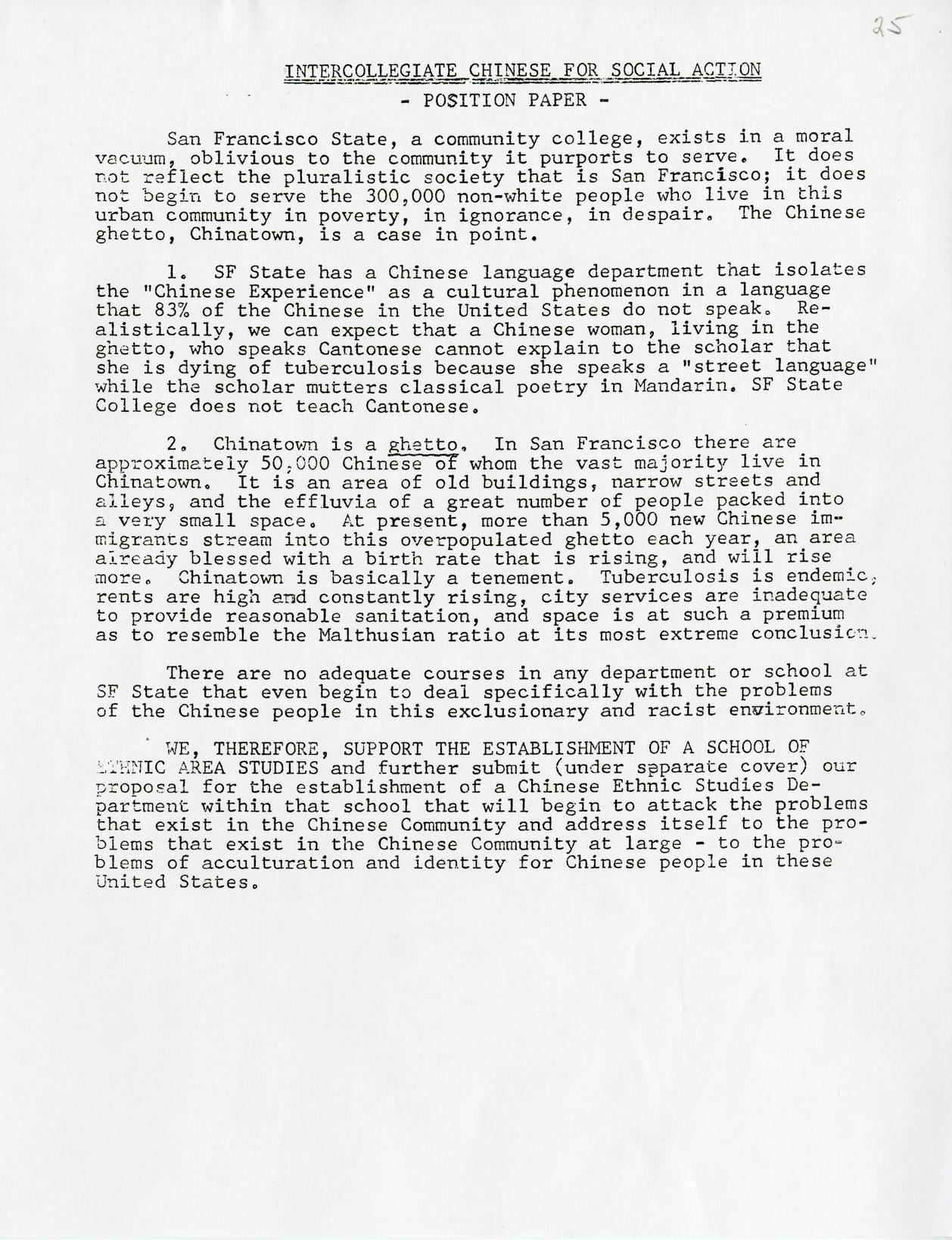
Intercollegiate Chinese for Social Action Position Paper
Intercollegiate Chinese for Social Action (ICSA) Position Paper supports the establishment of a “School of Ethnic Area Studies” and a Chinese Ethnic Studies Department to tackle problems they experienced in their communities.
-
Image
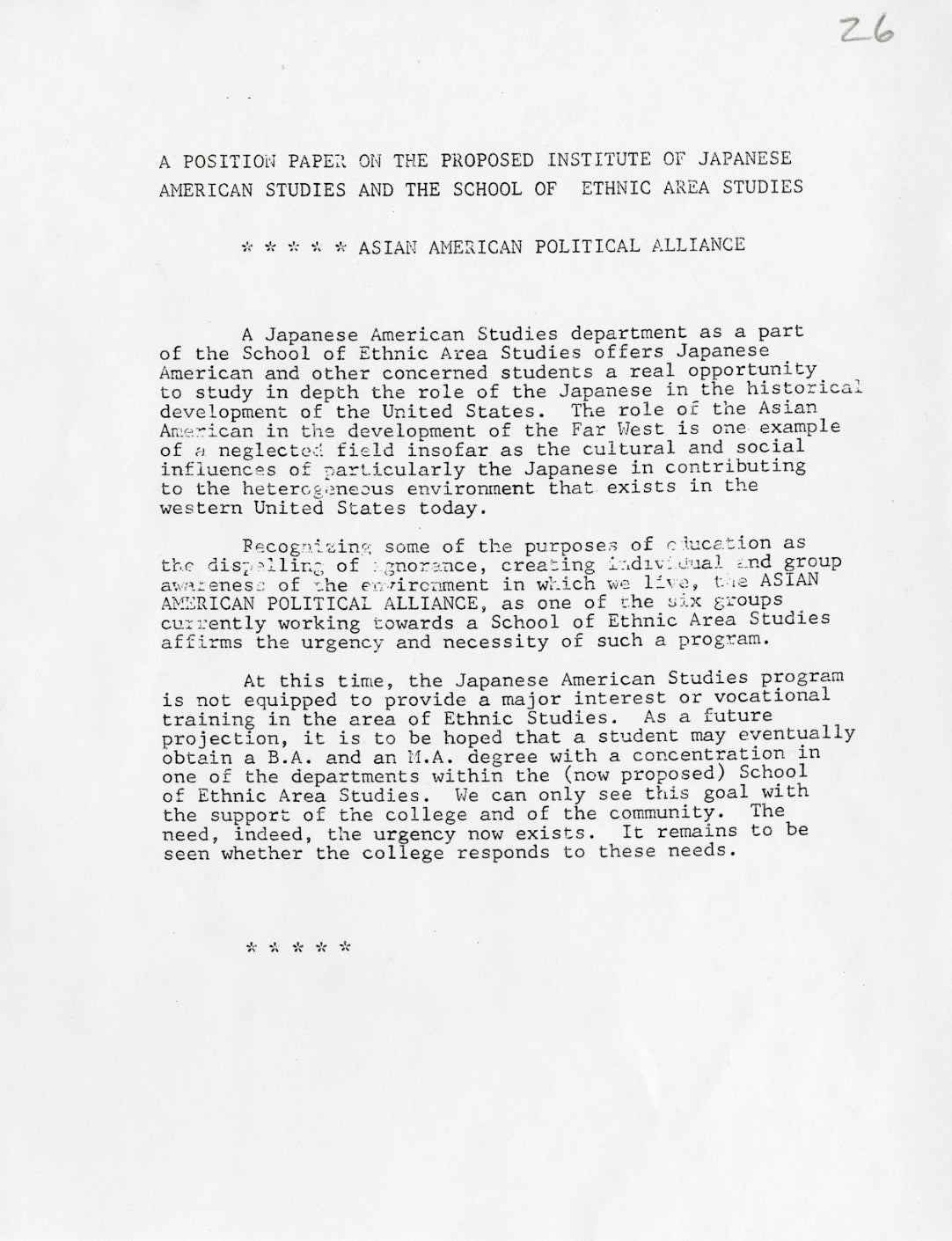
Asian American Political Alliance Position Paper
Asian American Political Alliance (AAPA) position paper states support for a Japanese American Studies Department as part of a “School of Ethnic Area Studies.”
-
Image
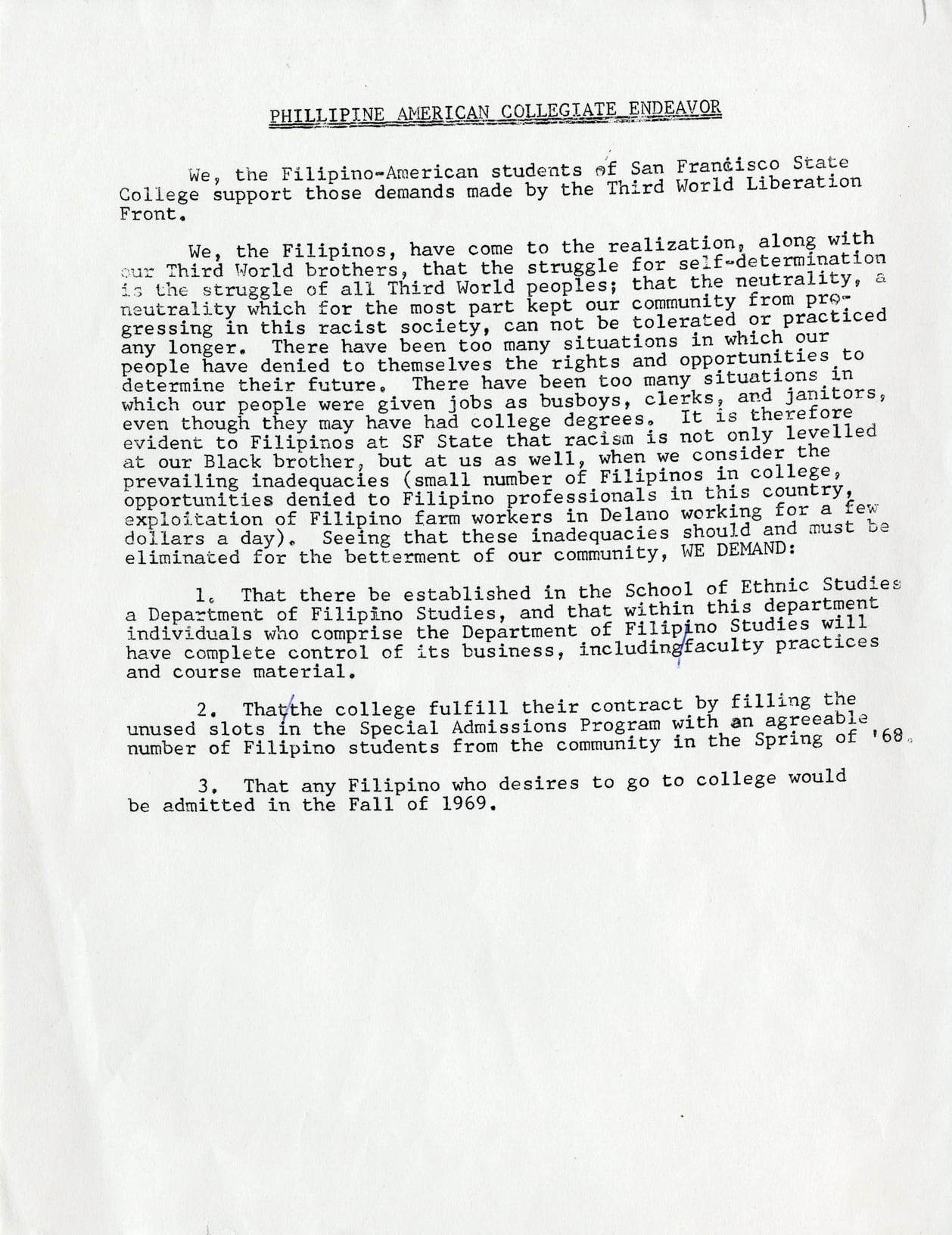
Phillipine American Collegiate Endeavor Position Paper
Pilipino American Collegiate Endeavor (PACE) position paper states support for the Third World Liberation Front demands and presents specific ones for Filipino Studies and Filipino student admissions.
-
Video
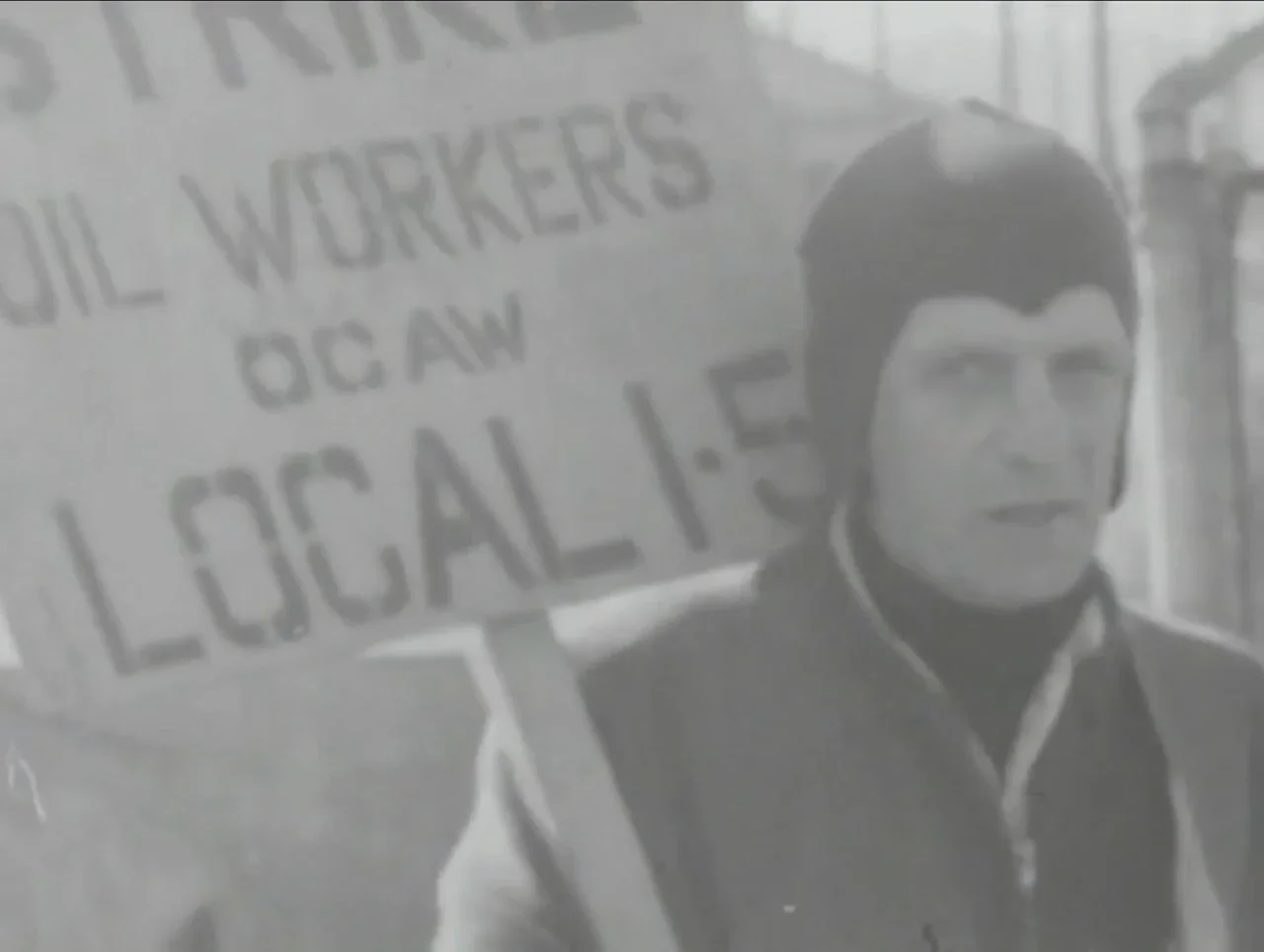
Richmond Oil Workers on Strike
In January of 1969, Northern California oil workers went on strike. Students from San Francisco State joined them on the picket line in a show of student-labor unity. The local police and others attacked the strikers and their families, killing one and injuring others.
-
Video
San Francisco State Student Strike
Scenes of the San Francisco State Student Strike showing rallies, meetings and police confrontations recorded and produced by KQED news.
-
Image
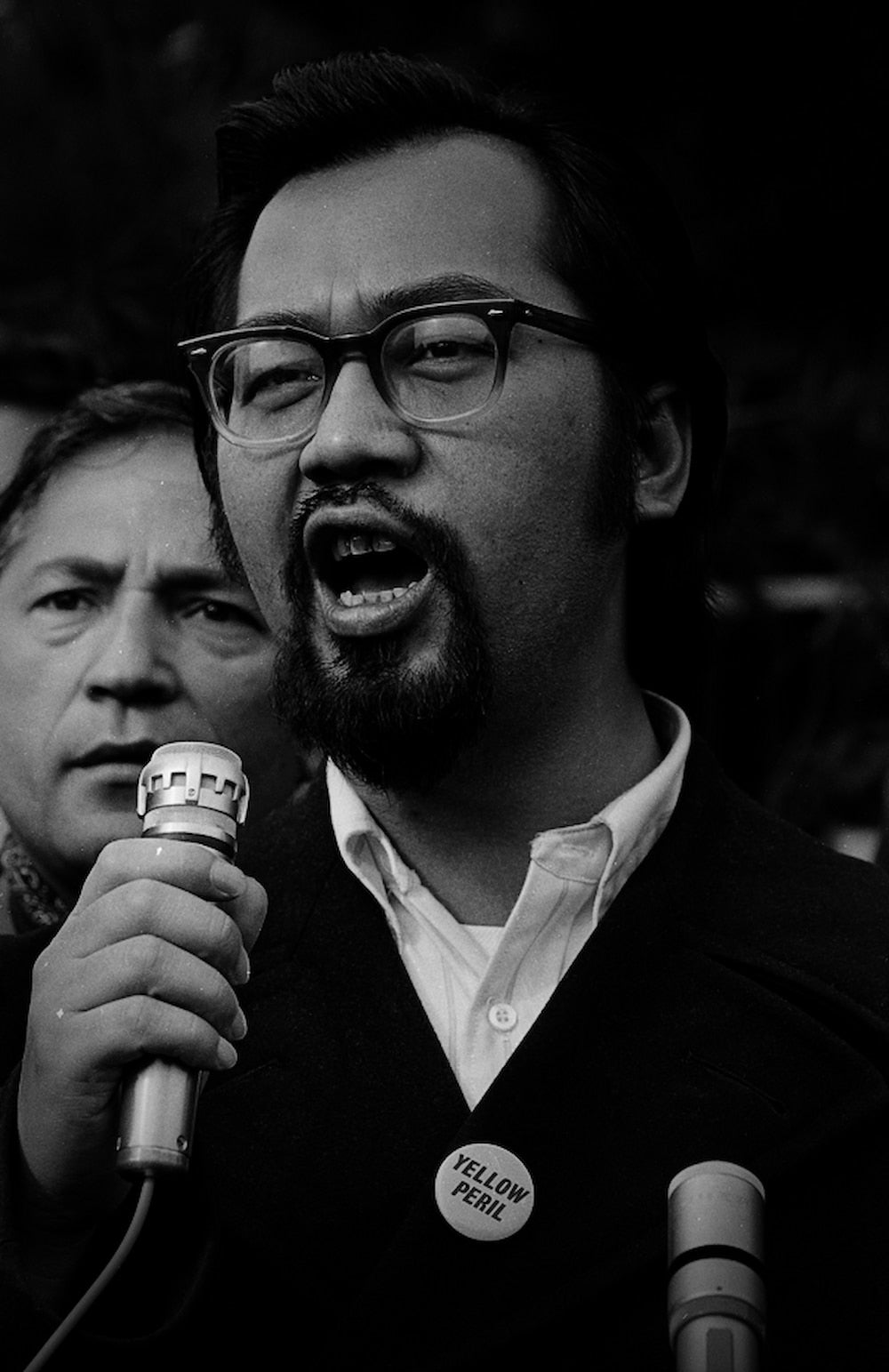
George Woo
George Woo, a Chinatown community youth leader, addresses the crowd with Dr. Juan Martinez standing behind him. Woo went on to teach Asian American Studies at San Francisco State and serve as the program’s chair.
-
Image
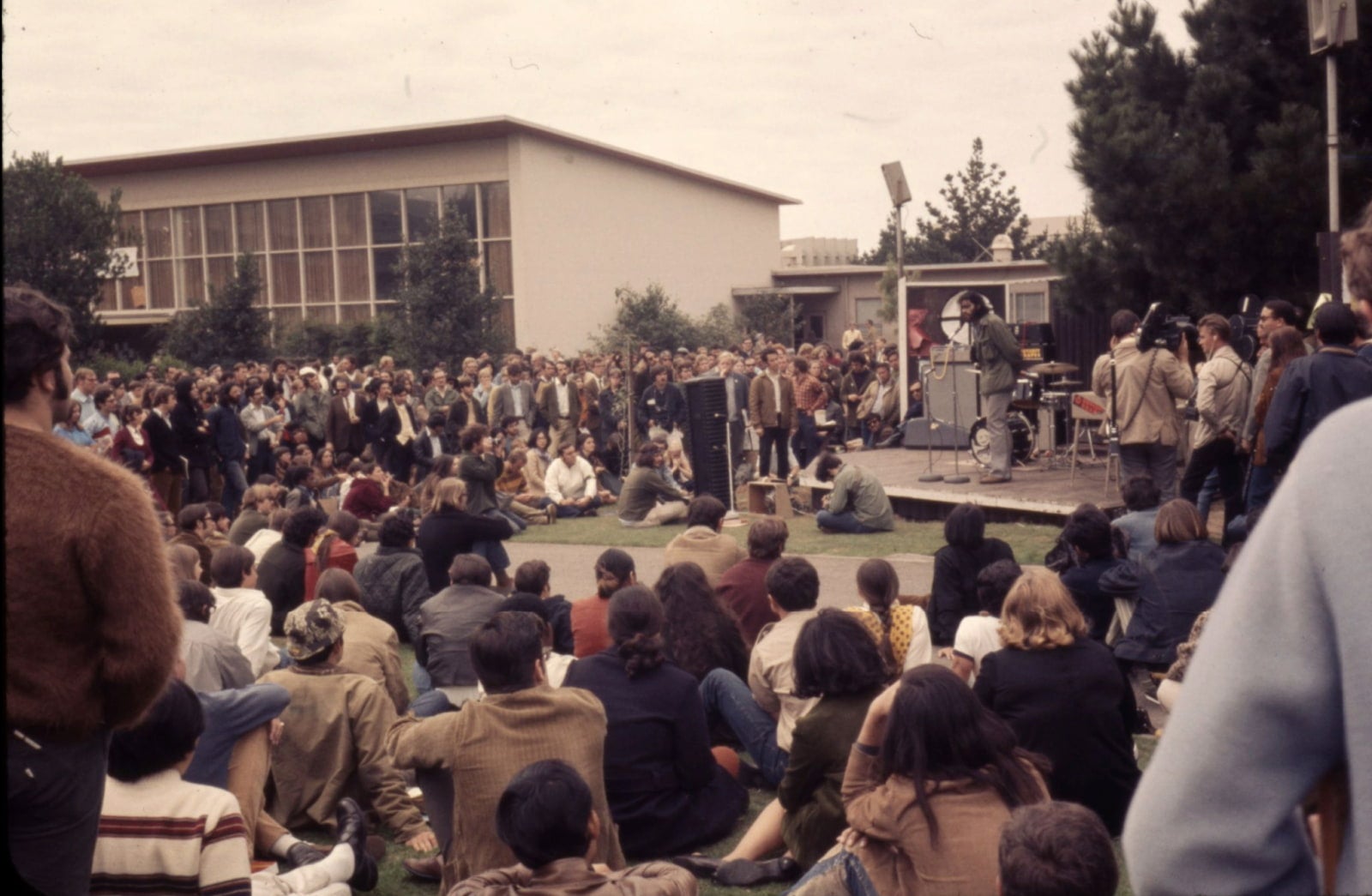
Roger Alvarado Speaking
Roger Alvarado (at microphone) enrolled in San Francisco State College in 1961. In 1968 he joined the Latin American Student Organization and became a spokesperson for the TWLF during a student-led strike. He also helped organize several community programs.
-
Image
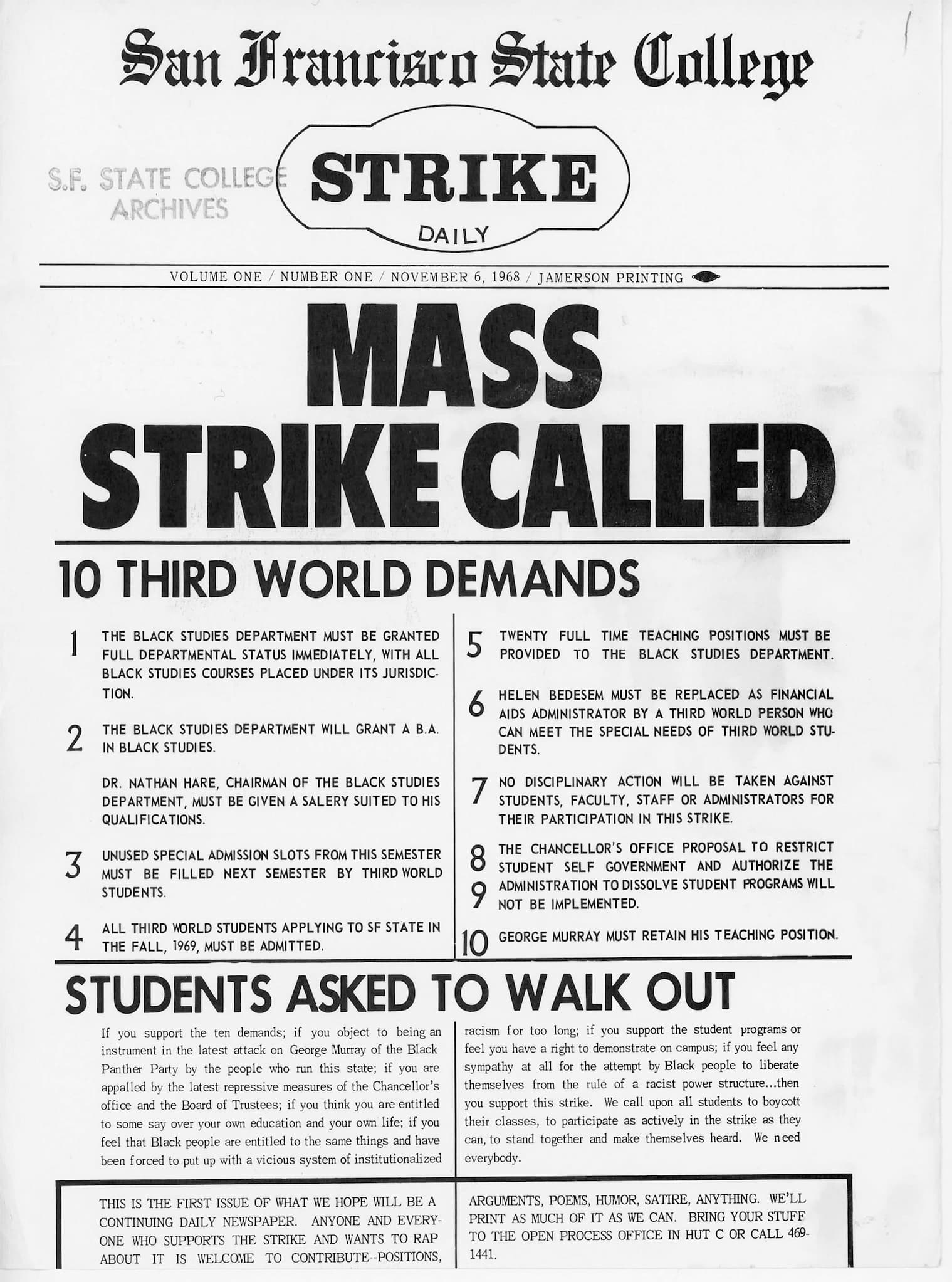
Third World Liberation Front (TWLF) strike demands
Third World Liberation Front (TWLF) strike demands.
-
Image
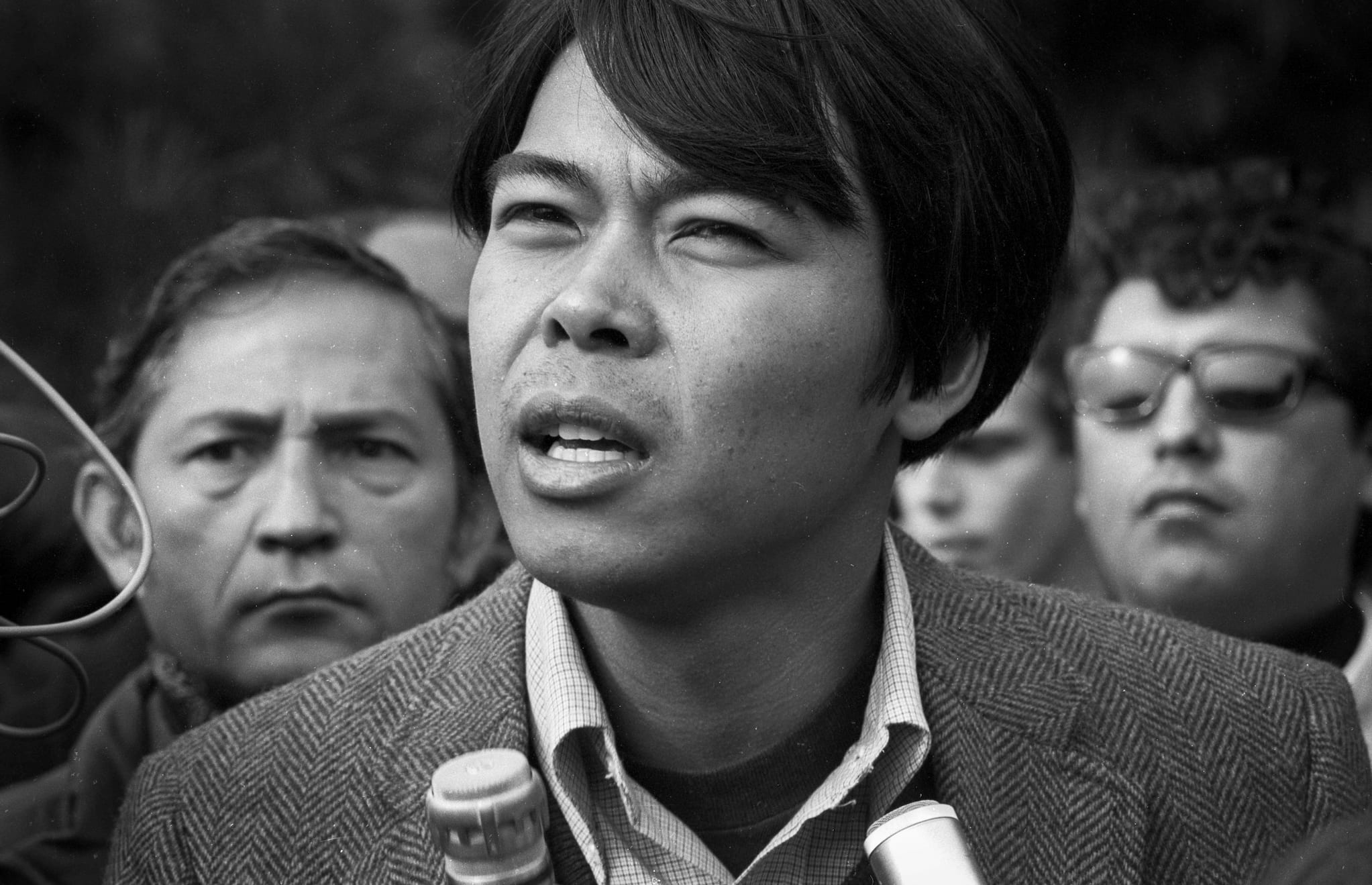
Robert “Bob” G. Ilumin
Robert “Bob” G. Ilumin of the Philippine American Collegiate Endeavor (PACE) addresses a mass rally on December 5, 1968. The Third World Liberation Front (TWLF) included five organizations, including PACE.
-
Image
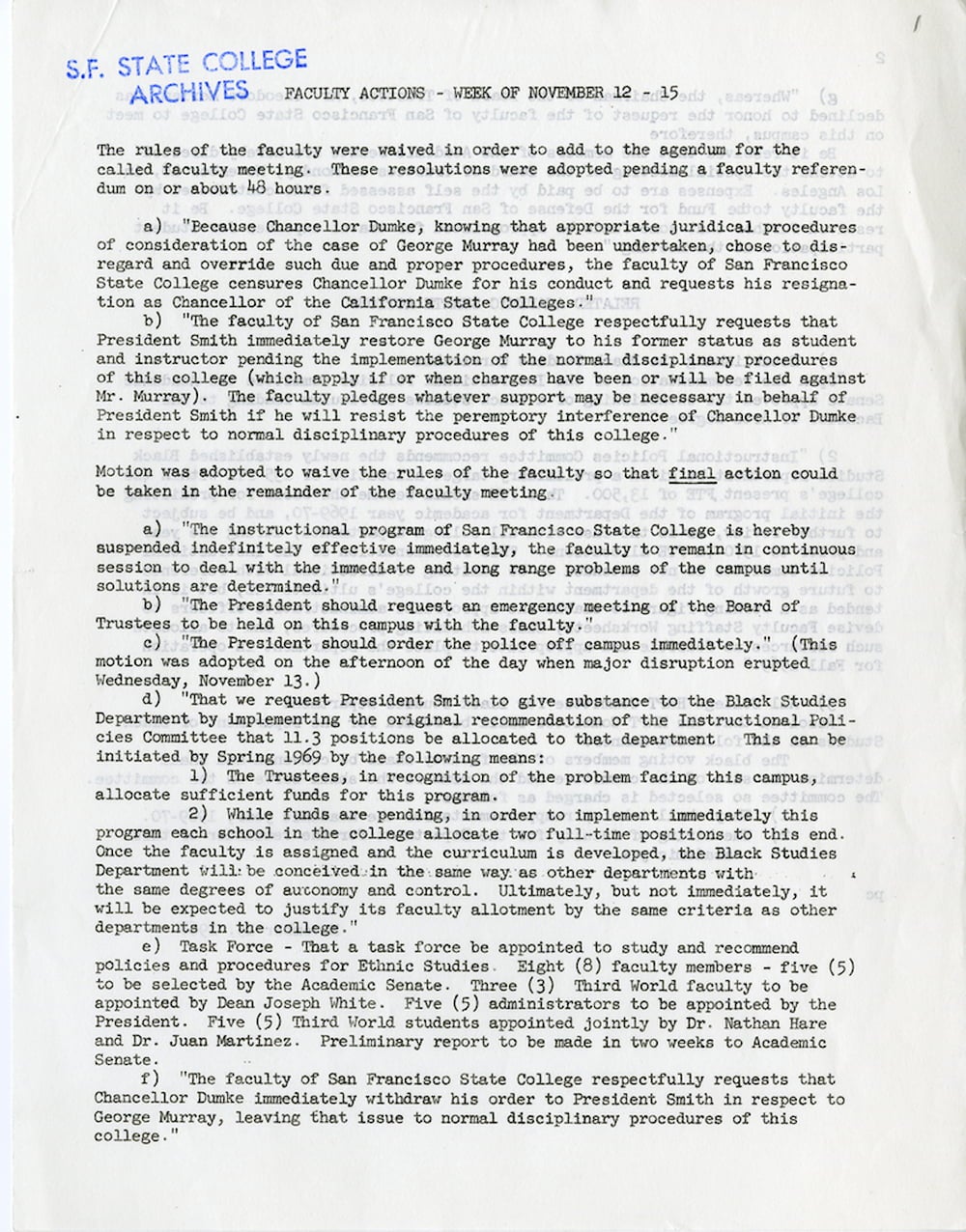
Faculty Action Document
A document noting the waiving of faculty rules at the faculty meeting allowing for action in response to the outcome of the George Murray case in 1968.
-
Image
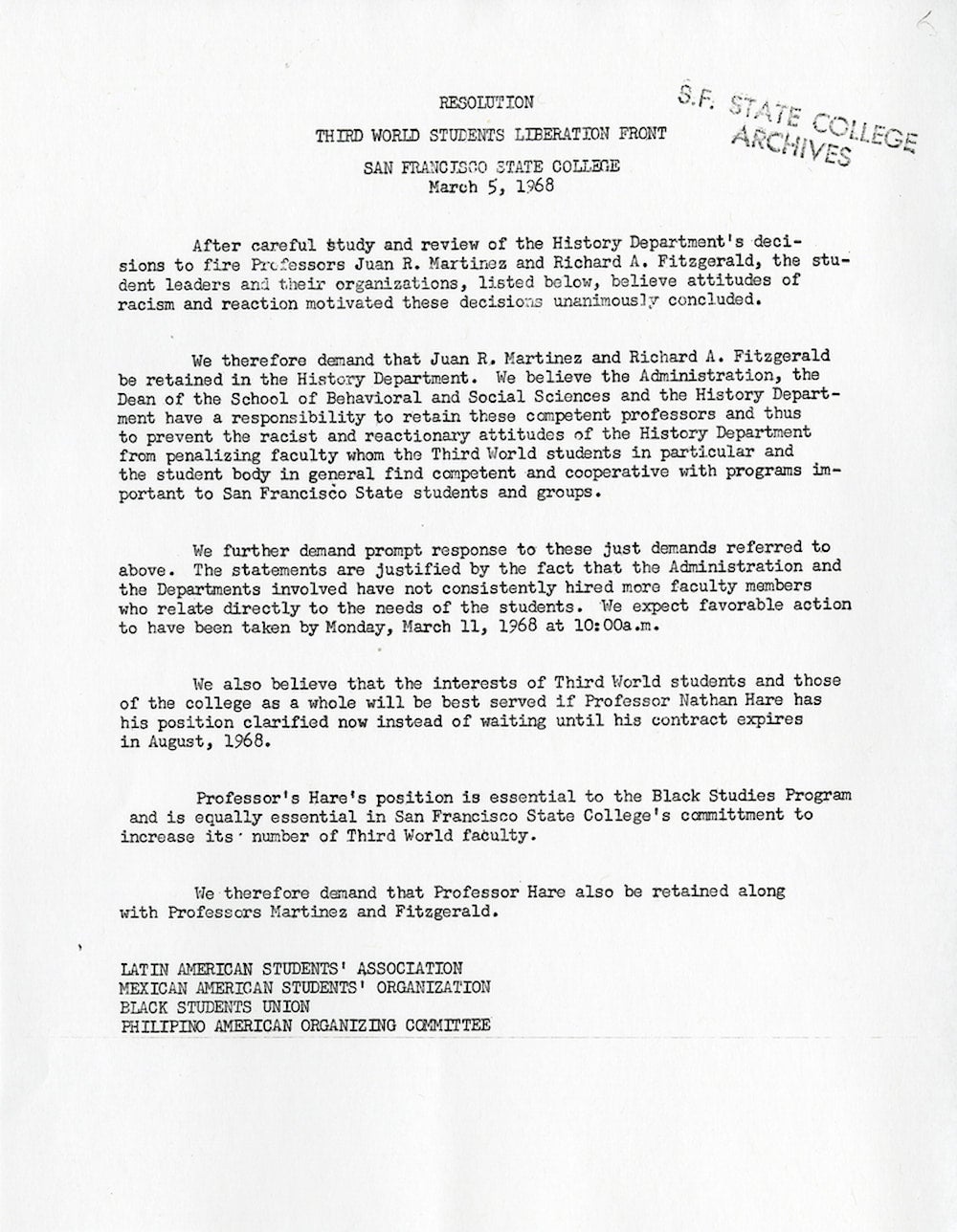
Third World Liberation Front Resolution
A TWLF resolution in 1968 demanding the reinstatement of Professors Martinez, Fitzgerald, and Hare, condemning their dismissal as racist. The document is signed by the Latin American Student’s Association, Mexican American Students’ Association, Black Student Union, and Philippine American Organizing Committee.
-
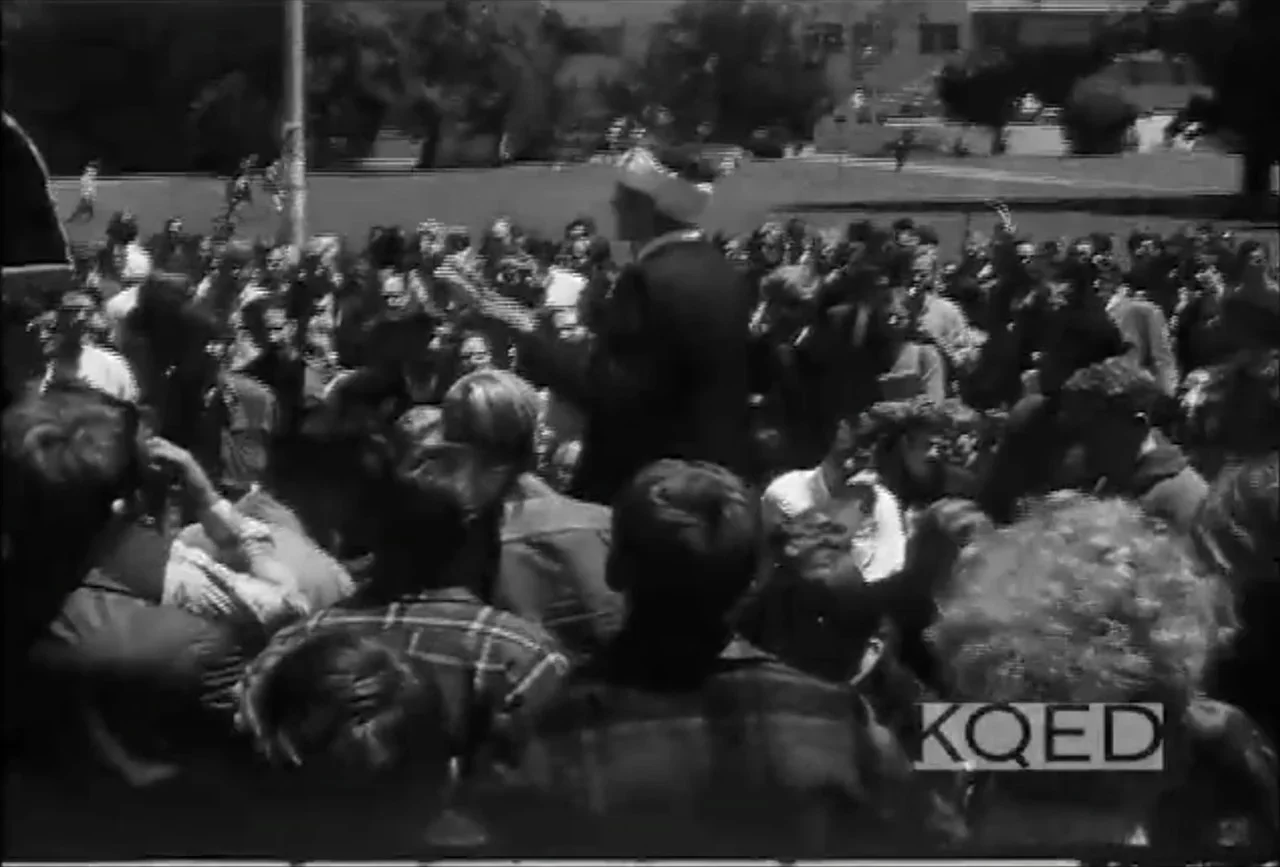
Video
Protest to Reinstate Professor Juan Martinez
Footage of students demanding the reinstatement of Professor Juan Martinez in 1968. The scene captures students walking to class past protesters who are staging a sit-in.
-
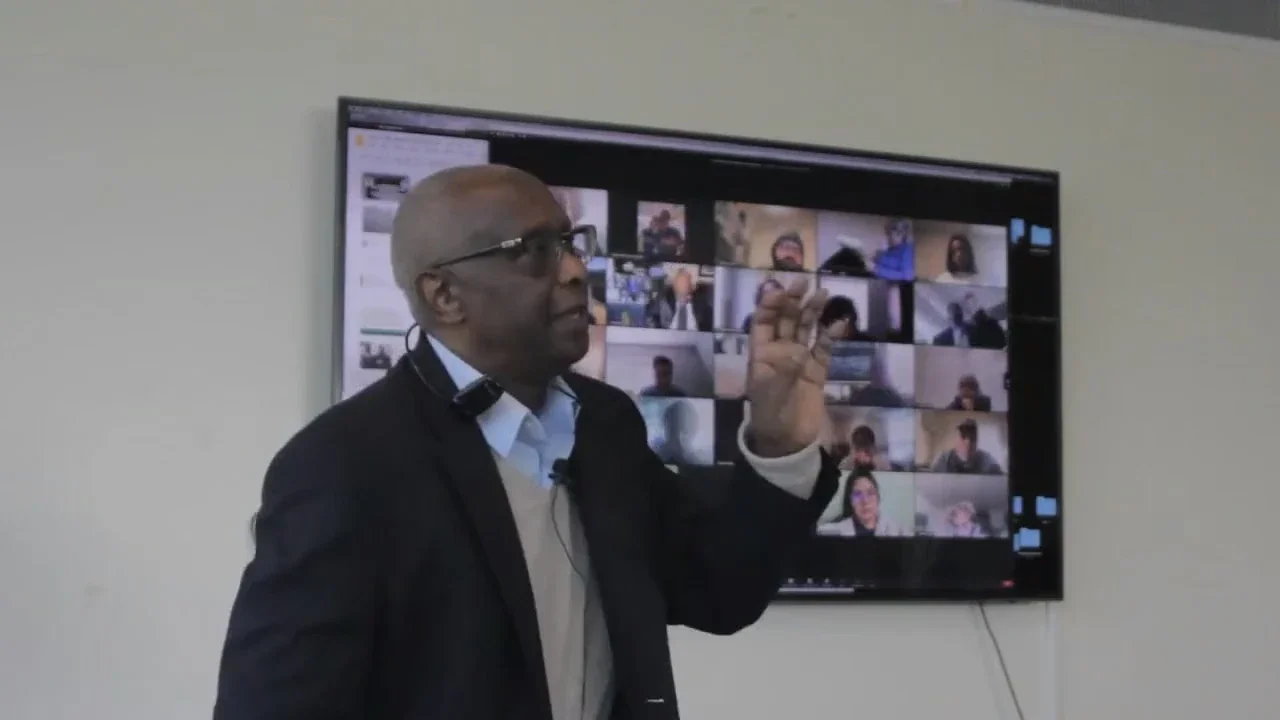
Video
Dr. James Garrett on 1960s Student Activism
Dr. James Garrett looks back at Experimental College at San Francisco State University, student activism in the 1960s, and the early beginnings of the Black Student Union and Third World Liberation Front.
-
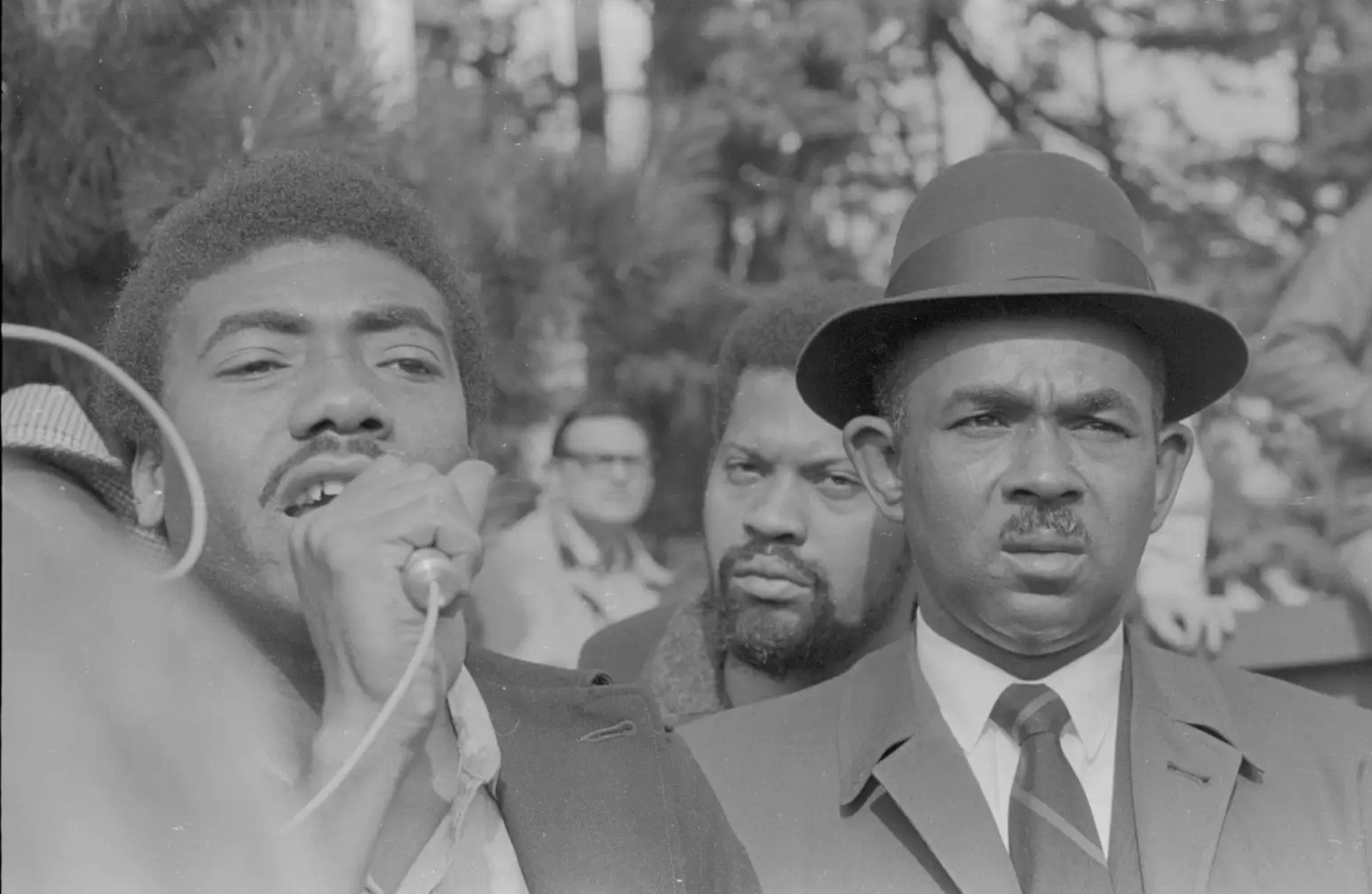
Image
Black Student Union Members
Black Student Union members Bridges Randall (left) and Jack Alexis (behind) with Dr. Carlton Goodlett (right). Goodlett, Vice President of the San Francisco Council of Churches, was charged with unlawful assembly, failure to disburse, disturbing the peace, trespassing, and inciting to riot.
-
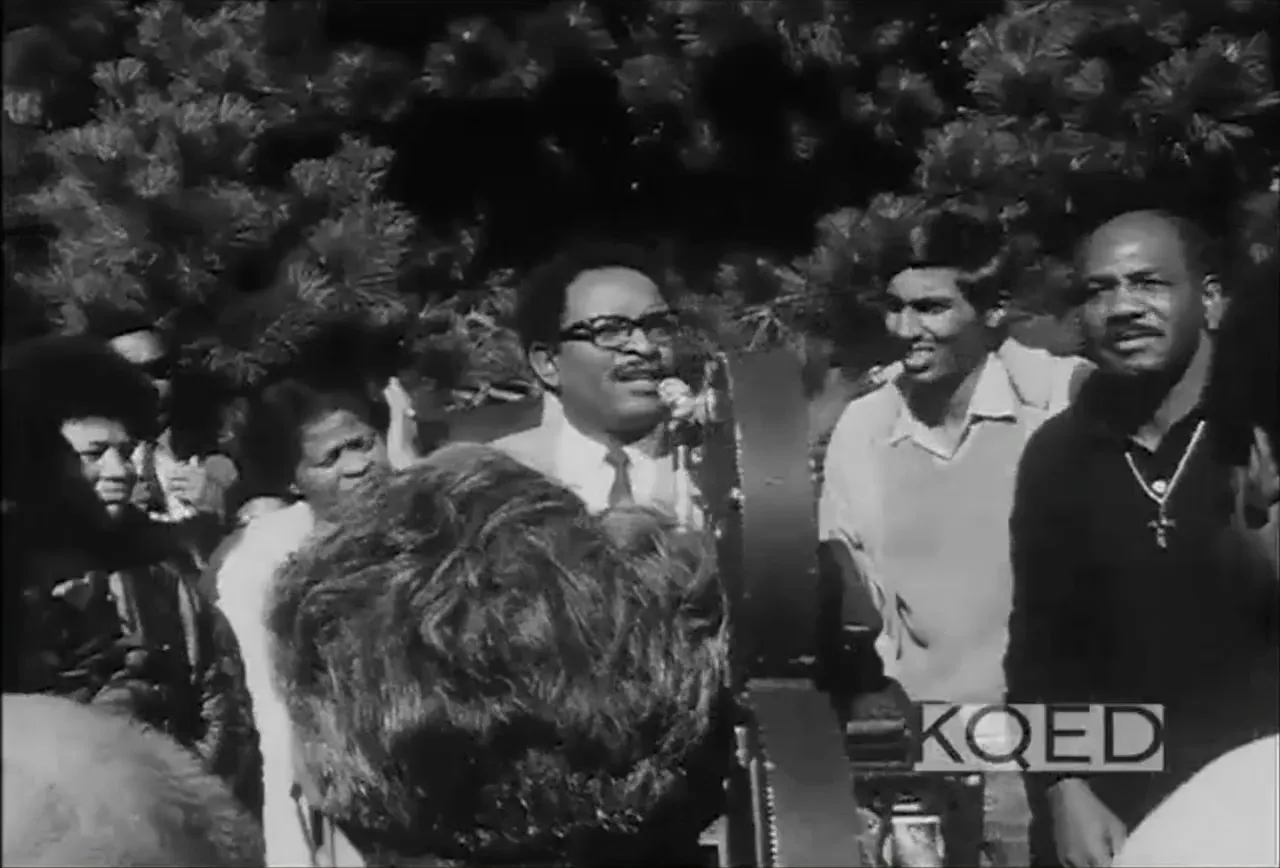
Video
Third World Liberation Front (TWLF) Rally
A rally featuring members of the Black community pledging their commitment to the Third World Liberation Front (TWLF). Black and Filipino students state their demands and show their support for each other.