



Search the Media Repository
Discover the curated images, videos, and primary sources featured throughout Foundations and Futures
History is more than just text on a page; it is the photographs, voices, and artifacts of the people who lived it. The images and recordings featured across Foundations and Futures are part of a meticulously curated media repository. Whether you are building a lesson plan or investigating an artifact, you can use this database to trace the provenance of our media: discover who created an asset, the historical context behind it, and how it can be used to bring Asian American and Pacific Islander experiences into your classroom.
Multimedia
Chapters
-
Video
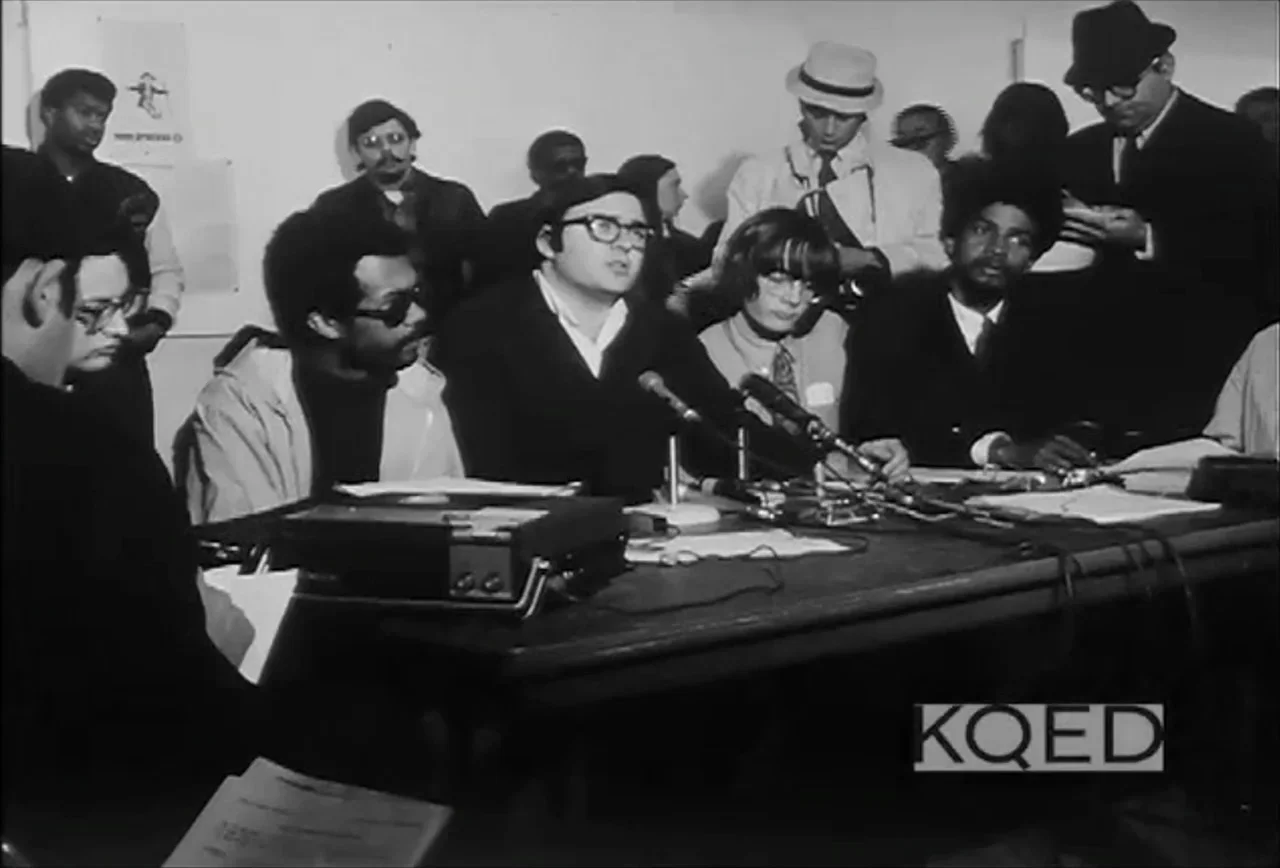
Third World Liberation Front (TWLF) and Associated Students Press Conference
The Third World Liberation Front (TWLF) and Associated Students show a united front, sharing their analysis of the school administration.
-
Video
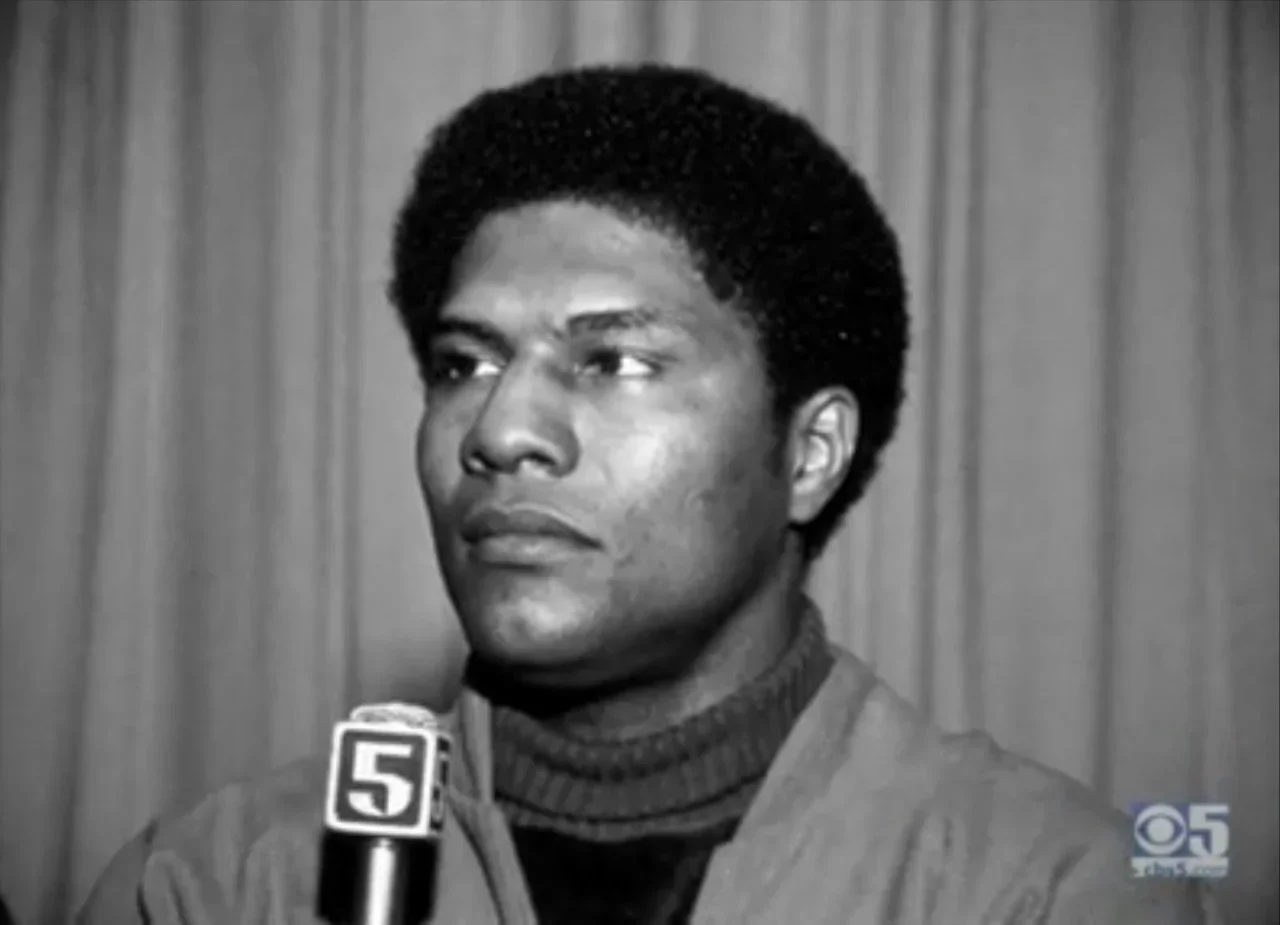
Dr. Nathan Hare Interview
Dr. Nathan Hare was hired by San Francisco State College in 1968 to further develop the Black Studies program. He described Black Studies as “the greatest and last hope to solve the educational problems of the Black race in this country.”
-
Video
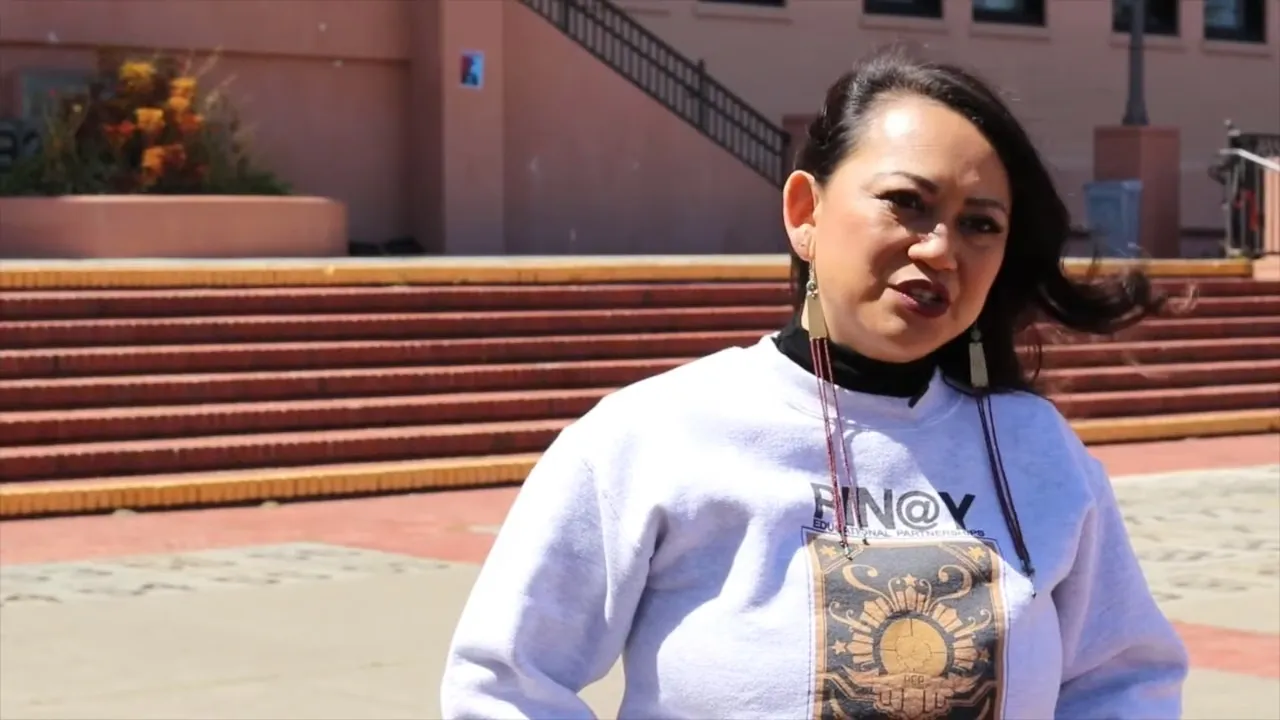
Pin@y Educational Partnerships Anniversary
San Francisco’s Pin@y Educational Partnerships (PEP) celebrated their twentieth year anniversary in 2021. Teachers and directors reflect on the possibilities of liberatory education drawing on the experiences of designing and implementing Filipino American Studies for all ages.
-
Image
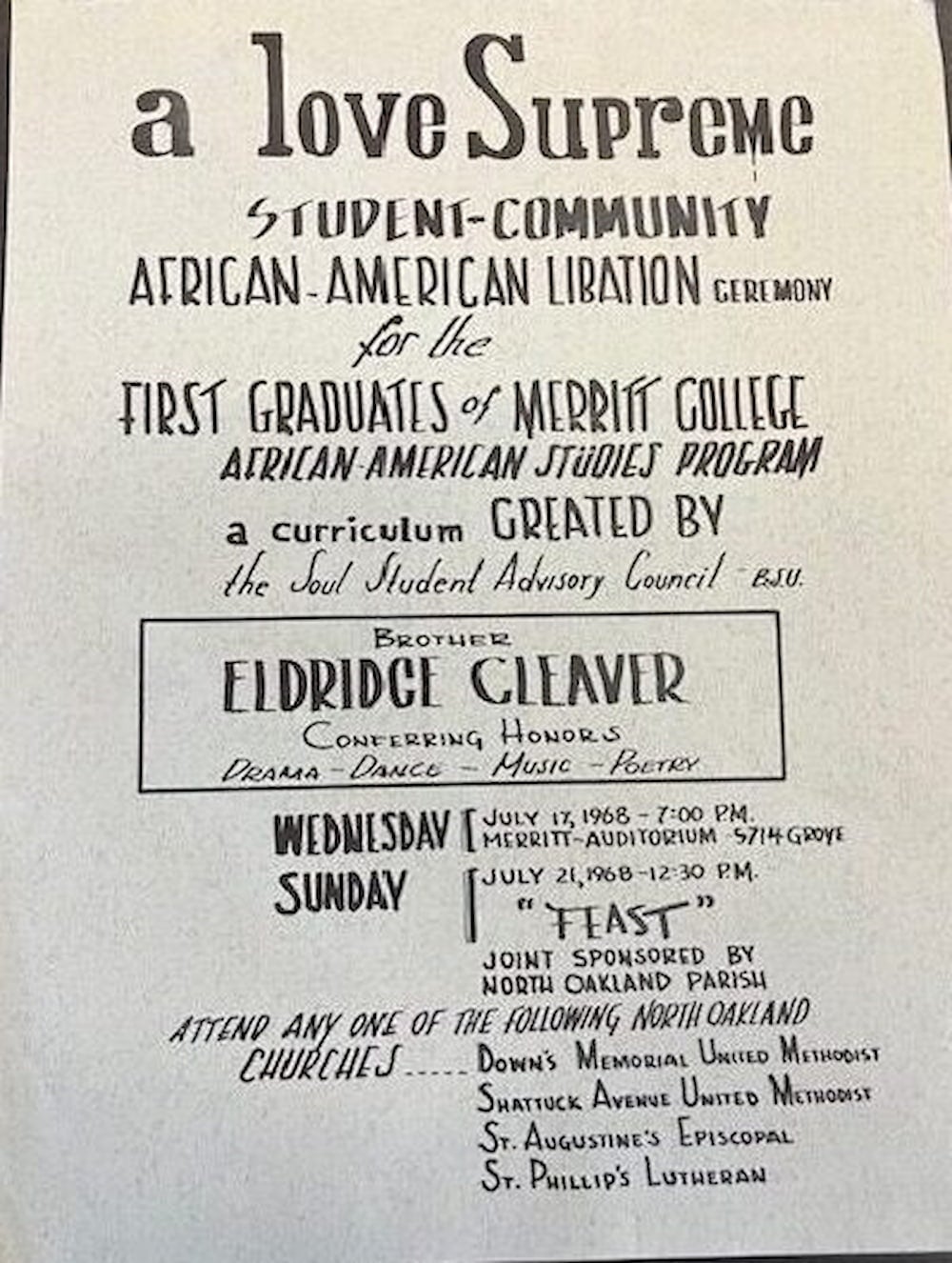
Flyer Celebrating the First Afro-American Studies degree at Merritt College
A flyer promoting “A Love Supreme,” a celebration for the first Afro-American Studies degree at Merritt College in Oakland, California, in 1967.
-
Image
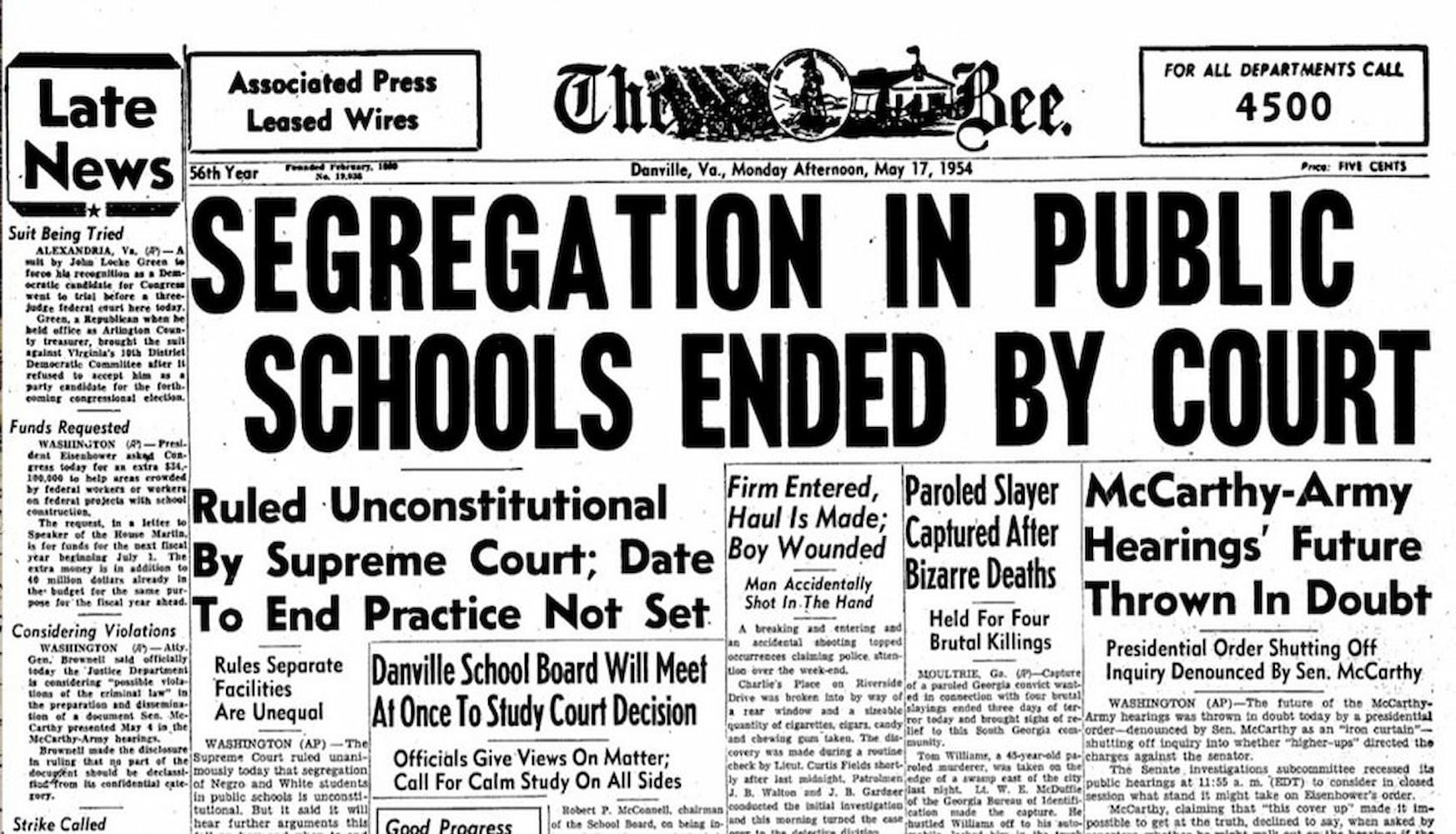
Brown v. Board of Education Ruling Article
The Chicago Bee front page on May 17, 1954, headlines the landmark Supreme Court ruling on Brown vs. Board of Education of Topeka, Kansas that led to the end of segregated schools.
-
Image
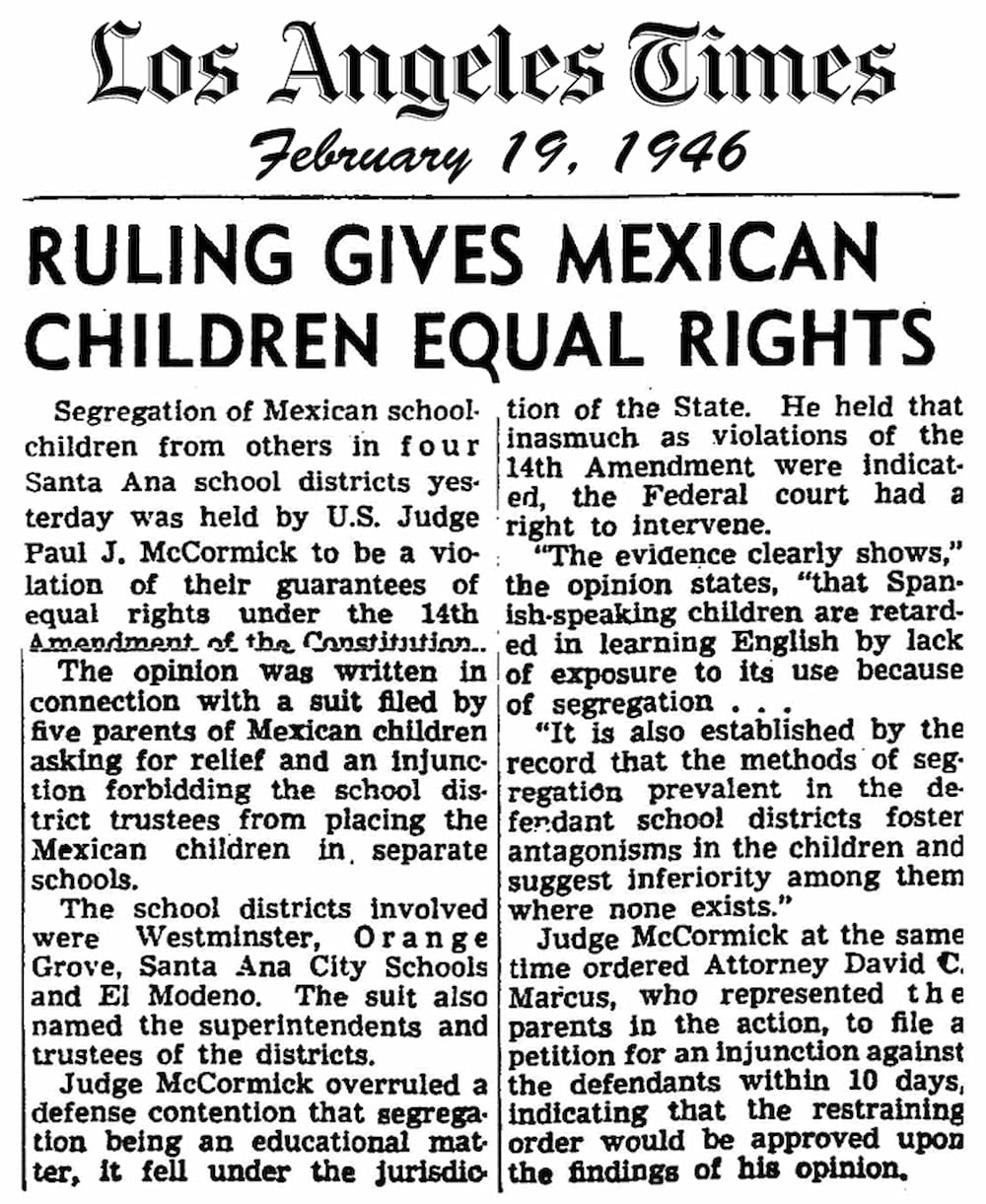
LA Times Article on the Impacts of School Segregation
The Los Angeles Time article in 1946 discusses how segregated schools in four Santa Ana, California, school districts (Westminster, Orange Grove, Santa Ana City Schools, and El Modeno) were violating students’ Fourteenth Amendment rights.
-
Image
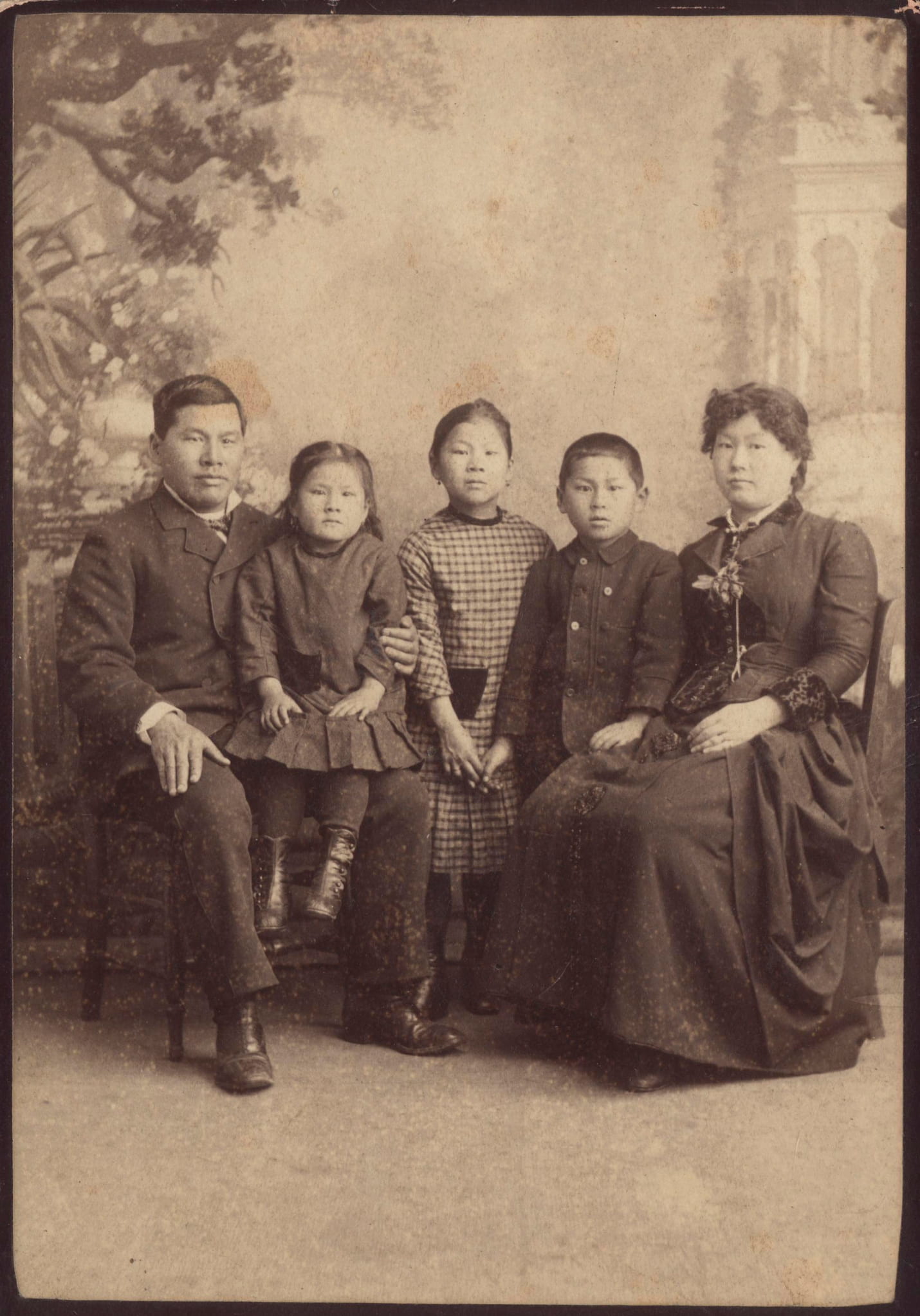
The Tape Family
The Tape Family advocated for access to public schools in San Francisco, California. The California Supreme Court decision in Tape v. Hurley (1885) led to the opening of Chinese schools in the district.
-
Image
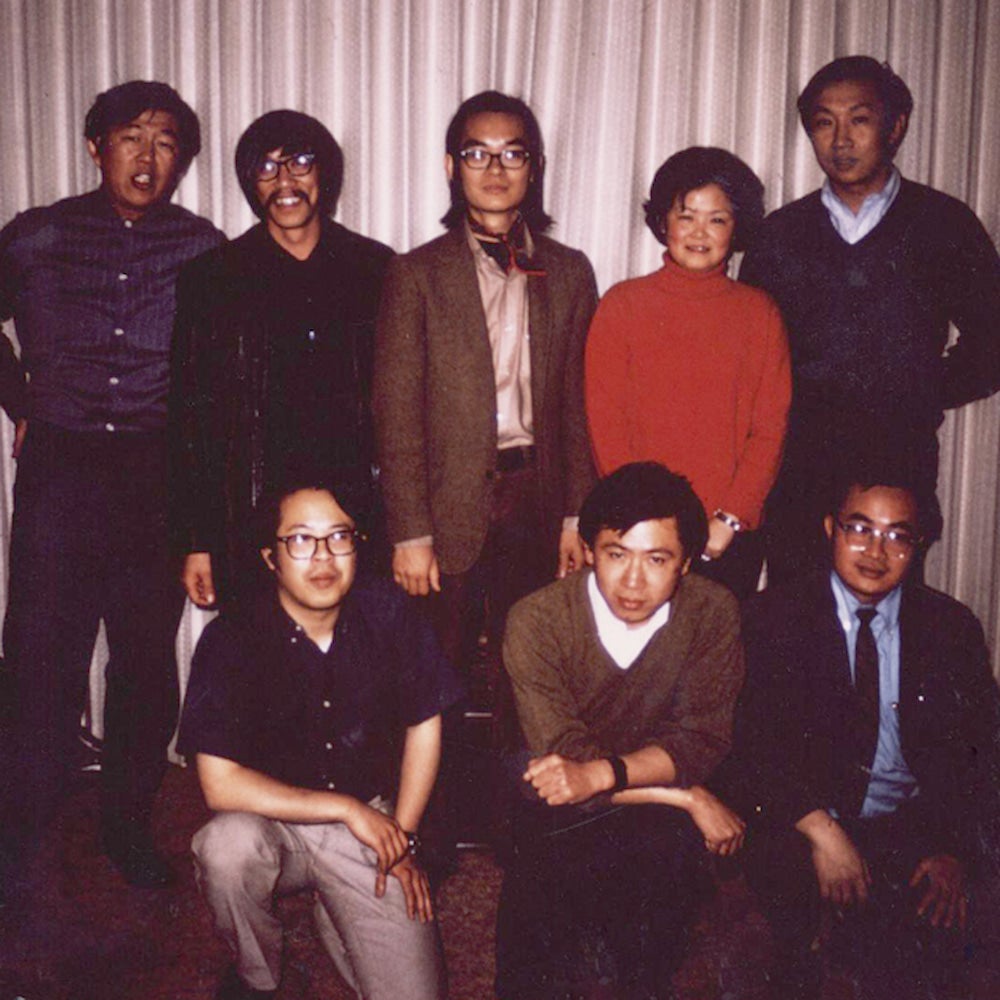
Asian American Studies faculty at San Francisco State University, 1969.
Asian American Studies faculty at San Francisco State University, 1969. Standing (left to right): Alan S. Wong, Alfred Wong, Moon Eng, Mary Yang, William D.Y. Wu. Kneeling (left to right): Jeffery P. Chan, Benjamin R. Tong, Ken Woo.
-
Image
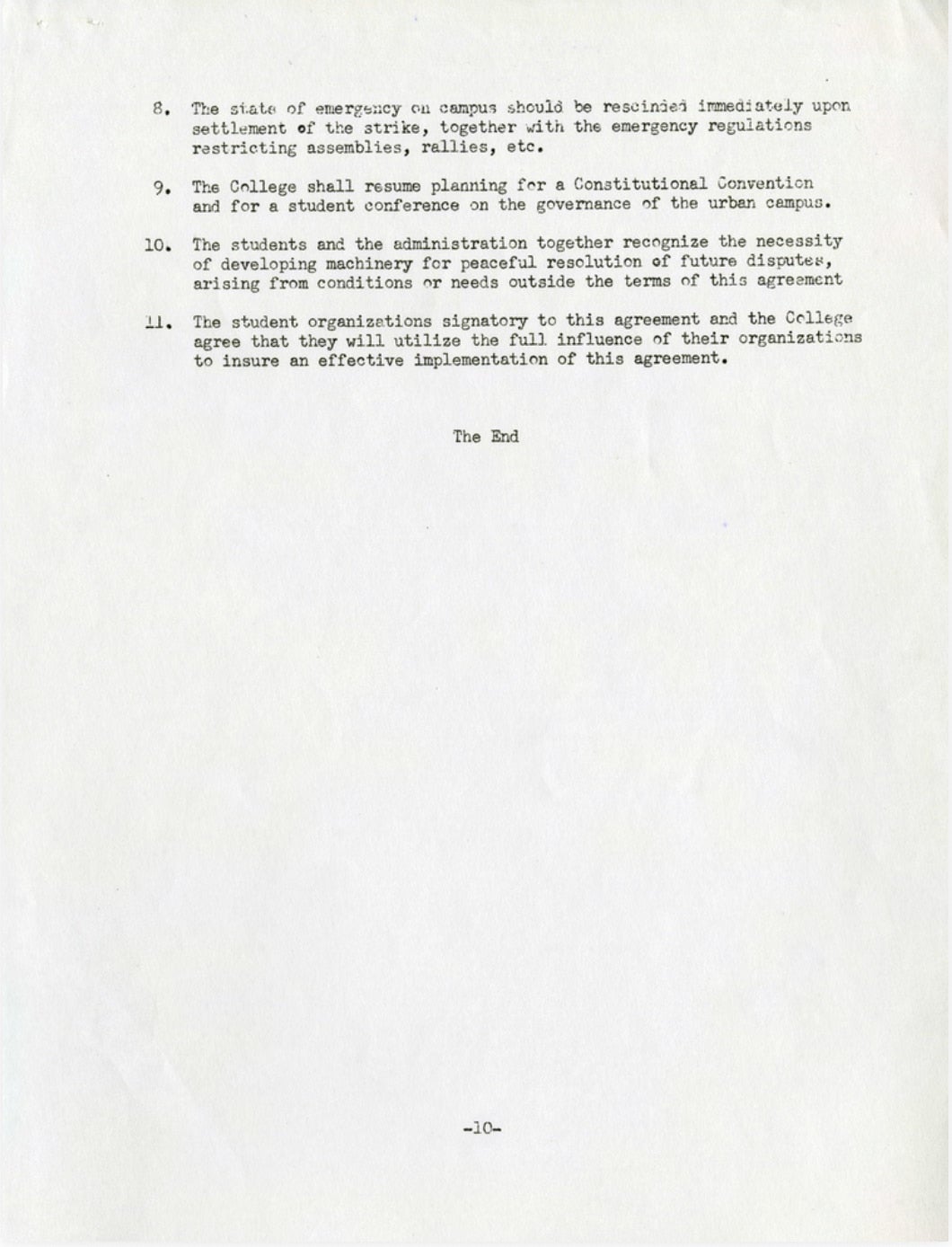
Resolution of the Fifteen Commands (Page 11)
A ten-page document that outlines the joint agreement between representatives of the Third World Liberation Front, the Black Students Union, and members of the Select Committee regarding the resolution of the Fifteen Demands and other student strike issues.
-
Image
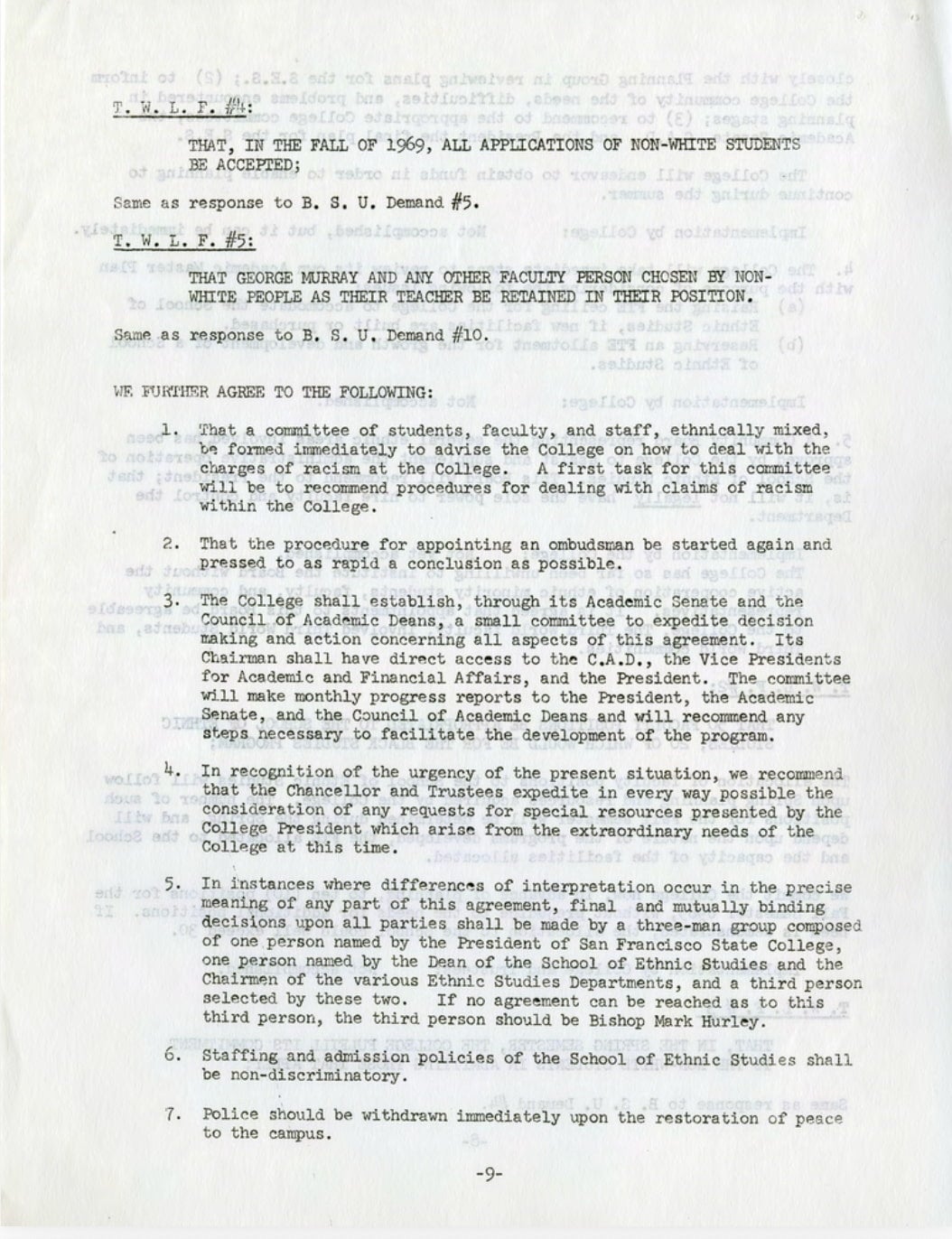
Resolution of the Fifteen Commands (Page 10)
A ten-page document that outlines the joint agreement between representatives of the Third World Liberation Front, the Black Students Union, and members of the Select Committee regarding the resolution of the Fifteen Demands and other student strike issues.
-
Image
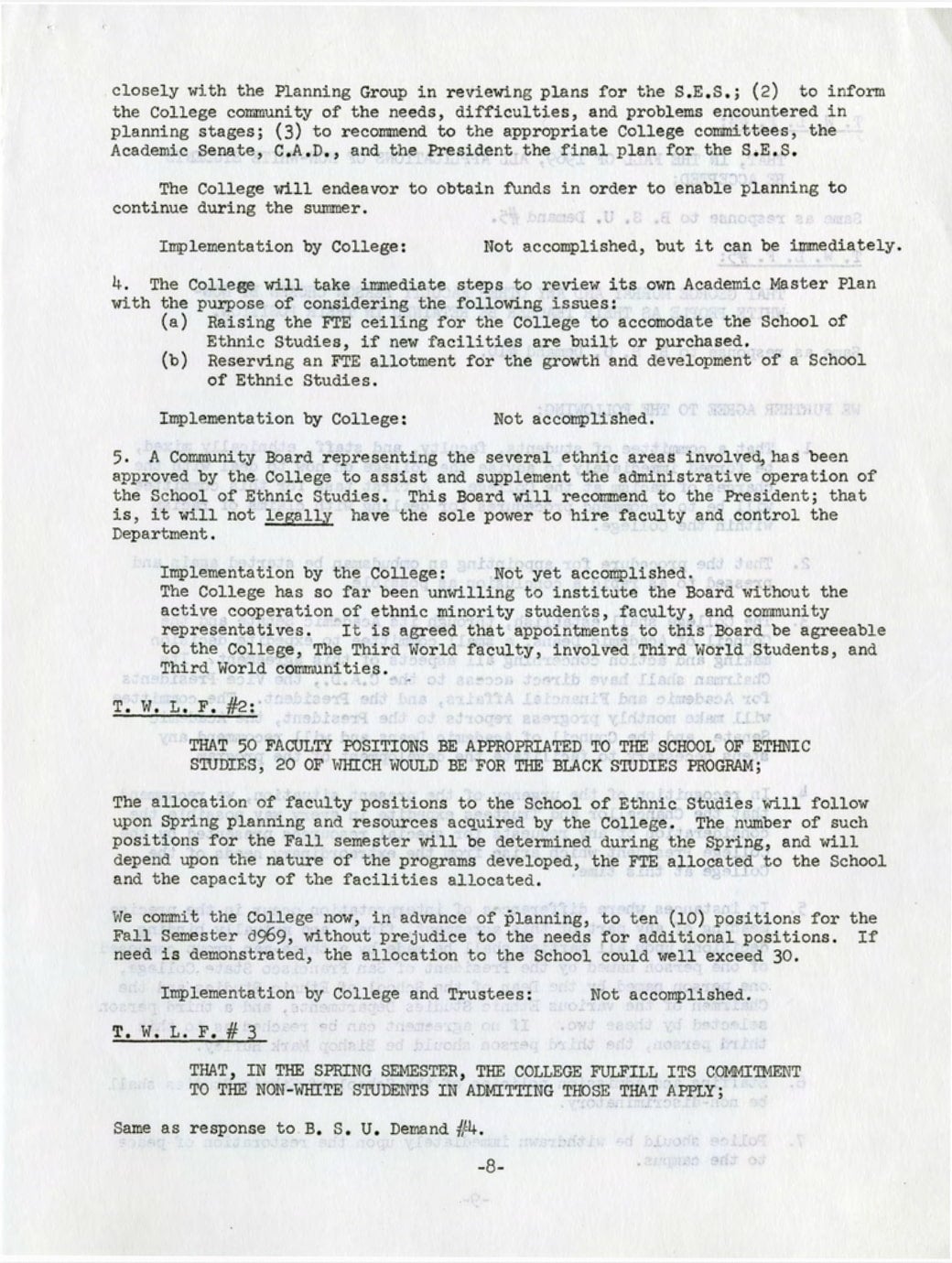
Resolution of the Fifteen Commands (Page 9)
A ten-page document that outlines the joint agreement between representatives of the Third World Liberation Front, the Black Students Union, and members of the Select Committee regarding the resolution of the Fifteen Demands and other student strike issues.
-
Image
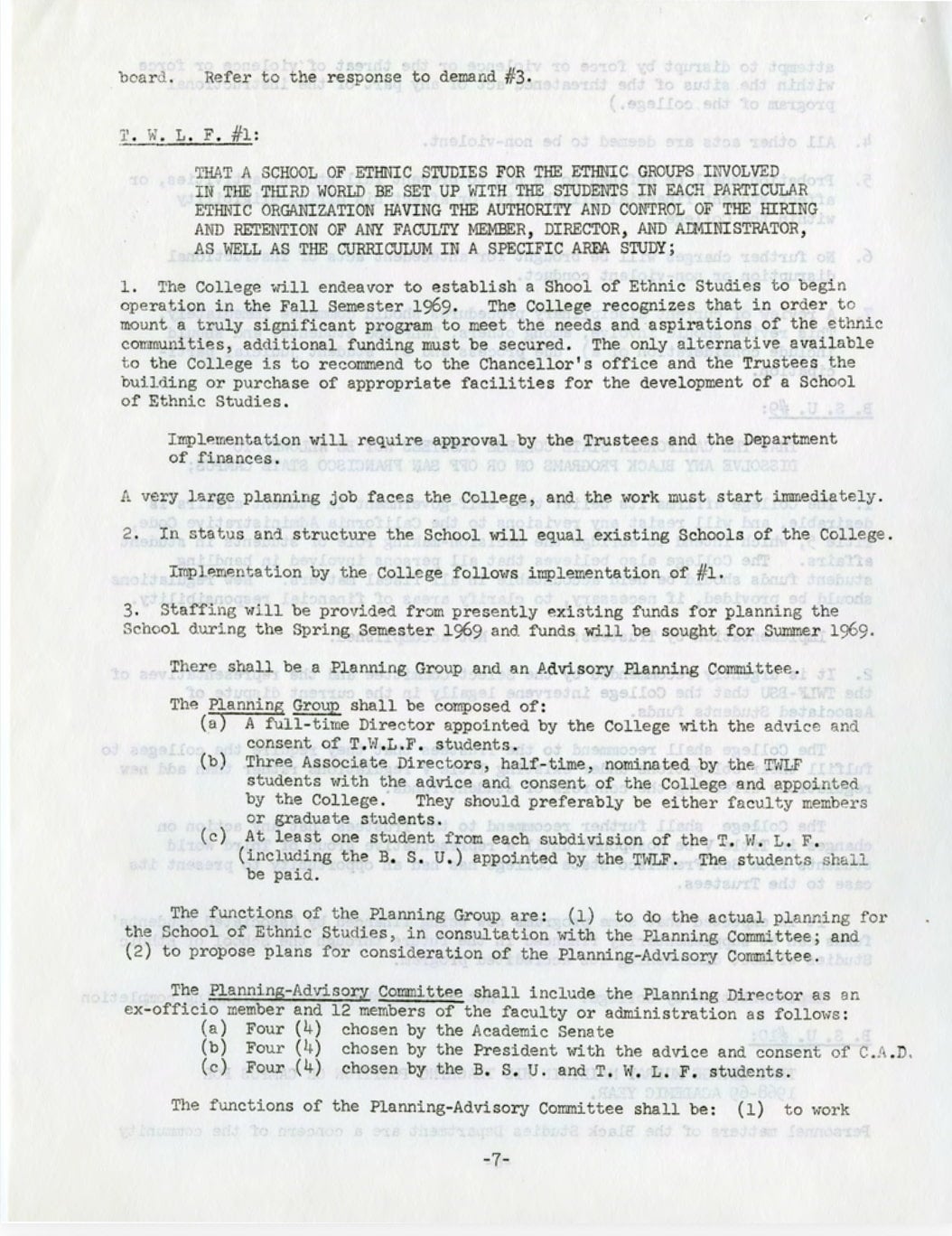
Resolution of the Fifteen Commands (Page 8)
A ten-page document that outlines the joint agreement between representatives of the Third World Liberation Front, the Black Students Union, and members of the Select Committee regarding the resolution of the Fifteen Demands and other student strike issues.
-
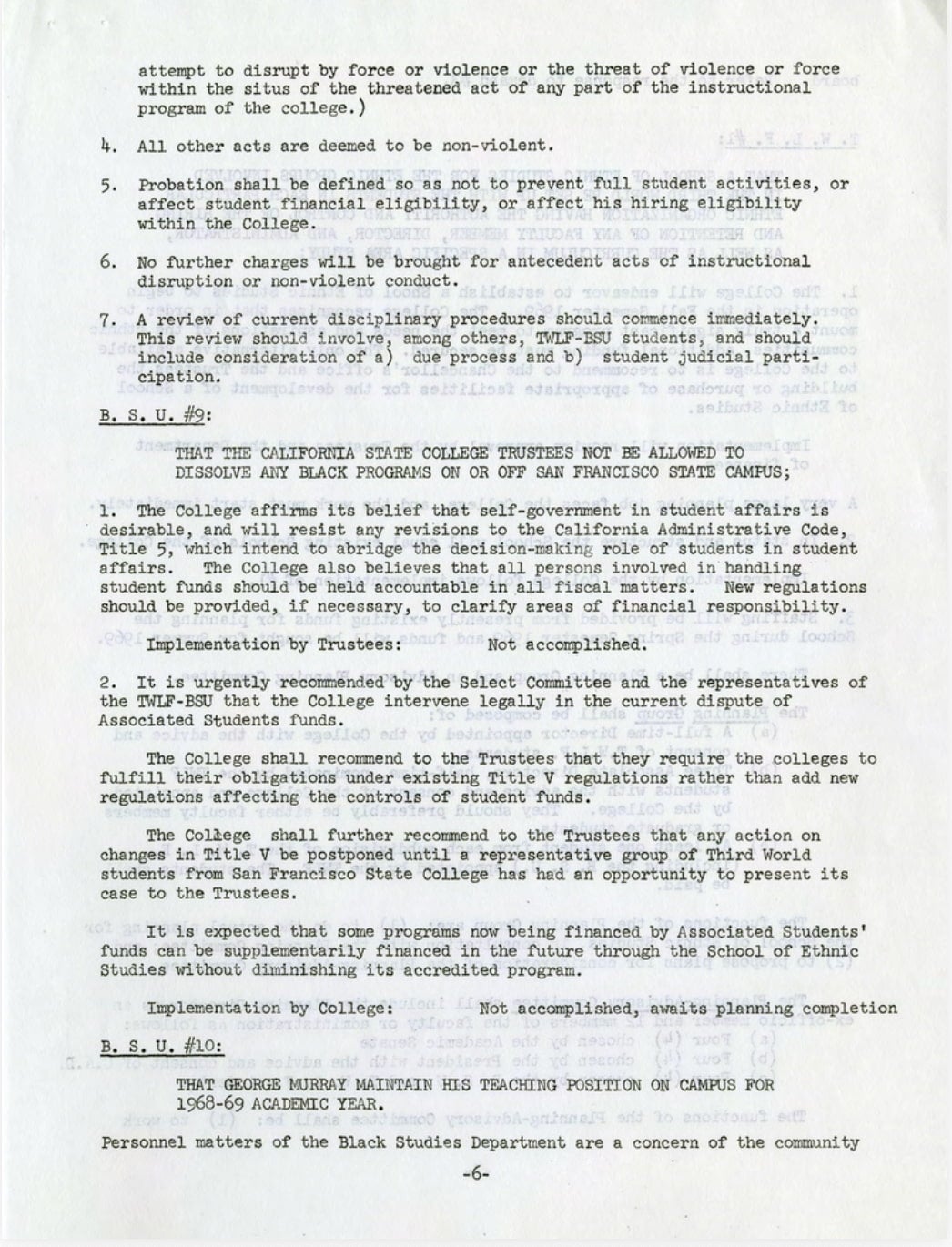
Image
Resolution of the Fifteen Commands (Page 7)
A ten-page document that outlines the joint agreement between representatives of the Third World Liberation Front, the Black Students Union, and members of the Select Committee regarding the resolution of the Fifteen Demands and other student strike issues.
-
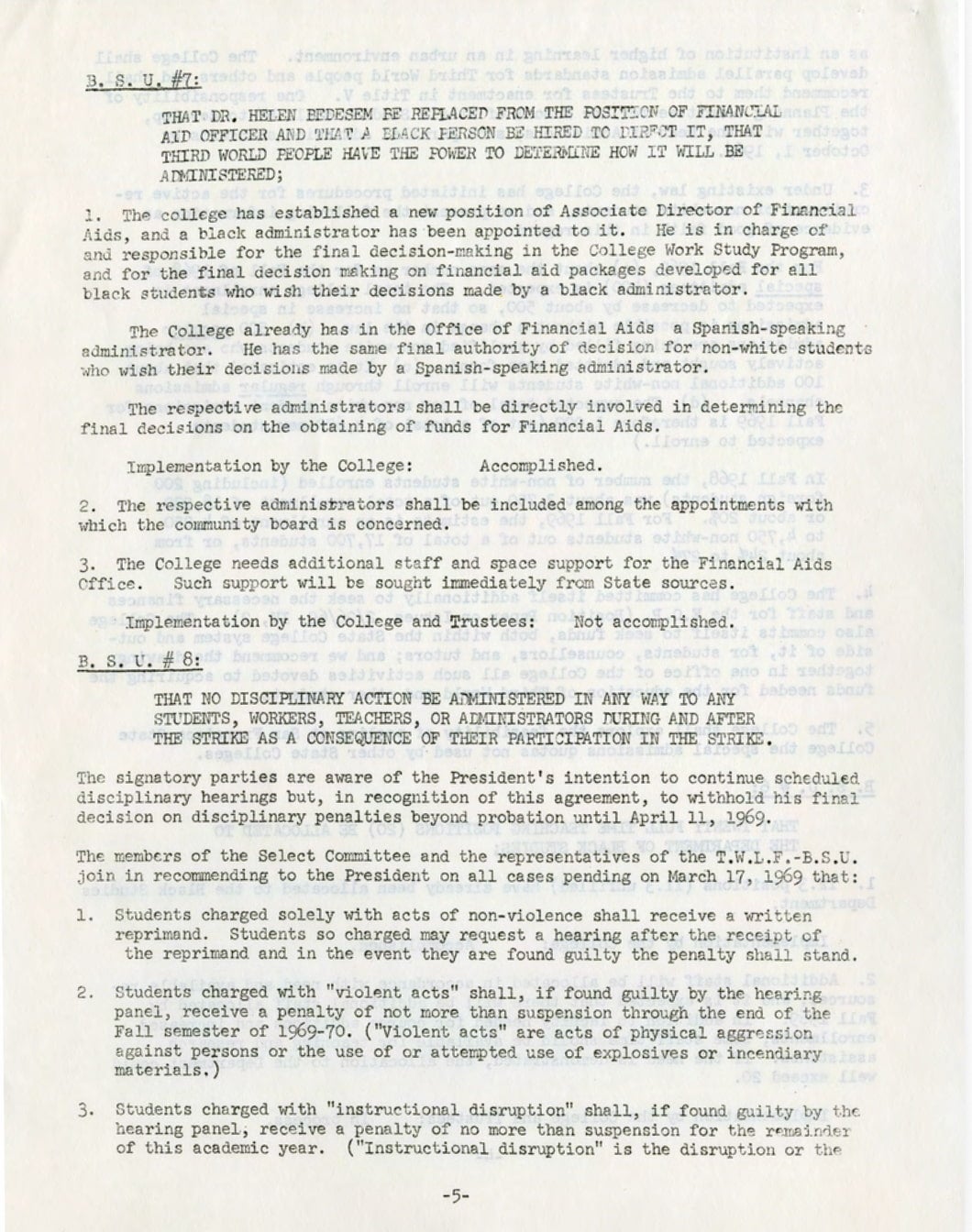
Image
Resolution of the Fifteen Commands (Page 6)
A ten-page document that outlines the joint agreement between representatives of the Third World Liberation Front, the Black Students Union, and members of the Select Committee regarding the resolution of the Fifteen Demands and other student strike issues.
-
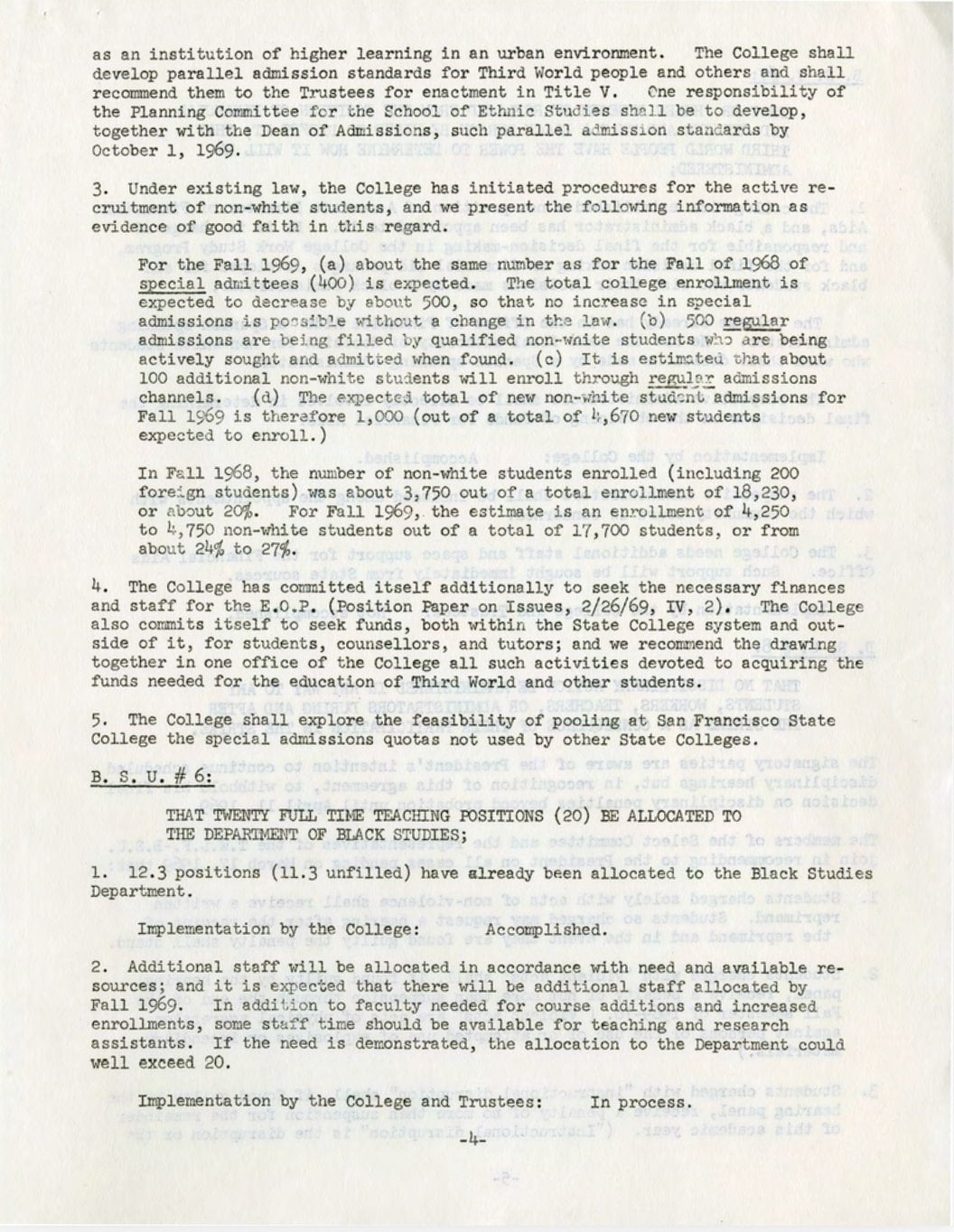
Image
Resolution of the Fifteen Commands (Page 5)
A ten-page document that outlines the joint agreement between representatives of the Third World Liberation Front, the Black Students Union, and members of the Select Committee regarding the resolution of the Fifteen Demands and other student strike issues.
-
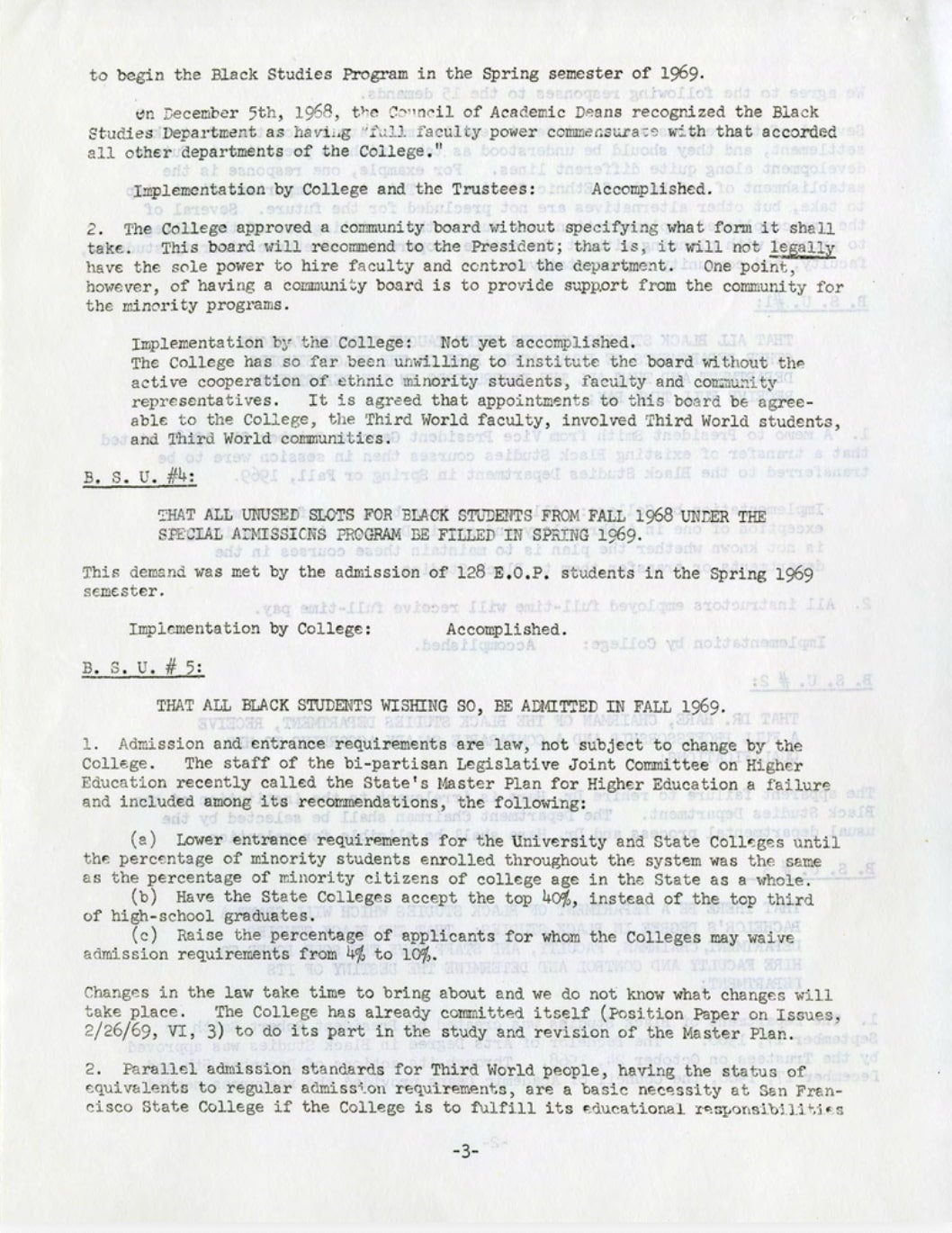
Image
Resolution of the Fifteen Commands (Page 4)
A ten-page document that outlines the joint agreement between representatives of the Third World Liberation Front, the Black Students Union, and members of the Select Committee regarding the resolution of the Fifteen Demands and other student strike issues.
-
Image
Resolution of the Fifteen Commands (Page 3)
A ten-page document that outlines the joint agreement between representatives of the Third World Liberation Front, the Black Students Union, and members of the Select Committee regarding the resolution of the Fifteen Demands and other student strike issues.
-
Image
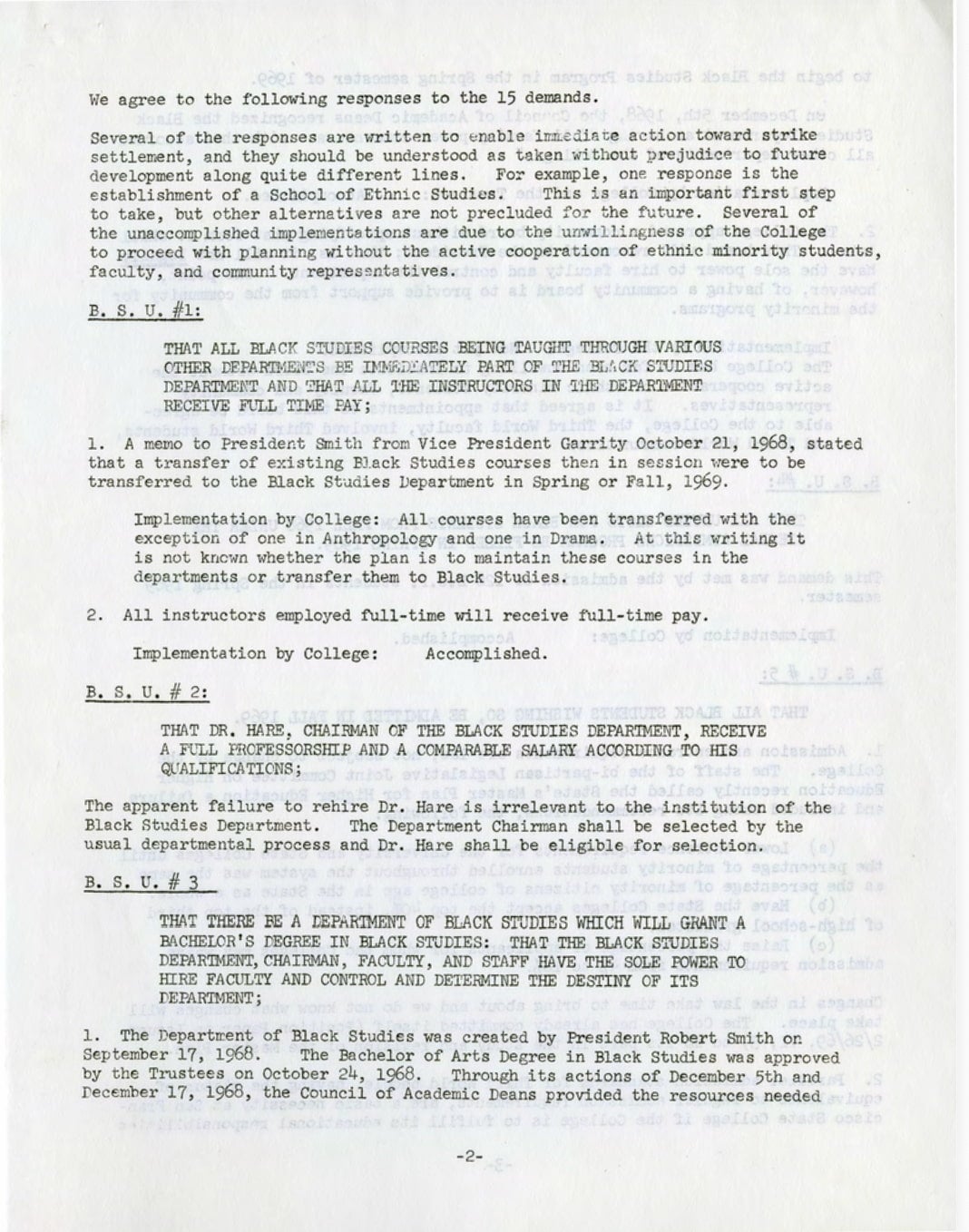
Resolution of the Fifteen Commands (Page 2)
A ten-page document that outlines the joint agreement between representatives of the Third World Liberation Front, the Black Students Union, and members of the Select Committee regarding the resolution of the Fifteen Demands and other student strike issues.
-
Image
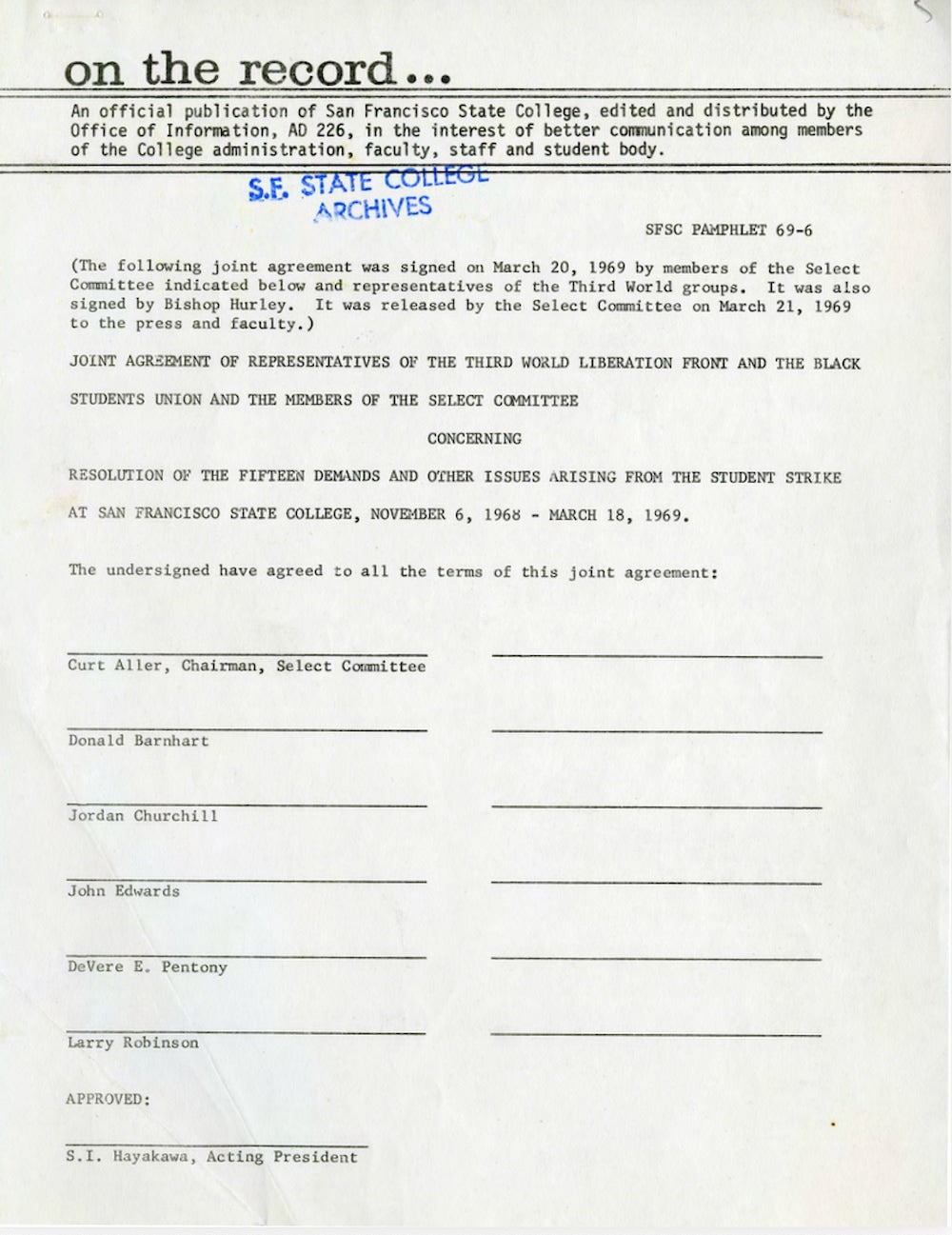
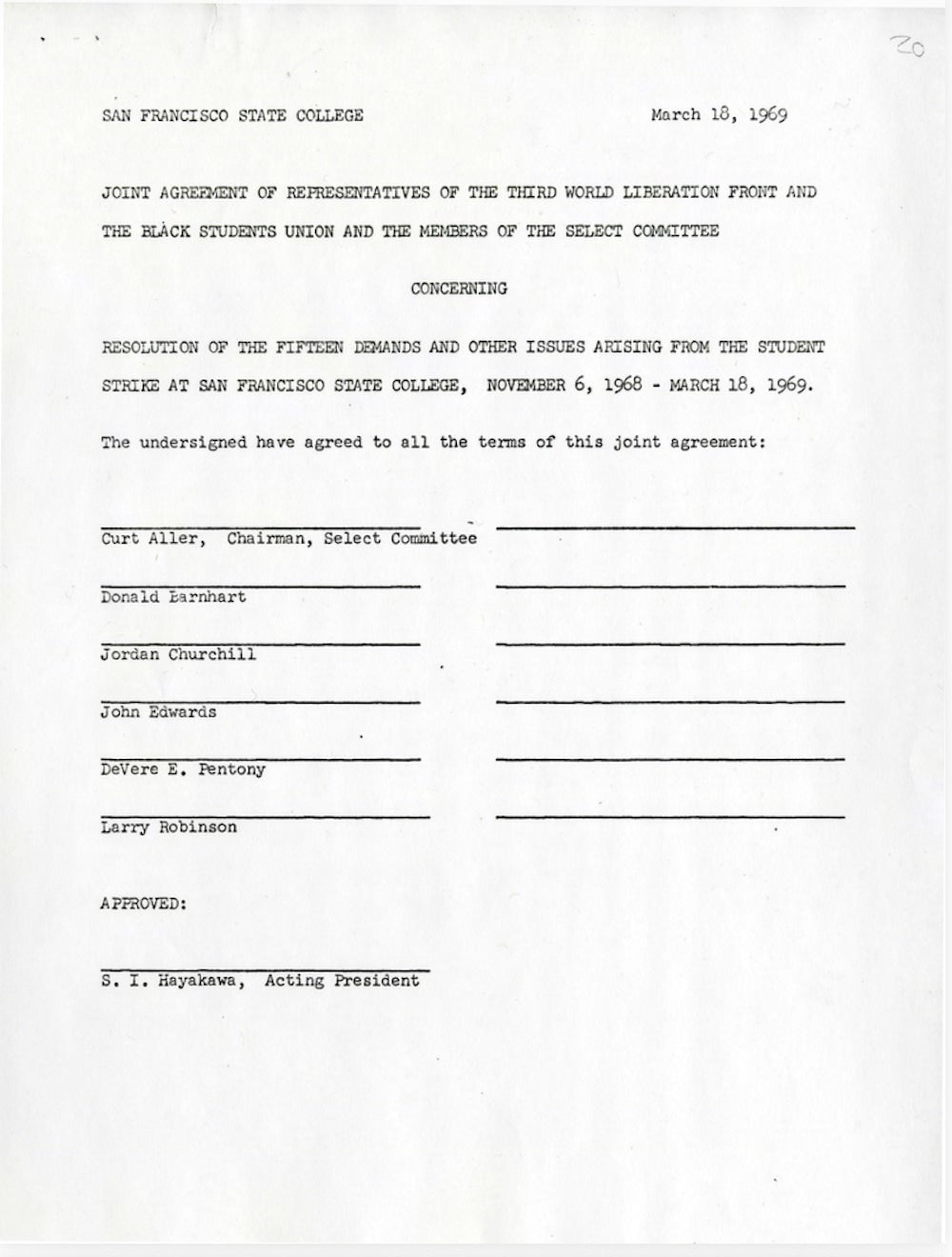
Resolution of the Fifteen Commands
A ten-page document that outlines the joint agreement between representatives of the Third World Liberation Front, the Black Students Union, and members of the Select Committee regarding the resolution of the Fifteen Demands and other student strike issues.
-
Video
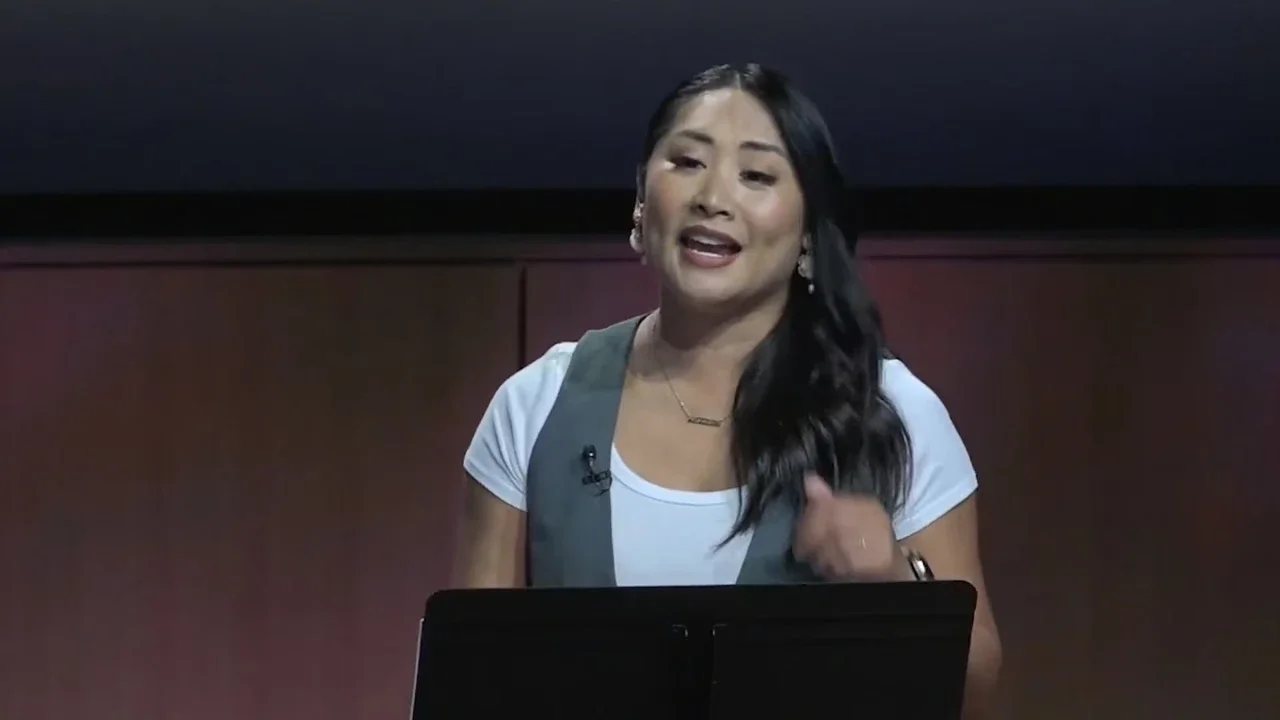
The Legacy of Patrick Salaver
Emily Kwong (NPR) and Nicole Salaver (Kindred Kapwa & Cultural Kultivators Podcast) share the legacy of Filipino civil rights leader, Patrick Salaver, one of the leaders behind the Third World Liberation Front (TWLF) at San Francisco State University. Performed at KQED Live.