





Module 4: Exclusion in Education and Family Life
Who “belongs” in the United States?
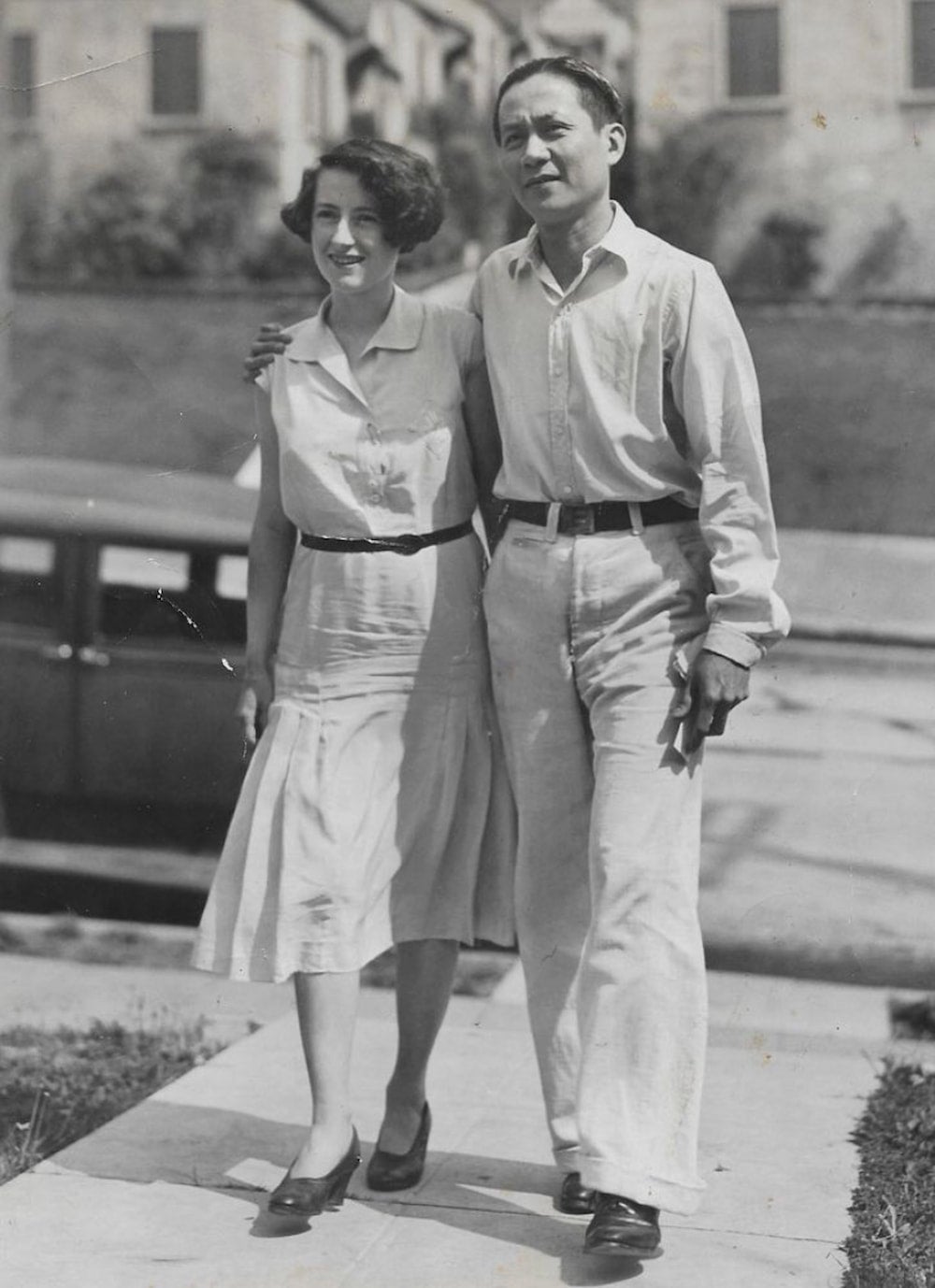
Salvador Roldan arrived in Los Angeles, California, from the Philippines in 1925. He wanted to attend medical school, but instead picked up work serving a white family in Pasadena. He met Marjorie Rogers, an aspiring actress from England, at a nearby tennis court. They began dating, and in 1931 they wanted to marry. Roldan applied for a marriage license, but the county of Los Angeles rejected his application.
Not only were Asians barred from migrating and working in certain industries, but laws aimed at segregating people by race regulated the most everyday and intimate of experiences: schools, marriages, and families.
This module is an overview of various education and anti-miscegenation laws that restricted Chinese, Japanese, and Filipino people (usually men) from close interracial contact with whites. Exclusionary groups and scientific racism reinforced these laws, further racializing Asian groups as threatening, dangerous, disease-carrying, and undeserving of equal treatment to white people in the United States.

Image 42.04.01 — Salvador Roldan (right), a Filipino immigrant, and Marjorie Rogers (left), a white Englishwoman, had their marriage license revoked in 1933 due to California’s anti-miscegenation laws.
Should race play a role in the education one receives?
Should race limit whom you love and marry?
What were anti-miscegenation laws and how did Asian Americans challenge them?
Scientific Racism and Eugenics
Preceding these stereotypes about Asian groups, the original purpose of anti-miscegenation laws was to address the fear of Black men and white women having children. Science at that time named and categorized different races, creating groups of races to place them as inferior to the white race. The category of “white” was an unstable term as well, as its definitions and names were often changed to “Caucasian” and “Nordic.”
Eugenics therefore emerged following the use of “scientific” racial categorization in the early twentieth century. This movement continued to promote the belief that certain groups were genetically superior. “Racial purity” became an obsession among some groups, along with the fear of mixing races because of how this would challenge past beliefs about white supremacy. Furthermore, white male politicians and others in power sought to control whiteness through preventing who white women might love, marry, and have children with, through anti-miscegenation laws.
In attempts to maintain racial purity, governmental authorities passed legislation seeking to control and limit interracial contact. They employed racial categories to segregate Asians in schools and barred them from intermarriage.
The Tape Family
Although Asians sought to enroll their children in public schools, they often faced significant barriers. During the 1850s in California, Chinese American parents campaigned for their children to obtain public schooling, arguing that they paid taxes and should receive government services. The San Francisco school district eventually opened a segregated school, but closed it in 1871.
In 1880, a new California law required public schools for all children. Two immigrants, Joseph and Mary Tape, sought to enroll their daughter Mamie in San Francisco’s all-white Spring Valley Primary School in 1884. The school’s principal refused to admit Mamie because she was Chinese. The Tapes sued and won their case on the basis of the 1880 law. The Mamie Tape case is an early example of Asians challenging discriminatory laws through the court system to end racial segregation in schools.
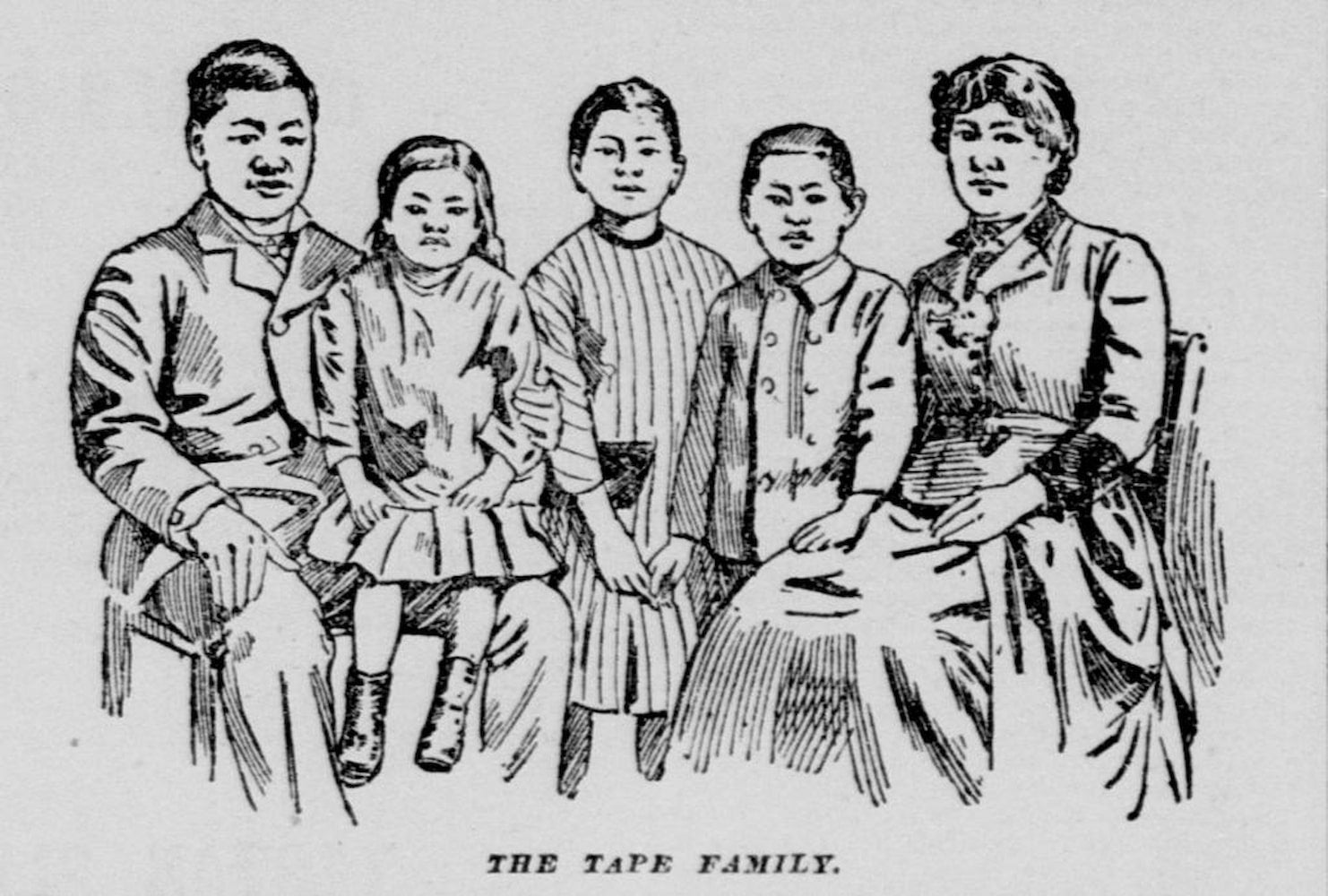
Image 42.04.02a — Joseph and Mary Tape married in 1875 and lived in San Francisco, California, where they attempted to enroll their daughter Maimie in the all-white school. The Tapes sued the Spring Valley Primary Schools for refusing enrollment to their daughter, and the California Supreme Court ruled in their favor.
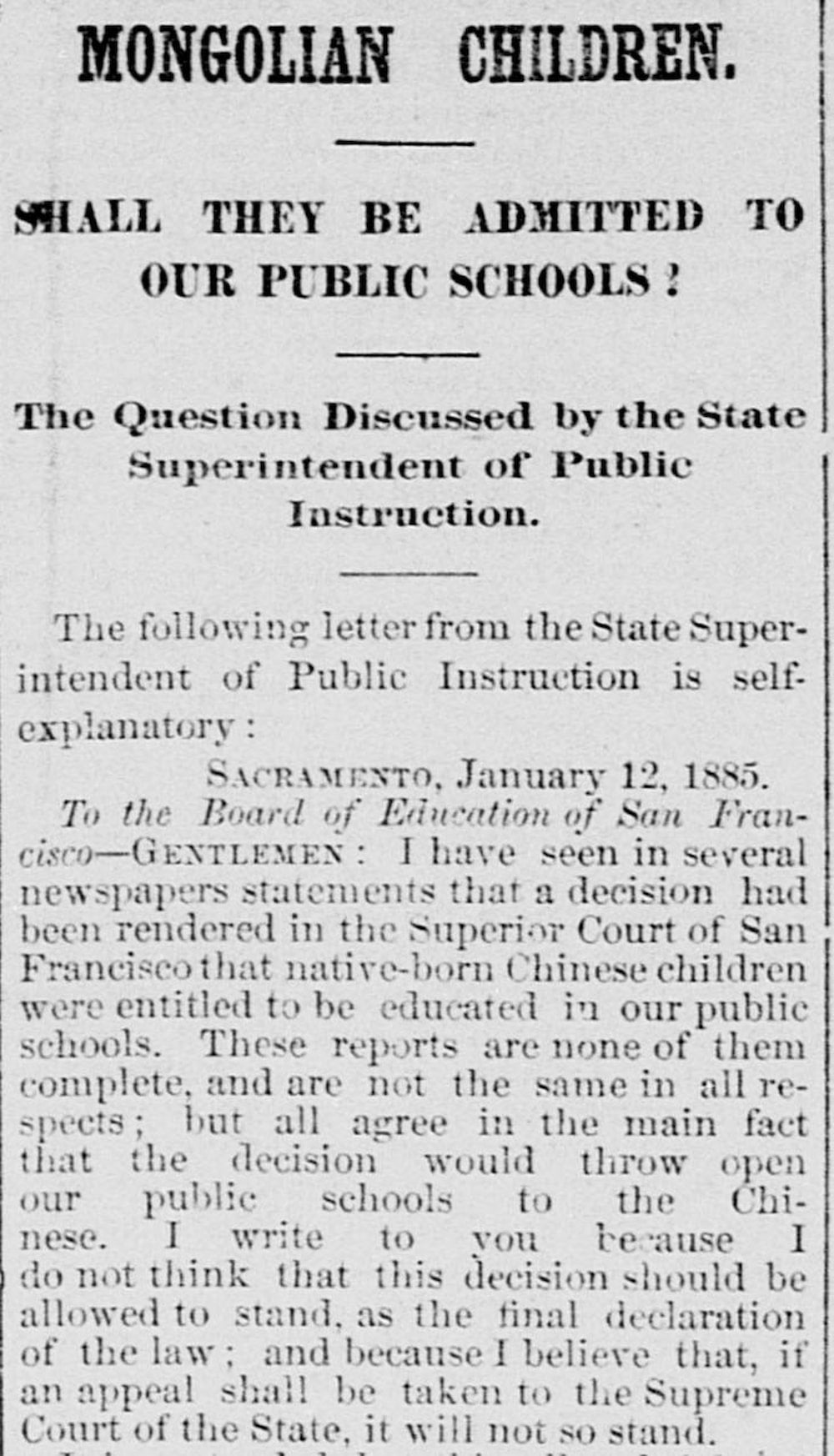
Text 42.04.02b — In 1885, the State Superintendent of Public Instruction in California published a letter in the Daily Record-Union with the opinion that the Tape case will “throw open our public schools to the Chinese.”


However, the California legislature immediately passed a bill establishing segregated schools for “persons of Mongolian or Chinese” descent, again barring Mamie from attending Spring Valley. Consequently, the San Francisco School District opened an “Oriental School” which Mamie Tape attended in 1885.
School Segregation Challenges in the West Coast and South
In 1906, the San Francisco School Board also attempted to segregate Japanese students into the Oriental Public School. While Chinese and Korean children attended this school, President Roosevelt’s intervention in response to Japan’s growing international power resulted in the Gentleman’s Agreement, which allowed Japanese children to continue attending white schools.
Some parts of the segregated South classified Chinese Americans as “colored” and therefore restricted them to attend the much poorer schools provided for African Americans. In Rosedale, Mississippi, the Lum family challenged this segregation but lost their case in 1925. The Lum family then moved to Arkansas, which did not enforce segregation against Chinese.
In 1921, the state of California reaffirmed its educational segregation policy describing Asians as disease-carriers with “filthy or vicious habits” and “suffering from contagious diseases.” 1
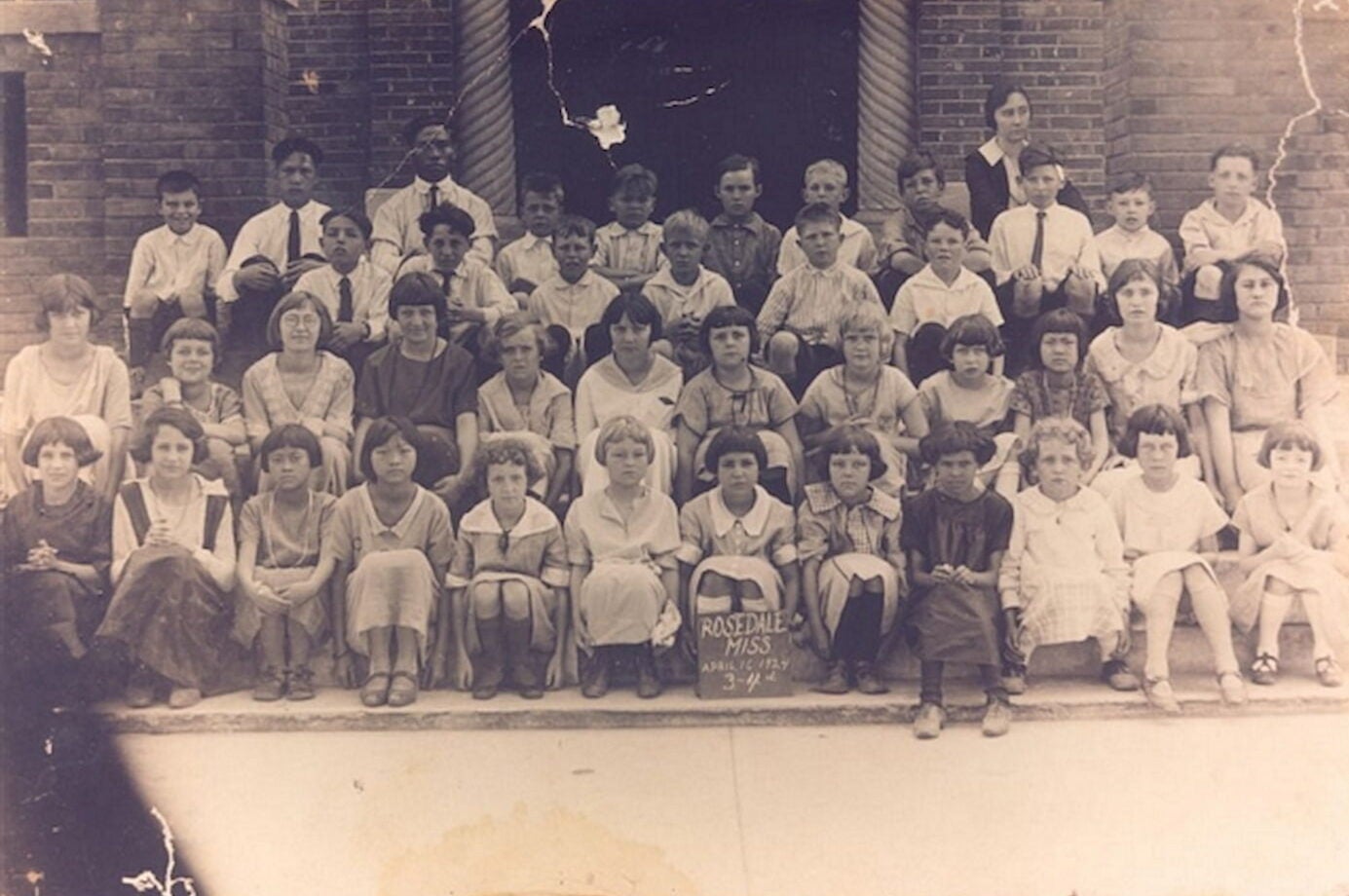
Image 42.04.03 — In 1927, the Supreme Court ruled in Gong Lum v. Rice that Chinese Americans were not allowed schooling in white schools. Martha Lum is shown in her second grade class at a school in Bolivar County, Mississippi, before the ruling took place.
End of School Segregation: Brown v. Board of Education
Finally in 1954, the Supreme Court passed Brown v. Board of Education, which ruled that school segregation violated the Equal Protection clause and was unconstitutional. However, that decision did not provide full educational equity. Immigrant students, for instance, could not receive the benefits of public education if they could not speak English. In 1974, Chinese Americans filed a class action lawsuit against the San Francisco Unified School District, arguing that students who did not speak English were not receiving an equal education, violating the Fourteenth Amendment and the Civil Rights Act of 1964. They won the Lau v. Nichols case (1974), so that bilingual education and supplemental English instruction have become national requirements.
Anti-Miscegenation Laws
Beyond denying educational access and school integration, how else did laws and policies affect how Asians related to others? Racial categories were also used to restrict the marriage choices of Asians.
Anti-miscegenation laws prohibited interracial marriage and relied on enforcing racial categories in order to uphold racial segregation. State governments regularly used changing racial categories, including “Mongolian” and “Malay,” as well as religious groupings, such as “Hindu,” to deny Asian people the right to marry white people.
Several states passed such legislation in the nineteenth century:
- In 1861, Nevada passed legislation that banned Black people, Native Americans, “mulattos,” and Chinese people from marrying or cohabitating with white people.
- In 1865, Arizona banned “Mongolians” from marrying white people.
- In the 1880s, California and Utah followed this racial classification, which broadened the reach of anti-miscegenation laws.
When Japanese immigrants came to California in the late nineteenth and early twentieth centuries, the state expanded its anti-miscegenation laws. Previously the laws prohibited Chinese people, whom they labeled “Mongolians,” from marrying white people. The updated laws included Japanese people as part of the “Mongolian” category, reflecting the public’s fears about Japanese immigrants’ vices and immorality, similar to how Chinese people were racialized. In 1909 and 1913, Montana and Nebraska explicitly named Japanese as an excluded, “non-Caucasian” ethnicity. Twelve of fifteen states with anti-miscegenation laws also used the term “Mongolian” to bar interracial marriage.
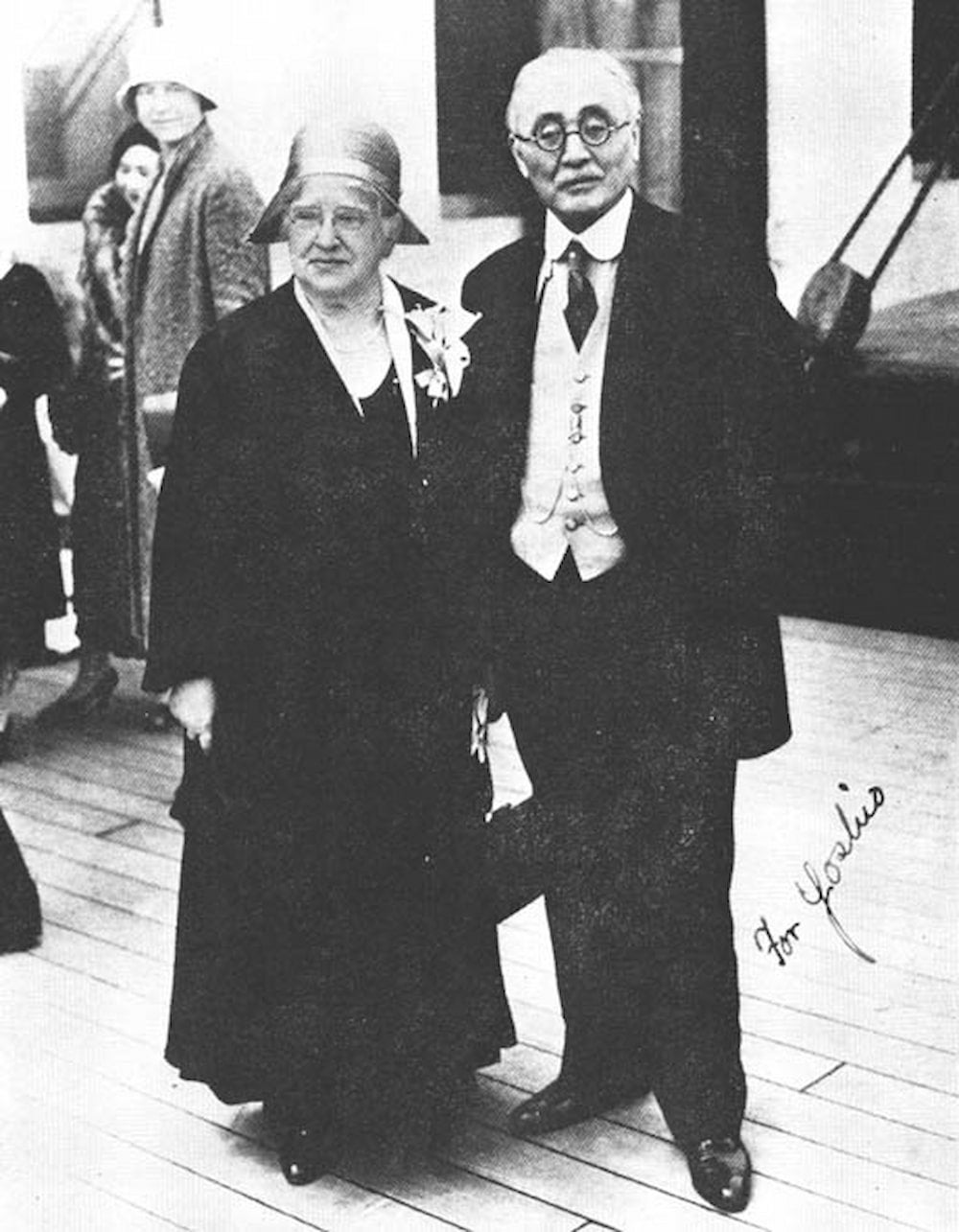
Image 42.04.04 — A Japanese American diplomat Inazo Nitobe was able to marry a white woman, Mary Elkinton, in the 1880s, at a time when interracial marriages were frowned upon by society or outright prohibited through state-by-state anti-miscegenation laws.
Between 1906 and 1934, many Filipinos also arrived in the United States by way of Hawaiʻi. Due to labor recruiting practices and immigration laws excluding Asian women, Filipino migrants were predominantly young adult men. Segregated from white society, one of the few sites they could socialize were taxi dance halls, paying ten cents to dance, sometimes with white women.
Once again fearful of racial mixing, politicians established anti-miscegenation laws targeting Filipinos sometimes categorizing them as “Malay.” In 1913 Nevada added color descriptors to its anti-miscegenation law, prohibiting marriage between a white person and anyone of the “Ethiopian or black race, Malay or brown race, Mongolian or yellow race, or Indian or red race.” 2
These shifting and undefinable categories often caused confusion to the administrators who enforced them. In California, county clerks sometimes granted marriage permits to white and Filipino couples because Filipinos were sometimes not considered “Mongolian”—the label used for Chinese, Japanese, and Korean people.
In 1930, however, a Los Angeles County clerk did consider Salvador Roldan, a Filipino, “Mongolian,” when denying his marriage application to his British fiancée. Roldan sued the county and won. The appellate court agreed that Filipinos were “Malay,” not “Mongolian,” and the couple received their marriage license.
The victory was short-lived however. White supremacist groups like the American Legion, the Native Sons of the Golden West, along with racist labor groups and state legislators banded together to amend anti-miscegenation laws to include “Malays.” In 1933, “Malay” was added to the laws, retroactively voiding the Roldans’ marriage.
Resistance
Heterosexual marriage and nuclear family-making were important pathways to American belonging, allowing families in the US to build and pass on wealth, access citizenship, and legally obtain property and entry rights. Despite these laws and societal norms, Asians found different ways to resist anti-miscegenation laws.
When anti-miscegenation bills were introduced in the state of Washington in the 1930s, Filipino communities co-organized with Black, labor, and progressive groups to challenge the laws. Their efforts paid off, and they successfully blocked two anti-miscegenation bills.
Moreover, because anti-miscegenation bills were unevenly enforced, many people were able to legally marry. Some determined couples applied for marriage licenses in nearby states with less prohibitive marriage laws. Others had long-term relationships without the permission of the state.
Immigrant groups also formed alternative types of families—communities where Asians fostered caretaking, education, and economic support outside of a nuclear family. These networks could be found throughout segregated neighborhoods where Asians resided.
Political Shifts and Immigration Reforms
Four major political changes in the last half of the twentieth century shifted the ways Asian groups were categorized, treated, and racialized in the United States. World War II (1941–1945), the Cold War (1947–1991), the Civil Rights Movement (1954–1968), and the Black Power movement (1966–1980s) respectively transformed attitudes about race and affect our understanding of racial categories today.Race is a construct—a result of politics, laws, social movements, and more. Still, peoples’ experiences of discrimination on the basis of race are very much real. Anti-miscegenation laws and other restriction policies have affected the ability of different Asian groups to live, work, and have community in the United States.
World War II
World War II, waged by the US and other Allied powers in the name of protecting democracy and freedom, altered the ideologies that justified Asian exclusion and led to the conferring of naturalization rights to Asians. Since the US allied with China and the Philippines, it could not retain overt racial discrimination against people who were valued war partners. Even as Japanese Americans became racially categorized as “enemy aliens” and rounded up into incarceration camps, Chinese and other ethnic groups gained improved status and more acceptance. For example, Congress repealed the Chinese Exclusion Act so that Chinese people could legally migrate and become naturalized in the 1943 Magnuson Act.
The Cold War
Similarly, the Cold War divided the world along economic and ideological lines: capitalism versus Communism. The United States developed alliances and established military bases in Japan, South Korea, the Philippines, Taiwan, and parts of Southeast Asia to prevent the spread of Communism. Due to military intervention and American involvement in these nations, new groups of Asians began to migrate: “war brides,” transnational adoptees, refugees, and international students. As these groups entered the US in greater numbers, and even joined white family households, they became viewed as less threatening.
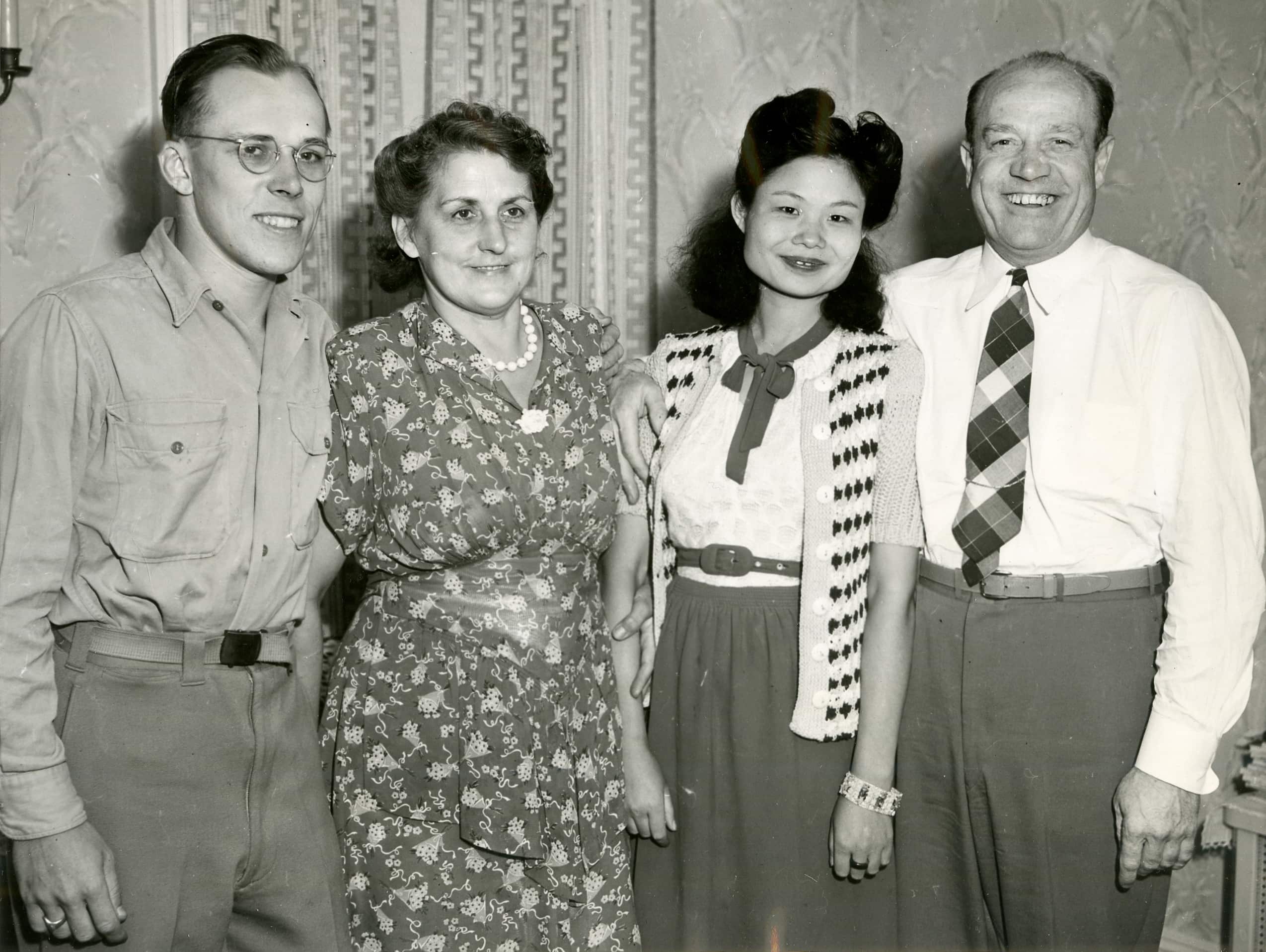
Image 42.04.05 — Some three hundred thousand Chinese, Filipino, Korean, and Japanese “war brides” came to the United States as spouses of US servicemen stationed in Asia. They helped to shift the demographic of the Asian American population.
Asians long sought to repeal exclusion laws making them “aliens ineligible for citizenship.” Organizations such as the Chinese American Citizens Alliance and the Japanese American Citizens League lobbied for changes, and the service of Asian Americans in the military bolstered the case that Asians should be allowed to naturalize. In 1952, Congress passed the McCarran-Walter Act, which ended some Asian exclusion immigration policies, transformed the immigration process from a quota system to skill-based and family reunification, and ended racial restriction on naturalization. It did not end discrimination against Asians, but did create opportunities for Asian immigrants to apply for citizenship.
Later, the Civil Rights Movement that began in 1954 to 1968 created massive social change throughout the country thanks to the waves of Black-led protests, marches, civil disobedience tactics, and increased pressure on politicians to end segregation, disenfranchisement, and discrimination.
Social and Political Movements of the 1960s
The movements of the 1960s spurred greater Asian American activism that helped to open up immigration opportunities through family reunification and to establish Asian American Studies at colleges. As Black Americans won civil rights legislation ending legally sanctioned racial hierarchies, Congress passed the Immigration and Nationality Act of 1965 (Hart-Cellar Act), which essentially equalized its immigration policies. It ended the national origins formula that favored European nations, included a family reunification clause, and established a system of preference for applicants with certain skills and advanced education to recruit more trained immigrants to the US, with the goal of advancing the United States as a global power. The result was an influx of immigrants from across Asia and the transformation of American demographics today.
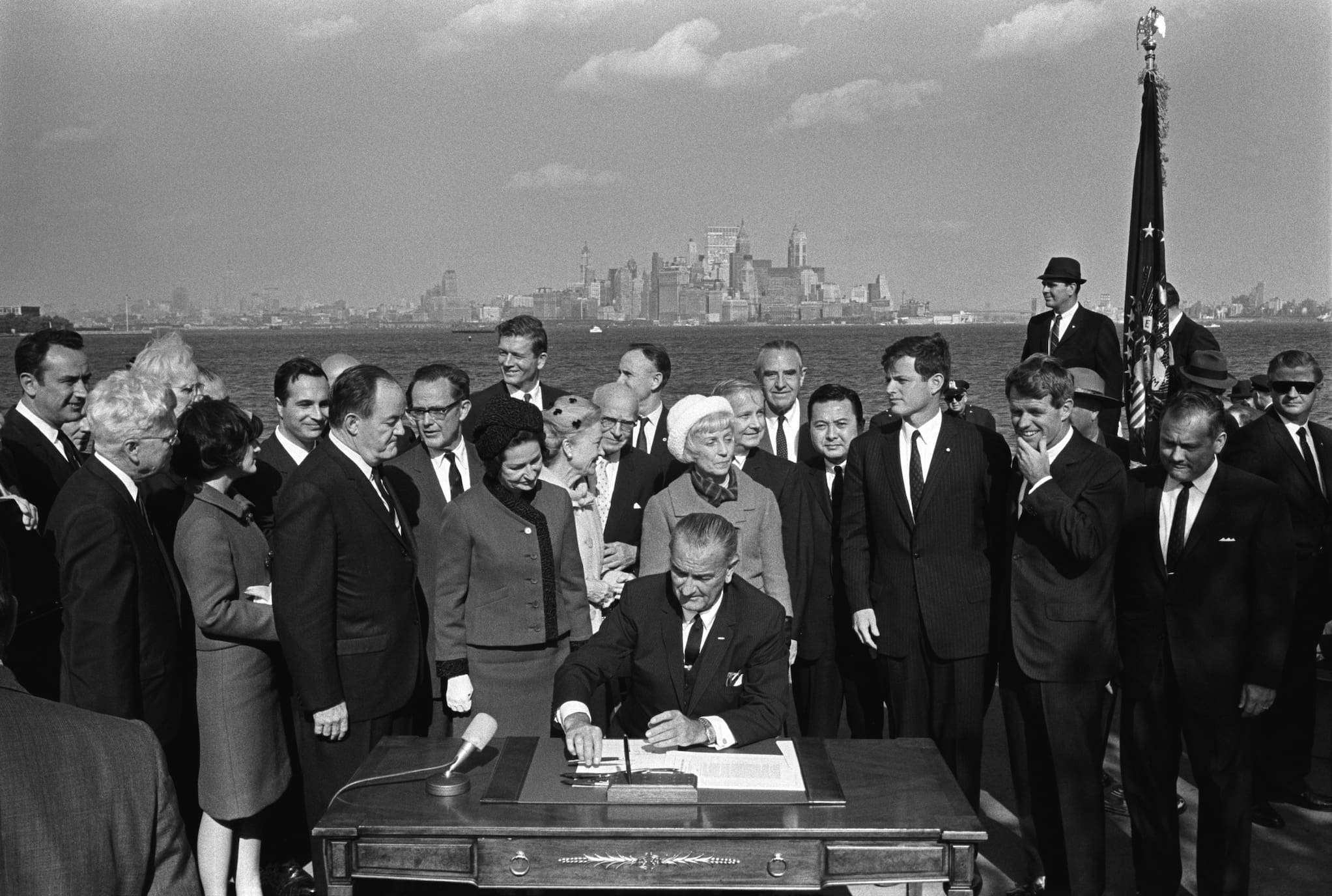
Image 42.04.06 — President Lyndon B. Johnson signed the Immigration and Nationality Act of 1965 (also known as the Hart-Celler Act) on Ellis Island, ending decades of race-based categories for immigration.
Another civil rights act that benefitted Asians was the 1967 Supreme Court case Loving v. Virginia. It legalized interracial marriage and ruled that anti-miscegenation laws violated the Fourteenth Amendment, guaranteeing equal protection.
Finally, the Black Power movement beginning in the mid-1960s empowered many racial groups to challenge systemic oppression, take part in reclaiming racial categories, and build collective power. Asian American student groups who were part of this movement educated the public on the connection between US-led wars in Asia to racist oppression at home. Many lived in segregated neighborhoods while being drafted to fight in the Vietnam War, where they were sometimes targeted as the enemy because they were Asian. Instead of appealing to the government for reform, they created their own community organizations such as: freedom schools, food cooperatives and free breakfast programs, legal programs, and health clinics for their own communities.
Inspired by the Black Power movement, Asian American student organizations at San Francisco State College (now San Francisco State University) and the University of California, Berkeley, joined the Black Student Union and Third World Liberation Front student strikes for the introduction of Ethnic Studies into the schools’ curriculum. At this time, Yuji Ichioka and Emma Gee, two student activists, created the umbrella term, “Asian American,” to organize and mobilize politically across different Asian communities in the United States. As a result of the strikes and the new Asian American movement, Ethnic Studies and dozens of Asian American community organizations emerged.
Conclusion
Race is a construct, a result of politics, laws, social movements, and more. Still, peoples’ experiences of discrimination on the basis of race are very much real. Educational segregation and anti-miscegenation laws and other restriction policies have historically, and continuously worked to exclude different Asian groups from living in, learning, working, and building community in the United States.
Throughout the history of immigration and exclusion, however, Asian groups have challenged these laws and racist practices through different resistance tactics. As we learned in this module, local community organizing and larger movements have been paramount in disrupting racial stereotypes and reclaiming power in education, marriage, citizenship, and property rights.
Glossary terms in this module
anti-miscegenation laws Where it’s used
Laws based on the “race science” of eugenics that prohibited marriages between members of different racialized groups, particularly white people with people of color.
Immigration and Nationality Act of 1965 Where it’s used
Also known as the Hart-Celler Act, this law ended the openly discriminatory national origins quota system and exclusion-era policies, replacing it with a system of preference for applicants with certain skills, advanced education, and family already in the United States. This law greatly changed American demographics, especially within the Asian American community.
naturalization Where it’s used
The process of becoming a citizen for immigrants.