



Module 1: Overview
Is there still a need to fight for decolonization in the Pacific today?
In January of 2000, Angel “Ånghet” Santos was sentenced to six months in federal prison for “trespassing” on military “property” in the island of Guam (known as Guåhan in the CHamoru language). At his hearing, Ånghet argued that he should be allowed to stay in Guam to serve his sentence. However, in the dark of the night, he was taken by marshals to a holding cell, from where he would be flown to a federal prison in the United States to spend his sentence. According to Ånghet, he was not trespassing on military “property.” He was reclaiming his family’s land, stolen by the US military.
Ånghet’s story resonates with many families in Guam, a territory legally belonging to the US. After World War II, the US military displaced more than one thousand families in the island in order to build military bases. Today, the US military continues to occupy roughly 27 percent of the island. This treatment of Guam is a prime example of colonization, because it portrays the story of Indigenous lands being taken over for political control by the US.
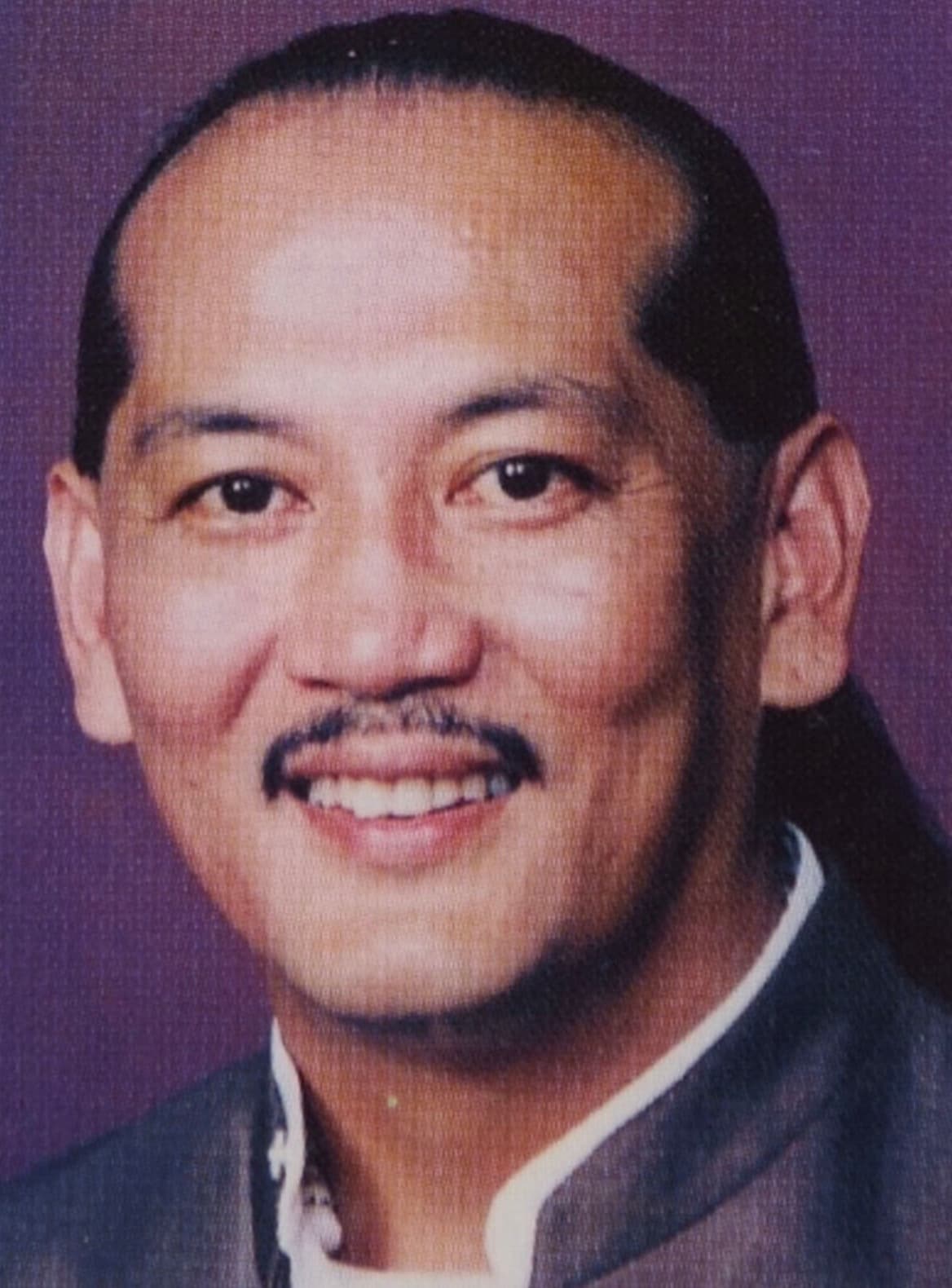
Image 20.01.01 — Activist and elected official Angel “Ånghet” LG Santos was sentenced to six months in federal prison for his activism. Ånghet not only fought for CHamoru rights in Guam, but also sought for human rights for all indigenous peoples to be respected.
Created date, created by Name, Title Italicized. Credit line indicating where the image is from. Metadata ↗
In this chapter, we will examine the history of colonization in the Pacific Islands, the role of decolonization, and how Pacific Islanders have resisted and continue to resist colonialism. While we will focus on the role of the US, we will also look at other countries that have engaged in colonialism in the Pacific, such as France and the United Kingdom.
What is colonization and how has the US empire operated in the Pacific Islands?
What is decolonization and what role does it have in the Pacific Islands?
How have Pacific Islanders resisted colonialism in the past and present?