




Indian American activist Urvashi Vaid dressed in a back t-shirt and holding her right hand against her mouth.
Module 5: Politics, Public Life, and the Motherland
Have Indian Americans found belonging in the United States?
Until the mid-2000s, few Indian Americans held public office, had a national profile, or occupied top positions in the worlds of corporate and finance. Hindus and Sikhs generally felt that the wider American public viewed them as “exotic” or did not care at all about their religions.
Over the past fifteen years, Indian Americans have made many inroads to increase their representation and visibility in the United States. There are Indian Americans holding public office. The New York Times noted that in 2013 there were only ten Indian Americans in the state legislatures; this jumped to fifty elected officials ten years later. The Scripps National Spelling Bee championships brought Indian American names to a public audience.
Some city councils have designated Hindu temples as tourist sites. There are Indian Americans who write and star in popular television shows and who sit at the top of the corporate ladder. These developments have given the wider American public some education about the Indian American population.
This module provides an overview of the politics and public life of Indian Americans, offering a glimpse into how Indian Americans see politics in India impacting their lives in the US.
In what ways are Indian Americans participating in US political life?
How are Indian Americans advocating for Dalit, LGBTQ+, and labor rights?
How is Indian American political life intertwined with transnational politics?
Political Representation
Indian Americans have taken various roles as public figures on the political stage. At the onset of the COVID-19 pandemic, Dr. Seema Verma, the “longest-serving Centers for Medicare and Medicaid (CMS) Administrator in modern history,” was seen by President Donald Trump’s side during his White House briefings to the country. CNN’s Chief Medical Correspondent, Dr. Sanjay Gupta, appeared on television every day interpreting the latest COVID-19 research to the public. President Joseph Biden appointed Dr. Ashish Jha to his administration where he was informally referred to as the “COVID chief” for coordinating responses to the pandemic on behalf of the White House.
Indian Americans have also become elected officials. In 2007, Bobby Jindal was elected governor of Louisiana, becoming the first Indian American in that role. In 2010, Nikki Haley became the second Indian American, and the first Indian American woman, to serve as governor when she won her election in South Carolina. Kamala Harris became the first Black and Indian American woman to take office as Vice President of the United States in 2020.
Caste and Racial Discrimination
Some Indian Americans have endeavored to bring more attention to the Indian caste system, a form of hierarchy which determines a person’s place in society from birth. For those in lower castes, it historically has led to outright and often severe unfair treatment. In recent years, there has also been a growing movement to ban caste discrimination. Such efforts to end this systemic inequality in the US have culminated in some victories.
In February 2023, the Seattle City Council became the first elected body to add caste as a protected category and thereby prohibit caste discrimination. Activists in California brought an anti-caste bill to the state. The bill named caste discrimination as being pervasive in South Asia and the South Asian diaspora, and related it to similar systems in other regions, such as South America and Africa. Although Governor Gavin Newsom eventually vetoed the bill in 2023, the effort was an important start in educating the wider public on the issue.
While some claim that anti-caste legislation is driven by anti-Hindu sentiments, this claim is unsubstantiated. An advocacy group, the Hindu American Foundation (HAF), pronounced that California Senate Bill 403 (SB403) was part of a “Hinduphobic” agenda “fueled by anti-Hindu hatred.” 1 What HAF failed to recognize is that anti-caste discrimination is outlawed in India. Moreover, if gender, race, ethnicity, sexual orientation, and age are protected identity categories in the US, caste should be as well.
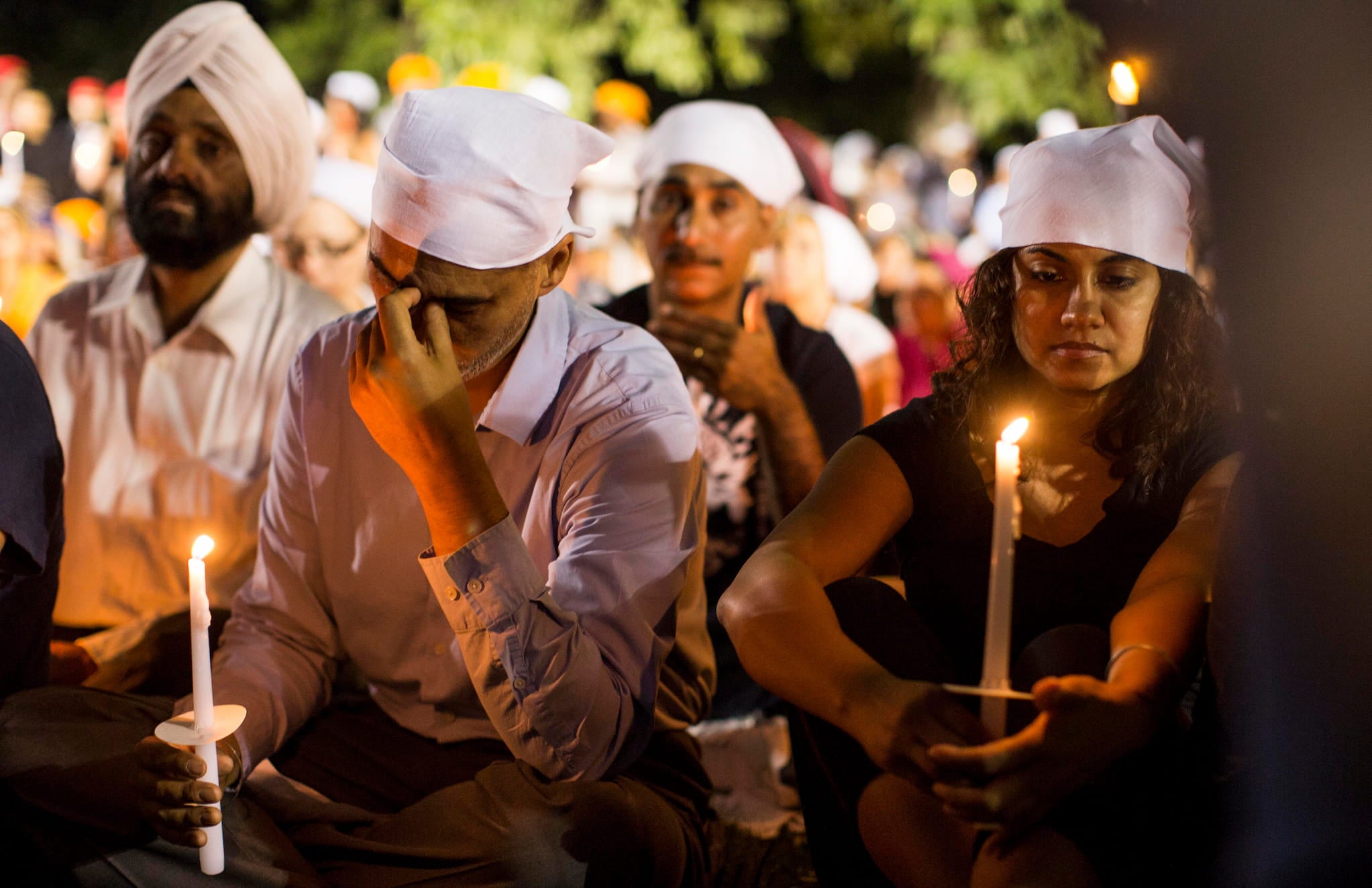
There have been acts of racial discrimination against Hindus or those assumed to be. In August 2022, an Indian American man recorded a video of someone calling him a “dirty Hindu” who “bathes in cow urine.” 2 A Washington Post article describing this incident notes other hateful acts, such as the desecration of a Mahatma Gandhi statue outside a Hindu temple in Queens, New York. These explicitly anti-Hindu attacks reflect a larger pattern of anti-Asian violence around the country. Moreover, easily identified by their turbans, Sikhs are increasingly the targets of hate crimes, such as the 2012 mass shooting at a Sikh temple in Oak Creek, Wisconsin.
More to explore
Image
Anti-South Asian Violence in Oak Creek, Wisconsin
While Sikhs have been victims of anti-Asian violence historically, this racism increased after 9/11. Easily recognizable by their turbans, Sikh Americans were mistakenly identified as Muslim and became targets of anti-Muslim violence.
Political Connections to India
The political ascendancy of Indian Americans has impacted American public life and influenced ties between India and the United States. Within the Indian American community, there is some disagreement about how their relationship with India should play out.
The Asian American Hotel Owners Association (AAHOA), whose twenty thousand members are largely Gujarati, have become something of a political force. In March 2005, AAHOA invited Narendra Modi, then-Chief Minister of Gujarat, as their annual meeting’s chief guest. AAHOA officials praised Modi for his development of Gujarat, opening the region to foreign investment.
However, not everyone in the community welcomed him. Modi had permitted an anti-Muslim pogrom, or mass killing, in 2002 that left two thousand Muslims dead. Indian American activists attempted to block Modi’s visit, appealing to the US government to revoke Modi’s visa. They successfully reasoned that American law did not permit the entry of anyone with serious allegations of criminal misconduct. The ban was only lifted when Modi became Prime Minister of India in 2014.
The community remains divided about Modi, who has since paid several visits to the US. In 2019, over fifty thousand Indian Americans packed a stadium in Houston for a rally with Modi and Trump, billed as “Howdy Modi!”
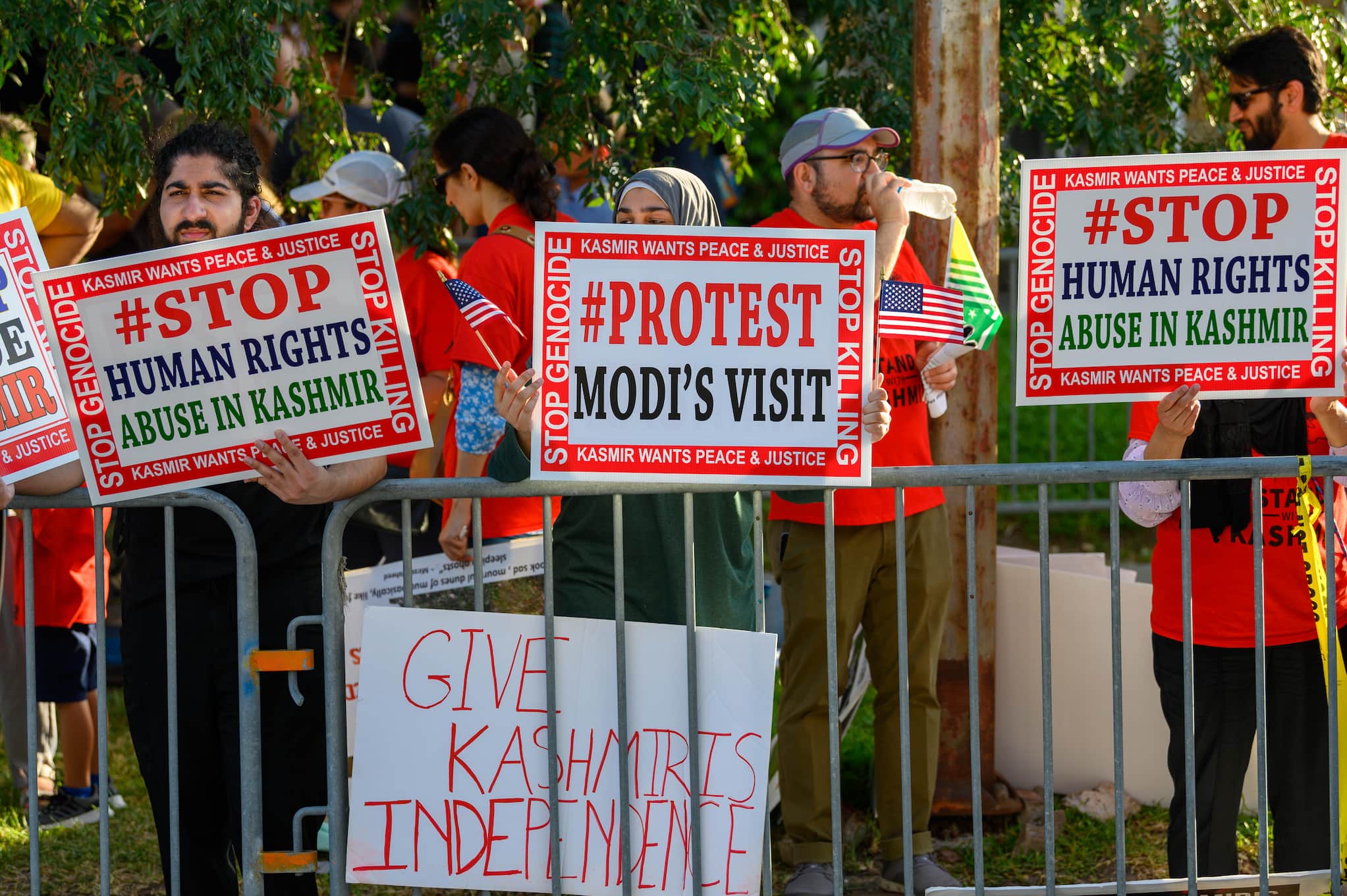
Image 12.05.05 — Demonstrators gather outside of the Democratic primary debate venue in Houston, Texas, in September 2019. They hold signs raising awareness around India’s government policies and actions.
India’s internal policies continue to influence the political choices of Indian Americans. In the 1980s, Sikh separatists attempted to create an autonomous homeland called Khalistan. Although the Indian government crushed the movement, the demand for Khalistan continues to flourish in California’s Central and Imperial Valleys, where the first Sikh farmers put down roots in 1900. In California, Khalistan supporters waged a raucous demonstration outside San Francisco’s Indian consulate in 2023.
The rise of militant Hindu nationalism has posed the greatest challenge not only to the people of India, but also to Indian Americans, and especially Hindus. Although the majority of Indian Americans identify as Democrats, many are nevertheless ardent supporters of the present Hindu nationalist government. Hindus in the US have financially contributed to a Hindu nationalist movement, which in 1992 led to the unlawful destruction of a sixteenth century mosque. The Chicago chapter of Vishwa Hindu Parishad, an organization promoting Hindu culture, celebrated the demolition as the “liberation of Ayodhya from the tyranny of Muslim rule” and the “dawn of Hindu Rashtra [rule].” 3
Building Solidarities
Indian American LGBTQ+ activists continue to advocate for issues that affect their community. Voices have arisen within the Indian American community in support of women’s rights, worker’s rights, and the LGBTQ+ movement.
Indian American women have joined organizations like New York’s Sakhi for South Asian Women, which assists women surviving domestic violence and sexual abuse. Sakhi began in 1989 with volunteers learning how to serve orders of protection against abusers. Since then, it has also safeguarded the right for immigrant women to self-petition for green cards under the Violence Against Women Act, provided English as a Second Language (ESL) classes for abuse survivors, and successfully campaigned to hire South Asian court interpreters.
The Indian American LGBTQ+ community continues to advocate for issues that affect their community. From 1989 to 1992, the late activist Urvashi Vaid led the National LGBTQ Task Force, one of the oldest LGBTQ+ civil rights organizations, during the height of the HIV/AIDS epidemic. Vaid used her tenure to focus on various issues, including disrupting President George H. W. Bush during a press conference to bring attention to funding for AIDS research.
In the 1990s, progressive periodicals such as SAMAR, the South Asian Magazine for Action and Reflection, and Trikone became prominent outlets for LGBTQ+ issues. Nowadays, the wider public is more aware that the discrimination and violence against queer and transgender people has increased. Social media has played a part in decentering, and thus amplifying, the Indian American LGBTQ+ movement.
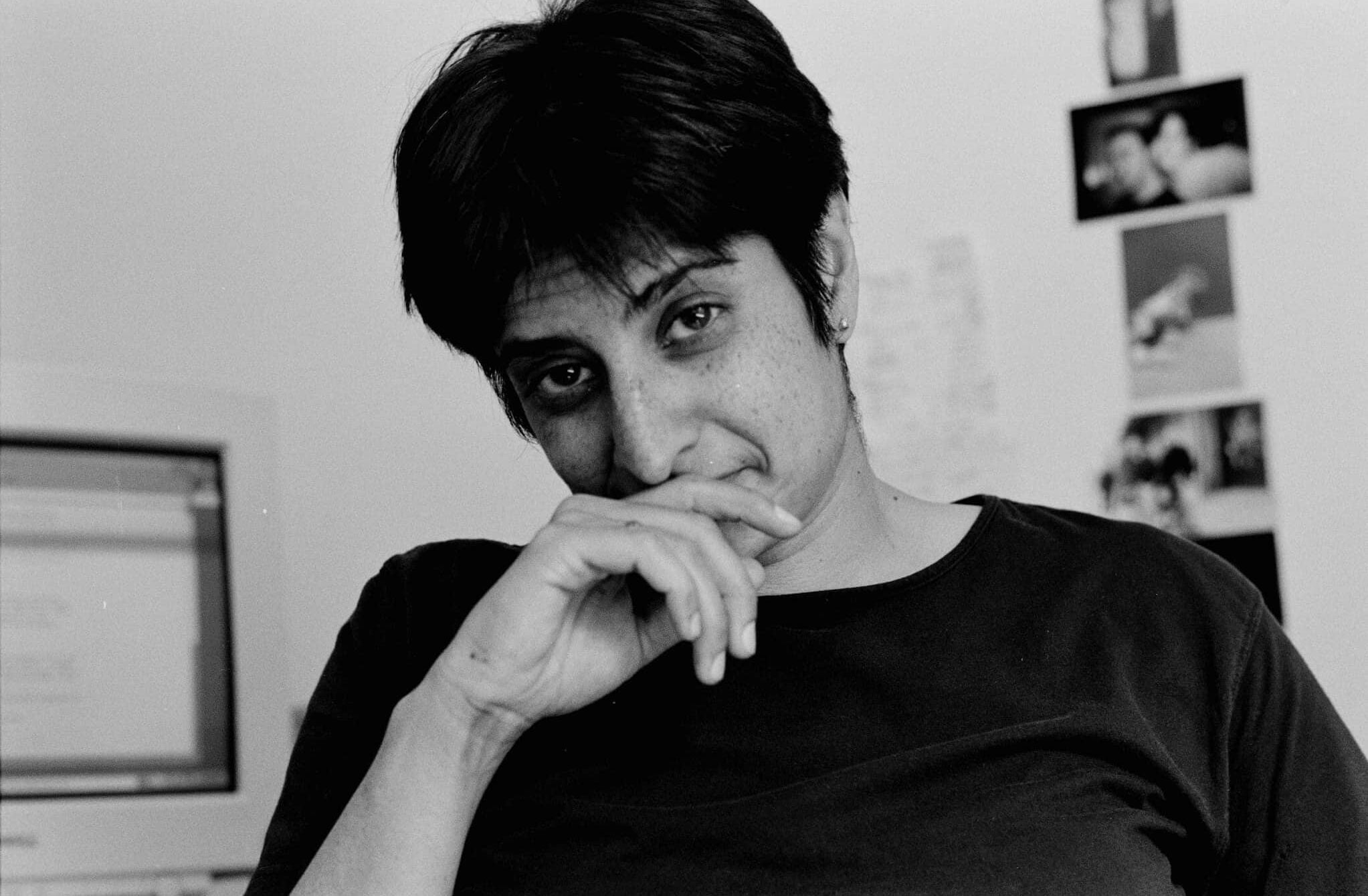
Image 12.05.06 — Urvashi Vaid, former Executive Director of the National LGBTQ Task Force in the United States.
The work of the New York Taxi Workers Alliance (NYTWA), led by Bhairavi Desai, has built solidarities with several ethnic and immigrant groups for important labor protections. In 1998, the Alliance led a historic strike where Desai and other organizers convinced over 90 percent of the city’s taxi drivers to participate. They did so by talking to the taxi drivers, who were nearly all immigrants from India, Pakistan, Bangladesh, and the Caribbean. By refusing to work, the drivers forced the city to pay attention to the unfair regulations that made it hard for many to make a living.
Additionally, Indian Americans are increasingly forging connections of solidarity across other racial and ethnic groups in politics. In November 2022, Shri Thanedar was elected to the House of Representatives from a Black-majority district in Detroit, Michigan, demonstrating the relationships and trust Thanedar was able to build with his constituents.
Conclusion
Many Indian Americans participate in US political life in a variety of ways. They have become public figures across the political spectrum. Because of the efforts of many organizers, there have been more labor protections for taxi cab drivers, and more community resources and rights for South Asian women experiencing sexual and domestic violence. Indian American communities have brought attention to the wider public the pervasiveness of caste discrimination, as well as the contemporary political struggles happening in India. While community members may differ on their relationship to India and its politics, many find that Indian political developments impact their lives in the United States.
Glossary terms in this module
solidarity Where it’s used
A political, cultural, and collective stance that recognizes the mutual responsibility and support that is necessary to achieve change. Taps into the power in numbers and considers the collective interests of communities.
Endnotes
1 Suhag Shukla, “Caste is Now Weaponized against Indian Americans,” interview by Vikram Zutshi, Fair Observer, April 4, 2023.