





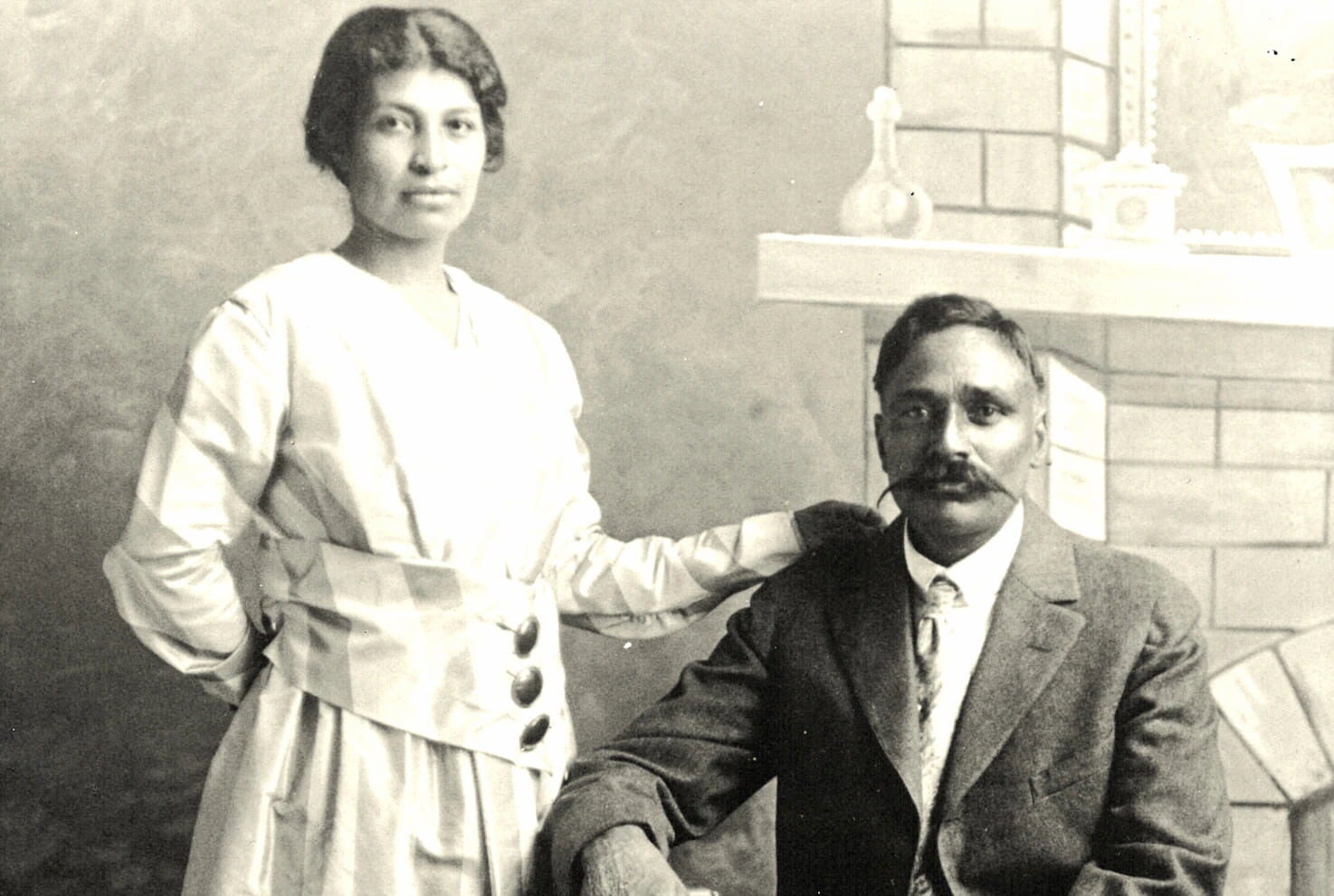
Module 1: History
Have Indian Americans found belonging in the United States?
The history of Indian Americans spans over 125 years and is best understood in two phases. The first phase, from the late 1890s to 1965, began with peasants, students, and political dissenters opposed to British rule in India making their way to the United States. This continued until the Asiatic Barred Zone Act of 1917, which halted migration until 1945. Thereafter, only a miniscule number of immigrants from India were permitted entry until the passage of the Immigration and Nationality Act of 1965 (also known as the 1965 Immigration Act), marking the beginning of the second phase and continuing until the present day.
Until 2000, this second phase saw many students seeking higher education and professional degrees entering the US. Families grew and dispersed around the country. After 2000, these trends intensified. As of 2019, there are 4.6 million Indian Americans. Many have made inroads into American politics, the technology sector, and higher education.
In this module, we will learn about the political, economic, social, cultural, and religious history of Indian Americans. We will gain insight into how the community grew; the diversity among Indian Americans; hurdles they had to overcome to achieve security, economic success, and political visibility; and the role of religion and culture in their attempts to forge community connection and solidarity. This module is an overview of the first phase of Indian American immigration.
What are the two primary phases of Indian migration to the United States?
How did early Indian migrants to the US resist violence and exclusion from citizenship?
Why did the population of Indian migrants decline after 1924?
Early History: Peasants, Students, and Rebels
Peasants from the province of Punjab first began appearing on the US West Coast in the 1890s, seeking work in Washington’s lumber mills and California’s vast agricultural fields. Most were Sikhs, but some Muslims also arrived. Regardless of their religion, all were commonly described as “Hindus” or “Hindoos.” In 1911, the US Immigration Commission held that all people from India were “Hindus.”
From 1898 to 1902, twenty to thirty Indians emigrated annually. The first Indian student arrived in 1901, and soon a small body of Indian students had congregated at the University of California, Berkeley, California Polytechnic School (now known as California Polytechnic State University, San Luis Obispo), and a few agricultural colleges. When immigration numbers rose to 271 in 1906, white Americans began to spin narratives of Indians as unassimilable and diseased.
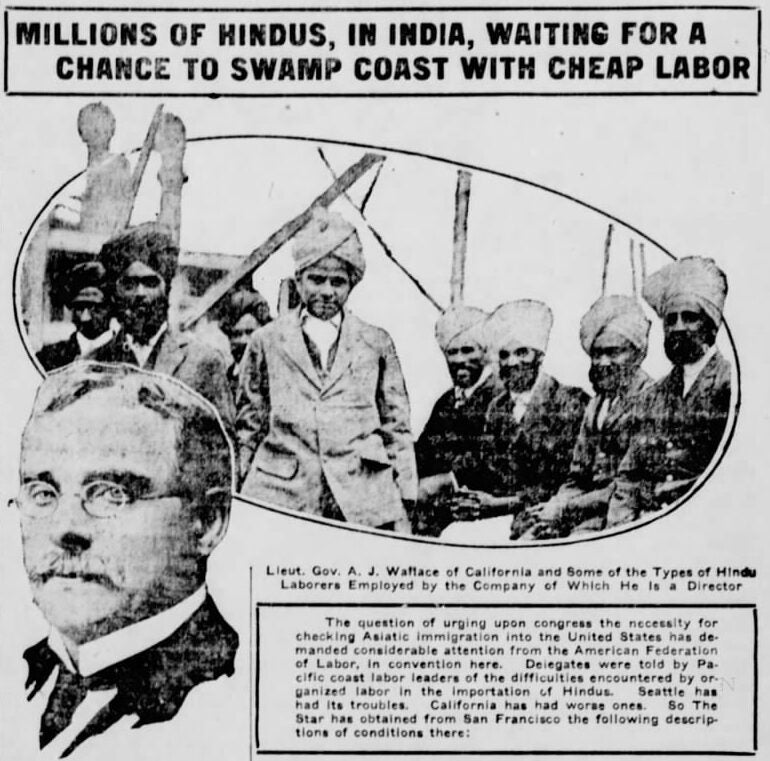
Image 12.01.01a — A newspaper clipping from 1913 highlights white America’s racialized anxieties towards Indian Americans by exaggerating their levels of migration.
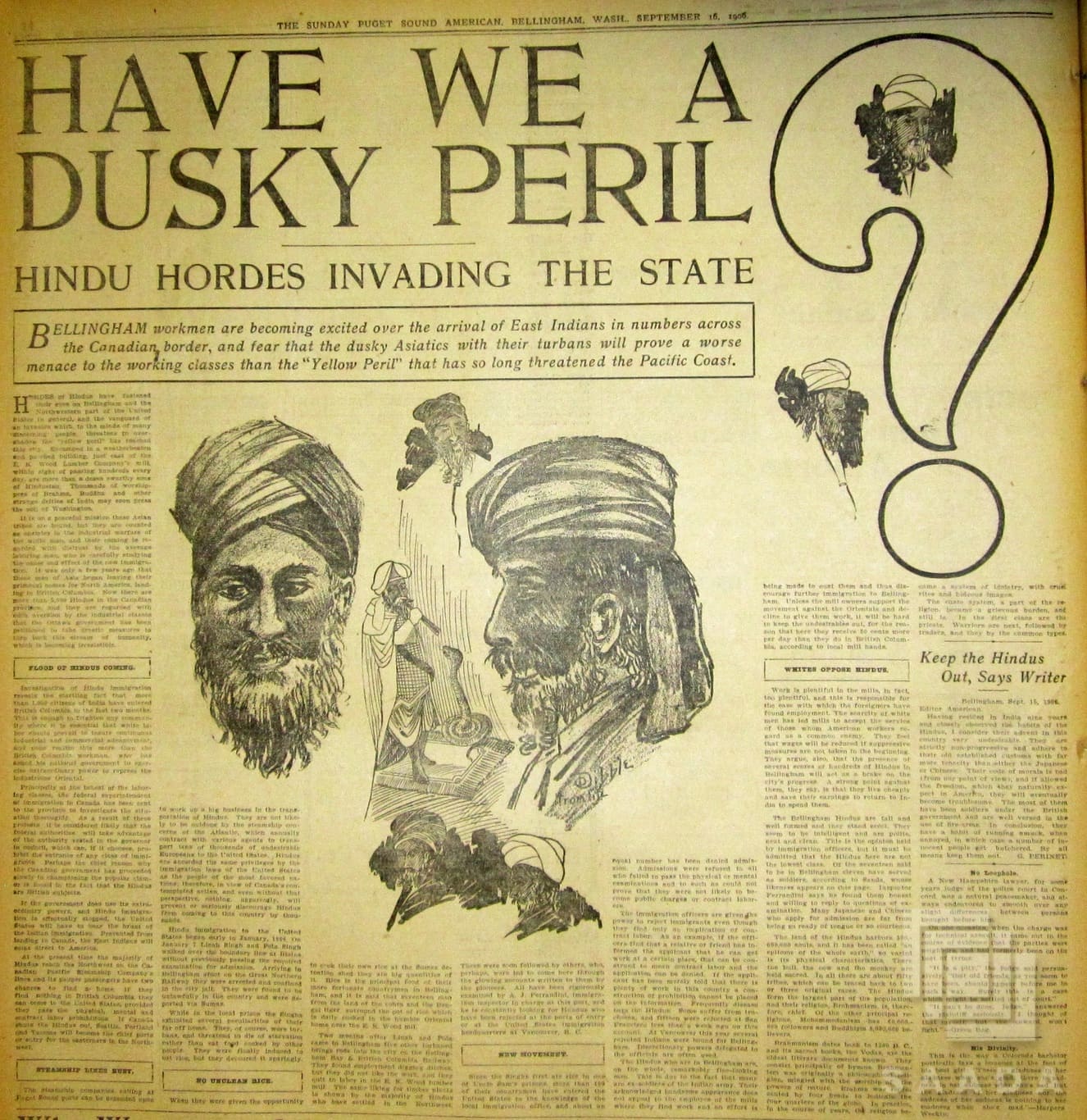
Image 12.01.01b — An article from the September 16, 1906, issue of Puget Sound American misrepresents recent “Hindu” immigration to Bellingham, Washington.


This rhetoric had immediate consequences. In two separate incidents in 1907, Indians living in Washington State were subjected to racial attacks and compelled to seek protective custody. Around the same time, residents of Saint John, Oregon, drove out its Indian workers. Associations such as the Asiatic Exclusion League continued to agitate against further immigration from India, and restricted Indians and other Asians from owning property.
In 1910, The San Francisco Chronicle warned that “Hindu” men were sending for their wives in India, and a new panic among white Americans arose. In such circumstances, these new immigrants began learning their first US political lessons, with some acquiring the skills and tenacity necessary to combat racism and pursue a livelihood in a new country.
Meanwhile in India, a nationalist movement was beginning to challenge colonial British rule. Renowned nationalist leader, Lala Lajpat Rai, visited the US in 1905 and addressed the Boston Anti-Imperialist League. Indian anti-colonial agitators escaped to the US; prominently among them were Har Dayal, Taraknath Das, Barkatullah, Ram Chandra, and Bhai Parmanand.
The Ghadar Movement, or “revolutionary” movement, was one of the first models of Indian American solidarity, bringing together political rebels, students, intellectuals, workers, and farmers against British colonial rule in India. The Ghadar Party, founded in 1913, was headquartered in San Francisco, California. Members printed The Ghadar, a weekly newspaper to advocate for India’s independence through militant action.
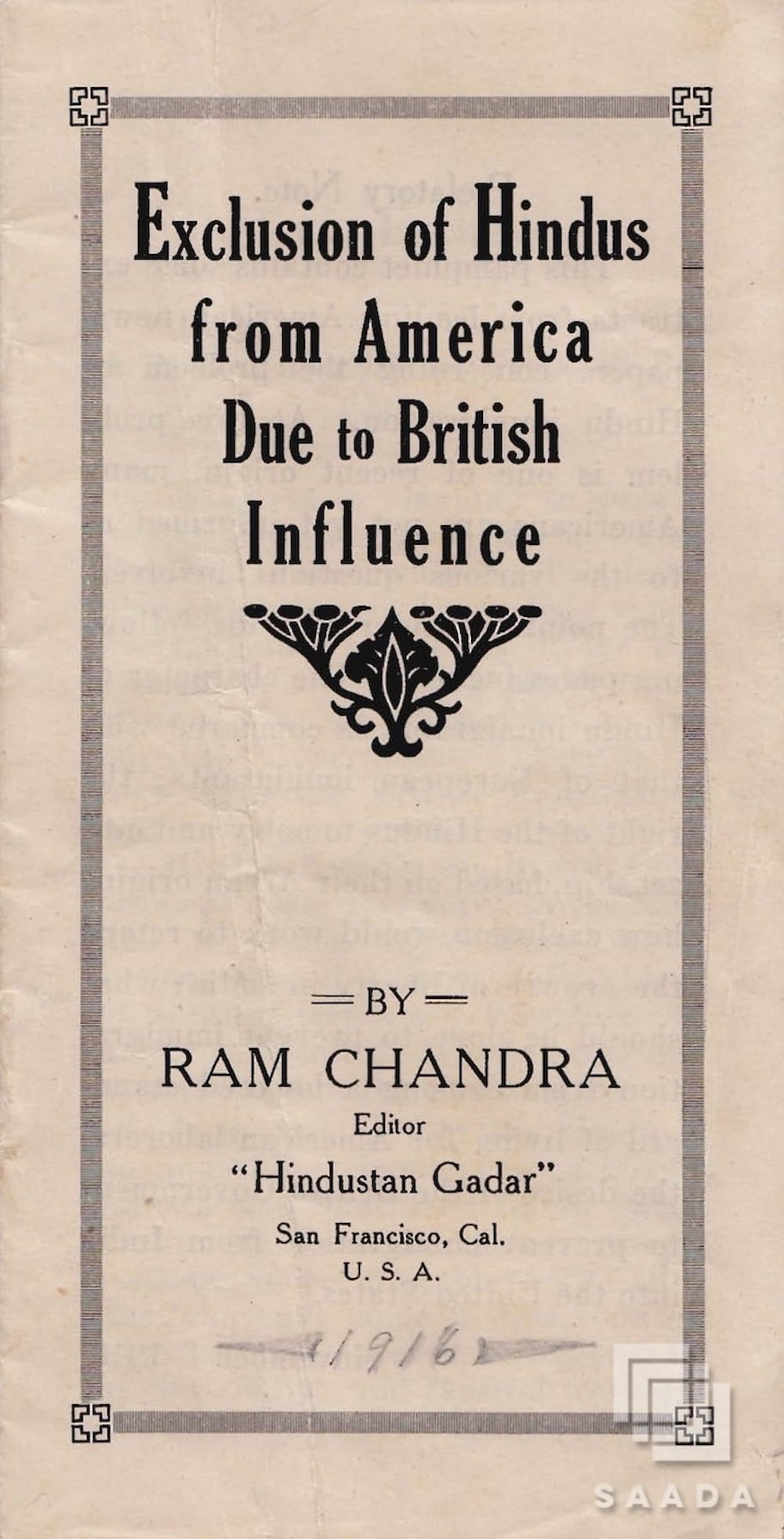
Image 12.01.02 — A 1916 pamphlet from the San Francisco-based Ghadar Party with editorials on discrimination against South Asian (“Hindu”) immigrants in America, due to British colonial influence. The Ghadar party advocated for India to be freed from British colonial rule.
The movement caught the attention of British colonial officials. When some party members returned to India at the outbreak of World War I, officials worried they would work with the Germans to lure peasants into a rebellion. In 1915, the British intercepted a large shipment of guns, ammunition, and propaganda literature destined for India, seeming to confirm their suspicions. America’s entry into the war against Germany in 1917 sealed the fate of the Ghadarites.
The US government launched an intensive and successful prosecution charging the Ghadar Party of conspiring to overthrow the British government of India. Additionally, the Commissioner of Immigration in San Francisco ruled to deny Indian entry into the country like Canada had done in 1909. However, the need for migrant labor in the West, particularly to build and maintain the railway tracks, meant that some Indians were able to enter the country. Between 1911 and 1920, nearly fifteen hundred Indians were admitted, and 1,782 were denied entry.
Though the Ghadar Party had been repressed, support for Indian independence was not forgotten. Some years later, Indian political dissenters in the US argued for a “United States of India,” invoking a heroine of the Indian rebellion of 1857–1858, Rani of Jhansi (Rani Lakshmibai).
Claims to Citizenship
Naturalized citizenship was a pathway for immigrants to gain work and own land in the United States. In the early twentieth century, this pathway was generally reserved for those categorized as “white.” Because being “white” was vague, some Indians went to the courts to argue that they belonged in that category—and did so with some success. A court had ruled that because Bhicaji Franji Balsara was Parsi, he was considered “white,” making him the first person of Indian descent to obtain US citizenship.
In Balsara’s case, the court stated that “Congress intended by the words ‘free white persons’ to confer the privilege of naturalization upon the members of the white or Caucasian race only.” Following this logic, Ahkay Kumar Mozdumar, a writer and teacher, went to court in 1913 and claimed to be “Caucasian” because he was a “high caste Hindu of pure blood.” 1 The court agreed and Mozdumar was granted citizenship.
In 1922, the Supreme Court ruled against Takao Ozawa, a Japanese American man trying to obtain citizenship through naturalization. The court reasoned that “white” ought to be interpreted as “Caucasian.” Although the court ruled against Ozawa, many Indian people, who viewed themselves as Caucasian, believed this ruling worked in their favor. However, the case of Bhagat Singh Thind, a writer and World War I veteran, four months later subdued these hopes.
Thind had lived in the United States since 1913, serving in the US army, working in lumber mills, and taking part in the Ghadar movement. Thind applied for and was granted naturalized citizenship as “white.” When US officials began reversing the citizenship of Thind and a small number of South Asian immigrants, Thind challenged this in the courts. The Supreme Court denied his claim that he was eligible for citizenship based on the “understanding of the common man,” according to the “Founding Fathers,” that “white” denoted a person of European origins. 2 The Sacramento Bee declared the decision as “most welcome in California.” 3
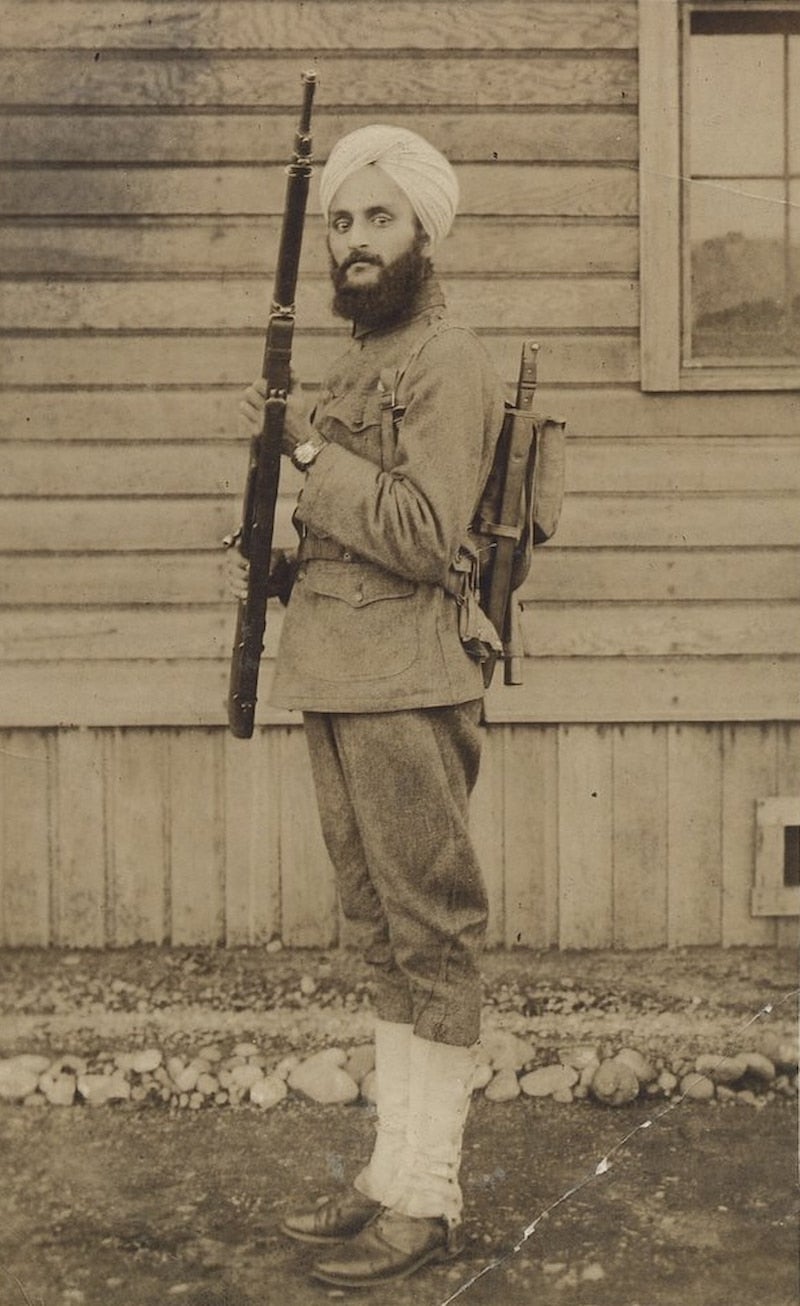
Image 12.01.03 — Bhagat Singh Thind during his US Army service. The Supreme Court deemed Thind and other South Asian immigrants to be ineligible for naturalization because they were not white based on the “understanding of the common man.”
After Thind
The Thind decision had immediate consequences for Indian Americans. It rendered Indians in the US stateless, and the Immigration and Naturalization Service (INS) canceled the American citizenship of some forty-five naturalized citizens over the next three years. Moreover, Alien Land Laws prevented immigrants ineligible for naturalization from owning and leasing land. Indians responded to these challenging circumstances in various ways, circumventing restrictions by transferring land to sympathetic white farmers and business associates.
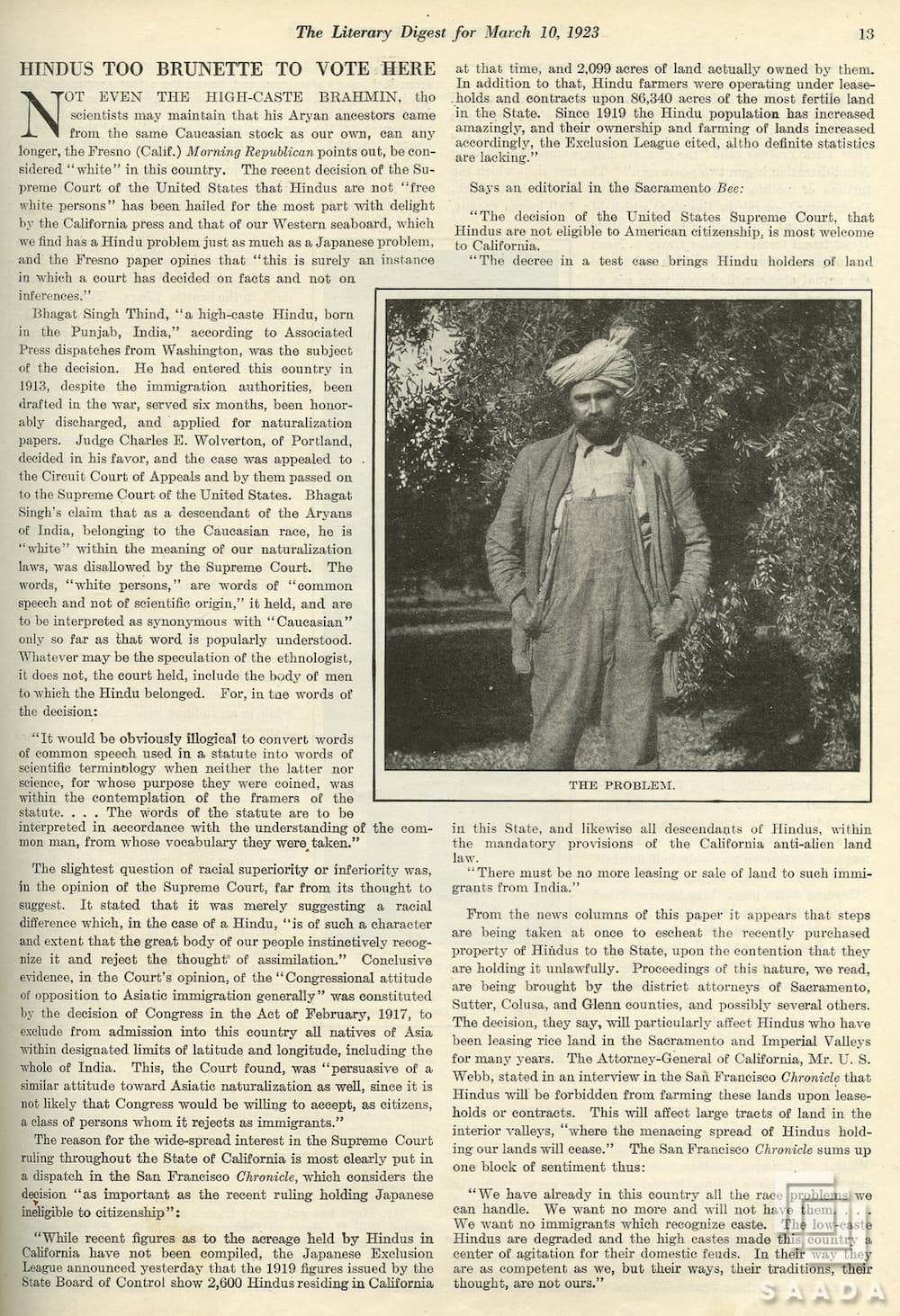
Text 12.01.04 — The Literary Digest (March 10, 1923 issue) reiterated the Supreme Court Thind decision that Indians are not considered “white” in the United States.
For others, the restrictions were devastating. Vaishno Das Bagai, who had emigrated to the US in 1915 and became a naturalized citizen in 1921, was stripped of his citizenship after the Thind decision. Because of California’s Alien Land Law, he had to sell his property and general store in San Francisco. Bagai died by suicide in 1928, leaving a note stating that he, his wife, and three children had all tried to become “as much Americanized as possible.” 4
The population of Indians in the US dramatically declined in the aftermath of the Thind decision. In 1914, about ten thousand Indians lived in California, but according to the 1940 Census, that number dropped to 1,476. At least three thousand returned to India between 1920 and 1940.
But not everything was lost for Indian Americans. Although statelessness meant that Indian men who settled in the US could no longer travel to India, get married, or bring their wives to the US, they found other ways to have families. Men began relationships with, and sometimes married, Mexican women who worked alongside them on the farms. These circumstances gave birth to a small, vibrant community of Punjabi Mexican Americans in places like Yuba Valley, California.
Image 12.01.05a — Valentina Alvarez and Rullia Singh, a Punjabi Mexican American couple in Yuba Valley, California. They married in 1917.
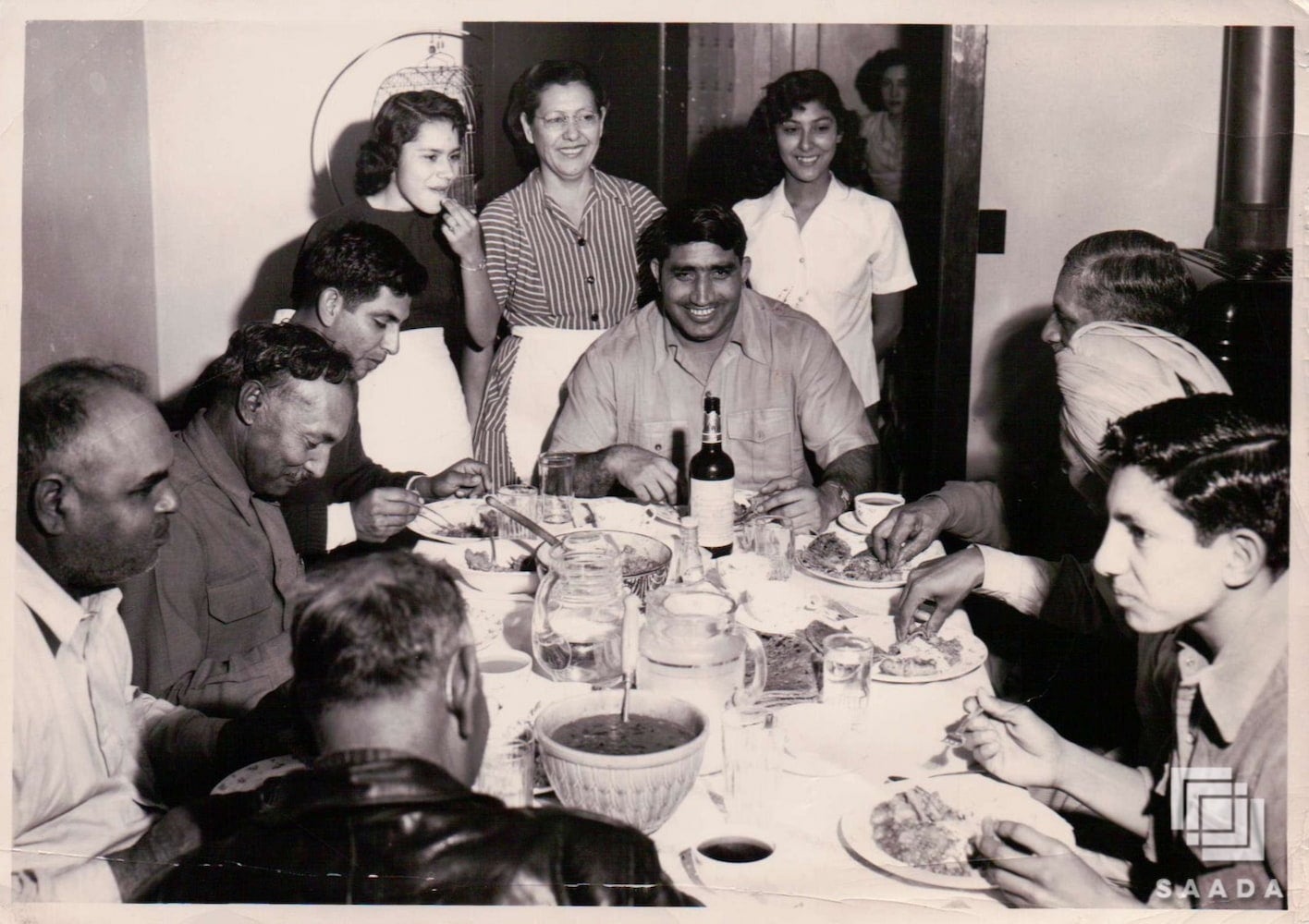
Image 12.01.05b — Dinner at the Phoenix, Arizona, home of Rosa and Jiwan Singh in 1951.
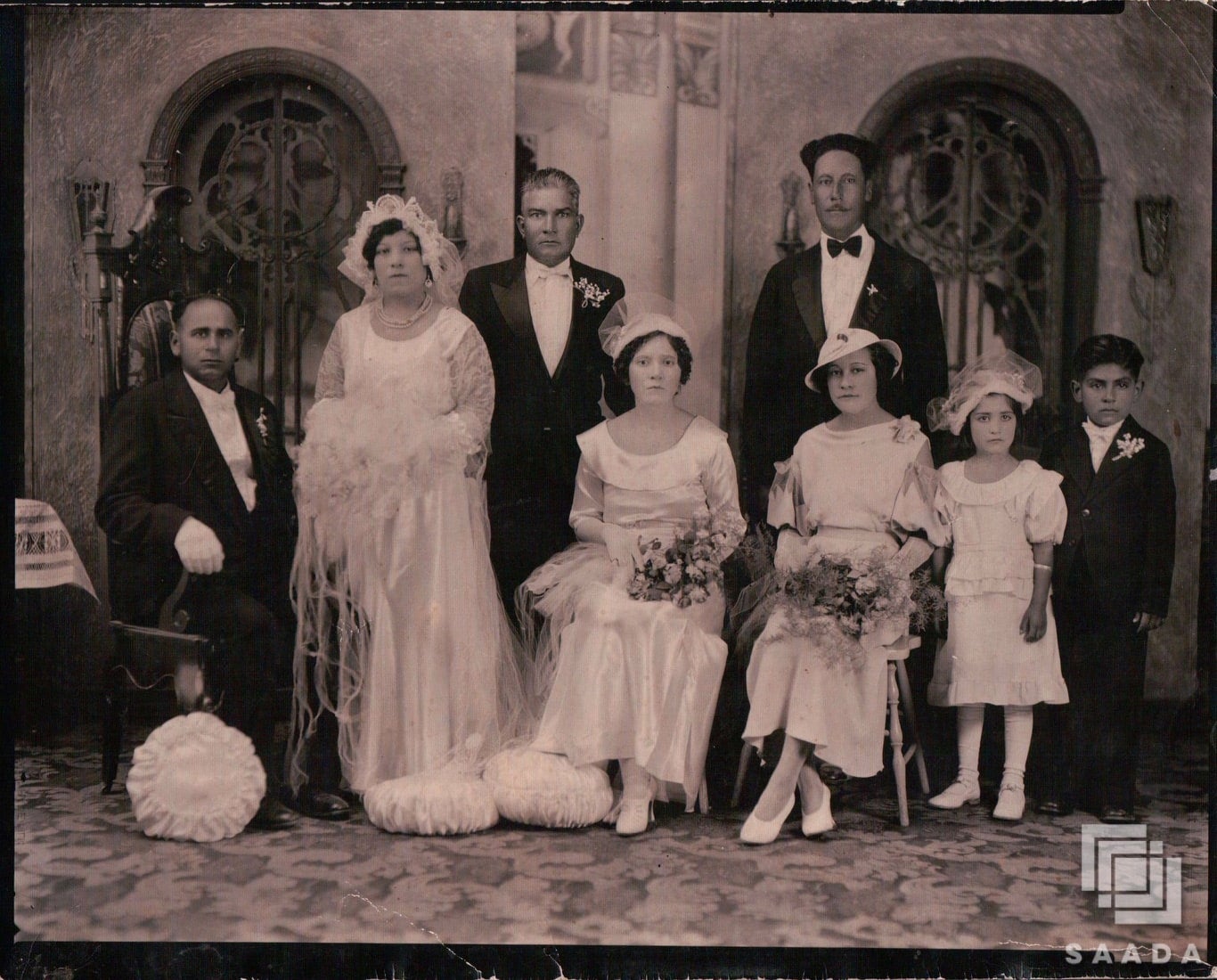
Image 12.01.05c — A Punjabi Mexican wedding.
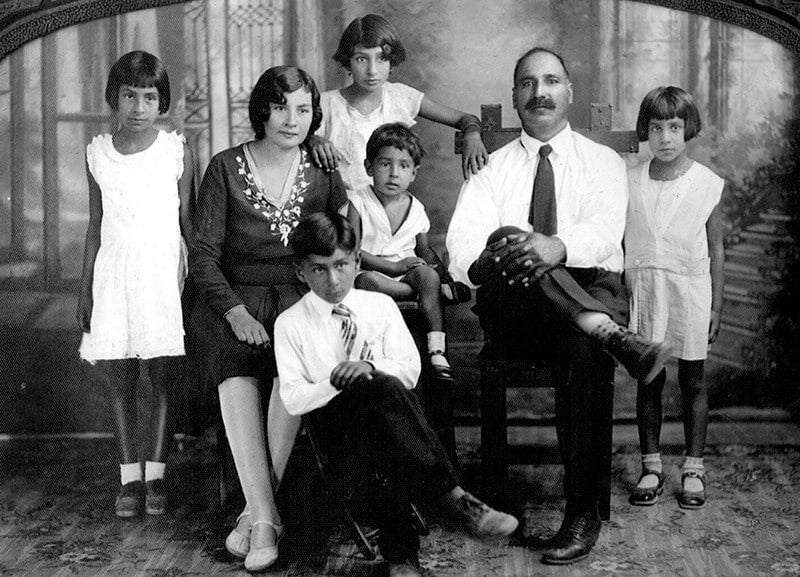
Image 12.01.05d — Ernestina and Bishan Singh’s Punjabi Mexican family, photographed in 1932.
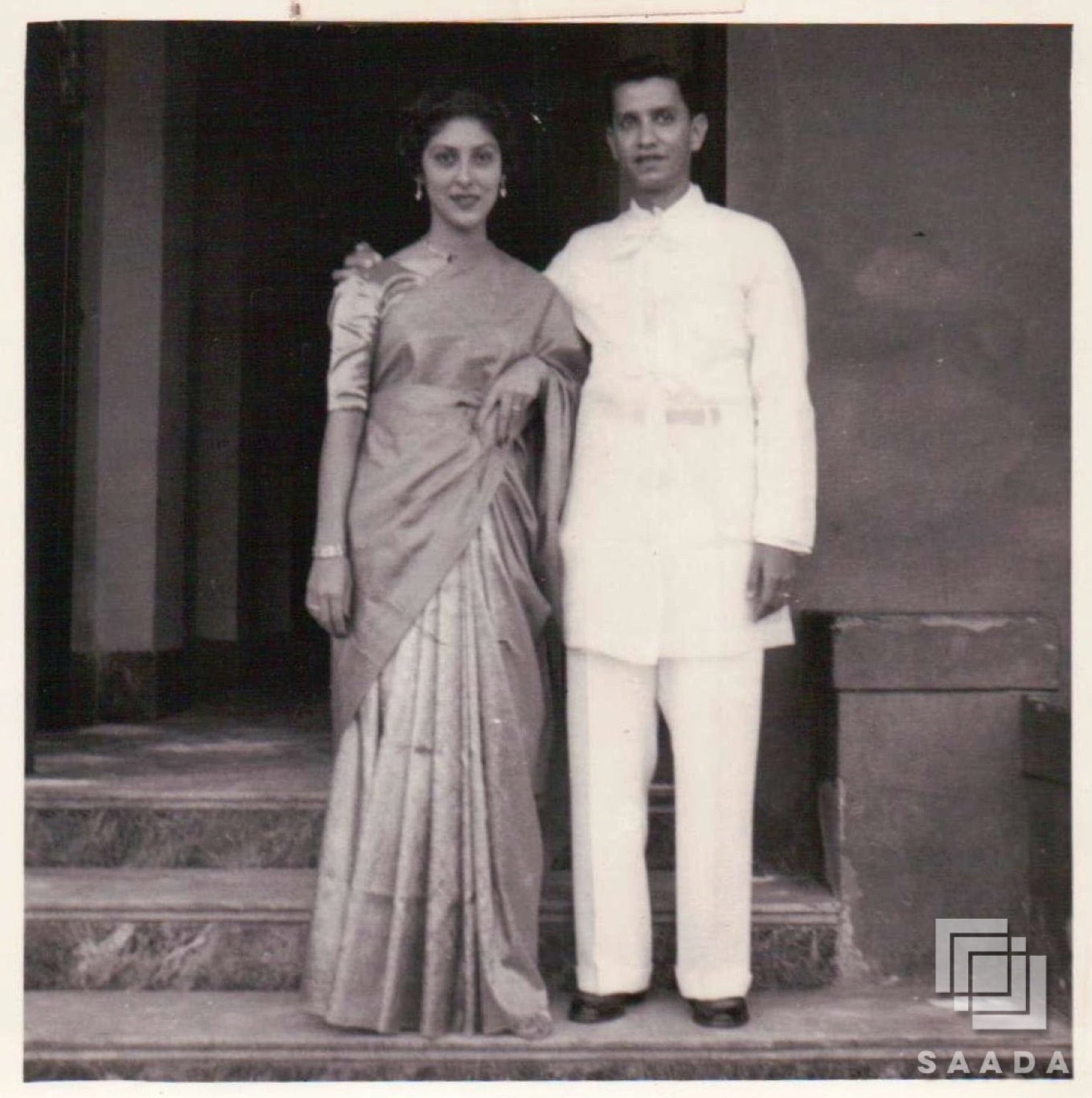
Image 12.01.05e — Minoo and Amelia Singh Netervala visit Bombay, India, in 1958.





During World War II, President Franklin Roosevelt became more receptive to Indians, hoping for an alliance against a Japanese-German military axis in Asia. The energetic and charismatic Sikh merchant, Jagjit (“J.J.”) Singh, president of the Indian League of America, led the effort for Congress to approve the Luce-Celler Act of 1946, which increased Indian and Filipino immigration quotas to one hundred each and allowed them to naturalize as American citizens. At the time, 1,500 Indians remained in the United States. Between 1948 and 1965, seven thousand would emigrate to the US, and almost two thousand acquired American citizenship.
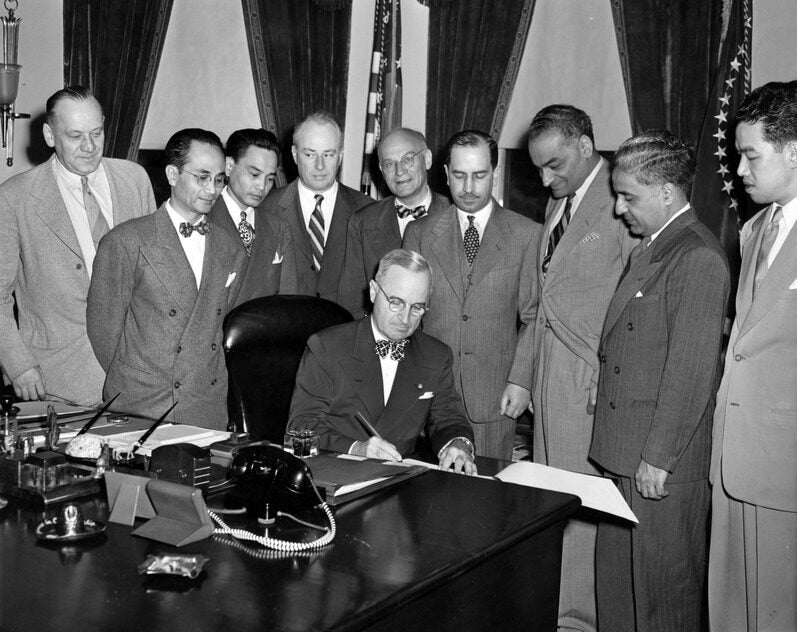
Image 12.01.06 — J. J. Singh (third from right) observes President Harry S. Truman signing the Luce-Celler Act of 1946, which gave Indian immigrants the right to naturalization.
Among those who benefited from the Luce-Celler Act was Dalip Singh Saund. Unable to find work as a mathematician, Saund made a living as a farmer, relying on his higher degrees in agricultural science. He later became the first Indian American and Asian American elected to Congress in 1956, serving three terms in the House of Representatives. Additionally, organic chemist Har Gobind Khorana arrived in the US in 1960 and went on to win the 1968 Nobel Prize for Physiology or Medicine.
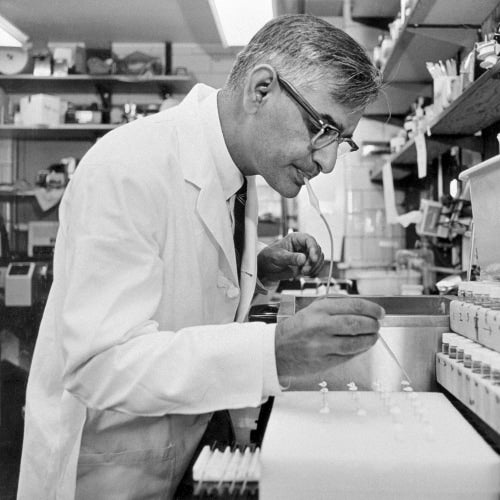
Image 12.01.07b — Har Gobind Khorana arrived in the US from India in 1960 and won the Nobel Prize for Physiology or Medicine in 1968.

Conclusion
Indian Americans began arriving in the United States as early as 1890. At the time, most were Sikh peasants from the Punjab region of northwest India. Upon arrival they encountered racism and exclusion. Despite these hardships, Indian Americans created communities and connections including Punjabi and Mexican families, and a burgeoning anti-colonial movement fighting against British rule in India.
The Immigration and Nationality Act of 1965 would change the demographics of the Indian American population. The greater influx of Indian immigrants brought with it immense linguistic, ethnic, and religious diversity. Indians would make their way from Bengal and Odisha (formally known as Orissa) in eastern India; Gujarat and Maharashtra in western India; and the southern states of Tamil Nadu, Kerala, Andhra, and Karnataka, among other places. America would slowly become witness to the full bloom of Indian cultural and religious life.
Glossary terms in this module
Asiatic Barred Zone Act Where it’s used
Also known as the Immigration Act of 1917, this federal law restricted immigration from Asia.
Asiatic Exclusion League Where it’s used
An organization formed in 1908 that worked to prevent anyone of Asian descent from immigrating to the United States.
Bhagat Singh Thind Where it’s used
Thind immigrated to the United States in 1913 and sought naturalization. In his pivotal court case, United States v. Bhagat Singh Thind (1923), his lawyers argued that Thind and other South Asians from a certain region could technically be classified as Caucasian, and thus be eligible for citizenship. In response, the Supreme Court argued that Thind and other South Asians have brown skin, and are therefore ineligible for citizenship because they were not white.
Ghadar Movement Where it’s used
Formed in 1913 by Punjabi expatriates, this international political movement’s primary goal was to overthrow British colonial rule in India.
Immigration and Nationality Act of 1965 Where it’s used
This act, also known as the Hart-Celler Act, officially ended the era of Asian Exclusion and created an immigration system based on family relationships and job skills. The law significantly changed the demographics of Asian immigrants.
Luce-Celler Act of 1946 Where it’s used
This federal law ended Asian exclusion, provided citizenship to Indian nationals living in the US, and extended immigration quotas to 100 people annually.
solidarity Where it’s used
A political, cultural, and collective stance that recognizes the mutual responsibility and support that is necessary to achieve change. Taps into the power in numbers and considers the collective interests of communities.
Endnotes
1 United States v. Akhay Kumar Mozumdar, 296 F. 173 (S.D. Cal. 1923), online: https://casetext.com/case/united-states-v-akhay-kumar-mozumdar [accessed 12 March 2023].
2 United States v. Bhagat Singh Thind, 261 U.S. 204 (1923), online: https://supreme.justia.com/cases/federal/us/261/204/ [accessed 12 March 2023].