




A group of male laborers, wearing protective clothing and hats in a field, cut sugarcane and place them in wooden carts pulled by mules.
Module 1: Overview of Asian American Workers
Has Asian American and Pacific Islander labor activism transformed working conditions for all workers?
On Labor Day September 1, 1946, over twenty-five thousand sugar plantation workers in Hawaiʻi refused to go to work. For three months, the mostly Japanese and Filipino workers, alongside Native Hawaiians, went on strike and shut down production in thirty-three out of thirty-four plantations. They demanded higher wages, forty-hour work weeks, and better housing. Historically, plantation owners hired workers from different countries to prevent the workers from strategizing together, purposely setting up systems to encourage competition among different ethnic groups. In the end, the plantation owners gave in to the workers’ demands, and workers won better wages and housing despite the overwhelming odds stacked against these newly immigrant workers.
In this module, we learn who Asian American workers are and their historical patterns of migration, often moving to escape violence in their home countries and to seek economic opportunity in their host country. The module also explores how Asian American workers have collectively organized against racism, discrimination, and poor working conditions in order to transform their lives and better their communities.
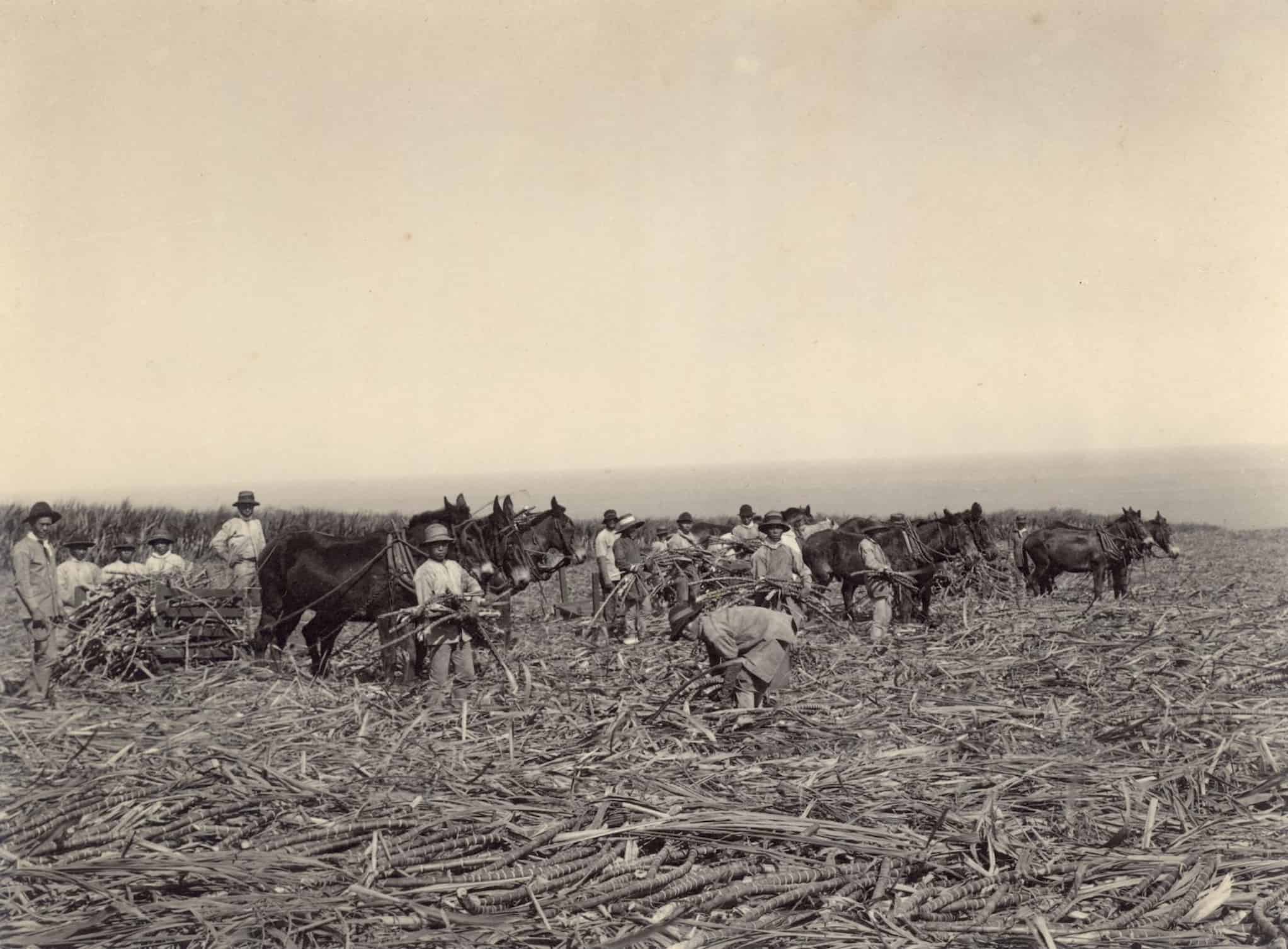
Image 40.01.01 — Laborers in Hawaiʻi used mules to carry sugar cane, circa 1900.
What role do unions and workers’ centers play in the lives of Asian American workers?
What are the working conditions of Asian American workers in the United States historically?
What social and economic justice do Asian American workers seek?
Early Asian American Migration
The Pacific Rim, or the landmasses and countries that border the Pacific Ocean, connects numerous countries, woven together by ocean currents, ships, and trade. From the seventeenth to the twentieth centuries, Western countries grew their empires by competing to control the Pacific Rim by colonizing Asia and coercing Asian countries to open up for trade. For example, the US became an empire through its colonization and aggressions abroad. In the aftermath of numerous wars and military interventions, millions of displaced Asians, well as Pacific Islanders, moved to the mainland of the United States.
Starting with Britain’s Opium Wars in China (1839–1842, 1856–1860), the US’s forcing open of Japanese ports in 1853, the occupation and annexation of Hawaiʻi (1893–1898), the Spanish-American War (1898), the Philippine-American War (1898–1902), the Chinese Communist Revolution (1949), the Fifteen Year War (1931–1945), the Korean War (1950–1953), and the Vietnam/Southeast Asia War (1955–1975), the US became involved in these countries for strategic military, economic, and geo-political purposes.
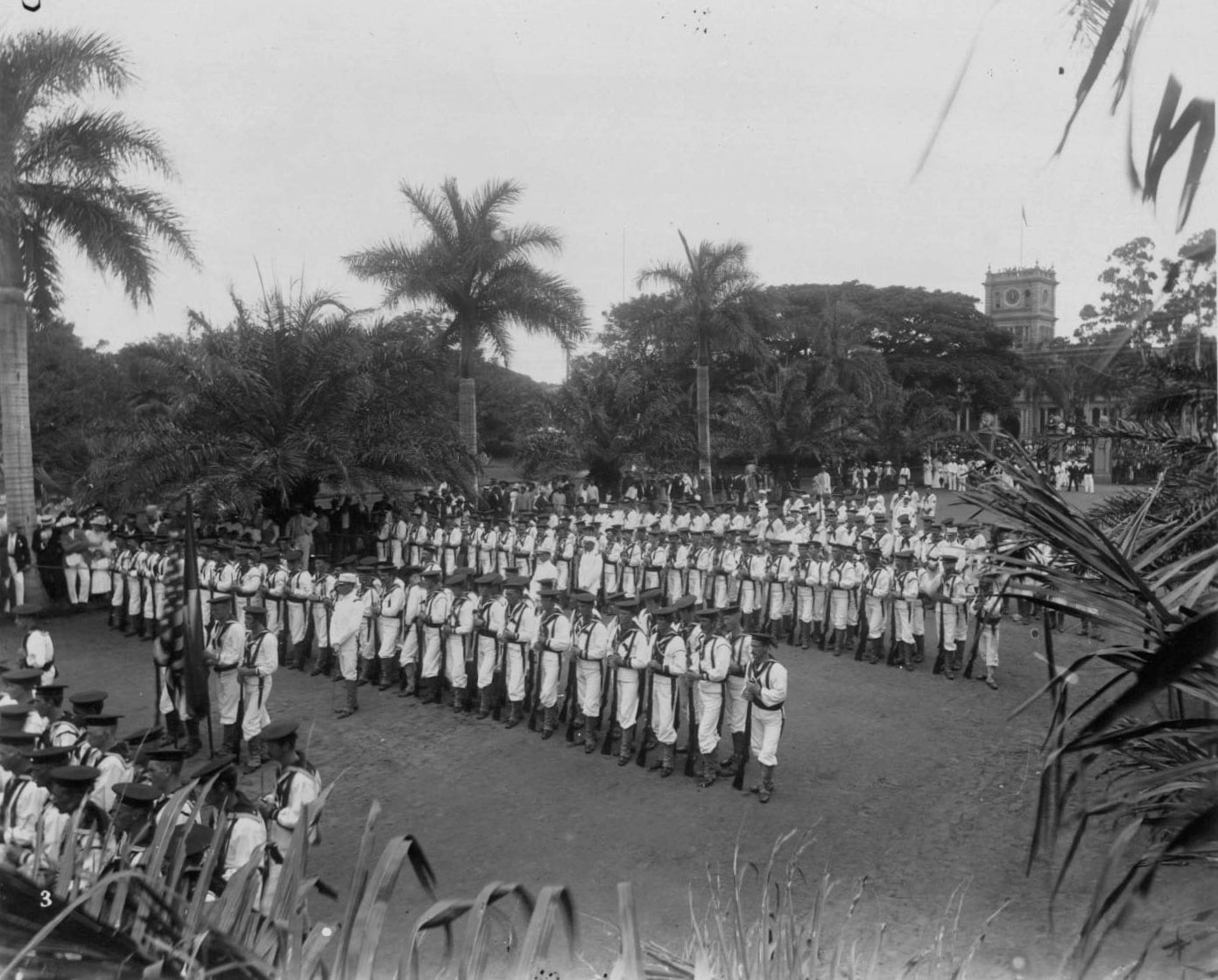
Image 40.01.02 — US Marines were present at the annexation of Hawaiʻi ceremonies on August 12, 1898. The annexation had strategic military and economic purposes.
In the context of migration to the US, Asian Americans arrived as refugees wanting safety, as immigrants seeking better opportunities, and as political exiles desiring relief from political and religious persecution in light of Western imperialism. Most recently, some of the blue-collar workers from these regions were recruited as cheap labor into the US, where they face not only the difficulty of assimilating to all that is new in their host countries, they also experience violence and anti-Asian hate, including exclusionary immigration policies and other discriminatory laws.
Before 1900, Chinese and Japanese journeyed to the US for the “dirty, dangerous, and difficult” work that white Americans would not do in several diverse industries:
- First, these workers built the US infrastructure including not only the Transcontinental Railroad but also canals, levees, tunnels, and bridges.
- Second, the workers made up a great portion of agricultural workers on farms. At the turn of the twentieth century, they worked as contract laborers, and their remittances supported families and communities back home.
- Third, these early Asian American workers cultivated natural resource industries including mining, timber, and fertilizers.
- Fourth, their labor developed maritime industries including whaling, fishing shellfish, and the hunting of sea otters.
- Finally, during wartime, many served in the military during the Civil War and the World Wars. Some other workers were domestic servants, known as “houseboys.” Racism excluded Asians from many occupations; therefore, some opened their own businesses, such as restaurants, laundries, and small service shops.
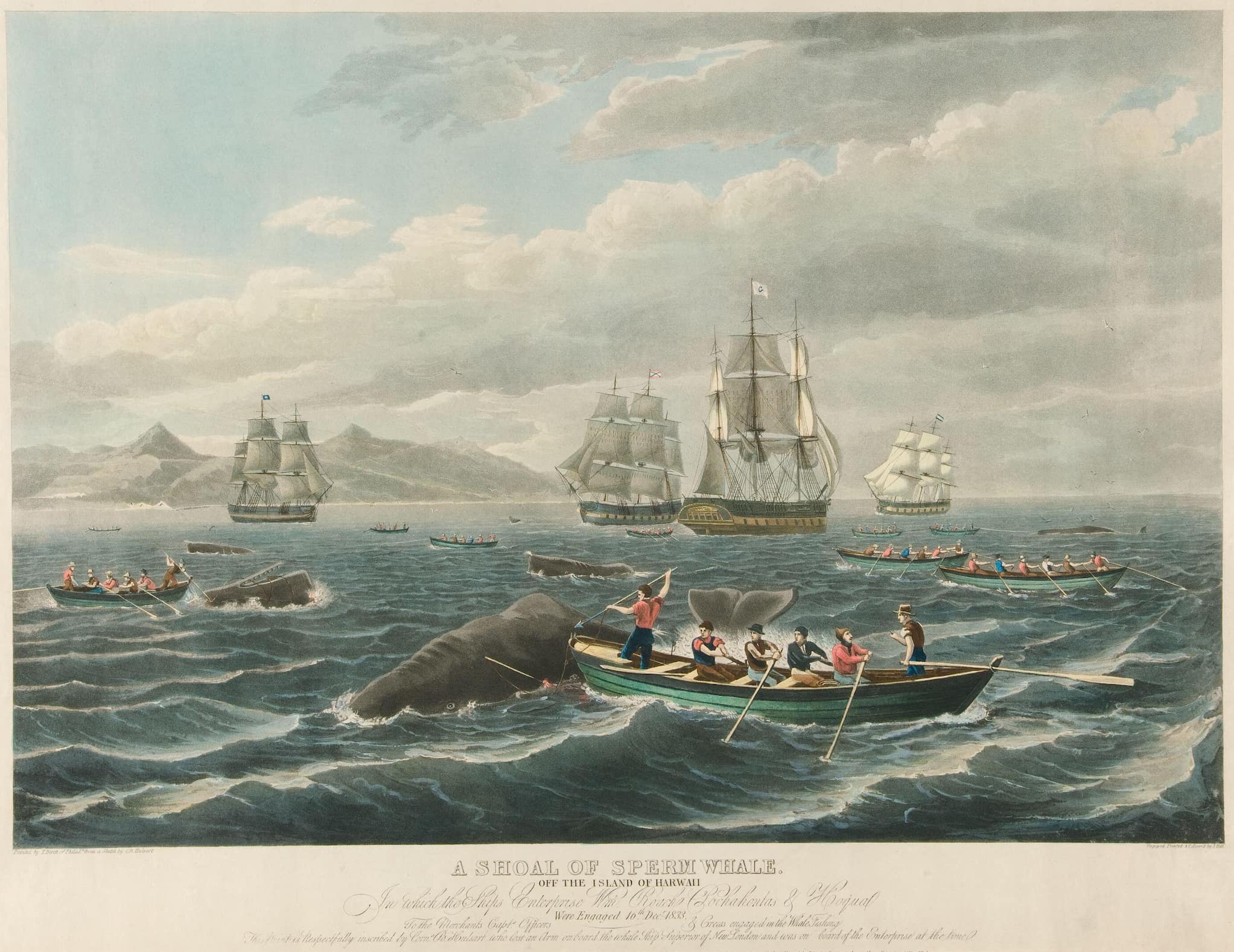
Image 40.01.03 — An 1833 painting of whale hunting off the coast of Hawaiʻi. Such labor was often done by Asians and Native Hawaiians.
During this same time, there was a lot of movement throughout the Pacific Rim amongst the Asian populations as a result of colonization and Christian mission work. On the one hand, Christian missionaries facilitated the movement of the first Korean migrants to Hawaiʻi in order to work on sugar plantations. However, Japan’s formal colonization of Korea in 1910 discouraged Koreans from leaving, since Japan planned to exploit Korean labor in their own expanding empire.
Also in the early 1900s, Punjabi Sikhs began to immigrate from South Asia to the US via Vancouver, British Columbia. In 1907 in Bellingham, Washington, at the US-Canadian border, several hundred Punjabi timber workers were forced out by a mob of five hundred whites led by members of the Asiatic Exclusion League. Punjabis moved further south, engaging in agricultural work and eventually owning their own farms and intermarrying with Mexican American women in locations like the Imperial Valley, California.
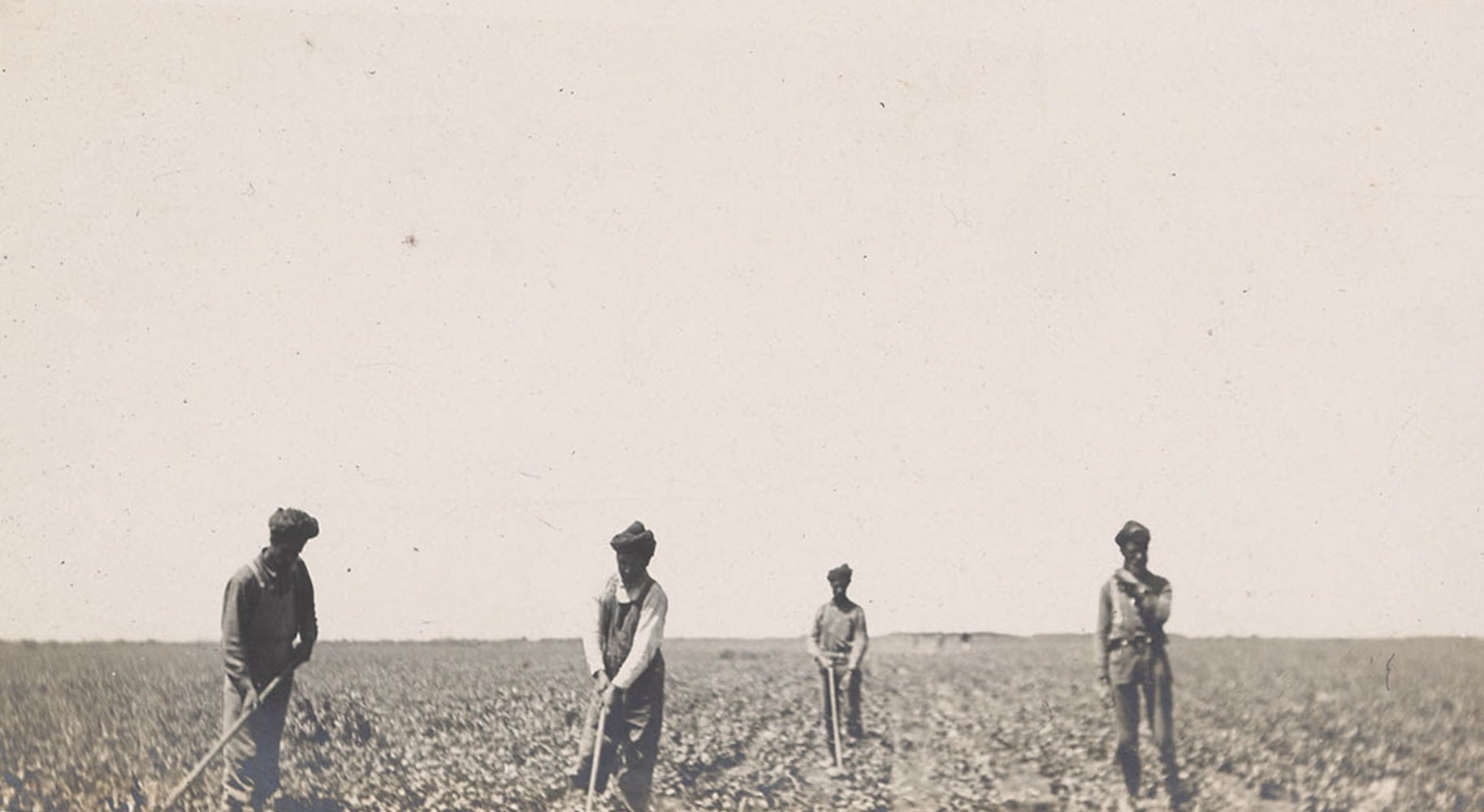
Image 40.01.04 — Punjabi farm laborers from South Asia work the land in the San Joaquin Valley California, in 1909.
Unions
Unions are organizations formed by workers to strengthen their collective power in the workplace. Unions help workers bargain around issues such as wages, benefits, safety, and protection. Bigger unions can help start and support smaller unions, providing workers with resources, advice, and know-how such as legal support or funds during a strike. While unions can be a vital source of worker power, not all workers could join a union in the US. Historically, even the union space was a discriminatory one: white-led unions excluded non-white workers. As a result, Asian American workers began their own unions that practiced interracial and interethnic solidarity, working together across ethnic and racial differences toward the common goal of fair wages and protected work.
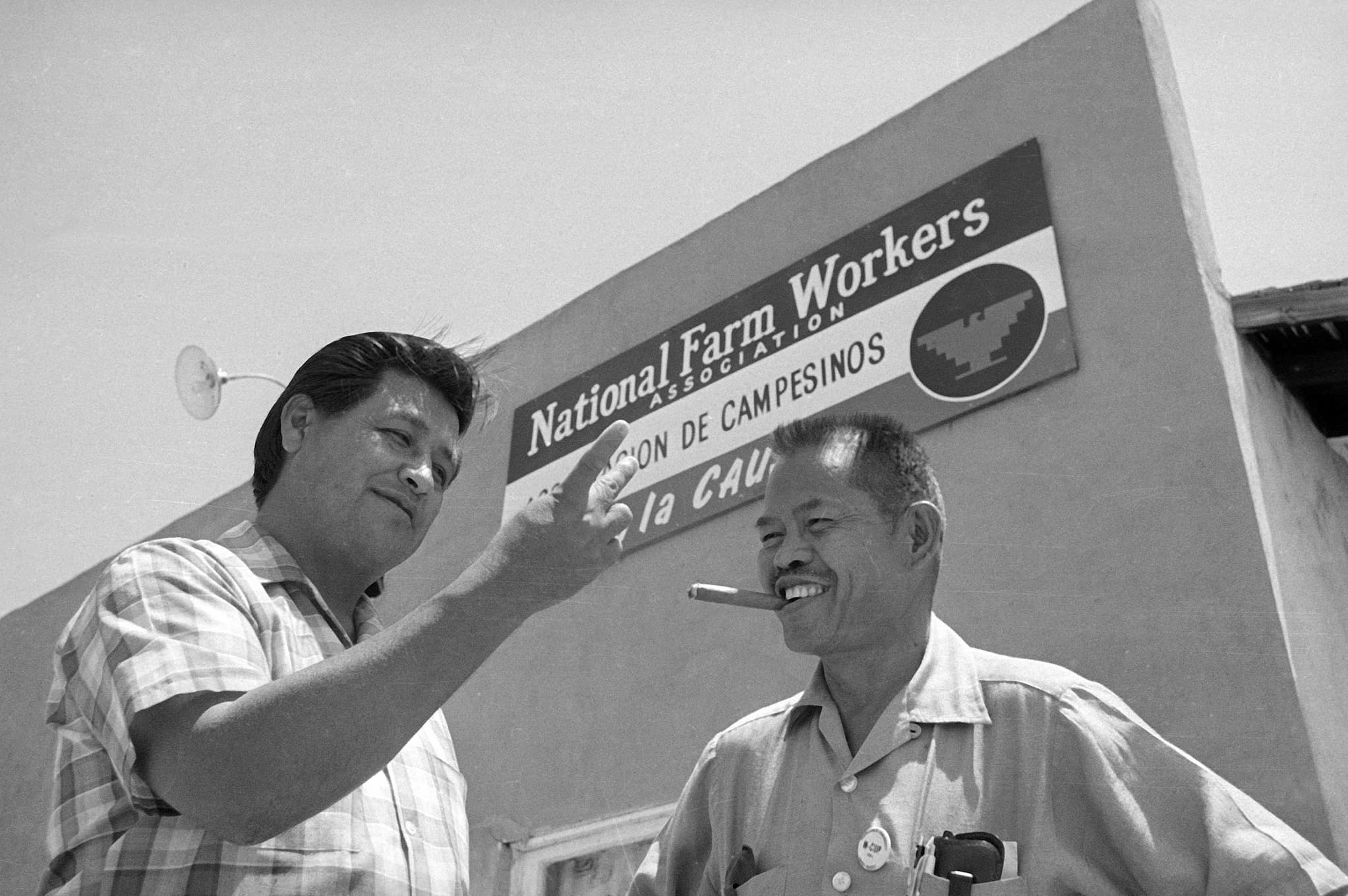
Image 40.01.05 — Larry Itliong (right) and Cesar Chavez (left) in front of NFWA headquarters in July 28, 1967.
In the late 1800s, Chinese railroad workers sought better wages and safer working conditions. Rather than aid, the American Federation of Labor (AFL) and other white-led unions lobbied to pass the Chinese Exclusion Act of 1882, which restricted immigration. In response to this first migration exclusion government policy, non-white workers formed their own unions, knowing there was strength in numbers.
An example of this is the Japanese-Mexican Labor Association (JMLA) that formed in Oxnard, California, 1903. Over 1,200 Japanese and Mexican sugar beet thinners organized together against wage cuts, subcontracting, and policies forcing workers to shop at company stores. Despite violent opposition, these workers won their demands. The AFL offered Mexican laborers support if they expelled their Japanese counterparts, but in an act of interracial solidarity, the Mexican workers refused. Interracial solidarity was demonstrated again by the United Farm Workers (UFW), a merger between Filipino and Mexican American workers, which led to the five-year Delano Grape Strike beginning in 1965. Their organizing bridged the civil rights and labor movements and showed the power of consumer boycotts to support workers’ struggles.
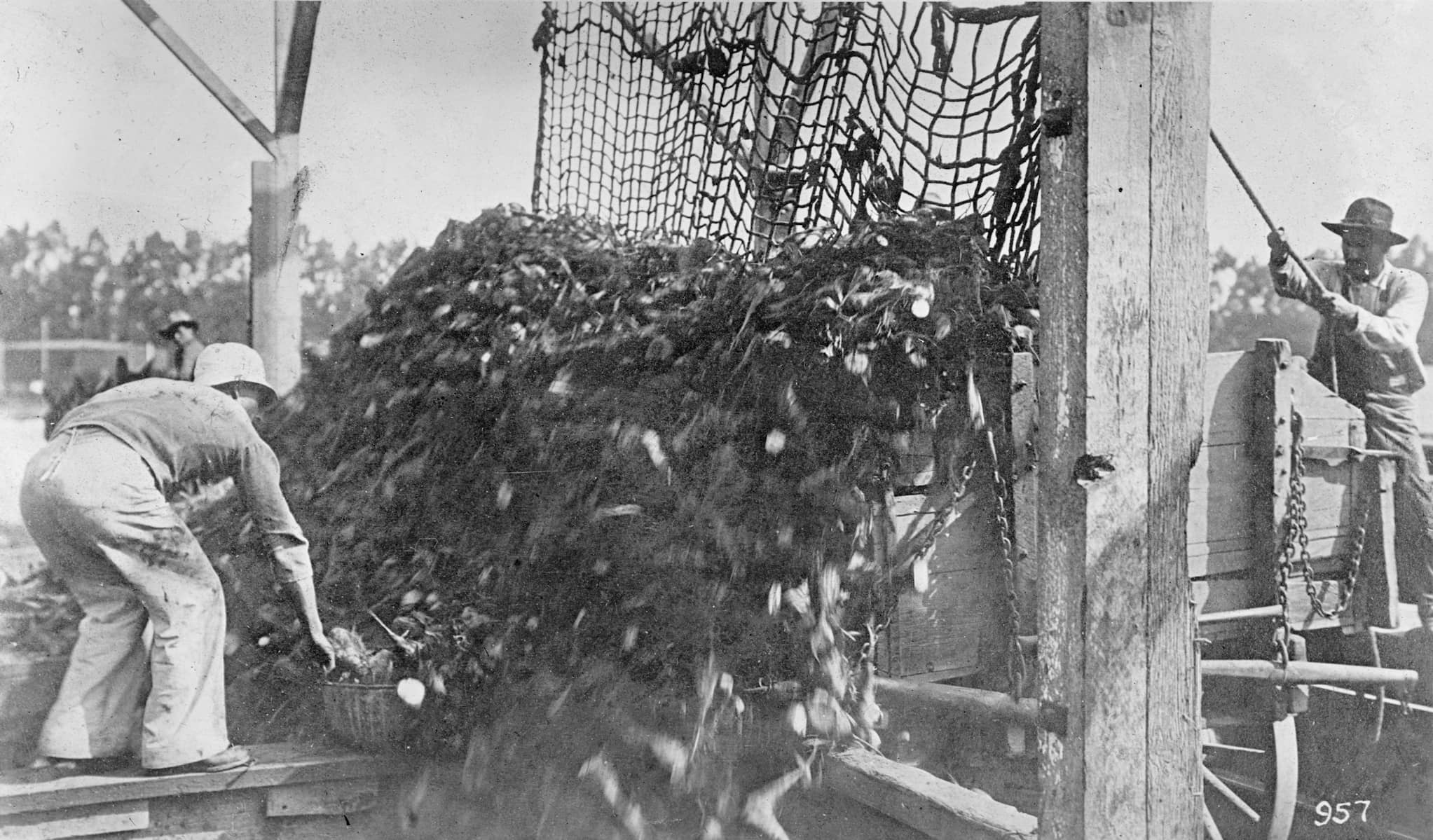
Image 40.01.06 — Workers unload beets from wagons at a factory in Oxnard, California. The Japanese-Mexican Labor Association (JMLA), formed in 1903, united both Japanese and Mexican sugar beet thinners to organize together for better work protections.
When Unions are Not Enough
Although unions benefit many workers, workers’ needs sometimes go beyond union support, while others are unable to join a union. Many workers are undocumented immigrants, and some have been trafficked, coerced, or kidnapped in order to work in exploitative conditions.
In 1995, seventy-two Thai workers were freed from a compound in El Monte, California, where they were working in captivity. The Thai Community Development Center in Los Angeles joined with government agencies to liberate the workers. This case exposed the exploitation and trafficking of Thai women garment workers into what are sometimes called “sweatshops.” During the 1990s anti-sweatshop campaigns against Forever 21, Jessica McClintock, and Guess Jeans exposed the exploitation of Asian immigrant workers in the garment manufacturing chain.
Worker centers help defend the rights of those who are non-unionized. These centers provide in-language services, legal assistance, self-help organizing support, and outreach to the community. A few examples include the Chinese Progressive Associations in San Francisco, California, and Boston, Massachusetts, which are organizations of Chinese immigrant workers. The Korean Immigrant Workers Advocates (KIWA) is based in Los Angeles, California, and works to organize Korean and Latina/o immigrant workers in food service, the garment industry, manufacturing, and janitorial services.
More to explore
Document
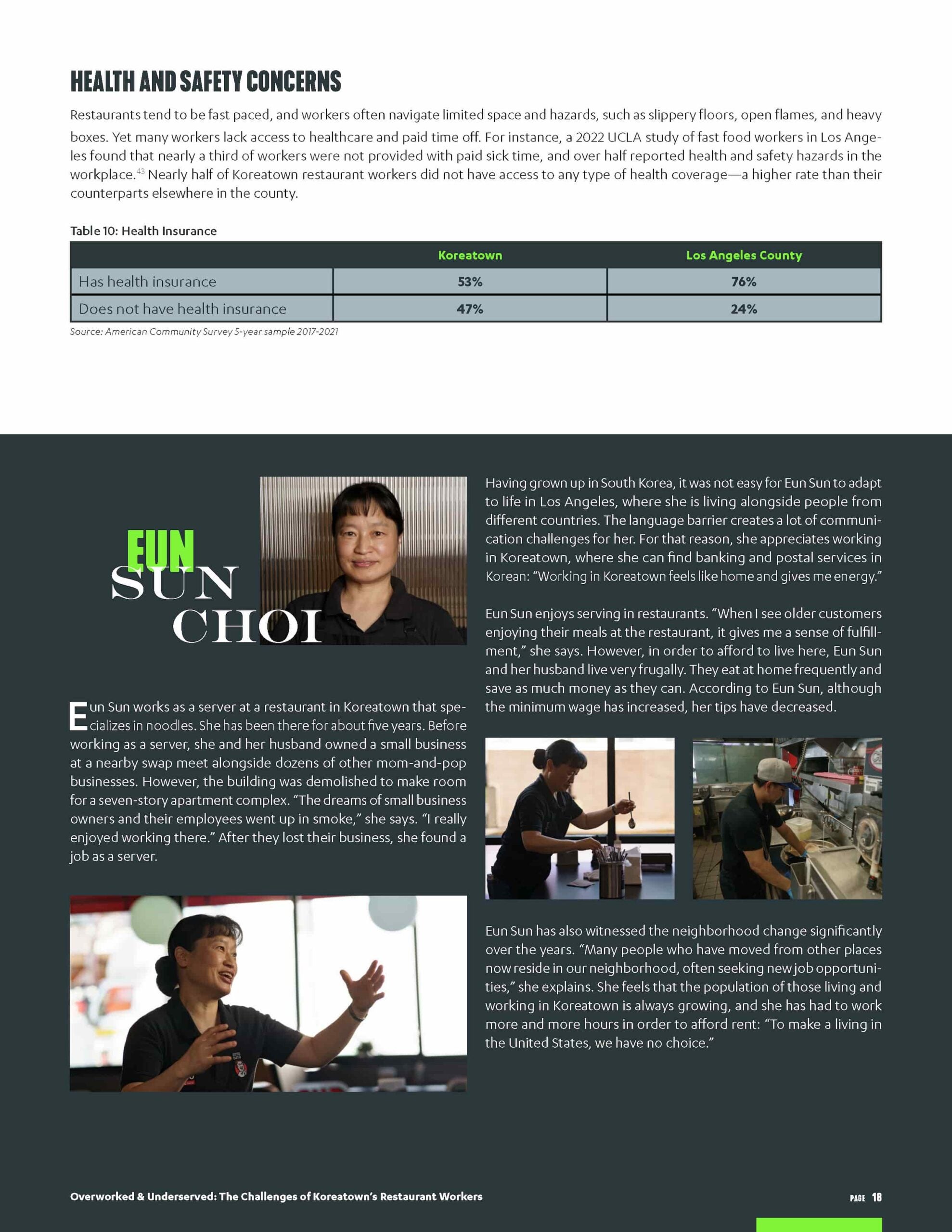
Profile of a Korean restaurant worker
Profile of Eun Sun Choi, a Korean restaurant worker from the Korean Immigrant Workers Association (KIWA).
Other centers include the Pilipino Workers Center in Los Angeles, California, which organizes Filipino workers earning low wages, and Mekong NYC, which serves Southeast Asian workers in New York City. The Hawaiʻi Workers Center provides support for migrants from other Pacific Islands who come to Hawaiʻi to work, as well as those who may be undocumented.
Today, Asian American workers continue to face challenges both in unionized and non-unionized workplaces. Those in unionized work in the US are able to receive care, support, and protection through their solidarity and card-carrying work, but much of this work is equally racially divided and exclusionary. Contract laborers and temporary workers are connected to their homelands through remittances, extended family, and childcare needs and elderly assistance, but job security is a constant worry.
One highlight of union activism on issues of workers’ rights and protections is the ripple-effect throughout the Asian diaspora of rights, consciousness, and democratic principles. Even for non-unionized work spaces, from highly paid high-tech and finance jobs with job insecurity, down to the gig workers who deliver food, drive ridesharing cars, and run nail salons, Asian American workers face numerous challenges and continue to organize to retain their dignity against workplace discrimination and to demand a livable wage from the work they do.
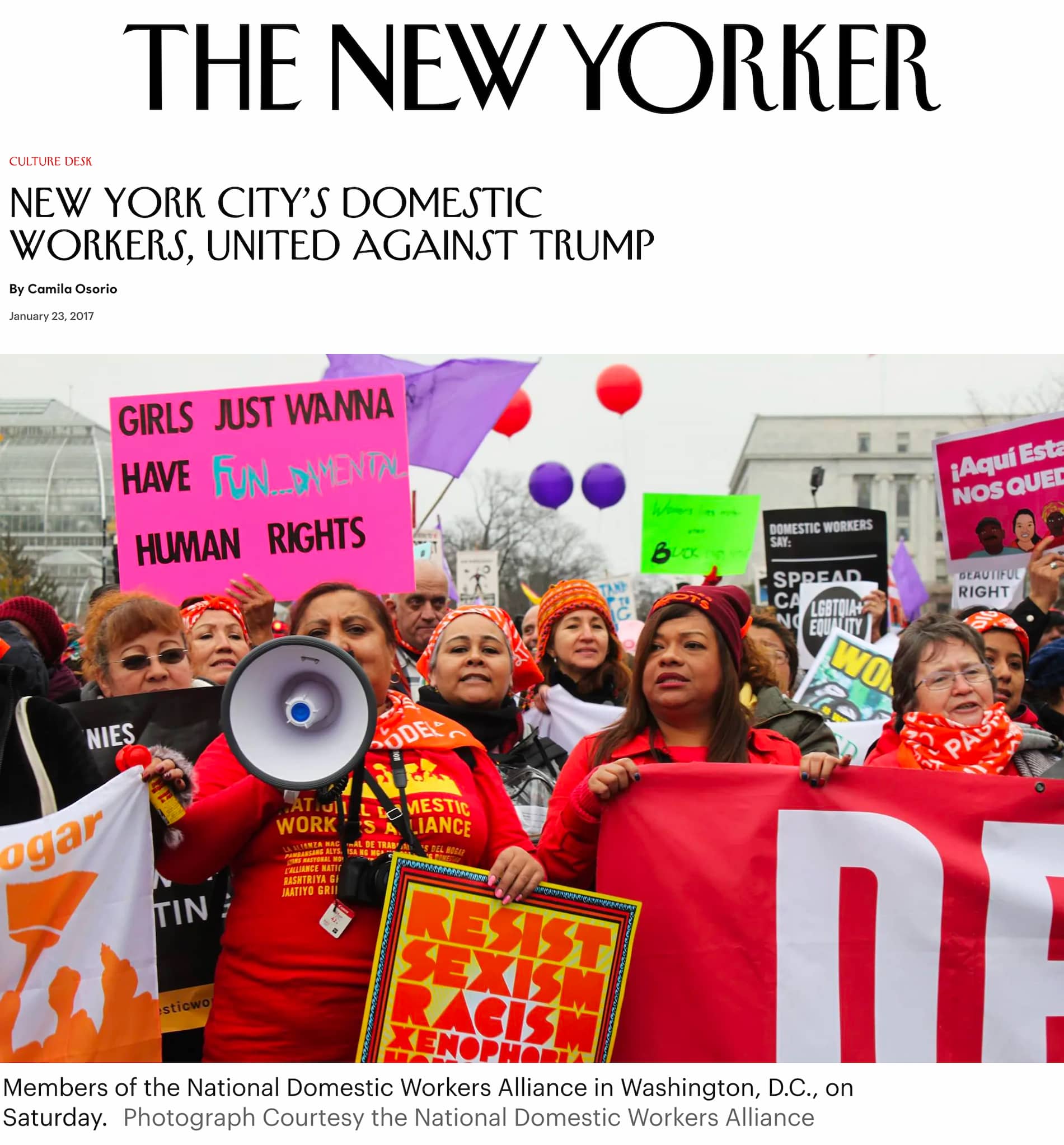
Image 40.01.10 — In 2017, The New Yorker published a profile about care workers in New York City, focusing on their activism in marching with the National Domestic Workers Alliance (NDWA) in Washington, DC. The NDWA is an example of a worker center that helps defend the rights of non-unionized workers.
Glossary terms in this module
contract laborers Where it’s used
A group of people who identify the root of a shared problem and work to solve the issue. They develop leadership from within this group and build collective power, particularly energized by those most impacted by the problem.
empire Where it’s used
A collection of states and countries that is ruled or controlled by a single sovereign state.
exploitation Where it’s used
Taking advantage of someone for one’s own benefit.
imperialism Where it’s used
The process in which a country extends its power or control over other peoples or countries, often involving the use of militaries.
organizing Where it’s used
The process of when a group of people identify the root of a shared problem and work to solve the issue. They develop leadership from within this group and build collective power, particularly energized by those most impacted by the problem.
remittances Where it’s used
Money sent home to relatives by workers residing abroad.
solidarity Where it’s used
A political, cultural, and collective stance that recognizes the mutual responsibility and support that is necessary to achieve change. Taps into the power in numbers and considers the collective interests of communities.
trafficked/trafficking Where it’s used
Illegally transporting or coercing someone into performing labor or services. Common examples include labor trafficking and human trafficking.
unions Where it’s used
Organizations formed by workers, typically from the same industry or company, representing the workers’ collective needs in the workplace such as pay, benefits, and working conditions.
Disclaimer
We acknowledge that this chapter includes photographs of Cesar Chavez. Their inclusion is strictly for historical documentation — to illustrate the solidarity between Filipino and Mexican farmworkers in their collective struggle for dignity and just working conditions. We do not endorse Chavez’s leadership, nor do we minimize the serious harm he inflicted on women and girls in the movement. History is complex, and we are committed to honoring the full truth of it.