





A Vietnamese female nail tech in an apron, face mask and latex gloves gives a customer a pedicure while seated in front of the customer and foot bath.
Module 4: Nail Salon Workers: Ethnic Labor Migration
Has Asian American and Pacific Islander labor activism transformed working conditions for all workers?
Nail salons service a multi-billion dollar industry in the US. Although they are now a common sight in urban and suburban communities, this was not always the case. In the early 1900s, full-service salons were a luxury service for wealthy women. As nail polish became more widely available, women started painting their nails at home.
In the 1970s, new salon tools and the arrival of a new workforce of primarily Asian immigrant and refugee women decreased the cost and time for getting manicures and pedicures. Southeast Asian refugees entered the nail salon industry as workers and business owners. Vietnamese women, in particular, along with other immigrants from Asia, Latin America, and elsewhere have transformed the nail salon industry into an affordable service for middle- and low-income people of all ethnicities.
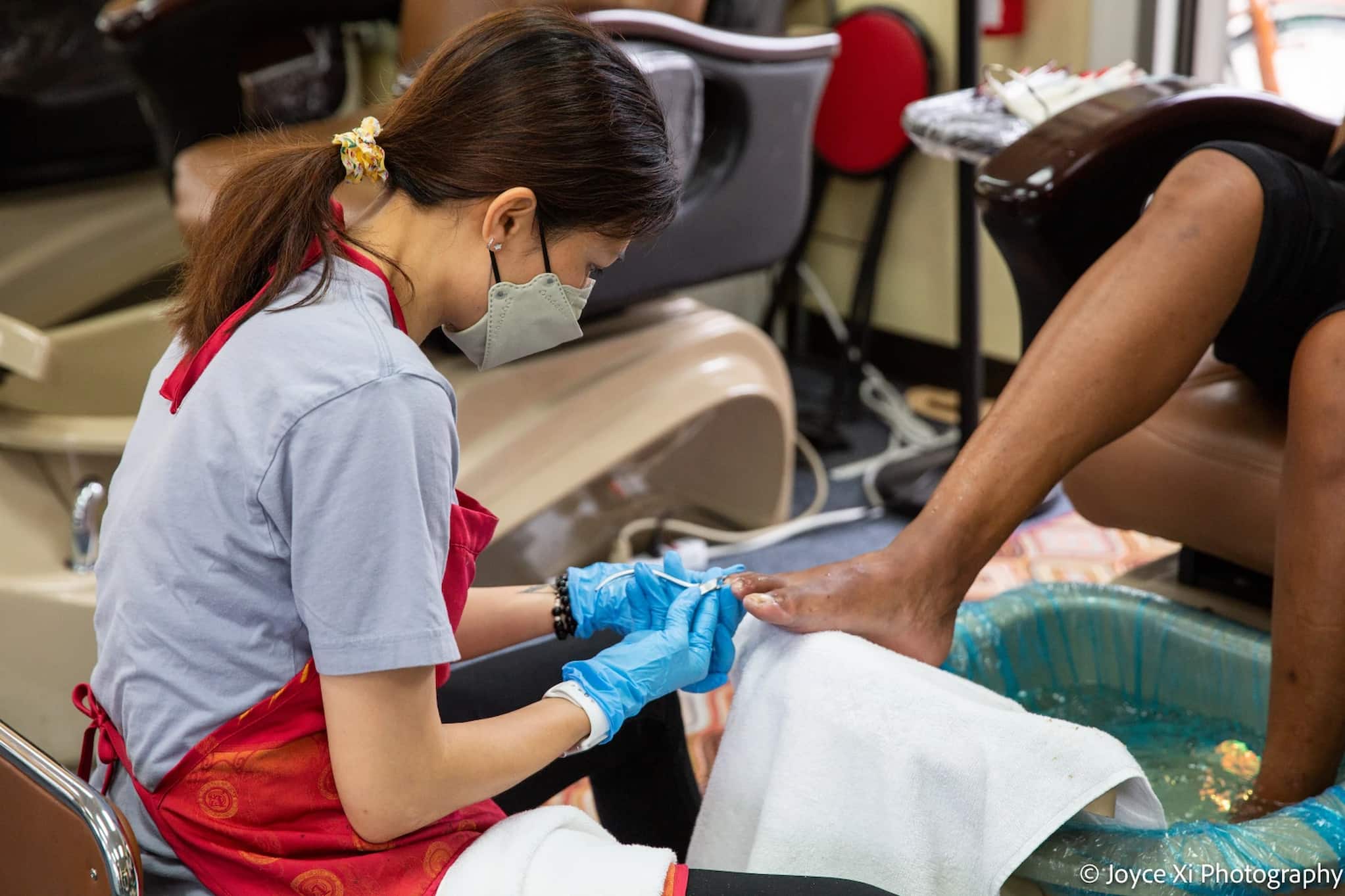
Image 40.04.01 — Nail salon business owners and workers are often Asian immigrant and refugee women.
This module is about nail salon workers and their working conditions, and how many have come together to organize for better wages and safer work environments.
How do labor demands shape ethnic migration to the United States?
How is the nail salon industry connected to Asian Americans?
How have nail salon workers and their allies been able to bring health and safety concerns to the public and pass legislation to protect their rights on the job?
Snapshot of the Nail Salon Industry
According to official government numbers, there are more than 23,000 nail salons in the United States and, as of 2021, approximately 163,000 nail salon workers. Other sources estimate the count of both to be much larger. The nail salon industry is not strictly regulated, so salons may not always be registered with their state government agencies. Some estimate that there may be four hundred thousand nail salon workers in the US, many of whom are undocumented and unlicensed.
Nail salon workers are heavily concentrated in a few large states, with 44 percent living in California, Florida, New York, and Texas. There are an estimated six thousand nail salons and almost 130,000 nail salon workers in California alone. Of those workers, almost half work in Southern California. Many salons are considered small businesses with fewer than nine workers. This workforce is mostly middle-aged, with the highest concentration being forty-five to sixty years old, a far larger percentage than in other industries.
The nail salon workforce is estimated to be composed of more than 70 percent Vietnamese workers along with other Asian ethnicities and smaller numbers of Latinas. Seventy-nine percent of the workforce are born outside the US and 81 percent are women. Wages in the nail salon industry are low, with 78 percent earning low wages, defined as two-thirds of the median full-time wage, compared to 33 percent for all industries. Workers rely on tips for their livelihood and too often they do not receive any.
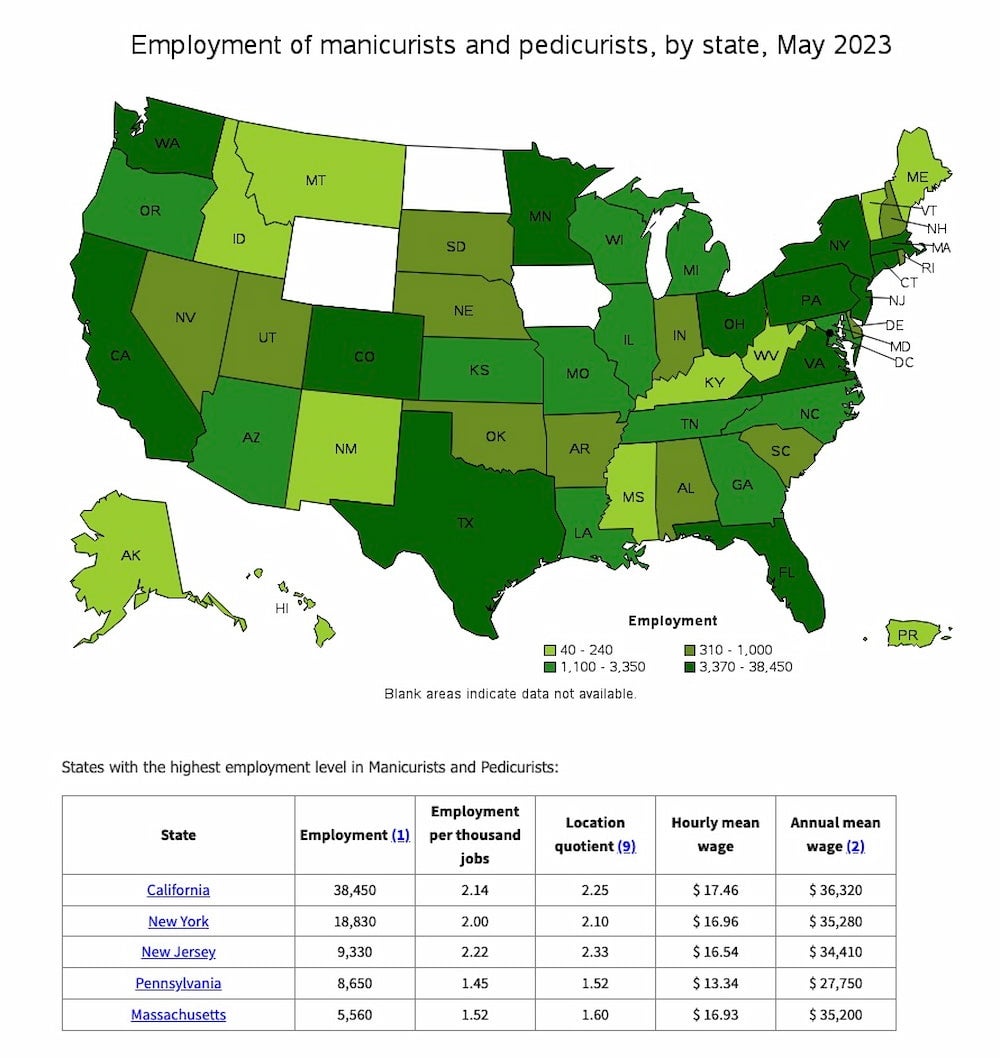
Image 40.04.02 — The states with the highest percentage of nail salon workers. (Source: US Bureau of Labor Statistics, May 2023)
Working Conditions of Nail Salon Workers
Nail salon workers typically spend long hours buffing, scraping, painting, and polishing nails on work sites that have poor ventilation, leaving workers exposed to unhealthy chemicals. Salon owners often have no choice but to use undocumented workers due to the customers’ demand and competition for cheaper service, which documented workers are not willing to provide, given how low the minimum wage is in this industry. As a result, similar to other service-oriented industries, there are thousands of undocumented workers who are not paid fairly.
There are ongoing challenges to ensure safe and healthy conditions in all nail salons. Complying with labor and health regulations can push nail salon owners to charge more for services, thus making them unable to compete with salons that are able to charge less because they do not abide by important regulations.
Reflection Questions
Why should workers in salons be paid a living wage? Who benefits when they are?
The Occupational Safety and Health Administration (OSHA), the federal agency charged with ensuring safe and healthful working conditions, requires that employers provide safety information for salon products that contain toxic chemicals. Workers may not be trained about such workplace hazards, however, and safety information may not be translated into the workers’ primary languages. Many workers are also not trained in how to safely handle chemicals. OSHA has not invested the staff resources needed to thoroughly investigate worker health and safety in nail salons.
Moreover, the Food and Drug Administration (FDA), which regulates consumer products for safety, approves products with potentially harmful ingredients to be sold on the market. The FDA does not research the long-term effects on workers who use them on a daily basis. State inspectors who are supposed to protect worker health and safety rarely follow up to correct problems.
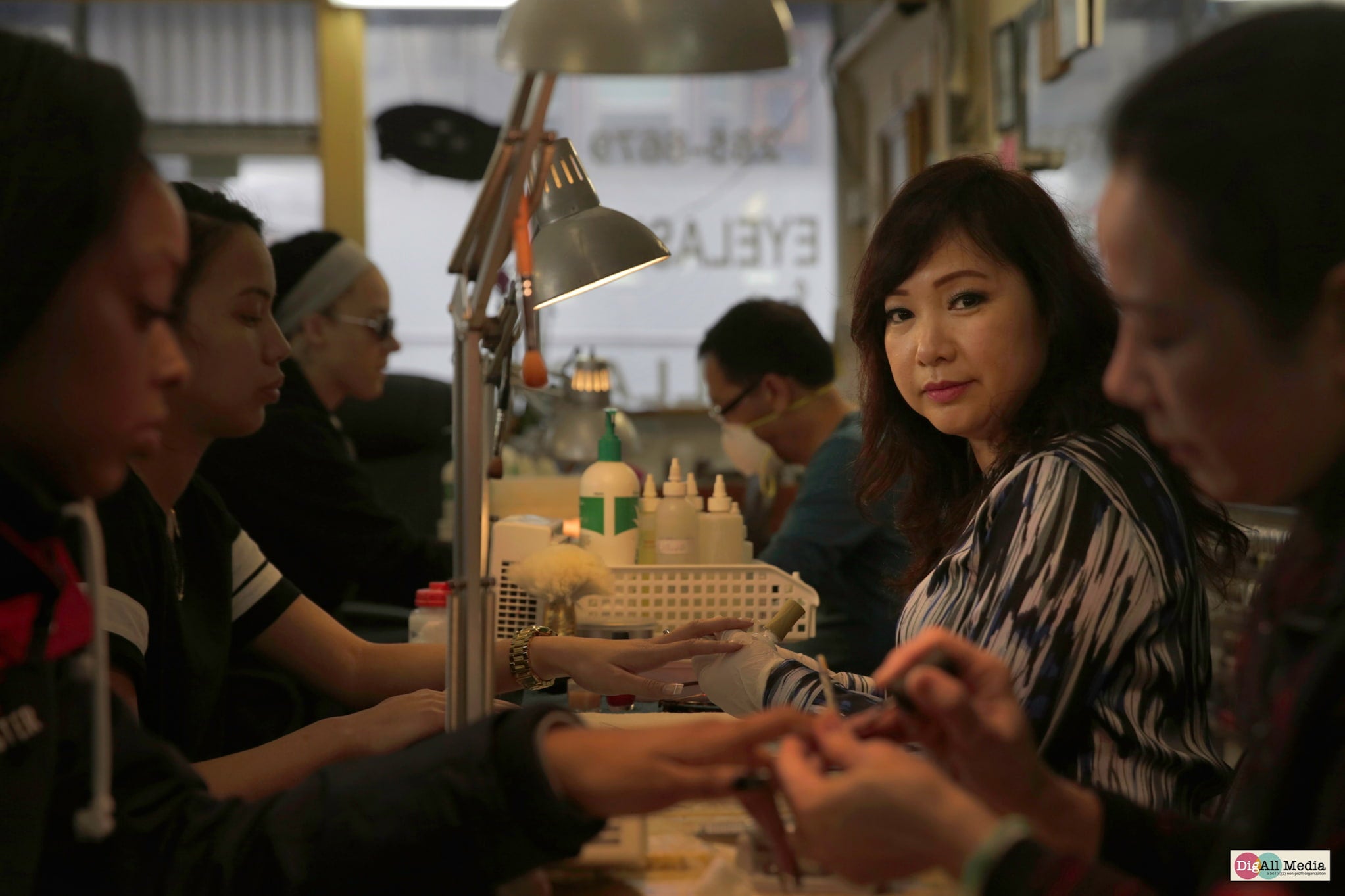
Image 40.04.03 — Van Hoang (right), a Vietnamese immigrant who owns and runs a nail salon in San Francisco, California faces many health risks including suffering multiple miscarriages, likely due to her exposure to toxins.
Job Classification in the Nail Salon Industry
In addition to pay, employee health, and safety issues, it is also not clear how to classify workers who are in the industry but do not own a nail salon. Are they employees or are they independent contractors? Misclassification is a common challenge in nail salons, which affects how nail salon workers receive pay and whether or not they receive benefits.
The industry has a high rate of self-employed workers, which includes independent contractors. Some workers may be legitimate independent contractors because they rent a space from a salon owner, use their own tools, and set their own hours. But some owners purposely misclassify manicurists as independent contractors. This is to avoid the responsibility of providing basic employee benefits such as healthcare, retirement, workers compensation, paid sick leave, and vacation time.
In a recent study, researchers found that almost a third of the nail salon workers in California were classified as self-employed, rather than as employees who work for wages. This is three times greater than workers in other industries in the state.
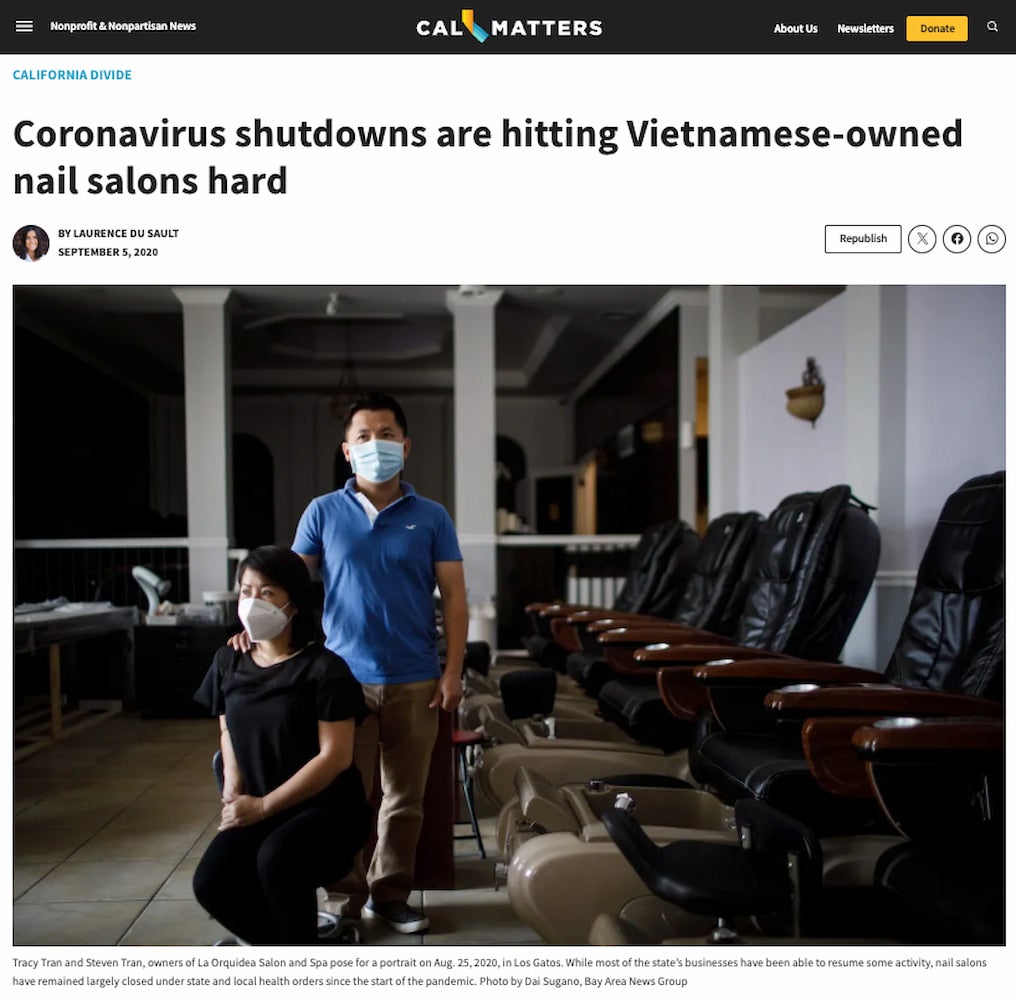
Image 40.04.04 — CalMatters in September 2020 reported on how COVID-19 lockdowns affected nail salons, which are often owned by Vietnamese immigrants.
Organizing for Justice in Nail Salons
Trish Nguyen recalls her time working in a nail salon in Westminster, California, serving clients with manicures and pedicures. She remembers having allergy-like symptoms of watery eyes and nose due to the smell of the acetone bottles.
As the nail salon industry grew in the 1980s, there was limited regulation. Workers only had to obtain a license to work in their state. Regulators ignored health concerns. In 2005, a staff member at Asian Health Services, a community-based health provider based in Oakland, California, observed that many of the Vietnamese nail salon workers she encountered in her community outreach had similar health challenges. Asian Health Services staff began to connect the dots: nail products were causing the workers to become ill.
Asian Health Services supported the formation of the California Healthy Nail Salon Collaborative (CHNSC). CHNSC began to advocate for safer products and practices and to support efforts for stronger regulations in the nail salon industry. The staff continue to transform the nail salon industry to benefit workers, their families, and their communities.
While CHNSC was originally formed to reduce harmful chemicals in the industry, it now also prioritizes other labor issues. In 2020, for example, when nail salons were forced to close to stop the spread of COVID-19, owners faced economic uncertainty and workers lost income. CHNSC advocated for safe re-openings and sought stronger statewide legislation to protect the health and safety of those working in the industry.
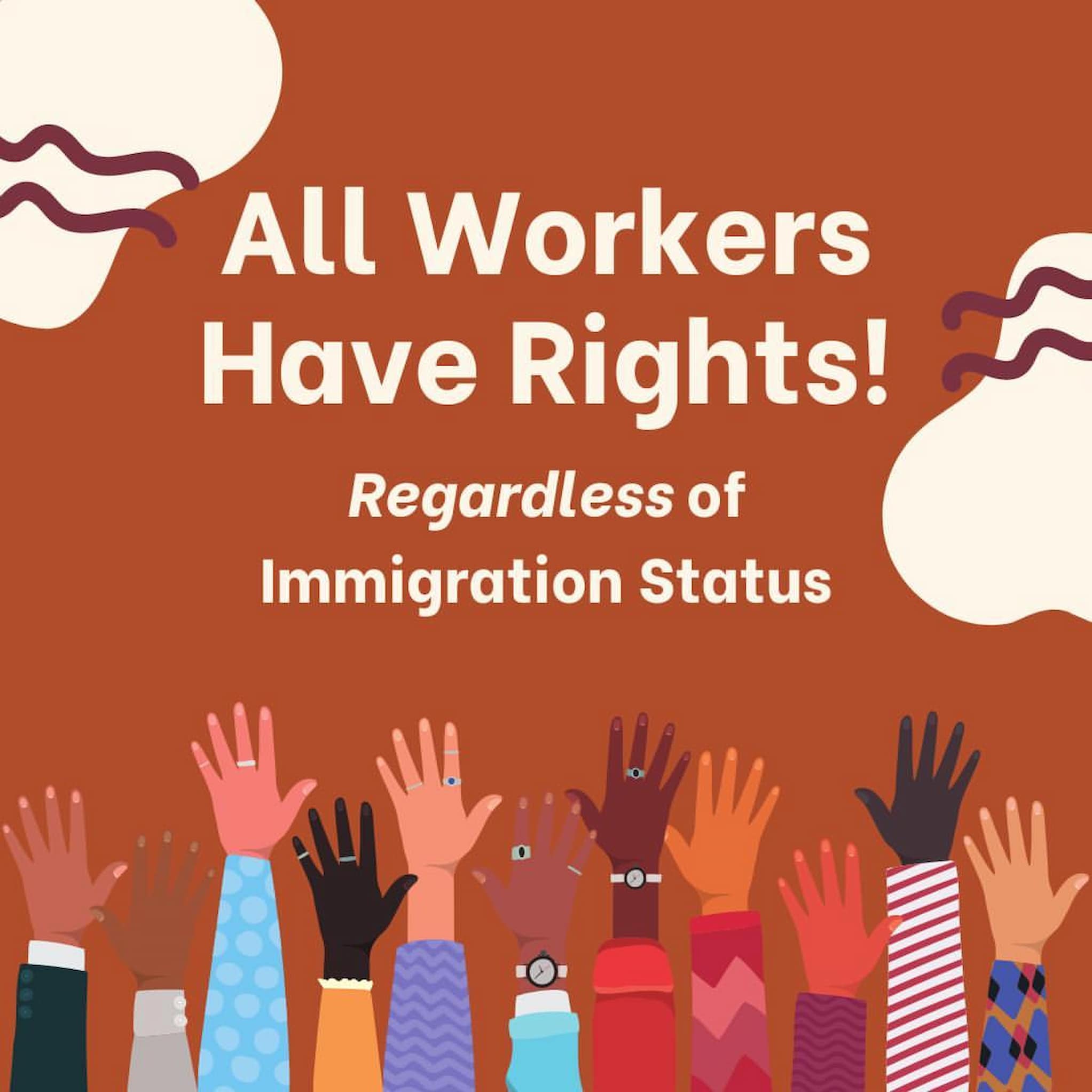
Image 40.04.05 — A workers’ rights poster from the California Healthy Nail Salon Collaborative (CHNSC).
Soon after the CNHSC was founded, similar efforts grew in New York City, Boston, Seattle, Minneapolis, and other cities. In New York City in 2014, a community-based organization called Adhikaar, formed the New York Healthy Nail Salons Coalition (NYHNSC). The group transformed the New York nail salon industry into healthy workplaces with living wages and a voice for workers and their working conditions.
Adhikaar advocates form more than just salon workers. It works for the rights of the entire Nepali-speaking community, along with the New York Committee for Occupational Safety and Health (NYCOSH) and Workers United New York and New Jersey Regional Joint Board. This coalition includes workers, community groups, advocates of occupational health, consumer groups, and public interest law organizations. They work together to combat wage theft where workers are not paid for hours worked and do have proper rest periods, as well as against various health and safety violations.
In 2015, NYHNSC was successful in passing the nation’s first Nail Salon Workers Bill of Rights. It included basic information about the legal hourly wage rate, health and safety protections such as mandatory goggles and respirators, and a hotline for workers to call in case of violations. Regulations also require the licensing exam be translated into several other languages, including Nepali, Tibetan, and Vietnamese. This coalition continues to advocate for safe working conditions and better pay.
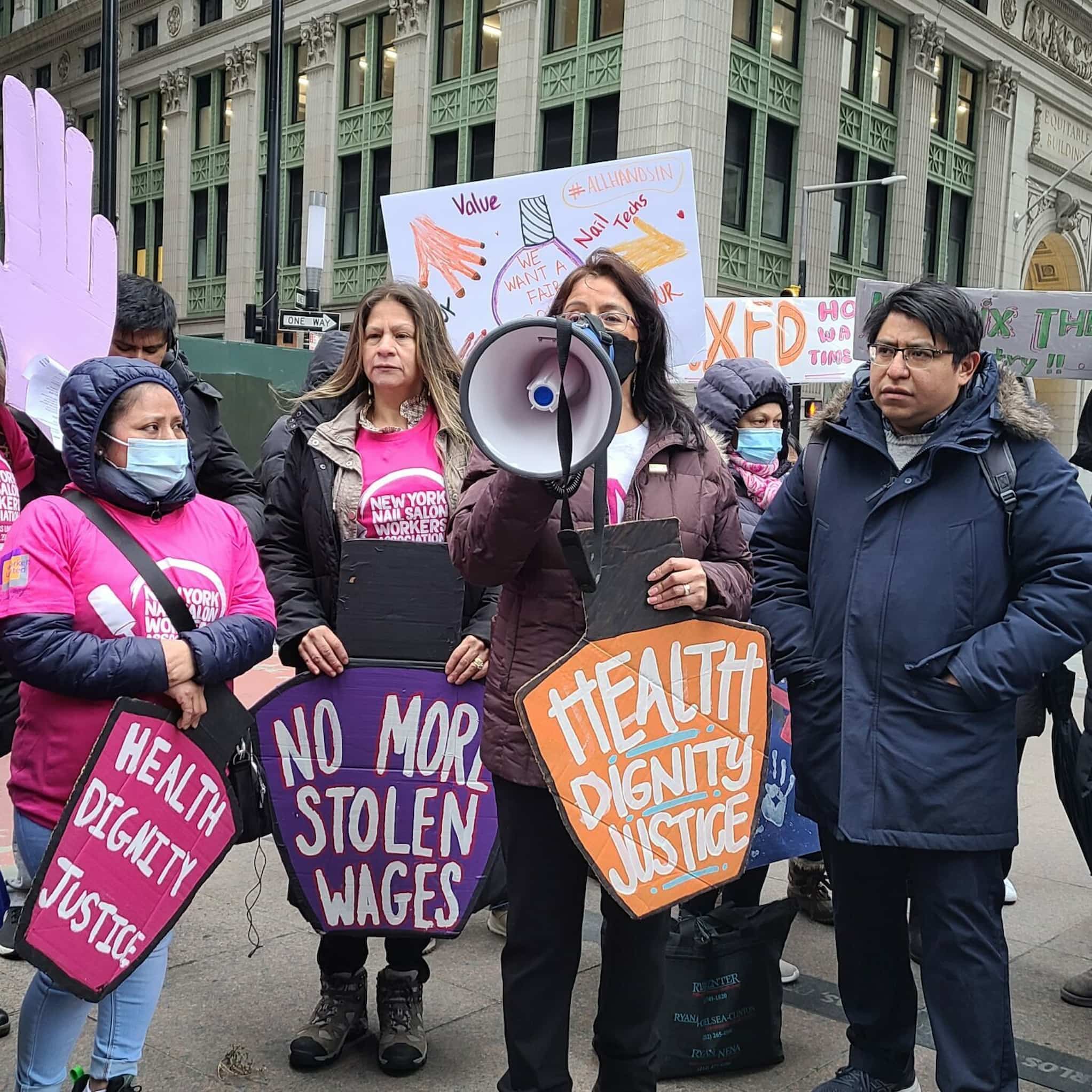
Image 40.04.06 — Nail salon workers in New York gather to protest their dire working conditions. They helped pass the nation’s first Nail Salon Workers Bill of Rights in 2015.
Through these efforts, nail salon workers have been able to increase their hourly wages and benefits. Federal, state, and local government agencies have enacted more stringent rules regarding the health and safety of those working in enclosed spaces such as nail salons and related fields. In 2024, for example, the US Department of Labor ordered a nail salon owner in Rhode Island to stop retaliating against workers and pay over 750,000 dollars in back wages to three nail salons.
While working conditions have become safer for some nail salon workers, it is difficult to effectively monitor the thousands of salons in fifty states. Limited workplace investigators delimit thorough inquiries of health, safety, and wage violations. Workers and their community allies continue to provide ongoing oversight and advocacy. Nail salon workers and organizations such as CHNSC and NYHNSC also continue to organize to ensure nail salon workers have the safe workplaces they deserve.
Glossary terms in this module
independent contractors Where it’s used
Self-employed individuals who offer their labor and services to clients, a business, or the public under specific terms outlined in a contract in exchange for payment. Under this contract, the person whom the services are provided for has the right to control the result of the work—not the method in how the independent contractor approaches the work.