





Module 3: Building Youth Power Through Healing
How can young people from different backgrounds and experiences work together to make positive changes in their communities?
“Racism is not just what we see. We also feel it in our bodies…. Racism hurts us physically, emotionally, and mentally. To envision a future without racism, it’s important to think about our bodies.”
– Tin Santos, California for Justice
Tin Santos is a member of Californians for Justice (CFJ), a statewide youth-led organizing group that is trying to fight for racial equality and better schools for people in lower-income communities. As a Filipino American who has worked with diverse young people, Santos understands that racism is not just about the unfair or unkind things we see people do or say. It can also affect how we feel inside, both in our hearts, bodies, and minds.
For example, when someone is treated unfairly because of their race, it can make them feel significant stress, sadness, or fear. That stress can even make their body feel sick over time. Santos believes that if we want to imagine a world without racism, we need to think about how racism affects people’s whole selves—not just what happens on the outside, but also how it makes them feel and how it impacts their health. His call is a reminder that fighting against racism is not just about changing laws and behaviors, but also about making sure people feel safe, respected, and healthy in every way.
This module discusses the significance of healing justice and how youth organizing groups, like Californians for Justice (CFJ), Khmer Girls in Action (KGA), and other groups work together. Their focus is on improving the lives of young people who have a history of marginalization.
What is healing justice?
What kinds of spaces help young people feel supported and heard?
How might students promote healing justice in their own lives, at school, and in their community?
Marginalized Communities
The health impacts that Tin Santos highlights apply to other types of injustice as well, not just racism. Marginalized youth, including those who face financial hardships and discrimination, have also been shown to experience harm to their health. Even the way that schools and neighborhoods are arranged can make it harder for low-income kids and kids of color to succeed.
For example, schools in neighborhoods with more low-income families and non-white communities often do not have the money and resources they need. This inequity can also cause psychological harms, like making kids feel bad about who they are or where they come from. That hurt can lower their confidence and make them feel ashamed of their culture, race, immigrant or refugee background, or other identities. To make things better for everyone, especially for those who face the most hardships, we need to improve how society works.
Reflection Question
Experiencing unfair treatment, like discrimination or bullying, can negatively impact a person’s health. For example, if someone is treated unfairly because of their race, gender, or appearance, it can lead to stress, anxiety, or depression. This emotional distress can manifest physically, causing headaches, stomachaches, or trouble sleeping. Can you think of situations where being treated unfairly might make someone feel unwell?
Healing Justice
One approach to making things better for everyone is the practice of healing justice. Healing justice involves two things working together in concert:
- Changing the world around us to make our communities healthier and better for everyone.
- Taking care of ourselves and each other, both emotionally and physically.
We all need both of these things because if we only focus on personal health, the unfair conditions that hurt us will still be there. But trying to change those big problems can be exhausting, so we also need to look after ourselves to keep going.
For instance, imagine you take a walk to clear your mind when you are stressed about school. While this can help you feel better temporarily, it will not solve bigger issues like unsafe parks or polluted air—problems that disproportionately affect many communities of color. Addressing these challenges requires community efforts to advocate for cleaner air and more green spaces. However, that kind of activism can be demanding. To keep going, it is essential to take breaks and find ways to recharge.
Healing justice, therefore, entails working collectively to heal from trauma or systemic issues, while also tending to your personal well-being. This balance allows individuals and communities to thrive together.
Healing Justice in Long Beach, California
As part of the network of grassroots community groups, diverse young people in Long Beach, California, have worked together to bring healing justice to their community. Long Beach has the largest population of Cambodians outside of Cambodia. Many Cambodian families moved there in the 1980s after escaping terrible violence, like bombings and genocide. When Cambodian refugees came to the United States, they did not get the help they needed to recover or fit into their new lives. This caused intergenerational trauma, which means that the pain and stress they went through were passed down to their children and grandchildren.
As with other low-income communities, Black, Latinx, and Cambodian neighborhoods in Long Beach faced problems like fewer job opportunities and more policing. Some young people turned to gangs for support because they did not feel safe or cared for in other places. Instead of getting help, Cambodian youth were often unfairly targeted, watched, arrested, or even deported.
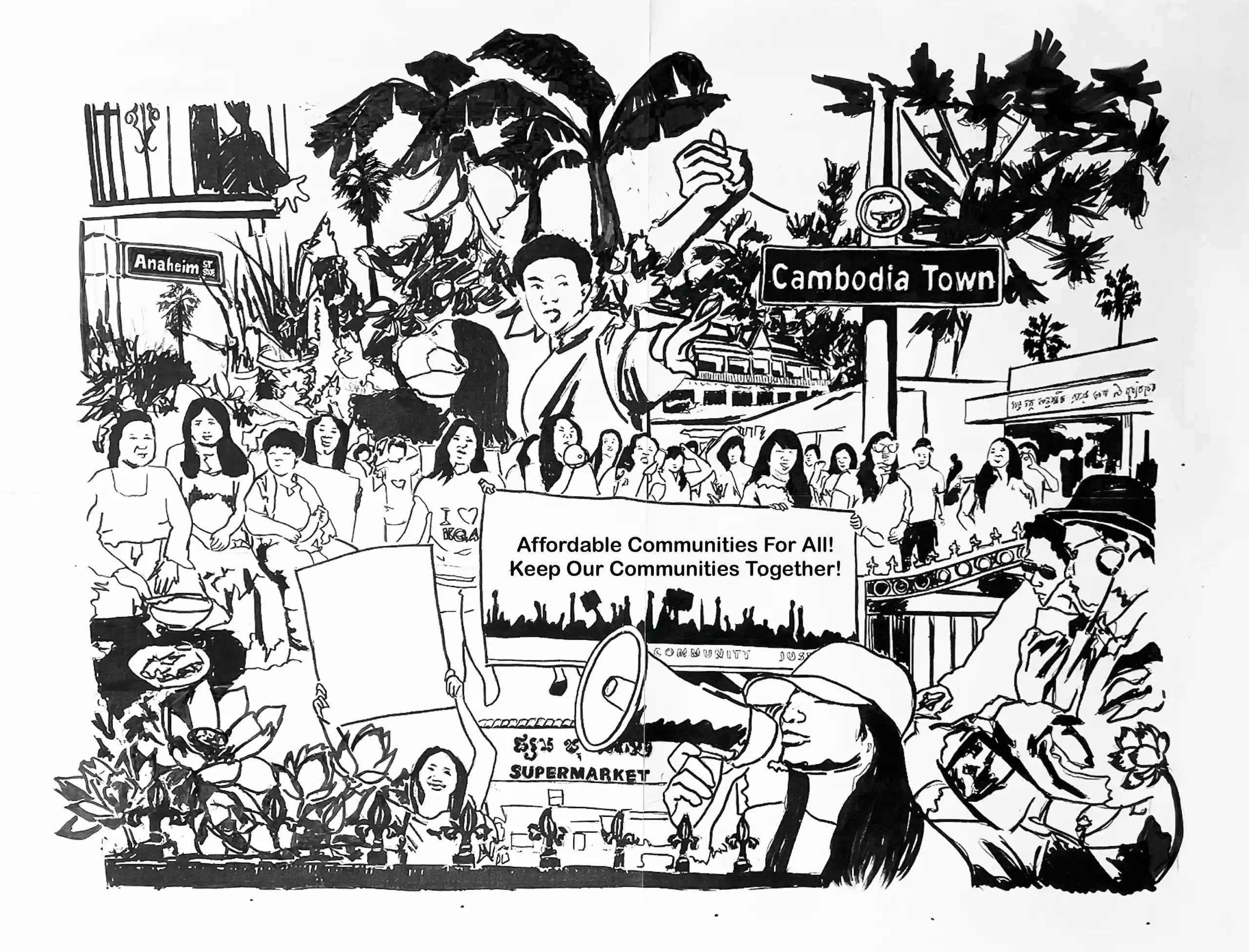
Image 50.03.01 — In 2021, artist and Khmer Girls in Action (KGA) member Tidawhitney Lek created a portable canvas artwork illustrating the fight for housing justice in Long Beach, California. Incorporating photos of KGA members, the work was displayed at various Housing Justice actions.
Youth organizing groups Californians for Justice (CFJ) and Khmer Girls in Action (KGA), and a larger coalition they work with focused on investments in young people, have accomplished noteworthy action towards promoting health justice. CFJ is multiracial, with mostly Latinx, Black, and Asian American youth leaders, whereas KGA organizes Southeast Asian and especially Cambodian youth, for a safe, healthy, and just world. CFJ and KGA partner with a diverse set of grassroots groups working to ensure that all youth in Long Beach can thrive in strong, healthy, and whole communities.
Campaigns for Healing Justice
Young people have the power to heal from a shared history of trauma and to fight against the unfair systems that caused that trauma. They know that healing means joining forces with others to stop the cycle of harm and build a better future. Here are two examples of how high school students have worked toward healing justice.
Example #1: Long Beach Invests in Youth Campaign
In 2018, students who were part of KGA and CFJ uncovered something shocking: the city was spending only 204 dollars per young person on programs to help them grow and thrive, but 10,500 dollars on each youth arrested. Clearly, they believed, the city was more invested in punishing young people than helping them succeed. To support their ideas, the youth decided to see if others felt the same way.
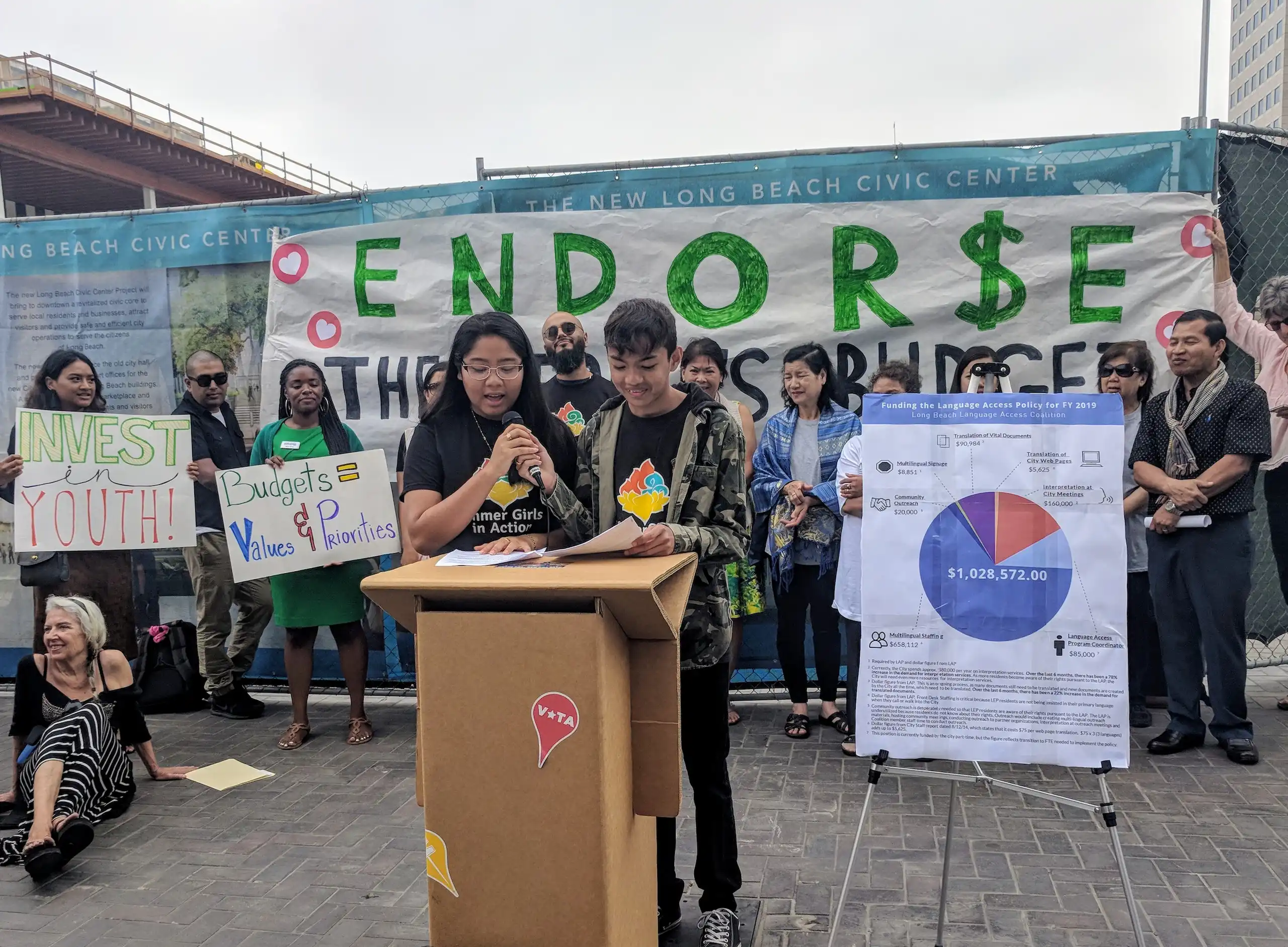
Image 50.03.02 — In 2018, KGA youth advocated for a Youth Fund at the People’s Budget press conference supporting community demands for an equitable Long Beach budget addressing immigrant justice, language access, housing, and other critical needs.
First, the two student groups collected over 750 surveys from local residents and found that most people wanted the city to focus on mental health, youth jobs, parks, and after-school programs instead of spending so much money on arrests. Referencing this information, youth leaders started meeting with city council members, speaking at public meetings, and organizing events to push for change.
In 2020, KGA and CFJ teamed up with supportive adults to rally voters to approve a tax on local oil companies. This tax created permanent funding for the city’s Office of Youth Development and other programs that help young people grow, learn, and thrive. Thanks to the efforts of students and their adult allies, young people could now benefit from more free and low-cost after-school programs and services in their city.
Example #2: Relationship Centered Schools
In 2015, students who were part of CFJ asked over two thousand students across the state what they needed to succeed in school and to get ready for college and their careers. Many students said they simply wanted adults at school—like teachers and counselors—to show that they cared about them. They believed caring relationships would help them feel better and do better in school.
While agreeing with their peers regarding the need for more caring adults in schools, CFJ members also knew that teachers often feel overwhelmed and need help, too. To fix this, young people worked with school leaders to make changes. For example, they created student-led training sessions for teachers to show them how to better support students. These sessions taught teachers about the challenges some students face, like not having a home, family problems, health issues, or community violence. By helping teachers understand these problems, CFJ and others involved hoped that students and teachers could work together more effectively.
This campaign focused on improving relationships between students and adults at school. It is a prime example of healing justice because it made schools more supportive and helped improve students’ mental health by creating a more caring environment.
Reflection Question
What are some things in your community or school that could be changed in order to improve students’ mental health and well-being?
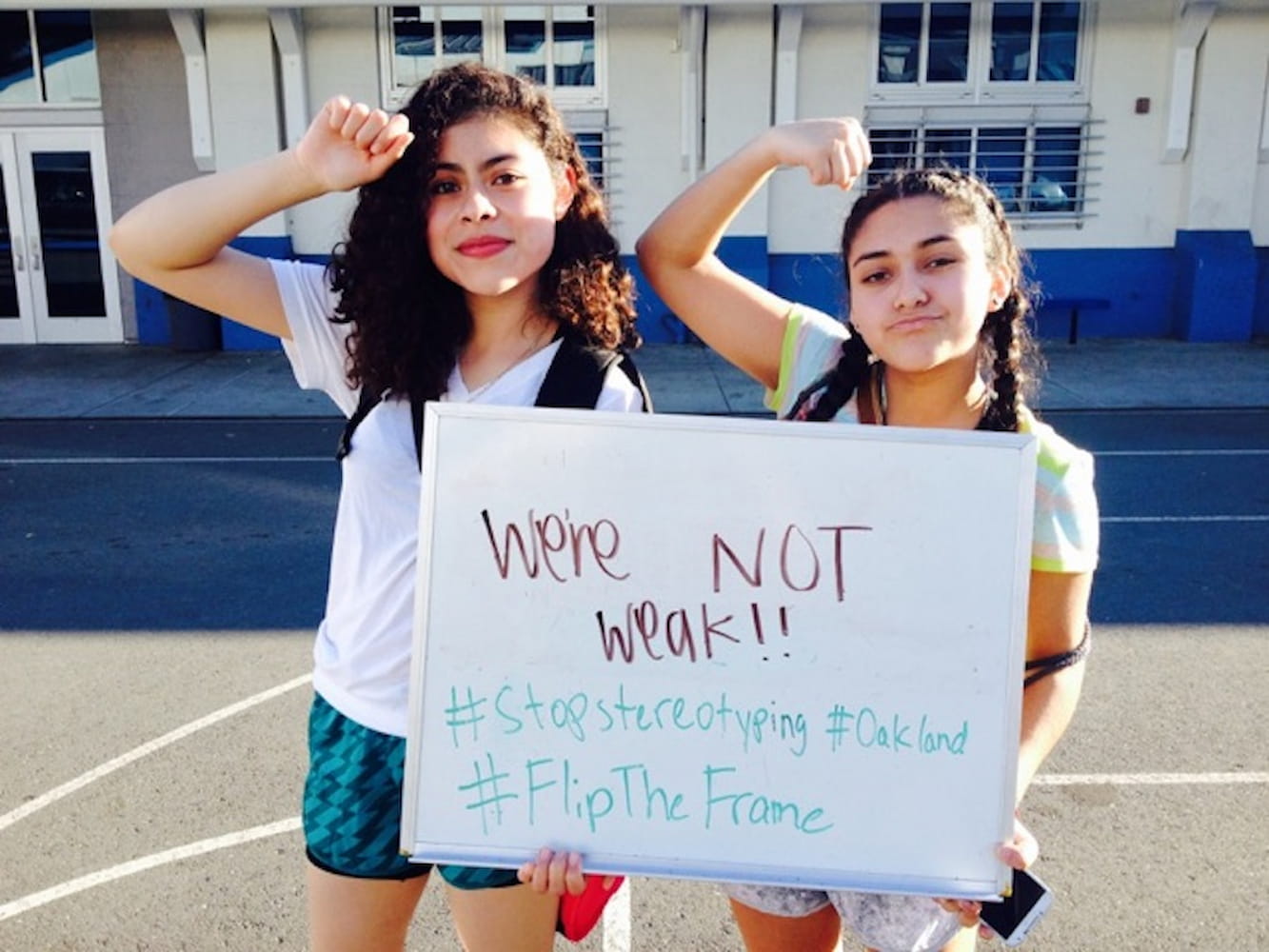
Image 50.03.03a — Two young women hold out a sign that says “We’re not weak!!” as part of the “Flip the Frame” campaign. This campaign focused on improving relationships between students and adults at school.
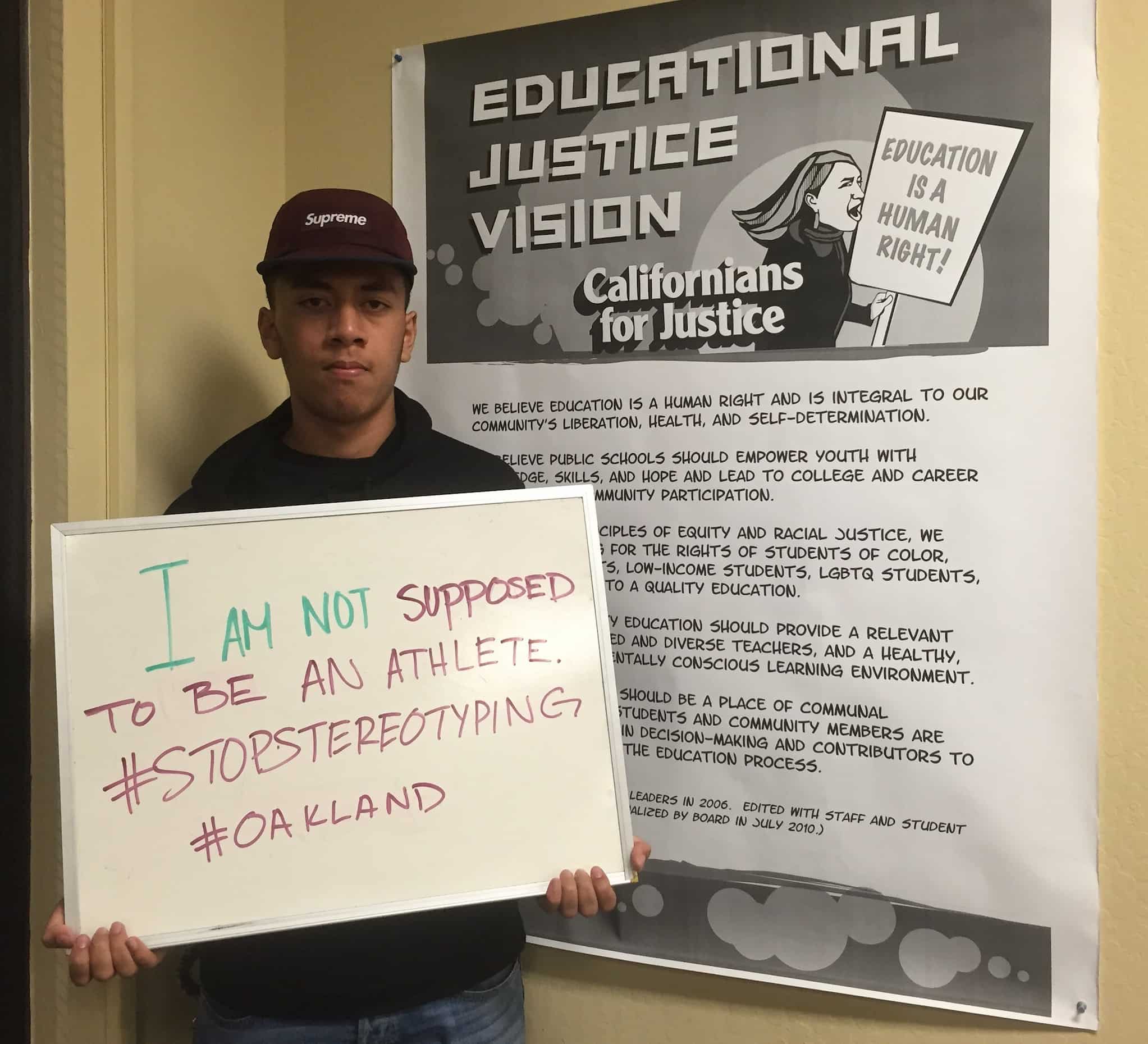
Image 50.03.03b — A young man holds a sign against stereotyping that reads “I’m not supposed to be an athlete,” as part of the “Flip the Frame” campaign.


Spaces that Support Youths’ Emotional Well-Being
Working with others to make a difference can be a healing experience. Simultaneously, it can also cause additional stress because young people juggle many things: school, family, extracurricular activities, and/or jobs. Additionally, some young people may feel lonely. Given that young people today may experience a range of emotional hardships, they need supportive communities more than ever.
Students can benefit from youth organizations and other spaces where they can have fun and feel supported and heard. Having trusting adults and peers who can hear their concerns and try to help is also essential.
In Long Beach, groups like Californians for Justice (CFJ) and Khmer Girls in Action (KGA) are supportive of the well-being of young people in this way. They provide students with the opportunity to connect with others who share similar struggles. For example, at KGA, many Southeast Asian youths whose families are refugees learn they are not alone and that their personal experiences are tied to larger histories. This is important because their cultures and stories are not always included in school lessons or the media they encounter. As KGA leader Angelina explained, “I found comfort from staff and from [other] girls in KGA who were really supportive and often going through the same thing.”
Many young people deal with the stress of school and other challenges concurrently. That is why groups like CFJ and KGA are important. They give young people a place to relax, laugh, and get the help they need, while also enabling them to work together to make their schools and communities better. If groups like this exist in your community, consider joining them. And if they do not exist, young people can help create them with support from caring adults.
Reflection Question
What kind of youth spaces in your community make you feel happy and supported?
Strategies for Taking Care of Yourself
Sometimes, challenges can feel overwhelming. The demands of schoolwork, family responsibilities, financial stress, conflicts with peers, or a part-time job can cause significant stress. That’s why it is so important to take breaks and make time for fun.
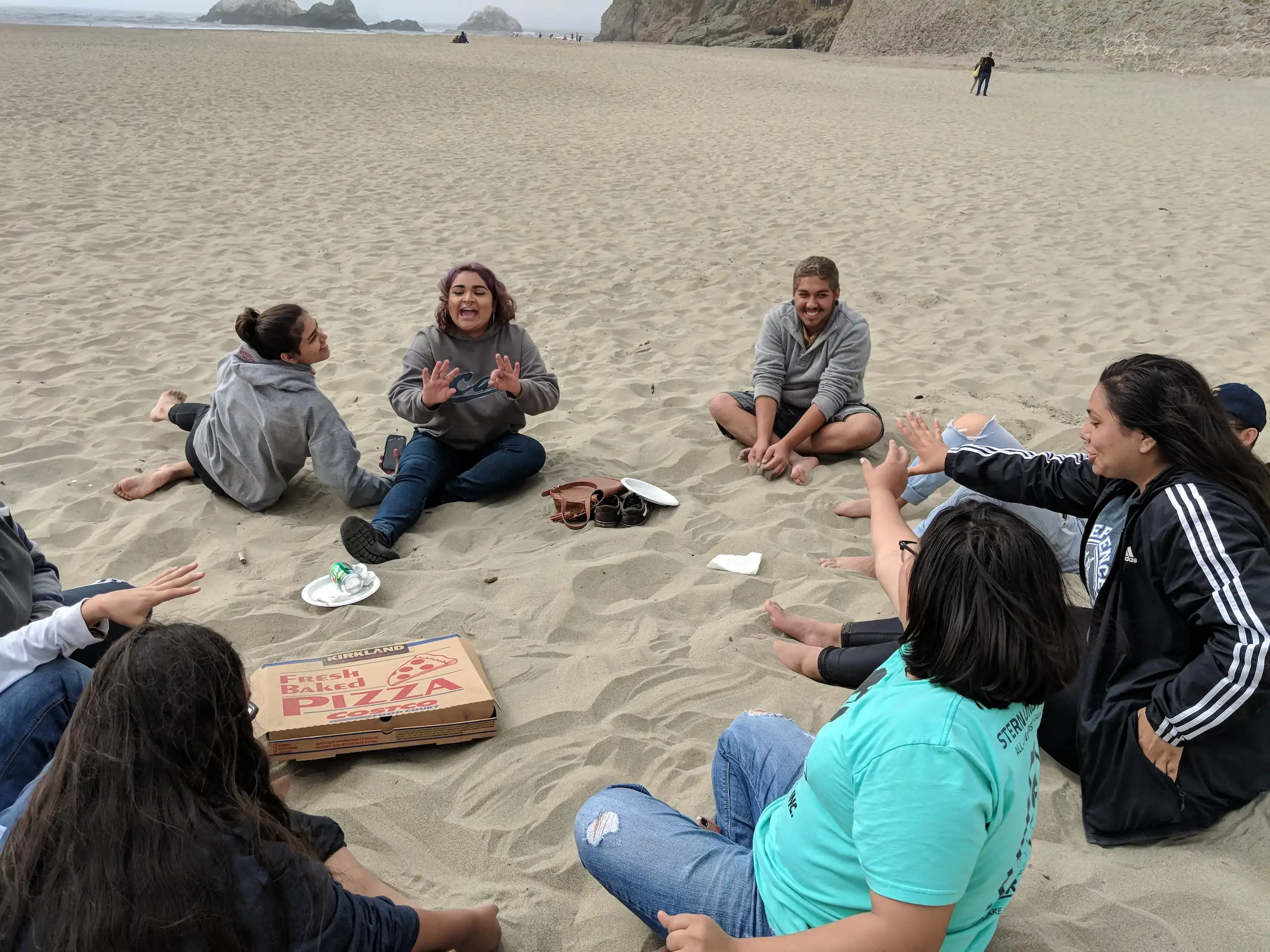
Image 50.03.04 — Californians for Justice (CFJ) youth enjoying pizza at the beach, a rare experience for many of them who juggle multiple responsibilities due to certain social and economic systems.
Many creative ways exist for students to slow down and take care of themselves, whether alone or as part of a school or youth group. For example, spending time in nature—such as breathing fresh air, going on walks, and relaxing with friends—can be incredibly revitalizing. Activities like breathing exercises, meditation, and stretching can also help reduce stress and improve focus. Additionally, regular exercise and sports, along with a healthy diet, provide not only physical health benefits but can also boost one’s mood and energy levels.
Students can also process challenging events by producing a “zine”—a small, self-published booklet or pamphlet with personal stories, political commentary, or anything else on a student’s mind. It can be shared internally among classmates or more broadly in the community. Zines tap into students’ creativity and can help tell a story in ways that relieve stress and educate others.
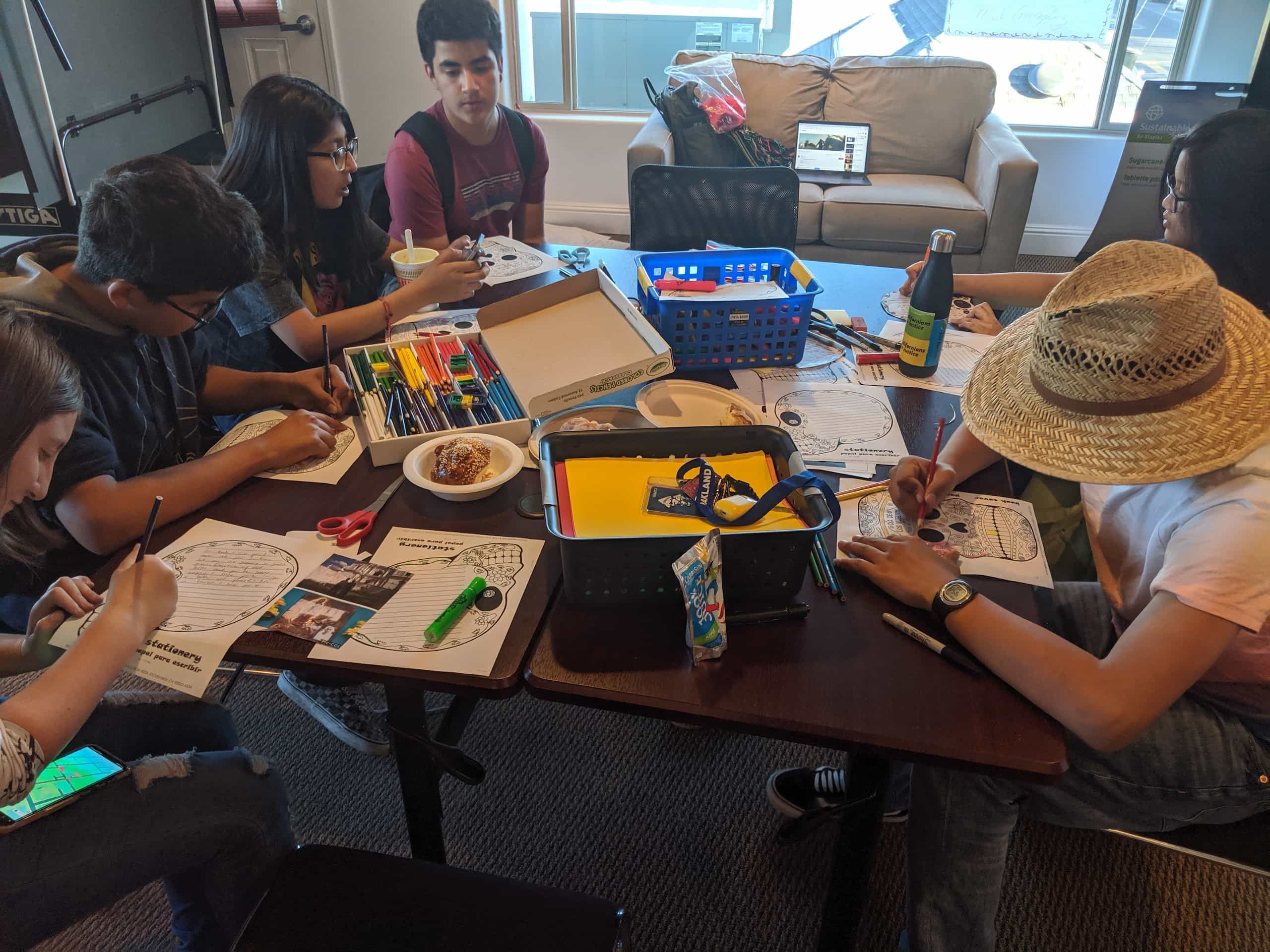
Image 50.03.05 — Californians for Justice (CFJ) leaders writing to loved ones that have passed away for Día de (los) Muertos.
Exploring cultural traditions is another powerful way to heal the mind, body, and soul. Organizations like KGA and CFJ offer workshops on making herbal teas and essential oil blends. Participants often leave these workshops feeling calmer and more connected to natural forms of healing. Practices such as yoga, tai chi, and meditation also support mental and physical well-being.
Processing circles that are rooted in Indigenous cultural traditions from around the world can be particularly helpful in dealing with emotional hardships. In processing circles (also called healing circles), participants sit together and take turns sharing personal experiences while offering and receiving positive affirmations. Everyone agrees to listen respectfully and honor each other’s viewpoints. This practice not only promotes individual wellness but also strengthens a sense of community and reminds participants of the wisdom passed down through generations.
Students can learn more about these and other cultural activities by talking to elders in their communities, connecting with local organizations, and exploring online resources.
Reflection Question
What are some activities that help you reduce stress?
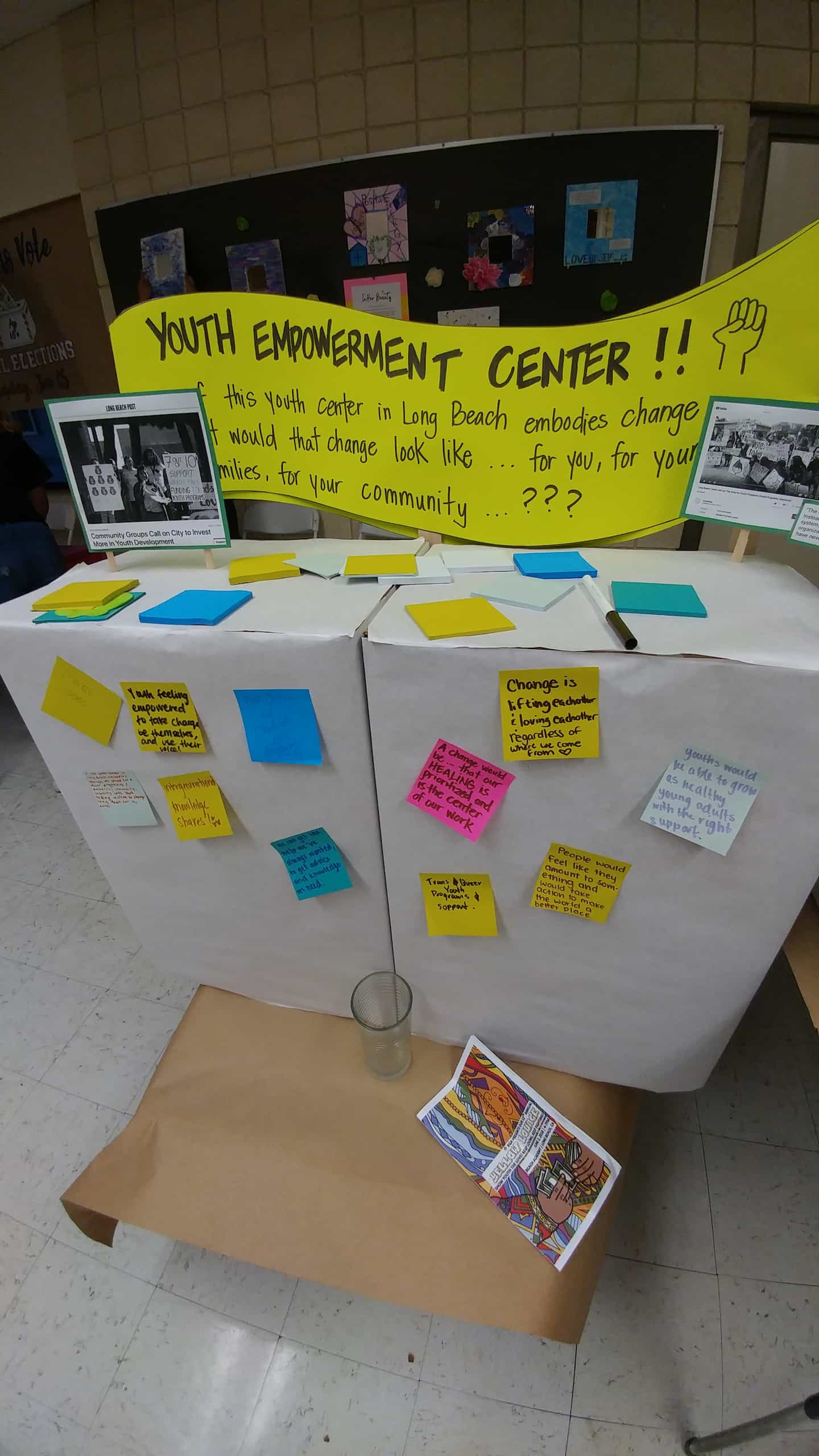
Image 50.03.06 — In Spring of 2018, artist and Khmer Girls in Action (KGA) member Raya Kom created Cambodiatown models exploring youth criminalization, park funding, and community appreciation.
Conclusion
When people care for themselves and each other, they can face challenges more effectively and continue to make their schools and communities better places. Healing justice is about working for positive change while simultaneously taking care of one’s own well-being. Healing justice can counteract the intergenerational trauma that has been passed down as a result of prior wars, exploitation, and other abuses. By combining community care and self-care, young people can improve the quality of life for themselves and those around them.
Glossary terms in this module
ally Where it’s used
Someone who unites with and supports people facing discrimination or unfair treatment, even if they are not a part of a marginalized group themself. Allies use their voice, influence, and actions to help others challenge injustices.
campaign Where it’s used
A coordinated group effort to reach a specific goal, like changing a school rule, improving a community, or raising awareness about an important issue.
healing justice Where it’s used
A concept and practice used to acknowledge and transform the consequences of racism and oppression in order to collectively heal from past or current trauma or systemic issues, while also being mindful of one’s own personal well-being.
marginalization Where it’s used
The unfair treatment of an individual or group in ways that limit their access to important resources, opportunities, or rights.
organizing Where it’s used
The process of bringing people together to build relationships, educate on issues, discover shared values, and support a cause to create change. Organizing also involves training new leaders, growing a base of supporters, and using strategies to ensure that decision-makers, laws, and policies respond to the needs of the community.
race Where it’s used
A way that society groups people based on physical traits, like skin color or family background. Race isn’t biological—it is shaped by historical, economic, and political forces, and often plays a role in determining people’s opportunities, treatment, and experiences in society.