





Module 5: Youth-Led Campaigns
How can young people from different backgrounds and experiences work together to make positive changes in their communities?
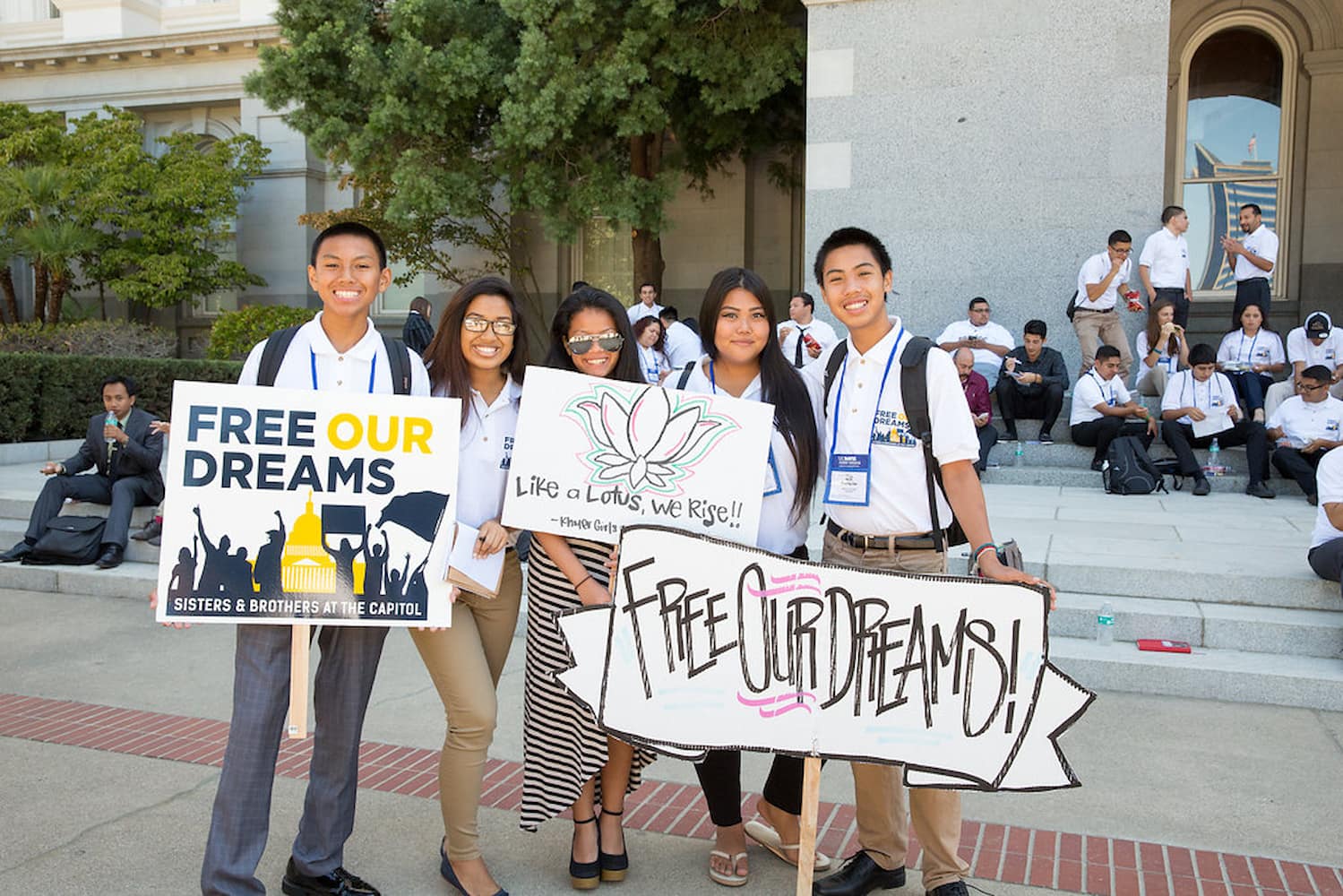
Image 50.05.01 — With support from Youth Organize California (YO! Cali) Members of KGA joined other young people from across the state to advocate on behalf of their communities in Sacramento.
Students have the potential to lead campaigns, which are coordinated efforts that bring people together to achieve social changes. Campaigns can focus on making a positive impact on schools, communities, the environment, or the media, or they can seek to affect change in other areas of concern (e.g., corporate responsibility). Historically, high school students have been at the forefront of campaign victories that improve opportunities for youth or amplify their voice.
For example, various student-led campaigns in the 2010s led to:
- Increased funding for after-school programs
- Expanded health services in schools
- More equitable school discipline policies and procedures
- Reduction of negative environmental and climate impacts
- Expansions of services for immigrant, foster, and LGBTQ+ students
- Greater turnout among young voters during government elections
To achieve their campaign goals, high school students often built solidarity and garnered the support of adult allies. They did a lot of work to study the problems they sought to address, and explore viable solutions. Their victories were not achieved overnight, nor were they the result of one or two isolated protests; indeed, some took years to achieve.
This module explains how young people can work together to create positive change. It also introduces the differences among advocacy, mobilization, and organizing, and shows how students can plan an effective campaign to address an issue that matters to you.
How can diverse young people collectively exercise power to create positive change in their community?
What are the differences between advocacy, mobilizing, and organizing?
What are some strategies for gaining support for a cause?
Selecting an Issue and Identifying a Target
In every school and community, students have concerns and ideas about how things could be improved. They might want healthier food in the cafeteria, cleaner bathrooms, fairer discipline policies, or safer streets for walking to school. Students may also worry about issues like online bullying, public safety, health, immigration, or the environment. Because students do not always have the time or opportunity to travel to Washington, DC, or to their state capital to talk with their representatives or decision-makers, it is often most feasible to stage a local campaign around an issue affecting their local community.
Students can take various steps in promoting a campaign. First, students must streamline the list of concerns to tackle. They can generate a list by talking with your peers about their views on what needs to be done to make their schools or communities better. What are some things that your peers want improved in your school or community? Can these concerns be resolved by local decision-makers like a school principal, school board, city council, county government, or other local agencies? What resources, if any, are needed to address these concerns? Students may need to consult with adult allies to determine which local decision-makers have the power to address students’ concerns and goals.
Reflection Question
What are some of the concerns shared among students at your school?
Advocacy, Organizing, and Mobilizing
After narrowing down a set of concerns, it is important to understand the difference between advocacy, mobilizing, and organizing when addressing a problem in your school, community, or beyond. Advocacy is when a small group of informed individuals, who understand a problem, work together to bring about change on behalf of others. These individuals will directly meet with decision-makers to make their case. For example, a small group of students could meet with their principal to create a plan to serve healthier cafeteria food options or meet with an elected official to discuss installing more neighborhood streetlights.
Meanwhile, mobilizing is when leaders get a lot of people to support a cause for a short time. For example, when leaders motivate hundreds or even thousands of people to join a protest, that is mobilizing. You have probably seen big protests on the news or social media. One example is when high school students led the 2018 March for Our Lives protests against gun violence. Tens of thousands of students and other supporters joined demonstrations across the country.
High school students have also influenced people getting involved in elections, reminding them to mail in their ballots or show up to vote (see Module 4). Mobilizing like this takes a lot of planning and teamwork. Students might give classroom presentations, have quick conversations, or organize school events like rallies. Social media and texting are also powerful tools for spreading the word.
To make mobilization work, a lot of people need to know the basics about the issue and when and how they might take action. Leaders of these efforts must work hard to reach their audience and consider safety if gathering a large crowd. For most of the people participating, only short-term commitments and minimal training are needed.
Reflection Question
What are recent examples of mobilizations that have occurred in your region or state?
More focused on the long-term impact than mobilizing, organizing recognizes that campaigns cannot be won overnight through a single protest or in one election cycle. Consequently, organizing entails training leaders and building a base of allies who will support your cause well into the future.
Organizers must build allies across different parts of the community, whether high school students, adults, or people from other racial/ethnic groups. In many youth-led campaigns, students organize by educating peers through club, student, or community presentations. Importantly, organizing work entails effectively negotiating with people who may have very different viewpoints and priorities.
When trying to affect change, students may engage in advocacy, mobilizing, organizing, or some combination of these approaches to address their concerns. The approach students take may require them to first conduct research on their concerns and possible solutions.

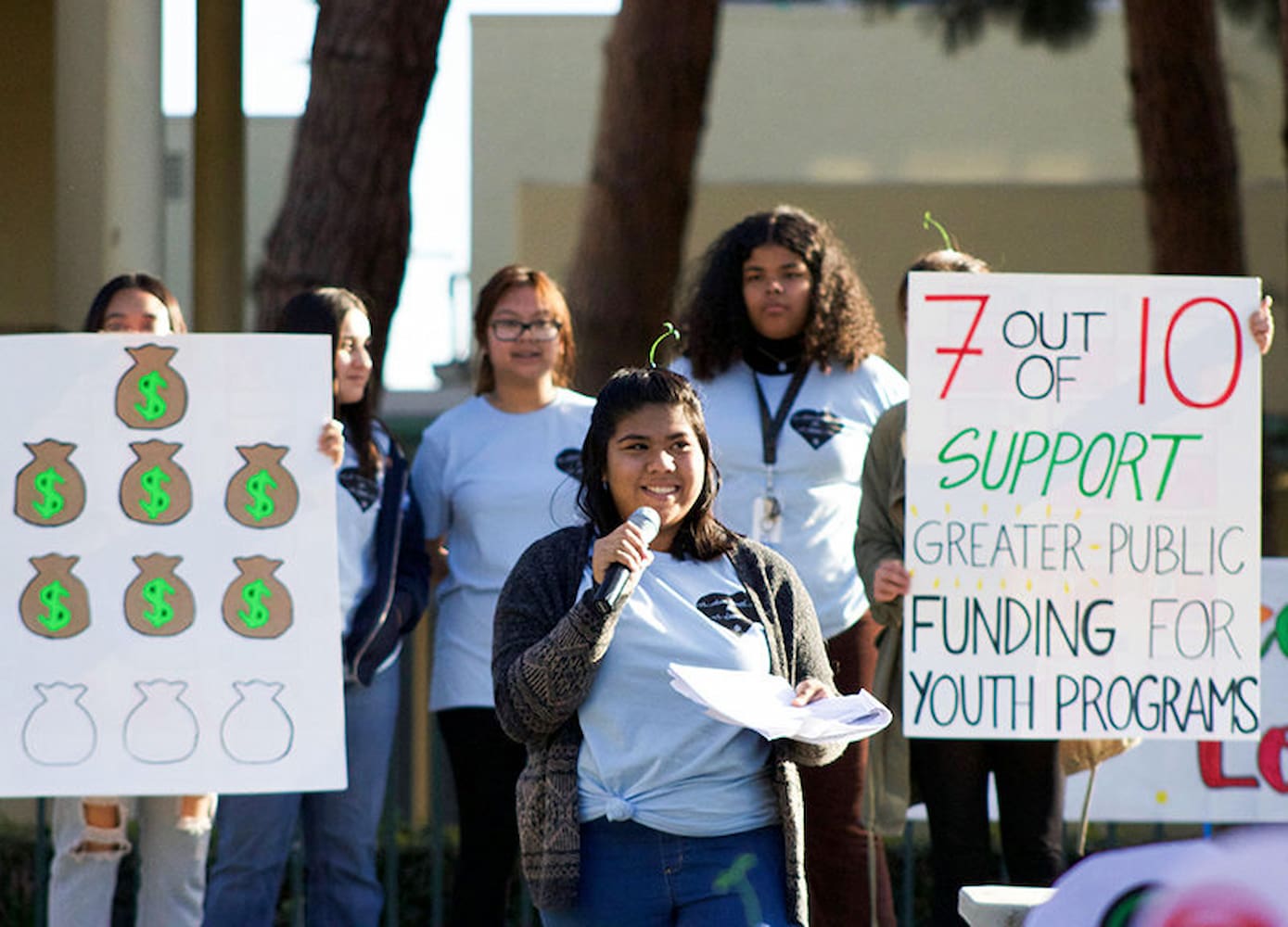
Image 50.05.02 — Invest in Youth, a coalition from Long Beach, California, organized for more funding for afterschool youth programs.
Conducting Research
Campaigns often involve doing some research to make sure students are well-prepared to lead others in creating change. Research helps students understand what people care about, the problems students are trying to solve, and the possible solutions. Gathering input from other students or community members helps determine whether a concern is widespread and invites ideas on solutions.
For example, if a small group of students thinks the school cafeteria meals are unhealthy and do not reflect their cultures, they might want to find out if other students feel the same way. They may also want to survey students about what they would like to see on the school lunch menu. Student leaders could create a survey to ask their classmates for their opinions and then use the results to shape their campaign.
Students might also need to research how to make their solutions happen. In the cafeteria example, they may need to work with adult allies to figure out how to change food vendors and update the menu. Research could help these students find out who is in charge of making decisions about the school menu and how to convince them to make changes. Learning about the decision-making process and using data can be very helpful in guiding a campaign’s goals and strategy.
Reflection Question
What kind of data or information might be helpful for a cause you care about?
Taking Action
To achieve a campaign goal, students must convince decision-makers to support their cause. It also benefits them to develop relationships with decision-makers. Any campaign requires a strategy—a roadmap for securing the needed support to achieve their goals. If student leaders feel like they have enough power on their own, they can engage in advocacy and meet directly with decision-makers.
For example, a school principal may be open to hearing students’ ideas and research on how to make the lunch menu healthier or more culturally inclusive. The principal might work with other school administrators to ensure changes to the school menu are made in response to students’ advocacy.
However, students typically do not have enough power on their own. They must organize and, in some cases, mobilize many people to their cause. They can conduct outreach to people who might be sympathetic to or support their cause. Through collaboration with others, students can obtain insights on how they might influence decision-makers.
After researching the problem, possible solutions, and different viewpoints, students can also work to win over groups that are neutral on their issue. A campaign to improve the school menu may require organizing a larger group of students, parents, and other allies to pressure the school administration and other decision-makers to make school lunch options healthier and culturally responsive.
Reflection Question
What challenges might students encounter when trying to make changes in their communities?
Students must ultimately decide, sometimes with adult input, whether their coalition of diverse stakeholders has enough power to influence decision-makers. If they do not have enough power, students may need to determine the feasibility of planning a larger-scale mobilization (protest, rally, petition, letter-writing campaign) to demonstrate to decision-makers that broader support exists for their cause. Staging cultural performances or using various forms of media outreach can help them reach broader audiences. In other cases, students may need to rethink their goals and strategies while researching more practical solutions.
Organizing is not easy, and students will not always achieve the goals they set. Still, educating people and raising public awareness around an issue is a small victory. Broader changes take time. Small actions can catalyze change or contribute to later progress.
Reflection Question
Why might it be important to celebrate small victories when trying to achieve change?
Case Study: San Diego High School Students Organize for Park Improvements
Mid-City CAN (MCC) is a community-based organization in City Heights, San Diego, California. MCC organizes residents to act on a range of concerns. The organization includes a Youth Council of high school students aged thirteen to eighteen. Over the years, MCC’s Youth Council has organized activities such as:
- Opening a skate park
- Securing free bus transportation for students
- Improving school lunches
- Demanding diverse translation services
It also led a 2023 campaign to revitalize Officer Jeremy Henwood Memorial Park, which had long been neglected and, as a result, felt unsafe to students and their families.
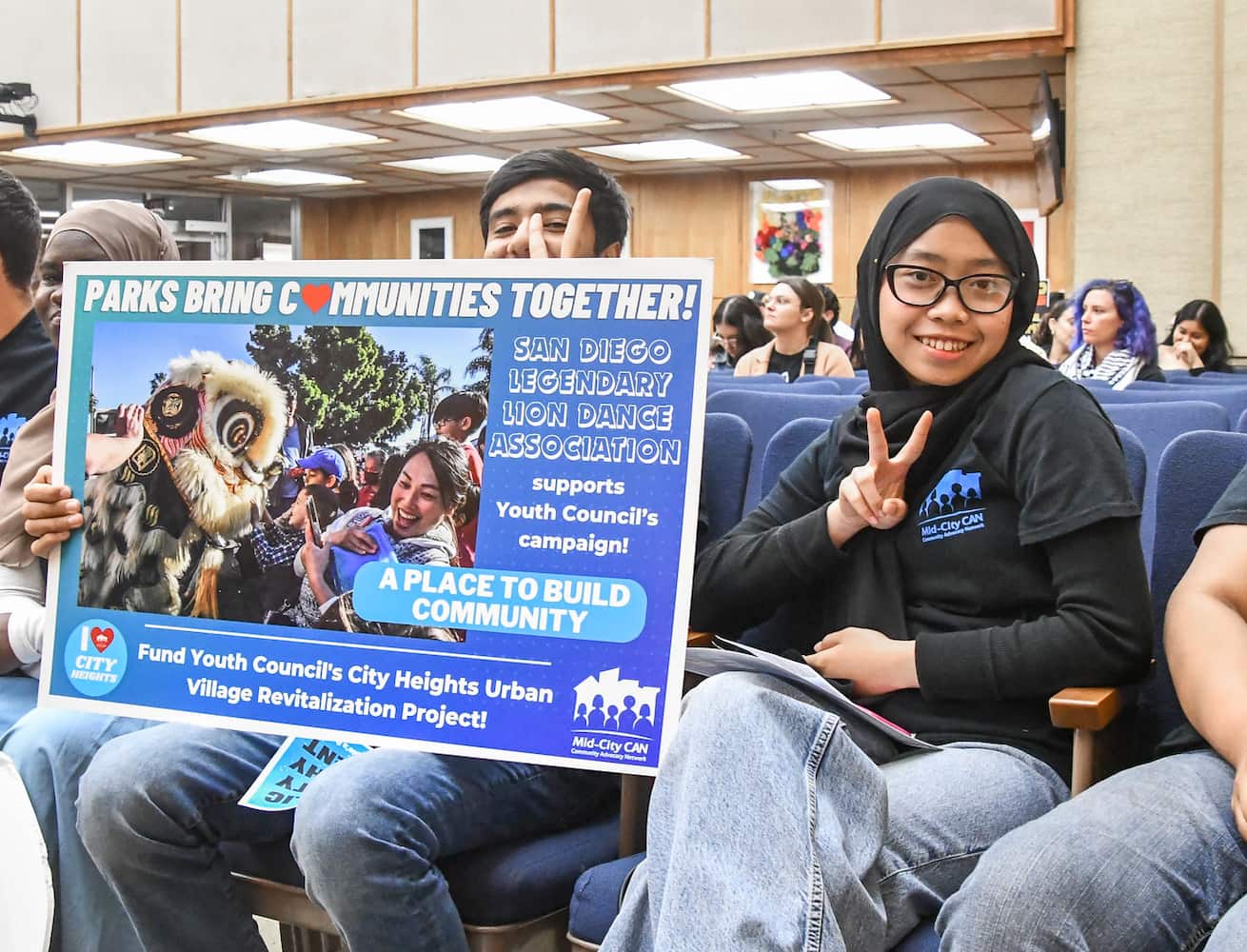
Image 50.05.03 — Mid-City CAN (MCC) Youth Council members in San Diego, California, attend a 2023 hearing to speak in favor of a revitalized park.
In this organizing effort, the MCC Youth Council hosted meetings to hear student and neighborhood concerns about the park, and they conducted research by documenting the condition of the park amenities. The input and data they collected helped them justify the need for new play equipment, cleaner bathrooms, modernized buildings, new picnic areas, and a running path.
The MCC Youth Council held initial meetings with the decision-makers—the mayor and the nine city council members who would ultimately vote on allocating funds for the park revitalization. At these meetings, students learned that some council members were concerned the revitalization plans might increase homelessness in the area; others felt that city funds should be used for other purposes.
Realizing they could not win this campaign alone, the youth mapped out a plan. They developed an organizing campaign strategy to recruit additional peers, adult allies, and other stakeholders. These allies, they believed, could help pressure the mayor and skeptical city council members to vote in favor of funding the park revitalization.
The MCC Youth Council and its new supporters then attended public hearings to express their backing of the park improvement plan. Coalition members also phoned local officials and sent over 550 letters to the mayor and city council offices.
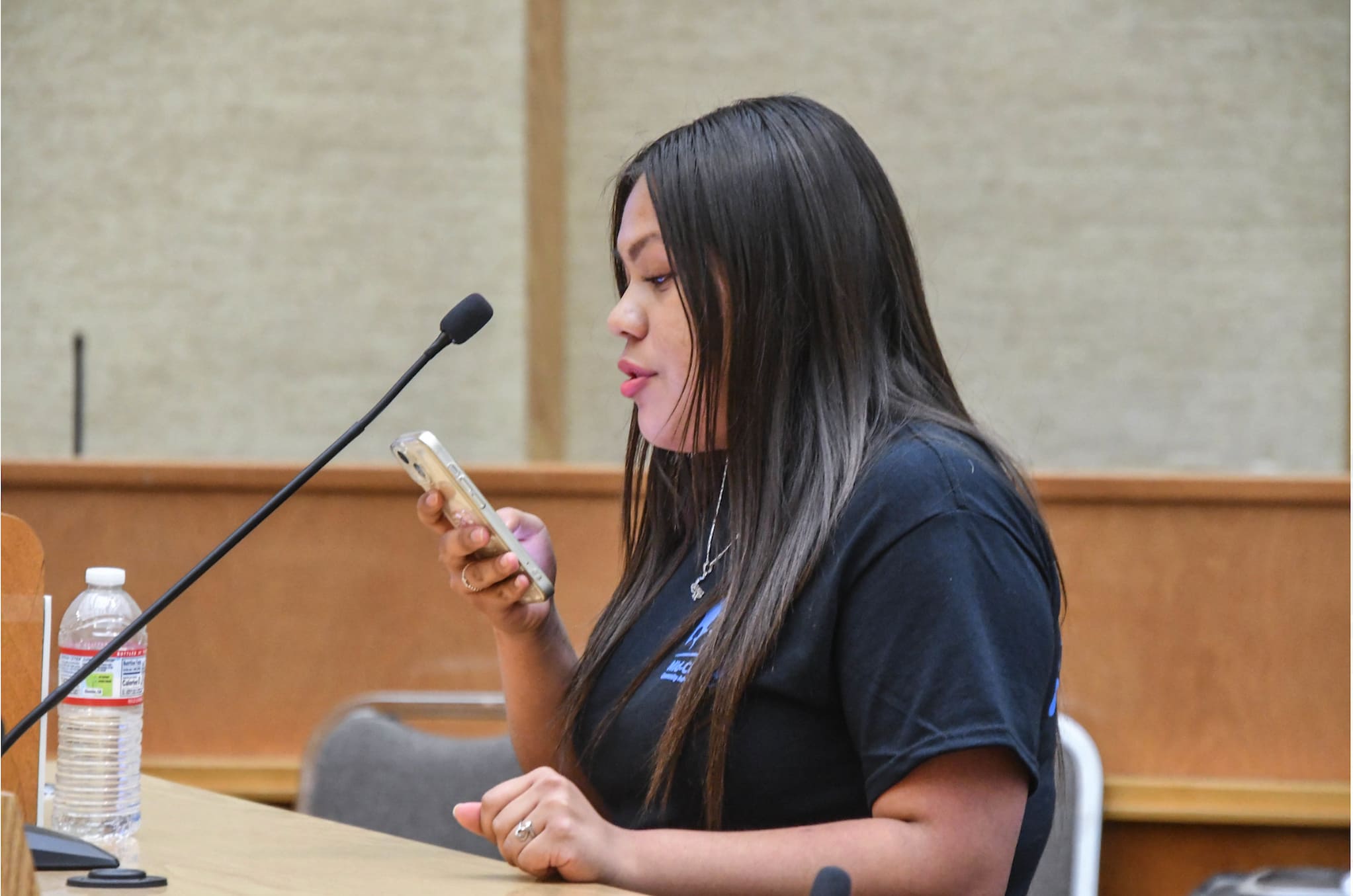
Image 50.05.04 — In 2024, a youth representing Mid-City CAN (MCC) Youth Council speaks out to share community struggles specifically regarding Officer Jeremy Henwood Park in City Heights, San Diego.
Thanks to widespread support, the city council voted unanimously on June 12, 2023, to start the park improvements. While the amount committed could not cover all the changes the youth wanted, it was still an important victory, inspiring them to keep pushing for better opportunities in City Heights.
The work of the MCC youth council serves as one example of how high school students organized to obtain an improvement in their community. Their experience shows that young people have the potential to secure the help of others in their community in convincing decision-makers to support their cause.
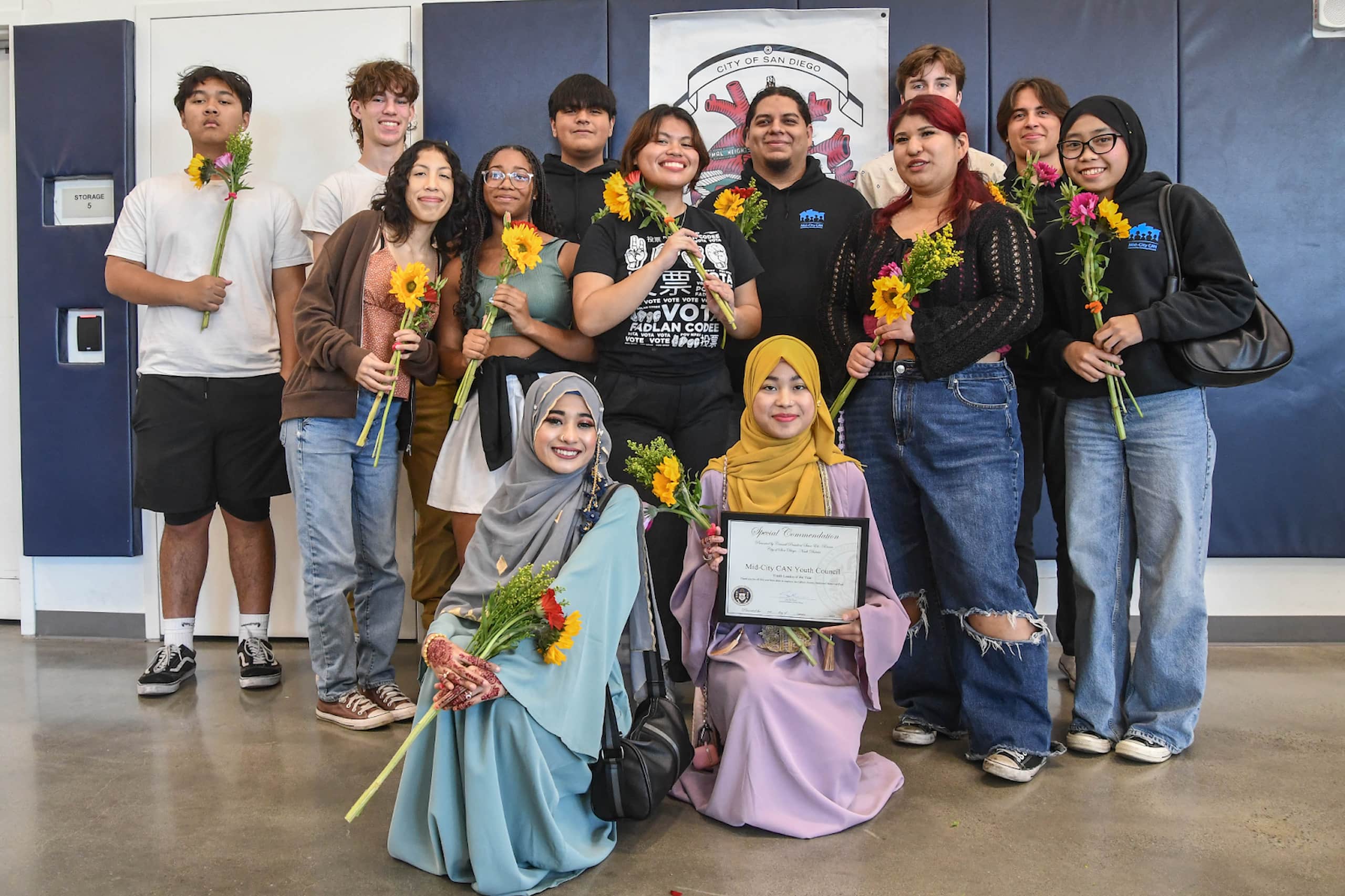
Image 50.05.05 — In February 2024, a group of thirteen to eighteen-year-old youth gathered to celebrate the Youth Council leadership in southeast San Diego, California. The group joined together to build community, have fun, and create change in their communities.
Reflection Question
Mid-City CAN (MCC) youth led a successful campaign. What were some of the important steps they took to convince the city council to support park improvements?
Glossary terms in this module
advocacy Where it’s used
When a group of informed individuals support a cause on behalf of others.
ally Where it’s used
Someone who unites with and supports people facing discrimination or unfair treatment, even if they are not a part of a marginalized group themself. Allies use their voice, influence, and actions to help others challenge injustices.
campaign Where it’s used
A coordinated group effort to reach a specific goal, like changing a school rule, improving a community, or raising awareness about an important issue.
mobilizing Where it’s used
The process of encouraging people who already support a cause to take action for a short period of time, such as attending a rally, signing a petition, or voting.
organizing Where it’s used
The process of bringing people together to build relationships, educate on issues, discover shared values, and support a cause to create change. Organizing also involves training new leaders, growing a base of supporters, and using strategies to ensure that decision-makers, laws, and policies respond to the needs of the community.
solidarity Where it’s used
A political, cultural, and collective stance that recognizes the mutual responsibility and support that is necessary to achieve change. Collective efforts tap into the power in numbers and considers the collective interests of communities.