





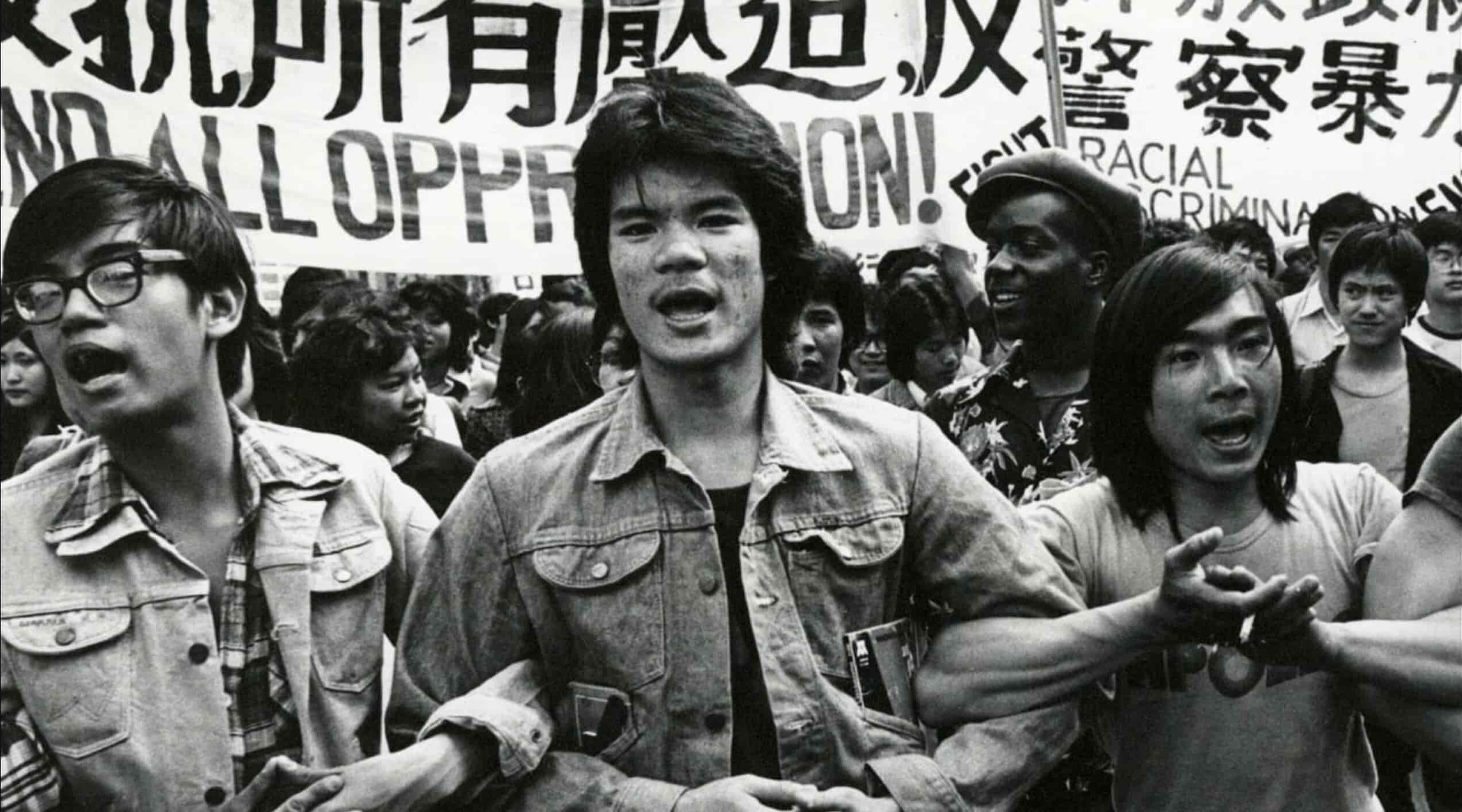
Three Asian American men stand with their arms interlocked. Behind them a crowd of protestors hold up a large banner above them.
Module 1: Overview
How can young people from different backgrounds and experiences work together to make positive changes in their communities?
Young people have a fundamental vested interest in the future of their communities and the planet. They have the most to gain from fixing the problems impacting their lives and those of the people they care about, near and far. It is not surprising, then, that young people have been at the forefront of many movements to impact social change throughout US history.
In this module, we focus on why young people—including high school students—might want to work in solidarity with others from diverse backgrounds to make a positive difference in their communities and beyond.
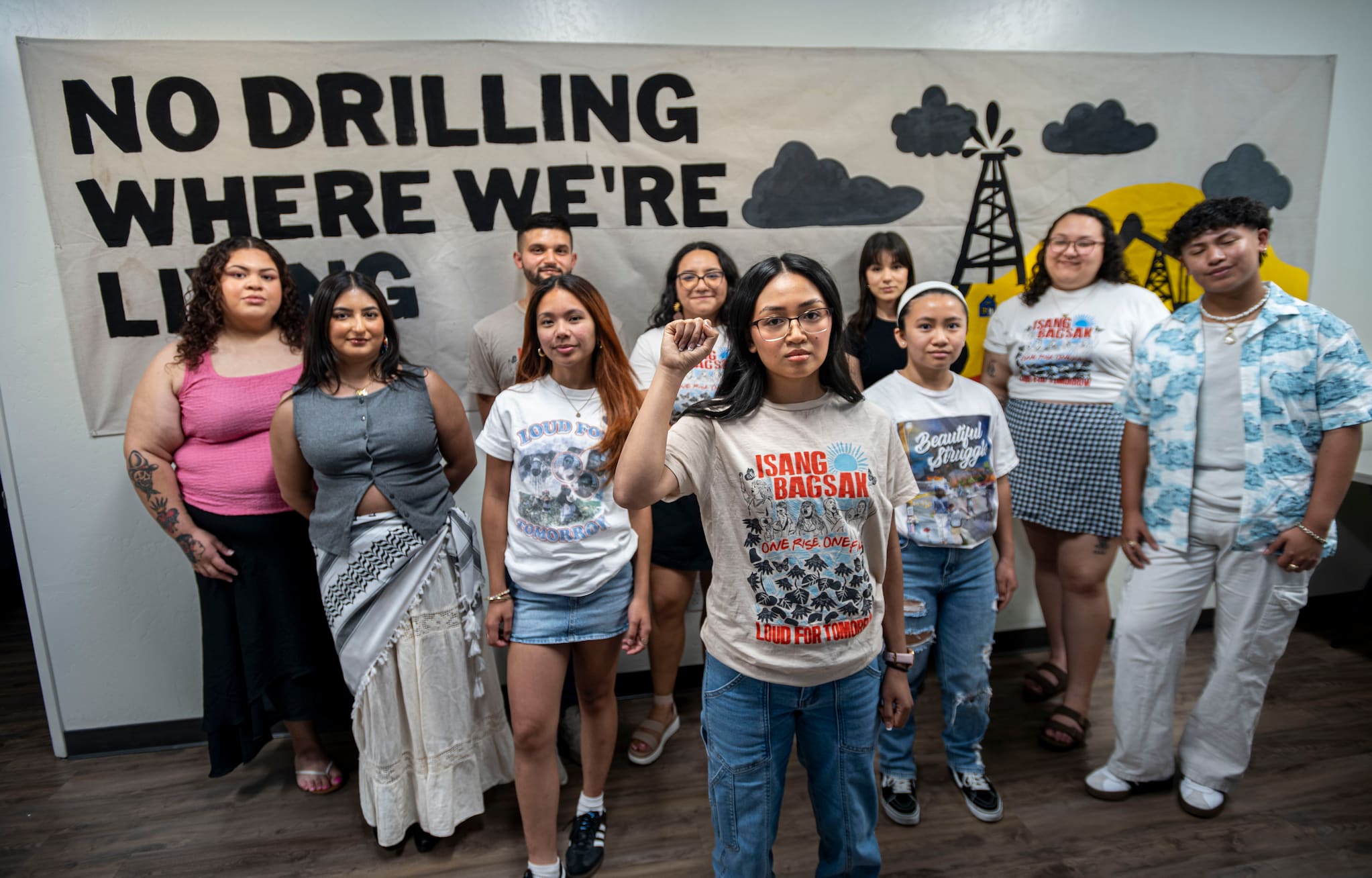
Image 50.01.01 — A 2024 photo of the Delano, California-based grassroots youth-led organization Loud for Tomorrow. The group encourages transformation through civic engagement, advocacy, and community healing. Their work encompasses social, environmental, health, and racial issues.
Many of today’s high school students are carrying forward the work of past generations, standing up against social injustices, and striving to create a world where everyone can thrive. They take on challenges like unequal opportunities linked to immigrant or refugee status, religion, family income, gender identity, sexual orientation, or ability—barriers that can make life challenging for some students. They also tackle broader issues, such as climate change and rapidly changing technology, which affect everyone but often hit those already facing social inequalities hardest. By learning from past struggles, adult allies, and each other, students can work together across different backgrounds to make a real difference. They can help create a future that is fairer, safer, and healthier.
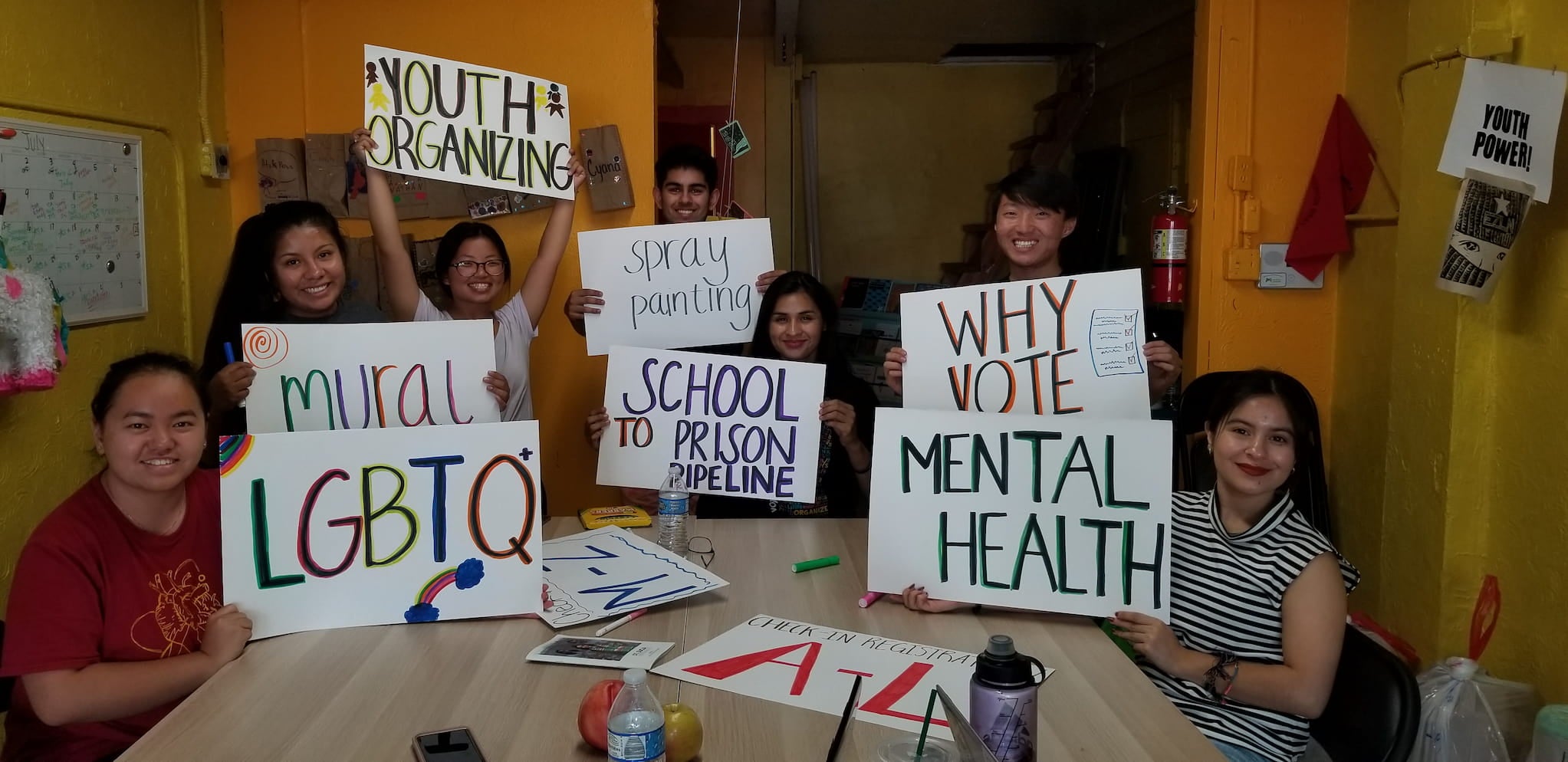
Image 50.01.02 — Youth members of 99Rootz and participants of the 2018 Central Valley Freedom Summer Action Research Project prepare public education workshops on issues that affect their communities.
For generations, teenagers and young adults have spoken up against societal injustices and fought for what they believed was right. Young people have worked across racial lines to help end slavery, fight for women’s right to vote, advocate for the rights of those facing injustices, and protect the natural environment.
How have young people fought for change in their communities in the past?
What are some challenges that young people currently experience in your own or nearby communities?
Why might diverse students work together to make positive changes in their community and beyond?
History of Young People Organizing for Change
While it is not always easy for young people to make a difference, many examples exist throughout history of students working together with older allies to promote laws and policies that improve opportunities and well-being. One well-known example is the US Civil Rights Movement, where diverse students from across the country organized to address racial discrimination. They built strong relationships, analyzed the root causes of racial inequalities, and worked together to design and carry out strategies that pressured US government agencies and private businesses to operate more fairly.
In the 1960s, African American students were at the forefront of organizing efforts to challenge the unjust treatment of their communities, building on the legacies of those who fought for racial justice, including the abolitionists of the 1800s who worked to end slavery. These young people secured widespread support to counter the racial discrimination in their schools, colleges, neighborhoods, workplaces, government agencies, and public spaces. At the same time, Asian Americans, Pacific Islanders, Latinos, and Native Americans drew on the legacies of their ancestors to also organize and demand an end to discriminatory treatment of their own communities.
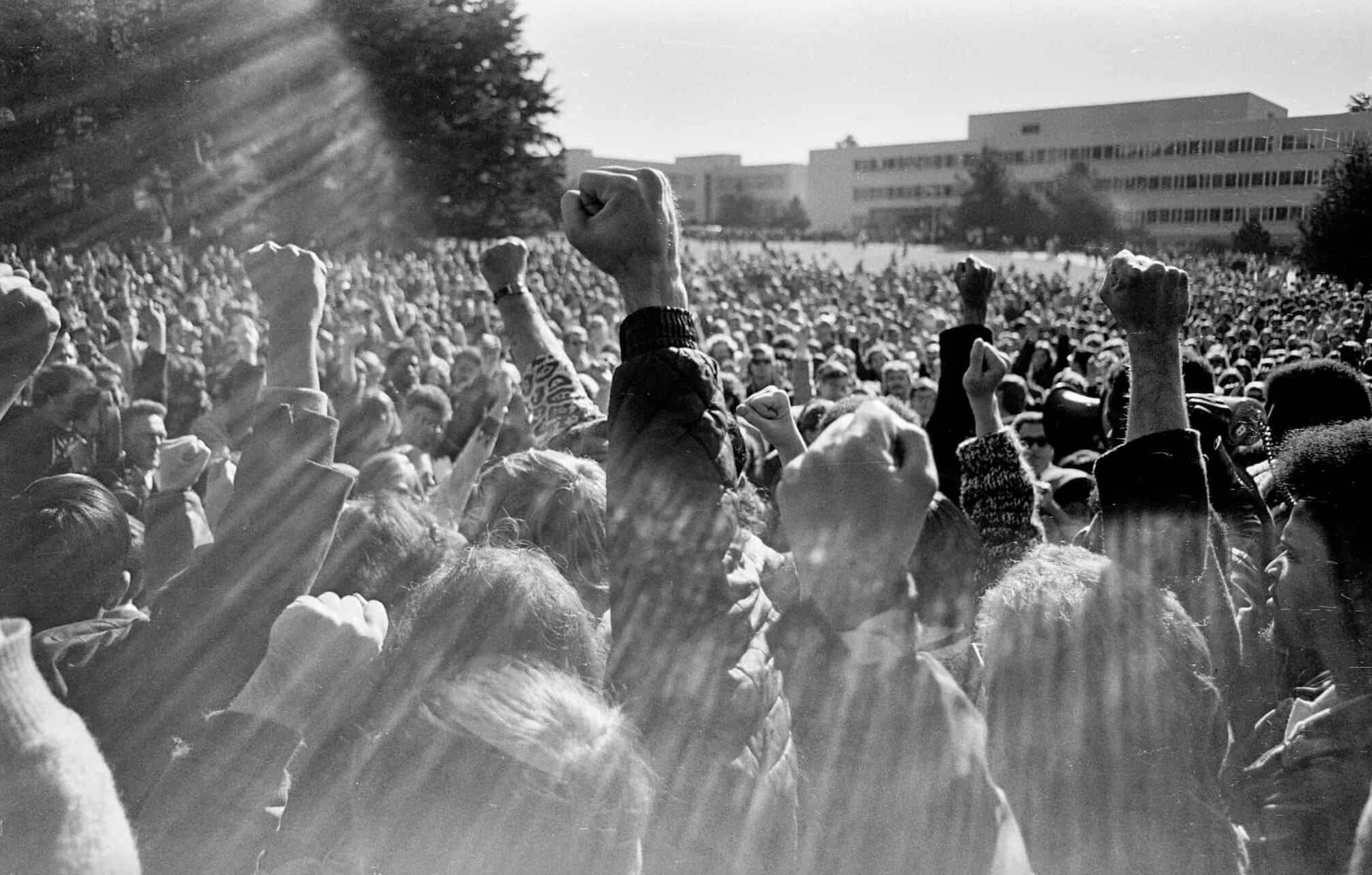
Image 50.01.03a — The Black Student Union and Third World Liberation Front organized the longest strike at San Francisco State College (now University) in 1968. The strike created the College of Ethnic Studies and policies for relevant curricula.
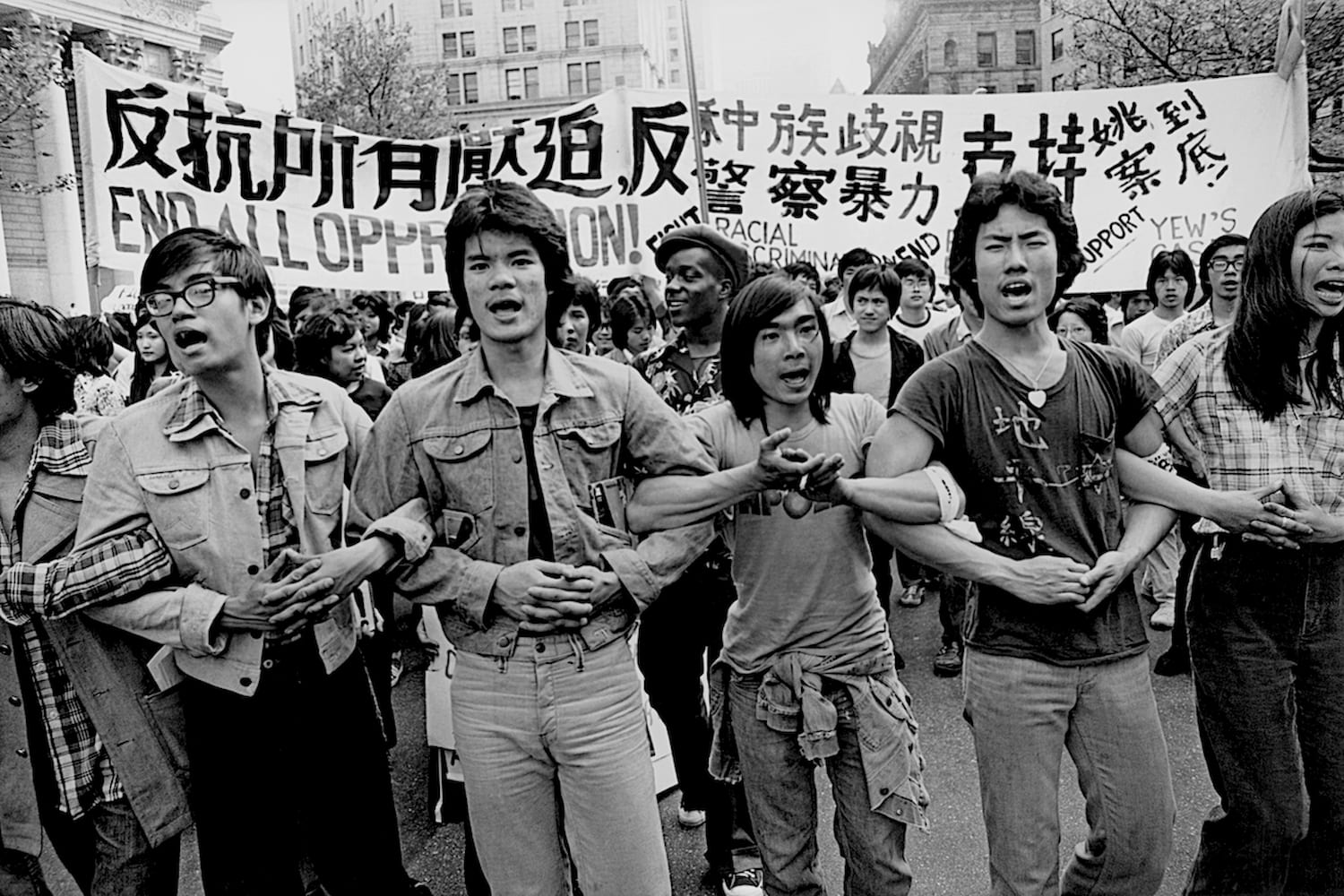
Image 50.01.03b — Students banding together during a 1975 protest against police brutality after the beating of fifteen-year-old Peter Yew by police after a traffic stop.
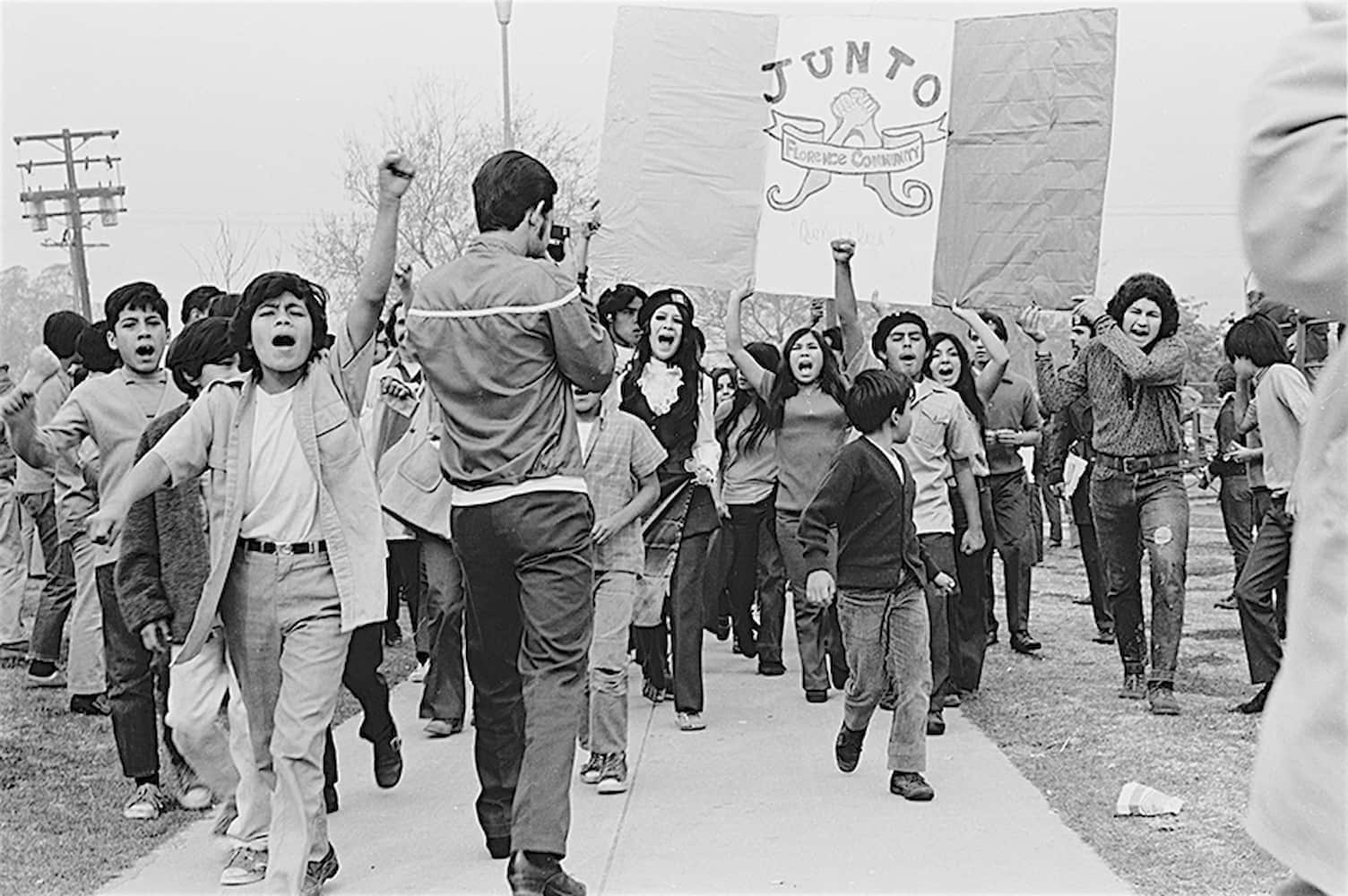
Image 50.01.03c — Youth from the Florencia barrio of South Central Los Angeles arrive at Belvedere Park for La Marcha Por La Justicia on January 31, 1971.


Young people’s efforts contributed to a national movement that pressured the US government to pass landmark legislation, including the Civil Rights Act of 1964, the Voting Rights Act of 1965, and the Fair Housing Act of 1968. These laws expanded opportunities for people of color and helped reduce some of the most overt forms of racial discrimination. However, these laws did not eliminate racial discrimination. Consequently, advocates, including many young people, have continued to fight racial and other forms of discrimination. Given the diversity of the US today, fights for equal opportunities for all can include diverse youth from a variety backgrounds.
Reflection Question
Can you think of any examples where people around your age have stood up against discrimination or unfair treatment in your community or elsewhere?
The Importance of Collaboration in a Multiracial Nation
Today, the population of the United States is very different from that of the 1960s Civil Rights era. In 1965, non-Hispanic whites were the overwhelming majority of young residents. However, due to immigration and differences in fertility rates among racial groups, the US population is far more diverse today. In 2025, non-Hispanic whites were no longer the majority among US residents aged eighteen and under.
No single racial group makes up the majority of the United States population under age eighteen. For example, by the mid-2020s, Asian American and Pacific Islander youth were one of the fastest-growing groups and made up about 5 percent of this young population. Non-Hispanic Black children composed about 13 percent, and around 26 percent of children identified as Hispanic or Latino. Native American (American Indian or Alaska Native) children made up about 1 percent.
The United States’ youth population has roots from all around the world. Therefore, it is important for students to learn about one another’s histories and cultures. When students understand other people’s backgrounds—their family stories, traditions, and the challenges their communities have faced—they are better able to build trust and respect. Learning about each other also helps students identify shared interests, even when their experiences are different. This kind of knowledge is essential for building solidarity and working together toward making sure that all have an opportunity to thrive.
Reflection Questions
What are the racial groups represented in your school, community, region, or state?
Why might it be important for young people in your area to work together across racial lines when trying to create positive change?
Young Leaders Respond to a Range of Concerns
There are high school students across the US who care deeply about a wide range of causes. Their efforts to make a difference may be inspired by history, their communities, their families, or their personal background. In recent decades, high school students have addressed a wide range of issues, including social inequalities created by education, health, immigration, environmental, and other policies. They have tackled issues like bullying, gun violence, and climate change, and they also worked to strengthen US democracy by encouraging greater participation in elections, especially among younger eligible voters in their communities. Such change was not simply achieved through protests. Rather, young people had to participate in coordinated campaigns, meaning that they built widespread support for their cause, taking multiple forms of civic action to achieve shared goals. Students educated their peers, collected petitions, met with elected officials, organized rallies, or spoke to thousands of voters.
Education
Many young people care about educational opportunities, especially if they feel like they cannot access a quality public education. Educational divestment—the reduction of funding for public education—has made it increasingly difficult for schools to provide a well-rounded curriculum, educational services, and extracurricular activities for all students.
Educational divestment has been an issue of concern for many decades. For example, in 1978 California voters approved California Proposition 13, which greatly decreased the amount of home property taxes collected by the state; the money from these taxes, however, helped to pay for public schools and other public services. As a result, schools in some communities no longer had enough money to adequately maintain their facilities, pay teachers a decent salary, update their technology, hire enough counselors, and offer a range of extracurricular activities. The resources and quality of education can thus be very different from one community or region to another in California and in other states. Because of this, students from diverse racial backgrounds have demanded more equitable funding and educational resources, and in some cases, they have secured millions of dollars to improve their schools.
Across the country, high school students have also fought to improve their school’s climate and disciplinary policies and procedures. These students have spoken out against many issues, including the school-to-prison pipeline, or school practices that expose students to the criminal justice system. For example, unfair or harsh school discipline policies can push students out of the classroom and into situations where they are more likely to come in contact with law enforcement. Black, Latinx, Pacific Islander, and Southeast Asian youth (especially boys), as well as students with disabilities, disproportionately get caught up in the school-to-prison pipeline.
In order to begin dismantling the school-to-prison pipeline, students have called attention to instances where certain groups were punished more harshly than others for the same disciplinary infractions. These student leaders noted what they saw as excessive punishments (such as suspensions or expulsions) for minor infractions like dress code violations and being late to class. Student leaders have also urged school administrators to institute better methods for handling misbehavior in order to resolve conflicts more effectively, prevent future incidents, and keep students in the classroom.
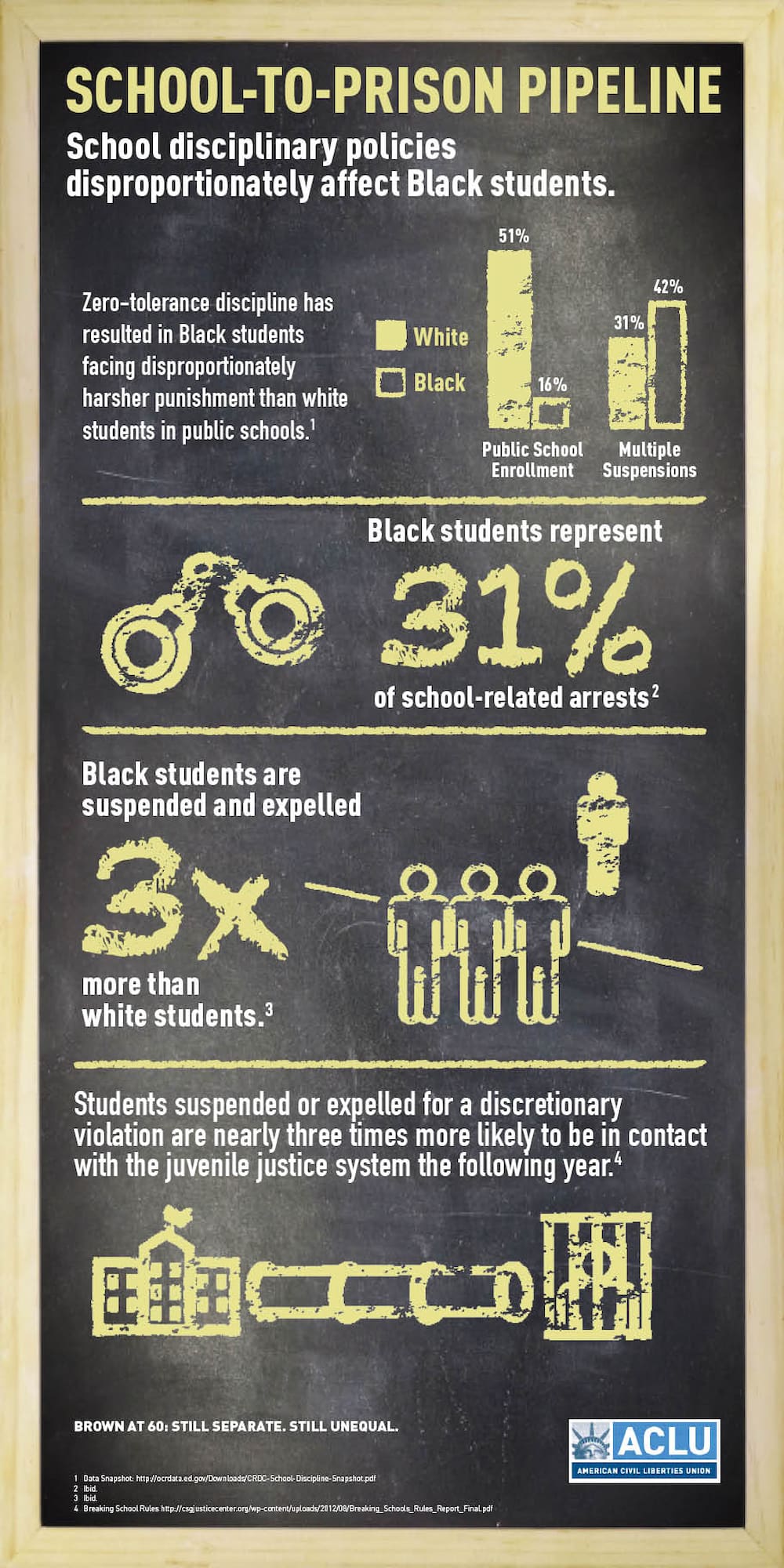
Image 50.01.04 — Graphic from the American Civil Liberties Union (ACLU) showing how school discipline can criminalize student behavior.
Reflection Questions
What are some things that you like about the education offered at your school?
How does the quality of education compare to other schools in your area?
What are some things that could be improved at your school?
Health and Safety
Young people can experience a wide range of stressors in their daily life, and they can also be exposed to unhealthy or unsafe environments. Young people have been at the forefront of efforts to improve their physical health, mental health, and safety. For example, they have demanded healthier school lunches, increased health care access, more resources for reproductive health, and improved mental health counseling. Some have also worked to address youth safety on digital platforms or prevent gun violence.
Reflection Question
What are some health or safety issues affecting young people in your community?
Immigration
Immigration is another key concern for many youth activists. The United States is home to many immigrants who are undocumented, meaning that they do not have legal authorization to live in the United States and so are at risk of being deported to their country of birth. The risk of deportation can be very frightening for students who are undocumented themselves, or have undocumented family members. In response, the children of immigrants have been leading the fight to secure a pathway to legalization for students and other undocumented immigrants who are contributing to the United States. For example, during the first decade of this century, undocumented students organized across the country to pressure the US Congress to pass the DREAM Act, a national law that would grant undocumented youth a pathway to legal status and US citizenship . In 2010, however, the US Congress failed to pass the DREAM Act.
Following the decision by Congress, young people from immigrant families turned to other immigration reforms that would help stabilize their communities. For example, in 2012, undocumented student activists convinced then-President Barack Obama to issue an executive order called Deferred Action for Childhood Arrivals (DACA), which shielded eligible youth from deportation and granted them work permits. DACA had enabled hundreds of thousands of young immigrants to legally pursue careers and achieve greater economic stability before the Trump administration attempted to end the program in 2017. Legal battles over the fate of the DACA program have continued through the first half of the 2020s and will possibly continue to play out well beyond then.
In light of setbacks to immigrant rights, some young people from racially diverse backgrounds have continued to work to protect the rights of undocumented students and other immigrants. Young immigrant rights activists often align with older adults seeking to preserve the US constitutional and human rights for people escaping poverty or violence in their home countries. Immigrant rights activists, however, often share a different perspective from others who support the deportation of undocumented immigrant students and workers.
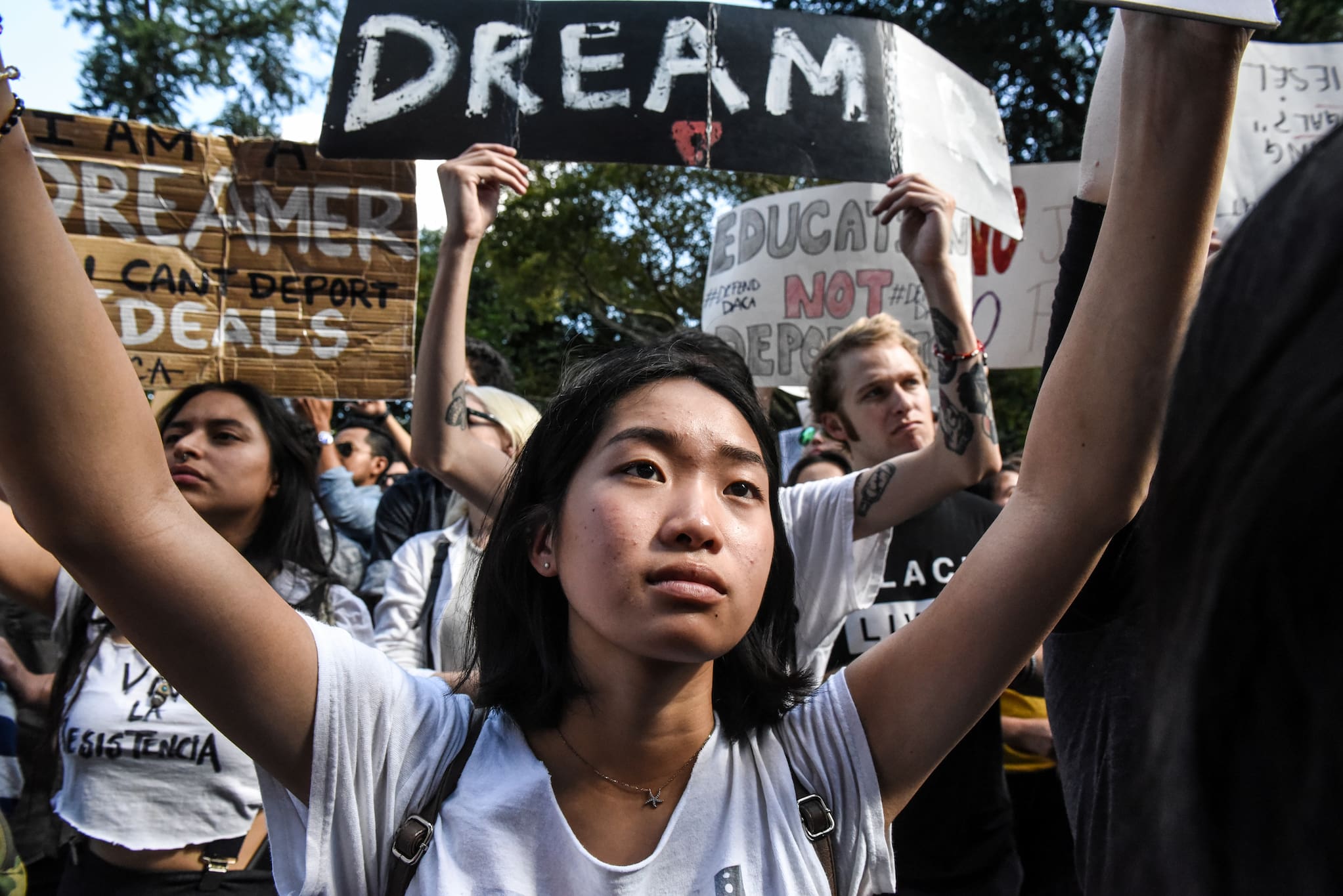
Image 50.01.05 — Young people protest to defend the Deferred Action for Childhood Arrivals program (DACA) in New York in 2017.
Voting and Democratic Participation
In the United States, individuals must be eighteen or older and US citizens to vote. Historically, younger voters participate in elections at much lower rates than older adults. Because of this, some high school students have become motivated to “get out the vote,” even though they may be ineligible to vote because they are under age eighteen or do not meet citizenship requirements. They believe that persuading those who are just a little older than themselves can help ensure that younger generations are represented at the ballot box. During these campaigns, students have helped register eligible voters and, in states that allow it, they have also helped sixteen- and seventeen-year-olds pre-register to vote.
To counter misinformation, high school students have learned about the voting process and shared reliable, nonpartisan information about candidates and issues. Their efforts are especially important for raising awareness about local measures and local offices—such as county, city, or school board races—where trustworthy information can be harder to find in some communities. Through public outreach campaigns, high school students help their community members stay informed and are able to participate in the democratic process.
Reflection Question
What are some ways young people have recently made a difference in your community or in other places?
Building Multiracial Solidarity for Positive Change
Following in the footsteps of prior generations, high school students learn how to rally support for a cause and effectively work in solidarity with people with different life experiences. Students can join in solidarity with diverse peers and allies to make desired changes. When collaborating with people from different backgrounds, it is helpful for students to reflect on their own identities and family backgrounds. Such reflections can help them understand their power to exercise their voice and support their peers.
At the same time, students should be aware that campaigns can be highly challenging work, especially for those who are also confronting personal or family hardships. Additionally, organizing efforts can result in misunderstandings and conflicts. People who speak out sometimes come under attack in the media, for example. Consequently, it is essential for student leaders to take time to maintain their well-being and learn healthy communication strategies for engaging in community efforts and public debates.
To make a difference in how their local community or government responds to the needs of young people, high school students can learn about issues they care about, and educate themselves and others about the voting process and the importance of participating in all elections. They can also lead campaigns to change government policies, perhaps targeting their city, county, or local school board. Students can work with teachers or other adult allies to better understand policy issues. Then, once they understand the policy options, students can develop strategies for identifying allies and enlisting their help in convincing elected officials to support their causes.
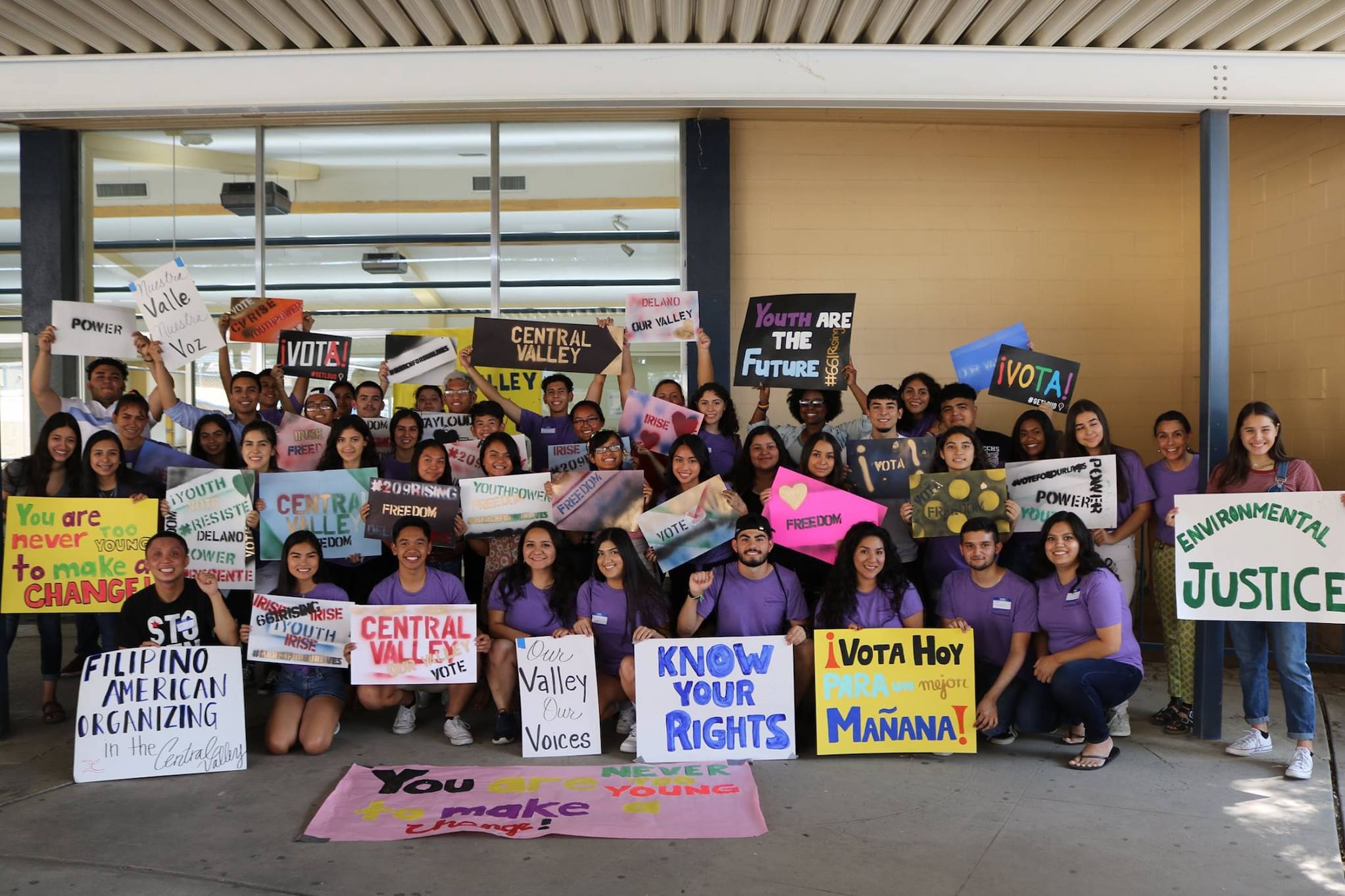
Image 50.01.06 — Returning home for the summer, university students from the largely agricultural Central Valley region of California participate in local grassroots community organizing, youth development, and voter engagement.
History is full of young people who stood up for what they believed in as they fought for civil rights, voting rights, and many other important issues that shaped our nation. As students today, you also have the power to influence history and contribute to meaningful change. By working with others from diverse backgrounds, you can imagine new ways to improve your school or community, and, together, take real steps toward making those ideas a reality.
Glossary terms in this module
ally Where it’s used
Someone who unites with and supports people facing discrimination or unfair treatment, even if they are not a part of a marginalized group themself. Allies use their voice, influence, and actions to help others challenge injustices.
campaign Where it’s used
A coordinated group effort to reach a specific goal, like changing a school rule, improving a community, or raising awareness about an important issue.
Deferred Action for Childhood Arrivals (DACA) Where it’s used
A federal program created in 2012 that gave certain young immigrants, sometimes called “Dreamers,” temporary protection from deportation and permission to work legally in the United States. DACA applied only to people who met eligibility requirements and applied between 2012 and 2017.
organizing Where it’s used
The process of bringing people together to build relationships, educate on issues, discover shared values, and support a cause to create change. Organizing also involves training new leaders, growing a base of supporters, and using strategies to ensure that decision-makers, laws, and policies respond to the needs of the community.
school-to-prison pipeline Where it’s used
A pattern in which harsh school policies—such as strict punishments, suspensions, expulsions, and having police on campus—push students out of the classroom and increase their chances of coming into contact with the juvenile or criminal justice system. This problem affects some groups more than others, especially Black and other boys of color, as well as disabled students, due to unfair treatment and long-standing inequalities in schools and society.
solidarity Where it’s used
A political, cultural, and collective stance that recognizes the mutual responsibility and support that is necessary to achieve change. Collective efforts tap into the power in numbers and considers the collective interests of communities.
undocumented Where it’s used
A term for people who were born in another country and live in the United States without legal immigration status or a valid visa. Many undocumented individuals come to the US seeking safety, stability, or better opportunities.