




Module 4: Youth Voice in Elections
How can young people from different backgrounds and experiences work together to make positive changes in their communities?
The United States is a democracy, which means that people get to vote for leaders who make important decisions. These decisions affect everyone, even those who cannot vote yet or are not citizens. Thus, voting helps decide the rules and laws that shape your community, your state, the country, and even how the United States interacts with the world. Because elections can have short-term and lasting consequences, there have always been debates about who should be allowed to vote. Throughout the country’s history, young people and others who were excluded from voting have fought to have a voice because government elections impact their lives, their communities, and the natural environment.
The rules for voting have evolved throughout the history of the United States. At first, the rules for who could vote were decided by each state, and most states only allowed white men who owned land to vote. Consequently, women, Black people, Native Americans, and even white men without land could not vote, even if they were born in the United States and paid taxes.
There were a few exceptions, such as in New Jersey, where women could vote for a short time in the 1790s, though they lost those rights in 1807. Different states changed their rules over time, sometimes allowing African American and Native American men to vote—but these rights were also sometimes taken away.
This module explores the importance of voting, and how young people can encourage eligible citizens to participate in government elections.
Reflection Question
What might be some reasons that all women, Native American men, and Black men were denied the right to vote?
Why is voting important?
How does voter suppression impact communities?
How can young people have a voice in elections?
Evolving Voting Rights
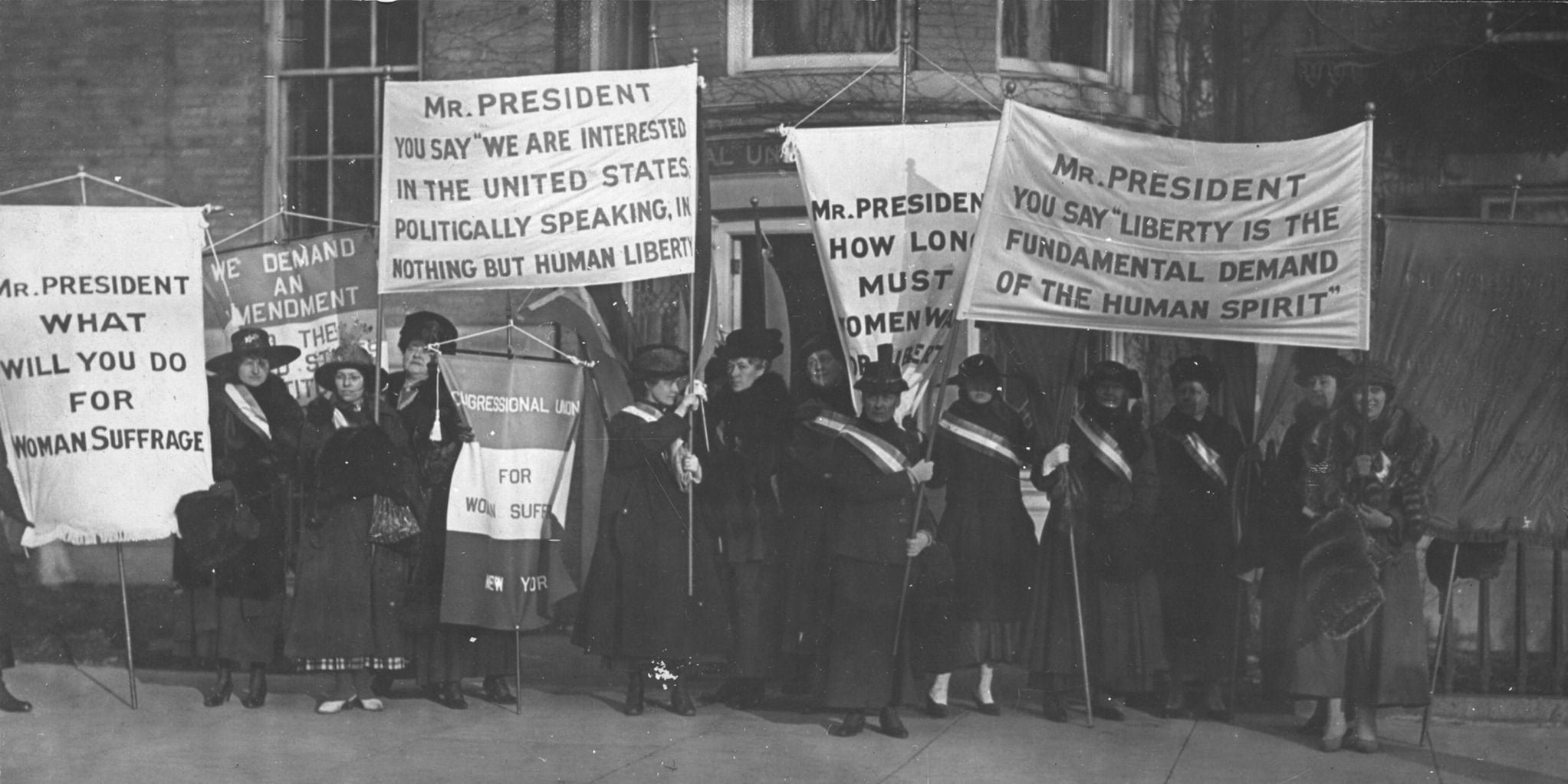
Image 50.04.01a — Suffragists demonstrating in Washington, DC, in 1917. Their banners call for President Woodrow Wilson to take action in support of women’s suffrage, or right to vote.
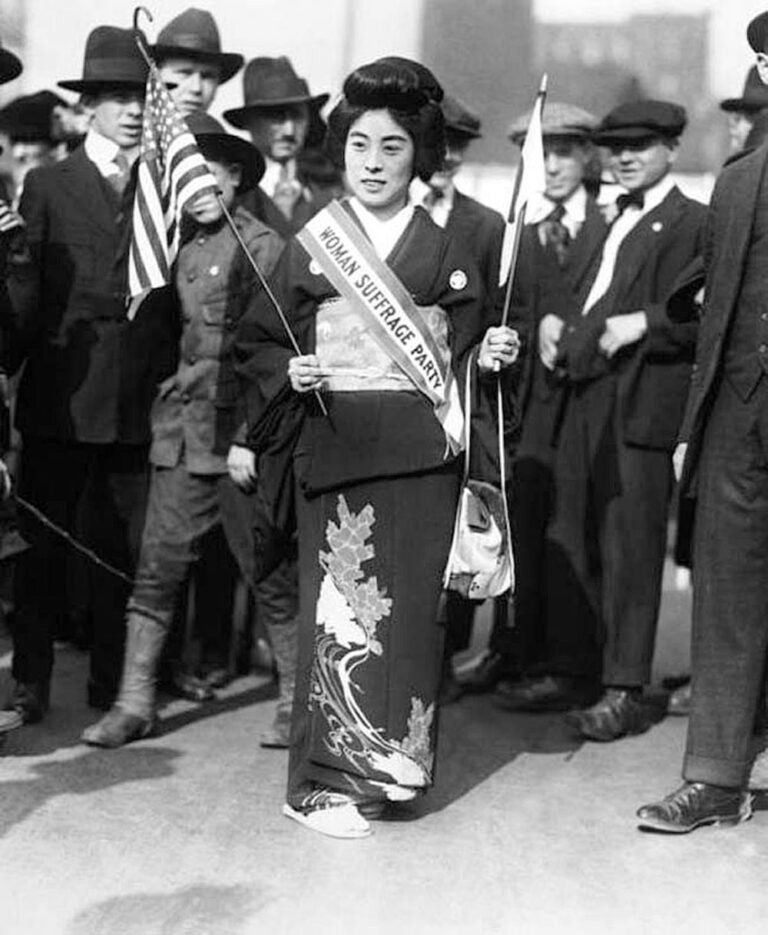
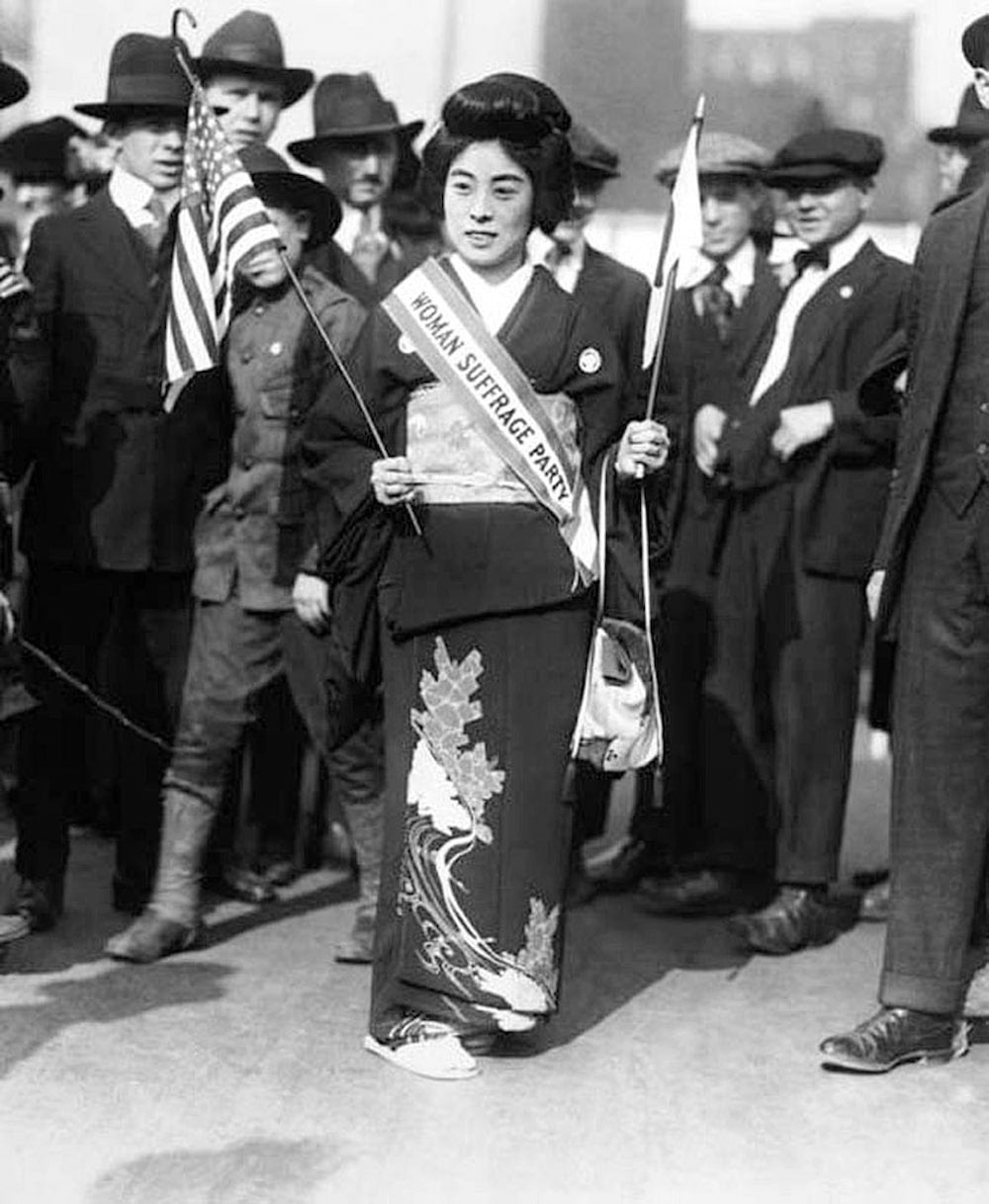
Image 50.04.01b — On October 23, 1917, Komako Kimura marched in New York City. She came to the US from Japan to learn more about the Women’s Suffragist Movement.
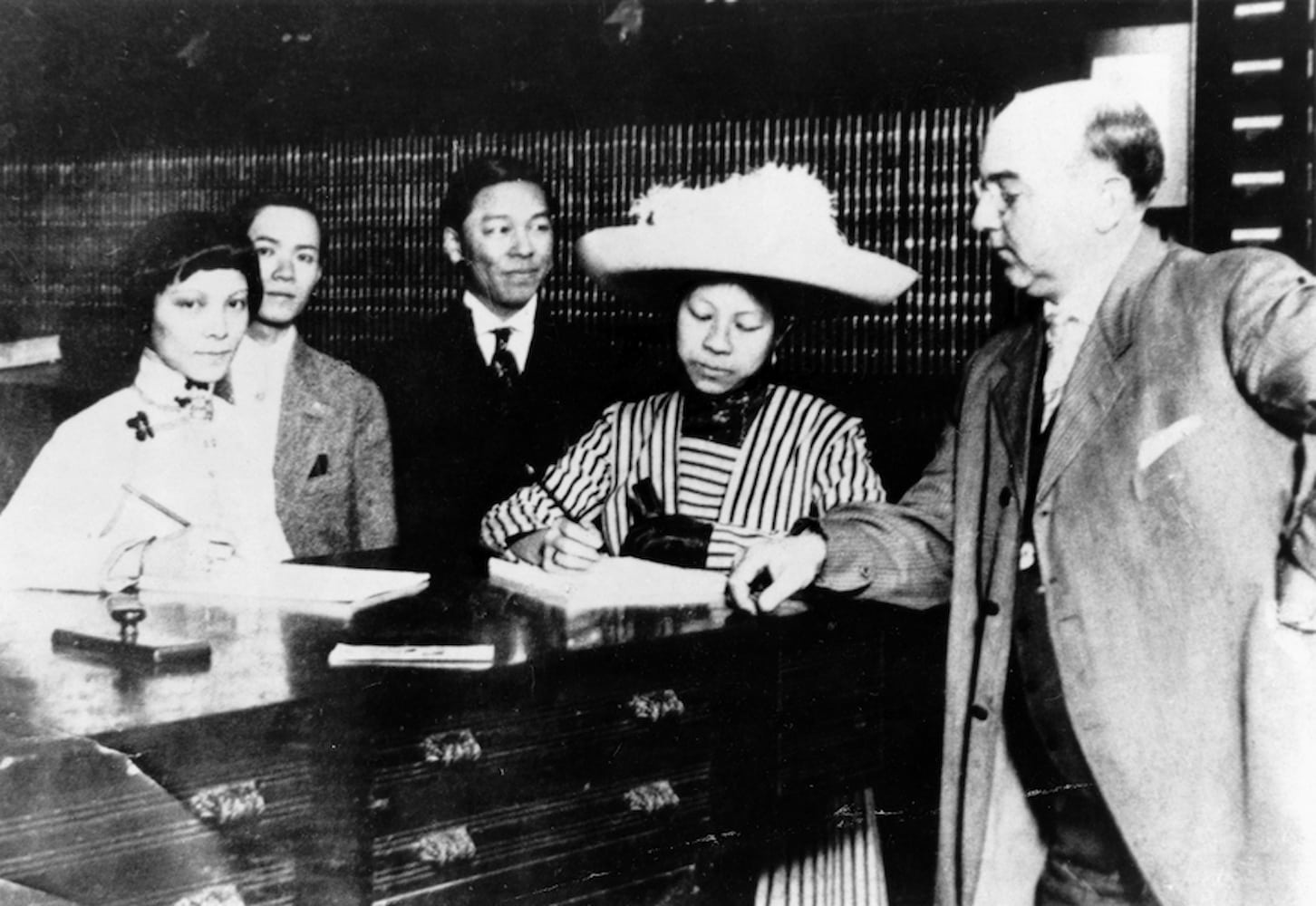
Image 50.04.01c — In 1911, Clara Elizabeth Chan Lee became the first Chinese American woman to register to vote in the United States.


As states made their own rules, the US federal government also changed its laws over time affecting voting rights. In the 1800s and 1900s, the national government passed laws that sometimes expanded voting rights and sometimes took them away. For example:
- In 1870, Black and Mexican American men gained the right to vote.
- Chinese Americans were denied citizenship and the right to vote in 1882.
- In 1920, the federal government ratified the Nineteenth Amendment to the US Constitution, which granted women the right to vote in all US states.
- Between 1943 and 1952, the federal government expanded citizenship and voting rights to Asian Americans.
- Native Americans gained full voting rights in all states by 1957.
- Puerto Ricans, who are US citizens, were granted the right to vote for their local leaders in 1917, but they still cannot vote in national elections for President or Congress.
Throughout history, people from various racial and ethnic groups have fought for their right to vote. While the federal government passed some countrywide laws, individual states could still create certain voting rules. This sometimes led to voter suppression, which refers to the laws, rules, or actions that can make it harder for certain people or groups to vote. Prior to the Voting Rights Act of 1965, some states and counties made people pay a fee or pass a test to vote, which mainly targeted African Americans and other non-white citizens.
Communities experiencing voter suppression and low voting rates typically did not receive their fair share of government resources, like parks, paved roads, hospitals, schools, and other services.
Voting Age Extended
Thanks largely to the activism of young residents, the right to vote was extended to age eighteen in 1971 with the ratification of the Twenty-Sixth Amendment to the US Constitution. Previously, the voting age in most states had been twenty-one years. Young people demanded this right because they were being drafted to fight in the US war in Vietnam yet could, not vote on decisions that affected their futures, including matters of war and military service. The slogan “Old enough to fight, old enough to vote” became a powerful argument for changing voting rights.
Today, state and local governments still decide the rules for voting, which can make it easier or harder for people to cast their ballots. They set requirements like what kind of ID is needed, where voting locations are, when they are open, and whether people can vote by mail. These decisions also affect whether voting lines are long or short. Long voting lines can also make it difficult for people to cast their vote, especially when they work long hours or care for children.
Election outcomes matter. Because of this, some young people have become involved in promoting voting rights and elections processes.
Reflection Question
How might government elections make a difference in your school or community?
Freedom Summer and Voting Rights
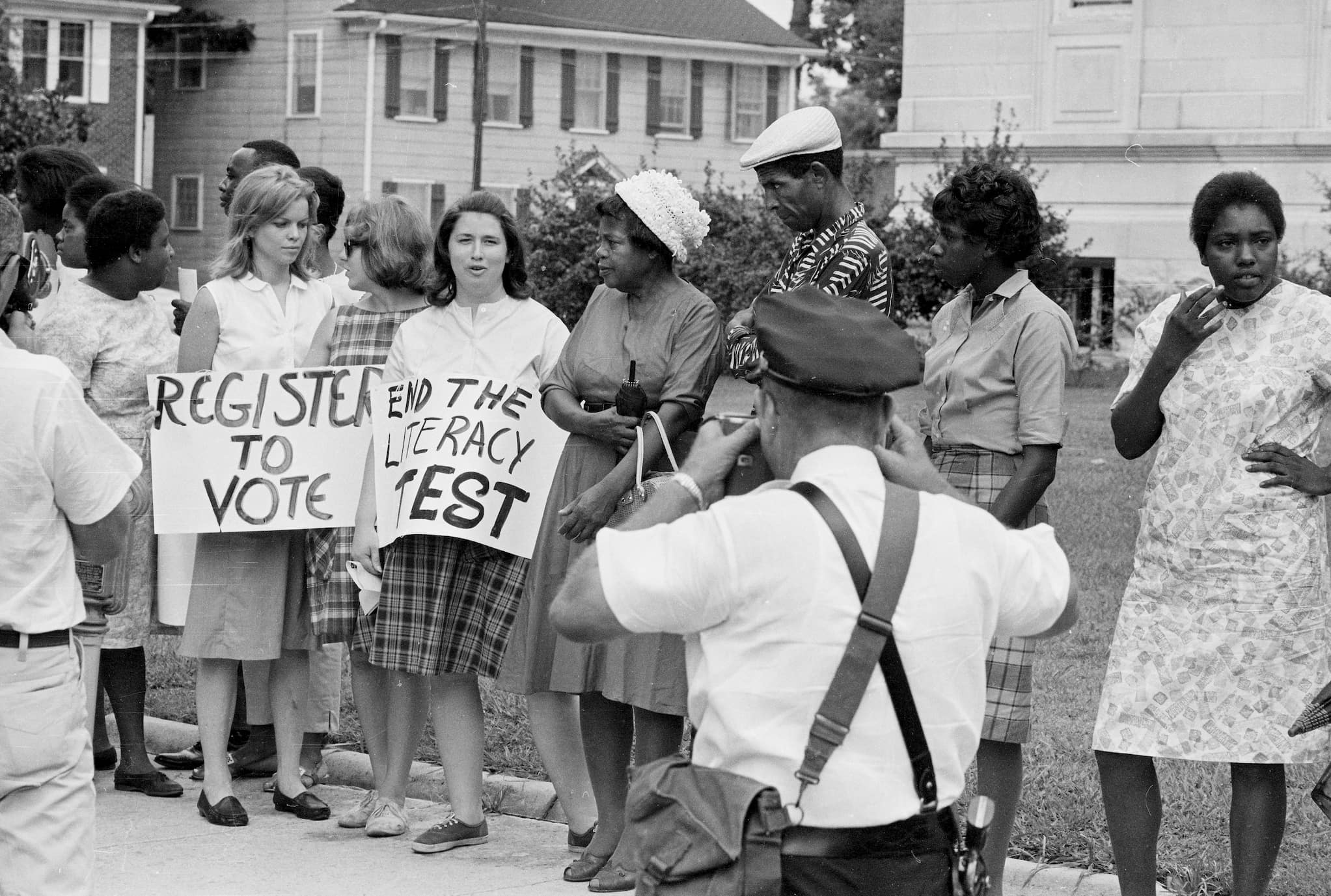
The 1964 Freedom Summer, a campaign led by the Student Nonviolent Coordinating Committee (SNCC), is a powerful example of young people fighting for voting rights during the Civil Rights Movement. SNCC was made up mostly of Black college students who used peaceful protests to demand change.
In 1964, SNCC joined forces with mostly white college students to launch Freedom Summer in Mississippi. The goal was to register Black voters who faced extreme discrimination and intimidation when trying to vote. Young activists risked their lives to help Black citizens register, despite violent threats from white supremacists who sought to prevent Black people from voting.
Tragically, three student activists were murdered because of their involvement in the campaign. Although Freedom Summer had limited success in registering new voters, it drew national attention to the racist barriers that kept Black Americans from voting. This youth-led activism helped pave the way for the 1965 Voting Rights Act, a landmark law that banned racial discrimination in voting and made it easier for all racial groups to exercise their right to vote.
More to explore
Slideshow
What Was “Freedom Summer”?
These images offer a glimpse into the 1964 Freedom Summer, and illustrate how young people created campaigns to draw attention to the barriers preventing Black Americans from voting.
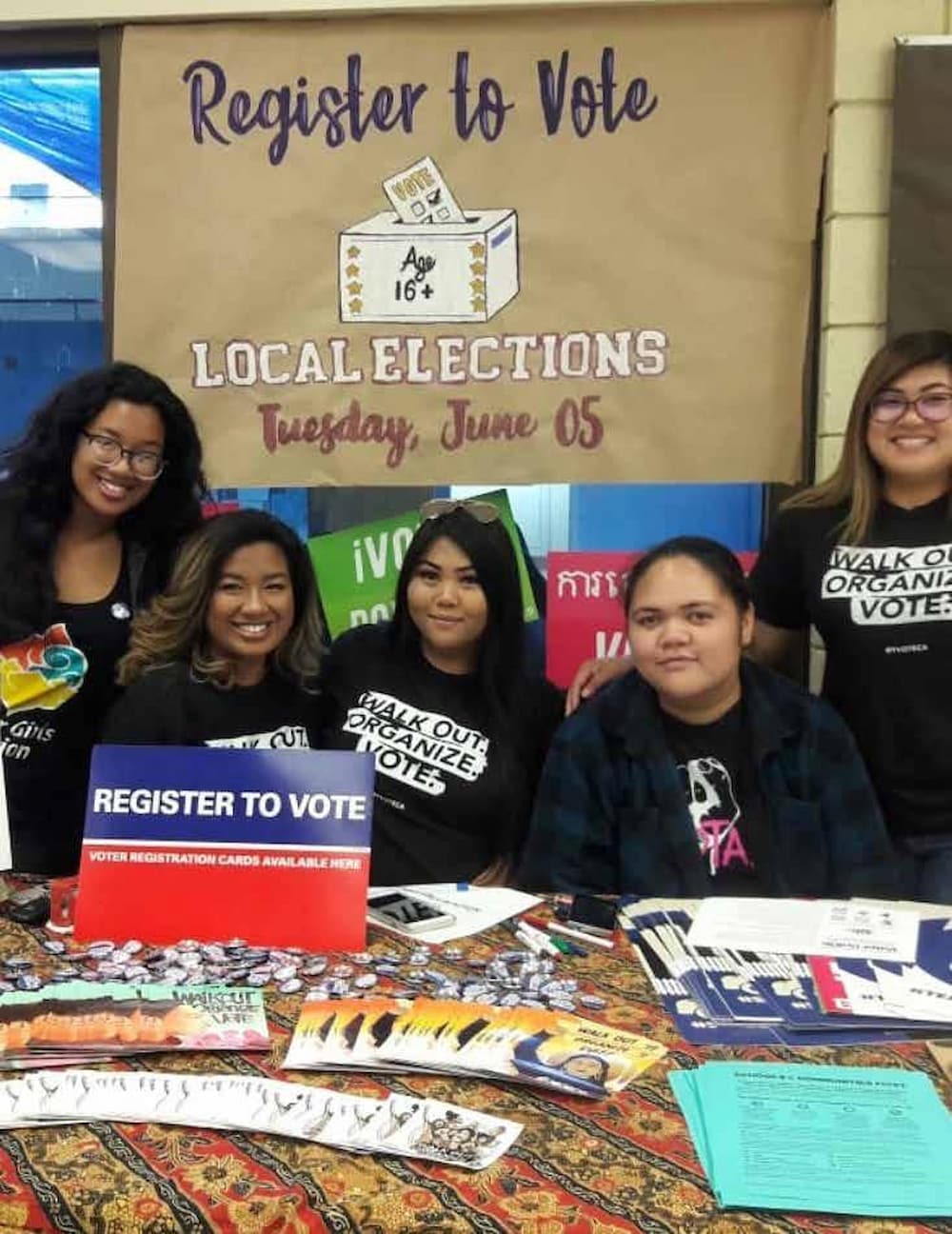
Inspired by the 1964 Freedom Summer, college and high school students from California’s Central Valley teamed up with youth organizing groups in 2018 to educate young voters in their communities. They acted because less than 8 percent of eligible eighteen to twenty-four-year-olds in the area had voted in the 2014 election. In contrast, senior citizens were roughly seven times more likely to vote. Student activists believed that racially diverse young people were not making their voices heard. Consequently, older generations were making decisions that would affect their future and opportunities.
To change this, the students participated in the Central Valley Freedom Summer Participatory Action Research Project, and they reached out to high schools and the wider community. Following California law, they helped preregister sixteen and seventeen-year-olds to vote and registered young adults who were eligible. Working alongside youth organizing groups, students’ efforts helped boost enthusiasm around voting. Between the 2014 and 2018 midterm elections, the number of eighteen to twenty-four-year-olds who voted skyrocketed from 32,414 to 85,007—a 262 percent increase!
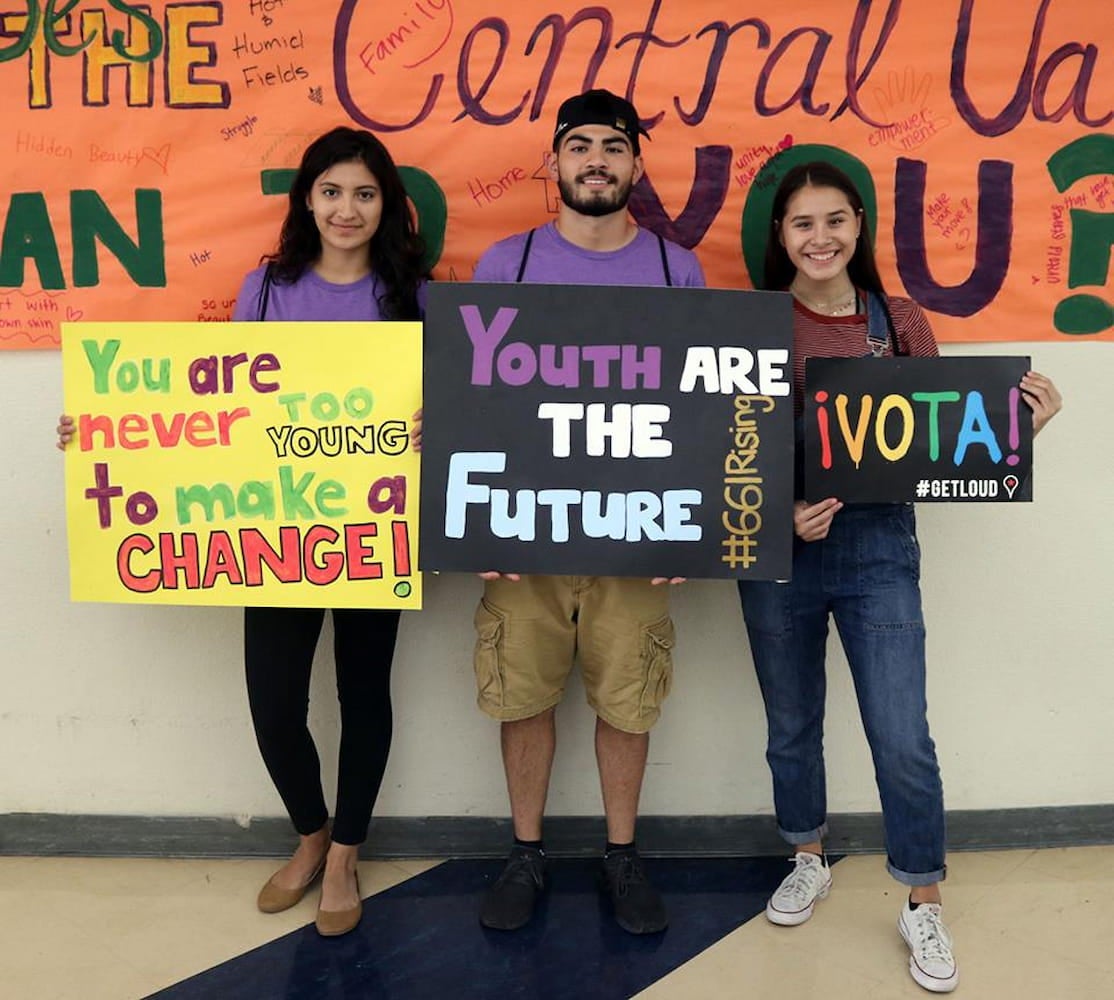
Image 50.04.03a — Loud for Tomorrow students encourage voting and civic engagement.
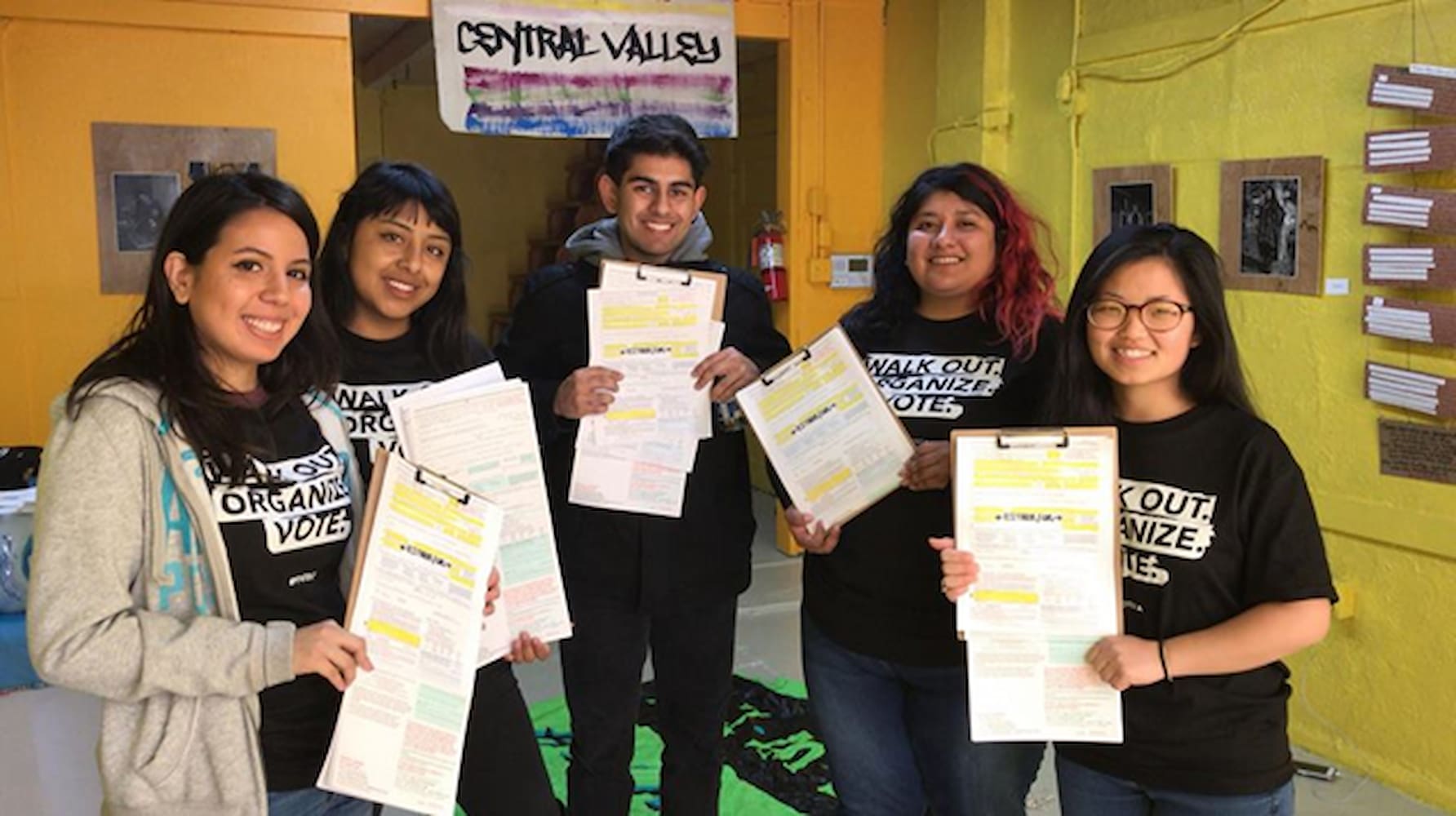
Image 50.04.03b — Youth prepare to conduct a voter registration drive in Merced, California.
Image 50.04.03c — Khmer Girls in Action (KGA) conducted voter outreach in Long Beach, California.



The Central Valley Freedom Summer student activists did not stop there. For example, college and high school students from the city of Delano in Kern County, California, formed a new organization called Loud for Tomorrow that focuses on educating young voters and increasing youth voices in highly diverse and immigrant communities.
In response to a general lack of awareness of youth voting rights, Loud for Tomorrow students convinced the Delano Joint Union High School District to adopt a resolution reinforcing the right for high school students to be registered and pre-registered on school grounds. Loud for Tomorrow has continued its civic engagement work in subsequent elections by conducting voter registration drives, reminding voters about the importance of voting, and organizing concerts and other public events to make voices heard by voting.
Between elections, Loud for Tomorrow students educate high school students and other young residents about local debates related to health and mental health, immigrant rights, housing, and other issues affecting their lives.
Youth and Voting Rights
Regardless of your age or citizenship status, you have the right to register, educate, and mobilize voters. You can get involved by starting to familiarize yourself with your state’s voter registration processes and laws. You might even host a voter registration drive at your school. You can then persuade eligible voters to register. You do not have to do it alone. A community group in your area can help you register your peers.
Another important step is to learn about local election issues and develop the ability to tell the difference between credible information and misinformation that can spread on social media. Consult with trusted sources to get a better understanding of the viewpoints and debates shaping decisions at different levels of government, such as the school board, city, county, and state. For example, you might ask: What are the priorities of the candidates who are running for office in my city or state? Are they adequately representing youth interests?
During election season, you can research the candidates’ positions, attend campaign events, and even offer to volunteer. There are no citizen or age requirements for participating in an election campaign, and your work canvassing (going door-to-door to talk to voters) or phone banking (calling voters) could make a difference. You can continue the legacy of youth activism by registering voters and convincing them to get out the vote and have a voice in their community and this country’s future.
Reflection Question
What are two ideas you have for encouraging voting at your school or in your community?
Glossary terms in this module
campaign Where it’s used
A coordinated group effort to reach a specific goal, like changing a school rule, improving a community, or raising awareness about an important issue.
mobilizing Where it’s used
The process of encouraging people who already support a cause to take action for a short period of time, such as attending a rally, signing a petition, or voting.
organizing Where it’s used
The process of bringing people together to build relationships, educate on issues, discover shared values, and support a cause to create change. Organizing also involves training new leaders, growing a base of supporters, and using strategies to ensure that decision-makers, laws, and policies respond to the needs of the community.
voter suppression Where it’s used
Laws, rules, or actions implemented by decision-makers that make it harder for certain people or groups to vote. This can include things like strict ID requirements, fewer polling places, long lines, or confusing rules that prevent people from easily casting their ballots.