





Module 3: Being Indonesian American in Indonesia
Can Maya Soetoro’s life as an Indonesian American inform us about how we build community on a global scale?
This module examines the first part of Maya Soetoro’s life, and how her political commitments to building peace are rooted in her upbringing in Indonesia and the United States. Born to an Indonesian father and a white American mother, Maya was raised in Indonesia until the age of fourteen, when her family moved to the United States. As a multiracial Indonesian American who moved across both Indonesian and US cultures, Maya grew up navigating what it meant to be “American” in Indonesia and “Indonesian” in the United States. The lessons she learned would have a profound impact on her future work as a global peace leader.
Why did family background have such a big impact on how Maya Soetoro grew up in Indonesia?
What was Ann Dunham’s work, and how did it affect Maya Soetoro’s outlook?
What were some of the important cultural values that Maya Soetoro learned from her Indonesian upbringing?
Family Background
The Cold War and Parents’ Migration
Maya Soetoro’s life story reminds us that addressing the formation of the Indonesian American community is not just about following Indonesian individuals who choose to move to the United States and make new lives. In fact, US–Indonesian relations and the United States’ interest in Southeast Asia have always been determining factors, too. Hence, Maya’s story should be situated in the relationship of the United States and Indonesia during the US Cold War era. The migration of S. Ann Dunham to Indonesia for both family and professional reasons reflects these issues.
In Maya’s case, her parents S. Ann Dunham and Soetoro bin Martodihardjo, known as Lolo Soetoro, met as graduate students at the East-West Center at the University of Hawaiʻi, a significant site of study for the Pacific, including Southeast Asia. Both had crossed oceans to meet in Hawaiʻi. Ann originally hailed from Kansas and had graduated from a high school in Washington state. She had always been interested in learning about the world and eventually would be drawn to the study of Indonesia at the University of Hawaiʻi. There, she met Lolo, who was on an Indonesian government scholarship to continue his studies at the East-West Center.
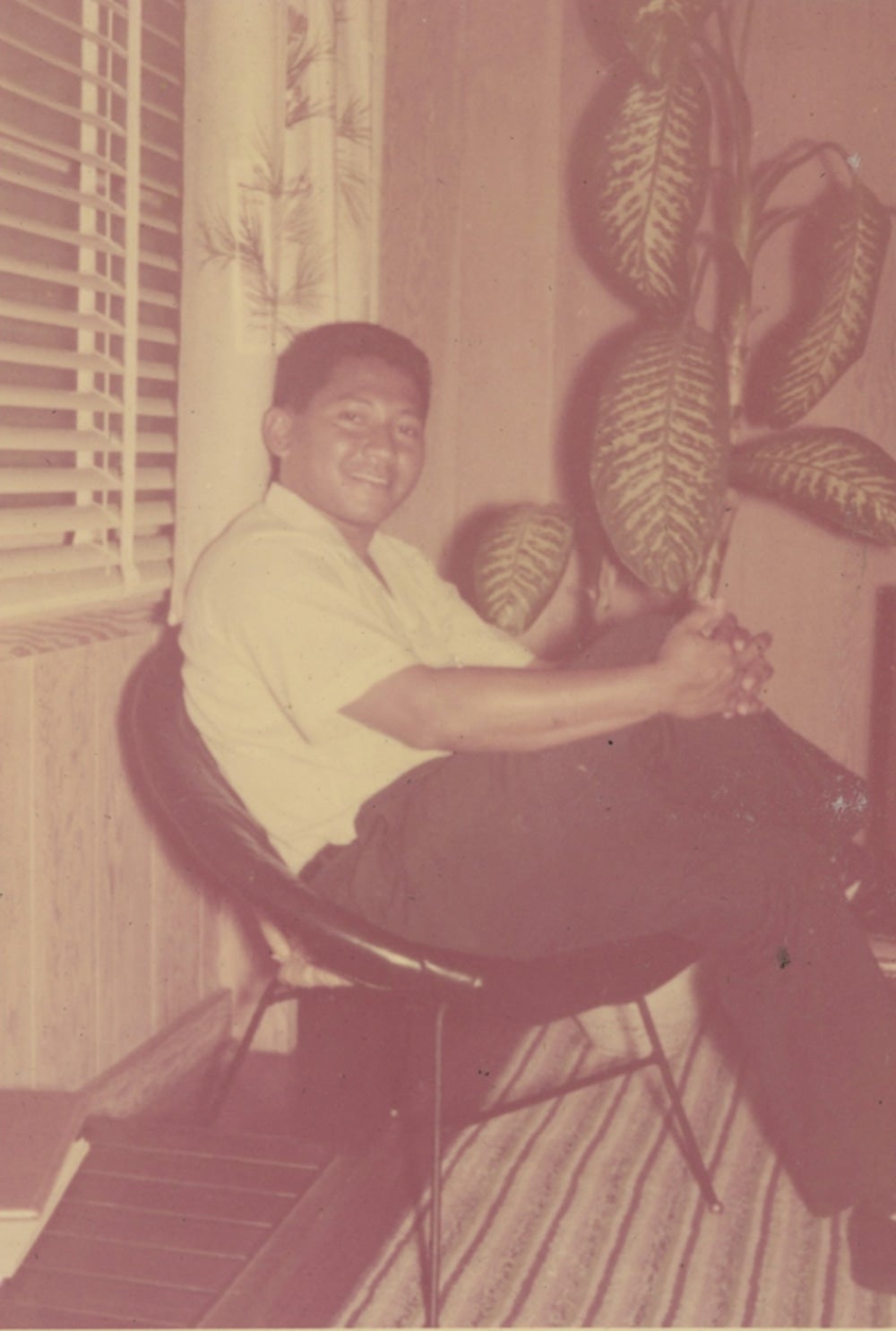
Image 33.03.02 — Lolo, Honolulu, Hawaiʻi , ca. 1960s. Lolo studied geography as a graduate student fellow at the East-West Center at the University of Hawaiʻi.
Ann and Lolo got married, and after the end of Lolo’s time as a student at University in Hawaiʻi, they went to Indonesia because he was working in the Indonesian Army. Ann brought along her young son, Barack Obama, to Indonesia as well.
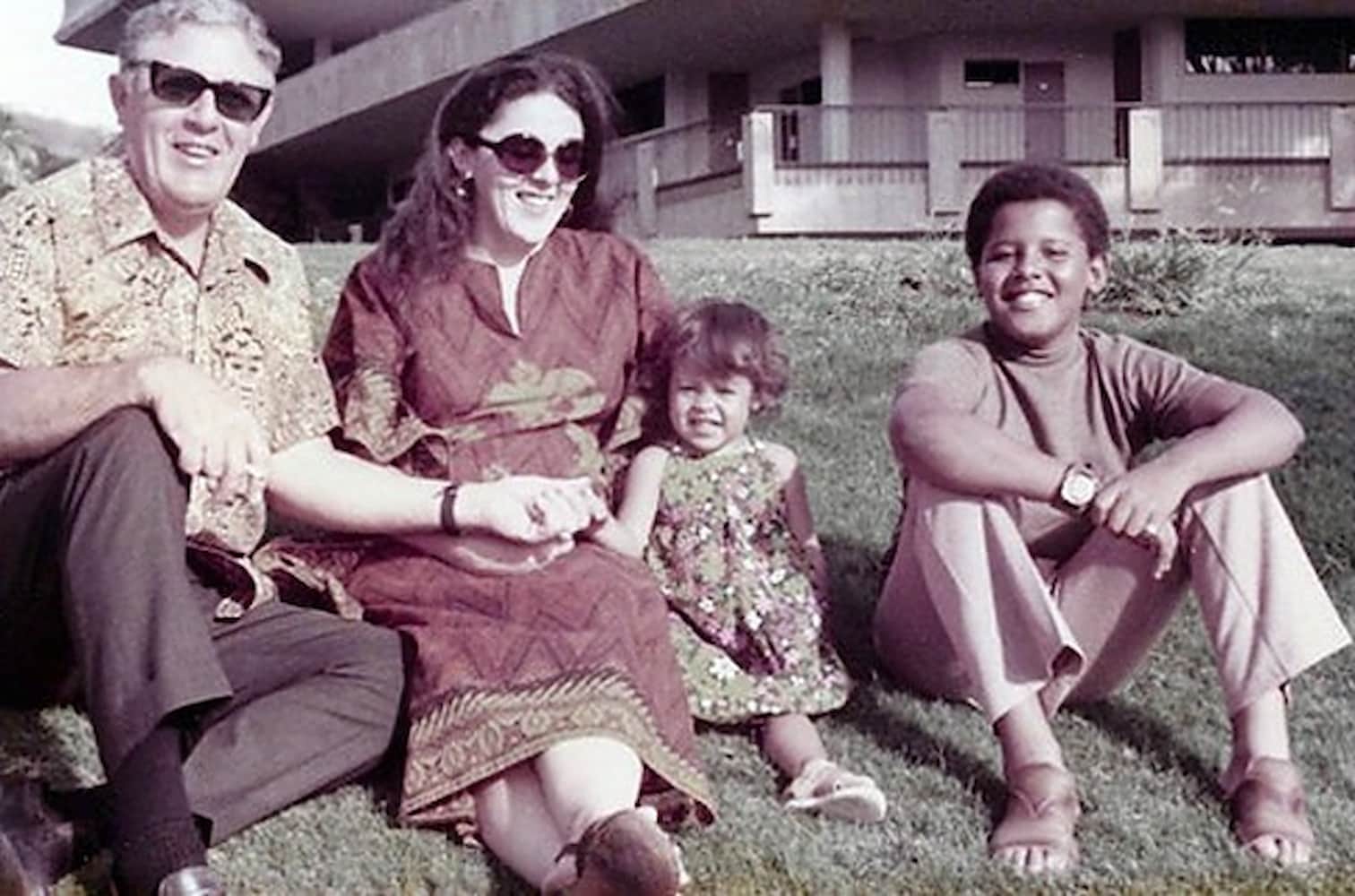
Image 33.03.03a — Maya grew up in Indonesia, although her family also spent time in Hawaiʻi. From left to right: Maya’s maternal grandfather Stanley Dunham, her mother Ann, Maya, and her brother Barack, in Hawaiʻi (early 1970s).
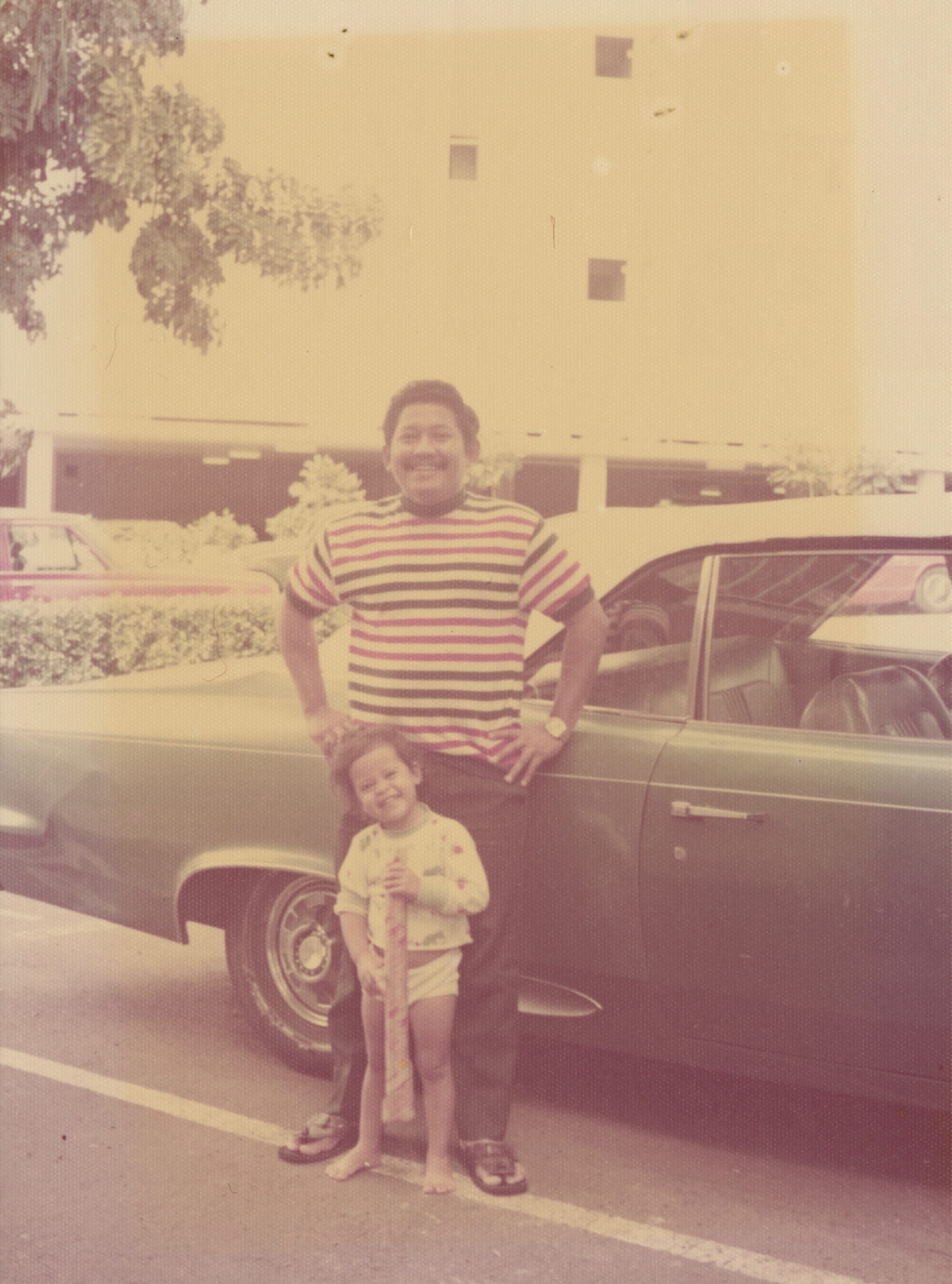
Image 33.03.03b — Maya with her father, Lolo, in Jakarta, 1972.
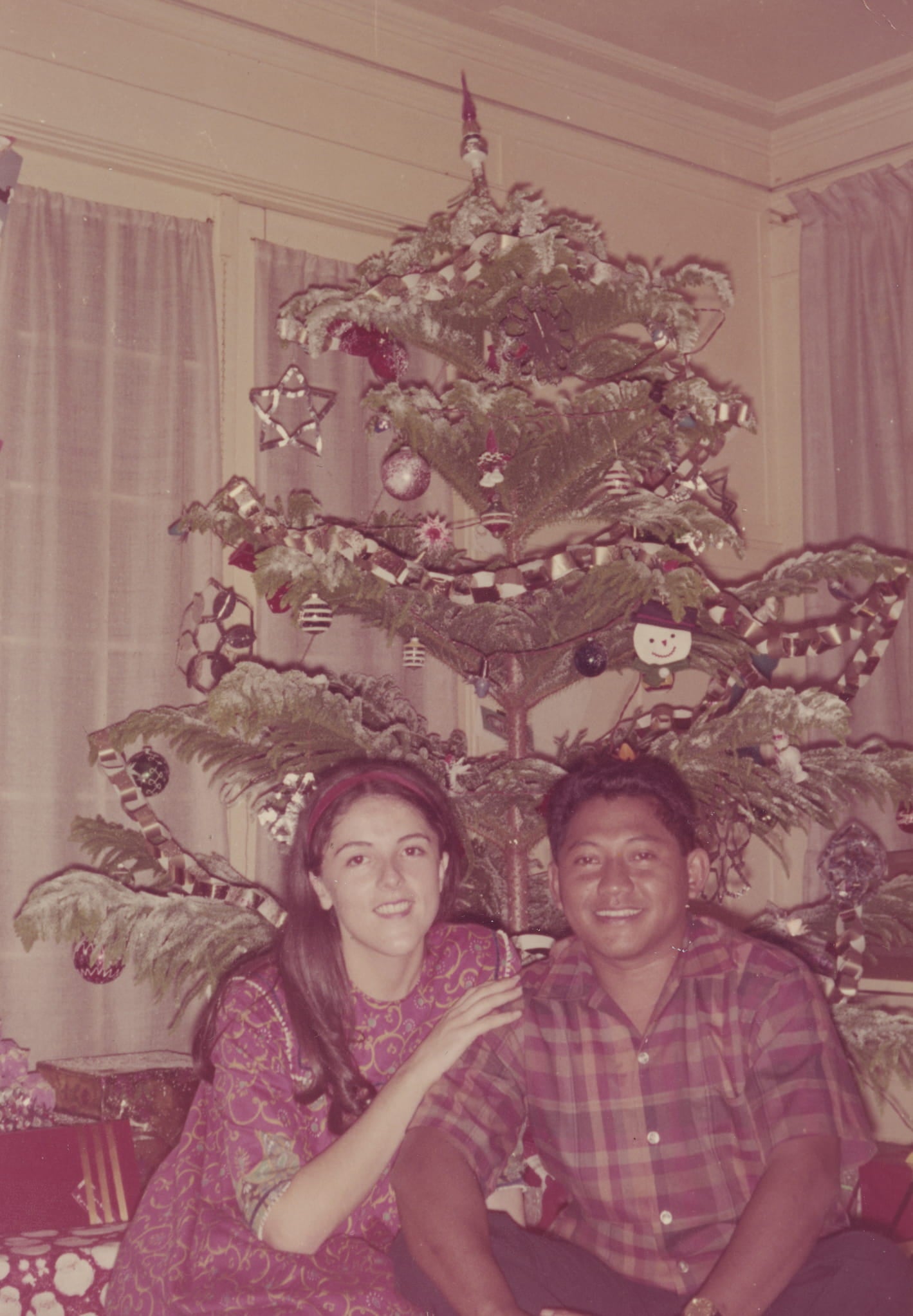
Image 33.03.03c — Ann and Lolo during their first Christmas together in Hawaiʻi, 1963 or 1964.



Living in Indonesia
Java
In Indonesia, the Soetoros stayed with Lolo Soetoro’s extended family. Fluent in the Indonesian language and fascinated by Indonesia as a country, Ann was passionately interested in learning about Indonesian culture. Maya Soetoro was born in Indonesia in 1970.
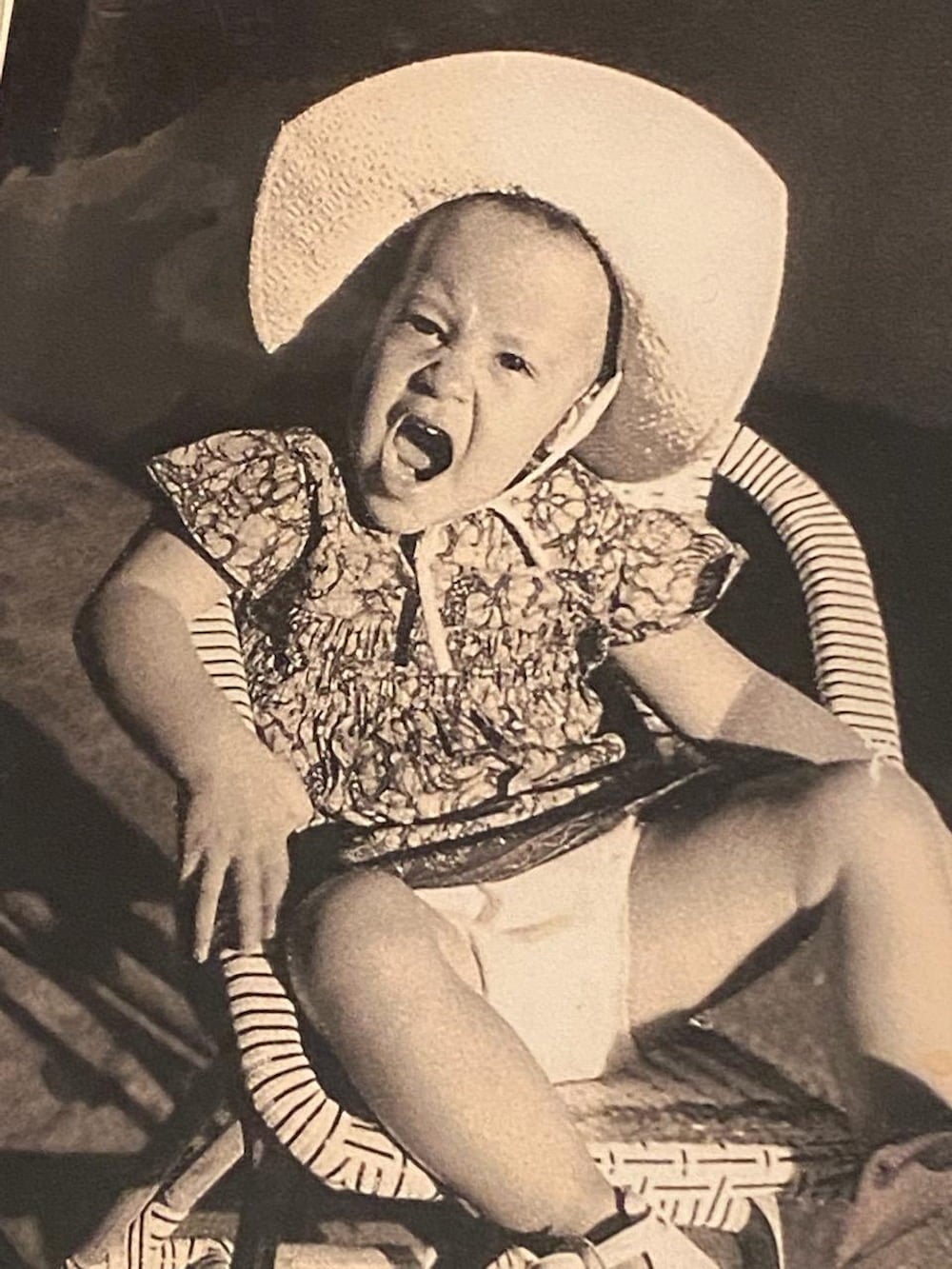
Image 33.03.05 — Ann married Lolo in 1965 and moved to Indonesia, accompanied by her son Barack. This photograph, taken in Jakarta in 1971, depicts Maya as a young child, and captures her sassy personality as a toddler. This picture likely was taken by her mother.
Lolo had been called back to serve in the Indonesian military, as he had received a scholarship for his study of geography at the University of Hawaiʻi.
Later, Ann moved back to Honolulu for graduate school at the University of Hawaiʻi, with her children accompanying her. She decided to do advanced research in Indonesia for her dissertation, with a focus on village industries and women’s lives in particular. While blacksmithing became her eventual dissertation topic, Ann also was interested in other types of work in the villages, such as basketweaving, pottery, tapestries and handicrafts, and kris making—the production of a ceremonial dagger with spiritual significance in Javanese culture. Throughout her research, Ann would be particularly drawn to assisting women in the community.
Childhood
Maya’s childhood was enriched by different kinds of cultural traditions in Indonesia, a predominantly Muslim country. By growing up in the Javanese cities of Yogyakarta, Semarang, and Jakarta, Maya regularly saw the coexistence of diverse cultural and religious practices. For example, Maya remembers hearing the sounds of the muezzin who makes the calls to prayer five times a day for the Muslims in her community, amidst the practice of other religions. Another significant influence was her exposure to village life and natural environments, especially through her mother’s work and other family trips.
In Yogyakarta as a young child, Maya and her mother stayed with Maya’s paternal grandmother. Living with her mother and her father’s extended family, and embedded in a loving community, Maya grew up feeling well cared for and seen.
Javanese Culture and Arts
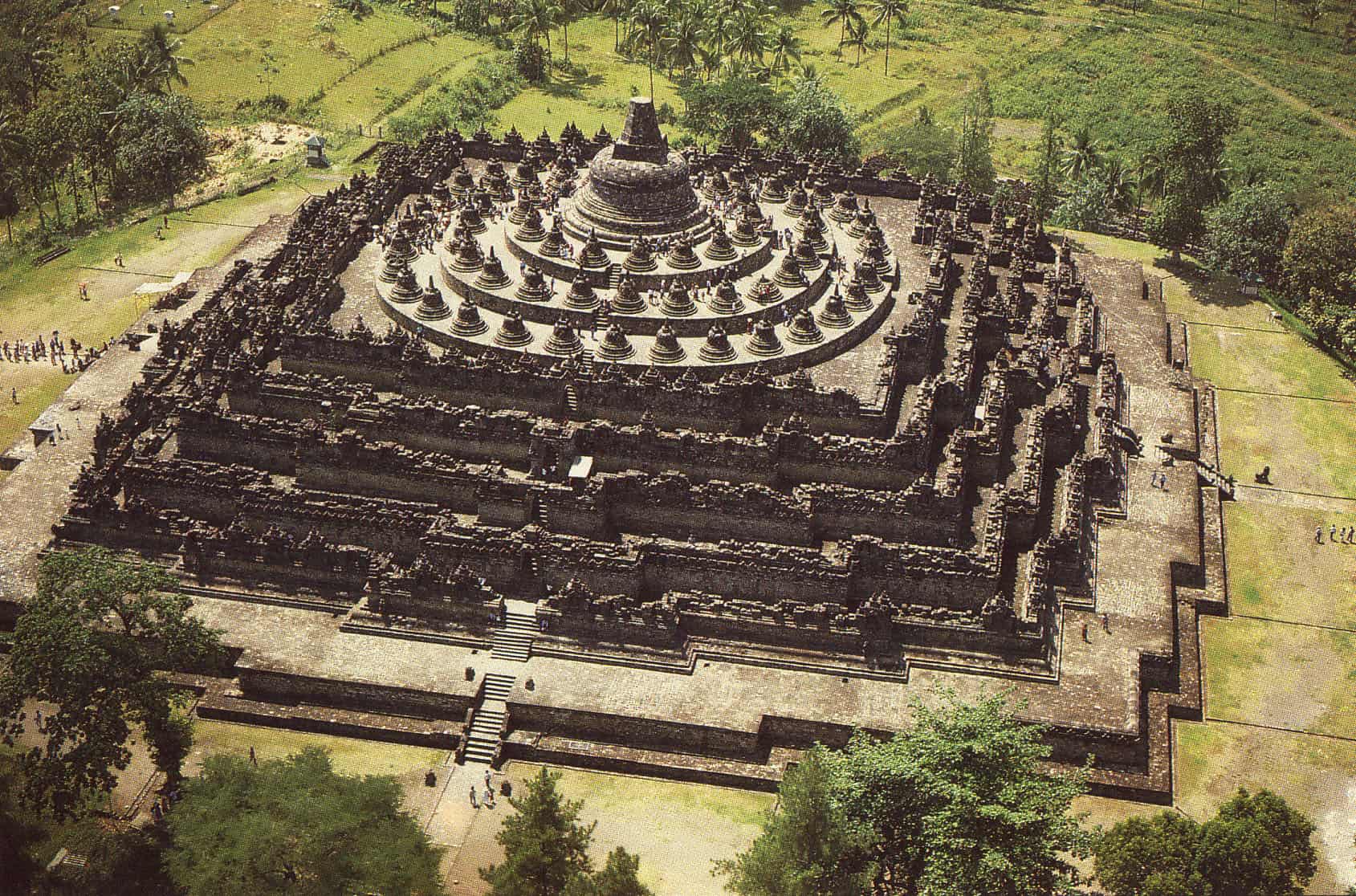
Image 33.03.06 — Borobudur, an ancient Buddhist temple, is located relatively near to Yogyakarta. Maya visited this temple as a child. As a young adult, she worked as a guide to sites in Indonesia like Borobudur and many others, gaining great appreciation for the possibilities of coexistence of diverse cultures and religions through her background in Indonesia.
Learning about Javanese culture was an essential part of Maya’s upbringing. In addition to being taught to be halus, a cultural value about being refined and gentle, Maya was raised with the significant cultural value of gotong royong, or “mutual assistance.” This concept underscores the importance of communal work, looking out for your neighbor, and being willing to work collectively for the common good. This concept would become central to Maya’s way of thinking, laying the groundwork for her future work as a teacher and peace leader.
Maya’s mother made it a priority that Maya should learn about and value her Indonesian background. As a child, Maya had great freedom to play in the neighborhood, which was set in a historic and culturally rich area of Yogyakarta. When her mother would conduct research and do other work in the villages close by, Maya independently explored art, culture, and the surrounding environment.
Maya remembers the many batik artisans and painters in the area behind her house and learning about local art and painting. She also saw sellers marketing spice, vegetables, and birds in the Pasar Burung, or bird market. She even played badminton in the Taman Sari’s ruins. (The Taman Sari was the garden of the Sultanate, or ruler, of Yogyakarta.)
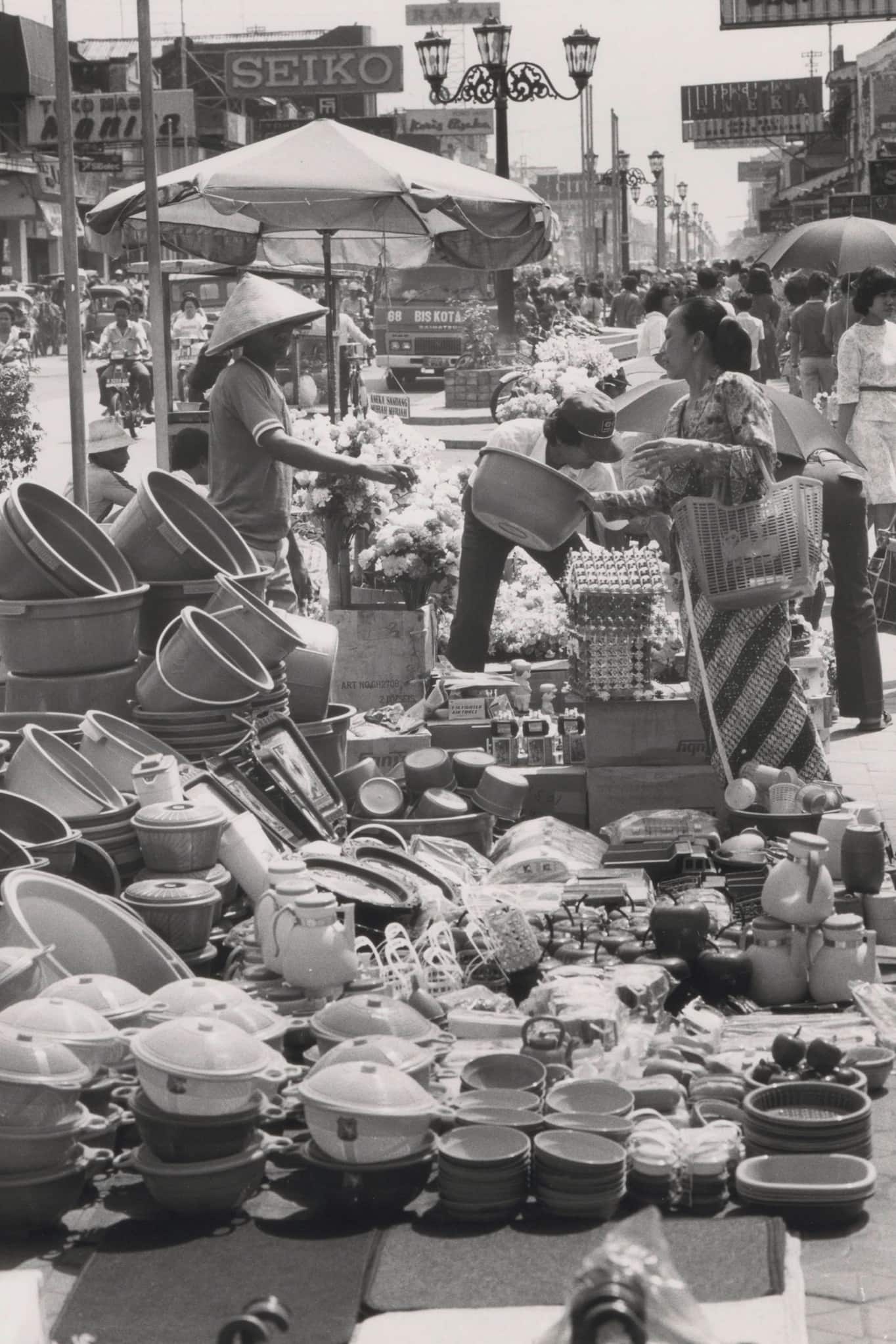
Image 33.03.07a — A bustling street in Yogyakarta (photo from the 1980s). Here, a customer is conversing with a street vendor, whose wares are spread out on the street. Maya has many memories of living in Yogyakarta as a child with her extended family, and was exposed to the diverse arts and cultures of Yogyakarta, as well as the surrounding village economies.
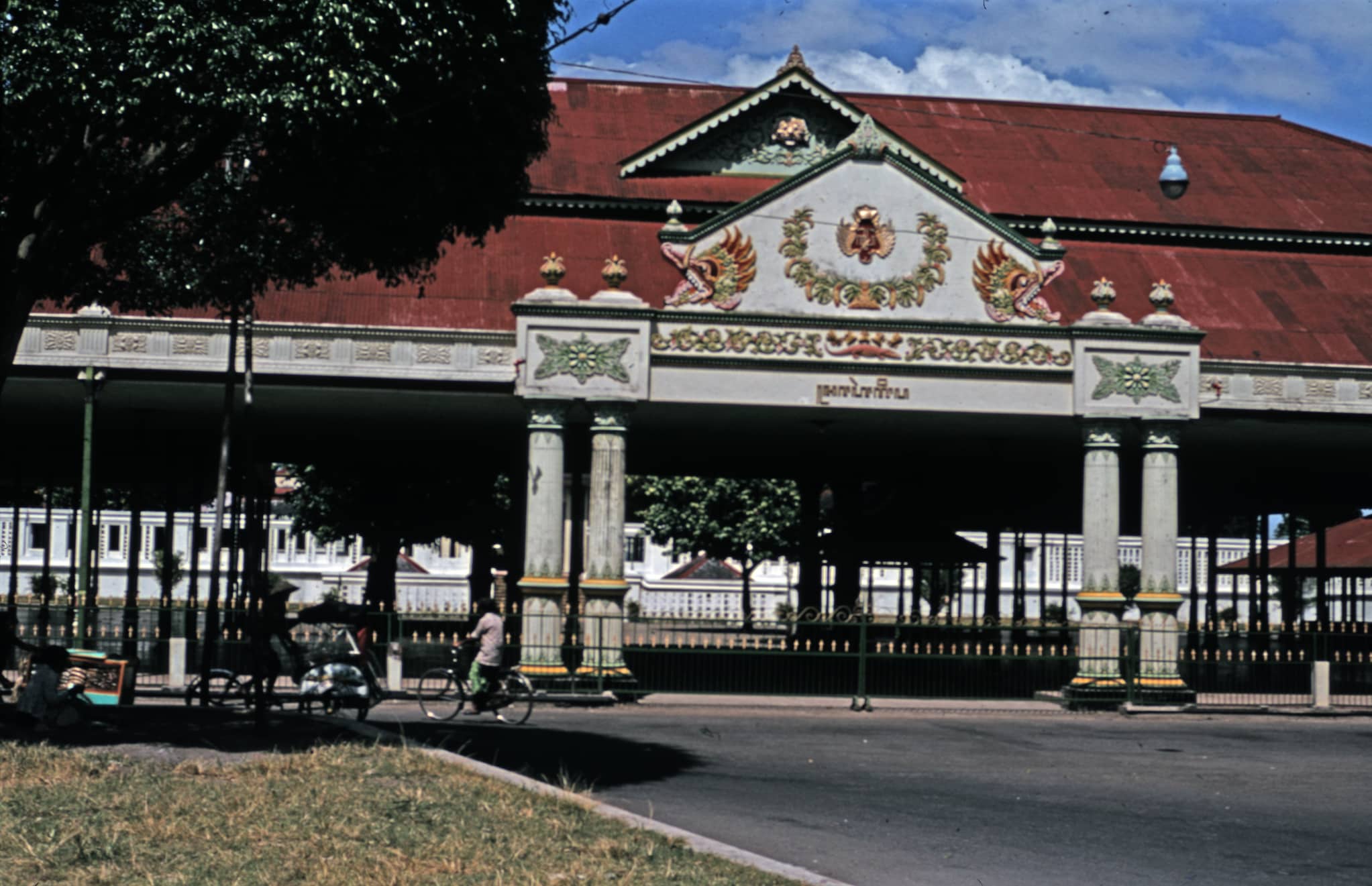
Image 33.03.07b — When Maya was growing up, her family would also visit the Kraton in Yogyakarta, an important site of culture in the city.


As part of her everyday life, Maya was constantly exposed to the arts and often would attend wayang (shadow puppet performances) at night with her mother. She studied Javanese dance at the Kraton, the palace of the Sultan of Yogyakarta. In addition, Maya regularly visited Borobudur, the famous Buddhist temple complex dating from the eighth and ninth centuries, as well as Prambanan, a ninth-century Hindu temple complex. Occasionally, they would ride horses at the beach of Parangtritis, which was believed to be the home of Nyai Lara Kidul, the legendary goddess of the South Seas.
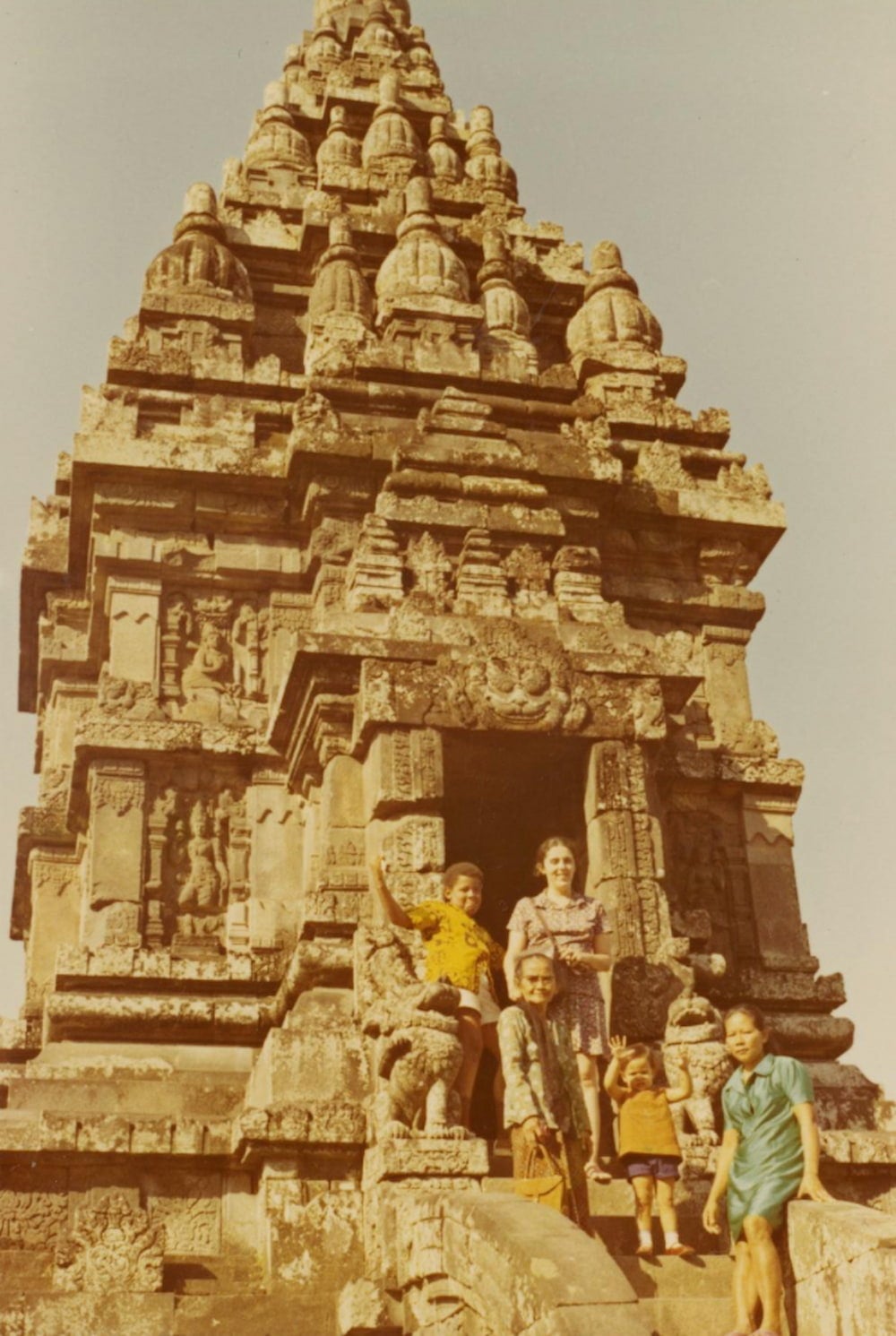
Image 33.03.08 — Visit to Prambanan, 1972. (Left to right) Barack, Ann, Maya’s grandmother Djoeminah whom Maya knew as Eyang, Maya, and Janah.
While Ann encouraged Maya to learn about Javanese culture, Maya also was raised as an American, her mother’s heritage, and homeschooled by her mother using American distance learning courses. For example, Maya learned American English and celebrated US traditions. She remembers how the family made caramel popcorn balls and red and green paper chains during the Christmas holidays, using wayang puppets for decorations on the Christmas tree. In these ways, Maya learned more about the American part of her Indonesian American identity.
Learning about Life
Semarang
When Maya Soetoro was aged nine to eleven, she lived with her mother in Semarang, another city in Java. Maya remembers the excitement she and her mother felt when the boxes of books and other school supplies would arrive from the United States. As Maya was homeschooled with an American correspondence curriculum for distance learning, Ann thus maintained her daughter’s strong connection to her US identity.

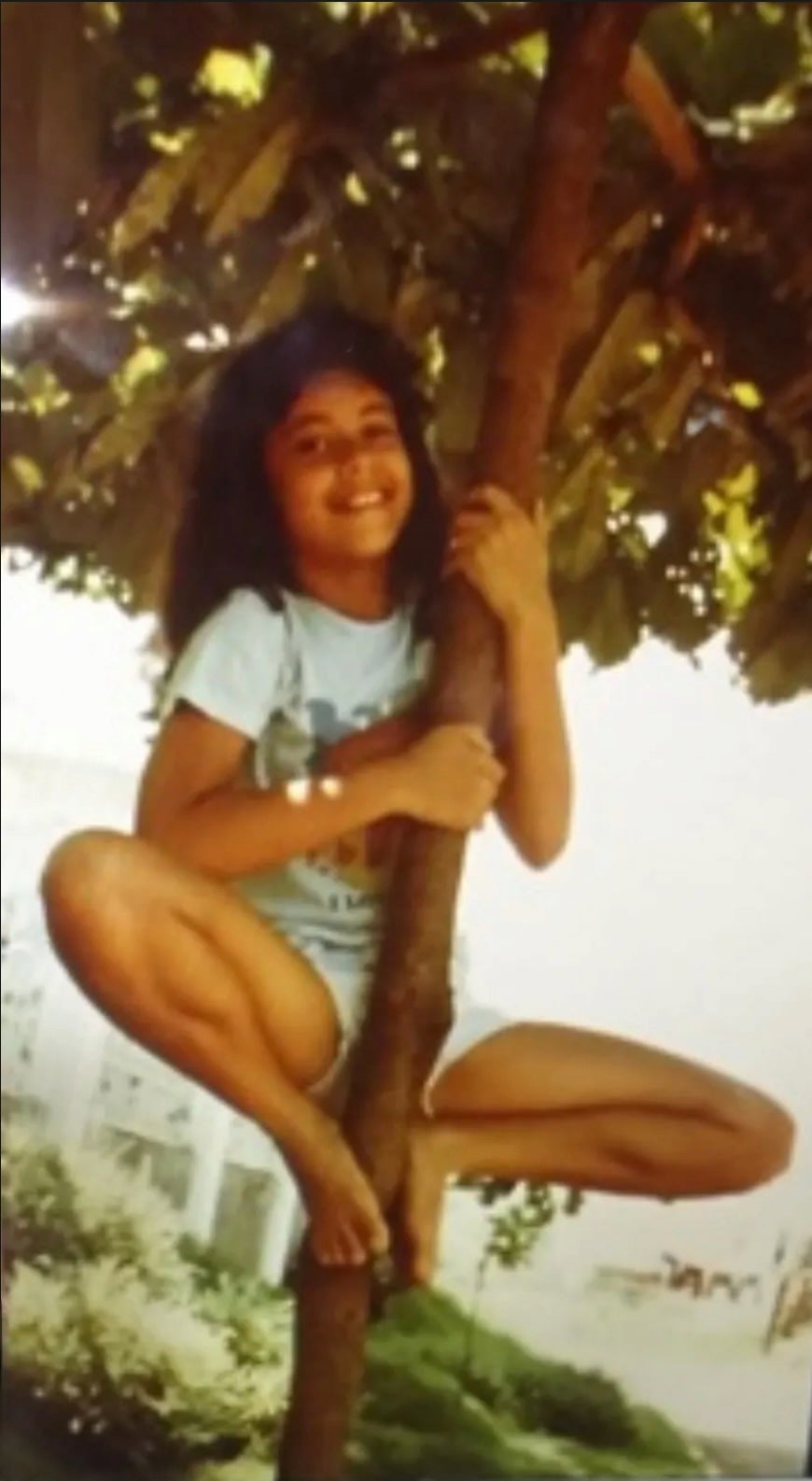
Image 33.03.10 — Maya as a young girl. This photograph captures Maya’s love of the surrounding community in which she grew up. While waiting for her mother to finish her work each day, Maya would explore nearby fields and climb trees. This picture from 1978 likely was photographed by Maya’s mother.
Ann also nurtured Maya to have a scientific curiosity and great love of the environment. Together, they would investigate the soil and rocks, as well as use a microscope to explore how things were made. They even had a telescope to look up at the surrounding sky.
Maya learned more about the environment when Ann would take Maya along during her work in the surrounding rural villages. Through these experiences, Maya developed a greater appreciation for rural areas and nature. When she was very young, Maya would wait for her mother by walking around a village’s rice fields or climbing a nearby tree. She also remembers investigating plants and watching dragonflies. Within the village itself, Maya further passed the time by reading in the corner while her mother completed her work.
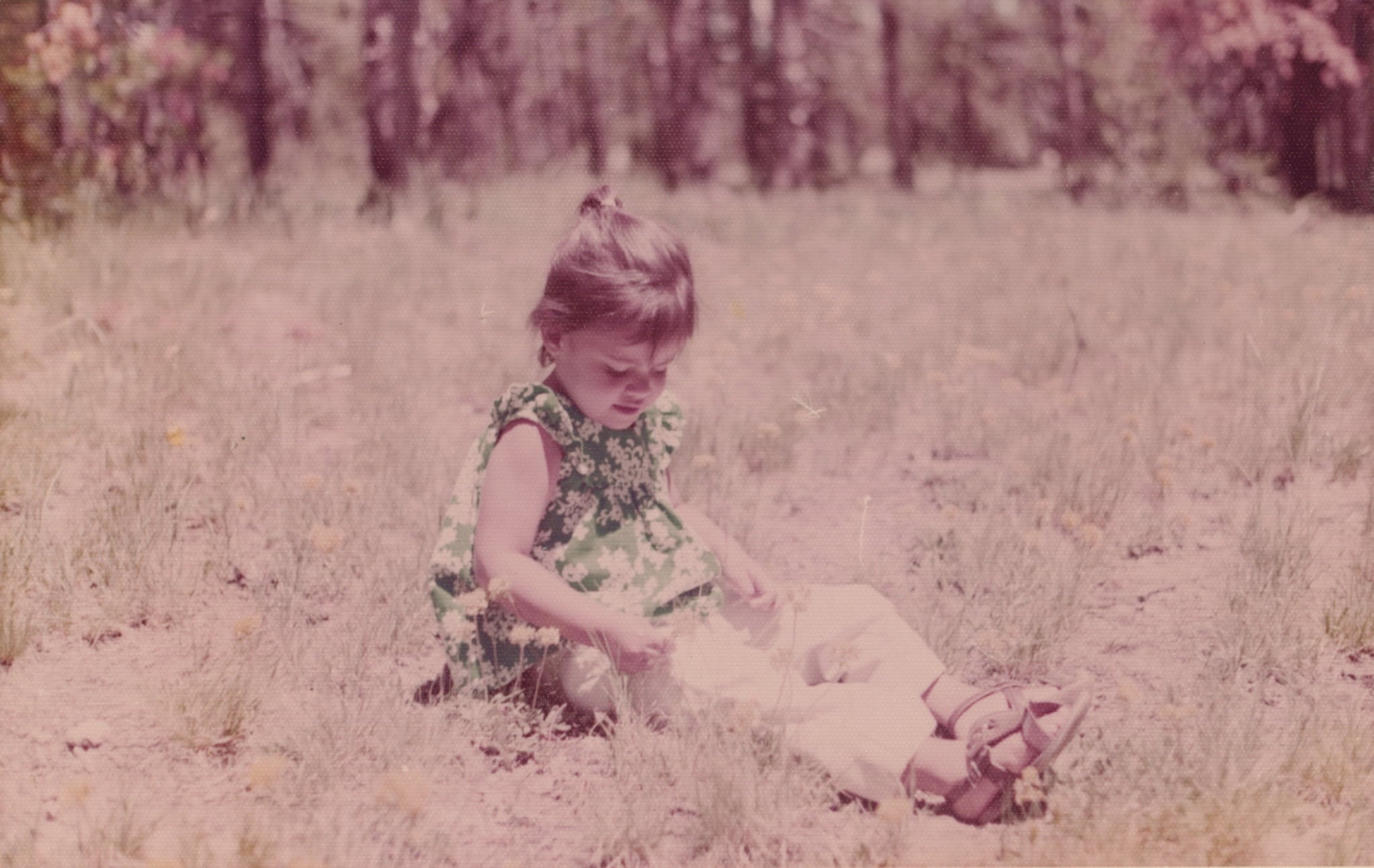
Image 33.03.11 — Maya in Indonesia, ca. 1972. During her years in Indonesia, Maya spent much time exploring nature, as shown in this photograph.
Research and Work
As Maya grew older, she aided her mother with research and photographed her at work. Watching Ann in action had a great impact on Maya. Ann was unusual as most people doing that kind of research in Indonesia at the time were men. Later, Ann also worked with development agencies, becoming a specialist and notable forerunner in microfinance. Microfinance is a strategy to promote local economies through providing small loans to individuals who might not otherwise have the funds to build their own businesses.
At a time when people were moving to the cities or facing challenges in making wet rice cultivation work, Ann believed that supporting cottage industries could help keep Indonesia’s economy strong and give villagers more options to return home by expanding employment. In addition, as many microfinance projects were led by women, Ann thought supporting these projects would help empower women, build stronger families and communities, and help grow the women’s movement.

Image 33.03.12 — This is one of Ann’s field notebooks, now preserved in the Smithsonian Institution. These notebooks represent Ann’s careful recording of village life and her relationships with the people who shared their knowledge with her. In her later career, Ann became a specialist in microfinance. Although she would study other cultures through her work, Ann always felt a special connection to Indonesia.
Unlike most development projects at the time that focused on a top-down approach, Ann approached her work by centering village knowledge. Ann believed that it was important to listen and learn from those on the frontlines who had the most understanding of a situation. This practice of listening and learning from those on the ground would later have a tremendous impact on Maya. Like her mother, Maya also emphasizes deep listening and working at the speed of trust.
Witnessing Political Unrest
However, not all was peaceful at the time in Indonesia. In other memories, Maya recalled episodes of great violence and discrimination. She was a young girl when anti-Chinese riots swept through Indonesia, as mentioned earlier in the chapter. They were a result of political turmoil where people of Chinese descent were targeted by others with violence and discrimination.
Maya recalls waiting for her mother by the window in 1979, and witnessing people throwing stones at windows and trying to turn a car over after pulling someone from it. It was confusing for her to see this kind of violence and hatred in the community that she knew as so peaceful and accepting of others. She would later draw on these memories to help her to understand how some communities that normally were peaceful might, in times of trouble and conflict, descend into violence. This experience would help shape her convictions about the importance of peacebuilding.
Later Years
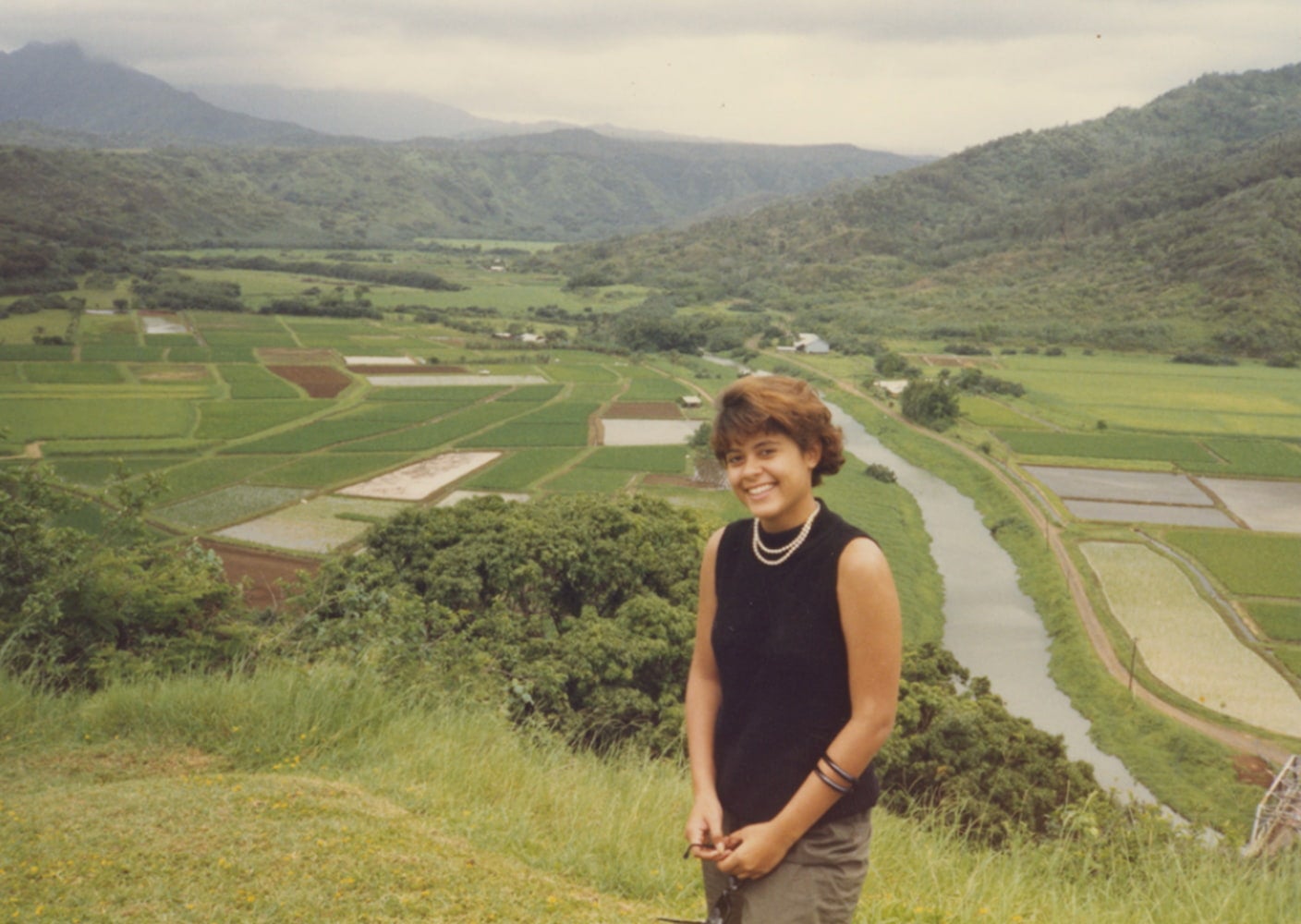
Image 33.03.15 — Maya standing above wet rice fields in 1985.
Jakarta
When her mother moved to Jakarta in 1981, Maya Soetoro accompanied her and attended Jakarta International School. In Jakarta, Maya experienced urban life in Indonesia’s capital. Jakarta was a lively cosmopolitan center, rich in urban culture. Here, she watched movies, attended plays, and enjoyed storytelling and other arts. These two years enabled her to learn more about Indonesian culture and its importance on the world stage. She also witnessed extreme economic inequality and injustice, houselessness, and environmental pollution that helped to shape her later commitments.
Being Multiracial
When Maya was growing up in the late 1970s and early 1980s, being a multiracial Indonesian American was challenging. During this period, she often was not seen as “Indonesian enough” for the children whom she met in Javanese villages, or as “American enough” when she attended Jakarta International School. For Maya, however, it was not a question of being either Indonesian or American—it was about being both Indonesian and American. At the time though, when she was young and wanted to be like everyone else, her identity was harder to embrace. As an adult, she now sees these experiences as a great fortune and a gift. She gained perspective about the importance of belonging to community and learning about different viewpoints, and that would inform her work as an adult as a leader of peace.
At age fourteen, Maya moved with her mother to Honolulu, where her mother resumed her studies at the University of Hawaiʻi. Now, as a professor at the University of Hawaiʻi as well as a global peace leader and literary author, it is clear that Maya’s experiences growing up in Indonesia had a profound impact on how she sees herself and the world around her. Her experiences demonstrate the importance of recognizing how Indonesian American culture is formed in both the United States and Indonesia.
Glossary terms in this module
batik Where it’s used
An Indonesian fabric that originated in Java, in which wax designs are applied to a cloth and is then dyed in multiple baths to produce intricate designs.
cottage industries Where it’s used
A business or other economic activity that takes place in one’s home, and whose labor force usually is made up of family and household members.
gotong royong Where it’s used
An Indonesian cultural value of mutual assistance and collective responsibility.
microfinance Where it’s used
A banking service of giving small loans to individuals who might not otherwise have access to financial services.
wayang (kulit) Where it’s used
Refers to the symbolic performance of shadow puppets. They are typically used behind a lit screen (called wayang kulit), or they may be three-dimensional (called wayang golek) with a central rod and sticks attached to the puppet’s hands.