





Maya as a teenager with her arms around her mother’s shoulders. Mother and daughter are smiling.
Module 4: Being Indonesian American in the United States
Can Maya Soetoro’s life as an Indonesian American inform us about how we build community on a global scale?
This module chronicles Maya Soetoro’s life as she came of age in Hawaiʻi, New York City, and Indonesia, and then follows her path to her roles as a peace leader, professor, and author in the present.
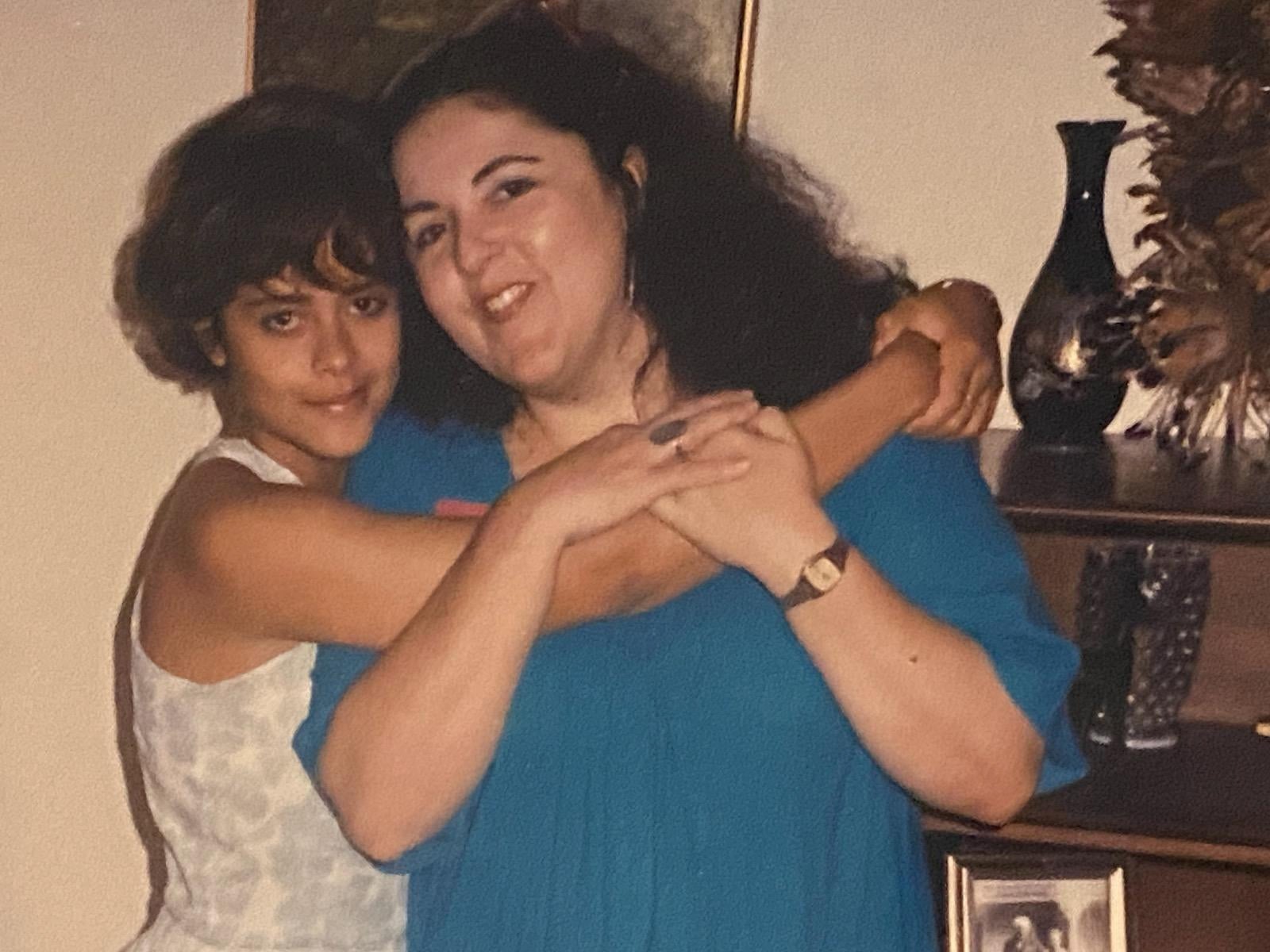
Image 33.04.01 — Maya as a teenager with her mother, Ann, in Honolulu, Hawaiʻi, where they moved when Maya was fourteen years old. Likely taken by her grandfather or grandmother, this picture shows the close bond that Maya had with her mother.
Why was it such a big change for Maya Soetoro to move to Hawaiʻi and then New York City?
How did understanding and exploring other cultures become foundational to Maya Soetoro’s work?
What led to Maya Soetoro becoming a global educator and peace leader, and why did she form the organizations that she built?
A New Chapter
A New Home
In 1984, fourteen-year-old Maya Soetoro moved with her mother S. Ann Dunham to Honolulu, Hawaiʻi, where her maternal grandparents lived and where her parents had originally met. Ann was a graduate student at the University of Hawaiʻi at Mānoa, pursuing doctoral work. In migrating to the US as a young teenager, Maya moved from the country where she was born and raised to another home, the United States, where the Indonesian American community was small and not as well recognized.
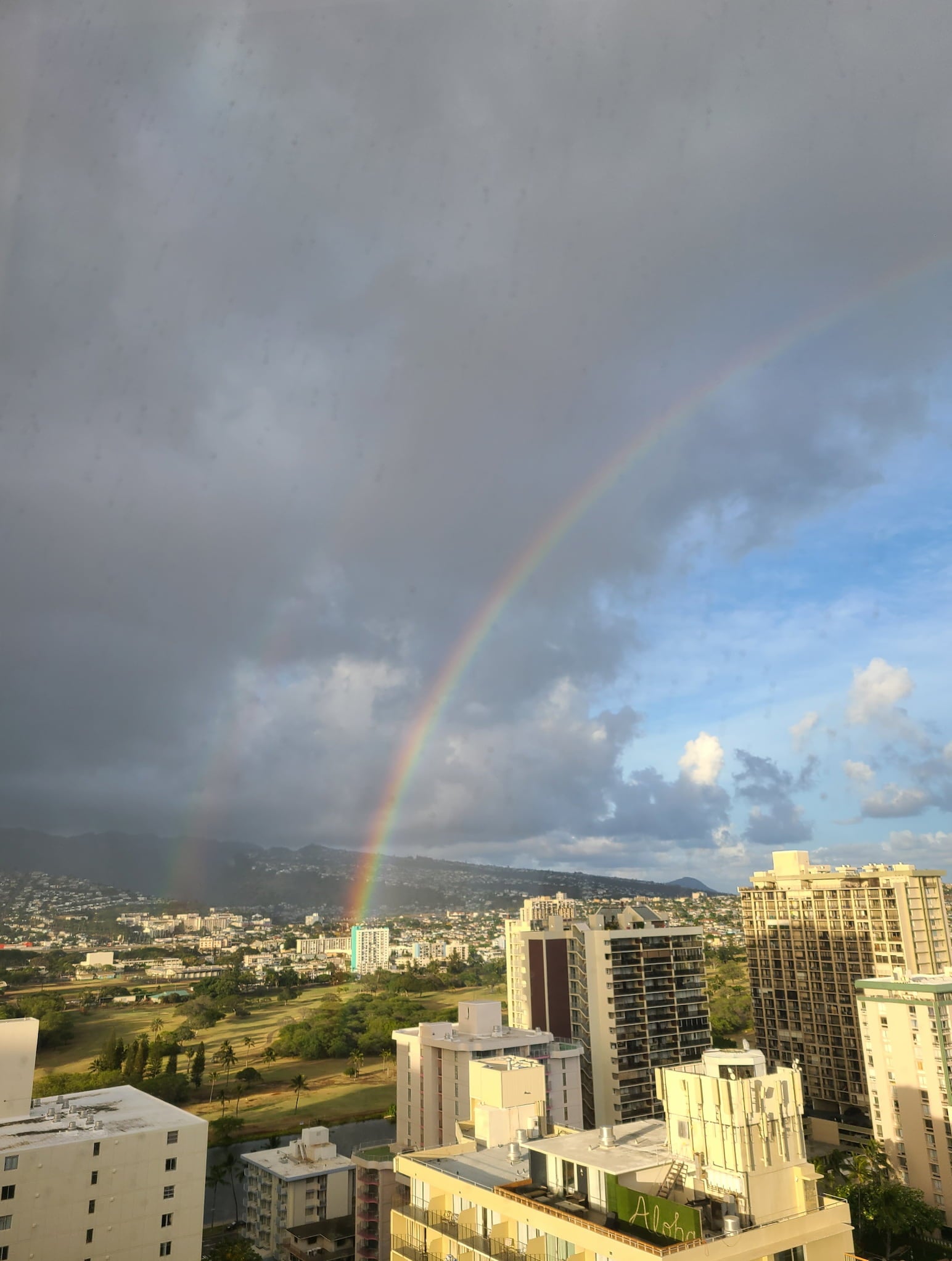
Image 33.04.02 — Present day Honolulu, Hawaiʻi, as viewed from Waikīkī. Maya attended college and graduate school in New York City and has traveled around the world, but Honolulu remains her home; it is where she continued her graduate education and later raised her family.
The adjustment from Indonesia to Hawaiʻi was challenging for Maya as a young teenager. She had left the extended family, community, and culture she knew well to make a new life in the United States. Her experiences of growing up in Javanese culture, with its rich arts, close-knit communities, and different religions and cultural practices, was not something readily understood by her new classmates. Her family’s living circumstances had also changed, with her mother now supporting the family on a graduate student salary. As her mother pursued her doctorate, they lived in a small fourth-floor apartment without an elevator. They did not have a car and took the bus to get wherever they needed to go.
On the other hand, Hawaiʻi had familiar aspects for Maya because of its location in the Pacific—as well as people with a warm spirit and the cultural centrality of community. During that period, Indigenous Hawaiian culture and language—which long had been suppressed or eradicated due to US colonization—was now being urgently reclaimed. Hence, Hawaiian culture was flourishing anew through caretakers teaching younger generations. The significance of honoring Indigenous culture reminded Maya of her time in Indonesia, and she also found the coexistence of multiple cultures and communities to be familiar.
In addition, a vibrant international student community existed at the University of Hawaiʻi. Students from all over the Asia-Pacific region and other places created a welcoming and open community that reminded Maya of Indonesia. Multiethnicity and multiraciality were more recognized in Honolulu than in other parts of the United States. These aspects of her new home made it easier for Maya to navigate her identity as a multiracial young person from Indonesia.
Keeping Connected
During this time, Maya’s mother, Ann, was instrumental in maintaining and strengthening her daughter’s sense of continued belonging in Indonesian culture. Luckily, the University of Hawaiʻi was part of a US consortium for the study of Southeast Asian Studies in the United States, and Indonesia was a prominent area of study in the field. Maya continued to have access to Indonesian culture through the East-West Festival, an annual program held by the East-West Center.
She was also a student of Javanese dance and gamelan (a traditional orchestral music popular in Java, Bali, and Sunda) through the Ethnomusicology Department at the University of Hawaiʻi as a way to honor her Javanese heritage. And Dunham had Indonesian friends in Hawaiʻi, which provided further support and opportunity. Although Maya now was immersed in United States and Hawaiʻi culture, and learning new subjects like the Spanish language, Hawaiʻi provided an important space for her to continue exploring her roots.
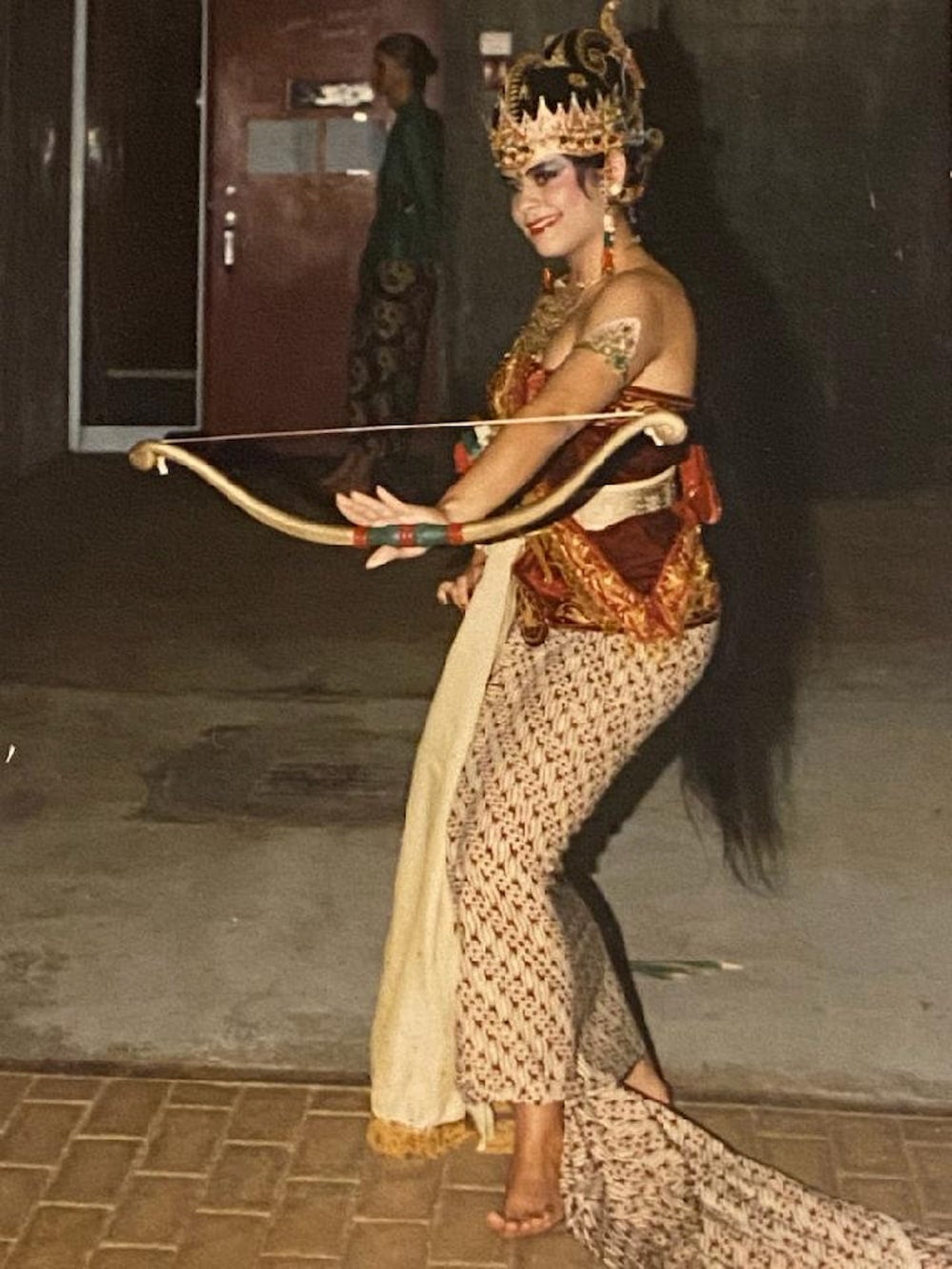
Image 33.04.04 — Maya performing as a teenager at the East-West Center at the University of Hawaiʻi at Mānoa in 1986. While she was a teenager, her mother continued to encourage her to cherish and strengthen her knowledge of Indonesian culture. This photograph was taken by Maya’s mother.
Exploring Other Cultures
New York City
After graduating from high school at Punahou School in Honolulu, Maya enrolled at Barnard College in New York City. Living in Manhattan brought many new experiences to Maya, as well as the excitement and challenge of being introduced to unfamiliar communities in other parts of the United States. It was an important time of learning for Maya, although she now had less access to the Indonesian culture of her youth.
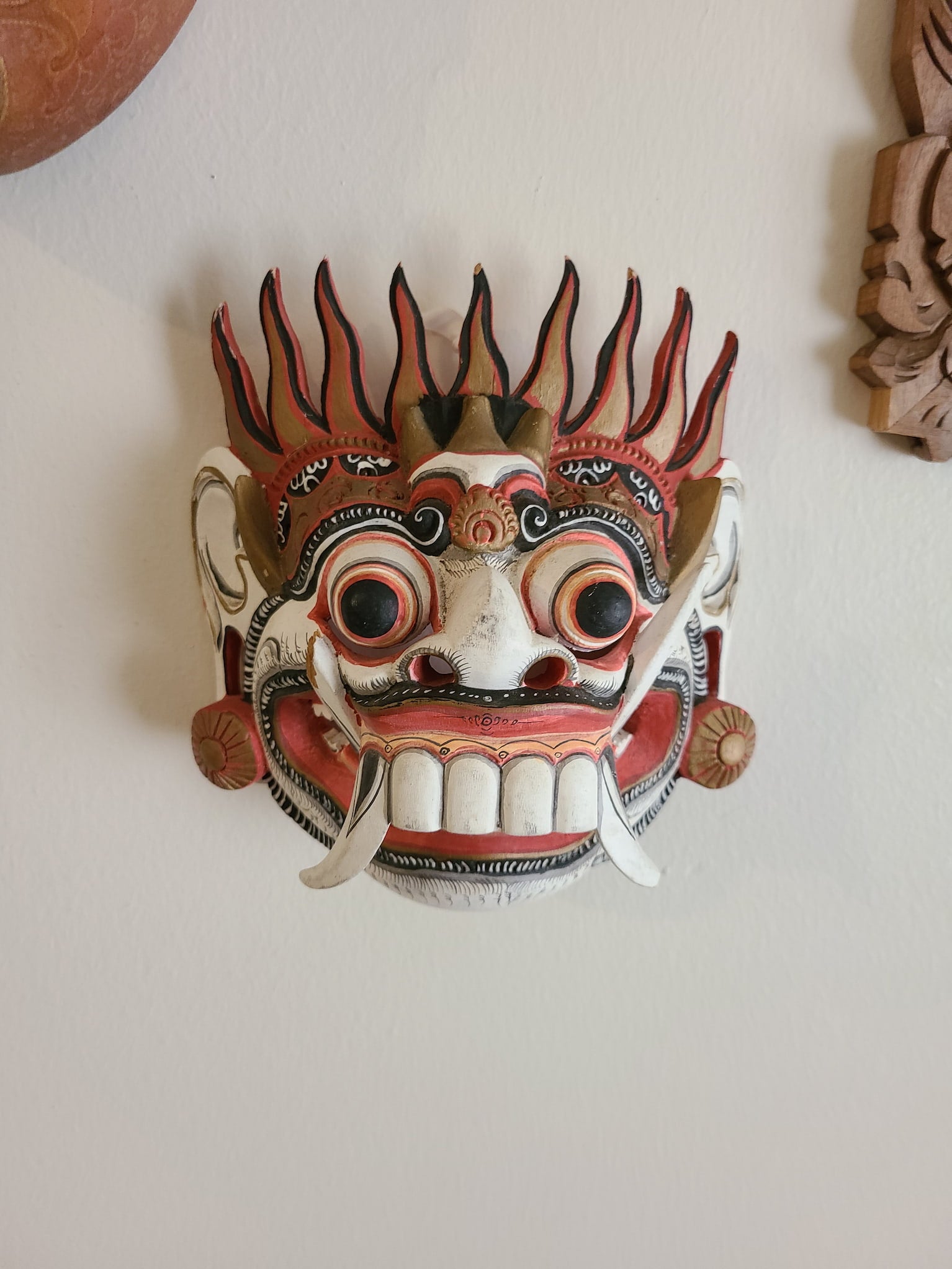
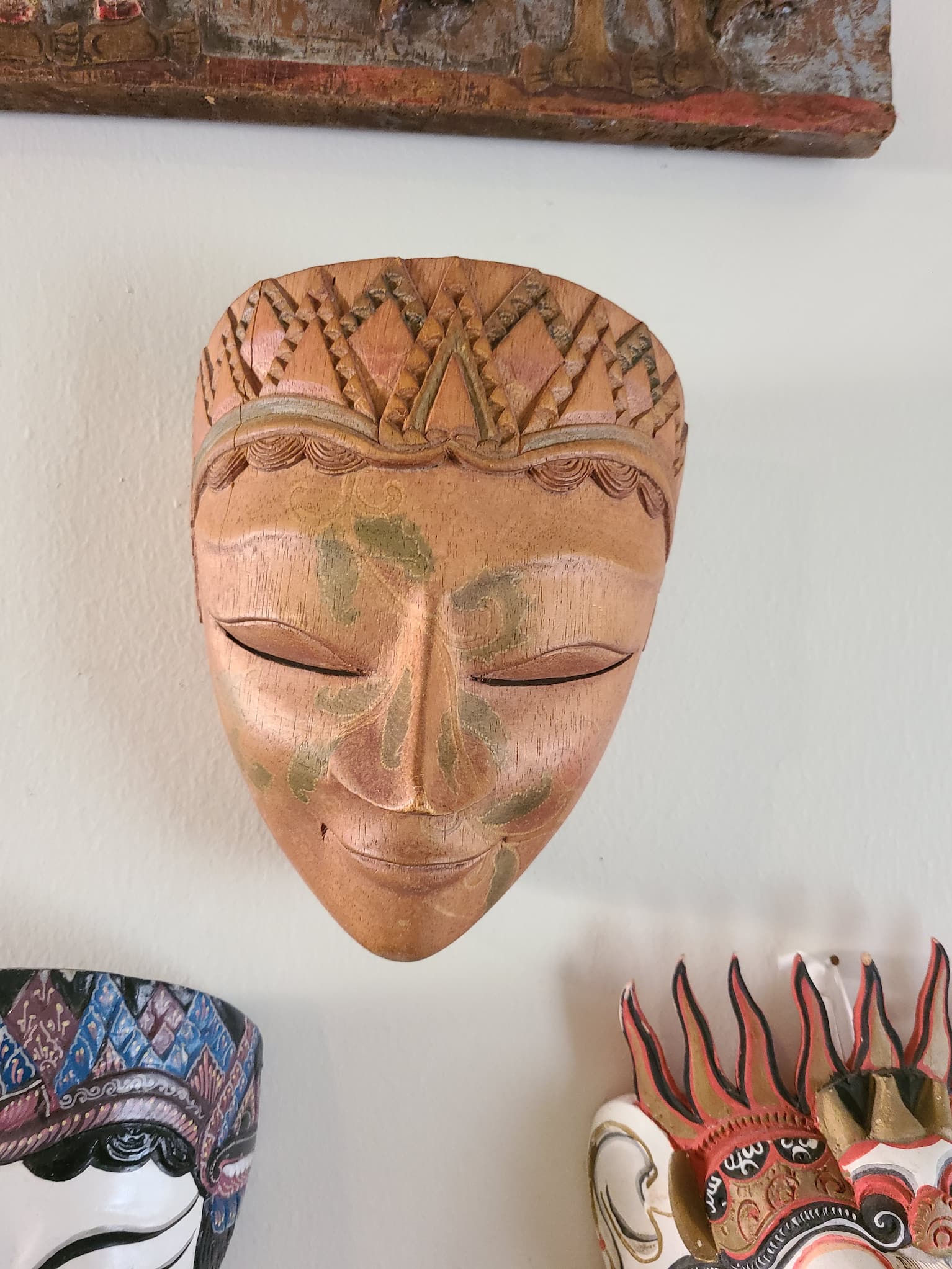
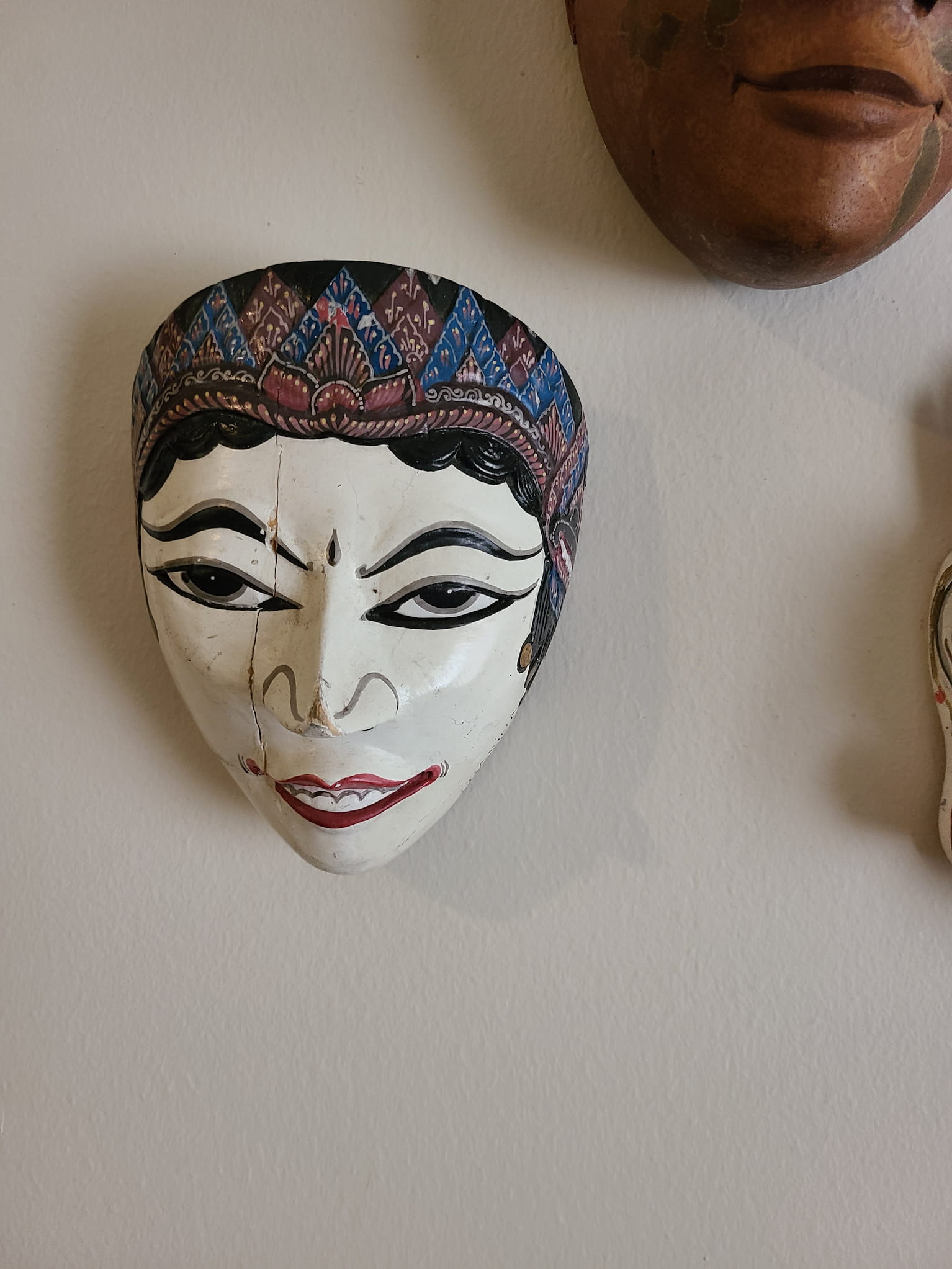
Image 33.04.05, 33.04.06, 33.04.07 — Different topeng, or wooden masks, that Maya cherishes. Today, these masks are displayed in Maya’s home, reflecting the great respect and love that she has for Indonesian culture. (Source: Maya Soetoro Collection)
During this period, Maya continued to explore other cultures, as she had done in Indonesia. In particular, she learned more about Latino culture, as she read authors like Gabriel García Márquez, Jose Donoso, and Isabel Allende, continued her study of Spanish, and went to salsa clubs.
In New York City, Maya was exposed to Dominican, Puerto Rican, Mexican, and Cuban cultures, and she learned new dances like the merengue and bachata. When she went to Chicago, Illinois, to visit her older brother Barack, they would attend Fiesta del Sol and Latin jazz performances.
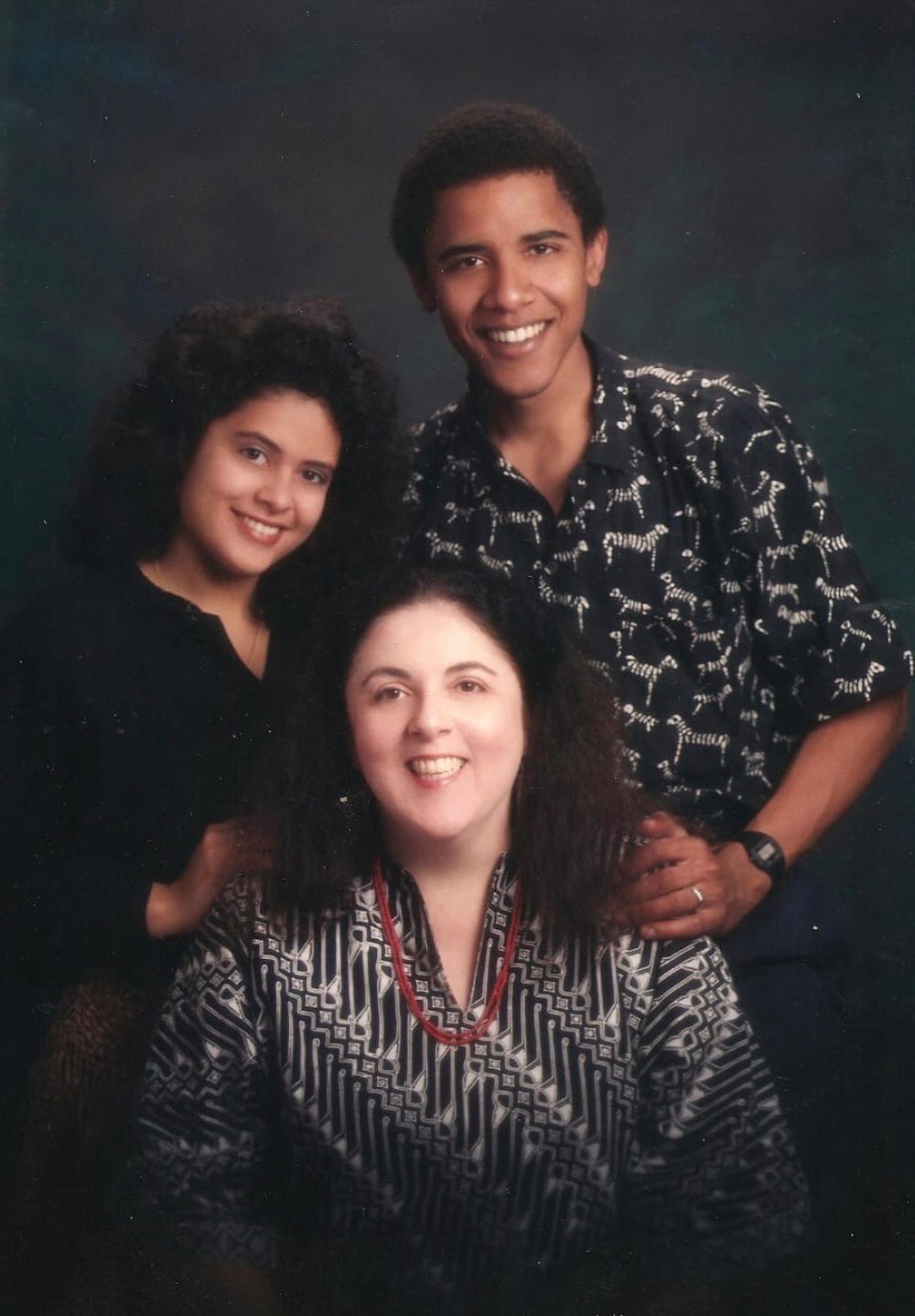
Image 33.04.08 — (Left to right) Maya, Ann, and Barack in Honolulu, Hawaiʻi, ca. 1987.
Maya’s embrace of Latino culture also was also shaped by being multiracial, as she typically was taken as Latina in this context. Within a US context, Indonesian Americans often are not assumed to be Indonesian American outside of the immediate Indonesian community. Rather, they are believed to belong to other ethnic or racial groups.
Those who are multiracial or multiethnic might appear more culturally ambiguous to others, which is something Maya experienced. In Maya’s case, these kinds of assumptions meant that she often was seen as belonging to different communities. On the one hand, this provided her with cultural flexibility. On the other hand, because she was not part of these different communities, there were always barriers to inclusion. Being in this position enabled Maya to see community building in different ways, which would shape how she approached her peace work later in her life.
Return to Indonesia
As Maya built new cultural knowledges, her mother Ann continued to encourage her to maintain ties with her Indonesian heritage. As a college student, Maya returned home to Indonesia to visit her mother and work as a tour guide, as Ann then was engaged in development work in Indonesia.
This was a period of precious cultural exploration for Maya as she eagerly learned more about the Javanese culture of her youth. She studied the stone artwork of the ancient Buddhist temple Borobudur and the ancient Hindu temple Prambanan. Maya also attended wayang kulit (shadow puppet) performances in Kota Gede and witnessed the trance dances of Wonosobo. She watched the sunrise at Mount Bromo, a famous volcano. She even learned about Indonesian cuisine and cooking.
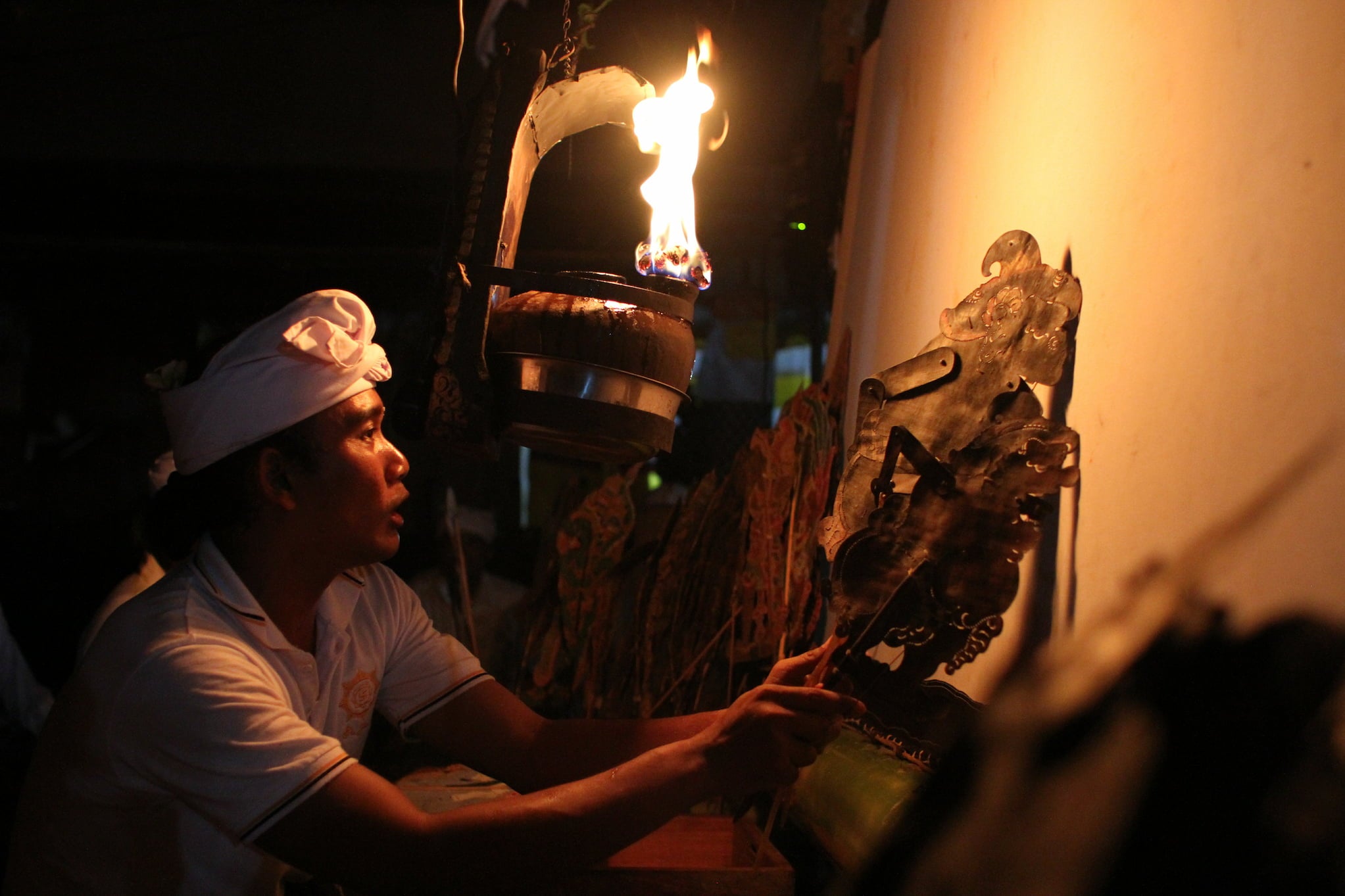
Image 33.04.10 — As a child, Maya grew up surrounded by Indonesian artisans and Javanese culture. Her childhood memories are filled with watching painters, batik makers, woodcarvers, and other artists. This early exposure to art and culture in everyday life would shape Maya’s conviction about art’s importance for connection and healing.
College and Graduate Study
After this time in Indonesia, Maya decided to pursue a bachelor’s degree in literature at the University of Hawaiʻi at Mānoa. She then returned to New York City to pursue teaching degrees at New York University, and she became an educator in New York City. Later, she returned to the University of Hawaiʻi to earn a PhD in Education at the University of Hawaiʻi.
Work and Activism
Today, Maya Soetoro is a global peace leader who travels around the United States and the world in the pursuit of building peace. She is also the mother of two daughters, Suhaila and Savita. While her father Lolo Soetoro passed away in 1987 and her mother Ann Dunham Soetoro passed away in 1995, Maya continues to have strong family ties with her brother Barack’s family as well as her extended family in the United States and Indonesia.
In her professional life, Maya has many different responsibilities. As faculty at the University of Hawaiʻi, she teaches at the Matsunaga Institute for Peace and Conflict Resolution and offers different courses related to peacebuilding, including peace education, conflict management, and movement building. Maya says that her commitment to these issues was very much shaped by being taught about these issues throughout her Indonesian girlhood where she saw gotong royong in action, and the importance of communities having responsibility for one another.
Building Organizations
Institute for Climate and Peace
Maya has cofounded several organizations, including the Institute for Climate and Peace (ICP), which focuses on how climate change factors like lack of access to water and declining biodiversity affect the ability of people to have peaceful communities. ICP’s commitment to community-sourced solutions reflects Maya’s love of the environment and respect for local communities dating from her childhood in Indonesia. The legacy of Ann Dunham’s approach of learning wisdom from village communities is also clear.
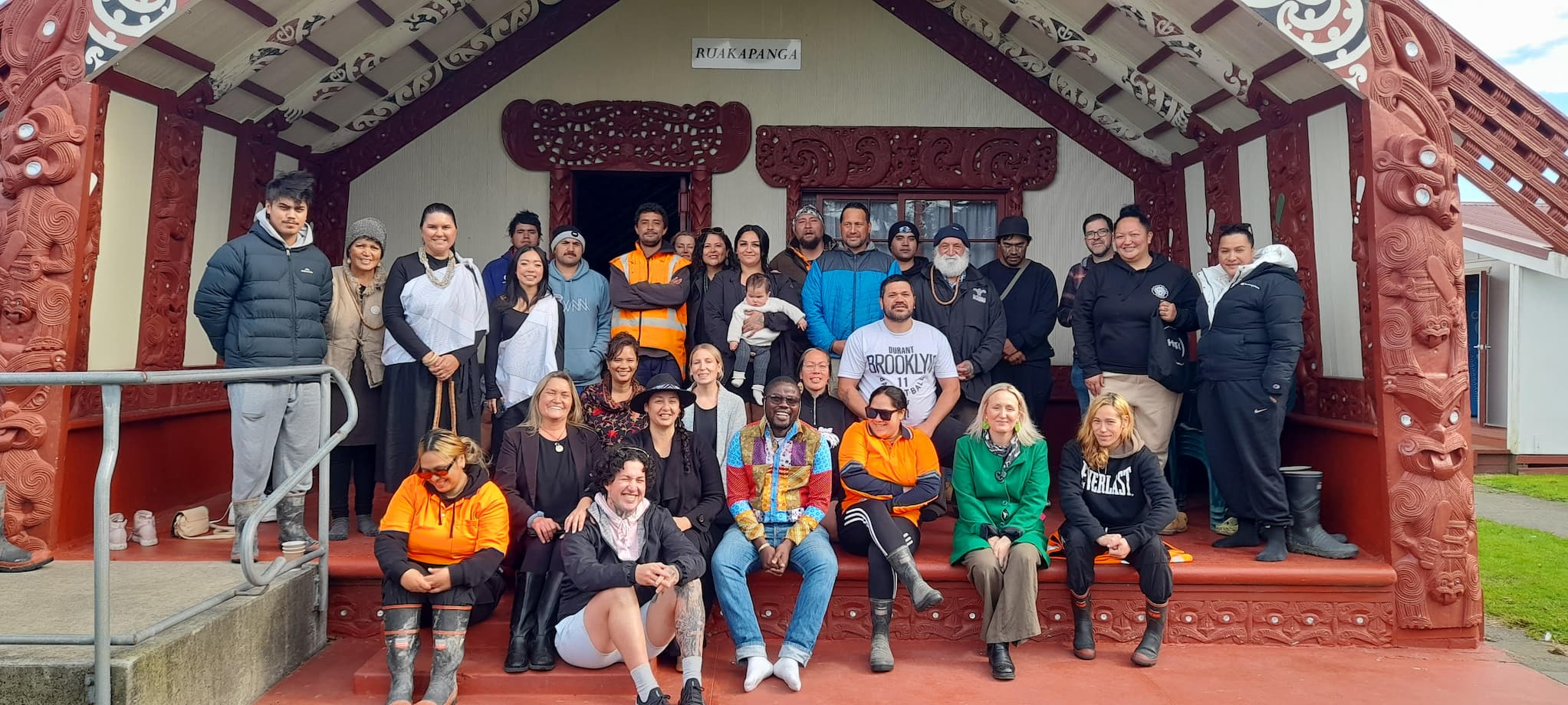
Image 33.04.12 — The Institute for Climate and Peace (ICP) foregrounds the importance of Indigenous practices and women’s leadership in addressing climate change.
Rather than acting as outsiders coming in to impose solutions, ICP emphasizes Indigenous practices and women’s leadership. The organization believes that those who are most impacted by the climate crisis have the greatest insight into what needs to be done to build a better connection to the environment. For example, with the “Ka‘a I Ka Wiwo‘ole: Brave Enough from the Frontlines of Our Climate Resilient Futures” program, ICP develops girls’ leadership around climate change in Hawaiʻi, with women mentors teaching girls about environmental injustice.
Ceeds of Peace
The organization Ceeds of Peace also was cofounded by Maya and is focused on nourishing community leadership in youth. The organization concentrates on seven values, “Courage and Critical Thinking Within,” “Compassion and Conflict Resolution With Others,” and “Commitment, Collaboration, and Connection In Community.”
As with ICP, the inspiration for Ceeds of Peace was nurtured in Maya’s girlhood from watching her mother’s involvement with Indonesian communities. Instead of focusing on just one aspect of young people’s lives, the organization strives for a more holistic experience across different sectors. It draws together young people, families, schools, and community leaders, and it supports learning from nature as well as from the surrounding community.
The Peace Studio
The Peace Studio is another nonprofit organization co-founded by Maya that shines a light on artists and journalists who create hope and inspire social change through addressing conflict transformation. The Peace Studio maintains that stories are central in how people can understand one another and work toward a better future. The organization believes it is crucial to nurture diverse stories and not just one story about a community. This builds compassion, empathy, and new knowledge about how to develop a better future.
Image 33.04.13 — The Peace Studio, a nonprofit organization cofounded by Maya, focuses on working with artists and journalists to develop restorative narratives and create social change.
The Peace Studio provides fellowships and programs to help artists and journalists engage in movement building. Endeavors like the Artist as Catalyst Program and the Journalist as Citizen Program support this work by providing communal spaces for discussion and organizing. These goals reflect Maya’s longstanding commitment to storytelling and the arts, an approach that is grounded in her growing up around so much culture and beauty during her childhood.
Leaders Asia-Pacific Program, Obama Foundation
Maya also makes important contributions to the Obama Foundation’s Leaders Asia-Pacific program, an organization created by her brother Barack and her sister-in-law Michelle Obama. This organization seeks to provide resources and offer opportunities for collaboration to those making positive change within the Asia Pacific.
Girls Opportunity Alliance, Obama Foundation
In addition, Maya works with the Obama Foundation’s Girls Opportunity Alliance, which concentrates on developing possibilities for girls in the United States and around the world. In 2025, the Girls Opportunity Alliance website listed more than four thousand grassroots leaders as part of the organization’s network and reported that over 120,000 girls had benefited from the organization’s activities globally. Through these programs, Maya helps to build Asian-Pacific leadership, as well as nourish opportunities in the Global South and the United States.
Author
Maya’s activism is realized in her work as an author, too. In her children’s book, Ladder to the Moon (2011), Maya created a story that features insights that her mother Ann, might have shared with Suhaila, Maya’s older daughter. In the book, Suhaila accompanies her grandmother to the moon, where they look at the Earth below and see that it is troubled.
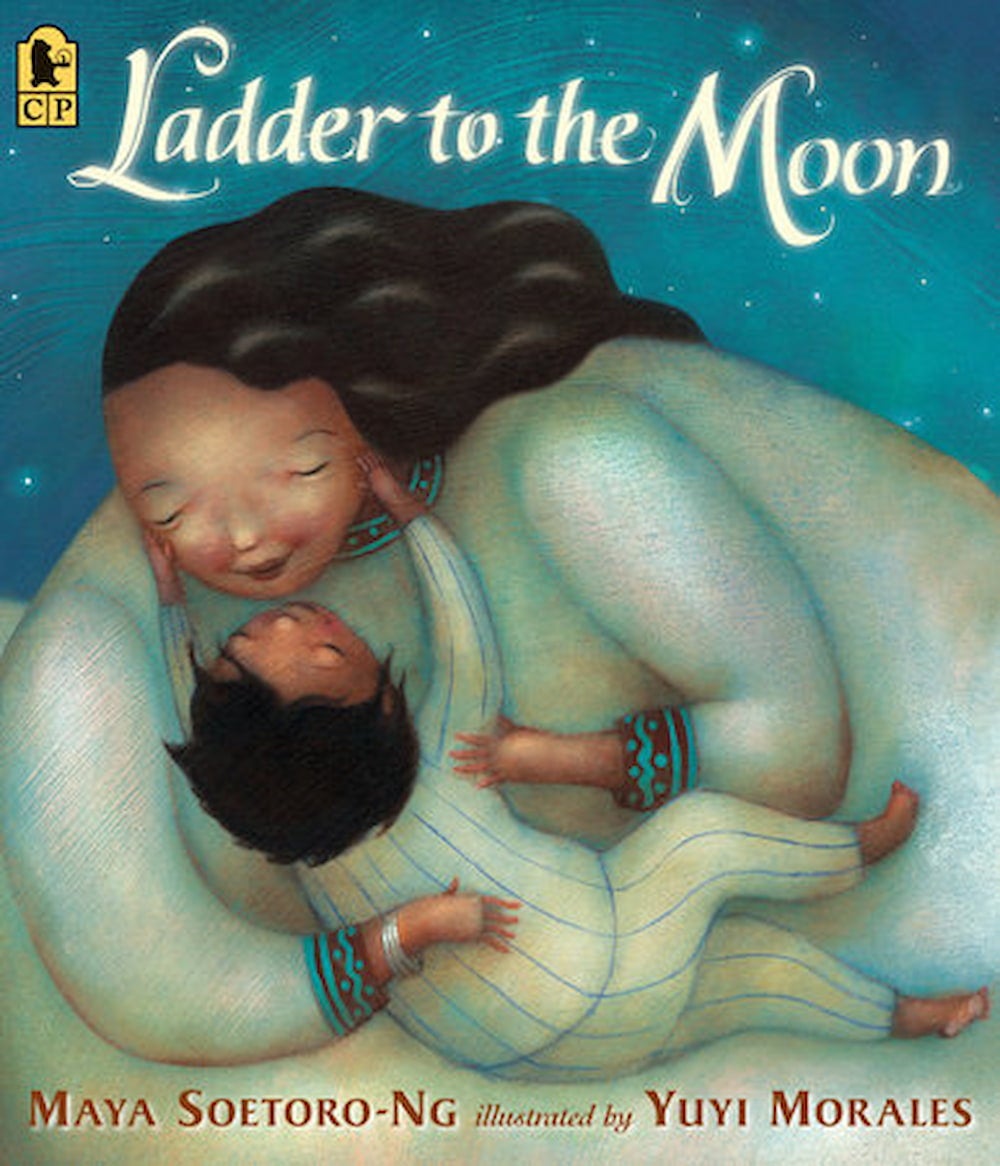
Image 33.04.14 — In her first children’s book, Ladder to the Moon (2011; illustrated by Yuyi Morales), Maya imagines what her mother would have taught her daughter, Suhaila, about the world. In the story, a young girl takes a magical journey with her grandmother and learns about the importance of world peace.
In the story, Maya emphasizes listening, compassion, and empathy for others. She is also writing a young adult novel called Yellowood, which reflects the stories that she learned as a child, and focuses on a young woman whose parents come from two different sides during war. As someone who is in between two worlds, the young woman protagonist is a warrior and becomes a peacebuilding leader.
As can be seen from Maya’s story, her experiences as an Indonesian American had a profound impact on Maya’s work and activism as an adult. Leading a life that bridges both Indonesia and the United States, Maya developed a unique perspective on how to make the world a better place.
Glossary terms in this module
colonization Where it’s used
The act in which a group or country brings a region under its domination and control, including Indigenous people.
gotong royong Where it’s used
An Indonesian cultural value of mutual assistance and collective responsibility.
Indigenous Where it’s used
Refers to someone or something that originates from a region, predating colonialism.
nonprofit Where it’s used
Organizations or programs that are conducted without the aim of making profit. Participants are often donors, volunteers, and program recipients.
wayang (kulit) Where it’s used
Refers to the symbolic performance of shadow puppets. They are typically used behind a lit screen (called wayang kulit), or they may be three-dimensional (called wayang golek) with a central rod and sticks attached to the puppet’s hands.