





Module 2: Indonesian American History
Can Maya Soetoro’s life as an Indonesian American inform us about how we build community on a global scale?
This module provides context for Maya Soetoro’s biography through an overview of Indonesian American history. Although Indonesian American migration is often thought of as a more contemporary phenomenon, the historical relationship of the United States and Indonesia actually spans hundreds of years.
How does a global outlook reshape how we understand the significance of Indonesian American history?
Explain some of the different reasons why Indonesians have migrated to the US.
How is Indonesian history connected to Indonesian American history?
Documenting Indonesian American History
Community Formation
Despite multiple waves of migration, Indonesian Americans have remained a relatively small community in the United States compared with other Asian American groups. Even now, although the Indonesian American population grew twice as big from 2000 to 2019, they still only constitute about 1 percent of the Asian American population. Nevertheless, Indonesian Americans have significant and meaningful histories in the United States.
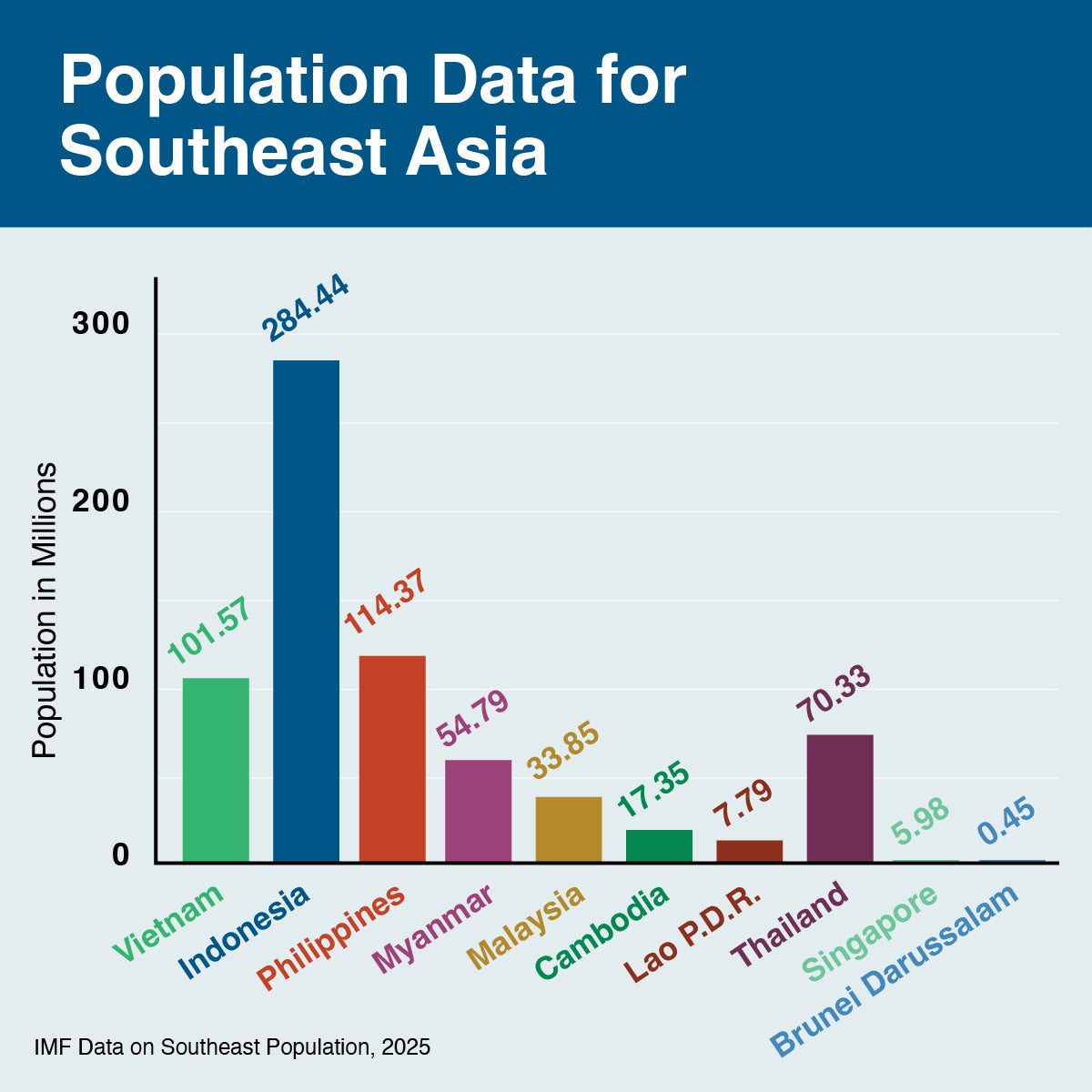
Image 33.02.01 — Indonesia is the largest country in Southeast Asia and the fourth most populated country in the world. In terms of size within the region, Indonesia’s population comprises roughly 41 percent of Southeast Asia’s population.
Source: IMF Data on Southeast Asia population by country in millions.
Today, Indonesia is the fourth most populated country in the world, just after the United States, which ranks third. The span of Indonesia’s archipelago (or chain of islands) also is huge, roughly the same span as the United States. And, although other countries in Southeast Asia might be more familiar to Americans, in fact, Indonesia has a population size comparable to the combined total of the Philippines, Vietnam, and Thailand. It is also the largest Muslim country in the world. Furthermore, it is important to emphasize that Indonesia is a huge, diverse country, with many ethnic communities and languages. Indonesia’s significant size and its extremely large population underscore why Indonesian American history is so critical for a global understanding of the United States’ place in the world.
Geography, Trade, and Migration
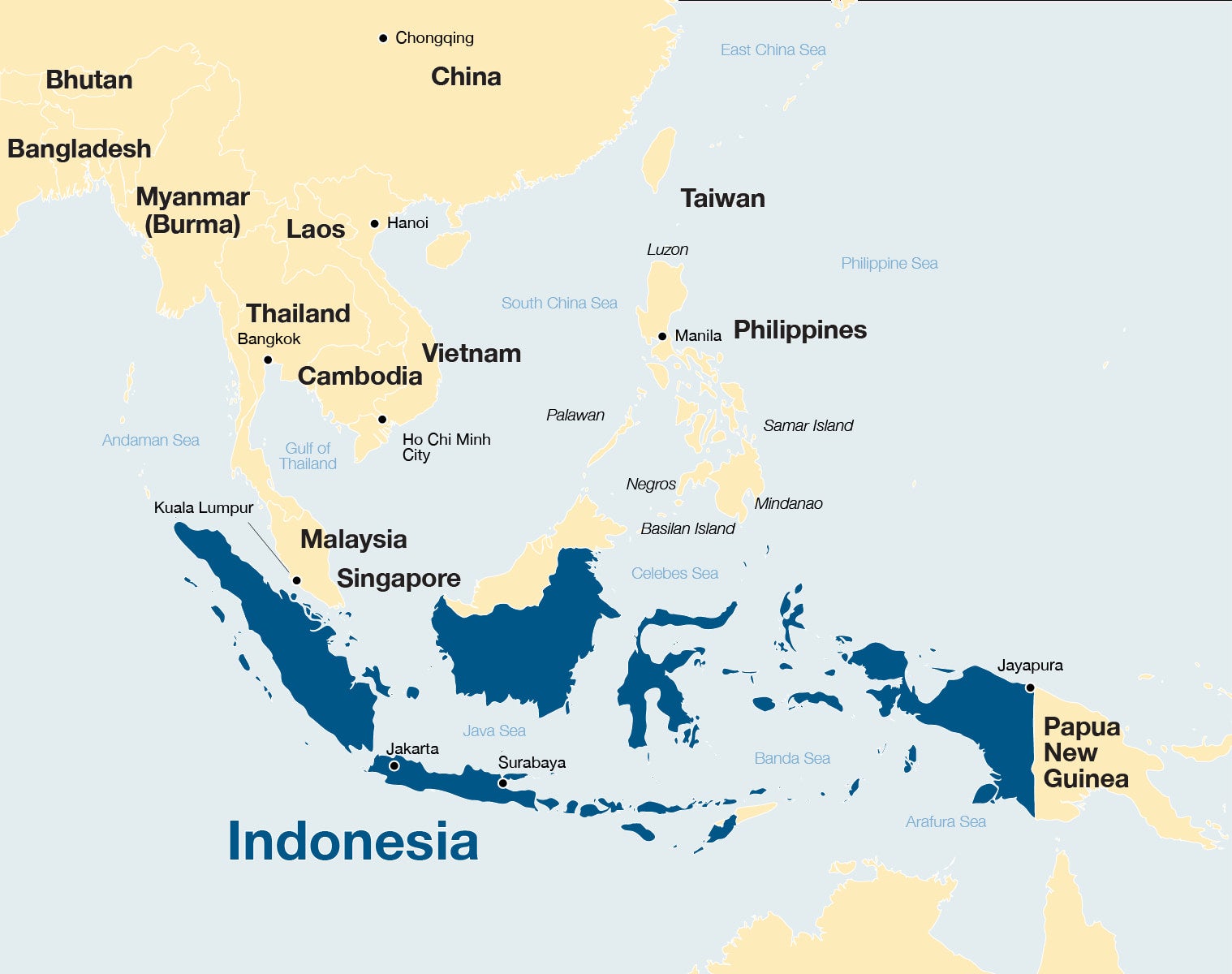
Image 33.02.02 — Map of Southeast Asia, with Indonesia highlighted.
Over the centuries, many foreign empires have sought to take advantage of Indonesia because of its raw materials, its geographic accessibility, and its location midway between East Asia and the Middle East. In turn, Indonesians have migrated to other parts of the world for better lives, drawn by work, education and other reasons. Indonesians have regularly moved abroad to places like Australia and other parts of Southeast Asia, as well as to the rest of Asia, Europe, and the United States.
Thus, Indonesian Americans are part of an expansive Indonesian diaspora, forming many communities that have sprung up outside of their home country. The sheer number of Indonesians migrating abroad make some Indonesian communities especially visible, such as in the Netherlands, its former colonizer, and Australia, its neighbor to the south. These migration streams from the homeland of Indonesia are considered a diaspora, where people of Indonesian descent build communities across the globe.
Early Histories
The United States and Indonesia
While the numbers of Indonesian Americans residing in the United States might seem limited relative to the size of Indonesia and as compared to other Asian American communities, the United States and Indonesia have a relationship that goes back hundreds of years. Like other empires, the United States sought imports like spices, pepper, oil, and rubber.
It is highly likely that some of the first Indonesian arrivals to the United States came through the maritime economy as workers on the sea during the eighteenth and nineteenth centuries. At this time, pepper was an important meat preservative and a highly profitable import for port cities like Salem, Massachusetts. Early US missionaries also traveled to Indonesia to convert residents of the then “Dutch East Indies” (Indonesia’s name under Dutch colonization) to other religions, another point of interaction between the United States and Indonesia.
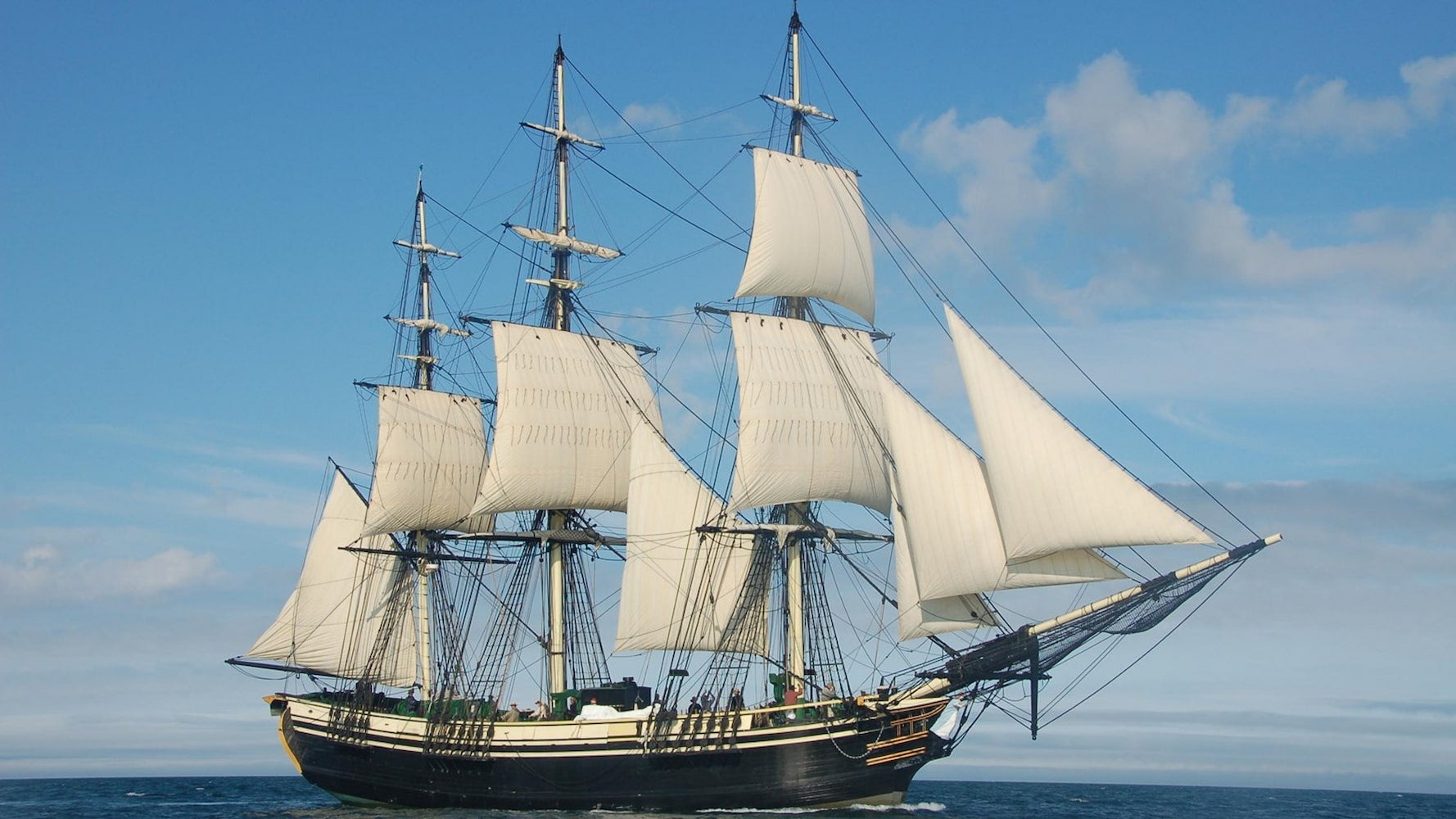
Image 33.02.03 — Built at the end of the eighteenth century, the American merchant ship, Friendship of Salem, traded with countries like China, Indonesia, India, and Russia. This photograph depicts a present-day replica of the ship. Understanding early trade patterns helps us to see how Indonesian American community formation is part of a larger history.
By the first decades of the twentieth century and World War I, the United States had developed considerable military, political, economic, and cultural interests in the region, with companies like General Motors and Sun-Maid Raisins seeking stakes in the Indonesian economy. US investors and others around the world sought resources in Indonesia like oil and rubber to meet the needs of the rapidly growing US auto industry.
Immigration Legislation
In the United States, however, Indonesian American community formation in the first half of the twentieth century was limited. Early twentieth-century migration to the United States was shaped by exclusion, similar to the restrictive, exclusionary legislation faced by many other Asian groups at the time. Java and Sumatra were named in the Immigration Act of 1917 as part of a “Barred Zone” from which it was difficult to migrate. In contrast, there were steady migration streams of Indonesians elsewhere, such as to other parts of the Pacific and the Netherlands, Indonesia’s colonizer.
Nevertheless, some exceptions existed. The graduating class of 1924 at the University of Illinois had students who had traveled from Batavia, as Jakarta was called then, to Illinois. These students appear to have Chinese names, which makes one wonder why they had chosen to go to the United States for school as opposed to the Netherlands, Indonesia’s colonizer. Perhaps they chose this strategy because it would help them make business and political connections with Chinese American networks, or perhaps Christian religious networks in the United States had influenced them. The story of these University of Illinois alumni reminds us to look carefully at how and why people make decisions to migrate.

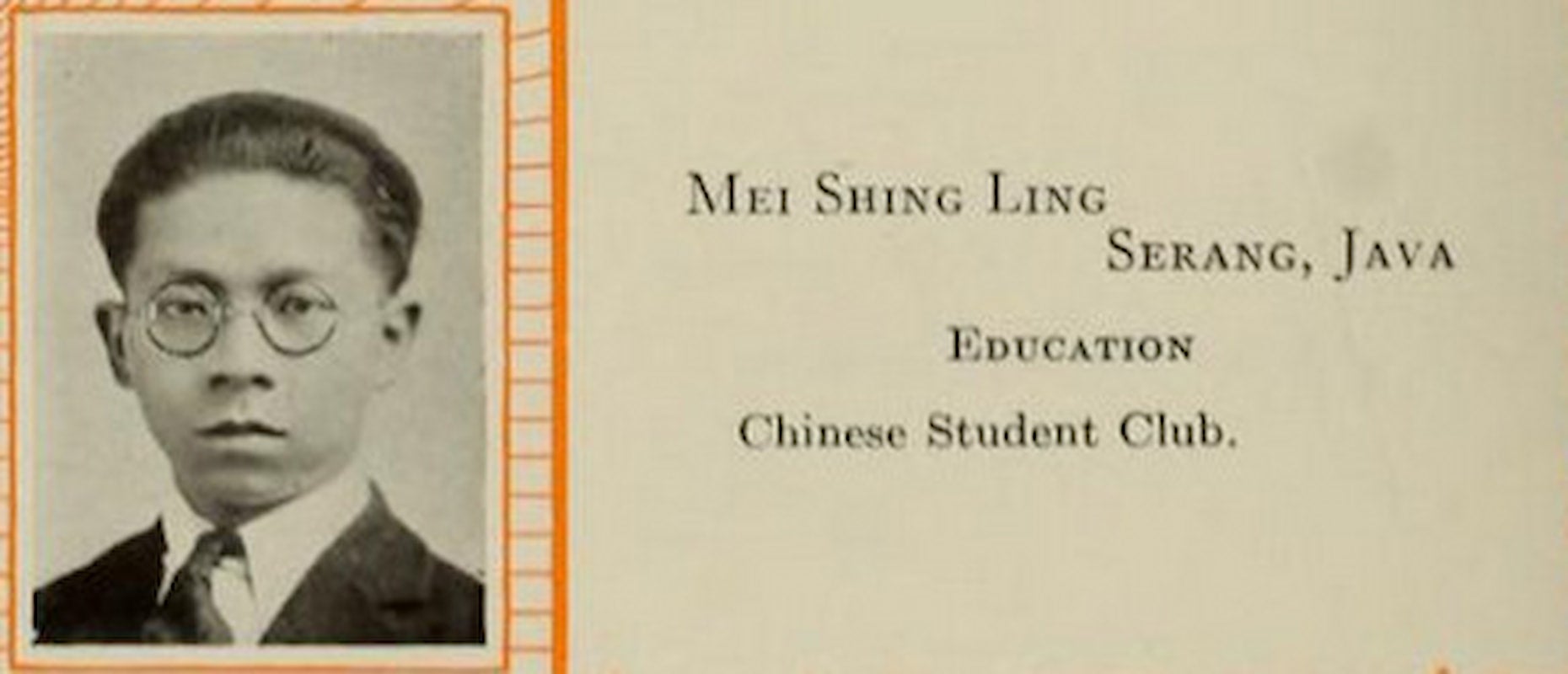
Image 33.02.04a — Although many Indonesian students studied in the Netherlands during the early twentieth century due to Dutch colonialism, there were also some students who traveled to the United States, like these early alumni at the University of Illinois.
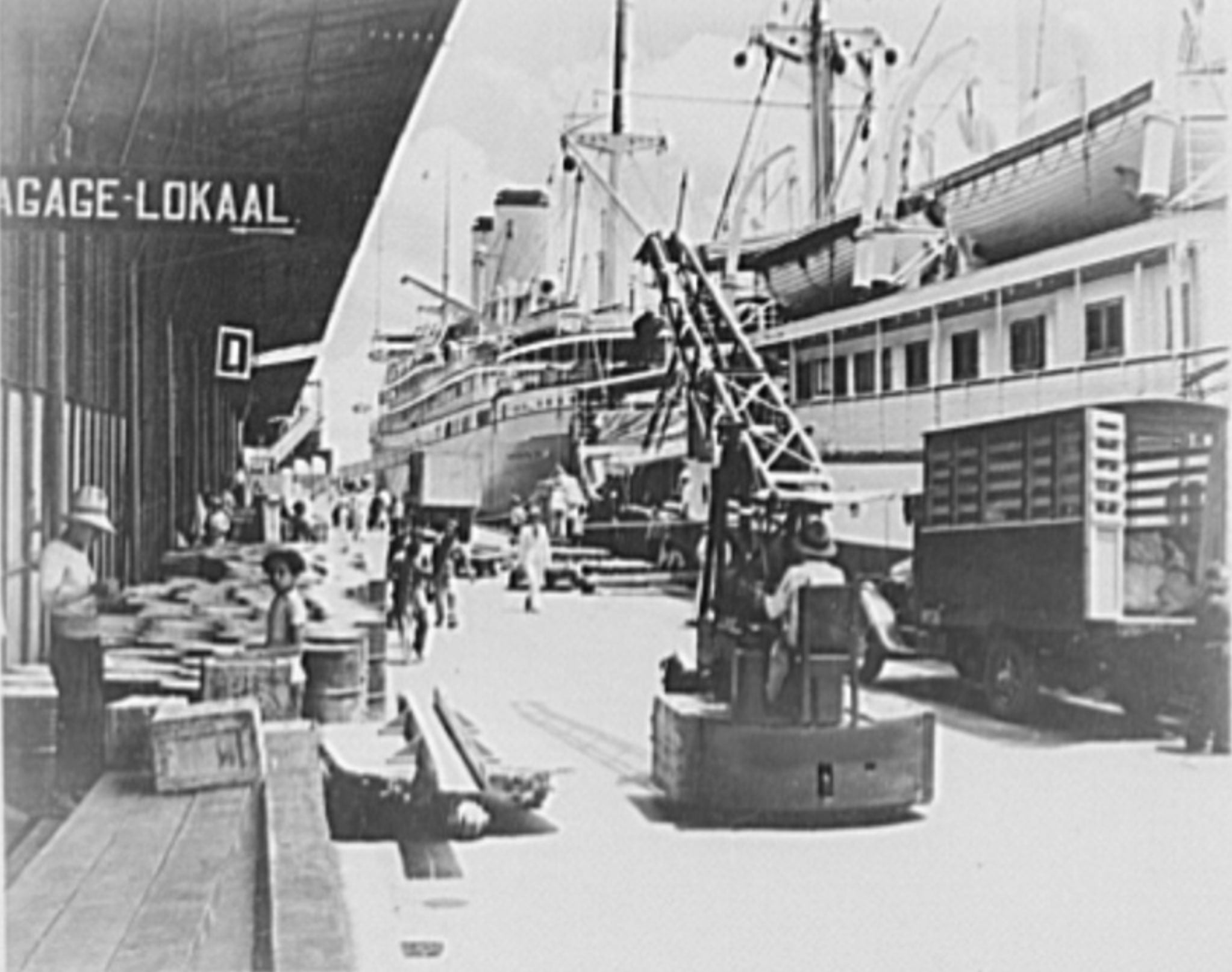
Image 33.02.04b — The United States remained interested in Indonesia throughout the twentieth century. This image depicting the busy trade at Jakarta, the capital of Indonesia in Java, then known during Dutch colonialism as Batavia, illustrates Indonesia’s importance in terms of global trade.



The Mid-Twentieth Century
Devi Dja and the Maritime Workers
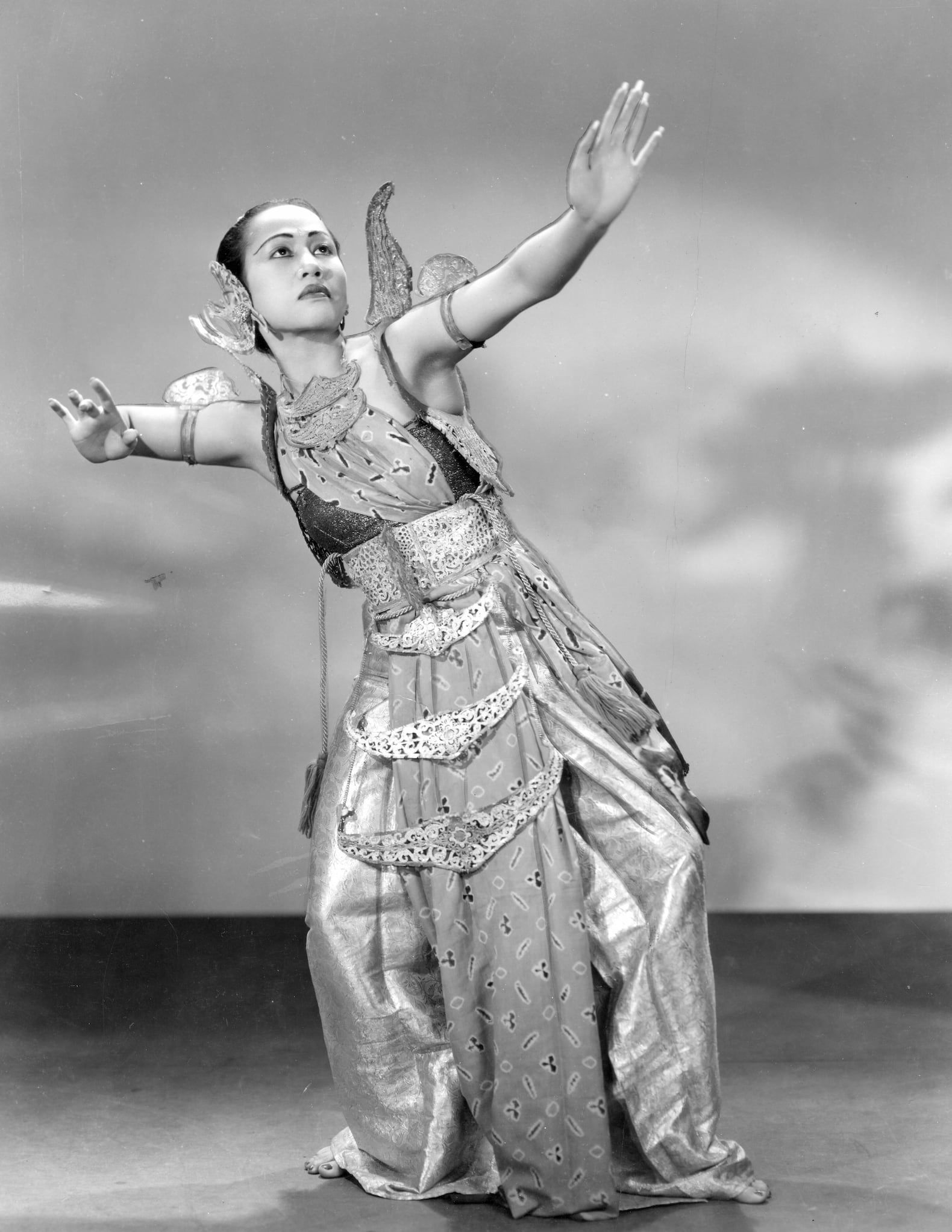
Image 33.02.05 — Devi Dja was a dancer and actress trained in Indonesia who migrated to the United States during World War II. Dja became a US citizen in 1951 through marriage and eventually settled in California. She supported merchant seamen during Indonesia’s battle for independence from the Dutch.
By the mid-twentieth century, different travelers, workers, and artists were landing in sites like New York City and California. Devi Dja, a dancer and actress, migrated to the United States during World War II with the Dardanella dance troupe. During Indonesia’s battle for independence in 1947, Dja emerged as a political figure, and she was encouraged by Prime Minister Sutan Sjahrir to be an Indonesian cultural ambassador. She also tried to help other Indonesians.
In the late 1940s, Indonesians were fighting for independence from the Dutch. As a result, Indonesian seamen landing in New York City and other sites refused to labor for Dutch and British ships. They did not want to be crew members on ships sending munitions back to Indonesia to put down the Indonesian National Revolution. Dja lent them her political support. Their story not only highlights the political activity of Indonesian migrants to the United States during this era, but also the importance of addressing Indonesian American history within the context of multiple empires, including the Netherlands and Great Britain.
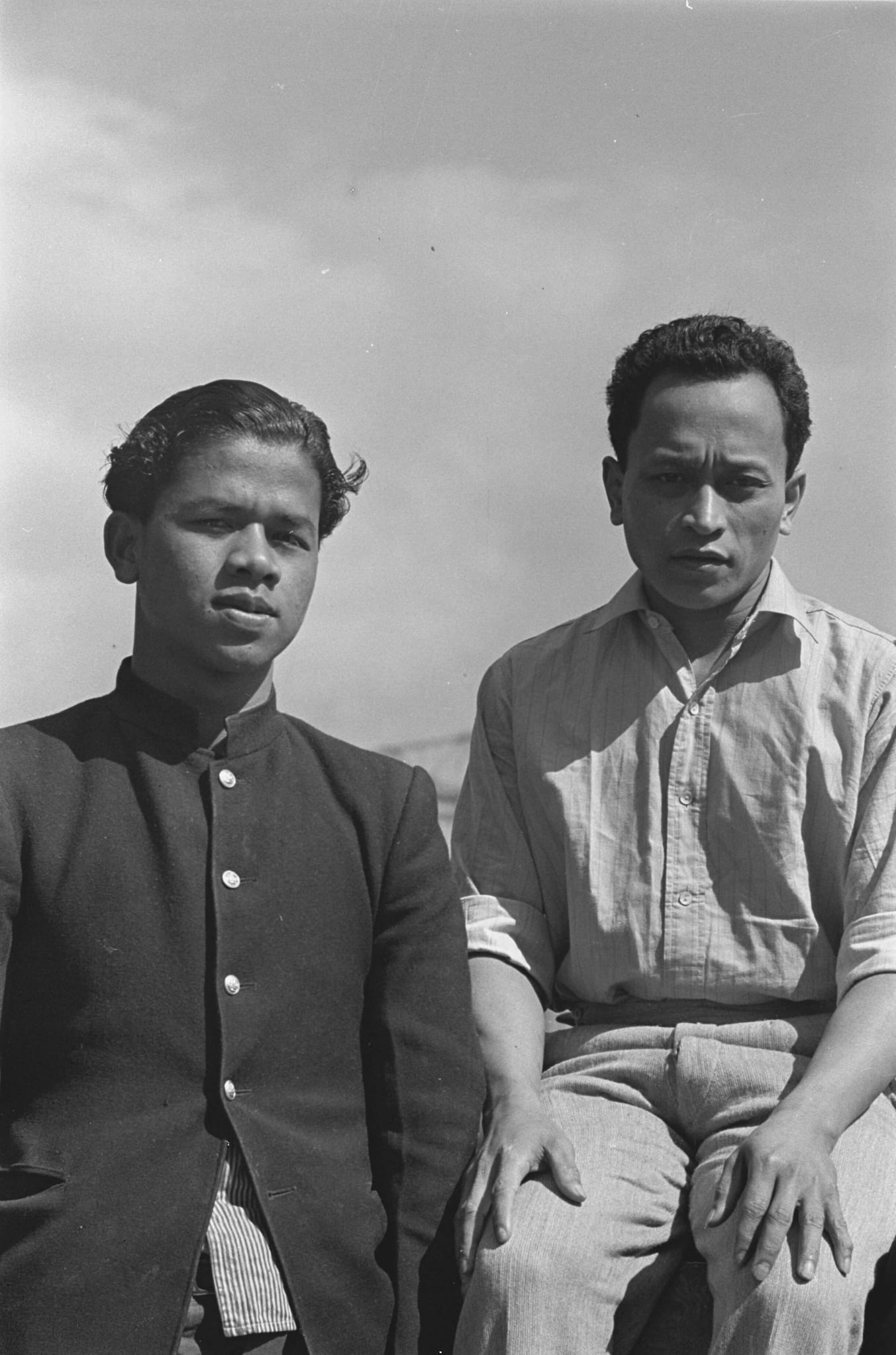
Image 33.02.06 — Here, two maritime workers pose for a photograph. Images like this challenge us to consider what kinds of lives they might have led upon the ship as laborers, as well as the nature of their global migration as seamen from Indonesia.
Dja would eventually make her permanent home in the United States. A few years later in 1951, Dja became a US citizen (due to marriage), and she eventually moved to California where she spent many years as a teacher. She even secured a few small parts in Hollywood movies.
Indo (Dutch Indonesian) Migration

Image 33.02.07 — Indonesian students continued to study in the United States through the rest of the twentieth century. In this World War II-era photograph, Roden Kadir is making a presentation in Washington, DC, to a gathering of international students.
Other significant strands of Indonesian migration to the United States were happening in the mid-twentieth century as well. Because the Netherlands had colonized Indonesia for hundreds of years, a sizable number of Indonesians with Dutch ancestry lived in Indonesia. These Dutch Indonesians, also known as “Indos,” occupied a privileged political status over other Indonesians because of their European ancestry. Nevertheless, as Europeans held the highest position during the colonial era, Indos still faced racial discrimination.
When Japan occupied Indonesia during World War II, many Indos were categorized as “Dutch” and incarcerated in internment camps alongside Europeans. Later, when the Netherlands tried to return to Indonesia following the defeat of Japan, fierce fighting ensued. As the Netherlands now was a wartime enemy to Indonesians, Indos were seen as “Dutch” and targeted with harassment and severe violence. Thousands ended up migrating to the Netherlands to find a better life. However, once in the Netherlands, many Indos experienced racism due to their Indonesian identities.
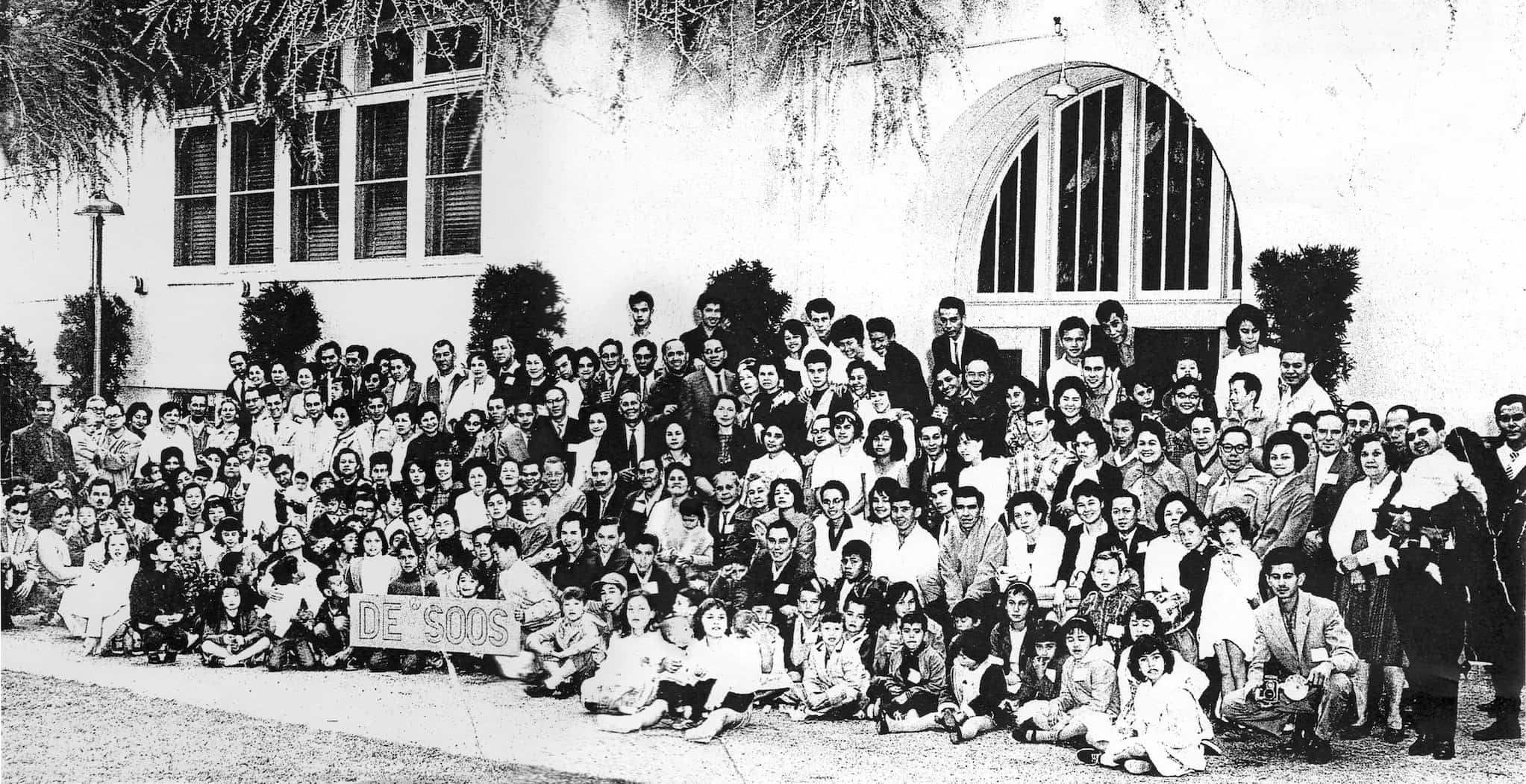
Image 33.02.08 — At a time when many Asians were still excluded from migrating to the United States, Indonesians of Dutch ancestry were able to enter via the Netherlands through refugee legislation. The largest community center—De Soos, the Indo Community Center—was in Southern California. This picture depicts a 1963 gathering in Pasadena.
As a result, several members of the Indo community migrated again elsewhere to places like Australia and Brazil, and a sizable number entered the United States through refugee legislation. At a time when many Asians could not migrate to the United States, Indos were able to immigrate because of a specific refugee visa program, so they were not subject to the same quotas as other Asians. Today, Indos represent a substantial part of the Indonesian American community, as the families that formed have now been in the United States for several decades. Their experience underscores how the history of Indonesian Americans has been shaped by war and US legislation.
Other Cold War Migration
Another stream of migration also occurred during the US Cold War era. Indonesia became an increasing source of geopolitical concern for the United States in the latter half of the twentieth century, especially because of its large size, rich economic resources, and strategic location. With the onset of the Cold War, the United States was alert to the possibility of Indonesia becoming Communist. In addition, Indonesia was close to the Philippines, which was a former US colony and an important ally for the United States. As a result, the United States devoted considerable resources to Indonesia in the late 1950s and early 1960s. This included encouraging the migration of exchange students from Indonesia to study or receive training in the United States.
While many returned to their homes in Indonesia afterward with advanced degrees, some ended up staying in the United States, especially because of possibilities offered by growing US interest in Indonesia and in the Southeast Asian region as a whole. Maya Soetoro’s story reflects the increased back-and-forth migration of both Indonesians and Americans in this era. Her parents, for example, met as graduate students at the East-West Center at the University of Hawaiʻi, a major site of study for Southeast Asia and the Pacific in the 1960s.
1965 to the Present
Political Violence
Political violence and upheaval also had an impact on the Indonesian migration stream to the United States. After a failed coup attempt by Indonesian Army officers in 1965, the US provided support to General Suharto and the Indonesian military in their institution of a military administration and a campaign against Communist activity. It is estimated that five hundred thousand to a million people, perhaps even more, might have been killed, with about a million more jailed. This devastating violence not only shaped people’s lives in Indonesia, it also propelled many to seek refuge in the US and other parts of the world.
New Immigration Legislation and Chinese Indonesian Americans
During this time, migration possibilities to the United States expanded, as the Immigration Act of 1965 abolished the quota system predicated on national origins. Among those leaving to begin new lives in the United States were many Indonesians of Chinese descent (commonly called “Chinese Indonesians”) resulting in waves of migration notably from the 1970s onward, and especially in the 1990s. Historically, Chinese people have migrated to Indonesia for centuries. This community was targeted regularly by different kinds of political restrictions and even considerable violence, such as during the events in 1965. These complex histories have shaped a stream of Chinese Indonesian migration to the United States that has been especially visible in the last few decades, particularly in Los Angeles and other cities in California.
The financial crisis in Asia in 1997 and other political changes pushed many Indonesians to migrate to other sites, including the United States. Indonesian communities abroad were further impacted after September 11, 2001, as Indonesian migrants fell under the surveillance of the 2002–2003 Special Registration program. Men who were at least sixteen years of age had to register with US immigration authorities. This resulted in some being deported and other Indonesians deciding to depart from the United States.
Present Community Formation
The present Indonesian American population contains many people who migrated in the last few decades, including naturalized US citizens, permanent residents, and people in the United States on a temporary basis. Today, the biggest population center is Los Angeles, although Californian cities like Riverside, San Bernardino, and San Francisco, as well as New York City, have sizable numbers. Other Indonesian American communities are located throughout the United States, especially in large urban areas such as Houston and Dallas, Texas; Washington, DC; Boston, Massachusetts; Seattle, Washington; and Philadelphia, Pennsylvania.
According to available data, the Indonesian American population more than doubled from 63,000 in 2000, to 129,000 in 2019. It is speculated through 2023 estimates that about 145,000 individuals in the US call themselves Indonesian Americans. (There are restrictions with the data as these statistics are confined to those who report as “Indonesian alone” not in tandem with other ethnic or racial groups.) Not surprisingly, the Indonesian American community has many first-generation immigrant community members, which contributes to the strong transnational identity of the Indonesian American community.

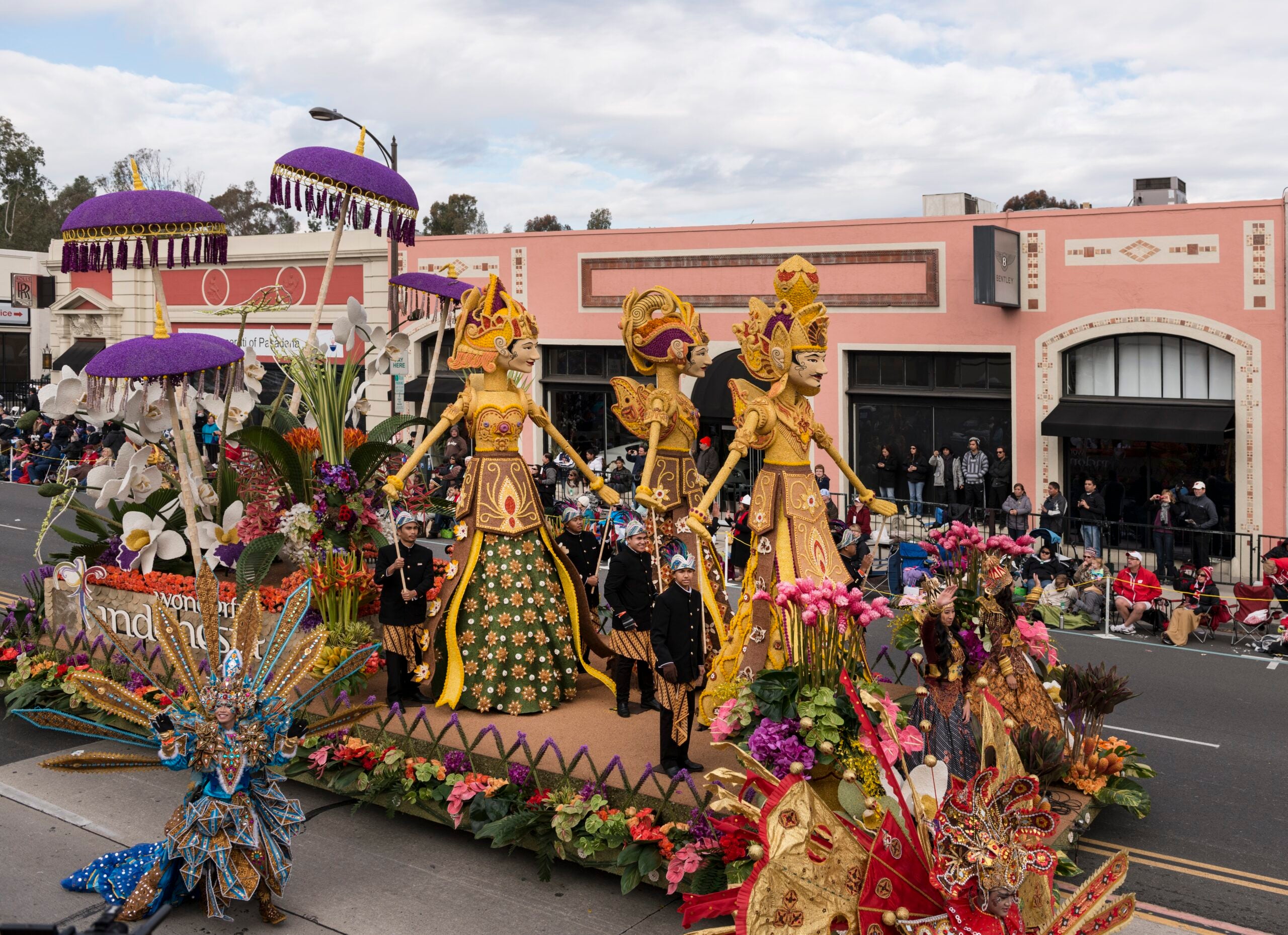
Image 33.02.10 — Southern California is a vital center for Indonesian American community formation and has the largest Indonesian American population in the country. Pictured here is an Indonesian float as part of the 2013 Rose Parade in Pasadena, California.
A significant number of first-generation immigrant community members have become American citizens, a reflection of these people’s decisions to establish new homes in the United States. As more of the American-born population enter the workforce and take on leadership roles in US culture, the Indonesian American community will continue to evolve in terms of identity and visibility.
Glossary terms in this module
colonization Where it’s used
The act in which a group or country brings a region under its domination and control, including Indigenous people.
diaspora Where it’s used
The dispersal, movement, migration, or scattering of a people from their established or ancestral homeland.
Immigration Act of 1917 Where it’s used
Also known as the Immigration Act of 1917, this federal law restricted immigration from Asia. This law is most well-known for also creating a “Barred Zone” stretching from the Middle East to Western China, and included islands in the Pacific Ocean.
Indonesian National Revolution Where it’s used
Also known as the Indonesian War of Independence, this was an armed conflict lasting from 1945 to 1949, in which Indonesia sought independence from the Netherlands.
Indos Where it’s used
A term referring to mixed race people with Indonesian and European (often Dutch) ancestry, derived in colonial times from the category “Indo Europeans.”